Author: blastosnr

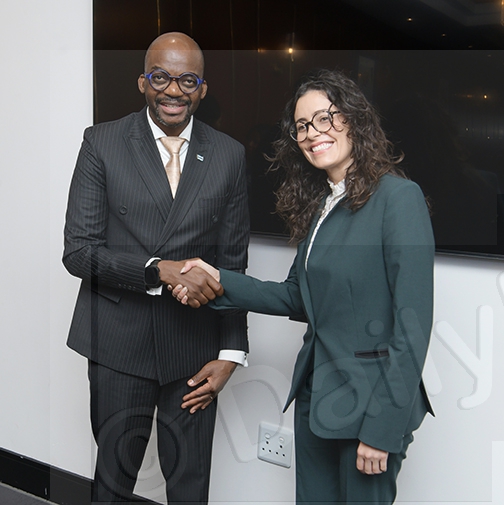
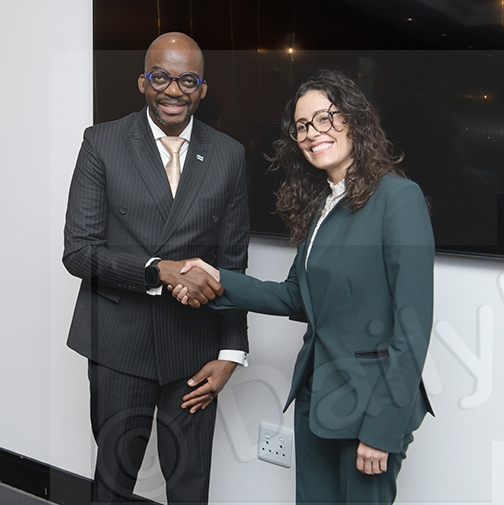
  • Chief Justice Mumba Malila with Botswana President Duma Boko in Gaborone, Botswana.

    Chief Justice Mumba Malila with Botswana President Duma Boko in Gaborone, Botswana.

    Chief Justice Mumba Malila with Botswana President Duma Boko in Gaborone, Botswana.

    Dr Malila is leading Zambia’s delegation at the Southern and Eastern Africa Chief Justices’ Forum.

    The forum, which was officially opened by President Boko on Wednesday, has drawn participation from 16 countries in the region.

  • Civil society key in combating illicit financial flows

    Civil society key in combating illicit financial flows

    Civil society organisations have a duty to work toward assisting African nations combat the growing scourge of money laundering,terrorism financing and illicit financial flows.

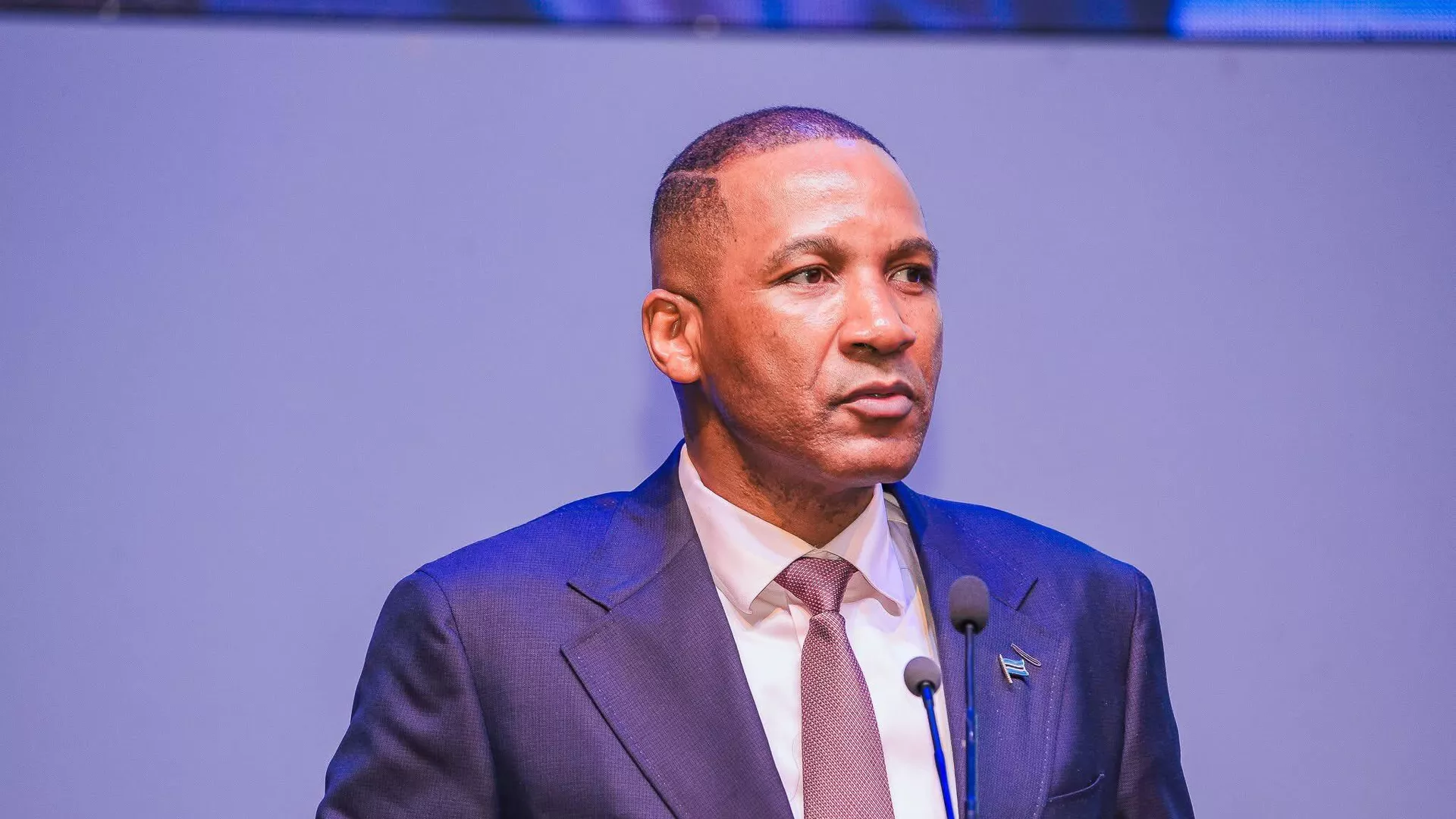
    These were the sentiments echoed by the President Advocate Duma Boko during a keynote address to the High Level Africa Civil Society Conference on Anti-Money Laundering and Countering Financing Terrorism held in Gaborone on October 16 .

    The President urged delegates from civil society institutions across Africa to use their three-day deliberations to engage and introspect on how to best combat money laundering and financing terrorism.

    President Boko said countering the financing of terrorism and illicit financial flows should entail an honest discourse down to the grassroots.

    “Why do we have this big challenge of money laundering? What money is this that is being laundered? Where does it come from? Because we are trying to establish the channels through which it moves and flows. What is its source and origin? Where does it come from? President Boko said.

    He said civil society organisations, which were drawn from the community and work closely with the people at grassroots level, needed to consistently probe those in public office who may partake in the misuse of public funds.

    “When those who hold public office turn the public purse entrusted to them into their own private chest, this is the real problem. These funds, these resources, this wealth is illegally obtained, stolen, obtained corruptly, then channeled and concealed, beyond the reach of crime intelligence organisations. This is what we are wrestling with,” he said.

    Acknowledging that civil society formations in Botswana were weak, owing to a lack of sufficient financing, apart from labour organisations, which relied on the monthly member subscriptions, President  Boko called on trade unions to utilise their resources to be the anchor of national civil society.

    He  called on civil society to also self-introspect how they could be used to partake in or aid and abet illicit financial flows, ‘so that when civil society probes leaders, politicians, they themselves must have already submitted to self-examination.’

    President Boko said Botswana would continue to submit as a country to the evaluations that take place periodically, including an upcoming evaluation in 2027 that would determine whether Botswana was fully compliant with Financial Action Taskforce (FATF) global regulations.

    “We have made impressive strides. But we are not there yet. And sometimes when we celebrate the little successes that we have attained, we might become complacent. Let me remind  government that we are not there yet,” President Boko said.

    The Minister of Labour and Home Affairs, Major General Pius Mokgware buttressed the argument that civil society organisations were key in combating money laundering and terrorism financing.

    He said as largely community based institutions, civil society formations should collaborate into a network that offered strategic direction and accountability to combat the human suffering that is brought about by illicit financial flows.

    For his part, Executive Director of Civic Advisory Hub, Mr Yona Wanjala said Africa lost about US$88 billion (over P1 trillion) annually to illicit financial flows, which throve on the erosion of good governance and human rights, the suppression of oversight and accountability, and thus required an active role by civic organisation in offering a solutionPaula Fass in the introduction to her book The Damned and the Beautiful: American Youth in the 1920s.

  • Botswana unveils $27bn plan to accelerate economic diversification

    Botswana unveils $27bn plan to accelerate economic diversification

    The five-year plan allocates 388 billion pulas to boost growth and jobs.
    • Focus areas include transport, housing, and water infrastructure.
    • The initiative comes amid diamond sector slowdown and weaker reserves.

    The Botswana government has unveiled a five-year, 388 billion pula (about $27 billion) plan to guide the country’s economic transformation and deepen diversification through 2030. Known as the 12th National Development Plan (NDP 12), the framework will serve as the basis for successive budgets.

    According to details reported by Bloomberg, the plan aims to “guide the transformation” of Botswana’s economy and accelerate its diversification. It prioritizes infrastructure investment in transport, housing, and water—key drivers of growth and employment. Funding will come from public-private partnerships, community contributions, and institutional investors. About 287 billion pulas are earmarked for new projects, with the remainder for ongoing programs.

    The plan comes at a challenging time for Botswana’s economy. In a September report, the International Monetary Fund (IMF) projected a 1 % contraction in 2025 after a 3 % slowdown in 2024, driven mainly by weaker performance in the diamond sector.

    As the world’s second-largest producer of rough diamonds, Botswana faces falling global demand and rising competition from synthetic stones. S&P Global Ratings recently downgraded the country’s sovereign rating from BBB+ to BBB with a negative outlook, citing declining mining revenues, fiscal deterioration, and eroding foreign reserves.

    President Duma Boko, who took office earlier this year, has placed diversification at the center of his agenda. In June 2025, he launched the Botswana Economic Transformation Program (BETP) to promote services, regional finance, and inclusive growth. Three months later, a sovereign wealth fund was created to invest in productive assets and finance long-term development using only the fund’s returns.

    Gaborone and De Beers established the Diamonds for Development Fund, worth 1 billion pulas, to support smart agriculture, energy, and tourism.

    The NDP 12 thus represents a new phase in Botswana’s ongoing effort to diversify its production base. Once approved by Parliament—where debates are expected to continue until November—it will need to demonstrate its ability to turn policy ambitions into concrete results.

    In its recent report, the IMF welcomed government efforts to cut inefficient public spending, prioritize investment, and encourage private-sector-led growth. It also called for stronger domestic revenue mobilization, rationalized expenditure, and a better business climate to attract investors.

  • Diamond-rich Botswana declares national public health emergency

    Diamond-rich Botswana declares national public health emergency

    Botswana has declared a public health emergency as it faces a shortage of essential medicines and medical equipment.

    President Duma Boko made the announcement in a televised address on Monday, setting out a multimillion-dollar plan to rectify the supply chain involving military oversight.

    Managing the shortages would be “highly price sensitive due to our limited coffers”, he told the nation.

    The economy of Botswana, which has a population of 2.5 million, has been hit by a downturn in the international diamond market, as it is one of the world’s leading diamond producers. This strain, further fuelled by US aid cuts, has seen high levels of unemployment and poverty, according to media reports.

    “The work shall remain nonstop until the entire value chain of procurement has been fixed,” Boko said in his address, announcing that the finance ministry had approved 250m pula (£13.8m, $18.3m) in emergency funding.

    The president, a 55-year-old Harvard-trained lawyer, made history when his Umbrella for Democratic Change (UDC) won a landslide in elections at the end of last year, ousting the party that had governed for 58 years.

    Before taking office, he said his main focus would be to fix an economy too reliant on diamonds.

    Earlier this month, the country’s health ministry said that it was facing “significant challenges”, including medical shortages and debts of more than 1bn pula (£55.2m).

    The bulk of these debts was due to patients being admitted to private hospitals for services that were not publicly available.

    Shortages listed by the Health Minister Dr Stephen Modise included medicines and supplies for managing cancers, HIV treatments and tuberculosis among others.

    Before the cuts to US aid issued by President Donald Trump, the US funded a third of Botswana’s HIV response, according to UNAIDS.

    The Ministry for Health also temporarily suspended referrals for elective surgeries and non-urgent medical conditions as a result of these challenges, including organ transplant surgeries.

    But the government remained positive.

    “I have no doubt that soon, very soon, we will overcome. This is definitely not insurmountable,” Dr Modise said.

    As part of the military’s distribution efforts, the first trucks were due to leave the capital, Gaborone, on Monday and arrive in remote areas by the evening, Reuters news agency reported.

    The UN children’s agency (Unicef) has called for “urgent action” in the country to “protect the health and future of every child in Botswana”.

    It noted that “malnutrition is a daily struggle” in the town of D’Kar, saying “the president’s call underscores what we witness on the ground”.

  • Mining sovereignty: Botswana imposes 24% local ownership in every new mine

    Mining sovereignty: Botswana imposes 24% local ownership in every new mine

    Botswana has officially implemented new regulations requiring mining companies to allocate a minimum 24% stake to local investors in any new concession, in case the State chooses not to exercise its acquisition right. The announcement was made on October 10 by the Ministry of Minerals and Energy, marking a major step in the country’s strategy……

  • Botswana ‘on the verge of zero tariff deal with US on diamonds’, president tells BBC

    Botswana ‘on the verge of zero tariff deal with US on diamonds’, president tells BBC

    Good web design has visual weight, is optimized for various devices, and has content that is prioritized for the medium. The most important elements of a web page should have more visual weight to “naturally attract” a visitor’s attention.

    Optimization for various types of devices and resolutions plays a fundamental role in modern website design. Web page layouts should be genuinely responsive and not rely on any fixed-size elements. Web designers using fluid grids and flexible images will guarantee that a web page will render well on a variety of devices, windows, and screen sizes.

    Good design is making something intelligible and memorable. Great design is making something memorable and meaningful.

    Dieter Rams

    Most users search for something interesting (or useful) and clickable; as soon as promising candidates are found, users click. If the new page doesn’t meet users’ expectations, the back button is clicked and the search process is continued.

    A good website should be easy to navigate

    Not all websites are made equal. Some websites are simple, logical, and easy to use. Others are a messy hodgepodge of pages and links.

    How are innovations in robotics changing the way we perceive the world?

    Without website navigation, your visitors can’t figure out how to find your blog, your email signup page, your product listings, pricing, contact information, or help docs.

    Quick and easy access to the content they’re after is more important for your website users than a… visually-stunning design.

    Website navigation allows visitors to flow from one page to another without frustration. If you’ve done your job well, visitors leave your site with the intention to return and might even buy something from you or sign up for your email list.

    Bad navigation is an especially common problem. We’ve all struggled to find things on disorganized websites without any logical structure. It feels hopeless.

    Using “complex large pictures”. Because a carousel generally carries a lot of picture messages, complex large pictures result in low performance and “slow loading rate” of the sites, especially those whose first homepages are occupied by high-resolution carousels.

    Creating visual rhythms in your layouts

    In design, rhythm is created by simply repeating elements in predictable patterns. This repetition is a natural thing that occurs everywhere in our world. As people, we are driven everyday by predictable, timed events.

    Why does Bluetooth use lossy rather than lossless compression

    One of the best ways to use repetition and rhythm in web design is in the site’s navigation menu. A consistent, easy-to-follow pattern—in color, layout, etc. Gives users an intuitive roadmap to everything you want to share on your site.

    Rhythm also factors into the layout of content. For example, you “might have” blog articles, press releases, and events each follow their own certain layout pattern.

    Elements that can help website visual composition

    Nobody enjoys looking at an ugly web page. Garish colors, cluttered images and distracting animation can all turn customers “off” and send them shopping “somewhere else”. Basic composition rules to create more effective:

    • Direct the Eye With Leading Lines
    • Balance Out Your Elements
    • Use Elements That Complement Each Other
    • Be clear about your “focal points” and where you place them

    The size and position of elements in a composition will determine its balance. An unbalanced design generates tension, which may be the goal in many design projects, but for web apps that demand repeated comfortable use, tension is not a desirable trait.

    Diving into UX and UI design

    UX and UI: Two terms that are often used interchangeably, but actually mean very different things. So what exactly is the difference?

    Styles come and go. Good design is a language, not a style.

    Massimo Vignelli

    UX design refers to the term “user experience design”, while UI stands for “user interface design. Both elements are crucial to a product and work closely together. But despite their relationship, the roles themselves are quite different.

    Ensure that interactive elements are easy to identify

    Good design guides the user by communicating purpose and priority. For that reason, every part of the design should be based on an informed decision” rather than an arbitrary result of personal taste or the current trend.

    Why you should travel with friends?

    Provide distinct styles for interactive elements, such as links and buttons, to make them easy to identify. For example, “change the appearance of links” on mouse hover, “keyboard focus”, and “touch-screen activation”.

    Breaking down the barriers

    Design is not the end-all solution to all of the worlds problems — but with the right thinking and application, it can definitely be a good beginning to start tackling them.