Author: blastosnr

  • Air Botswana to Sell Three Aircraft

    Air Botswana to Sell Three Aircraft

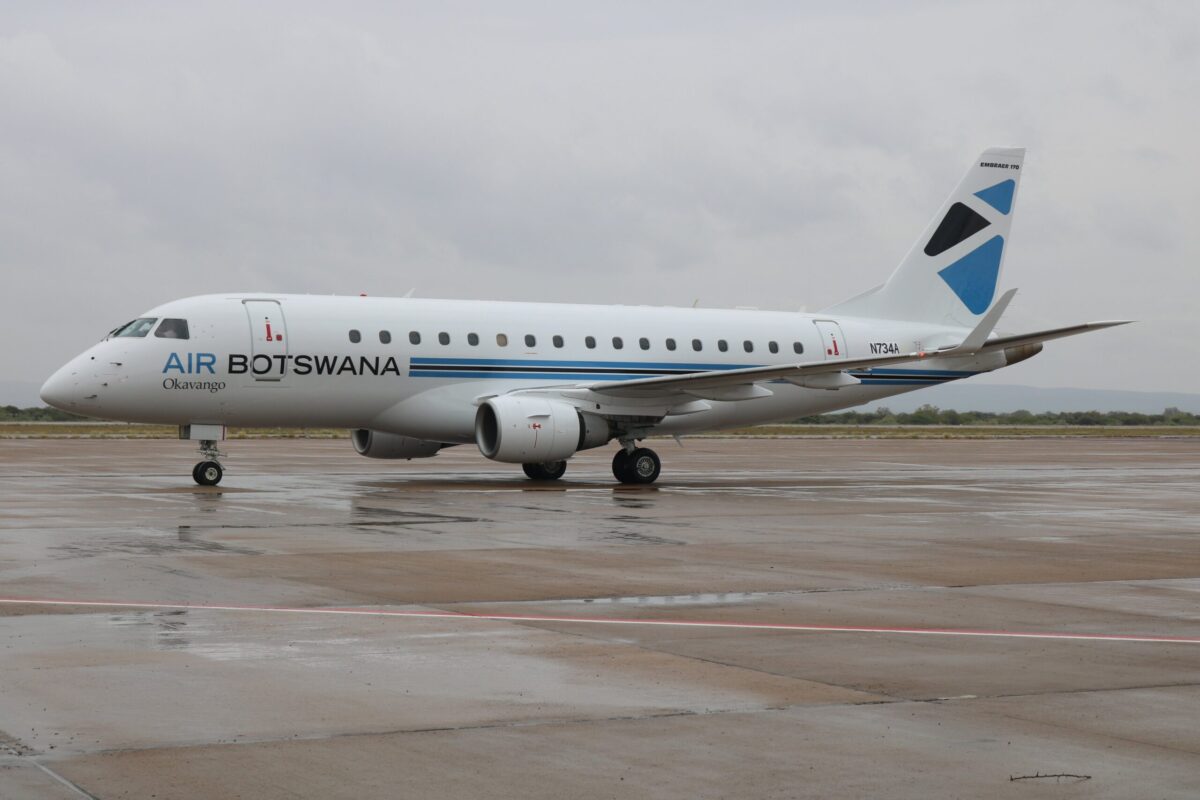
    Botswana’s national carrier, Air Botswana, will sell off three aircraft from its current fleet.

    The sale includes two Embraer ERJ-145s and an E175.

    This is a significant move since the airline only has six aircraft, and when the sale is completed, Air Botswana will lose half its fleet.

    The aircraft have been grounded for some time and are now a drain on state resources, government officials said.

    Air Botswana currently operates its flight schedule with just an Embraer E-70 and two ATR 72-600s.

    From its hub in Gaborone, the carrier flies to Francistown, Maun, and Kasane in Botswana; Johannesburg, Durban, and Cape Town in South Africa; Windhoek, Namibia; Harare, Zimbabwe; and Lusaka, Zambia.

    Burden on State Resources

    Botswana’s President, Duma Boko, said in a televised interview that buyers for the aircraft have already been found. In the future, Air Botswana will wet-lease aircraft instead of buying them, he added.

    “Instead of going out and doing wet-leases for aircraft, you go and buy aircraft, many of which are now grounded, so you’ve parked financial resources that we could otherwise have used in the industry,” he said, describing the airline’s past approach. “So these are some of the decisions that served to delay and or impede progress.”

    Lack of ‘Industry Experience’

    Boko put the situation down to inadequate aviation experience among previous members of Air Botswana’s management team.

    “Many of them did not have industry experience, and so decisions that were taken tended to be decisions that were not informed by any real experience and/or outcomes that would help the industry,” he said.

    The two ERJ-145s, received in the second half of 2024, had been operated on behalf of Air Botswana by Namibia’s charter/ACMI operator, Westair Aviation. This was because of regulatory obstacles to registering the aircraft in Botswana.

    Ch-Aviation reported that Air Botswana’s pilots and engineers were also not familiar with the ERJ-145 aircraft.

    The E175, received in August last year, had been grounded for over eight months. This is due to regulatory delays by Botswana’s Civil Aviation Authority regarding the approval of the E175’s manuals.

  • Historic Gem Discovery – 2,488-Carat Diamond Unearthed in Botswana, The Second Largest Ever Found May Be Destined for a Museum or Royal Palace

    Historic Gem Discovery – 2,488-Carat Diamond Unearthed in Botswana, The Second Largest Ever Found May Be Destined for a Museum or Royal Palace

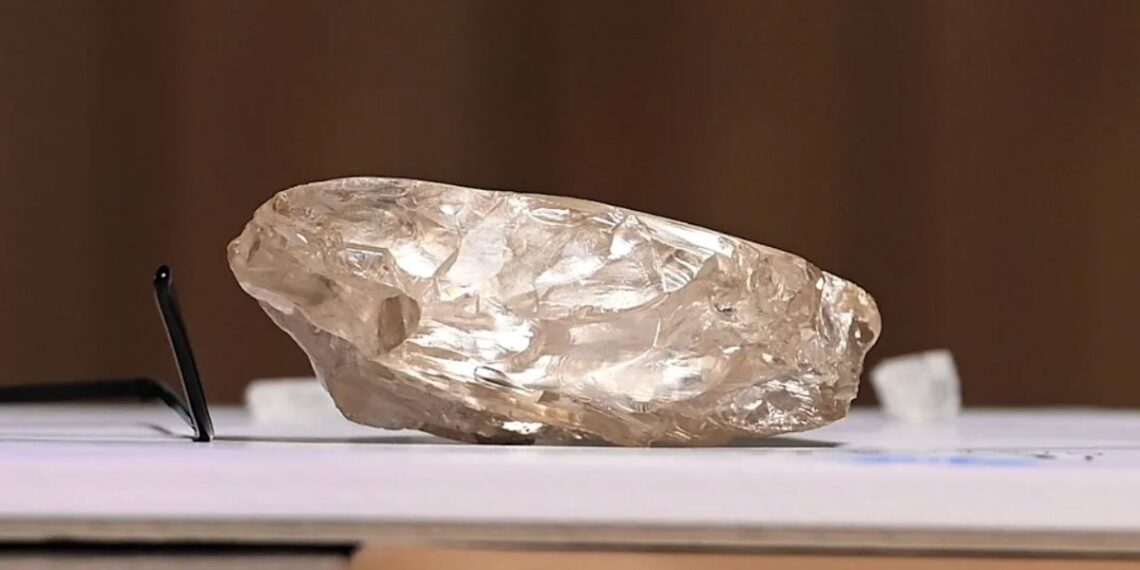
    Botswana has once again made headlines in the world of precious stones with the discovery of a breathtaking diamond that may change gem history. Unearthed at the Karowe mine, the massive stone, named Motswedi—meaning “spring of water” in Setswana—weighs an astonishing 2,488 carats and more than a pound. This find now ranks as the second largest diamond ever discovered, trailing only the legendary Cullinan diamond from 1905.

    Currently being analyzed in Antwerp, Belgium, this rough diamond is still under study to determine its full value. But early estimates suggest it could be worth close to $100 million, depending on how much of it can be cut and polished.

    Also See- Mark Your Calendar — $1,702 Stimulus Payment Arrives Just in Time for Halloween for Eligible Recipients

    Motswedi

    Motswedi isn’t just a gem—it’s a symbol of nature’s rarest marvels. Found deep in the Karowe mine, which has become synonymous with world-class diamond finds, this extraordinary stone stands as a geological miracle. The name Motswedi, meaning a spring or underground water flow, is fitting for a diamond that has surfaced from the Earth’s hidden depths.

    Read Also-

    It joins an elite group of colossal diamonds and draws attention not only from investors and collectors but also from historians and gemologists around the world.

    Themine

    The Karowe mine, located in northeastern Botswana, is already famous for producing some of the largest diamonds ever seen. Owned by Canada-based Lucara Diamond in partnership with Belgium’s HB Antwerp, this mine is proving to be one of the most significant diamond-producing sites on the planet.

    It’s also where the third-largest diamond, Sewelo (1,758 carats), was found in 2019. And now, with Motswedi, the mine continues to build its legacy as the ground where history is literally dug up.

    Antwerp

    As with all major finds, the next steps are crucial. The Motswedi diamond is currently in Antwerp, a global hub for diamond processing and trading. Experts there are carefully analyzing the stone’s interior structure to understand what kind of polished diamonds can be extracted.

    According to HB Antwerp spokesperson Margot Doquier, “It’s too early to assign a market price. The true value depends on what can be cut from the rough stone.” These early stages are critical, as the stone’s internal flaws or purity will determine whether it ends up as a single gem or is split into multiple stones.

    The Value

    While its final valuation remains undetermined, experts believe the Motswedi could be worth around $100 million. But beyond its price tag, the diamond carries cultural and historic weight, with the potential to become a centerpiece in a crown, necklace, or even a museum exhibit.

    That said, its future could also lie in private hands. As Doquier noted, “It’s possible that a stone like this could end up in a private collection, maybe even with a royal family or a wealthy sheikh.”

    Legacy

    Botswana has played a central role in the diamond industry for decades, and it shows no sign of slowing down. With every major find, it continues to prove its place as a global gem leader. The country’s responsible mining practices and strong partnerships with international firms ensure that its diamond discoveries gain the attention they deserve.

    Let’s not forget the Cullinan diamond—the largest diamond ever found at 3,106 carats—which was discovered in South Africa in 1905. It was later cut into several stones, the most famous of which is the “Star of Africa,” now part of the British Crown Jewels and housed in the Tower of London.

    Whether Motswedi follows a similar path or ends up in private hands, it will undoubtedly become part of gemological lore.

    What’s Next

    So, what happens now? The diamond will continue to be studied in Antwerp, after which decisions will be made about how to cut and sell it—or whether it should be displayed in its natural form. It could be sold at auction, turned into smaller cut stones, or preserved as a once-in-a-century museum exhibit.

    For now, its future is still undecided. But it has already made history.

    FAQs

    Where was the Motswedi diamond found?

    At the Karowe mine in northeastern Botswana.

    How heavy is the Motswedi diamond?

    It weighs 2,488 carats, over one pound.

    What does ‘Motswedi’ mean?

    It means ‘spring of water’ in Setswana.

    How much is Motswedi worth?

    It’s estimated at around $100 million, pending analysis.

    Who owns the Karowe mine?

    Lucara Diamond and HB Antwerp jointly own the mine
  • Botswana VP takes investment drive to Europe after US visit

    Botswana VP takes investment drive to Europe after US visit

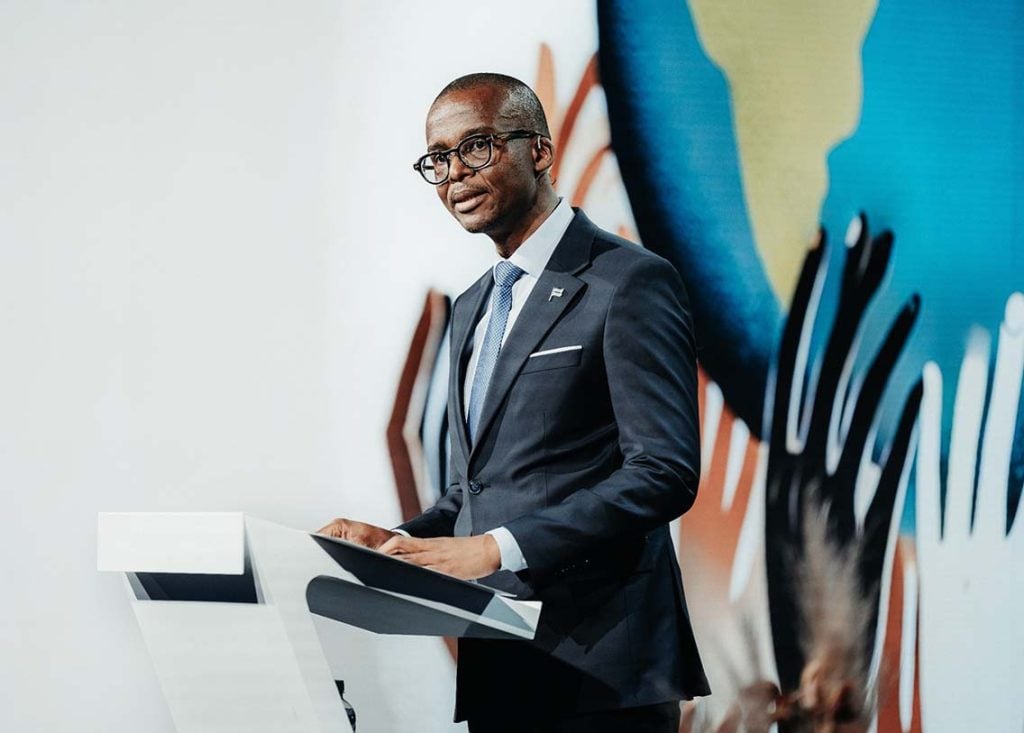
    Botswana Vice President and Finance Minister Ndaba Gaolathe has concluded a two-week working visit to the US where he attended the 2025 IMF and World Bank Spring Meetings and immediately shifted his diplomatic efforts to Switzerland and the United Kingdom.

    During his US mission, Gaolathe held high-level discussions with global financial institutions and addressed audiences at MIT and George Washington University, reinforcing Botswana’s economic reform agenda and investment potential.

    “These platforms provided the Vice President with a unique opportunity to present Botswana’s reform agenda and to reinforce the country’s position as a reliable and forward-thinking development partner,” the Botswana government statement said in a statement on Tuesday.

    A key milestone of the visit was the signing of a memorandum of understanding with Luxembourg aimed at positioning Botswana as an emerging financial services hub in Africa.

    Following engagements with IMF, World Bank, OPEC Fund and Japanese development agencies, Gaolathe is now set to extend his diplomatic push to Europe where he will participate in major economic fora and investor discussions.

    In Switzerland, he will deliver a keynote speech at the St. Gallen Symposium where he will outline Botswana’s vision for resilience in a shifting global economy.

    In London, he will speak at the Cambridge Africa Together Conference 2025 and lead investment roundtables focusing on financial services, renewable energy, critical minerals and eco-tourism.

    Gaolathe is expected to return to Botswana on May 15, with Assistant Minister of Communications and Innovation Shawn Nthaile acting as finance minister in his absence.

  • Botswana’s ODC sets first contract diamond sales for November

    Botswana’s ODC sets first contract diamond sales for November

    Diamonds are displayed during a visit to the De Beers Global Sightholder Sales (GSS) in the capital Gaborone in Botswana November 24, 2015. REUTERS/Siphiwe Sibeko/File Photo Purchase Licensing Rights, opens new tab

    GABORONE, Oct 15 (Reuters) – Botswana’s state-owned Okavango Diamond Company will start selling diamonds to contracted buyers next month, as it diversifies its sales channels under the government’s new deal with De Beers, managing director Mmetla Masire said on Wednesday.

    ODC’s allocation in the production of Debswana – the government’s 50-50 joint venture with De Beers – was increased to 30% from 25% in the new ten-year deal signed in February, with its share to reach 40% at the end of the agreement.

    The Reuters Daily Briefing newsletter provides all the news you need to start your day. Sign up here.

    A clause in the previous deal, which prevented ODC from directly competing with De Beers on contract sales, has fallen away.

    “We are targeting our first sales through this channel in November, with our first two being pilot sales before we go full scale on the third,” Masire told a mining conference.

    STRUGGLING DIAMOND MARKET A PROBLEM FOR BOTSWANA

    Masire told Reuters in May that ODC aimed to sell about 40% of its supply through contract sales, with the balance to be sold through auctions, strategic partners and Botswana-based companies.

    The global diamond market is in a protracted downturn, with demand declining amid a supply glut and the rising popularity of lab-grown diamonds weighing on rough diamond prices.

    ODC in 2023 temporarily halted its rough stone sales as part of an industry-wide drive to reduce the glut. The company held an auction on September 25 but decided to hold on to its gems, citing “conditions that could have resulted in a significant negative impact on the market”.

    ODC’s revenues in 2024 were about 60% of the previous year due to the downturn, according to Masire, but the company was seeing some stability in the market. Its last three auctions delivered small positive margins, up from the double-digit losses at the same time last year.

    Botswana gets 30% of its revenues and 75% of its foreign exchange revenues from diamonds and the current market downturn saw the economy contract by 3% in 2024, with the IMF forecasting a further 1% contraction this year.

    Reporting by Brian Benza. Editing by Nelson Banya and Mark Potter

  • President Duma Boko Outlines Botswana’s Vision for a Diversified and Investor-Friendly Economy

    President Duma Boko Outlines Botswana’s Vision for a Diversified and Investor-Friendly Economy

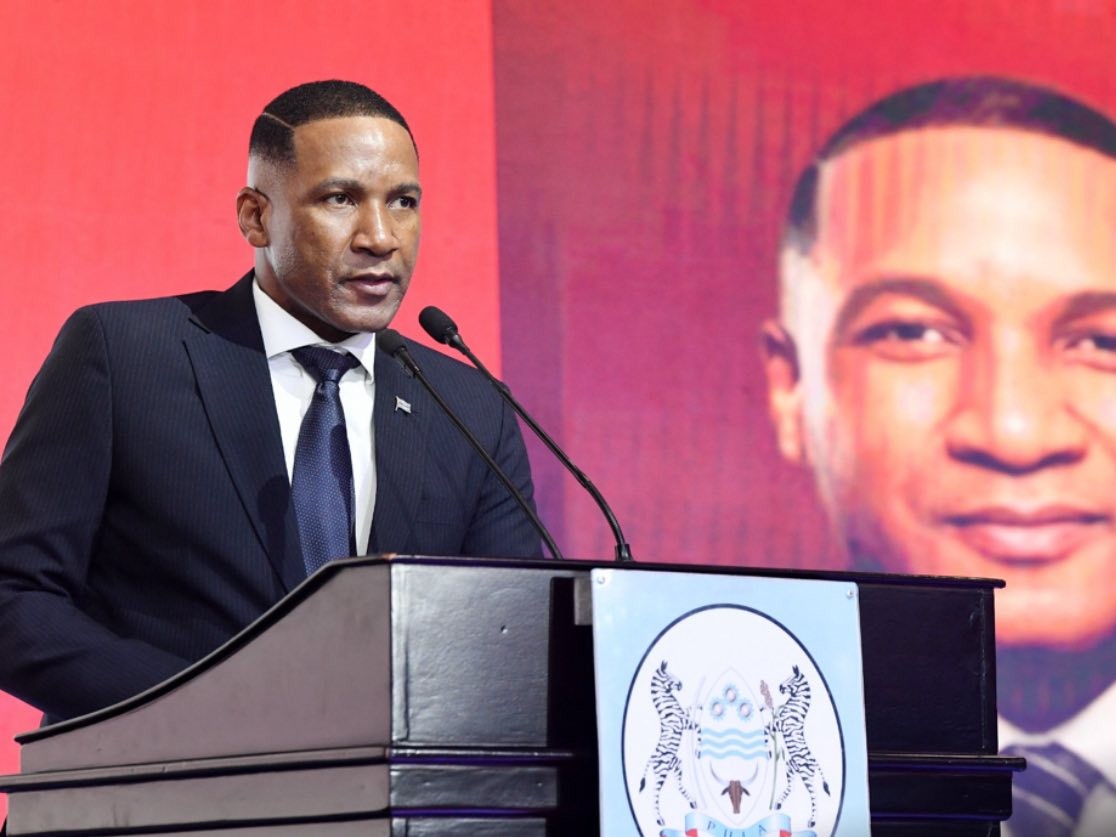
    President Advocate Duma Gideon Boko has reaffirmed Botswana’s commitment to creating a competitive, inclusive, and investor-friendly economy during his keynote address at the Pula Investment Conference. The event, held alongside the North Ground Bullard Investment Conference, brought together investors, policymakers, and business leaders to explore high-potential opportunities and strengthen Botswana’s position as a preferred destination for global investment.

    “Our vision is clear,” President Boko stated. “We aim to become a high-income, digitally-enabled, export-driven, people-centered, and diversified nation. But to achieve this, we must transform, urgently and decisively.”

    The President’s address focused on Botswana’s long-term development vision and the structural reforms needed to achieve it. He acknowledged the country’s over-reliance on diamonds, describing it as both a strength and a vulnerability. To ensure future stability and growth, he called for innovation, digital transformation, and economic diversification across emerging industries.

    “The global economy is changing,” he said. “We must not only adapt to it but also shape our path within it. Disruptive thinking and technological innovation will drive Botswana’s next phase of growth.”

    As part of the conference, President Boko unveiled Botswana’s Investment Deal Book, a comprehensive portfolio of 66 transformative projects. The publication includes 52 private-sector ventures and 14 public-sector initiatives spanning key industries such as agriculture, mining, manufacturing, information and communication technology, and healthcare.

    He highlighted the Investment Deal Book as a roadmap for investors seeking credible, high-impact projects in Botswana. “This collection represents the best of what Botswana has to offer — opportunities that are ready for investment, backed by strong governance, and designed for long-term sustainability,” he said.

    President Boko also commended the Botswana Investment and Trade Centre (BITC) for its ongoing role in promoting investment and expanding the country’s global presence. He confirmed that Botswana will participate in the upcoming Africa Financial Services Investment Conference in London, where 14 flagship projects from the Deal Book will be presented to international investors.

    He used the platform to address governance and institutional efficiency, stressing that reforming public institutions is key to building investor confidence. “Good governance is the foundation of economic transformation,” he said. “We are committed to creating a transparent, efficient, and accountable public sector that supports rather than hinders growth.”

    Concluding his address, President Boko emphasized that the Pula Investment Conference marked more than just an exchange of ideas — it signaled a collective commitment to action. “This conference is not merely a forum,” he said. “It is a call to action. Together, let us invest, build, and transform Botswana into a resilient, sustainable, and globally competitive economy.”

    The conference ended with renewed optimism from both domestic and international investors, reinforcing Botswana’s ambition to redefine its economic future through innovation, diversification, and strong leadership.

  • Unipesa ties up with Mobipay Botswana for cross-border payments

    Unipesa ties up with Mobipay Botswana for cross-border payments

    Africa-based fintech company Unipesa has joined forces with Mobipay Botswana to enhance cross-border payment services.

    The collaboration aims to extend financial inclusion within Botswana by combining Unipesa’s fintech platform with Mobipay’s local market expertise to offer digital financial services.

    The partnership is set to optimise cross-border payment efficiency by expediting money transfers and reducing transaction costs.

    Additionally, the tie-up will enable digital avenues for a wide array of users, including small businesses and individuals without bank accounts.

    Unipesa will be providing the technological framework and regulatory guidance for the initiative, while Mobipay Botswana will contribute its local market expertise and its distribution capabilities.

    The combined efforts will introduce new services such as remittances, mobile money, merchant payments, and digital wallets.

    Unipesa chief product officer Pavel Laptev said: “This partnership is about more than just payments. It’s about empowering communities with real financial access.

    “By combining Unipesa’s regional technology platform with Mobipay’s local networks, we’re creating a bridge for individuals and businesses to move money securely and efficiently across borders.”

    Velex Investments as an early backer has been crucial in Unipesa’s expansion throughout Africa.

    It endorsed the company with scalable and regulatory platform, as well as its capacity to enable genuine financial access across national boundaries.

    MobiPay Botswana founder Benjamin Molotsi said: “Botswana is ready for the next leap in digital payments, and partnering with Unipesa allows us to accelerate that transition.

    “Our mission has always been to provide reliable, accessible, and affordable payment solutions. This partnership strengthens that mission.”

    “Unipesa ties up with Mobipay Botswana for cross-border payments ” was originally created and published by Electronic Payments International, a GlobalData owned brand.

  • Namibia and Botswana to review all bilateral agreements

    Namibia and Botswana to review all bilateral agreements

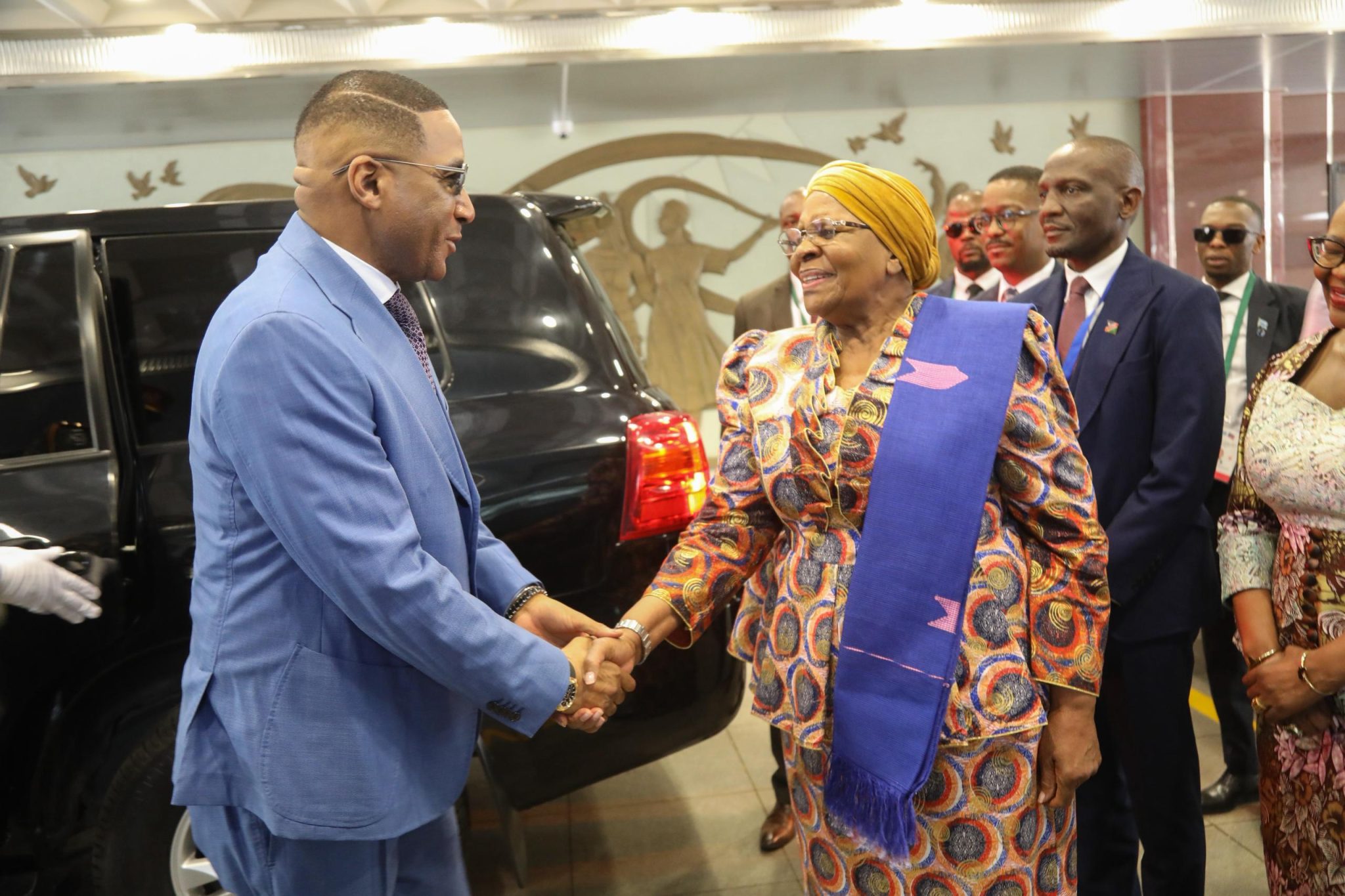
    resident Netumbo Nandi-Ndaitwah has announced that Namibia and Botswana will review all bilateral agreements.

    She said this during the second session of the Namibia-Botswana Bi-National Commission (BNC) at State House on Friday.

    This vision, she said, aims for peace and stability, not only for the two countries but across Africa.

    “I am encouraged particularly, as we are going to thoroughly review all our bilateral cooperation and agreements. Agreements which we are going to sign today will serve as a clear example of our shared vision to turn this into tangible growth,” she said.

    “We must create jobs and empower our women with skills to drive our economic growth,” she said.

    The one-stop border implementation between Walvis Bay Port and Gaborone, the 24-hour border operations and acceptance of identity documents, she said, has made transportation more accessible.

    She said collaboration extends beyond just bilateral issues, adding that the world now lives in the age where multilateralism is being challenged.

    She called for peace in the region and the world, referring to Palestine, and the end of illegal sanctions on Zimbabwe and Venezuela and economic embargoes on Cuba.

    Botswana president Duma Boko says the two countries must use a business-as-usual approach and embrace the circumstances that both countries face to create change in people’s lives.

    He says the reviews will cast out outdated strategies and realign them with renewed strategies.

    He adds that the two countries should not seek to outcompete each other, highlighting the need for collaboration on common goals and outcomes.

    “We need each other desperately, and despite the fact that we need each other, we also pose immense danger to each other,” he adds.

    Boko says Namibia and Botswana must be doers, not doubters, despite challenges.

    “The people are hungry, unfed, unhosed, they want to eat and work, they want to make meaningful living within their borders. The expectations are enormous,” he says.

    Boko says the two countries must compliment each other with work and deeds, not just words.

  • UB graduates step into the digital era

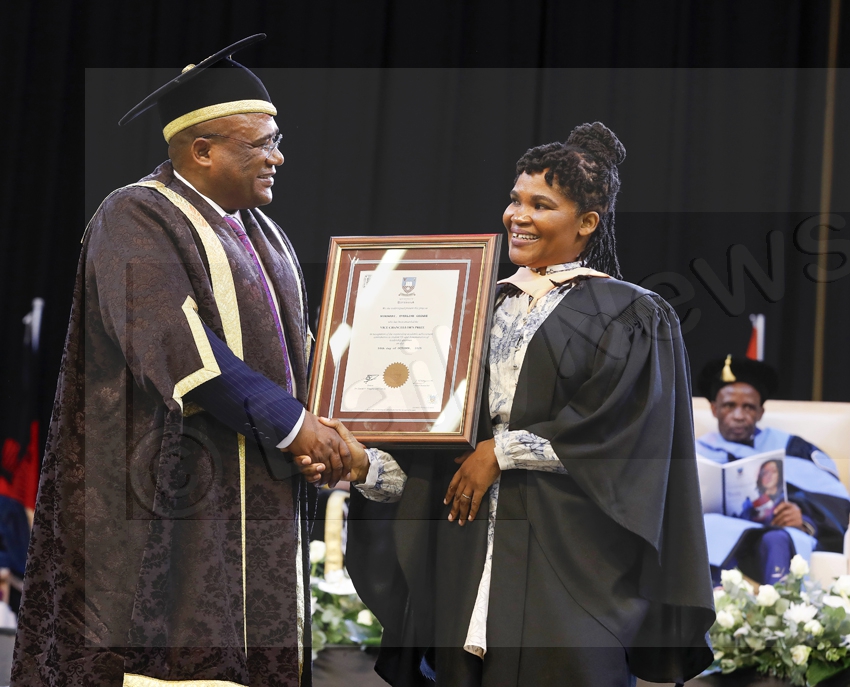
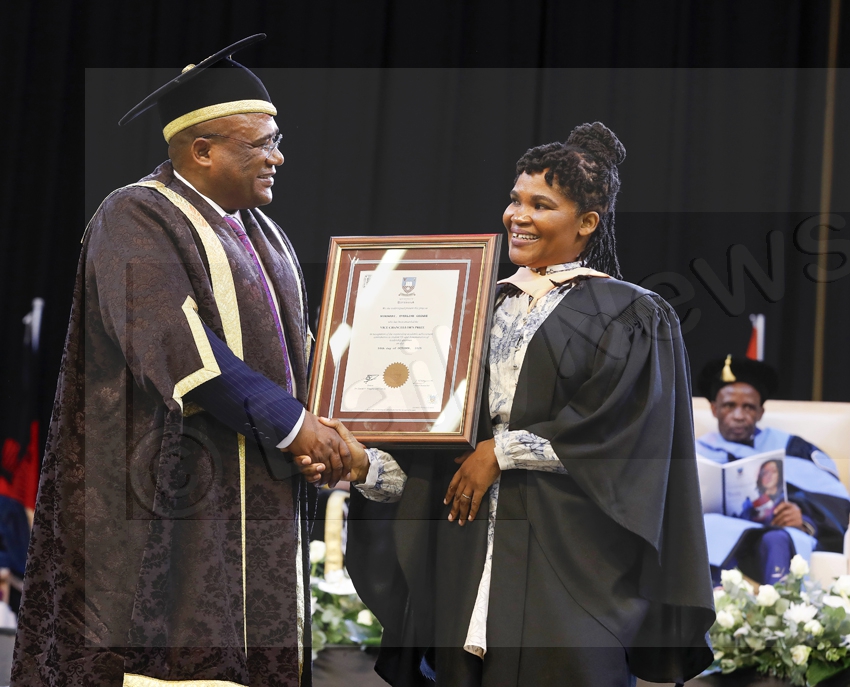
    UB graduates step into the digital era

    Civil society organisations have a duty to work toward assisting African nations combat the growing scourge of money laundering,terrorism financing and illicit financial flows.

    These were the sentiments echoed by the President Advocate Duma Boko during a keynote address to the High Level Africa Civil Society Conference on Anti-Money Laundering and Countering Financing Terrorism held in Gaborone on October 16 .

    The President urged delegates from civil society institutions across Africa to use their three-day deliberations to engage and introspect on how to best combat money laundering and financing terrorism.

    President Boko said countering the financing of terrorism and illicit financial flows should entail an honest discourse down to the grassroots.

    “Why do we have this big challenge of money laundering? What money is this that is being laundered? Where does it come from? Because we are trying to establish the channels through which it moves and flows. What is its source and origin? Where does it come from? President Boko said.

    He said civil society organisations, which were drawn from the community and work closely with the people at grassroots level, needed to consistently probe those in public office who may partake in the misuse of public funds.

    “When those who hold public office turn the public purse entrusted to them into their own private chest, this is the real problem. These funds, these resources, this wealth is illegally obtained, stolen, obtained corruptly, then channeled and concealed, beyond the reach of crime intelligence organisations. This is what we are wrestling with,” he said.

    Acknowledging that civil society formations in Botswana were weak, owing to a lack of sufficient financing, apart from labour organisations, which relied on the monthly member subscriptions, President  Boko called on trade unions to utilise their resources to be the anchor of national civil society.

    He  called on civil society to also self-introspect how they could be used to partake in or aid and abet illicit financial flows, ‘so that when civil society probes leaders, politicians, they themselves must have already submitted to self-examination.’

    President Boko said Botswana would continue to submit as a country to the evaluations that take place periodically, including an upcoming evaluation in 2027 that would determine whether Botswana was fully compliant with Financial Action Taskforce (FATF) global regulations.

    “We have made impressive strides. But we are not there yet. And sometimes when we celebrate the little successes that we have attained, we might become complacent. Let me remind  government that we are not there yet,” President Boko said.

    The Minister of Labour and Home Affairs, Major General Pius Mokgware buttressed the argument that civil society organisations were key in combating money laundering and terrorism financing.

    He said as largely community based institutions, civil society formations should collaborate into a network that offered strategic direction and accountability to combat the human suffering that is brought about by illicit financial flows.

    For his part, Executive Director of Civic Advisory Hub, Mr Yona Wanjala said Africa lost about US$88 billion (over P1 trillion) annually to illicit financial flows, which throve on the erosion of good governance and human rights, the suppression of oversight and accountability, and thus required an active role by civic organisation in offering a solution

  • Chief Justice Mumba Malila with Botswana President Duma Boko in Gaborone, Botswana.

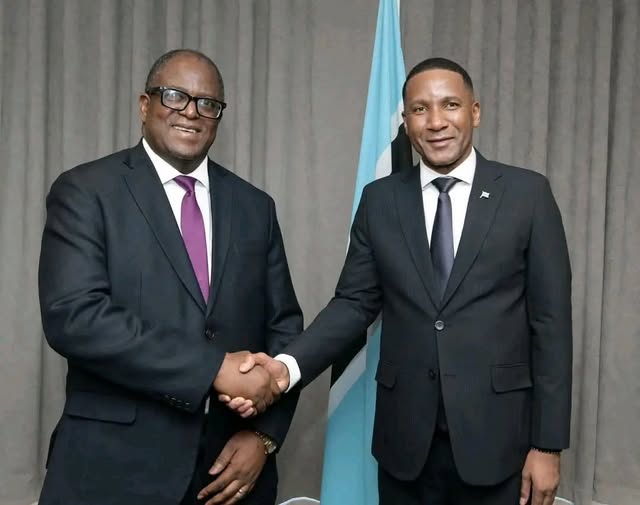
    Chief Justice Mumba Malila with Botswana President Duma Boko in Gaborone, Botswana.

    Chief Justice Mumba Malila with Botswana President Duma Boko in Gaborone, Botswana.

    Dr Malila is leading Zambia’s delegation at the Southern and Eastern Africa Chief Justices’ Forum.

    The forum, which was officially opened by President Boko on Wednesday, has drawn participation from 16 countries in the region.

  • Civil society key in combating illicit financial flows

    Civil society key in combating illicit financial flows

    Civil society organisations have a duty to work toward assisting African nations combat the growing scourge of money laundering,terrorism financing and illicit financial flows.

    These were the sentiments echoed by the President Advocate Duma Boko during a keynote address to the High Level Africa Civil Society Conference on Anti-Money Laundering and Countering Financing Terrorism held in Gaborone on October 16 .

    The President urged delegates from civil society institutions across Africa to use their three-day deliberations to engage and introspect on how to best combat money laundering and financing terrorism.

    President Boko said countering the financing of terrorism and illicit financial flows should entail an honest discourse down to the grassroots.

    “Why do we have this big challenge of money laundering? What money is this that is being laundered? Where does it come from? Because we are trying to establish the channels through which it moves and flows. What is its source and origin? Where does it come from? President Boko said.

    He said civil society organisations, which were drawn from the community and work closely with the people at grassroots level, needed to consistently probe those in public office who may partake in the misuse of public funds.

    “When those who hold public office turn the public purse entrusted to them into their own private chest, this is the real problem. These funds, these resources, this wealth is illegally obtained, stolen, obtained corruptly, then channeled and concealed, beyond the reach of crime intelligence organisations. This is what we are wrestling with,” he said.

    Acknowledging that civil society formations in Botswana were weak, owing to a lack of sufficient financing, apart from labour organisations, which relied on the monthly member subscriptions, President  Boko called on trade unions to utilise their resources to be the anchor of national civil society.

    He  called on civil society to also self-introspect how they could be used to partake in or aid and abet illicit financial flows, ‘so that when civil society probes leaders, politicians, they themselves must have already submitted to self-examination.’

    President Boko said Botswana would continue to submit as a country to the evaluations that take place periodically, including an upcoming evaluation in 2027 that would determine whether Botswana was fully compliant with Financial Action Taskforce (FATF) global regulations.

    “We have made impressive strides. But we are not there yet. And sometimes when we celebrate the little successes that we have attained, we might become complacent. Let me remind  government that we are not there yet,” President Boko said.

    The Minister of Labour and Home Affairs, Major General Pius Mokgware buttressed the argument that civil society organisations were key in combating money laundering and terrorism financing.

    He said as largely community based institutions, civil society formations should collaborate into a network that offered strategic direction and accountability to combat the human suffering that is brought about by illicit financial flows.

    For his part, Executive Director of Civic Advisory Hub, Mr Yona Wanjala said Africa lost about US$88 billion (over P1 trillion) annually to illicit financial flows, which throve on the erosion of good governance and human rights, the suppression of oversight and accountability, and thus required an active role by civic organisation in offering a solutionPaula Fass in the introduction to her book The Damned and the Beautiful: American Youth in the 1920s.