Author: Daily News

  • Burundi First Lady Returns Home

    Burundi First Lady Returns Home

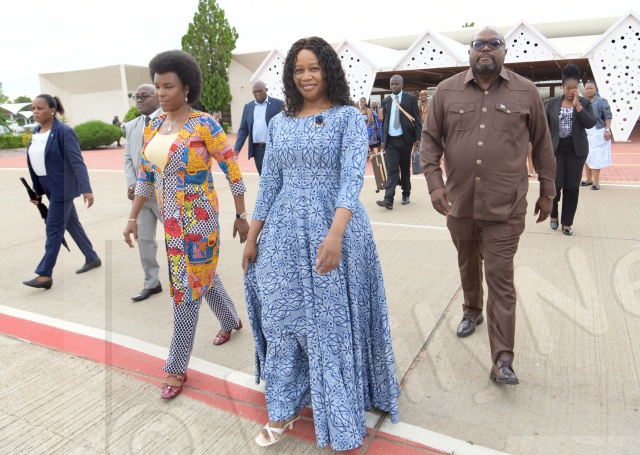
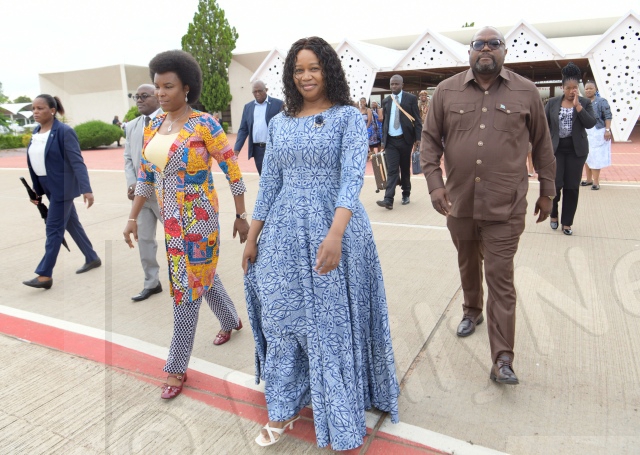
    Burundi First Lady Madame Angeline Ndayishimiye Ndayubaha returns home after completing her two day working day.

    Ms Ndayubahau engaged with First Lady Ms Kaone Boko on  possibilities of collaboration through the Organisation of African First Ladies for Development (OAFLAD).

    The OAFLAD new Strategic Framework 2025-2030 has four strategic pillars of priority: health, education, gender-based violence (GBV), and women’s economic empowerment (WEE) which reflect the organisation’s commitment to addressing the most pressing issues facing children, youth and women.

  • Kearoma Rantao Releases GBV Single Keledi Marameng

    Kearoma Rantao Releases GBV Single Keledi Marameng

    Jazz sensation Kearoma Rantao has released a stirring single aimed at raising awareness and combating Gender-Based Violence (GBV).

    Titled Keledi Marameng, the soulful track produced by Bangu, is a call to action against the escalating GBV crisis affecting households across Botswana.

    Rantao, who is widely recognised not only for her powerful vocals but also for her advocacy against GBV, said the song serves both as a eulogy for victims of violence and a desperate appeal for societal change.

    In an interview, Rantao said artists often poured their hearts into music that speaks for the voiceless, but such messages were frequently sidelined in favour of more commercially popular content.

    “Keledi Marameng is a powerful blend of modern soul and a national cry for justice,” she said”, appealing to radio stations and DJs to give the song airplay.

    She said this is not just a song, but a call for change that needs to be heard. 

    “We are in a national pandemic of GBV, and we cannot afford to let music that addresses it be silenced by the noise of the charts,” she said.

    With haunting melodies that amplify silenced voices, Keledi Marameng, which translates to Tears on the Cheeks is a raw and heart-wrenching response to the national GBV epidemic.

    The song opens with the poignant line, “Ngwana o batla letsele, mmagwe o mo lebitleng” (The child seeks its mother’s breast, but she is in the grave), immediately setting a sombre and reflective tone.

    Rantao said she is not focused on releasing a full album at the moment, having observed that listeners tend to engage more with individual singles.

    Since the release of her 2024 Extended Play (EP), Ina Lebe Kearoma, she has adopted a strategy of releasing music consistently throughout the year to ensure each track receives the attention it deserves. Keledi Marameng is available on Spotify, Apple Music and YouTube. 

  • Mophato Prepare for Camping

    Mophato Prepare for Camping

    The registration for GaNgwaketse mophato  initiation exercise will start in March.

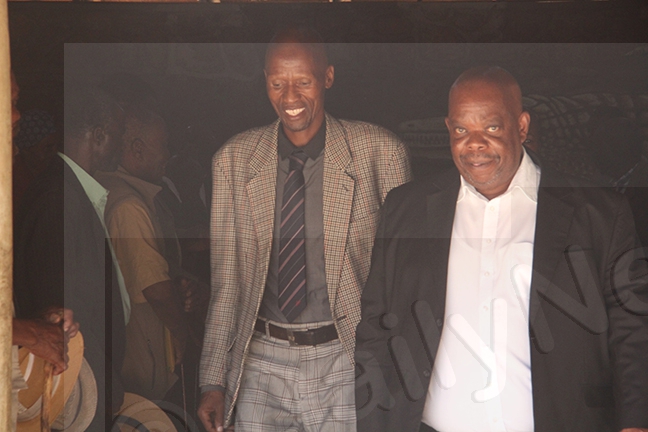
    The aim of the exercise is to instill positivity  and  transform such behaviours into disciplined adulthood through cultural teachings. Addressing a kgotla meeting recently, Kgosi Malope II of Bangwaketse said this year, mophato initiation would include a camping experience aimed at youth aged 1996 to 2000. 

    Kgosi Malope II emphasised the importance of registering those within this age group to facilitate accurate record-keeping. He also urged the community to contribute food for the duration of the camp.

    “Mophato initiation exercise aims to instill discipline, respect, and responsibility, preparing our youth for adulthood,” Kgosi Malope stated. 

    He added that the training not only strengthens community bonds but also teaches collective problem-solving and reinforces cultural identity. He expressed concern over the increasing incidents of gender-based violence related murder cases in Kanye. 

    He further raised alarm about the escalating cases of inheritance disputes, where surviving relatives often sold properties against the wishes of the deceased’s children.

    Former Minister of Local Government and Rural Development, Peter Siele, praised the launch of mophato. He however raised concern over increasing femicides incidents as a result of violence (GBV) and highlighted  those involved were often cohabiting couples. 

    He called upon Kgosi Malope II to raise the issue at Ntlo Ya Dikgosi and to collaborate with the University of Botswana to investigate the root causes.

    Community member Tebogo Babuile also voiced her concerns, noting that women were often the primary victims of these violent acts.

    Still at the meeting, Kgosi Malope II announced that the Dikgafela cultural festival, which aims to strengthen cultural ties and address critical social issues within the community, will be held in August 21 withh delivery of harvest and September 25 whe re traditional beer will be displayed  at main kgotla.

  • Mogoditshane Primary Welcomes 120 Learners Despite Capacity Strain

    Mogoditshane Primary Welcomes 120 Learners Despite Capacity Strain

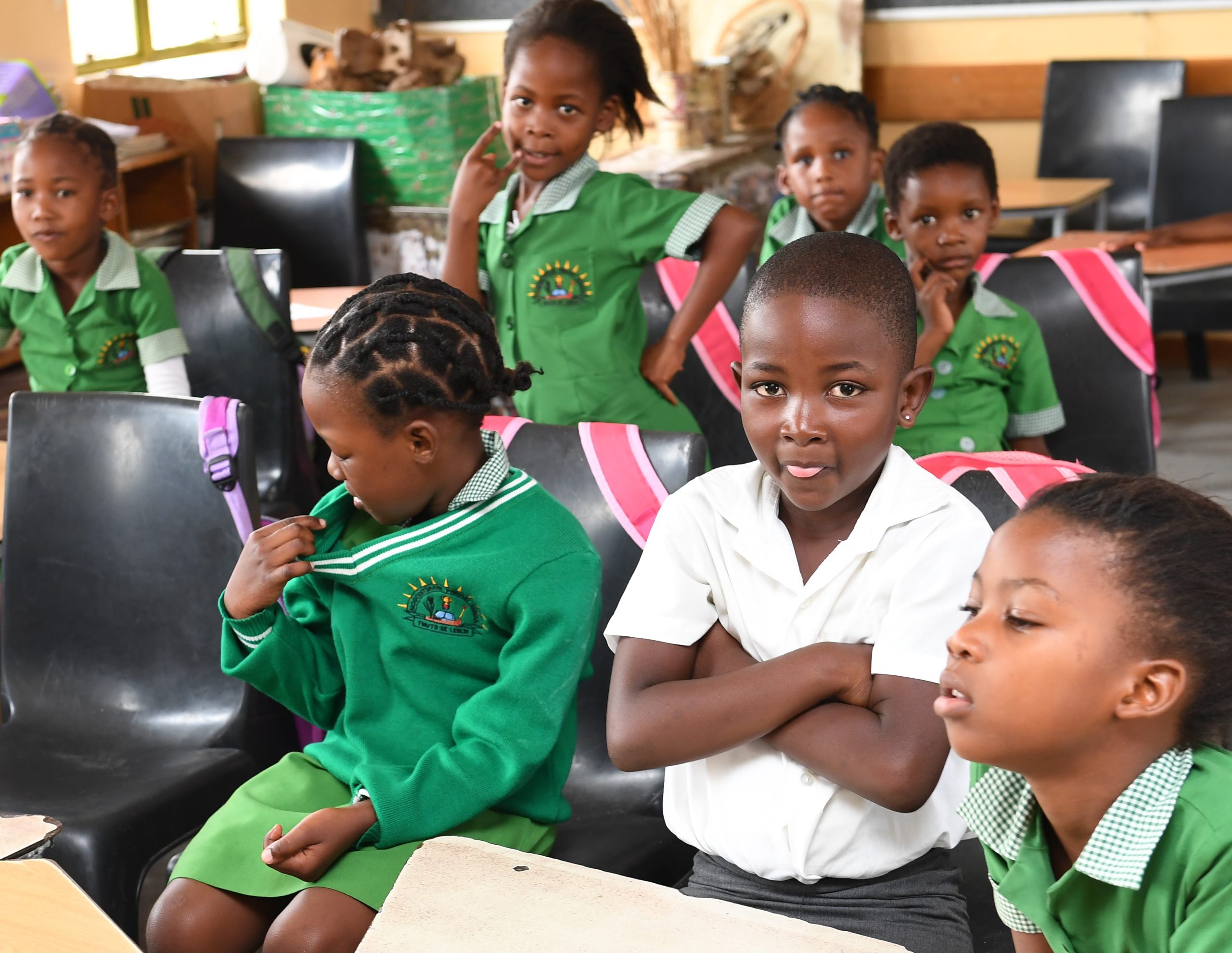
    As Standard One learners across the country reported for their first day of school on January 13, Mogoditshane Primary School experienced a familiar first-day rush, welcoming 120 new learners and their parents.

    Of the new intake, 60 learners were enrolled in reception, while another 60 began Standard One, joining an existing learner population of 1,026.

    The school atmosphere was marked by excitement and nervous anticipation among both returning and first-time learners, while some parents lingered anxiously, hoping their children would secure placement at the school.

    With only five primary schools serving Mogoditshane amid the urban village’s rapidly growing population, estimated at about 88,000 people according to the 2022 Population and Housing Census access to school placements remains a persistent challenge.

    “There are still many children on the waiting list dating back to 2024,” said Mogoditshane Primary School head, Mr Samuel Setuke.

    He explained that although the school was originally designed to accommodate 801 pupils, enrolment rose to 1,126 last year, including 100 Standard 7 learners who completed their studies.

    This year, the learner population has further increased to 1,146.

    Mr Setuke outlined several challenges facing the school, including dilapidated classroom furniture, a situation worsened by the shift system, which resulted in furniture being used throughout the day.

    He also cited a high learner-teacher ratio, limited resources such as stationery, occasional food shortages and financial constraints affecting the procurement of teaching materials, including Breakthrough, a teaching strategy used to help Standard One learners develop Setswana word recognition skills.

    Despite these challenges, Mr Setuke expressed optimism, noting that teachers were ready to deliver quality education.

    He added that the school had strengthened partnerships with parents, who had agreed to contribute P20 toward stationery to help ease resource shortages.

  • Govt Reaffirms Compensation for BCL Former Employees

    Govt Reaffirms Compensation for BCL Former Employees

    Government has resolved to compensate former BCL employees in accordance with the 18-month soft landing payment and other benefits that were promised when the mine closed in 2016 due to liquidation.

    This was stated by the Minister for State President, Defence and Security, Mr Moeti Mohwasa, during a consultation meeting with former BCL employees and other relevant stakeholders on January 12.

    Mr Mohwasa said government was aware that some promises made to employees when the mine closed had not been fulfilled.

    He said the situation had negatively impacted the wellbeing and social status of some of the former employees, hence it was necessary to take decisive acti on to address the issue.

    Mr Mohwasa said the primary compensation issue was that of the promised 18-month soft landing measure, an initiative that was designed specifically to provide critical support to employees affected by the mine’s closure, ensuring they have a financial cushion while navigating the challenges.

    “The 18-month soft landing measure will only apply to those who lost their jobs when the mine closed in 2016 under liquidation. The task force team and relevant stakeholders will be assigned to work collectively and round the clock on modalities of compensation and other related matters,” he said.

    He said while the assigned task team devised policies to roll out the compensation process, it was imperative to take collaborative measures for the success of the process.

    Mr Mohwasa also highlighted government’s commitment to establishing a Liquidation Protection Fund to safeguard stakeholders and mitigate the effects of potential liquidations within the sector in future.

    He said this would provide crucial support to affected parties, ensuring that they had access to necessary resources and assistance during challenging times.

    Minister of Labour and Home Affairs, Major General Pius Mokgware, stated that the 18-month soft landing compensation would not interfere with any other payments , especially for those whose health had been adversely affected by working at the mine.

    He emphasised that proper procedures for compensating individuals with health issues would be followed carefully.

    Currently, 107 former employees have received compensation for various health challenges related to their ti me at the mine.

    The president of the Botswana Mine Workers Union, M r Joseph Tsimako acknowledged the 18-month soft landing compensation.

    However, he stated that while modalities were still being finalised, there should be clear and constant feedback, saying this would give the much-needed clarity to the former employees.

    Meanwhile, a former BCL mine employee, Mr Dipogiso Ookeditse appreciated the efforts, while on the one hand he observed that government should have also taken a resolution on how the concerned individuals would be compensated.

    He expressed concern that assigning the issue to the taskforce team for the formulation of comprehensive policies and guidelines regarding the rollout of the compensation could potentially lead to further delays in the process.

    Another ex-employee, Mr Rex Tambula, underscored the need to distinguish between the Insolvency Act and the Liquidation Act.

    He said the practice of merging the two pieces of legislation led to significant overlap, which in turn created confusion.  He said conflation of the Acts resulted in ambiguities that could hinder effective decision-making and disrupt orderly resolution of matters.

    “Separation of these two Acts would facilitate a more coherent legal framework thereby enhancing clarity and efficiency in managing insolvency and liquidation matters,” he said.

  • Family to Auction Branch Dakar Rally Suit

    Family to Auction Branch Dakar Rally Suit

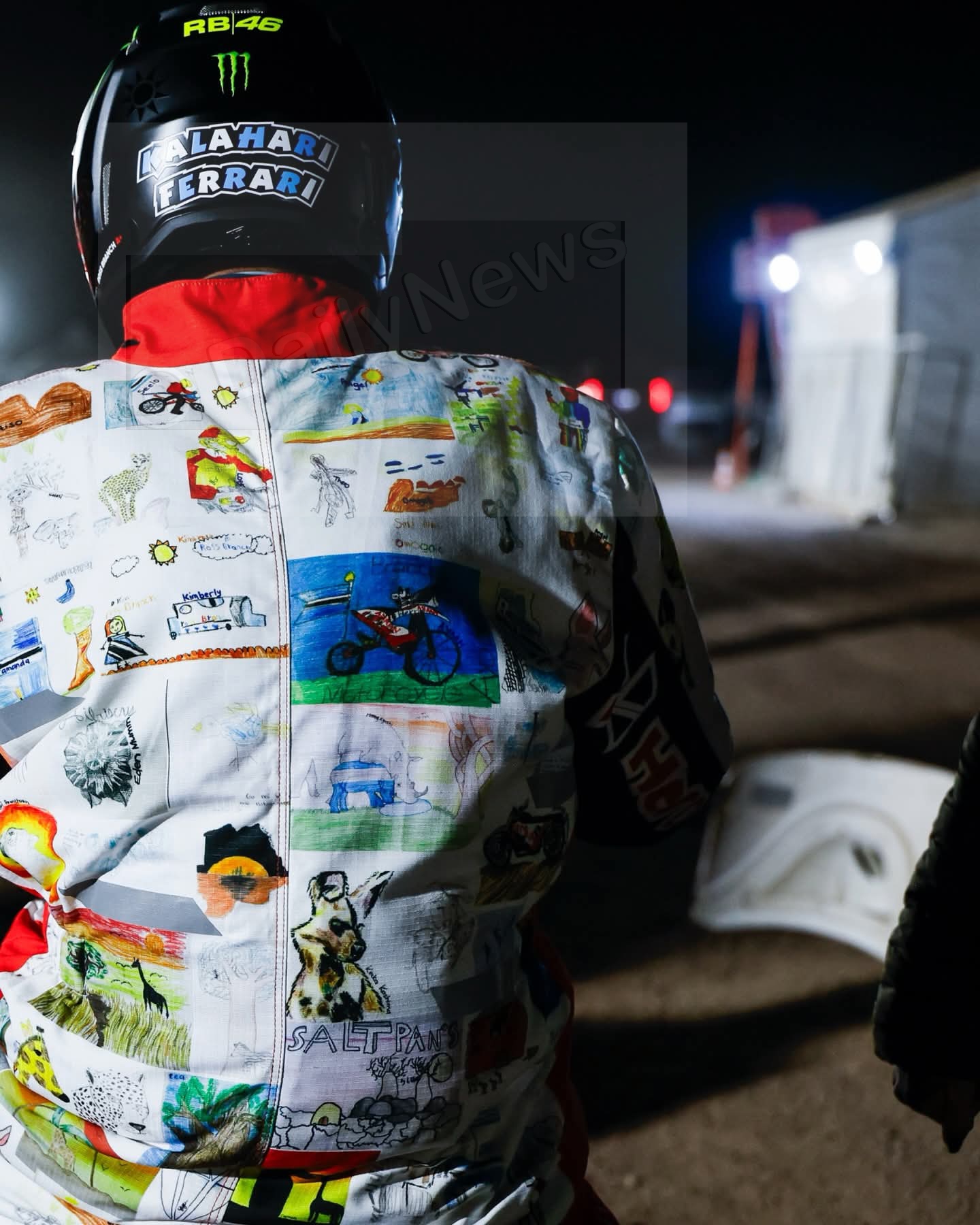
    The Branch family has decided to auction the outfit that Botswana’s rally rider, Ross Branch wears at the ongoing Dakar Rally in Saudi Arabia. His manager Aimee Branch said their family decided to auction the rally outfit given the significance that such an act would have.“Ross and I decided to auction the suit at the end of the Dakar Rally 2026 because we felt its true value lies in giving back. Proceeds from the auction will go toward supporting children’s education in Botswana,” revealed Aimee.Aimee, who is also wife to Branch, said the special significance of Ross Branch’s Dakar cold-weather suit lied entirely in its design and meaning, rather than from the materials from which it was made.She said the design was a one-of-a-kind; being visual collage made up of drawings created by children from schools and playgroups across Botswana, based on the theme: What Botswana means to You.“Each drawing represents a child’s view of home, culture, wildlife, and dreams. Together, they form a deeply personal artwork that Ross will carry with him during Dakar,” Aimee said.She said the materials and technical specifications were not the focus of the project. The suit, she said, itself met Dakar regulations and performance requirements, but the story behind it was about representation, creativity and purpose, no fabric or construction details. T he suit was produced by MIRA Active Wear in Cape Town, Sout h Africa, in close collaboration with Branch and his team.Aimee said like all professional Dakar gear, the suit was designed for extreme cold conditions and rider comfort.She however revealed that what truly stood out for Branch was the emotional connection; carrying a piece of home and the voices of children from Botswana with him during one of the toughest races in the world. “Th e motivation was to allow Ross to represent Botswana in a meaningful, authentic way – not just through the flag or colours, but through the creativity of its children. We wanted the suit to tell a story of home, pride, and possibility,” she said. Aimee also said the concept originated with Gerrit and the MIRA Active Wear team, and the artwork was created entirely by children across Botswana. She said herself and the ‘Kalahari Ferrari’ alias, Branch had worked closely with the team and schools to bring the final vision together. It is worth, she added, cannot be measured by material cost and it is priceless because of the stories, creativity and purpose it represents.

  • New Primary School Opens in Letlhakane

    New Primary School Opens in Letlhakane

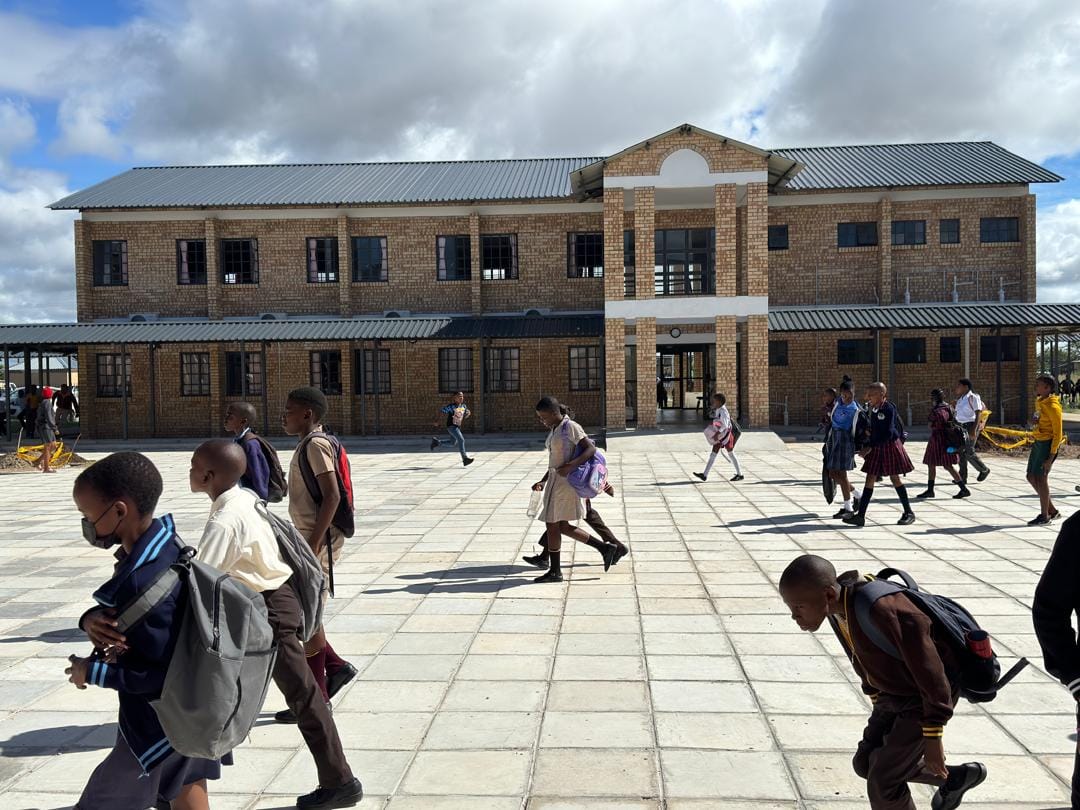
    Zantete primary school, a new facility in Letlhakane, located in Phase II Extension received its first batch of over 700 pupils today.

    The school offers pre-primary school classes up to standard six, while there is also a special education department.

    School head, Ms Oakantse Kenyaditswe said beginners were from the location, while standard two and upwards were transfers from already existing schools.

    Boteti District Council chairperson, Mr Onkhuparetse Monnaatsie encouraged teachers and management to take good care of the new facility by instilling discipline in children so that they desist from vandalism.

    Since classes at Zantete are of double story plans, Mr Monnaatsie appealed to teachers to always preach safety precautions to avoid incidents of children pushing and injuring each other on staircases.

  • Back-to-School Rush Follows

    Back-to-School Rush Follows

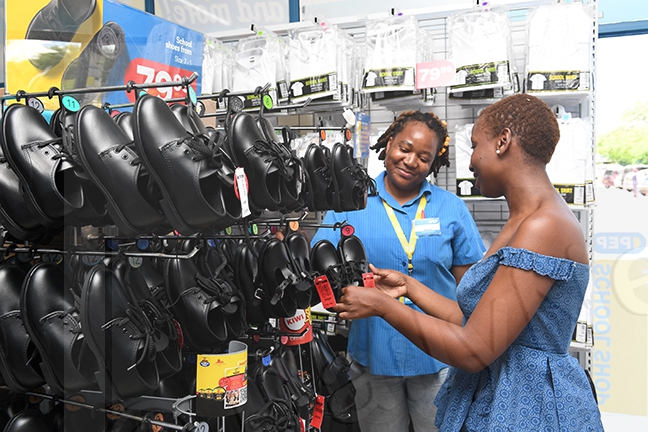
    One week, malls adorned with red decorations and baubles are a sight to behold, featuring Christmas jumpers folded neatly beside novelty socks. The next week, the sparkle is gone, replaced by orderly displays of grey trousers, white shirts, school shoes, and navy blazers.

    Just weeks after shopping for Christmas ornaments, lights, and holiday attire, families are filling store aisles once again, this time for school uniforms, textbooks, and stationery. This swift transition is a familiar change, as the end of the festive holiday season blends seamlessly into back-to-school preparations.

    “In December, it is all about celebrations,” said Gaborone resident Ms. Kitso Chepete while browsing a uniform shop.

    “But once the holidays are over, reality sets in; children need uniforms that fit, books for the new term, and daily supplies.”

    Retailers report a noticeable shift in buying habits immediately after Christmas. Shop windows that once glittered with ornaments and festive decorations now proudly display backpacks, notebooks, and school shoes, marking the official arrival of the back-to-school season.

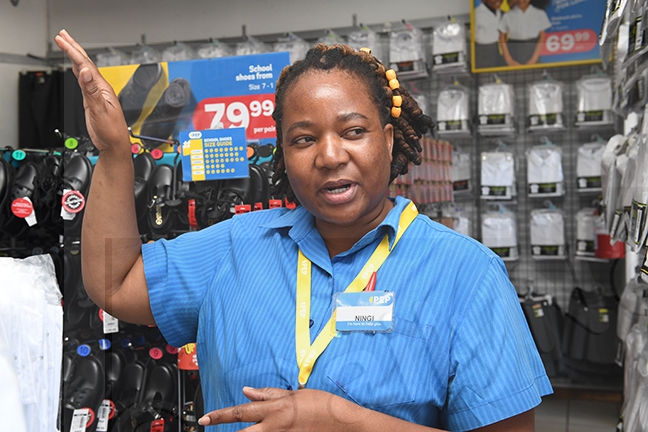
    Ms Sibochiwe Ningi, branch manager at West Gate Mall’s Pep Stores, noted that the change was expected: “It becomes a different season that has to be embraced right after Christmas and New Year celebrations.” 

    She added that the demand for school-related items rises sharply during this period, as many children transition from preschool to primary and junior secondary to high school.

    Pep Stores promptly removes Christmas decorations after the festive season, making way for back-to-school merchandise—a practice they describe as standard. Within two weeks, preparations for Valentine’s merchandise will begin.

    “We prominently display seasonal merchandise in the front of the store to respond quickly to customer demand,” Ms Ningi explained.

    “Parents appreciate the convenience of easily locating what they need, contributing to increased sales.”

    The shopping mood shifts as well; December is all about browsing and gift-buying, while January brings lists, sizes, and practicality.

    “Parents measure sleeves with a practiced eye, and children try shoes for comfort rather than style,” Ms. Ningi added.

    However, some parents find the timing tight. Ms Chawa Nfila expressed that balancing post-holiday budgets with ensuring children are ready for school can be challenging.

    “I find it easier to manage costs by reusing last year’s supplies, handing down uniforms between siblings, and mainly buying essentials like socks,” she shared.

    Students, too, acknowledge the shift from holiday excitement to school readiness.

    Twelve-year-old Anaya Kgotla, clutching a new backpack, said, “while the excitement of gifts and gatherings fades, choosing a new uniform or fresh set of books brings a different kind of anticipation. It makes it feel like a new beginning, even though school is work; it is nice to start with new things.”

    His twin sister, Rashidah, echoed similar sentiments,“I am mostly excited about choosing a new backpack,” she said, emphasising that new school wear ignites excitement and signals a fresh start. 

    The visual changes in stores serve as a reminder that early mornings and homework are just around the corner, reflecting the mental reset many experience as the new term approaches.

    Another customer, Ms Lorraine Dire, stated that school preparations extend beyond shopping. 

    “Parents are re-establishing routines: setting bedtimes, organising study spaces, and helping children smoothly transition from holiday mode to classroom focus,” she noted.

    “School fees, uniforms, lunch boxes, and transport arrangements all become a reality at this time,” Ms Dire remarked, adding that while the holiday sparkle may be shelved for another year, the move toward back-to-school season carries a different kind of optimism.

    “It is less about glitter and more about possibilities: new lessons, new friendships, and new routines,” she said, recognising that the transition serves as a gentle reminder that seasons change quickly, yet each presents opportunities to prepare and reset

  • Imported bulls and heifers in good condition at Ramatlabama laboratory

    Imported bulls and heifers in good condition at Ramatlabama laboratory

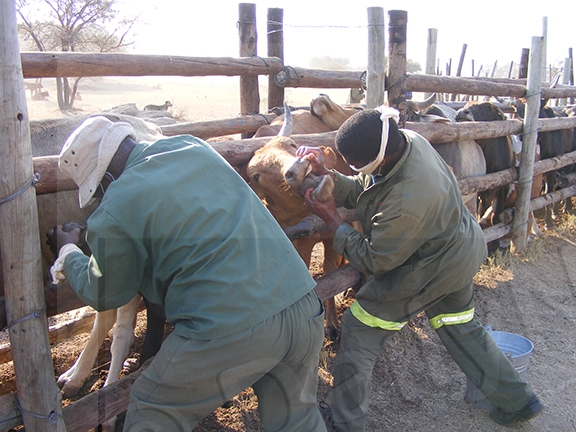
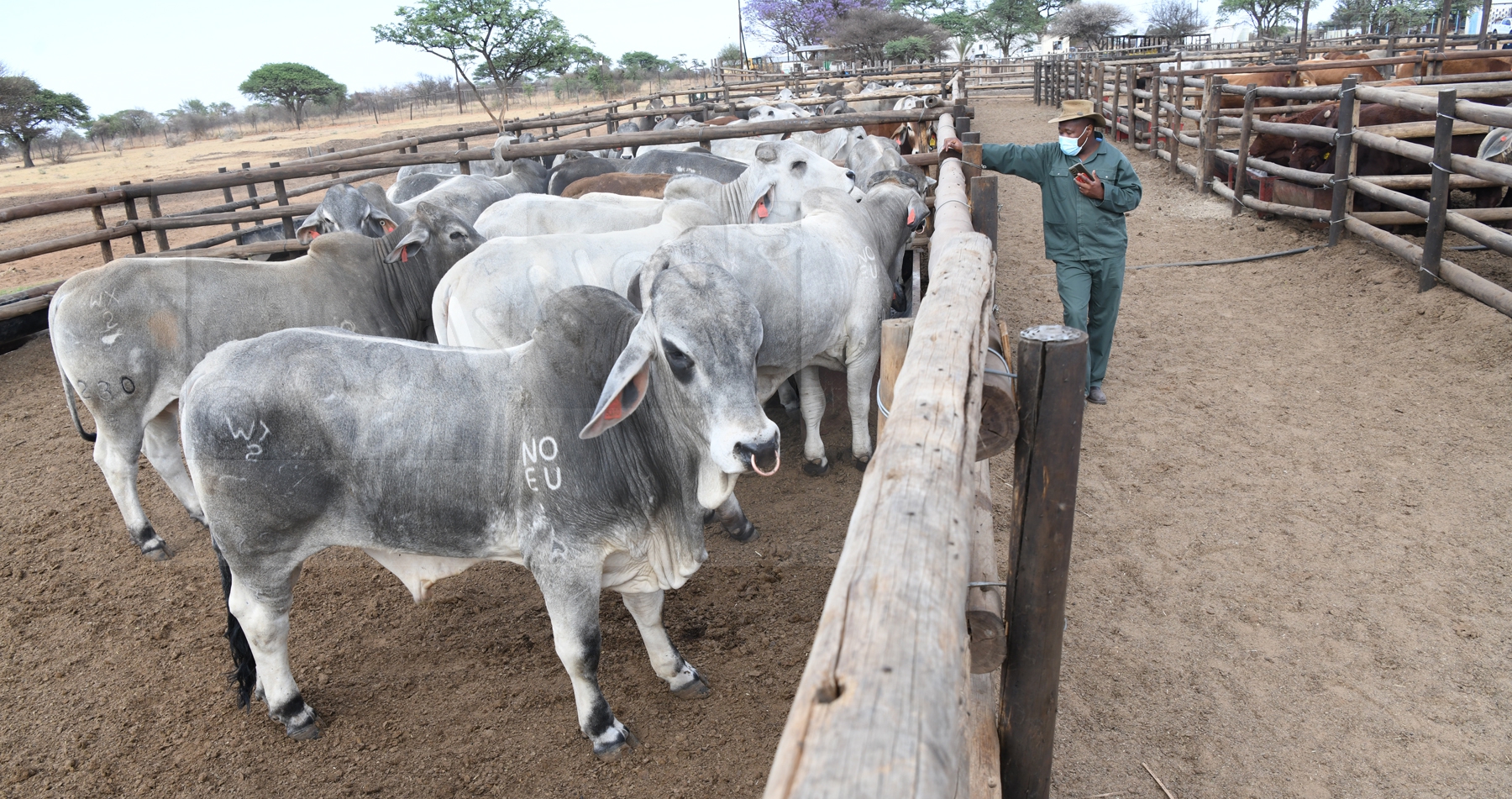
    The bulls and heifers purchased by the government from the United States and Australia over two years ago are in good condition at the Ramatlabama National Artificial Insemination Laboratory and Training Centre.

    A total of 140 bulls and 21 heifers were imported from Texas, along with an additional 23 bulls and 68 heifers from Australia, all aimed at enhancing the genetic makeup of the local herd. However, some losses have been reported.

    Mr Tirelo Leisi, the principal scientific officer at the Ministry of Lands and Agriculture, noted a mortality rate of three per cent among the bulls from Texas, translating to eight animals, along with four from Australia and one heifer.

    On a positive note, the laboratory has seen the successful birth of 37 calves from various breeds of heifers through artificial insemination. Mr Leisi emphasised the importance of inseminating the heifers first to ensure their fertility rate, even though they were initially intended for embryo transfer for accelerated genetic progress.

    Another development,  he mentioned was the small stock laboratory, designed for semen and embryo transfer, has been completed at Ramatlabama.

    ”We just need more staff that will be dedicated to working with small stock,” Mr Leisi said, indicating that some bucks from Lobu small stock farm in Middlepits will be utilised for semen collection.

    Additionally, 66 bulls have been selected for training and semen tapping, with the Brahman breed identified as particularly challenging to train.

    However, space has become a concern, as Mr Leisi explained that the 624-hectare farm is currently home to 305 live cattle, along with some small stock

  • Tennis Junior Championships Start

    Tennis Junior Championships Start

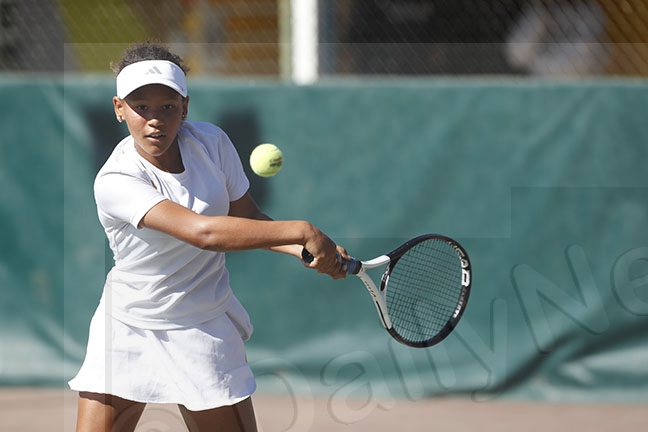
    Botswana will from January 9 host the 2026 International Tennis Federation (ITF)/Confederation of African Tennis (CAT) Southern Africa Junior Championships, which will run until January 17 in Gaborone.

    The zonal tournament features Under-14 and Under-16 players competing in both individual and team events, bringing together some of the region’s most promising young tennis talent.

    Botswana Tennis Association (BTA) vice president Nonofo Othusitse said the championship was expected to attract about 150 players and coaches from across Southern Africa.

    Participating countries that have confirmed their att endance include Angola, eSwatini, Lesotho, Madagascar, Malawi, Mauritius, Mozambique, Namibia, South Africa, Zambia and Zimbabwe.

    Othusitse said Botswana, as the host nation, was allowed to register up to six players per age group and gender, while other participating countries were limited to three players each, adding that Botswana would be represented in both the Under-14 and Under-16 team competitions for boys and girls. “In preparation for the championship, our players att ended training camps held from December 15 to 19, and from January 5 to 8,” he said.

    Othusitse noted that hosting the tournament aligned with the Botswana National Sport Commission (BNSC) 2028 str ategy and the BTA’s str ategic objective of attracting and hosting high-profile sporting events.

    He said the championship provided an opportunity for Botswana to demonstrate its commitment to youth development and sporting excellence, while also boosting tourism and international visibility as families, coaches and officials travel to support the athletes.

    Othusitse also said the event was also expected to inspire local players through exposure to high-level competition and str engthen regional ties. “It will further enhance Botswana’s reputation as a capable and welcoming host of internati onal sporti ng events,” he said.