Category: Development

  • Nyangabgwe Hospital Unveils Paediatric Theatre

    Nyangabgwe Hospital Unveils Paediatric Theatre

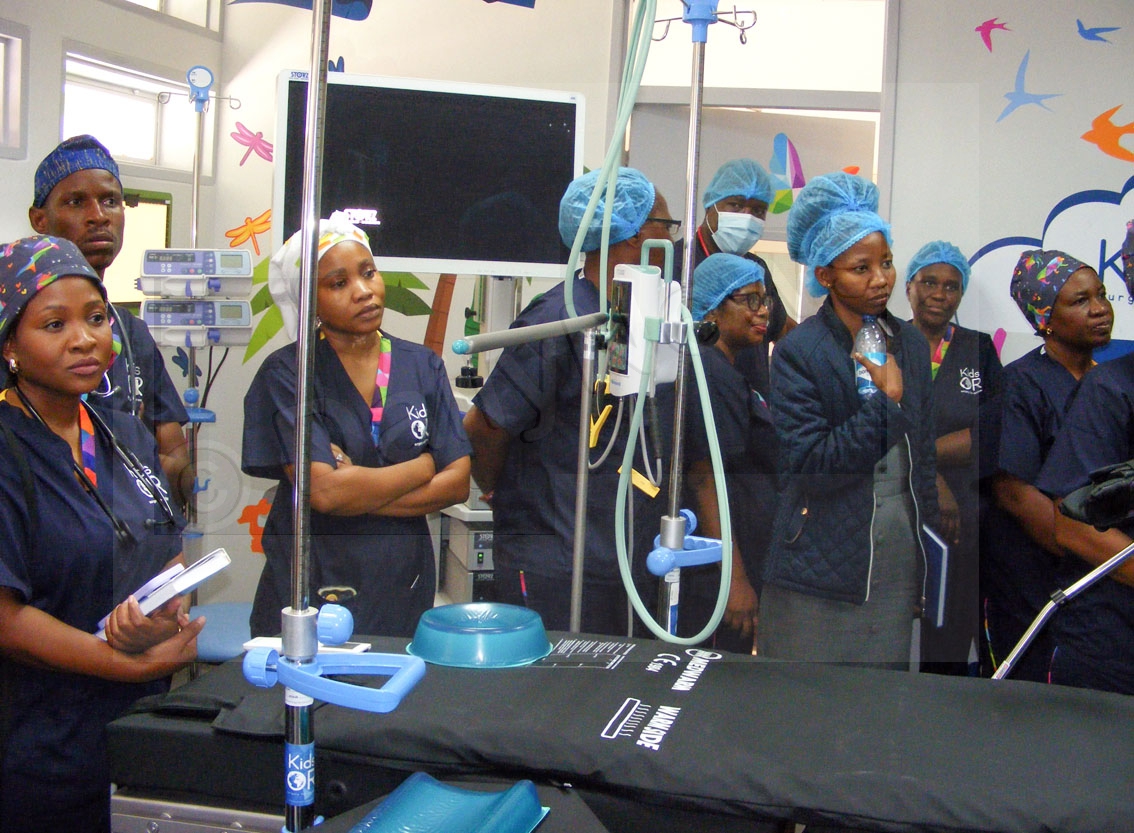
    Nyangabgwe Referral Hospital has unveiled the renovated paediatric theatre, made possible through donation by KIDS Operating Room, a United States America-based non-profit organisation. The state-of-the-art facility is the first dedicated paediatric surgical theatre at the hospital, designed exclusively to meet the surgical needs of children. 

    The theatre becomes the second of its kind in Botswana, following the installation of a similar facility at Princess Marina Hospital in Gaborone.

    It is equipped with modern, high-tech surgical equipment, thanks to the philanthropy of Mr Steve Lansdown and wife, Maggie, who are based in the United Kingdom.

    Head of the Project, Mr Caleb Machaira, described the donation as a step toward improving healthcare delivery, ensuring that children received specialised care they deserved. 

    Mr Machaira stressed the importance of access to safe surgical care for children, noting that the new theatre would allow young patients to receive specialised treatment closer to home, ultimately transforming countless lives. 

    For his part, Mr Lansdown said the organisation had been approached for assistance during the COVID-19 pandemic, a time when Botswana faced numerous challenges. 

    Nyangabgwe Hospital Superintendent, Dr Ivan Kgetse expressed gratitude to the donors, acknowledging that government alone could not meet all healthcare needs. 

    He commended the donors for their role in saving the lives of children. Delivering a vote of thanks, nominated councillor and Francistown City Council Health Committee chairperson, Mr Amos Madeluka, said the facility would serve not only children in Francistown but those across the entire country.
  • Energy and Fuel Sectors Receive Boost

    Energy and Fuel Sectors Receive Boost

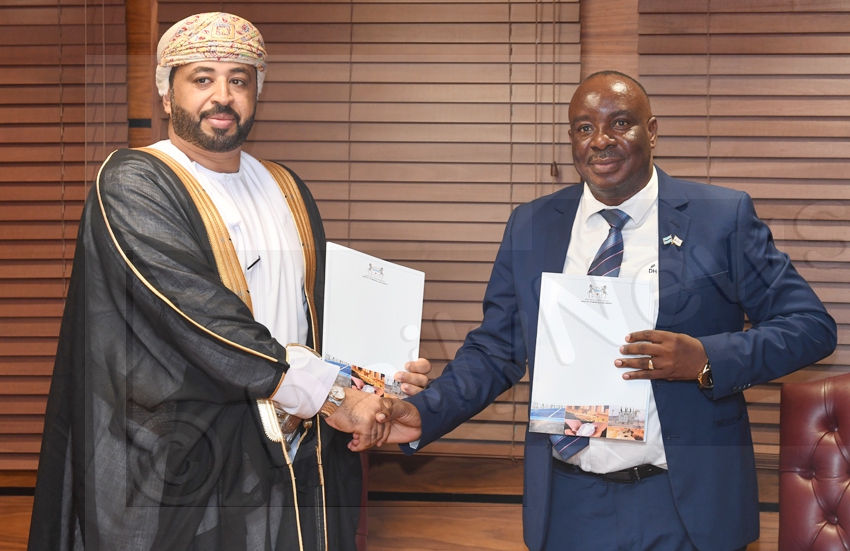
    Government, through the Ministry of Minerals and Energy has signed  Memoranda of Agreement with Oman on strategic cooperation in the Botswana minerals and energy sector.

    The specific areas of collaboration will be on the development of petroleum products bulk coastal storage in Walvis Bay, petroleum products supply and regional trading, development of Tshele Hills inland petroleum products storage, implementation of 500 megawatts solar photovoltaic as well as cooperation in minerals and exploration.

    Speaking at the signing ceremony in Gaborone yesterday, President Advocate Duma Boko said the strategic agreements were critical in strengthening Botswana’s security of supply of energy and strategically positioning Botswana in regional energy trading.

    He said the MoAs were achievement for Botswana to transform from a net electricity importer to an exporter that government aimed to achieve within the next 18 months.

    In relation to fuel security, President Boko indicated that the MoAs would enable Botswana to move from the 14 days grace period fuel security to a higher 6-9 months order of magnitude in fuel security.

    He said there were many other projects in offing and expressed optimism for them to be implemented timely.

    He noted that it was commendable that concrete agreements were signed between the two nations, thus called for  immediate creation of enabling environment for them commence and prosper.

    The agreements, he said marked the beginning of translating words into deeds, as government moved from thinking about the execution of the projects, adding that he was confident that the projects would be delivered timely and to the expected quality standards.

    “It is equally important to devote all the time to implement such projects as they have far-reaching implications for both countries and remove all bottlenecks, red tapes and impediments that could hinder timely implementation,” he said.  

    He stated that Oman was fully committed to the entire value chain and already lined up to commence.

    He said the expectation was to have a lot of skills exchange through attachment of both skilled and semi-skilled personal in Omari companies and refine their skills for the benefit of the country.

    President Boko thus urged the Omari investors to regard Botswana as their other home away from home as their physical presence was of outmost importance for the success of the project proposed.

    “We are most grateful and humbled by the Omari gesture and remain hopeful that it will improve and advance our country hence look forward to cement the partnership between the two countries,” President Boko said.

    For his part, president of the Oman Investment Authority, Mr Abdulsalam Bin Mohammed Al Murshidi expressed gratitude toward the chemistry and cooperation between the two countries.

    He said Oman was committed to completion of the proposed project, which would enhance wellbeing of the local communities.

  • SADC Launches Regional Communication, Awareness & Visibility Strategy 2025–2030

    SADC Launches Regional Communication, Awareness & Visibility Strategy 2025–2030

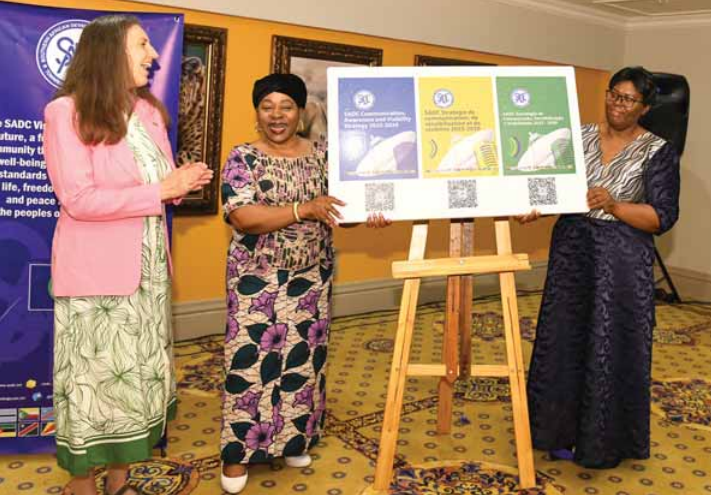
    The Southern African Development Community (SADC) continues to serve as a platform for harmonising regional policies, pooling resources and addressing shared development challenges in areas such as trade, infrastructure, security and governance. Speaking at the launch of the SADC Communication, Awareness and Visibility Strategy 2025–2030 in Gaborone, SADC Deputy Executive Secretary for Regional Integration, Ms Angele Makombo N’tumba, said the organisation empowered member states to collectively achieve goals that would be difficult to realise individually.

    Ms N’tumba said one of SADC’s objectives was to build a regional community where citizens were able to connect, collaborate and benefit from a shared vision of a better future. Since its establishment in 1980, she noted, SADC had developed robust policies and instruments that continued to deliver transformative outcomes across the region, enhancing trade, streamlining systems, facilitating mobility and uplifting communities.

    She emphasised that SADC’s regional instruments were powerful engines of transformation with tangible impact on citizens’ lives. She highlighted the SADC Mobile Money Guidelines, introduced in 2024, which are helping member states harmonise regulation and expand access to financial services. The initiative, she said, was especially transformative for women, youth and informal traders who have historically been excluded from formal banking.

    “By supporting mobile money, SADC is modernising finance and ensuring that opportunity reaches every corner of the region,” she said. However, Ms N’tumba cautioned that SADC’s achievements risked going unnoticed without effective communication. She said the new Communication, Awareness and Visibility Strategy for 2025–2030 was crafted to deepen public understanding of SADC’s origins, mandate and impact, ensuring its messages reach diverse audiences across member states.

    “This strategy embraces our region’s rich linguistic, cultural and social diversity, and ensures visibility of women, youth, persons with disabilities and marginalised communities,” she added.

    SADC partner and Head of Economic and Development Cooperation at the German Embassy in Botswana, Ms Simone Goertz, said clear communication of goals, policies and achievements enables regional organisations to build trust, enhance transparency and strengthen engagement with citizens, stakeholders and international partners. She said communication acted as a bridge between institutional frameworks and the lived realities of the people they serve.

    “In a globalised world where narratives shape perceptions, strategic communication is vital to counter misinformation, promote inclusivity and reinforce regional solidarity,” she noted.