Category: Health

  • Young People at Risk of HIV Infection

    Young People at Risk of HIV Infection

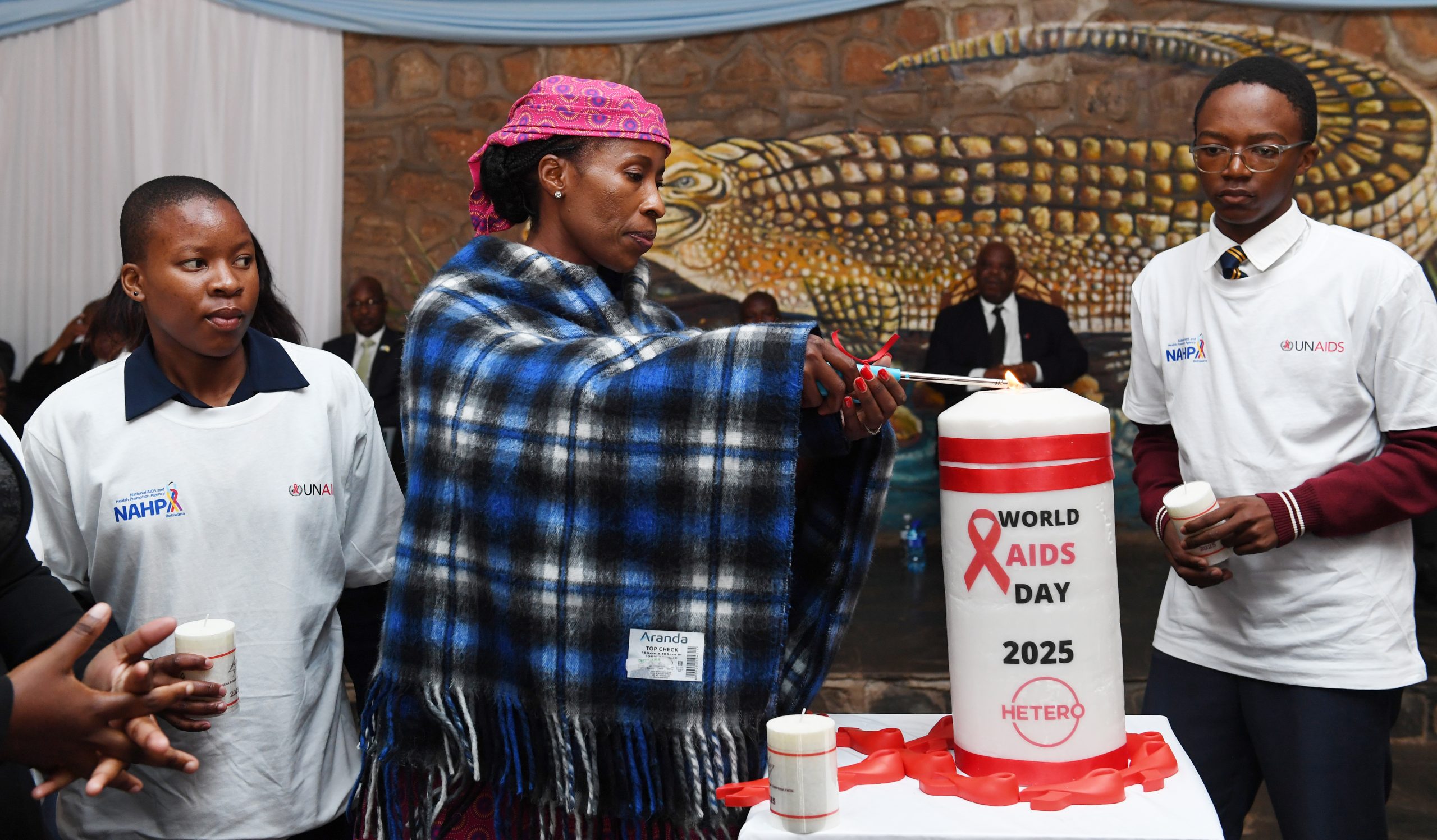
    KANYE – Alcohol and substance abuse have been identified as major drivers of new HIV infections in Botswana, particularly among young people, the Minister of Health Dr Stephen Modise warned during the national World AIDS Day commemoration held in Kanye yesterday.

    In 2024, an estimated 4 120 people contracted HIV in Botswana. Of these 1 118 cases representing 27 per cent occurred among adolescent girls and young women aged 15–24.

    Minister Modise highlighted a worrying decline in condom use among the youth. “Young people face challenges in negotiating safer sex due to power imbalances, limited access to HIV prevention information, and scarce resources especially in remote areas,” he said.

    Dr Modise announced that the Ministry of Health would intensify targeted prevention programmes for adolescent girls and young women, as well as key populations and young men, to close the remaining gaps in achieving the UNAIDS 95-95-95 targets.

    Botswana has already reached approximately 95-95-95 status seven years ahead of the 2030 deadline with 95 per cent  of people living with HIV knowing their status, 95 per cent of those diagnosed on treatment, and 95 per cent of treated individuals virally suppressed.

    This year’s World AIDS Day theme: Overcoming disruption, transforming the AIDS response, reflects recent global funding uncertainties that have disrupted Botswana’s HIV prevention and treatment services. Dr Modise urged all stakeholders including government, civil society, faith-based organisations, the private sector and development partners to innovate new resource-mobilisation strategies and eliminate wastage in health service delivery.

    He stressed the need to protect hard-won gains and prevent any regression in the national HIV response.

    The minister also drew attention to the growing threat of non-communicable diseases (NCDs). Conditions such as diabetes, cancer, cardiovascular diseases and chronic respiratory illnesses now account for over 70 per cent of global deaths (41 million annually).

    Lifestyle changes linked to urbanisation, including tobacco use, excessive alcohol consumption, unhealthy diets and physical inactivity, were driving a similar rise in NCD risk factors in Botswana, said Dr Modise.

    In a separate announcement, the minister assured Kanye community that the long-awaited district hospital was envisaged to be delivered through a public-private partnership model despite current economic challenges.

    United Nations Acting Resident Coordinator, Mr Malviya Alankar, commended Botswana’s leadership in the regional and global HIV response but warned that the country could not afford complacency.

    With around 4 000 new infections annually and one in five adults living with HIV, he described the current infection rate as “unacceptable” for an upper-middle-income country.

    Mr Alankar emphasised that ending AIDS by 2030 required more than health services alone; it demands education, sustainable livelihoods, human rights, gender equality, community engagement and strong multi-sectoral partnerships. World AIDS Day 2025 served as both a remembrance of lives lost to HIV/AIDS and a renewed global pledge to end the epidemic once and for all.

  • NCDS Threatens Workplace Performance

    NCDS Threatens Workplace Performance

    Employers across Ngamiland have been urged to introduce routine blood glucose screening and health education in the workplace as the region battles a growing burden of diabetes.

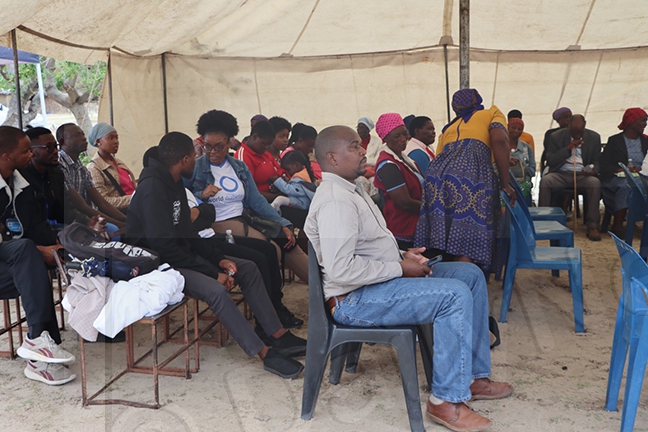
    Family Medicine Specialist, Dr Phenyoyaone Moloko of Matshwane Clinic said non-communicable diseases such as diabetes were now affecting thousands of residents and threatening productivity. Dr Moloko shared the advice during the World Diabetes Day commemoration in Shorobe on Thursday.

    He warned that diabetes was no longer a distant, slow-moving condition, but a growing public health emergency that was already straining families, clinics and workplaces.

    According to Dr Moloko, Ngamiland currently recorded 2 756 diabetes patients, 89 of whom were new diagnosed cases, while 434 patients were already battling severe complications such as chronic wounds, kidney failure, loss of sight and nerve damage.

    “These numbers show us that diabetes is not just a health issue but rather a workplace issue, an economic issue and a family issue,” he said.

    He highlighted the need for workplace screening and awareness campaigns that will help enable people to be at the forefront of their health

    “We need workplaces to contribute actively by offering screening, education and creating environments that support healthier choices,” he said.

    Dr Moloko emphasised that early detection remained the most effective tool in preventing lifelong complications.

    “When diabetes is caught early, it can be controlled easily but the challenge is that many of our people seek help only when the disease has progressed and by then, treatment becomes costly and difficult,” he said.

    Dr Moloko further encouraged companies and institutions to organise awareness campaigns, adding that the workplace was one of the most strategic channels to reach the population.

    For his part, Kgosi Boingotlo Nonyane of Shorobe, expressed gratitude that such vital services had reached the village, noting that many residents delayed seeking help because of the long distance between Shorobe and Maun.

    Councillor for Matlapana–Shorobe ward, Mr Kobamelo Baikgodisi, echoed similar sentiments, urging residents to prioritise routine screening even when they feel healthy.

    “Most of our young people think diseases like diabetes are for older adults, but illness knows no age hence screening is vital for everyone,” he said.

    He encouraged youth to take responsibility for their wellbeing, warning that lifestyle diseases were increasingly affecting younger populations due to poor diet and inactivity.

  • Nyangabgwe Hospital Unveils Paediatric Theatre

    Nyangabgwe Hospital Unveils Paediatric Theatre

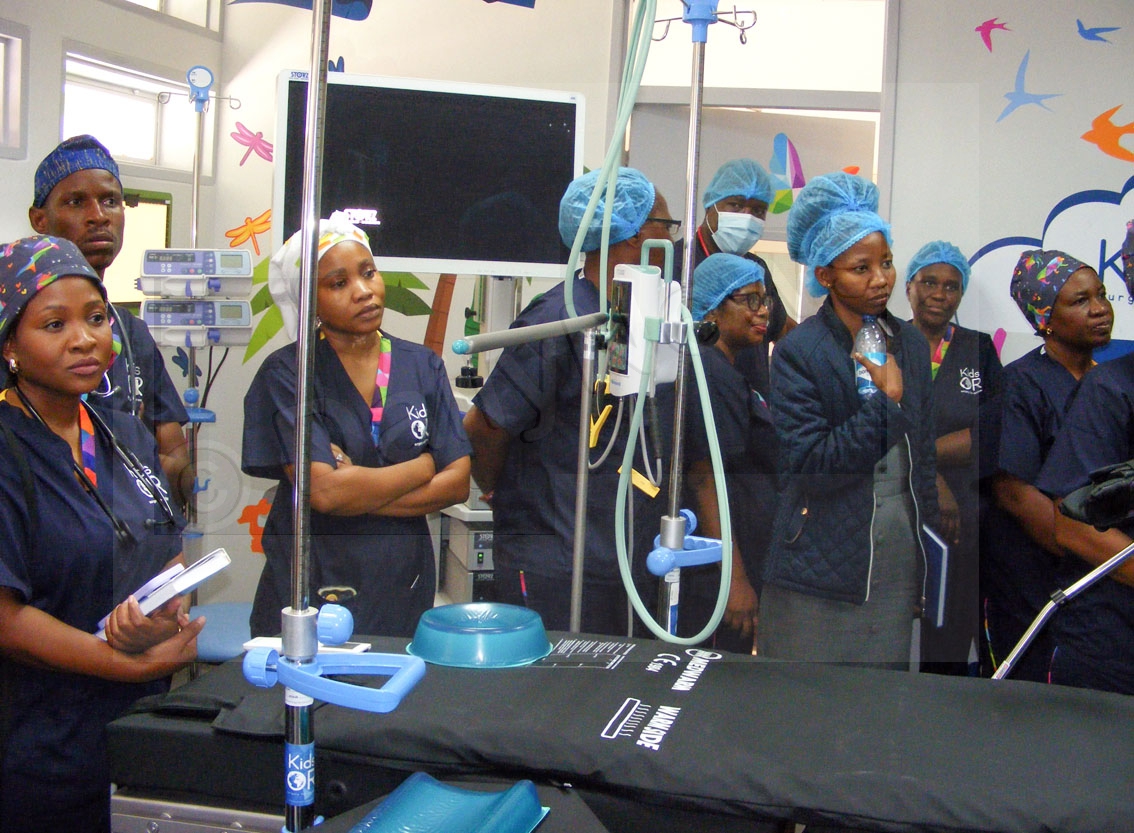
    Nyangabgwe Referral Hospital has unveiled the renovated paediatric theatre, made possible through donation by KIDS Operating Room, a United States America-based non-profit organisation. The state-of-the-art facility is the first dedicated paediatric surgical theatre at the hospital, designed exclusively to meet the surgical needs of children. 

    The theatre becomes the second of its kind in Botswana, following the installation of a similar facility at Princess Marina Hospital in Gaborone.

    It is equipped with modern, high-tech surgical equipment, thanks to the philanthropy of Mr Steve Lansdown and wife, Maggie, who are based in the United Kingdom.

    Head of the Project, Mr Caleb Machaira, described the donation as a step toward improving healthcare delivery, ensuring that children received specialised care they deserved. 

    Mr Machaira stressed the importance of access to safe surgical care for children, noting that the new theatre would allow young patients to receive specialised treatment closer to home, ultimately transforming countless lives. 

    For his part, Mr Lansdown said the organisation had been approached for assistance during the COVID-19 pandemic, a time when Botswana faced numerous challenges. 

    Nyangabgwe Hospital Superintendent, Dr Ivan Kgetse expressed gratitude to the donors, acknowledging that government alone could not meet all healthcare needs. 

    He commended the donors for their role in saving the lives of children. Delivering a vote of thanks, nominated councillor and Francistown City Council Health Committee chairperson, Mr Amos Madeluka, said the facility would serve not only children in Francistown but those across the entire country.

  • President Duma Boko Outlines Botswana’s Vision for a Diversified and Investor-Friendly Economy

    President Duma Boko Outlines Botswana’s Vision for a Diversified and Investor-Friendly Economy

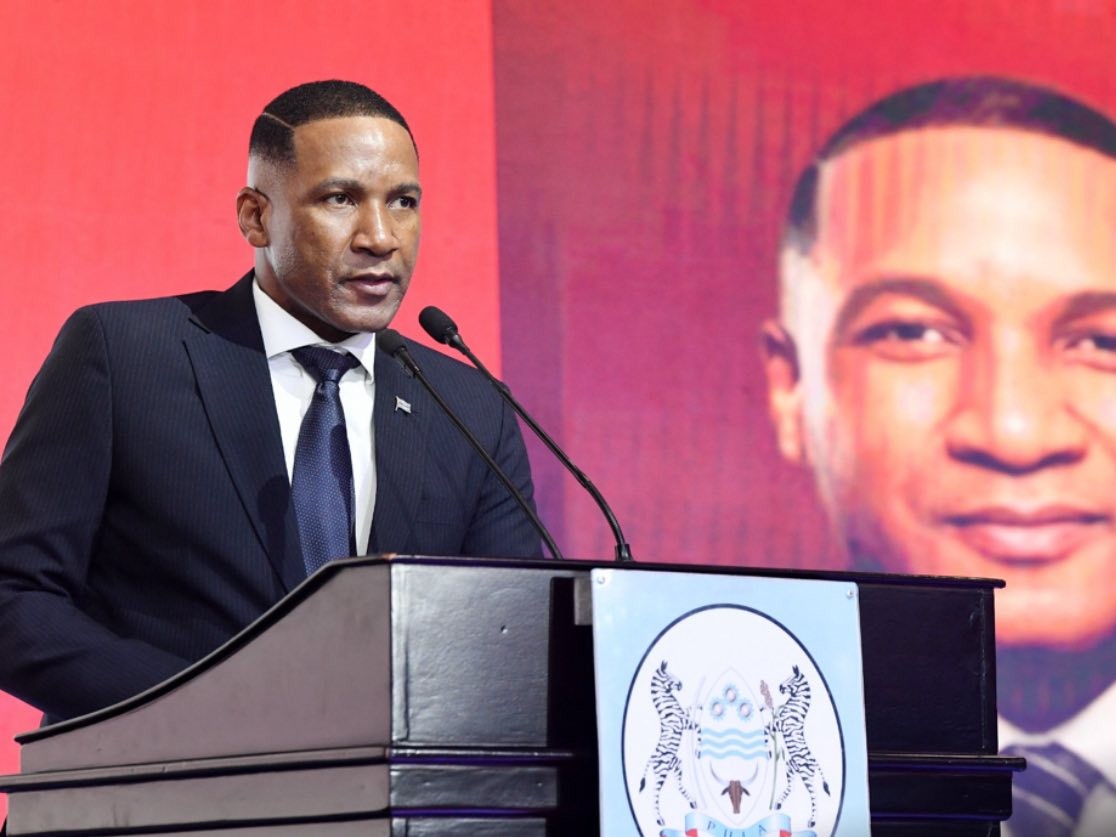
    President Advocate Duma Gideon Boko has reaffirmed Botswana’s commitment to creating a competitive, inclusive, and investor-friendly economy during his keynote address at the Pula Investment Conference. The event, held alongside the North Ground Bullard Investment Conference, brought together investors, policymakers, and business leaders to explore high-potential opportunities and strengthen Botswana’s position as a preferred destination for global investment.

    “Our vision is clear,” President Boko stated. “We aim to become a high-income, digitally-enabled, export-driven, people-centered, and diversified nation. But to achieve this, we must transform, urgently and decisively.”

    The President’s address focused on Botswana’s long-term development vision and the structural reforms needed to achieve it. He acknowledged the country’s over-reliance on diamonds, describing it as both a strength and a vulnerability. To ensure future stability and growth, he called for innovation, digital transformation, and economic diversification across emerging industries.

    “The global economy is changing,” he said. “We must not only adapt to it but also shape our path within it. Disruptive thinking and technological innovation will drive Botswana’s next phase of growth.”

    As part of the conference, President Boko unveiled Botswana’s Investment Deal Book, a comprehensive portfolio of 66 transformative projects. The publication includes 52 private-sector ventures and 14 public-sector initiatives spanning key industries such as agriculture, mining, manufacturing, information and communication technology, and healthcare.

    He highlighted the Investment Deal Book as a roadmap for investors seeking credible, high-impact projects in Botswana. “This collection represents the best of what Botswana has to offer — opportunities that are ready for investment, backed by strong governance, and designed for long-term sustainability,” he said.

    President Boko also commended the Botswana Investment and Trade Centre (BITC) for its ongoing role in promoting investment and expanding the country’s global presence. He confirmed that Botswana will participate in the upcoming Africa Financial Services Investment Conference in London, where 14 flagship projects from the Deal Book will be presented to international investors.

    He used the platform to address governance and institutional efficiency, stressing that reforming public institutions is key to building investor confidence. “Good governance is the foundation of economic transformation,” he said. “We are committed to creating a transparent, efficient, and accountable public sector that supports rather than hinders growth.”

    Concluding his address, President Boko emphasized that the Pula Investment Conference marked more than just an exchange of ideas — it signaled a collective commitment to action. “This conference is not merely a forum,” he said. “It is a call to action. Together, let us invest, build, and transform Botswana into a resilient, sustainable, and globally competitive economy.”

    The conference ended with renewed optimism from both domestic and international investors, reinforcing Botswana’s ambition to redefine its economic future through innovation, diversification, and strong leadership.

  • Diamond-rich Botswana declares national public health emergency

    Diamond-rich Botswana declares national public health emergency

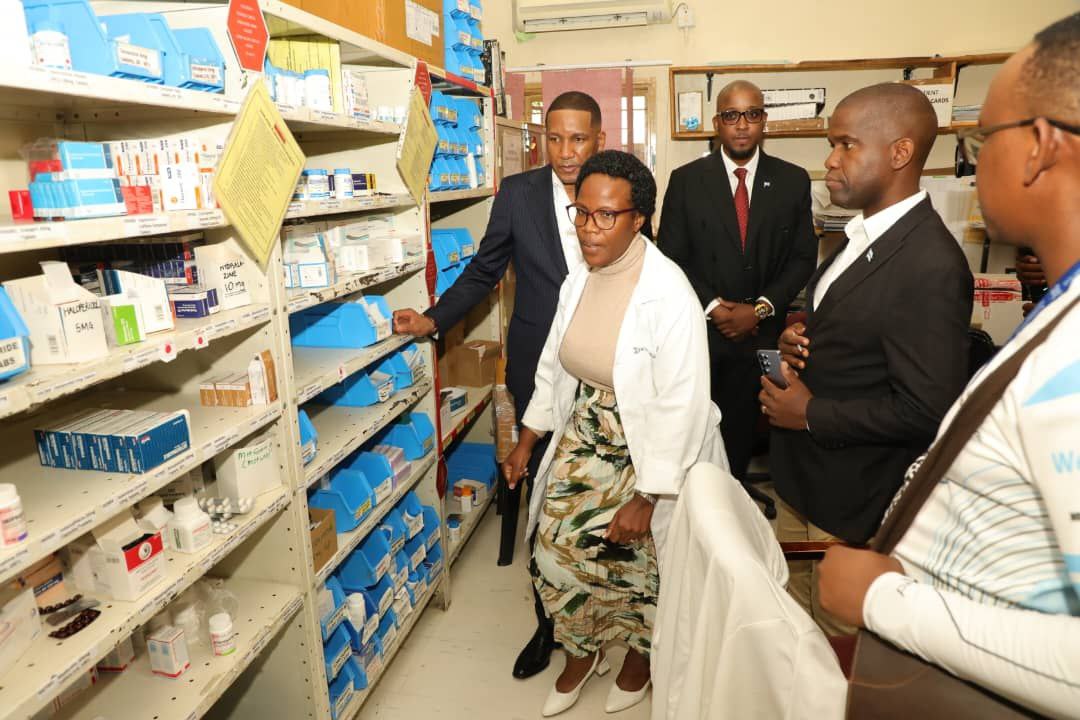
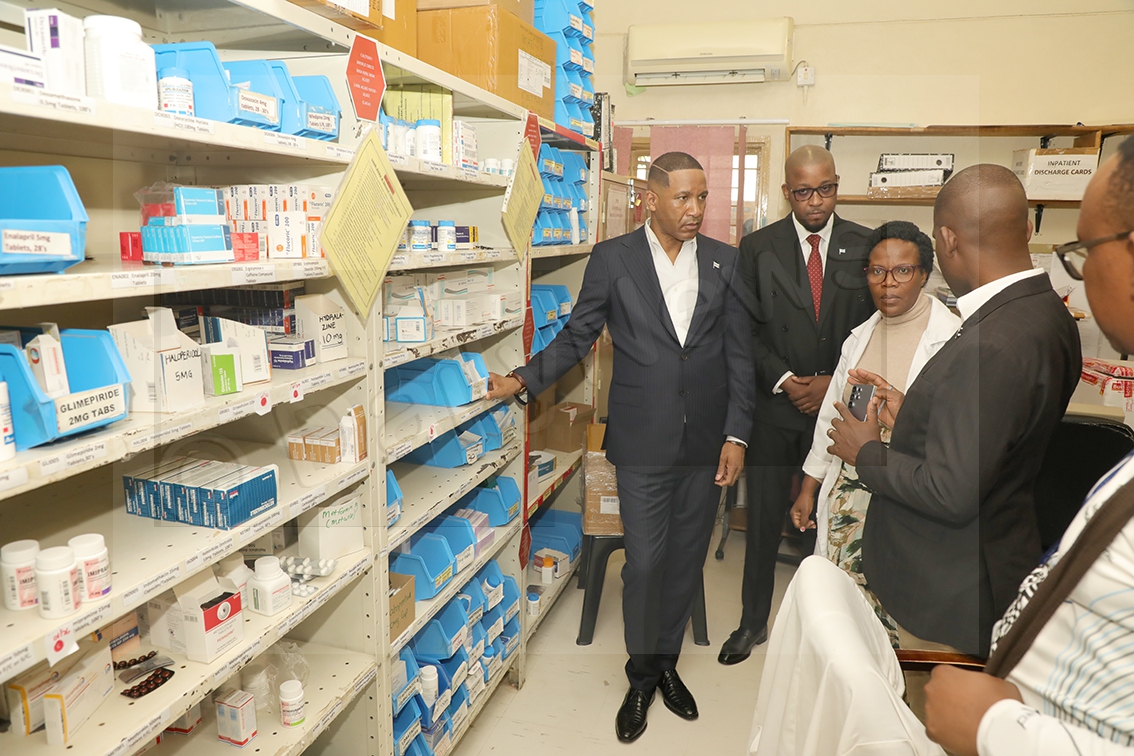
    Botswana has declared a public health emergency as it faces a shortage of essential medicines and medical equipment.

    President Duma Boko made the announcement in a televised address on Monday, setting out a multimillion-dollar plan to rectify the supply chain involving military oversight.

    Managing the shortages would be “highly price sensitive due to our limited coffers”, he told the nation.

    The economy of Botswana, which has a population of 2.5 million, has been hit by a downturn in the international diamond market, as it is one of the world’s leading diamond producers. This strain, further fuelled by US aid cuts, has seen high levels of unemployment and poverty, according to media reports.

    “The work shall remain nonstop until the entire value chain of procurement has been fixed,” Boko said in his address, announcing that the finance ministry had approved 250m pula (£13.8m, $18.3m) in emergency funding.

    The president, a 55-year-old Harvard-trained lawyer, made history when his Umbrella for Democratic Change (UDC) won a landslide in elections at the end of last year, ousting the party that had governed for 58 years.

    Before taking office, he said his main focus would be to fix an economy too reliant on diamonds.

    Earlier this month, the country’s health ministry said that it was facing “significant challenges”, including medical shortages and debts of more than 1bn pula (£55.2m).

    The bulk of these debts was due to patients being admitted to private hospitals for services that were not publicly available.

    Shortages listed by the Health Minister Dr Stephen Modise included medicines and supplies for managing cancers, HIV treatments and tuberculosis among others.

    Before the cuts to US aid issued by President Donald Trump, the US funded a third of Botswana’s HIV response, according to UNAIDS.

    The Ministry for Health also temporarily suspended referrals for elective surgeries and non-urgent medical conditions as a result of these challenges, including organ transplant surgeries.

    But the government remained positive.

    “I have no doubt that soon, very soon, we will overcome. This is definitely not insurmountable,” Dr Modise said.

    As part of the military’s distribution efforts, the first trucks were due to leave the capital, Gaborone, on Monday and arrive in remote areas by the evening, Reuters news agency reported.

    The UN children’s agency (Unicef) has called for “urgent action” in the country to “protect the health and future of every child in Botswana”.

    It noted that “malnutrition is a daily struggle” in the town of D’Kar, saying “the president’s call underscores what we witness on the ground”.

  • Mining sovereignty: Botswana imposes 24% local ownership in every new mine

    Mining sovereignty: Botswana imposes 24% local ownership in every new mine

    Botswana has officially implemented new regulations requiring mining companies to allocate a minimum 24% stake to local investors in any new concession, in case the State chooses not to exercise its acquisition right. The announcement was made on October 10 by the Ministry of Minerals and Energy, marking a major step in the country’s strategy……