Category: News

  • Illegal sand mining on the rise in Ntlhantlhe

    Illegal sand mining on the rise in Ntlhantlhe

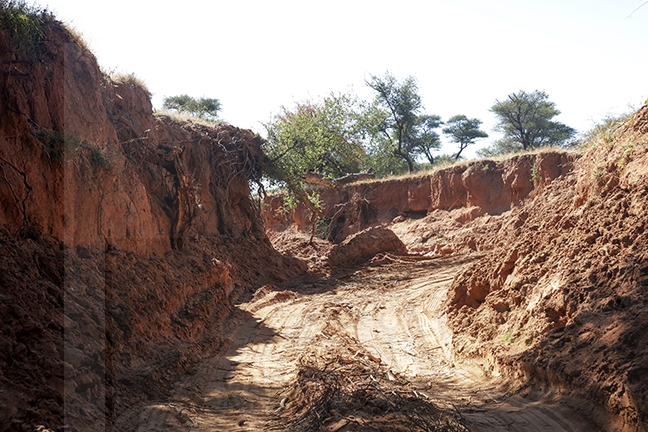
    Kgosi Malepa Orekeng of Ntlhantlhe has warned community members about the serious dangers posed by illegal sand miners in the village, many of whom carry arms and operate aggressively.

    Speaking in an interview during a recent taking services to the people event hosted by Moshupa District Council in Ntlhantlhe, Kgosi Orekeng advised residents to never confront these operators directly. He stressed that anyone encountering illegal sand mining activities should report them immediately to the police for safe handling.

    Kgosi Orekeng identified illegal sand mining as one of the persistent criminal issues affecting the village. He explained that Ntlhantlhe was historically rich in sand resources, which played a key role in retaining water for the community. 

    In the late 1990s, the village imposed strict regulations to preserve this resource, allowing only residents to collect sand manually using wheelbarrows for personal building purposes while banning larger-scale operations involving tipper trucks or other heavy vehicles.

    Despite these longstanding rules, Kgosi Orekeng reported a sharp rise in illegal sand loading operations involving trucks, particularly across the Molopye River, reaching unprecedented levels in recent times.

    To address the ongoing problem, the village depends on patrols by the Badisa-Kgomo cluster. However, the local police station remains under-resourced, lacking sufficient vehicles and facing other operational challenges that hinder effective monitoring and patrols along the Molopye River, the main hotspot for these activities.

    Kgosi Orekeng appealed to the government to undertake thorough surveillance in the village to properly assess the scale of illegal sand mining and identify effective, targeted interventions to stop its expansion across the settlement.

    He noted that the Botswana Defence Force (BDF) previously deployed troops from the Glen Valley Garrison for patrols, but this approach proved ineffective. Perpetrators would simply resume operations once the soldiers returned to their camp, highlighting the need for a more permanent presence.

    Kgosi Orekeng advocated for the establishment of a continuous, dedicated special operation by the government to ensure round-the-clock patrolling and sustained deterrence against illegal mining.

    Chairperson of Badisa-Kgomo, Mr Thapelo Radimo, echoed concerns about the issue, describing the illegal sand mining in the region as deeply disheartening. He pointed out that if managed properly through the Village Development Committee (VDC), the village could turn this resource into a legitimate economic opportunity by strategically investing in controlled sand sales, generating greater returns for the community.

    Illegal sand extraction continues to pose significant environmental risks, including reduced water retention in rivers, ecosystem damage, and threats to community safety across parts of Botswana. Authorities and local leaders are calling for stronger, sustained action to protect these vital natural assets while exploring sustainable development alternatives.

  • Evacuation from middle east commences

    Evacuation from middle east commences

    The evacuation of Batswana from the Middle East has begun, with the first group having departed on Monday.

    The group mainly comprises those who were caught in transit but were fortunately able to secure flights. It also includes a few Batswana who are residents of Dubai and the United Arab Emirates.

    In an interview, Acting Ambassador of Botswana to Kuwait, with accreditations to Qatar, the United Arab Emirates, Bahrain and Saudi Arabia, Mr Amangwe Madisakwana, said the situation in the region remained volatile prompting many Batswana to return home.

    “However, there are those who have chosen to observe the situation with the hope of an immediate cessation of hostilities soon,” he said.

    Mr Madisakwana said the embassy had been working round the clock to assist citizens in securing flights, particularly from areas where travel was still considered safe.
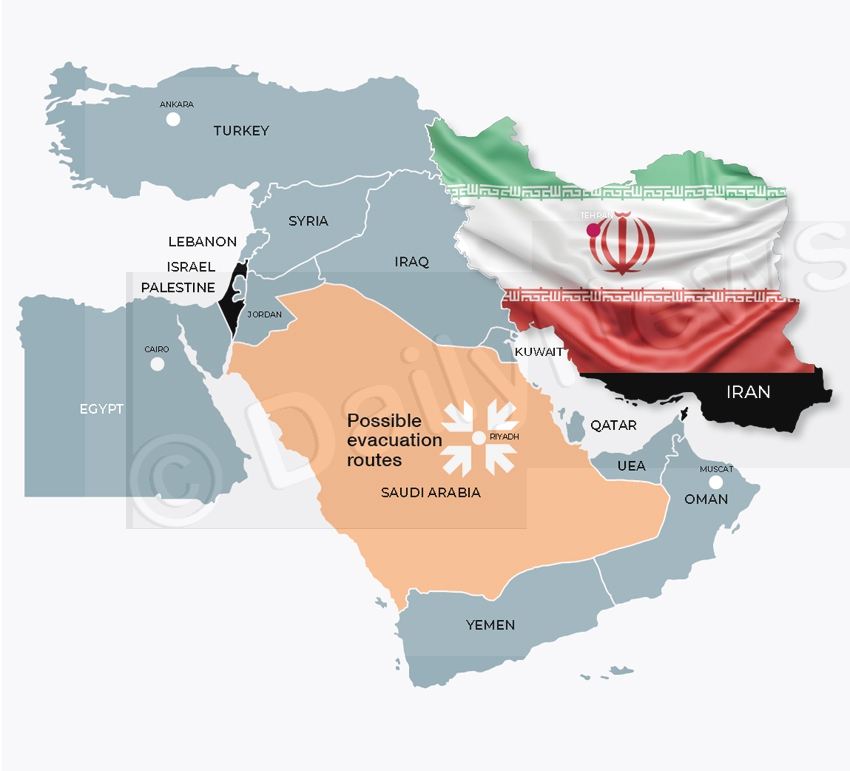
    “In some areas people have had to drive to neighbouring countries in order to catch flights back home. We had to explore other avenues and some had to travel to Oman to catch flights there as fighting intensifies and security conditions continue to be unpredictable,” he said.

    However, he said some Batswana remained stranded, particularly those in Qatar and the United Arab Emirates, where persistent airspace closures have resulted in grounded flights.

    “There are those who currently have no way out as the airspace remains closed. The embassy is working on plans to move them out, possibly through Saudi Arabia, he said.

    Mr Madisakwana added that contingency planning was ongoing, including coordinating evacuations through neighbouring countries as direct departures from some locations had become impossible.

    He also noted that some embassy staff members based in Kuwait and other Batswana nationals working there had already departed and were expected to arrive back home on Tuesday.

    Additionally, he said some Batswana who had been stranded while in transit had managed to secure flights and had already returned home. Despite the difficult circumstances, Mr Madisakwana said some citizens had chosen to remain in the region for various reasons.

    “Some have indicated that they recently secured employment and feel they cannot leave immediately, while others are classified as essential service providers and unfortunately could not be granted permission to leave, such as firefighters, medical personnel and those working in the hospitality sector. Others are students who said they do not want to fall behind in their studies,” he said.

    Meanwhile, he urged Batswana who were still in the Middle East to remain calm and vigilant.

    “They should remain positive and avoid falling into traps that could lead to human trafficking or abduction out of desperation,” he cautioned. The conflict currently affecting parts of the Middle East has entered its ninth day and involves the US, Israel and Iran.

    Mr Madisakwana assured Batswana that the embassy was monitoring developments and assessing safe evacuation options. 

  • Over 60 Submissions for Women Sports Awards Received

    Over 60 Submissions for Women Sports Awards Received

    The 4th Vunani Annual Botswana Women Sports Awards adjudication team has received over 60 submissions.
    According to BW Women Sports director, Kesego Kebelaele-Okie, out of the 17 categories they had, four fell within CEO’s awards.
    “This means therefore that 13 categories received more than 60 submissions. This is the largest entries we have received as compared to other years.
    Kebelaele-Okie said the adjudication committee was now in the process of finalising the nominees.
    Credit, she said should go to the stakeholders such as the National Sport Associations, athletes and administrators who ensured that quality submissions were delivered.
    According to Kebelaele-Okie, this year’s event would be unique as Botswana celebrates its 60th Independence.
    She said their theme: Honouring Women, Shaping Botswana’s Sporting Legacy was coined so that it goes with the country’s Independence anniversary.
    She said the awards would be held on March 27

  • Botswana, Zimbabwe clash in COSAFA championships on Tuesday

    Botswana, Zimbabwe clash in COSAFA championships on Tuesday

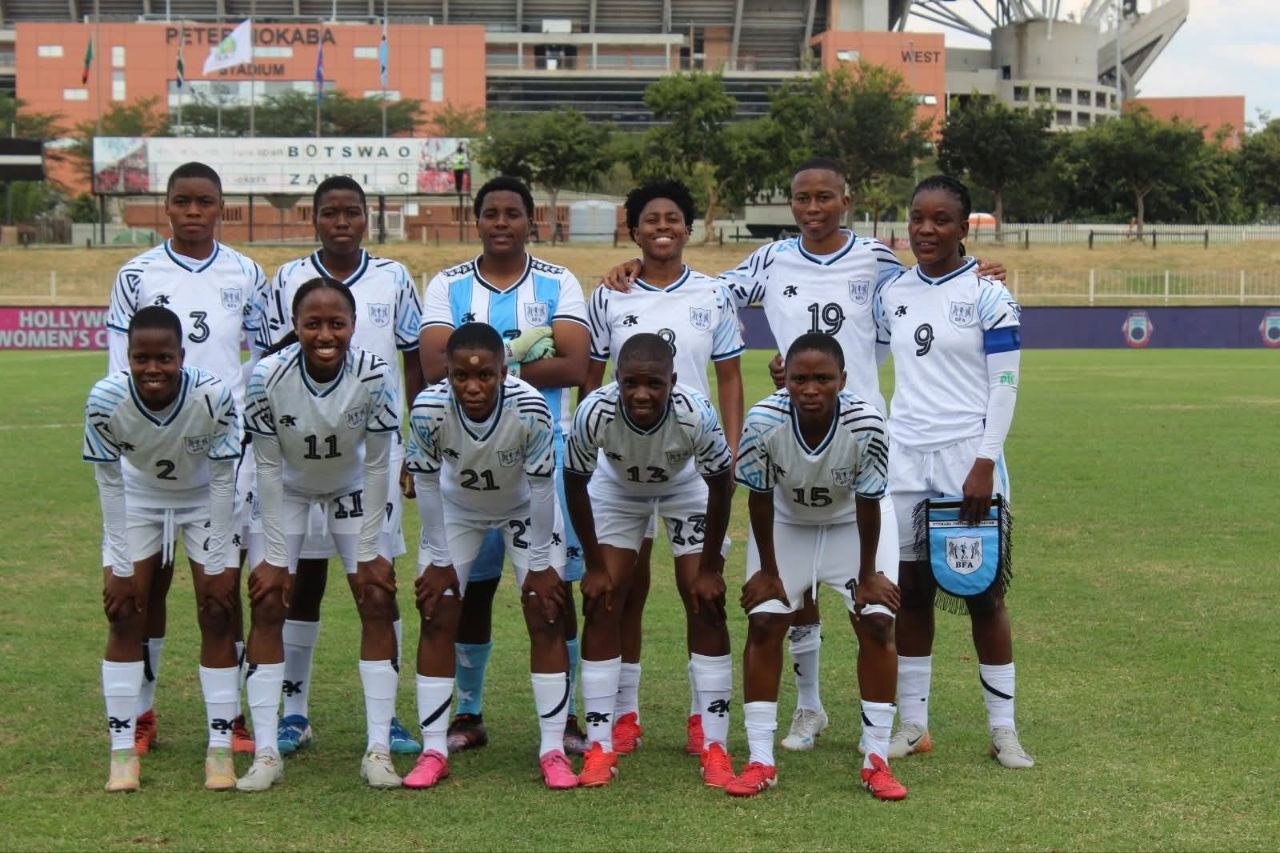
    A fierce battle is expected at the Seshego Stadium, South Africa on Tuesday, as the senior national football team, The Mares take on The Mighty Warriors of Zimbabwe in the Hollywoodbets COSAFA Women’s Championship.

    ‎The Mares, who are still to register a win in the tournament, opened their campaign with a 3–0 loss to Zambia before playing to a one-all draw against eSwatini on Sunday.

    ‎The Mares currently sits at the bottom of the group standings with one point. Zambia leads the group with four points, followed by Zimbabwe, also on four points but with fewer goals. eSwatini occupies third position with one point and a better goal difference than Botswana.

    ‎The Mares coach Gaolethoo Nkutlwisang admitted that her team was still struggling with fitness.

    ‎She, however, noted that there were positives from the eSwatini match, highlighting that the team managed to score their first goal of the tournament.

    ‎Coach Nkutlwisang said the organisation in the attacking front four was encouraging, adding that the introduction of Under-17 and Under-20 players in the second half changed the complexion of the game.

    ‎“We created a lot of scoring opportunities, but we were unlucky as we failed to convert them,” she said.

    ‎She further noted that Sunday’s match provided useful pointers which the technical team had been working on ahead of the clash with Zimbabwe.

    ‎Meanwhile, group standings in the COSAFA Women’s Championship are determined first by total points accumulated. If teams are level on points, the first tie-breaker is the head-to-head result, followed by goal difference and goals scored in matches between the tied teams.

    ‎If teams are still level, overall goal difference in all group matches is considered, followed by a Fair Play system based on yellow and red cards. One point is allocated per yellow card and two per red card, with the team accumulating the fewest points advancing.

  • Burundi First Lady Returns Home

    Burundi First Lady Returns Home

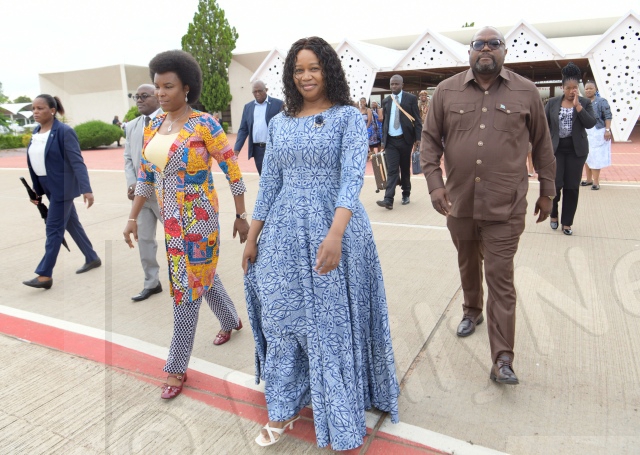
    Burundi First Lady Madame Angeline Ndayishimiye Ndayubaha returns home after completing her two day working day.

    Ms Ndayubahau engaged with First Lady Ms Kaone Boko on  possibilities of collaboration through the Organisation of African First Ladies for Development (OAFLAD).

    The OAFLAD new Strategic Framework 2025-2030 has four strategic pillars of priority: health, education, gender-based violence (GBV), and women’s economic empowerment (WEE) which reflect the organisation’s commitment to addressing the most pressing issues facing children, youth and women.

  • Keorapetse Envisions Environment Conscious Parliament

    Keorapetse Envisions Environment Conscious Parliament

    Speaker of the National Assembly, Mr Dithapelo Keorapetse, has conveyed his vision of an environmentally conscious Parliament that embraces sustainable practices and supports Botswana’s green transition.

    Speaking during a courtesy call by the Executive Director of the 2050 Pathways Platform, an European Climate Foundation, Ms Marcela Jaramillo, Mr Keorapetse said achieving this goal began with the development of an Environmental, Social and Governance (ESG) strategy, which Parliament currently lacked.

    He said Parliament must decarbonise and go green, adding that achieving such transformation required strong political will.

    “The past Parliament’s contribution to green energy was just one per cent, despite a target of 30 per cent,” he said.

    Mr Keorapetse said that Parliament pledged to elect supportive legislation, scrutinise statutory instruments, and ensure effective budget oversight to shape National Energy Policies.

    He further said that Botswana often missed out on green funding and partnerships due to the absence of clear standards, policies, and proper management frameworks.

    The Speaker therefore said Botswana  needed to move swiftly to put the right structures in place.

    The 2050 Pathways Platform, an initiative of the European Climate Foundation in partnership with the African Development Bank, is to support Botswana in developing its Long-Term Emission Strategy (LTS).

    Recently, the organisation held a stakeholder engagement workshop to deepen stakeholder participation in shaping Botswana’s LTS by reviewing, validating and refining the preliminary outputs and scenario pathways towards achieving net zero emissions by 2050, while maintaining economic diversification and growth.

    Ms Jaramillo said the 2050 Pathways Platform, launched in 2016, initially focused on  32 major economies but has since expanded its support to other  countries.

    She said the LTS strategies were seen initially as how big economies started decarbonising  and how they started supporting the objectives  of the Paris Agreement.

     “Then they started to expand across all countries, because everybody started to realise that there is no economic planning, socio-planning, or development planning that can be done robustly if there is no considerations of climate impacts,” she said adding that many developing countries also came on board and developed the strategies. 

    Ms Jaramillo said there was a range of options on the table for Botswana to make strong and robust decisions on key activities that would support the country’s sustainable development.

    “One important thing, and this has happened in several countries that we have supported, but it is specific now in Botswana, is developing the national development plan,” Ms Jaramillo said adding that Botswana needed to have a clear plan behind, a clear governance and institutional leadership to be at the forefront of international finance. BOPA