Category: Parliament

  • Parliament Enacts 17 Bills To Support Development Agenda

    Parliament Enacts 17 Bills To Support Development Agenda

    Government has marked a significant legislative milestone after passing 17 bills and three key national policies during the recently adjourned session of the 13th Parliament, a major acceleration of the national transformative agenda.

    In the endeavour to put in place an effective legislative and policy framework to support the execution of such an agenda, the 17 bills from the 13th Parliament were passed into Acts of Parliament and will only become laws once assented to by the President, as provided for in Section 87 of the Constitution.

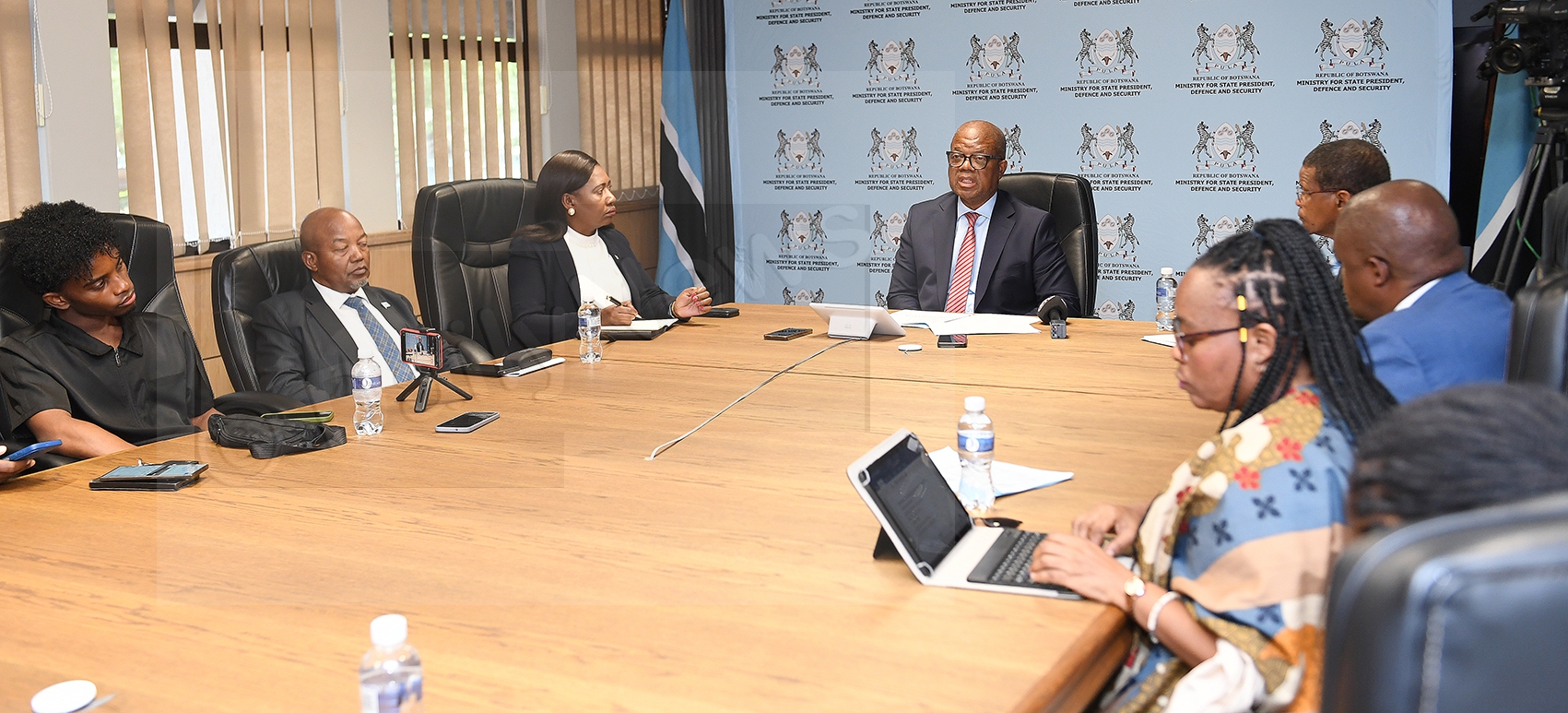
    Briefing the media on Monday, Minister for State President, Defence and Security, Mr Moeti Mohwasa, stated that the meeting also passed three government policies, reflecting significant progress from the first meeting, which only passed six government bills.

    Minister Mohwasa noted that it was the government’s commitment to continuously review and renew laws and policies to ensure that they remained relevant to the national development agenda, as well as emerging regional and international issues that required adjustment if the country was to become a well-respected nation.

    “As the Umbrella for Democratic Change government, we have embarked on the important task of reviewing existing laws to promote inclusive growth and quality lives which was the overall theme of the UDC’s 2024 election manifesto,” Mr Mohwasa said.

    He stated that the government would, in reviewing existing laws or policies, never lose sight of the human rights-focused agenda of the UDC government.

    Mr Mohwasa further noted that the passing of the Constitution (Amendment) Bill, 2025 (Bill No. 14 of 2025) was one of the milestone government achievements in line with nurturing human rights advocacy.

    Of the 66 legislators in attendance on the day, 50 voted in favour, while 15 voted against and one MP did not participate in the voting exercise.

    Gazetted in July 2025, the Bill sought to amend the Constitution to remove constitutional jurisdiction from the High Court, providing a specialised court for constitutional interpretation and the validity of laws. The Bill also sought to amend the Constitution in order to establish a Constitutional Court as part of the country’s judicial system and final arbiter on constitutional matters, aiming to protect fundamental rights and strengthen judicial checks.

    With the country currently operating on a budget deficit, Mr Mohwasa noted that it was equally important for Parliament to pass the second reading of the Stock, Bonds and Treasury Bill (Amendment) Bill, 2026 (Bill No. 2 of 2026), which aimed to amend Section 20 of the Stock, Bonds and Treasury Bills Act of 2005 by raising the statutory ceiling on outstanding public debt and government-guaranteed debt from 40 to 60 per cent of the Gross Domestic Product (GDP).

    He said Parliament also adopted the National Youth Policy 2026-2036 and its Implementation Plan, a defining step forward for young people which was also testament of the government’s full intent to transform the livelihoods of the youth.

    The National Youth Policy 2026-2036 aims to address that which had not worked for young people in past policies and aligned itself with National Vision 2036, National Development Plan 12 (NDP 12 and the Botswana Economic Transformation Programme (BETP).

    The framework is anchored on five strategic pillars with strong emphasis on digital transformation and economic inclusion, by integrating STEAM and TVET education with AI and innovation, the policy would prepare youth for a future dominated by technology while simultaneously fostering entrepreneurial skills and global competitiveness.

    Minister Mohwasa further stated that Parliament also adopted the Revised National Policy on Rural Development as well as the National Agricultural Policy of 2025.

    Regarding private members’ motions, he stated that 25 motions were submitted for consideration, of which four were negated, three were adopted, while the debate on two motions was not concluded at the time Parliament adjourned on April 17. He indicated that of 447 questions submitted, 293 were noticed while 281 were answered.
  • No Law on Dog Breed Ban – Minister

    No Law on Dog Breed Ban – Minister

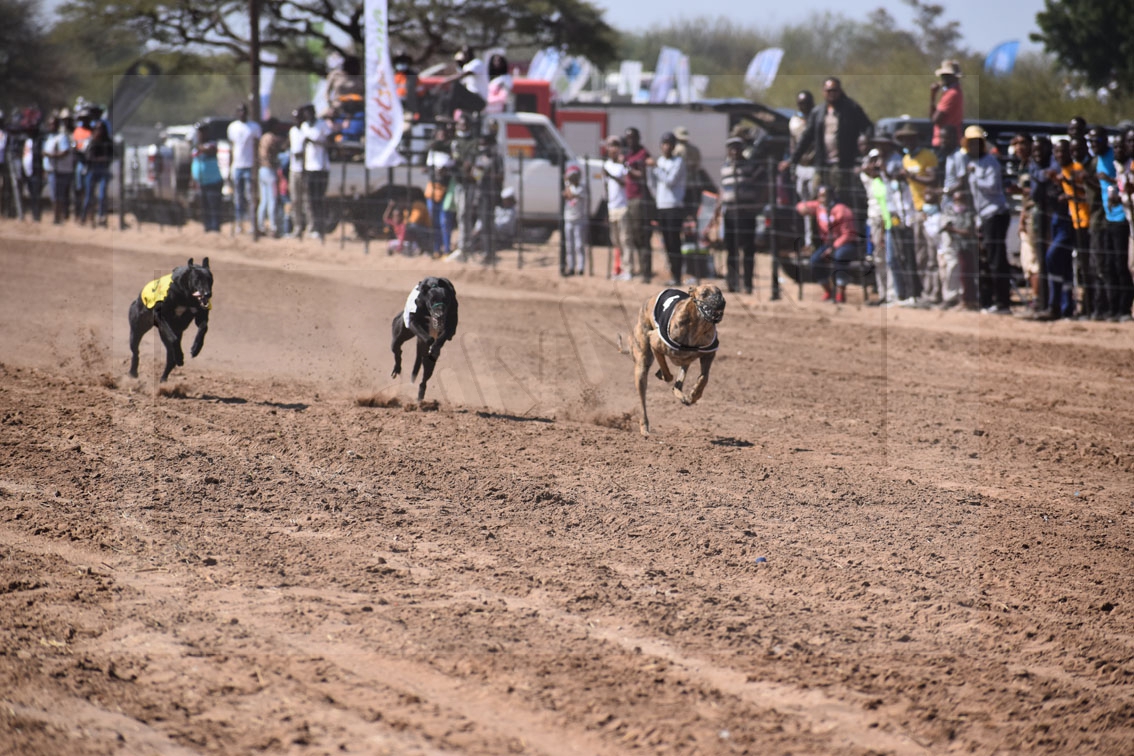
    Parliament has been informed that the current laws relating to animal health and production do not provide banning of any specific dog breeds in the country. 

    The laws include the Diseases of Animals Act (CAP 37:01), Cruelty to Animals Act (CAP 37:2) and its subsidiary regulations and the Livestock Improvement Act (CAP 36:04). 

    Answering a parliamentary question, on behalf of Minister of Lands and Agriculture on Wednesday, Minister of Water and Human Settlement, Mr Onneetse Ramogapi said the Cruelty to Animals Act protected animal welfare while on the other hand, the Livestock Improvement Act promoted and developed the livestock industry by improving the genetic potential and productivity as well as health of animals. 

    “I am however aware that in some jurisdiction, there are laws which specifically ban certain dangerous dog breeds,” he added citing that in the United Kingdom, the Dangerous Dog Act of 1991 prohibited dangerous dogs but that was not limited to pit bulls only, as it applied to other dangerous breeds. He added that considering the banning of domestic rearing of pit bull dogs on account of safety concerns should be preceded by public discourse which should balance public safety concerns with ethical, welfare and legal considerations. 

    Parliament was told that the ministry was available to advise councils on dog behaviour, traits and characteristics as they formulated by-laws regulating their keeping, maintenance and licensing within their jurisdictions. 

    Earlier, Member of Parliament for Kgatleng Central, Mr Mpho Morolong asked the minister if he did not consider banning the domestic rearing of pit bull dogs due to safety concerns. 

  • Mmolotsi Explains Tourism Sector User Fees

    Mmolotsi Explains Tourism Sector User Fees

    The Ministry of Tourism and Environment has not increased any user fees for the tourism sector. This was revealed by Minister of Tourism and Environment, Mr Wynter Mmolotsi when responding to a question in Parliament on Wednesday. 

    Minister Mmolotsi said consultations with the sector had been done to ensure that their views were incorporated into the final product.  “As stated earlier, there has not been any abrupt increase in fees. The process of reviewing the user fees is ongoing through a consultative process. As stated above all these were considered during the consultations and the final proposed fees will incorporate the concerns and guidance of the stakeholders,” the minister said. 

    He also said the country’s governance was premised on the principle of morero as a cornerstone for development. To that end, Mr Mmolotsi emphasised that the ministry recognised the importance of stakeholders in driving policy and would continue to engage them frequently in a transparent manner on any proposed changes in policy direction. 

    Minister Mmolotsi was responding to a question from Member of Parliament for Okavango East, Mr Gabatsholwe Disho, who wanted to know factors that informed the sudden and significant increase in prices and rates across the tourism sector, and why such changes were implemented without adequate notice or stakeholder consultation. 

    Mr Disho also wanted to know whether the minister had assessed the potential impact of such abrupt price hikes on the sustainability and competitiveness of the tourism industry, particularly for operators, employees and communities that depended on it. 

    He further asked whether the ministry appreciated that the abrupt policy and pricing changes created uncertainty for tourism operators and clients, disrupted forward bookings and investment planning. Additionally, the legislator wanted to know what measures were being taken to mitigate the negative consequences and restore confidence in the sector.

  • Govt Commits to Pay P43M Owed to Veterinary Employees

    Govt Commits to Pay P43M Owed to Veterinary Employees

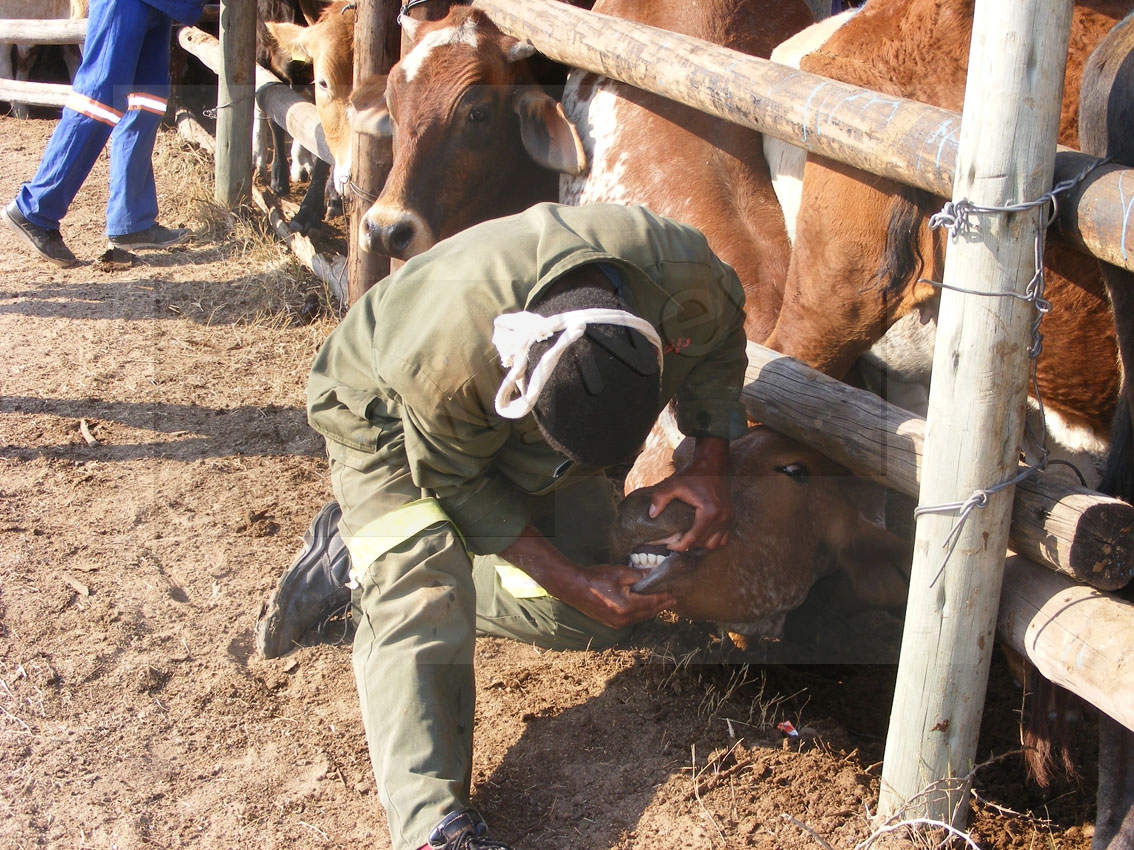
    Government is committed to settling at least P43 million owed to low-ranking employees in the Department of Veterinary Services, despite ongoing liquidity constraints affecting payment timelines. 

    Responding to a question in Parliament on Wednesday, Minister of Water and Human Settlements, Mr Onneetse Ramogapi, on behalf of Minister of Lands and Agriculture, confirmed that the debt, which affected staff stationed at disease control camps across the country, related to unpaid allowances accumulated over time. 

    Mr Ramogapi said the arrears included subsistence, overtime, housing and temporary assistance allowances.  

    The minister emphasised that honouring the obligations remained a priority for government, although current cash flow challenges made it difficult to commit to a specific payment schedule. 

    “The debt will be settled, however, liquidity constraints arising from uncertain cash flows preclude setting a specific timeline,” he said.  He noted that payments were already being made in phases as funds became available, adding that to date, government had paid P635 000 towards subsistence allowances and P15 million in overtime claims. 

    Member of Parliament for Okavango West, Mr Kenny Kapinga, had sought clarity on whether government was aware of the huge debt owed to low-ranking public servants left over from the previous administration, especially for employees in the Department of Veterinary Services based at disease control camps across the country. 

    Mr Kapinga also asked the minister to ease the feelings of such public servants and state how government planned to discharge its debt obligations to its employees.

  • VAT Tax Bill to Modernize Digital Economy and Shield Households From Inflation

    VAT Tax Bill to Modernize Digital Economy and Shield Households From Inflation

    Government is set to modernise the 24-year-old tax framework with the introduction of the Value Added Tax Bill 2025 in efforts to shield low-income households from inflation while digitising the national economy. 

    By moving essential goods, including cooking gas, infant formula and farm implements, to a zero-rated status, the Bill seeks to lower the cost of living and boost food security, even as it introduce mandatory electronic invoicing and new taxes on remote digital services. Presenting the Value Added Tax Bill of 2025 on Tuesday, Vice President and Minister of Finance, Mr Ndaba Gaolathe told Parliament that the current VAT Act, enacted in 2001 and implemented in 2002, no longer reflected the modern world.

     Minister Gaolathe said the tax landscape had evolved significantly over the last two decades, necessitating a holistic review to ensure that the system remained sustainable.

    He said the objective of the new Bill was to repeal and re-enact the Act with amendments that broadened its scope and aligned it with a technology-driven global economy.  He added that a key feature of the Bill was to formalise reforms regarding taxation of remote services and the introduction of mandatory electronic invoicing. 

    Minister Gaolathe stated that the Bill retained and built on such reforms, further expanding the VAT framework to ensure that it remained responsive to the realities of an increasing digital and technology-driven economy. 

    “The Bill maintains the standard VAT rate of 14 per cent on taxable supplies, imports and reverse-charged supplies, it introduces stricter compliance measures, including making it compulsory for any person making taxable supplies above the VAT threshold to apply for registration,” he said. 

    Importantly, he said the legislation refocused the list of zero-rated goods to protect essential items consumed by lower-income households. Also, he said the zero-rated list had been carefully revised to include staple foods such as maize meal, sorghum, bread, fresh vegetables, cooking oil and sugar and the list further covered household needs like cooking gas and basic water supply, as well as critical products like infant formula, sanitary products and prescription medicines which have been moved from exempt to zero-rated status. 

    He also informed Parliament that, beyond households, the Bill further provided meaningful support to the agricultural sector by zero-rating key inputs and implements such as ploughs and tractors to lower production costs and strengthen food security. 

    Minister Gaolathe noted that the shift toward zero-rating certain supplies used in production allowed manufacturers to claim input tax, which enhanced the competitiveness of local industry while supporting low-income households through more affordable local goods. 

    “This strategy is expected to strengthen local manufacturing and contribute to a more inclusive and resilient economy,” he said. 

    The  minister acknowledged that despite such updates, several gaps and inconsistencies had persisted and prompted the need for a comprehensive and holistic act review. 

    “As part of government’s broader tax reforms programme, a comprehensive review of the value added tax was undertaken along with the development of the new Tax Administration Act. This process has now been completed and was informed by extensive engagement with relevant government departments and private sector which culminated in the National Tax Pitso,” he said. 

    He added that the new Bill, informed by extensive engagement during the National Tax Pitso and consultations with the private sector, established clearer rules for pricing, advertising and determination of when a supply occurred. Furthermore, he said, the Bill empowered government to recover VAT from recipients who misrepresented the nature of a supply and allowed the minister to enter into agreements with foreign governments on VAT-related matters. 

  • Mohwasa Explains BTVs FRANCE24 Partnership

    Mohwasa Explains BTVs FRANCE24 Partnership

    Minister for State President, Defence and Security has informed Parliament that the Department of Broadcasting Services has partnered with France 24 since 2011 and the agreement has allowed for the free distribution of France 24 English on the department’s Direct-To-Home (DTH) and Digital Terrestrial Television (DTT) platforms, remaining in effect until either party terminates.

  • Draft Policy Charts Agric. Future

    Draft Policy Charts Agric. Future

    The National Agriculture Draft Policy 2025 is set to charter a new era for Botswana’s agriculture, one defined by innovation, resilience and value creation.

     The policy positions the sector as a primary driver of economic diversification, food security and export growth. 

    Presenting the draft policy in Parliament on Monday, acting Minister of Lands and Agriculture, Dr Edwin Dikoloti, highlighted that the new framework aimed to transform the country’s agricultural industry into a diversified, resilient and export-oriented sector that drove national economic growth. 

    Dr Dikoloti stated that the policy affirmed a paradigm shift from food security to food sovereignty and further reinforced Botswana’s commitment to a market-oriented and export-led agricultural sector by aligning with national priorities as well as regional and international standards. 

    “Rooted in the principles of environmental stewardship, the right to food and nutrition, stakeholder engagement, social inclusivity and evidence-based decision-making, the policy embraces innovation, promotes agri-entrepreneurship and reinforces the central role of farmers and agribusinesses in the economic transformation,” Dr. Dikoloti said. 

    The minister indicated that the policy provided a clear roadmap for transformation through coordinated efforts between government, private sector, farmers, communities and development partners. 

    Furthermore, he noted that the policy placed strong emphasis on technology adoption, research and development and capacity building, particularly targeting youth, women and marginalised groups.  He added that the policy also aimed to promote commercialisation and diversification of agriculture, anchored on the development of key agricultural value chains. “The sector is prioritising dairy, livestock and crop production, as well as horticulture, apiculture, aquaculture and fodder production,” he said.

     Dr Dikoloti further said the sector would also promote high-value niche commodities such as cannabis, cotton, safflower and moringa, alongside other products with high export potential.

     Such initiatives, he said, were designed to position agriculture as a competitive and sustainable contributor to Botswana’s GDP and a catalyst for employment creation.

     Again, he said in line with government’s commitment to industrialisation, the sector would continue to promote value addition and agro-processing through private-sector-led investments. “This approach seeks to transform agricultural outputs into high-value products, thereby creating employment, supporting rural industries and increasing export competitiveness,” he said. Regarding agricultural digitisation, Dr Dikoloti stated that the sector was advancing digital transformation through investment in enabling technologies, automation of land delivery and agricultural processes, ICT infrastructure upgrades and capacity-building in digital literacy. 

    “This shift is expected to enhance service delivery and digitise data, improving transparency, traceability and efficiency across the sector.

     To boost productivity, strategic investments are also being made in infrastructure, including access routes to production areas, storage facilities, laboratories, testing centers and transport networks,” he said. 

    In response to climate change, Dr Dikoloti stated that the strategy promoted sustainable, climate-smart practices such as conservation agriculture, agro-ecological production, integrated crop-livestock systems and agroforestry.

     “The sector supports the use of drought-tolerant crops, resilient livestock breeds, organic fertilisers, rangeland management and modern technologies like precision farming, soil moisture sensors and drone monitoring,” he said. 

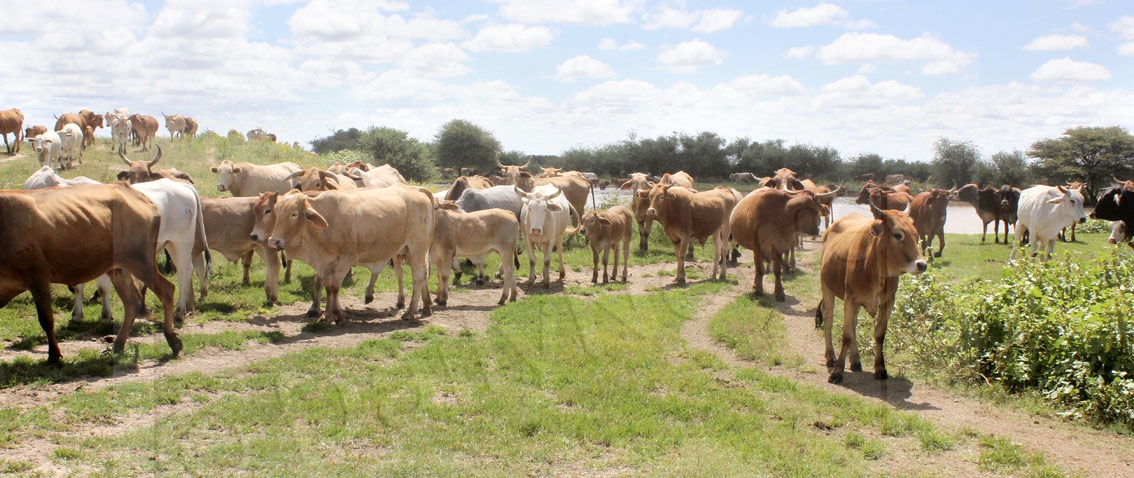
    Conversely, he said the agricultural transformation agenda focused on significantly increasing the national cattle population. Dr Dikoloti cited that the baseline herd in 2024 stood at 1.6 million cattle, with a target to grow it to 4.6 million by 2029/2030 to mark substantial recovery and expansion of the national herd. 

  • Serowe Rehabilitation Centre to Open July

    Serowe Rehabilitation Centre to Open July

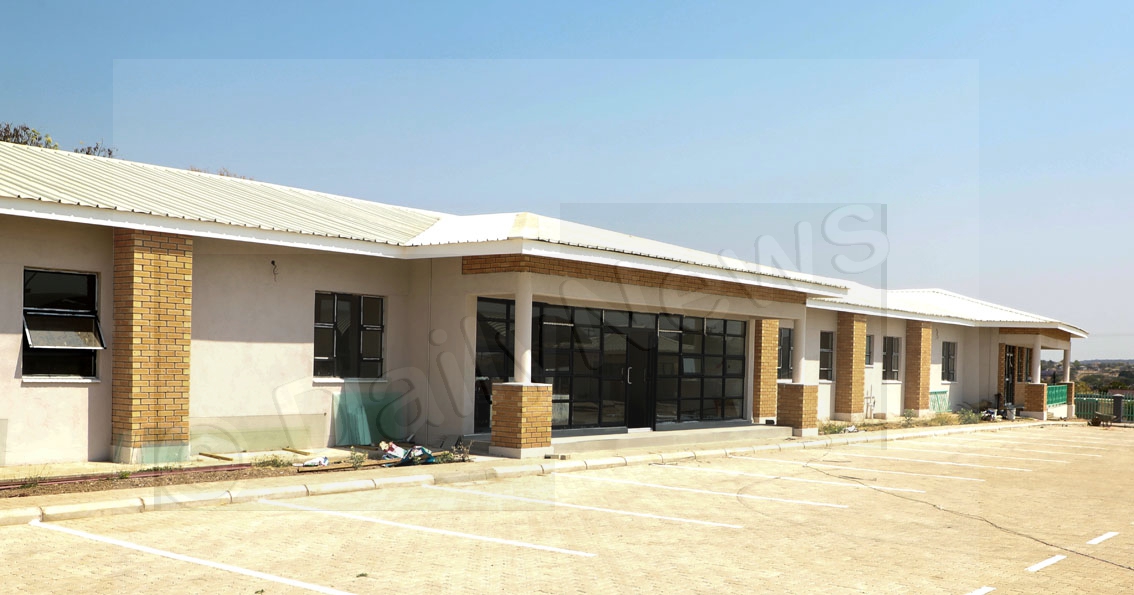
    Serowe Rehabilitation Centre at the repurposed Old Sekgoma Memorial Hospital is now 94 per cent complete and is expected to be fully operational by July 2026. 

    Answering a question in Parliament on Tuesday, Minister of Health, Dr Stephen Modise said the centre would provide both outpatient and inpatient rehabilitation services, significantly strengthening access to treatment. 

    The minister added that while the facility would play a critical role in treatment and rehabilitation, the ministry continued to work closely with stakeholders on prevention and recovery, including creating supportive environments and strengthening community structures to sustain long-term prevention, treatment and recovery efforts.

     However, Dr Modise, acknowledged the delays experienced in the completion of the project, adding that the site’s rugged topography necessitated longer time for ground preparation and excavation.

     Additionally, he said the project encountered delayed claim payments, particularly in the third and fourth quarters of 2024-2025 and the first quarter of 2025-2026.

     That, he said had an impact on the contractor’s cash flow, which resulted in fewer resources and slower site progress. 

    “I would like to assure this House that the project remains a priority and every effort is being made to bring it to completion as efficiently as possible while maintaining the required standard and within the amended timelines,” he said. 

    Member of Parliament for Serowe West, Mr Onalepelo Kedikilwe, had asked the minister when the Serowe Rehabilitation Centre would be opened to the public and the forecasted project handover date and the reasons for the delay in the project delivery.

  • Minister Promises Transparency in BCL Inquiry

    Minister Promises Transparency in BCL Inquiry

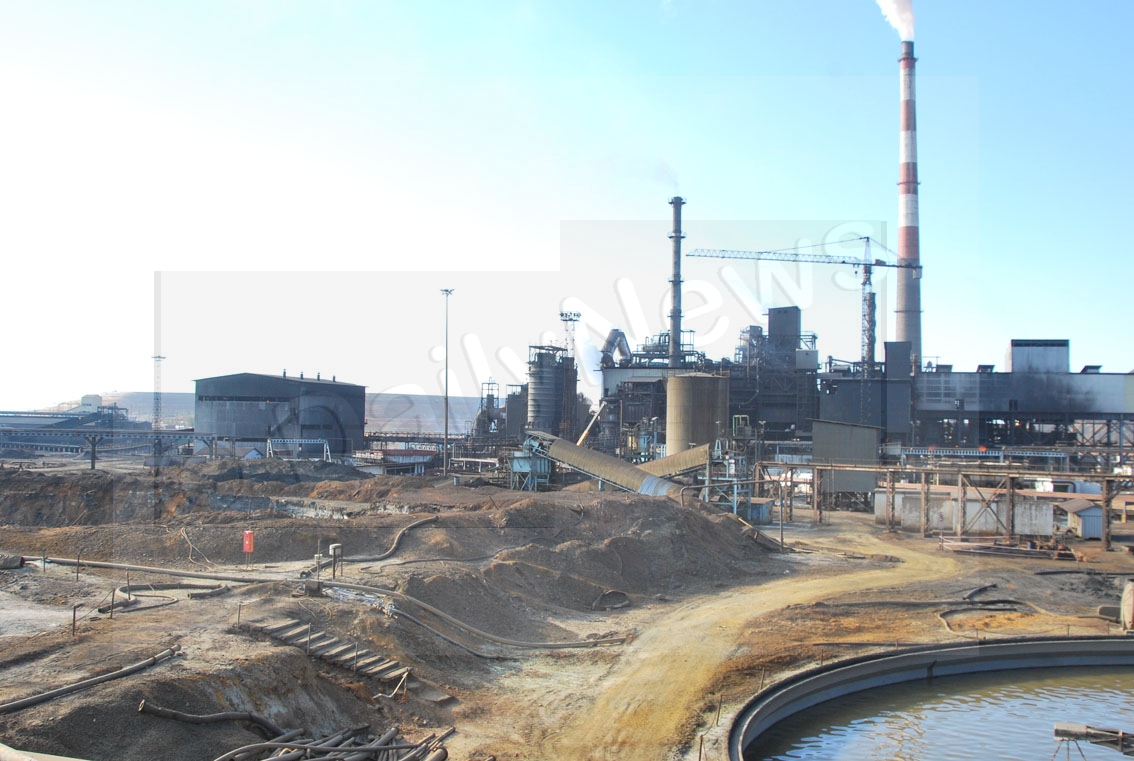
    Minister for State President, Defence and Security, Mr Moeti Mohwasa, says the Presidential Commission of Inquiry into the closure of BCL Limited will operate with full independence, transparency and accountability. Answering a parliamentary question recently, Minister Mohwasa said the commission was established to investigate the circumstances surrounding the liquidation of the copper-nickel mining giant, whose collapse devastated the economy of Selebi-Phikwe and affected thousands of Batswana. He explained that the commissioners were appointed in strict accordance with the provisions of the Commissions of Inquiry Act. He emphasised that great care was taken to select individuals of unassailable integrity with relevant expertise in judicial, administrative, legal, financial and environmental matters and who had no direct or indirect interest in the BCL liquidation. “Appointments were thoroughly vetted for conflicts of interest. The Commission also reflects regional and professional diversity to reinforce public confidence,” the minister said. Mr Mohwasa stated that public sittings would be the default, with proceedings publicly noticed to allow Batswana to follow the process and a complete public record of evidence, submissions and exhibits would be maintained, subject only to lawful redactions for witness protection or national security reasons. He added that witnesses and affected parties would have the right to legal representation and the Commission would operate free from any executive direction or control in its investigations, witness selection or final findings. Mr Mohwasa revealed that the Terms of Reference (ToR) were drafted following rigorous consultations with legal, financial and environmental experts and were reviewed by senior counsel specialising in liquidation law and public inquiries. The expansive ToR, which were published in the Government Gazette for public and parliamentary scrutiny, he said covered the lawfulness of all liquidation actions, conduct of directors and Cabinet members, allegations of corruption, fronting and tender irregularities, environmental disaster risks, as well as asset accounting and possible pilfering. The minister confirmed that the ToR underwent expert legal review to ensure that they were comprehensive and capable of producing actionable recommendations. Mr Mohwasa emphasised that the Commission enjoyed statutory independence under the Commissions of Inquiry Act, granting it the powers of a court of record, including the authority to summon witnesses, compel the production of documents and punish contempt. “The chairperson, retired judge Mr Wallis, brings unquestioned judicial independence to the role. All government departments and public officers have been formally directed to cooperate fully without seeking political guidance. The Terms of Reference explicitly authorise investigation into the actions of former Presidents, Cabinet members and senior officials,” he added. Again, Mr Mohwasa said funding for the Commission would be administered independently by its secretariat, while the total budget was still being finalised due to detailed planning for an inquiry of such scale and complexity and would be made public once completed. “Strong safeguards have also been put in place to protect witnesses from intimidation. The Commission may hold closed sessions, grant anonymity where a reasonable fear of reprisal is demonstrated and refer any interference to law enforcement for prosecution. Witnesses may also receive legal support at the Commission’s discretion,” the minister said. Mr Mohwasa described the Commission as a watershed moment in the nation’s commitment to accountability, transparency and justice. “The people of Selebi-Phikwe and all Batswana deserve answers about what happened to this strategic national asset, who was responsible and what lessons must be learned,” he said. He called on all stakeholders to cooperate fully and set aside partisanship in the national interest. He said the Commission was expected to begin public hearings in the coming weeks. MP for Selebi Phikwe West, Mr Reuben Kaizer, had raised concerns regarding the commission’s composition, operations and protections.

  • Fuel Supply Remains Stable

    Fuel Supply Remains Stable

    Botswana’s petroleum supply and national energy security are currently stable despite sharp increases in global crude oil prices triggered by escalating conflicts in the Middle East. In a recent statement delivered in Parliament, Minister of Minerals and Energy, Ms Bogolo Kenewendo, detailed the impact of geopolitical developments on international fuel markets and outlined the measures that government had taken to safeguard local supplies. 

    Minister Kenewendo said Brent crude oil prices had risen dramatically in recent weeks with average prices having surged 38.1 per cent from US$69.37 per barrel in February 2026 to US$97.23 per barrel by 26 March, 2026. She said daily prices climbed from US$77.74 at the start of March to US$107.81 on March 26, with peaks reaching US$119.50 per barrel on March 9, levels not seen in four years. 

    The minister attributed the spike to attacks on shipping and energy facilities, threats to tanker traffic through the Strait of Hormuz, higher war risk insurance premiums, disrupted maritime routes, elevated freight costs and speculative trading. 

    While some international interventions, such as strategic reserve releases, provided limited relief, she said the overall market remained volatile. She indicated that following the latest update, Botswana’s fuel reserves provided a reasonable buffer.

     She said strategic stocks stood at 10.56 days of consumption, up slightly from 10 days the previous week, while commercial stocks increased to 24.1 days from 20.8 days previously. The total volume of fuel stocks held by importers and wholesalers, she said was 43.5 million litres, comprising 31.5 million litres of diesel and 12 million litres of petrol, a modest decrease from 46.8 million litres. An additional 32.2 million litres, including 12.8 million litres of diesel and 19.4 million litres of petrol, she said were in transit to Botswana. 

    However, she said the figures excluded product held at retail sites. Parliament heard that Botswana Oil Limited alone held 33.1 million litres, consisting of 8.9 million litres of ULP 95 and 24.2 million litres of diesel while government strategic storage capacity currently stood at 62.5 million litres, equivalent to approximately 18.9 days of prevailing national consumption. 

    Ms Kenewendo highlighted ongoing projects to bolster strategic reserves, including the Francistown depot which was being expanded by 60 million litres, while a new strategic storage depot was under construction at Ghanzi with 30 million litres capacity. Upon completion of the two projects, she said national strategic storage would increase to 152.5 million litres, equivalent to 46.2 days of cover. She added that plans were also underway for the Tshele Hills facility with a capacity of 187 million litres, which would ultimately bring the total strategic stock cover to 102 days. 

    To counter potential disruptions, she said government had implemented several proactive steps, including engagement with suppliers and strengthened supply planning, expedited leasing of coastal storage facilities in Mozambique and Namibia to diversify import routes, increasing monthly procurement volumes to build buffer stocks and continuous monitoring of global supply dynamics for early intervention. 

    “These actions aim to enhance resilience against logistical and geopolitical shocks,” she said. 

    The minister noted that the drop in commercial stock volumes partly stemmed from higher international prices, as traders had shifted from contract arrangements to more expensive spot selling, which included additional premiums, which had created financial pressure on local importers.

     She further told Parliament that Botswana imports refined petroleum products and their prices had risen sharply, with Unleaded Petrol 95 (ULP 95) increased by nearly 60 per cent from US$79.70 to US$127.29 per barrel and diesel rose by 91 per cent from US$91.18 to US$173.93 per barrel, while illuminating Paraffin surged by 111 per cent from US$90.97 to US$191.87 per barrel. To protect consumers, she said pump prices had not been increased since the escalations began, adding the National Petroleum Fund (NPF) had been used to cushion the impact.

     However, Ms Kenewendo warned that the fund was no longer in a position to continue absorbing such under-recoveries, meaning that future price adjustments may become necessary. She cautioned that the cost of importing fuel itself could evolve into a security of supply concern if the situation persisted.

     The minister emphasised that government, through the Botswana Energy Regulatory Authority (BERA), continued to monitor international price movements daily. 

    She said while the global outlook remained challenging, current stocks and planned deliveries provided short- to medium-term stability.

     Nonetheless, she said government was committed to safeguarding national energy security. Commenting on the statement, Leader of the Opposition, Mr Dumelang Saleshando, asked the minister to provide Parliament with expected dates for the completion of the Francistown depot expansion. 

    He recalled that the country faced fuel shortages in 2021 due to a regional crisis and noted that Botswana had yet to fully establish adequate strategic reserve depots. 

    Mr Saleshando further inquired whether government would develop an inter-ministerial response to protect citizens from fuel price hikes, warning that increases would affect food prices and taxi fares. 

    He asked if it would not be ideal for government to come up with a coordinated strategy to shield vulnerable sections of the economy and those at the margins from the impact of rising fuel prices.