Blog

  • Project Bula Buka Unlocks Opportunities For JC Leavers

    Project Bula Buka Unlocks Opportunities For JC Leavers

    For many young Batswana, completing the Junior Certificate was meant to be a key milestone and a path to senior secondary education. Instead, for some, it became a moment filled with uncertainty, a crossroads where dreams pause, opportunities narrow and the future feels uncertain.

    While some young people leave school hopeful yet uncertain, others are forced to exit due to financial, family or personal challenges. Gradually time slips by, and many quietly fall out of the education system, carrying unrealised ambitions and unanswered questions.

    It is for these young people that Project Bula Buka was launched in Gaborone this week, offering more than just a programme, but a renewed sense of possibility. Targeting JC leavers from 2019 to 2025, the initiative is designed to provide structured second-chance opportunities in education, skills development and pathways into employment.

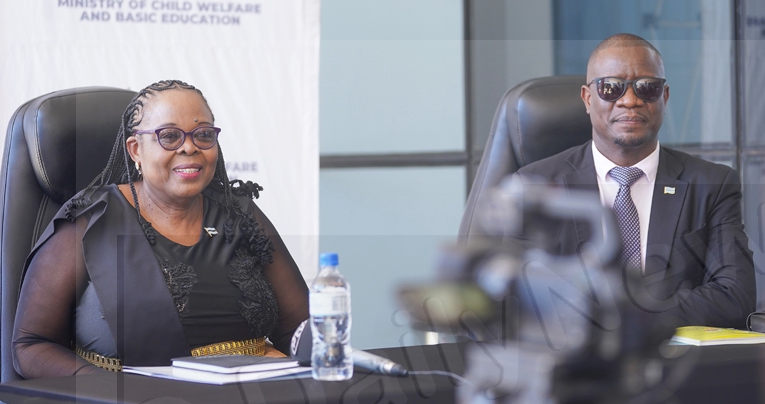
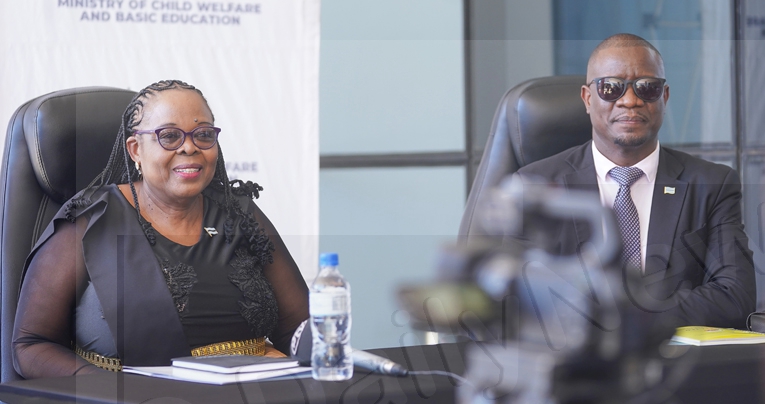
    Speaking at the official launch, the Minister of Child Welfare and Basic Education, Ms Nono Kgafela-Mokoka described the project as a promise to young people who may have felt left behind.
     

    Phase one will focus on identifying and enrolling eligible JC leavers and linking them to tailor made training and vocations that align with labour market needs.

    Ms Kgafela-Mokoka explained that many beneficiaries had already been profiled, with more to follow, ensuring that participants received career guidance, life-skills training and support services aimed at building confidence and long-term self-reliance.

    At the heart of Project Bula Buka is a recognition that learning is not one-size-fits-all. While some learners thrive in traditional classrooms, others are more practically inclined or need alternative routes to rediscover their strengths. The programme is therefore built on three pillars: skills development, multiple learning pathways and multiple certification options creating flexible routes back into learning and work.

    With a strong Science, Technology, Engineering, Arts and Mathematics (STEAM) focus, the initiative also seeks to prepare young people for a rapidly changing job market, where adaptability and practical skills are increasingly valued.

    For those who have spent years outside structured learning, this support could be life-changing, offering a bridge from prolonged unemployment to meaningful participation in the economy, entrepreneurship or further education.

    However, Ms Kgafela-Mokoka emphasised that the success of the programme depended on partnership. Government, she said was working alongside employers, training institutions and community stakeholders to create opportunities for internships, mentorship and smoother transitions into existing empowerment initiatives.

    Accessibility has also been prioritised and registration will be available both online and manually, with innovative partnerships allowing young people to register at selected Choppies Botswana stores, JB Stores and fuel stations, including in remote areas such as Hukuntsi and Charleshill.

    The minister said special outreach efforts were targeting hard-to-reach communities, including the Central Kgalagadi Game Reserve (CKGR), Seronga, Gudigwa, Jao Flats, Ditshiping and New Xade areas where distance and limited connectivity have often excluded young people from national programmes. A toll-free helpline is also being established to provide guidance and respond to queries.

    Project Bula Buka forms part of Botswana’s broader Education Continuum Model under the Botswana Economic Transformation Programme (BETP), which aims to develop innovative, future-ready human capital. But beyond policy frameworks, the initiative reflects a deeply rooted Setswana value tshwaragano or the spirit of working together.

    “It acknowledges that young people who fall outside formal systems are not statistics, but our sons and daughters, neighbours and future leaders. By creating structured second-chance opportunities, the programme aims to restore confidence, dignity and direction,” said Ms Kgafela-Mokoka.

    With registration open for a month and implementation set for March 2026, Project Bula Buka carries a simple but powerful message: one exam result or one difficult season does not define a lifetime. Sometimes, all it takes is for someone to open the book again and begin a new chapter.

  • Valentine’s blood drive collects 350 donors

    Valentine’s blood drive collects 350 donors

    While Valentine’s Day is often associated with roses, chocolates and romantic gestures, for some Batswana the most meaningful expression of love is giving blood to help save lives.

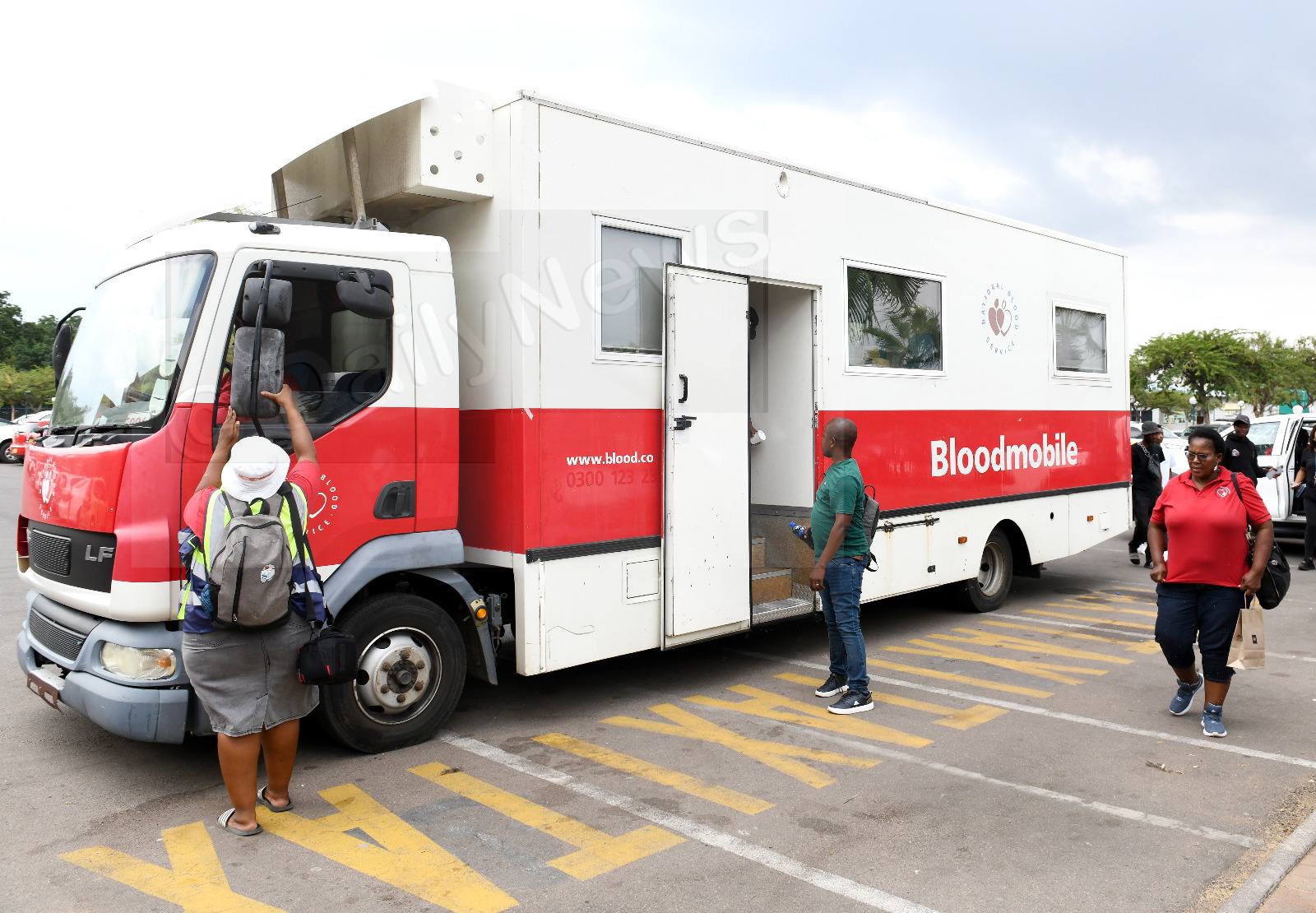
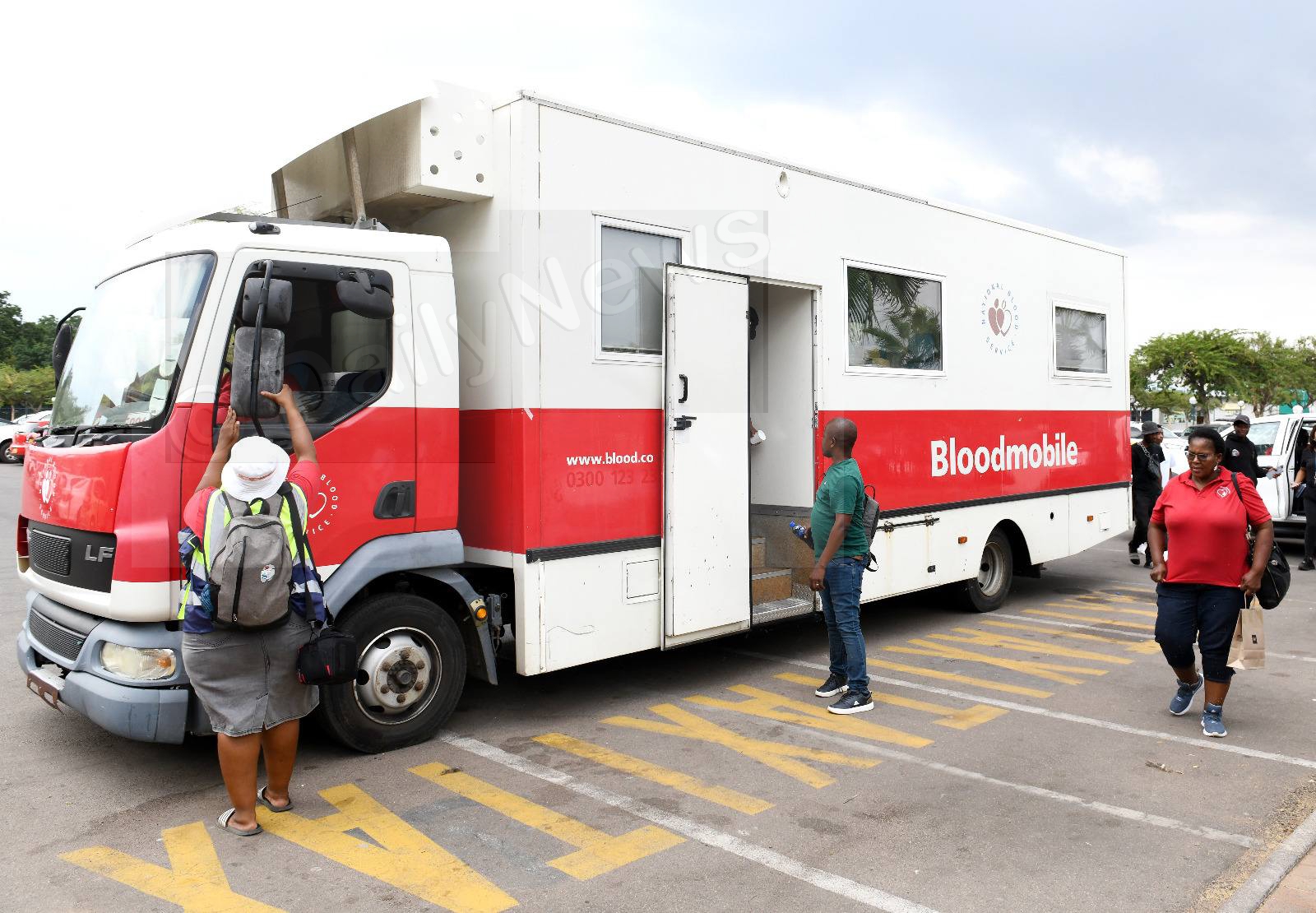
    For the 11th consecutive year, the National Blood Transfusion Services Botswana hosted its Valentine’s Day blood donation campaign, encouraging the public to mark the occasion through an act of compassion. The initiative drew support from donors in Railpark mall in Gaborone and Watershed Mall Mahalapye, with about 350 people rolling up their sleeves during the week-long drive.

    Chief Registered Nurse Thabo Mazhani said the campaign continues to serve as an important reminder that love can be shown not only through gifts, but also through selfless acts that benefit the wider community.

    With the country currently facing a shortage of blood, he urged more people to come forward and become regular donors.

    “Those eligible to donate blood are persons aged between 16 and 65 years who weigh 50 kilogrammes and above,” he said, adding that consistent donations are critical to maintaining adequate supplies for emergencies, surgeries and ongoing medical care.

    Although the Valentine’s campaign has now come to an end, organisers hope the spirit of giving it inspired will last well beyond February, reminding the nation that a single donation can mean a second chance at life for someone else.

  • Botswana U20 Women Team Exits World Cup Qualifiers

    Botswana U20 Women Team Exits World Cup Qualifiers

    Botswana under-20 women’s team bowed out of the FIFA U20 Women’s World Cup Qualifiers with a 1-0 win over Cameroon, despite losing 5-1 on aggregate.

    Mapengula Hangara scored the lone goal in the 77th minute, assisted by Keotshepile Kesetse, at the Obed Itani Chilume Stadium.

    Coach Tapaphiwa Gaebolae praised his team’s effort, saying, “We played exceptionally well considering the circumstances. I’m proud of my girls.”

    Cameroon’s Coach Hassan Balla attributed the loss to travel difficulties affecting his team’s performance.

  • Fifa assigns Sebego to World Cup as Appeals Committee member

    Fifa assigns Sebego to World Cup as Appeals Committee member

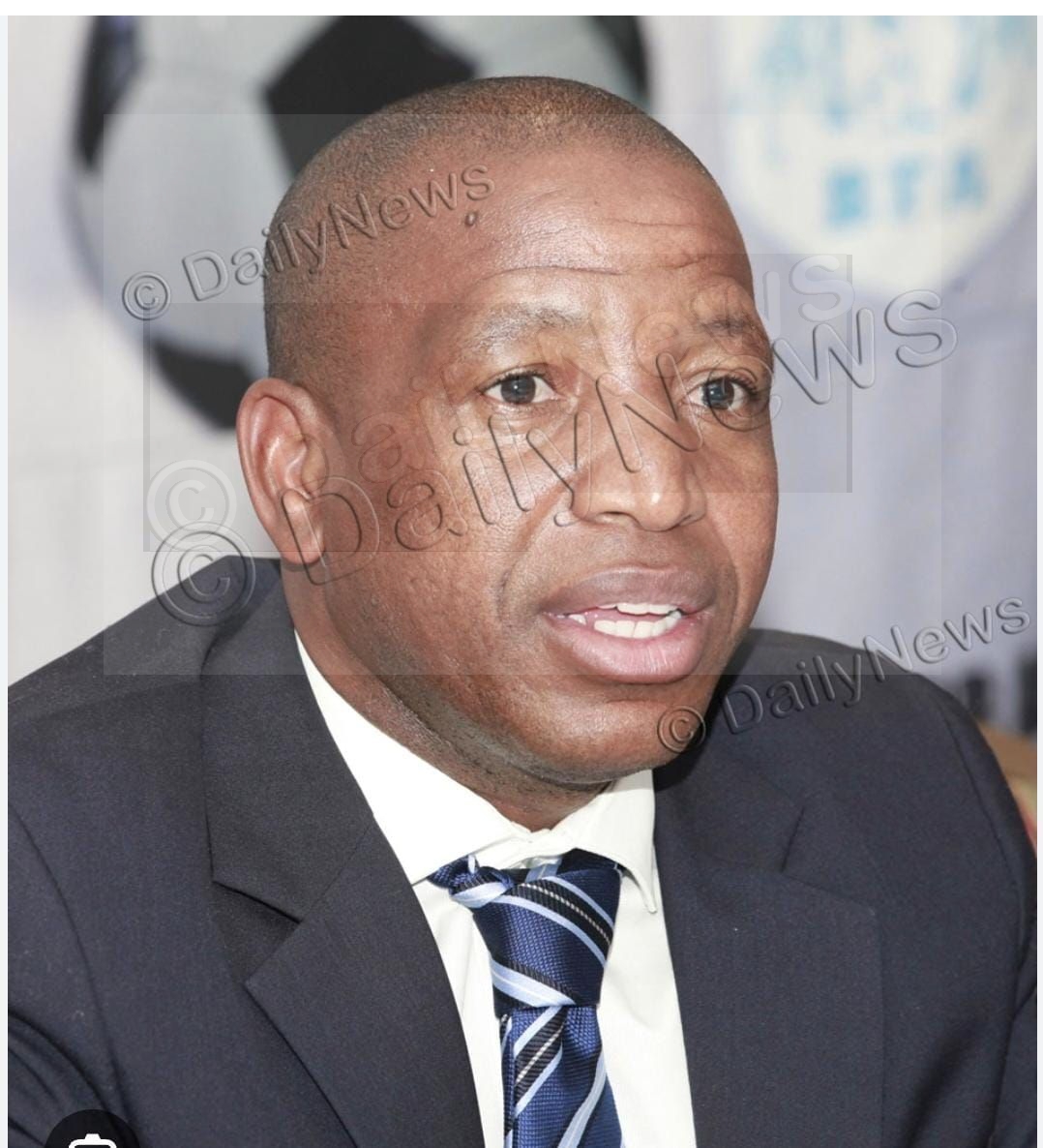
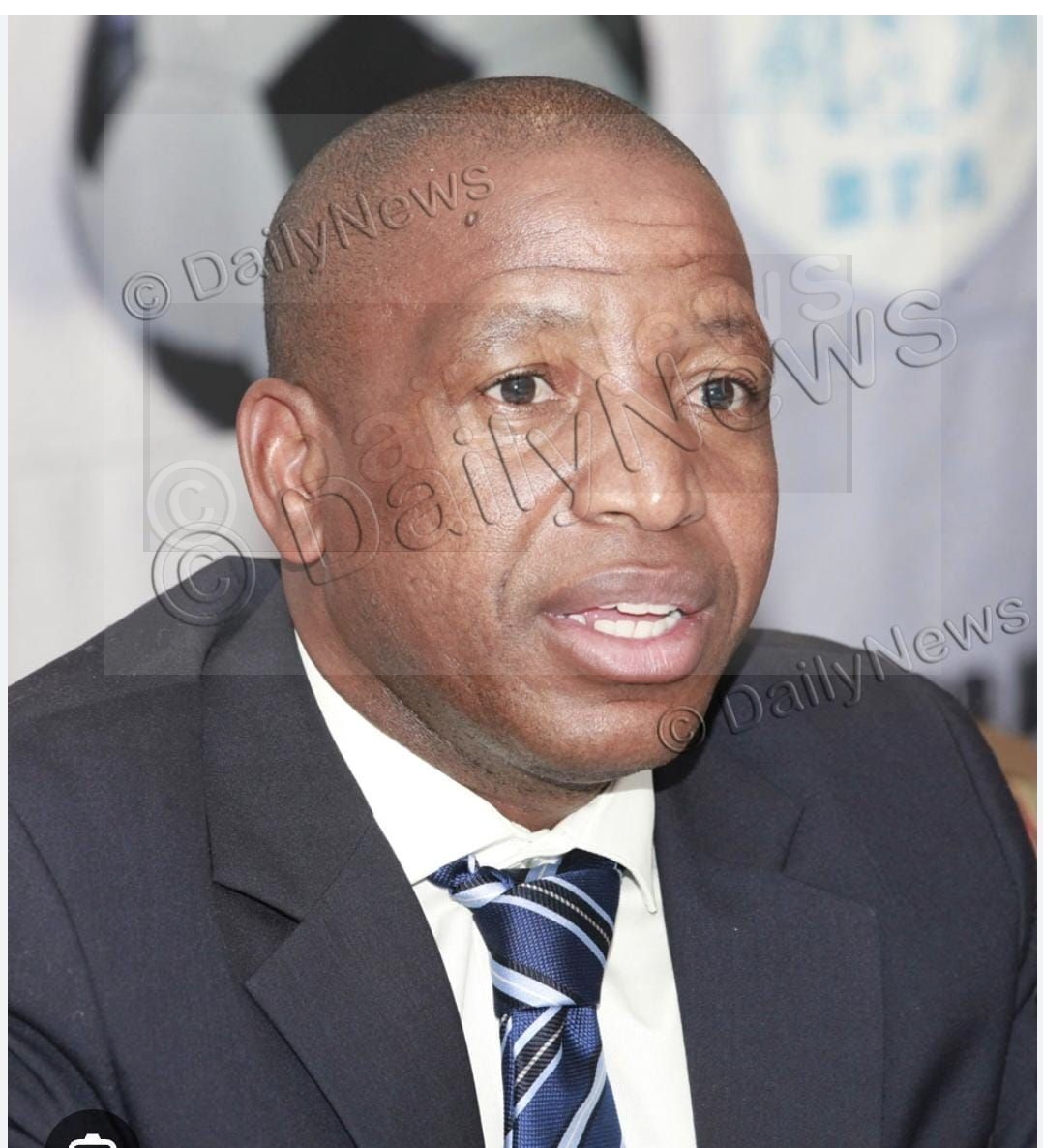
    ‎Tebogo Sebego has been assigned to the FIFA Appeals Committee for the upcoming World Cup in the US, Mexico, and Canada (June 11-July 19).

    ‎Sebego, former BFA president, will serve in Miami from June 10-20.

    ‎BFA vice president-technical, Tico Kamati hailed the assignment, citing Sebego’s legal expertise and sharp understanding of laws of the game.

    ‎”This positions Botswana on the global map,” he said, adding that Sebego’s experience will benefit the country’s bid to host tournaments like COSAFA.

    ‎Sebego was appointed to FIFA Appeals Committee during the 2025 FIFA general assembly meeting and would serve for four years.

  • Moruakgomo Promotes Mushroom Farming

    Moruakgomo Promotes Mushroom Farming

    A quiet revolution is taking root at Seroto Ward in Tonota. 

    Ms Lady Moruakgomo, a 35-year-old horticulturalist, is cultivating a brighter future for herself and her community through mushroom production.

    As the second person in her village to venture into mushroom production, she is proving that with the right skills and passion, even the most unlikely crops can yield a bountiful harvest.

    “I am sharing my skills and expertise with fellow women, proving that even the most unlikely crops can yield a bountiful harvest,” she said.

    Ms Moruakgomo’s journey began with a training programme sponsored by NARDI, where she mastered the art of mushroom cultivation. Her dedication has earned her reputation as a skilled trainer, and she is now passing on her knowledge to other women in the community.

    “I want to empower other women in the society. We women have to support each other, and that is the only way to get out of poverty,” she added.

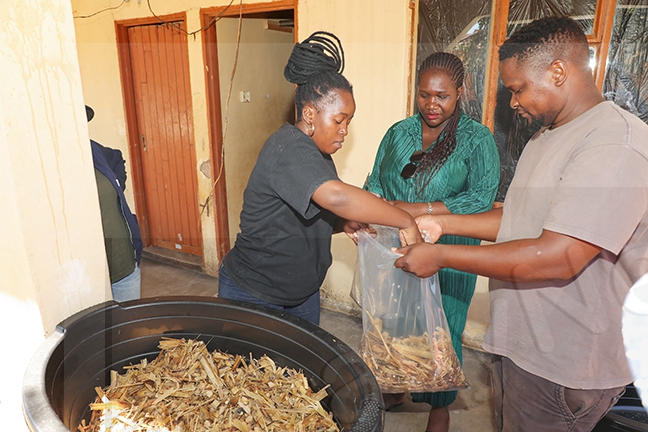
    The process of growing mushrooms is labour intensive, but Ms Moruakgomo is undeterred. She uses cleaned maize straws, soaking them overnight, boiling them to disinfect and then filling them into plastic bags for germination in a dark room.

    The mushrooms are grown in a dark house, where they are kept for three weeks before being exposed to sunlight by opening windows.

    “I have never felt so empowered,” she said, carefully placing oyster mushrooms in a plastic bag. 

    Her dark room is a demonstration to the power of entrepreneurship, providing for her family and inspiring other women. Ms Moruakgomo’s venture is more than just a business, it is a beacon of hope. She is creating jobs, promoting sustainable farming and putting nutritious food on tables.

    “Mushrooms are a superfood. They are packed with protein and goodness,” said Ms Moruakgomo.

    “It is a labourious business, but the returns are worth it. Mushrooms are fragile and very sensitive to anything surrounding them. It is a high value crop, but it requires patience and care.”

    With a huge market demand, particularly in Francistown, Ms Moruakgomo, whose mushrooms are the first batch she has ever grown, is confident that her produce will find eager buyers.

    With the market research that she conducted pointing to a sprawling market, her target is chain stores and food outlets like restaurants.

    “This is just the beginning,” she said, envisioning a future where mushroom farming transforms lives.

    Tonota-based Agricultural Scientific Officer, Ms Amanda Molantwa is all praises for Ms Moruakgomo’s initiative; and sees it as a timely answer to the huge demand for mushrooms locally.

    Ms Molantwa said with dedication and expertise, Ms Moruakgomo could prove that even the smallest initiatives could have a profound impact.

    “Women need to support each other to get out of poverty and I am grateful that with the mushroom production, she is certainly doing just that,” she added.

    Ms Molantwa is also urging women to consider mushroom production to improve their livelihoods.

    “It is a high value crop with huge market and demand. With the right skills and support, women can graduate from poverty and achieve financial independence,” she said.

    Ms Molantwa explained that with determination and passion, Ms Moruakgomo was cultivating a brighter tomorrow, one mushroom at a time.

    When asked about common diseases affecting mushrooms, Ms Molantwa explained that their fragile nature and ability to ‘code’ surrounding smells made them susceptible to even minor threats.

    “They can absorb smells from nearby substances, including harmful chemicals,” she noted.

    Despite the challenges, Ms Molantwa highlighted the benefits of mushroom production.

    “Mushrooms are not only delicious, but they are also packed with nutrients and numerous health benefits,” she said.

    She said they were rich in protein, fibre, and antioxidants, and that mushrooms could help boost immunity, reduce inflammation, and even support cancer prevention.

    Ms Molantwa’ s appeal is clear, “Join the mushroom revolution and take control of your financial future.” 

  • Budget Promises Hope Amid Financial Challenges

    Budget Promises Hope Amid Financial Challenges

    The emptiness of the public gallery tent pitched along Parliamentary Grounds at Annex II during the presentation of the National Budget Speech on Monday may have prompted legendary American musician Bob Dylan to belt out his famous tune, “the times, they are ‘a changing.”

    Or fellow Grammy award winner Prince, to similarly sing, “Sing o’ the Times.”

    Filled to the brim just a year earlier with an excited citizenry when Vice President and Minister of Finance Mr Ndaba Gaolathe delivered his maiden budget address, and over the past two State-of-the-Nation Addresses (SONA), the public gallery that in the recent past captured a highly expectant public mood was now empty.

    Perhaps the sheer weight of sustained economic recession characterised by high unemployment, rising costs of living, plus a foot and mouth disease outbreak and a national healthcare crisis conspired to shift the national mood.

    As the public listened in on national radio, television and online platforms to hear if the despair could turn to hope, Mr Gaolathe, the man tasked with performing the national Houdini Act, spoke.

    “We are fully aware of the realities facing our people,” Mr Gaolathe forthrightly acknowledged.

    “Chief among them is the health crisis that has tested our nation’s resilience. At a time when our nation is already navigating economic and social pressures, the outbreak of the Foot and Mouth Disease (FMD) in Zone 6B has emerged as a dark cloud over our agricultural sector.”

    Having candidly appreciated the deep seated, structural challenges Botswana faces, Mr Gaolathe pronounced the short term solutions- advanced talks with the United Arab Emirates (UAE) to provide extensive health affordable supplies to normalise operations in the health system; and a National Emergency Operations Centre to coordinate the national response to FMD, among other interventions.

    He then pronouced a new path towards the long terms solutions, in a budget titled: A New Era of Economic Transformation and Fiscal Prudence.

    “The 2026-27 National Budget is anchored in and launches the Twelfth National Development Plan (NDP 12) and the Botswana Economic Transformation Programme (BETP),” Mr Gaolathe said.

    Key to this, is building “an inclusive and deep economy” through a reform process of halting wastage and taking tangible steps towards the upper income prosperous Botswana envisioned by the National Vision 2036.

    He said the 2026/2027 Budget built directly on his maiden 2025-26 budget framework, with four key steps of halting financial wastage, stabilising the economy and preparing it for takeoff, initiating tangible steps of change and building a New Botswana.

    Already the process had commenced to manage public spending more prudently, strengthening oversight institutions to safeguard public resources; and mobilising the private sector and society as active partners in restoring efficiency, discipline, and accountability, Mr Gaolathe revealed.

    Now the BETP and NDP 12 would guide the nation towards the True North- “A high income Botswana that is digitally enabled, export driven, and economically diversified where every citizen is employed, empowered and fulfilled.”

    The BETP was developed with the technical assistance of PEMANDU Associates, a Malaysian transformation and performance management consultancy firm that has been endorsed by American Ivy League universities Harvard and Princeton.

    They have a record of assisting Malaysia transform into high income status, the UAE and its Emirate of Dubai establish a world class economy and also guided Rwanda and Tanzania develop policy reform, and Botswana hopes for such transformation.

    Over the second half of 2025, the BETP identified 186 projects and initiatives across six economic priorities- agriculture, manufacturing, financial services and digitalisation, infrastructure, tourism as well as energy and mining. There are also three social sectors to be prioritised- healthcare, education and social protection.

    “Government has developed a more structured, evidence based approach to project execution. Through the BETP, a set of strategically significant and transformative projects underwent rigorous analysis,” Mr Gaolathe said.

    The Vice President added that transformational initiatives such as the Chobe-Zambezi Water Transfer Scheme, development of rail infrastructure and the upgrade of the A1 road will be delivered under NDP12 as part of state investment in economic enablers based on fiscal discipline and accountability, “deliberately building a new culture of project delivery anchored on value for money, integrity and results.”

    He said government would lay a firm foundation for long term agriculture industrialisation driven through the National Agricultural Research and Development Institute (NARDI), which was already developing national seed production self sufficiency.

    Complementing this would be high impact technology driven initiatives including organic fertiliser, drone assisted crop nutrition, as well as the expansion of water melon value chains into juices, jams and other processed products, the Vice President revealed.

    Also, the government had negotiated market access for fresh citrus exports to the European Union, Canada, the UAE, South Africa, Russia and Hong Kong, translating to strong performance of citrus exports from 2,790 tonnes in the 2024 season to 13,711 tonnes in 2025, a 390 per cent growth.

    This typifies the future of a diversified export led economy that is envisioned to generate over 500,000 jobs over the next decade in fields such as manufacturing, agriculture, energy and mining, and increasing the country’s revenue base from heavy reliance on a diamond sector that is susceptible to external shocks.

    As Vice President Gaolathe disembarked the Parliamentary Chamber podium, he had pronounced hope amid a climate of national despair. Now the nation awaits delivery. In the words of Karl Marx, “Philosophers have interpreted the world in various ways. The point, however, is to change it.”

  • Mohwasa Highlights Unity at Spring Festival Celebrations

    Mohwasa Highlights Unity at Spring Festival Celebrations

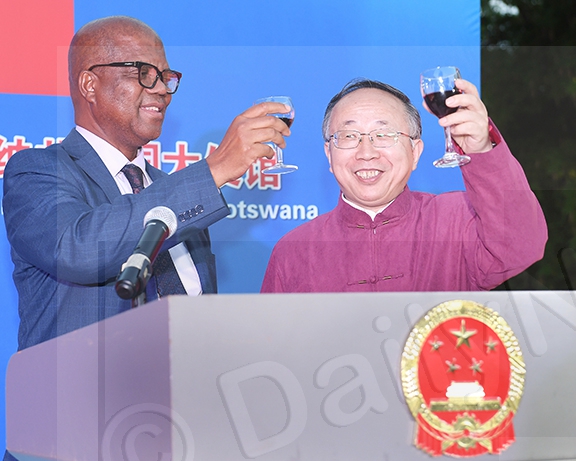
    The Spring Festival or the Chinese New Year as commonly known,  denotes cultural connection and enduring friendship between nations, an occasion that has remained a time-honoured tradition, symbolising renewal, reflection and fresh beginnings, Minister for State President, Defence and Security, Moeti Mohwasa has said.

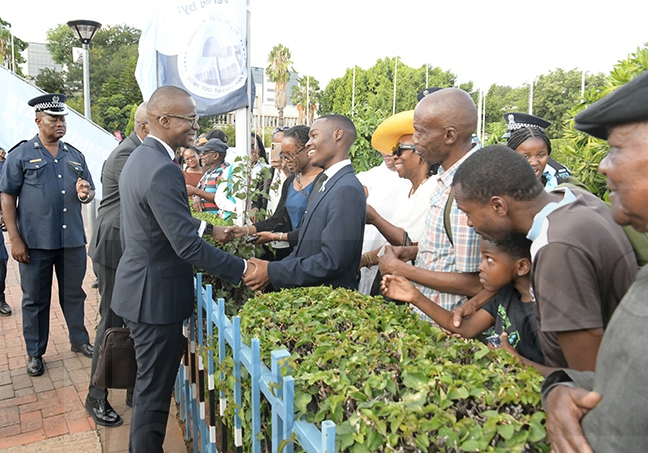
    Speaking at the festivities of the Chinese New Year in Gaborone, Tuesday, Minister Mohwasa  said the  occasion brought communities together and served as a reminder of the universal values of harmony, humanity and mutual support that binds all.

    “As we embrace the Chinese Year of the Fire Horse, let us know that it associates with unity, perseverance, strength and coordination and resonates with the spirit of cooperation and progress that defines relations between China and Botswana,” he said.

    He said looking ahead, there was optimism that the Year of the Horse would bring renewed energy, prosperity for businesses, happiness for families and expanded cultural collaboration.

    “I am confident this year will open new doors for sustainable development, economic growth and lasting friendship for the mutual benefit of our nations,” said Mohwasa.

     Celebrating alongside members of the Chinese community, Mohwasa acknowledged the community’s role in promoting cultural exchange and highlighted drama, poetry, cuisine, music and the preservation of Chinese heritage as important bridges of friendship.

    He said the 50 years of diplomatic relations between the two countries, built on mutual trust and collaboration had yielded tangible benefits in education, health, infrastructure, trade, investment and cultural exchange.

    “The presence of the Chinese community at this year’s celebrations is a testament to the depth and maturity of our bilateral ties,” said Mohwasa.

    He commended the Chinese community for its contributions to Botswana’s economic, social and cultural development, citing entrepreneurship, investment and skills transfer as key drivers of growth.

    China’s Ambassador to Botswana, Fan Yong, reaffirmed his country’s commitment to strengthening bilateral relations with Botswana.Ambassador Fan expressed appreciation for Botswana’s longstanding support for China–Botswana relations, and that 2025 marked the 50th anniversary of diplomatic ties.

    Over the past half-century, the two countries have built strong political mutual trust and achieved fruitful outcomes through practical cooperation.

    Fan highlighted frequent high-level exchanges over the past year, including visits to China by Botswana’s Speaker of the National Assembly and several Cabinet ministers, as well as a visit to Botswana by a senior delegation of the Communist Party of China.

    He also said several cooperation agreements were signed, including memoranda on development cooperation, economic and technical cooperation and a protocol on Botswana’s beef exports to China.

    Furthermore he said Botswana had also joined initiatives on international economic and trade cooperation within the frameworks of the digital economy and green development.

    The developments demonstrate the deepening of the China–Botswana strategic partnership and reflect broader efforts to build a China–Africa community with a shared future.

    Ambassador Fan noted that 2026 would mark the launch of China’s 15th Five-Year Plan and the 70th anniversary of diplomatic relations between China and Africa.

    He added that 2026 had been designated the Year of China–Africa People-to-People Exchanges, creating new opportunities to promote cultural understanding and strengthen ties between the peoples of China and Africa.

  • Mmurubele Transcends Modern Space

    Mmurubele Transcends Modern Space

    The Molepolole-based traditional ensemble, Mmurubele has made a comeback with a  latest single, Naka la Mpa, directly translated as, the horn of the stomach.

    True to their style, Mmurubele delivers a sound that is both deeply rooted in tradition and refreshingly modern.

    A long-serving member, Motshabi ‘Tshabisto’ Moloi, explained that the single was chosen to pave the way for their upcoming album, though she deliberately kept details under wraps to stir curiosity among fans.

    “The song is self-explanatory,” she teased, leaving listeners to interpret its layered meaning for themselves, a hallmark of Setswana traditional music that thrives on parables and open-ended storytelling.

    Produced and engineered by their trusted collaborator, Uncle Touch of Touch Records, Naka la Mpa blends parabolic messages with irresistible African beats.

    Its choruses and leads are a reminder that Mmurubele’s traditional spark is far from fading, despite skeptics who feared Setswana rhythms might lose their edge in the digital age.

    For nearly 18 years, the quartet; Moloi, Tumiso ‘Stuks’ Ntona, Boago Motlhabakgomo, and Gaone Ramonato, have carried the torch of setswana culture.

    Their journey began in 2008 under the mentorship of the legendary Eric Ramco, and they quickly carved out a space in a male-dominated industry with their debut album Puo ya Mme Kopelo.

    Tracks like, Ditjompi, and Ke Mmaago Mmaago Ngwanaka, not only dominated local airwaves but also resonated across South Africa, cementing their reputation as cultural ambassadors.

    Their artistry is not confined to sound alone. On stage, Mmurubele embodies heritage through leather outfits, beadwork, crisscrossed sandals, and leg rattles, a visual spectacle that amplifies their music’s authenticity.

     This fusion of performance and tradition has kept them relevant across eras, from the cassette-to-CD transition to today’s streaming platforms like Apple Music, Spotify, and Deezer.

    In 2024, their eight-track album, Botshelo, earned them the Best Contemporary Music Award at the Botswana Music Union (BOMU), proving their ability to evolve while staying true to their roots.

    Singles like, Mokwena (2023) and Domi (2024), further showcased their versatility, each release reinforcing their status as icons of Setswana culture.

  • Govt Reviews BDF Retirement Age and Pension Disparities

    Govt Reviews BDF Retirement Age and Pension Disparities

    Government is currently consulting on the minimum compulsory retirement age of 45 for Botswana Defence Force (BDF) members, a policy the Minister for State President, Defence and Security has admitted is a growing concern for the administration. 

    In response to a parliamentary question on Tuesday, Minister Moeti Mohwasa, told Parliament that the review was part of a broader effort to ensure that early retirement did not leave BDF members, particularly Non-Commissioned Officers (NCOs), at a financial disadvantage compared to other public servants. 

    Mr Mohwasa said the ministry, in collaboration with the Botswana Public Officers Pension Fund (BPOPF), had launched a series of interventions to fix anomalies in how military pensions were calculated. 

    These included evaluating the long-term value of current payouts, cleaning up records to ensure accuracy as well as injecting funds to correct historical calculation differences. 

    Minister Mohwasa further emphasised that the goal was to ensure BDF pension outcomes were broadly comparable in value and security to those of civilian public officers with similar lengths of service. 

    Maun West MP, Mr Caterpillar Hikuama had challenged the relevance of NCOs retiring at 45 while their counterparts in the Commissioned officers category could serve until 60.  

    The MP further questioned whether the current alignment between the BDF Pension Scheme and the BPOPF truly provided equitable long-term security for those who served in the lower ranks. 

  • A35 Road Under Construction

    A35 Road Under Construction

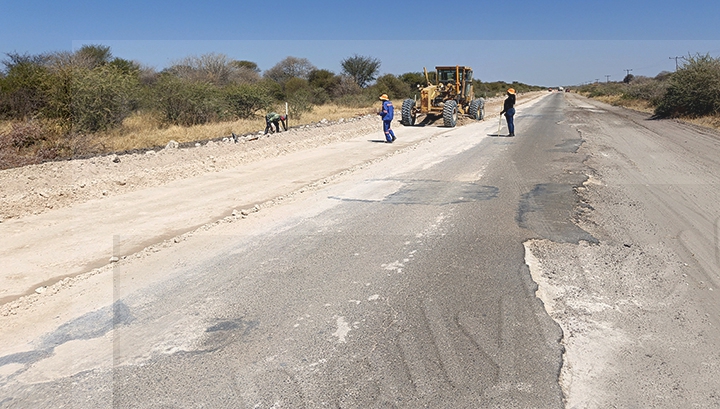
    Parliament has been informed that the construction of the A35 Gumare-Sepopa Road is being carried out in half-width sections.

    Answering a question in Parliament on Tuesday, Minister of Transport and Infrastructure, Mr Noah Salakae said the method allowed for the use of gravel bypasses until each section was completed, at which point traffic was diverted onto the newly constructed side while work continued on the opposite lane.

    He explained that such approach was necessitated by a variation order and noted that the project was currently subject to funding limitations, which had constrained the ministry’s ability to provide a fully surfaced or tarred bypass.

    On safety concerns, Mr Salakae indicated that the road had registered a total of 13 accidents during the construction period, including seven due to driver error, two involving collisions with animals and four attributed to adverse road conditions.

    “Fortunately, no fatalities have been recorded. One injury was reported from a single incident, while the remaining accidents were classified as minor,” he added.

    He acknowledged that while traffic was currently using the completed half of the road, the ministry was aware that certain sections became impassable, particularly during the rainy season.

    He assured Parliament that the sections had undergone maintenance and that the road would be monitored continuously throughout the duration of the project.

    The minister was responding to questions from Ngami MP, Mr Phillimon Aaron, who raised concerns regarding whether the A35 construction complied with national standards.

    Mr Aaron questioned the lack of a standard alternative road for users during construction, the number of accidents caused by thick clouds of dust and whether the contractor was fulfilling their contractual obligations regarding bypasses.