Blog

  • Fiscal Outlook Downward as Government Tightens Consolidation Measures

    Fiscal Outlook Downward as Government Tightens Consolidation Measures

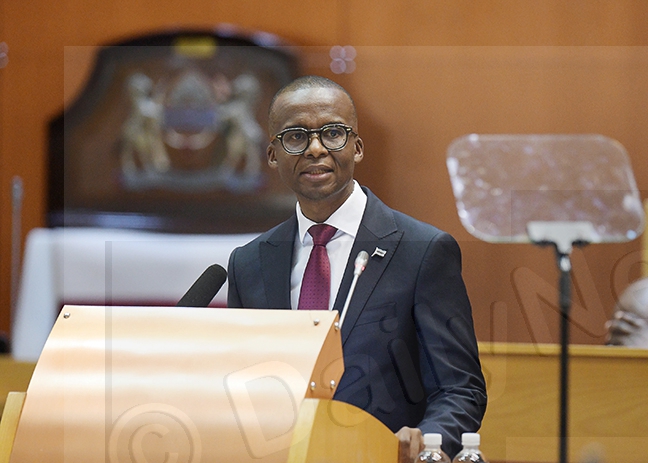
    Vice President and Minister of Finance, Mr Ndaba Gaolathe has announced a downward revision of Botswana’s medium-term fiscal outlook, citing persistent global and domestic economic headwinds that continue to strain the country’s public finances.

    Delivering the 2026 Budget Speech in Gaborone yesterday, Mr Gaolathe said the revision reflected the urgency of strengthening fiscal and external buffers while maintaining policy credibility in an increasingly challenging macro-fiscal environment.

    “The macro-fiscal environment remains difficult, characterised by declining mineral revenues, rising expenditure pressures and growing demands for social and economic support,” he said, adding that those factors continued to place strain on the fiscal position.

    Despite the pressures, Mr Gaolathe reaffirmed government’s commitment to a coordinated fiscal consolidation strategy aimed at restoring fiscal sustainability, rebuilding buffers and safeguarding macroeconomic stability.

    He said key measures included tighter expenditure prioritisation, improved efficiency in public spending, strengthened domestic revenue mobilisation and accelerated reforms of state-owned enterprises (SOEs).

    Mr Gaolathe further emphasised that consolidation efforts would be implemented in a balanced and growth-supportive manner, with essential social spending protected and critical investments preserved to support long-term economic transformation.

    The minister warned that Botswana’s medium-term outlook was subject to significant macro-fiscal risks, both external and domestic.

    Externally, he said, slower global growth, continued weakness in the diamond market, volatile commodity prices, heightened geopolitical tensions and climate-related shocks could prolong economic recovery.

    “Such developments could widen fiscal and current account deficits and undermine efforts to rebuild buffers.”

    Domestically, he said growth risks remain skewed to the downside, particularly if the diamond market fails to recover. While the non-diamond sector is expected to cushion the economy, Mr Gaolathe cautioned that its stabilising effect was limited.

    He also highlighted the potential economic fallout from delays in containing the Foot and Mouth Disease (FMD) outbreak, which could lead to production losses, higher livestock mortality, reduced beef export receipts and threats to national food security.

    In addition, he said the slower-than-anticipated implementation of the Botswana Economic Transformation Programme (BETP) could impede progress on diversification and the broader transformation agenda.

    On the fiscal front, Mr Gaolathe said revenue risks were mounting as mineral earnings were projected to remain well below long-term averages, offering only modest upside.

    “The persistent shortfall is widening fiscal gaps and intensifying financing pressures,” he said.

    At the same time, Mr Gaolathe said expenditure risks remained elevated, with both recurrent and capital spending continuing to outpace revenue growth.

    “Without credible consolidation, structural deficits are likely to persist, increasing reliance on borrowing,” he said, adding that as a result, debt vulnerabilities were becoming more pronounced.

    While public debt remains within statutory limits, Mr Gaolathe warned that sustained fiscal slippage could place debt on a steeper trajectory, undermining sustainability and increasing exposure to future shocks.

    He said additional risks identified included rising inflation pressures, climate-related disruptions, SOE fiscal risks, weak implementation of public-private partnership projects, supply-chain disruptions, cyber-security threats and volatility in food and energy prices.

    To mitigate the risks, he said government planned to strengthen fiscal risk management, enhance policy coordination and accelerate economic diversification anchored on private-sector-led growth.

    He said that advancing diversification, deepening private-sector participation and boosting productivity were central to building a more resilient, diversified and sustainable economy.

    Mr Gaolathe said sustained medium-term growth would require faster implementation of economy-wide reforms across key sectors, given their potential to lift productivity and competitiveness.

    He added that further expenditure measures, including containing the public wage bill, simplifying and better targeting social benefits and improving the governance and operational efficiency of SOEs, were necessary to deepen fiscal discipline.

    “To secure long-term fiscal and economic sustainability for Botswana, the path ahead demands discipline, coordination and reform,” Mr Gaolathe said.
  • State President Receives Largest Share of Budget Allocation

    State President Receives Largest Share of Budget Allocation

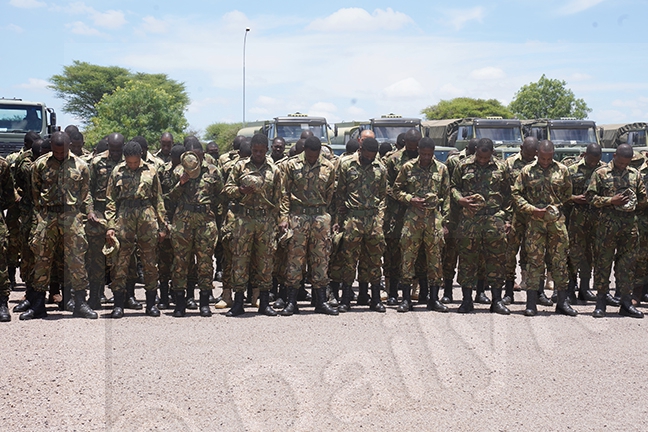
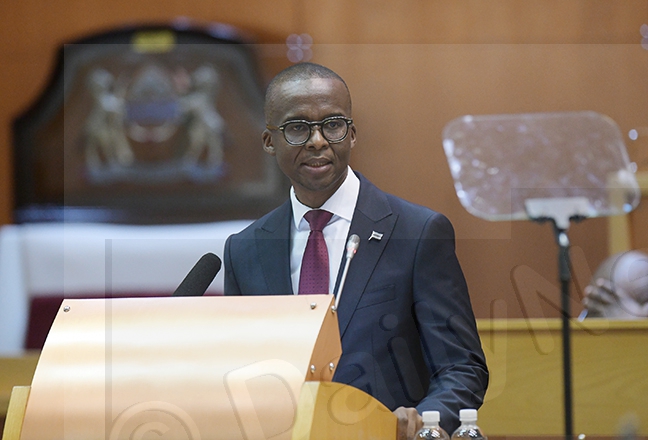
    The Ministry for State President, Defence and Security has been allocated the largest share of the proposed Ministerial Recurrent Budget.

    The P13.05 billion stake is an increase of P502.77 million or 4.01 percent over this year’s approved budget.

    Delivering the National Budget for the financial year 2026/2027 in Gaborone on Monday, Vice president, also Minister of Finance, Mr Ndaba Gaolathe said the proposed budget would largely cover operational requirements of the Botswana Defence Force (BDF) and the Botswana Police Service (BPS), reflecting government’s continued commitment to safeguarding national security.

    The proposed budget will also finance the absorption of Special Constables into Regular Constable Cadre as well as procurement of their uniform. In addition, provisions have been made for Termination Allowances; Service Charges and Static Plant under the Directorate on Corruption and Economic Crime (DCEC).

    The two security organs have been incorporated into the Ministry for State President while National Aids and Health Promotion Agency (NAHPA) has been transferred back to the Ministry of Health following the rescission of the earlier decision to transfer it to the Ministry for State President, Defence and Security.

    The second largest share, P12.99 billion, is allocated to the Ministry of Local Government and Traditional Affairs, representing an increase of P1.71 billion or 15.2 per cent, compared to the allocation for the previous financial year.

    Mr Gaolathe said the substantial allocation underscored government’s commitment to strengthening social development and enhancing service delivery within local government structures and traditional affairs.

    The allocation is intended to improve the ministry’s operational capacity, ensure effective functionality and sustained provisions of essential services to communities across the country, he said, adding that the significant growth was primarily attributable to the transfer of funding from the Ministry of Health to support the Primary Health Care function, which was reassigned to the Ministry of Local Government and Traditional Affairs as part of the 2024 rationalisation of ministerial portfolios.

    Further, a substantial portion of the budget is also allocated to the social welfare programmes, which continue to experience significant growth.

    These, the minister said, included Destitute Allowances, Old Age Pension Scheme, Orphan Care Programme and the newly introduced Sanitary Ware Support Initiative for mothers and babies, which is scheduled for roll out this budget year.

    The Revenue Support Grant (RSG) will likewise continue to receive increased subvention in response to rising demands. However, to mitigate escalating pressure on the RSG, Mr Gaolathe urged local authorities to expedite the review and valuation of properties in districts such as Gamalete and Palapye.

    This initiative is expected to broaden the revenue base, strengthen local revenue mobilisation and reduce over-reliance on Government funding.

    The third largest share of the proposed budget is allocated to the Ministry of Child Welfare and Basic Education, amounting to P11.83 billion, an increase of P147.85 million or 1.3 per cent over the current year’s approved budget.

    It will cover teachers’ salaries and allowances, the development and implementation of Child Welfare policies and programmes, the payment of service charges in schools and operational costs for SOEs under the ministry.

    It also provides for temporary teaching staff necessitated by the expansion of schools. The budget will also cater for service charges for the Department of Secondary Education as well as funding to pilot the Project Bula Buka.

    This initiative, undertaken jointly with the Botswana Open University College and Open Schooling and Youth Empowerment Education Trust, aims to expand educational access, provide skills training, build character among out-of-school Junior Certificate leavers and offer remediation opportunities to BGCSE leavers.

    The Ministry of Health has been allocated the fourth-largest share of the proposed budget amounting to P7.51 billion, representing a 16.4 per cent decline over the current year’s approved budget.

    The decline in the ministry’s budget, the minister said, was mainly attributed to the transfer of personnel-related funds to the Ministry of Local Government and Traditional Affairs, following the reassignment of the Primary Health Care function during the 2024 rationalisation of ministerial portfolios.

    The proposed budget will cover essential health sector requirements, including the procurement of drugs, vaccines, laboratory supplies and equipment as well as medical and surgical equipment.

    It will also cover Public Officers’ Medical Aid Scheme and fees for medical specialists. The proposed budget further includes funding for NAHPA and provision for the establishment of the NHI.

    The fifth largest share of the proposed budget is allocated to the Ministry of Higher Education with a total of P7.37 billion, representing an increase of P2.70 billion or 58 per cent over the current year’s budget allocation.

    The bulk of the budget covers tuition fees, now transferred from the Ministry of Finance alongside student allowances, feeding and book provisions as well as operational costs for SOEs under the ministry.

    The significant growth in the allocation is primarily due to increased provisions for tuition fees to accommodate the rising number of new tertiary students.

    The Ministry of Lands and Agriculture has been allocated the sixth largest share of the proposed budget amounting to P2.41 billion, representing a decline of P28.34 million or 1.2 per cent compared to the current year’s approved budget.

    Despite this modest decline, the proposed budget remains strategically aligned to national priorities aimed at enhancing food security through support for agricultural production, promoting self-reliance by empowering farmers, strengthening extension services and investing in climate-resilient farming practices.

    The allocation further supports initiatives to expand employment opportunities across the agricultural value chain. In addition, the proposed budget provides for the continued formulation, implementation, monitoring and management of land polices to ensure equitable access to land, enhance productivity and promote sustainable land use.

    The Ministry of Transport and Infrastructure has been allocated the seventh largest share of the proposed budget amounting to P1.93 billion. This represents a decrease of P7.98 million or 0.4 per cent, compared to the current year’s approved budget.

    The bulk of the allocation will cater for the procurement of petrol, oil and lubricants required to operate the entire Central Government vehicle fleet. Then follows the Ministry of Trade and Entrepreneurship, which is allocated the P1.20 billion. This represents an increase of P30.35 million or three per cent increase over the current year’s budget.

    The Ministry of Finance has been allocated P1.14 billion, a significant decline of P1.92 billion, or 62.68 per cent compared to the current year’s approved budget, largely due to the transfer of the tuition fees vote back to the Ministry of Higher Education.

    The proposed budget also provides for the establishment of a National Coordination Office to strengthen national efforts in combating Anti-Money Laundering and Counter-Financing of Terrorism (AML/CFT) in alignment with international standards.

    This office, Mr Gaolathe said, would play a key role in facilitating Botswana’s participation in the third round of Mutual Evaluation, scheduled for 2027.

    Furthermore, the allocation includes provisions for the establishment of the Banking Tribunal in accordance with the new Banking Act and its accompanying regulations, which came into effect in August 2025.

    The remaining share of the Ministerial Recurrent Budget allocation of P8.12 billion or 12 per cent has been recommended to be shared among other ministries and extra-ministerial departments.

  • Fiscal Position Remains Unchanged

    Fiscal Position Remains Unchanged

    Since the mid-year budget review, updated information indicates that the fiscal position for the 2025/2026 financial year is broadly expected to remain unchanged with a deficit estimated at over P25 billion.

    Presenting the 2026/2027 budget speech in Parliament on Monday, Minister of Finance, Mr Ndaba Gaolathe said total revenues and grants had been revised downward to P71.22 billion from the P75.49 billion in the original budget.

    “This revision primarily reflects a decline in mineral revenue which has decreased from P15.75 billion to P12.06 billion. SACU revenue has been revised upwards by P631.1 million from P24.36 billion in the original budget to P24.99 billion while VAT revenue has increased by P1.62 billion from P12.10 billion to P13.71 billion,” he said.

    Mr Gaolathe said non-mineral income tax had been revised downward by P2.69 billion from P19.01 billion in the original budget to P16.32 billion.

    He said profits from Bank of Botswana, if any, would be communicated at the appropriate time and would provide an important additional revenue stream, helping ease fiscal pressures and narrow the fiscal deficit.

    Mr Gaolathe said total expenditure and net lending had been revised downward to P96.70 billion from the original budget of P97.61 billion.

    “Of this amount, recurrent expenditure estimates are maintained at their original budget levels while development expenditure estimates have been revised downward by P903.32 million to P22.85 billion,” he added.

    He said total revenues and grants for the financial year 2026/2027 were projected at P77.22 billion and that SACU receipts were expected to remain the largest revenue source at P26.79 billion followed by non-mineral income tax which was forecast at P19.76 billion.

    Mr Gaolathe said VAT collections were expected to be the third largest contributor at P15.10 billion. He added that mineral revenue was projected to broadly remain the same at P12.21 billion while the remaining P3.36 billion was expected to come from other revenues and grants.

    Minister Gaolathe said total expenditure and net lending for 2026/2027 was projected at P103.58 billion.

    He said of this amount, total recurrent expenditure was expected to reach P80.32 billion, reflecting government’s ongoing commitment to operations and service delivery, adding that the development expenditure was estimated at P23.38 billion while net lending was minus P121.92 million.

    Mr Gaolathe said total statutory expenditure for 2026/27 was estimated at P27.26 billion, representing a 20 per cent increase from the revised allocation of P22.70 billion in the 2025/26 financial year.

    He said the provision covered government statutory obligations including debt financing, pension contribution for civil servants and other statutory commitments.

    “The allocation towards pensions, gratuities and compensations is primarily driven by the recalculated transfer value of P5 billion for members of the Botswana Defence Force (BDF), an amount of P673.60 million required to rectify transactions related to government’s capital injection into DeBeers, an obligation initially settled directly through Bank of Botswana in 2019 as well as anticipated pension contribution arrears of P5 million for C band employees arising from a Court of Appeal judgement on multiple grading of the positions,” he said.

  • Botswana Faces Rising Debt Risks and Reserve Pressures – Gaolathe

    Botswana Faces Rising Debt Risks and Reserve Pressures – Gaolathe

    Botswana’s once-formidable financial buffers have thinned dramatically, leaving the country navigating tighter fiscal space, declining reserves and mounting debt risks, Finance Minister Mr Ndaba Gaolathe warned in his 2026 Budget Speech on Monday.

    The Government Investment Account (GIA), long a symbol of Botswana’s fiscal prudence, has fallen to just P2.91 billion, down sharply from its P37.2 billion peak in 2014. At the same time, the country’s Net Financial Asset position has swung from a surplus of 40 per cent of GDP in 2008 to a negative 30.1 per cent in 2024.

    This shift according to minister Gaolathe reflected years of budget deficits, weaker mineral revenues and growing reliance on borrowing.

    He  stated that the medium-term fiscal outlook had been revised downward, with government acknowledging that mineral revenues were unlikely to recover quickly, while spending pressures remain high.

    Without consolidation, Mr Gaolathe said structural deficits were expected to persist, pushing public debt onto a steeper trajectory. Although debt remains within legal limits, the minister cautioned that continued slippage could threaten long-term sustainability.

    However, he said government’s response would centre on gradual fiscal consolidation, prioritising essential spending, improving efficiency, reforming State-Owned Enterprises and strengthening domestic revenue mobilisation.

    He nonetheless stated that social protection and growth-driving investments were expected to be shielded to avoid derailing economic recovery.

    Minister Gaolathe further explained that external pressures are compounding fiscal challenges. For instance, he said Botswana recorded a P15.32 billion trade deficit between January and November 2025 as export earnings weakened and imports of fuel and food remained high.

    Foreign exchange reserves, he said also declined from six months of import cover in 2024 to five months in 2025, tightening liquidity in the forex market.

    The minister revealed that without recent exchange rate policy adjustments, projections showed that the pace of reserve depletion would have exhausted the country’s foreign exchange by mid-2026.

    Policy changes introduced in July 2025 and January 2026 he said have since reduced pressure on reserves and improved interbank foreign exchange trading. New asymmetric exchange rate margins are also intended to make exports more competitive and support reserve rebuilding.

    However, Mr Gaolathe said the fiscal outlook remained vulnerable to several risks including prolonged weakness in the diamond market, global economic slowdowns, climate shocks and domestic threats such as delays in economic reforms and the spread of Foot and Mouth Disease, which could hit beef exports and rural livelihoods.

    Revenue shortfalls he mentioned remained the biggest concern, while rising recurrent spending and large infrastructure commitments pose additional strain.

    With that being said the minister cautioned that the country now faced a delicate balancing act, rebuilding fiscal buffers while still supporting growth and protecting vulnerable households.

    The success of this strategy minister Gaolathe stressed, depended heavily on accelerating economic diversification, improving public spending efficiency and restoring investor confidence.

    The era of easy fiscal cushions, the minister made clear, was over. What lies ahead he suggested was a period of careful repair, disciplined spending and structural reform aimed at restoring the country’s financial resilience.

  • Fiscal Discipline and Revenue Reform Core of 2026/27 Plan

    Fiscal Discipline and Revenue Reform Core of 2026/27 Plan

    Fiscal consolidation, discipline and the rebuilding of financial buffers are at the core of fiscal strategy for the 2026/2027 financial year as government moves to strengthen debt sustainability and restore economic resilience.

    Presenting the 2026 Budget Speech in Gaborone yesterday, Finance minister, Mr Ndaba Gaolathe, emphasised that the approach focused on broadening the revenue base, enhancing tax compliance and improving the efficiency of tax administration, while ensuring that public expenditure is firmly aligned with national priorities and delivers value for money.

    Mr Gaolathe said the strategy underscored accountability, results-driven spending and prudent fiscal management as key pillars to advancing Botswana’s economic transformation in a manner that was inclusive and sustainable.

    He stressed that adequate domestic revenue was essential for effective service delivery and national development.

    “Taxation is not a form of punishment, it is a collective investment in our shared development,” he said, adding that improving revenue performance was not solely about increasing tax rates, but deploying smarter systems and building institutional capacity for effective revenue mobilisation.

    He reaffirmed government commitment to maintaining relatively low tax rates, while acting pragmatically when circumstances demand.

    “A well-designed tax policy is fundamental to sustaining a healthy and competitive economy,” he noted.

    Mr Gaolathe pointed out that the urgency for comprehensive tax reform was highlighted by recent data from the 2025 Organisation for Economic Co-operation and Development (OECD) Report, which shows that Botswana’s tax-to-GDP ratio declined from 13.8 per cent in 2022 to 13.4 per cent in 2023.

    He said it remained below the African average of 16.1 per cent and significantly lower than the Southern African Customs Union (SACU) average of 20.5 per cent.

    “These comparatively low levels of domestic revenue mobilisation clearly demonstrate the need to modernise our core tax systems, address under-taxed activities, strengthen compliance and broaden the tax base,” Mr Gaolathe said.

    He cited international examples to illustrate what was achievable through sustained reform, saying Morocco, for instance, increased its tax-to-GDP ratio to 28.5 per cent in 2023 through strengthened tax administration, improved compliance, rationalisation of tax exemptions and the digitisation of tax processes.

    Mr Gaolathe pointed out that Botswana had already begun a similar reform journey, saying the Value Added Tax (Amendment) Act of 2025 was a milestone in modernising the country’s tax framework and enhancing revenue mobilisation.

    He highlighted that the Act introduces VAT on remote services and mandates electronic invoicing, aligning Botswana with international best practice. He said implementation was progressing well, supported by extensive stakeholder consultations and ongoing system upgrades.

    He said the rollout of electronic invoicing, anticipated in April 2026, was expected to enable real-time transaction monitoring, reduce revenue leakages, strengthen compliance and enhance revenue assurance as part of the broader digital transformation of tax administration.

    Mr Gaolathe said as part of a comprehensive multi-year reform agenda, government would table four key pieces of legislation during the current February sitting of Parliament.

    He said those include the Value Added Tax Bill (2025), the Income Tax Bill (2025), the Customs Amendment Bill (2025) and a new Tax Administration Bill (2025).

    He said the holistic review aims to modernise and harmonise Botswana’s tax framework, simplify procedural and administrative provisions and ensure full alignment with the new Tax Administration Act.

    Mr Gaolathe further said government also addressed proposals announced in the 2025 Budget Speech, which included a 1.5 per cent increase in corporate income tax and the top bracket of personal income tax.

     “After further reflection and consultation, government now proposes a revised top-earner threshold of P400,001 and above per annum, which will attract an additional 2.5 per cent tax. Additional proposals include a three per cent increase in corporate income tax and a reduction of the zero-rated VAT list to raise the effective VAT rate,” he said. He said detailed provisions of each Bill would be presented during upcoming parliamentary debates.

    Reaffirming commitment to inclusive policymaking, Mr Gaolathe announced plans to convene a Tax Pitso that would bring together businesses, labour, civil society, technical experts and members of the public.

     “This inclusive engagement will help us build a tax system that is fair, efficient and capable of supporting Botswana’s long-term development goals,” said Mr Gaolathe. 

  • Government Modernises Land Administration Systems

    Government Modernises Land Administration Systems

    The transformation addresses long-standing challenges, including outdated systems, fragmented data, weak inter-agency coordination, and delays in the issuance of Secure Land Titles and their registration under the Deeds Registry.

    It is of recognition that as Government drives economic transformation, getting land administration right is one of the most powerful levers for change in Batswana and the economy at large.

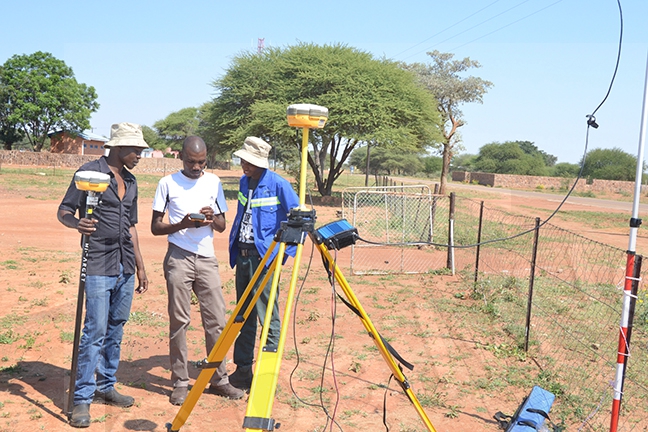
    Vice president and finance minister said this during a Budget Speech presentation in Gaborone yesterday . Mr Gaolathe said it was for this reason that, in the 2026/2027 financial year, Government would commence the modernisation of Botswana’s land administration systems through the Geospatial Information Centre.

    “This marks the first phase of a four-year programme to upgrade the Land Information System, strengthen the Integrated Geographic Information System, and enhance governance and project management capacity across the land sector,” he said.

     The transformation, he said, directly addresses long-standing challenges, including outdated systems, fragmented data, weak inter-agency coordination, and delays in the issuance of Secure Land Titles and their registration under the Deeds Registry. He stated that the reform was both people centred and transformation-driven.

    For citizens, it will mean clearer processes, reduced waiting times, fewer disputes, and timely access to secure land titles enabling families to plan, inherit with certainty, and use land as collateral to access finance,” Mr Gaolathe said.

    He also noted that for the economy, it would unlock land as a productive asset, accelerate project approvals, improve investment facilitation, and support the shift toward a more diversified, private-sector-led growth model.

  • Gaolathe Proposes P23.38 Billion Development Budget

    Gaolathe Proposes P23.38 Billion Development Budget

    The proposed P23.38 billion development budget for the 2026/2027 is expected to prioritise projects premised on high return on investment, Finance Minister, Mr Ndaba Gaolathe has said.

    Minister Gaolathe, who was delivering the 2026/27 national budget in Gaborone, yesterday, noted that the Ministry of Minerals and Energy was allocated the largest share of P5.23 billion, intended to stabilise electricity supply and strengthen the national grid’s resilience in the midst of rising demand and the challenges facing the regional electricity supply.

    “The provision is intended to cover several critical allocations, including P2.270 billion for BPC power imports, P730 million to meet the loan obligations to the Industrial and Commercial Bank of China, P200 million for the Cross-Border Electricity Supply Project, and P100 million for the Power Distribution Network Reinforcement,” he explained.

    He noted that the North-West Transmission Grid Phase, which will connect the Chobe District and enable exports to the ZIZABONA market, was among the major projects earmarked for the financial year at a cost of P1.37 billion.

    Furthermore, he said other priorities for the ministry included Rural Village Electrification and Network Extension, as well as the Integrated Resource Plan.

    He said these projects were aimed at expanding access to electricity by rural communities as well as contributing to the country’s aspiration of achieving a 50 per cent renewable energy contribution by 2030. Additionally,

    Mr Gaolathe said plans were underway to commission the expansion of the Francistown and Ghanzi Petroleum Depots in April and August respectively, in an endeavour to secure petroleum product supply as a key component in sustaining economic growth.

    In alignment with the government’s commitment to transform the country into a regional transport hub, the second largest budget proposal of P3. 86 billion would be allocated to the Ministry of Transport and Infrastructure.

    In addition to improving the national road network, the budget would go towards developing the Mmamabula-Lephalale and Mosetse-Kazungula-Livingstone railway lines, as well as part of the Southern Sfrican Development Community (SADC)’s Strategic Plan of the North-South Corridor.

    Mr Gaolathe said from the proposed ministry budget, a total of P3.02 billion was to be allocated to various ongoing road projects across the country, as well as those at various stages and phases. He said other infrastructure developments were also expected to benefit from this budget.

    “The budget will also finance a range of Built Infrastructure projects, including the refurbishment of Tonota College of Education, Molepolole College of Education, Department of Building Maintenance Area Offices in Gaborone West, Department of Building Maintenance Area Offices in Broadhurst, DRTS Serowe office and refurbishment of Old Supplies in Gaborone. In addition, part of the ministry’s allocation will support the implementation of Rail and Aviation Infrastructure, ICT projects and Air Botswana Finances projects,” he noted.

    With a budget allocation of P3.62 billion, the Ministry of Water and Human Settlement is expected to prioritise completion of major water supply and sanitation projects which are currently in their final stages.

    The projects include the North-South Carrier pipeline, Mmamashia Water Treatment Plant, Lobatse Water Supply Master Plan, Molepolole-Gamononyane NSC connection and Kanye Sanitation.

    The minister also underscored the urgent need to refurbish and expand the Mambo Wastewater Treatment Plant in Francistown, Maun Water and Sanitation Phase II, as well as the Kgalagadi North Water Supply and Molepolole Water Suppply and Distribution, which are new water supply pipeline projects. He said the social housing projects, which include all Bonno housing components, was allocated P702.96 million.

    Furthermore, he said a development budget of P2.86 billion was allocated to the Ministry of Local Government and Traditional Affairs for the implementation of various programmes and projects.

    He said while the Social Welfare Programmes accounted for 69. 9 per cent of the ministry’s total budget, there was need to expedite the implementation of the Single Social Registry (SSR) to avoid duplication.

    “To enhance efficiency and reduce duplication across interventions, there is an urgent need to accelerate the rollout of the SSR, Proxy Means Testing as a targeting tool. The SSR project will be supported by the World Bank, which will undertake an assessment to identify bottlenecks, improve system performance and enhance citizen experience,” he noted.

    He noted that 56.2 per cent of the Ministry for State President, Defence and Security’s P1.99 billion budget was directed towards the security organs, while P60 million would go towards the establishment of rehabilitation centres in Maun and Lobatse. He said P266 million would facilitate the creative industry, with the new Air Support project budgeted for P250 million.

    Mr Gaolathe said the bulk of the P1.77 billion budget allocated for the Ministry of Lands and Agriculture would go towards supporting ongoing management projects across the country.

    He also said part of the budget was expected to fund emerging national priorities and programmes such as the Cannabis Production and Regulatory Framework. He said in order to support the country’s food security and export goals, the government intended to invest in agricultural value chains and enhancing the commercialisation of livestock production.

    He further said the cultivation and use of industrial hemp and medicinal cannabis would be implemented in phases in an endeavour to diversify the economy.

    He noted that the remaining P4.05 billion would be allocated through the rest of the government ministries and departments towards the construction and refurbishment of facilities in different sectors, while also funding research and innovation projects. 

  • Basil Muzangwa of Rhyno’s Torque Show says Botswana has great potential to turn into a drag racing tourism hub.

    Basil Muzangwa of Rhyno’s Torque Show says Botswana has great potential to turn into a drag racing tourism hub.

    Speaking during Botswana RaceWars drag racing event organised by Maverick Motorsport Botswana in conjunction with Rhyno’s Torque Show and Skygate Motors in Lobatse Saturday, he said Botswana provided a suitable environment for growth of the sport.

    He further said the country was selected to host the thrilling motorsport race as it was in the middle of SADC, the people were friendly, was peaceful, safe, fun and safe to travel to.

    Meanwhile, Botswana Post partnered with the event organisers and were on site directly taking services as some managed to pay motor vehicle tax conveniently.

    Ms Benah Kobotwe of PstBet Botswana, a new local sport betting company, said they attended the event for the first time to test the waters to check on whether they could include the Botswana RaceWars in their product portfolio.

    This year, the event registered impressive numbers of international drivers where over 40 vehicles were competing from different countries across SADC which included, Botswana, South Africa, Lesotho, Zimbabwe.

  • All-Africa Badminton championships Monday

    All-Africa Badminton championships Monday

    Botswana is set to take centre stage as the host of the AllAfrica Senior Championships, marking the country’s triumphant return to the continental stage.

     The six-day tournament begins on Monday and runs through Saturday to end the long period of absence for the local squad. 

    The last time the Botswana badminton team competed in the event was in 2013, when it was hosted in South Africa. 

    Since then, financial constraints have forced players to remain on the sidelines as spectators. 

    Now, by serving as the host nation, Botswana has paved the way for a major competitive comeback. 

    To ensure that they make a statement on home soil, the national team recently completed an intensive training camp in India and returned home yesterday. 

    Meanwhile, the tournament is a cornerstone of the badminton calendar, drawing entries from 21 countries, including powerhouses like Egypt, Nigeria and South Africa. 

    Other participating countries include Algeria, Botswana (host), Burundi, Cameroon, Ivory Coast, Democratic Republic of Congo, Equatorial Guinea, Ghana, Lesotho, Madagascar, Morocco, Mauritius, Kenya, Rwanda, Seychelles, Uganda, Zambia and Zimbabwe. 

    The championship will feature the continent’s elite talent competing in both individual and team categories. 

    Under the tutelage of coaches Oreeditse Thela and Keita Fukuda, athletes who will represent the nation include Tefo Kabomo, Godknows Ketlhabanetswe, Tshepo Perekisi, Tumelo Moilwa and Tsamorena Kgosidialwa in the men’s team. 

    The women’s squad comprises Keletso Ntebela, Tsholofelo Willie, Tebogo Ndzinge and Tessa Kabelo.

    In an interview, Botswana Badminton Association (BBA) president, Modisaotsile Badubi confirmed that the tournament was sanctioned by both the Badminton World Federation (BWF) and the Badminton Confederation of Africa (BCA). 

    Badubi said he was happy to have been given the opportunity to host, noting that the event allowed Botswana to showcase its infrastructure, hospitality and sporting passion

  • Unity in FMD fight critical

    Unity in FMD fight critical

    Botswana’s commitment to transparency in reporting disease outbreaks, specifically the Foot-and-Mouth Disease (FMD) is commendable.
    Addressing a kgotla meeting in Jackalas No.1 on Friday, Vice President Ndaba Gaolathe said transparency would build trust between countries Botswana exported meat to, particularly the European market.
    He stressed the importance of Botswana’s openness, which was in contrast with what other countries were doing as some did not disclose disease outbreaks.
    Mr Gaolathe, also Minister of Finance, applauded all stakeholders from individual farmers, farmers associations, mephato and government officials for pulling together in an effort to contain the disease.
    Due to their commitment and dedication, he said nearly 7 000 cattle were vaccinated in Zone 6B following an outbreak of FMD in Jackalas No.1 on February 2.
    This feat, he said was commendable as it was achieved during a two-day vaccination exercise, which started on February 3.
    Even though government has allocated P97 million for its FMD national response plan, he stressed the need for community involvement in controlling the FMD spread.
    He said the funds were not enough and urged community participation in managing the disease, maintaining fences and patrolling border areas
    For his part, Minister of Lands and Agriculture, Dr Edwin Dikokoti stressed the importance of working together and adhering to veterinary protocols, saying they were key to combating the disease.
    “Only working together and adhering to the advice by the veterinary department can stop this disease,” he said