Blog

  • Jackalas No. 1 enters red zone protocol following FMD outbreak

    Jackalas No. 1 enters red zone protocol following FMD outbreak

    Long-term surveillance remains critical priority for the Department of Veterinary Services as it grapples with a recent outbreak of Foot and Mouth Disease (FMD) in Jackalas No. 1.

    Following the detection of the disease two weeks ago, the village has been declared a Red Zone, triggering rigorous monitoring and vaccination campaign.

    In an interview, Principal Technical Officer, Mr Millan James, emphasised that the battle against FMD did not end with a single injection.

    “Aft er vaccinations, surveillance exercises will continue to check for possible signs of FMD,” Mr James stated.

    The department’s strategy hinges on a multi-year commitment, including continued monitoring, which would see surveillance extended to goats and other cloven-hoofed wildlife, such as kudu and impala, to ensure the virus was not circulating in other species.

    The path to Green Status would succeed only if surveillance results eventually showed that FMD prevalence had ceased and the Ministry of Lands and Agriculture will apply to the World Organisati on for Animal Health (WOAH/OIE) for Green Status.

    Achieving this status is the only way to lift current slaughter embargoes and return the zone to its original market standing.

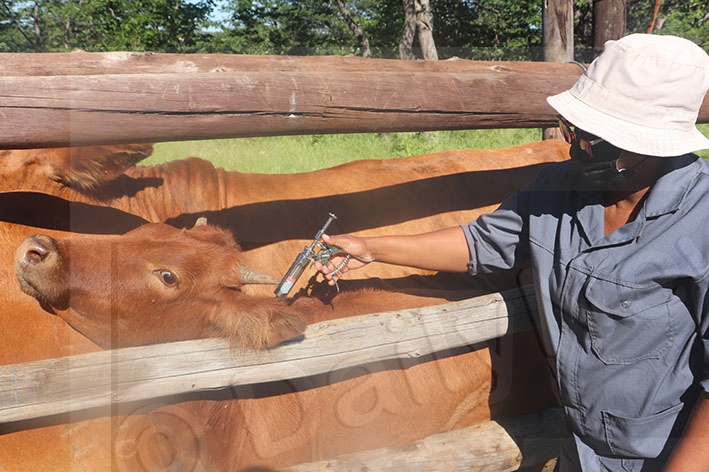
    Approximately 700 cattle were expected to be vaccinated in the initial phase.

    Mr James explained that the 2-in-1 vaccine was designed to prevent infection and reduce the efficacy of the disease.

    Mr James said vaccinated livestock would be marked with an ‘H’ brand on the right leg.

    He added that a booster jab was scheduled for February 17 (14 days aft er the initial dose), with another booster expected toward the end of the year.

    Furthermore, he said vaccination and surveillance may continue for up to three years, adding, if the virus persisted, the area may be classified as a permanent Red Zone, similar to the Okavango and Chobe regions.

    He indicated that the recurrence of FMD had caused significant distress for Zone 6b farmers, many of whom were still recovering from the 2022 outbreak and subsequent restocking efforts in 2023/2024.

    Farmers Committee chairperson, Mr Dignity Mtombeni, said he suspected that previous restocking may have occurred before the area was fully cleared.

    Thus, he urged government to engage in bilateral talks with Zimbabwe to find a trans-border solution, suggesting a repeat of the 2008 exercise where Botswana vaccinated cattle within a 40km radius inside Zimbabwe.

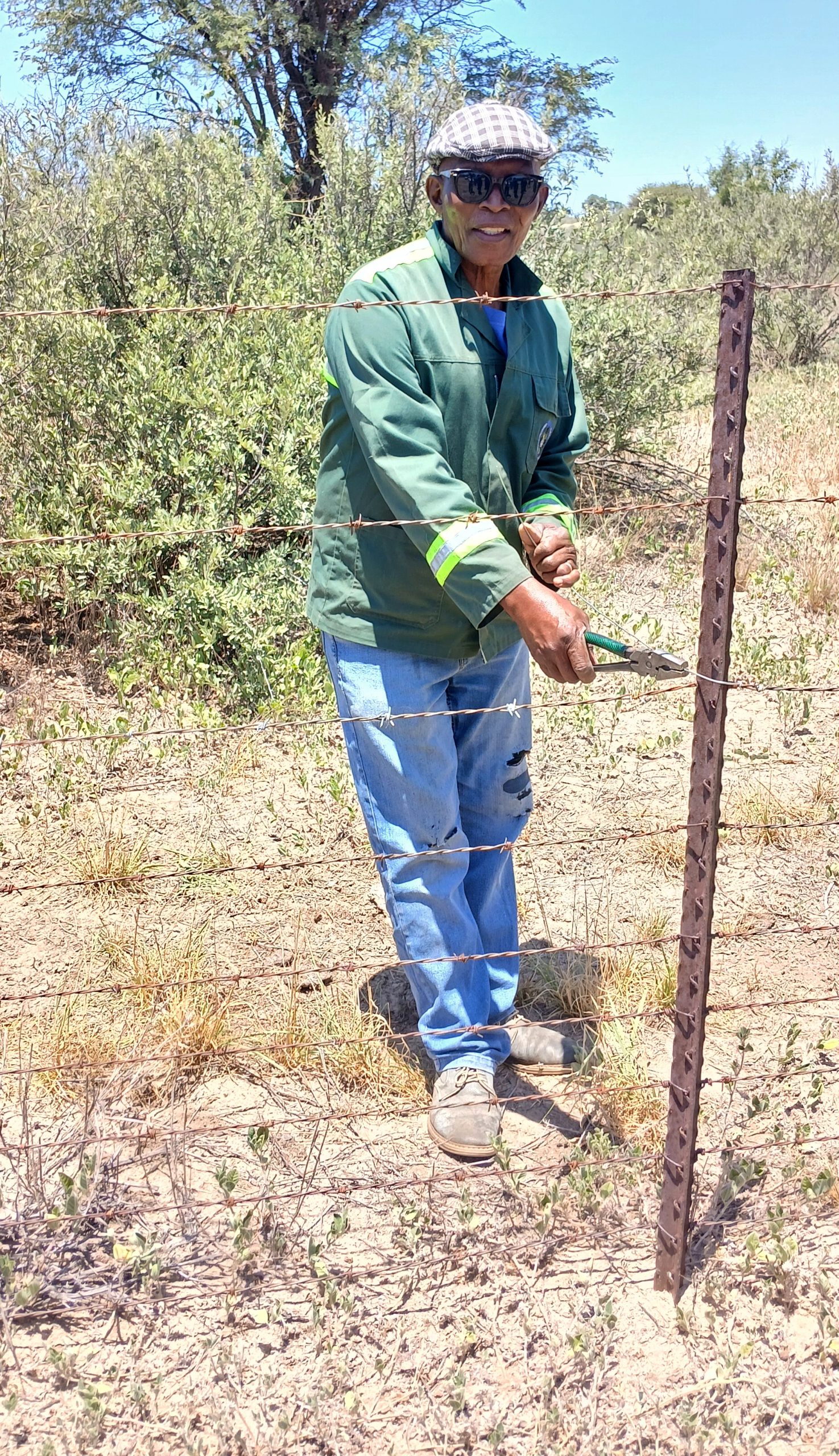
    Regarding the dilapidated border fence, Mr Mtombeni said they had volunteered to assist government, saying ‘Mophato or community regiments were ready to cut poles and maintain the fence if government provided the materials.”

    Councillor for Jackalas No. 1/ Ramokgwebana, Mr Morapedi Mafohla, commended farmers for their cooperation during recent kgotla meetings.

    While the situation was diffi cult, he noted that farmers were grateful that government opted for vaccination over depopulation and preserving their high-quality breeds.

    Mr Mafohla urged all farmers to herd and kraal their cattle strictly to prevent mingling with potentially infected animals, stressing that community discipline was the first line of defense in the surveillance eff orts.
  • Court denies mokomeng bail

    Court denies mokomeng bail

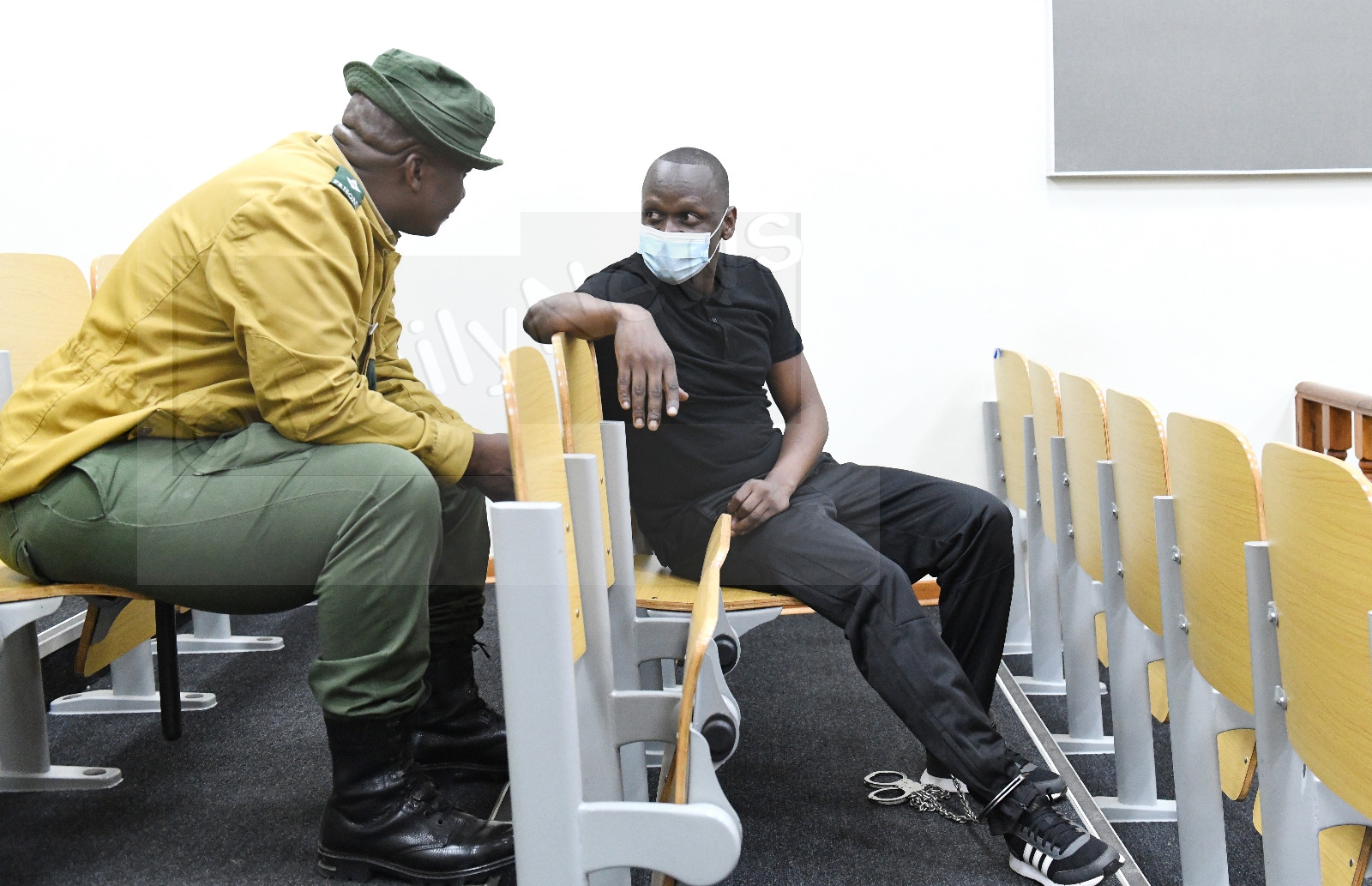
    Kgomokasitwa triple murder accused, Moagi Mokomeng, has been denied bail by High Court Judge Justice Oteng Motlhala of Gaborone High Court.

     Justice Motlhala reasoned that the suspect was not a candidate for bail, saying he had not demonstrated exceptional circumstances to qualify for bail as per the requirements of the new Bail Act, noting that it was incumbent upon him to show those circumstances. 

    He further noted that evidence presented in court suggested there was a likelihood that he could hurt others if released on bail, and further noted that on balance of probability, there was evidence that he committed the offences. 

    The 34-year-old soldier faces nine counts of offences, including murder, attempted murder, arson, and malicious damage to property.

  • UNICEF donation brings joy to Kgatleng schools

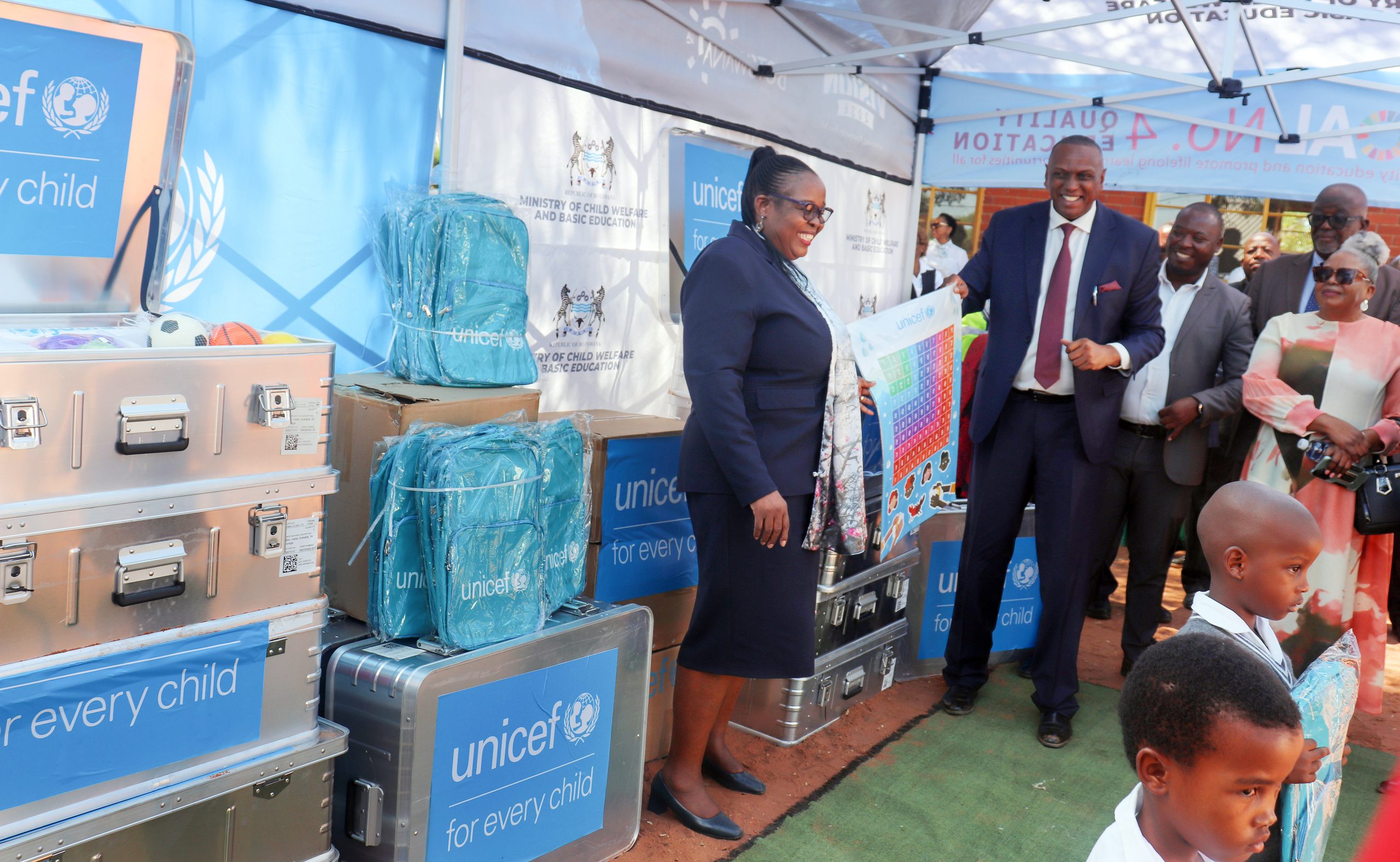
    UNICEF donation brings joy to Kgatleng schools

    The United Nations’ Children’s Fund (UNICEF)’s School In a Box kit holds much more than just school supplies.

    It represents hope and the right to education for children in rural communities and the low-income families. For early childhood learning, the school in a box kit apart from learning continuity, also provides healing to children who have lived through times of trauma.

    The School In a Box kit initiative according to UNICEF country representative to Botswana, Dr Komanzi Mothengi also brought about joy to the children as some develop new found excitement for school. Speaking during the handing over of a donation to primary schools in Kgatleng District, in Oodi on Monday, Dr Muthengi said following the flood that affected schools across the country last year, UNICEF found it fit to donate some school supplies to stimulate learning.

    He said UNICEF learnt that thousands of families and 1 800 children were affected by the flood, preventing some children from going to school since many communities in Kgatleng and other districts were affected.

    The donation that included 78 boxes of early childhood leaning material, 50 boxes of stationery, 2 006 school bags and 46 boxes of recreational material targeted 20 000 learners across the country, and is part of UNICEF’s mandate:No Child is left Behind.

    Since government prioritises Science, Technology, Engineering and Mathematics (STEM), Dr Muthengi said UNICEF had partnered with government to attain the education transformational process.

    “We are committed to strengthening Botswana’s education by working with other partners to supplement these efforts,” he said.

    Minister of Child Welfare and Basic Education, Ms Nono Kgafela-Mokoka, acknowledged UNICEF’s impactful support in foundational learning, and that the donation would complement government’s interventions underway to strengthen STEM.

    She commended the organisation for playing a part in education, stating that government’s partnership with UNICEF was critical in providing support to vulnerable children and bridging the education gaps.

    Ms Kgafela- Mokoka assured partners that donation would be used transparently and in line with its intended purpose.

    The ministry’s permanent secretary, Ms Mmamiki Kamanakao, said the timing was appropriate, when STEM driven education should be strengthened in accordance with the ambitions of the new administration.

    She said the ministry had been tasked with ensuring that the learning environment was child friendly as the enrolment of foundational learning was increased.

    “It is worth mentioning that these materials are offered in live with government’s STEM curriculum for early childhood development,” he said. Meanwhile Kgatleng East MP, Mr Mabuse Pule, noted that the collaboration between UNICEF and government had yielded positive results in early childhood learning.

    “UNICEF has always been a strategic partner in providing expertise to education and improving learning outcomes. This donation will complement government interventions in hard-to-reach areas,” he said.

    Mr Pule appealed to government to prioritise fixing dilapidated school infrastructure and learning resources.

  • Makopong Community Unite to Shield Zone 13 from FMD Threat

    Makopong Community Unite to Shield Zone 13 from FMD Threat

    Residents of Makopong in Kgalagadi South have launched a grassroots border protection initiative to safeguard Botswana’s livestock industry from the Foot and Mouth Disease (FMD) outbreak currently escalating in neighbouring South Africa.

    Led by the Makopong Farmers Committee, the community began a strategic fortificati on of the international borderline on January 27. The move comes as a response to the threat the virus poses to livelihoods and the national economy. The primary goal is to maintain the status of Zone 13 as an FMD free ‘Green Zone’, a region recognised as one of the nation’s most vital contributors to beef production.

    Speaking on the urgency of the situation, Councillor for Makopong area, Mr Shimane Bimbo, emphasised that the time for total reliance on government had passed.

    “ It is the duty of every responsible citizen to stand and step up during times like this and be wholeheartedly patriotic to our country without looking and relying solely on the government,” Councillor Bimbo said.

    He explained that the committee’s resolution to inspect and repair the border fence served as an essential precautionary measure to prevent cloven-hoofed animals from crossing between Botswana and South Africa.

    Th e community -led project has identified critical vulnerabilities along the border, including a shortage of 1.6-meter standard poles, a need for fresh barbed wire, and several burrow pits under the existing barrier fence.

    Furthermore, Mr Bimbo explained that the patrol road had become largely inaccessible due to the overgrown of the invasive Prosopis mesquite (Sexanana) tree.

    To address these gaps, he said residents had already begun making individual contributi ons of P200 or more to fund materials and provide food for the volunteer workforce.

    Despite the high level of commitment, Mr Bimbo said the committee had reported a significant shortage of equipment, including chainsaws, shovels, and axes.

    He noted that there was also an urgent request for a grader to clear and demarcate the patrol line, which was essential for monitoring prohibited crossings in ungazetted areas.

    The community was hopeful that their patriotic efforts would be bolstered by additional support to ensure that the newly established funds for FMD were used to fully erect a secure cordon fence, permanently protecting the cattle-rich Zone 13.

    Adding his voice to the call for national solidarity, Makopong Tribal Representative, Kgosi Obenne Matshogo urged other communities along the borderline to follow Makopong’s example.

    He warned that the fight against FMD was a collective responsibility, as an outbreak in a single zone could lead to a nationwide agricultural crisis.

    Kgosi Matshogo noted that preventing the spread of the disease into the country was a task for every citizen, stressing that benchmarking from proactive communities like Makopong, was key to securing Botswana’s economic future.

  • Botswana to Host ITF World Tennis Tour Events

    Botswana to Host ITF World Tennis Tour Events

    Botswana is set to host the Men’s and Women’s ITF World Tennis Tour professional events.

     The tournaments are expected to attract a significant influx of international players and officials to the National Tennis Centre from May 11-23.

    There is no doubt that Botswana tennis is entering one of the most promising periods in its history, fuelled by a surge of exceptional junior talent.

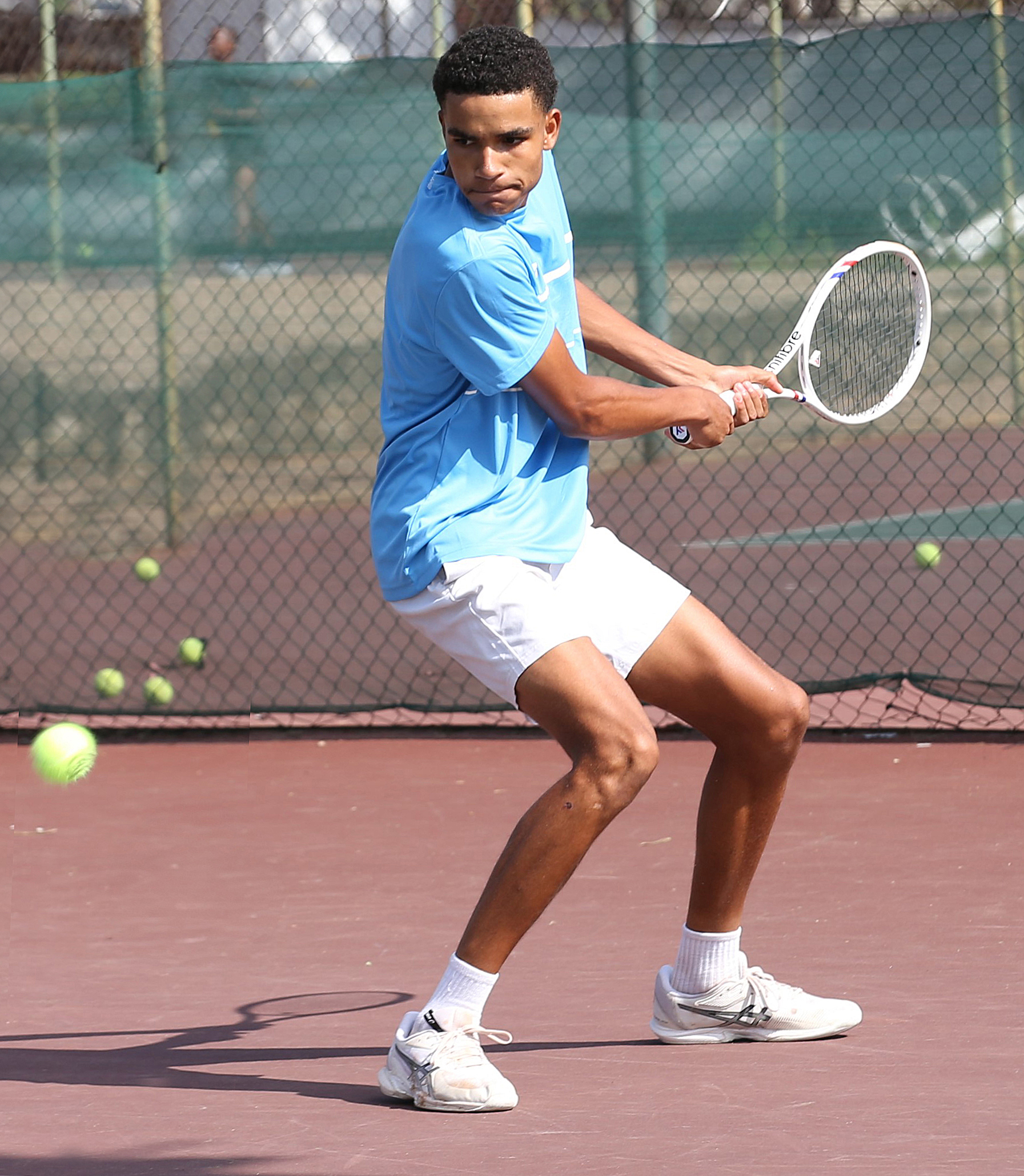
    Notably, Ntungamili Raguin recently made headlines by qualifying for Junior Grand Slam events, including the Australian Open, Roland Garros, Wimbledon and the US Open.

    Alongside Raguin, several other junior stars are showing immense potential, with many eyeing the top 100 position in the International Tennis Federation (ITF) World Junior Rankings.

    Achieving such a ranking is a critical gateway, allowing athletes to qualify for or better prepare for the prestigious Junior Grand Slam stage.

    These emerging talents include Tinashe Phatshwane, Lebone Tlape, Malak Macheng and Angel Chakanyuka.

    Furthermore, Botswana continues to excel in the college tennis pathway, with standout players such as Ekua Youri, Chelsea Chakanyuka, Denzel Seetso, Batsomi Marobela and Mark Nawa.

    In recognition of this growing depth, the Botswana Tennis Association (BTA) has taken strategic steps to host ITF World Tennis Tour Junior tournaments.

    These events expose local players to elite international competition while allowing them to earn valuable global ranking points on home soil.

    At the senior level, the BTA is now advancing its efforts to host professional events, providing a viable platform for players to transition into professional careers following their junior development.

    In an interview, BTA vice president, Nonofo Othusitse noted that in line with international standards, each tournament was identified by gender, prize money and host city.

    The upcoming events will be designated as M15 Gaborone for the men and W15 Gaborone for the women. “An M15 tournament represents a men’s event offering US$15 000 (over P200 000) in prize money, while a W15 tournament is the women’s equivalent,” Othusitse explained.

    Over the two-week period, Botswana will host four tournaments in total, two for men and two for women.

    These competitions will allow local athletes to earn crucial international ranking points and compete for a share of the US$ 15 000 purse per tournament.

    Botswana to host ITF World Tennis Tour events Othusitse emphasised that this was a significant milestone, as the ITF World Tennis Tour served as the foundational level of professional tennis and also functioned as the primary bridge linking the Junior circuit to the higher tiers of global professional tennis.

    Because ranking points earned at these events are incorporated into the Association of Tennis Professionals (ATP) and Women’s Tennis Association (WTA) systems, players have the opportunity to progress to the Challenger Tour, the ATP/WTA Tour and ultimately the Grand Slams.

    For Botswana, hosting the M15 and W15 Gaborone tournaments aligns with the Botswana National Sport Commission’s Vision 2028, which seeks to enhance the impact of sport on society, improve athlete performance and elevate the hosting of major events. Furthermore, the initiative supports the country’s Vision 2036, which positions sport as a key contributor to national economic growth.

  • Mass vaccination targets 700 cattle

    Mass vaccination targets 700 cattle

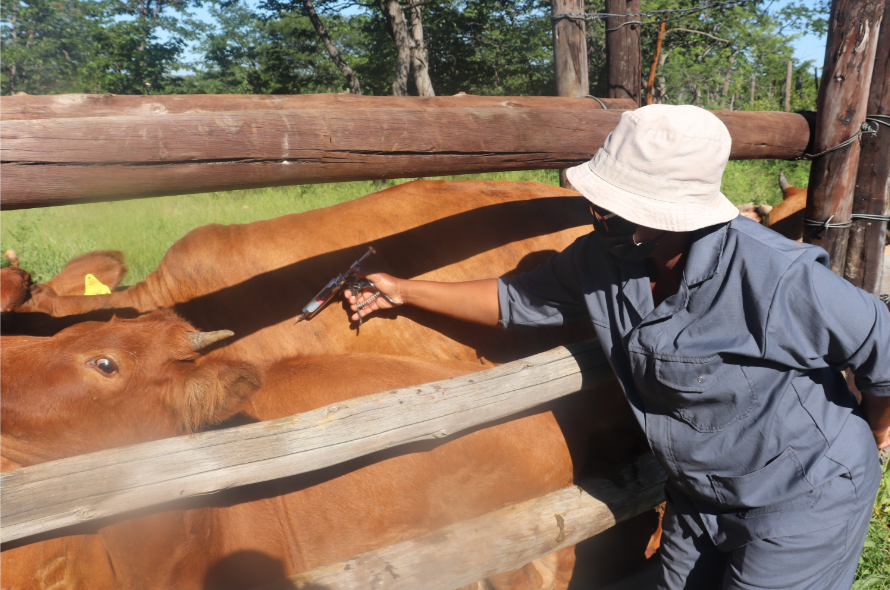
    Approximately 700 cattle in Jackalas No.1 in the North East District are expected to be vaccinated for Foot and Mouth Disease (FMD) through the two-day mass vaccination exercise, as government moves to contain the outbreak in the area.

    According to Principal Technical Officer in the Department of Veterinary Services, Mr Millan James, booster jabs would follow after 14 days, with continued surveillance for clinical signs set to be carried out on the livestock.

    Zone 6B will remain a Red Zone, while another booster vaccination will be done towards the end of the year, he added.

    Meanwhile, government has set aside P97 million for vaccination, maintenance of cordon fences and manpower deployment to fight FMD.

    Additionally, the government has put in place measures to control the spread of the disease, including strict quarantine protocols, restrictions on livestock movement, and awareness campaigns for farmers.

    Meanwhile, transportation, movement or slaughter of cloven-hoofed animals, including for personal consumption or social events (such as weddings, funerals and megoga) is prohibited countrywide except in Zones 1 (Chobe) and 2 (Ngamiland).

  • Raguin joins top tier athletes

    Raguin joins top tier athletes

    Botswana is slowly positioning itself as the new giant of Africa in sport. Across sporting codes, several names have become entrenched in people’s minds both at home and abroad. In

    athletics, Letsile Tebogo and Collen Kebinatshipi have become much loved icons, whereas in football Sedilame Bosija and Refilwe Tholakele have similarly endeared themselves to the nation.

    In swimming, upcoming star, Jade Chilisa has thrown the code into the mix, putting it on a pedestal with her top-tier performance.

    Now, tennis has taken centre stage. The code’ showstopper,

    Ntungamili Raguin is constantly distinguishing himself as a

    crème de la crème of the sport.

    He is the man of firsts: the first Motswana to compete at the

    Australian Junior Open and first to win J100 back-to-back.

    Prior to the Australian Junior Open, Raguin who was ranked

    75 but he now sits at Number 56 in the world.

    And just last year, he ranked among the top 250, a feat

    many paid little att enti on to despite efforts by the

    Botswana Tennis Association (BTA) to draw attention to the possibility of Botswana clinching a junior Grand Slam.

    Where Raguin is now requires concerted efforts and support from stakeholders including national sport agencies, government and corporates and indeed, the nation.

    He will require more resources in order to sustain these performances, given that he has three more junior Grand Slams this year; Wimbledon, French Open

    and US Open.

    In between, he will play other bigger tournaments such as J300 and J500, all of which will require substantial budgets.

    But, what does this feat mean to the country? According to BTA vice president, Nonofo Othusitse, Raguin’s incredible run at the 2026 Australian Open Junior Championships was a source of immense pride.

    “We were over the moon when we made it out of the qualifying draw into the main draw,” Othusitse said, highlighting how historic a performance it was for a player who was making a maiden appearance at a Grand Slam.

    Raguin simply defied the odds, exceeding all expectations in the process and the BTA could not be more elated.

    “To fully comprehend this performance, one needs to go

    back to last year December when he was ranked 168 in the world,” Othusitse said.

    “During the Australian OpenJunior week he reached a career

    high ranking of 75. Now, he is at 56 aft er the new rankings were released on Monday,” he added.

    Further rallying the nation to throw its entire weight behind

    the player, Othusitse believed that adequate support would spur Raguin on to keep raising the bar

    higher.

    While BTA appreciates the support they received from Botswana National Sports Commission and

    Botswana National Olympic Committee through their programmes, more money is still required and according to Othusitse at least a million Pula a year in funding

    would suffice.

    “All in all, it looks like it is going to be an exciting year for Raguin and indeed Botswana tennis. We are grateful for the support he has received thus far and hope it continues into the future,” he said

  • Commercial Court nigh

    Commercial Court nigh

    A specialised commercial court aimed at speeding up the resolution of commercial disputes and supporting Botswana’s ease of doing business agenda is set to be launched in March.

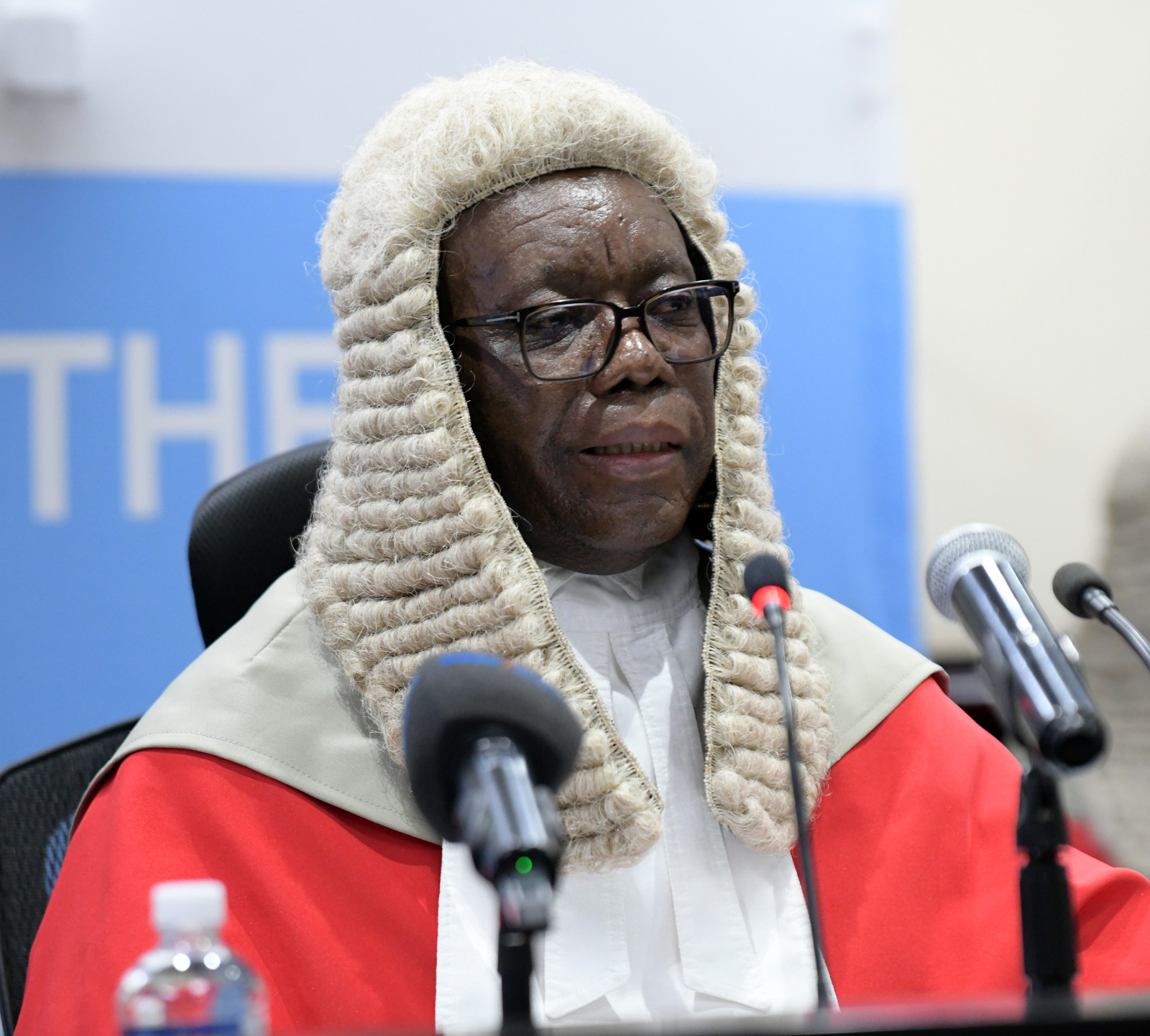
    Announcing the development during the opening of the 2026 Legal Year in Gaborone on Monday, Chief Justice Gaolapelwe Ketlogetswe said the move was part of broader judicial reforms meant to modernise justice delivery.

    “The envisaged commercial court will deal exclusively with commercial matters and is intended to facilitate the ease of doing business in Botswana,” said Justice Ketlogetswe.

    He said the judiciary recorded significant institutional reforms in 2025 as it pursued its goal of becoming a world-class judicial system by 2036.

    “Our focus remains on improving efficiency, strengthening accountability and bringing justice closer to the people,” he said.

    Justice Ketlogetswe said key achievements of 2025 included the appointment of five new judges to the Court of Appeal, bringing the bench to its full complement of 12 justices.

    “The High Court has also reached its full complement of 30 judges, a development we expect will improve case management and reduce backlogs,” he said.

    On gender representation, the Chief Justice said the judiciary had deliberately increased the number of women judges, with four of the eight newly appointed High Court judges being women.

    “This is a trend that will continue across all courts,” he said.

    On the establishment of specialised courts, Justice Ketlogetswe said the judiciary recognised the urgent need to establish a constitutional court, noting that specialisation enhanced efficiency and the timely delivery of justice.

    “Specialised courts strengthen the quality of judicial decisions and enable the courts to respond effectively to the changing needs of society,” he said.

    Meanwhile, newly appointed Attorney General Dick Bayford, in his first address in office, said government was moving to repeal laws that had been declared unconstitutional by the country’s highest court.

    “There is a need to improve access to laws so that the majority of Batswana can understand them,” said Bayford.

    He added that the state should approach litigation with restraint and fairness.

    “The state does not always have to pursue every technical advantage or take advantage of every procedural flaw. It must litigate with moderation, candour and proportionality,” he said

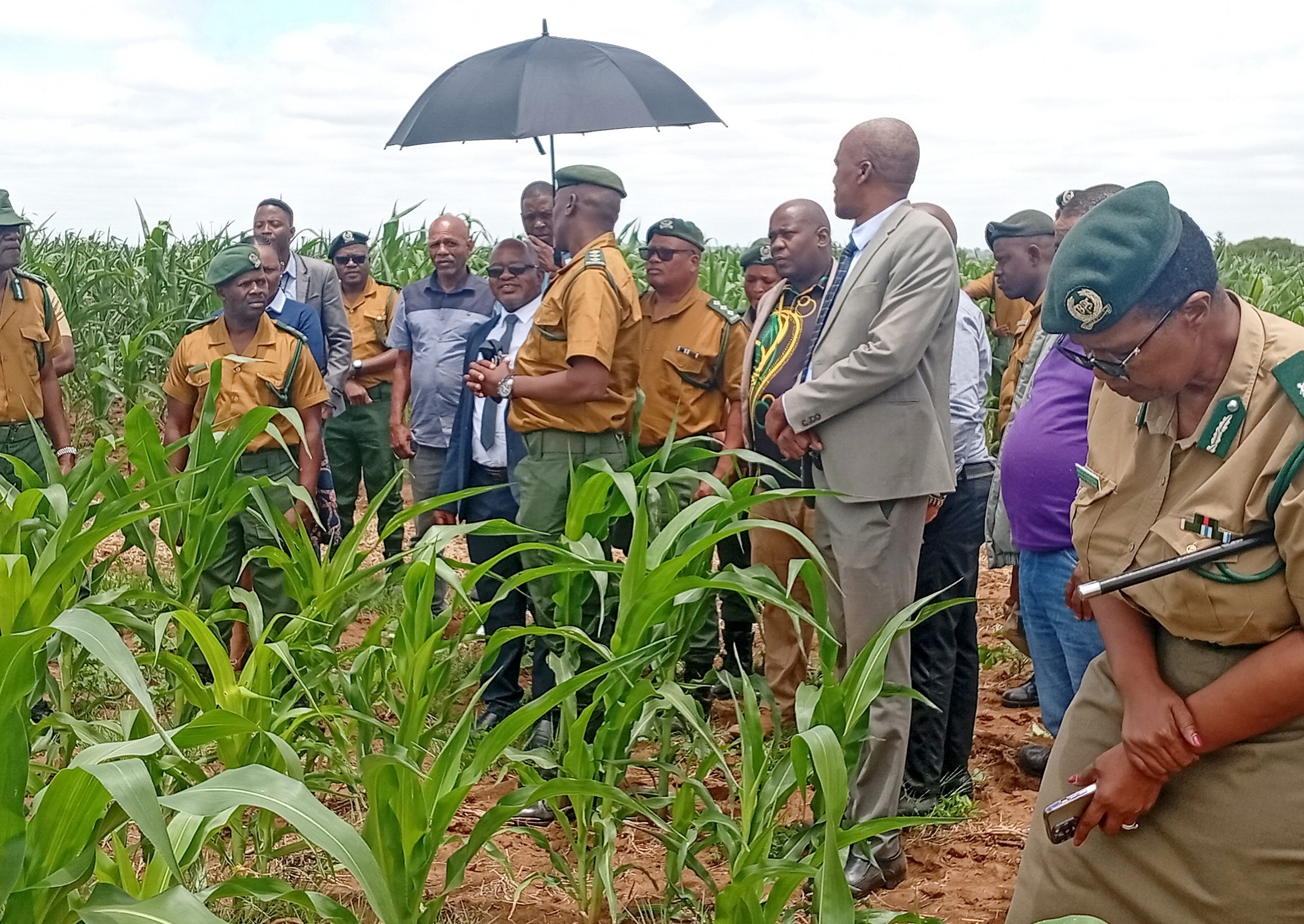
  • The Botswana Prisons Service (BPS) is on a quest to fill the BPS’ silos with abundant grain this ploughing season.

    The Botswana Prisons Service (BPS) is on a quest to fill the BPS’ silos with abundant grain this ploughing season.

    Already, Molepolole Prisons, which has a 400-hectare farm, has planted 93 hectares of maize and three hectares of lablab while another three hectares of maize was yet to planted.

    In Mahalapye, 40 hectares of sorghum have been planted while 38 hectares in Machaneng and 28 hectares at Letlhakane have been planted while a target of 101 hectares of sorghum was to be ploughed.

    “We have also planted 40 hectares of beans in Tsabong and we also have have an egg farm as well, while in Tshane we have planted 20 hectares,” said Botswana Prisons Service Commissioner, Mr Anthony Mokento during Minister of Justice and Correctional Services, Mr Nelson Ramaotwana’s tour of Molepolole Prisons recently.

    He said if the rains could remain consistent, they aimed to atleast produce 3 000 bags of maize, which would be enough to feed all the 23 prisons nationwide, but if not, they should at least produce two thirds of the expected harvest.

    He was however optimistic that the harvest would be enough to feed the 4 497 prisoners nationwide.

    He highlighted that the notion of ploughing was to equip prisoners with farming knowledge so as to use the skill once they released from prison.

    “Our plan is to make prisoners produce food for themselves instead of relying on government coffers since the economy is struggling. Today, the minister came to assess how we were progressing since we ploughed earlier this season,” Mr Mokento said.

    For his part, Assistant Superintendent Mooketsi Lesego said the planted hectares in Molepolole were a stepping stone of a bigger dream to turn BPS as a hub for food security.

    As BPS, he said they made a choice to use hybrid varieties of white maize; SC555 which made 50 hectares and 42 hectares of SC419, which were drought resistant and high yielding.

    “We sowed SC555 so that we can give it enough time to grow because it is medium maturing variety and SC419 is early maturing so that we are able to maximise yield within the area that we have. We also have three hectares ‘highworth’ variety of lablab, which is the common variety that we usually grow here and it is a highly performing and we also have the remaining five hectares from which three hectares is yet to be grown SC555 to make it 53 hectares and the two hectares we have spared it for yellow maize (SC503),” said Mr Lesego.

    He said majority of the SC503 was going to be crushed with sunflower to feed guinea fowls in Letlhakane and used for livestock mix.

    In addition, he said they kept various breeds of livestock, cattle, goats and sheep that also helped them with meat and milk.

    However, he said they were rearing a lesser number of livestock, though various breeds, because their main focus was to help inmates to be fully acquainted with diversified knowledge and skills of managing an array of breeds to help them make wise choices when they joined the society and wanted to venture into farming.

    Mr Lesego also said most of the time they auctioned the livestock when it multiplied.

    Last year, he said they auctioned livestock worth more than half a million Pula.

    For his part, Minister Ramaotwana appreciated BPS’ efforts to fill BPS’ silos with grain during this ploughing season

  • Beef producers union rallies farmers to protect national herd

    Beef producers union rallies farmers to protect national herd

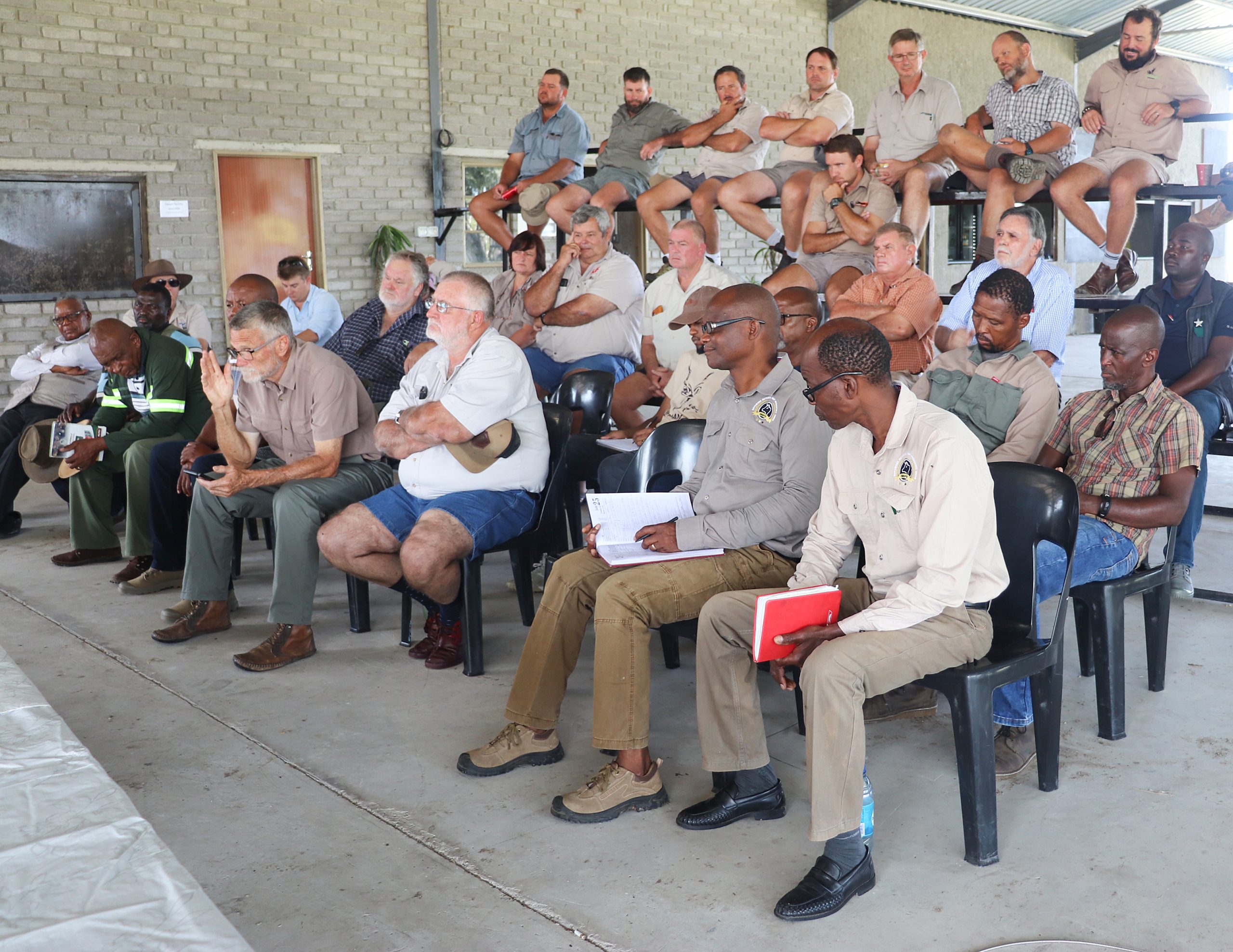
    The Foot and Mouth Disease (FMD) outbreak in South Africa and the confirmed cases in Botswana is a wake-up call for farmers to harness the transformative power of collaboration in order to strengthen their operations.

    The remarks were made by Botswana National Beef Producers Union (BNBPU) chairperson, Mr Mpaphi Phumaphi during a meeting attended by the community and members of farmers’ associations in Ghanzi recently.

    Mr Phumaphi said it was worth noting that it had been a common practice for some farmers’ associations to work in isolation and that had contributed to some inefficiency in the agricultural sector.

    He, therefore, called for farmers’ associations to collaborate and affiliate to BNBPU in order to bring seasoned wisdom and experiences that could infuse innovation for sustainable growth of the industry.

    Mr Phumaphi noted that through their successful collaborations, farmers could contribute successfully to the newly established Botswana Meat Industry Regulatory Authority (MIRA) Act, which was designed to regulate, licence and oversee the livestock and meat industry.

    He said through BNBPU national council, they had proposed for the liberalisation of the Botswana Meat Commission (BMC), saying breaking its monopoly would foster a more competitive sector where farmers would be spoilt for choice on where to sell their livestock.

    He further emphasised that the liberalisation of the BMC would allow for more local abattoirs to be established across the country to allow continuity in trading, more especially in unaffected zones during the times of outbreaks.

    Moreover, he said the liberalisation of BMC would afford BNBPU the opportunity to strategise and reinvent the meat industry to make it appealing to consumers as well as control the pricing of their products in the market.

    On other issues, he informed farmers that through the BNBPU council, members have set up a disease control fund to assist government with maintenance of disease control fences across zones as well as the purchasing of buffers and other necessities in the wake of financial challenges.

    A member of the executive committee, Mr Masego Phuduhudu informed farmers that as part of its continued efforts to rebrand the meat sector, BNBPU national council had made a recommendation for a comprehensive transformative strategy to be put in place.

    He said the strategy would be driven by the need to adopt sustainable farming practices and to implement some technological advancement that would enhance supply chain transparency and foster industry-wide collaboration.

    Mr Phuduhudu added that these transformative strategies also called for synergy collaborations with government for proper policies governing the industry to ensure increased production and meeting growing global demand.

    BNBPU Secretary, Mr Alfred Pilane said following the FMD outbreak in South Africa last year, in their meeting with government, BNBPU national council recommended for the establishment of a committee to provide guidance on the control measures.

    We suggested that the committee should comprise of experts and farmers’ community who were previously involved in FMD outbreak to beef up the dispatched team to the northern part of the country, he said.

    He also said they proposed for the setting up of the disease control fund, which would be controlled by the union and be used for the resuscitation of the Dibete cordon fence and others across the country as their support in controlling the diseases across zones.

    Other proposals included the establishment of district abattoirs, which he said could reduce inconveniences amongst the farming community during an outbreak.

    For his part, Ghanzi Farmers Association chairperson, Mr Quinton Barnes applauded BNBPU for their engagements with farmers’ associations across the country on how to contain and control the spread of FMD at local level.

    On other issues, Mr Barnes informed them that Ghanzi Farmers Association terminated its affiliation to BNBPU due to some conflicted operations but he acknowledged that, with the new management and thorough consideration they would renew their affiliation.

    He called for organisational transformation strategy at BMC that would drive long term growth by enhancing operational efficiency, and improve customer satisfaction.

    Furthermore, he proposed for autonomy of MIRA to foster increased productivity and efficiency in the meat industry.

    In his remarks, Ghanzi district Council chairperson, Mr Thabiso Kebadile, implored farmers to work in sync noting that isolation would defeat the efforts to protect the meat industry.

    He informed farmers about the government initiative to liberalise the beef sector through the establishment of MIRA.

    He therefore, challenged farmers to generate progressive ideas that could reshape the industry and help restore the economy to its former glory