Blog

  • System overhaul critical to address health sector challenges

    System overhaul critical to address health sector challenges

    With the citizenry growing increasingly frustrated over the apparent lapses within
    the public health sector, marked largely by widespread drug shortages, President
    Advocate Duma Boko has affi rmed government’s resolve to turn the sector.


    The unfolding crisis in Botswana’s health system, a problem that has, according to
    President Advocate Duma Boko,been simmering over decades ought to be halted and stopped from shaking the very soul of the people of Botswana and throwing
    them into a state of despondency.


    “Th e health questi on is a test for the country, if we cannot solve it, we cannot solve anything else,” he said during his tour of Nyangabgwe Referral Hospital (NRH) last Friday, underlining how unraveling this maze would bear testament to
    government’s tenacity to dislodge any challenge that the nation could
    find itself faced with at any point in the future.
    And making the system whole again will require more than just boldness.
    It will take a spirited fight, a fight that government is determined to not back down from.
    “That is why we need to take drastic and unorthodox measures to solve it. We need a complete devolution,” President Boko said.
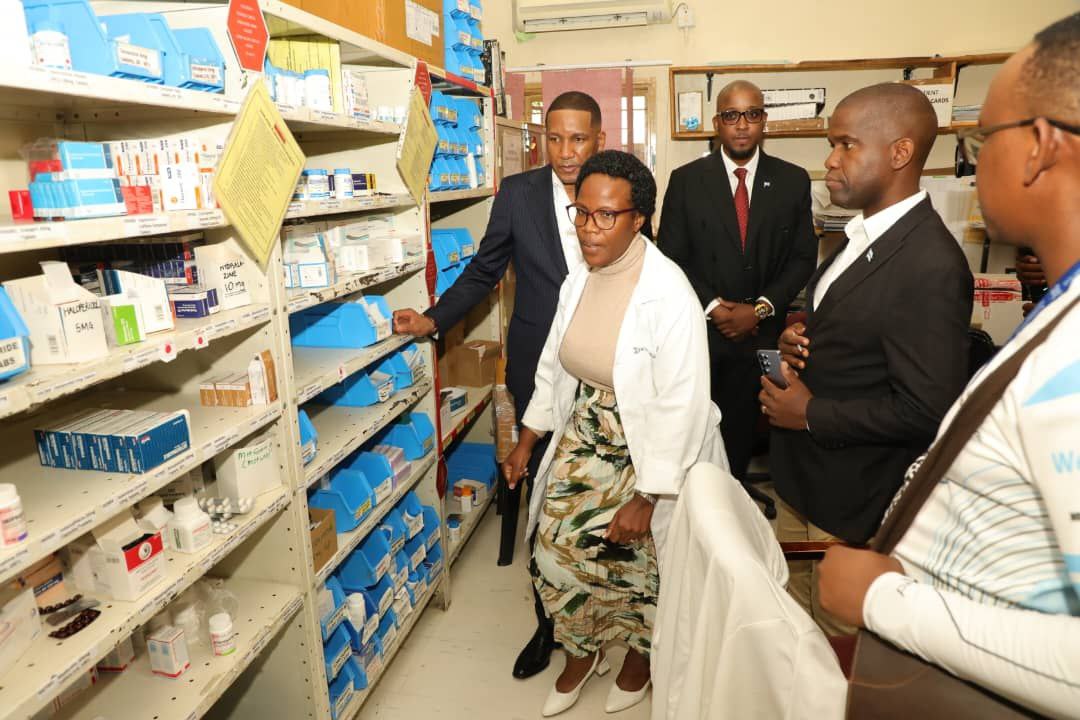
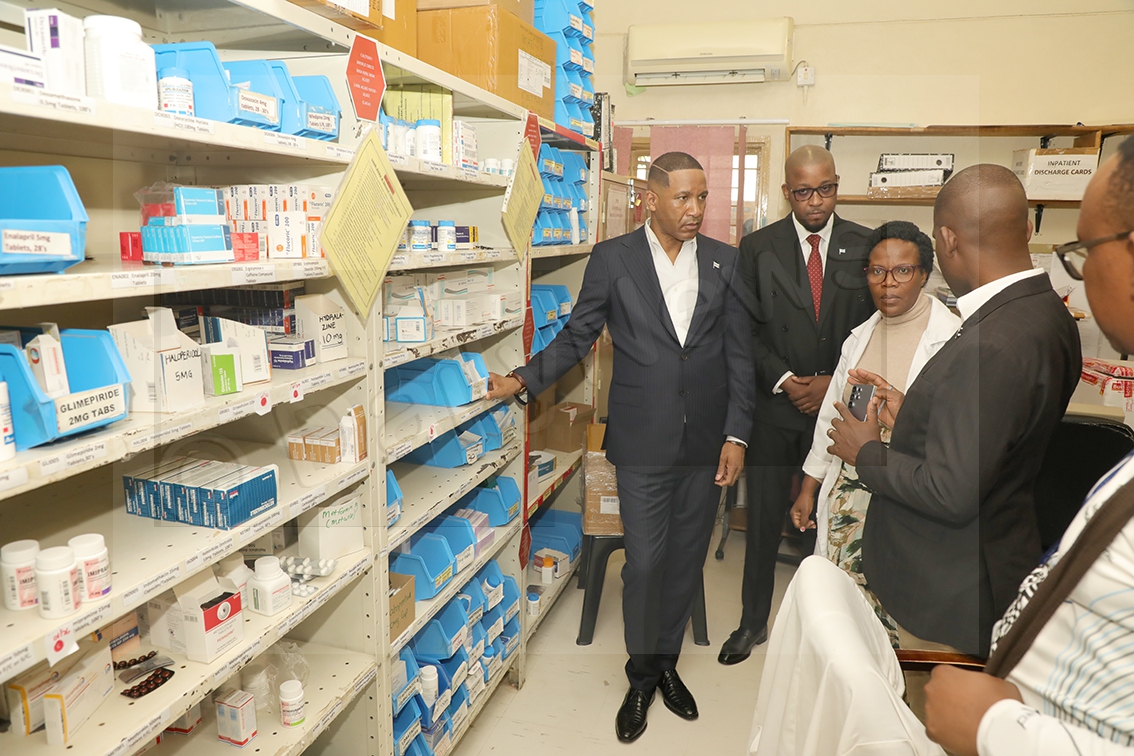
    NRH superintendent Dr Ivan Kgetse, who led President Bokothrough various sections and wards of the hospital including the Intensive Care Unit (ICU),
    the renal unit, the Accident and Emergency Department, the Radiology Unit and the Antenatal Ward said while the facility wasfaced with a plethora of challenges,
    management and staff continue to do their absolute best to serve the
    public.
    Shortage of drugs, ageing equipment, some of which is already obsolete, as well as
    shortage of specialist doctors such as vascular surgeons, radiologists and neurosurgeons daily present themselves as major stumbling blocks to effective service delivery.
    According to Dr Kgetse, the lack of critical equipment such as an MRI machine and dialysis machines have compelled NRH to outsource the associated services,
    and with the cost of a single MRI scan standing at around P3 000 per scan or test, government forks out untold amounts annually to pay private service providers.
    Nyangabgwe hospital also grapples with congesti on, which in some instances is not due to high volumes of patients but is rather because certain spaces are
    simply small.
    The Neonatal ICU for instance has room for just eight beds, while the main ICU has space sufficient for only six.
    “The unit is small as it has only eight beds. As a result, we refer a lot, and the costs are prohibitive,” Dr Kgetse said, in reference to the Neonatal ICU.
    As for the main ICU, the doctor would love for the ward to have adequate equipment.
    “There is inadequate equipment.For instance, we have got no backup
    ventilators, so if one fails, we would not be able to manage the risk,” he explained.
    As Nyangabgwe is the only tertiary hospital in the north and so unlike Princess Marina Hospital, which shares its patient load with the couple of private hospitals strewn across Gaborone, its location and the lack of enough private facilities to help ease its load, government should strive to strengthen the hospital so that
    it is able to deliver according to
    expectation.
    Queuing with a loved one at the Accident and Emergency Department, Ms Elizabeth Morebodi of Block 5 in Francistown pleaded with President Boko for
    government to avail medicines in health facilities.
    “There are no medicines. We are being told to buy for ourselves yet many of us are grappling with unemployment,” she said, echoing the plea of many, who constantly
    have to move from one private pharmacy to the next in search of drugs and at times hospitals supplies necessary for surgical procedures to be carried out.
  • How iShowSpeed and Masego rewrote Old Naledi narrative

    How iShowSpeed and Masego rewrote Old Naledi narrative

    In his influential book Shadow Cities: A Billion Squatters, a New Urban World, journalist Robert Neuwirth, who spent two years living in squatter communities in Brazil, Kenya, India and Turkey, argues that shanty towns are not merely slums, but vibrant neighbourhoods worthy of exploration and often innovative.
    With the recent visit of American YouTuber, Darren Jason Watkins Jr., popularly known as iShowSpeed to Old Naledi some weeks ago during his 28-day, multi-country livestream
    tour across Africa, Neuwirth’s argument may well have been proven correct.
    Footage captured during Speed’s Old Naledi livestream was arguably t h e m o s t
    vibrant of all his stops in Botswana.
    On that day, the streets of Old Naledi transformed into stages as the world witnessed the raw
    talent and infectious energy from its community members.
    One gentleman, using only his t-shirt as a prop, turned an everyday item into part of his choreography, pulling it over his head, dancing with it half on and half off, before
    smoothly shrugging it back into place.
    The Mafitlhakgosi Dance Group also stole the spotlight, with dancers performing Speed’s
    trademark backflips alongside breakdance-inspired moves.
    The colourful, high-energy livestream shattered the longheld perception of shanty towns
    as spaces defined solely by deprivation and disorder, often viewed as illegal encroachments
    waiting to be erased rather than communities worthy
    of understanding.
    From that same livestream emerged seven-year-old Masego Masepe, the youngest member of
    Mafitlhakgosi Dance Group, who also captivated viewers with her remarkable confidence,
    something Batswana have increasingly come to admire.
    From her viral dance with President Advocate Duma Boko, to her performance alongside
    Speed and several other influential figures, Masego’s confidence has consistently shone through.
    She effortlessly leads her partners into gentle sways, spins them around, holds their hands and
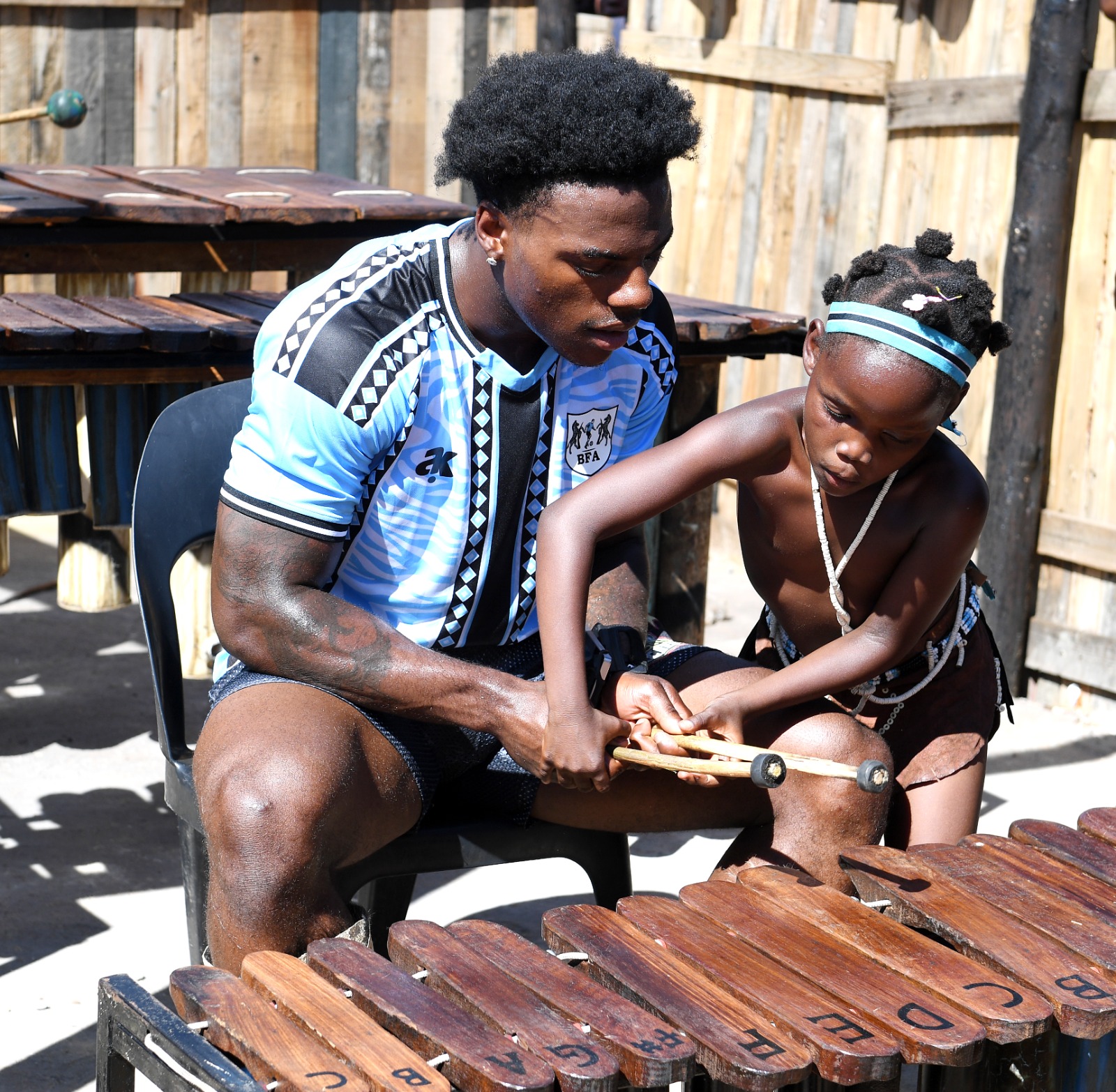
    twirls herself like a ballerina. That same confidence was evident as she patiently taught Speed the marimba, guiding him through the melodies until he got them
    right.
    In an interview, it became clear that Masego’s confidence is deeply rooted in her environment.
    She has been dancing for as long as she can remember.
    Born into a family of dancers and creatives from Molepolole, Masego is surrounded by art and
    movement.
    All four of her siblings dance for Mafitlhakgosi, alongside both parents, Joseph and Kgomotso Masepe.
    Masego says she already knows seven dance styles, including Tsutsube, Setapa, Phathisi, Khoba, Hosanna, Morabaraba and Marimba.
    “My favourites are Morabaraba, Khoba and Tsutsube,” she said, adding that one of her most
    memorable experiences was dancing with President Boko.
    She also shared that her favourite subject in Standard 2 is English.
    Another contributor to her confidence, she revealed, is her close bond with fellow dancers.
    Much of her friendship circle exists within the dance group rather than at school and she prefers spending time with her 11-year-old brother, Otsile Masepe.
    Otsile added that their parents are their biggest supporters.
    “They encourage us every day, that is why we always step out with confidence,” he said, noting that while practi ces and performances
    sometimes fall during the school week, the siblings take turns helping one another with
    schoolwork to ensure nothing is
    neglected.
    Otsile hopes to become an artist in the future, while Masego says dancing is not in the cards for her.
    “I want to become a nurse,” she said.
    Perhaps she will be both, one or the other, however, young stars like Masego keep helping to rewrite the Old Naledi narrative

  • System overhaul critical to address health sector challenges

    System overhaul critical to address health sector challenges

    The unfolding crisis in Botswana’s health system, a problem that has, according to President Advocate Duma Boko, been simmering over decades ought to be halted and stopped from shaking the very soul of the people of Botswana and throwing them into a state of despondency. 

    “The health question is a test for the country, if we cannot solve it, we cannot solve anything else,” he said during his tour of Nyangabwe Referral Hospital (NRH) last Friday, underlining how unraveling this maze would bear testament to government’s tenacity to dislodge any challenge that the nation could find itself faced with at any point in the future. 

    And making the system whole again will require more than just boldness. It will take a spirited fight, a fight that government is determined to not back down from. 

    “That is why we need to take drastic and unorthodox measures to solve it. We need a complete devolution,” President Boko said. 

    NRH superintendent Dr Ivan Kgetse, who led President Boko through various sections and wards of the hospital including the Intensive Care Unit (ICU), the renal unit, the Accident and Emergency Department, the

    Radiology Unit and the Antenatal Ward said while the facility was faced with a plethora of challenges, management and staff continue to do their absolute best to serve the public. 

    Shortage of drugs, ageing equipment – some of which is already obsolete, as well as shortage of specialist doctors such as vascular surgeons, radiologists and neurosurgeons daily present themselves as major stumbling blocks to effective service delivery. 

    According to Dr Kgetse, the lack of critical equipment such as an MRI machine and dialysis machines have compelled NRH to outsource the associated services, and with the cost of a single MRI scan standing at around P3 000 per scan or test, government forks out untold amounts annually to pay private service providers. 

    Nyangabwe hospital also grapples with congestion which in some instances is not due to high volumes of patients but is rather because certain spaces are simply small. 

    The Neonatal ICU for instance has room for just eight beds, while the main ICU has space sufficient for only six. 

    “The unit is small as it has only eight beds. As a result, we refer a lot, and the costs are prohibitive,” Dr Kgetse said, in reference to the Neonatal ICU. As for the main ICU, the doctor would love for the ward to have adequate equipment. 

    “There is inadequate equipment. For instance, we have got no back-up ventilators, so if one fails, we would not be able to manage the risk,” he explained. 

    As Nyangabwe is the only tertiary hospital in the north and so unlike Princess Marina Hospital which shares its patient load with the couple of private hospitals strewn across Gaborone, its location and the lack of enough private facilities to help ease its load, government should strive to strengthen the hospital so that it is able to deliver according to expectation. 

    Queuing with a loved one at the Accident and Emergency Department, Ms Elizabeth Morebodi of Block 5 in Francistown pleaded with President Boko for government to avail medicines in health facilities. 

    “There are no medicines. We are being told to buy for ourselves yet many of us are grappling with unemployment,” she said, echoing the plea of many, who constantly have to move from one private pharmacy to the next in search of drugs and at times hospitals supplies necessary for surgical procedures to be carried out

  • Pandamatenga farmers count losses following heavy rains

    Pandamatenga farmers count losses following heavy rains

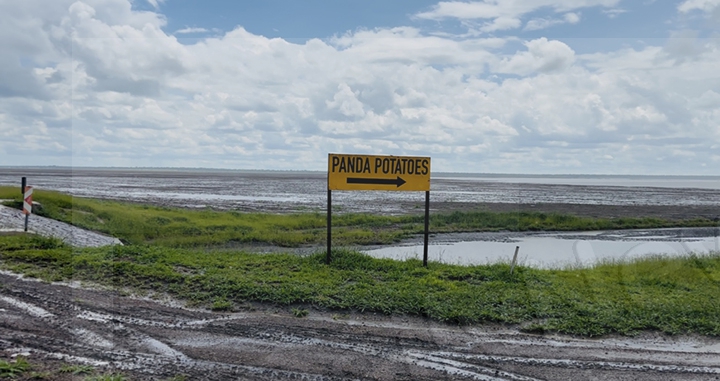
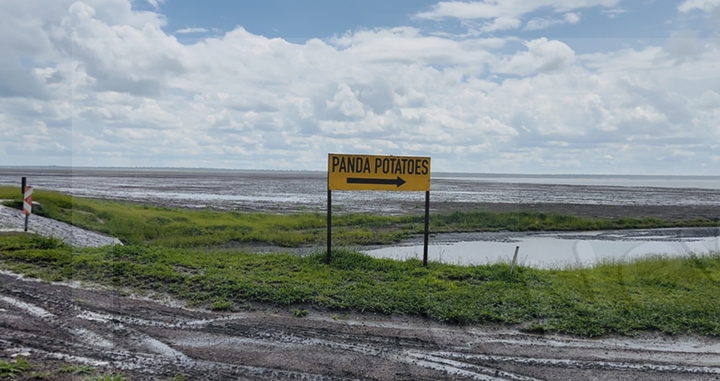
    Farmers in the Pandamatenga region are reeling from a catastrophic ‘one-in-200-years’ storm that occurred on January 21, leaving over 8,000 hectares of diverse crops submerged.

    The floods caused by rainfall exceeding 200mm have devastated fields of sorghum, sunflower, onions, tomatoes, butternuts and maize. 

    Last Friday, the acting Minister of Lands and Agriculture Dr Edwin Dikoloti engaged with both commercial and subsistence farmers to assess the destruction. Accompanied by agricultural insurance specialists, Dr Dikoloti assured farmers that assistance would be provided once formal assessments were complete. 

    He acknowledged that the floods had halted operations for weeks, risking further losses due to pest damage and soil moisture depletion as the season transitions. He noted that such extreme weather was the ‘new reality’ of climate change and thus called for stronger advocacy for climate financing.

     “The Pandamatenga drainage system remains a significant challenge,” Dr Dikoloti stated, suggesting that future research must focus on how to harvest such floodwaters for irrigation.

    Adding to the climate-induced disaster is a lingering financial crisis. Pandamatenga Commercial Farmers have appealed to the Botswana Agricultural Marketing Board (BAMB) to settle an outstanding balance of P65 million owed since the 2025 season. 

    Last year, farmers delivered over 55,000 tonnes of grain valued at P271 million. While P206 million was paid in December 2025, the remaining 26 per cent balance has left many without the liquidity needed to recover from the current floods. 

    Mr Ryan Neal, an executive member of the Pandamatenga Commercial Farmers, emphasised that farming was a high-risk and time-sensitive business that required consistent credit for fuel, machinery and loan servicing. He urged government to expedite payments so that funds could be channelled toward replanting and flood recovery.

    The struggle is equally felt by small-scale farmers. Pandamatenga Subsistence Farmers chairperson, Mr Seinyatseng Lekoko, briefed the minister on the acute shortage of farm implements and tractors, which he said delayed their planting schedules. Furthermore, he highlighted the ongoing human-wildlife conflict exacerbated by non-electrified fencing, which continued to threaten their remaining produce. 

    In response to the outcry, BAMB chief executive officer, Ms Lilian Costa Scheepers confirmed that the board was working tirelessly to overcome internal challenges and settle the debt. On the other hand, Dr Dikoloti added that government had already approved the funds, saying “the approval is there, what remains is for the BAMB CEO to finalise the administrative processes so you can receive your money.” 

    Looking toward long-term solutions, Dr Dikoloti suggested that Botswana must revise its agri-financing strategy, potentially introducing a specialised Agri-Bank that understood the unique risks and timelines of the agricultural sector. 

    Despite the submerged fields and financial hurdles, the farming community remains resilient, with farmers like Mr Neal expressing commitment to rebuilding and securing the nation’s food supply

  • Tourism key to shared prosperity

    Tourism key to shared prosperity

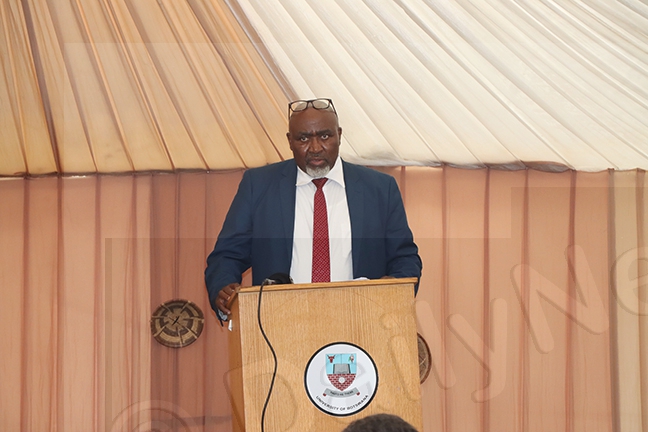
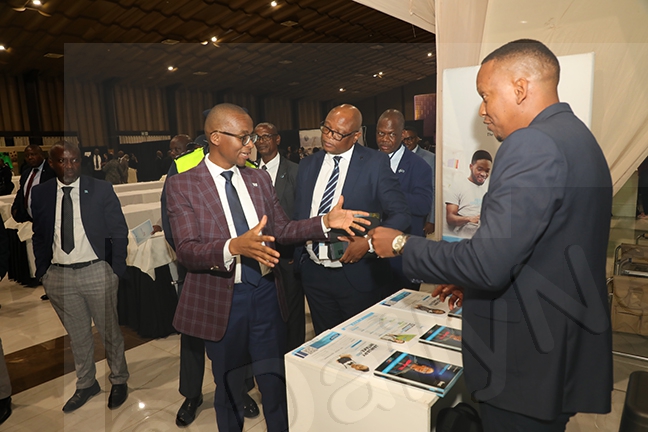
    The Vice President Ndaba Gaolathe has emphasised the crucial role of tourism in driving socio-economic transformation and shared prosperity across Botswana. 

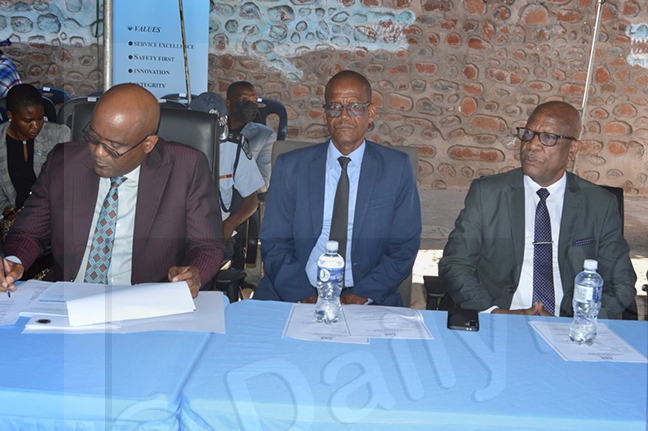
    Delivering the keynote address at the launch of the 2026 Tourism Pitso in Francistown on Thursday, Mr Gaolathe, also Minister of Finance, highlighted the sector’s potential to contribute to economic diversification and job creation. 

    He explained that the Botswana Economic Transformation Programme (BETP) and National Development Plan 12 (NDP 12) were designed to deepen citizen participation in the economy, strengthen collaborations and foster inclusive growth. 

    He added that the tourism sector remained top priority, with strategic focus on reducing economic leakages, regaining value and enhancing global competitiveness.

    He stressed that tourism must serve as a sustainable driver for wealth and welfare, creating opportunities for all citizens to ensure that Botswana ranked among the world’s leading sustainable destinations. 

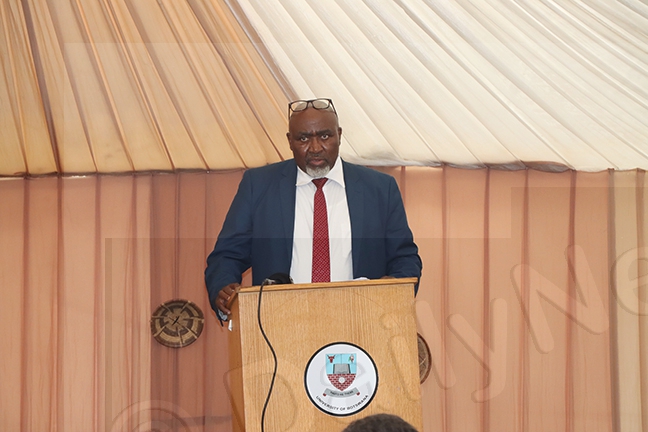
    For his part, Minister of Environment and Tourism, Mr Wynter Mmolotsi, outlined several ambitious projects intended to boost the sector, including addressing local per diem concerns and diversifying tourism offerings. 

    “The ministry is finalising a tender to engage a consultant to study the impacts of local per diem on tourism, aiming to provide evidence-based recommendations for policy adjustments,” Minister Mmolotsi stated.

    The minister also highlighted significant legislative milestones which included the Community-Based Natural Resource Management Bill, which he said had been passed by Parliament to strengthen community involvement and ownership. 

    He said recently approved by Cabinet, the review aimed to streamline licensing and foster a more investor-friendly environment. Despite global challenges, the minister reported that the sector had shown remarkable resilience. 

    “The sector has shown resilience, with 1 183,432 international arrivals in 2023 and a strong recovery trajectory, contributing 5.1 per cent to GDP and supporting over 58,000 jobs,” he added.

    Meanwhile, the 2026 Tourism Pitso was held under the theme, Tourism as a catalyst for economic transformation and sustainable growth through partnerships.

  • A new digital dawn as ORI receives GIS computers

    A new digital dawn as ORI receives GIS computers

    The Okavango Delta is often described as a ‘miracle of nature’, a luxurious and emerald maze of water pulsing through the heart of the Kalahari Desert.

    But for the researchers at the Okavango Research Institute (ORI), monitoring this UNESCO World Heritage Site has recently felt like trying to navigate a high-speed world with a broken compass.

    For years, the institute’s computers, the very engines required to process complex climate data and wildlife patterns, had grown sluggish and outdated.

    “Our existing equipment has become largely unusable,” admitted ORI director, Dr Casper Bonyongo when he received a donation of eight high-end Geographical Information Systems (GIS) computers worth P400 000 recently from the US Embassy.

    This was not just a technical inconvenience, but a bottleneck for conservation. Without the processing power to handle large datasets, critical insights into flooding, fire dynamics and habitat loss remained locked behind frozen screens.

    The GIS machines allow researchers to layer vast amounts of data including satellite imagery, rainfall records and animal migration paths, into high-resolution digital maps.

    “Graduates and researchers alike will greatly benefit from this enhanced capacity. We can now support complex simulations and sophisticated spatial modelling that were simply impossible before,” said Dr Bonyongo.

    For the students at the University of Botswana, this is not just about new hardware but about ‘future-ready’ skills.

    UB acting vice chancellor, Mr Dawid Katzke believes these tools will bridge the gap between classroom theory and the urgent, interdisciplinary research needed to protect one of the world’s most significant wetland ecosystems.

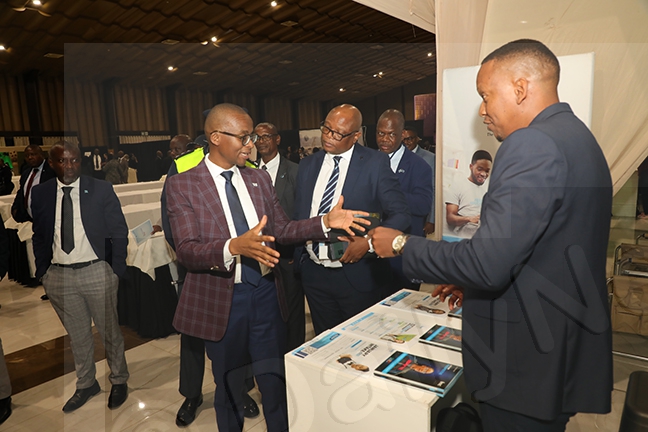
    While the technology is impressive, the sentiment behind it is deeper. At the handover ceremony, Acting Minister of Higher Education, Mr Shawn Ntlhaile said the donation was a milestone in an enduring partnership between Botswana and the US.

    “It is a partnership built on a shared realisation. The challenges of the 21st century including climate change, disaster risk reduction and biodiversity loss, cannot be solved with 20th-century tools” Mr Ntlhaile said.

    US Ambassador, Mr Howard Van Vranken echoed the same sentiments, noting that the donation underscored the global importance of local research.

    “To protect the Delta is to protect a piece of the world’s heritage and that requires data that is as precise as it is timely. We are delighted to support ORI in analysing the Okavango Delta and recognising the critical role research plays in tackling global and regional challenges,” he said.

    He added that the arrival of the eight computers was only the beginning. The US has demonstrated continued commitment to ORI, with plans already in motion for a high-capacity server and an expansion of the ORI laboratory.

    As the Delta faces an uncertain future shaped by a changing climate, its guardians now have the digital ‘eyes’ they need to see what is coming. 

    With every map generated and every flood-cycle simulated, Botswana is proving that while the Delta’s beauty is timeless, its preservation requires cutting-edge innovation

  • Mexicans convicts on Interpol wanted List

    Mexicans convicts on Interpol wanted List

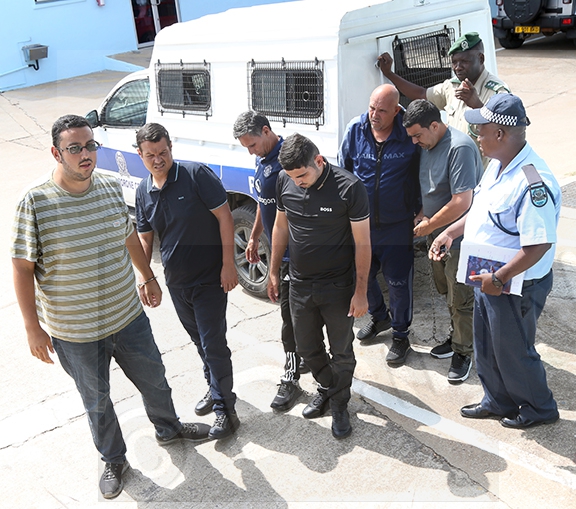
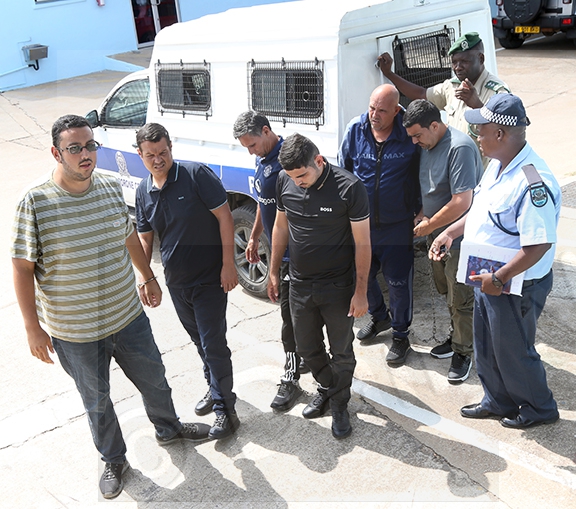
    Six Mexican nationals sentenced by the Extension II Magistrate Court to 12 months’ imprisonment and a P5,000 fine for entering Botswana illegally are on Interpol’s wanted list.

    Passing sentence on Thursday, Chief Magistrate Ms Kamogelo Mmesi said an Interpol warrant links the six to alleged trafficking and dealing in illegal substances in Mozambique, despite their claims of ignorance of the warrant.

    Ms Mmesi noted that, according to the warrant, the offences the accused faced in Mozambique could attract prison terms of up to 20 years if found guilty. She added that information before the court suggested the accused could be part of a major transnational criminal syndicate based in Mexico.

    The magistrate said the court was therefore compelled to impose a punitive sentence that would serve as a deterrent to illegal entry into the country. She emphasised that entering the country illegally was a serious offence that compromised national security.

    The law, she noted, prescribes a penalty of up to P10,000 or imprisonment for a term not exceeding 10 years, or both, underscoring the gravity of the offence. Ms Mmesi said illegal entry not only violated the country’s security but was often associated with organised criminal activities, warranting a fitting sentence.

    In mitigation, the accused pleaded for leniency, stating they were unfamiliar with Botswana’s laws and believed they were not required to stamp their passports upon entry. They told the court they were transiting from Mozambique to Mexico and were unaware that they were wanted by Mozambican authorities for alleged criminal activities.

    They further argued that while in Botswana, they neither committed nor intended to commit any offence. However, Ms Mmesi pointed out that the accused’s passports showed they entered South Africa through OR Tambo International Airport from Mozambique on November 6, 2023.

    “The convicts say they were in transit to Mexico but failed to state where they had been in two years,” she said adding that they only surfaced in Botswana in November, when they wanted their passports to be stamped, reasoning that such was omitted upon their entry into the country.

    The magistrate ruled that failure to pay the P5,000 fine would result in five-year imprisonment term. She backdated the sentence to the date of their incarceration.

    The six – Gumecindo Enrique, Jose Pena, Fansico Alejandro, Jose Corrales, Carlos Aguilar and David Teran, were arrested on November 25 last year together with a Nigerian national, Uchema Njoku (53), who has been charged with aiding and abetting crime.

    The state was represented by Prosecutor Ms Keletso Kgati, while the six were represented by Mr Malcolm Ghoboza. Mr Njoku is represented by Mr Farayi Mahwite.

  • Government to revise Act to handle modern road challenges

    Government to revise Act to handle modern road challenges

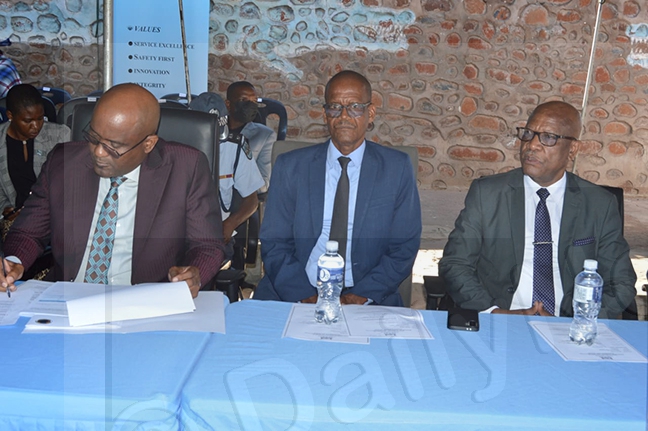
    Government is looking into a comprehensive review of the Road Traffic Act of 1972.

    Minister of Transport and Infrastructure, Mr Noah Salakae said this at a kgotla meeting in Lentsweletau recently. He emphasised that the current legal framework was no longer equipped to handle modern road challenges.

    He noted that the primary legislation governing Botswana’s roads dated back to 1972, with only minor adjustments made in 2008. He argued that the landscape of transportation had shifted drastically over the last five decades.

    “By 1972, there were no high-performance cars or the diverse range of vehicle models we see today,” Mr Salakae explained.

    He stressed that the original Act was designed for a different era of driver behaviour and vehicle technology, hence the review was essential to protect lives in the 21st century. The minister warned habitual traffic offenders, stating that government had been forced to take a harder line due to widespread disregard for road safety advice.

    He further highlighted the tragic loss of life during the recent festive season as a catalyst for the changes. He added that new provisions would allow magistrates to immediately charge drivers suspected of being impaired by any substance, not just alcohol, that caused dizziness or loss of consciousness and bypassing lengthy investigative delays.

    Under the revised law, he said fines for unlicensed minors driving vehicles would jump from the current range of P500 to P2,000 to a steeper P3,000 to P5,000 or up to 12 months in prison. Notably, he said adults who permitted minors to drive would also face charges.

    Beyond safety, the minister said, the new Bill aimed to eliminate the ‘logjam’ of long queues at the Department of Road Transport and Safety (DRTS) offices. On one hand, he indicated that under the old 1972 regulations, brand-new vehicles were required to undergo immediate testing at the DRTS, a process he described as a source of ‘unnecessary stalemates.’

    Furthermore, he said the proposed law allowed owners of new vehicles to register immediately for security and permits and defer the roadworthiness test for 12 months.  After the first year, he said owners must provide proof of testing from an approved facility or face penalties.

    While the minister warned that ‘tough charges’ were coming for those who believed that they were above the law, he maintained that the door was still open for dialogue.

    “The law has many sections that need to be fully understood,” Mr Salakae said, adding that his ministry remained ready to receive advice from the public to ensure the final version of the Act served the best interests of all Batswana

  • Raguin eyes last 16 at Australian Junior Open

    Raguin eyes last 16 at Australian Junior Open

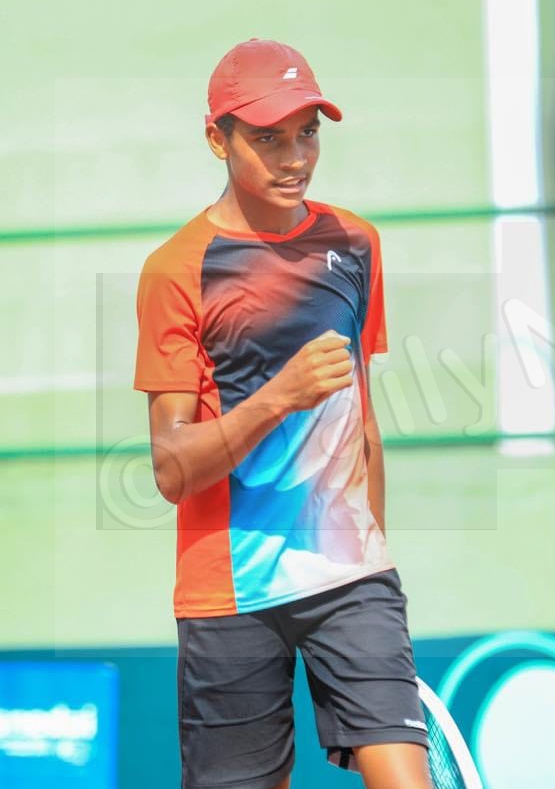
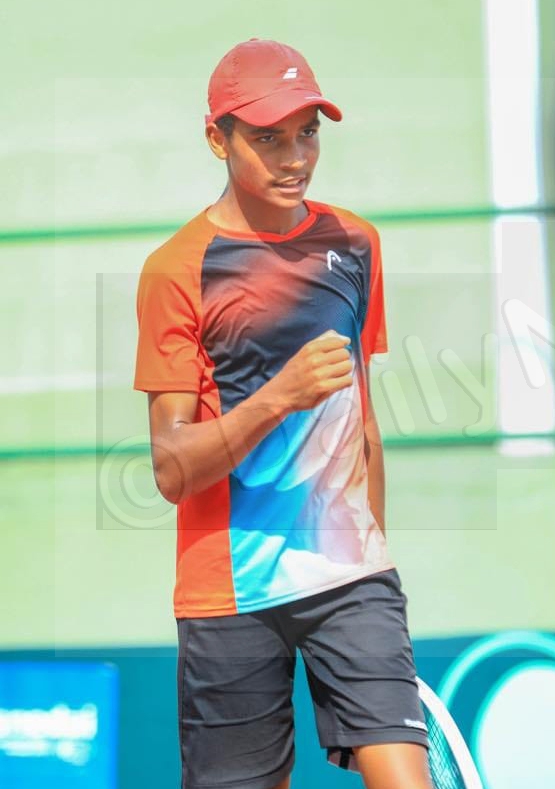
    Botswana’s on form and rising tennis sensation, Ntungamili Raguin is determined to break barriers and introduce a new name to the world of tennis.

    Despite the battle ahead, Raguin is determined to march to the last 16 of the tournament as he faces world no. 22, Gavin Goode of USA at the Australian Junior Open today. Goode is also the tournament seed number 15.

    Nonetheless,  is betting on his superb performance that saw him win a hard fought match, defeating world no. 25, Dimitar Kisimov of Bulgaria to advance to second round of the tournament.

    He won the first set 7-5 and lost second set to Kisimov 1-6. In the third set, Raguin made a strong comeback and defeated Kisimov 6-4. However, today’s clash also promises to create fireworks, given that Ntungamili will not want to leave any stone unturned. His performance against Kisimov demonstrated resilience and hard work.

    Last year, Raguin ranked out of the top 250, a position that did not attract any attention, and by that time, no one thought of a Junior Grand Slam.

    In December 2025, he was ranked 168 and made it to the qualifying draw for the Australian Open. 

    He has now made it to the second round in his maiden Grand Slam. Botswana Tennis Association vice president Nonofo Othusitse said given his performances recently, they were confident that anything was possible with  Raguin.

    “He played and won against players ranked number two, 25 and 29 in the world,” he said. Othusitse said their desire was for Raguin to focus and finish the two sets as it would help him to have time to recover. 

  • BTTA confirms provisional national youth squad

    BTTA confirms provisional national youth squad

    Botswana Table Tennis (BTTA) has gathered a provisional team of young players, who will form the basis of selection for the youth national team that will represent the country at the WTT Youth Contender in Gaborone from November 11 to 14.

    The selection process, which was held over the weekend at three locations being Maun, Mabeleapudi and Gaborone, has been hailed as a success by BTTA development coordinator, Godirileone Bagwasi.

    Bagwasi said he was satisfied by the turnout and level of participation as the young players displayed skills and showed eagerness to represent the country. “We are very pleased with how the selection exercise went across all centres,” he said.

    Bagwasi said the level of competition was high, and noted that taking the selection to different regions allowed BTTA to reach more players and ensure inclusivity, which is a key part of the development strategy.

    The selection camps saw 78 youth players gathered, with one vision of making it to the national youth team. The process saw 12 players, six girls and six boys going past the highly contended selection process.

    In the boys category, Leatlo Gabakgore, Katlo Kgosietsile, Kgotla Thebeyame, Tebogo Kotopo, Thato Kgongwana and Tinashe Dzvaka made it to the provisional team and are now one step closer to the youth national team.

    For the youth girls category, Oratile Lekgethiso, Jwame Mojuta, Kgotso Kootsene, Abigail Molaba, Carol David and Stephaney Batsholeng made it through.

    “The selected players, together with our top-ranked youth players being Boitlamo Nkele and Reneilwe Lekorwe for the girls and boys categories respectively, will be invited for a training camp for the final selection phase,” said Bagwasi.

    He said the camps would assist to evaluate performance, discipline and readiness toward the final youth national team selection