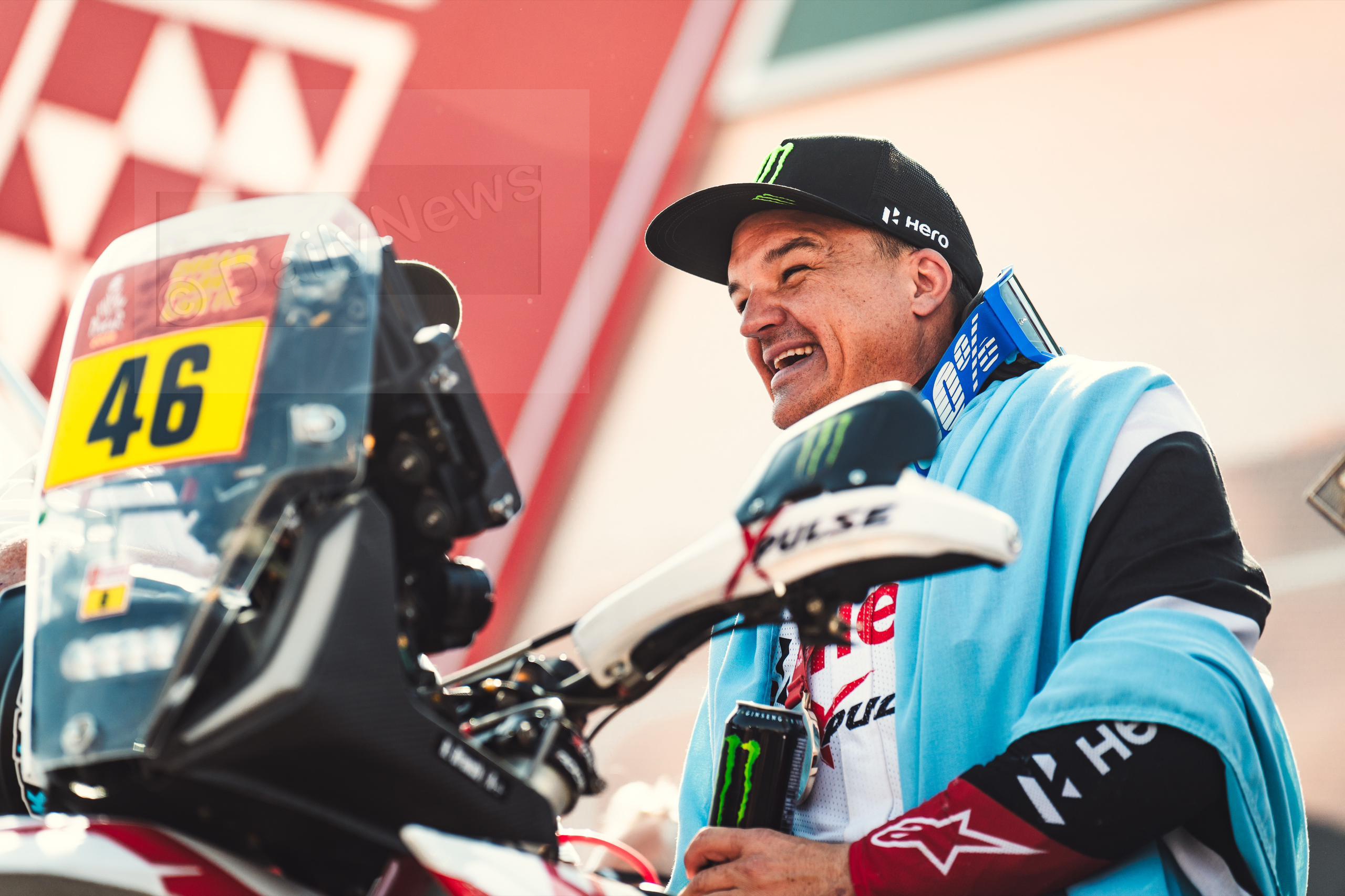
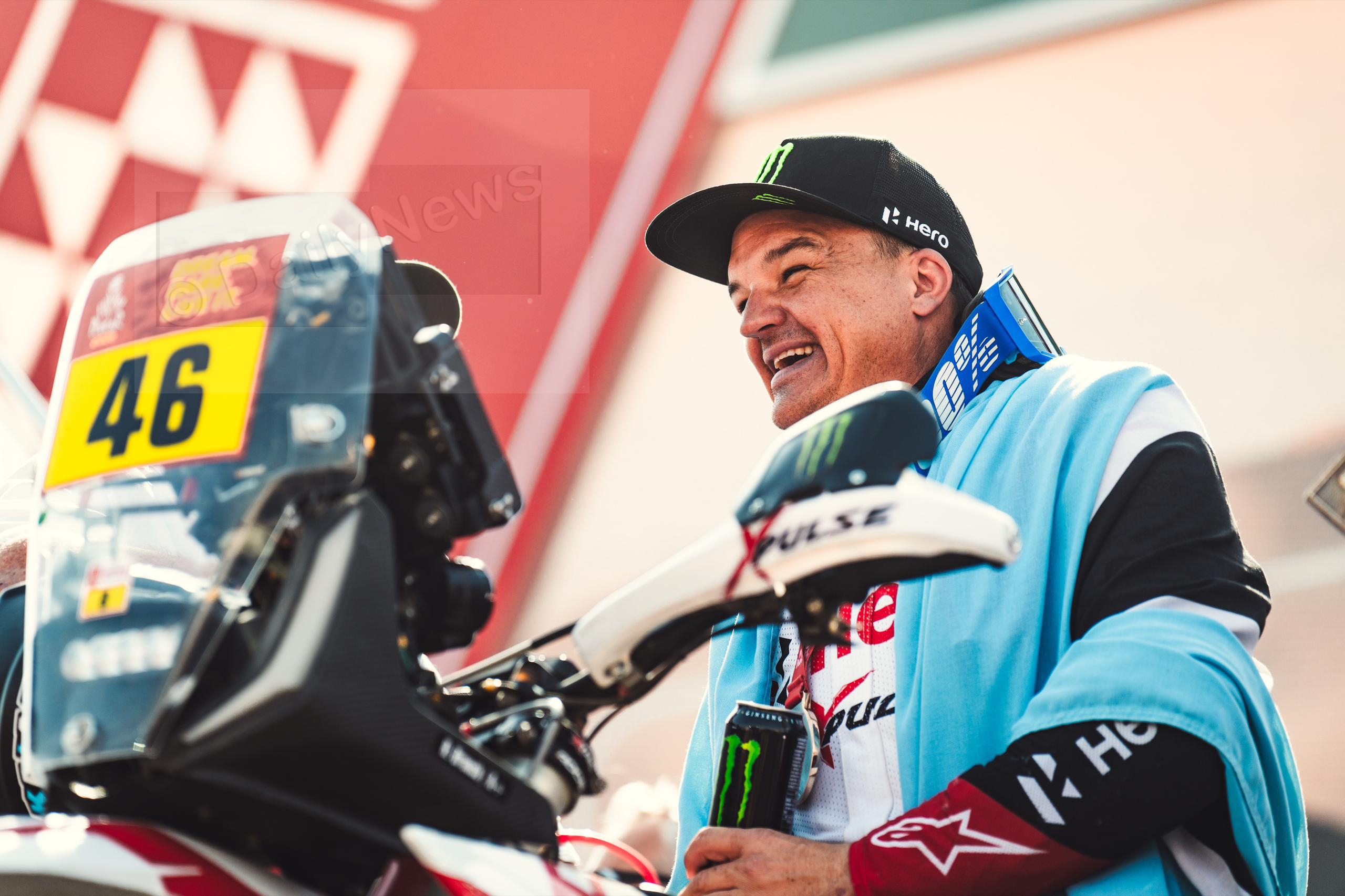
Botswana’s motor biker Ross Branch known as the ‘Ferrari of the Kalahari’ left Botswana’s flag waving with pride along the shores of the Red Sea on Saturday after making a stunning overall finish at the just ended 2026 FIA/FIM World Dakar Rally-Raid Championship.
Powered by Hero Motosport Team Rally, the Ross clinched an 8th overall finish as a result of his top notch riding spectacle marked by consistency, bravery and commitment beating all the odds that he encountered along the hostile terrains across the Arab Desert.
Ross wrapped up all the 13 stages that were a complete puzzle of the most adventurous and the world’s greatest desert rally-raid that was raced in Yanbu, Saudi Arabia.
It was a bravo for Ross on Saturday noon upon completion of a fortnight long 8000km of riding his Hero 450 Rally two wheeler in the wilderness in search for the crown.
This is a great achievement that Ross’s manager Aimee Branch described as an incredible grit and heart through the setbacks thrown his way, and some well-earned, valuable World Rally-Raid Championship points.
“It is not what we wanted to be, obviously we wanted to be fighting for the top but that is Dakar rally and it happens.
I thank the entire team for they have been incredible and the bike has been amazing,” she sai said.
Ross’s teammate, Ignacio Cornej from Chile finished seventh.
The duo both shared big times during this year’s episode with Ross having a bullish start winning stage 1 before he was penalised for over speeding and later lost further time due to tyre damage in stage 5.
Cornejo dazzled Hero’s fans as he finished second in stage 5.
The 2026 Dakar rally-raid edition saw 115 bikers setting in at stage 1 but only 99 bikers managed to reach the finishing point.
These statistics are a clear affidavit that Ross, the former crown bearer of the 2024 rally extravaganza, is not just a regular contester but a world champion.
Argentina’s Luciano Benavides pounced into the finishing arch taking benefit of a navigation error made by Ricky Brabec, that haunted the American rider 3km before the finishing point coercing him to aggressively wrangled behind Benavides to at least sustain a runner up podium calling.
The last rider to ascend the podium was the Spanish rider Tosha Schareina who has been the talk of the rally due to his spectacular form throughout the marathon only to loose the momentum in the latest stages of the race
The 2025 champion from Australia, Daniel Sanders, the Monster Energy Honda Team rider, was dethroned as his Honda bike arrived fifth, a proof that this audacious cross-country orgy is more like a book without a title.
In the cars category the ultimate category winners were the Qatari driver Nasser Al-Attiyah for Dacia Sand riders, marking his sixth Dakar Rally victory while the Spaniard, Nani Roma, masterly drove his Ford Raptor making proud the Ford-M-sport team as he ascended the podium as a runner up ahead of teammate from Sweden Mattias Ekstrom, also steering for the Ford, landed on spot number three
Blog
-
Branch Achieves Top 10 finish at Dakar rally
-
Medicine Supply Shows Steady Improvement
The public health sector is gradually recovering from severe medicine shortages that led to the declaration of a state of public health emergency in August 2025 by President Advocate Duma Gideon Boko.
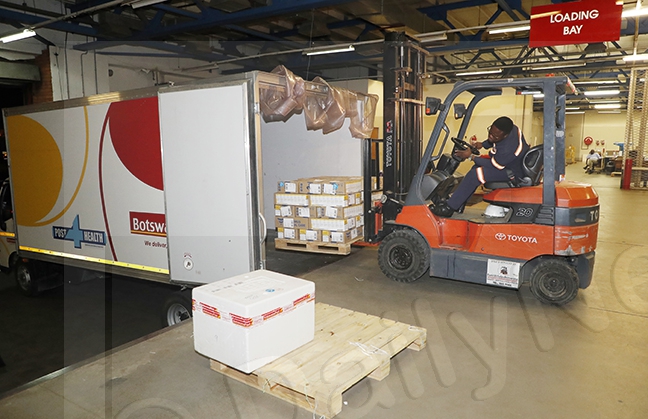
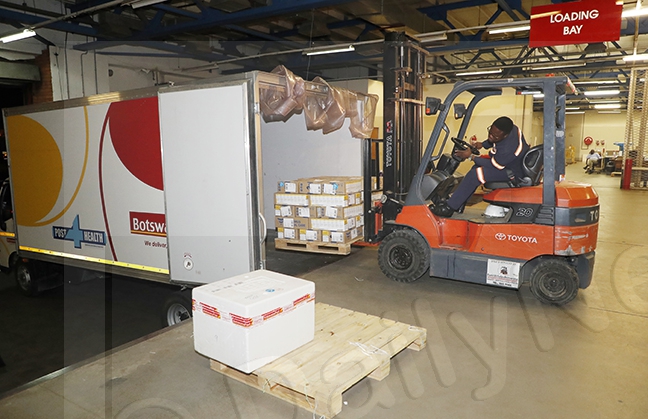
The Ministry of Health’s Public Relations Officer, Mr Mompoloki Lekoto, said sustained local and international procurement efforts have resulted in frequent deliveries, significantly improving medicine availability across public health facilities, although full stabilisation had not yet been achieved.
Mr Lekoto said current, stocks covered a broad range of medicines required for both acute and chronic care.
“These include intravenous fluids, anti-diarrhoeal medicines, antibiotics, anaesthetic agents for surgical theatres, antihypertensives, anti-diabetic medicines, dialysis supplies for kidney disease, as well as cancer and blood disorder treatments and other biological products,” he said.
He added that laboratory reagents, imaging supplies and diagnostic tests were also being prioritised to ensure comprehensive patient care. Mr Lekoto noted that while shortages affected most medicine categories in recent months, availability had improved significantly due to donations and emergency procurements.
“Cancer and blood disorder medicines have been secured through large orders expected to last more than 12 months,” he said, adding that suture supplies had also been restored following the delivery of six months’ stock.
Mr Lekoto said the ministry continued to rely on targeted micro-procurement for products that remained unstable or required special ordering.
Meanwhile, medicine distribution remains nationwide, with all districts and health facilities receiving deliveries twice a month. He explained that the system allowed for regular replenishment, although special-order products may take longer to reach facilities.
Mr Lekoto said Central Medical Stores continued to manage a wide range of therapeutic products that required constant monitoring and routine restocking to maintain optimal levels.
In some cases, he said temporary rationing across districts was implemented while awaiting larger consignments, with procurement focused on life-saving and essential medicines.
He identified financial constraints as the primary driver of the recent shortages, which limited procurement quantities, adding that rising costs of medical products at local and regional levels further compounded the challenge.
Mr Lekoto assured patients that continued improvement in medicine availability was expected over the next one to two months as additional consignments arrived.
He said where specific medicines remained unavailable, healthcare providers were using therapeutically interchangeable alternatives and redistributing surplus stock within the ministry’s system.
“Clinicians are providing tailored guidance to patients with chronic conditions, including access to special-order mechanisms when necessary,” he said.
Looking ahead, Mr Lekoto said government was pursuing long-term strategies to strengthen medicine supply security.
“These include exploring pooled procurement arrangements at regional and international levels, government-to-government supply agreements, re-engagement with local suppliers and legislative reforms to ensure transparent procurement and prevent price gouging,” he said.
He added that plans were also underway to facilitate primary pharmaceutical manufacturing within the country.
Furthermore, Mr Lekoto said the transformation of Central Medical Stores under the Botswana Economic Transformation Programme was expected to enhance capacity, governance and efficiency through digitalisation and end-to-end supply chain visibility.
He said the ministry anticipated adopting advanced technologies, including artificial intelligence, alongside broader reforms such as the rollout of National Health Insurance.
Regional collaboration through SADC pooled procurement initiatives and regulatory harmonisation under the ZAZIBONA framework is also expected to improve pricing and availability, particularly given Botswana’s relatively small population.
The Ministry of Health has expressed confidence that the comprehensive measures being implemented will result in a sustainable and efficient medicine supply system that delivers value for money and reliable access to essential healthcare for all Batswana
-
Burundi First Lady Returns Home
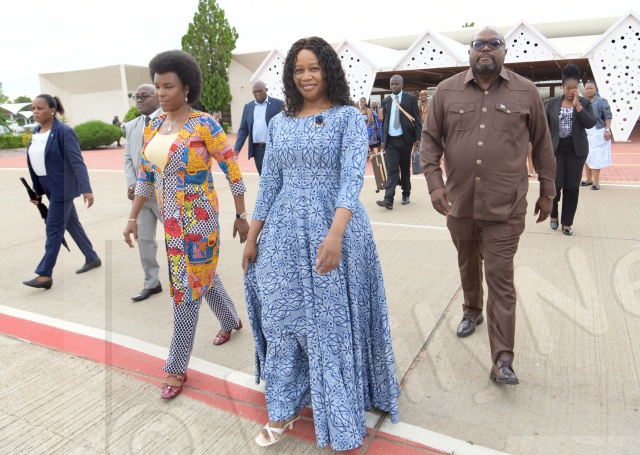
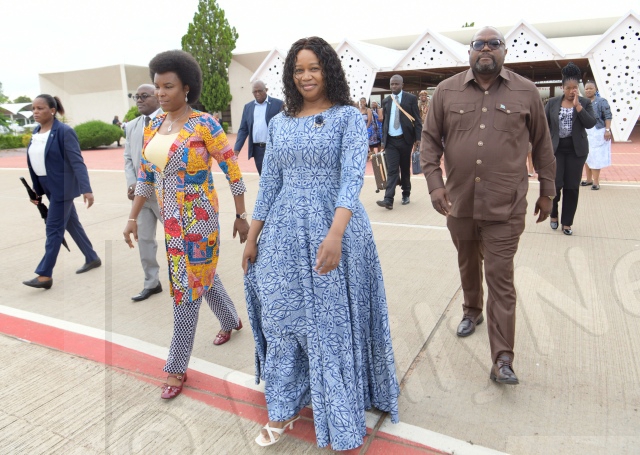
Burundi First Lady Madame Angeline Ndayishimiye Ndayubaha returns home after completing her two day working day.
Ms Ndayubahau engaged with First Lady Ms Kaone Boko on possibilities of collaboration through the Organisation of African First Ladies for Development (OAFLAD).
The OAFLAD new Strategic Framework 2025-2030 has four strategic pillars of priority: health, education, gender-based violence (GBV), and women’s economic empowerment (WEE) which reflect the organisation’s commitment to addressing the most pressing issues facing children, youth and women.
-

Kearoma Rantao Releases GBV Single Keledi Marameng
Jazz sensation Kearoma Rantao has released a stirring single aimed at raising awareness and combating Gender-Based Violence (GBV).
Titled Keledi Marameng, the soulful track produced by Bangu, is a call to action against the escalating GBV crisis affecting households across Botswana.
Rantao, who is widely recognised not only for her powerful vocals but also for her advocacy against GBV, said the song serves both as a eulogy for victims of violence and a desperate appeal for societal change.
In an interview, Rantao said artists often poured their hearts into music that speaks for the voiceless, but such messages were frequently sidelined in favour of more commercially popular content.
“Keledi Marameng is a powerful blend of modern soul and a national cry for justice,” she said”, appealing to radio stations and DJs to give the song airplay.
She said this is not just a song, but a call for change that needs to be heard.
“We are in a national pandemic of GBV, and we cannot afford to let music that addresses it be silenced by the noise of the charts,” she said.
With haunting melodies that amplify silenced voices, Keledi Marameng, which translates to Tears on the Cheeks is a raw and heart-wrenching response to the national GBV epidemic.
The song opens with the poignant line, “Ngwana o batla letsele, mmagwe o mo lebitleng” (The child seeks its mother’s breast, but she is in the grave), immediately setting a sombre and reflective tone.
Rantao said she is not focused on releasing a full album at the moment, having observed that listeners tend to engage more with individual singles.
Since the release of her 2024 Extended Play (EP), Ina Lebe Kearoma, she has adopted a strategy of releasing music consistently throughout the year to ensure each track receives the attention it deserves. Keledi Marameng is available on Spotify, Apple Music and YouTube.
-
Mophato Prepare for Camping
The registration for GaNgwaketse mophato initiation exercise will start in March.
The aim of the exercise is to instill positivity and transform such behaviours into disciplined adulthood through cultural teachings. Addressing a kgotla meeting recently, Kgosi Malope II of Bangwaketse said this year, mophato initiation would include a camping experience aimed at youth aged 1996 to 2000.
Kgosi Malope II emphasised the importance of registering those within this age group to facilitate accurate record-keeping. He also urged the community to contribute food for the duration of the camp.
“Mophato initiation exercise aims to instill discipline, respect, and responsibility, preparing our youth for adulthood,” Kgosi Malope stated.
He added that the training not only strengthens community bonds but also teaches collective problem-solving and reinforces cultural identity. He expressed concern over the increasing incidents of gender-based violence related murder cases in Kanye.
He further raised alarm about the escalating cases of inheritance disputes, where surviving relatives often sold properties against the wishes of the deceased’s children.
Former Minister of Local Government and Rural Development, Peter Siele, praised the launch of mophato. He however raised concern over increasing femicides incidents as a result of violence (GBV) and highlighted those involved were often cohabiting couples.
He called upon Kgosi Malope II to raise the issue at Ntlo Ya Dikgosi and to collaborate with the University of Botswana to investigate the root causes.
Community member Tebogo Babuile also voiced her concerns, noting that women were often the primary victims of these violent acts.
Still at the meeting, Kgosi Malope II announced that the Dikgafela cultural festival, which aims to strengthen cultural ties and address critical social issues within the community, will be held in August 21 withh delivery of harvest and September 25 whe re traditional beer will be displayed at main kgotla.
-
Mogoditshane Primary Welcomes 120 Learners Despite Capacity Strain
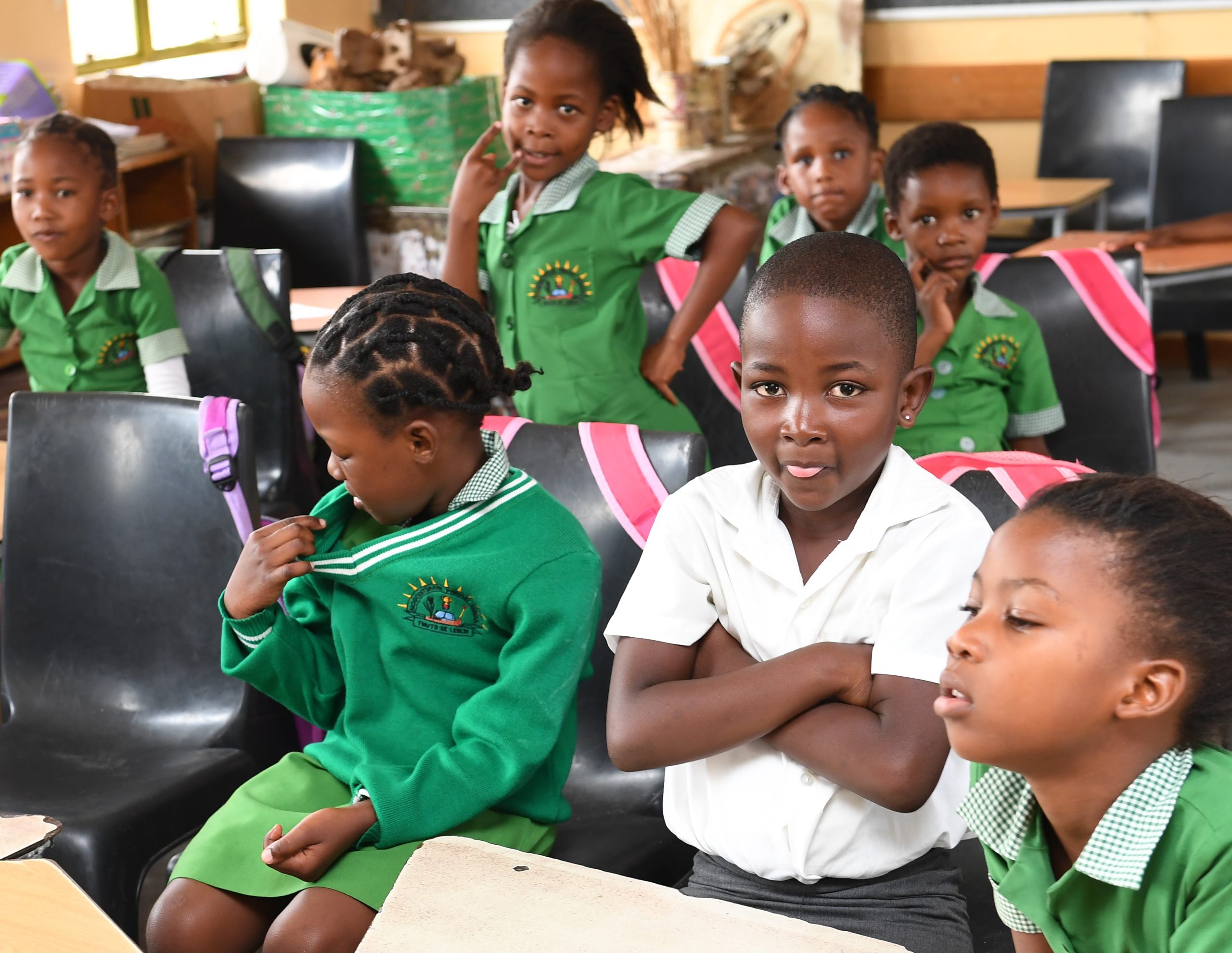
As Standard One learners across the country reported for their first day of school on January 13, Mogoditshane Primary School experienced a familiar first-day rush, welcoming 120 new learners and their parents.
Of the new intake, 60 learners were enrolled in reception, while another 60 began Standard One, joining an existing learner population of 1,026.
The school atmosphere was marked by excitement and nervous anticipation among both returning and first-time learners, while some parents lingered anxiously, hoping their children would secure placement at the school.
With only five primary schools serving Mogoditshane amid the urban village’s rapidly growing population, estimated at about 88,000 people according to the 2022 Population and Housing Census access to school placements remains a persistent challenge.
“There are still many children on the waiting list dating back to 2024,” said Mogoditshane Primary School head, Mr Samuel Setuke.
He explained that although the school was originally designed to accommodate 801 pupils, enrolment rose to 1,126 last year, including 100 Standard 7 learners who completed their studies.
This year, the learner population has further increased to 1,146.
Mr Setuke outlined several challenges facing the school, including dilapidated classroom furniture, a situation worsened by the shift system, which resulted in furniture being used throughout the day.
He also cited a high learner-teacher ratio, limited resources such as stationery, occasional food shortages and financial constraints affecting the procurement of teaching materials, including Breakthrough, a teaching strategy used to help Standard One learners develop Setswana word recognition skills.
Despite these challenges, Mr Setuke expressed optimism, noting that teachers were ready to deliver quality education.
He added that the school had strengthened partnerships with parents, who had agreed to contribute P20 toward stationery to help ease resource shortages.
-

Govt Reaffirms Compensation for BCL Former Employees
Government has resolved to compensate former BCL employees in accordance with the 18-month soft landing payment and other benefits that were promised when the mine closed in 2016 due to liquidation.
This was stated by the Minister for State President, Defence and Security, Mr Moeti Mohwasa, during a consultation meeting with former BCL employees and other relevant stakeholders on January 12.
Mr Mohwasa said government was aware that some promises made to employees when the mine closed had not been fulfilled.
He said the situation had negatively impacted the wellbeing and social status of some of the former employees, hence it was necessary to take decisive acti on to address the issue.
Mr Mohwasa said the primary compensation issue was that of the promised 18-month soft landing measure, an initiative that was designed specifically to provide critical support to employees affected by the mine’s closure, ensuring they have a financial cushion while navigating the challenges.
“The 18-month soft landing measure will only apply to those who lost their jobs when the mine closed in 2016 under liquidation. The task force team and relevant stakeholders will be assigned to work collectively and round the clock on modalities of compensation and other related matters,” he said.
He said while the assigned task team devised policies to roll out the compensation process, it was imperative to take collaborative measures for the success of the process.
Mr Mohwasa also highlighted government’s commitment to establishing a Liquidation Protection Fund to safeguard stakeholders and mitigate the effects of potential liquidations within the sector in future.
He said this would provide crucial support to affected parties, ensuring that they had access to necessary resources and assistance during challenging times.
Minister of Labour and Home Affairs, Major General Pius Mokgware, stated that the 18-month soft landing compensation would not interfere with any other payments , especially for those whose health had been adversely affected by working at the mine.
He emphasised that proper procedures for compensating individuals with health issues would be followed carefully.
Currently, 107 former employees have received compensation for various health challenges related to their ti me at the mine.
The president of the Botswana Mine Workers Union, M r Joseph Tsimako acknowledged the 18-month soft landing compensation.
However, he stated that while modalities were still being finalised, there should be clear and constant feedback, saying this would give the much-needed clarity to the former employees.
Meanwhile, a former BCL mine employee, Mr Dipogiso Ookeditse appreciated the efforts, while on the one hand he observed that government should have also taken a resolution on how the concerned individuals would be compensated.
He expressed concern that assigning the issue to the taskforce team for the formulation of comprehensive policies and guidelines regarding the rollout of the compensation could potentially lead to further delays in the process.
Another ex-employee, Mr Rex Tambula, underscored the need to distinguish between the Insolvency Act and the Liquidation Act.
He said the practice of merging the two pieces of legislation led to significant overlap, which in turn created confusion. He said conflation of the Acts resulted in ambiguities that could hinder effective decision-making and disrupt orderly resolution of matters.
“Separation of these two Acts would facilitate a more coherent legal framework thereby enhancing clarity and efficiency in managing insolvency and liquidation matters,” he said.
-
Family to Auction Branch Dakar Rally Suit
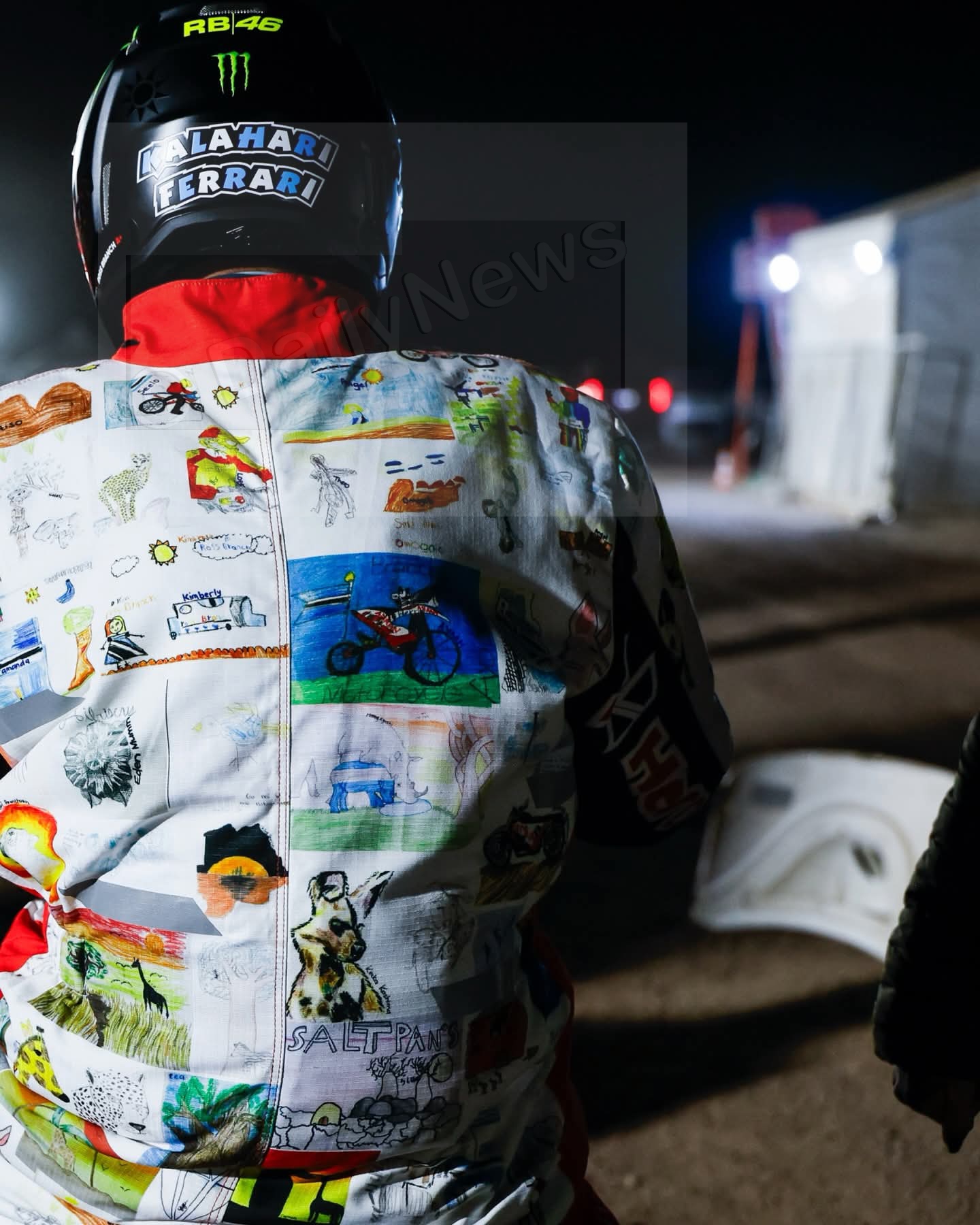
The Branch family has decided to auction the outfit that Botswana’s rally rider, Ross Branch wears at the ongoing Dakar Rally in Saudi Arabia. His manager Aimee Branch said their family decided to auction the rally outfit given the significance that such an act would have.“Ross and I decided to auction the suit at the end of the Dakar Rally 2026 because we felt its true value lies in giving back. Proceeds from the auction will go toward supporting children’s education in Botswana,” revealed Aimee.Aimee, who is also wife to Branch, said the special significance of Ross Branch’s Dakar cold-weather suit lied entirely in its design and meaning, rather than from the materials from which it was made.She said the design was a one-of-a-kind; being visual collage made up of drawings created by children from schools and playgroups across Botswana, based on the theme: What Botswana means to You.“Each drawing represents a child’s view of home, culture, wildlife, and dreams. Together, they form a deeply personal artwork that Ross will carry with him during Dakar,” Aimee said.She said the materials and technical specifications were not the focus of the project. The suit, she said, itself met Dakar regulations and performance requirements, but the story behind it was about representation, creativity and purpose, no fabric or construction details. T he suit was produced by MIRA Active Wear in Cape Town, Sout h Africa, in close collaboration with Branch and his team.Aimee said like all professional Dakar gear, the suit was designed for extreme cold conditions and rider comfort.She however revealed that what truly stood out for Branch was the emotional connection; carrying a piece of home and the voices of children from Botswana with him during one of the toughest races in the world. “Th e motivation was to allow Ross to represent Botswana in a meaningful, authentic way – not just through the flag or colours, but through the creativity of its children. We wanted the suit to tell a story of home, pride, and possibility,” she said. Aimee also said the concept originated with Gerrit and the MIRA Active Wear team, and the artwork was created entirely by children across Botswana. She said herself and the ‘Kalahari Ferrari’ alias, Branch had worked closely with the team and schools to bring the final vision together. It is worth, she added, cannot be measured by material cost and it is priceless because of the stories, creativity and purpose it represents.
-
New Primary School Opens in Letlhakane
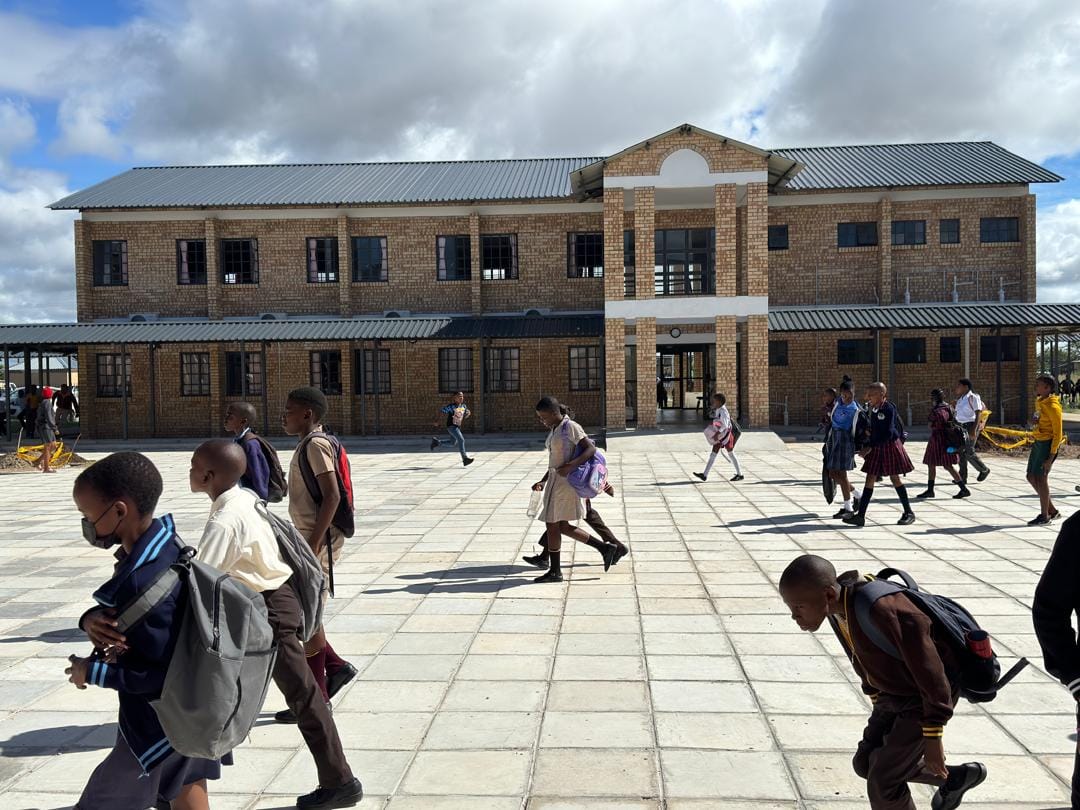
Zantete primary school, a new facility in Letlhakane, located in Phase II Extension received its first batch of over 700 pupils today.
The school offers pre-primary school classes up to standard six, while there is also a special education department.
School head, Ms Oakantse Kenyaditswe said beginners were from the location, while standard two and upwards were transfers from already existing schools.
Boteti District Council chairperson, Mr Onkhuparetse Monnaatsie encouraged teachers and management to take good care of the new facility by instilling discipline in children so that they desist from vandalism.
Since classes at Zantete are of double story plans, Mr Monnaatsie appealed to teachers to always preach safety precautions to avoid incidents of children pushing and injuring each other on staircases.
-
Child abandonment – A silent crisis in Maun
In the quiet corners of Botswana’s towns and villages, children of all ages constantly find themselves out in the cold.
Some are found thrown by the roadsides, others in the bushes, while yet others grow up in homes where neglect has slowly done its damage, out of sight until it is too late.
What was once an occasional shock has become a pattern. Child abandonment, particularly of newborns is emerging as a silent crisis, revealing the fragile intersections between youth behaviour, weakened family structures and the absence of preventative support within communities.
Tshidilo Stimulation Centre manager, Mr Ramoremi Mphothwe says these stories rarely begin with abandonment, rather they begin much earlier in moments where guidance is absent and risk is normalised.
Alcohol-fuelled social spaces, he explains, often lead to unprotected sexual encounters and unintended pregnancies and when reality sets in, young women are left isolated, overwhelmed and afraid.
“Child abandonment is not a sudden decision but a final step after many opportunities to intervene have already been missed,” he says.
Those missed opportunities surface daily at the Maun Police Station. Behind the front desk, the crisis does not announce itself dramatically, it arrives quietly case by case, file by file. Between 2024 and 2025, police in Maun recorded 44 cases of child neglect, involving children as young as newborns and as old as 15.
Many of those cases are still unresolved, not because they are unimportant but because the systems meant to protect children often move slower than expected.
Thirty of the cases remain stalled, awaiting social inquiry reports and others sit under investigation, complicated by silence from those who report them but cannot or will not help police trace those responsible.
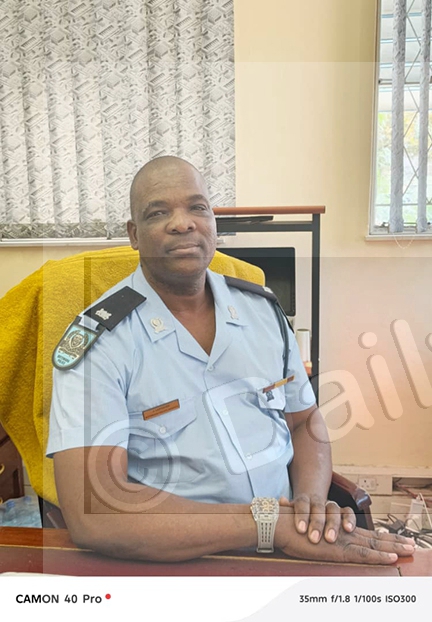
Maun Station Commander, Superintendent Joseph Lepodise says repeated offenders remain one of the most troubling aspects of the trend, pointing to cycles of neglect that continue long after the first warning signs are visible.
During this period in 2025, two newborns were abandoned in circumstances that officers still recall vividly, with one having been thrown into the bush and another who was left beside the road, wrapped in plastic.
In both cases, police responded immediately, rushing the infants to Letsholathebe II Memorial Hospital, a race against time to ensure that life continued where it had nearly been discarded.
Despite investigations that included tracing mothers who had recently given birth at surrounding clinics, no arrests were made. Responsibility for the children shifted instead to social workers, who placed them in safety while the search for accountability faded into uncertainty.
For Superintendent Lepodise, these outcomes are painful reminders that law enforcement often arrives at the end of the story, not at the beginning. Police, he says, continue to prioritise public education, urging parents and young girls to use available forms of pregnancy prevention and to seek help when overwhelmed.
Clinics, social workers, and police stations remain open doors; safer than the irreversible choice of abandonment, he stresses. The long-term impact of those choices becomes visible at care facilities like Lorato House.
Case manager at Lorato House, Ms Omphile Itomeng says children entering the facility often arrive after prolonged neglect or abandonment
Many carry physical signs of deprivation – malnutrition, delayed development, untreated medical conditions, weakened immunity and others carry wounds that cannot be weighed or measured.
“These children struggle to trust, and to feel safe,” she says.
Lorato House communications and media relations lead, Ms Agatha Elijah says as they grow older, the questions become harder to avoid and curiosity about home and belonging emerges naturally.
Counsellors respond by building stability first following routine, consistency, and nurturing relationships before attempting to help children process the circumstances of their abandonment.
Beyond its emotional and social cost, child abandonment in Botswana remains a criminal offence as the law prohibits neglect, ill-treatment, or exposure of a child to conditions likely to cause physical, psychological, or emotional harm
Penalties include fines or imprisonment, reinforcing the state’s position that abandonment is both morally indefensible and legally punishable. Yet those working closest to the issue agree that punishment alone will never be enough.
Prevention through education, early intervention, honest conversations about alcohol abuse and sexual health remains the strongest defense.
Facilities such as Lorato House also advocate for lawful alternatives like the Safe Haven Law, offering overwhelmed parents a way to protect their children without erasing their futures
Without collective action from families, communities, educators, social services, and government institutions, the cycle will continue. And somewhere, quietly, another child will be left behind waiting not just to be found, but to be chosen