Blog

  • GCC Okays Concourt Establishment

    GCC Okays Concourt Establishment

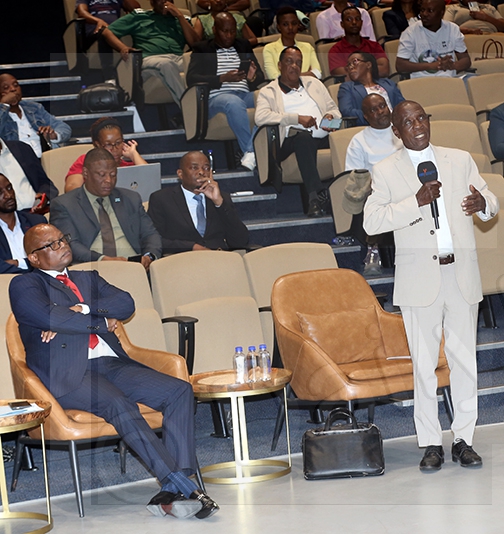
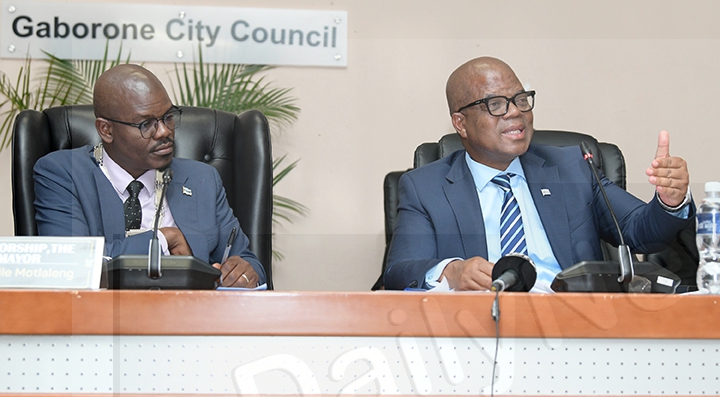
    Gaborone City councillors have welcomed government plans to establish a Constitutional Court, saying the move will strengthen protection of human rights and improve access to justice in Botswana.

    Speaking during a council meeting addressed by Minister for State President, Defence and Security, Mr Moeti Mohwasa on Monday, councillors said the proposed court would help safeguard the rights of vulnerable and marginalised groups.

    Nominated Councillor, Ms Katlego Morolong said the proposed court would provide protection of rights and strengthen checks and balances within the governance system.

    She noted that about 85 countries across five continents, including Zambia, had Constitutional Courts.

    “That shows that we are treading the right path and are a progressive nation. We should not depart from this path,” she said.

    Councillor for Marulamantsi Ward in Bonnington South Constituency, Mr Sergeant Kgosietsile, welcomed ConCourt establishment, saying the move would help safeguard second and third generation human rights and contributed to a progressive constitutional order.

    He therefore urged citizens to support its establishment in the interest of justice and national development.

    Kgosi Arnold Somolekae of Gaborone West Customary Court and an ex-officio member of the council also endorsed the establishment of the Constitutional Court, saying it would handle specialised constitutional matters, including cases that might not be heard by the Court of Appeal.

    He said the court would help ensure access to human rights protection, especially for vulnerable citizens, adding that specialised courts were necessary because the High Court of Botswana already handled both civil and criminal matters, often resulting in backlogs.

    Kgosi Somolekae cited the landmark housing rights case in South Africa, Government of the Republic of South Africa vs Grootboom (2000), which compelled the state to provide housing for vulnerable communities.

    He also reassured residents that the Constitutional Court would not automatically abolish the death penalty, explaining that the court would instead assess cases based on constitutional principles and individual circumstances.

    “Justice delayed is justice denied. Constitutional matters that are delayed amount to justice denied,” he said, adding that the court would be established through an Act of Parliament specifying how judges would be appointed.

    However, Phakalane Ward councillor, Mr Kaisara Sejoe, opposed the proposal, arguing that the minister had not clearly identified gaps within the judiciary that justified the creation of a new court

    He also questioned whether proper constitutional amendment procedures had been followed, saying broader grassroots consultation through the kgotla system was necessary.

    Mr Sejoe further raised concerns about the appointment of judges, arguing that vesting such powers in the sitting President could undermine judicial independence.

    Addressing councillors, Minister Mohwasa said government intended to protect every citizen’s right to life and dignity through the proposed court.

    He revealed that following the All-Party Conference of July 4, 2025, government published a notice in the Botswana Gazette regarding the Constitutional Court proposal.

    The minister said the Ntlo ya Dikgosi had not rejected the proposal but recommended amendments to some clauses, prompting further consultations, which could take time to conclude.

    He noted that constitutional amendments were not new in Botswana and said the proposed court would help restore dignity, improve livelihoods, provide refuge for individuals who lost cases on technicalities, and guide future law reforms.

    He added that specialised judicial bodies already existed, such as the Land Tribunal and Industrial Court, and emphasised that the Constitutional Court would similarly focus on constitutional matters while expanding access to justice for ordinary citizens.
  • Residents Raise Mixed Views on Constitutional Court

    Residents Raise Mixed Views on Constitutional Court

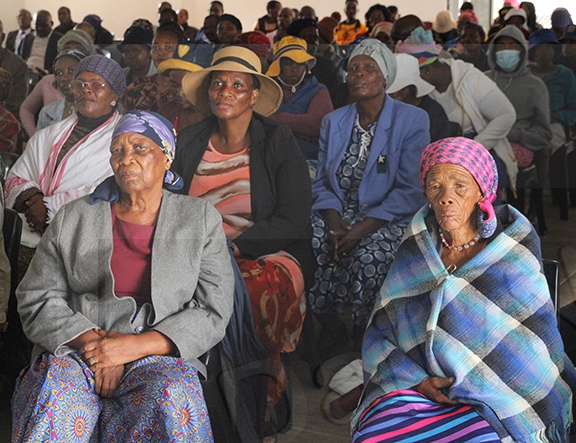
    Kang residents have expressed mixed reactions to government’s proposal to establish a Constitutional Court, with some welcoming the move as a long-overdue step toward equality and access to justice, and others urging authorities to prioritise constitutional reforms and economic recovery.

    Residents expressed these sentiments at a Constitutional Court consultative kgotla meeting which was addressed by the Minister of Water and Human Settlement, Mr Onneetse Ramogapi in Kang on Monday.

    Those in support said the court could help address long-standing concerns of marginalisation in the Kgalagadi region, where ethnic groups had historically been regarded and treated as minority communities.

    They argued that locating the court in Kang would promote equitable distribution of national resources and decentralisation of key institutions, which were largely concentrated in the southern part of the country.

    One resident, who supported the establishment of ConCourt was Mr Kemmone Makatane, who said such a move would strengthen citizens’ rights and enable communities to benefit more directly from natural resources in their areas.

    “In countries where there is a Constitutional Court, citizens are able to benefit from their natural resources. This could create opportunities for tribes in mining areas to benefit from the mines in their districts, unlike the current situation where government benefits while local communities receive no royalties,” he said.

    Mr Makatane added that such a court would provide recourse for citizens to hold government accountable for service delivery in sectors such as health, education and development.

    Meanwhile, other residents called on government to halt the process and instead focus on amending the Constitution or strengthening the Court of Appeal pending a comprehensive constitutional review.

    Mr Mautswe Mabe questioned how the proposed court would deal with sensitive issues such as intermarriages and capital punishment, while Mr Abel Phori challenged the urgency of the proposal in light of the country’s economic challenges.

    He said the establishment of the court would be costly and could create further financial obligations through judges’ remuneration and administrative expenses.

    Some residents also called for assurances that the ConCourt’s decisions would not conflict with Christian principles, particularly on issues such as same-sex marriage.

    Responding to the concerns, Minister Ramogapi, said the proposal was not being rushed and had been the subject of consultations under previous administrations.

    He noted that during the presidency of Dr Festus Mogae consultations were conducted to assess the need for a Constitutional Court, while the Dibotelo Commission established under former president Dr Mokgweetsi Masisi also found that there was a need for such a court, although it was not implemented.

    Mr Ramogapi said the ConCourt would be particularly beneficial to communities in Kgalagadi, which he said had experienced marginalisation and discrimination.

    He explained that a Constitutional Court would be the highest authority on constitutional matters, with its rulings being final, and its primary role would be to protect human rights and shield citizens from abuse of power.

    Mr Ramogapi also mentioned that Botswana currently had no dedicated forum to address disputes such as alleged irregularities in general elections, a gap the proposed court would fill.

    On suggestions to empower the Court of Appeal instead, he said many countries were moving toward establishing Constitutional Courts as specialised institutions for constitutional interpretation.

    He dismissed allegations that government had already planned for this proposal, adding that, so far, no land had yet been identified and no funds secured for the project.

    Mr Ramogapi noted that its establishment was not currently provided for under the National Development Plan and would only proceed if citizens supported the proposal.

    On that note, he implored the residents to vote for the establishment of the ConCourt when the referendum process was undertaken.

    For her part, Kgosi Basadi Seipone II expressed optimism that the proposed Constitutional Court would promote peace, unity and equal protection of the law across the country.

    She said the timing of the initiative was appropriate, noting that the court would help emancipate many people by strengthening the protection of their constitutional rights.

    Kgosi Seipone II emphasised that the Constitution required a specialised body to interpret and safeguard it, adding that the establishment of a Constitutional Court would ensure that dedicated experts were entrusted with handling constitutional matters.

    She commended the government for taking the initiative, saying the court would be particularly beneficial to communities that had experienced marginalisation.

  • Serule Farmers Unite to Maintain Fence

    Serule Farmers Unite to Maintain Fence

    Community engagement has become a vital strategy in addressing the recent Foot and Mouth Disease (FMD) outbreak. 

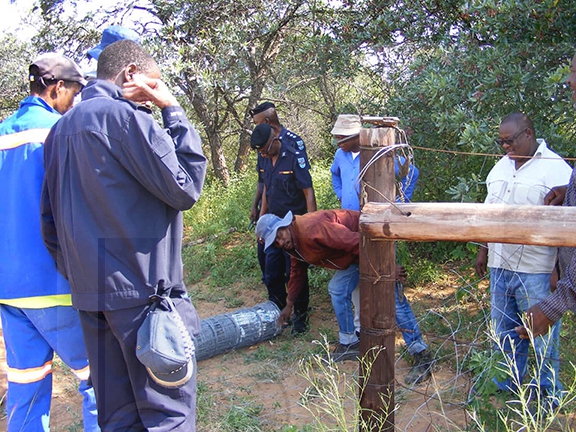
    The Serule West Farmers Association has taken the lead in rallying local farmers to protect their livestock by undertaking maintenance of the disease control fence along the Sese and Thalamabele veterinary gates. 

    At a time when disease outbreaks threaten both rural incomes and the national economy, the association’s coordinated response demonstrates how collective action can help prevent the spread of animal diseases, particularly in resource-constrained environments.

    Farmers have volunteered labour, tools and transport to repair and maintain the disease-control fence stretching from the Sese veterinary gate to the Thalamabele gate near Masenyane cattle post.

    The maintenance work, divided among four teams, covers about 160 kilometres and is expected to significantly strengthen disease containment.

    Speaking during the maintenance exercise, the association’s Public Relations Officer, Mr Thapelo Olopeng stressed that community participation was essential during national crises.

    “Community engagement in serious challenges like the FMD outbreak in a country such as Botswana, facing financial constraints and limited overtime resources, is very crucial,” he said.

    He noted that members also contributed P50 each to provide meals during the two-day operation, illustrating the revival of self-reliance within the farming community.

    Mr Olopeng said the association also intended  to approach donors to assist in purchasing a patrol vehicle that would help monitor the fence daily and address challenges posed by wildlife, particularly elephants, which often damage the barrier.

    He explained that uncontrolled livestock movement between zones around Tonota and Serowe threatens cattle supplies destined for the Botswana Meat Commission, making fence integrity a national economic priority.

    Meanwhile, Acting District Agricultural Coordinator, Mr Kenneth Mabote warned that vandalising the disease-control fence was a serious offence punishable by law, adding that offenders may be required to repair damaged sections at their own cost.

    Despite the warning, he commended the community for taking responsibility for maintaining the fence using their own resources.

    The maintenance follows the outbreak whose epicentre was identified near Jackalas No.1. Local authorities, Tonota and Serowe District Council chairpersons, Messrs Neo Sefhume and Atamelang Thaga said additional measures were underway, with district leadership planning to engage Ipelegeng workers for bush clearing along the fence line.

    Government has also committed P97 million towards vaccination and logistics to contain the outbreak in Zone 6b.

    The initiative stands as a reminder that when communities unite around a common threat, their shared knowledge, labour and commitment can play a decisive role in protecting both livelihoods and the national cattle industry.

  • Tourism Fees Review Afoot

    Tourism Fees Review Afoot

    Botswana’s tourism fees, some unchanged for 30 years, are set to rise in a bid to strengthen revenue mobilisation and sustainability.

    Currently ranked among the lowest in the region, the fees are expected to be increased starting beginning of April. Minister of Environment and Tourism, Mr Wynter Mmolotsi, said on Thursday during a consultative meeting on the proposed revision of tourism user fees, which is part of the government’s broader strategy to strengthen revenue mobilisation while ensuring affordability and sustainability.

    The new fee proposals, he said, were guided by inflation adjustment, affordability considerations, revenue mobilisation, user feedback and comparative analysis.

    “Comparative analysis shows Botswana’s fees remain among the lowest in the region, and benchmarking against Namibia, Zambia, Zimbabwe, and South Africa confirms the need for alignment,” he said.

    Among the key adjustments are increases in tourism enterprises’ licencing fees, with citizen operators protected through differentiated charges. Wildlife and National Parks fees have been revised to reflect inflation and conservation financing needs.

    For example, Minister Mmolotsi said citizen park entry fees had been proposed to increase from P30 to P50, while non-resident fees would increase from P380 to P500. While research and filming permits have been proposed to be adjusted to reflect operational costs, with commercial filming permits ranging from P20,000 to P50,000.

    “As an outcome of the consultation process, some of the proposed fees that this meeting agrees on will take effect from 1st April 2026,” he said, adding that some would require amendment of applicable regulations and later gazetting for public consumption.

    Minister Mmolotsi told stakeholders that the adjustments were not simply about raising fees, but about strengthening tourism and environmental management systems, ensuring sustainability, and aligning with international best practices.

    He assured stakeholders that the ministry recognised the concerns raised and was willing to listen, clarify, and work with them to ensure that the revised fees were fair, transparent, and effective, while securing the financial sustainability of the sector.

    The Department of Tourism director, Mr Lopang Pule, noted that the prices were not set in stone and stressed the need to periodically review costs in the sector.

    “We are getting feedback from our institutions and stakeholders, some are saying your costs are too low,” he said, adding that the review was part of the government’s cost recovery.

    However, participants opined that some of the proposed fees were too steep, which could lead to some agents cancelling their bookings, thus reasoning that there was a need for more time before they could be implemented.

    The Hospitality and Tourism Association of Botswana (HATAB) chief executive officer, Ms Lily Rakorong, noted that the increase in fees should also be matched with quality service from the ministry.

    Mr Kenson Kgaga of the Botswana Guides Association (BOGA) pointed out that some fee increments could make it difficult for them to operate, adding that tour operators, other than paying for their industry fees, had to pay for salaries and other taxes.

  • Kazungula Border Post To Operate Round The Clock

    Kazungula Border Post To Operate Round The Clock

    As part of the process to ultimately evolve into a non-stop border post, the Kazungula One Stop Border Post (OSBP) will start to operate on a 24-hour basis.

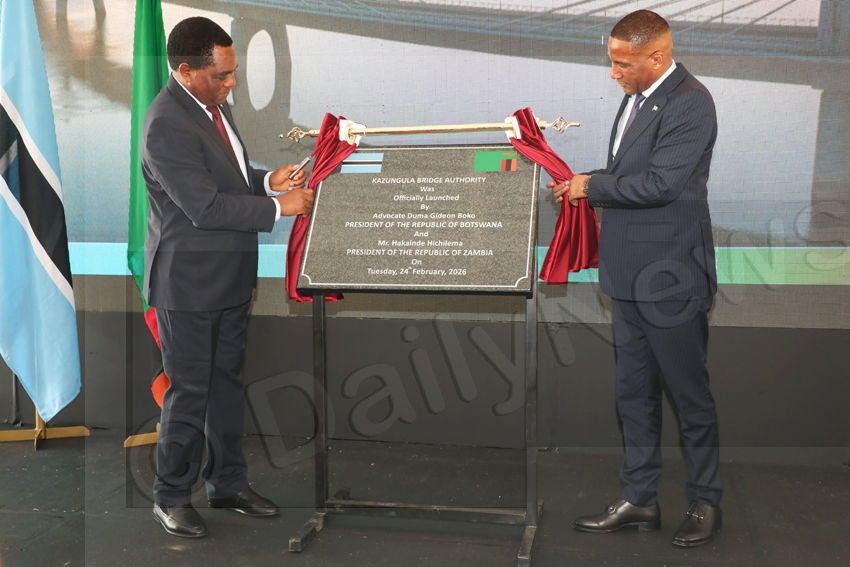
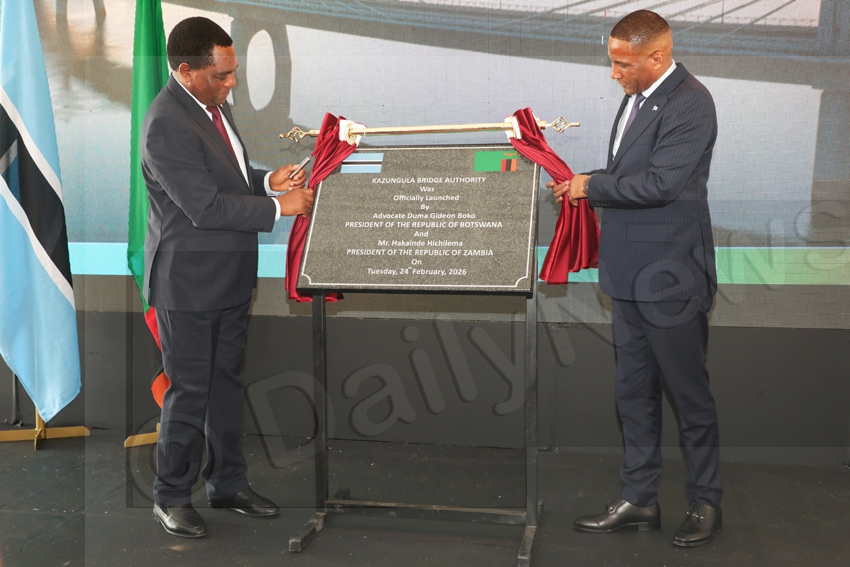
    President Advocate Duma Boko said at the Botswana and Zambia’s joint launch of the Kazungula Bridge Authority (KBA) on February 24 that the decision to have the border post operate on a round-the-clock basis followed his engagements with his Zambian counterpart, Mr Hakainde Hichilema on the sidelines of the recent 39th Ordinary Session of the Assembly of Heads of State and Government of the African Union held in Addis Ababa, Ethiopia.

    President Boko said the Botswana Stock Exchange (BSE) would champion the process of enabling the OSBP transformation into a non-stop border post, an assignment that would require the BSE to engage with its technical partners to conceptualise the technologies that would enable the evolution.

    Regarding the Kazungula Bridge Authority, he said its launch cemented the longstanding bilateral relations between Botswana and Zambia, describing the bridge as a template worthy of emulation by others in Africa.

    He said other African nations should draw inspiration from the collaboration between Botswana and Zambia and open similar corridors so that the continent would advance as a unit that spoke to the African heritage.

    “The Kazungula Bridge is an iconic connection between two countries poised as an exemplifier of what collaboration can achieve and standing as a benchmark for the rest of Africa,” he said, noting how the establishment of the Kazungula Bridge Authority highlighted the extent to which resilient and dynamic partnerships could be of impact to the people.

    President Boko said the Authority would create better regional connections, open more corridors of trade and eliminate queueing of goods and travellers.

    Zambia President Mr Hichilema reiterated the value of technology advancement, saying it presented many opportunities that would make a non-stop border post a success.

    Mr Hichilema stated that there was need to remove bottlenecks created by the processes that travellers had to follow at the border post, observing that doing away with such would lower costs of doing business and stimulate efficiency.

    He said the bridge was a significant infrastructure piece not just for Botswana and Zambia but for Namibia and Zimbabwe who also formed part of the unique quad point.

    “The value of this unique asset goes beyond the four countries because there is Democratic Republic Congo, Angola and the rest of Africa who are also players in this bridge while we are just custodians,” President Hichilema said.

    He indicated that the bridge was an anchor to deepening African trade, saying the potential increase in the number of trucks utilising the border from 400 to 1 000 in a day spoke to how impactful it would be to trade in the region and beyond.

    He said the Kazungula Bridge OSBP was a preferred route and a key component of the North-South Corridor, hence it was essential to invest into it so that its premium status could be maintained.

    Mr Hichilema stated that the iconic bridge called for innovation to establish floating restaurants on the Chobe-Zambezi confluence in order to broaden the affected countries’ tourism product offering.

    Kgosi Morgan Makhanga of Kazungula said the bridge connected Botswana and Zambia and stood as a powerful symbol of unity and shared cultural heritage.

    Kgosi Makhanga said further to it enhancing trade, the bridge had created employment opportunities, thereby improving the lives of citizens.

    He however asked the two Heads of States to review customs charges, road levies and insurance fees charged at the border, alleging that they were higher than those levied on travellers at other border posts.

  • BOMU Introduces Most Viral Song Category

    BOMU Introduces Most Viral Song Category

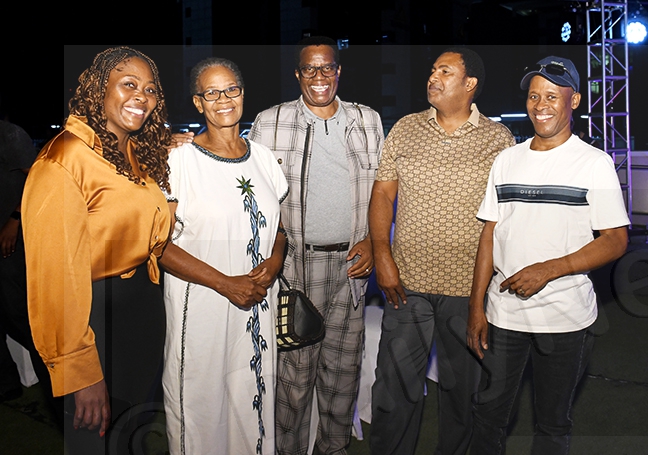
    After a year-long strategic hiatus in 2025, the Botswana Musicians Union (BOMU) Awards return for their 14th edition, scheduled for May on a date yet to be announced.

    Speaking at the official launch recently, BOMU president Papie Rakhudu said the awards had been restructured and reimagined to reflect current trends in an evolving music landscape.

    He highlighted the introduction of the Most Viral Song category, saying it reflected the growing influence of digital platforms and online music consumption.

    He said digital transformation had changed the rules of the game in the creative sector, and noted that music now generated revenue through streaming, publishing, live performances, brand partnerships, licensing and digital content creation. 

    He added that social media platforms, content monetisation and digital distribution had removed traditional barriers.

    “Today, a young artist in Gaborone can release a song and reach the world instantly,” he said, stressing that artists must be equipped with digital skills, business knowledge, data literacy and ownership structures that protect their intellectual property.

    Rakhudu also emphasised the music industry’s multifaceted nature and its ability to create employment for producers, sound engineers, graphic designers, marketers and event managers, among others, helping to curb unemployment.

    He called for the creative sector to be recognised as a serious contributor to GDP as Botswana pursues economic diversification.

    Events Lab representative Seabelo Modibe said over the years the awards had developed into an economic hub benefiting creatives and industry enablers ranging from administrators to fashion designers.

    He added that each nominated artist received a nomination fee, representing a financial injection into the industry through prizes alone.

    Modibe further advocated for amendments to copyright laws governing the creative sector, the development of proper cultural exchange programmes beyond grants, and the full-scale operation of the night-time economy, which he said would greatly benefit the industry.

    He noted that out of  35 categories, six would be decided by public vote: Best Female, Best Male, Best Duo/Group, Album of the Year, Song of the Year and Best Producer.

  • The Mares COSAFA Journey Ends

    The Mares COSAFA Journey Ends

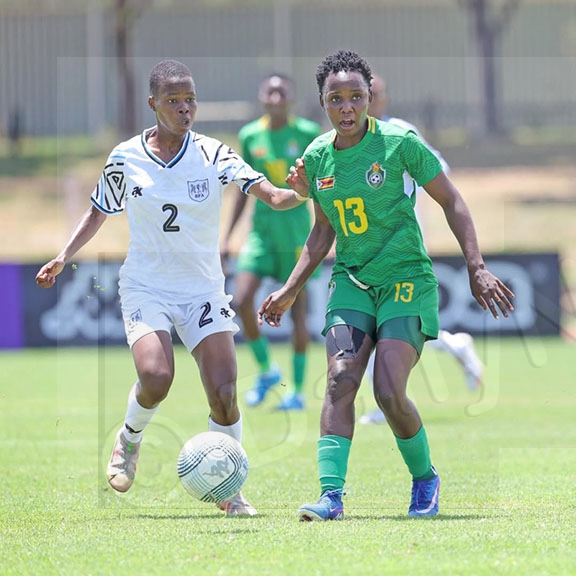
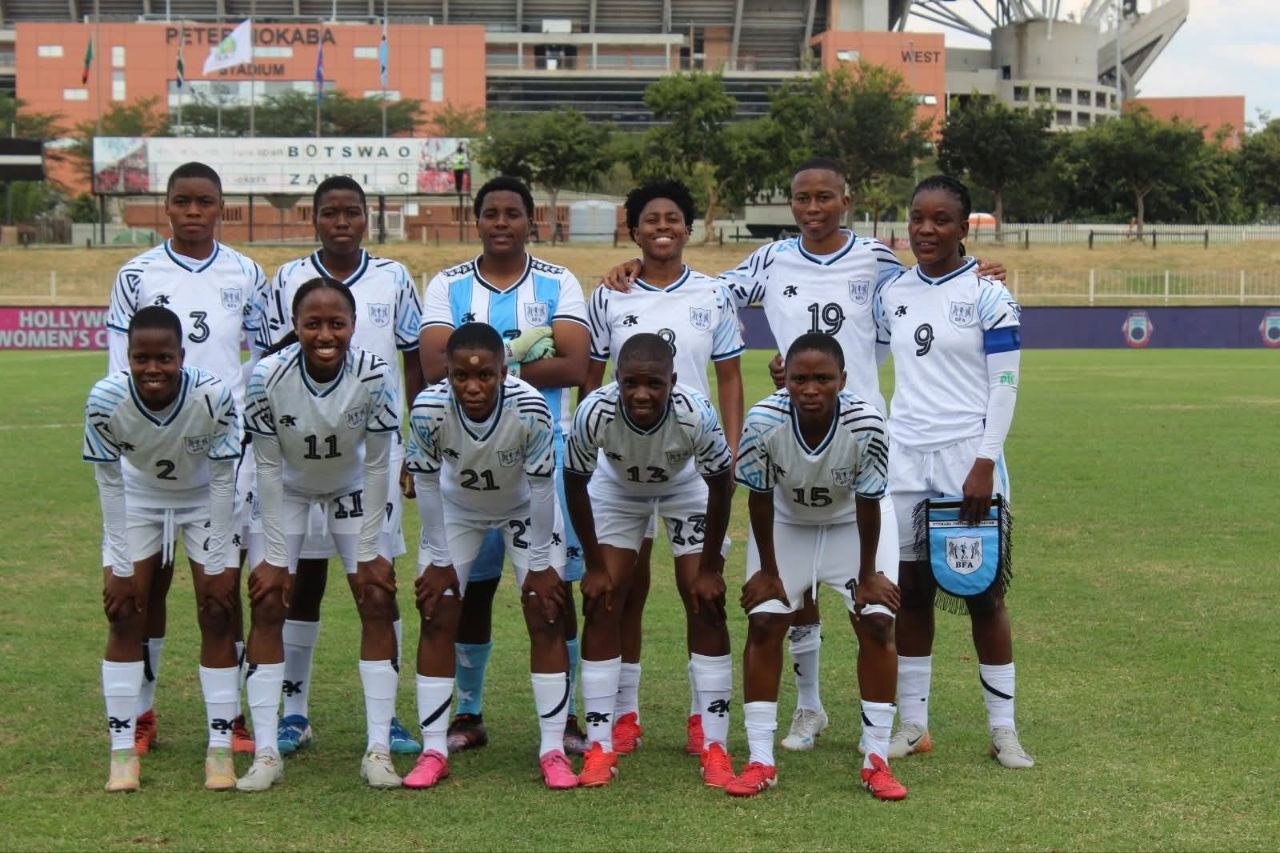
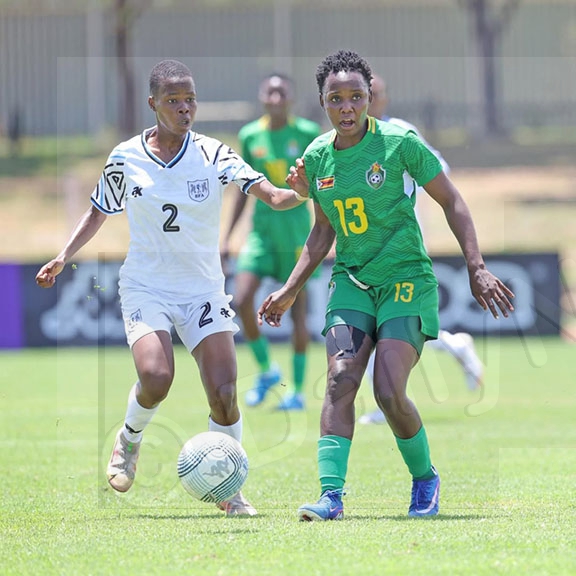
    The senior women’s national football team, The Mares have bowed out of the Hollywoodbets COSAFA Women’s Championship following a 1-0 defeat to Zimbabwe women’s national football team, The Mighty Warriors.

    The Mares were drawn in Group B alongside defending champions Zambia, Zimbabwe and eSwatini in a tournament held in South Africa.

    In their group matches, Botswana lost 3-0 to Zambia, drew 1-1 with eSwatini and suffered a narrow 1-0 defeat to Zimbabwe in their final group clash yesterday.

    The decisive goal came in the 69th minute through Rutendo Makore.

    Despite the loss, The Mares showed notable improvement compared to their earlier matches, displaying maturity, teamwork and a more solid midfield performance. They created several scoring opportunities but failed to convert them.

    The team travelled to the tournament with a squad assembled at the eleventh hour following the withdrawal of some senior players from the squad.

    Nevertheless, the youthful squad demonstrated promise and showed they could form the foundation of the team’s future.

    The Mares have always struggled in the COSAFA Women’s Championship. Their best performance was in 2020, when they finished as runners-up after losing by a solitary goal to South Africa’s Banyana Banyana in the final.

    During the 2020 campaign, the Mares made history by defeating Zambia 2-1 in a thrilling semi-final before falling to South Africa in the final, narrowly missing the chance to lift the regional title for the first time.

    From 2021 to 2025, however, they were eliminated in the group stages, a trend some football analysts attributed to the country’s limited structural development of women’s football.

  • Second edition of Creative Kids Day returns

    Second edition of Creative Kids Day returns

    Botswana’s growing creative and cultural sectors are inspiring new initiatives aimed at nurturing innovation from an early age.

    Recognising the importance of exposing children to creativity, Ipele Ka Wena has stepped in as a solution; creating spaces where young minds can explore, express, and grow.

    Founded by Kaone Hunyepa in Francistown, Ipele Ka Wena is a start-up dedicated to cultivating creativity and purpose among children, youth and adults.

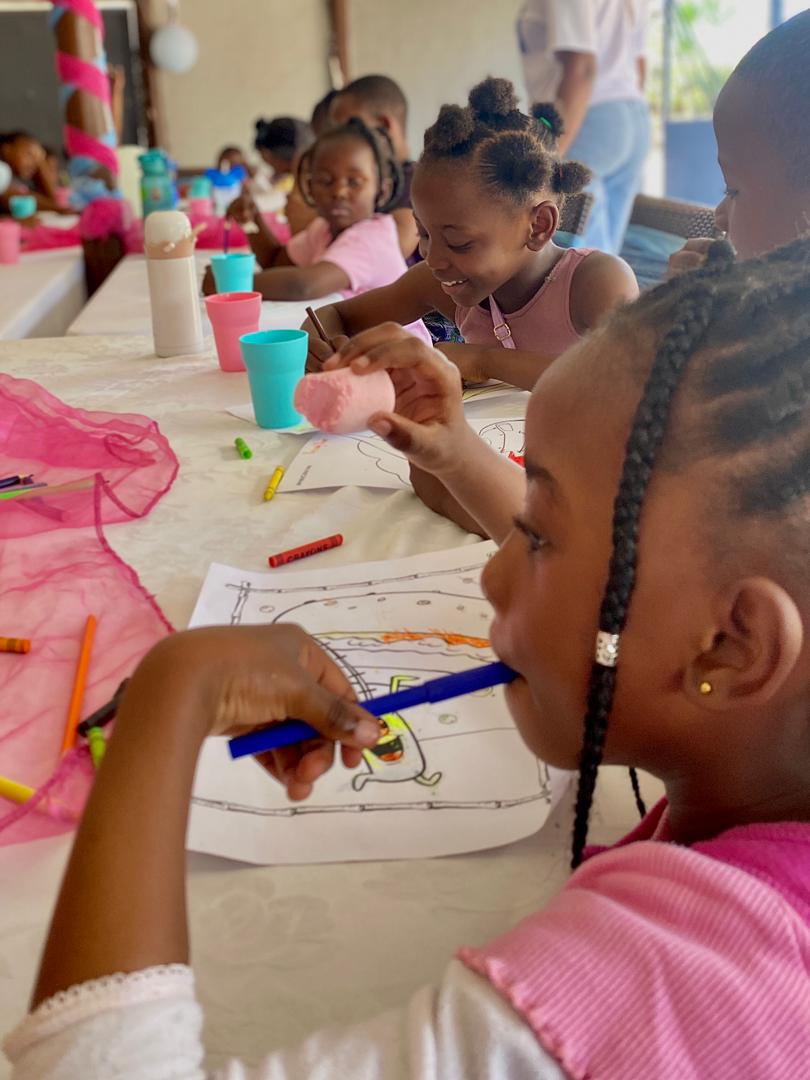
    One of its flagship initiatives is Creative Kids’ Day, a community-based event designed to give children a safe, expressive environment to discover their creative potential.

    Hunyepa, a passionate youth development advocate, believes creativity is not just play but a foundation for confidence, emotional awareness, and future leadership. Now in its second edition, Creative Kids’ Day carries the theme: The Art Continues, a reflection of the initiative’s commitment to consistency and long term creative development.

    The second edition will be hosted at Cresta Marang Gardens on February 28.

    “The Art Continues is both a theme and a promise, a commitment to nurturing passion, confidence, and creative identity from a tender age,” Hunyepa said.

    The theme underscores the belief that creativity should not be a one-off activity, but an evolving journey that grows with children.

    “As adults, we are investing in self-expression, wellness, and personal growth, which is beautiful and necessary. But somewhere along the way, it feels like we have left the children behind. Creative Kids’ Day was born from the belief that as parents develop themselves, they must also be intentional about equipping their children with the same opportunities,” Hunyepa explained.

    She added that the event was designed to help children build soft skills such as confidence, emotional intelligence, and problem-solving, all, while having fun. Research shows that ages 4 to12 are a critical window for curiosity, identity formation, and collaboration skills, making this the ideal stage for Creative Kids’ Day’s impact.

    Th e event offers a variety of interactive stations that include Art Stations: Sip-and-paint and drawing activities exploring color and shape, DIY Craft s: Hands-on projects to spark imagination, Movement & Dance: Confidence-building dance sessions to energize and uplift and Wellness & Emotions Station: Guided mindfulness and emotional awareness exercises.

    Creative Kids’ Day, she said was especially beneficial for children interested in arts and crafts, those who might be shy and needed confidence-building platforms, and young learners who thrived in interactive environments.

    While there are currently no competitive prizes due to budget constraints, Hunyepa emphasised that sponsorship partnerships were welcomed, pleading with businesses and individuals to support by purchasing tickets, sponsor underprivileged children and donate resources or volunteer.

  • Chalashika showcases skateboarding culture

    Chalashika showcases skateboarding culture

    Skateboarding has evolved over the years.The art of skateboarding has transformed from a creative alternative to a competitive sport that has now become a fully-fledged Olympic sport.
    Equally in Botswana, skateboarding is becoming part of today’s culture, with notable breakthroughs here and there.
    Local photographer, Mosako Chalashika said despite the growth in recent years, Botswana’s skateboarding scene continued to operate largely on the margins, both professionally and recreationally, with limited global visibility.
    Currently, the country boasts of the likes of top skater, Theo Setsetse, who last year earned global recognition after being selected for a three-year World Skate Development Scholarship Programme in the United States.
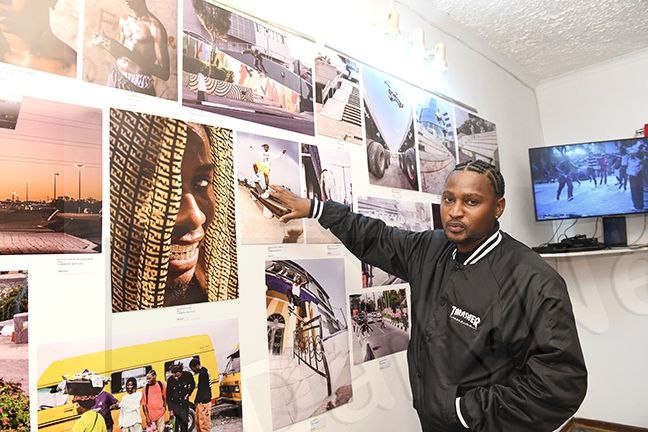
    He said through his three-week exhibition currently showing at the Alliance Française until March 10, the desire was to spotlight Botswana and Africa’s skateboarding culture on the international stage.


    Through his photography, he documents Botswana’s skating crews in their raw element, capturing technical tricks such as hardflips, nosegrinds and boardslides, while also showcasing the scene’s distinctive fashion, atmosphere and unconventional skating spots, including bus stop benches and urban public spaces.
    “It is important not to wait for others to capture and tell our stories. That is part of the reason I am doing this. I want the world to see that Botswana and other African countries have talent and that skateboarding exists here too,” he said, praising the continent’s vibrant and distinctive skating culture.
    Chalashika’s decade-long career has taken him across several African countries including Nigeria, Kenya and Senegal.
    His work has also appeared in a multi-page spread in the American skateboard magazine Thrasher, featuring Botswana’s skate crew, Knucklehds.


    Looking ahead, Chalashika envisions a much larger and more structured local skateboarding ecosystem.
    He revealed that discussions were underway with the Gaborone City Council to build what would become Botswana’s first dedicated skate park, to be named the Knucklehds Skatepark.
    He added that a United States-based skate park-building non-governmental organisation, Wonder Around World, which previously helped construct Nigeria’s first skate park, had already expressed willingness to assist. The timeline for the project is yet to be announced.


    Chalashika emphasised the importance of public education about skateboarding, stressing that it should not be viewed as rebellious or delinquent behaviour.
    Instead, he said, the sport offered young people a constructive refuge from social ills and legitimate career opportunities, particularly now that it is recognised as an Olympic discipline.

  • Botswana, Zimbabwe clash in COSAFA championships on Tuesday

    Botswana, Zimbabwe clash in COSAFA championships on Tuesday

    A fierce battle is expected at the Seshego Stadium, South Africa on Tuesday, as the senior national football team, The Mares take on The Mighty Warriors of Zimbabwe in the Hollywoodbets COSAFA Women’s Championship.

    ‎The Mares, who are still to register a win in the tournament, opened their campaign with a 3–0 loss to Zambia before playing to a one-all draw against eSwatini on Sunday.

    ‎The Mares currently sits at the bottom of the group standings with one point. Zambia leads the group with four points, followed by Zimbabwe, also on four points but with fewer goals. eSwatini occupies third position with one point and a better goal difference than Botswana.

    ‎The Mares coach Gaolethoo Nkutlwisang admitted that her team was still struggling with fitness.

    ‎She, however, noted that there were positives from the eSwatini match, highlighting that the team managed to score their first goal of the tournament.

    ‎Coach Nkutlwisang said the organisation in the attacking front four was encouraging, adding that the introduction of Under-17 and Under-20 players in the second half changed the complexion of the game.

    ‎“We created a lot of scoring opportunities, but we were unlucky as we failed to convert them,” she said.

    ‎She further noted that Sunday’s match provided useful pointers which the technical team had been working on ahead of the clash with Zimbabwe.

    ‎Meanwhile, group standings in the COSAFA Women’s Championship are determined first by total points accumulated. If teams are level on points, the first tie-breaker is the head-to-head result, followed by goal difference and goals scored in matches between the tied teams.

    ‎If teams are still level, overall goal difference in all group matches is considered, followed by a Fair Play system based on yellow and red cards. One point is allocated per yellow card and two per red card, with the team accumulating the fewest points advancing.