Author: Daily News

  • Francistown-Nata Road Key Transit Node for SADC

    Francistown-Nata Road Key Transit Node for SADC

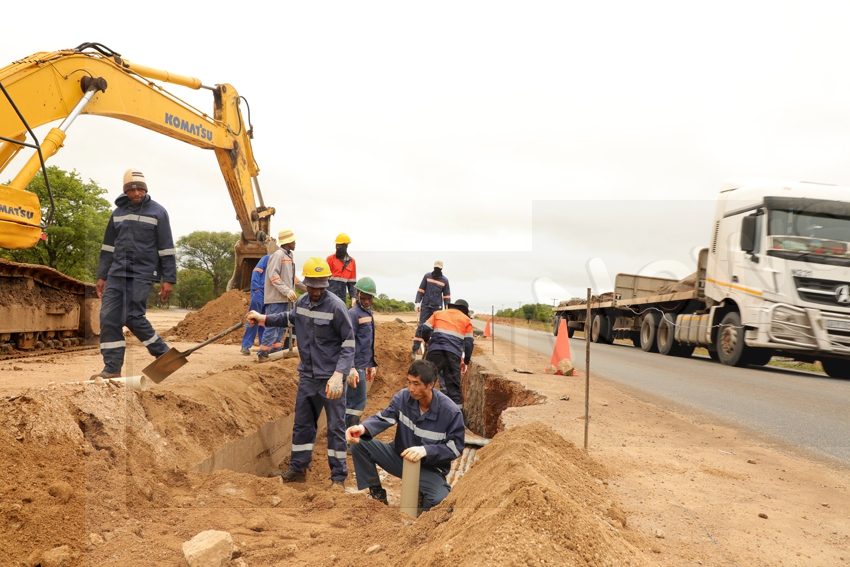
    UNIK Construction employees work on the reconstruction of the 200km Francistown–Nata Road near Francistown.

    According to Okavango Africa Consortium development manager and team leader, Mr Moemedi Gabana, the project, which started in November 2024 and is scheduled for completion by the end of 2027, is 34 per cent complete, with progress slowed by heavy rains affecting the construction of new bridges across the Tati and Shashe rivers.

    SADC head of communications and public relations, Ms Barbara Lopi, said the road upgrade underscores Botswana’s commitment to strengthening regional trade connectivity. Once completed, the A3 Francistown–Nata Road will reinforce Botswana’s position as a key transit hub for goods moving across Southern Africa, linking South Africa, Namibia, Zambia and Zimbabwe.

    The project not only supports domestic economic growth, but also facilitates seamless cross-border trade, directly advancing SADC’s objectives of promoting intra-regional commerce, deeper integration and sustainable development. 

  • BOB Maintains 3.5 Per Cent Monetary Policy Rate

    BOB Maintains 3.5 Per Cent Monetary Policy Rate

    The  Bank of Botswana (BOB) has maintained the Monetary Policy Rate at 3.5 per cent, citing the need to manage inflation and support economic stability. Speaking during a Monetary Policy Committee (MPC) media briefing Governor Moseki said the MPC met at a time when the global economy continued to face shifting trading patterns and heightened geopolitical tensions.

    Despite these challenges, he noted that the global economy had shown stronger-than-expected resilience in 2025.

    “Domestically, increased uncertainty and continued weakness in the diamond market have put pressure on Botswana’s fiscal and external buffers,” he said.

    Looking ahead, Mr Moseki stressed that accelerating growth-enhancing initiatives and economic diversification efforts, as outlined in the Botswana Economic Transformation Programme (BTEP) and National Development Plan 12, was essential for supporting a sustainable recovery in 2026.

    He added that Botswana’s strong institutions and sound macroeconomic policy framework provided an opportunity to attract investments capable of driving economic transformation.

    The Governor also revealed that Botswana’s real Gross Domestic Product (GDP) contracted by three per cent in the 12 months to June 2025,a sharper decline compared to the 0.6 per cent contraction reported at the end of 2024.

    “The weak performance was mainly due to the continued contraction in mining output and subdued non-mining sector activity,” he explained.

    On inflation, Mr Moseki said headline inflation rose slightly from 3.7 per cent in September to 3.9 per cent in October 2025, remaining within the medium-term objective range of three to six percent.

    “The marginal increase in inflation was attributable to higher price increases for alcoholic beverages, tobacco and transport, mainly due to price pressures stemming from the July 2025 adjustment of exchange rate parameters,” he noted.

    The MPC forecasts inflation to increase into medium term averaging 2.7 per cent in 2025 and 5.3 per cent in 2026. However, Mr Moseki cautioned that the overall risk of inflation exceeding current projections remains elevated.

    He added that the economy is expected to continue operating below full capacity in the short to medium term, which should limit demand-driven inflationary pressures.  The Governor announced that the MPC has also directed that the seven-day Bank of Botswana Certificates, repos and reverse repos will be conducted at the policy rate of 3.5 per cent.

    The standing deposit facility (SDF) rate will remain at 2.5 percent with 100 basis points below the policy rate. Commercial banks have been instructed not to increase their prime lending rates.

  • Collective Action Crucial to Peace Restoration

    Collective Action Crucial to Peace Restoration

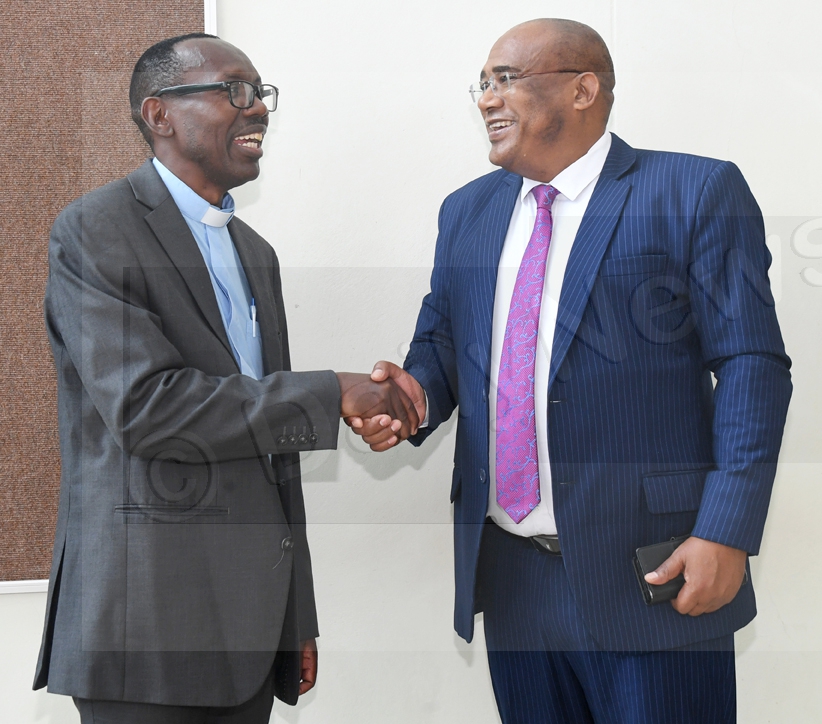
    University of Botswana Vice Chancellor, Professor David Norris, has called for collective action to restore the country’s cherished peace amid growing social challenges.

    Delivering welcome remarks at a two-day Peace Conference and Festival , Professor Norris noted that Botswana is grappling with rising gender-based violence, increasing divorce rates, and the proliferation of illicit drugs, issues that are deeply affecting families, communities, and the nation at large.

    He said the troubling realities of child-headed households, high unemployment, and the rising incidence of white-collar crime, corruption, and organised criminal activity serve as reminders that peace is more than the absence of conflict; it is the presence of justice, compassion, and shared responsibility.

    Emphasising the conference theme: Let Us Heal; We Owe It to Ourselves, Professor Norris described it as a rallying call for self-reflection and unified effort.

    He said the gathering offers an invaluable platform for learning, dialogue, and reflection on fostering peace within relationships, institutions, and the broader national fabric.

    Expressing concern, he noted that Botswana’s long-held pride as a peaceful and vibrant nation appears to be fading, citing recent incidents of violence and social unrest as troubling signs of a society in need of moral renewal.

    He urged participants to serve as catalysts for change, stressing that ordinary citizens hold the power to help rebuild trust and social cohesion.

    He condemned recent divisions and violent acts, saying they are uncharacteristic of Batswana and contrary to the country’s core values. Moral renewal, social justice, and collective responsibility, he said, are essential ingredients for lasting peace and stability.

    Little Eden’s Justice and Peace Centre board chairperson, Rev Dr Enole Ditsheko, shared how a 2013 encounter between his family and five boys commonly referred to as bo bashi (street children)led to the establishment of the centre. He recounted how the boys spoke of dropping out of school, illness, and substance addiction.

    While some dismissed them as delinquents, Rev. Dr Ditsheko said they were children in need of love, care, and guidance. He urged society to reflect on where things went wrong, noting that the breakdown of modern family support systems had worsened vulnerabilities among young people. 

  • BEC to Issue New BGCSE Certificate

    BEC to Issue New BGCSE Certificate

    The Botswana Examinations Council (BEC) is in the process of developing a new Botswana General Certificate of Secondary Education (BGCSE) certificate, as the education parastatal will no longer be offering joint certification with Cambridge University Press and Assessment (CUPA).

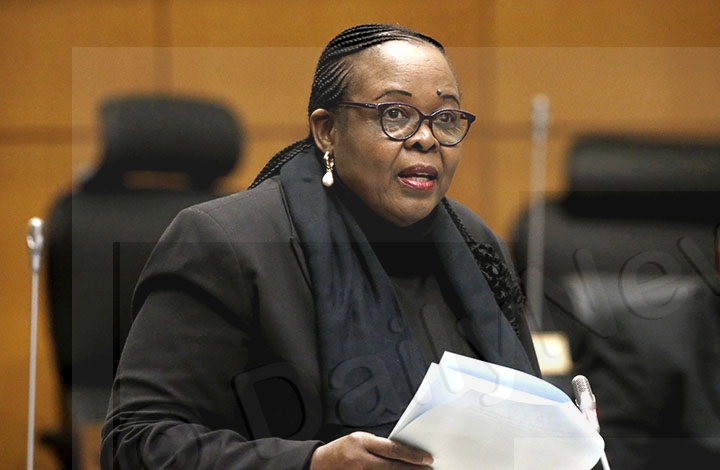
    This was revealed by the Minister of Child Welfare and Basic Education, Ms Nono Kgafela-Mokoka while delivering a statement in Parliament on December 4.

    Ms Kgafela-Mokoka said subsequent to a BEC board resolution of August 2024 to approve a strategy to gradually withdraw from the CUPA Accreditation with Certification contract, a decision, which was endorsed by cabinet in October, BEC entered into a new contract with the British institution.

    “BEC entered a three-year Accreditation without Certification contract. This was done to ensure that BEC continues to receive independent quality assurance of the assessment operations for the delivery of credible qualifications. This is a scaled down contract, which will cost about £562 000 (P10 million) annually compared to the previous contract, which cost P27 million annually,” Ms Kgafela-Mokoka said.

    She clarified that the amendment of the contract meant that from the 2025 examination series, BEC and Cambridge would no longer issue a joint certificate to BGCSE candidates and that BEC would independently design and issue a new certificate under their own authority.

    Ms Kgafela-Mokoka said the BEC board had approved the new design of the 2025 BGCSE certificate at their sitting in August, and that the current Accreditation without Certification CUPA contract would run until the 2027 examination cycle.

    “While the down scaled quality assurance contract is running, BEC has begun the process of identifying a local partner with capacity to assume the role of external quality assurance to the BEC qualifications starting 2028 examination cycle,” Ms Kgafela-Mokoka said.

    She said external quality assurance of assessment processes was critical as it ensured that standards for both the assessment and its associated curriculum did not drift overtime as well as instilling confidence stakeholders had in the qualification.

    Ms Kgafela-Mokoka said BEC, a parastatal under the ministry, was mandated to manage and conduct examinations and assessments in general education, technical vocational education and training and to award certificates in respect of the said examinations and assessments.

    She further said the BEC and CUPA partnership dated back to the time BEC functions were operated by the Examinations, Research and Testing Division division of the then Ministry of Education.

    Over the years CUPA assisted government to replace the then Cambridge Overseas School Certificate (COSC) by developing a localised qualification that was recognised internationally and also equivalent to International General Certificate of Secondary Education (IGCSE) as recommended in the Revised National Policy on Education of 1994.

    This led to the establishment of the (BGCSE).

    Further to developing BGCSE, CUPA was to monitor the application of assessment standards across all examination processes on a yearly basis to ensure that the BGCSE qualification maintains international recognition and global competitiveness.

    From 1999 to 2011 the ERTD and later BEC, worked in collaboration with CUPA across all examination processes.

    “Since inception of the relationship, BEC pays an annual fee that is currently around £1,400 000, about P27 million, subject to exchange rate at the point of payment. The main cost driver in this agreement is certifying at individual candidate level. The cost has escalated to a level that is unsustainable to BEC. Further to that, BEC has matured overtime and now has the capacity to conduct some of the examination processes without support from CUPA. It is on the basis of the forgoing that the council found it prudent to scale down further and gradually withdraw from the accreditation agreement,” Ms Kgafela-Mokoka said.

    She stressed that other than the engagement of local external quality assurance, BEC would participate in the regional quality assurance processes of the Southern Africa Association for Educational Assessment (SAAEA), a network of Southern African examination bodies.

    Ms Kgafela-Mokoka said the ministry and BEC would engage in stakeholder engagement.

    Commenting on the update, Molepolole North MP, Mr Shima Monageng was concerned that learners should be paying less examination fees since BEC would be paying less to CUPA.

    Kanye North legislator, Mr Prince Mosasana raised a further concern of BEC being a parastatal engaging teachers to assist with the invigilation and marking of examinations but their payments occasionally being processed late.
  • Refreshed DailyNews Receives Thumbs Up

    Refreshed DailyNews Receives Thumbs Up

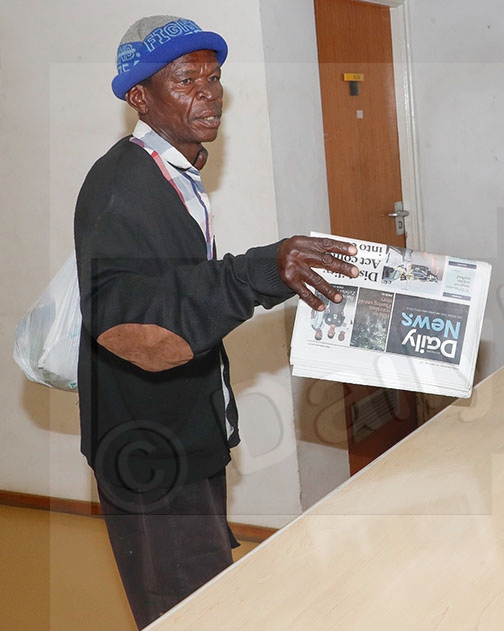
    Readers warmly embraced the revamped DailyNews newspaper, with many celebrating it as a modern and more engaging evolution of a paper that has long shaped Botswana’s public conversation.Among those impressed were Mr Duncan Balothanyi and Mr Benson Goatweng, who both applauded the cleaner layout, richer visuals and expanded editorial depth, noting that the refreshed design felt more contemporary while still honouring the publication’s heritage. Their reactions echoed a broader public sentiment that the new look not only revitalised the reading experience, but also reinforced the DailyNews’ enduring role as a unifying national voice and a platform for storytelling across the country. 

  • Disability Act Comes to Effect

    Disability Act Comes to Effect

    The Minister for State President, Mr Moeti Mohwasa has declared the official commencement of Persons with Disability Act of 2024, which aims to advance the rights of persons with disabilities and promote inclusion and equal opportunities.

    He said in addition to aligning with the United Nations Convention on the Rights of Persons with Disabilities, which Botswana was party to, the legislation also resonated with the government’s commitment to being human rights-based.

    “This historic moment signifies that the rights of persons with disabilities are now fully recognised and enforceable under the law,” said the minister at the UN International Day of Persons with Disabilities Commemoration held in Jwaneng yesterday.

    Consequently, Mr Mohwasa noted that the official commencement of the Act implied that the Disability Coordination Office and the National Disability Council were fully operational, while the regulations defining a person with disability had been finalised. He noted that this development paved way for the effective implementation of the statute, urging all institutions to immediately align their operations with the Act.

    The Minister underscored the need to adopt inclusive programmes through providing accessibility in all public buildings and transport to cater for persons with disabilities, as well as getting rid of all barriers that were against the new framework.

    “With the Act now in force, we call on all institutions, communities and citizens to take immediate action. Public buildings, businesses and transport must meet accessibility standards. All forms of communication must be inclusive and the attitudinal barriers that hinder full participation must be dismantled,” he said.

    Furthermore, Mr Mohwasa implored persons with disabilities to unapologetically stand by their rights as espoused by the law and utilise all opportunities availed to them. He also appreciated the role played by care givers of persons with disabilities.

    However, while he appreciated that Botswana had made strides in advancing the rights of all citizens, he said there was need for further action to close all gaps to ensure no one was left behind.

    “We are committed to creating systems that respond to the need of every citizen, particularly those who are historically faced with barriers to opportunities,” he said.

    For her part, the Disability Coordination Officer Director, Ms Peggy Garebaitse noted that creating an inclusive society called for celebrating diversity and promoting full participation of persons with disabilities.

    She noted that this also extended to ensuring equal access to health services, education and social protection, among other essentials for the benefit of the larger society.

    “Inclusive societies amplify the voices of the marginalised groups, empowering them to contribute to sustainable development and advancement of human rights,” she noted.

    Ms Garebaitse said Botswana had a significant number of persons with disabilities, and therefore excluding them from full participation was tantamount to hindering the collective growth of the country. The commemoration was held under the theme: Fostering Disability-Inclusive Societies for Advancing Social Progress.

  • The A1 Rush and Festive Season

    The A1 Rush and Festive Season

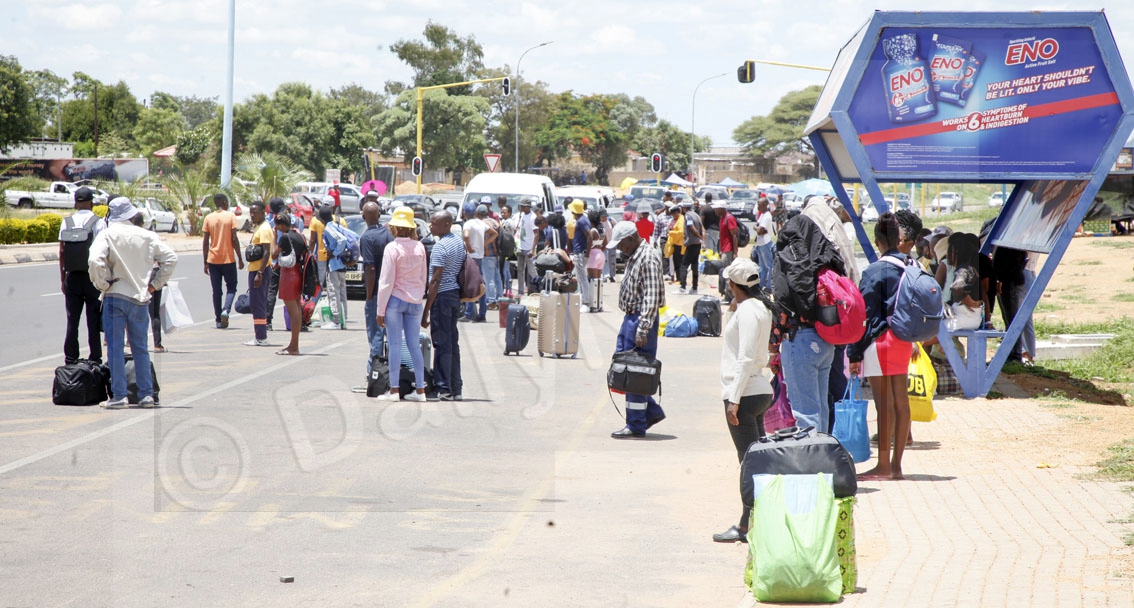
    As the holiday season reaches its peak, picture the A1 Road. The heat shimmering above the tar. Engines humming through sun-drenched scrubland.
    A burst of brake lights after a near-miss. And that shared, uneasy breath we all take when a risky overtake ends — this time — without tragedy. This is the scene of our annual pilgrimage home: a restless national migration powered by longing, memory and the simple desire to be with family again. Under the weight of summer heat and brewing rain, Botswana stirs.
    The air begins to hum with anticipation as the A1 — our country’s main artery — fills with movement, conversation, and the familiar chaos of the festive rush. Stretching from Gaborone to the Ramokgwebana border, the A1 is more than a road; it is a thread stitching communities together.
    And when December arrives, thousands pour onto it with one mission: get home. From the bus ranks to the petrol stations at the city’s edge, the starting point vibrates with energy. Car boots bulge with luggage.
    Grocery bags overflow with festive treats. Children press their faces to the glass, scanning the horizon for the turn-off that leads to grandma’s yard, to cousins, to laughter. This is the A1 rush — a season when distance collapses and the nation beats with one reunited heart. Yet the same long, straight stretches that make the A1 iconic also make it dangerous.
    The monotony can lull even the most seasoned drivers. Which is why rest points — those familiar stops in Mahalapye, Palapye and beyond — become critical lifelines this time of year.
    These stops are not just for fuel. They are for revival. Every festive season, the Motor Vehicle Accident (MVA) Fund sets up temporary rest stations offering water, coffee, reflective wristbands and gentle reminders to stretch and stay alert. Police use the same spaces for checkpoints, but they are also small sanctuaries — places where the nation collectively exhales before pushing on.
    These intentional pauses are not formalities; they are lifesaving. Fatigue remains one of the most stubborn drivers of holiday accidents. For long-distance regulars like Ms Taboka Ngwako, who travels between Gaborone and Francistown, the A1 festive rush is equal parts beauty and brutality.
    “It’s always the first two hours out of Gaborone that are the worst,” she says, leaning on her faithful sedan before a recent December drive.
    “You see the impatience straight away. Speed becomes king. The two-lane road turns into an arena.” She describes the old choreography of small cars darting from behind heavy haulage trucks, attempting to overtake on blind ascents.
    “It’s terrifying,” she says. “You see a truck crawling uphill, its trailer swaying slightly, creating what looks like the perfect gap. And then a small sedan, maybe carrying a whole family, shoots out — not noticing oncoming traffic. Lights flash, tyres screech, and the whole world seems to pause.” Sometimes, she says, luck intervenes.
    “By miracle brake or sheer chance, the overtaking car squeezes back in, just inches from the truck’s bumper. Your heart races — but it’s a cheap thrill. Because a few kilometres ahead you might find wreckage where someone else’s luck ran out.” At rest stops, however, she finds comfort: strangers in SUVs, combis and weathered sedans trading weary smiles, small talk and warnings about the road ahead. “That’s when you realise we’re all just trying to get home,” she says softly.
    But statistics remain unforgiving. December consistently records some of Botswana’s highest road fatalities. Speed limits are ignored. Reckless overtaking around 18-wheelers turns the highway into a stage of near disasters.
    Police and safety officers mount campaigns and checkpoints each year, yet fatigue — and worse, intoxicated driving — continue to claim lives. Rollovers, head-on collisions, loss of control — these are not abstractions.
    They are patterns. They are names in reports. They are families left incomplete. Even beyond the holidays, the A1 demands respect. Botswana relies heavily on this corridor for work, trade and travel.
    The cost of high-speed modern mobility is evident in the rising toll of lives lost. The pressure to save time — to push harder, gain a few minutes, beat the rush — creates a silent tension between the speed we covet and the danger it brings. Yet the A1 remains a symbol. A ribbon tying today’s Botswana to the generations that travelled it before seatbelts and hazard lights.
    Each December, it carries our hopes, even as it whispers caution. Because the truth is simple: It is a two-way street.
    One lane carries joyful expectation. The other carries avoidable peril.
    So whether you are behind the wheel, a passenger in the back seat, or waiting at home preparing the welcome feast, remember: safety will always matter more than speed. Exercise patience.
    Respect the limits. Obey the signs. And let the exhilarating rush of homecoming be the only rush you entertain. Drive safely. Every journey is a journey for the nation. Wishing you a safe and joyful festive season.

  • Refreshed DailyNews Legacy of Nation-Building

    Refreshed DailyNews Legacy of Nation-Building

    Founded with the clear ambition to drive and document Botswana’s development across infrastructure, politics, technology and entertainment, the DailyNews has a storied history, chronicling the nation’s journey from its pre-colonial days as the Bechuanaland Protectorate to its post-independence growth.

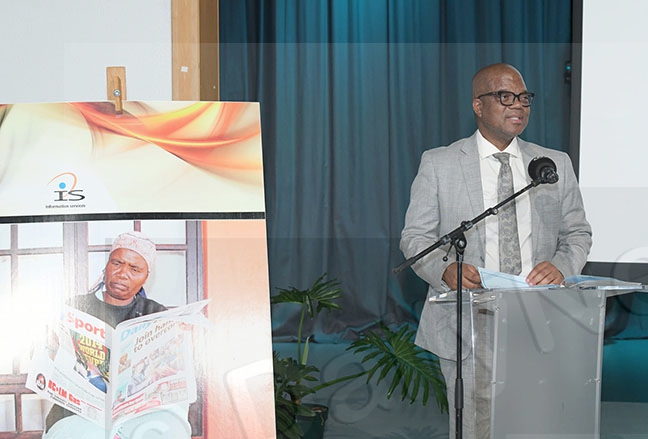
    On December 2, a refreshed look of the DailyNews and an expanded editorial vision, one designed to elevate feature storytelling and amplify voices from across Botswana, was launched in a bold rebrand that honoured its origins while embracing modern journalism.

     Telling its story, the former DailyNews managing editor, Mr Keboeletse Nkarabang, who served from 1973 to 2004, recalled that the publication started from a single A4-sized page and had since navigated challenges, celebrated milestones and continued to thrive as a vital voice in the country.

    Mr Nkarabang said the latest relaunch was set to strengthen that legacy further.

    Delivering the keynote address, Minister for State President, Mr Moeti Mohwasa, said for decades the DailyNews had informed, guided and inspired generations while connecting government to citizens.

    With its new design, enhanced editorial focus and increased space for citizen perspectives, Mr Mohwasa said the publication would now be a platform for dialogue, reflection and participation for every Motswana.

    The Minister also lauded the newly launched Mass Media Website, which brings together all government media – BTV, Radio Botswana, Kutlwano and Daily News, into a single and mobile-friendly digital destination.

    He indicated that commercialising government media would generate revenue, foster partnerships and enable reinvestment into quality local content production.

    “Today is not simply about launching a newspaper or a website, but about making a statement that government media will not only inform, but inspire and create history while preserving it,” said Mr Mohwasa, adding that the media belonged to the entire nation and not any single entity.

    For his part, secretary for public administration in the Ministry for State President, Mr Richard Molosiwa, said the new DailyNews design amplified the paper’s long-standing mandate to inform and educate, this time with a fresh, competitive and contemporary appeal.

    Mr Molosiwa noted that the strengthened editorial approach, featuring deeper analysis and richer visual storytelling, will reinforce the DailyNews’ role as a platform for digital dialogue and community engagement nationwide.

    On the Mass Media website, Mr Molosiwa highlighted its advantage as an integrated hub for all government media content, positioning it strongly in an evolving media landscape and establishing government media as a central pillar in the creative industry.

    “The goal is to generate new revenue, reinvent content and ensure that government media remains strong, modern and supportive of Botswana’s creative sector,” he said. 

  • MAELE Urges African Universities to Lead Development

    MAELE Urges African Universities to Lead Development

    African higher education leaders have been urged to strengthen university leadership, deepen collaboration and accelerate innovation to help drive the continent’s socio-economic transformation.

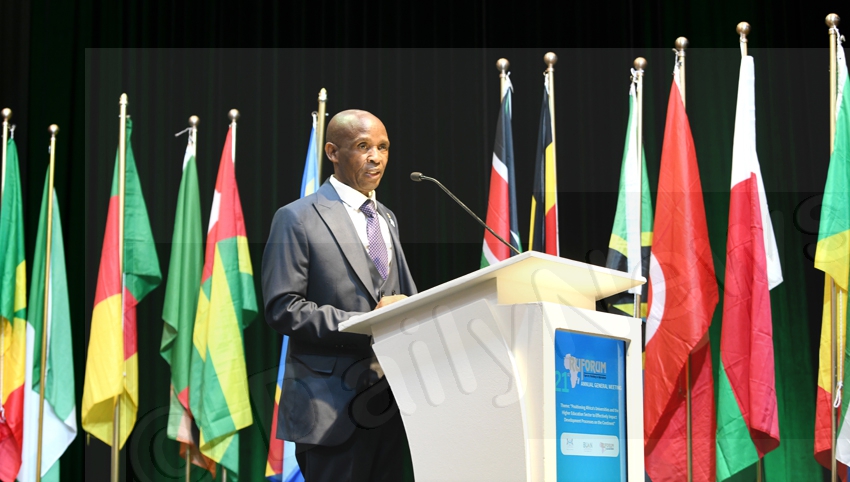
    Speaking at the 21st Regional Universities Forum for Capacity Building in Agriculture (RUFORUM) Annual General Meeting (AGM) in Gaborone on Monday, Minister of Higher Education Mr Prince Maele said Africa’s development challenges demanded a new model of university engagement, one that moved beyond traditional roles and prioritises real-world impact.

    He identified youth unemployment, climate change, food insecurity, low value addition, sluggish economic growth and rising insecurity as persistent barriers undermining Africa’s progress.

    “Our science output must receive a catalytic boost. Universities must evolve from centres of teaching and research into mission-driven institutions that generate solutions, technologies, products and services aligned with national and regional priorities,” he said.

    Minister Maele described the conference theme: Positioning Africa’s universities and the higher education sector to effectively impact development processes on the continent as timely and forward-looking, reflecting growing recognition that African universities must be more proactive in shaping national and regional development.

    “The theme clearly recognises that it is through innovation that higher education can build resilient societies and advance economic development,” he added.

    Mr  Maele challenged institutions to lead Africa’s transition to a green and climate-resilient economy, noting that the continent currently secured only 3.6 per cent of global climate finance, far below what was needed.

    He urged universities and the private sector to critically assess the bottlenecks limiting Africa’s participation in global climate financing and to scale efforts to attract investment into clean energy, climate-smart agriculture and green job creation.

    The minister also commended long-standing development partners, including the Mastercard Foundation, Bill & Melinda Gates Foundation, the African Development Bank and the World Bank, for sustained investment in Africa’s higher education sector, and appealed for continued support to help build work-ready graduates and resilient economies.

    Botswana University of Agriculture and Natural Resources (BUAN) Vice Chancellor Professor Ketlhatlogile Mosepele echoed the call for cohesion and purposeful partnerships, describing the conference as “a historic convergence of knowledge, action and purpose.”

    Prof. Mosepele stressed that Africa’s agricultural and higher education transformation depended on stronger collaboration between universities, governments, communities and industry.

    He urged public universities to demonstrate measurable impact and ensure society received a meaningful return on investment.

    He further said universities must redesign curricula, embed entrepreneurship, strengthen inclusion for women and youth, and ground research in real community challenges.

    Prof. Mosepele also highlighted digital transformation and leadership development as critical levers for building globally competitive African institutions.

    The five-day meeting has attracted delegates from 175 universities across more than 40 African countries, with discussions focusing on higher education reform, climate-responsive agriculture, innovation ecosystems and strategies to strengthen Africa’s human capital for sustainable development.

    As the conference progresses, leaders have reiterated that Africa’s universities were not just academic institutions as they were vital engines for innovation, resilience and economic growth. 

  • Raguin Delivers Back-to-back Victories

    Raguin Delivers Back-to-back Victories

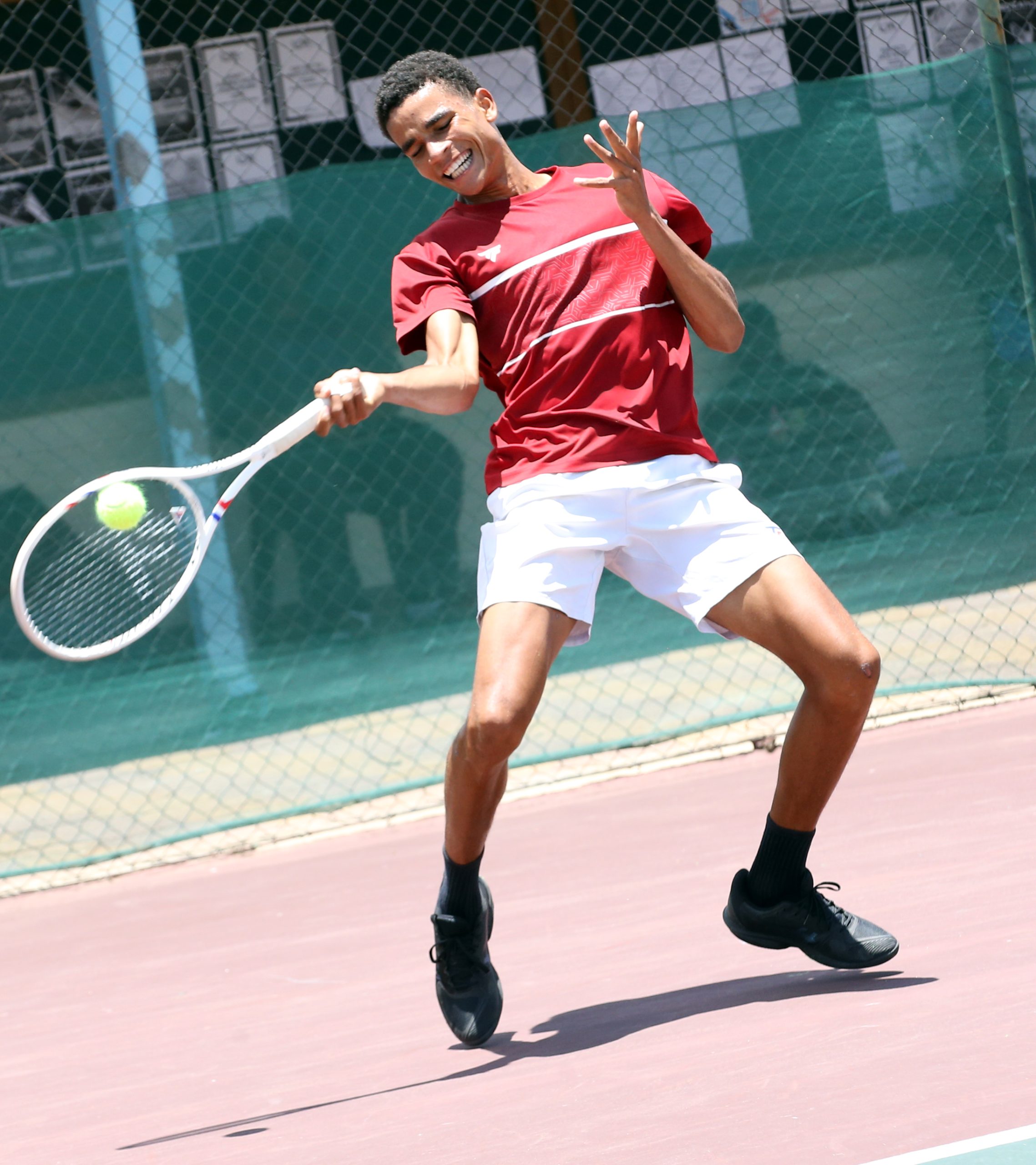
    GABORONE – Fresh from winning the International Tennis Federation (ITF) World Tennis Tour Juniors J100 boys’ singles tournament in Kenya three weeks ago, Ntungamili Raguin returned home brimming with confidence, ready to compete in the ITF J60 and J100 tournaments staged in Gaborone from November 17 to 29 respectively.

    The young Motswana endured a grueling two weeks of back-to-back competitions at the National Tennis Centre, to ensure he reached the finals of both tournaments.

    First was the ITF J60 where he reached both finals of the boys’ singles and doubles where he delivered two gold medals.

    In the boys singles final, Raguin defeated Alex Lap Hang Hui of Hong Kong 6-4, 6-2 securing Botswana’s third title in the tournament’s history after previous victories by Denzel Seetso and Mark Nawa.

    In the doubles’ final, Raguin, affectionately known as Ntunga, and his partner, Yanael Béranger of France claimed the ITF J60 doubles crown defeating Seabo Saleshando and Mengezi Sibanda of Zimbabwe 6-0, 6-3.

    Following his J60 success, Raguin delivered yet another victory in the J100 as he won gold in the boys singles and silver in doubles.

    Although visibly fatigued after three consecutive weeks of high-intensity matches, Raguin remained mentally locked in and refused to lose focus despite the physical toll.

    The energy from lifting the J60 title in front of his home supporters rejuvenates the teenager and fueled his ambition to clinch the J100 trophy. Once again, he delivered.

    In the J100 doubles, Raguin and his partner, Béranger settled for silver.

    However, on November 29, the partners briefly became ‘enemies’ when they faced each other in the singles championships match.

    Ragiun won 6-2,6-3 becoming the first Motswana to win titles on three consecutive weeks of the World Tennis Tour Juniors circuit.

    His ability to read opponents and capitalise on their weaknesses has distinguished him from his peers. His aggressive style of play and mastery of net points have become hallmarks of his game.

    Raguin had earlier signalled his intent on the global stage when he won the ITF J100 boys’ singles final in Kenya, defeating Italian Mattia Baroni 3-6, 7-5, 6-3 in a fierce contest that lasted two hours and 15 minutes.

    His recent victories at home now mark a defining milestone in Botswana’s junior tennis history In a post match interview, Raguin said he was happy with the victory.