Government has incurred P19.5 million in public officers’ salary overpayment leakages by the end of March in the 2021/2022 financial year.
Presenting the Public Accounts Committee (PAC) Report for the 61st Meeting (2021-2022 accounts) to Parliament on Wednesday, PAC chairperson, Mr Taolo Lucas said salary overpayments within the public service remained a major issue, which prompted audits and urgent calls for improved payroll controls.
Mr Lucas noted that among all Ministries, Departments and Agencies (MDAs), the payroll lapses were particularly prevalent in the Ministry of Education with P10 million and the Ministry of Health with P6 million in overpayments.
He also indicated that persistent delays in imprest retirement by public servants often resulted in employees retiring from the service without ever repaying the outstanding funds.
The PAC also identified recurring glitches within the Government Accounting and Budgeting System (GABS).
Mr Lucas regretted that the system’s poor performance had impeded productivity and economic growth for years.
The malfunction of GABS was cited as a major contributor to low productivity regarding government’s execution of financial transactions, especially payments to suppliers.
“From the many PAC sittings, it surfaced that GABS had overtime experienced many challenges of sub-optimal performance and has, during the period under review, failed to even process payment vouchers of government suppliers, something which could have hindered the growth of the economy,” he said.
Mr Lucas expressed concern over lack of compliance by some accounting officers regarding PAC recommendations, stating that such defiance rendered the committee inefficient.
He pleaded for the committee to be empowered with legislative frameworks to fully execute its oversight mandate.
He highlighted that the committee had been regarded as ‘toothless’ for years due to its inability to take legal action based on its findings.
As such, Mr Lucas urged Members of Parliament to provide statutory instruments that empowered the committee to scrutinise government spending and highlight waste to ensure sound and transparent public financial management.
He emphasised that accountability in the public sector was about answering for how public money was spent.
“One of the key roles of legislators should be to improve the economy, efficiency and effectiveness of government expenditure and enforce public accountability through effective probing and seeking for accountability from accounting officers,” Mr Lucas said.
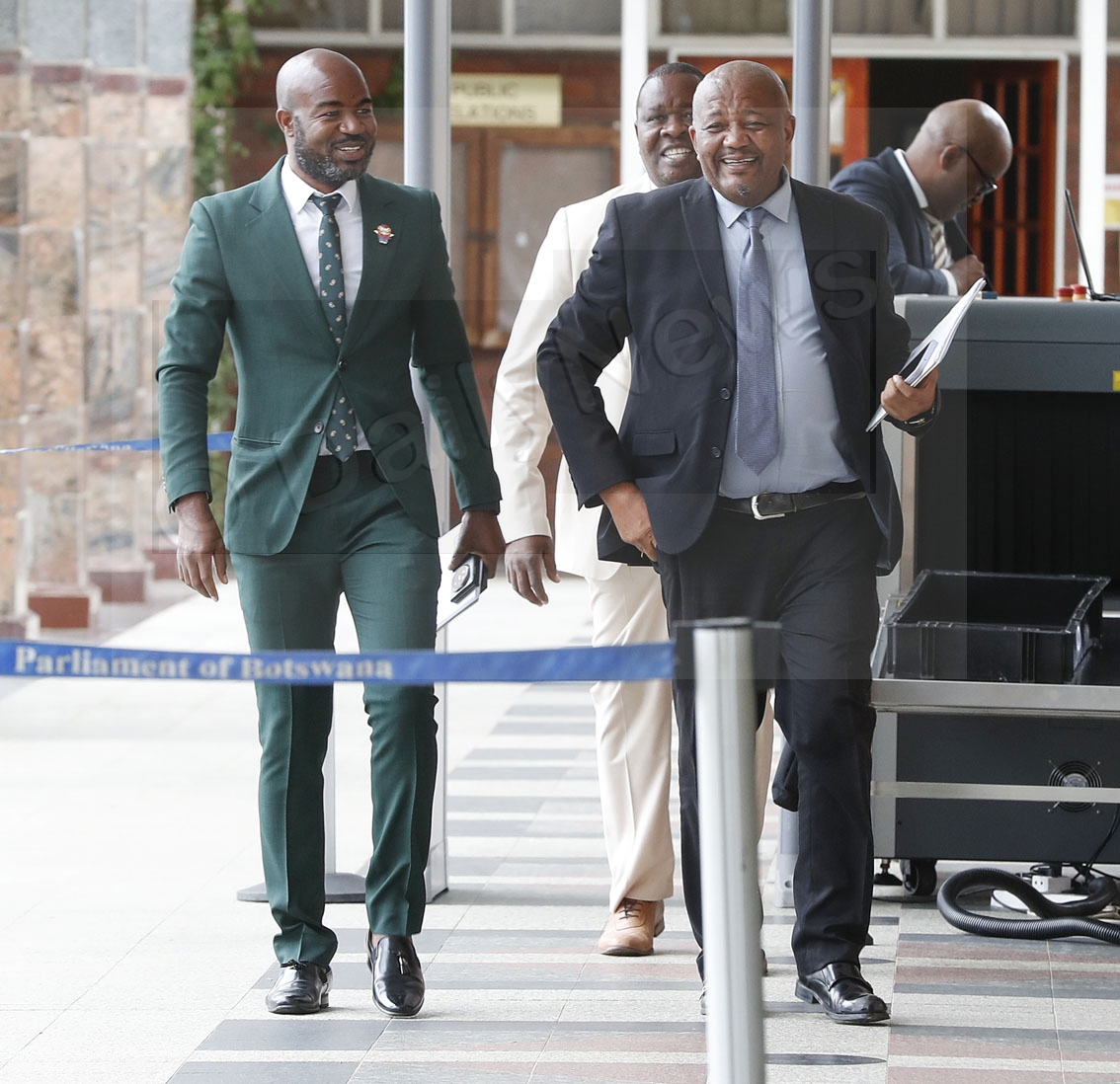
Commenting on the PAC report, Francistown South Member of Parliament, Mr Wynter Mmolotsi noted that payroll lapses were often administrative failures. “
These failures lead to payments for non-existent employees when records are not updated promptly after a staff member leaves the service,” he said.
Mr Mmolotsi, a former PAC chairperson, pointed out that delays in processing terminations resulted in payments for days not worked, particularly among temporary teachers.
He urged ministries to rectify such issues by strengthening operational standards and ensure that contract renewals were processed well before current contracts expired.
He highlighted the need to strengthen the PAC to ensure that authorities entrusted with public resources remained accountable.
Category: Daily News
-
Govt Incurs P19.5m in Salary Overpayment
-
Botswana Strives to Retain EU Market
Government will continue to strengthen prevention and control measures in the fight against Foot and Mouth Disease (FMD) in an effort to retain the premium European Union market, says Acting Minister of Lands an Agriculture Dr Edwin Dikoloti.Addressing kgotla meeting in Digawana on April 15, Dr Dikototi said following the outbreak of FMD in a traditionally green Zone 11 for over 50 years, Botswana would continue to put control measures in place to contain the disease in an effort to retain the lucrative beef EU market.To achieve that, he said farmers and members of the public must ensure strict adherence to FMD protocols in place and employ biosecurity measures in their farms.He thus implored farmers to bring forth their cattle and cloven-hooved animals for the ongoing surveillance where teams of veterinary doctors were on the ground carrying out the FMD surveillance in the Good Hope district.He underscored that if farmers strictly complied with the set protocols, Zone 11 would be back to its green status between 3-6 months.He said Botswana complied to international World Organisation for Animal Health Standards with regards to FMD, adding that the regulations reflected that if the country took two years without winning the battle against FMD, the zone would be listed as red.To be relisted as a Green Zone, he said was not easy. Thus he said it was critical for all to fight to retain the green zone status in order to retain the EU market.He said it was better to strive to maintain a green zone, which was a primary requisite to supply the EU beef market.
-

Govt Accelerates Renewable Energy Development
President Advocate Duma Boko will on April 16 officiate the implementation of the Maun 500MW solar photovoltaic power plant.The project is a government-to-government initiative undertaken by Botswana and the Sultanate of Oman and forms part of the infrastructure the government is setting up to achieve self-sufficiency in electricity, providing clean, affordable, reliable and adequate energy for sustainable development.It is expected to augment the government’s efforts of accelerating renewable energy development to secure electricity supply, expand electrification and lower its carbon footprint.It is hoped that the project will create job opportunities for locals, promote inclusive growth and support the development of local skills in the renewable energy sector.As Maun is in the process of transitioning into a green city, the North West district leadership has welcomed the project saying it came at the right time to bridge the national energy gap.“This is a large-scale initiative aimed to shift from coal to renewable energy and we appreciate that the project will significantly lower the need for our country to import electricity, improving national energy security and independence,” said North West District commissioner, Mr Thabang Waloka.He appreciated that solar energy was emerging as a promising renewable energy source, offering a clean and sustainable solution to meet the growing energy needs of all, especially for the rural community.He also stated that as Maun turned green, the expectation was that there would be a transition to a total reliance on solar energy.Mr Waloka also acknowledged that the project would not break dependence on imported electricity but would also create job opportunities for the locals and boost the local economy.
-
Nightlife Industry Halts Petition over Liquor Hours
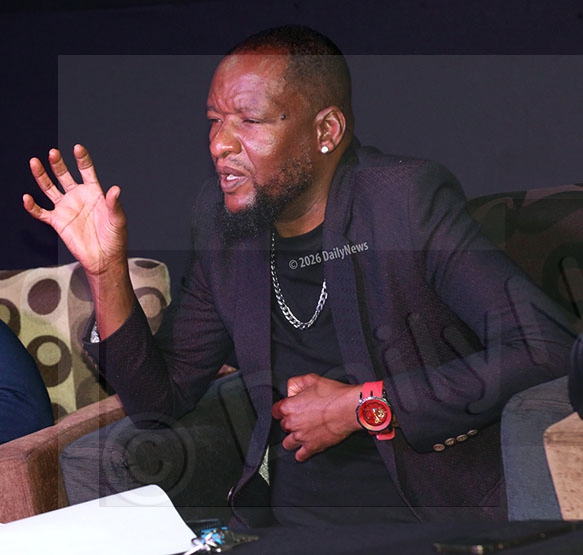
Nightclub and bar owners, led by Gilbert Seagile, have put on hold their petition against government’s proposed 24-hour liquor trading hours.He said government had indicated that their concerns would be addressed.Speaking during a press conference at Molapo Crossing in Gaborone, Seagile said the proposed 24-hour liquor trading hours could harm the nightlife industry.He argued that extended hours were shifting customers from nightclubs and lounges to smaller neighbourhood bars, reducing revenue and threatening sustainability.He therefore called for a more structured approach, including different trading hours for different businesses and stronger public safety measures and urged authorities to involve them.
-
Few Meet Parole Conditions
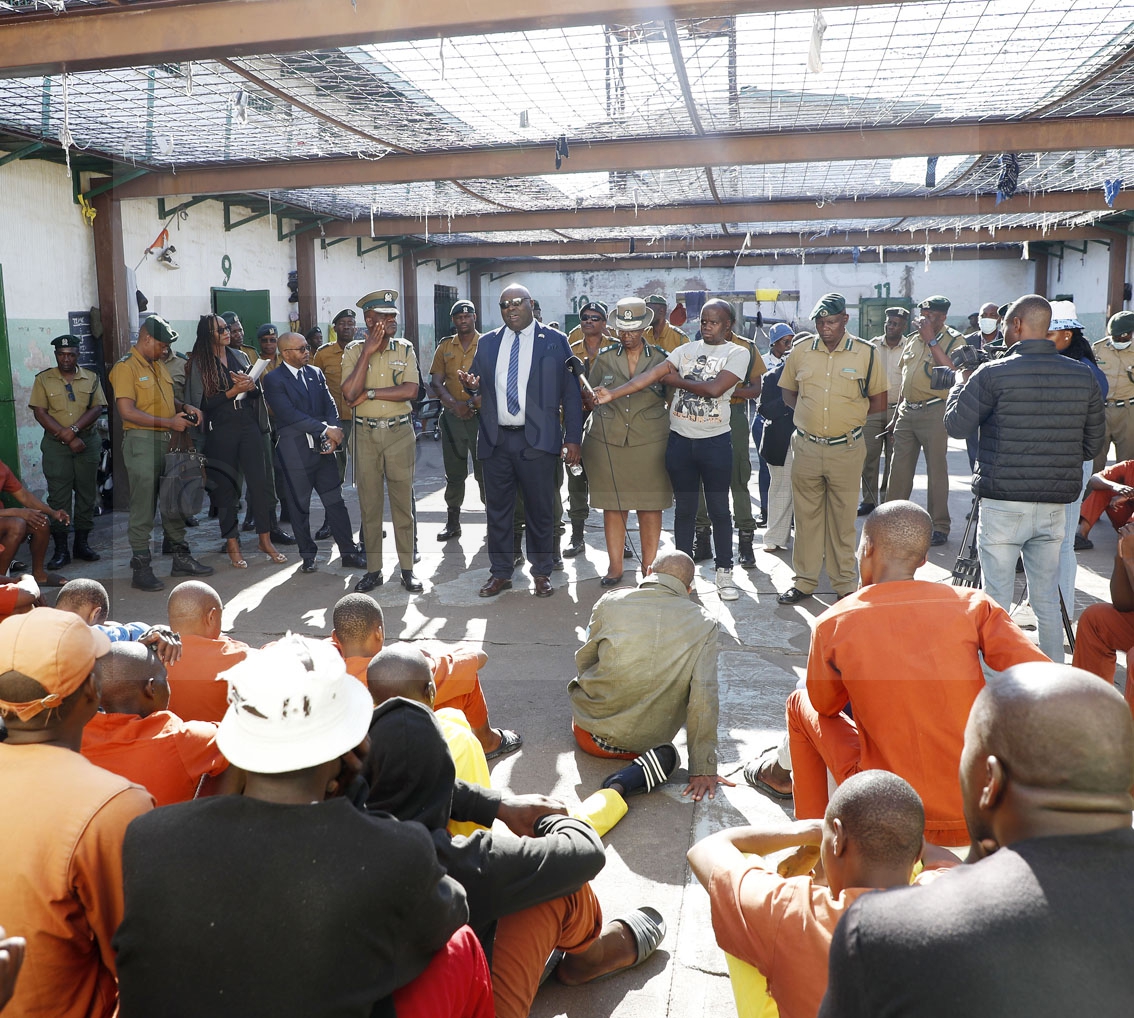
Only a small number of prisoners have been released on parole, despite swelling inmate numbers in local prisons.Recent statistics reveal a nationwide prison population of 4 468 inmates, signalling appalling overcrowding. The courts continue to send more people to prison.The situation is also compounded by the new Bail Act, which introduced stringent conditions for being admitted to bail.Assistant Minister of Justice and Correctional Services, Mr Augustine Nyatanga, said during a visit to Gaborone Central Prison on Friday that while parole could help reduce numbers, that had not been the case due to stringent requirements that left many inmates ineligible.Among the requirements was an assessment report, he said, which must include the offender’s rehabilitation progress.The report should show the offender’s progress from the time of admission until the time the report was authored.He said it should show a detailed account of the inmate’s performance, thus encouraging inmates to take advantage of programmes such as character moulding, anger management, and substance abuse treatment.The assistant minister said that for inmates to qualify for parole, there should be evidence that they had reformed, adding that parole could help reduce overcrowding in prisons.Mr Nyatanga also said he was aware that the new Bail Act had made bail requirements difficult, thus contributing to overcrowding.He further acknowledged the problem of smuggling drugs and phones into prisons, and cautioned inmates against such behaviour.He said to curb the problem, collaboration between prison staff and inmates was necessary, noting that engaging in such acts could prolong prisoners’ stay in prison as those involved could lose sentence remission and parole eligibility.Nonetheless, Mr Nyatanga commended Central Prison inmates for their good conduct and behaviour, saying it showed emotional maturity.He said that in the past six years, no escapes had been reported from the facility.During comments, inmate Oteng Tshegofatso said most of the inmates had served more than half of their sentences, thus qualifying for parole.He also decried congestion and advised that some crimes did not warrant custodial sentences.He further implored the government to extend amnesty to prisoners, noting that they had learned their lessons.Another inmate, Agisanyang Motukwa, commended the Commissioner of Prisons, Mr Anthony Mokento, for the change in the conduct of prison officials, saying assaults on inmates had stopped since his elevation to the top position.He said Mr Mokento had been advocating for their welfare, including the enjoyment of conjugal rights.Motukwa also said foreigners took longer awaiting trial, noting that one inmate had been incarcerated for over 14 years over a murder case, and that another, a Motswana, has been awaiting trial for seven years.He said that should those prisoners not be convicted, government stood to lose millions if sued.Further, he said government, which defines itself as human rights-centred, should ensure the enjoyment of rights by all citizens, including prison inmates.He added that some inmates only came to prison to become hardened criminals, arguing there was no need to send those with short sentences to prison as it only hardened some.He also complained that some magistrates remanded suspects for more than the 14 days prescribed by law and called for the introduction of a regulated public phone for inmates to communicate with their families.Goitsekgosi Mojadigo said there was a need for assessment of judgments from magistrates before convicts were incarcerated, saying some were imprisoned on faulty judgments while the appeal process was long.
-
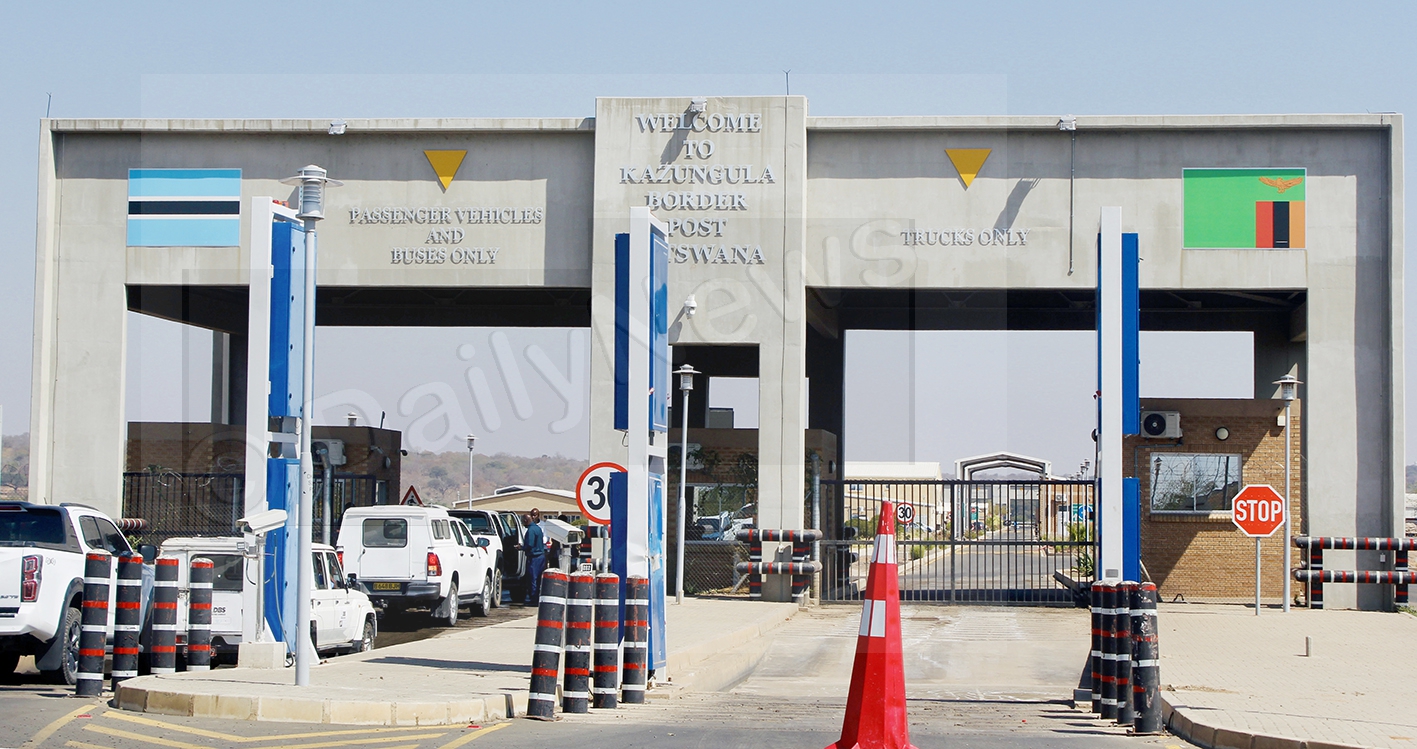
System Hiccups Stall 24-hour Operation at Kazungula Border
Delays of implementation systems that enable seamless transition have stalled 24-hour operation at the Kazungula One Stop Border Post (OSBP). The newly launched Kazungula Bridge Authority had earlier announced that the 24-hour operation would begin April 1, following a directive from Presidents Advocate Duma Boko andHakainde Hichilema of Zambia. The Authority’s executive director, Mr Mukela Muyonda, said the transition to 24-hour operation was halted due to delays in the harmonisation of border management systems in both countries.The 24-hour operation hinged on border management systems and coordination from border agencies in both countries which at the moment was a work in progress.At the moment, there is no definite timeline as to when the facility would commence the 24-hour operation, Mr Mayonda said and implored all border agencies to expedite processes to ensure that presidential directives were implemented promptly to support economic growth in Botswana and Zambia.“It is only through growing our economies that jobs will be created, livelihoods of our citizens will be made better and this is why the two heads of state made such a pronouncement,” said Mr Mayonda.He explained that the idea of a 24-hour facility, a move from 6am to 10pm, was strategic and sought to grow the economy because round the clock operations meant that activities would not halt at anypoint, travelers and goods would be processed efficiently.Mr Muyonda stressed that Kazungula Bridge Authority remained committed to launch the change as soon as possible, even with existing manpower.However, he said that staffing shortages might pose a challenge and that was to be expected but at the end of it all, implementation must take place. MrMuyonda stated that the Kazungula Bridge Authority had engaged key stakeholders: Botswana Unified Revenue Service, Zambia Revenue Authority, immigration authorities and security agencies,in order for them to appreciate the urgency to implement the Presidential directive.
-
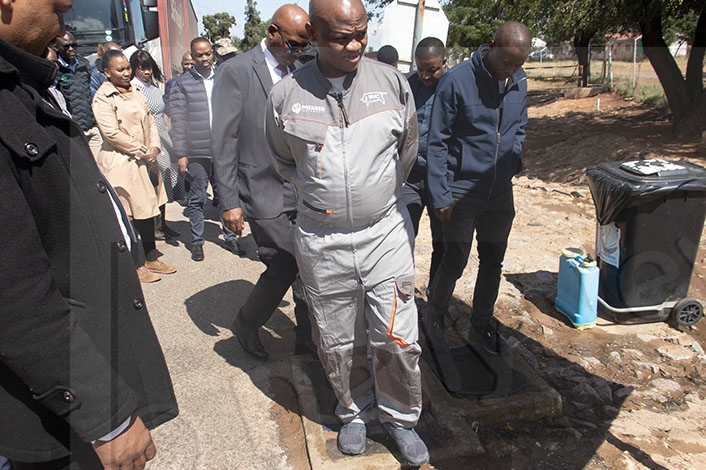
FMD Cases Recorded In Five Villages
Foot and Mouth Disease (FMD) outbreak have been recorded in at least five villages in the Southern part of the country so far. The FMD outbreak was recorded at the Ramatlabama Artificial Insemination Centre on March end and later at Matasalalo and Papatlo, followed by Bethel, Phihetswane and Bruwer’s feedlot in Hildavale.Addressing a kgotla meeting in Good Hope on Tuesday, Acting Minister of Lands and Agriculture, Dr Edwin Dikoloti said it was disheartening that despite all biodiversity measures in place, the disease was spreading at an alarming rate. He therefore challenged all to rally behind the government in the fight against the spread of FMD, saying all had a role to play.He said the FMD outbreak was a national crisis that needed concerted efforts as government alone could not win the battle against FMD. He also pleaded with the community to police one another if they wanted to eradicate the disease in Zone 11. Failure to police one another, he said had led to security breach of a P65 million double cordon fence stretching 182km and a P9.4 million barbered and razor wire at the Ramatlabama ranch where the disease was first detected.Even though some community members in Good Hope called for vaccination of the animals, the acting minister opined that vaccination was normally the last resort.Firstly, he pointed out that vaccination would adversely affect the monetary value of the cattle.Further, he said their supply at the European Union market would take a knock as they needed meat free from FMD vaccination.Dr Dikoloti further said the Botswana Meat Commission (BMC), which had been doing well lately, had since stopped operating.“BMC has at least P2 million worth of meat on its storage, some of which was already paid for by international customers and we will not be able to deliver due to FMD outbreak,” he said.As a result, he said BMC would make huge losses. One of the farmers, Mr Patrick Ralotsia concurred with Dr Dikoloti that the disease could only be won through cooperation and guarding against elements that may want to sabotage the efforts of keeping the district a green zone. Mr Ralotsia further warned the community that if they did not work well with officials, the district would be declared a red zone in 24 months and it would be hard to reclaim the green zone status and may take years.
-
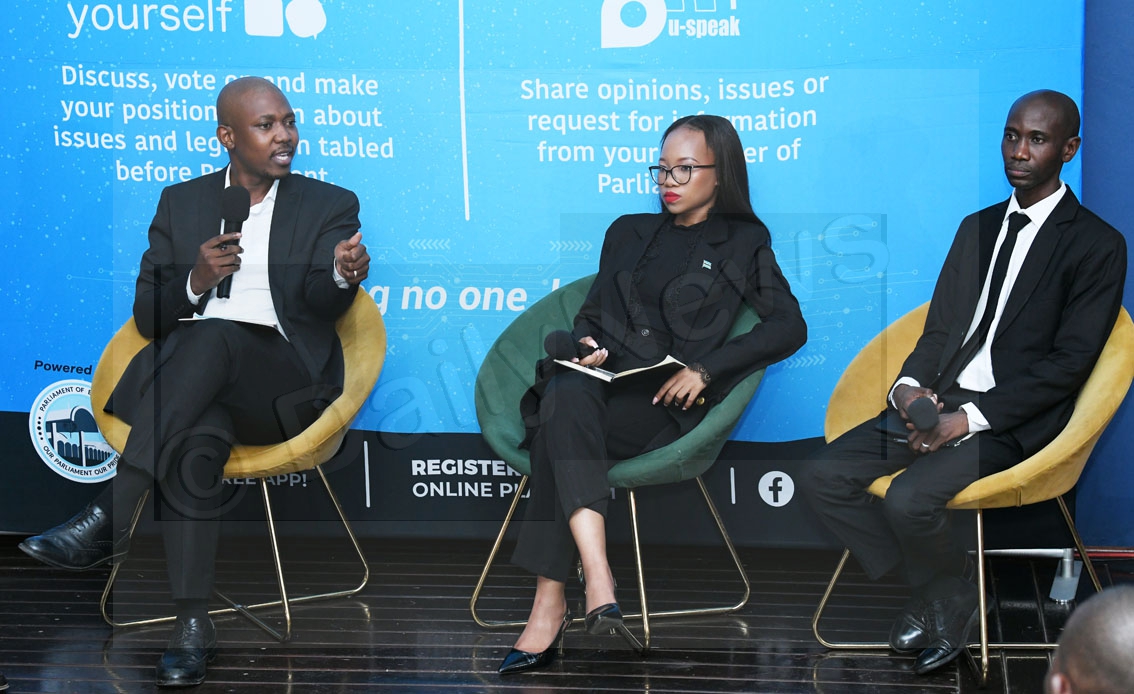
Batlokwa Kgosi Encourages Open Dialogue
A consultative meeting on the proposed establishment of a Constitutional Court (ConCourt) held in Tlokweng on April 9, has sparked robust and largely constructive dialogue, with many participants acknowledging its potential to strengthen Botswana’s democracy, transparency and protection of human rights.
The panel discussion, which forms part of a nationwide consultation process, brought together legal experts, traditional leadership, political representatives and members of the public to exchange views on the proposed court.Delivering opening remarks, Kgosi Puso of Batlokwa emphasised the importance of public participation in shaping national institutions, noting that such platforms empowered citizens to contribute meaningfully to decisions that affected governance and justice. He encouraged open dialogue, stressing that the consultative process reflected Botswana’s commitment to inclusive democracy.
Echoing similar sentiments, Member of Parliament for Tlokweng Mr Phenyo Segokgo welcomed the engagement, describing it as a progressive step toward strengthening the country’s legal framework. He said the establishment of a Constitutional Court had the potential to enhance accountability and deepen constitutionalism, provided that public concerns were carefully considered.
Among the issues raised, Mr Israel Seitshiro, a resident of Tlokweng sought clarity on the cost implications of accessing the Constitutional Court compared to lower courts, highlighting concerns that legal costs often hindered access to justice.
Responding, attorney Kago Mokotedi explained that while litigation in the High Court generally required legal representation, the Constitutional Court allowed for direct access, which could significantly reduce costs. He noted that although legal assistance may still be necessary in some instances, the structure of the ConCourt was intended to make justice more accessible and relatively affordable.
Contributing to the discussion, Tlokweng resident Mr Elijah Katse expressed support for the initiative, stating that the court could play a vital role in safeguarding human rights and promoting transparency. However, he raised concerns about the timing of its establishment, pointing to competing national priorities.
Mr Katse also questioned the process of appointing judges, seeking clarity on public involvement and transparency in such decisions.
Other participants shared similar concerns, with some questioning the pace of the process and calling for alignment with a comprehensive constitutional review. Comparisons were drawn with South Africa’s constitutional development, prompting further clarification from the panel.
Mr Mokotedi explained that South Africa’s Constitutional Court preceded the finalisation of its Constitution, noting that the court played a crucial role in shaping the country’s supreme law. He said the court initially rejected aspects of the draft Constitution, particularly the Bill of Rights, insisting on stronger protections before approval.
He further highlighted that Botswana’s Constitution was developed under limited participation, largely involving male political and traditional elites, with no representation of women. He noted that discussions were held in Lobatse and later finalised at Marlborough House in London.
Against this backdrop, Mr Mokotedi argued that the establishment of a Constitutional Court was a necessary step that could help align existing laws with modern democratic principles, describing the court as a potential “guardian” of the Constitution.
Attorney, Mr Tshepiso Katse also reassured participants that the Constitutional Court was not intended for a select few, but rather as an inclusive institution designed to serve all citizens equally.
On judicial appointments, Mr Mokotedi acknowledged concerns and agreed that there was room for improvement in the current system. He clarified that while the President formally appointed judges, the Judicial Service Commission played a key role in the selection process.
Addressing fears around capital punishment, Mr Mokotedi emphasised that courts were guided by the law and constitutional principles, not public opinion. He noted that the right to life would remain protected and that constitutional supremacy and the rule of law would continue to guide judicial decisions.
Overall, the Tlokweng engagement reflected growing public interest in the proposed Constitutional Court, with many participants viewing it as an important step toward strengthening Botswana’s democratic institutions, while also calling for careful consideration of timing, inclusivity and implementation.
-
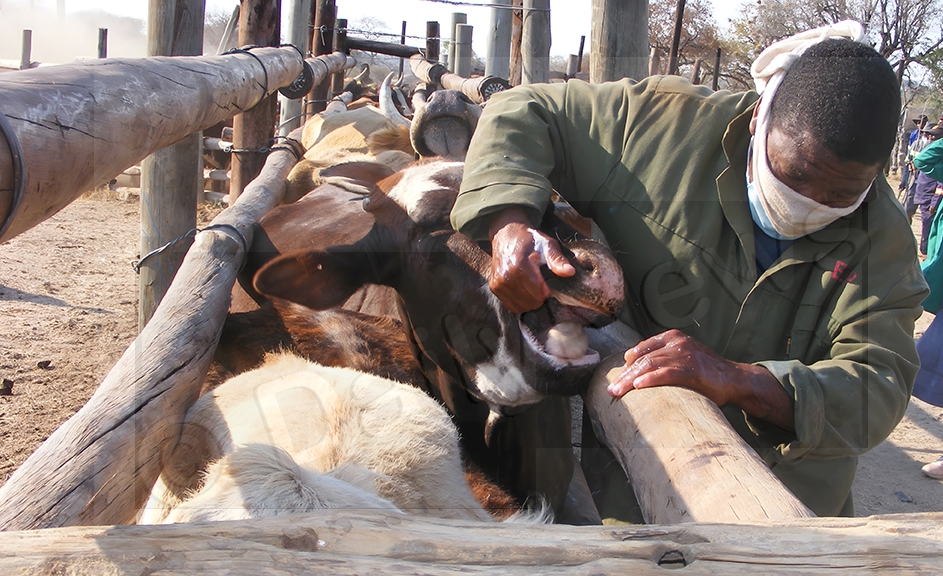
Authorities Probe FMD Threats On BMC
Acting Minister of Lands and Agriculture, Dr Edwin Dikoloti has revealed that investigations are underway into threatening emails sent to Botswana Meat Commission (BMC), raising concern over a possible link to the ongoing Foot and Mouth Disease (FMD) outbreak.
Addressing the media during a briefing in Gaborone April 13, he said two separate threats were received; the first sent in February, demanding a payment of US$500,000 in Bitcoin, with the sender threatening to deliberately spread FMD if the demand was not met.
The second email, sent around March, reportedly, questioned why the initial threat had been ignored.
“Relevant authorities are investigating the matter intensively to determine whether the emails are linked to the FMD outbreak,” Dr Dikoloti said.
However, Dr Dikoloti said the recent FMD outbreak at the Ramatlabama Artificial Insemination (AI) Training Centre was suspected to have been spread through human activity.
He indicated that preliminary investigations pointed toward lapses in biosecurity protocols, with the disease likely introduced through contaminated clothing, equipment, or other materials handled by people.
“Preliminary investigations revealed that no cattle had recently been introduced to or moved out of the farm, ruling out direct animal transmission,” he said.
He said the FMD outbreak recorded on March 31 was initially detected at Ramatlabama AI facility.
“This development comes despite a significant investment of approximately US$ 9.4 million (over P100 million) in the biosecurity fence surrounding the facility,” said Dr Dikoloti. The affected farm currently houses 258 animals.
He said initial cases were identified within a group of 64 cattle, where two bulls showed clinical signs consistent with FMD.
The Acting Minister also revealed that the FMD outbreak in Zone 11 had triggered strict movement restrictions on livestock, including the closure of the Botswana Meat Commission (BMC) abattoir.
“The closure has negatively impacted the gains that the Botswana Meat Commission had recently begun to realise,” the acting minister said.
He explained that as a result of the outbreak, slaughter operations had been suspended at key facilities, including the Lobatse plant and other affected abattoirs, one of which had only recently secured licensing for domestic slaughter.
“Despite these setbacks, BMC had managed to slaughter 12 291 cattle, with over 95 per cent originally earmarked for the European Union market, and payments to farmers reached approximately P156.6 million,” he said.
-
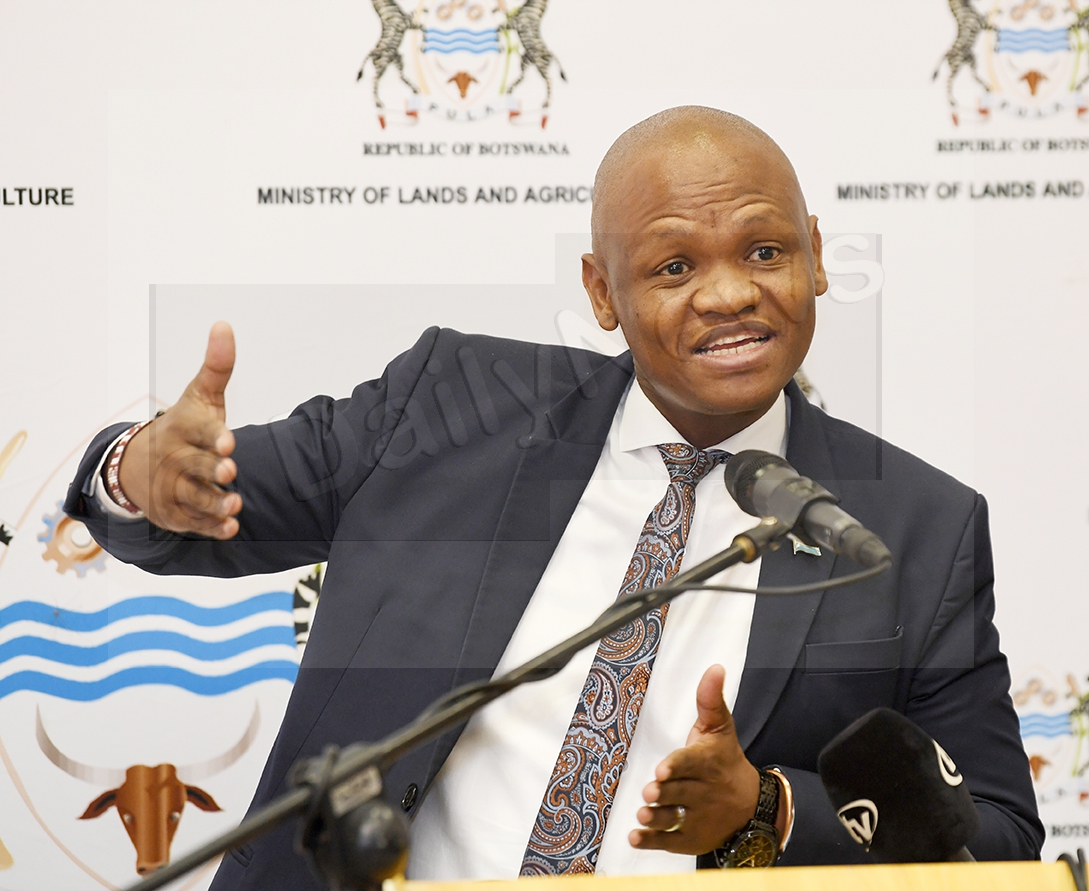
FMD Outbreak Prompts Abattoir Temporary Closure
The Botswana Meat Commission abattoir in Lobatse has temporarily shut down, a decision that was informed by the outbreak of Foot and Mouth Disease (FMD) in Zone 11, Southern part of Botswana.
This was done to allow for control interventions that will help restore the overall health integrity and compliance of the operation to control the disease.
Maun abattoir however, remains operational and efforts are underway to resuscitate the Francistown abattoir, Acting Minister of Lands and Agriculture, Dr Edwin Dikoloti said during a press brief yesterday in Gaborone.
“There was already noticeable improvement that the BMC had registered but the closure of the abattoir has negatively impacted the gains.”
Dr Dikoloti explained that as a result of the outbreak, slaughter operations had been suspended at key facilities which included Lobatse plant and other affected abattoirs, one of which had only recently secured licensing for domestic slaughter.
He further said the government would donate around 50 000 FMD vaccines to Zimbabwe, to tighten its management and control efforts.
Dr Dikoloti said the move, was a strategic alliance to ensure overall effective bilateral management of the disease across the two borders and the vaccines would supplement efforts evoked earlier this year, to continue containing the disease in the North-East Zones where the initial outbreak of the disease was reported.
Under the control plan, the government has seamlessly restricted the movement of cloven-hoofed animals and their by-products beyond veterinary zones.
In spite of the existing interventions by the government to contain the disease, a recent outbreak has been confirmed in the Goodhope region, particularly in the Ramatlabama Artificial Insemination Centre.
Dr Dikoloti stated that the emergence of the disease in the Goodhope region, particularly Ramatlabama Artificial Insemination Centre suggested that there was need for more intentional approaches to manage the spread of the disease.
“Despite that there was zero movement of animals in or out of the Ramatlabama Centre, we still reported an outbreak, implying that it could have diffused through other means,” said Dr Dikoloti, adding that government’s approach would be more stringent and strategic, to the control of movement of animals within the veterinary zones.
Department of Veterinary Service acting director, Dr Kobedi Segale assured the nation that the government had heavily invested necessary resources including highly qualified health professionals with the competencies required to help Botswana manage the scourge and restore its international reputation.
“Our aim is to recapture the markets we have already lost since the disease broke out,” said Dr Segale and pleaded with farmers to tighten their oversight responsibilities regarding movement of animals across gazetted zones.
“Let’s exercise patriotism and nationhood in our individual approaches to manage this scourge. We can only manage if farmers are selflessly invested in the control plan. This is a controllable disease, if we remain united and selfless, there would be no need for the government to spend more in fighting it,” he said.
So far, from the P97 million fund reserved for controlling the FMD scourge, P37 million has been utilised.