Category: Daily News

  • Human Activity Suspected In FMD Outbreak

    Human Activity Suspected In FMD Outbreak

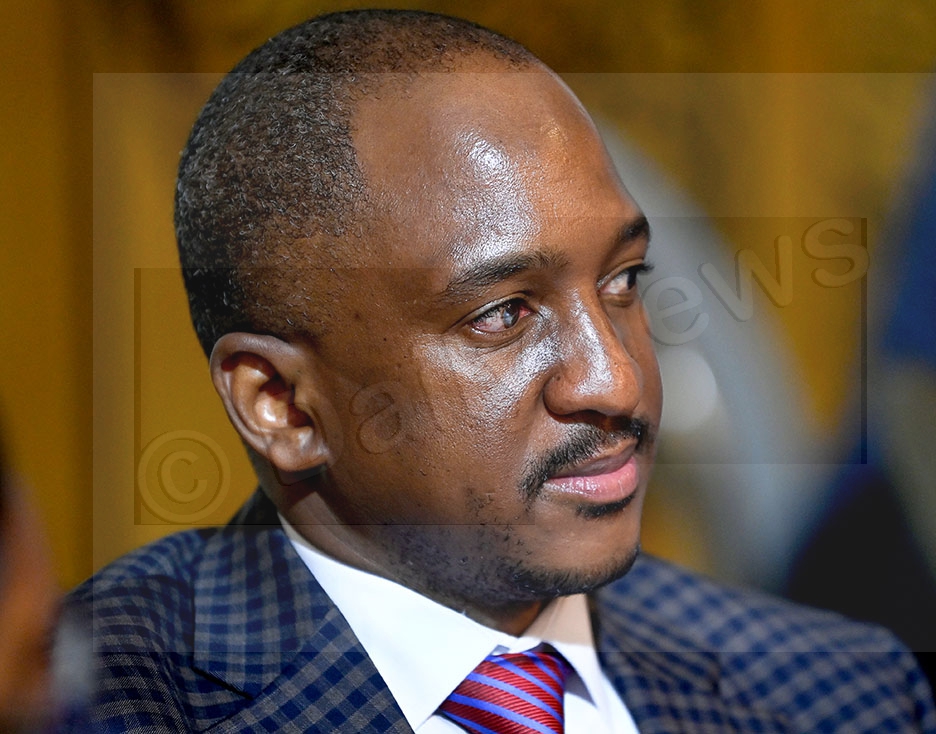
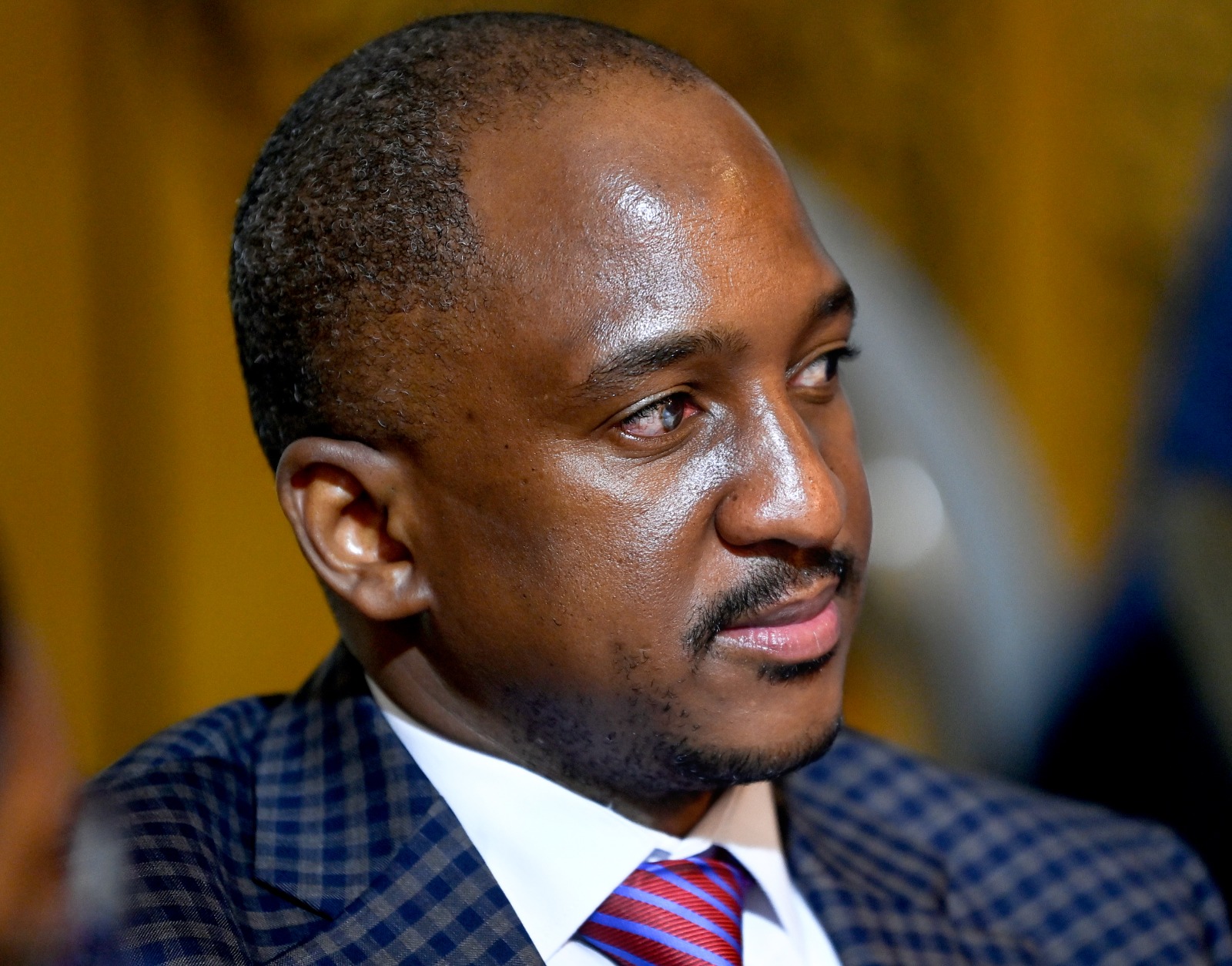
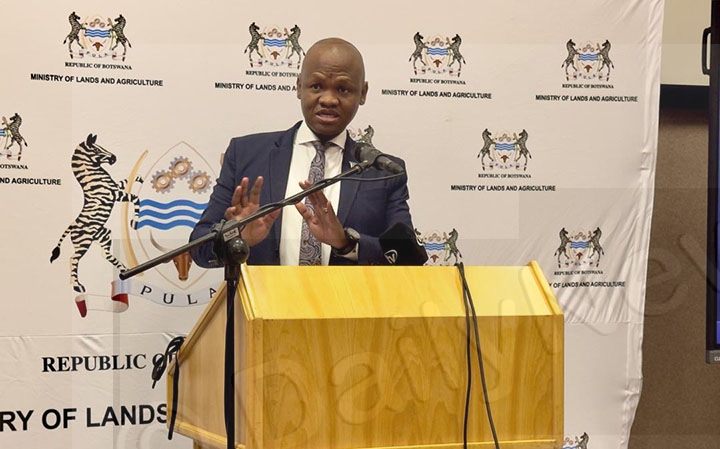
    Acting Minister of Lands and Agriculture Dr Edwin Dikoloti has revealed that the recent Foot and Mouth Disease (FMD) outbreak at the Ramatlabama Artificial Insemination (AI) Training Centre is suspected to have been spread through human activity.

    Addressing the media during a briefing in Gaborone on April 13, Dr Dikoloti indicated that preliminary investigations pointed toward lapses in biosecurity protocols, with the disease likely introduced through contaminated clothing, equipment, or other materials handled by people.

    “Preliminary investigations revealed that no cattle had recently been introduced to or moved out of the farm, ruling out direct animal transmission,” he said.

    He said the FMD outbreak recorded on March 31 was initially detected at Ramatawama Artificial Insemination (AI) facility.

    “This development comes despite a significant investment of approximately US$ 9.4 million (over P100 million) in the biosecurity fence surrounding the facility,” he said. The affected farm currently houses 258 animals.

    He said initial cases were identified within a group of 64 cattle, where two bulls showed clinical signs consistent with FMD.

    The Acting Minister also revealed that the FMD outbreak in Zone 11 had triggered strict movement restrictions on livestock, including the closure of the Botswana Meat Commission (BMC).

    “The closure has negatively impacted the gains that the Botswana Meat Commission had recently begun to realise,” the Minister said.

    He explained that as a result of the outbreak, slaughter operations had been suspended at key facilities, including the Lobatse plant and other affected abattoirs, one of which had only recently secured licensing for domestic slaughter.

    “Despite these setbacks, BMC had managed to slaughter 12 291 cattle, with over 95 per cent originally earmarked for the European Union market, and payments to farmers reached approximately P156.6 million,” he said.

  • Ceasefire Brings Renewed Hope

    Ceasefire Brings Renewed Hope

    A fragile sense of calm has begun to return to parts of the Gulf region following weeks of heightened conflict involving Iran, Israel and the United States.

    In an interview, Botswana’s Acting Ambassador to Kuwait, accredited to Qatar, the United Arab Emirates, Bahrain and Saudi Arabia, Mr Amangwe Madisakwana said the April 7 ceasefire announcement has brought renewed hope for diplomacy, though conditions remain tense and unpredictable.

    Mr Madisakwana said the region had experienced intensified attacks over the past week, targeting energy infrastructure, military installations and key transport hubs, including airports in Kuwait.

    While these developments raised alarm, he noted that the ceasefire has resulted in a noticeable, though cautious, de-escalation.

    He said the situation has been unsettling but manageable for Batswana living and working across the Gulf.

    “Only a small number, approximately 30 people, have returned home to Botswana since the conflict began.

    Many have opted to remain in their host countries, monitoring developments while continuing with their professional and academic commitments,” he said.

    More than 200 Batswana are estimated to be spread across Qatar, the United Arab Emirates, Kuwait and Bahrain, working in sectors such as education, hospitality and corporate industries.

    Mr Madisakwana said restraint by Gulf states has been key in maintaining relative stability.

    “Despite sustaining significant economic losses, particularly to infrastructure and aviation, countries such as Saudi Arabia, Kuwait, the UAE, Bahrain and Qatar have avoided retaliatory strikes.

    This measured response has helped prevent broader regional escalation,” he said.

    However, daily life remains disrupted. Residents, particularly in Bahrain and Kuwait, continue to report nights punctuated by explosions, interspersed with periods of calm.

    Governments have urged people to stay indoors unless necessary, limiting movement and altering social routines.

    Economic pressures are also mounting.

    Disruptions to maritime trade have increased the cost of goods, while sectors such as hospitality and aviation have recorded reduced revenues.

    Some workers have experienced salary cuts or reduced working hours.

    In Kuwait, schools have shifted to online learning, while workplaces have adopted hybrid systems, operating at about 30 per cent physical capacity with rotating staff.

    Travel remains a major challenge. Since late February, flights in and out of Kuwait and Bahrain have largely been suspended.

    Travellers are often forced to use road transport to Saudi Arabia to access international flights, an option described as costly and inconvenient. Limited flight operations continue in Qatar, Saudi Arabia and the UAE.

    Mr Madisakwana said Gulf governments have prioritised security, investing heavily in air defence systems and maintaining high alert levels, with emergency protocols such as public sirens in place.

    Despite the uncertainty, he expressed cautious optimism, noting that Iran’s call for a permanent end to hostilities could mark a turning point if supported by sustained diplomatic efforts.

    He encouraged Batswana in the region to remain calm and focused.

    “This is a passing phase,” he said, expressing confidence that normalcy will eventually return.

    He also reassured families in Botswana that Gulf states continue to prioritise safety, adding that their restraint has been critical in preventing further escalation.

    As the region navigates a delicate path forward, much will depend on continued diplomacy and the willingness of all parties to pursue lasting peace.

  • Malaria Cases on The Rise in The North West District

    Malaria Cases on The Rise in The North West District

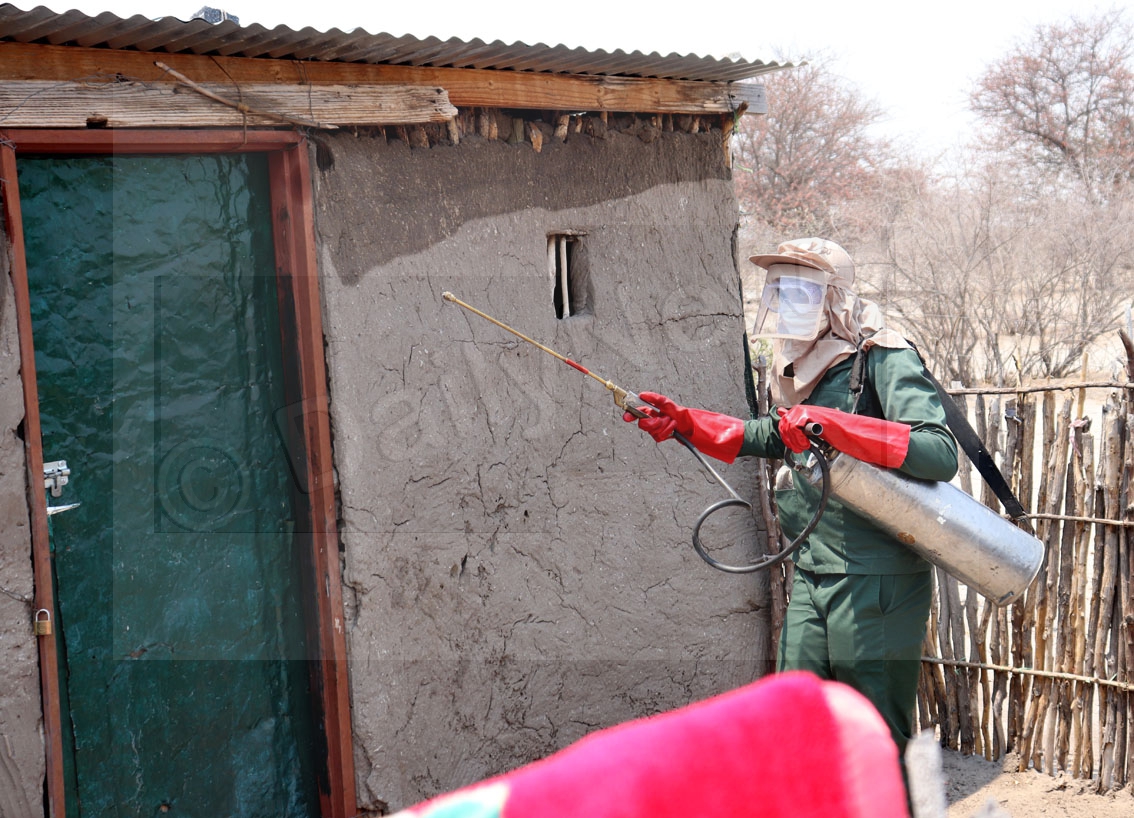
    Community rejection of Indoor Residual Spraying (IRS) for malaria control is a significant challenge in the North West district, often resulting in low coverage rates.

    To effectively mitigate malaria transmission, each year around October to December, IRS campaigns against malaria are conducted with a coverage target of 80 to 85 per cent.

    However, efforts of the health spraying teams often get frustrated by members of the community who refuse to cooperate and decline to have their houses sprayed.

    While studies have shown that when IRS is properly implemented, it can contribute to a significant decline in mosquito population and reduce malaria morbidity and mortality, Deputy Council Secretary – Primary Health, Dr Sandra Maripe-Ebutswe expressed displeasure that community refusal undermined efforts to tackle the malaria epidemic in the district especially during peak season.

    This season, she said they failed to attain the set target as coverage stood at 47 per cent despite heavy rainfalls that fuelled mosquito breeding grounds, raising cases of malaria infection and fatalities.

    She highlighted that IRS was considered the most effective intervention in malaria elimination citing that in other countries, the method was working wonders with malaria cases falling dramatically as members of the community had fully embraced it due to its effectiveness against mosquitoes.

    “Rejection of IRS by the community is a serious concern and yet people are dying of malaria. On daily basis, we record cases of malaria in various areas within our district,” Dr Maripe-Ebutswe emphasised.

    She called on the public to change their mindset and accept IRS by allowing health workers into their homes during campaign, especially since the North West and Okavango districts were classified as malaria-prone areas because of the high number of cases registered annually.

    Reports have indicated that increased cases of malaria were expected in North West district due to water pools across the district. Currently, one death and 115 clinically confirmed cases, of which 11 were children aged under five, have been recorded.

    Community health nurse, Ms Cindrella Gaebowe confirmed the number, explaining that 100 cases originated from the district, 13 were imported from other districts while the rest were imported beyond the border from countries such as Ghana, Zambia and Namibia.

    To control the disease, Ms Gaebowe said IRS campaign was conducted in Nhabe, and in areas within the Okavango Delta and that distribution of treated mosquito nets was also done.

    Meanwhile, some officials had indicated that early floods were anticipated to hit Maun, with water levels continuing to rise in the Okavango River at Mohembo due to persistent heavy rainfall experienced within the Okavango and North West districts.

    They indicated that rivers, lagoons and floodplains in the delta which had been dry for years had recharged and some were already overflowing, resulting in some areas becoming inaccessible due to flooding.

    North West deputy district commissioner, Mr Ramogaupi Gaborekwe stated that a team had been tasked to conduct a surveillance in hotspot areas and see how best they could mitigate the situation before it got out of hand.

    “Recently, we had to rescue one family by boat as their homestead was engulfed by water, making accessibility difficult. We anticipate more inflows as the water levels continue to rise and efforts are ongoing to strengthen early warning and community awareness systems,” he added.

    A hydrologist from department of Water and Sanitation, Ms Gofaone Maradu stated that based on the observed trends, hydrological flood disaster was anticipated as the inflows from Mohembo were increasing significantly.

    She said the 2025/2026 hydrological season was characterised by significantly improved flow conditions across the Okavango Delta system compared to the 2024/2025 season, noting that sustained upstream inflows, coupled with localised rainfall contributions had resulted in rising water levels and increased system response.

    “We have observed increased inflow volumes from the upper Okavango Basin, recharging of previously dry rivers, lagoons, and floodplains, the rising water levels along the Boro, Gomoti, Thamalakane, and Boteti river systems and that the flood head along the Nhabe River from Thamalakane River is advancing and has now passed Komana Primary School,” she added.

    Ms Maradu also noted that the Thamalakane River back flow along the Boronyane river had crossed the bridge and was about 20 metres upstream the bridge while the Okavango River peak water level recorded during the 2025/2026 hydrological year was still rising but had already approached approximately 3 metres at an earlier stage in the season, indicating a potentially higher or earlier peak.

    However, she explained that the main flood wave from Mohembo had not yet fully propagated to the Thamalakane River but that based on observed trends, downstream areas, including Maun, were expected to experience rising water levels once upstream floodwaters arrived.

    Despite the favourable hydrological conditions, Ms Maradu said monitoring operations were currently constrained by challenges such as continuous rainfall, which had rendered many access roads muddy and impassable, and limited resources including shortage of transport to perform routine monitoring.

    Therefore, she stressed the need for rehabilitation of access roads to key hydrometric sites, re-installation and upgrading of gauges and benchmarks as well as consideration of automated or telemetry-based monitoring systems to improve data continuity during extreme conditions. 

  • Mixed Model of Appointing Judges Suitable For ConCourt

    Mixed Model of Appointing Judges Suitable For ConCourt

    As the debate for and against the establishment of a Constitutional Court continues, Batswana from different quarters are desirous to know the form that it will take and how its judges will be appointed.

    Just as is the case with judicial officers of different lower-level courts, the appointment of judges of Constitutional Courts is a matter that countries handle with great circumspection.

    Often the highest courts marking the pinnacle of the court systems, Constitutional or Supreme Courts, are where they exist, the final stage of legal recourse.

    Their position in the legal structure of any country lends reason to why countries endeavour to do their absolute best in handling the appointment of judges who will sit in their hallowed chambers.

    According to private attorney, Mr Nchunga Nchunga of Chuchuchu Nchunga Attorneys, at the heart of each model of appointing judges of a Constitutional Court is the desire to promote and protect judicial independence, as well as to ensure that the court comes across as legitimate.

    While a couple of models of appointing ConCourt judges existed, Mr Nchunga admitted that none was perfect.

    Nonetheless, he believed the mixed appointment model stood shoulders above the other models as it balanced competing interests, promoted checks and balances and was not prone to political bias.

    For the above reason, the model, in which the Executive, the Legislature and the Judiciary all play a role in appointing judges, would be best suited to Botswana’s legal landscape.

    “The mixed model, where there is a combination of executive, legislative, and/or judicial input as in the case of Germany and Canada would work for Botswana,” he said.

    He explained that for Botswana situation, the Judicial Service Commission (JSC) forming part of the appointing authorities would help ensure and protect the court’s judicial independence.

    Mr Nchunga, a former deputy government attorney at the Attorney General’s Chambers, reckoned however that the mixed appointment model was not without fault and among its weaknesses was that it could be complex, slow and contentious.

    The attorney revealed that other jurisdictions appointed ConCourt judges using the Executive appointment model where the head of state or government appointed judges, often with legislative approval such as in the case of the United States of America and South Africa.

    He noted that the Executive model of appointment had its own pros and cons; its advantages’ being that it was quick and efficient.

    His view was that if appointments were merit-based and appointees had security of tenure, the model could, to a great extent, protect judicial independence.

    “But there is a risk of political interference if appointments are based on friendship, party loyalty or cronyism,” he said.

    Mr Nchunga said their disadvantages were that it was risky with a high possibility of political bias and a potential lack of transparency.

    He added that other countries went the legislative way when appointing judges to their Constitutional or Supreme Courts, with the legislature selecting judges to sit in the apex courts.

    This was a practice that Mr Nchunga noted was followed by some states in the United States of America.

    “The advantage of the legislative election is that it is more democratic as representatives are chosen by elected officials. Its weaknesses include the fact that it can be politicised, with the potential for populism,” he stated.

    Although the model may introduce political pressure from legislators, where judges find themselves having to bend to accommodate politicians’ special interests, it can, on the one hand, insulate judges from executive influence.

    Another model, currently being practiced in India and Australia provided for judicial bodies, often comprising judges, lawyers, and/or academics to recommend candidates for the appointment to the judgeship of the Constitutional Courts.

    To Mr Nchunga, having a judicial body such as the JSC- an expertise-driven entity, shoulder the responsibility of championing the appointment of ConCourt judges usually resulted in merit-based and less-politicised appointments.

    Even so, he felt it had some inherent weaknesses, among which, he cited a lack of democratic accountability and that it carried the potential for elitism and detachment from political reality on the ground as well as a lack of cultural relevance.

    While it promotes judicial independence by involving judicial peers in selection, the JSC model is imbued with the potential for self-perpetuating elite if not transparent and if left without checks and balances mechanisms.

    Underlining why no model of appointing judges was perfect, Attorney Nchunga observed that it was worth noting that not all judges were weak that they would abandon their judicial oath in favour of the Executive’s desires.

    “Judges are human, they are fallible and they are not perfect. Also, not all presidents are corrupt, some maintain integrity,” he further observed, adding that political influence was also possible whatever the methodology employed in appointing the judges.

    That aside, some pitfalls exist that Mr Nchunga believed Botswana should avoid should the country establish a ConCourt.

    Among those, he cited Executive appointments, saying in the event that the country decided to go that route, the Executive should avoid ‘choosing judges friends and acquaintances who are loyal to them or are within their club of elites’. =

    Another mistake worth avoiding was having judges who were detached from cultural reality, the ones who end up with well-researched judgments, which are academic but insensitive to the cultural reality on the ground, Mr Nchunga noted.

    Regarding tenure of office for ConCourt judges, he suggested that it would serve the country well to have either age-limit based tenures or contractual limits with predictable tenures, thereby guaranteeing those in the court’s bench security of tenure.

    Mr Nchunga cautioned against using the ConCourt as a terror machine, which he alleged was the case in some SADC countries.

    “Their Constitutional Courts are oppressive tools of the Executive – oppressing the ordinary citizens, especially political opponents,” he concluded.

    Former court president of Tatitown Customary Court in Francistown, Ms Margaret Mosojane said a ConCourt judge should be someone with a deep understanding of what human rights were; an understanding that goes beyond being merely academic.

    As such, she opined that the judges should be people with a record of having previously dealt with issues of human rights.

    “Much as we emphasise the knowledge-based approach of doing things, experience is also crucial. You might have the knowledge, but do you have the experience?” She asked.

    Should the court be established, Ms Mosojane is all for the appointment of judges who are also alive to the cultures of Botswana’s different tribes.

    “For instance, the judge should be able to understand that to a Zezuru parent, having a minor out in the streets selling vegetables is economic empowerment and not child abuse. This is where cultural sensitivity comes in,” she said. 
  • Shamkukuni Burial Saturday

    Shamkukuni Burial Saturday

    Former Minister of Justice, Machana  Shamukuni, who passed on April 3, will be buried in Kasane on Saturday.

    Shamukuni was a former Member of Parliament for Chobe from 2014 until 2024 and also served as Minister of Justice.

    A family representative and the deceased’s nephew, Mr Daniel Mwezi also said a memorial service would be held in Kasane on Friday.

    Paying tribute to Shamukuni, Mr Mwezi described his uncle as a kind, humble and family-oriented man who always went the extra mile for his loved ones.

    “He had a way of making people feel loved and treasured because he carried humility in his heart everywhere he went,” he said.

    A close friend, Mr Johane Chenjekwa, said Shamukuni’s passing had left them heartbroken, noting that many had high expectations for his future.

    The Chobe District Council chairperson said their relationship, which spanned many years, grew stronger during his tenure as Chobe Land Board chairperson while Shamukuni served as Member of Parliament for Chobe before being appointed the minister.

    He added that Shamukuni played a pivotal role in shaping his political career by encouraging him to pursue politics.

    “He was a man of remarkable intelligence and profound humility. I truly wish we could find another leader like him because there is so much to be learned from the legacy he leaves behind in politics,” he said.

    In his tribute, former Minister of Basic Education and Member of Parliament for Okavango, Mr Bagalatia Arone, said Shamukuni was more than a friend.

    “We were incredibly close and shared a deep level of trust. We spoke almost every day, confiding our deepest thoughts with one another,” he said.

    Mr Arone recalled that Shamukuni had visited him in his home village of Shakawe in January, where they shared a meal and meaningful conversation.

    He said the news of his passing was devastating and unexpected.

  • Batswana In Gulf Region Cautious

    Batswana In Gulf Region Cautious

    A fragile sense of calm has begun to return to parts of the Gulf region following weeks of heightened conflict involving Iran, Israel and the United States.
    In an interview, Botswana’s Acting Ambassador to Kuwait, accredited to Qatar, the United Arab Emirates, Bahrain and Saudi Arabia, Mr Amangwe Madisakwana said the April 7 ceasefire announcement has brought renewed hope for diplomacy, though conditions remain tense and unpredictable.
    Mr Madisakwana said the region had experienced intensified attacks over the past week, targeting energy infrastructure, military installations and key transport hubs, including airports in Kuwait.
    While these developments raised alarm, he noted that the ceasefire has resulted in a noticeable, though cautious, de-escalation.
    He said the situation has been unsettling but manageable for Batswana living and working across the Gulf.
    “Only a small number, approximately 30 people, have returned home to Botswana since the conflict began.
    Many have opted to remain in their host countries, monitoring developments while continuing with their professional and academic commitments,” he said.
    More than 200 Batswana are estimated to be spread across Qatar, the United Arab Emirates, Kuwait and Bahrain, working in sectors such as education, hospitality and corporate industries.
    Mr Madisakwana said restraint by Gulf states has been key in maintaining relative stability.
    “Despite sustaining significant economic losses, particularly to infrastructure and aviation, countries such as Saudi Arabia, Kuwait, the UAE, Bahrain and Qatar have avoided retaliatory strikes.
    This measured response has helped prevent broader regional escalation,” he said.
    However, daily life remains disrupted. Residents, particularly in Bahrain and Kuwait, continue to report nights punctuated by explosions, interspersed with periods of calm.
    Governments have urged people to stay indoors unless necessary, limiting movement and altering social routines.
    Economic pressures are also mounting.
    Disruptions to maritime trade have increased the cost of goods, while sectors such as hospitality and aviation have recorded reduced revenues.
    Some workers have experienced salary cuts or reduced working hours.
    In Kuwait, schools have shifted to online learning, while workplaces have adopted hybrid systems, operating at about 30 per cent physical capacity with rotating staff.
    Travel remains a major challenge. Since late February, flights in and out of Kuwait and Bahrain have largely been suspended.
    Travellers are often forced to use road transport to Saudi Arabia to access international flights, an option described as costly and inconvenient. Limited flight operations continue in Qatar, Saudi Arabia and the UAE.
    Mr Madisakwana said Gulf governments have prioritised security, investing heavily in air defence systems and maintaining high alert levels, with emergency protocols such as public sirens in place.
    Despite the uncertainty, he expressed cautious optimism, noting that Iran’s call for a permanent end to hostilities could mark a turning point if supported by sustained diplomatic efforts.
    He encouraged Batswana in the region to remain calm and focused.
    “This is a passing phase,” he said, expressing confidence that normalcy will eventually return.
    He also reassured families in Botswana that Gulf states continue to prioritise safety, adding that their restraint has been critical in preventing further escalation.
    As the region navigates a delicate path forward, much will depend on continued diplomacy and the willingness of all parties to pursue lasting peace.

  • Dept Culls Pets to Prevent Rabies Spread

    Dept Culls Pets to Prevent Rabies Spread

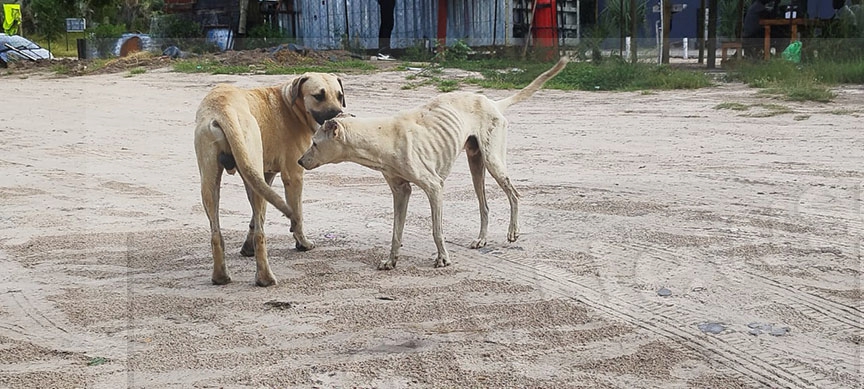
    Following three recorded deaths linked to rabies disease, the Department of Veterinary Services has taken a decision to interrupt the rabies transmission chain by culling all pets roaming the streets in the North West district.

    The department had been authorised by the North West District Council to carry out humane destruction of dogs and pigs roaming the streets. Authorisation has been granted for a period of a year subject to review as the exercise is intended to be carried out annually to manage pet population, eliminate human rabies and to promote responsible pet ownership among the general public.

    Currently, the department has issued a public seven-day notice as the culling exercise is scheduled to commence on April 14.

    Principal veterinary officer, Dr Bruce Mafonko reiterated that three deaths involving children had been recorded last month, adding that the decision to put down roaming dogs to manage public health risks and improve safety was meant to avert a repeat of the incidents.

    Dr Mafonko said from January to date, about 16 positive rabies cases in dogs and seven incidents of dog bites had been recorded.

    “We have been authorised by the local council to embark on the exercise following the rabies outbreak. The district has a high number of pets estimated at around 20 000 as compared to 15 000 recorded during the 2020 outbreak,” he explained, and added that pigs would be kept at Matimela kraals.

    While the collaborative vaccination campaign continues with the support of private organisations, Dr Mafonko said so far, 6 937 dogs had been vaccinated, and he encouraged members of the community to bring their pets for vaccination at veterinary offices from Monday to Friday.

    He said rabies was a concern that required all stakeholders to put more resources to control and contain it.

    Community health nurse, Ms Cindrella Gaebowe from the North West District Council concurred that they anticipated more positive cases of rabies looking at the number of incidents of dogs biting people in the past months.

    She said they had recorded 87 cases and three deaths, all linked to incidents of dog bites that occurred in February and March.

    Ms Gaebowe said if a patient was symptomatic and diagnostic testing confirmed rabies, the disease was nearly always fatal, explaining that treatment was typically supportive, with the only effective treatment being post exposure prophylaxis within 24 hours and immediate wound cleaning with soap and water.

    “This disease is spread by contact with infected saliva from a bite, and scratches of infested animals and dogs also carry rabies and are responsible for 97 per cent of human rabies and deaths worldwide,” she said.

    To mitigate the situation locally, Ms Gaebowe said community mobilisation continued at health facilities citing that members of the community were advised to tether their dogs until veterinary officers come for assessment.

    For his part, North West District Council chairperson, Mr Itumeleng Kelebetseng also expressed displeasure with the recorded deaths linked to rabies and attested that they had authorised the relevant authority to carry out humane destruction of dogs and pigs roaming the streets as they posed a danger to community members’ lives.

    He said the authorisation was in accordance with Bye-Law 5 (3) and 7(2) of the North West District Council.

    With respect to pigs, he said the operation would be conducted in line with the 2014 byelaw on the control of livestock and other animals, which requires that pigs be detained prior to destruction.

    Mr Kelebetseng warned members of the public to vaccinate their pets and keep pigs outside the village as reports had indicated that the rabies outbreak was believed to threaten hundreds more due to close human-animal interaction and lack of awareness about rabies.

  • Residents on High Alert as Chobe River Levels Rise

    Residents on High Alert as Chobe River Levels Rise

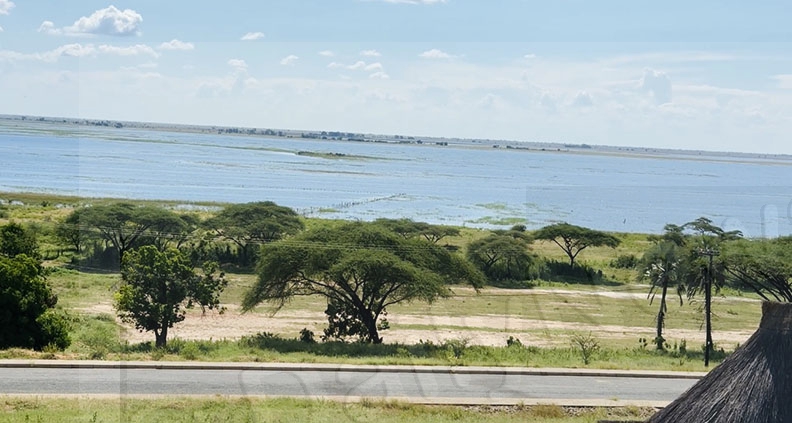
    Residents in flood prone areas are on high alert as Chobe River water levels continue to rise triggering widespread floods.

    Department of Water and Sanitation’s chief water and sanitation officer at Kasane station, Mr Otlaathusa Tshekiso said water levels in the Chobe River recorded the highest readings in five years resulting in over spilling from the main river channel into floodplains.

    He explained that this year’s hydrological patterns mirrored the high rainfall years of 2009/10, 2017/18 and 2019/20 raising alarms for flood prone communities.

    Mr Tshekiso said in the aforesaid rain seasons the water levels at Mowana station, which was used for reporting weekly national hydrological situation, exceeded the 5.35 metres threshold.

    He said the increasing water levels in the Chobe River were driven by a regional surplus in rainfall and strong inflows from the upstream Zambezi catchment.

    Mr Tshekiso indicated that lodges near Shoprite and Chobe Big Five Lodge in Kasane were sitting in a flood prone area hence flooding during a surge in water levels.

    Moreover, he said the Kachikau-Satau road as well as Satau village were highly vulnerable to isolation and inundation during Chobe River peak flows.

    Mr Tshekiso said the District Disaster Management Committee (DDMC) was conducting a community sensitisation through public announcement and schools outreach to alert students on the threats that were posed by rising water levels and possible floods.

    He said the DDMC was equally engaged in mobilising resources and putting in place mitigation measures to manage envisaged closure of flood-prone roads inside Chobe National Park.

    Furthermore, he said the DDMC would continue to conduct risk assessments in flood prone areas and educate residents to be on high alert, adding that currently no one had been displaced by the inflows. 

  • Thirty-four Bulls Test Positive For FMD

    Thirty-four Bulls Test Positive For FMD

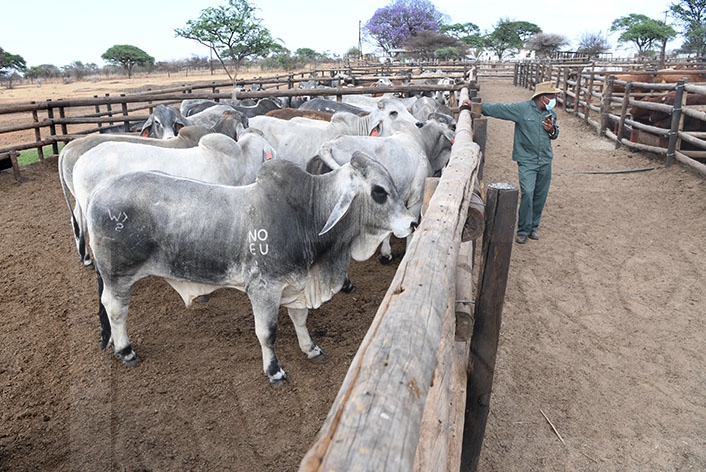
    At least 34 bulls have tested positive for the Foot and Mouth Disease (FMD) at the Ramatlabama Artificial Insemination Training Centre in Zone 11. The affected animals are part of the 65 bulls, which have been trained for semen tapping.

    According to Foot and Mouth Disease coordinator at the Ramatlabama Artificial Insemination Training Centre, Dr Odireleng Thololwane bulls were currently quarantined in their own paddock, so as to ensure that they did not come into contact with other animals, which had not been infected.  

    Also, he said all the affected bulls had been vaccinated, adding that the Department of Veterinary Services would continue with surveillance in and out of the ranch.

    He pointed out that the results of the surveillance would guide the way forward on what needed to be done.

    In addition, he said there were no signs of new infections so far.

    Ramatlabama Artificial Insemination and Training Centre is home to over 200 animals, which includes goats and cattle.

    Recently, the Acting Minister of Lands and Agriculture, Dr Edwin Dikoloti told the Ramatlabama residents in an emergency kgotla meeting that despite efforts to curb spread of the disease from South Africa, some animals at the centre were infected.

    While investigations are underway to determine where the disease came from, the ministry have since issued prevention control measures effective immediately that no cloven-hoofed animals shall be slaughtered or transported across zone 11 for any use or social events.

    Movement of cloven-hoofed animals were prohibited in zones 3c, 4a, 4b, 5, 6b, 8, 9, 10, 11, 12 and 13 while in within disease control zone 2 (Ngamiland and Okavango) and zone 1 (Chobe) is allowed.

    Still at the meeting, Dr Dikoloti also said importation and in-transit of all cloven-hoofed animals was suspended and permits were revoked with immediate effect.

    Furthermore, the acting minister pleaded for cooperation between the community and other stakeholders in order for the disease to be controlled.

    “This is a sad day for the beef industry and the economy of our country because even Botswana Meat Commission has now stopped operating,” he said. 

  • Kelebeng Appreciates Namibia Support

    Kelebeng Appreciates Namibia Support

    The third edition of Masa Easter Cup held at Masa Racing Park, Samedupi on Saturday drew crowds from all walks of life for Easter of celebration and unity.

    The event has proven to be a family affair as the excitement swept all, showing how deeply horse racing is woven into the fabric of everyday life. The thrilling event attracted diverse crowd from high profile celebrities to local fans cheering from their comfortable corners of the track.

    Themed “Hoofprints Never Fade – Honouring the Brave Horses Who Ran Before Us,” the event saw Botswana and Namibia horses battling out in a highly classic, vibrant and competitive race with top horses in the likes of the locally prominent, Western Bypass, Sliver Sky, Prince and After Shock among others.

    Amongst the multitudes, was the Minister of Sports and Arts, Jacob Kelebeng who acknowledged that horse racing occupies a unique and cherished place in the society as it connects generations, sustains livelihoods, and unites people across communities and borders.

    The remarkable event, he said not only celebrates the thrilling sport of horse racing, but also showcases the strength of the communities, the richness of their culture and the growing economic opportunities within the nation.

    He also appreciated the Namibian participation saying their presence strengthens regional cooperation and affirms the unifying power of sport within the Southern African Development Community (SADC) family. While appreciating efforts made so far in terms purchasing of starting gates, he said a lot needs to be done recognising the industry as a potential driver of economic growth and diversification as well as rural development.

    “This is an investment project that can generate more revenue for locals even for government and private sector as there is betting. It also positively impacts on livelihoods of the locals,” he said.

    Western Bypass horse from Motokwe did not disappoint its fans as it retained its title as the MASA Easter Cup champion in the 2400 meters grand race winning P20 000 followed by Pee Jay from Namibia and After Shock in position two and three, pocketing P15 000 and P10 000 respectively.

    In the 2000 meters thoroughbred category, Action Time from Namibia scooped position one while Botswana’s Diamond Dust and Red Summit took position two and three respectively.

    In the 1 600 meters thoroughbred, Whisper from Namibia clinched first price, cashing P10 000 while local horses After Shock and Silver continued their impressive form taking position two and three worth P8 000 and P6 000 in that order.