Category: Local

  • FMD prevalence declines

    FMD prevalence declines

    Vaccination for Foot and Mouth Disease (FMD) at Zone 6b, North of Bisoli Farm is at 95.5 per cent and at 96 per cent at Zone 3c – Maitengwe but a small number of cattle still show a few signs of the disease.

    Principal veterinary officer Dr Thito Seomile said comparing the numbers of cattle vaccinated during first and second phase of vaccination, the latter was recording significantly higher numbers as many farmers had been able to avail their cattle for the jab.

    Briefing the North East district FMD local command centre recently, Dr Seomile said while there were some few signs of FMD at Senyawe and Mowana crushes, generally there was a decline in FMD clinical suspect cases in both. He said because of the signs still being reported, it was clear that FMD existed in the area, hence the likelihood of a third round of vaccination in both Zone 3c – Maitengwe and 6b – North of Bisoli Farm.

    “The second phase of clinical and serosurveillance and the 10-kilometre radius at Zone 6a and 6b interface which commenced on March 10th is complete and there were no signs of FMD within that radius,” he said, adding that surveillance and inspection at Zone 3a and 3c was complete and there were no signs of FMD found.

    Dr Seomile however stated that there was still a risk of FMD incursion at Zone 6a triangle due to continuous mixing of Zone 6a and 3c cattle “Currently we have put three dozers in the 3c fence, casual labourers as well as teams of fence erectors as part of the mitigation strategy to ensure that the 3c – Maitengwe fence was closed in the shortest possible time,” says Dr Seomile.

    He indicated that clinical inspection on cattle was complete at Tonota and Tutume districts with no signs of FMD recorded. However, he said clinical inspections on other species like goats and pigs were still ongoing, while that on wildlife was still pending.

    At the moment, he said 17 Botswana cattle had been destroyed after they strayed into Zimbabwe. Dr Seomile recommended vaccination of cattle within a 20-kilometre radius inside Zimbabwe along the two county’s common borders to augment other official FMD controls.

    Regarding daily challenges on managing the disease outbreak, he said that adverse weather conditions, shortage of vehicles and heavy plant and shortage of transport often hampered their efforts. The other challenge he said, was dilapidated veterinary fences that need urgent replacement to assist avert the spread of FMD. 

  • Revamped Mpatlise App to revitalise agriculture

    Revamped Mpatlise App to revitalise agriculture

    The launch of the revamped Mpatlise Application signals a step in advancing Botswana’s digital transformation and revitalising the agricultural sector.

    It also reflects Botswana’s commitment to use technology to modernise agriculture. Launched Tuesday in Gaborone, under the theme: Shaping the Future of Botswana’s Agriculture through Digital Innovation, Assistant Minister of Trade and Entrepreneurship, Mr Baratiwa Mathoothe, said the theme represented an urgent call to action.

    He said that agriculture had long supported livelihoods and food security in Botswana, though the sector had not reached its full potential and had declined in its contribution to GDP. Mr Mathoothe highlighted ongoing challenges including fragmented markets, limited access to reliable information, inefficiencies across the value chain and barriers facing smallholder farmers.

    “These are national challenges that require urgent solutions,” he said, adding that the future of agriculture was in technology, entrepreneurship, market access and supportive policies.

    He noted that the government was driving a digital transformation agenda to boost productivity, create jobs and position Botswana as an innovation-driven economy. Mpatlise Application plays a central role in this effort, as it offers a digital marketplace connecting farmers to buyers, and provides access to services such as agro-processing, veterinary care and transport as well supports coordination of agricultural activities.

    “The platform also delivers data and analytics to improve decision-making and efficiency in agricultural trade,” he said.

    Developed by Gradeware Solutions, the app was praised for connecting stakeholders across the agricultural value chain. Mr Mathoothe said such homegrown innovations were essential for building a strong digital economy and empowering local entrepreneurs.

    He reaffirmed the government’s commitment to supporting startups, strengthening digital skills, and improving access to markets and finance. He also called on private sector partners to invest in digital agriculture and help scale solutions like Mpatlise.

    The platform is expected to formalise informal markets, improve price transparency, and expand opportunities for women and youth. Mr Mathoothe therefore urged farmers and young entrepreneurs to adopt the technology to grow their businesses and improve efficiency.

    “Technology alone is not enough, its success depends on adoption,” he said.

    He added that the relaunch marked the beginning of a broader push toward a digitally enabled agricultural sector, with future integration of technologies such as drones and smart systems. The unveiling of the app, signals a new chapter for Botswana’s agriculture driven by innovation, inclusion and sustainability. 

  • Human rights concerns drive ConCourt demand

    Human rights concerns drive ConCourt demand

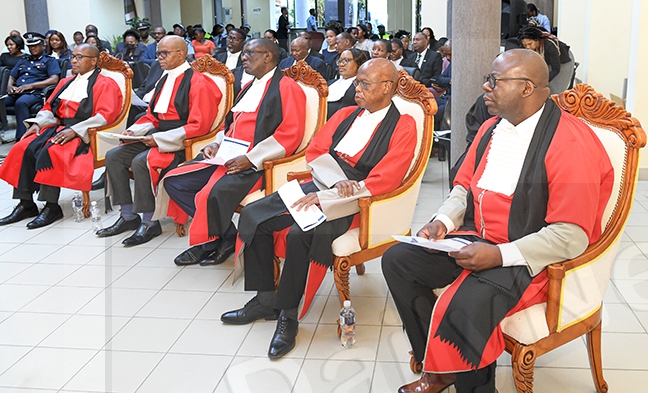
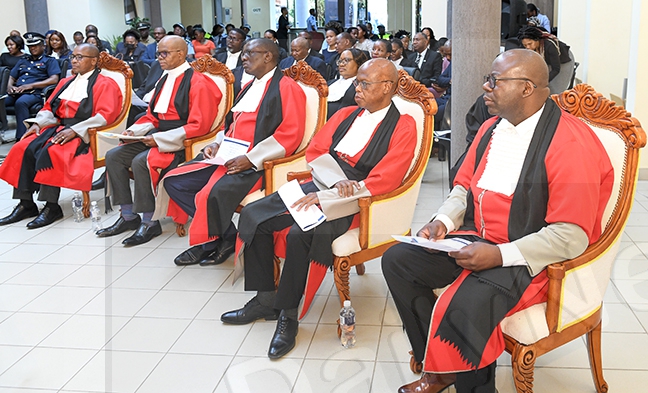
    Judges play a significant role in shaping the law, says the Minister of Justice and Correctional Services, Mr Nelson Ramaotwana.

    Addressing a kgotla meeting in Chadibe and Borolong villages recently on the government’s wish to introduce the Constitutional Court, Mr Ramaotwana told residents that judges were lawmakers in their own right.

    ‘’Judges can strike down laws deemed unconstitutional or interpret specific provisions, effectively making law,’’ he said.

    He underscored that the envisaged court, with specialised judges, would focus on constitutional and human rights issues.

    “The government plans to introduce the Constitutional Court before undertaking a comprehensive constitutional review, allowing the court to guide the process,” he said. 

    Minister Ramaotwana cited Kenya’s approach as a benchmark, where an independent Constitutional Court had been established to address similar issues. He also clarified that the government was not rushing to introduce the concourt, pointing out that the court was not even budgeted for in the 2026/2027 financial year. 

    He outlined a phased approach that would include consultations, a national referendum, and potential establishment in the 2027/2028 financial year if funds permit. The minister dismissed insinuations that by establishing the ConCourt, the government was moving towards the abolition of capital punishment.

    He reminded them that the decision to establish a concourt was first mulled as far back as 1996 by the Justice Aguda Commission and in 2022 by the Dibotelo Commission and was a formidable part of the UDC manifesto.

    Residents in Chadibe and Borolong had mixed reactions, with some objecting due to financial constraints and others rooting for the setting of the same.

    A resident of Chadibe village, Mr Otsile Mokobela said the establishment of the constitutional court would be a luxury that the country could not afford, looking at the current financial crisis.  Mr Peter Marobela, also from Chadibe argued that the court was highly needed. 

  • Over 6 300 farmers enrol for packages

    Over 6 300 farmers enrol for packages

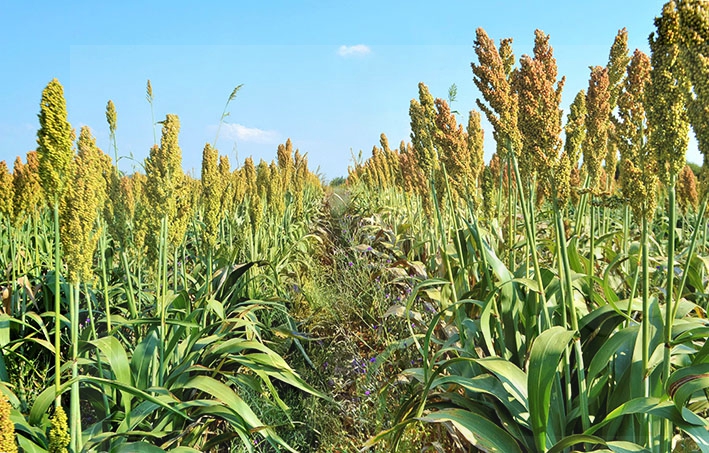
    Over 6 300 farmers in the North East district have registered for the ongoing Lemang Dijo Crop Management System with about 2 300 farmers having received grants on various packages so far.

    North East District Council (NEDC) chairperson, Mr Mbaakanyi Smart said when addressing NEDC full council on March 23 adding that in terms of ploughing this season, the district stood at an estimated ploughed area of about 1 322 hectares by 759 farmers with cereals being the most dominant crops at about 622 hectares.

    He said the programme uptake was progressing well as many farmers registered but only a few had benefitted as indicated by the number of grants received and estimated low area planted.

    “A lot of factors contributing to low uptake was the issue of coordinates requirement as per the guidelines from the service providers being tractor owners and draught power for easy of transactions and frequent change of cell phone numbers,” he said.

    While farmers took an initiative to register for Lemang Dijo System, he said the district was experiencing a serious crop damage particularly millet by Quelea birds.

    He however said plant health teams had long been dispatched to do surveillance with the aim to control them, but the exercise proved futile due to various factors such as difficult terrain and absence of breeding colonies.

    Regarding school feeding programme, he noted that the package was progressing well and delivery of milk by Food Botswana was ongoing. He said the district council had also credited schools with funds to procure breakfast food items.

    In addition to the normal food items, he said council had also credited all the 43 primary schools in the district with funds amounting to P400,000 for procurement of letlhafula from local farmers.

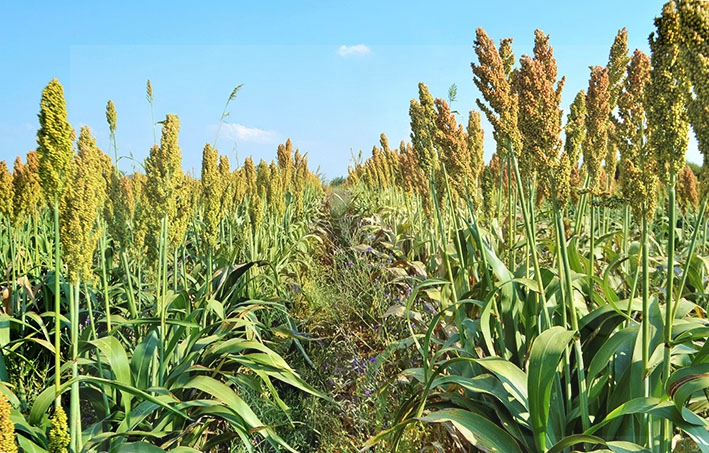
    He indicated that evaluation of Expression of Interest for milling companies on supply of sorghum meal was ongoing and would be completed before end of March this year, saying in the meantime, schools had been advised to procure sorghum meal from local milling companies using the funds credited into their accounts.

    On the issue of health, Mr Smart said the country recently experienced Malaria outbreaks in some districts including Tutume.

    He said due to heavy rains experienced this year disease outbreaks were expected and the district should remain vigilant of any cases of Malaria let alone polio that might be introduced into the region.

    “In that regard, I would like to urge our communities to clean their surroundings, cut grasses and empty any standing waters so as to prevent breeding grounds for mosquitoes. Anyone with signs of malaria is encouraged to seek medical attention immediately,” he said.

    He indicated that the Ministry of Health recently released a press release on the outbreak of vaccine derived polio virus in neighbouring counties of Zambia, Namibia and Malawi adding that although Botswana had not isolated any case yet, it remained vigilant.

    He encouraged everyone to seek medical attention if they suspected or saw a weakness of limps in their children and also to ensure that their children were vaccinated against polio.

    Regarding shortage of doctors, Mr Smart said the procurement for telemedicine equipment was underway and at a final stage with the expectation that by beginning of this coming financial year it would be operational.

    Mr Smart highlighted that government was still experiencing temporary medicine shortages, but indicated that decisive government action and ongoing reforms were steadily restoring drug availability and strengthening the national health supply system.

    He noted that the ARV situation had stabilised in the district with patients going back to normal multi month dispensing of three months while the current supply of anti–hypertensive and anti-diabetics was limited in some facilities adding that measures were underway to replenish stocks and stabilise availability.

    However, he said, Anti-hypertensive availability was at 64 per cent while anti-diabetics was at 90 per cent with below optimal stock for eye drops and oral antibiotics for both adults and pediatrics. 

  • Tsabong-Khawa Rally roars back

    Tsabong-Khawa Rally roars back

    The silence of the Kgalagadi Desert is set to give way to the thunder of high-performance engines as the Botswana Off-Road Racing Championship (BORRC) launches its 2026 season with the highly anticipated Tsabong-Khawa Rally this coming weekend. 

    The event marks a dramatic return to the dunes and promises a thrilling showcase of speed, endurance, and technical mastery.

    Affectionately dubbed the ‘Mantshwabisi’ of the south by locals, the rally will traverse the demanding corridor between Tsabong and Khawa; a route renowned for its deep, shifting sands and unpredictable terrain, which presents a true test of both machine reliability and driver skill.

    Race Director for the Botswana Racing Championship, Moin Ahmad, confirmed in an interview that the opening round would take place from March 27 to 28.

     Ahmad noted that this year’s entry list was already generating excitement, with expectations of renewed rivalry between dominant off-road marques, particularly the Toyota Hilux and Ford Ranger contenders. 

    Beyond the powerful T1 class trucks, spectators can also look forward to a fleet of agile buggies and side-by-side vehicles. Often referred to as ‘sand flies’, these lighter machines are crowd favourites, celebrated for their ability to glide over terrain that typically bogs down heavier vehicles.

    While the rally promises adrenaline-fueled action, Ahmad emphasised that precision and strategy would be crucial, as performance in this opening round, was likely to influence the overall championship standings.

    For the communities of Tsabong and Khawa, the rally represents more than just motorsport. It is a major cultural and economic event, expected to draw spectators from across the country and stimulate business activity.

    With teams finalising preparations for this Botswana Motorsport sanctioned event, anticipation is building nationwide, all eyes are now on the Kgalagadi as engines rev and the dust prepares to rise on another defining chapter in Botswana’s off-road racing legacy.

  • Ntema redefines Botswana tourism experience

    Ntema redefines Botswana tourism experience

    Onalethuso ‘Mambo’ Ntema, a musician, traditional percussionist and cultural heritage management practitioner, is redefining Botswana’s tourism experience through innovative cultural ways.

    Through his enterprise, Africanites, Ntema has pioneered a creative cultural tourism model that offers alternative safari activities, aimed at extending visitor stays and diversifying the Kasane tourism experience. 

    “I blend arts, culture, tourism and massage therapy to enrich the visitor’s journey in Kasane,” he said.

    At 41, the Matsaudi-born entrepreneur has carved out a niche market that fuses artistic, cultural and wellness experiences tailored for tourists, corporates, families and events.

     Working in collaboration with partners such as Big Tim Arts and Kitto’s Beauty Spa, and hosted at  Rustiek Hotel along the Chobe River in Kasane, his offerings have expanded to include camping equipment hire, cultural tours, drum circles, live Afro-jazz performances and unique packages such as Drums, Paints and Massage.

    Currently, visitors to Kasane spend an average of two nights. His target market includes tourists, students, corporates and families, with tour operators and hospitality establishments serving as key partners in delivering these experiences.

    A University of Botswana alumnus with a Bachelor of Arts in Sociology, Ntema has dedicated much of his life to advancing cultural tourism. His travels across Africa and beyond have inspired him to integrate community lifestyles into the tourism value chain.

    Since establishing Africanites in 2012, he has published poetry, including Soul Seeds (2014, UK), performed internationally at Germany’s Markt der Voelker, and earned several accolades. 

    These include being a Top 3 finalist at the Botswana Youth Awards in 2017, winner at the Botswana Travel and Tourism Awards in 2020, and a Top 5 finalist at the Africa Tourism Leadership Forum in 2023.

    Known in artistic circles as Mambo Ntema, he describes himself as an advocate for self-reliance and sustainability. His mission is to build a cultural enterprise that drives local economic development while preserving authenticity.

    He emphasised that although cultural tourism remains a niche market, it holds significant potential if packaged strategically around unique selling points. “The cultural sector is a green diamond that must be mined carefully, avoiding over-commercialisation,” he said.

    Ntema further called on government to establish clear policies on arts, culture and sustainability, and to harmonise efforts across ministries and tourism stakeholders.

    He said stronger collaboration among institutions such as the National Arts Council of Botswana, Botswana Tourism, and relevant ministries could elevate culture into a key socio-economic asset. 

    Ntema believes integrating participatory cultural activities into travel itineraries could encourage longer stays and deeper visitor engagement. 

  • Botswana Open University strives for inclusive education

    Botswana Open University strives for inclusive education

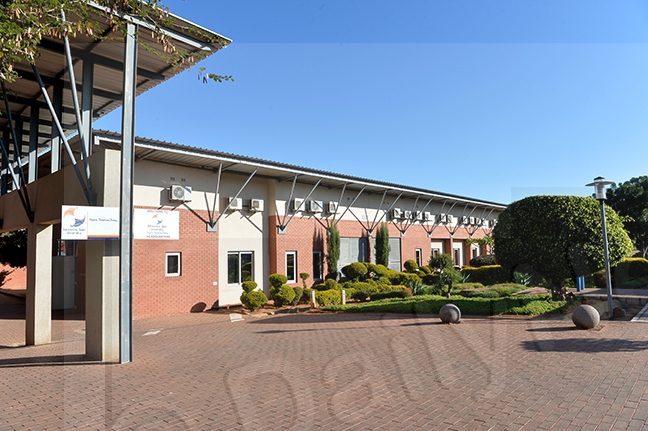
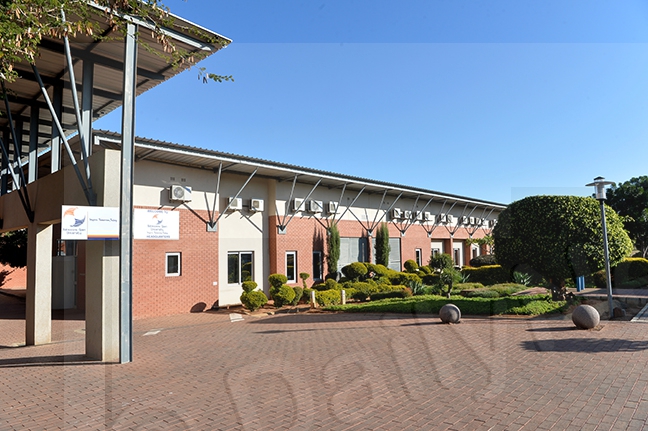
    Botswana Open University (BOU) provides accessible and inclusive education that accommodates all potential learners without any limitations to their personal status such as locations and previous academic performance or employment. 

    Answering a question in Parliament from Member of Parliament for Maun West, Mr Caterpillar Hikuama, Minister of Higher Education, Mr Prince Maele said BOU currently operated 26 learning centres and 19 examination centres across five regional campuses. 

    He added that all the five BOU regional campuses; Gaborone, Maun, Kang, Palapye and Francistown were fully connected to the internet where students were encouraged to physically visit the campuses and had free access to internet. Moreover, he said some BOU students leveraged SmartBots connectivity at various government hotspots to access their learning materials. 

    “Furthermore, to enable interactivity, other means of communication are utilised to reach students, for example, bulky SMS where messages are sent to students to draw their attention to certain discussions in the instructional materials,” Mr Maele explained. 

    He said WhatsApp capabilities were also used for engaging students and Google Meet to deliver tutorials and run synchronised group discussions. Minister Maele further explained that BOU provided education at junior certificate (JC), Botswana General Certificate of Secondary Education (BGCSE) and pre-vocational levels using open distance learning methodologies. He also indicated that BOU employed decentralised learner support model to reach even the most marginalised learners. 

    “The principle of shared use of resources in public schools facilitates the teaching and learning process through contact tutorial session in collaboration with local communities,” the minister said.

    However, he noted that students experienced connectivity challenges from time to time due to both inadequacies of national connectivity grid and individual affordability.  

    “It must be noted that prior to COVID-19, whilst course content was availed through the moodle for download, tutorials were offered face to face at the regional campuses and students were expected to attend,” Minister Maele said. 

    He further noted that most of BOU tertiary students (60 per cent) were adult individuals who were employed, some of whom had access to internet at their workplaces. The minister added that BOU also fostered inclusivity by profiling its students to identify those with special needs and served them through assistive technologies and other means. 

    Parliament also heard that from 2018 to 2025, BOU enrolled 13,139 students for JC and 47,912 for BGCSE, and the minister attributed the decrease in enrolment from 2022 to limited resources for open schooling since the introduction of the Back to School during the BOCODOL era, when funding for it came from composite Ministry of Education, covering both basic and higher education. 

    “It is hoped that participation of BOU as a partner in the Bula Buka project will help to inject the required resources and give boost to the enrolment,” the minister said. 

  • BORAVAST farmers warn about structural malfunction

    BORAVAST farmers warn about structural malfunction

    The battle against Foot and Mouth Disease (FMD) in the Kgalagadi South region is reaching a breaking point, driven not only by the virus itself but by a systemic disconnection that has left the  Bokspits, Rappelspan, Vaalhoek and Struizendam (BORAVAST) community feeling like outsiders in their own country.

    Local farmers within the cluster are warning that a structural malfunction within the Department of Veterinary Services is turning one of Botswana’s most productive green zones into a landscape of desperation.

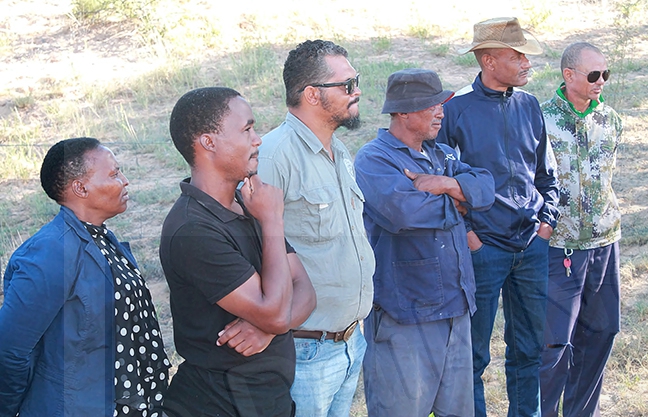
    Speaking during a meet-and-greet session held by the Tsabong District Emergency Operation Team, Mr Darryl Van Der Westhuizen, a prominent voice among the Kgalagadi farming community, called for immediate overhaul of the agricultural ecosystem.

    He warned that current administrative barriers were effectively shutting down the local economy and creating a climate of exclusion. Despite the Boravast community’s proactive efforts to mend boundary fences and secure their stock without government assistance, Mr Van Der Westhuizen said the emotional and financial weight had become unbearable.

    He described a grim reality where the state’s primary contribution to the FMD fight has been the culling of livestock rather than the support of livelihoods. A chilling lack of psychological support for farmers forced to watch their entire livelihoods destroyed by mandatory culling was also highlighted.

    According to Mr Van Der Westhuizen, government has failed to account for the trauma of such losses, which he warned could lead to a mental health crisis, including the risk of suicide among those left with nothing. The geographical isolation of the BORAVAST area had further turned routine veterinary services into a financial nightmare, he noted. 

    Mr Van Der Westhuizen pointed out the absurdity of the current centralised system, where a farmer requiring a P13 Keeper ID card or P20 worth of small stock ear tags was forced to travel to Tsabong, a trek of over 260km one way that often involved costly overnight stays.

    The logistical hurdles did not end with the journey, he said once an animal was finally tagged, a farmer must wait an additional three weeks for the system to update before a sale can be legalised.

    “These impossible hurdles are creating desperate farmers who may eventually turn to livestock smuggling into South Africa just to survive, ironically creating the very FMD risk the government is trying to prevent,” Mr Van Der Westhuizen warned.

    He further cautioned that desperate situations created desperate people, noting that the sentiment in BORAVAST was that the area had been neglected for far too long. If government truly intended to eradicate FMD, locals said they must first address the infrastructure that kept the BORAVAST economy in a state of permanent lockdown. Furthermore, he said the green zone status of the region appeared to be a title held only on paper. 

    While the Botswana Meat Commission (BMC) quoted premium prices of P53/kg for such zones, Mr Van Der Westhuizen revealed that Boravast farmers were being exploited by market sharks, feedlots and butcheries from the north who capitalised on the area’s isolation.

    He noted that while farmers read about premium prices on social media, they were reportedly receiving as little as P20/kg, a rate significantly lower than even the red zone prices in Ngami. The community is now calling for an urgent summit with national leadership to move away from a strategy of fear and toward a partnership of prosperity.

    Mr Van Der Westhuizen believed that if government invested in proper market access and treated farmers as allies, the BORAVAST region could become a cornerstone of the national Gross Domestic Product through smallstock production.

    Responding to the concerns, principal veterinary officer, Dr Tshephang Moeng informed farmers that government has recognised the emotional toll of the crisis. Dr Moeng announced that psychological counselling has been arranged and those who have been affected by the mandatory culling would be assisted in due course. 

  • Air Botswana deploys plan to stabilise performance

    Air Botswana deploys plan to stabilise performance

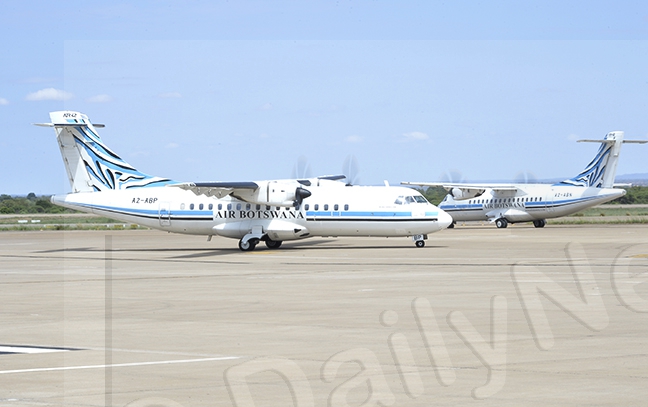
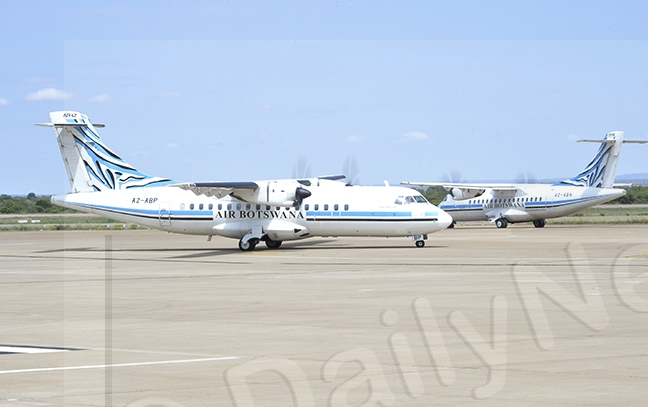
    Air Botswana has implemented a short-term strategic plan to stabilise its performance, starting with the completion of a mandatory C-check maintenance on its ATR72-600 on March 6, increasing the airline’s operational fleet to three aircraft, though it currently maintains a two-aircraft schedule. 

    Answering a question in Parliament, Assistant Minister of Transport and Infrastructure, Mr Keoagile Atamelang said the process of operationalising two grounded ERJ145 aircraft had begun. That, he said, included a five-phase certification process and repatriation of the planes from Namibia, with the first aircraft expected to arrive in Botswana in April. 

    Mr Atamelang apprised Parliament that a crew re-qualification programme was underway to create a standby pool for all aircraft types by the end of April. Simultaneously, he said the airline was optimising its current crew assignments to better match flight operations. 

    To bolster revenue, he said Air Botswana was implementing a tactical sales strategy, which included incentive programmes for travel agents, tour management companies and private firms. 

    “Interline and codeshare partnerships are being rationalised to offer a seamless travel experience and eliminate the need to collect baggage and re-check at connecting airports, including Johannesburg,” the assistant minister said. 

    However, he indicated that external factors posed a significant threat owing to the conflict in the Middle East which had disrupted crew training slots in the UAE, while rising fuel prices in South Africa were also affecting ticket affordability. 

    He further told Parliament that the airline did not achieve profitability by the end of December last year. To manage costs, he said Air Botswana trimmed its network last August, suspending routes that failed to cover direct operating costs which included Gaborone to Durban, Gaborone to Windhoek and Maun to Windhoek. 

    “These suspensions saved the airline approximately P44 million between August and December last year,” he said.

    The assistant minister attributed the weak performance to low revenue generation and poor load factors or seat occupancy.  He cited loss of market share, intensifying competition and decline in public confidence due to unreliable operations as primary drivers. 

    “This unreliability was caused by aircraft constraints and crew shortages,” he added. 

    Maun North legislator, Mr Dumelang Saleshando, had asked the minister for an update on the airline’s profitability following previous presidential declarations and inquired whether a formal strategic plan was in place to ensure future financial viability. 

  • Kazungula OSBP begins 24-hour operations April 1

    Kazungula OSBP begins 24-hour operations April 1

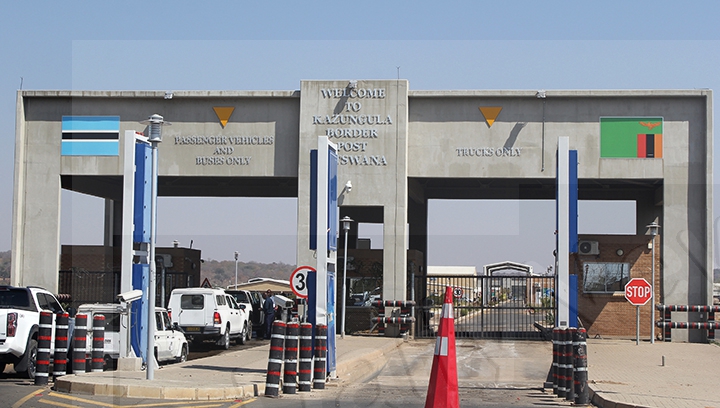
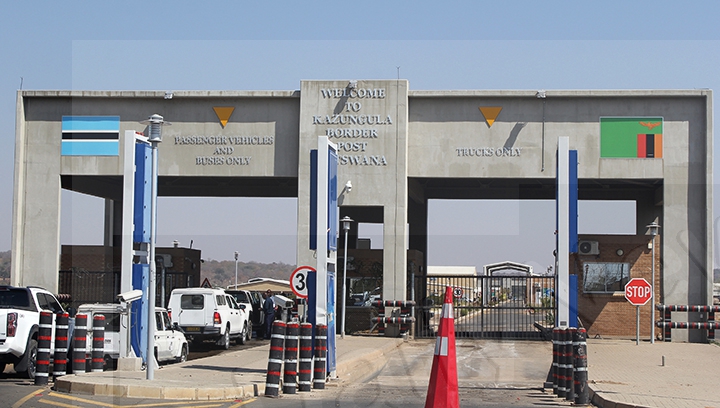
    Preparations to transition the Kazungula One-Stop Border Post (OSBP) to 24-hour operations are underway, with full implementation scheduled for April 1.

    Addressing the Chobe District Development Committee recently, Kazungula Bridge Authority (KBA) executive director, Mr Mukela Muyonda confirmed that the authority had fast-tracked the rollout, following a directive from Presidents Duma Boko and Hakainde Hichilema to transition to a 24-hour and ultimately non-stop border post.

    Mr Muyonda revealed that the Zambia Revenue Authority (ZRA) recently piloted 24-hour operations following a strategic meeting with the KBA. He added that other border agencies were continuing to build momentum leading up to April 1.

    Furthermore, he noted that the KBA was set to meet with the Botswana Unified Revenue Service (BURS) to strategise the transition and implement systems that ensured seamless shift for travellers and logistics companies.

    Again, he emphasised that robust IT systems were the backbone of such a transition and modernised systems would allow cargo transporters to capitalise on pre-clearance efficiency and minimise physical inspections for low-risk goods.

    He also informed the committee that the KBA’s mandate had been broadened by the two member states with a goal to transform the authority from a single-asset operator into a regional investment platform that catalysed development in logistics, tourism, agriculture and related supply chains.

    “The effectiveness of the Kazungula OSBP hinges on efficient border management and strong coordination between agencies in Botswana and Zambia,” he said. 

    He added that such a mandate was driven by rising traffic along major routes like the North-South Corridor, surging exports in mining, agriculture and manufacturing from Zambia and neighbouring countries as well as increased passenger movement within the Kazungula-Victoria Falls-Chobe region.

    Mr Muyonda further stated that the authority would continue engaging with governments, border agencies and all stakeholders to realise the full potential of the 24-hour OSBP.