Category: Local

  • Mbizi initiative brings schools back to life

    Mbizi initiative brings schools back to life

    In the early 1980s, Botswana introduced community junior secondary schools to address the shortage of secondary schools.

    Initially, the schools were established to address the shortage of senior secondary schools, with community involvement in construction and operations through a Board of Governors.

    Over time, government, however, took full control, and community involvement seemingly dwindled. Recently, there is a renewed interest in revitalising community participation and in the North East region, an initiative called Mbizi was introduced.

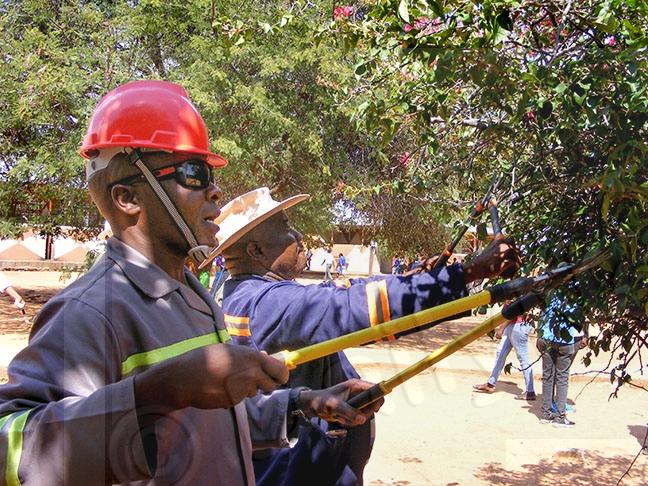
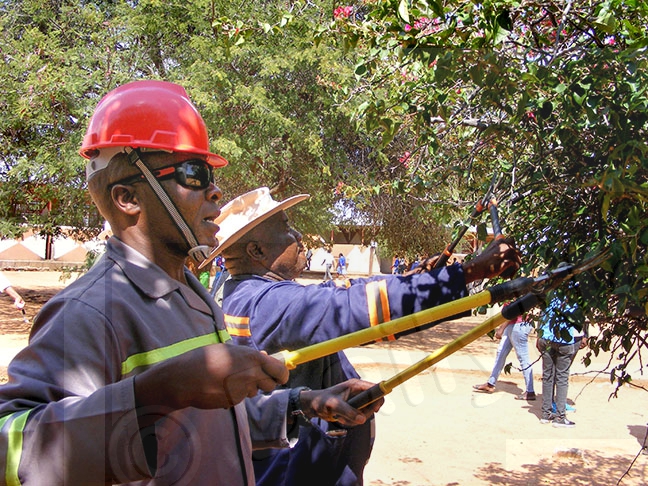
    Mbizi, a Kalanga word for ‘Molaletsa’, brings community members together to maintain schools. Using their own tools and skills, they cut trees, and undertake a variety of maintenance works including carpentry, bricklaying, plumbing and painting; saving schools huge sums of money.

    In 2023, at Batanani Junior Secondary School in Mapoka, the initiative saved P512 million, reducing the tendering price to P80,000.

    According to Dr Moses Mpuchane, regional Parents Teachers Association chairperson for the Ministry of Child Welfare and Basic Education’s North East region, Mbizi was the answer to the often exorbitant maintenance bills.

    “Compared to tendering, Mbizi is much cheaper. Various companies donate free materials and we used free skills from brigade students,” he said, making reference to the work that had been undertaken at Batanani JSS through the initiative.

    He noted that the initiative reduced costs by over 80 per cent, which was commendable.

    “The Mbizi initiative is as good as it is effective,” Dr Mpuchane said. “It brings back community members’ sense of ownership in respect to schools in their localities.”

    He explained that though government has taken full control of junior secondary schools, Mbizi aims to re-establish community involvement.

    Dr Mpuchane emphasised that the initiative was borne out of the urgent need to address the glaring dilapidation of schools, particularly those with boarding facilities.

    The state of such schools required much more than simple maintenance as it bordered on rendering facilities completely inhabitable. This called for urgent attention, and Mbizi became the much-needed solution.

    “Mbizi is good because it reduces the costs of maintenance. When tendering is used, bidders often hike prices, making the cost of maintenance unbearable for government,” he said.

    Dr Mpuchane is heartened by the support of parents of learners of the four junior secondary schools in the North East Region, and had indicated that support for the initiative had shown how much communities could achieve when they worked in unison. He believed that such initiatives were a legacy and must be continued for the good of communities.

    “Just imagine parents, teachers, brigade students, and learners themselves coming together for one common goal,” he said, summing up the power of Mbizi.

    Mr Leaname Tebele, chief public relations officer for the northern region, said the Mbizi initiative remained a vital part of the community in Botswana’s North East region, with Phase II set to focus on priority needs.

    According to Mr Tebele, community involvement had always been integral to schools’ operations. He clarified that community involvement was never removed, but rather, the board of directors, was dissolved.

    He said Phase 11 of the initiative would focus on priority needs, building on the success of Phase 1, whose focus was boarding schools.

    He explained that five schools in the North East region benefited from the initiative, demonstrating the potential for community-driven development. These, he said, were Shanganani JSS in Tsamaya, Thamani JSS in Tshesebe, Batanani JSS in Mapoka, Matsiloje JSS in Matsiloje, and notably, Tashatha JSS in Tati Siding did not benefit at the time because it was not a boarding school.
  • Horses ready to trot at Ma-Sa Easter Cup race

    Horses ready to trot at Ma-Sa Easter Cup race

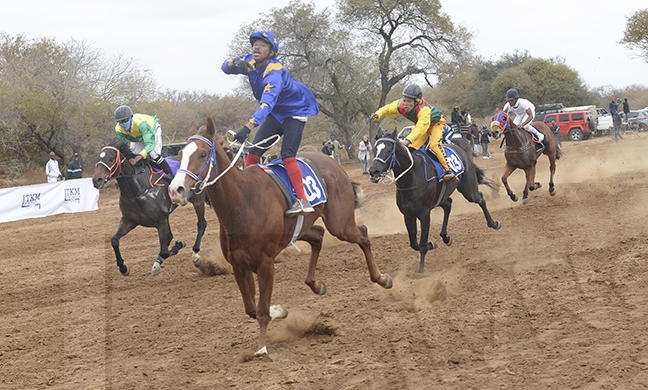
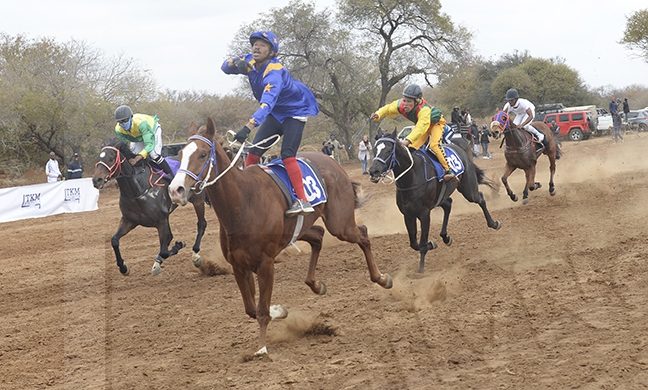
    Preparations for the third edition of Ma-Sa Easter Cup are in the final lap and horses have started to arrive at the race venue to familiarise themselves with the surroundings.

    Organised by Ma-Sa Racing Park owner in support of Botswana Horse Racing Association, the event is billed for April 4 at Ma-Sa Racing Park just 15km outside Maun.

    This year’s theme is: Footprints Never Fade–Honouring the Brave Horses Which Ran Before Us. Horses from Botswana, South Africa and Namibia will compete in the race.

    Already Namibia has brought more than 30 horses while locally, participating horses are from Maun, Kareng, Motokwe, Tsabong, Takatokwane, Goodhope, Charles Hill and Kokotsha among others.

    Currently, trainers are busy focusing on ensuring that horses are calm and acclimatise to the race day environment while some are to ensuring availability of all the gear and equipment. The horses’ welfare supersedes everything else.

    Ma-Sa annual race usually attracts competitors and supporters from across the country and even beyond the border, so this year’s edition would incorporate starting gates.

    The event spokesperson, Tico Otukile, said they have introduced some changes to make the race more vibrant and competitive.

    He said they have introduced new races of  1100m, 1300m and 2000m under Thorough breed and short distance race of 800m and  1000m dedicated for Tswana breed category.

    “We have also resolved that this time, no Tswana horses from outside North West District will participate in the event because we have enough horses within the district from Makalamabedi all the way to Kuke gate,” he added.

    Furthermore, Otukile revealed that horses racing in 800, 1000, 1100, 1200 and 1400 metres would be using professional racing starting gates, which accommodates only 10 horses at a time.

    Spectators and competitors, he said, would be treated to a highly classic and competitive race, ensuring safety, fairness and greater professional integrity from the start.

    Otukile also stated that dignitaries from Namibia in the likes of chairperson of the Omaheke Regional Council, Rocco Nguvauva and the chief regional officer of the Council, Pecka Semba together with North West District leadership including the council chairman, Itumeleng Kelebetseng and his counterparts from Charles Hill and Ghanzi would grace the occasion. 

  • Surge in non-bank financial sector prompts tighter oversight

    Surge in non-bank financial sector prompts tighter oversight

    The rapid expansion of non-bank financial institutions (NBFIs), now representing a substantial share of financial assets worldwide, is reshaping global and domestic financial systems, prompting regulators to strengthen oversight and adapt to a range of emerging risks.

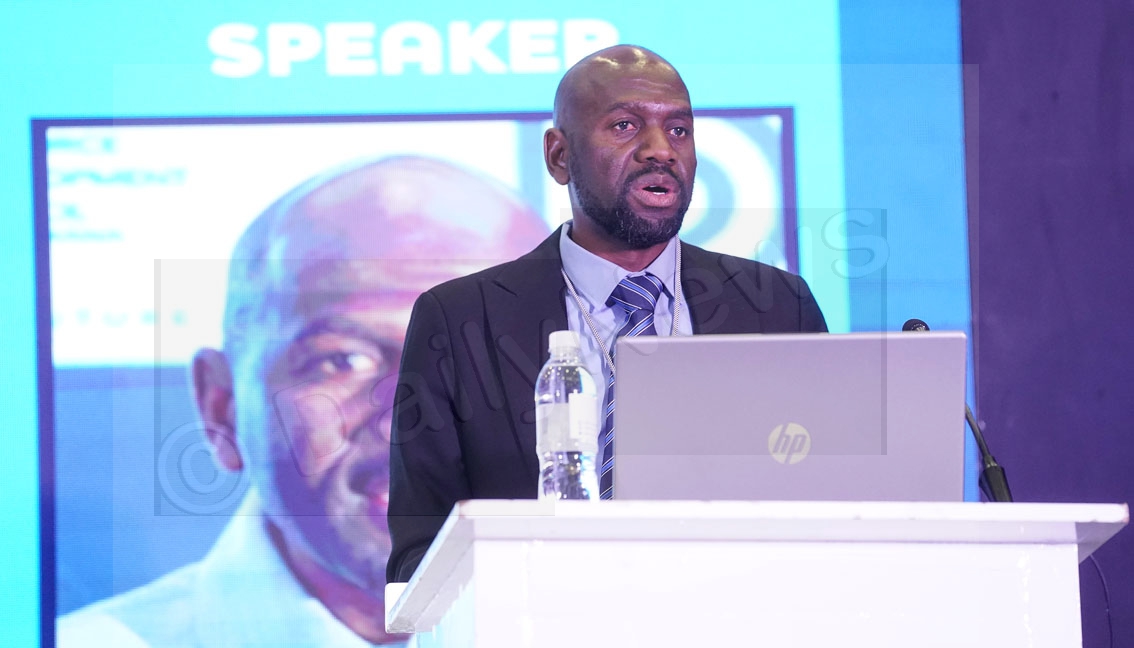
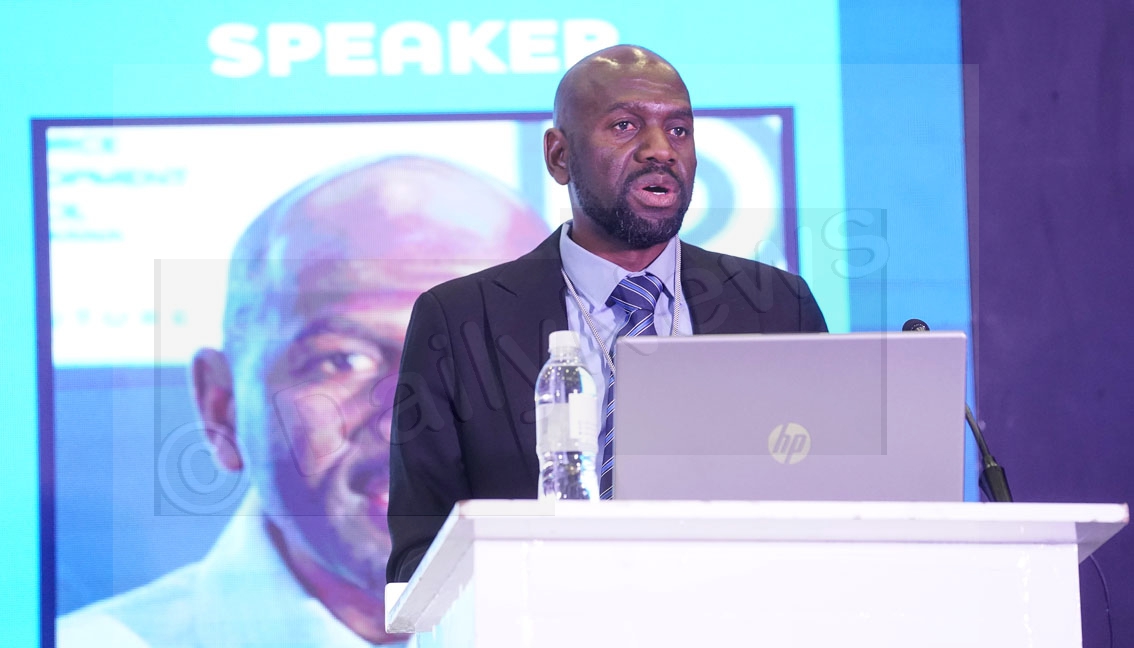
    According to the Financial Stability Board, the sector grew by 9.4 per cent in 2024, almost twice the pace of traditional banking institutions, and accounts for nearly 51 per cent of global financial assets, Non-Bank Financial Institutions Regulatory Authority (NBFIRA) senior risk coordinator, Ms Tumisang Ramotlopi, said Wednesday during the Exclusive Human Capital Consultancy (EHCC) summit that was held in Gaborone.

    Domestically, she said NBFIs constituted more than half of the financial system’s assets, with retirement funds, insurance companies and capital markets contributing significantly to the sector’s growth.

    Ms Ramotlopi explained that the regulatory landscape was shared among several key institutions, adding that the central bank oversaw banking stability, while the Financial Intelligence Agency focused on combating money laundering and terrorism financing.

    NBFIRA is tasked with supervising the non-bank sector, including insurance, retirement funds, capital markets and virtual assets, ensuring those institutions operate safely and in line with regulatory expectations.

    A central concern Ms Ramotlopi raised was the increasing interconnectedness between banks and NBFIs, explaining that previously distinct sectors were now deeply linked, creating structural vulnerabilities that could amplify the transmission of financial shocks.

    She mentioned that geopolitical tensions, cross-border financial flows and technological disruptions, including advances in artificial intelligence and digital assets were further complicating the risk landscape.

    Cybersecurity threats were also highlighted as a critical concern, with global assessments showing that such threats continued to rise in frequency and severity, and had the potential to disrupt essential services, undermine public trust and cause economic damage, particularly if large institutions are targeted.

    To address these challenges, Ms Ramotlopi stated that regulators were enhancing risk-based supervision, improving stress testing and operational resilience as well as strengthening financial crime detection systems.

    She further added that there was also a growing focus on environmental, social, and governance (ESG) compliance, data protection, and the adoption of regulatory technology (RegTech) to monitor compliance in real time.

    Ms Ramotlopi emphasised that the future of compliance was in balancing innovation with robust governance, noting that technology offered significant opportunities for efficiency and risk management, but must be implemented responsibly with proper oversight, ethical safeguards and risk frameworks.

    “Effective collaboration between regulators, financial institutions, and stakeholders is essential,” she said, further adding that “ensuring resilience in the non-bank financial sector is crucial for economic stability and sustainable growth.”

    Ms Ramotlopi said that as NBFIs continued to expand, the sector’s resilience and compliance capabilities would be key to maintaining confidence in the financial system while supporting innovation and long-term growth.

    EHCC chairperson, Mr Joe Ndadi, highlighted the organisation’s mission to deliver tailored digital solutions focused on customer needs, security and ethical practices.

    With the theme: The Future of Compliance, Innovation, and Artificial Intelligence, Mr Ndadi said the summit would address growing regulatory demands and the impact of emerging technologies.

    The two-day summit, featuring discussions on risk management, corporate governance, ESG principles and global compliance trends, brought together government officials, business leaders and key stakeholders, to equip them with practical tools to strengthen compliance and manage risk in an evolving business environment.

  • Butale Warns Against Foreign Military Work

    Butale Warns Against Foreign Military Work

    The Minister of International Relations has issued a strong warning to Batswana against accepting foreign military or security-related opportunities, as the government intensifies investigations into two citizens believed to have been recruited into the Russia-Ukraine conflict under unclear circumstances.

    The caution reinforces a February advisory issued by the government, which warned of emerging recruitment schemes targeting young Africans with promises of employment and training abroad, particularly in regions affected by conflict.

    The government confirmed that it first became aware of the matter on 17 November 2025, following reports that the two nationals may have been enlisted under contract and placed under the control of the Russian military.

    To date, authorities say they have not received credible information confirming the status of the two men, with their exact whereabouts still unknown.

    “Do not be misled.”

    In a firm advisory, the Minister warned that offers of overseas training or employment, particularly those linked to security or military work, can conceal dangerous recruitment schemes.

    “The information we have received suggests that the individuals were persuaded to travel under the pretext of training opportunities. We urge Batswana, especially young people, to exercise extreme caution and to verify any such offers through official channels,” the government stated.

    The February statement had similarly cautioned citizens against engaging with unverified foreign recruiters, noting that such schemes often operate through informal networks, social media platforms, and intermediaries posing as legitimate agents.

    Authorities emphasised that Botswana law strictly prohibits citizens from enlisting in foreign armies or participating in foreign wars, warning that such actions carry both legal and life-threatening consequences.

    Potential trafficking case

    The government is treating the matter as a potential case of human trafficking or unlawful recruitment, consistent with concerns raised earlier this year about the growing international trend of covert recruitment into conflict zones.

    Records show that the two men travelled from Botswana to South Africa on 30 June 2025, before eventually making their way to Russia.

    Diplomatic missions have since been placed on heightened alert, with specific instructions, first outlined in the February advisory, to prioritise cases involving possible trafficking or recruitment of Batswana into foreign conflicts.

    Diplomatic pressure mounts

    Botswana has engaged both Russia and South Africa at multiple levels in an effort to trace the missing nationals.

    The Ministry confirmed that continuous diplomatic engagement with the Russian Government is underway, with the Russian Ministry of Foreign Affairs acknowledging Botswana’s communication and indicating that it is still investigating the allegations.

    At the same time, Botswana’s High Commission in Pretoria is working closely with South African authorities, including the Department of International Relations and Cooperation (DIRCO), to track the movements of the individuals and any networks involved.

    Ministerial-level engagements between Botswana and South Africa are ongoing, with the government expressing appreciation for South Africa’s cooperation.

    Presidency involved, families supported

    The Presidency has been fully briefed and continues to receive regular updates from relevant agencies, with the Government confirming that high-level diplomatic engagements are ongoing.

    Meanwhile, the families of the missing men are receiving psycho-social support, with the Government maintaining regular contact to provide updates as investigations progress.

    Previous repatriation offers hope

    In a related development, the Government confirmed that one Motswana citizen was successfully repatriated in December 2025, following coordinated efforts by the Botswana Embassy in Stockholm, which is accredited to Russia.

    Authorities say this demonstrates that diplomatic channels remain critical in resolving such cases.

    Strengthening prevention measures

    Building on measures announced earlier this year, the Government has intensified efforts to prevent similar incidents.

    Officials have urged the public to report any suspicious offers, particularly those targeting unemployed youth with promises of training or employment abroad.

    Repatriation contingent on findings

    The government reiterated that repatriation efforts will proceed once the whereabouts of the two men are established, adding that all diplomatic and legal channels are being pursued to secure their return.

    As investigations continue, authorities say the case highlights a broader national concern that Batswana are increasingly being targeted by transnational recruitment networks linked to foreign conflicts, requiring heightened vigilance from both citizens and the state.

  • Ramaotwana promises projects fulfilment

    Ramaotwana promises projects fulfilment

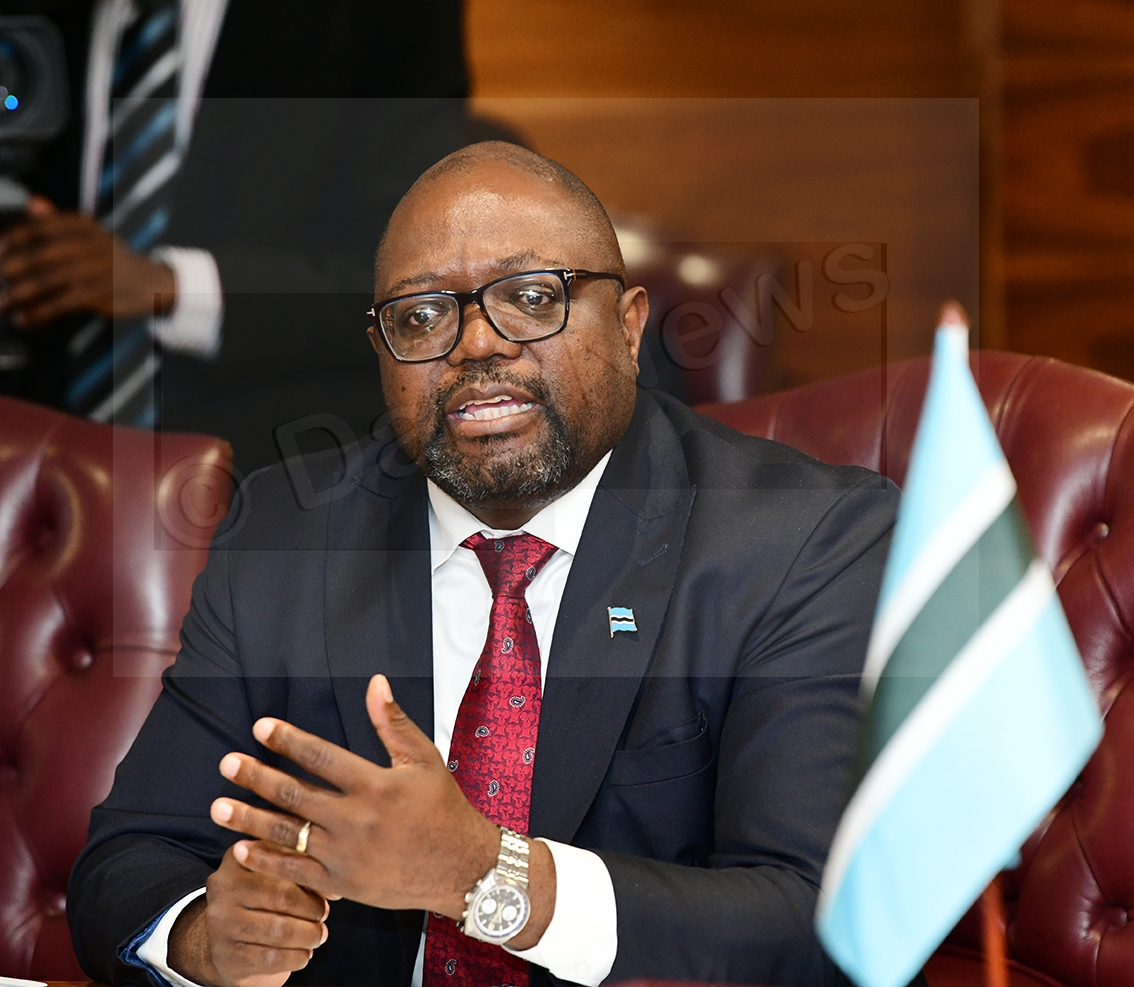
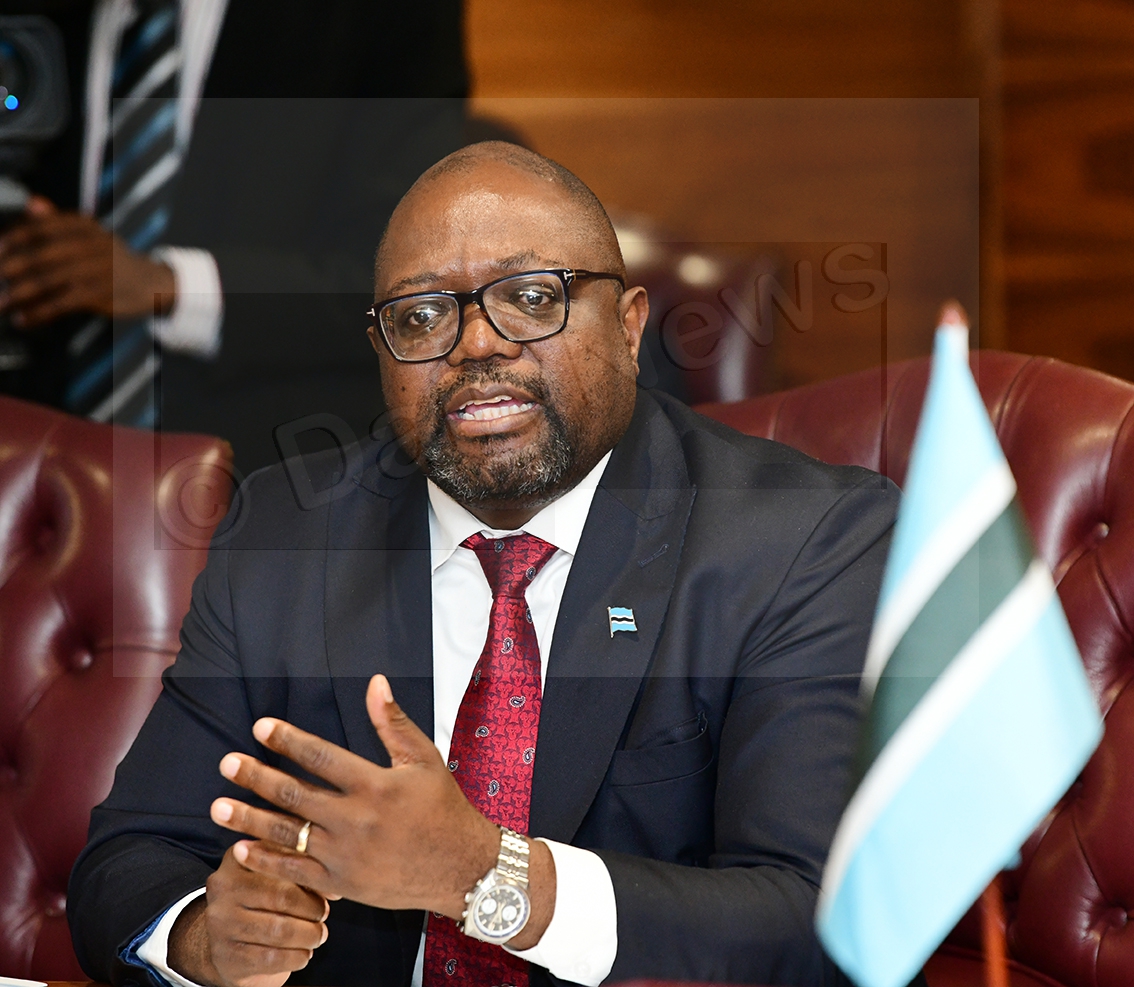
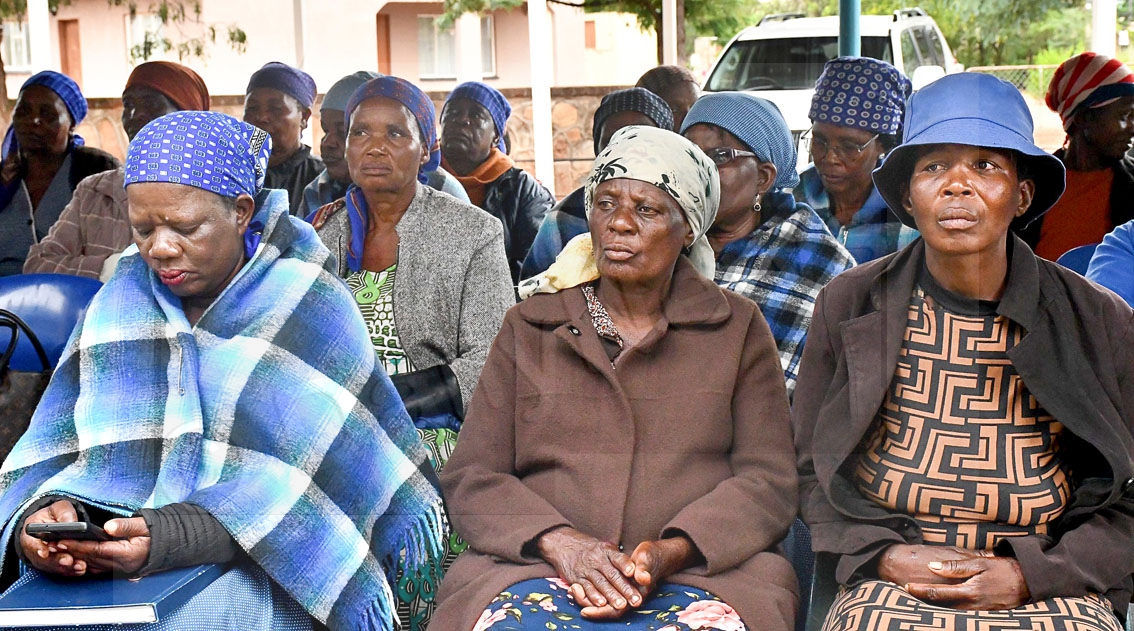
    Minister of Justice and Correctional Services has assured Tobane residents that the proposed establishment of the Constitutional Court will not interfere with development plans.

     In fact, Mr Nelson Ramaotwana said planned and routine projects such as maintenance and refurbishment of facilities in the health and education sectors, would go as planned. 

    Consulting with the residents on the proposed establishment of a ConCourt on Wednesday, Mr Ramaotwana said over P800 million was allocated for maintenance and refurbishment of various education facilities across the country, as well as for purchasing necessary educational resources.

    He also stated that the health sector had been prioritised too, with arrangements being made to acquire new ambulances, medication, and other essentials.

    Mr Ramaotwana said the aforesaid planned projects were an indication that government acknowledged challenges in the sectors.

    He highlighted that the purpose of the court was to uphold the rule of law and ensure justice for all citizens, emphasising that it would coexist with, rather than hinder, necessary developments throughout the country.

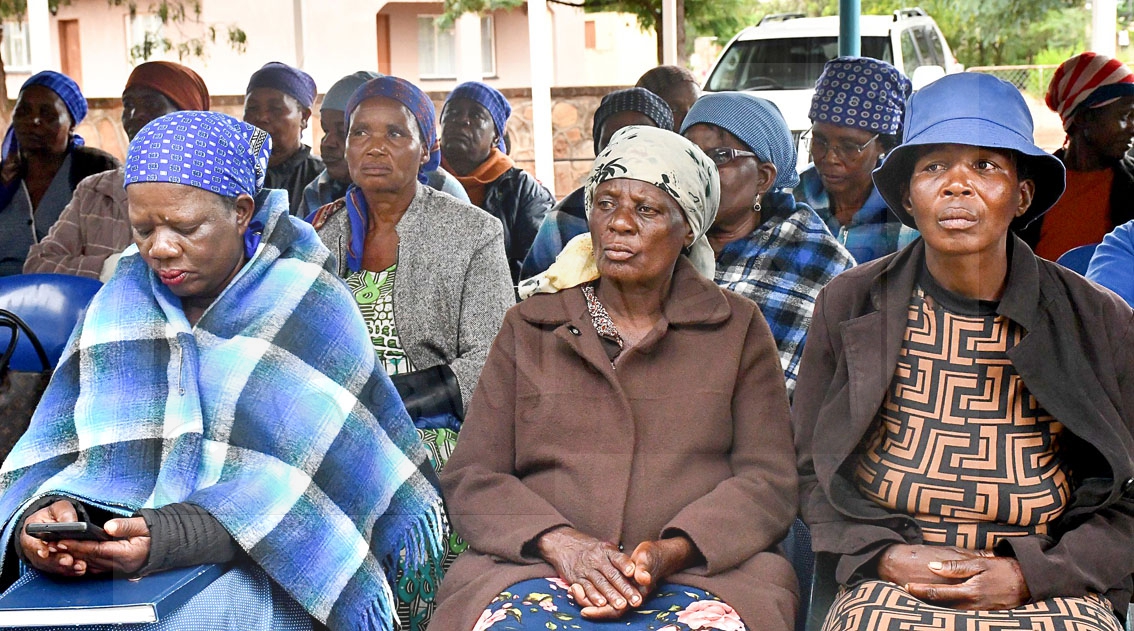
    While residents said the initiative was rushed, Mr Ramaotwana assured them that government would follow all democratic measures regarding the court’s establishment, including consultation and transparent feedback.

    One of the residents, Mr Leonard Mosweu supported the establishment of ConCourt, saying it was vital in upholding fair and impartial justice within the legal system.

    He acknowledged that such an institution could contribute to the safeguarding of citizens’ rights and the promotion of the rule of law.

    However, Mr Mosweu highlighted that issues in the health and education sectors, should take precedence. 

    He said some schools were in a bad state and needed significant maintenance so as to provide a conducive learning environment for the learners.

    Ms Olorato Boifang and Mr Mogomotsi Rasentho also supported the establishment of a ConCourt arguing that it would serve as a vital institution within the legal framework, ensuring that the Constitution was upheld and interpreted appropriately.

    They said it would play a role in safeguarding the rights and freedoms of citizens while also providing a platform for resolving legal disputes that involved constitutional matters.

  • e-procurement system game changer

    e-procurement system game changer

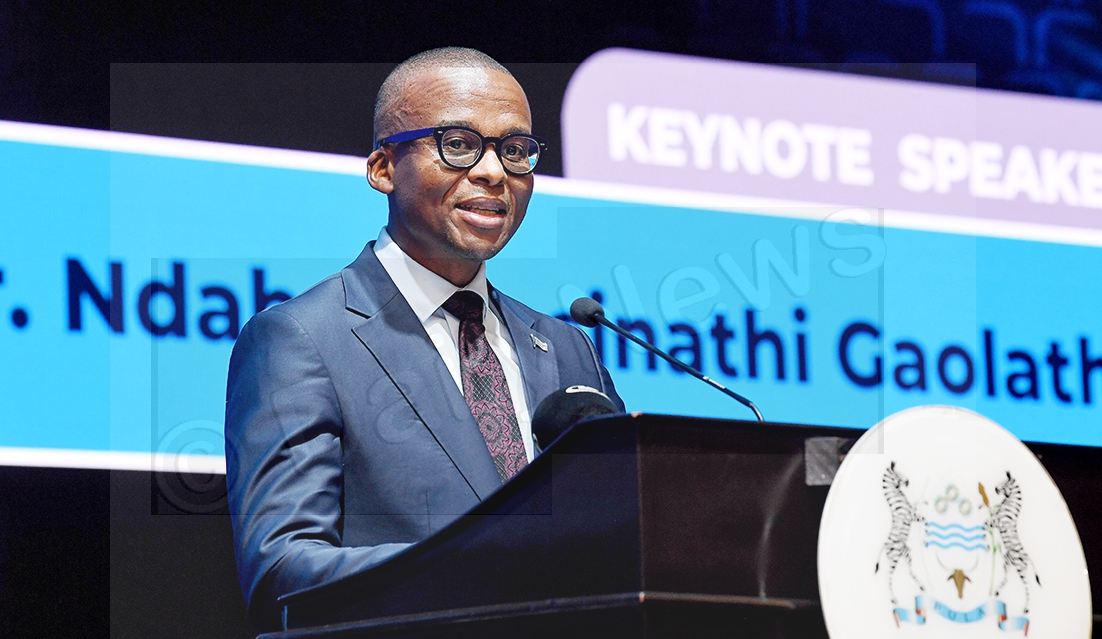
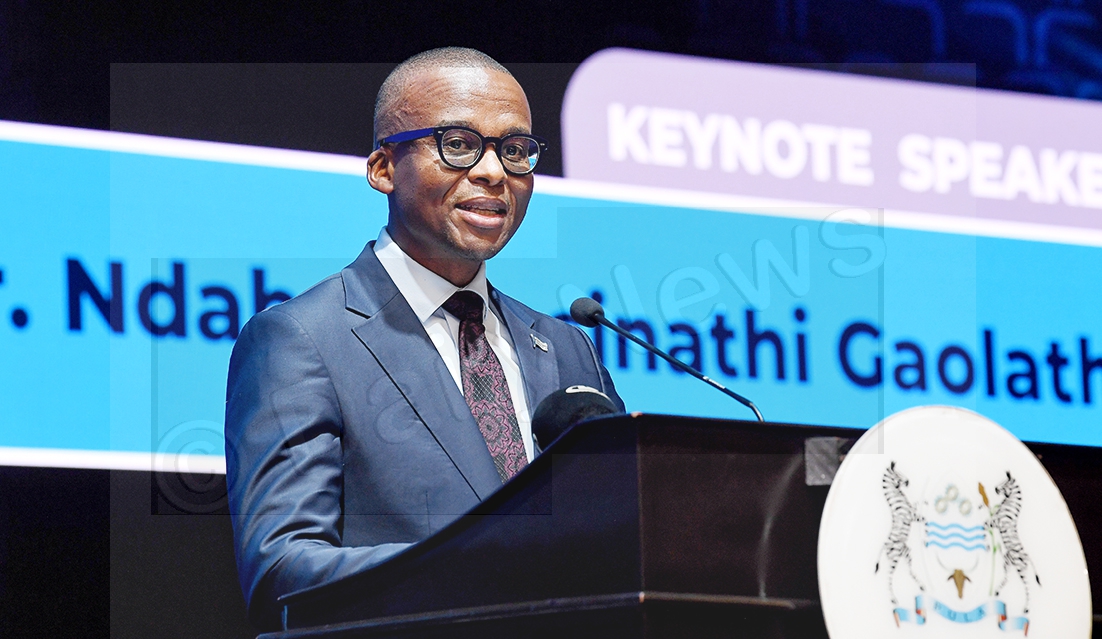
    The national e-procurement system will serve as a safeguard against waste, a generator of real-time intelligence and a strong defence against corruption, says Vice President Ndaba Gaolathe.

    Addressing the inaugural two-day National Procurement Pitso in Gaborone on Tuesday, Mr Gaolathe, who is also, Minister of Finance therefore reiterated government’s commitment to the development of the national e-procurement system by 2027.

    He said centralising procurement information would strengthen oversight, improve decision-making and build a system that was efficient, transparent and sustainable.

    “We must be honest about the hurdles. We know that our legacy systems and capacity constraints exist, but we are committed to overcoming them,” he said.

    He added that the world’s most transparent procurement systems ran all tender stages on a single digital platform where bids, evaluations and contract awards were publicly visible in real time.

    Citing international best practice, he said Georgia had implemented a fully electronic system administered by its State Procurement Agency, integrating digital bidding, open access to tender information and market analysis to promote transparency, competition and public confidence.

    The Vice President further said linking procurement data to anti-money laundering frameworks would protect public funds and reinforce Botswana’s commitment to international financial integrity standards.

    He emphasised that the success of an e-procurement system depended not only on technology, but also on a clear and robust governance framework.

    Meanwhile, Chief Executive Officer of the Public Procurement Regulatory Authority, Ms Tumelo Motsumi, said procuring entities awarded 78,800 tenders valued at P33.5 billion during the 2024/2025 financial year, reflected the dynamism of the procurement ecosystem and its significant share of the national budget.

    “It vividly underscores procurement’s vital role in driving infrastructure, services and ultimately economic growth,” she said.

    Ms Motsumi noted that the expenditure aligned with global trends, where public procurement accounted for an average of 12.7 per cent of Gross Domestic Product across Organisation for Economic Co-operation and Development (OECD) countries.

    She said Botswana’s procurement stood at 12.4 per cent of GDP, equivalent to P33.5 billion, adding that it remained a key tool for inclusive growth and citizen empowerment.

    She highlighted that citizen-owned companies, including those ran by youth, women and persons with disabilities, were awarded contracts worth P8.7 billion, 36 per cent of the total surpassing the 20 per cent target set under the local procurement scheme.

    The CEO said the achievement aligned with the goals of National Development Plan 10 and the African Union’s Agenda 2063, both of which emphasised inclusive growth, gender equality and youth empowerment.

    However, she acknowledged ongoing challenges, including the lack of professionalisation within the procurement cadre and system.

    Ms Motsumi said these gaps contributed to weak compliance monitoring, as the authority lacked real-time data on procurement transactions.

    “Monitoring the progression of procurement from one stage to another is also a great challenge, as a transaction can remain at one stage without the authority noticing and intervening. Hence, we have delays in project execution,” she said.

  • Rare Minerals To Lead Mining Diversification

    Rare Minerals To Lead Mining Diversification

    Amid challenges in the natural diamond sector, significant opportunities remain within Botswana’s mining industry, particularly in rare earth minerals, which are key to repositioning the country in line with the global shift toward alternative resources.

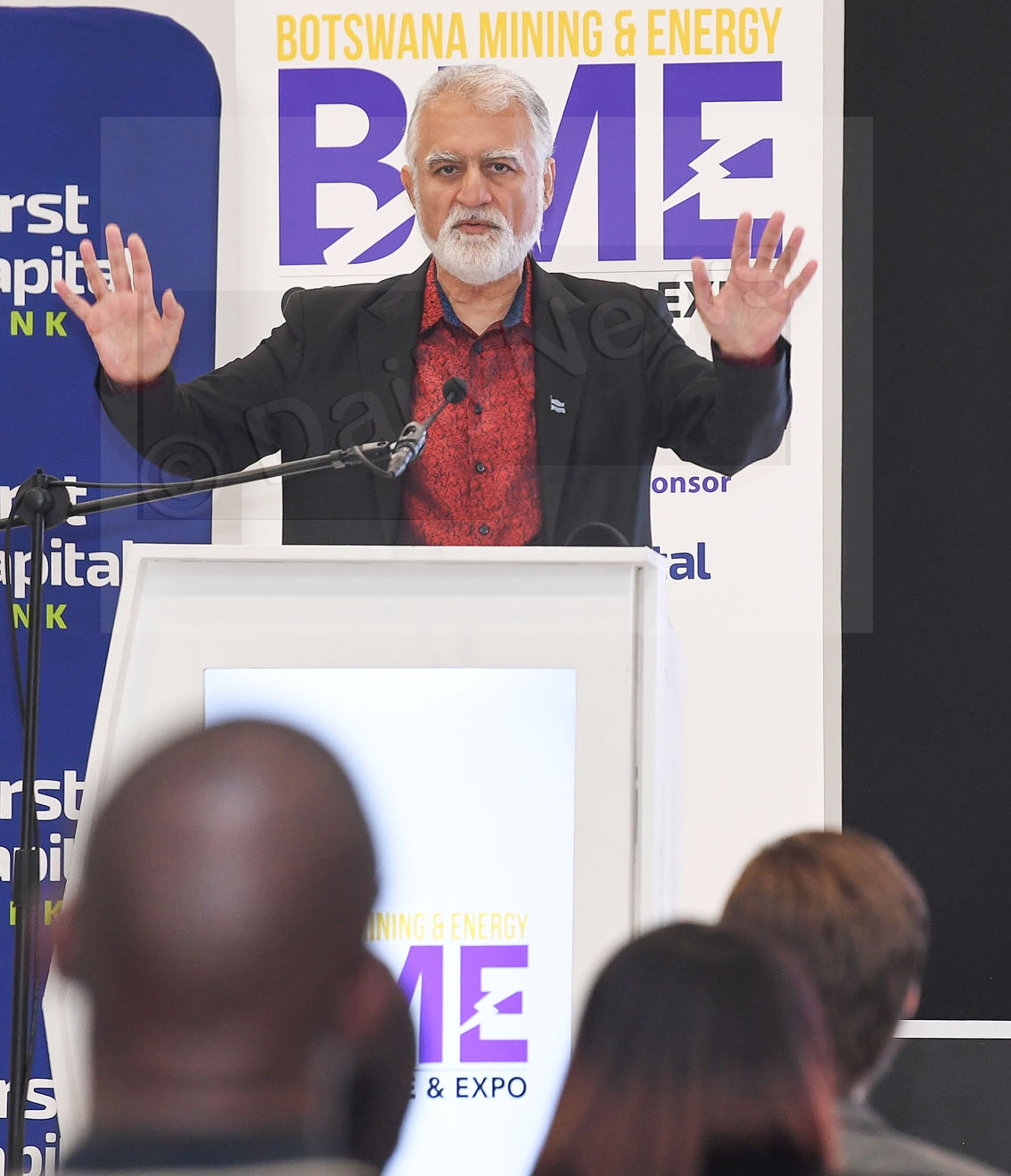
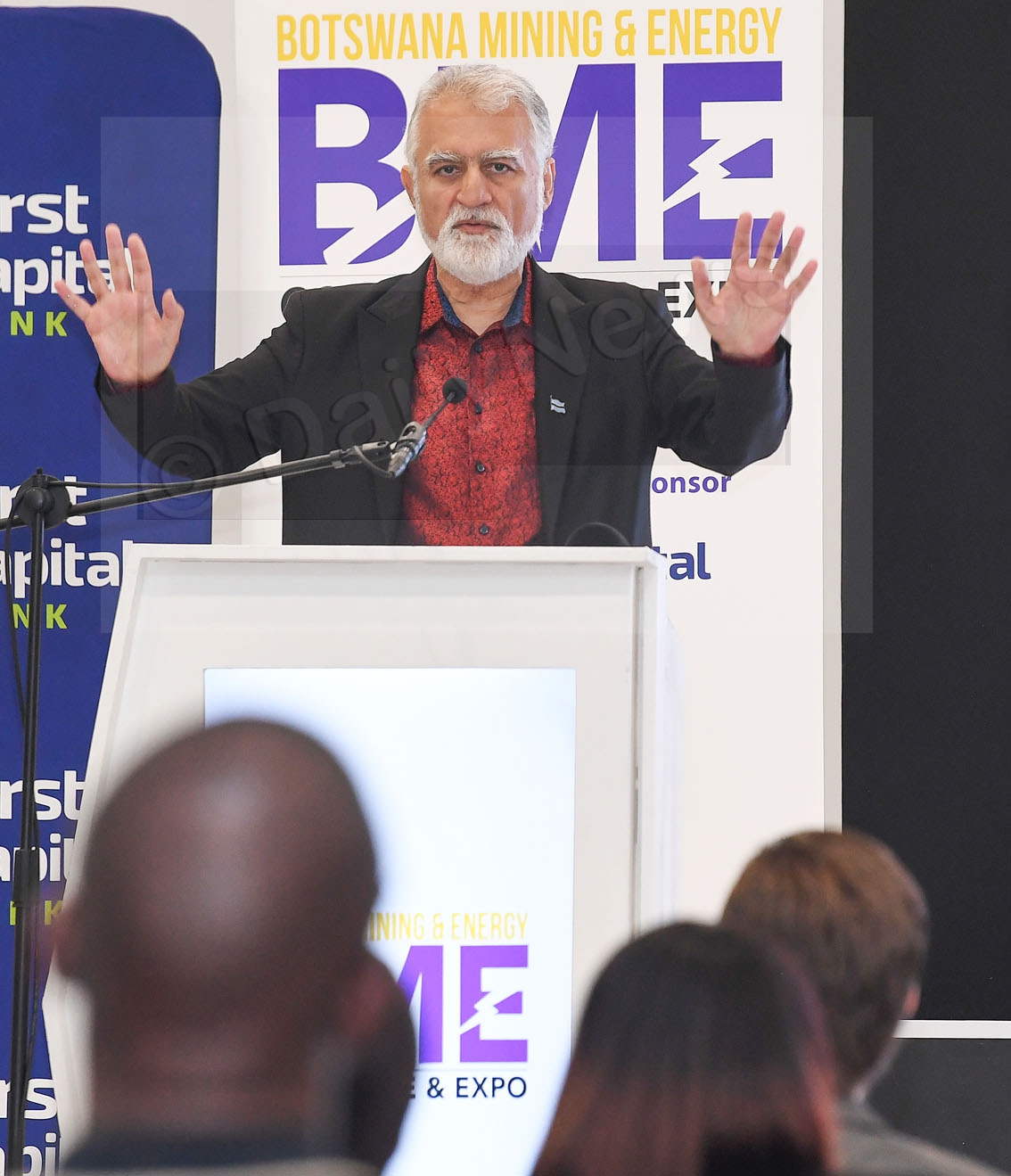
    Speaking at the Botswana Mining and Energy Conference on Monday, Presidential Envoy on International Relations and Economic Development, Dr Farzam Kamalabadi, said the recent discovery of substantial rare earth mineral deposits in north west part of Botswana could play a pivotal role in diversifying the country’s mineral base away from diamonds.

    Rare earth elements are critical in the production of electric vehicles, wind turbines, battery storage systems, defence electronics and advanced telecommunications infrastructure. 

    Demand for these resources continues to surge alongside the global transition to renewable energy.

    “As much as the diamond sector is facing global challenges, the mining industry still provides a lot of opportunities not only in diamonds, but also in base metals and rare earth minerals,” he said.

    Dr Kamalabadi noted that the downturn in the diamond market had created the impression that the entire mining sector was in decline.

     However, he emphasised that there were emerging growth areas beyond diamonds.

    He said government was prioritising copper and rare earth minerals as key drivers of economic transformation, supported by increased exploration in the Kalahari Copper Belt and improved digital access to geological data.

    To maximise national returns from its mineral endowment, Botswana is advancing a new strategy focused on value chain development in non-diamond minerals.

    According to Dr Kamalabadi, the country’s mineral policy will promote copper- and rare earth-led diversification, aimed at enhancing local empowerment, increasing citizen participation, and attracting sustainable investment.

     “Buy all accounts Botswana is a mining economy and the mining sector remains the backbone of the country’s economic structure and even in the face of adversity there are abandoned opportunities in other mineral mining that waits to be unlocked,” he said.

    He added that plans were underway to implement a mineral resource development, exploitation and value chain beneficiation strategy.

     The initiative aims to accelerate development of diversified mineral value chains, drive investment into sustainable projects, and ensure meaningful citizen participation.

    “We need to promote exploration in the Kalahari Copper Belt to discover new deposits. This should be achievable, as the necessary geological information is already available,” he said.

    While acknowledging that diamonds have long been Botswana’s economic mainstay, Dr Kamalabadi stressed the importance of leveraging this legacy to position the country as a leader in the next phase of global mining.

    He said this transformation would require collaboration between government, the private sector, business associations and other stakeholders.

    Dr Kamalabadi also called for the reduction of bureaucratic barriers in governance and urged the private sector to play a stronger stewardship role in accelerating implementation of mining initiatives.

  • Plan to split MogoditshaneThamaga gains support

    Plan to split MogoditshaneThamaga gains support

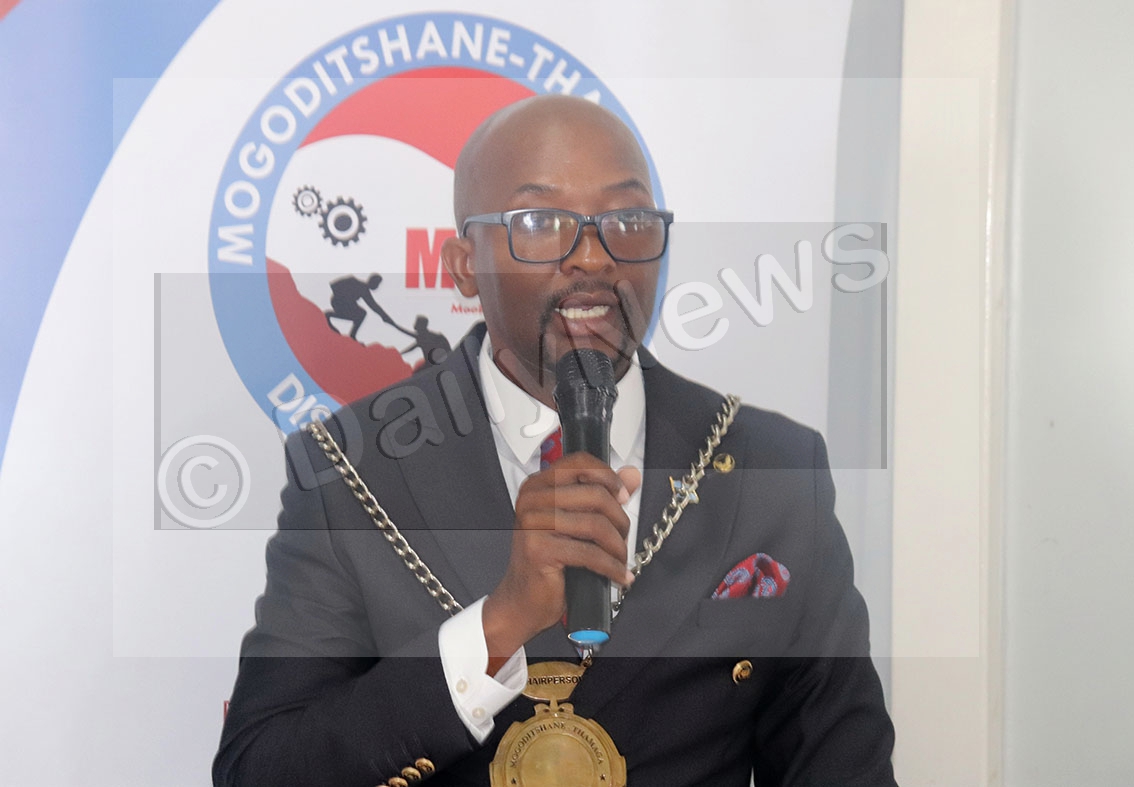
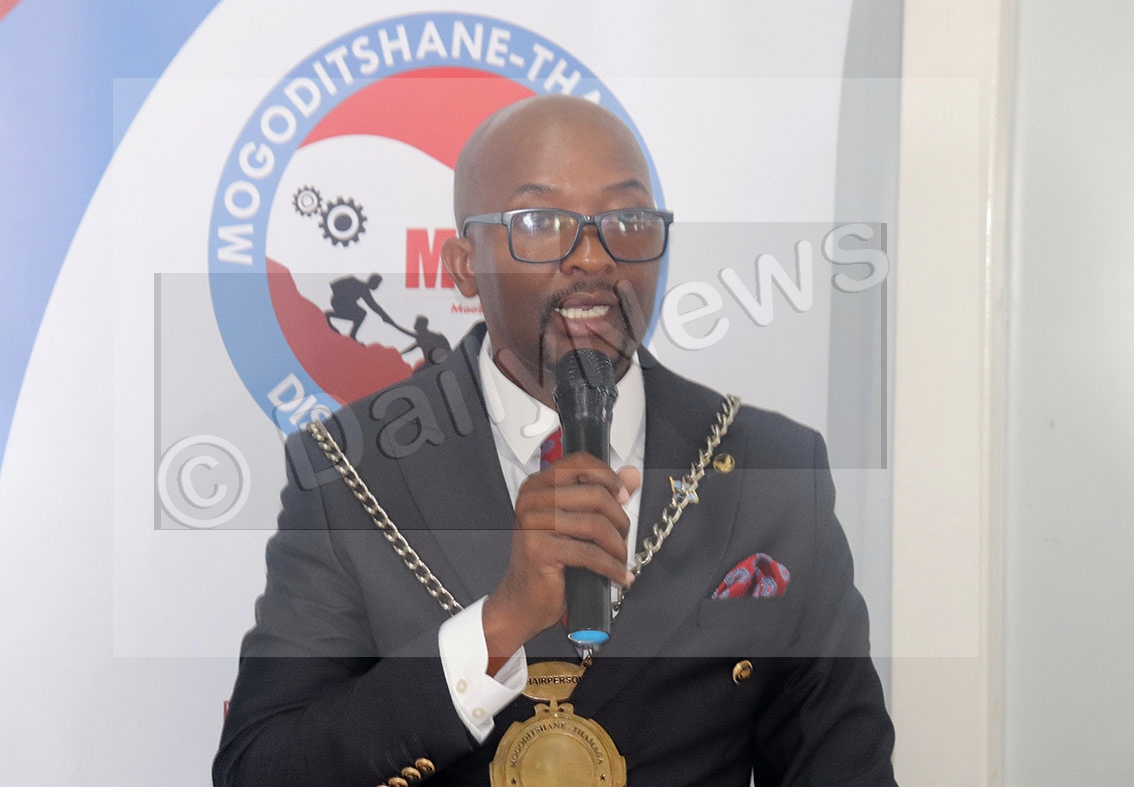
    Government’s plan to restructure the Mogoditshane/Thamaga District into two new administrative districts has received support from the community, the district council chairperson, Mr Molatedi Selala has revealed.

    Addressing a full council session in Mogoditshane on Monday, Mr Selala said extensive consultations conducted under phase II of the Local Government restructuring reform indicated that residents of the affected villages largely supported the proposed division. He said the aim was to improve access to government services.

    “The proposal seeks to divide the district into Kweneng South and Kweneng East to enhance administrative efficiency and bring services closer to the people,” he said.

    Under the proposal, Kweneng South will include Thamaga, Gakgatla, Kubung, Ramaphatle, Kumakwane and Mmankgodi, while Kweneng East will cover Mogoditshane, Mmopane, Gabane, Metsimotlhabe, Mmokolodi and Tloaneng.

    Mr Selala said the restructuring follows concerns raised during earlier consultations about the district’s vastness, rapid population growth and difficulties faced by residents in accessing services. While support for the split was widespread, Mr Selala noted that communities raised some key concerns required further consultations and consideration.

    “These include proposed district names, possible realignment of some villages and fears that the new districts may face staffing and budget constraints if not adequately resourced,” he said.

    Mr Selala also revealed mixed reactions regarding the proposal to upgrade Mogoditshane to assume township status.

    “Residents of Mogoditshane expressed reservations, particularly around the potential impact on traditional leadership structures and land tenure systems,” he said.

    He said other concerns included fear of increased cost of living and perceptions that consultations were not sufficiently comprehensive. Mr Selala said all views gathered during the consultations will inform government’s next steps in the proposed reform process

  • GCC Intensifies Crackdown On Illegal Advertising

    GCC Intensifies Crackdown On Illegal Advertising

    The Gaborone City Council (GCC) has identified 373 illegal advertisement cases that have been submitted for legal proceedings.

    “Of these, 160 involve advertisement boards belonging to unidentified owners, while the remaining 213 belong to known entities whose lease agreements have expired,” said Gaborone City Mayor Oarabile Motlaleng during the council session on Monday.

    He reiterated that the council held the exclusive mandate to approve the erection of advertisement structures within the city.

    Even though the council had submitted illegal advertisements cases for legal action, Mr Motlaleng said they continued to face the challenge of new advertisement boards being erected without the involvement or approval of the authority.

    Nonetheless, he said the council remained committed to eliminating illegal advertisements in the capital, despite continued challenges.

    On the growing number of unauthorised billboards, Mr Motlaleng said the council had adopted a stricter enforcement approach based on legal advice.

    “The law permits the council to intervene and demolish any unlawful erection without the need for a court order if construction is ongoing,” he said.

    Mr Motlaleng warned individuals and companies involved in erecting illegal advertising structures that the council would enforce provisions of the Town and Country Planning Act and the Gaborone City Council (General) Byelaws.

    He said the rapid spread of illegal advertisement boards deprived the city of much-needed revenue required to fund social services.

    “We want to warn all those involved in these illegal activities that we will not tire of doing what is right,” he said.

    As part of the council’s long-term strategy, Mr Motlaleng said some advertisement spaces would be reclaimed and managed through the council’s investment company, wholly owned by GCC, to generate additional revenue while ensuring proper regulation of outdoor advertising.

    Mr Motlaleng also announced stricter enforcement measures to address the growing problem of self-appointed parking assistants and abandoned roadside structures across the capital.

    He said the council had received numerous complaints from residents and motorists about individuals who had taken it upon themselves to act as informal parking assistants.

    “Many of these individuals aggressively demand payment from motorists, litter in public spaces and disturb drivers,” he said, adding that some vehicles had allegedly been damaged when motorists refused to pay.

    Mr Motlaleng said law enforcement officers had been instructed to take action against the illegal practice.

    He also raised concerns about abandoned and illegal roadside structures, saying they negatively affected the city’s cleanliness and appearance.

    While acknowledging the importance of the informal sector, Mr Motlaleng said traders must operate within regulations.

    He added that hawkers were required to use portable structures that must be removed after business hours, failing which the council would remove them.

    He urged residents and traders to cooperate with authorities as enforcement intensifies. 

  • Education Transformation Requires Collective Efforts

    Education Transformation Requires Collective Efforts

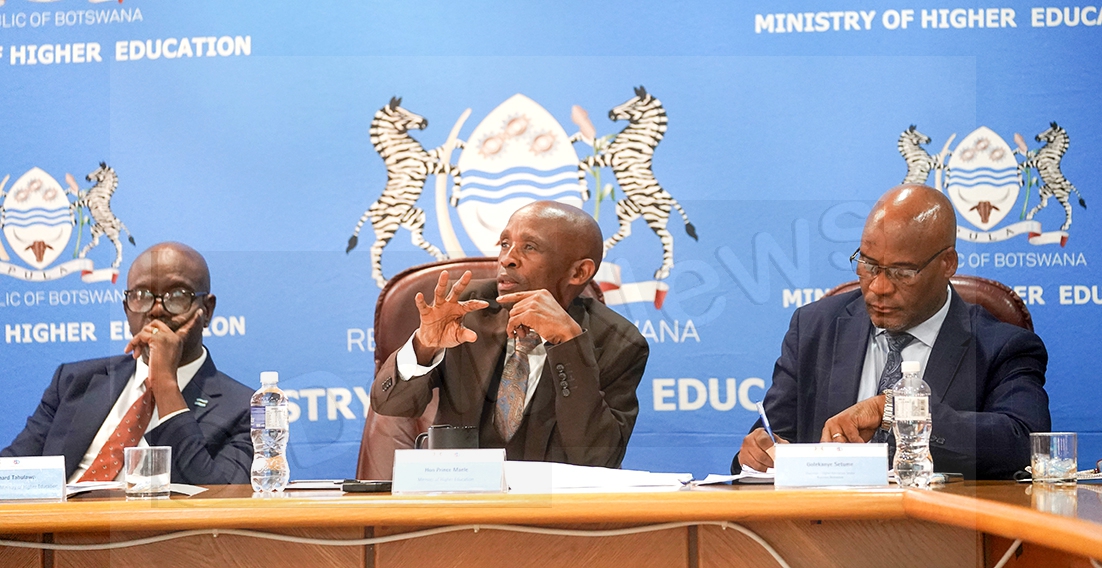
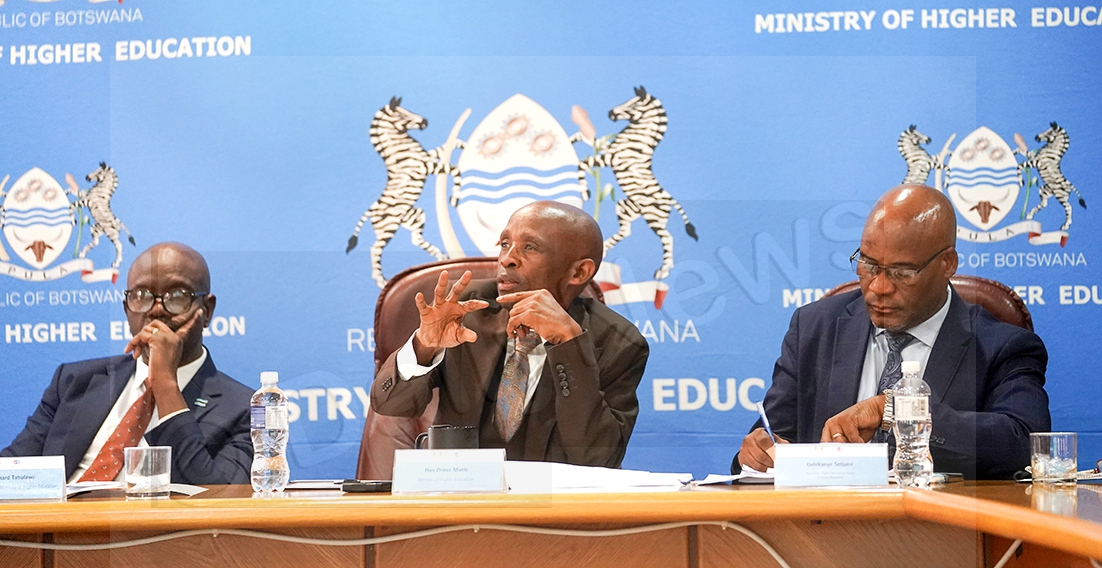
    Thus, Mr Maele said the transformation required collective leadership rather than fragmented efforts. 

    Placing human capital development at the centre of national transformation, Mr Maele said higher education must be repositioned from a social service to a strategic economic sector capable of driving innovation, productivity and diversification.

    He further noted that Botswana’s long-standing reliance on a consumption-driven economy must transition toward a production-oriented model, an evolution that depended heavily on a responsive and agile education system, particularly higher education and Technical and Vocational Education and Training. 

    He further commended participants from government, academia and the private sector for their presence at the Sub-HLCC, saying the ministry was the first to establish such a platform, positioning it as a model for cross sector collaboration.

    He said the Sub-HLCC would serve as a structured platform to strengthen collaboration between government and industry in shaping policies, programmes and investments aligned with Botswana’s economic transformation agenda.

    He emphasised the need to maintain momentum ahead of the main High-Level Consultative Council (HLCC) meeting scheduled for September, proposing July 7 as the next engagement to allow stakeholders to consolidate positions and present a unified strategy.

    He added that the forum should play a critical role in tracking reform progress and ensuring accountability among stakeholders. 

    Also, he said the Sub-HLCC must evolve beyond a discussion forum into a results-driven platform capable of translating policy into implementation and commitments into measurable outcomes.

    The minister also highlighted systemic inefficiencies that continued to constrain the sector, including delays in programme accreditation, misaligned student sponsorship frameworks, infrastructure limitations and regulatory bottlenecks.

    Calling for a renewed culture of collaboration, the minister outlined complementary roles for key stakeholders. 

    Government, he said, must provide clear policy direction and enabling frameworks, adding that higher education institutions must deliver quality education and foster innovation while the private sector must take a more active role in shaping the skills ecosystem