Category: Local

  • Same-Sex Couple Pushes for Marriage

    Same-Sex Couple Pushes for Marriage

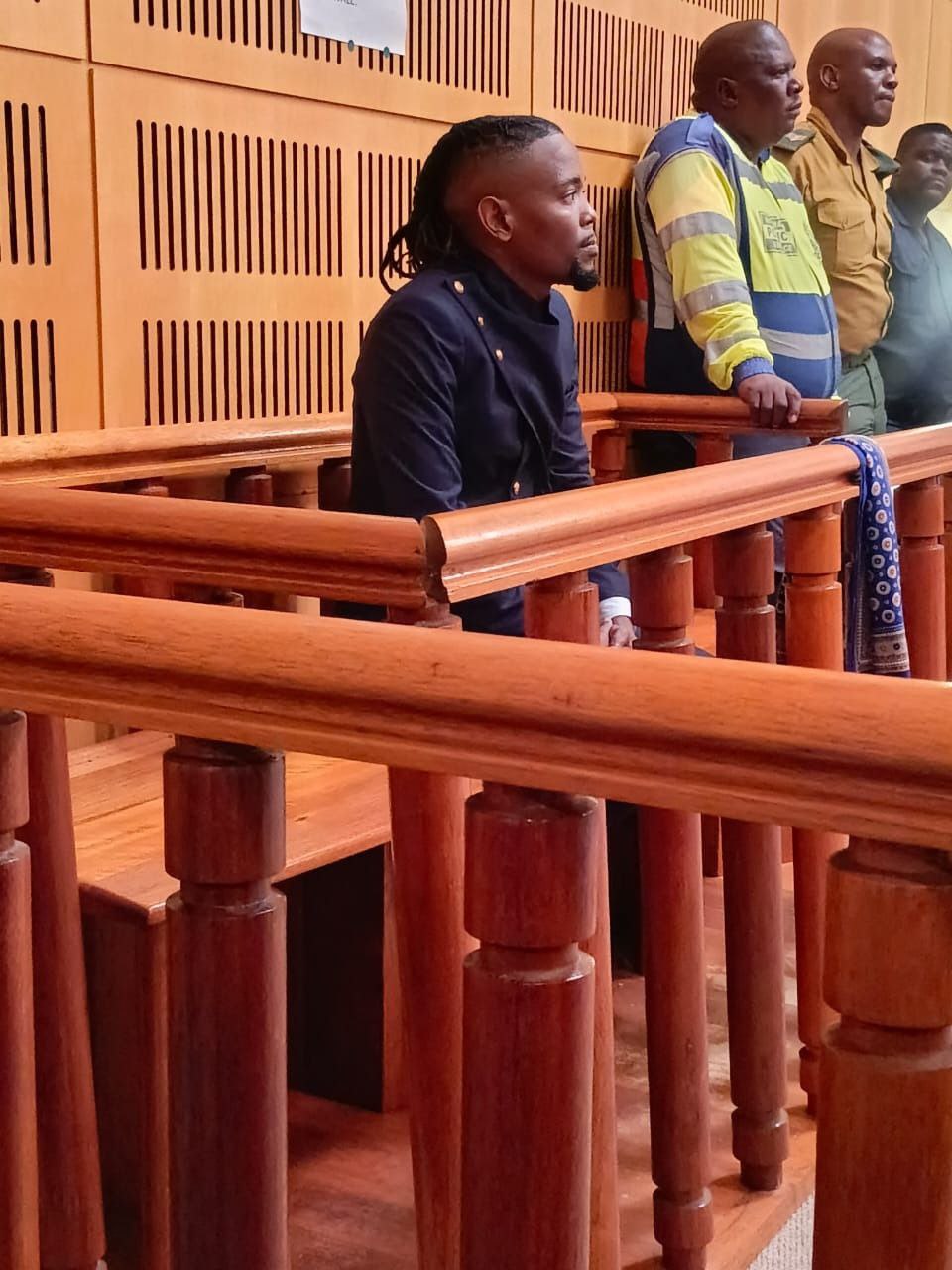
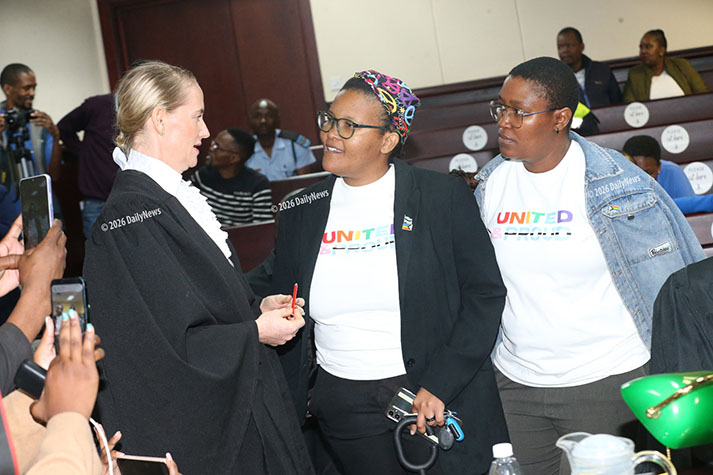
    A same sex couple has approached the High Court challenging the constitutionality of the Marriage Act, arguing that it is unconstitutional for the Act to outlaw same-sex marriages.

     The couple, Bonolo Selelo and Tsholofelo Kumile, who have approached the High Court and their case has been scheduled for July 14 -15 before a full bench of the High Court.

    The marriage also faces opposition from Dingwetsi Association of Botswana, the Evangelical Fellowship of Botswana, and the Botswana House of Prayer and Transformation, who made a joinder application before the court on Friday.

     The groups are expected to file their papers ahead of the commencement of the case commence.

    The organisations have argued that they stand for the sanity of marriage and protection of the current status quo, where a married couple comprises a woman and a man.

    However, in response to the joinder application, Selelo in an interview said it was awkward that the church and Dingwetsi Assoication of Botswana had chosen to oppose their marriage, noting that Batswana were known to have a history of fighting for love, and thus they would not give up to pressure.

    The applicant cited the case of the founding President, Sir Seretse Khama, and his marriage to Ruth, which, despite opposition, eventually took place.

    “It is our culture to fight for love,” Selelo said.

    It is not the first time the country has faced cases of such nature, following the 2019 High Court decision that ruled that laws criminalising same-sex relations were unconstitutional, a decision upheld by the Court of Appeal in 2021.

    The court ruled that criminalisation of consensual same-sex activities violated constitutional rights of gays, lesbians, bisexuals, and transgender people, ruling in favour of a gay man, Letsweletse Motshidiemang, who had taken the state to task.

    When dismissing the government’s appeal of the High Court decision, the then President of the Court of Appeal, Justice Ian Kirby, said the High Court was correct to strike down Sections 164(a), 164(b), and 165 of the Penal Code (Cap 08:01) as they breached the fundamental rights to privacy.

    “Sections 164(a) and 164(c) of the Penal Code (Cap 08:01), Laws of Botswana, are hereby declared ultra vires sections 3, 9, and 15 of the Constitution and are accordingly struck down. At present, they serve only to stigmatise gay men unnecessarily, which has a harmful effect on them, and as far as I am aware, there has never been any prosecution of a woman or even any thought of doing so, for the offence of sodomy,” he said.

    The two sections, he said outlived their usefulness and served only to allow law enforcement agents and others to become keyhole peepers and intruders into the private space of citizens, which he said was neither in the public interest nor in the nature of Batswana. He noted that many countries had recognised the right to same-sex relationships and had international instruments to which Botswana was a party, such as the Universal Declaration of Human Rights of the United Nations and the International Covenant on Civil and Political Rights. 
  • Speakers pay tribute to Mooketsi

    Speakers pay tribute to Mooketsi

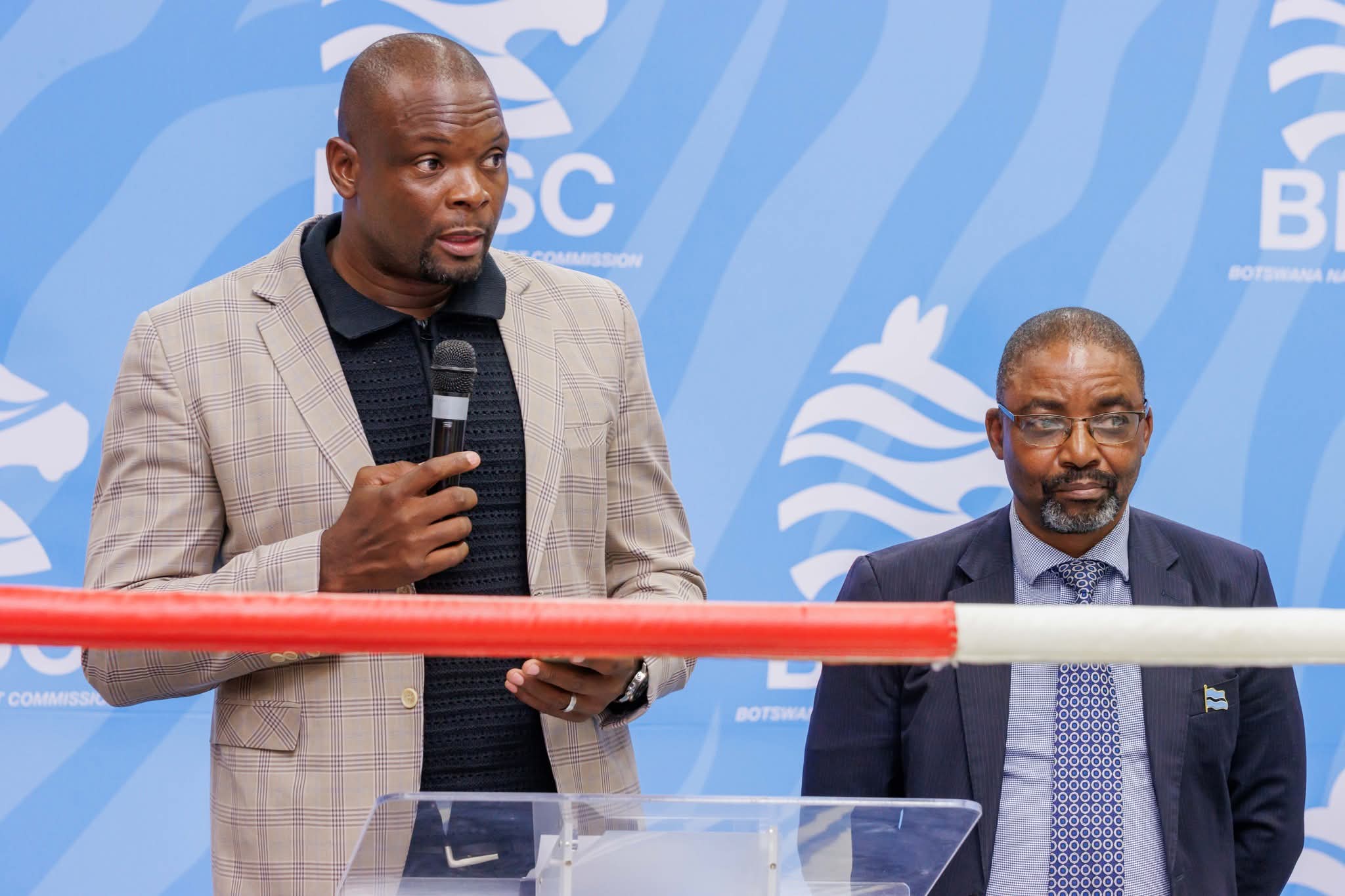
    Different speakers have described former women boxer, Pearl ‘Tsitsi’ Mooketsi as a loving, caring and dedicated person.

    Mooketsi, who died on Monday, will be buried in Serowe on Saturday.

    Mooketsi, who worked at the Botswana National Sports Commission (BNSC) as Boxing Development Officer, was the only woman in Botswana with Star 3 coaching qualification.

    BNSC director of sports development, Peaceful Seleka, described her as a dedicated employee who left an inedible mark in their organisation.

    He said she embodied the spirit of excellence and passion for sports development.

    She said her experience as a former national team boxer gave her a unique perspective, which she leveraged to inspire and empower others.

    Seleka said her sudden departure had left a void in their department and the broader sports community.

    “We mourn the loss of a colleague, a friend, and a true sports enthusiast,” he said.

    National team boxer Lethabo Modukanele said she first encountered Mooketsi’s loving and caring nature when she made it to the national team in 2017.As an upcoming boxer back then, she said she looked up to Mooketsi. 

  • Living between vigilance and hope

    Living between vigilance and hope

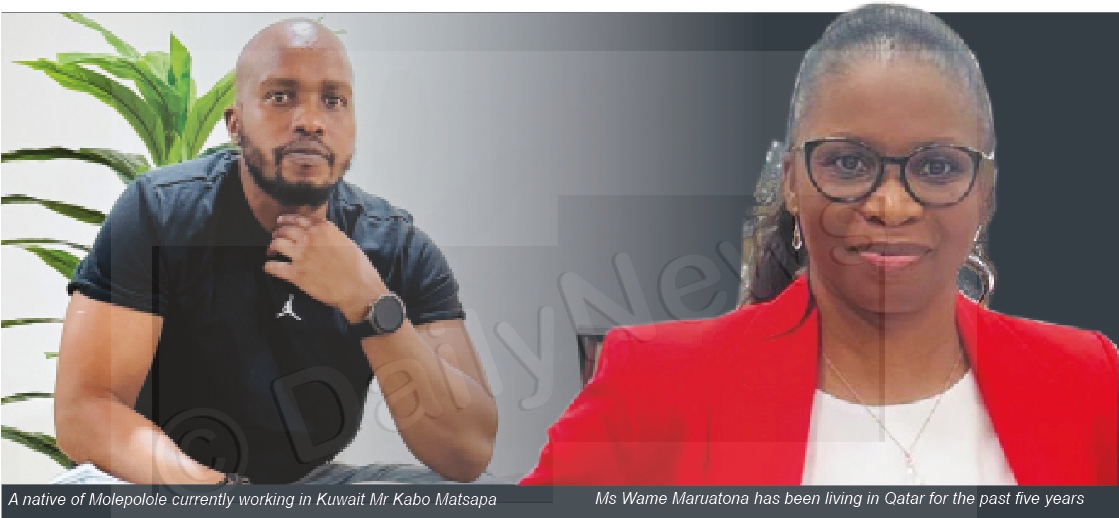
    For Wame Maruatona, mornings in Qatar often begin with a quiet moment of reflection before the day’s routine starts. Like many expatriates, she moved abroad in search of opportunity and stability. But in recent days due to the war between Israel/United States of America and Iran, life has taken on a different rhythm one shaped by vigilance, uncertainty and resilience.

    For the Motswana who has lived in Qatar for the past five years, daily life still appears calm on the surface. Supermarkets remain stocked, communication networks function normally and people continue with work, often from home. Yet beneath this sense of order lies a subtle but persistent tension.

    “Coming from a place where I am not accustomed to war, missiles or interceptors, hearing loud bangs sometimes early in the morning or while asleep is emotionally draining and very unsettling,” she says in an interview with BOPA.

    For Ms Maruatona, the sounds are often the most unsettling part. When buildings tremble and windows rattle, instinct takes over.

    She explains that when buildings shake and glass rattles, her first reaction is often shock, followed by prayer and a quick check of official updates.

    Authorities in Qatar have urged residents to remain indoors when necessary, avoid standing near windows and rely only on verified information. While such guidance is meant to ensure safety, Ms Maruatona admits it does little to ease the emotional strain.

    “Every little sound can make you jump.” 

    Despite the anxiety that occasionally surfaces, life continues with a degree of normalcy. Supermarkets operate around the clock, pharmacies remain open and many businesses have shifted to remote work arrangements.

    “There are no visible shortages of food or medicine,” she explains. “The biggest change is movement. People are encouraged not to go out unnecessarily, so like many others I work from home.”

    But beyond the routines of daily life lies the psychological weight of living in a region experiencing heightened tensions.

    “It is the heightened awareness, the unexpected sounds, the occasional fear and panic. Even watching the news can increase anxiety,” notes Ms Maruatona.

    In moments like these, community has become a vital source of comfort.

    Among Batswana living in Qatar, there is a strong sense of solidarity. Social media platforms and messaging groups have become lifelines, connecting people who check on one another regularly.

    Botswana’s embassy in Doha has also remained accessible, coordinating with citizens through communication platforms and providing updates where necessary.

    “On a daily basis we check on one another, which is reassuring,” says Ms Maruatona , adding that colleagues at the commercial bank where she works and members of her church have also provided emotional support.

    Yet amid the reassurance, an unspoken question lingers among many expatriates: what would happen if tensions escalate further?

    Still, she says one of the most striking aspects of her experience has been the empathy shown by ordinary people.

    “Most people I interact with clearly distinguish between military targets and civilians. There is a shared understanding that ordinary people are often caught in broader geopolitical tensions beyond their control.”

    While uncertainty remains, she believes the situation is being managed responsibly.

    Her hope, like that of many others, is for diplomacy and de-escalation.

    “Clear and sustained de-escalation would allow us to feel fully at ease again,” she quips.

    Until then, life continues structured, cautious and supported by community, even as the background hum of uncertainty persists.

    Thousands of kilometres away in Kuwait, another Motswana shares similar feelings.

    Mr Kabo Matsapa, originally from Molepolole, has spent years working across the Gulf region, including time in Saudi Arabia. Like many expatriates, he travelled abroad seeking better economic opportunities. But the reality of living in a region facing security tensions has been far more challenging than he anticipated.

    “It is a disheartening experience to find yourself in a war-torn place. We came here for greener pastures, but now we are living in fear.”

    Mr Matsapa works as a professional firefighter attached to a refinery, a job that already carries significant risks even in stable conditions.

    “Working at a refinery where there are gases and oils, we must ensure that no fire breaks out,” he explains. “It is already a dangerous environment, and it is even more worrying now.”

    Although he has been trained to respond to emergencies, the uncertainty surrounding the broader security situation is something he finds difficult to manage.

    “As firefighters we are trained to deal with crises, but this is different. Sometimes when we go to sleep we do not know if we will wake up safely the next day.”

    When sirens sound, instinct and fear collide.

    “You find yourself looking up, trying to understand what is happening and at the same time looking for somewhere to hide,” he said.

    Returning home, however, is not a straightforward option.

    Like many expatriates, Mr Matsapa says economic realities remain a powerful factor in the decisions people make about where to live and work.

    “The truth is we came here because opportunities are limited back home. With the unemployment rate in Botswana, going back would make it very difficult for us to survive.”

    For now, hope remains the thread holding many expatriates together, hope that tensions will ease, diplomacy will prevail and life will once again feel ordinary.

    Until then, people like Ms Maruatona and Mr Matsapa continue to navigate daily life between vigilance and hope, holding on to the belief that stability will eventually return

  • Mohwasa stresses need to protect children

    Mohwasa stresses need to protect children

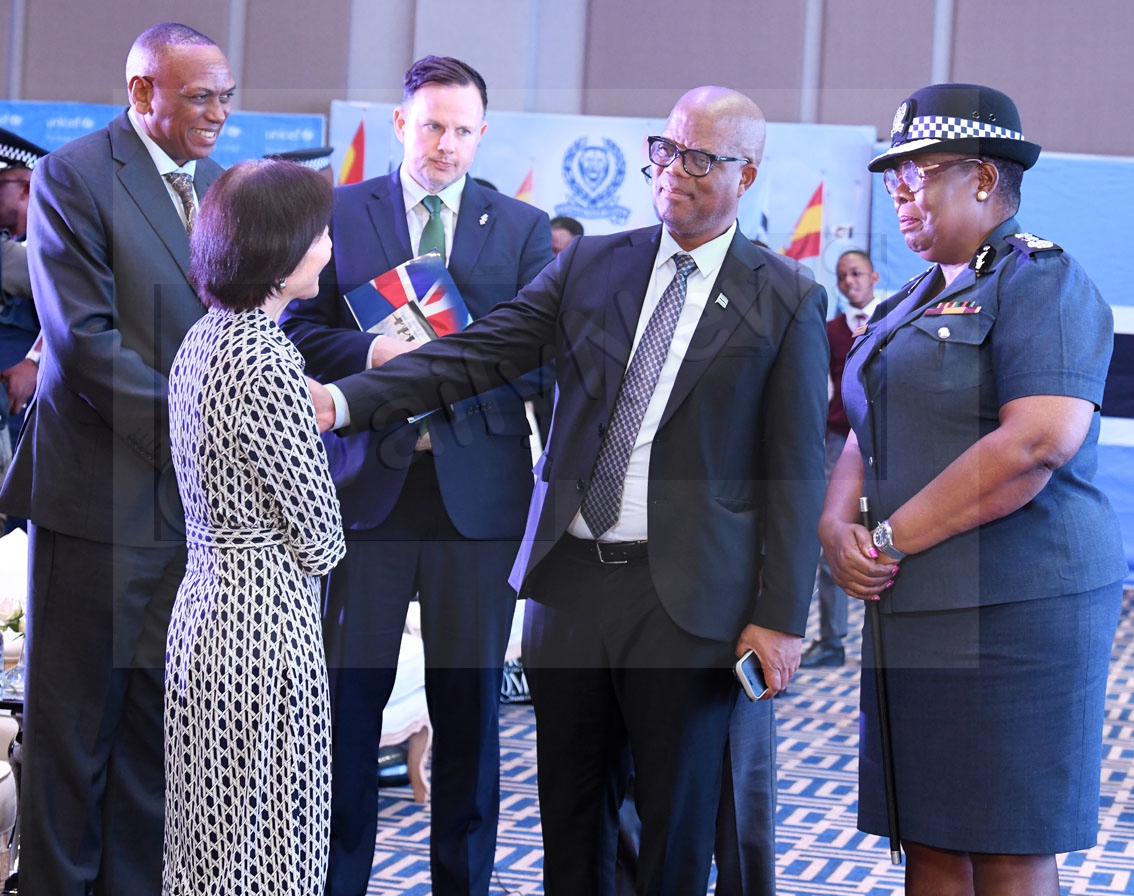
    The Minister for State President, Defence and Security, Mr Moeti Mohwasa has emphasised the importance of protecting children from abuse, neglect and exploitation.

     Speaking at the launch of the Child Friendly Policing documentary in Gaborone Monday, Mr Mohwasa said abused and neglected children often suffer long-term consequences that affected educational attainment, mental health, social cohesion and productivity. 

    “Protecting children is therefore both a moral obligation and a strategic investment in our nation’s future,” he said, adding that Child Justice Service Centres represented a critical response aimed at strengthening protection and support for children. 

    Mr Mohwasa said the centres were designed to provide dignified, sensitive and professional support to child victims. He noted that government remained committed to human rights and a child-centred approach through strengthening police capacity, improving infrastructure and enhancing inter-sectoral collaboration. 

    He emphasised that security and human rights were not competing priorities but mutually reinforcing pillars of protection. 

    “In line with this mission, we have strengthened the capacity of the police service through specialised training in child sensitivity techniques. We are also improving infrastructure to ensure that processes are private, safe and appropriate, while enhancing collaboration between the police, social services, health and education sectors to ensure a coordinated and survivor-centred response,” he said. 

    However, Mr Mohwasa said government could not address child protection challenges alone, stressing that vigilance, community involvement and partnerships were essential. 

    He said the success of these initiatives would be measured through increased reporting of abuse cases, improved case resolution and a measurable reduction in incidents of abuse. 

    The ultimate goal, he added, was to build a culture that prioritises children’s well-being, dignity and justice. UNICEF Botswana Country Representative, Dr Kimanzi Mutengi, said a child-friendly justice system required commitment, training and empathy from all stakeholders. 

    “Botswana has promising initiatives such as police stations with child-friendly units, officers trained in child psychology and partnerships with health workers and traditional leaders that provide holistic support,” he said. 

    Dr Mutengi noted that across the region, countries were implementing innovative approaches to strengthen child protection. In Malawi, for example, every school has a designated police officer responsible for handling reports of abuse. He explained that suggestion boxes were placed in schools where suspected cases of abuse could be reported confidentially. 

    The police officer visits the school monthly to review the reports and determine whether cases should be addressed at school level or escalated to higher authorities. 

    Dr Mutengi said Botswana was well positioned to become a global best practice example in implementing a child-friendly justice system. He therefore called for stronger collaboration among government ministries, traditional leaders, civil society organisations, partners, faith-based organisations, social workers and communities to invest in child protection. 

    Meanwhile, Commissioner of Police Ms Dinah Marathe said the Botswana Police Service (BPS), guided by national legislation and international obligations, had prioritised child protection through several initiatives. 

    These include the establishment of the Gender and Child Protection Branch, development of specialised facilities, adoption of standardised procedures as well as capacity building and partnerships. 

    Ms Marathe said the BPS had established eight child-friendly centres across the country aimed at addressing crimes against children and preventing secondary trauma. She added that the BPS had partnered with UNICEF to strengthen its response to violence against children, receiving technical and financial support to establish and resource child-friendly centres with specialised infrastructure. 

    The partnership also supported the development of standard operating procedures and training of personnel. 

    Additionally, Ms Marathe said the BPS utilised technology such as audio-visual recording systems and web stations linked to international databases to enhance investigative capacity and combat online exploitation. 

    “Future plans include expanding child-friendly centres to all police stations, prioritising high-need areas and creating multi-agency one-stop centres,” she said, emphasising that the BPS remained committed to strengthening partnerships, expanding child-friendly centres and ensuring access to justice for all children in Botswana

  • Ikgopoleng Allays Fears Amid Middle East Conflict

    Ikgopoleng Allays Fears Amid Middle East Conflict

    Former national team boxer and two-time Olympian, Khumiso Ikgopoleng first landed in Bahrain in 2018.

    He had established himself a reputable force to reckon with inside the ring during his illustrious amateur boxing days and when he transitioned to coaching career, he wanted to share the experience with the world while shaping the future of developing and elite boxers.

    Coach K, as Ikgopoleng is fondly called in Manama, never imagined he would soon have to be concerned about surface to air missiles flying over his head.

    He now describes frightening scenes of having to experience explosions from intercepted missiles amid the conflict involving military strikes by the United States of America and Israel and subsequent retaliation from the Iranian military.

    Speaking from the scenic residential town of Saar on the western outskirts of Bahrain’s capital Manama, Ikgopoleng said explosions from intercepted missiles overhead caused shockwaves so strong that he could feel buildings vibrating slightly.

    Bahrain and Qatar said this week their air defense systems intercepted and destroyed a total of more than 170 missiles and dozens of drones launched from Iran over the past three days as Tehran continues attacks on US-linked sites in the region in response to the ongoing Israeli-US military campaign.

    “What people see on TV and describe on social media is a far cry from what we experience on the ground. We are only feeling frightened because it is natural to feel so, but we feel safe, as we receive constant warnings to stay away from danger,” he said.

    He explained that there were targeted areas and they had been receiving early warning signals about incoming missiles and they take cover.

    Ikgopoleng is one of the only two Batswana living in Bahrain.

    He said despite the ensuing conflict, which seemed to be escalating on a daily basis, he did not feel unsafe in the city as everybody went on about their daily duties as usual.

    Ikgopoleng allayed fears of any casualties so far in Manama despite the military assault over the past days.

    Ikgopoleng said he had been in contact with other Batswana living in Dubai, which had also been targeted.

    On Saturday, Israel and the US launched an attack against Iran’s leadership reportedly killing supreme leader, Ali Khamenei and since then, Iran had responded with attacks on Bahrain, United Arab Emirates and Cyprus.

    Iran had targeted the US navy base in Bahrain and videos had been circulating showing missiles and drones striking the vicinity of the US fifth fleet headquarters in Bahrain.

    Nine Arab countries including Kuwait, Saudi Arabia, the UAE, Qatar, Bahrain, Oman, Jordan, Syria and Iraq, have reported damage over the past three days, as Iran responds to the Israeli and American aggression.

    Ikgopoleng made a mark on the international front especially the Middle East where he now works and resides as head coach of the Bahrain boxing club.

    He has frequently visited other Middle East countries such as Saudi Arabia and Qatar to offer his technical expertise.

    Ikgopoleng’s journey inside the boxing ring started in 1997 as a learner at Lobatse Secondary School where he took part in the school sport programme and the early exposure laid the foundation for his illustrious career.

    He transitioned to coaching after retirement in 2009 and earned the coveted three-star International Boxing Association’s qualification and led the Botswana team to Olympic qualification among the many accolades as head coach.

    Ikgopoleng took part in the 2004 Summer Olympics where he was eliminated in the second round of the men’s featherweight by Nigerian Muideen Ganiyu.

    He also took part becoming the first ever Motswana to reach that feat in the 2008 Beijing Olympics before hanging his gloves the following year.

    He was recruited by the Colorado boxing club in the United States of America and was soon scooped by the Bahraini club where he doubled as a member of the national team technical committee

  • NDP 12 to transform rural economies

    NDP 12 to transform rural economies

    For a long time, rural areas were viewed through the lens of provision of social welfare programmes but, the National Development Plan 12 is about to change the narrative as government shifts from social welfare dependency to productive empowerment.

    This was said by the Vice President, Mr Ndaba Gaolathe during the official opening of the 169th Rural Development Council (RDC) in Gaborone yesterday.

    Mr Gaolathe said the RDC was the architect of rural progress against the background of socio-economic transformation of Botswana, with a special focus on rural development.

    “As I indicated in 2026/27 Budget Speech, our True North is a high-income Botswana that is digitally enabled and export-driven. But let us be candid. We cannot reach a high-income status if our rural communities are left behind in a low-income cycle,” said Mr Gaolathe.

    Furthermore, he noted that Botswana Economic Transformation Programme (BETP) was the ‘engine room’ of the delivery in the rural development space.

    He thus pleaded with the RDC to be the driver of the BTEP and ensure that the 186 high impact projects identified in the national budget were felt on the ground.

    “Under BETP, we are implementing 26 agriculture cluster projects. We are no longer just farming for the pot, we are farming for the world. This includes the commercialisation of livestock and the introduction of high-value crops such as industrial hemp and medicinal cannabis,” he said.

    He said farmers had for long been battling with low yields, high input costs, and a lack of market access thus the 2026 budget provided the interventions to break the cycle.

    “For example, through the power of clustering under the BETP, we are moving away from fragmented, isolated farming. We are implementing 26 dedicated agricultural cluster projects nationwide. These clusters will turn local villages into “Agro-Industrial Zones,” shifting the focus from subsistence to surplus for export,” he said.

    Another radical reform advocated in the budget, was the introduction of the Botswana Mercantile Exchange which would for the first time enable rural producers to have access to a transparent, market based pricing system.

    Government had through the NDP 12 taken a bold move toward diversification and officially enabled the regulated cultivation of industrial hemp and medicinal cannabis.

    “This is not just about farming; it is about the pharmaceutical value chain development. We want the processing labs and the manufacturing of hemp-based products to happen in our rural areas, creating high-tech jobs for our youth where they live,” said Mr Gaolathe.

    He said government was also committed to the rural digital revolution through the 1Gov1Citizen platform and the National Digital ID system, citing that through the initiative, a citizen in Gumare or Tsabong would no longer need to travel to Gaborone for government services as digitalisation was the bridge that eliminated the distance tax paid by rural citizens.

    With regard to infrastructure provision, Mr Gaolathe said the P3.86 billion allocated to Transport and Infrastructure during the 2006/2027 national budget proposal was to improve the national roads network, that would also connect the rural production centers to regional markets, transforming Botswana into a true SADC logistics hub.

    These specific reforms under NDP 12 and the BETP represent a fundamental shift in how rural Botswana would produce and trade

  • Serowe faces infrastructure challenges

    Serowe faces infrastructure challenges

    Aging and deteriorating structures, compounded by repeated floods and hailstorm have left infrastructure development in Serowe in critical condition.
    The situation disrupts education, health services and roads, thereby hindering service delivery.
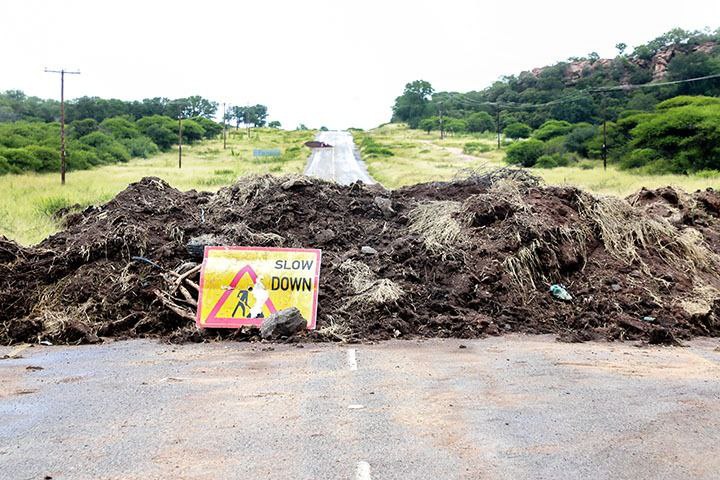
    Speaking during Serowe District full council meeting on March 2, Council Chairperson Mr Atamelang Thaga said the A14 road between Boiteko Mall and the old transport turnoff had been closed following the collapse of a culvert near Farmers Brigade.
    ‘’I am deeply concerned by the disregard shown by some members of the public who ignore closure signage, thereby exposing themselves and other road users particularly those unfamiliar with the area to serious danger,’’ he said
    He urged all road users to observe road signs and comply with safety measures as council was working toward restoring and maintaining the damaged infrastructure.
    Mr Thaga also told councillors that some gravel and dirt roads which included Topisi-Majwanaadipitse, Mmashoro-Dimajwe, Serowe-Moiyabana, Serowe-Radisele and Moiyabana-Kalamare have been severely affected.
    He noted that the roads were characterised by extensive black cotton soil and sandy sections which led to water ponding, muddy conditions and in some cases complete impassability. Mr Thaga said flooding had damaged spot improvements, washed away road sections, silted up culverts and disrupted drainage systems.

  • Second Phase of FMD Vaccinations Starts

    Second Phase of FMD Vaccinations Starts

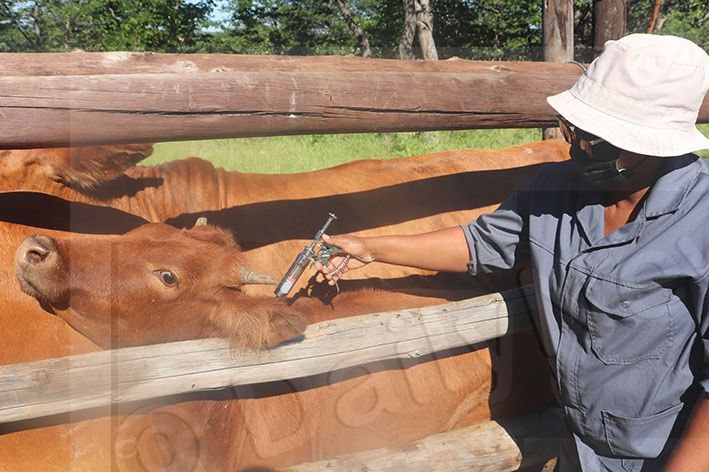
    The second phase of Foot and Mouth Disease (FMD) vaccination and surveillance is scheduled to commence on March 4 in zones 3c and 6b, following the successful completion of the initial phase, where all vaccinated cattle will now undergo rigorous clinical inspections.
    This was announced by principal veterinary officer at the FMD local command centre, Dr Thito Seomile recently briefing the North East District meeting on the progress of the first phase.
    Dr Seomile reported satisfactory herd immunity levels across Zone 6b, North of Bisoli Farm where about 7 400 cattle were vaccinated representing 90.9 per cent coverage and 8 700 or 93.4 per cent in Zone 3c in Maitengwe.
    He added that with respect to surveillance, 10 kilometres radius had been done and 1 287 cattle were inspected and was still ongoing as in the 20 kilometres radius a few were left out.
    “The only difference there is that the 20km radius in zone 6a there has been an increase in the number of livestock amounting to over 6 700 cattle inspected for any signs of FMD,” he said, adding the rest of zone 6a had not been surveyed due to shortage of resources both staff and vehicle.
    He also indicated that inspections extended beyond cattle to including indicator species, such as 450 goats, 10 sheep and pigs in the Jackalas 1 area.
    “The clinical inspection was based on the indicator species except for Jackalas 1 where inspection of over 450 goats was done, 10 sheep and pigs,” he said.
    Furthermore, he said efforts were being channelled into the FMD blockade to prevent further spread and 70km of fencing had been maintained, with 300km patrolled and 16km of bush clearing completed.
    He said a decision had been made to hire 180 casual labourers, 30 from each local village, to prioritise the 3c fence running from Vakaranga, Kgari, Pole, Mosojane, Letsholathebe, Vukwi, Kalakamati to Goshwe.
    On one hand, Dr Seomile said six cattle were destroyed after straying into Zimbabwe, with owners receiving P700 compensation per animal while surveillance also showed that there were more Botswana-owned livestock remaining across the border.
    He stated that 13 out of 25 villages had formed mephato or community groups, to assist with fence patrols and livestock management, adding they however still needed urgent mobilisation of the remaining communities by leaders.
    Also, he indicated that while some regulations hade been relaxed, strict controls remaind in place to protect the industry and animal products may move from Francistown into zones 3c and 6b, but the reverse was strictly prohibited.
    Dr Seomile also said although meat movement had been relaxed, bush slaughter remained illegal and all slaughter must occur at authorised abattoirs in zones 4a, 4b, 5, 8, 9, 10, 11, 12 and 13.
    He also said a committee had been activated to inspect butcheries in North East and Francistown to ensure meat originated from approved zones.
    He said inspections of the Tati ranches near Francistown ranches, revealed many ranch fences were in a dilapidated state, thus owners were urged to urgently repair them.
    To sustain daily operations and complete the surveillance of Zone 6a, Dr Seomile emphasised the need for additional heavy equipment, including 4×4 vehicles, six dozers, six caterpillars and four Tractor-Loader-Backhoes (TLBs).

  • Court Denies Sethibe Bail

    Court Denies Sethibe Bail

    Principal Magistrate Solomon Setshedi of Molepolole Magistrate court has dismissed a bail application by Tshepho Sethibe, who refers to himself as ‘Uncle of the Nation’ on social media.
    He ruled that the accused be remanded in custody pending the finalisation of investigations in a case involving alleged incitement and offensive electronic communication.
    Delivering his ruling, Magistrate Setshedi said the court was not persuaded that it was in the interest of justice to release the accused at this stage.


    “The application for the accused’s bail is therefore dismissed. The accused is further remanded in custody pending the finalisation of the investigation,” he said.
    In outlining factors, he considered in this bail application, the Magistrate noted that although the prosecution conceded that the accused was not a flight risk, the main point of contention was the allegation that he had incited violence through social media posts.
    The court was told that some gadgets linked to the alleged offences had not yet been recovered.
    The complainant, Headman of Records at Medie, Kgosi Moatlhodi Emmanuel Kgabo, testified that he feared for his life following comments allegedly made on Facebook by the accused’s followers.
    He further informed the court that he had relocated to Gaborone with his family due to safety concerns.
    “After careful consideration of the evidence of the two state witnesses, it is this court’s view that there is likelihood that the accused, if he were released on bail, may endanger the safety of the public and the complainant,” Magistrate Setshedi said.
    He added that the court was satisfied that police required more time to complete investigations, describing cases of this nature as complex.
    The court also heard that there were other similar cases previously opened against the accused which were later withdrawn.
    Magistrate Setshedi further expressed concern that the accused might continue committing offences if released.
    “It is also my view that the accused may continue to commit offences if admitted to bail today,” he said.
    He will appear again on March 17.

  • Two Appear in Court for P50 Counterfeit Possession

    Two Appear in Court for P50 Counterfeit Possession

    Two men accused of making forged new limited edition commemorative P50 currency note bearing serial number: AR 0656562 appeared before Lobatse Magistrates court on Monday.
    The accused, a Zimbabwean national Wilson Juma aged 33 and a Motswana man More Bojong aged 40, who both reside in Lobatse, faced two counts of offences which included making of counterfeit currency contrary to section 362 of the Penal Code, and being found in possession of forged currency notes contrary to section 354 of the Penal Code.


    According to the charge sheet, both the accused in February in or near Lobatse, without lawful authority made 18 papers, words and figures, letters, marks and lines resembling the P50 currency note.
    Juma, on one hand, is also charged with an offence of possession of forged 18 fake P50 currency notes without lawful authority after he was caught on February 26 at Peleng in Lobatse during a police stop, question and search exercise. The accused will appear again on March 16.