Category: Local

  • Backyard Gardening Transforms Life of Kang Woman

    Backyard Gardening Transforms Life of Kang Woman

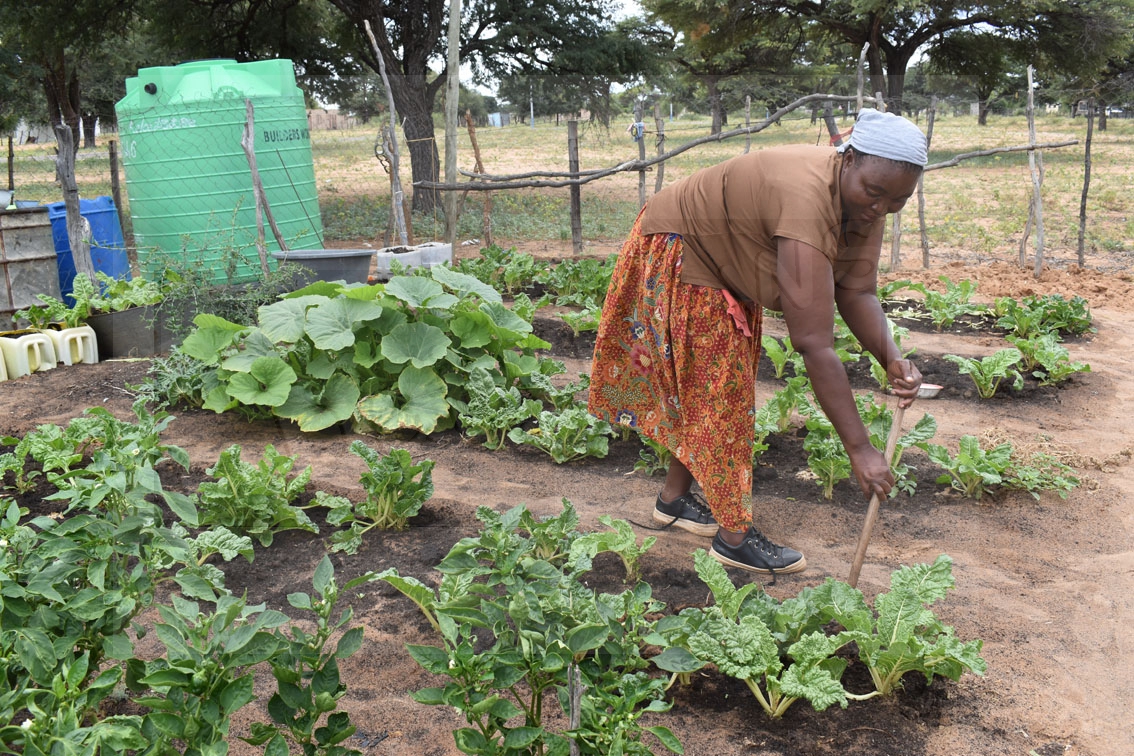
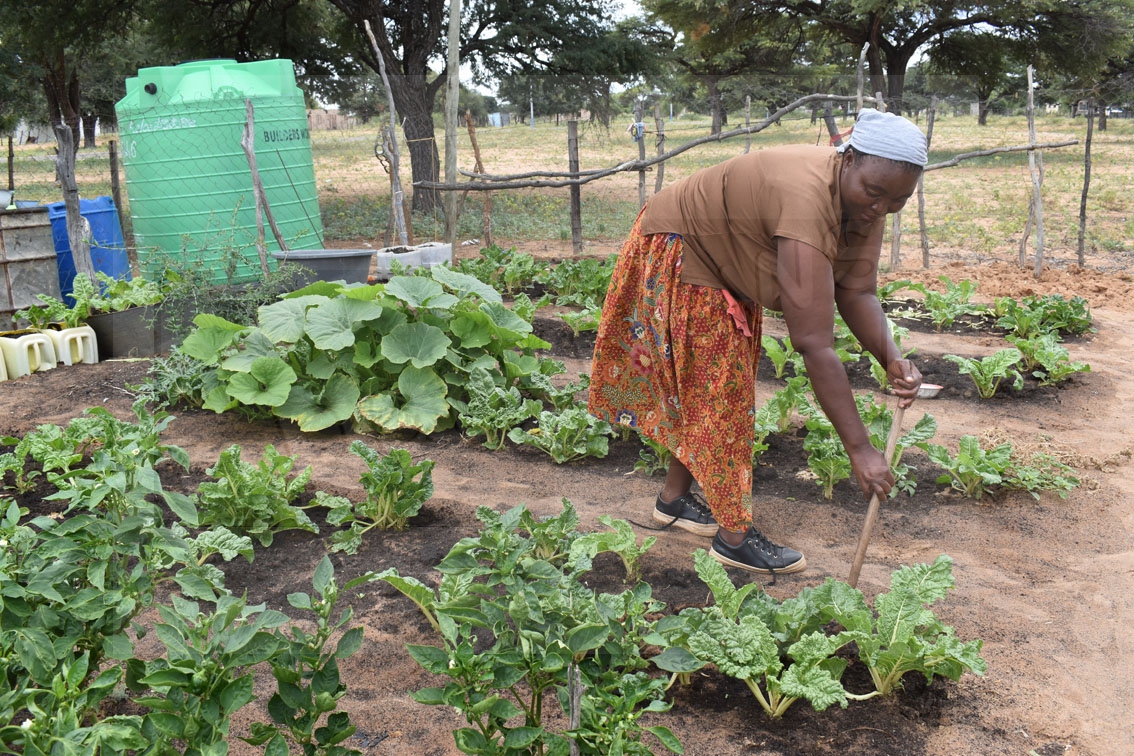
     A small backyard garden in Gapanyane Ward in Kang has grown into a dependable source of income for 52-year-old Ms Keloetetse Bothang, whose determination and passion for plants have helped her rebuild her life after years of ill health and financial hardship.

    What began in 2022 as a modest project to produce vegetables for home consumption has since evolved into a thriving horticultural enterprise supplying the local community and contributing to the school feeding programme.

    The rapid growth of the project has outstripped the capacity of her residential yard, prompting plans to relocate to a larger space to meet the rising demand for fresh produce.

    For Ms Bothang, backyard farming was born out of necessity but sustained by her deep love for nature.

    “I started with only a few beds of spinach, green pepper, onions and beetroot to feed my family. I had no capital, so I used the little money from my first sales to buy more seeds and gradually expanded,” she narrates to BOPA in an interview.

    Her turning point came at a time when she was struggling to make ends meet due to a prolonged illness that forced her to close her sewing business, which had been supported through the former Kgalagadi District Council’s poverty eradication initiative.

    An eye condition later made it impossible for her to continue with the business, leaving her without a stable source of income.

    After years of hardship, she turned to gardening, something she had always loved, as a way of rebuilding her life and providing for her children.

    “As production increased, neighbours began buying from me and the demand kept growing,” she said.

    Ms Bothang noted that, people are now more conscious about their health and wellness and many have reduced their consumption of meat, which has created a ready market for fresh vegetables,” she explained.

    She added that restrictions on the slaughter of cloven-hoofed animals following the outbreak of foot-and-mouth disease further boosted demand for her produce.

    Currently, Ms Bothang supplies about 90 bundles of vegetables to Mahutsane Primary School once a month under the school feeding programme. She hopes to increase production and eventually supply Kang Primary School with at least 155 bundles per month.

    “My plan is to expand production and reach more markets. Backyard farming has great potential and can change lives if taken seriously,” she said.

    She noted that, the income from the garden has significantly improved her family’s welfare, adding that, she is now able to pay her water bills, buy groceries, contribute to church activities and meet transport costs for her regular hospital visits, expenses which she previously struggled to afford.

    “I am thankful that I am now able to stand on my own and support my family again. This garden has given me a second chance in life,” she said.

    Her efforts have also attracted support from development partners. In recognition of her contribution to household food security and community nutrition, the Botswana Red Cross Society recently donated a JoJo water tank, treated poles and shade net, which have greatly enhanced her production capacity.

    Despite the progress, Ms Bothang admitted that the journey had not been without challenges and that she once considered giving up.

    “It has never been easy, but passion kept me going. Support from the community and non-governmental organisations also gave me the strength to continue,” she said.

    She encouraged aspiring entrepreneurs to venture into projects they are passionate about rather than following trends, emphasising that dedication and perseverance were key to success.

    “It is important to do what you love because passion will help you overcome difficulties. Every business has its challenges,” she advised.

    Ms Bothang also highlighted the growing role of small-scale horticulture in improving rural livelihoods, strengthening household food security and creating sustainable income-generating opportunities, particularly for women.

    She expressed concern that fewer people in her village were maintaining backyard gardens and called on community members to make use of available space to grow their own food and sustain their families.

    As she looks to the future, she hopes to secure a larger piece of land where she can scale up production, supply more institutions and create employment for others in her community.

    “This project has restored my dignity and given me hope for the future. I am grateful that I have found a way to stand on my own again,” she said with a smile
  • Experts urge government to review subsidies and boost tax collection

    Experts urge government to review subsidies and boost tax collection

    Now is the time for government to review subsidies and improve tax collection to boost revenue as the country grapples with a dwindling revenue base and youth unemployment.

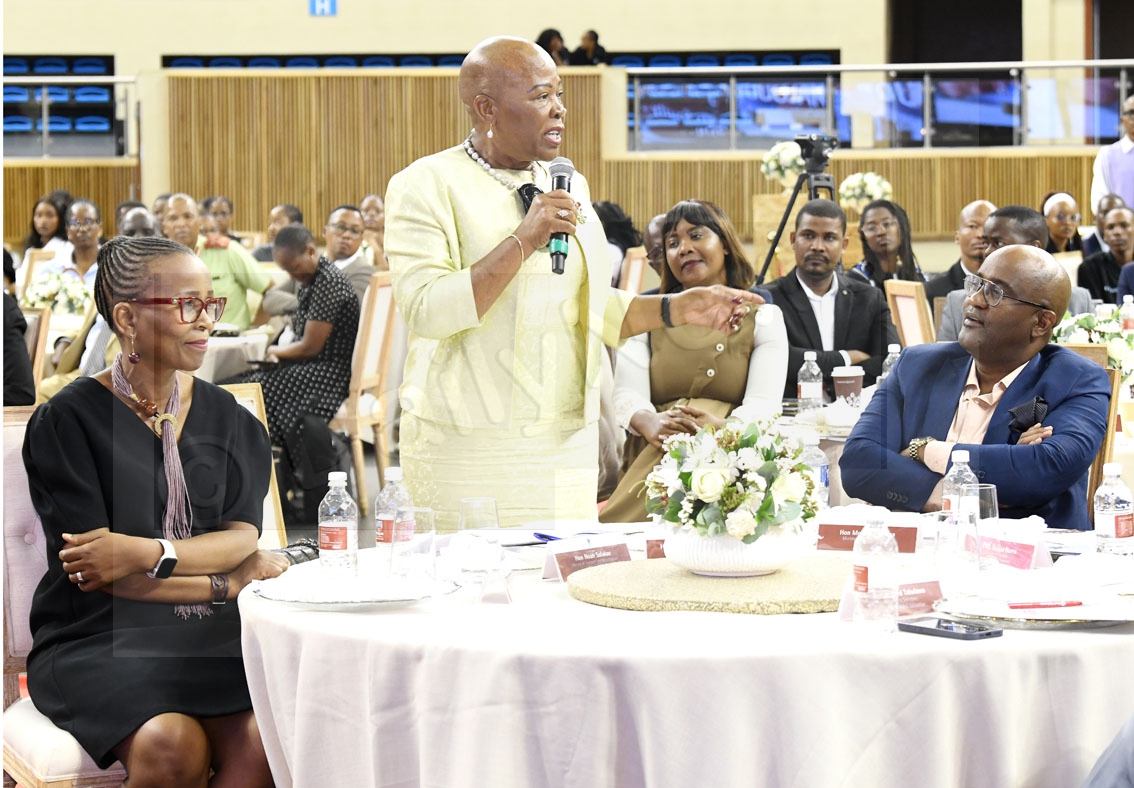
    Experts at the University of Botswana (UB) Budget Dialogue reasoned that subsidies are not reaching intended beneficiaries, resulting in revenue losses.

    They warned that increasing the debt ceiling could lead to higher interest rates, while advocating for investment in the creative sector to drive job creation and economic growth.

    UB academic, Dr Jonah Tlhalefang pointed out that existing subsidies were missing the intended beneficiaries, hence should be reviewed to ensure targeted beneficiaries benefitted.

    Taking the electricity subsidy as an instance, Dr Tlhalefang said it was intended to enable the poor access to electricity, but the underprivileged were not necessarily connected.

    He said the subsidies were only serving as a revenue loss to the economy, and reviewing them could save government money.

    Also, to increase revenue mix, the government should ensure efficiency in tax collection as well as reduce tax expenditure.

    With regard to increasing the country’s debt ceiling, Dr Tlhalefang said, “adjusting the debt ceiling upwards is not a good thing, it is a surprise to the market. Such a move could lead to high interest rates, increasing the cost of borrowing.”

    Before an increase, there is a need to address how the country reached the 40 per cent debt ceiling, and if the debt is under 60 per cent of the country’s GDP, it would be prudent to increase the ceiling with caution, Dr Tlhalefang said.

    The Department of Visual and Performing Arts’, Professor Connie Rapoo, said the country was wrestling with the crisis of youth unemployment, and that the creative sector offered employment opportunities.

     “And I want to say very confidently and broadly that the creative industry sector creates jobs better than any other economic industry,” she said, adding that there were several industries within the sector.

    Therefore, intentional investment and policy framework in the sector could help reduce the burden of unemployment.

    The Ministry of Higher Education permanent secretary, Professor Richard Tabulawa, said the 2026/27 National Budget was clear, as its focus was pivoting the country towards a diversified, export-driven, digitally enabled, and skills-rich economy.

    “This pivot is informed by youth demographics, our competitiveness ambitions, and our national conscience,” said Prof Tabulawa.

    He said that the country faced real fiscal pressure and diamonds had dwindled, a situation that called for bold choices for the country to invest strategically, modernise institutions, support innovation, and mobilise societal efforts for jobs, productivity and inclusive prosperity.

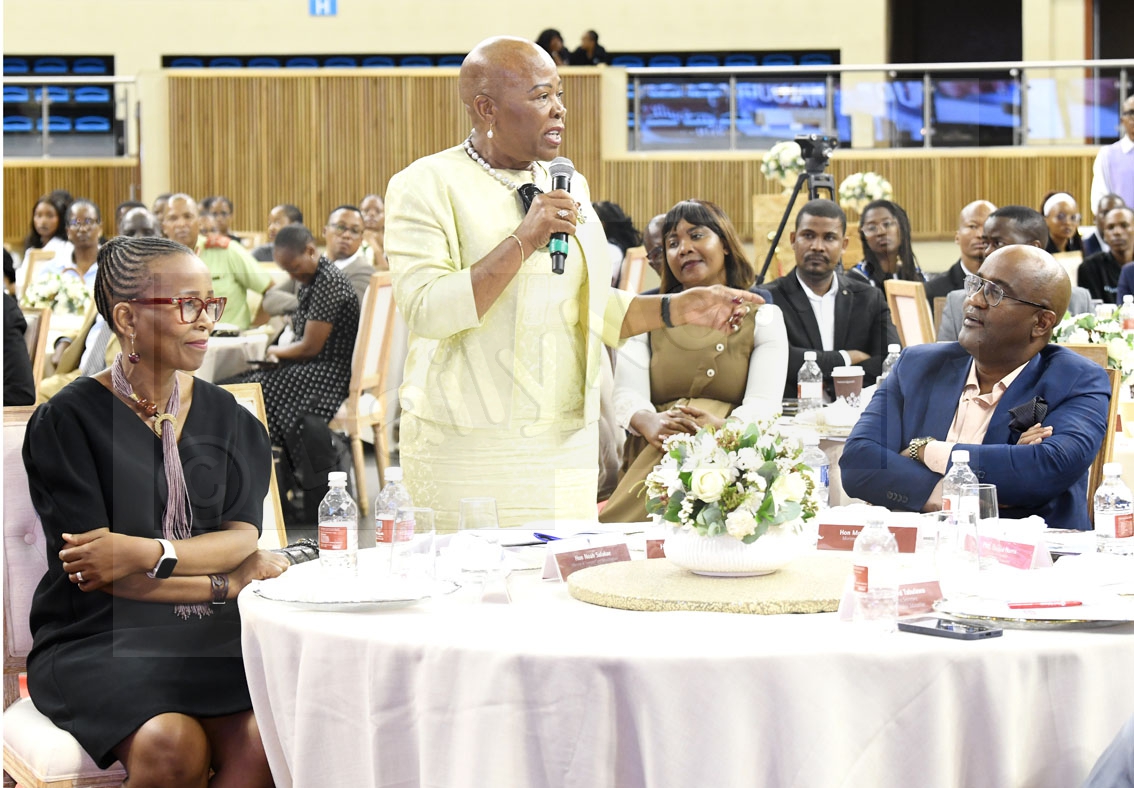
    Minister of Transport and Infrastructure, Mr Noah Salakae said government was prioritising toll gates as another revenue source.

    UB Chancellor, Ms Tebelolo Seretse stated that the issue of toll gates to expand government revenue sources had been mooted, but nothing had thus far been done.

  • Government to capacitate BVI as vaccine hub

    Government to capacitate BVI as vaccine hub

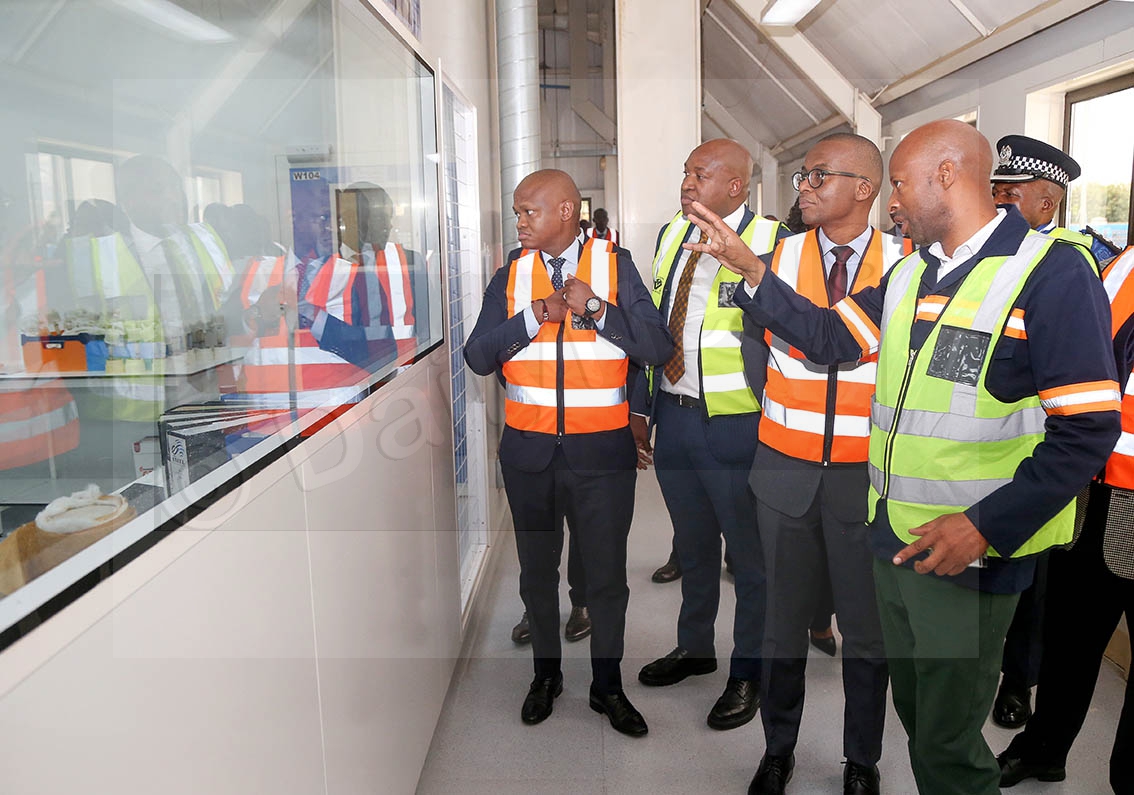
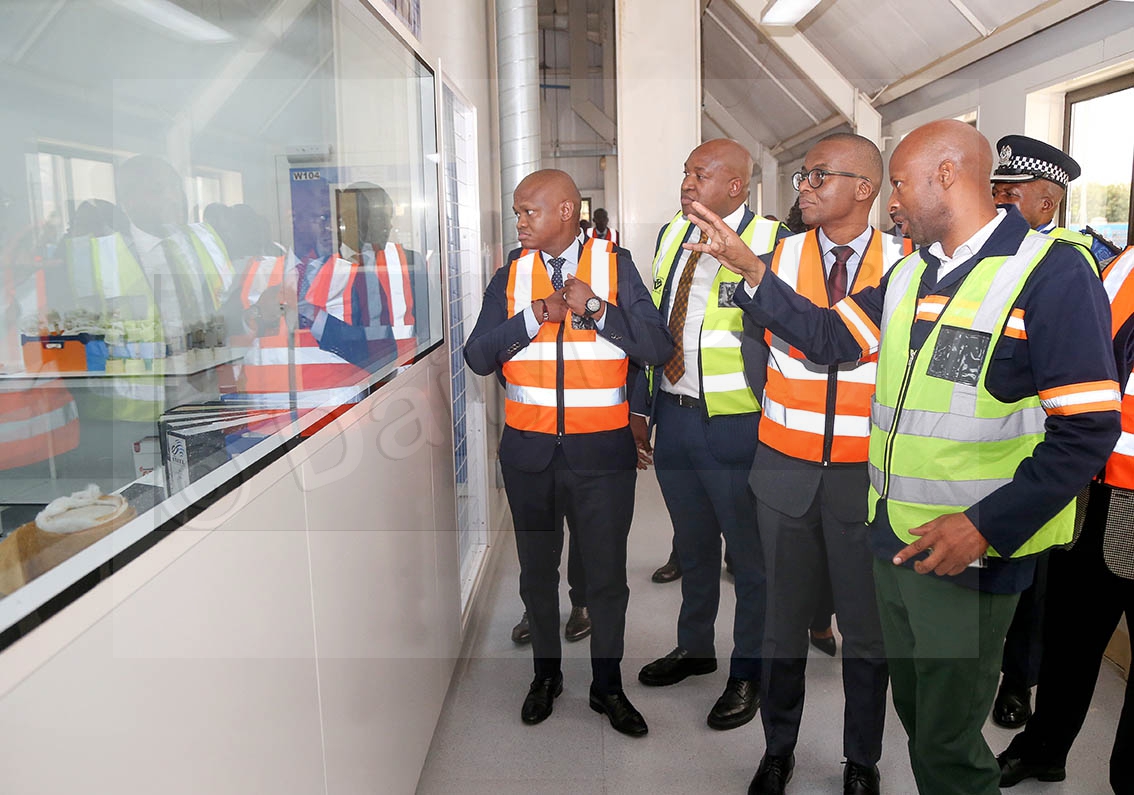
    Botswana Vaccine Institute (BVI) has been praised for its pioneering work in veterinary science, innovation and disease control. Speaking during a tour of the BVI facilities, Vice President Ndaba Gaolathe

    commended BVI for its commitment to advancing animal health, highlighting its role in controlling the spread of Foot and Mouth Disease (FMD) and contributing to food security.

    He emphasised the need for BVI to remain a global centre of excellence for infectious disease control, stating that the government’s priority was to capacitate and resource the institute to position Botswana as a vaccine-producing powerhouse.

    BVI has proven itself as a leading producer of animal medicines, with potential to become a leading exporter across Africa. 

    He said the institute’s strict adherence to international vaccine standards of the World Organisation for Animal Health (OIE), together with a sound quality management system and customer-centred approach, enabled it to break into international markets,  a development he described as commendable.

    “From its humble beginnings, the BVI of today is a company that has grown in leaps and bounds and has positioned itself as a force to be reckoned with in the fight to unlock Africa’s vast livestock potential by producing livestock disease vaccines that for many years have contributed towards food production,” he said.

    Mr Gaolathe further said BVI had expanded its mandate to transform into a national, regional and global player providing sustainable animal health solutions, and that it takes pride in leading efforts to unlock Africa’s livestock potential by preventing diseases that have long hampered growth in the sector.

    Meanwhile, BVI Chief Executive Officer Mr Andrew Madeswi said the institute remained steadfast in its commitment to the highest standards of quality, safety and regulatory compliance in pharmaceutical manufacturing, both regionally and internationally.

    “As part of our ongoing commitment to innovation and excellence, Botswana Vaccine Institute is excited to introduce the new look and feel of our vaccine product labels. This initiative aims to enhance brand recognition, improve clarity and ensure consistency across all our product lines,” he said.

    Mr Madeswi said that during its 40 years of operation, BVI had produced high-quality vaccines meeting industry standards, with a strong focus on safety, effectiveness and livestock well-being, promoting healthier herds and communities across Africa and beyond.He reaffirmed BVI’s commitment to safeguarding regional animal health amid the escalating FMD outbreak in the region.

  • Retail group supports deaf education with grocery donation

    Retail group supports deaf education with grocery donation

    Providing an environment where teaching and learning can thrive means ensuring that essential items like food and toiletries are also available to learners to enhance their learning experience.

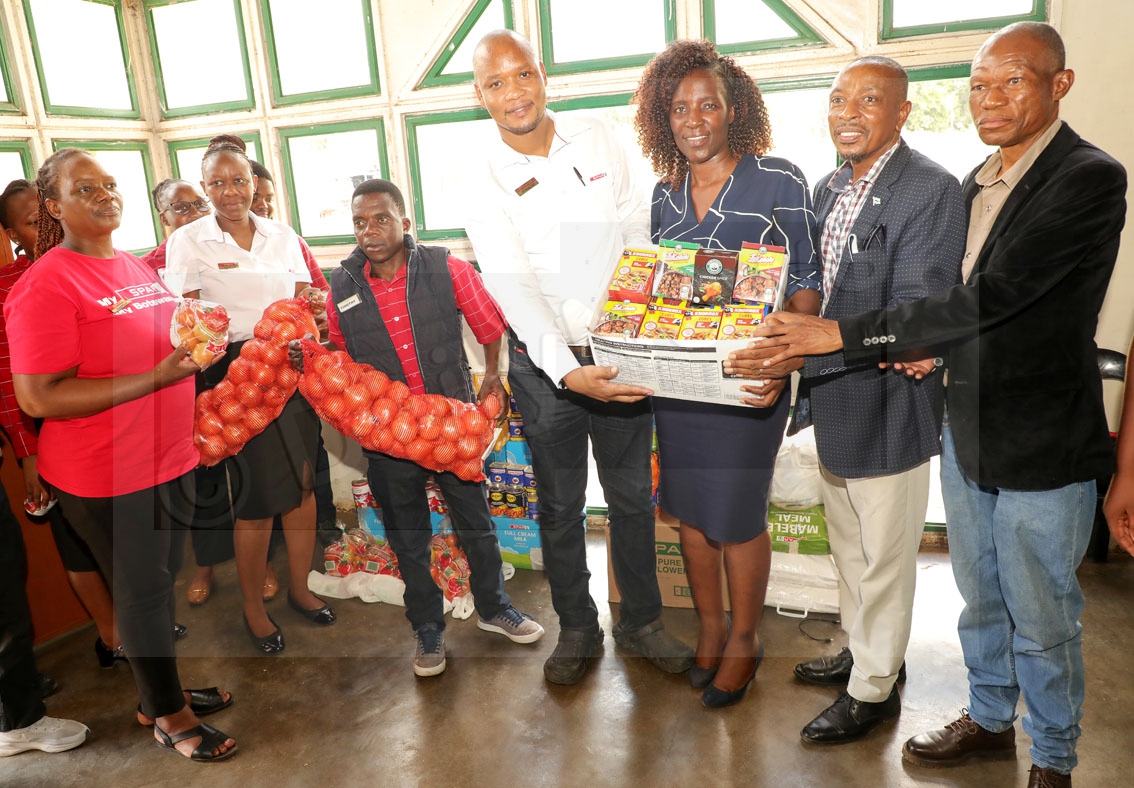
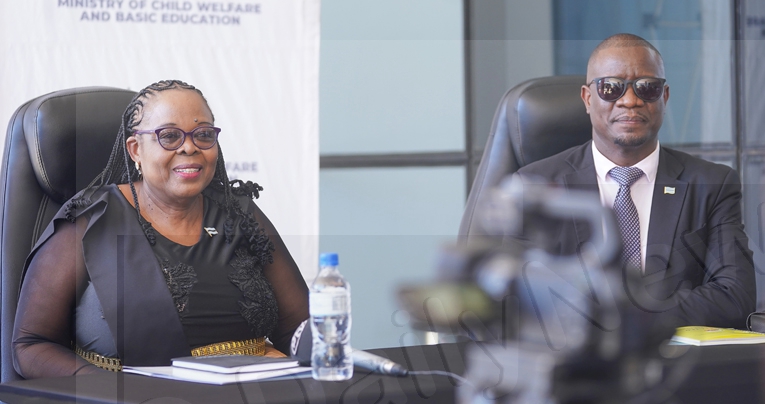
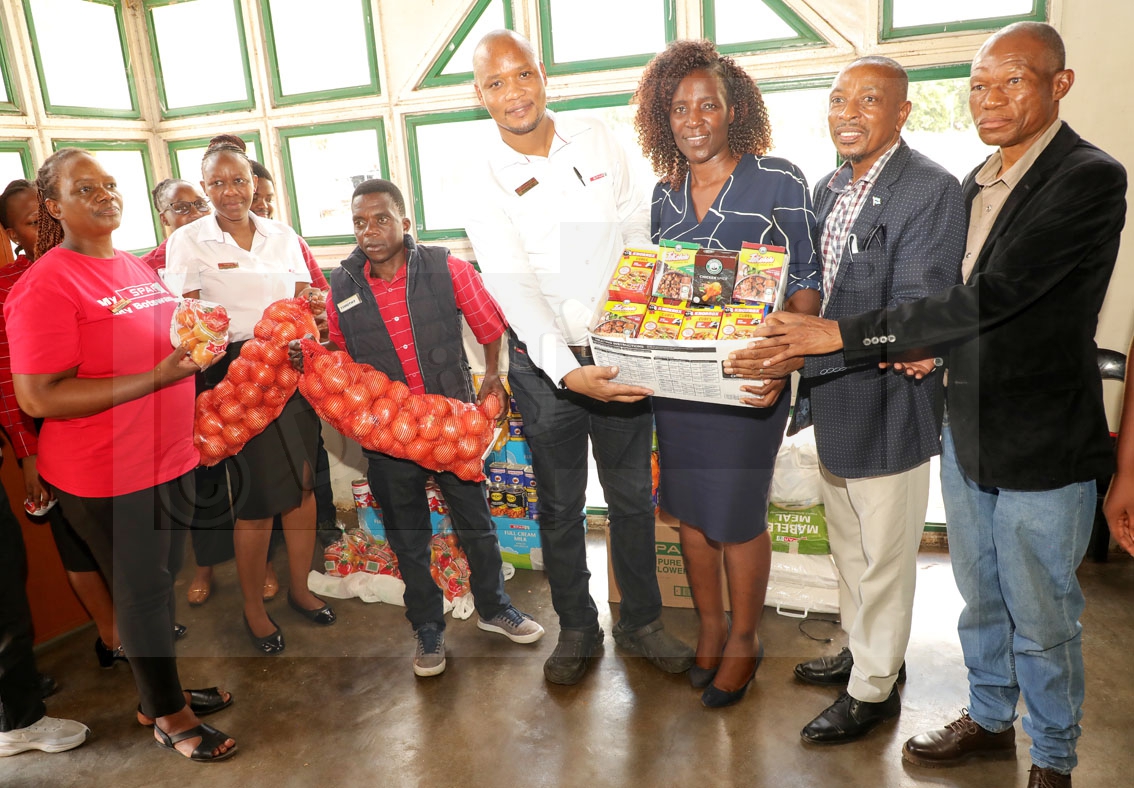
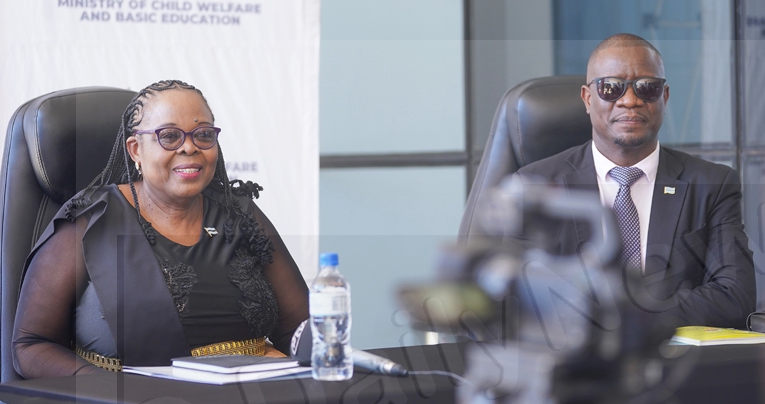
    Ministry of Child Welfare and Basic Education’s regional director for the North East region Mr Labane Mokgosi said this recently when Tsetseng Retail Group donated groceries to the Francistown Centre for Deaf Education (FCDE).

    Commending Tsetseng Retail Group for its collaboration with FCDE, Mr Mokgosi said reducing their partnership into writing through the Memorandum of Understanding that the two entities signed at the donation ceremony marked the unwavering commitment of the retail group to supporting deaf education.

    “We are truly grateful for this partnership, and the Memorandum of Understanding is a source of great pride for us” he remarked, highlighting how the 12-months donations by the Tsetseng Retail Group, the parent company for Spar supermarkets, will positively impact the work of the Francistown School for the Deaf.

    He also pointed out that Spar’s initiative serves as an excellent example of a public-private partnership, which they aspire to expand. Spar community project coordinator, Mr Kemisetso Gotewang noted that Spar’s partnership with FCDE started when they first visited the school in 2024 to assess its needs and determine how they could assist.

    “We discovered various issues, among them the need for food and toiletries. As Tsetseng Retail Group, we recognised that students need proper sustenance in order to perform well academically,” he stated, giving a background of why they chose to support the centre through providing groceries and toiletries.

    With regards the Memorandum of Understand, Mr Gotewang said Spar committed to providing a monthly sponsorship of P10 000 over 12 months to cover food and toiletries.

    FCDE school head Ms Changu Monyadzwe expressed appreciation for the generous grocery donations that Spar has been providing since 2025.

    She noted that the contributions have greatly aided in supplying daily meals for their learners, ensuring dignity, nourishment, and stability for children who depended on the centre for education and care.

    Ms Monyadzwe highlighted that FCDE was a unique institution offering sign language-based education to deaf students from the northern region of Botswana.

    She further indicated that the school relied on collaboration with government and private partners like Spar.

    She also mentioned that the Ministry of Child Welfare and Basic Education supported their operational budget and provided teaching staff, while the City of Francistown offered additional assistance.

    FCDE representative, Mr Pako Modise shared that FCDE would enrol six Spar employees from the three Francistown stores in basic sign language training.

    The initiative, he said, would enhance accessibility, improve customer relations with deaf clients, and support compliance with the Botswana Disability Act

  • GCC and Swedish municipality partner to boost waste management

    GCC and Swedish municipality partner to boost waste management

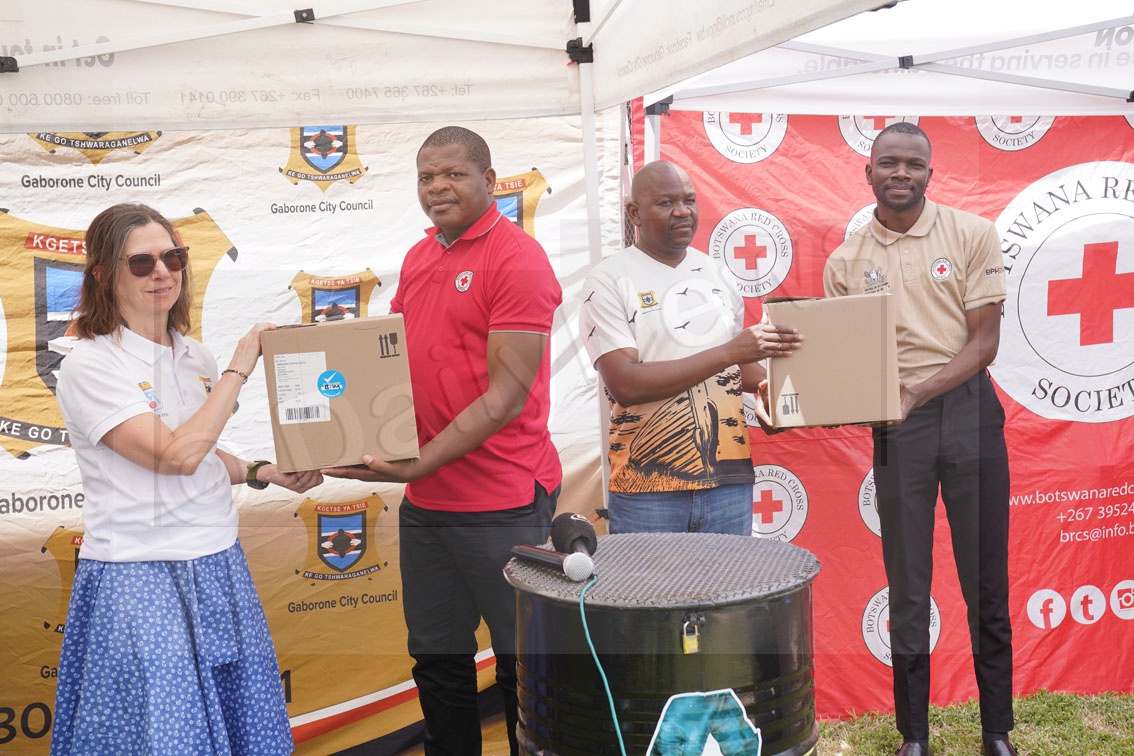
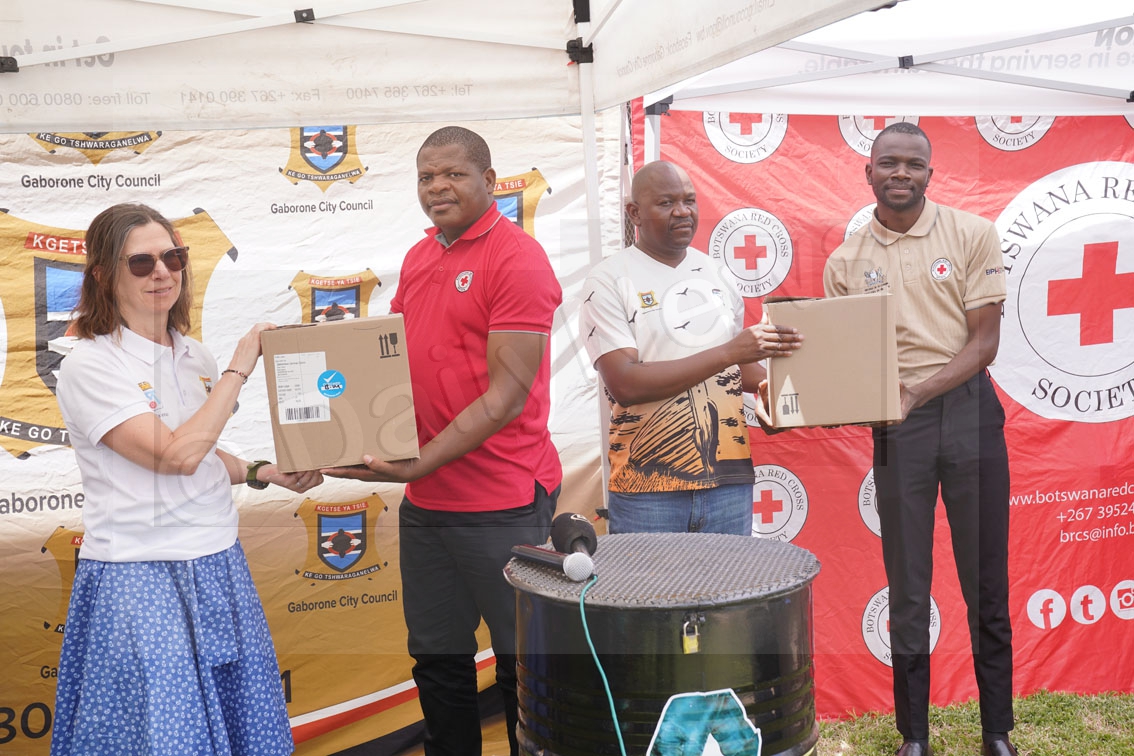
    Gaborone City Council (GCC) has entered into a collaboration with the Swedish city of Västerås in a move aimed at improving waste management systems in the capital while also supporting humanitarian efforts through the Botswana Red Cross.

    The partnership, facilitated through the International Centre for Local Democracy (ICLD), seeks to introduce innovative waste management practices and strengthen community participation in environmental sustainability.

    The collaboration was officially marked by a charity event held at the Gaborone City Council Civic Centre, which was attended by senior council officials, ICLD representatives and delegates from the city of Västerås.

    Opening the proceedings, GCC Chief Environmental Health Officer Mr Patrick Oleseng highlighted stark differences in waste management between Botswana and Sweden, noting that approximately 98 per cent of waste in Botswana’s landfills was recyclable, compared to only about 10 per cent in Sweden.

    Mr Oleseng said the alarming statistic underscored the need for the partnership, adding that community involvement played a major role in Sweden’s success.

    He further said in Sweden, waste management was not only a municipal responsibility but also a community-driven effort, including financial participation, therefore urging Batswana to support waste management initiatives. 

    He expressed hope that with collective effort, landfill waste could be reduced from 98 per cent to 50 per cent by the end of the year.

    He also said the involvement of ICLD would not only improve waste management but also help preserve and reinvigorate Botswana’s natural environment, which the country is well known for.

    Mr Oleseng also acknowledged donations made by the city of Västerås to the Botswana Red Cross.

    Deputy Town  Clerk Ms Mosidi Batsalelwang , emphasised the importance of educating both current and future generations on the consequences of improper waste disposal. 

    She reiterated the need for effective waste management schemes and highlighted the role of community awareness in achieving long-term environmental sustainability. 

    She also stressed the importance of donations, noting that many vulnerable people could benefit from items such as warm clothing and blankets.

    Ms Batalelwang also said there were people who could benefit greatly from what others could afford to give away and encouraged members of the public to donate. 

    Botswana Red Cross Disaster Management Officer, Mr Mompoloki Nawa, expressed gratitude on behalf of the organisation for the donations. He said the contributions would go a long way in assisting disaster-affected communities.

    He further revealed that the donations would also be used to support victims of recent natural disasters in Mozambique, expressing sympathy for those affected and appreciation to all collaborating partners for their continued support.

  • Botswana to attend SIREXE second edition

    Botswana to attend SIREXE second edition

    Botswana will attend  second edition of the International Exhibition of Extractive and Energy Resources (SIREXE), scheduled for later this year in Abidjan as a country of honour.

    SIREXE is a biennial event focusing on mining, oil and energy, providing a platform for African and international partnerships. The two countries are considering signing a Memorandum of Understanding with clear deliverables to strengthen cooperation

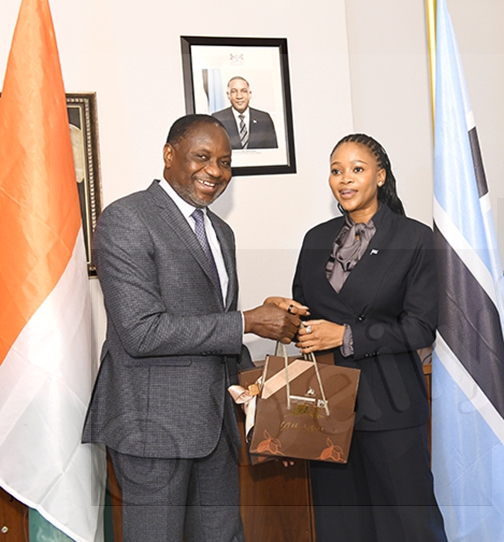
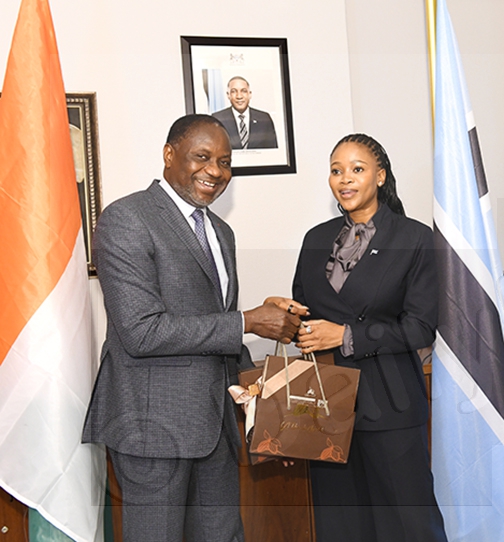
    This was confirmed by Minister of Minerals and Energy, Ms Bogolo Kenewendo durin official talks with  Côte d’Ivoire Minister of Mines, Petroleum and Energy, Mr Mamadou Sangafowa-Coulibaly in Gaborone on Monday. 

    The meeting focused on strengthening bilateral relations between Botswana and Côte d’Ivoire, as well as cooperation and knowledge-sharing in the mining, agriculture and energy sectors. 

    The two countries with Botswana, known for its expertise in diamond mining, and Côte d’Ivoire, whose economy is largely driven by cocoa production, aim to diversify their economies by leveraging each other’s strengths and experiences. 

    “It is not just about diamonds and cocoa; we are both looking to diversify, and our diversification is based on shared experiences,” Ms Kenewendo said in an interview. 

    She noted that Botswana’s experience in diamond mining, mining governance, beneficiation, mineral development and negotiations could complement Côte d’Ivoire’s strong agricultural base, particularly in cocoa production. 

    “We do hope that beyond the mineral space in Botswana, we can learn something from the agricultural space, which is the mainstay of Côte d’Ivoire,” she told the media. 

    Looking ahead, Ms Kenewendo expressed optimism about opportunities for collaboration in capacity building, mining exploration and development, that encouraged private sector engagement between the two countries. 

    For his part, Mr Sangafowa-Coulibaly welcomed Botswana’s engagement and praised efforts to deepen friendship between the two nations. He said Côte d’Ivoire was keen to host Botswana as country of honour at this year’s SIREXE and stressed the importance of expanding cooperation in the minerals and energy sectors. 

    Mr Sangafowa-Coulibaly added that his country was interested in benchmarking Botswana’s diversification initiatives, particularly in mining, as it sought to expand its own sector.  He said Côte d’Ivoire viewed Botswana’s experience in mining governance, beneficiation and mineral development as a model of good practice.

  • Economic climate presents opportunities – Mohwasa

    Economic climate presents opportunities – Mohwasa

    The 2026/27 National Budget recently presented by Vice President and Minister of Finance, Mr Ndaba Gaolathe, was delivered in the current economic climate that presents both a challenge and opportunity. Minister for State President, Defence and Security, Mr Moeti Mohwasa has said.

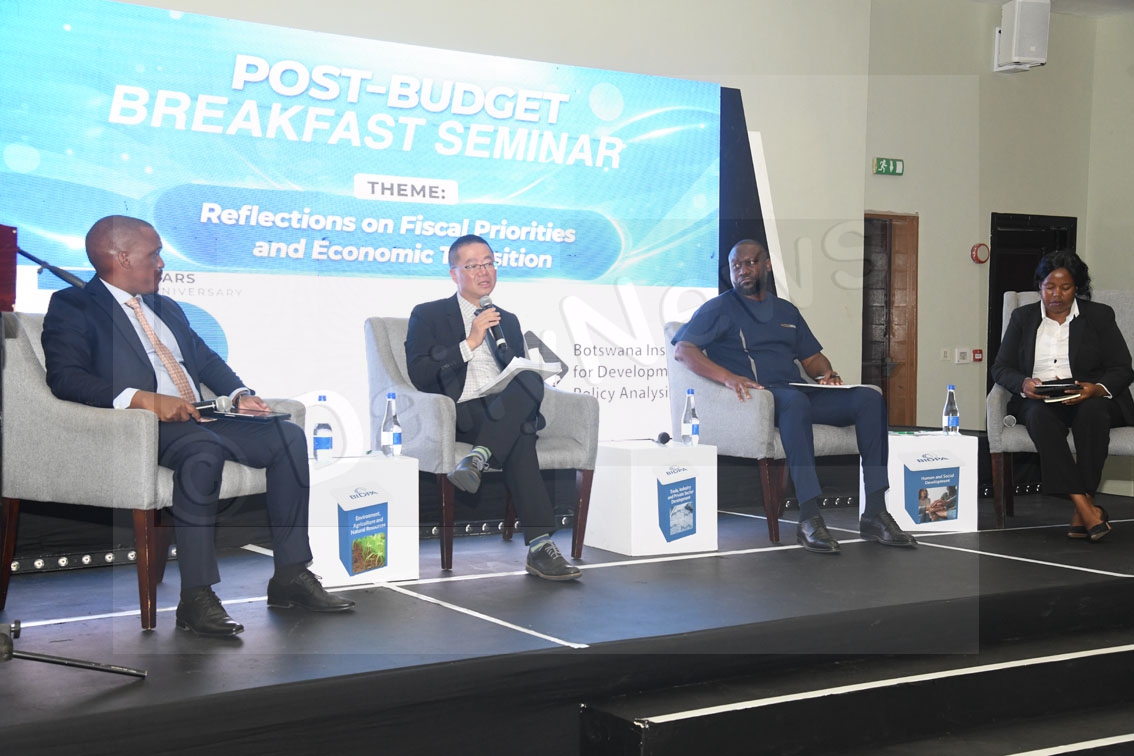
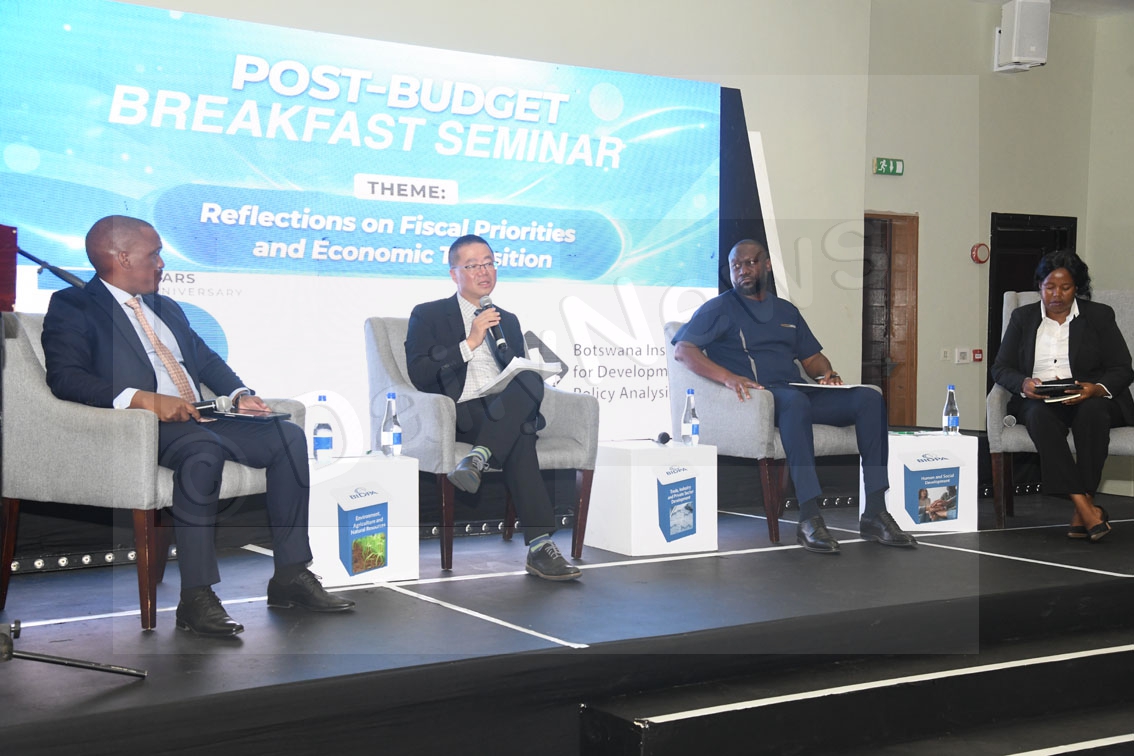
    Giving an address to commence the Botswana Institute for Development Policy Analysis (BIDPA) Budget Breakfast Seminar held in Gaborone, Mr Mohwasa said government was committed to not only navigating the current circumstances but executing long term reform.

    “We are addressing the realities with discipline and resolve. Government has taken a responsible path. The budget seeks to restore stability to our public finances while safeguarding strategic investments that drive long term growth infrastructure, human capital development and economic diversification. It is a careful balance between prudence and progress,” said Mr Mohwasa.

    He added that state commitment to accountability and ensuring public finances deliver tangible benefit to citizens would be realised through strengthening public financial management, tightening expenditure controls and improving procurement processes.

    “At the same time, transformation must be inclusive. Youth unemployment remains a serious concern. Economic reform must therefore translate into real opportunities in agriculture, manufacturing, tourism, digital services and othef priority areas of the twelfth National Development Plan (NDP 12),” said Mr Mohwasa.

    Additionally, Mr Mohwasa said institutions such as BIDPA are vital partners and urged them to strengthen their role of research and development, as well as analysis to assist with policy choice and accountability.

    During the post-budget analysis debates, the Botswana Stock Exchange (BSE)  chief executive officer, Mr Aupa Monyatsi said there was a need for “creating the right risk capital” and training for small medium and micro enterprises (SMME) as well as self financing mechanisms for local government authorities in order to assist transform the economy.

    He said SMMEs were able to list in the lower bourse of the BSE and they currently have 72 such companies that were trained under the Tshipidi Mentorship Programme and employ around 10 000 people, a sign of what could be achieved if there was the right investment in the sector.

    World Bank resident representative for Botswana, Mr Liang Wang, urged national policy makers to prudently manage the debt to gross domestic product ratio and managing key fiscal buffers such as the government investment account.

    Mr Wang also said it was important to get value for money for projects invested in and their national enterprise survey undertook about a decade ago showed the need for total factor productivity, which calls for the efficiency of not just labour but also capital and other production inputs

  • Reduce Congestion in Okavango Delta

    Reduce Congestion in Okavango Delta

    The Botswana Guides Association (BOGA) mobile tour operators have been urged to explore other tourism opportunities and diversify their activities beyond the Okavango Delta.

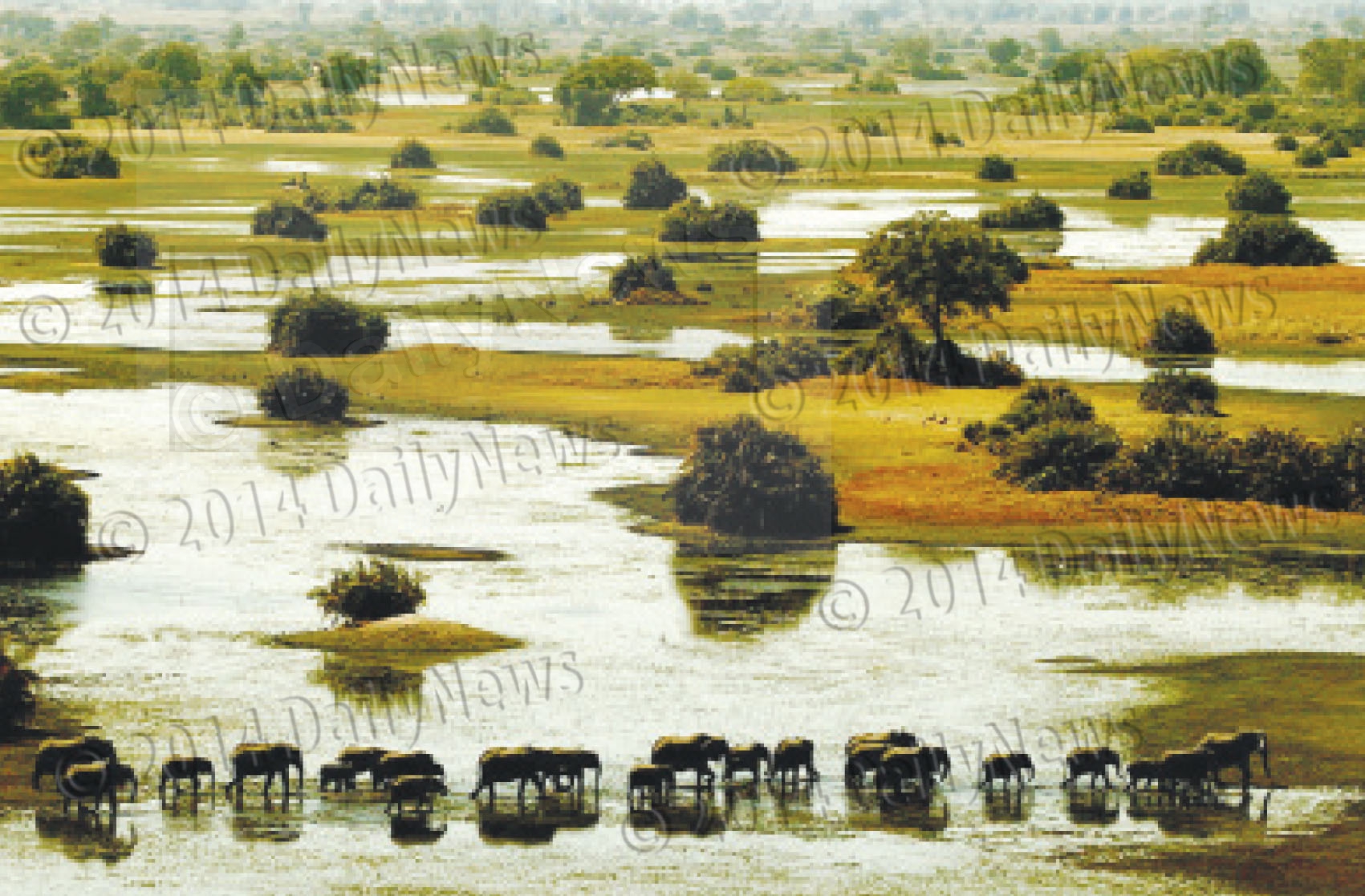
    Located in the Ngamiland region which has a rich and diverse wildlife, as well as unique seasonally flooded wetlands, the Okavango Delta is the most famous safari destination in Botswana.

    The delta attracts thousands of visitors annually from all over the world. Due to its economic and outstanding value, it often overshadows other surrounding local destinations which offer equally interesting safari experiences.

    BOGA members who often operate in the delta, Moremi Game Reserve and Chobe National Park destinations, have however been encouraged to explore other tourism areas such as Makgadikgadi Pans and the Central Kalahari Game Reserve (CKGR) to reduce congestion in the delta.

    BOGA members specialise in tailor-made, camping experiences, offering guided, immersive tours across the country’s national parks. BOGA chairperson, Kenson Kgaga, challenged operators to diversify tourism beyond the delta by exploring rural and cultural sites.

    Some sites in the Tubu area remained untapped, he said, noting that the association has made a request for more sites. Kgaga said the association has continuously received applications for new memberships, resulting in increased traffic in the delta.

    He said the Makgadikgadi Pans and the CKGR are among the best places to visit and can attract a lot of international attention if well marked.

    Makgadikgadi Pans are among the world’s largest salt pans and offer good wildlife viewing during the wet season, particularly when great herds of zebra and wildebeest begin their migration to the Boteti region.

    This is the time when the pans fill with water, transforming into a bird lover’s paradise with thousands of flamingos, pelicans and migratory birds.

    The CKGR on the other hand is famous for lions, cheetahs and diverse antelope. The area is also renowned for its remote, wild landscape, and has a fascinating range of different plants. Kgaga advised that reducing congestion in the delta could help to ensure that tourism remained within sustainable, low-impact limits.

    Reports also indicate that too many vehicles in one place simultaneously could cause noise pollution and disturb wildlife, potentially forcing them to flee to less suitable habitats.

    An operator, Phetogo Malatsi, complained of limited campsites and asked the association to request for more sites particularly in Moremi Game Reserve. The area, he said, is big with rich ecosystem yet some sections have been unoccupied

  • Project Bula Buka Unlocks Opportunities For JC Leavers

    Project Bula Buka Unlocks Opportunities For JC Leavers

    For many young Batswana, completing the Junior Certificate was meant to be a key milestone and a path to senior secondary education. Instead, for some, it became a moment filled with uncertainty, a crossroads where dreams pause, opportunities narrow and the future feels uncertain.

    While some young people leave school hopeful yet uncertain, others are forced to exit due to financial, family or personal challenges. Gradually time slips by, and many quietly fall out of the education system, carrying unrealised ambitions and unanswered questions.

    It is for these young people that Project Bula Buka was launched in Gaborone this week, offering more than just a programme, but a renewed sense of possibility. Targeting JC leavers from 2019 to 2025, the initiative is designed to provide structured second-chance opportunities in education, skills development and pathways into employment.

    Speaking at the official launch, the Minister of Child Welfare and Basic Education, Ms Nono Kgafela-Mokoka described the project as a promise to young people who may have felt left behind.
     

    Phase one will focus on identifying and enrolling eligible JC leavers and linking them to tailor made training and vocations that align with labour market needs.

    Ms Kgafela-Mokoka explained that many beneficiaries had already been profiled, with more to follow, ensuring that participants received career guidance, life-skills training and support services aimed at building confidence and long-term self-reliance.

    At the heart of Project Bula Buka is a recognition that learning is not one-size-fits-all. While some learners thrive in traditional classrooms, others are more practically inclined or need alternative routes to rediscover their strengths. The programme is therefore built on three pillars: skills development, multiple learning pathways and multiple certification options creating flexible routes back into learning and work.

    With a strong Science, Technology, Engineering, Arts and Mathematics (STEAM) focus, the initiative also seeks to prepare young people for a rapidly changing job market, where adaptability and practical skills are increasingly valued.

    For those who have spent years outside structured learning, this support could be life-changing, offering a bridge from prolonged unemployment to meaningful participation in the economy, entrepreneurship or further education.

    However, Ms Kgafela-Mokoka emphasised that the success of the programme depended on partnership. Government, she said was working alongside employers, training institutions and community stakeholders to create opportunities for internships, mentorship and smoother transitions into existing empowerment initiatives.

    Accessibility has also been prioritised and registration will be available both online and manually, with innovative partnerships allowing young people to register at selected Choppies Botswana stores, JB Stores and fuel stations, including in remote areas such as Hukuntsi and Charleshill.

    The minister said special outreach efforts were targeting hard-to-reach communities, including the Central Kgalagadi Game Reserve (CKGR), Seronga, Gudigwa, Jao Flats, Ditshiping and New Xade areas where distance and limited connectivity have often excluded young people from national programmes. A toll-free helpline is also being established to provide guidance and respond to queries.

    Project Bula Buka forms part of Botswana’s broader Education Continuum Model under the Botswana Economic Transformation Programme (BETP), which aims to develop innovative, future-ready human capital. But beyond policy frameworks, the initiative reflects a deeply rooted Setswana value tshwaragano or the spirit of working together.

    “It acknowledges that young people who fall outside formal systems are not statistics, but our sons and daughters, neighbours and future leaders. By creating structured second-chance opportunities, the programme aims to restore confidence, dignity and direction,” said Ms Kgafela-Mokoka.

    With registration open for a month and implementation set for March 2026, Project Bula Buka carries a simple but powerful message: one exam result or one difficult season does not define a lifetime. Sometimes, all it takes is for someone to open the book again and begin a new chapter.

  • Valentine’s blood drive collects 350 donors

    Valentine’s blood drive collects 350 donors

    While Valentine’s Day is often associated with roses, chocolates and romantic gestures, for some Batswana the most meaningful expression of love is giving blood to help save lives.

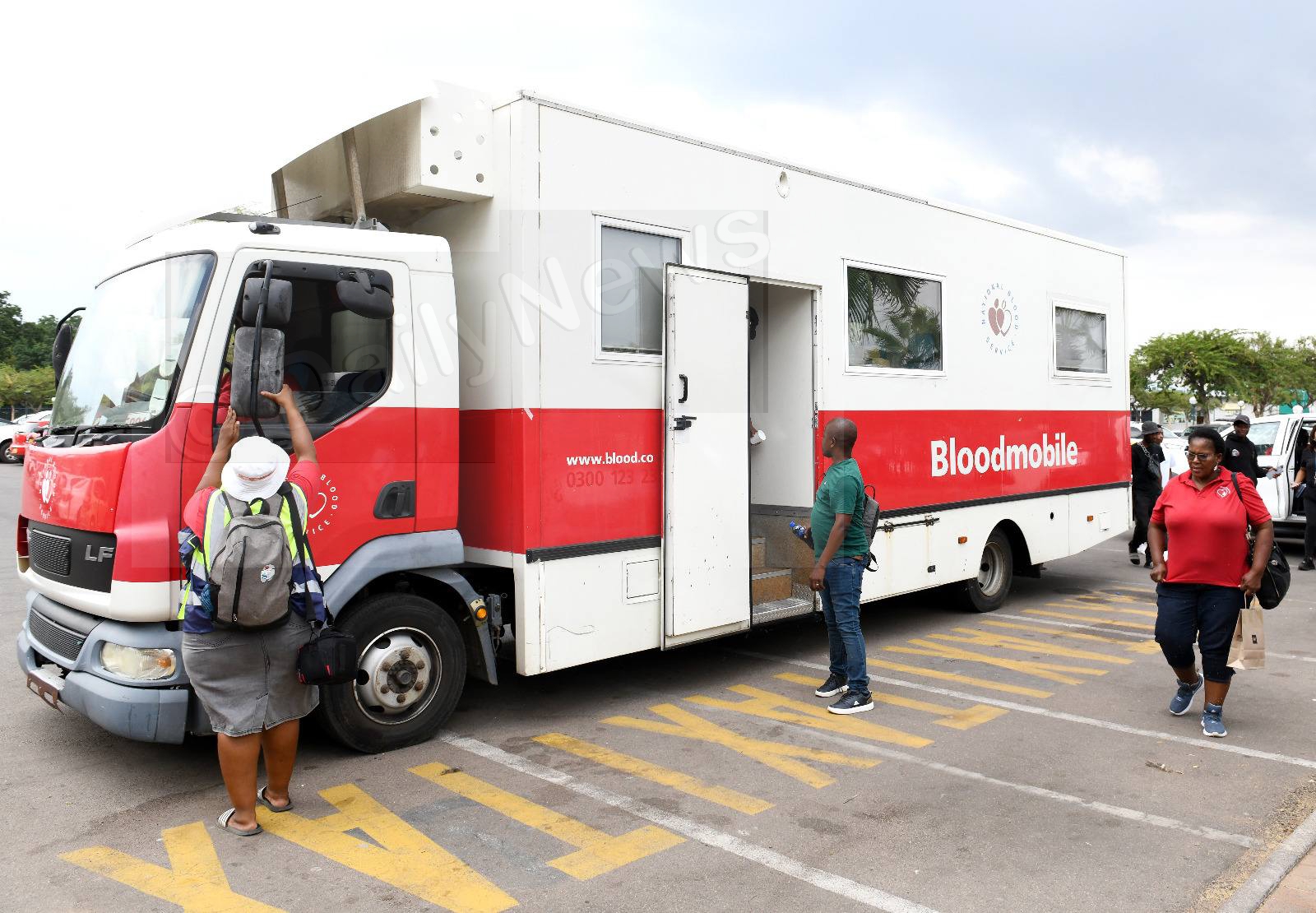
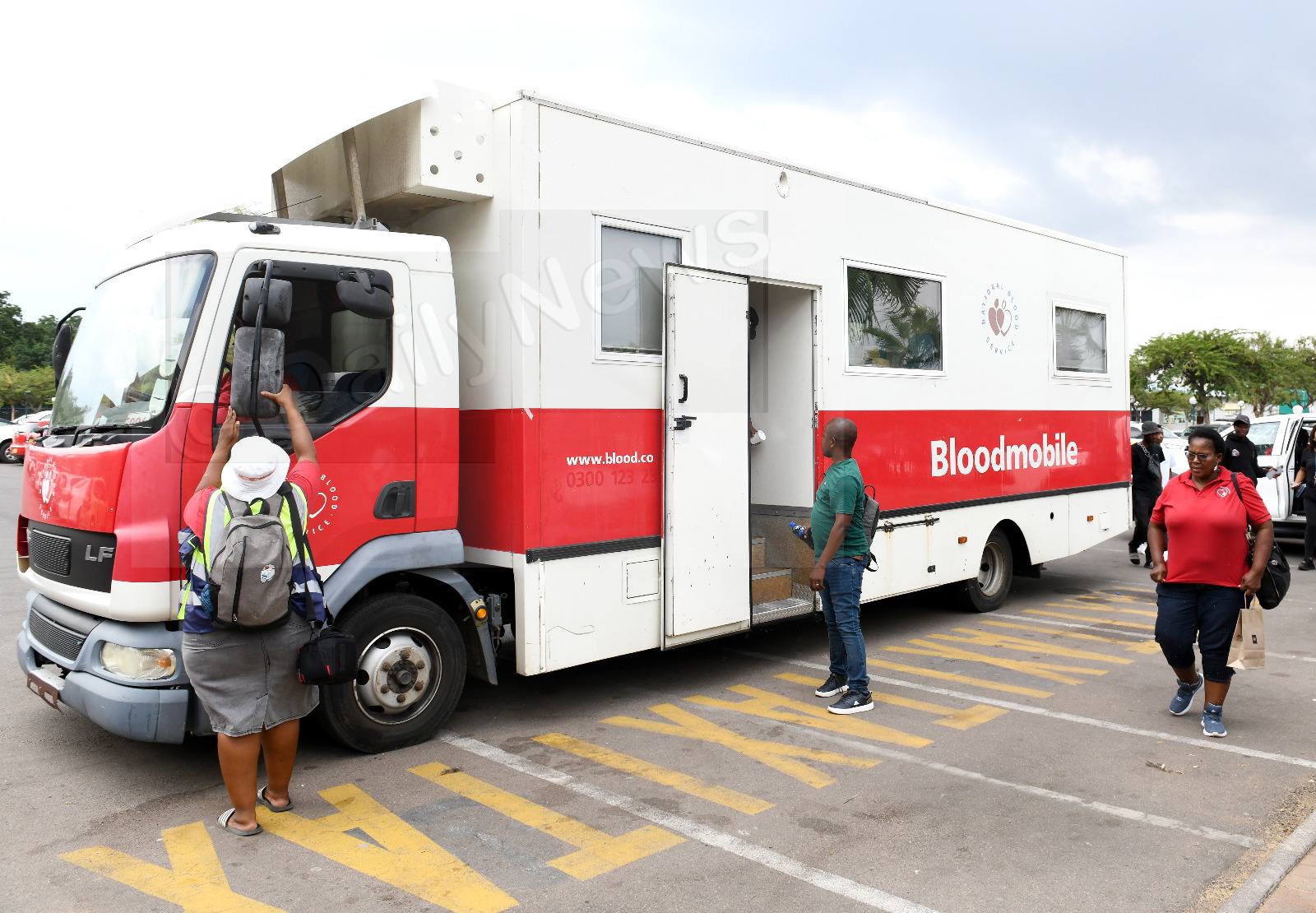
    For the 11th consecutive year, the National Blood Transfusion Services Botswana hosted its Valentine’s Day blood donation campaign, encouraging the public to mark the occasion through an act of compassion. The initiative drew support from donors in Railpark mall in Gaborone and Watershed Mall Mahalapye, with about 350 people rolling up their sleeves during the week-long drive.

    Chief Registered Nurse Thabo Mazhani said the campaign continues to serve as an important reminder that love can be shown not only through gifts, but also through selfless acts that benefit the wider community.

    With the country currently facing a shortage of blood, he urged more people to come forward and become regular donors.

    “Those eligible to donate blood are persons aged between 16 and 65 years who weigh 50 kilogrammes and above,” he said, adding that consistent donations are critical to maintaining adequate supplies for emergencies, surgeries and ongoing medical care.

    Although the Valentine’s campaign has now come to an end, organisers hope the spirit of giving it inspired will last well beyond February, reminding the nation that a single donation can mean a second chance at life for someone else.