Category: Local

  • Commercial Court nigh

    Commercial Court nigh

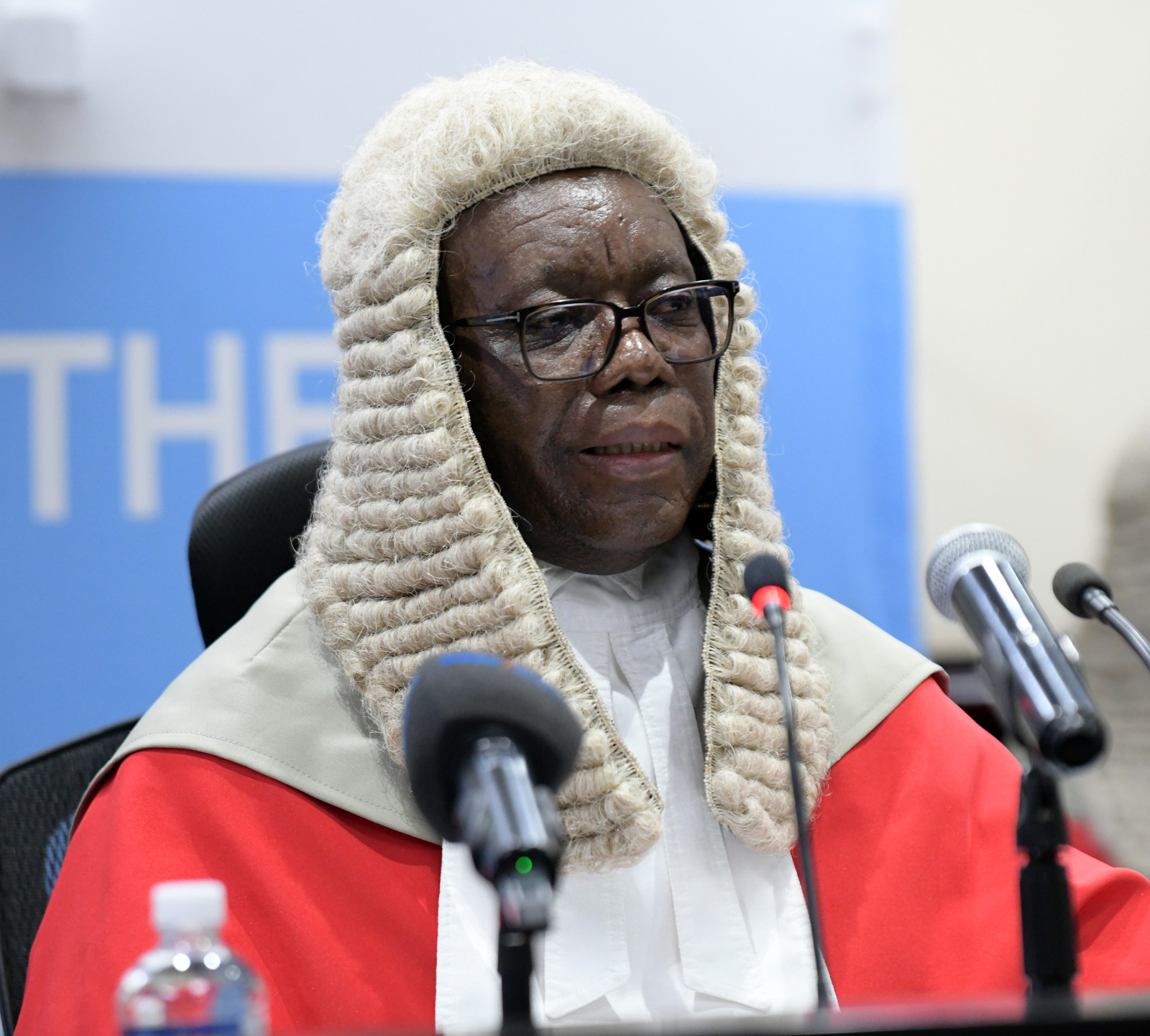
    A specialised commercial court aimed at speeding up the resolution of commercial disputes and supporting Botswana’s ease of doing business agenda is set to be launched in March.

    Announcing the development during the opening of the 2026 Legal Year in Gaborone on Monday, Chief Justice Gaolapelwe Ketlogetswe said the move was part of broader judicial reforms meant to modernise justice delivery.

    “The envisaged commercial court will deal exclusively with commercial matters and is intended to facilitate the ease of doing business in Botswana,” said Justice Ketlogetswe.

    He said the judiciary recorded significant institutional reforms in 2025 as it pursued its goal of becoming a world-class judicial system by 2036.

    “Our focus remains on improving efficiency, strengthening accountability and bringing justice closer to the people,” he said.

    Justice Ketlogetswe said key achievements of 2025 included the appointment of five new judges to the Court of Appeal, bringing the bench to its full complement of 12 justices.

    “The High Court has also reached its full complement of 30 judges, a development we expect will improve case management and reduce backlogs,” he said.

    On gender representation, the Chief Justice said the judiciary had deliberately increased the number of women judges, with four of the eight newly appointed High Court judges being women.

    “This is a trend that will continue across all courts,” he said.

    On the establishment of specialised courts, Justice Ketlogetswe said the judiciary recognised the urgent need to establish a constitutional court, noting that specialisation enhanced efficiency and the timely delivery of justice.

    “Specialised courts strengthen the quality of judicial decisions and enable the courts to respond effectively to the changing needs of society,” he said.

    Meanwhile, newly appointed Attorney General Dick Bayford, in his first address in office, said government was moving to repeal laws that had been declared unconstitutional by the country’s highest court.

    “There is a need to improve access to laws so that the majority of Batswana can understand them,” said Bayford.

    He added that the state should approach litigation with restraint and fairness.

    “The state does not always have to pursue every technical advantage or take advantage of every procedural flaw. It must litigate with moderation, candour and proportionality,” he said

  • The Botswana Prisons Service (BPS) is on a quest to fill the BPS’ silos with abundant grain this ploughing season.

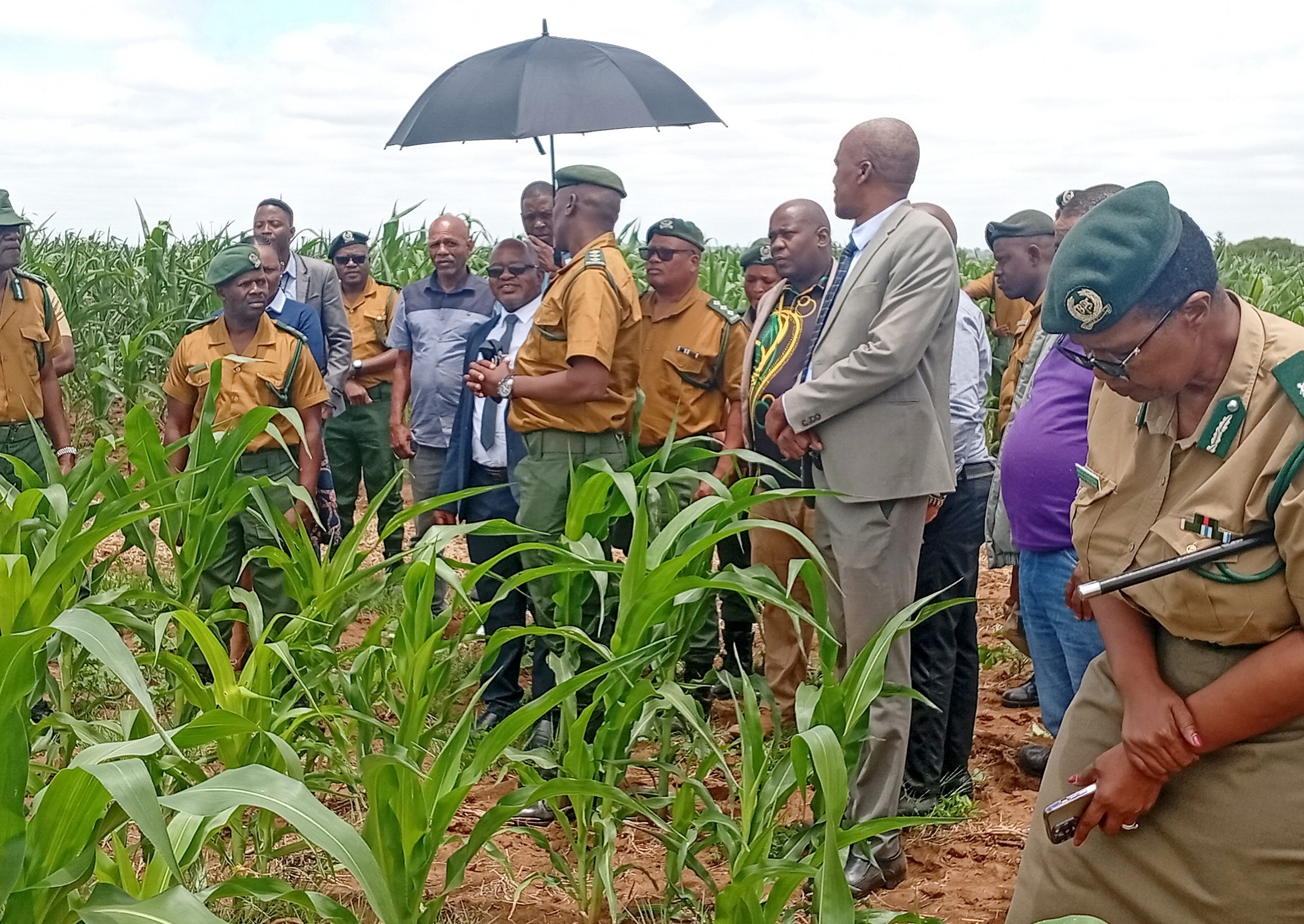
    The Botswana Prisons Service (BPS) is on a quest to fill the BPS’ silos with abundant grain this ploughing season.

    Already, Molepolole Prisons, which has a 400-hectare farm, has planted 93 hectares of maize and three hectares of lablab while another three hectares of maize was yet to planted.

    In Mahalapye, 40 hectares of sorghum have been planted while 38 hectares in Machaneng and 28 hectares at Letlhakane have been planted while a target of 101 hectares of sorghum was to be ploughed.

    “We have also planted 40 hectares of beans in Tsabong and we also have have an egg farm as well, while in Tshane we have planted 20 hectares,” said Botswana Prisons Service Commissioner, Mr Anthony Mokento during Minister of Justice and Correctional Services, Mr Nelson Ramaotwana’s tour of Molepolole Prisons recently.

    He said if the rains could remain consistent, they aimed to atleast produce 3 000 bags of maize, which would be enough to feed all the 23 prisons nationwide, but if not, they should at least produce two thirds of the expected harvest.

    He was however optimistic that the harvest would be enough to feed the 4 497 prisoners nationwide.

    He highlighted that the notion of ploughing was to equip prisoners with farming knowledge so as to use the skill once they released from prison.

    “Our plan is to make prisoners produce food for themselves instead of relying on government coffers since the economy is struggling. Today, the minister came to assess how we were progressing since we ploughed earlier this season,” Mr Mokento said.

    For his part, Assistant Superintendent Mooketsi Lesego said the planted hectares in Molepolole were a stepping stone of a bigger dream to turn BPS as a hub for food security.

    As BPS, he said they made a choice to use hybrid varieties of white maize; SC555 which made 50 hectares and 42 hectares of SC419, which were drought resistant and high yielding.

    “We sowed SC555 so that we can give it enough time to grow because it is medium maturing variety and SC419 is early maturing so that we are able to maximise yield within the area that we have. We also have three hectares ‘highworth’ variety of lablab, which is the common variety that we usually grow here and it is a highly performing and we also have the remaining five hectares from which three hectares is yet to be grown SC555 to make it 53 hectares and the two hectares we have spared it for yellow maize (SC503),” said Mr Lesego.

    He said majority of the SC503 was going to be crushed with sunflower to feed guinea fowls in Letlhakane and used for livestock mix.

    In addition, he said they kept various breeds of livestock, cattle, goats and sheep that also helped them with meat and milk.

    However, he said they were rearing a lesser number of livestock, though various breeds, because their main focus was to help inmates to be fully acquainted with diversified knowledge and skills of managing an array of breeds to help them make wise choices when they joined the society and wanted to venture into farming.

    Mr Lesego also said most of the time they auctioned the livestock when it multiplied.

    Last year, he said they auctioned livestock worth more than half a million Pula.

    For his part, Minister Ramaotwana appreciated BPS’ efforts to fill BPS’ silos with grain during this ploughing season

  • Beef producers union rallies farmers to protect national herd

    Beef producers union rallies farmers to protect national herd

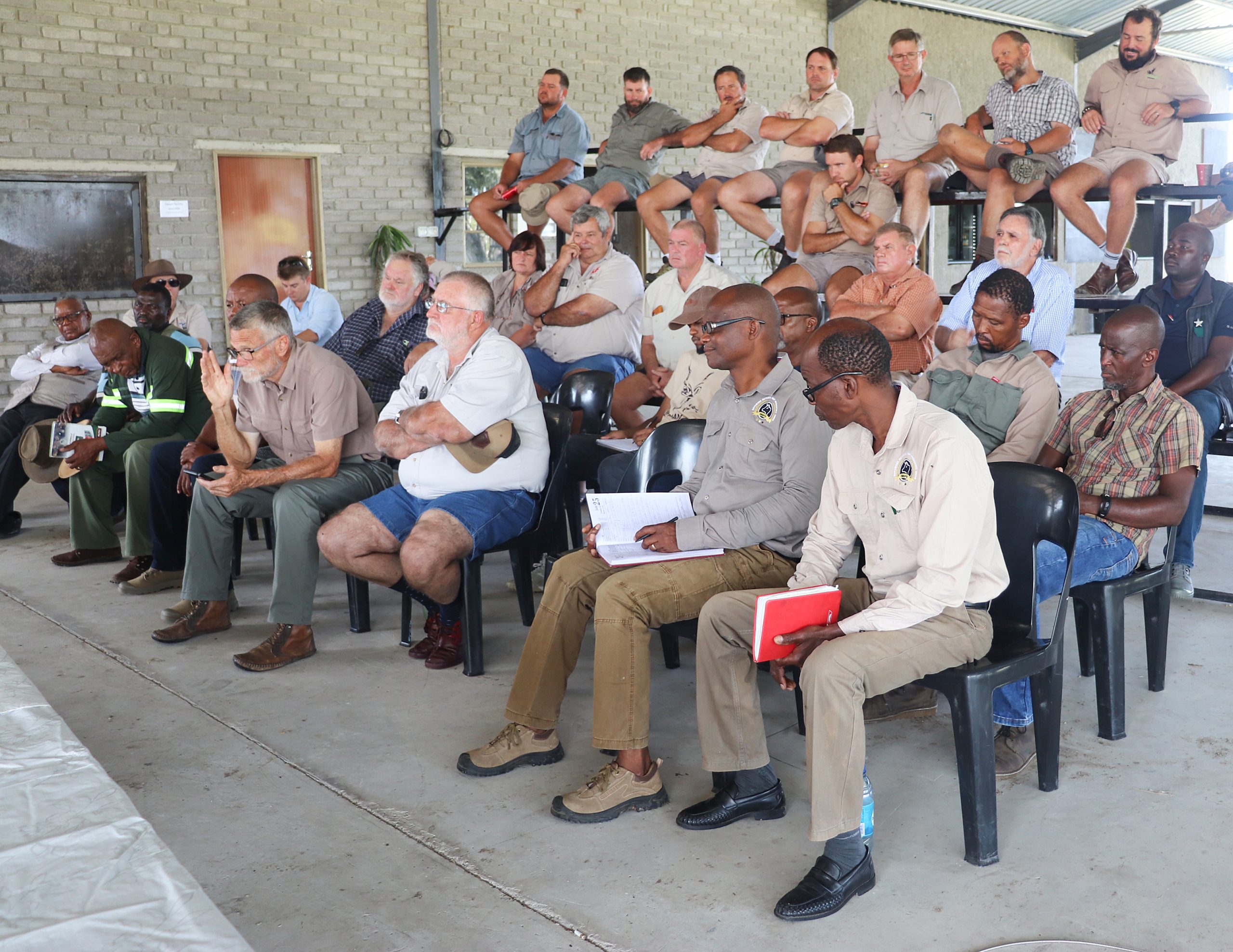
    The Foot and Mouth Disease (FMD) outbreak in South Africa and the confirmed cases in Botswana is a wake-up call for farmers to harness the transformative power of collaboration in order to strengthen their operations.

    The remarks were made by Botswana National Beef Producers Union (BNBPU) chairperson, Mr Mpaphi Phumaphi during a meeting attended by the community and members of farmers’ associations in Ghanzi recently.

    Mr Phumaphi said it was worth noting that it had been a common practice for some farmers’ associations to work in isolation and that had contributed to some inefficiency in the agricultural sector.

    He, therefore, called for farmers’ associations to collaborate and affiliate to BNBPU in order to bring seasoned wisdom and experiences that could infuse innovation for sustainable growth of the industry.

    Mr Phumaphi noted that through their successful collaborations, farmers could contribute successfully to the newly established Botswana Meat Industry Regulatory Authority (MIRA) Act, which was designed to regulate, licence and oversee the livestock and meat industry.

    He said through BNBPU national council, they had proposed for the liberalisation of the Botswana Meat Commission (BMC), saying breaking its monopoly would foster a more competitive sector where farmers would be spoilt for choice on where to sell their livestock.

    He further emphasised that the liberalisation of the BMC would allow for more local abattoirs to be established across the country to allow continuity in trading, more especially in unaffected zones during the times of outbreaks.

    Moreover, he said the liberalisation of BMC would afford BNBPU the opportunity to strategise and reinvent the meat industry to make it appealing to consumers as well as control the pricing of their products in the market.

    On other issues, he informed farmers that through the BNBPU council, members have set up a disease control fund to assist government with maintenance of disease control fences across zones as well as the purchasing of buffers and other necessities in the wake of financial challenges.

    A member of the executive committee, Mr Masego Phuduhudu informed farmers that as part of its continued efforts to rebrand the meat sector, BNBPU national council had made a recommendation for a comprehensive transformative strategy to be put in place.

    He said the strategy would be driven by the need to adopt sustainable farming practices and to implement some technological advancement that would enhance supply chain transparency and foster industry-wide collaboration.

    Mr Phuduhudu added that these transformative strategies also called for synergy collaborations with government for proper policies governing the industry to ensure increased production and meeting growing global demand.

    BNBPU Secretary, Mr Alfred Pilane said following the FMD outbreak in South Africa last year, in their meeting with government, BNBPU national council recommended for the establishment of a committee to provide guidance on the control measures.

    We suggested that the committee should comprise of experts and farmers’ community who were previously involved in FMD outbreak to beef up the dispatched team to the northern part of the country, he said.

    He also said they proposed for the setting up of the disease control fund, which would be controlled by the union and be used for the resuscitation of the Dibete cordon fence and others across the country as their support in controlling the diseases across zones.

    Other proposals included the establishment of district abattoirs, which he said could reduce inconveniences amongst the farming community during an outbreak.

    For his part, Ghanzi Farmers Association chairperson, Mr Quinton Barnes applauded BNBPU for their engagements with farmers’ associations across the country on how to contain and control the spread of FMD at local level.

    On other issues, Mr Barnes informed them that Ghanzi Farmers Association terminated its affiliation to BNBPU due to some conflicted operations but he acknowledged that, with the new management and thorough consideration they would renew their affiliation.

    He called for organisational transformation strategy at BMC that would drive long term growth by enhancing operational efficiency, and improve customer satisfaction.

    Furthermore, he proposed for autonomy of MIRA to foster increased productivity and efficiency in the meat industry.

    In his remarks, Ghanzi district Council chairperson, Mr Thabiso Kebadile, implored farmers to work in sync noting that isolation would defeat the efforts to protect the meat industry.

    He informed farmers about the government initiative to liberalise the beef sector through the establishment of MIRA.

    He therefore, challenged farmers to generate progressive ideas that could reshape the industry and help restore the economy to its former glory

  • Court postpones Legwale and Mkhuha appeal hearing

    Court postpones Legwale and Mkhuha appeal hearing

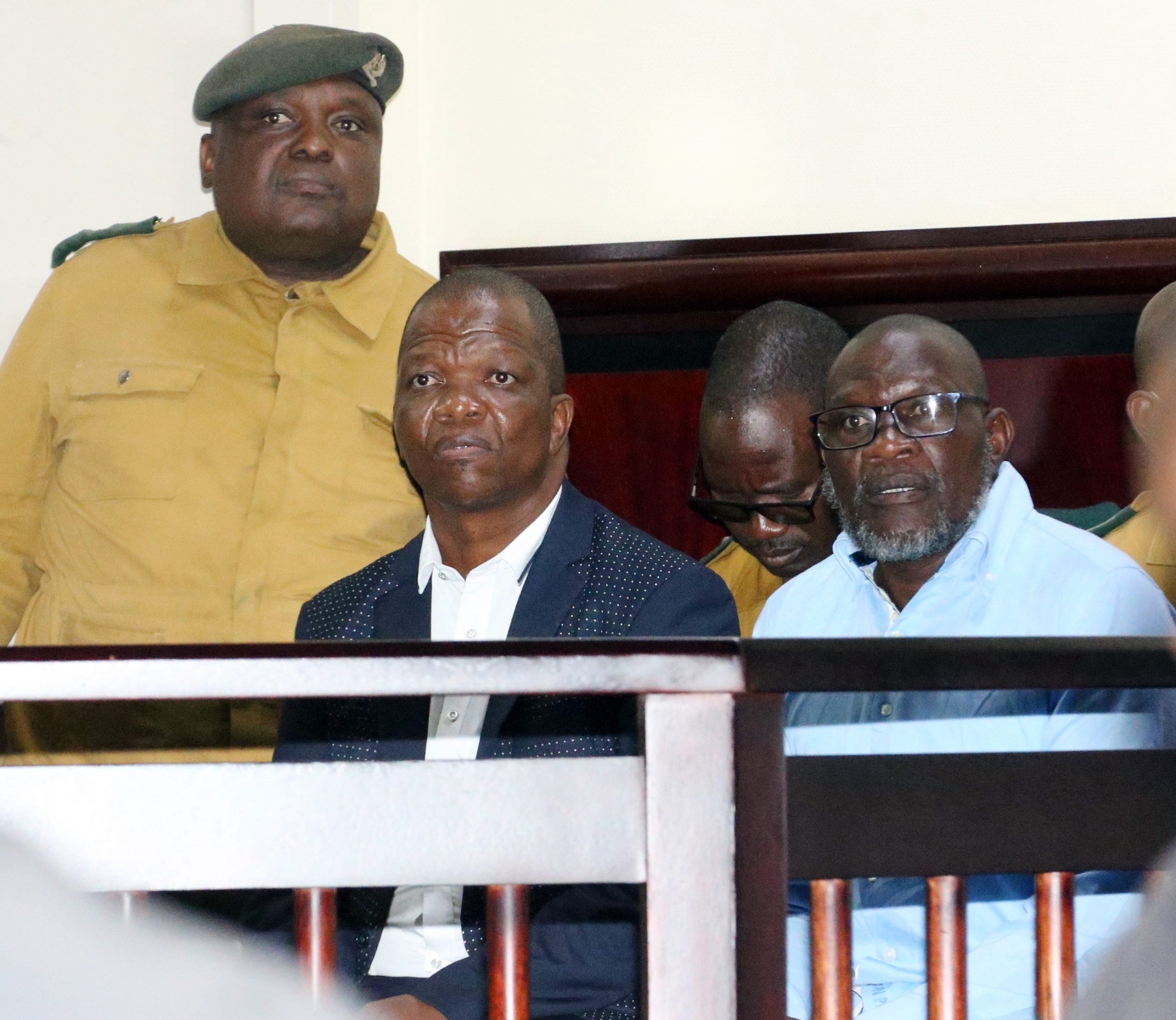
    Murder convicts, Enerst Legwale and hitman, Hamadi Mkhuha will have to wait a little longer for their appeal hearing, after the Court of Appeal postponed the hearing to February 18.

    Presiding Judge, Justice Isaac Lesetedi, postponed the hearing to a later date to allow the state to file its heads of arguments.

    Legwale and Mkhuha were each sentenced to 40 years in 2024 by Justice Michael Leburu for the murder of Thato Meswele in Oodi in 2015.

    The deceased was a sister to Legwale’s wife, Dimpho, and was murdered in a classic case of mistaken identity, as Legwale’s wife was the target.

    However, the hitman mistakenly killed Dimpho’s younger sister.

    The duo evaded the death penalty after the judge found that Legwale believed in witchcraft, believing that his wife and mother-in-law were bewitching him and wanted him dead.

    Thus, his actions were influenced by the witchcraft belief.

    Both Legwale and Mkhuha are appealing their convictions and sentences.

  • Botswana keen to donate elephants to Angola

    Botswana keen to donate elephants to Angola

    With a population of over 140 000 elephants, Botswana is open to donating some to Angola.

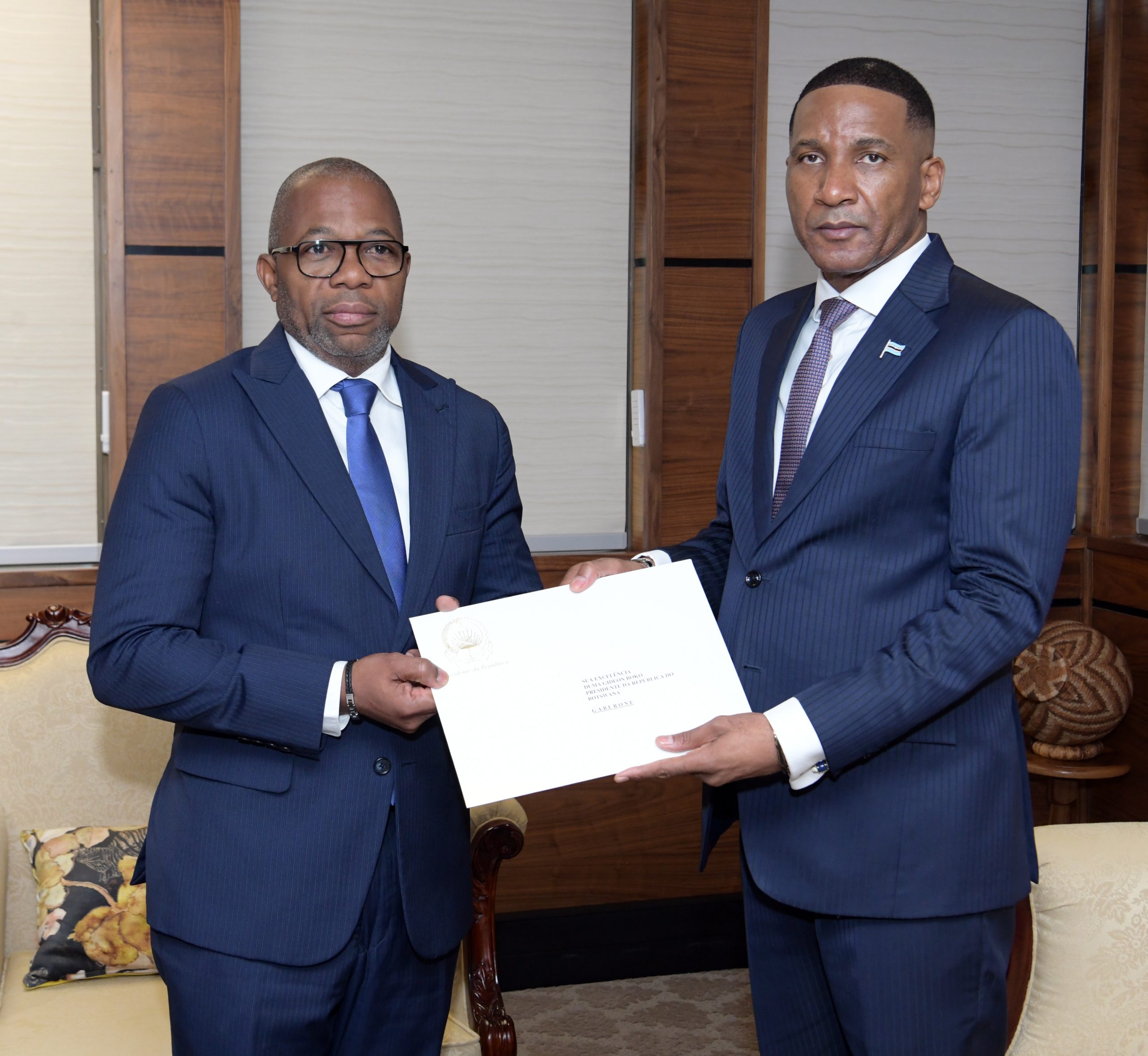
    President Advocate Duma Boko expressed this when welcoming the Angola Ambassador Designate to Botswana, Mr Sandro Retano Agostinho de Olivera on Friday.

    In the past, the country donated 500 elephants to Mozambique, a move that also sparked interest from the Angola President, Mr Joao Lourenço.

    However, President Boko pointed out that the challenge with Mozambique’s donation was the hefty cost of transporting elephants to that nation, thus, he noted that Botswana and Angola could deliberate on facilitating the donation.

    Also, he said the two countries must devise anti-poaching strategies to allow for a migration corridor to ensure the safe and secure migration of elephants.

    President Boko noted that elephants were, by nature, sensitive animals which would not go to an area where they were not safe due to poaching, adding that the two countries could tap into technology to ensure safety along the corridor.

    Facilitating easy migration would allow vegetation to recuperate on the other side, as well as help in the transfer of new species of plants and improve vegetation.

    Another area where the two countries should collaborate on, is diamond sales and marketing.

    President Boko said with Botswana in the process of acquiring De Beers, the two diamond-producing nations could collaborate to influence pricing and the diamond market.

    Also, President Boko said the narrative that natural diamonds were losing ground to synthetic diamonds was far-fetched, noting that fake diamonds could not outdo the original.

    He said behind the natural diamonds were stories of the people whose livelihoods depended on diamonds, and this narrative has been missing from the diamond marketing strategy.

    For a long time, Botswana’s diamonds were marketed as De Beers diamonds, thus negating the story of the people where they were mined and the fact that these precious gems continued to change lives.

    “Natural diamonds speak to the lives and livelihoods of people where they are produced,” he said, adding that the diamond story should be fused into the marketing strategy.

    He said there was need for Botswana and Angola to collaborate as diamond-producing countries, to partner and establish facilities such as diamond museums and other diamond investments.

    Also, Mr Boko highlighted the communication hurdles between Gaborone and Luanda, saying that such worked against the ease of doing business.

    For instance, a flight that can take an hour between the two leads to traveling through other countries, which consumes time and was expensive.

    “To travel to Luanda, you have to go through Addis Ababa,” he said, adding that the setup also failed to facilitate tourism between the two countries.

    President Boko also received the Botswana Ambassador Designate to Namibia, Mr Phillip Khwae, whom he described as an experienced politician with in-depth knowledge of challenges besieging the country, noting that they predominantly emanated from unattended structural issues.

    “These issues have caught up with the country,” President Boko said, adding that collaborating with strategic partners and neighbours such as Namibia was therefore necessary.

    Moreover, he said both countries had partners in projects such as the Trans-Kalahari Railway line, saying there was a need to speed up its construction.

    Also, he said the two could explore airline collaborations, saying Namibia’s airline had collapsed while Air Botswana faced challenges, thus the two nations could partner to resuscitate the sector.

    Another potential partnership was in the diamond industry space through De Beers, adding that Botswana’s desire to acquire De Beers would have a direct impact on Namibia, as they were also a diamond-producing country.

    Additionally, he stated that at the border into Namibia, Batswana were charged a substantial fee, while Namibian citizens paid a nominal fee upon entering the country.

    As such, he said there might also be a need to increase the fees, although not substantially, to broaden revenue streams and address road conditions.

    Additionally, President Boko mentioned that some Batswana of Namibian origin had relocated to Namibia, noting that these individuals were farmers and that there could be outstanding issues that Mr Khwae would need to address.

    For his part, Mr Khwae expressed gratitude for being allowed to serve the country as an ambassador, noting that he was looking forward to strengthening ties between the two sister countries.

  • First Division North League resumes tomorrow

    First Division North League resumes tomorrow

    The First Division North League will resume this weekend following a break for the festive holidays.

    Exciting fixtures are lined up across the northern region tomorrow, with football fans set to be treated to thrilling encounters as the race for promotion to the elite league gathers momentum.

    Among the highlights of the weekend’s fixtures is a top-of-the-table clash between the league leaders and the second-placed team. Current log leaders Tonota FC will host Tsabotlhe FC at Tonota Grounds. 

    Both teams have played 13 matches, but Tonota FC enjoy an eight-point lead, positioning them as favourites for promotion.

    Tonota FC sit comfortably at the top with 33 points and a goal difference of 15, while Tsabotlhe FC are second with 25 points and a goal difference of 12. Notably, Tsabotlhe FC remain unbeaten this season. 

    The match is expected to be the centre of attraction, as fans anticipate whether Tonota FC will extend their lead or Tsabotlhe FC will narrow the gap. With both teams eager to secure maximum points, the fixture promises to be a thrilling and fiercely contested encounter.

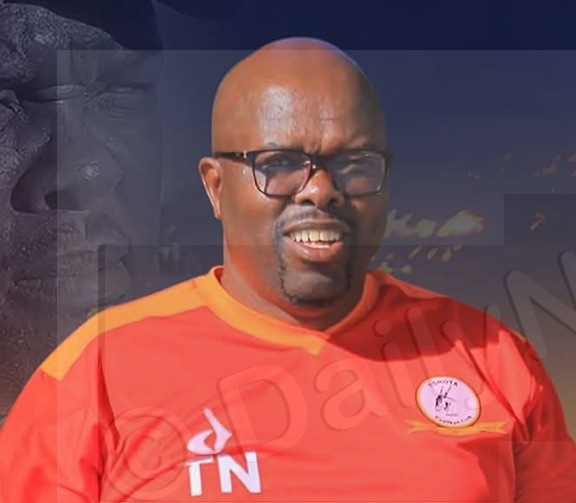
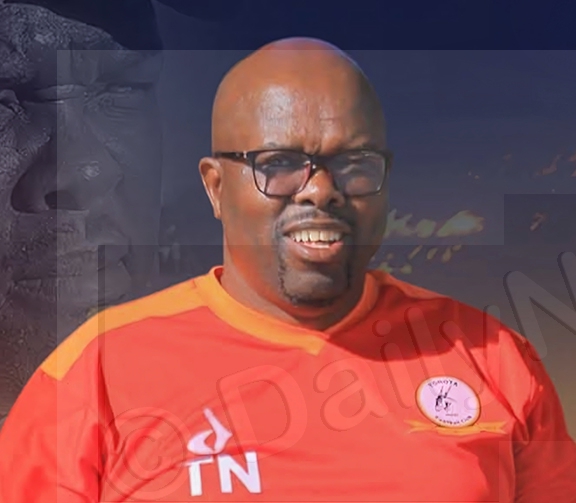
    Although Tonota FC are favoured, Tsabotlhe FC will be seeking revenge after losing the first-round encounter 3–2. Tonota FC coach,

    Thaloba Nthaga, said preparations had been going well and the team’s mission was to secure all three points. He noted that all players would be available except one who was serving a suspension. Nthaga  added that the team had signed three new players. 

    He urged Tonota FC supporters to turn out in large numbers to rally behind the team, saying their support always boosted players’ morale.

    Tsabotlhe FC coach, Botshelo Pelokgosi, expressed confidence ahead of the weekend’s match and believes his side can achieve a positive result.

    While acknowledging that Tonota FC have more experienced players, he trusted his technical team and players to rise to the occasion. Pelokgosi also called on supporters to come out in numbers to support the team.

    Meanwhile, First Division North Secretary General, Daniel Nkoketsang, said everything was in place for the league’s resumption after the festive break on December 23.

    He noted that despite heavy rainfall in the northern region, all pitches were ready for play and expressed hope for favourable weather conditions to allow fixtures to proceed smoothly.

    In other fixtures, Eleven Angels will face BR Highlanders FC at Tagala Primary School Ground, while Mbalakalungu SC will host Ferry Wonderers SC at Prisons Ground in Kasane. Tshikenyega Tigers will take on Enesia FC at Tshikenyega Primary School Ground in Mahalapye. JJ United FC will play Ndundu Young Fighters FC at Mmutle Primary School in Sefhare, while Motlakase Power FC will welcome Sankoyo Bush Bucks at Palapye Swallows Grounds in Palapye. All matches will kick off at 15:30hrs.

  • Drug safety monitoring centre opens in Tsabong

    Drug safety monitoring centre opens in Tsabong

    Residents of Tsabong and surrounding areas have been urged to exercise vigilance regarding the medications they receive from local health facilities.

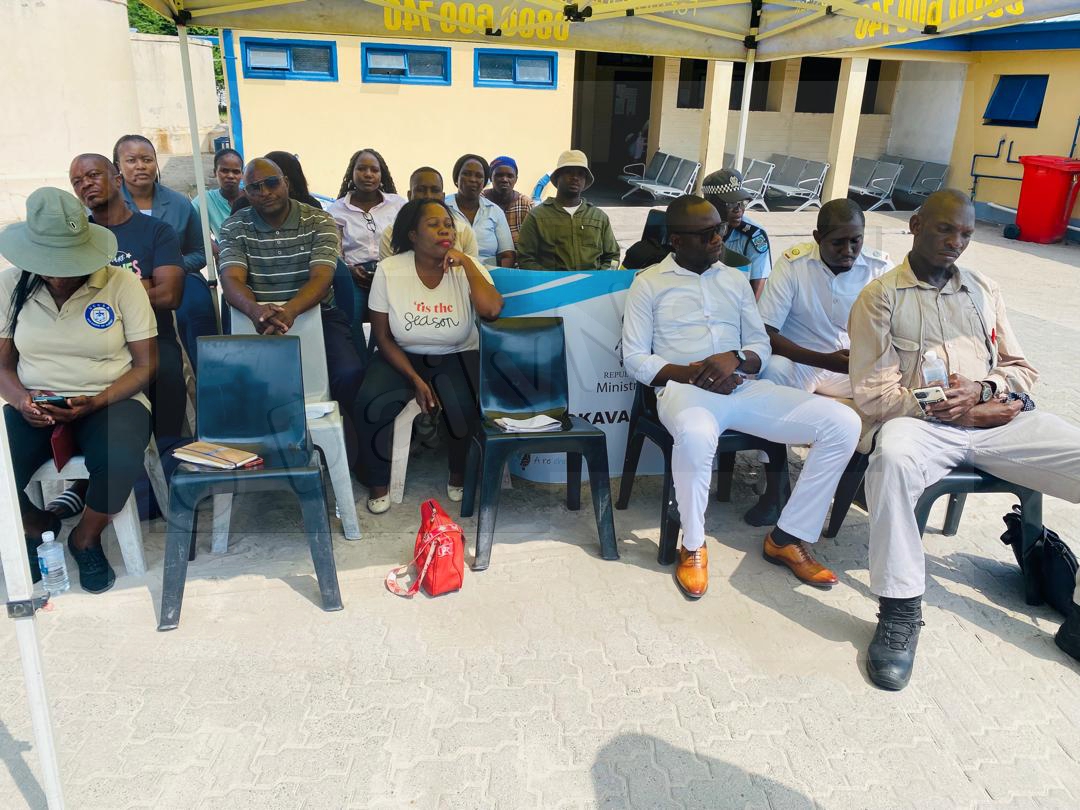
    This call to action was made by Tsabong Primary Hospital family physician, Dr Ineeleng Kgengwenyane, during the official launch of the Adverse Drug Reaction Monitoring Centre (AMC) and the signing of a Memorandum of Understanding (MoU) held in Tsabong on Friday.

    Dr Kgengwenyane emphasised that patient participation was vital to the success of the new facility. She encouraged members of the public to promptly report any side effects they experience after taking prescribed medicines, noting that such feedback wss essential for improving medical services and ensuring patient safety throughout the district.

    Echoing the same sentiments, Mr Lebogang Koitsiwe, the Acting Director of Pharmacovigilance and Clinical Trials at the Botswana Medicines Regulatory Authority (BoMRA), explained that the new centre was designed to strengthen the monitoring of drug safety.

    He noted that the facility’s core mission was to ensure that all drugs were used appropriately and that any side effects were addressed quickly to ensure the benefit-risk balance of medications remains positive.

    According to Mr Koitsiwe, Tsabong marked the 15th office established in Botswana. He highlighted that the location was specifically selected due to the presence of special communities within the region who may be at a higher risk of adverse reactions, and the initiative would ultimately help health officials determine which medications work most effectively for the local population.

    The initiative received strong support from the Deputy Council Secretary, Mr Mooketsi Rakose, who described the launch as a significant milestone for the district.

    Mr Rakose acknowledged that the centre arrived at a critical time when the district was facing  shortage of certain medications. He appealed to the community to remain patient as the supply situation normalised, while simultaneously encouraging them to make full use of the new monitoring facility.

    He urged residents to feel empowered to report any health concerns related to their treatment, as this transparency was key to maintaining high standards of healthcare in the region

  • X-ray mobile clinic ray of hope for Okavango

    X-ray mobile clinic ray of hope for Okavango

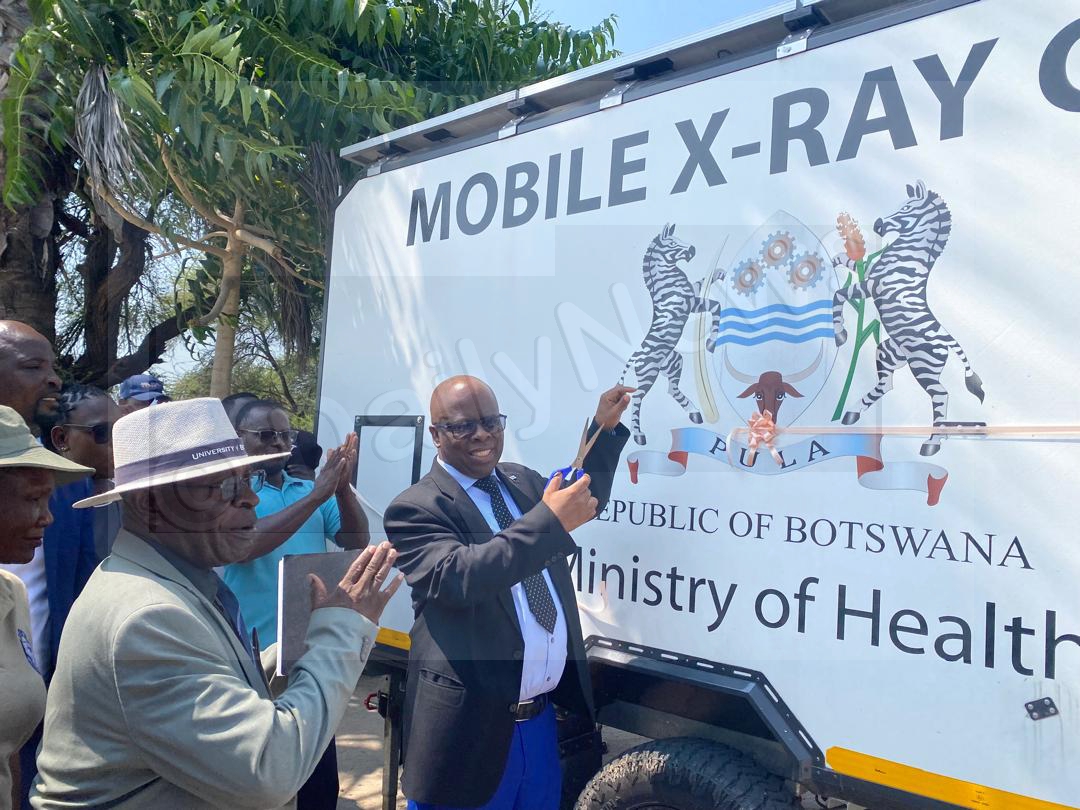
    A handing over of mobile X-Ray to Gumare Primary Hospital on Saturday was described by various speakers as evidence of government commitment to addressing healthcare challenges.
    The Okavango District, being vast, with wetlands and bad terrains, has perculiar challenges that negatively impact access to services such as healthcare services.
    Absence of these key  services, including X-Ray machines in Gumare, despite being the  district’s headquarters, meant residents of Okavango faced hardships and expenses. Some communities, such as Gudigwa in the Eastern Panhandle of the Delta, are about 306 kilometres away, while remote villages like Xaixai and Nxauxau are accessible by gravel roads, and Jao village lies in the floodplain reachable by air or  boat only. As a result, patients were forced to travel to neighboring districts such as Ghanzi and North West in Maun to access these services.
    In an interview, nominated councilor who represented the Okavango District Council chairperson,  expressed gratitude for the X-ray mobile clinic as a worthwhile investment for the people of Gumare and Okavango as a whole since patients would receive the necessary services nearer.  Councillor Osefelepelo Gaebolae said  as a mobile clinic, the X-ray machine would also improve service delivery by being taken to other parts of the district when need arose.
    Mr Gaebolae appreciated that of recently, a theater bed was also brought to Gumare hospital,  saying such swift response from the government was commendable.
    In his remarks, Kgosi Moitshepi Molelwa of Gumare observed that Gumare Primary Hospital had a portable X-ray machine which was only reserved for critical patients in need of X-ray. Therefore, he said the X-ray mobile clinic was a welcome development and proved government’s commitment to heed challenges facing the nation.
    Kgosi Molelwa further decried that the proposed upgraded primary hospital for Gumare had been deferred since National Development Plan 9 to date, although the community had offered land for the project.
    A resident, Ms Sofiya Qhumorozi expressed happiness that X-ray services were finally available in Gumare which would help them as patients to cut costs from seeking such services in Maun adding that they sometimes went and came back without the sought after services  due to issues of high patients volume per day.
    Gumare Primary Hospital family physician, Dr Ditiro Goitsemang said lack of crucial services such as X-ray machines overwhelmed health care officers since they had to refer patients as far as Maun while the roads were also bad leading to vehicles experiencing breakdowns in some instances.
    For his part, the Assistant Minister of Local Government and Traditional Affairs, Mr Ignatius Moswaane said the government was committed to tackle challenges facing the health system.
    He said the  government would ensure Batswana received necessary healthcare services and other relevant services from other ministries.
    He said ministers and assistant ministers went around the country visiting government institutions to appreciate challenges on the ground and  provide support to public officers.
    Mr Moswaane said the government would do an overhaul of the health system by providing necessary equipment and making lack of medicines a thing of the past.
    The X-ray mobile clinic machine, he said was therefore a proof of government’s commitment to provide diagnostic equipment for patients to receive services nearer.
    He said government continued to ensure medicines were available although not yet at 100 per cent.

  • Concourt Important- Mohwasa

    Concourt Important- Mohwasa

    The process of amending the constitution takes time and it is more urgent to develop a Constitutional Court where the citizens and interest groups within society could find recourse on their constitutional rights.

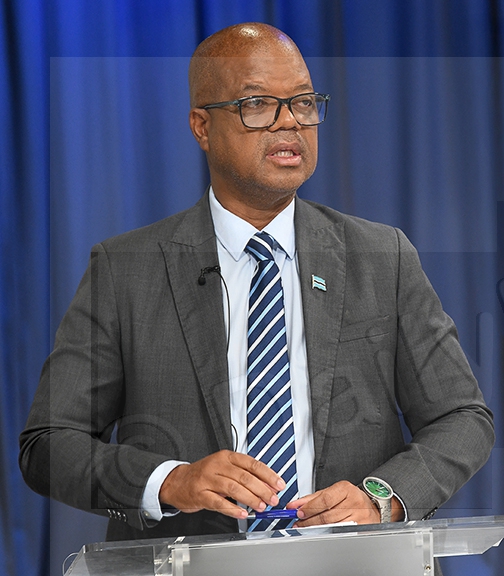
    This was said by the Minister for State President, Defence and Security, Mr Moeti Mohwasa while addressing religious leaders in Gaborone on Thursday, as part of the ongoing public and stakeholder consultations on the enactment of a Constitutional Court.

    He said the Constitutional Court could address issues such as those aggrieved by land tenure systems, electoral petitions, and the right to be protected from infringement on religious freedom. He cited the example of the case of Mr Pitseng Gaborekwe whose wish was to be buried in his ancestral land, the Central Kalahari Game Reserve (CKGR) but his family was denied that right by the judicial system including the existing tribunal of last instance, the Court of Appeal.

    Giving background, Mr Mohwasa said after consultation with political parties at the All Parties Conference the government bill on the Constitutional Court was noticed on July 4 2025.

    The Constitutional Amendment Bill of 2025, which seeks to establish the Constitutional Court of Botswana, was presented by Minister Mohwasa in Parliament last December, and passed through a third reading, and will now require a two thirds majority vote in the National Assembly within the first three months of this year to become law.

    Mr Mohwasa said  government acknowledged that before the Constitutional Amendment Bill of 2025 was gazetted and tabled before Parliament, there should have been sufficient prior consultation.

    He said the President recently admitted to that omission and asked for pardon from the Ntlo Ya Dikgosi, and the minister also expressed the same to religious leaders, citing that scriptural texts such as the Bible and the Quran preach forgiveness.

    Mr Mohwasa said if the bill passed through a two thirds majority vote in Parliament, it would then be put to the public for an approval vote through a referendum.

    He added that the UDC government was focused on uplifting the marginalised, and this had already manifested through increased old age pension scheme, the increase in the technical vocational education student allowance, relief on some outstanding water bills and tariff reductions.

    He said the church had played a significant role in the struggle for the liberation of neighbouring South Africa and Zimbabwe, and called for the church to assist in the “parting of the Red Sea” and “bring down the walls of Jericho” to lead Batswana to the promised land.

    Mr Modiri Tshutledi of the Botswana Muslim Association said there was a need to first address this loophole and develop and amended constitution after wide consultation and a referendum, before the Constitutional Court is adopted.

    Bisho Mothusi Letlhage representing the Botswana Christian Council (BCC) also called for government to first work on exhausting the process of ammending the constitution before the Constitutional Court is developed.

    Pastor Clyde Ketshabile of the Seventh Day Adventist Church said since the constitution was the supreme document that safeguards the interest of the nation, it was important for constitution to include clauses guarding the rights to health, education and the liberty of conscious, and institutions where people could find recourse if denied such rights.

    Mr Japhta Radibe of Apostolic Faith Mission said government should not be in a hurry to introduce the Constitutional Court, and said he feared it could be used to pass reforms such as the abolition of the death penalty and corporal punishment as well as the introduction of same sex marriage.

    He called for the bill to be withdrawn and wait for the constitutional review process.

    Pastor Nchunga Nchunga said he supports the Constitutional Court since Batswana as a nation differ on many different constitutional matters and there was a need for an institution that would act as a fair arbiter on constitutional matters.

    He said he did not subscribe to conspiracy theories of hidden agendas on the matter, saying that people have a tendency to allow their fears to generate unproven thoughts. Pastor Nchunga said he was also impressed by the humility of the President in apologising for the consultative process to having started late.

    Rev Thabo Mampane of the Evangelical Lutheran Church in Botswana said he supports gay and lesbian rights as well as the the abolition of the death penalty and “100 percent” supports the Constitutional Court as an institution that could guarantee the rights of all within society.

    He said he had previously been concerned about the pace with which the process was taking place but had been assuredd by the minister’s presentation

  • Debate on ConCourt invoke mixed reactions

    Debate on ConCourt invoke mixed reactions

    The proposed establishment of a Constitutional Court through Constitutional Amendment Bill of 2025, has been a topic of significant debate, revolving around issues of legal framework, judicial independence and constitutionalism as well as prioritisation of needs. 

    Proponents of the Constitutional Court argue that it will enhance legal certainty and accountability by providing a specialised forum for constitutional disputes. They also  believe it will contribute to the development of constitutional law in Botswana.

    While opponents  express concerns about the piece meal amendments instead of the holistic approach into the review of the country’s constitution. This week government consultations with various stakeholders, district councils and MPs kgotla meetings has revealed that the establishment of a constitutional court remains a complex topic. 

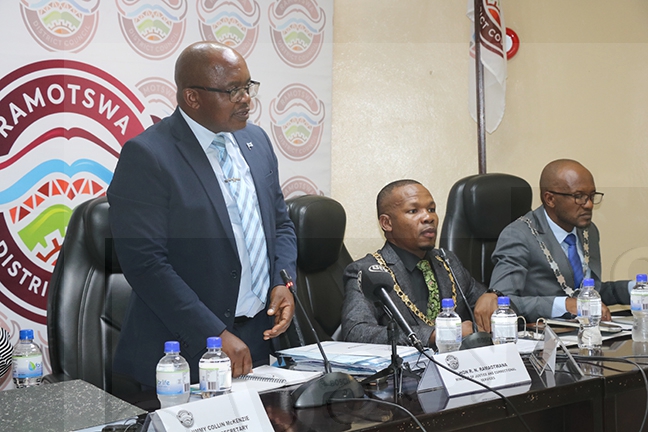
    In Lobatse Calviniah Kgautlhe reports that Lobatse councillors have unanimous expressed support for the establishment of a Constitutional Court, with a call for its location to be set in Lobatse. They made the resolution during a special full council meeting addressed by the Minister of Justice and Correctional Services, Mr Nelson Ramaotwana, on Tuesday.

    During their submissions, nominated councillor, Mr Kago Malele emphasised the importance of ConCourt in strengthening Botswana’s legal framework and democratic ideals. He stated that as the country moved toward electoral reforms, the establishment of the Constitutional Court was crucial for safeguarding the constitutional rights of its citizens.

    Councillor Malele further argued that financial considerations related to the Constitutional Court’s budget should not hinder its establishment. He proposed that Lobatse, previously home to the Court of Appeal, was an ideal location for this new court, suggesting that it could revitalise economy in Lobatse, a sentiment echoed by his fellow councillors.

    Kgaboesele Ward Councillor, Ms Mathara Moreeng highlighted the historical significance of Lobatse, noting that it was where Botswana’s Constitution was first read. She asserted that setting the Constitutional Court in Lobatse would stimulate much-needed development in a town that had lagged behind in progress.

    The endorsement for the court’s establishment was supported by  Thema/Motswedi Ward Councillor Mr Velem Heii, who said government was committed to human rights and the protection of minority groups. He noted that a specialised court would enhance accountability and help combat corruption at all levels of government.

    Councillor Gofaone Kedise underscored the urgency of the ConCourt, saying it was  long-overdue  and was one of the Umbrella for Democratic Change (UDC) pledges in the manifesto. He recounted past instances where the High Court failed to address constitutional appeals, highlighting the necessity for its necessity to ensure justice for the populace.

    Supporting the call, Tsopeng North Councillor Gobuamang Motlogelwa reiterated Lobatse’s historical significance in the drafting of the Constitution, insisting that the legacy must endure with the establishment of the Constitutional Court.

    Minister Ramaotwana addressed councilors about the current limitations within the judicial system, noting that constitutional cases are presently handled by the High Court and the Court of Appeal, which lacked the specialised capacity needed. He reaffirmed the ruling party’s commitment to establishing a dedicated Constitutional Court to protect fundamental rights.

    Kehumile Moekejo in Mabutsane captured the  district council  consultation meeting on Monday addressed by the Assistant Minister of Justice and Correctional Services, Mr Augustine Nyatanga. 

    While councillors acknowledged the relevance and the value of a Constitutional Court to the country’s judicial system, some councillors questioned the urgency of the Bill, as compared to other challenges the nation was currently facing. They argued that the process should be deferred and priority be given to issues, particularly considering the current fiscal challenges.

    “The Constitutional Court is not an urgent matter, the government should focus on improving the health sector and investing in infrastructure development because that is what people currently need. Youth unemployment is very high and young people are expecting the government to create job opportunities for them, not the Constitutional Court,” said councillor Keberekile Pule of Mabutsane/Kanaku ward.

    Mr Pule further noted that establishing the Constitutional Court would come with cost implications which would dent the already ailing economy.

    Councillor for Sekoma, Mr Kekaetswe Mosarwa underscored the need for the government to focus on issues that needed urgent attention, such as availing medicines at health facilities across the country. He said the Constitutional Court could be deferred to a later date when essential services such as the health sector had stabilised.

    Mr Mosarwa also emphasised the importance of exercising transparency when appointing judicial officers for the proposed Constitutional Court.

    Specially nominated councillor, Ms Gorata Phakedi said introducing the Constitutional Court would align with the government’s stance of being human rights based. She said in addition to speeding up the judicial process, the court would contribute towards enhancing democracy. 

    “The Constitutional Court is very important because it will have independent judges as a way of enhancing democracy. The current judicial system is not sufficient to protect fundamental rights,” she said.

    For his part, the deputy council chairperson, Mr Obakeng Melome said the time had come for people’s rights to be protected through the Constitutional Court. He said improving lives also meant reviewing laws and policies that created the red tape. 

    “A lot of people have been wrongfully convicted because all cases are handled by general courts,” he noted.

    The Assistant Minister assured the councillors that the government was committed to providing services through all the sectors, hence various programmes had to run concurrently. He noted that while he acknowledged that the health sector was facing challenges, plans were underway to address them.

    From Gamalete District Baleseng Batlotleng  reports that councillors have called for a holistic and comprehensive constitutional review. In an meeting addressed by Minister of Justice and Correctional Services, Mr Nelson Ramaotwana as part of the nationwide consultative engagement on the establishment of the Constitutional Court.

    Councillors expressed similar views on the proposed timing of the establishment of the ConCourt citing that more focus should be channeled to more pressing national issues like medicine shortages and dilapidated school infrastructure. 

    Taung East Cllr Mr Vincent Nawa said the way the proposed establishment was presented was a piece meal approach which could not be entertained and that there was a strong suspicion that someone was pushing their political agenda. He categorically stated that there was a pressing need for a comprehensive review of the constitution and not the bit by bit approach proposed by government.

    Cllr Nawa said the current judicial set up was sufficient to handle any legal matter and therefore there was no need for a specialised court to be established. Otse Cllr Mr Tom Isaacs cited wrong timing of the establishment of the ConCourt and said focus should be given to pressing matters like food security, animal health in the advent of FMD infections and the deteriorating health sector among others.

    He urged government to restore trust in the current justice system and also equip it with human resource or make a complete overhaul for efficient service delivery by the judiciary.

    Mogobane Cllr Mr Sisimogang Abram expressed confidence on the set up of the ConCourt saying it would develop the country’s constitutional democratic system and strengthen the judicial process. He said government was seeking input from the public as part of the many steps taken towards the review of the constitution.

    Gamalete Deputy Paramount Chief Kgosi Tsimane Mokgosi said government was a powerful tool needed for checks and balances. Kgosi Tsimane said from what he observed Batswana needed broader national consultation and be educated on matters relating to the ConCourt on a more transparent approach.

    For his part Malete Land Board Chairperson Mr Kgotso Mathe asked the minister on how the proposed institution would protect the customary land rights.

    He also questioned whether an individual would directly approach the ConCourt if they were not satisfied with the decision of the Land Tribunal, High Court or the Court of Appeal. Mr Mr Mathe also wanted clarity on how the supreme body would deal with the existing backlog on land related legal matters. 

    Minister Ramaotwana appreciated councillors’ contributions and said the purpose of their engagement was aimed at gathering views and inputs. He said part of the intention to set up the ConCourt was to expedite the backlog of constitutional matters before the existing courts. 
    He said as a specialised court, the ConCourt had a specialised jurisdiction and that non constitutional matters would reach it only by way of appeal. He said the focus was also to engage experts in the field of constitutional matters