Category: Local

  • ConCourt to provide avenue for recourse

    ConCourt to provide avenue for recourse

    While some residents  of Mochudi agreed with its establishment, some were of the view that the Constitutional Court was being prioritised over the more urgent constitutional review process.

    Others argued that it was an important step toward developing Botswana’s constitutional democratic system, where Batswana would have the opportunity to hold government accountable for safeguarding fundamental human rights.

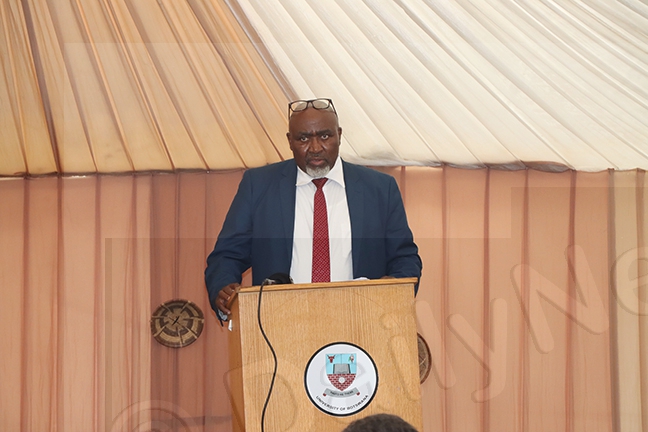
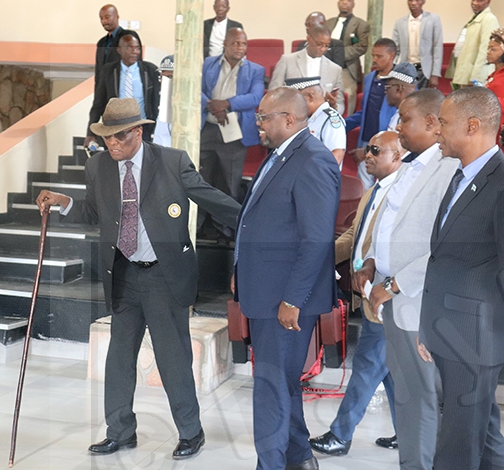
    During a packed kgotla meeting that was addressed by Minister of International Relations, Dr Phenyo Butale in Mochudi, the debate centred on some key questions such as whether a Constitutional Court was necessary; the legal processes required to establish one; and its relationship with existing courts and whether it would replace the Constitution.

    Residents submitted that there was no urgency in consulting about the establishment of the Constitutional Court when there were more pressing matters to deal with such as the health crisis and bad roads, to mention, but a few. Some viewed it as a court that would provide the leeway for murderers to do as they pleased, alleging that the court would provide room for them to escape death the penalty.

    Most residents were of the idea that there was need for an immediate comprehensive review of the Constitution instead of channelling funds towards setting up a Constitutional Court. Others, on one hand, argued that there has not been sufficient consultation regarding the urgency of establishing the court.

    First to take the podium was Bakgatla Deputy Chief, Kgosi Bana Sekai, who rallied behind the Constitutional Court’s establishment, reasoning that it was meant to provide an avenue for recourse. He alleged that there had been insinuations in the past that certain cases would have been resolved effectively had they been heard by a Constitutional Court. 

    Mr Botlhe Kgetse questioned the rationale for the court’s establishment, and further insinuated that it was likely that it was going to serve some political interests. He argued that many issues had been resolved without a Constitutional Court in place hence it was unjustifiable to argue that not having it affected the dispensation of justice.

    “The Unity Dow case law is the example in place that has showed that issues can be resolved without a Constitutional Court,” he opined.

    Ms Kutlwano Odirile, a lawyer by profession, supported its establishment reasoning that it was an important step towards developing Botswana’s constitutional democratic system, where Batswana would have the opportunity to hold government accountable for safeguarding fundamental human rights.

    For his part, Minister Butale explained that the Constitutional Court would not replace the Constitution.

    “These are two different things; the Constitutional Court is meant to provide an avenue for fair arbitrary process,” he said.

    In countering the argument that not sufficient consultation had been done with the public and other critical stakeholders, he said consultations were continuing countrywide and that there would be a referendum once the consultation process was completed.

    Dr Butale acknowledged residents’ concerns about the health crisis and assured them that government was working hard to improve the public health system through among others things, providing sufficient medicines.

    “I appreciate your reservations, but this is the state we find ourselves in as a government and we are working hard to bring about normalcy,” he said, adding that the State of Public Health Emergency that President Advocate Duma Boko had enforced was one of the ways of restoring the optimal functionality of the public health system.
  • Drugs availability stands at 50 per cent in Moshupa District

    Drugs availability stands at 50 per cent in Moshupa District

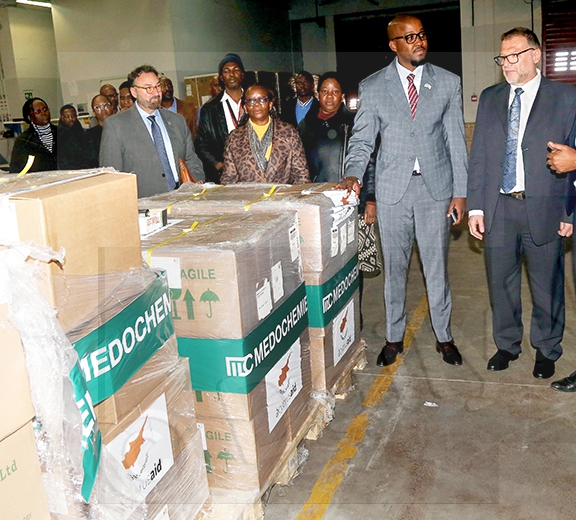
    Overall drug availability at Moshupa District Pharmacy Warehouse stands at 50 per cent.

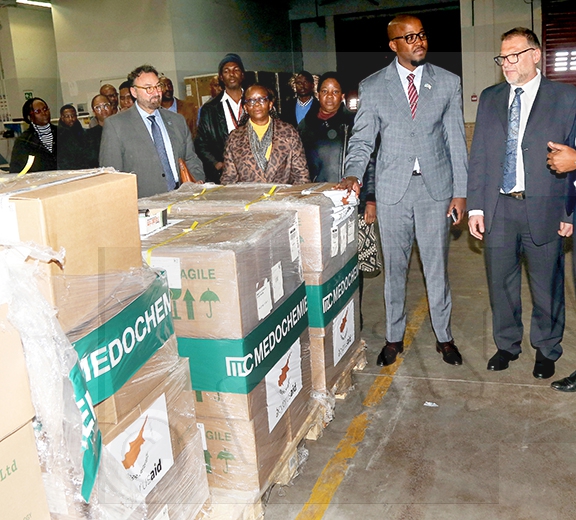
    This was revealed by Principal Pharmacist at Moshupa District Pharmacy Warehouse, Ms Thato Aliu during Assistant Minister of Local Government and Traditional Affairs, Mr Ignatius Moswaane tour of the facility and Moshupa Clinic Council on Tuesday.

    Breaking down the availability by category, she noted that essential medications were accessible at 52 per cent, vital medications at 62 per cent, and non-essential medications at 36 per cent.

    In his address, Assistant Minister Moswaane encouraged healthcare workers in Moshupa District to evaluate surplus stock at various facilities, so that if possible, any excess supplies could be redistributed to other areas facing drugs shortages.

    He stressed efficient resource management as a practical step toward improving access. Mr Moswaane further assured staff and the community that government continued to prioritise the health sector. 

    In addition, Mr Moswaane appealed to the public to avoid spreading negative or unverified information about drug shortages on social media platforms, noting that such reports could create unnecessary alarm and undermine confidence in the health sector. 

    Moshupa District deputy Council Secretary for Primary Health Services, Mr Mphapi Mbulawa highlighted the critical need to equip nurses and doctors with accurate, real-time information of drug stock levels.

    This transparency, he said was essential for effective patient care and timely decision-making at clinics and health posts

    The tour and discussions come at a time when Botswana’s health system is addressing supply chain challenges, including efforts to implement digital tools for better tracking of medicines from central warehouses to remote areas.

    Stakeholders continue to focus on collaboration, stock redistribution, and public communication to maintain service delivery in districts like Moshupa. 

  • Farmers unity panacea for FMD fight

    Farmers unity panacea for FMD fight

    Farmers unity panacea for FMD fight
    Robust government interventions, coupled with a united and proactive farming community through cohesive farmers’ associations, remain central to the fight against the spread and containment of Foot and Mouth Disease (FMD). Representatives of three farmers’ associations said in interviews on Saturday that recent FMD outbreaks in South Africa and Zimbabwe had caused considerable anxiety among farmers in Botswana.
    The disease was first reported in south Africa’s Waterberg District in Limpopo Province in December, prompting Botswana to heighten surveillance, particularly in border areas such as Tsabong, Good Hope, Ramotswa, Tlokweng, Kgatleng and Mahalapye.
    To date, there has not been a single reported incident of the disease spillage into the Botswana, due to the various interventions that include movement restrictions, high alert and vigilance due to the proximity of the Waterberg district to border villages, biosecurity advice, as well as deployment of vaccines.
    The FMD outbreak that has hit neighbouring Zimbabwe has compounded the matter and sent shockwaves and left farmers frightened across the breadth and length of Botswana.
    As of January, latest outbreaks were reported in the Mangwe district of Matabeleland South, near Botswana border. Fifty-four active cases have been reported thus far in the area, with infections linked to a stray buffalo.
    The twin outbreaks have sent shockwaves through Botswana’s cattle industry, a key contributor to national revenue through long-standing access to the lucrative European Union market.
    Farmers fear that failure to contain the disease using both traditional control measures and innovative approaches could cripple the industry, especially at a time when the country is grappling with resource constraints brought about by prolonged economic challenges.
    Southern District Beef Farmers Association vice chairperson, Mr Tiroyaone Mmereki, said existing farmers’ association structures should be fully utilised if the country was to prevail in the fight against FMD.
    He said the Ministry of Lands and Agriculture should routinely engage the Botswana National Beef Producers Union whenever disease outbreaks occur, as this would enable effective mobilisation of farmers through its affiliate structures.
    “The Botswana National Beef Producers Union would then be able to mobilise us as its bona fide affiliates to chart the way forward,” he said.
    Mr Mmereki called on farmers to take the lead in combating animal diseases by working closely with fellow farmers and relevant authorities, including the Ministry of Lands and Agriculture and the police.
    He also raised concern over the poor maintenance of cordon fences across the country, which he said posed a serious threat to disease control efforts.
    He noted that many fences had not been properly maintained for over a decade, allowing wild animals such as elephants to stray beyond their natural habitats and increasing the risk of disease transmission.
    He urged members of his association from Pitshane Molopo, Manyana and Lobatse through to Mabutsane, to work together and act as vigilant custodians of the cattle industry.
    Echoing his sentiments, C8 Beef Farmers Society chairperson, Mr Phokompe Pifelo warned that the deteriorating state of cordon fences could allow diseases to spread easily across zones.
    “This is also exacerbated by unavailability of patrols,” said Mr Pifelo, whose society covers farming communities from Makoro to Makoba.
    Last year, he said as a precautionary measure, the society partnered with the Ministry of Lands and Agriculture to repair a cordon fence in the Sese area, with the ministry providing resources while farmers contributed labour.
    Mr Pifelo emphasised that individual farmers must rise to the occasion and demonstrate commitment to safeguarding the industry, especially in light of limited government resources.

    He stated that acute shortage of resources from government called on the farming community to join efforts to curb threats poised by FMD and other enemies of a full-throttle beef industry.
    The views of the two associations were aligned with those of the TOTUMA Commercial Farmers Association.
    Its chairperson, Mr Stephen Pillar, said effective communication was equally critical in mitigating the FMD threat.
    “We stay informed and closely monitor developments so that we can share information with our affiliates,” he said, adding that the association, which represented farmers from Tonota, Tutume and Masunga, had established mechanisms to rapidly disseminate information on the disease.
    Mr Pillar said the association would urgently engage the Ministry of Lands and Agriculture to consider deploying patrols along the Botswana-Zimbabwe border, similar to operations in the Bobirwa District.
    “This would help curb disease spillover, especially given the prevalence of illegal border crossings in areas such as Maitengwe and other border villages in the North East,” he said.
    FMD outbreaks in Botswana date back to the 1930s, a history that prompted the country to establish local vaccine production through the Botswana Vaccine Institute.
    The use of effective vaccines, alongside other control measures, remains a cornerstone of Botswana’s FMD management strategy.
    FMD is a highly contagious viral disease affecting cloven-hoofed domestic and wild animals, including cattle, pigs, sheep, goats and deer. It is regarded as an economic disease due to its devastating impact on livestock production and trade.
    Over the years, Botswana has developed a comprehensive national FMD strategy based on passive and active surveillance, movement control, zoning, strategic vaccination, biosecurity, public education, awareness campaigns and robust legal frameworks.
    In Botswana, FMD is primarily transmitted to cattle from wild animals, particularly buffalo, in endemic areas, with outbreaks historically concentrated in the North West District due to livestock-wildlife interaction.

  • Budget 2026/27 pivots from diamonds to enterprise

    Budget 2026/27 pivots from diamonds to enterprise

    The 2026/2027 national budget, set to be presented before Parliament on February 9, will kickstart the process of transforming the country’s economy, guided by the Botswana Economic Transformation Programme (BETP) and the National Development Plan (NDP 12).


    This was revealed by Vice President and Minister of Finance, Mr Ndaba Gaolathe in his address during the Budget Pitso for general stakeholders’ consultation in Gaborone on Monday.
    Mr Gaolathe emphasised that the BETP was vital for restructuring the country’s economy into a more resilient system, where practical delivery and priorities translated into investment and employment.
    “BETP recognises that Botswana’s constraint is not the absence of ideas. It is execution, productivity and a growth structure that must now broaden beyond what the public purse and diamonds can sustainably support. BETP exists to ensure economic diversification is implemented in practice, sector by sector, project by project,” he added.
    He revealed that the economic model, which had sustained the country since independence, anchored on diamond revenue and government spending, had become unsuitable and made transformation imperative.
    “In plain terms, we are operating in a new reality. We must stabilise the economy and protect the vulnerable, while simultaneously repositioning the economy for diversification and jobs without assuming that public spending alone can carry that transition,” he said.
    The Vice President called on the private sector to reduce its reliance on government procurement and instead become enterprising and innovative in developing sustainable business solutions.
    “If we are serious about diversification, then we must be serious about a culture shift. Botswana cannot build a resilient high-income economy if too much private initiative is based around government contracts. No nation has diversified by treating public procurement as the main investment model,” he said.
    He added that Botswana needed to build an economy where entrepreneurs established factories that served households, firms competed effectively, value chains deepened and imports were substituted by domestic production and exports that generated foreign exchange.
    The Vice President also called on private financial institutions to join the state in the cultural shift through “financing that rewards productivity and funding models that back real value creation rather than short-term cycles.”
    He pledged that government would remain transparent about the current state of the economy while working toward long-term solutions.
    That, he said, included fostering a new culture where projects were completed on time and within budget and where opportunity was created through production and enterprise.
    For his part, secretary of Macroeconomic and Financial Policy at the Ministry of Finance, Dr Sayed Timuno, reiterated that the 2026/2027 budget served as a launchpad for NDP 12.
    Dr Timuno noted that according to World Bank and International Monetary Fund (IMF) projections, global growth would remain subdued through 2026, which continued to adversely affect the domestic economy.
    He added that while the mining sector remained the main driver of growth, diamond prospects for 2026 remained abstract as lab-grown diamonds continued to pressure the natural diamond market.
    Senior policy advisor in the finance ministry, Ms Naledi Madala stated that the BETP would focus on bringing to life projects that had undergone rigorous labs in sectors such as agriculture, manufacturing, energy and tourism.

  • How iShowSpeed and Masego rewrote Old Naledi narrative

    How iShowSpeed and Masego rewrote Old Naledi narrative

    In his influential book Shadow Cities: A Billion Squatters, a New Urban World, journalist Robert Neuwirth, who spent two years living in squatter communities in Brazil, Kenya, India and Turkey, argues that shanty towns are not merely slums, but vibrant neighbourhoods worthy of exploration and often innovative.
    With the recent visit of American YouTuber, Darren Jason Watkins Jr., popularly known as iShowSpeed to Old Naledi some weeks ago during his 28-day, multi-country livestream
    tour across Africa, Neuwirth’s argument may well have been proven correct.
    Footage captured during Speed’s Old Naledi livestream was arguably t h e m o s t
    vibrant of all his stops in Botswana.
    On that day, the streets of Old Naledi transformed into stages as the world witnessed the raw
    talent and infectious energy from its community members.
    One gentleman, using only his t-shirt as a prop, turned an everyday item into part of his choreography, pulling it over his head, dancing with it half on and half off, before
    smoothly shrugging it back into place.
    The Mafitlhakgosi Dance Group also stole the spotlight, with dancers performing Speed’s
    trademark backflips alongside breakdance-inspired moves.
    The colourful, high-energy livestream shattered the longheld perception of shanty towns
    as spaces defined solely by deprivation and disorder, often viewed as illegal encroachments
    waiting to be erased rather than communities worthy
    of understanding.
    From that same livestream emerged seven-year-old Masego Masepe, the youngest member of
    Mafitlhakgosi Dance Group, who also captivated viewers with her remarkable confidence,
    something Batswana have increasingly come to admire.
    From her viral dance with President Advocate Duma Boko, to her performance alongside
    Speed and several other influential figures, Masego’s confidence has consistently shone through.
    She effortlessly leads her partners into gentle sways, spins them around, holds their hands and
    twirls herself like a ballerina. That same confidence was evident as she patiently taught Speed the marimba, guiding him through the melodies until he got them
    right.
    In an interview, it became clear that Masego’s confidence is deeply rooted in her environment.
    She has been dancing for as long as she can remember.
    Born into a family of dancers and creatives from Molepolole, Masego is surrounded by art and
    movement.
    All four of her siblings dance for Mafitlhakgosi, alongside both parents, Joseph and Kgomotso Masepe.
    Masego says she already knows seven dance styles, including Tsutsube, Setapa, Phathisi, Khoba, Hosanna, Morabaraba and Marimba.
    “My favourites are Morabaraba, Khoba and Tsutsube,” she said, adding that one of her most
    memorable experiences was dancing with President Boko.
    She also shared that her favourite subject in Standard 2 is English.
    Another contributor to her confidence, she revealed, is her close bond with fellow dancers.
    Much of her friendship circle exists within the dance group rather than at school and she prefers spending time with her 11-year-old brother, Otsile Masepe.
    Otsile added that their parents are their biggest supporters.
    “They encourage us every day, that is why we always step out with confidence,” he said, noting that while practi ces and performances
    sometimes fall during the school week, the siblings take turns helping one another with
    schoolwork to ensure nothing is
    neglected.
    Otsile hopes to become an artist in the future, while Masego says dancing is not in the cards for her.
    “I want to become a nurse,” she said.
    Perhaps she will be both, one or the other, however, young stars like Masego keep helping to rewrite the Old Naledi narrative

  • Pandamatenga farmers count losses following heavy rains

    Pandamatenga farmers count losses following heavy rains

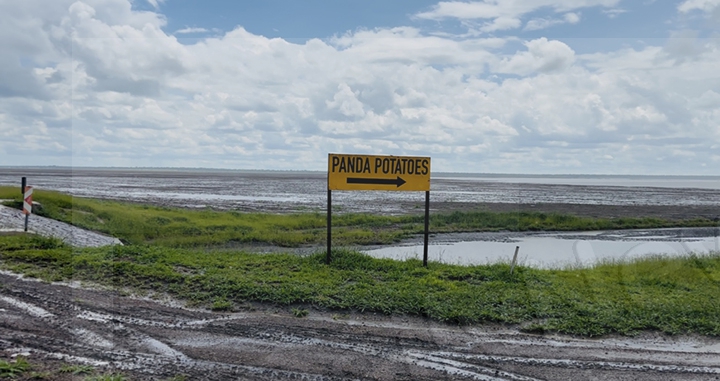
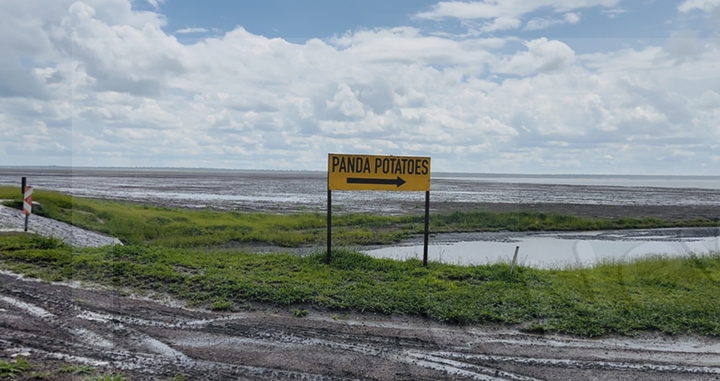
    Farmers in the Pandamatenga region are reeling from a catastrophic ‘one-in-200-years’ storm that occurred on January 21, leaving over 8,000 hectares of diverse crops submerged.

    The floods caused by rainfall exceeding 200mm have devastated fields of sorghum, sunflower, onions, tomatoes, butternuts and maize. 

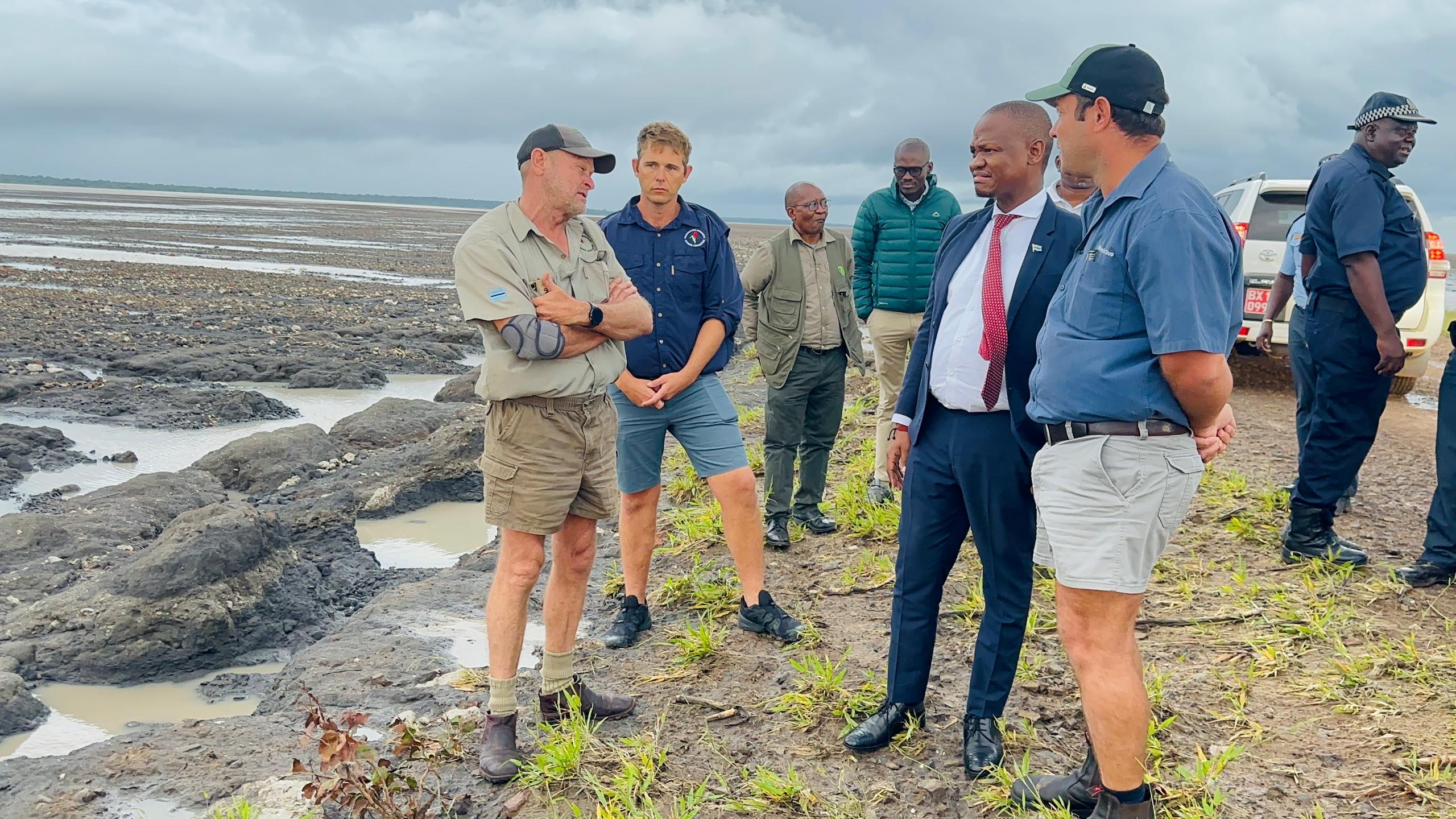
    Last Friday, the acting Minister of Lands and Agriculture Dr Edwin Dikoloti engaged with both commercial and subsistence farmers to assess the destruction. Accompanied by agricultural insurance specialists, Dr Dikoloti assured farmers that assistance would be provided once formal assessments were complete. 

    He acknowledged that the floods had halted operations for weeks, risking further losses due to pest damage and soil moisture depletion as the season transitions. He noted that such extreme weather was the ‘new reality’ of climate change and thus called for stronger advocacy for climate financing.

     “The Pandamatenga drainage system remains a significant challenge,” Dr Dikoloti stated, suggesting that future research must focus on how to harvest such floodwaters for irrigation.

    Adding to the climate-induced disaster is a lingering financial crisis. Pandamatenga Commercial Farmers have appealed to the Botswana Agricultural Marketing Board (BAMB) to settle an outstanding balance of P65 million owed since the 2025 season. 

    Last year, farmers delivered over 55,000 tonnes of grain valued at P271 million. While P206 million was paid in December 2025, the remaining 26 per cent balance has left many without the liquidity needed to recover from the current floods. 

    Mr Ryan Neal, an executive member of the Pandamatenga Commercial Farmers, emphasised that farming was a high-risk and time-sensitive business that required consistent credit for fuel, machinery and loan servicing. He urged government to expedite payments so that funds could be channelled toward replanting and flood recovery.

    The struggle is equally felt by small-scale farmers. Pandamatenga Subsistence Farmers chairperson, Mr Seinyatseng Lekoko, briefed the minister on the acute shortage of farm implements and tractors, which he said delayed their planting schedules. Furthermore, he highlighted the ongoing human-wildlife conflict exacerbated by non-electrified fencing, which continued to threaten their remaining produce. 

    In response to the outcry, BAMB chief executive officer, Ms Lilian Costa Scheepers confirmed that the board was working tirelessly to overcome internal challenges and settle the debt. On the other hand, Dr Dikoloti added that government had already approved the funds, saying “the approval is there, what remains is for the BAMB CEO to finalise the administrative processes so you can receive your money.” 

    Looking toward long-term solutions, Dr Dikoloti suggested that Botswana must revise its agri-financing strategy, potentially introducing a specialised Agri-Bank that understood the unique risks and timelines of the agricultural sector. 

    Despite the submerged fields and financial hurdles, the farming community remains resilient, with farmers like Mr Neal expressing commitment to rebuilding and securing the nation’s food supply

  • A new digital dawn as ORI receives GIS computers

    A new digital dawn as ORI receives GIS computers

    The Okavango Delta is often described as a ‘miracle of nature’, a luxurious and emerald maze of water pulsing through the heart of the Kalahari Desert.

    But for the researchers at the Okavango Research Institute (ORI), monitoring this UNESCO World Heritage Site has recently felt like trying to navigate a high-speed world with a broken compass.

    For years, the institute’s computers, the very engines required to process complex climate data and wildlife patterns, had grown sluggish and outdated.

    “Our existing equipment has become largely unusable,” admitted ORI director, Dr Casper Bonyongo when he received a donation of eight high-end Geographical Information Systems (GIS) computers worth P400 000 recently from the US Embassy.

    This was not just a technical inconvenience, but a bottleneck for conservation. Without the processing power to handle large datasets, critical insights into flooding, fire dynamics and habitat loss remained locked behind frozen screens.

    The GIS machines allow researchers to layer vast amounts of data including satellite imagery, rainfall records and animal migration paths, into high-resolution digital maps.

    “Graduates and researchers alike will greatly benefit from this enhanced capacity. We can now support complex simulations and sophisticated spatial modelling that were simply impossible before,” said Dr Bonyongo.

    For the students at the University of Botswana, this is not just about new hardware but about ‘future-ready’ skills.

    UB acting vice chancellor, Mr Dawid Katzke believes these tools will bridge the gap between classroom theory and the urgent, interdisciplinary research needed to protect one of the world’s most significant wetland ecosystems.

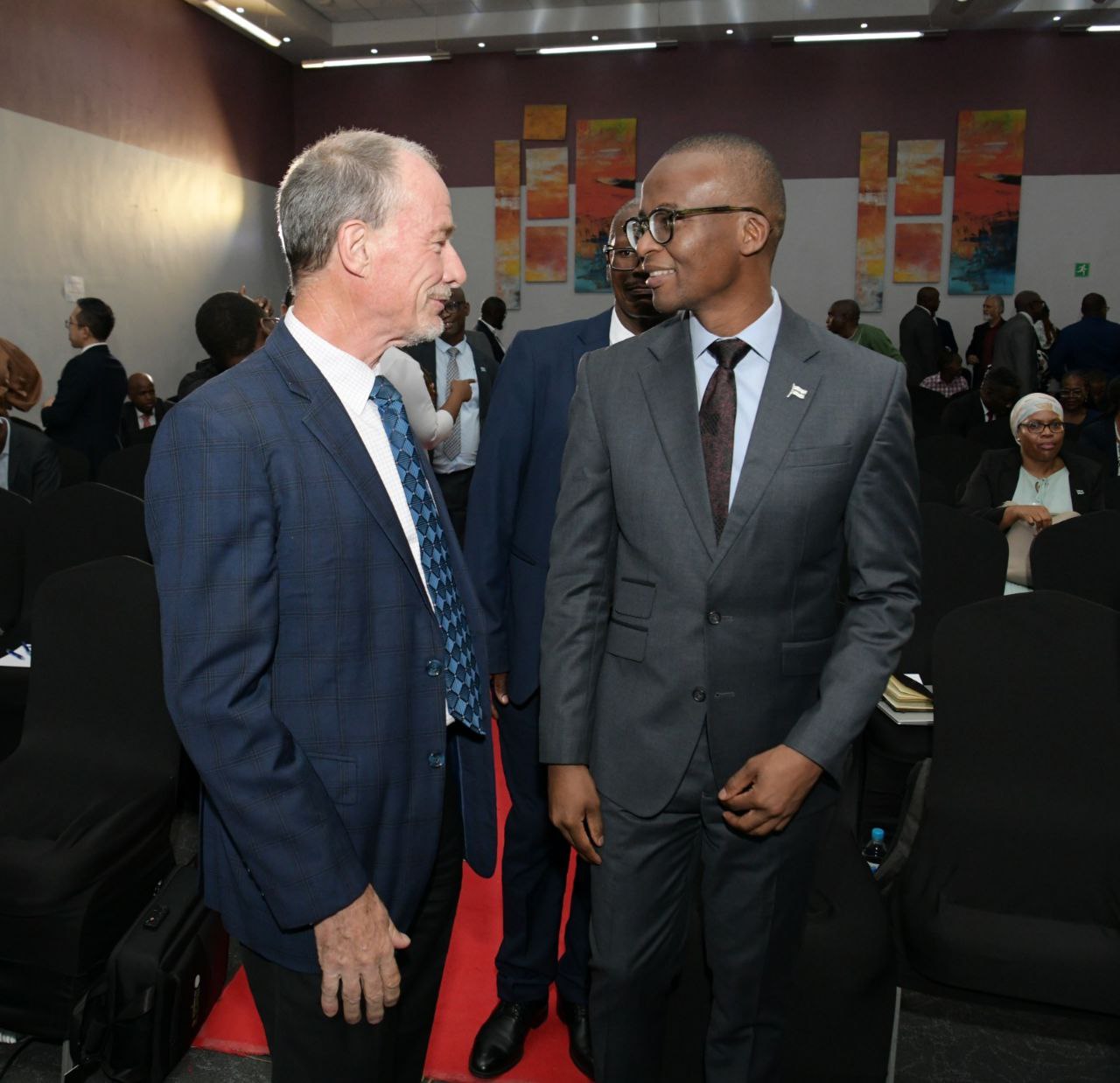
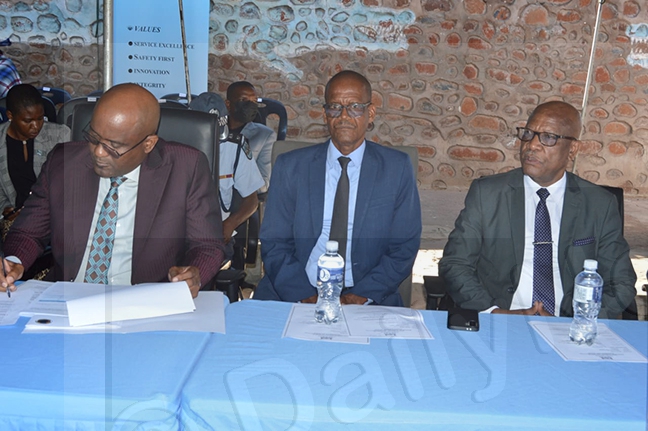
    While the technology is impressive, the sentiment behind it is deeper. At the handover ceremony, Acting Minister of Higher Education, Mr Shawn Ntlhaile said the donation was a milestone in an enduring partnership between Botswana and the US.

    “It is a partnership built on a shared realisation. The challenges of the 21st century including climate change, disaster risk reduction and biodiversity loss, cannot be solved with 20th-century tools” Mr Ntlhaile said.

    US Ambassador, Mr Howard Van Vranken echoed the same sentiments, noting that the donation underscored the global importance of local research.

    “To protect the Delta is to protect a piece of the world’s heritage and that requires data that is as precise as it is timely. We are delighted to support ORI in analysing the Okavango Delta and recognising the critical role research plays in tackling global and regional challenges,” he said.

    He added that the arrival of the eight computers was only the beginning. The US has demonstrated continued commitment to ORI, with plans already in motion for a high-capacity server and an expansion of the ORI laboratory.

    As the Delta faces an uncertain future shaped by a changing climate, its guardians now have the digital ‘eyes’ they need to see what is coming. 

    With every map generated and every flood-cycle simulated, Botswana is proving that while the Delta’s beauty is timeless, its preservation requires cutting-edge innovation

  • Government to revise Act to handle modern road challenges

    Government to revise Act to handle modern road challenges

    Government is looking into a comprehensive review of the Road Traffic Act of 1972.

    Minister of Transport and Infrastructure, Mr Noah Salakae said this at a kgotla meeting in Lentsweletau recently. He emphasised that the current legal framework was no longer equipped to handle modern road challenges.

    He noted that the primary legislation governing Botswana’s roads dated back to 1972, with only minor adjustments made in 2008. He argued that the landscape of transportation had shifted drastically over the last five decades.

    “By 1972, there were no high-performance cars or the diverse range of vehicle models we see today,” Mr Salakae explained.

    He stressed that the original Act was designed for a different era of driver behaviour and vehicle technology, hence the review was essential to protect lives in the 21st century. The minister warned habitual traffic offenders, stating that government had been forced to take a harder line due to widespread disregard for road safety advice.

    He further highlighted the tragic loss of life during the recent festive season as a catalyst for the changes. He added that new provisions would allow magistrates to immediately charge drivers suspected of being impaired by any substance, not just alcohol, that caused dizziness or loss of consciousness and bypassing lengthy investigative delays.

    Under the revised law, he said fines for unlicensed minors driving vehicles would jump from the current range of P500 to P2,000 to a steeper P3,000 to P5,000 or up to 12 months in prison. Notably, he said adults who permitted minors to drive would also face charges.

    Beyond safety, the minister said, the new Bill aimed to eliminate the ‘logjam’ of long queues at the Department of Road Transport and Safety (DRTS) offices. On one hand, he indicated that under the old 1972 regulations, brand-new vehicles were required to undergo immediate testing at the DRTS, a process he described as a source of ‘unnecessary stalemates.’

    Furthermore, he said the proposed law allowed owners of new vehicles to register immediately for security and permits and defer the roadworthiness test for 12 months.  After the first year, he said owners must provide proof of testing from an approved facility or face penalties.

    While the minister warned that ‘tough charges’ were coming for those who believed that they were above the law, he maintained that the door was still open for dialogue.

    “The law has many sections that need to be fully understood,” Mr Salakae said, adding that his ministry remained ready to receive advice from the public to ensure the final version of the Act served the best interests of all Batswana

  • Lobatse projects progressing well

    Lobatse projects progressing well

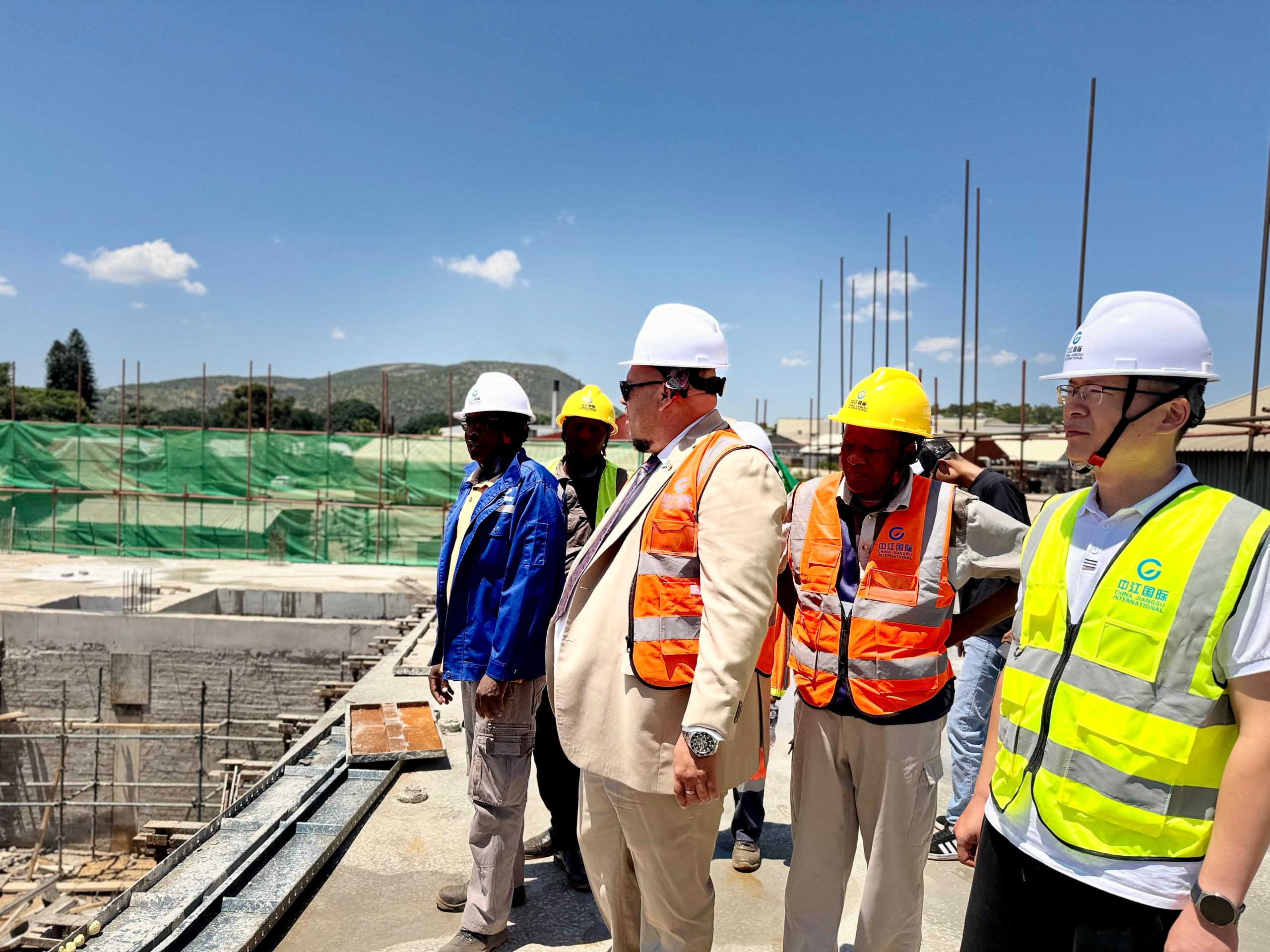
    Key projects in Lobatse, which include, the Botswana Meat Commission (BMC) New Meat Value Addition and Secondary Processing Plant and the BMC Tannery Revitalisation Project are progressing well.

    Touring the projects, Lobatse Member of Parliament, Mr Kamal Jacobs, appreciated that
    the New Meat Value Addition and Secondary Processing Plant, which would replace the current cannery (ECCO) plant built in 1978, was well on track and had engaged locals.

    The project was awarded to China Jiansu at an amount of over P218 million.

    Also, he toured the Lobatse Tannery Revitalisation Project done by Colic Construction Development Company at over P212 million.

    It involves refurbishment of the tannery to process hides.

    Mr Jacobs said over 200 Batswana had been employed under the two projects.

  • Farmers are counting their losses, and Dr Dikoloti promises help

    Farmers are counting their losses, and Dr Dikoloti promises help

    Acting Minister of Lands and Agriculture, on Friday, engaged both Pandamatenga commercial and subsistence farmers to appreciate damages caused by the recent heavy downpours.

    Over 8 000 hectares of crops from sorghum sunflower maize, onion, tomatoes were affected.

    Dr Dikoloti assured farmers that they would be assisted accordingly after assessments on damages were completed as he had brought along a company that specialised in agricultural insurance.

    He acknowledged that the rain had negatively impacted farmers, as they would have to wait weeks before resuming operations.

    He however commended farmers for their resilience and hard work in ensuring that Batswana were well-fed over the years.

    Pandamatenga Commercial Farmers committee executive member, Mr Ryan Neal revealed that while the assessment was still ongoing, all farmers in the area were affected as their farms were still submerged in water.

    Mr Neal also expressed the need for an insurance company and all relevant stakeholders to expedite assessments so that farmers would return to their farms.

    Their hope, as farmers, he said was to rebuild and replant to produce a bountiful harvest like last season