Category: Local

  • Boko meets Cuba and France ambassadors

    Boko meets Cuba and France ambassadors

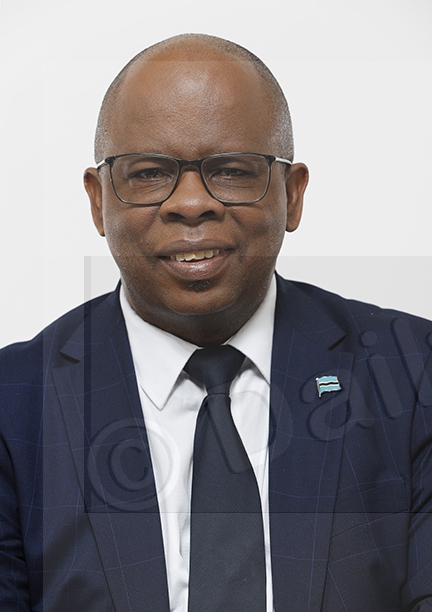
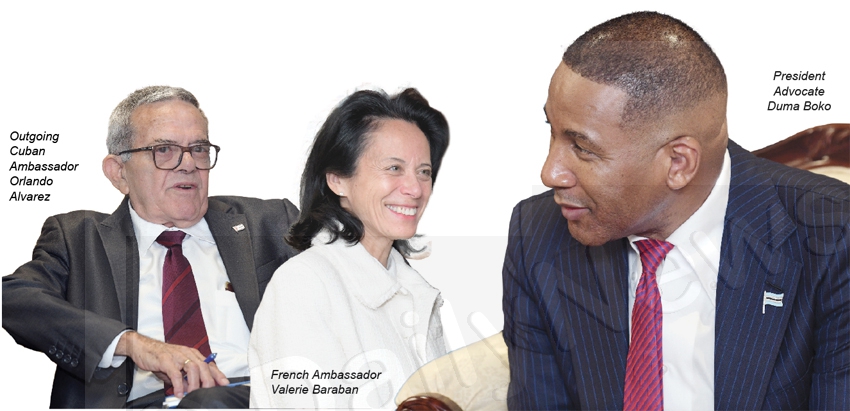
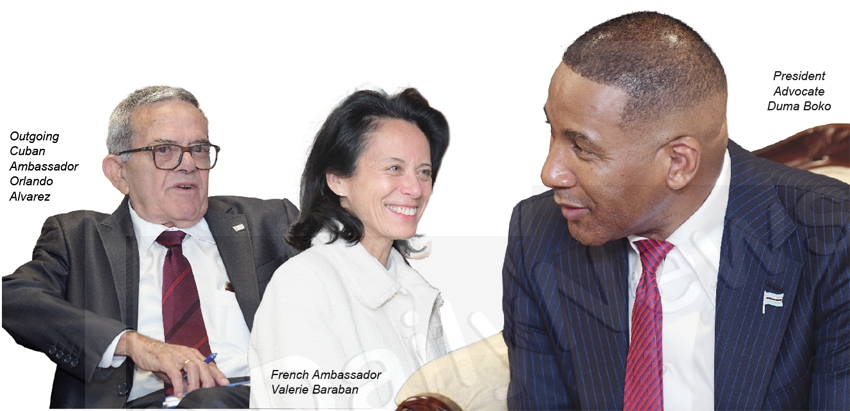
    Botswana and Cuba aim to deepen cordial relations, with President Advocate Duma Boko expressing appreciation for Cuba’s support, particularly in healthcare.

    During a courtesy call by outgoing Cuban Ambassador Orlando Alvarez, President Boko hailed Cuba as a key partner, not just for Botswana, but for Southern African states like Namibia and Angola.

    Ambassador Alvarez assured President Boko of Cuba’s commitment to collaborate with Botswana in areas like agriculture, education, and health.  He said Cuba was keen on sharing expertise in irrigation, animal bio-technology, and veterinary medicine, among others.

    The same day, French Ambassador Valerie Baraban also met President Boko, discussing bilateral relations in defence, security, environment, and cultural exchange. 

  • Youth Centres undergo transformation

    Youth Centres undergo transformation

    Botswana Youth Centres are being re-imagined as engines of opportunity, shifting from recreational spaces to integrated development hubs that equip young people with skills, confidence and pathways to economic independence. This transformation is at the heart of renewed government efforts to invest in the country’s youth, whose potential will shape Botswana’s future.

    On January 20, Ministry of Youth and Gender Affairs together with  Lucara Botswana signed of a  five-year partnership through Memorandum of Understanding (MoU) aimed at translating policy into community impact.

    The  MoU covers digital skills, entrepreneurship, Information and Communication Technology, sports and arts.

    Minister of Youth and Gender Affairs said youth centres must no longer be places where young people simply pass time but should be places where futures are built.

    The move comes against a demographic backdrop in which citizens aged 18 to 35 make up 30 per cent of the population, according to the 2022 Housing and Population Census. Minister Chombo noted that this youthful demographic presents both an opportunity and a responsibility that could not be ignored.

    Traditionally viewed as venues for sport and leisure, youth centres across Botswana will now be repositioned as safe, inclusive spaces that provide life skills, training and support. The planned refurbishment and construction of youth centres, particularly in marginalised communities, will strengthen programmes focused on entrepreneurship, employability and innovation, enabling young people to turn ideas and talent into sustainable livelihoods.

    Ms Chombo also emphasised the need for youth development to be understood through a gender lens. Census data shows that Botswana’s population remains skewed towards females, with a sex ratio of 95 males to 100 females. In addition, 44.5 per cent of households are headed by women, many supporting larger families.

    “These realities demand development interventions that are inclusive, gender-responsive and socially grounded,” she said.

    In Botswana, she said being the third most populated village, Molepolole was highlighted as a key beneficiary of the initiative. With a population of 74 719 and an estimated 22 415 residents, she said Molepolole fell within the youth age group.

    “The envisaged youth centre in the village is expected to support young people navigating the transition from education to employment. The facility will offer leadership development, career guidance, social skills training and psychosocial support, while promoting positive relationships and community engagement,” she added. 

    Additionally, Ms Chombo said youth mental and emotional well-being would be central to programming, ‘with mentorship and counselling services providing support amid mounting social and economic pressures’.

    Ms Chombo said youth empowerment was closely linked to national security and social cohesion. When young people are meaningfully engaged, they become agents of peace, reform and innovation.

    Lucara Botswana managing director, Ms Naseem Lahri expressed delight that Lucara Botswana remained committed to delivering lasting and sustainable benefits to communities in its areas of operation. 

    “This is an impactful strategic partnership. I see a lot of impact coming out of this MoU, as a lasting value and it will reflect our commitment interms of what we bring for the youth in an impactful manner,” she added.

    The MoU is meant to facilitate and develop a framework for cooperation in youth and gender empowerment and development to advance and accelerate efforts toward youth and gender empowerment and development.

    Furthermore, the cooperation, in the context of the MoU, also includes partnership in the construction and commissioning of state of the art facility for operational spaces, capacity building, digital skills, counselling services, entrepreneurship, Information and Communication Technology, sports and arts

  • Medicine Supply Shows Steady Improvement

    Medicine Supply Shows Steady Improvement

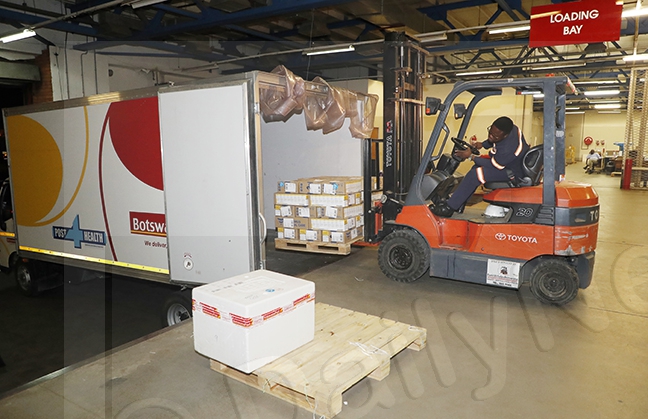
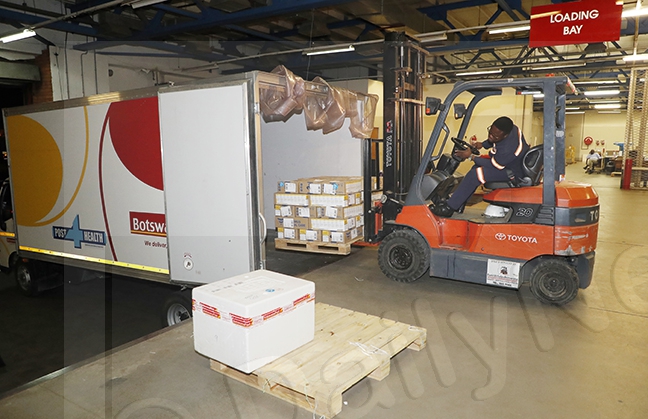
    The public health sector is gradually recovering from severe medicine shortages that led to the declaration of a state of public health emergency in August 2025 by President Advocate Duma Gideon Boko.

    The Ministry of Health’s Public Relations Officer, Mr Mompoloki Lekoto, said sustained local and international procurement efforts have resulted in frequent deliveries, significantly improving medicine availability across public health facilities, although full stabilisation had not yet been achieved.

    Mr Lekoto said current, stocks covered a broad range of medicines required for both acute and chronic care.

    “These include intravenous fluids, anti-diarrhoeal medicines, antibiotics, anaesthetic agents for surgical theatres, antihypertensives, anti-diabetic medicines, dialysis supplies for kidney disease, as well as cancer and blood disorder treatments and other biological products,” he said.

    He added that laboratory reagents, imaging supplies and diagnostic tests were also being prioritised to ensure comprehensive patient care. Mr Lekoto noted that while shortages affected most medicine categories in recent months, availability had improved significantly due to donations and emergency procurements.

    “Cancer and blood disorder medicines have been secured through large orders expected to last more than 12 months,” he said, adding that suture supplies had also been restored following the delivery of six months’ stock.

    Mr Lekoto said the ministry continued to rely on targeted micro-procurement for products that remained unstable or required special ordering.

    Meanwhile, medicine distribution remains nationwide, with all districts and health facilities receiving deliveries twice a month. He explained that the system allowed for regular replenishment, although special-order products may take longer to reach facilities.

    Mr Lekoto said Central Medical Stores continued to manage a wide range of therapeutic products that required constant monitoring and routine restocking to maintain optimal levels.

    In some cases, he said temporary rationing across districts was implemented while awaiting larger consignments, with procurement focused on life-saving and essential medicines.

    He identified financial constraints as the primary driver of the recent shortages, which limited procurement quantities, adding that rising costs of medical products at local and regional levels further compounded the challenge.

    Mr Lekoto assured patients that continued improvement in medicine availability was expected over the next one to two months as additional consignments arrived.

    He said where specific medicines remained unavailable, healthcare providers were using therapeutically interchangeable alternatives and redistributing surplus stock within the ministry’s system.

    “Clinicians are providing tailored guidance to patients with chronic conditions, including access to special-order mechanisms when necessary,” he said.

    Looking ahead, Mr Lekoto said government was pursuing long-term strategies to strengthen medicine supply security.

    “These include exploring pooled procurement arrangements at regional and international levels, government-to-government supply agreements, re-engagement with local suppliers and legislative reforms to ensure transparent procurement and prevent price gouging,” he said.

    He added that plans were also underway to facilitate primary pharmaceutical manufacturing within the country.

    Furthermore, Mr Lekoto said the transformation of Central Medical Stores under the Botswana Economic Transformation Programme was expected to enhance capacity, governance and efficiency through digitalisation and end-to-end supply chain visibility.

    He said the ministry anticipated adopting advanced technologies, including artificial intelligence, alongside broader reforms such as the rollout of National Health Insurance.

    Regional collaboration through SADC pooled procurement initiatives and regulatory harmonisation under the ZAZIBONA framework is also expected to improve pricing and availability, particularly given Botswana’s relatively small population.

    The Ministry of Health has expressed confidence that the comprehensive measures being implemented will result in a sustainable and efficient medicine supply system that delivers value for money and reliable access to essential healthcare for all Batswana

  • Child abandonment – A silent crisis in Maun

    Child abandonment – A silent crisis in Maun

    In the quiet corners of Botswana’s towns and villages, children of all ages constantly find themselves out in the cold. 

    Some are found thrown by the roadsides, others in the bushes, while yet others grow up in homes where neglect has slowly done its damage, out of sight until it is too late.

    What was once an occasional shock has become a pattern. Child abandonment, particularly of newborns is emerging as a silent crisis, revealing the fragile intersections between youth behaviour, weakened family structures and the absence of preventative support within communities.

    Tshidilo Stimulation Centre manager, Mr Ramoremi Mphothwe says these stories rarely begin with abandonment, rather they begin much earlier in moments where guidance is absent and risk is normalised.

    Alcohol-fuelled social spaces, he explains, often lead to unprotected sexual encounters and unintended pregnancies and when reality sets in, young women are left isolated, overwhelmed and afraid.

    “Child abandonment is not a sudden decision but a final step after many opportunities to intervene have already been missed,” he says.

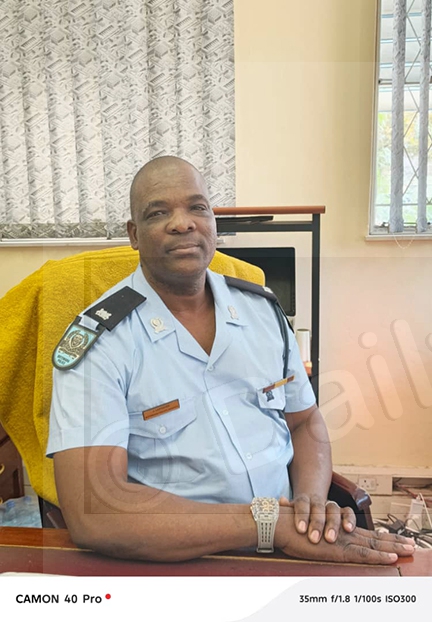
    Those missed opportunities surface daily at the Maun Police Station. Behind the front desk, the crisis does not announce itself dramatically, it arrives quietly case by case, file by file. Between 2024 and 2025, police in Maun recorded 44 cases of child neglect, involving children as young as newborns and as old as 15.

    Many of those cases are still unresolved, not because they are unimportant but because the systems meant to protect children often move slower than expected.

    Thirty of the cases remain stalled, awaiting social inquiry reports and others sit under investigation, complicated by silence from those who report them but cannot or will not help police trace those responsible.

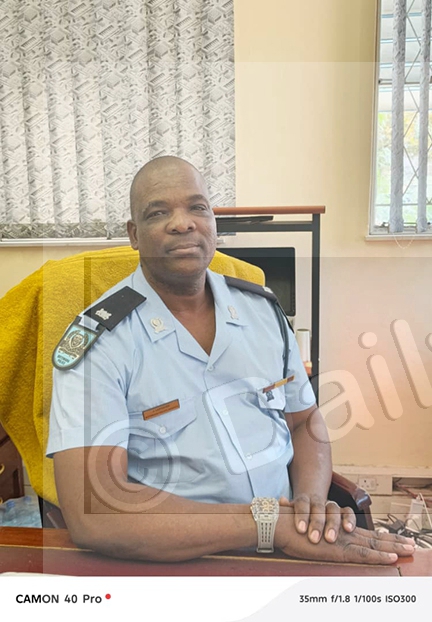
    Maun Station Commander, Superintendent Joseph Lepodise says repeated offenders remain one of the most troubling aspects of the trend, pointing to cycles of neglect that continue long after the first warning signs are visible.

    During this period in 2025, two newborns were abandoned in circumstances that officers still recall vividly, with one having been thrown into the bush and another who was left beside the road, wrapped in plastic.

    In both cases, police responded immediately, rushing the infants to Letsholathebe II Memorial Hospital, a race against time to ensure that life continued where it had nearly been discarded.

    Despite investigations that included tracing mothers who had recently given birth at surrounding clinics, no arrests were made. Responsibility for the children shifted instead to social workers, who placed them in safety while the search for accountability faded into uncertainty.

    For Superintendent Lepodise, these outcomes are painful reminders that law enforcement often arrives at the end of the story, not at the beginning. Police, he says, continue to prioritise public education, urging parents and young girls to use available forms of pregnancy prevention and to seek help when overwhelmed.

    Clinics, social workers, and police stations remain open doors; safer than the irreversible choice of abandonment, he stresses. The long-term impact of those choices becomes visible at care facilities like Lorato House.

    Case manager at Lorato House, Ms Omphile Itomeng says children entering the facility often arrive after prolonged neglect or abandonment

    Many carry physical signs of deprivation – malnutrition, delayed development, untreated medical conditions, weakened immunity and others carry wounds that cannot be weighed or measured.

    “These children struggle to trust, and to feel safe,” she says.

    Lorato House communications and media relations lead, Ms Agatha Elijah says as they grow older, the questions become harder to avoid and curiosity about home and belonging emerges naturally.

    Counsellors respond by building stability first following routine, consistency, and nurturing relationships before attempting to help children process the circumstances of their abandonment.

    Beyond its emotional and social cost, child abandonment in Botswana remains a criminal offence as the law prohibits neglect, ill-treatment, or exposure of a child to conditions likely to cause physical, psychological, or emotional harm

    Penalties include fines or imprisonment, reinforcing the state’s position that abandonment is both morally indefensible and legally punishable. Yet those working closest to the issue agree that punishment alone will never be enough.

    Prevention through education, early intervention, honest conversations about alcohol abuse and sexual health remains the strongest defense.

    Facilities such as Lorato House also advocate for lawful alternatives like the Safe Haven Law, offering overwhelmed parents a way to protect their children without erasing their futures

    Without collective action from families, communities, educators, social services, and government institutions, the cycle will continue. And somewhere, quietly, another child will be left behind waiting not just to be found, but to be chosen

  • Bobirwa farmers brace for Lemang Dijo rollout

    Bobirwa farmers brace for Lemang Dijo rollout

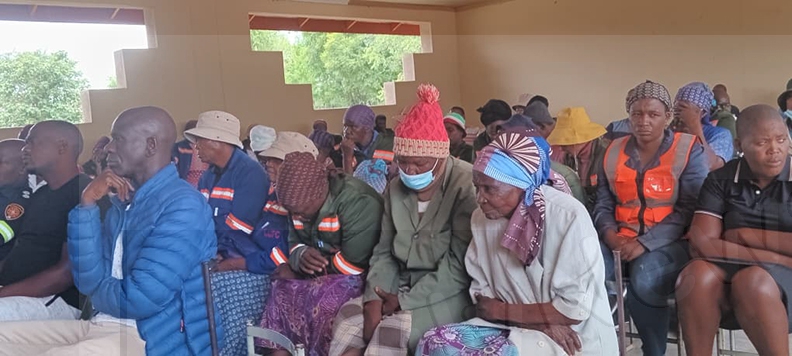
    Across Bobirwa District, a mix of anxious hope and quiet fear hangs in the air. Subsistence farmers – young and old – are watching the skies and their phones with equal intensity, waiting for two lifelines: the long-awaited rains and the text message alerting them that their Lemang Dijo subsidised packages have arrived.

    For many, the anticipation is sharpened by uncertainty. They hope the rains will continue long enough for successful planting, yet dread that heavy downpours could render their clay-rich fields inaccessible to tractors and animal draught power.

    As of December 8, 6 733 subsistence farmers had registered for the Lemang Dijo programme in Bobirwa, with 168 already receiving e-vouchers. But those issued with vouchers report a common frustration: the absence of seeds at designated agro-dealers, a delay they fear could undermine government’s intention of ensuring timely planting.

    While most farmers are clear on the crop production element, many remain unsure about the programme’s integrated beekeeping requirement. Only a handful of those interviewed understood the role of bees in pollination, while others admitted to fear or confusion -particularly about handling the insects.

    The programme guidelines explain that bees pollinate about 90 crops, increasing yields by up to 30 percent per hectare, with the beehive e-voucher capped at P1 500.Yet 72-year-old Ms Tshokolo Baruti of Mmasenana lands in Semolale is skeptical.

    “Jaanong dinotshi tsone ke le mosadi?” she asked rhetorically, wondering how a woman her age could cope with bees. Still, she remains committed to planting as soon as she receives her seeds, fertiliser and other inputs — and hopes the forecasted rains will find her field already ploughed.

    The programme has also drawn interest from young farmers, including those familiar with earlier schemes such as ISPAAD and Temo-Letlotlo. Mr Letso Oleteng, 20, of Magaleng lands in Sefophe, is still waiting to redeem his 100 percent subsidy for tillage, seeds, pesticides, shelling and threshing – all covered under a P2 900 per hectare e-voucher. Currently in Gaborone, he says one phone call will put him on the next bus home. Unlike some, he accessed the guidelines on social media and believes the beekeeping component makes economic sense.

    Other farmers, such as Mr Kebalepile Mzila of Mahibitswane lands in Tobane, were unable to source seeds after being turned away from BAMB in Selebi-Phikwe. Mzila, who previously learned beekeeping through ISPAAD, has already planted four hectares and awaits inputs for his Lemang Dijo plot.

    At Phokoje lands in Mmadinare, 71-year-old Mr Boikaego Kangangwana is energised by the new programme, although he depends on tractor owners and worries about delayed assistance. He notes that when he plants on time, his fields typically produce a bumper harvest.

    Not all farmers are enthusiastic about the compulsory beekeeping element. Ms Maretha Mokgathane of Keisane lands, Bobonong, said farmers were advised to “go home and reconsider” their stance. She admits she did not fully understand the requirement and will be planting maize instead of her usual beans. Similarly, 39-year-old Ms Refilwe Madema of Mabolwe rushed to register after learning she had missed a kgotla meeting. She has since been approved for the programme and, like others, is waiting for seeds but remains uncertain about the bee component.

    District agronomist Ms Keakabetse Phalaagae acknowledged both the knowledge gaps and logistical setbacks. She assured farmers that no one will receive beehives without proper training, noting that issuance will only begin next season after compulsory introductory courses. She also confirmed delays in seed and fertiliser supply, explaining that designated suppliers had not completed registration at ministry headquarters during the first week of December.

    To ease the backlog, the crop production office began collecting fertilisers from Francistown on December 10 using its only functioning truck. The department currently has just two working vehicles, even though officers must verify fields before payments to service providers can be authorised.

    The district office has requested funds from programme headquarters to hire casual labourers and repair additional vehicles borrowed from the district commissioner’s office.

    Lemang Dijo is an output-based agro-ecological programme designed to strengthen household food security and correct structural weaknesses that limited earlier initiatives. For now, the farmers of Bobirwa wait – for the rains, for the seeds, and for the message that will signal their turn

  • Back-to-School Rush Follows

    Back-to-School Rush Follows

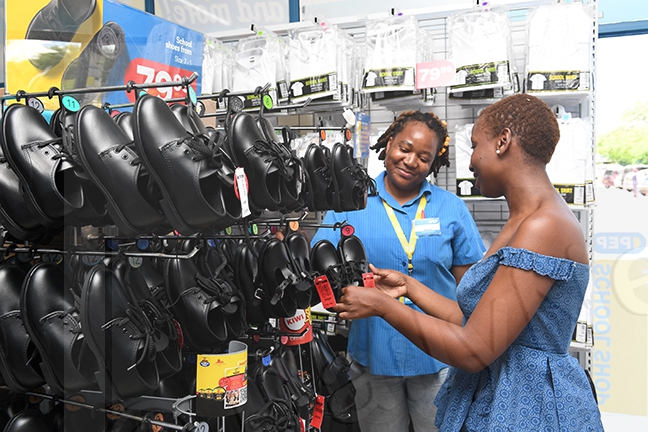
    One week, malls adorned with red decorations and baubles are a sight to behold, featuring Christmas jumpers folded neatly beside novelty socks. The next week, the sparkle is gone, replaced by orderly displays of grey trousers, white shirts, school shoes, and navy blazers.

    Just weeks after shopping for Christmas ornaments, lights, and holiday attire, families are filling store aisles once again, this time for school uniforms, textbooks, and stationery. This swift transition is a familiar change, as the end of the festive holiday season blends seamlessly into back-to-school preparations.

    “In December, it is all about celebrations,” said Gaborone resident Ms. Kitso Chepete while browsing a uniform shop.

    “But once the holidays are over, reality sets in; children need uniforms that fit, books for the new term, and daily supplies.”

    Retailers report a noticeable shift in buying habits immediately after Christmas. Shop windows that once glittered with ornaments and festive decorations now proudly display backpacks, notebooks, and school shoes, marking the official arrival of the back-to-school season.

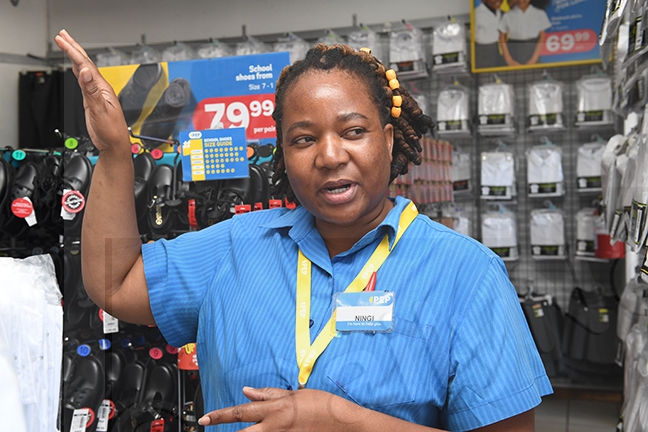
    Ms Sibochiwe Ningi, branch manager at West Gate Mall’s Pep Stores, noted that the change was expected: “It becomes a different season that has to be embraced right after Christmas and New Year celebrations.” 

    She added that the demand for school-related items rises sharply during this period, as many children transition from preschool to primary and junior secondary to high school.

    Pep Stores promptly removes Christmas decorations after the festive season, making way for back-to-school merchandise—a practice they describe as standard. Within two weeks, preparations for Valentine’s merchandise will begin.

    “We prominently display seasonal merchandise in the front of the store to respond quickly to customer demand,” Ms Ningi explained.

    “Parents appreciate the convenience of easily locating what they need, contributing to increased sales.”

    The shopping mood shifts as well; December is all about browsing and gift-buying, while January brings lists, sizes, and practicality.

    “Parents measure sleeves with a practiced eye, and children try shoes for comfort rather than style,” Ms. Ningi added.

    However, some parents find the timing tight. Ms Chawa Nfila expressed that balancing post-holiday budgets with ensuring children are ready for school can be challenging.

    “I find it easier to manage costs by reusing last year’s supplies, handing down uniforms between siblings, and mainly buying essentials like socks,” she shared.

    Students, too, acknowledge the shift from holiday excitement to school readiness.

    Twelve-year-old Anaya Kgotla, clutching a new backpack, said, “while the excitement of gifts and gatherings fades, choosing a new uniform or fresh set of books brings a different kind of anticipation. It makes it feel like a new beginning, even though school is work; it is nice to start with new things.”

    His twin sister, Rashidah, echoed similar sentiments,“I am mostly excited about choosing a new backpack,” she said, emphasising that new school wear ignites excitement and signals a fresh start. 

    The visual changes in stores serve as a reminder that early mornings and homework are just around the corner, reflecting the mental reset many experience as the new term approaches.

    Another customer, Ms Lorraine Dire, stated that school preparations extend beyond shopping. 

    “Parents are re-establishing routines: setting bedtimes, organising study spaces, and helping children smoothly transition from holiday mode to classroom focus,” she noted.

    “School fees, uniforms, lunch boxes, and transport arrangements all become a reality at this time,” Ms Dire remarked, adding that while the holiday sparkle may be shelved for another year, the move toward back-to-school season carries a different kind of optimism.

    “It is less about glitter and more about possibilities: new lessons, new friendships, and new routines,” she said, recognising that the transition serves as a gentle reminder that seasons change quickly, yet each presents opportunities to prepare and reset

  • Imported bulls and heifers in good condition at Ramatlabama laboratory

    Imported bulls and heifers in good condition at Ramatlabama laboratory

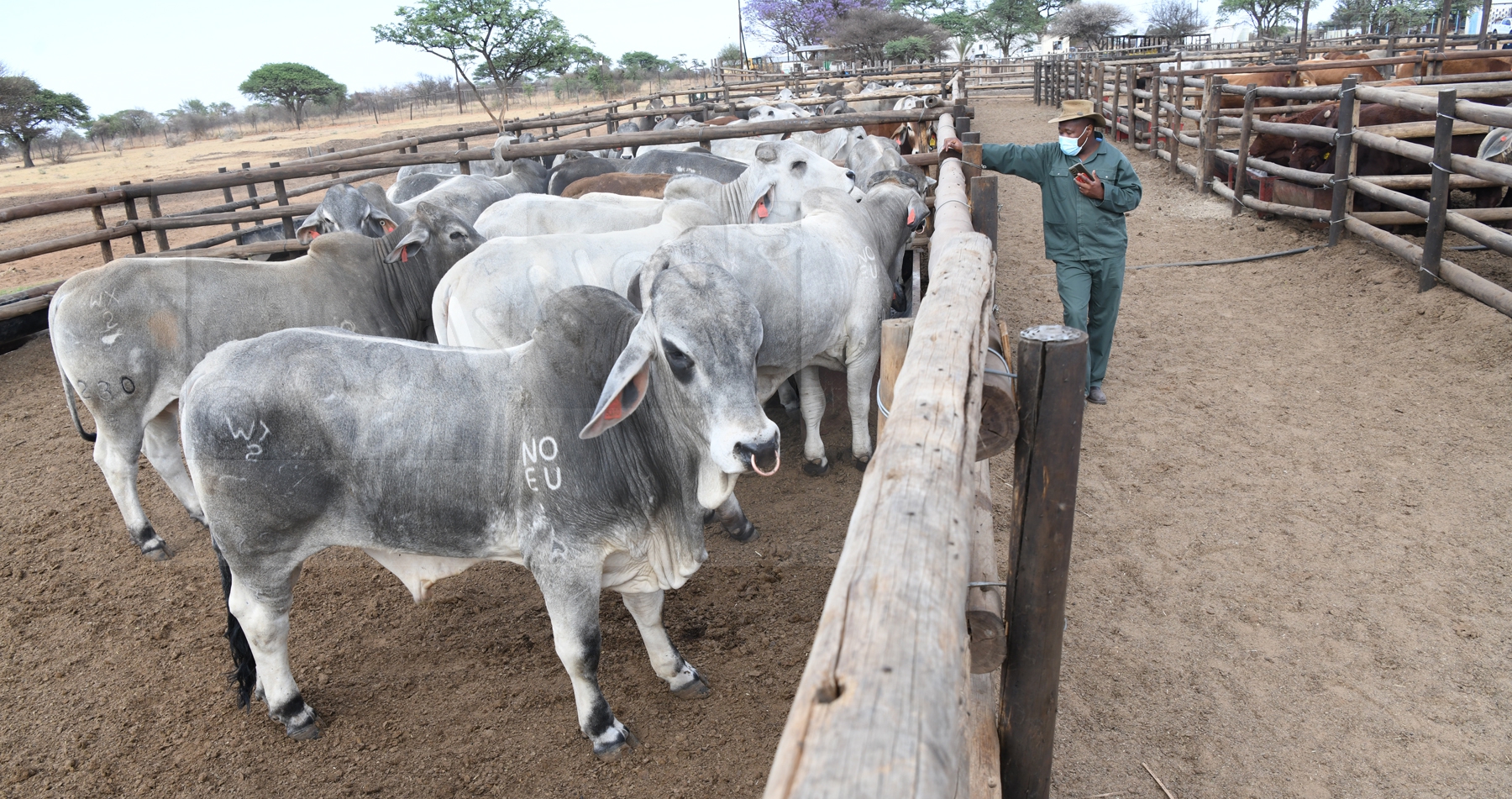
    The bulls and heifers purchased by the government from the United States and Australia over two years ago are in good condition at the Ramatlabama National Artificial Insemination Laboratory and Training Centre.

    A total of 140 bulls and 21 heifers were imported from Texas, along with an additional 23 bulls and 68 heifers from Australia, all aimed at enhancing the genetic makeup of the local herd. However, some losses have been reported.

    Mr Tirelo Leisi, the principal scientific officer at the Ministry of Lands and Agriculture, noted a mortality rate of three per cent among the bulls from Texas, translating to eight animals, along with four from Australia and one heifer.

    On a positive note, the laboratory has seen the successful birth of 37 calves from various breeds of heifers through artificial insemination. Mr Leisi emphasised the importance of inseminating the heifers first to ensure their fertility rate, even though they were initially intended for embryo transfer for accelerated genetic progress.

    Another development,  he mentioned was the small stock laboratory, designed for semen and embryo transfer, has been completed at Ramatlabama.

    ”We just need more staff that will be dedicated to working with small stock,” Mr Leisi said, indicating that some bucks from Lobu small stock farm in Middlepits will be utilised for semen collection.

    Additionally, 66 bulls have been selected for training and semen tapping, with the Brahman breed identified as particularly challenging to train.

    However, space has become a concern, as Mr Leisi explained that the 624-hectare farm is currently home to 305 live cattle, along with some small stock

  • Moswaane appeals for Constitutional Court support

    Moswaane appeals for Constitutional Court support

    Francistown West legislator has appealed to the nation to support government in the establishment of a Constitutional Court.

    Addressing Gerald Estates residents in Francistown on Monday, Mr Ignatius Moswaane highlighted the importance of having a Constitutional Court, saying it would among other things, protect citizens’ rights, promote justice and fairness in government decisions affecting communities.

    Mr Moswaane further said a countrywide consultation on the introduction of the Constitutional Court would soon start to allow citizens to provide their input.

    On other matters, Mr Moswaane informed the residents about the revised Village Development Committee guidelines, saying elections of new members would be held in due course.

    Therefore, he encouraged residents to elect leaders based on merit, leadership ability and potential to deliver development.

    “You must elect representatives based on merit and their ability to deliver results. Ask those who want to represent you what they will bring and how they will improve your lives,” he said.

    He also encouraged the spirit of self-reliance among the residents, while at the same time urged the youth to enroll in schemes such as the National internship Programme and the Botswaa National Service programme, among others.

    Also, he discouraged the excessive use of alcohol and drug abuse, urging residents to be responsible citizens and good role models for young people.

    For his part, Moselewapula Ward councillor, Mr Thatayaone Keoletile said residents faced several challenges, including storm-water drainage, which caused flooding in many yards during the rainy season.

    He said although the storm-water drainage system for Moselewapula had long been designed, lack of funding continued to delay its implementation.

    Mr Keoletile also noted that theft of electrical cables had left some streets without lighting, posing a security risk. He added that Gerald Primary School faced a shortage of furniture, while unemployment in the area continued to rise.

    Some residents also raised concerns about cable theft, urging the area MP to intervene. They also complained about persistent littering, which had contributed to the uncleanliness of the area

  • Government moves to mitigate FMD risk

    Government moves to mitigate FMD risk

    Government is doing all in its power to ensure that the county’s green zones maintain their status.

    This follows reports of the Foot and Mouth Disease outbreak in South Africa’s North West province, which forms the southern boundary of Botswana.

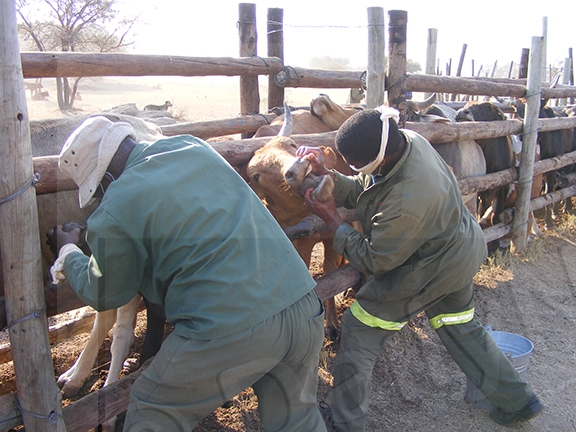
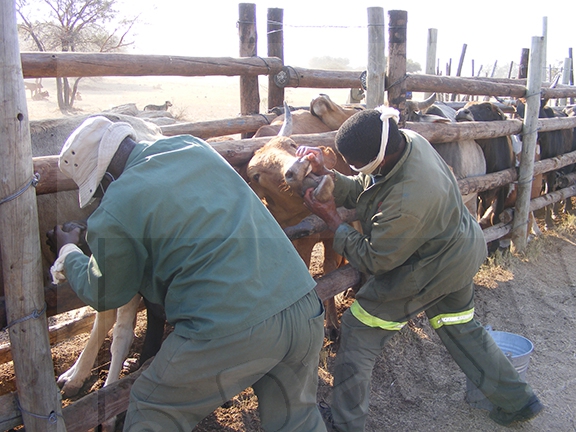
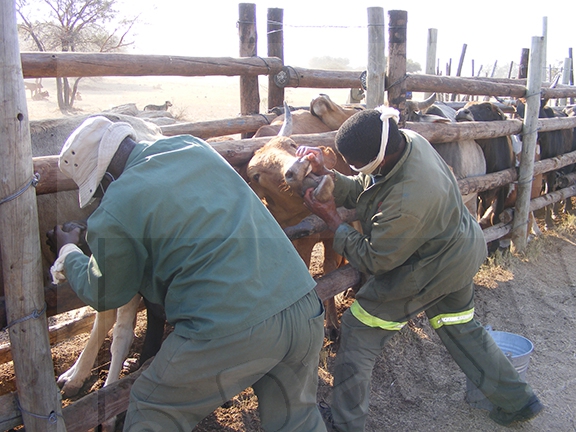
    With Botswana being a significant beef exporter to the EU market, the Ministry of Lands and Agriculture, has made a clarion call for Batswana to jealously protect the beef and livestock industry from the dreadful disease, by observing the laid disease control protocols.

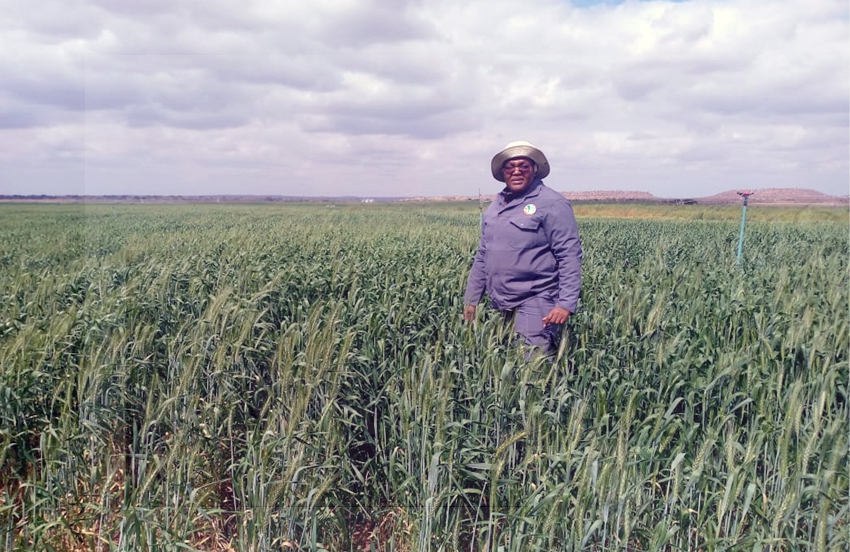
    The situation in the neighboring South Africa could ruin lives should the disease make its way into Botswana, the ministry of agriculture permanent secretary, Mr Kabelo Ebineng cautioned during a recent tour of the livestock disease control cordon fence along Molopo River.

    He warned farmers to look after their cattle and ensure no contact with those of their neighbours in South Africa. Control measures will include destroying of animals from Botswana that cross over to South Africa where the disease has been detected. 

    Animal disease control legislation empowers authorised persons to destroy animal infected or suspected of being infected or any animal which has been in contact with a diseased animal.

    Farmers whose livestock will be destroyed will receive P700 compensation per cow and P200 for a goat while repeat offenders will only be entitled to P200 compensation for a cow and P25 per goat, Mr Ebineng stated.

    Government erected a veterinary cordon fence along Molopo River between 2023 and 2024 in response to the FMD scare in South Africa’s North West Province and to protect Botswana’s cattle industry.

    It also drilled boreholes along the frontier to keep livestock away from the river and surface water sources close to the border.

    Mr Ebineng explained that any outbreak of FMD within a 10 kilometre radius from the export abattoir could cause cessation of operations at Botswana Meat Commission.

    He also explained that the disease also posed a threat to the imported bulls and semen at Ramatlabama Artificial Insemination Ranch.

    Meanwhile, there were reports of some farmers who continued to vandalise the fence and water their cattle in the river hence risking contact with South Africa livestock.

  • Constitutional Court consultation welcome development

    Constitutional Court consultation welcome development

    A resident of Matsiloje, Mr Nlebeswa Shabgwa has welcomed the scheduled consultation process on the establishment of the Constitutional Court to be conducted from January 16 to February 9.

    Speaking in an interview after a kgotla meeting addressed by Tati East MP, Mr Thabologo Furniture in Matsiloje on Monday, Mr Shabgwa said the consultation process would give Batswana a chance to understand the court’s importance.

    He said anything affecting the people should be taken to the people for consultation. He said it was ill-thought-out for government to have wanted to get Members of Parliament to approve the Constitution Amendment Bill without adequate consultation.

    Mr Shabgwa also touched on the fate of the death penalty, saying it was also a matter that Batswana ought to have a say on.

    He emphasised that although the current regime hinged on human rights, the issue of the death penalty should be decided by the people, and not by government alone, adding that the death penalty was still a legal punishment for murder under aggravated circumstances, with executions carried out by hanging.

    He argued that Botswana’s constitution guaranteed the right to life, but also allowed the death penalty in certain circumstances.

    Another resident, Mr Lawrence Chabane shared similar sentiments, saying the constitutional court’s establishment required a referendum for all Batswana to participate.

    Both residents also welcomed the Francistown-Matsiloje Road reconstruction but suggested it should pass through other areas, including that from Matshelagabedi, the road should go to Mahatane, Pobepobe and then Matsiloje, to improve transport accessibility.

    Earlier on, MP Furniture had informed the residents of the impending consultation process on the constitution’s review, with the objective of providing for the establishment of a constitutional court.

    He had also informed the residents that the Francistown-Matsiloje Road was set to undergo reconstruction with a budget of P150 million allocated under the National Development Plan (NDP)12.

    Mr Furniture stated that the project was currently at tendering stage following numerous court battles pertaining to the award of the tender.

    Reacting to residents’ disappointment that the proposed road from Robelela, passing through Patayamatebele and Matopi settlements to Matsiloje, was not included in NDP 12 as initially agreed, Mr Furniture said NDP12 prioritised the upgrading of the Mmadinare-Tonota road to bitumen standard.

    The MP also informed the residents that in keeping with government’s commitment to ensure decent jobs and welfare of workers, a decision had been made to review the Public Service outsourcing programme.

    This review he said, was with regard to outsourced services such as security, cleaning, gardening and other services within the public service.

    In his welcoming remarks, Kgosi Solomon Segopa expressed concern over female learners at Matsiloje Junior Secondary School engaging in cross border sexual relationships, urging parents to take responsibility for their children’s education.

    He also highlighted ongoing issues including illegal gold mining and pending payments owed to former Mupane Gold mine employees.

    For their part, some residents voiced concern about lack of potable water and also decried the absence of employment opportunities.

    Others complained of poor internal roads and also pleaded for government to ensure that the village enjoyed equitable distribution and reticulation of electricity