Category: Uncategorized
-

Boko commits to advance BIUST mission
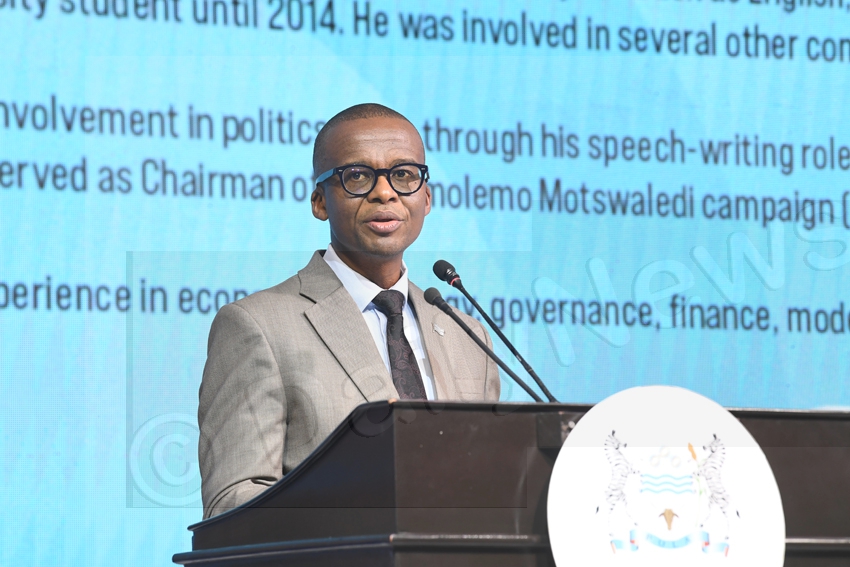
President Advocate Duma Boko has promised to champion Botswana International University of Science and Technology (BIUST)’s mission, advocate its interests and promote its achievements within Botswana and beyond. President Boko, who was inaugurated as BIUST’s chancellor in Palapye on March 27, said he accepted the responsibility with humility, gratitude, enthusiasm and resolve, pledging to provide strategic and external leadership in support of the governing authority of the university.
“I recognise that I assume this role at a time when universities across the world face complex challenges that include finance, competition for talent, and rapidly evolving technological demands,” he said, adding that with unity of purpose and clarity of vision, such hurdles could be turned into opportunities.“I commit myself to working closely with the BIUST council, the vice chancellor, the leadership of the university and the entire academic community in strengthening governance, expanding partnerships and advancing research excellence,” he said. He said the creation of BIUST was not a happenstance but was established to spearhead Botswana’s transition from a resource-based economy to a knowledge-driven economy that thrived on innovation.
“It is, therefore, fitting that BIUST was conceived as a specialised, research-intensive institution dedicated to the advancement of Science, Technology, Engineering and Mathematics (STEM). Its mission is clear; to cultivate innovators, to train problem-solvers to generate knowledge capable of transforming industries, economies, and societies,” he said.
He said through the Botswana Economic Transformation Programme (BETP), the government would transform education into a key pillar for a knowledge-based economy, focusing on STEAM, digital literacy, research, and curriculum modernisation to match graduate skills with labor market needs as well as create high-value employment.
President Boko said Botswana was blessed with the gift of a youth demographic dividend: a youthful and vibrant population whose energy needed to be channeled to make them architects of the country’s next chapter.
Also, President Boko commended BIUST for having produced more than three thousand graduates, young men and women equipped with market-relevant skills and global ambition.
”Some are entrepreneurs building enterprises, others innovators solving complex challenges, while yet others are pioneers extending Botswana’s intellectual footprint beyond the borders,” he said.
He said a few days preceding the historic launch of Botswana’s first satellite, BOTSAT-1 in March last year, he had the distinct privilege of touring the facilities of SpaceX – the American technological outfit that helped BIUST launch BOTSAT-1 into space and he gained valuable insight into cutting-edge space technologies.
President Advocate Boko said therefore, the lauch of BOTSAT-1 reaffirmed the Southern African nation’s commitment to digital transformation, scientific progress, and technological innovation. BIUST achievements also aligned closely with Botswana’s broader national vision to diversify the economy beyond diamonds, he stated further.
He said government had embarked upon several forward-looking initiatives, including the establishment of a National Research and Development Fund accessible to accredited institutions to stimulate innovation and technological discovery.
Meanwhile, President Boko paid homage to former president, Dr Festus Mogae, who became BIUST’s first chancellor. He said Dr Mogae’s exemplary leadership and unwavering commitment to national development had played a key role in establishing and nurturing BIUST during its formative years.
“Your legacy resonates far beyond this campus. It speaks to the nation, the region and the global community of science and learning. You set a standard of leadership that is both inspiring and formidable,” he said.
As BIUST second chancellor, President Boko pledged to honour Dr Mogae’s legacy by safeguarding his achievements and advancing the mission the former statesman championed.
-
Concourt: Positive step for Botswana future
quiet but determined conversation is gaining momentum across the country. From lecture halls to policy forums, young people are increasingly stepping forward, reflecting on what the country’s constitution means to them today and what it should become in the future. At the centre of these discussions is the proposed establishment of a constitutional court (concourt), a development some young voices see as a promising step toward strengthening democracy and safeguarding rights in a rapidly changing world.
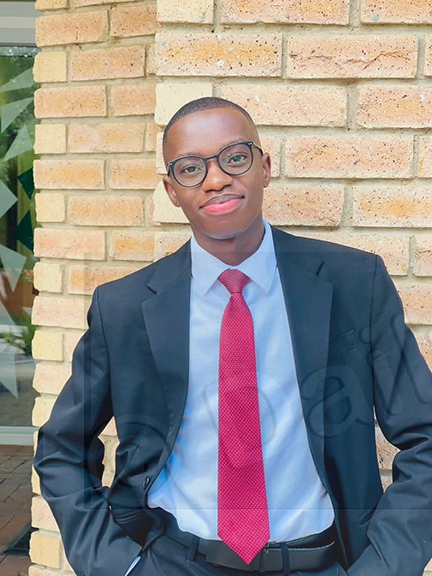
in an interview with BOPA, a University of Botswana, fourth year Economics student, Mr Abel Manyelesemane, said the constitution remained the foundation of the country’s democracy.
“It guarantees our rights and gives every Motswana confidence that they are protected under the law,” he said.
Mr Manyelesemane said as the country evolved, the Constitution must also be reviewed to reflect current realities.
He highlighted the importance of strengthening legal institutions, noting that the establishment of a concourt could play a pivotal role in safeguarding citizens’ rights and enhancing accountability.
“A concourt would strengthen the protection of rights and improve accountability,” he said.
Adding to the discussion was Botswana Youth Ahead Organisation founder, Mr Keabetswe Sanao, who said, as a young person living in Botswana, the existence of a Constitution represented his rights, freedoms and how he could approach the future.
“Is it essential because its writes the story of how our country must be governed in such a way that everyone within our borders is protected,” he said.
As a human rights advocate, he was of the view that, “a concourt will guarantee that the human rights of Batswana are protected as we need a court that will only focus on the constitution. If we have a court that focuses on the Constitution and trying to solve the cases related to it, we will go somewhere as Botswana.”
Regarding changes he would like to see in the Constitution that would benefit future generations, Mr Sanao said more youth quotas and digital rights should be introduced.
“We want reserved seats for young people in Parliament and councils as this could strengthen youth representation and participation in decision making,” he said.
Meanwhile, University of Botswana law student, Ms Rorisang Morwaeng, said a Constitution must evolve with the society it governs.
“Over the next 50 years, Botswana will face new challenges such as technological advancements, economic shifts, climate pressures and changing social values,” she said.
Ms Morwaeng said the establishment of the concourt was important as it would give the judiciary full independence of their duties.
“The President will be able to be held accountable by the judiciary and they will be the rulers before a President is appointed like during the general elections,” she said.
However, Ms Morwaeng said she would like to see stronger protection for youth participation, improved accountability for leaders and expanded rights in areas such as digital privacy and environmental protection in the Constitution.
Looking ahead, she said she hoped to see a Botswana that was inclusive, innovative and equitable, where young people were active participants.
However, not all young voices are in favour of establishing a constitutional court.
Ms Diamanté Merafhe, a third-year law student at Ba Isago University, argued that the focus should instead be on comprehensive constitutional reform.
“It is important to fix our judicial system instead of protecting the inherent flaws and strengthening the weakness,” she said.
For Ms Merafhe, constitutional reform must go beyond institutional changes to address the lived realities of vulnerable groups.
She said there was a need for specialised structures to support orphans and victims of abuse, as well as greater emphasis on education as a tool for empowerment. In her view, equipping young people with financial and economic literacy was just as critical as legal reform in preparing them for the future.
-
Komane apprises council on district health status
The campaign on cervical cancer screening has been viewed as a positive drive toward early detection and successful treatment.
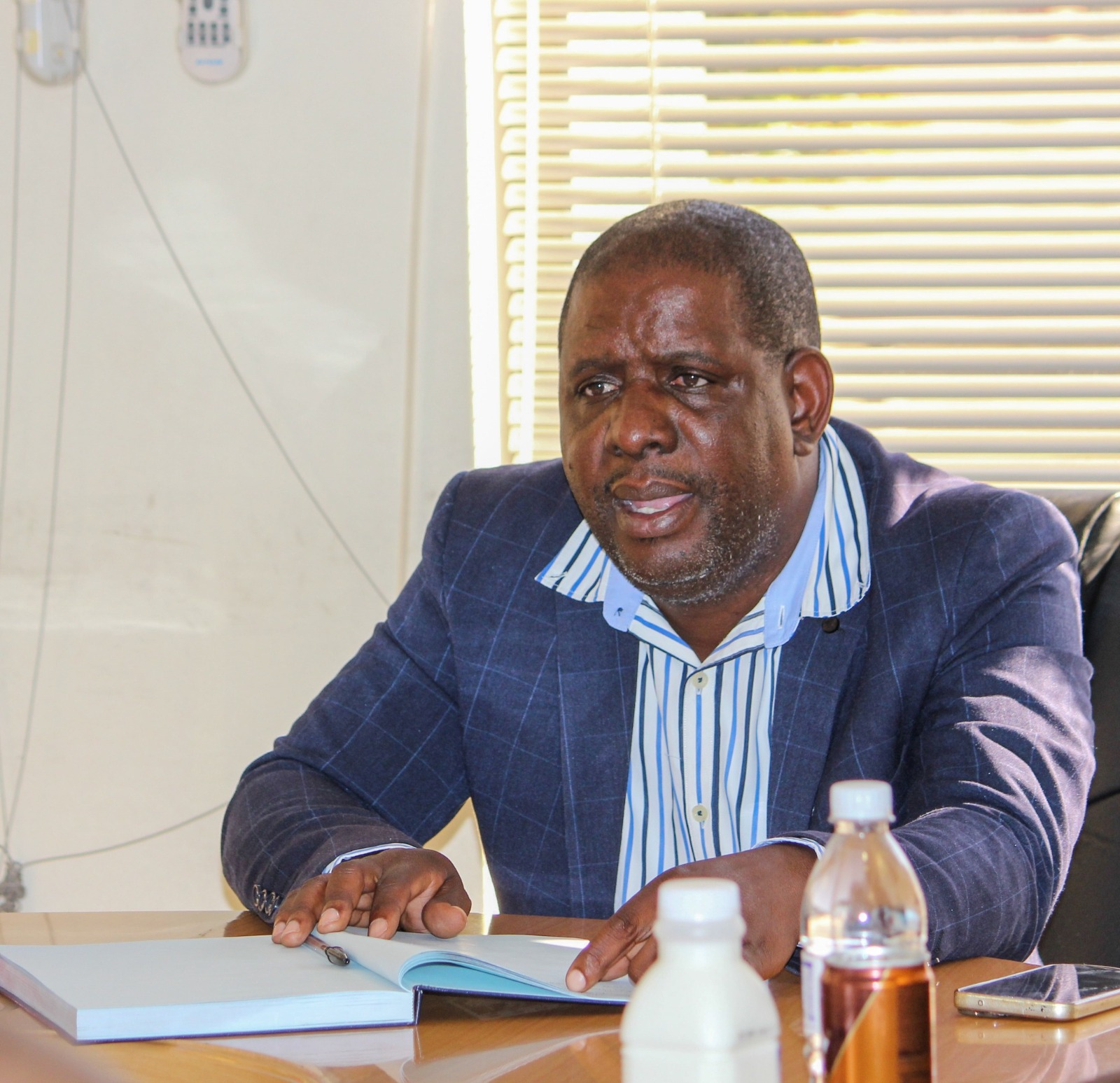
The Chairperson of Kgatleng District Council, Mr Thabo Komane said a landmark achievement for the current quarter was on the Women’s Cancer Screening Campaign, conducted from January 29 to February 12, 2026, in which 1 002 women across the district were screened for cervical cancer.
“Early detection saves lives, and this campaign is a statement of our commitment to women’s health. We are also monitoring Polio preparedness following warnings from the Ministry of Health regarding outbreaks in neighbouring Namibia and Zambia. A national supplementary immunisation exercise is being planned, and our district is already conducting support and mentorship visits to all health facilities in readiness,” said Mr Komane.
Addressing a full council meeting on Monday, Mr Komane added that the situation on health services still remained fragile, though availability of pharmaceutical items had noticeably improved.
He said Deborah Retief Memorial (DRM)Hospital has received a main supply order from Central Medical Stores (CMS) on February 19, containing lifesaving drugs and medicines which included but not limited to non-drugs, stitches, antipsychotics, and IV antibiotics.
“DRM Hospital is relatively stable in oral medications for chronic and infectious diseases, including ARVs, malaria, and vaccines. While availability fluctuates, our pharmacy team is proactively buffering stock within the district as well as bartering with neighbouring districts,” said Mr Komane.
However, he said the situation of primary healthcare services in the district was a concern as at January 31, 2026 availability of drugs and non-drugs items in the district stood at 52 per cent, far below the national target of 90 per cent.
“This situation is concerning. Continued gaps in supply puts our services at risk and lower the quality of care we give. That is why we must watch supplies closely and have strong backup plans to protect our people. Our mobile clinic coverage now stands at 75 per cent for the period April to December 2025, following the allocation of a dedicated vehicle. Every medical area now has its own dedicated medical officer, ensuring continuity of care. The Men’s Clinic at Boseja 2, launched on November 21 2025, is already bearing fruit through early detection of men’s health issues,” added Mr Komane.
On social and community development, Mr Komane said a total of 4 576 individuals were registered, from which 1 970 were destitute persons, 1 708 needy students, 558 orphans, 20 persons in Community Home Based Care and 320 children in need of protection.
He added that child protection issues demanded urgency. Mr Komane said the quarter has seen 146 cases of defilement, 64 cases of rape, 34 cases of child ill-treatment and 378 family welfare cases, from which 275 affecting females and 103 males. He said the statistics were not just numbers, as they demonstrated children who were affected. “Our caseworkers will be trained on an evidence-based model of child abuse therapy that targets behavioural change in perpetrators and provides therapeutic support for affected children,” he said.
Mr Komane said through stakeholders’ engagement, vulnerable families not enrolled in formal programmes had received in kind and cash donations from private partners. He said through such collaborations, FNBB supported Khurutshe Primary School by providing hostel equipment and supplies worth P97 000.
Additionally, he said the Botswana University of Agriculture and Natural Resources (BUAN) has deepened its partnership with Oliphant Drift community through Adopted Village Extension Programme (AVEP).
He said AVEP was a flagship initiative of the BUAN Extension Strategy Framework, designed to strengthen the linkages between BUAN, the Ministry of Lands and Agriculture and local communities.
“It aims to translate agricultural research and innovations into practical solutions for farmers while providing BUAN students with field-based learning experiences. They recently conducted research and met Kgatleng leadership and Oliphant Drift community in February 2026 to share their baseline research findings and allow meaningful engagement and contributions to the projects decision making process. This provides an opportunity to inform and guide future project decisions and planning process,” said Mr Komane. -
Domestic revenue below potential
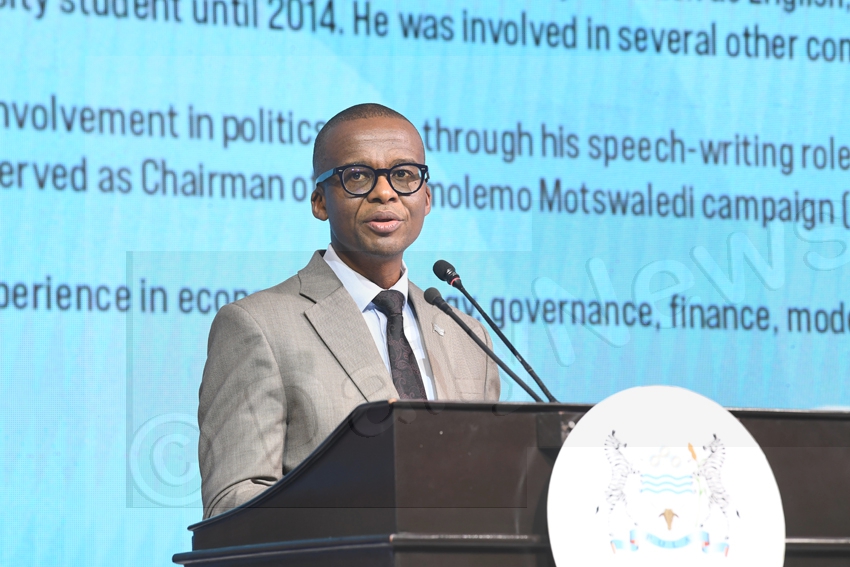
Vice President and Minister of Finance, Mr Ndaba Gaolathe has called for bold tax reforms, warning that Botswana stands at a pivotal moment in securing a sustainable economic future.
Speaking at the inaugural two-day Tax Pitso in Gaborone on Thursday, held under the theme: Shaping Botswana’s Future Tax System: Dialogue for Fair and Sustainable Tax Reform, he said the forum was more than a procedural gathering, describing it as a critical platform for meaningful dialogue and collective action to transform the country’s fiscal landscape.
Mr Gaolathe said the Pitso had been convened at a time when Botswana’s economic outlook required urgent and well-considered intervention.
He noted that while the country’s long-standing reliance on mineral revenues, particularly diamonds, had served as a pillar of growth and development, enabling the nation to build institutions, expand infrastructure and uplift lives, the model was now under strain due to declining revenues, global economic uncertainties, and rising social demands.
Botswana’s domestic revenue mobilisation, he said, remained below potential, with the tax-to-GDP ratio estimated at about 13.4 per cent lower than the African average and comparable economies in the region.
He also said unless Botswana mobilise more of its own resources, the ambition of becoming a high-income nation would remain beyond reach, stressing the urgency of building a modern, fair, and efficient tax system.
Mr Gaolathe warned that delaying reforms would deepen fiscal pressures, weaken public services, and shift the burden to future generations, while proactive measures would strengthen resilience and sustainability.
Among ongoing reforms, he highlighted plans to consolidate the Value Added Tax Act and the Income Tax Act into a comprehensive Tax Administration Act to streamline procedures, reduce duplication, and improve compliance.
He noted that the current Income Tax Act, last reviewed in 1995, had become outdated and complex, increasing the risk of inefficiencies and misinterpretation.
Additionally, a forthcoming VAT Bill is expected to expand coverage to digital services and products, ensuring the tax system keeps pace with economic changes. The harmonisation of administrative provisions under the new Tax Administration Act will facilitate ease of compliance and improve the overall experience of doing business in Botswana.
The proposed reforms also include modest tax adjustments for higher-income earners and corporations, guided by fairness and ability to pay. Government further plans to support small businesses through simplified tax regimes, broaden the tax base to include emerging sectors such as digital and remote services, and strengthen compliance through real-time transaction monitoring.
Mr Gaolathe acknowledged concerns about the impact of reforms on households and businesses, emphasising that the Pitso was intended to gather public input to shape the final outcome.
In his welcome remarks, acting Commissioner General of the Botswana Unified Revenue Service, Mr Phodiso Valashia said the 2026/27 Budget marked a shift from reliance on mineral exports toward productivity, private sector growth, and domestic revenue mobilisation.
He cited urgent challenges, including the need to build fiscal buffers and enhance economic resilience, noting that Botswana was currently facing a revenue shortfall of over P1.5 billion affecting key projects such as water infrastructure, energy expansion, and small business support.
Mr Valashia called for a stronger culture of tax compliance, urging citizens and businesses to contribute fully.
Government aims to increase the tax-to-GDP ratio to at least 18 per cent by 2026/27, up from the current 13 per cent.
-
Botswana Ash Mine Donates To Schools
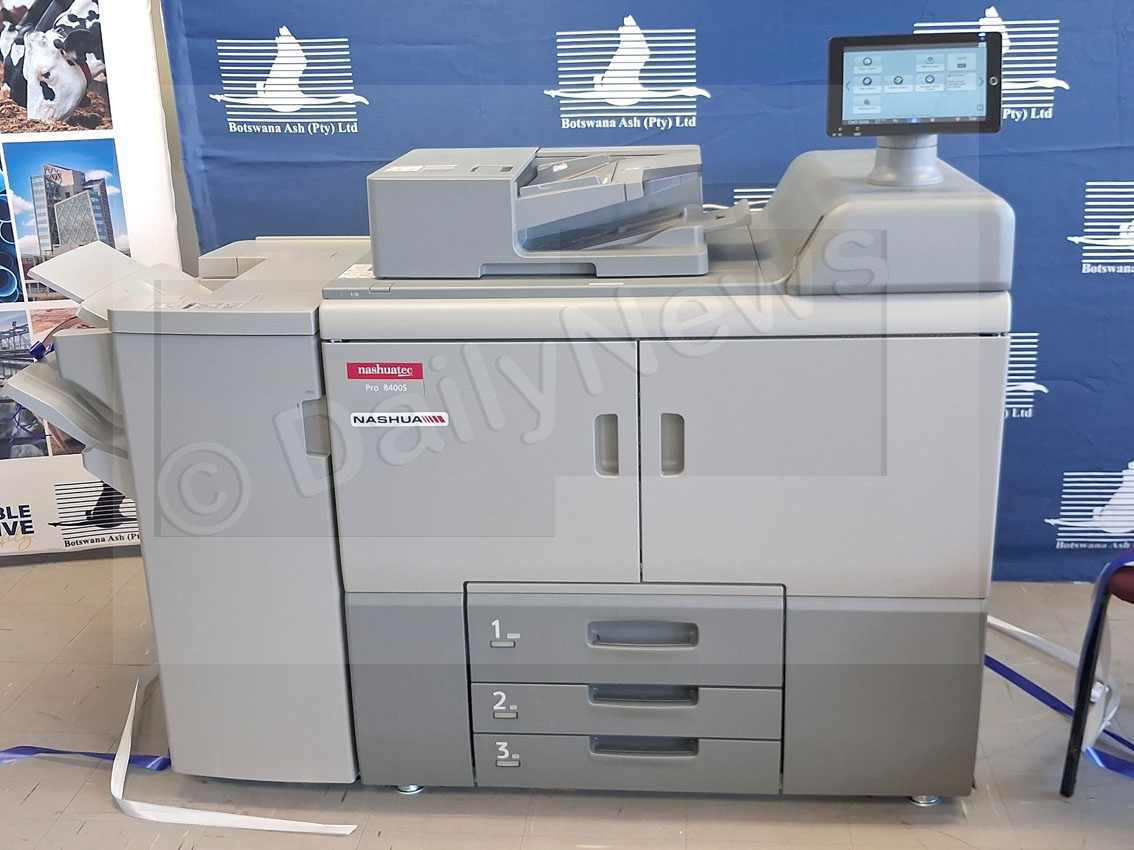
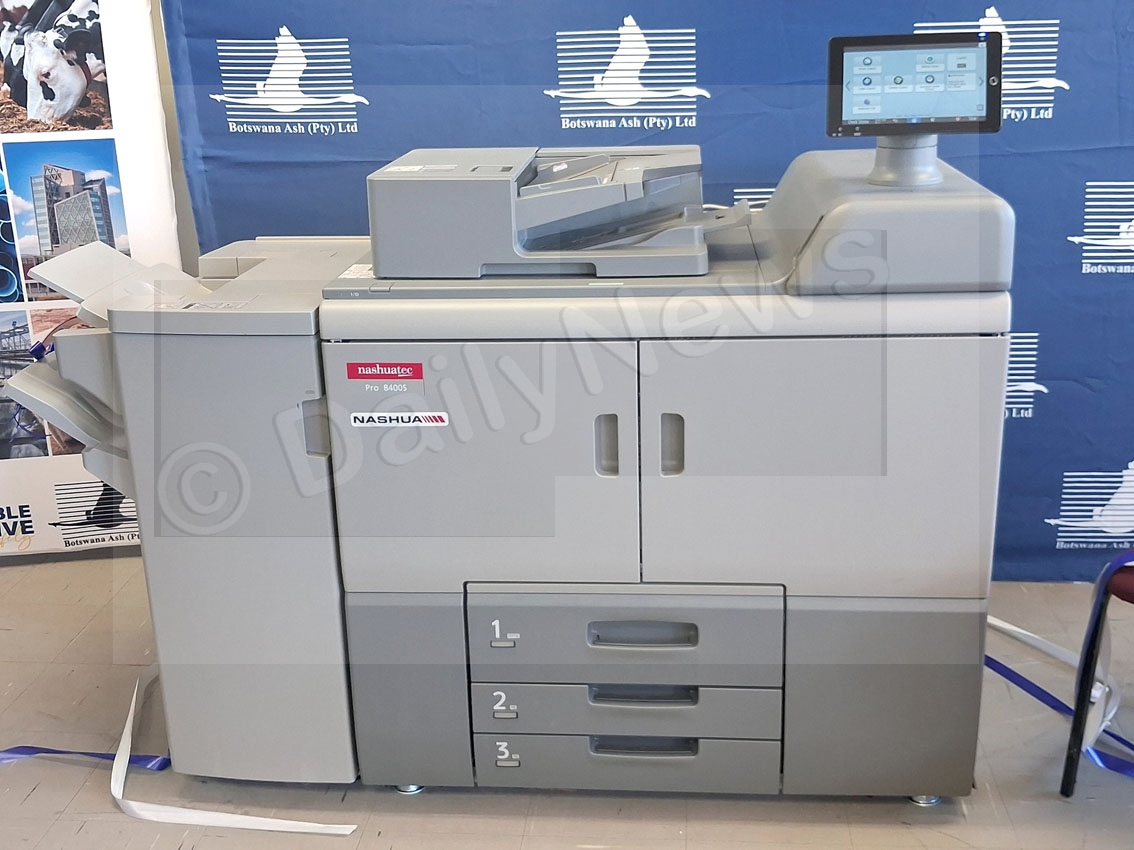
Botswana Ash (BotAsh) Mine has donated two heavy duty photocopying machines to Nxakatoe and Madau Junior Secondary Schools as well as notebooks to Dukwi Junior Secondary School worth P760 000.
Officiating at the donation handing over in Sowa Town on Tuesday Assistant Minister of Child Welfare and Basic Education, Mr Justin Hunyepa said government resources were under increasing strain, therefore not enough to address the challenging environment in schools.
Mr Hunyepa said the schools were the most affected by shortage of resources coupled with dilapidated infrastructure, therefore impacting negatively on teaching and learning.
He said the situation would be managed through the support partners, hence commending companies such BotAsh for coming forward through their Community Social Initiatives and contributing in resuscitation of education in schools.
Mr Hunyepa noted that teaching and learning were enhanced by availability of equipment such as photocopying machines.
He said the contribution was an investment to the future of the children and development of the nation.
“This demonstrates sustainable partnership with the education sector,” he said.
Acting Managing Director of BotAsh, Mr Othusitse Seokamo said the company was dedicated to fostering self-sustainable community initiatives and engaging in collaborative efforts with the local communities to enhance sustainable and long term impact projects.
Mr Seokamo said in 2025 alone, BotAsh dedicated P14 million to community programmes focusing on sports, education, industry and environment.
He said the photocopying machine would bring positive change to Nxakatoe JSS in Sowa Town.
As for Madau JSS in Nswazwi village, Mr Seokamo said the school had over the past years exhibited academic excellence maintaining its position among the top 10 best performing junior secondary schools nationally and being exemplary that geographical location did not matter in education as long as teaching and learning took place.
-
GCC Intensifies Crackdown On Illegal Advertising
The Gaborone City Council (GCC) has identified 373 illegal advertisement cases that have been submitted for legal proceedings.
“Of these, 160 involve advertisement boards belonging to unidentified owners, while the remaining 213 belong to known entities whose lease agreements have expired,” said Gaborone City Mayor Oarabile Motlaleng during the council session on Monday.
He reiterated that the council held the exclusive mandate to approve the erection of advertisement structures within the city.
Even though the council had submitted illegal advertisements cases for legal action, Mr Motlaleng said they continued to face the challenge of new advertisement boards being erected without the involvement or approval of the authority.
Nonetheless, he said the council remained committed to eliminating illegal advertisements in the capital, despite continued challenges.
On the growing number of unauthorised billboards, Mr Motlaleng said the council had adopted a stricter enforcement approach based on legal advice.
“The law permits the council to intervene and demolish any unlawful erection without the need for a court order if construction is ongoing,” he said.
Mr Motlaleng warned individuals and companies involved in erecting illegal advertising structures that the council would enforce provisions of the Town and Country Planning Act and the Gaborone City Council (General) Byelaws.
He said the rapid spread of illegal advertisement boards deprived the city of much-needed revenue required to fund social services.
“We want to warn all those involved in these illegal activities that we will not tire of doing what is right,” he said.
As part of the council’s long-term strategy, Mr Motlaleng said some advertisement spaces would be reclaimed and managed through the council’s investment company, wholly owned by GCC, to generate additional revenue while ensuring proper regulation of outdoor advertising.
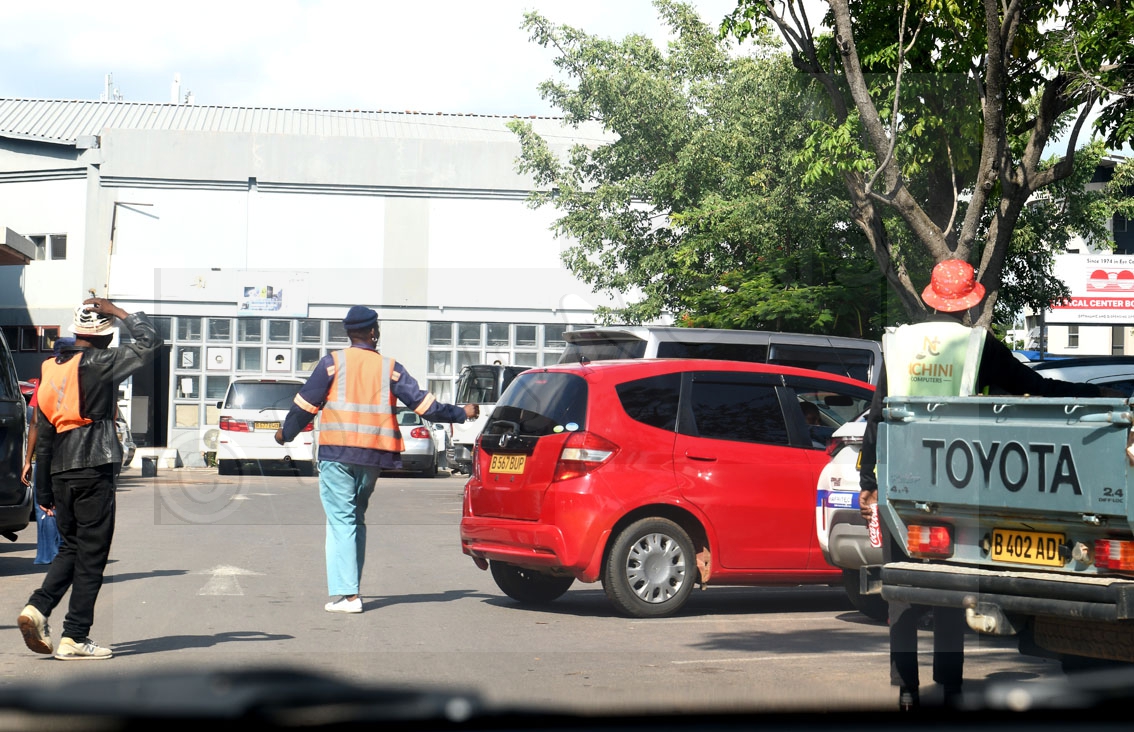
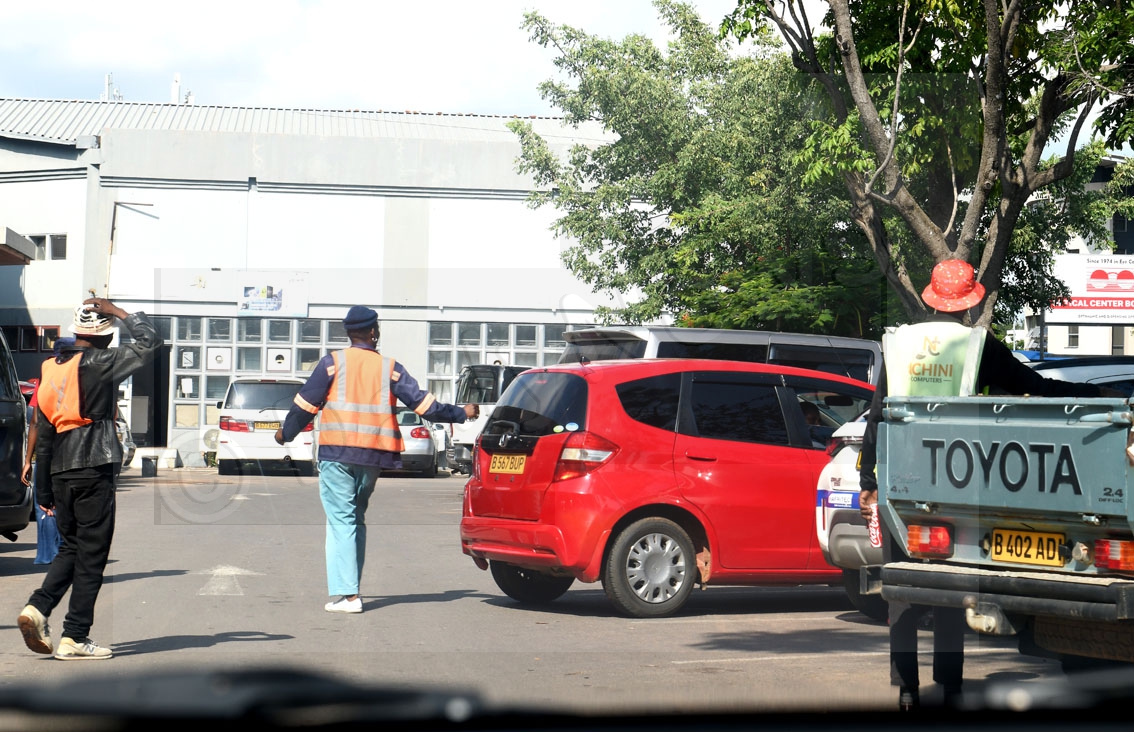
Mr Motlaleng also announced stricter enforcement measures to address the growing problem of self-appointed parking assistants and abandoned roadside structures across the capital.
He said the council had received numerous complaints from residents and motorists about individuals who had taken it upon themselves to act as informal parking assistants.
“Many of these individuals aggressively demand payment from motorists, litter in public spaces and disturb drivers,” he said, adding that some vehicles had allegedly been damaged when motorists refused to pay.
Mr Motlaleng said law enforcement officers had been instructed to take action against the illegal practice.
He also raised concerns about abandoned and illegal roadside structures, saying they negatively affected the city’s cleanliness and appearance.
While acknowledging the importance of the informal sector, Mr Motlaleng said traders must operate within regulations.
He added that hawkers were required to use portable structures that must be removed after business hours, failing which the council would remove them.
He urged residents and traders to cooperate with authorities as enforcement intensifies.
-
Raliyway expansion to unlock economic opportunities
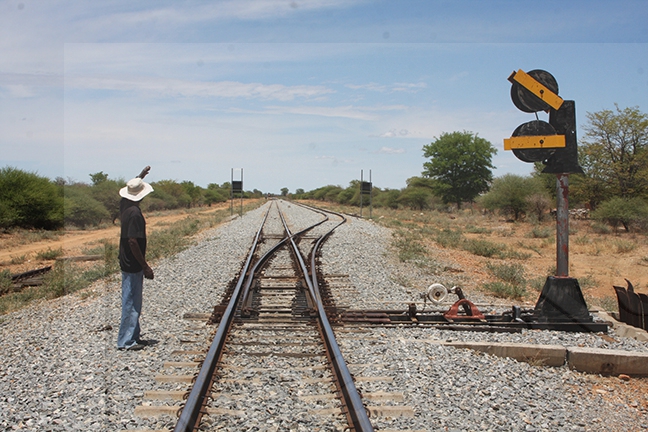
Botswana’s substantial investment and expansion in its railway network will help unlock economic opportunities by connecting landlocked resources to regional, international and coastal markets.
Addressing a kgotla meeting in Rakops on Thursday, Assistant Minister of Transport and Infrastructure, Mr Keoagile Atamelang said such a move would accord the country an opportunity to transform into a regional logistics hub.
Furthermore, Mr Atamelang who is also Member of Parliament for Boteti East said the move would boost mining, agricultural, and commercial trade. To this end, he said major rail infrastructure projects that would be done under the National Development Plan (NDP)12 would be focusing on regional connectivity, coal exports and diversifying trade routes.
Such projects include, among others, a link between Mmamabula and Lephalale in South Africa, Mosetse via Kazungula en route to Livingstone in Zambia; the Trans-Kalahari Railway from Gobabis in Namibia and the Zimbabwe-Mozambique corridor.
Elaborating on the rail projects, which offer a lifeline for Botswana’s economy by creating a vital artery to both domestic and export markets, Mr Atamelang stated that the Mmamabula-Lephalale rail line would link Botswana’s coal-rich Mmamabula to South Africa’s Lephalale area, unlock coal reserves, and facilitate trade.
As for Mosetse-Kazungula rail project, he said the initiative aimed to connect markets to the North-South corridor, significantly reducing transit times for goods and providing a boost to agricultural hubs such as the Pandamatenga farms.
Furthermore, he underscored that the Trans-Kalahari Rail Project, which was a massive initiative, aimed to create a shorter and more efficient route for international trade.
“The Zimbabwe-Beira-Machipanda line connection would link Botswana to a new deepwater port in Techobanine in Mozambique mainly for transporting. The same would also link Zimbabwe to Beira,” he said.
He thus urged constituents to tap into opportunities that would be presented by projects and better their lives. Also, Mr Atamelang spoke of the need to build roads in production zones, citing industrial parks, manufacturing hubs, special economic zones, cattle-posts and ploughing fields, emphatically pointing out that such was critical for the creation of efficient supply chains and resultant growth of the economy.
Furthermore, he relayed that the ministry was also pondering on the use of soil stabilisation technology and technique that elongated the life-span of a road from five to 16 years without routine maintenance.
“Tarmac road is very expensive with only a kilometre road stretch costing P9 million while a gravel road done through soil stabilisation technology only cost P300 000,” he said
-
Ragontse conquers adversities
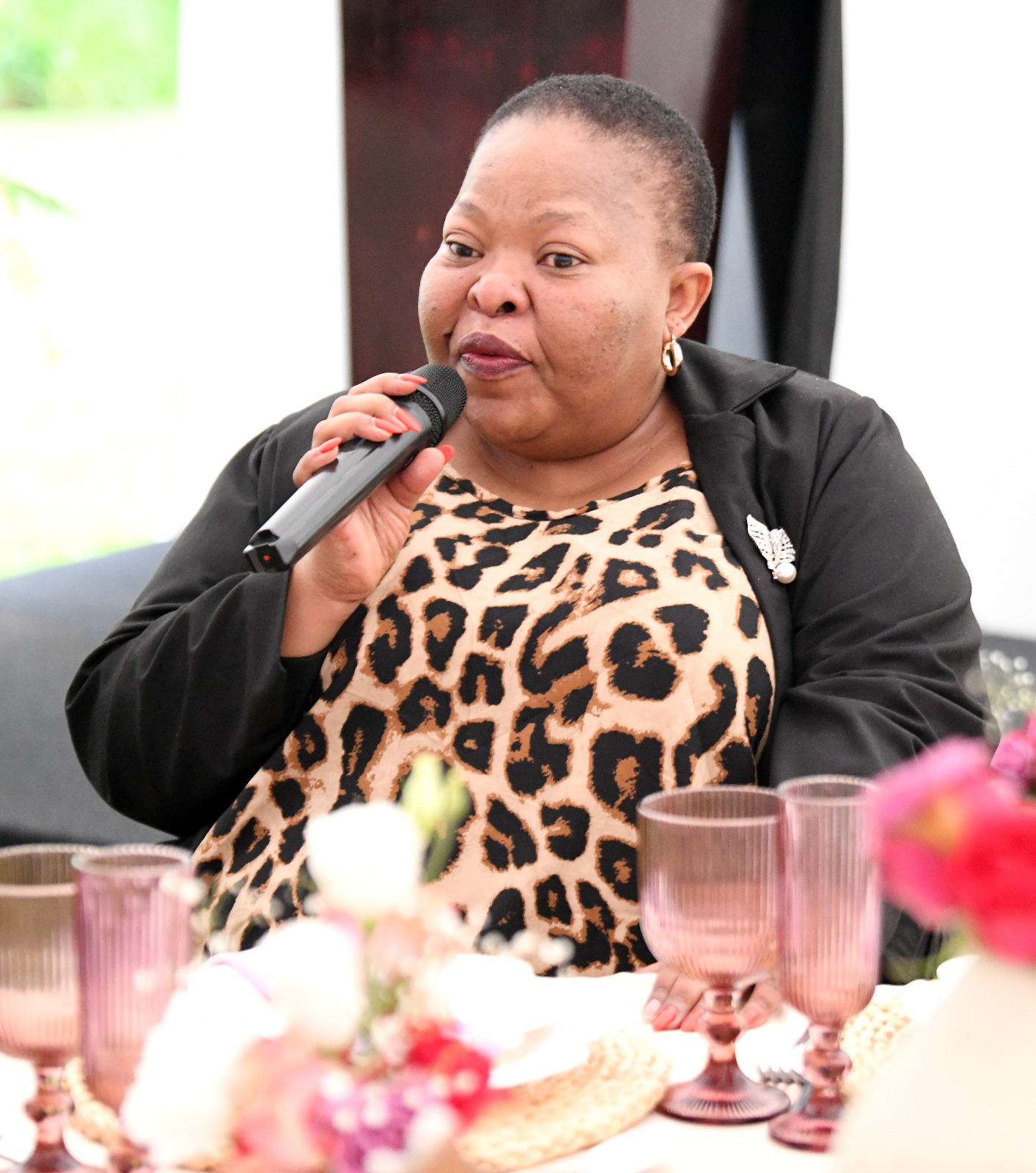
Former RB2 presenter, Tebogo ‘Lady of Soul’ Ragontse has emphasised the power of belief and resilience in overcoming life’s challenges.
Now, visually impaired, Ragontse highlighted the need to carry others along in one’s success and to ride on difficult situati ons, rather than succumbing to pressure.
Ragontse said this during the International Women’s Day, hosted by Avani Gaborone Resort and Casino in partnership with Mosha Spa on March 6.
Sharing her story of loss, losing sight and personal growth, Ragontse, who got married in 2013, thought she had life figured out, only for her envisaged future to get shuttered overnight, as her husband passed on the same year, leaving her with a child to raise alone.
“I questioned God why was this happening to me, how am I going to live and what am I going to do alone, but God had his plans,” Ragontse said.
Three years later, while still healing and finding her strength, Lady of Soul lost her sight. By then, she did not know why she lost her sight.
“I got blind because I was stressed. I was depressed because I could not handle everything and it was eating me from the inside. I thought I was tough, because women we say we are tough, but we are not,” she said. Despite her condition, she said she soldiered on and managed to raise her child alone.
She said after losing her sight, she stopped working at RB2 and later decided to go return to radio.
However, she did not stay long, as she decided to go for further studies.
She went on to study for a Bachelor’s Degree in Broadcasti ng and Journalism at the Limkokwing University of Creative Technology.
She said she knew it was not going to be easy, but with the good systems at Limkokwing University of Creative Technology, she managed and completed her four-year studies before securing a job at Debswana
While at the university she became the Student Representative Council president for students living with disabilities.
Ragontse therefore encouraged other women to cry if they had to, ask for help and share with other people they trusted, if they were not happy.
“Keeping quite will kill one slowly from the inside. I thought I was strong, you could not see it on the outside, but it was damaging me inside. Damaging me to a point where it took my sight, because that was the easiest thing to take. Imagine if it took my life,” she said.
She also cautioned women about competing with one another, saying everyone had a purpose in life.
She implored women to always pray and put God first in everything they did, saying it carried her through during challenges she faced.
Meanwhile, a Form Three learner at Maoka Junior Secondary School, Gayle Ngoni, who was one of the attendees, said while the day celebrated progress, she acknowledged challenges faced by the girl-child and recognised the collective benefit of supporting and empowering women and girls.
She advocated continuous support of women and girls as that could lead to stronger families, communities and societal advancement.
“Events like these are not only about celebrating women, but also about investing in the women of tomorrow,” said Avani Gaborone Resort and Casino public relations and marketing executive, Samantha Bogopa.
She said the day was about connection, inspiration and celebrating the strength that existed when women supported one another.
Held under the theme: Give to Gain, the International Women’s Day saw women and girls gathered in conversation, sharing life experiences and opening meaningful connections with the aim to uplift, inspire and support one another.
-
FNB Kazungula Bridge Marathon Tomorrow
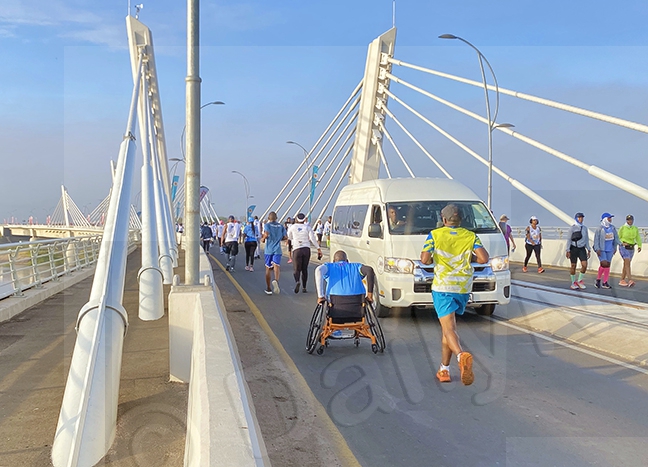
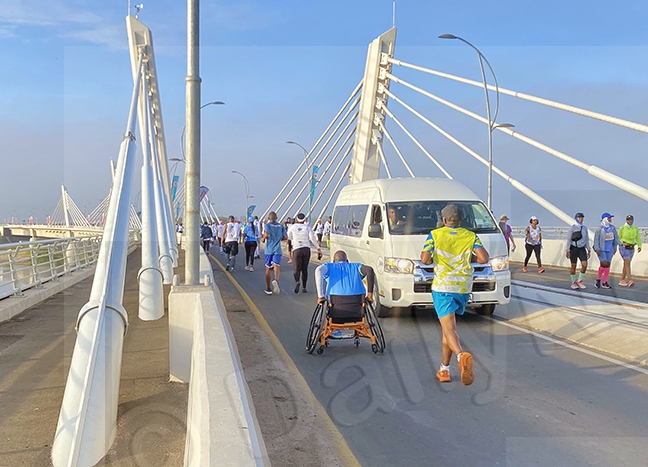
The fifth edition of the FNB Kazungula Bridge Marathon (KBM) that is scheduled to take place tomorrow will see runners traversing Kasane and ascending the majestic Kazungula Bridge.
In an interview, marathon’s founder and CEO, Obert Morgan stated that preparations were at their tail end and that athletes had also started arriving. Morgan said race packs had been delivered to participants unlike in the past where collection was done at the last minute.
He said a total of 3,500 runners had registered to compete in the marathon, a slight decline from the past races. This, he attributed to the financial constraints across government departments and parastatals, which had rendered ministries unable to field their employees for participation and exhibitions.
Morgan said SADC countries including Zimbabwe, Namibia and South Africa as well as Kenya had fielded athletes while other participants would be from the US, Asia and Europe. He underscored that the marathon was a money spinner for the Chobe region, explaining that hotels and lodges were usually fully booked during the marathon weekend.
“The marathon gets businesses in Chobe excited as they get to make optimum profits and stimulate economic growth.”
Morgan said the 5km race had been by an 8km one, which would have athletes traverse over the Kazungula Bridge, giving them the feel of the bridge, something that was not part of the 5km race. Moreover, he said a 15km had been introduced in replacement of the 10km race in order to cut logistical arrangements brought about by numerous race distances.
He explained also that there would be a gala dinner on Saturday night to celebrate the five-year milestone. Morgan said the Local Organising Committee comprising government agencies and the private sector of the Chobe region was well prepared for the marathon.
He said the Department of Wildlife and National Parks would be conducting patrols, with its officers deployed at certain spots during the race to ensure that runners were protected from wildlife.
The founder said the weather forecast as provided by BITRI indicated that the weather would be pleasant with scattered thundershowers and clear skies expected on Saturday. He revealed that prize money for the race had been reduced this year due to economic constraints.
Morgan highlighted that Botswana Athletics Association as technical partners of the marathon, had marked and documented the route to ensure runners were directed accordingly. This, he said was to avoid a repeat of 2024 incidents where some athletes veered off the route and got lost.