Category: Uncategorized

  • The Residency Expands Home Ownership

    The Residency Expands Home Ownership

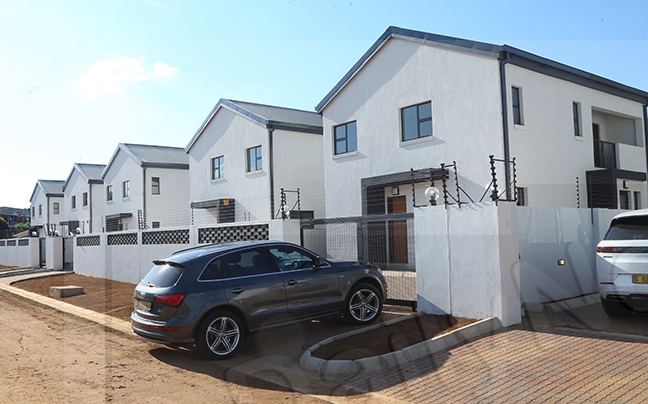
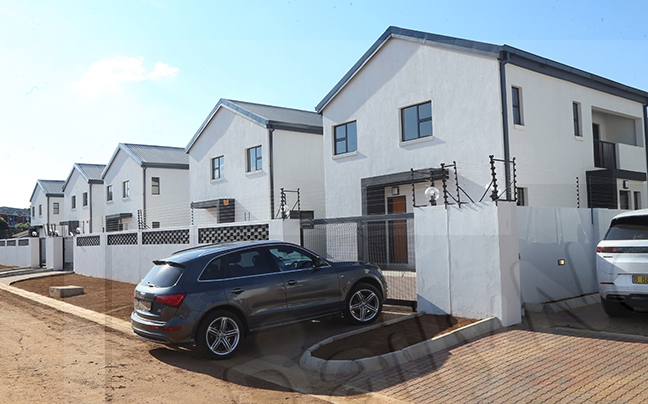
    A new chapter in Botswana’s urban housing story has unfolded with the launch of The Residency, a 135-unit residential development in Block 8, Gaborone, that blends modern design, infrastructure integration and a rent-to-own pathway aimed at expanding homeownership among young working Batswana.

    More than a property unveiling, the launch signalled what stakeholders described as a replicable model of how disciplined institutional capital, strategic land use and coordinated infrastructure can translate national development ambitions into tangible community outcomes.

    Developed by Letsema Property Fund in partnership with Messidor Investments, and working alongside Botswana Railways and the Botswana Public Officers Pension Fund (BPOPF), The Residency offers a mix of modern studio pads, one-bedroom apartments, standard two-bedroom units and spacious two-bedroom deluxe apartments.

    Entry-level monthly payments start from P3,500 under a rent-to-own model designed to ease the transition from tenancy to ownership.

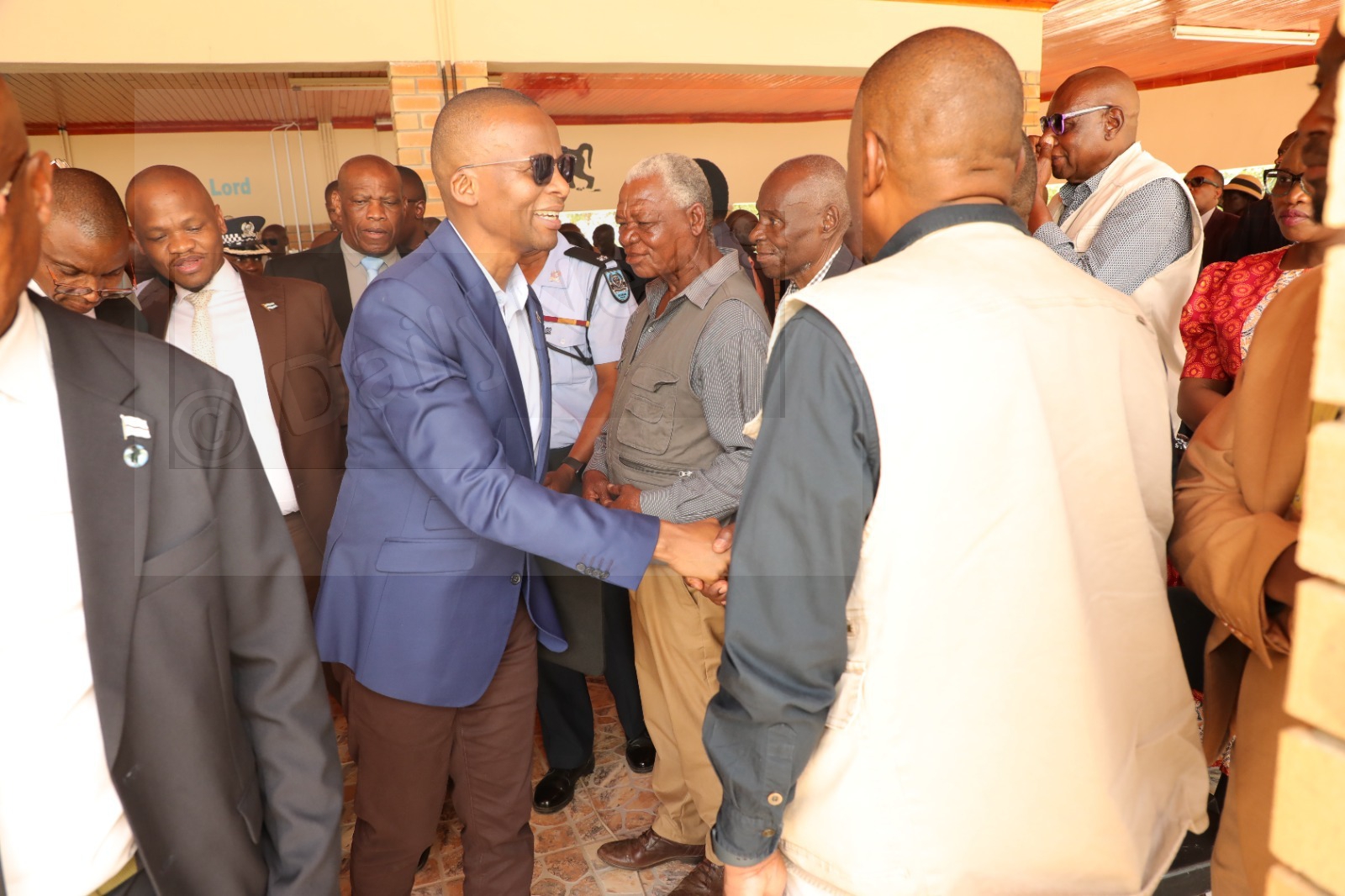
    Officiating at the launch in Gaborone, Minister of Water and Human Settlement, Mr Onneetse Ramogapi said the project reflects Botswana’s commitment to dignified housing, resilient infrastructure and water-smart urban planning.

    “We gather not simply to unveil buildings, but to affirm Botswana’s commitment to building resilient communities anchored in policy, responsible investment, and secure water resources,” he said, linking the development to Vision 2036 and National Development Plan 12.

    Assistant Minister of Transport and Infrastructure, Mr Keoagile Atamelang underscored that housing delivery must go hand in hand with serviced land and connectivity. Roads, transport linkages and utility corridors, he said were what transform structures into functioning communities by reducing commuting costs and supporting local economic activity.

    “Land without servicing is not development, and buildings without connectivity are not communities. The Residency’s design therefore, integrates accessibility, safety, and practical connectivity,” he said.

    From the private sector, Messidor Investments Committee chairperson, Ms Charlotte Mathula described the project as evidence of what can be achieved when institutional capital aligned with national priorities. She said collaboration between the investment partners enabled a diversified unit mix and a structured rent-to-own pathway without compromising governance standards or financial discipline.

    Messidor Investments executive director for portfolio management, Ms Una Munamati added that the development balanced commercial sustainability with measurable social impact. Beyond providing homes, she said the project had generated employment, transferred skills and stimulated local supply chains.

    “We build developments that are commercially sound, well-governed, and responsive to real household needs,” she said.

    Speaking on behalf of the BPOPF Board of Trustees’ chairperson, Directorate of Public Service Management director, Ms Gaone Macholo said pension capital could play a transformative role in national development when deployed responsibly.

    “Investment changes lives at scale only when land is activated and infrastructure connects people to opportunity,” she said, noting that the rent-to-own model supported wealth creation at household level while maintaining financial prudence.

    Strategically located on land unlocked through institutional collaboration, The Residency illustrates how planning, policy and capital can converge to deliver liveable, connected neighbourhoods. Stakeholders expressed hope that similar projects could be replicated across the country, positioning housing not merely as a sectoral issue, but as a cornerstone of inclusive growth and long-term nation-building.

    As the first residents prepare to move in, The Residency stands as a visible testament to a broader ambition: that when government, private investors and professional managers align their efforts, communities flourish, pension savings are productively invested, and Botswana’s vision for high-quality, inclusive urban living draws closer to reality. 
  • Botswana Meat Commission Records P54m Profit

    Botswana Meat Commission Records P54m Profit

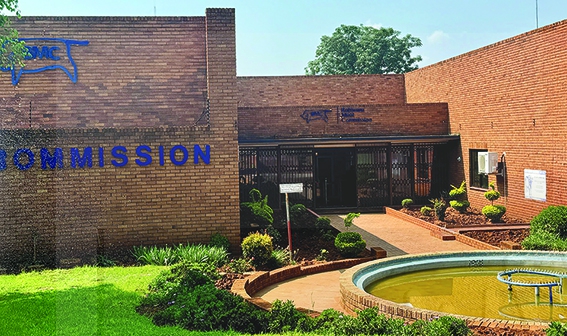
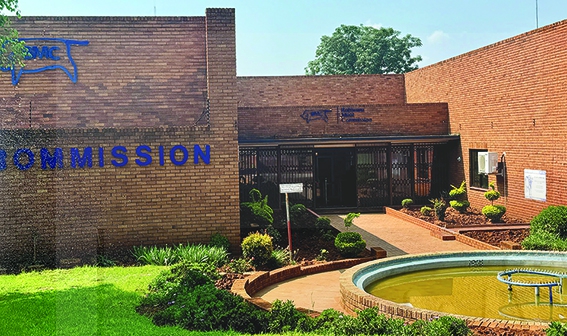
    The state-owned enterprise, the Botswana Meat Commission (BMC), has recorded a P54 million profit for the 2025 financial year, marking what management describes as a transition from recovery to stabilisation.

    Addressing Lobatse Town Council on Wednesday, BMC Chief Technical Advisor, Mr Oabona Ramotshwara said the Commission achieved an unaudited profit of P54.3 million for the year ended 31 December 2025, reversing a P132 million loss recorded in 2024.

    He said the performance was underpinned by improved throughput at the Lobatse Plant, which slaughtered 62 204 cattle in 2025, compared to 51 070 cattle in 2024, representing a 22 per cent increase. Plant utilisation improved from 49 per cent to 60 per cent.

    Mr Ramotshwara attributed the improved performance to stronger margins, tighter cost control, faster cash conversion, and enhanced farmer incentives.

    However, he noted that the recent outbreak of Foot and Mouth Disease (FMD) had slowed operations in 2026. Although the Lobatse abattoir has a capacity to slaughter 600 cattle per day, it is currently underutilised due to FMD protocols.

    He explained that while the Department of Veterinary Services had granted permission for local slaughter, BMC was primarily an export facility and could not be sustained by local slaughter alone.

    He said the Commission was awaiting completion of vaccination and surveillance processes by Veterinary Services before resuming export operations.

    “We are currently undertaking maintenance shutdown works so that when we resume export production, we are fully prepared and not hindered by pending maintenance,” he said.

    Mr Ramotshwara further identified ageing infrastructure as a key operational risk.

    “The structure was constructed many years ago and we continue to repair it. Some parts are no longer fixable, and some manufacturers of spare parts no longer exist. We are making strategic upgrades to ensure continuity of operations,” he said.

    He revealed that BMC generated P1.04 billion in revenue in 2025, of which nearly P700 million, approximately 70 per cent, was spent on cattle procurement. He described the business as high-cost and said management continued to explore innovative ways to manage operating expenses.

    On global market volatility, Mr Ramotshwara said logistics disruptions and international conflicts had affected operations.

    “Wars and conflicts around the Horn of Africa and parts of the European Union have disrupted shipping routes.

    From Cape Town, vessels can be delayed for one to two weeks due to ocean instability, which increases our costs,” he said.

    He emphasised Botswana’s small footprint in the global meat supply chain, noting that while BMC slaughters around 60 000 cattle annually, countries such as Brazil and Argentina can slaughter that volume within hours.

    “Brazil slaughters approximately 300 000 cattle per month. We operate in a niche market, and that is why we focused on improving selling prices in 2025,” he said.

    He added that BMC improved its cash conversion cycle by shifting from requiring a 50 per cent deposit on orders to demanding 100 percent upfront payment from customers.

    “Traditionally, logistics delays affected our ability to pay farmers on time.

    By requesting full upfront payment, we reduced the farmer payment waiting period from three months to seven days,” he said.

    Councillors welcomed the positive results but raised several concerns.

    Thema/Motswedi councillor Mr Velem Heii described BMC as the bedrock of Botswana’s economy and encouraged the commission to consider increasing buying prices for farmers as profits improve.

    Nominated councillor, Mr Kago Malele sought updates on the proposed Democratic Republic of Congo market for canned stew, estimated to generate US$ 4 million (more than P52 million), and suggested that BMC explore acquiring cargo aircraft in future to reduce shipping delays.

    Tsopeng North councillor, Mr Gobuamang Motlogelwa raised concerns about persistent odours emanating from holding pens and rendering processes, calling for stronger mitigation measures to protect nearby residents.

    Peleng East councillor Mr Bafo Monakwe urged the Commission to develop its unused properties to improve the town’s aesthetic appeal.

    Maokaneng councillor, Mr Oaitse Kedise echoed concerns over odour management and called for utilisation of five drilled boreholes to assist in addressing water shortages in Lobatse.

    He also commended BMC for relocating its cattle receiving bay away from the A1 road to reduce traffic congestion and suggested that rejected cattle be returned directly to owners rather than remain within BMC premises.

    Tsopeng South councillor, Mr Moalosi Rasesia applauded the commission for rehabilitating boreholes to improve water supply and recommended that BMC explore generating its own eco-friendly electricity to ease pressure on the town’s power supply.

    He described the P54 million profit as an important milestone and urged management to implement measures to sustain the gains.

  • Pandamatenga farmers return to full operation

    Pandamatenga farmers return to full operation

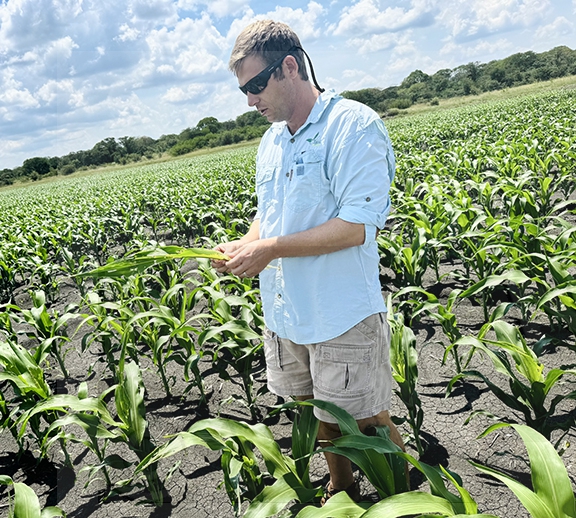
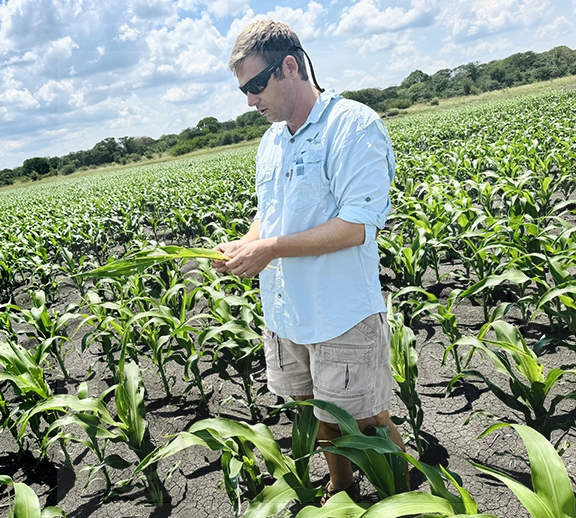
    Pandamatenga commercial farmers have resumed ploughing operations following heavy downpours in January that left fields inaccessible and crops submerged in water.

    In an interview, Pandamatenga Commercial Farmers Association executive member Mr Ryan Neal emphasised that this was a critical season to sustain national grain stability and financial viability for farmers.

    Mr Neal stated that the fact that Pandamatenga was the primary source of grain production in Botswana compelled farmers to return to full operations in order to ensure a steady supply of harvest.

    He indicated that it was essential for the soil conditions to continue to hold optimal soil moisture, adding that if the soils became waterlogged it would adversely affect the yields.

    He assured that despite substantial damage to crops, farmers were working hard to ensure a good agricultural output. Mr Neal said the unprecedented flooding struck when only 8 500 hectares of a total 40 000 hectares project area had already been planted.

    He remarked that assessments were still ongoing on farms that were affected by the floods with some farmers replanting the whole fields while some replanted certain portions.

    “The biggest damage was the farms themselves suffering from top soil erosion, drainage damage, road damage as well as equipment damage and all of these damages are being assessed by insurance companies.”

    Mr Neal pointed out that farming was a high risk undertaking requiring heavy capital investment, hence good yields were vital for farmers to remain solvent, and thereby retain their capacity to service bank loans. He pleaded with government to facilitate settlement of debts owed to farmers by BAMB as the 26 per cent debt was affecting their operations.

    The farmer revealed that this year farmers were diverting from planting sorghum heavily and were gravitating towards increased sunflower planting in order to mitigate risks associated with delayed payments from BAMB.

    He said farmers were flexible with their cropping plans, into which they easily incorporated high soil moisture crops like wheat, chickpeas, sunflower and mung beans.

    Mr Neal acknowledged the critical role being played by the Pandamatenga commercial farms drainage system that was installed by government, noting that without it the floods would have left a total calamity.

    “Massive erosion occurred on farming areas and unfortunately the bridge along the A33 highway has insufficient capacity to handle that much water and it became a wall blocking the flood waters.”

    He suggested that during road repairs, the bridge be elevated to allow excess water to be released from the farms.

  • Boko and Hichilema to launch Kazungula Bridge Authority

    Boko and Hichilema to launch Kazungula Bridge Authority

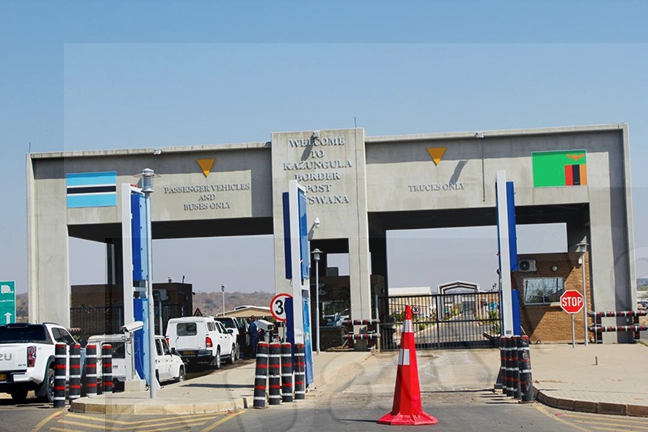
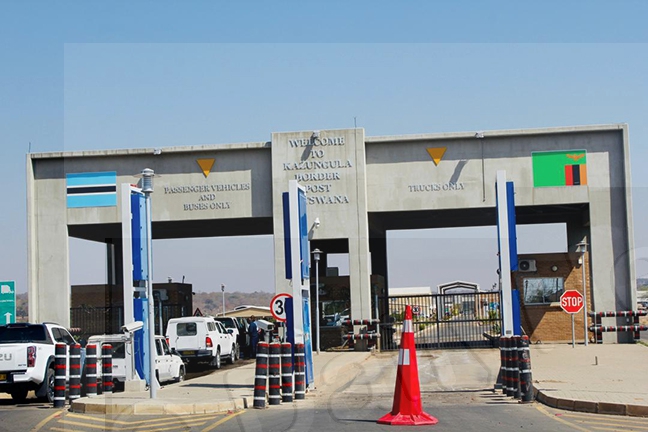
    President Advocate Duma Boko and his Zambian counterpart Mr Hakainde Hichilema are expected to launch the Kazungula Bridge Authority, a key milestone for regional integration, on Tuesday.

    This launch is subsequent to bilateral talks over the years which resulted with an agreement reached for the authority to be housed in Botswana, with the Chief Executive Officer coming from Zambia.

    The launch reaffirms commitment made by the two Heads of State at the inaugural session of Botswana- Zambia Bi-National Commission (BNC) in Lusaka last year, where they underscored a paramount resolve to see the authority fully operational.

    Public Relations Officer in the Ministry of Transport and Infrastructure, Mr Tiro Kganela said in an interview that the authority would manage operations of the Kazungula One Stop Border Post (OSBP) and further position both countries as global competitors in investment and trade.

    The Kazungula OSBP is port of choice for many travellers and truckers doing businesses across the SADC region, he said, pointing out that the authority would unlock more opportunities for Botswana, Zambia and beyond.

    Furthermore, he emphasised that the KBA would harmonise customs and immigration operations between the two nations to ensure seamless and efficient movement of people and goods. The spokesperson said Botswana and Zambia have enjoyed a mutual friendship anchored on a shared democratic values and mutually beneficial economic cooperation.

    Mr Kganela stated that Botswana and Zambia collaborated in a number of initiatives and shared excellent bilateral relations anchored by long standing historical bonds of solidarity and common cultural heritage.

    He said the Kazungula Bridge had significantly contributed to the economies of the member states and promoted trade in the region since its commissioning in May 2021, adding that the KBA would catapult these accomplishments. Mr Kganela also remarked that the technical components of the KBA operationalisation, legal frameworks, and procedures would be divulged at the launch by the two leaders.

    He said the authority was a beacon for the people of Botswana and Zambia not just for stimulating economy but also for creating jobs for the people. Botswana and Zambia will hold bilateral ministerial meetings and authority board meetings in Kasane on Monday ahead of the launch.

  • Human Error and Alcohol Fuel Road Fatalities

    Human Error and Alcohol Fuel Road Fatalities

    A rise of five per cent in road traffic fatalities compared to the 2.6 per cent recorded in 2024 has become a growing concern, with young people accounting for a significant proportion of those losing their lives in crashes.

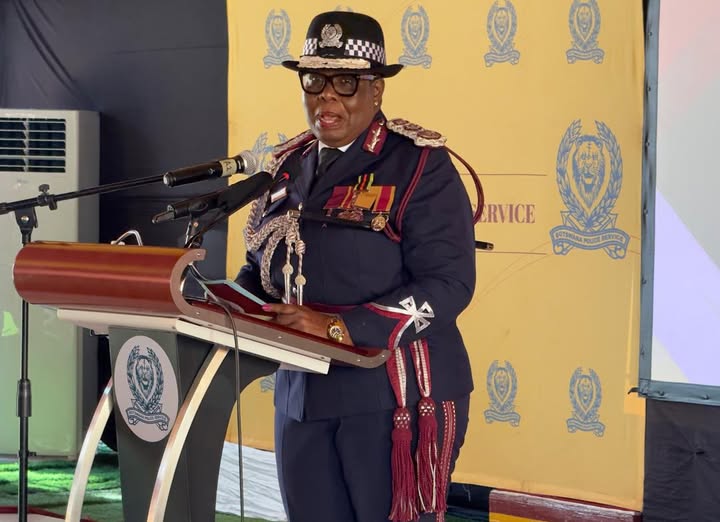
    Speaking during the 52nd Botswana Police Senior Officers Annual Conference this morning, Police Commissioner Dinah Marathe, said data showed that alcohol use contributed to the increase in number of road accidents. She further noted that investigations into most of the accidents pointed to human error as the primary cause, underscoring the need for behavioural change among road users.

    Ms Marathe called for a robust law enforcement, intensified road safety education, and stronger engagement with stakeholders to implement effective measures aimed at reducing accidents and saving lives.

    The conference, held at Botswana Police College in Otse, has brought together senior officers to reflect on policing strategies and public safety challenges.

  • Malaria Claims One as Cases Rise in North West District

    Malaria Claims One as Cases Rise in North West District

    Thirty-eight (38) confirmed cases of Malaria were registered in the North West District between November 2025 and January 2026, with one casualty recorded.

    According to North West District Council (NWDC) Deputy Council Secretary for Primary Health, Dr Sandra Maripe- Ebutswe, the rising number of Malaria cases signals a pressing public health concern, and underscores seriousness of the outbreak in the district.

    He said nine villages in the district have already been affected, with Botshabelo and Moeti wards in Maun among the hardest hit areas during the current peak.

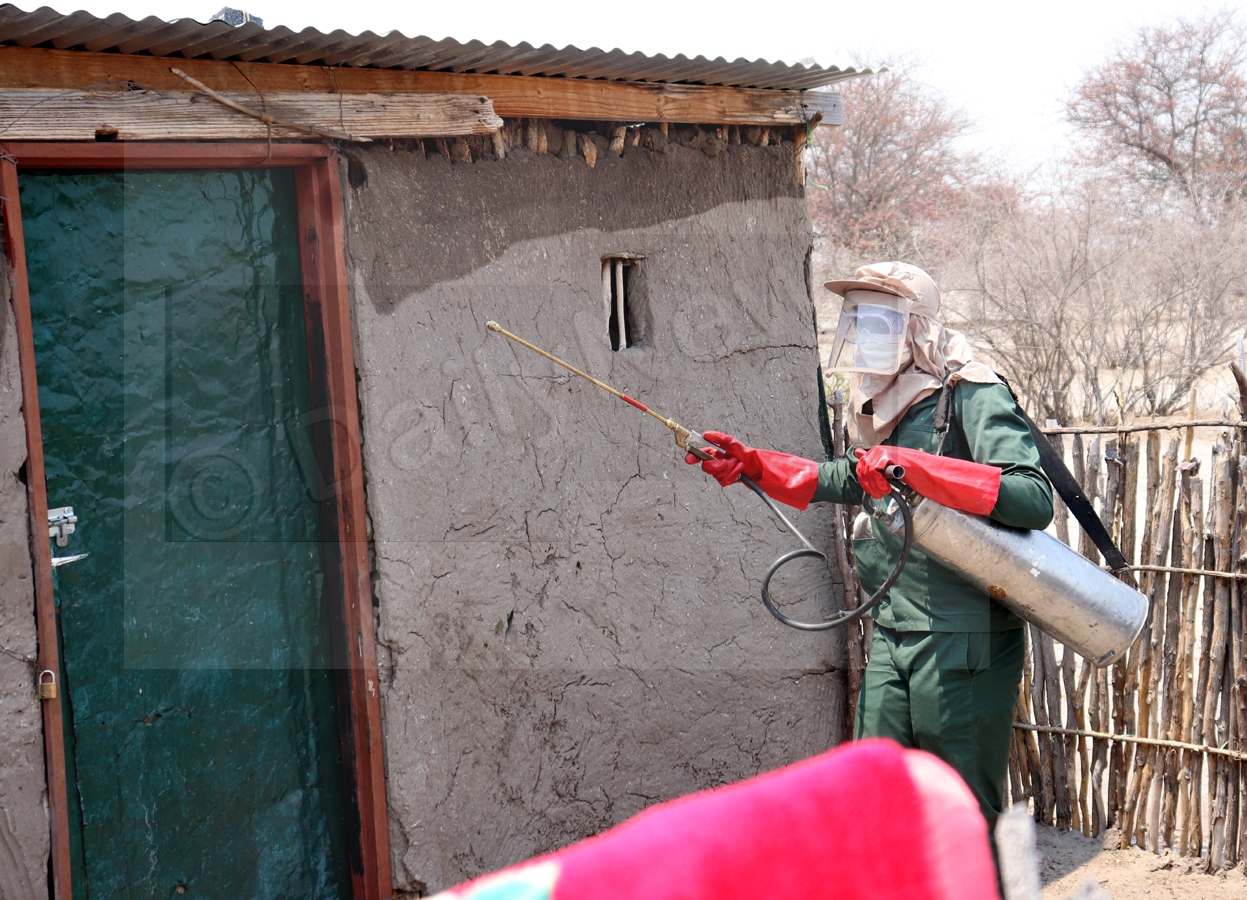
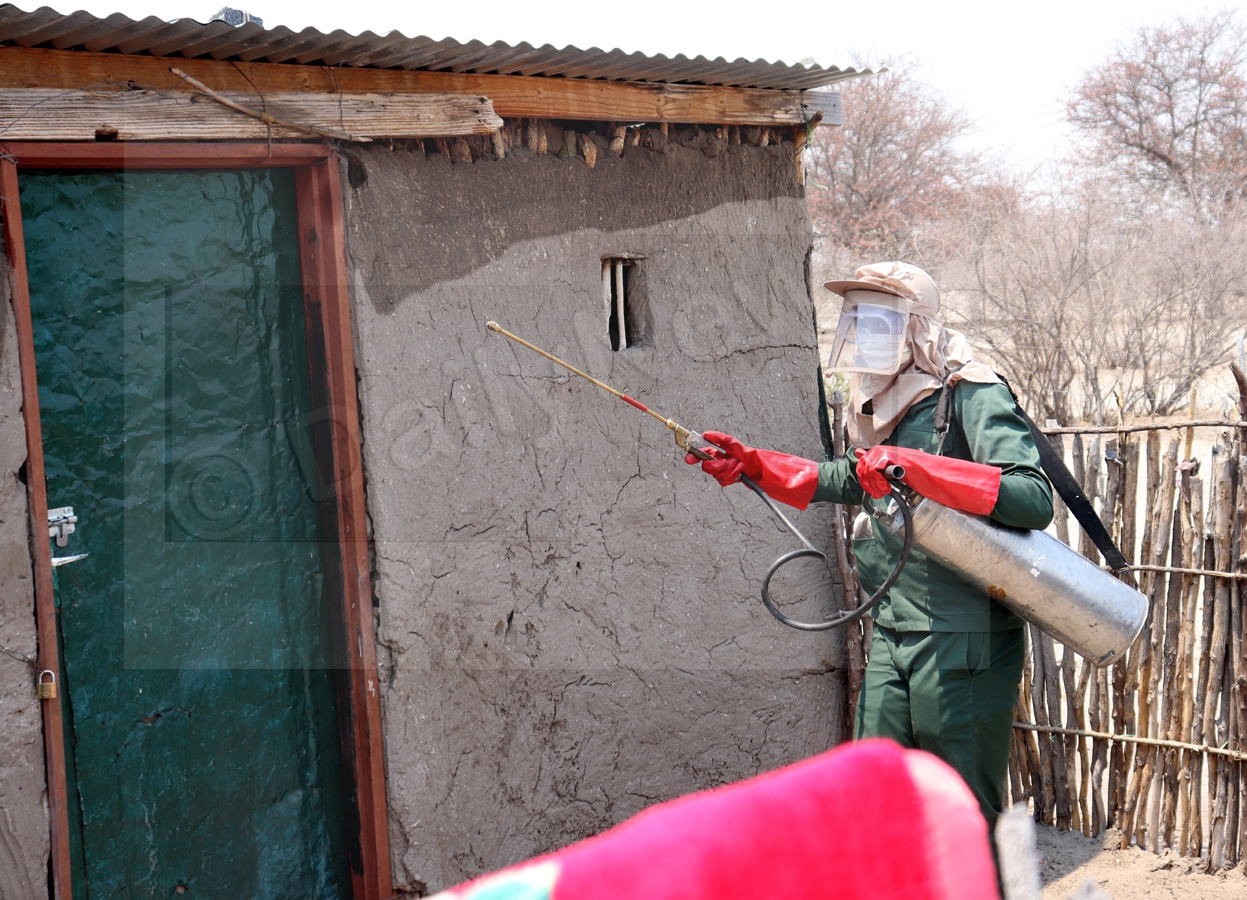
    Authorities in the NWD have expressed growing concern about the nearly 1,000 households that have refused indoor spraying meant to control the disease, despite the seriousness of the situation.

    Dr Maripe- Ebutswe pointed out that 964 residents refused indoor residual spraying (IRS) – a preventative method considered one of the most effective tools in controlling Malaria transmission – between October and December.

    “People are refusing to open up their houses for the IRS and it is very concerning as cases continue to rise especially during this rainy season,” she said.

    She also said health teams encountered operational setbacks, with 2,590 residents absent when spraying teams arrived and 1,013 houses found locked and inaccessible, significantly slowing containment efforts.

    IRS involves spraying the inside walls of homes with insecticide to kill mosquitoes that transmit Malaria, effectively reducing infection rates within households and across communities.

    Dr Maripe- Ebutswe stressed that Malaria control depended on collective responsibility, warning that refusal to allow spraying weakened community-wide protection

    “Spraying is a protective measure for families and neighbours alike, and without cooperation, the disease continues to circulate,” she said.

    Rural areas remain heavily targeted for spraying due to their vulnerability to mosquito breeding, particularly during the rainy season when stagnant water increases transmission risks.

    The Okavango Delta region, characterised by wetlands which naturally attracts mosquito populations, remains another area of concern. Around 2,031 mosquito nets have been distributed to camps in the region to reduce exposure.

    To strengthen the response, nurses are being flown in to provide medical attention and support early treatment among communities in the delta, a crucial step in preventing severe illness and fatalities.

    Dr Maripe- Ebutswe further urged households to maintain clean environments, eliminate stagnant water, and consistently use mosquito nets. She said hygiene and environmental management played a vital role in reducing mosquito breeding.

    With one life already lost and dozens infected, district authorities warned that continued resistance to IRS spraying could allow the disease to spread further, placing more vulnerable residents, particularly the elderly and children, at risk.

    NWDC is therefore appealing to communities to grant spraying teams access to their homes, saying cooperation was a critical line of defence in preventing more deaths and bringing the outbreak under control. 

  • Some products not restricted to cross FMD zones

    Some products not restricted to cross FMD zones

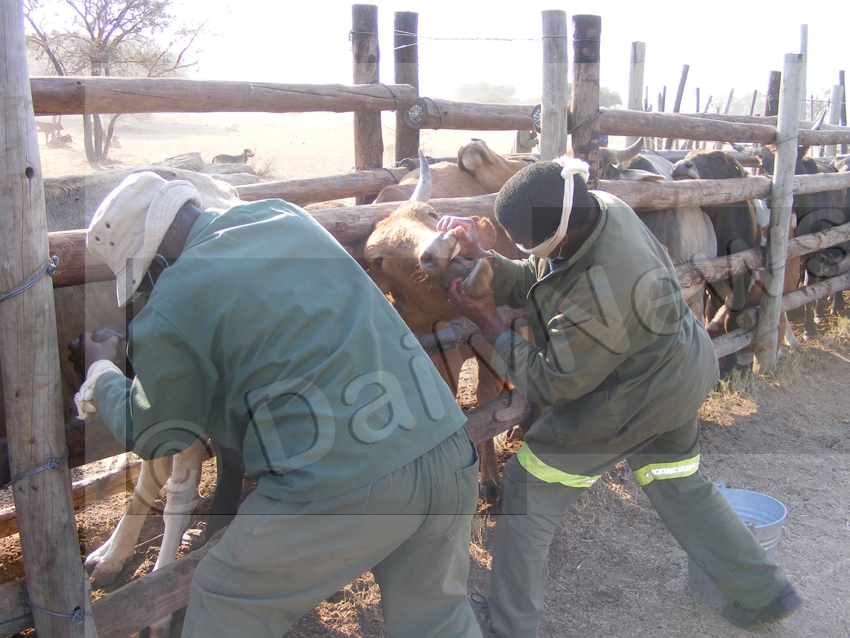
    Livestock products such as UHT milk, pasteurised milk, sour milk and some cooked products are not affected by the movement restrictions on products from cloven hooved animals due to the recent outbreak of Foot and Mouth Disease (FMD) in Botswana.

    According to the National coordinator of Foot and Mouth Disease (FMD), Dr Bernard Mbeha, moving the mentioned products across FMD control zones is not a violation of the current restrictions imposed by government last month.

    “Basically, the restrictions cover cloven hooved animals, products from those animals like skins, hides, fresh milk, meat, bones, cattle feed, and dikgole as they have the potential of spreading the disease,” Dr Mbeha told the North East District Council (NEDC) special meeting on Friday.

    Dr Mbeha also shed light on donkey meat, saying it could not be moved through zones because of the lengthy process of verifying through testing whether it was indeed donkey meat.

    Dr Mbeha said people have also asked whether firewood, thatching grass, sand, gravel and other aggregates were also not affected by the restrictions. He however said those items could not transmit the FMD virus, since it only survived for about three minutes outside the body of an animal, and were therefore not affected by the restrictions.

    He said restrictions and checks at disease control checkpoints would remain heavier in Zones 6b, 3c, 3b, 6a and Zone 7, where searching and fumigation were being conducted rigorously to prevent the possible spread of FMD to disease-free areas.

    “The controls are concentrated mainly on zones in the North East District and in Bobonong, Tonota, Tutume, Nata and the rest of the Zones 6 up to Thalamabele Gate,” he said.

    Dr Mbeha stressed that the whole country was still locked because some animals were still moving from Zone 6b, where FMD outbreak was detected, to other parts of the country.

    “These includes Masunga, Tutume, Lobatse, Palapye, Letlhakane and Selebi Phikwe,” he said, explaining that the Department of Veterinary Services was still tracing the livestock in question to examine it for possible FMD infection.

    He highlighted that the examination of animals that have been moved into Zone 6a was yet to be conducted as farmers were reluctant to bring their animals over, adding that their lack of cooperation delayed the process which was targeted for completion last week.

    He nonetheless stated that once the process was eventually completed, the Director of Veterinary Services would make a decision regarding whether the movement restrictions could be relaxed.

    He however said surveillance exercise would continue in Zone 3b, 3c, 6a, 6b and Zone 7 to try and determine how far the disease had spread.

    On the other hand, he updated the meeting about vaccination of cattle, saying at Zone 6b covering the Matsiloje area, the turnout for vaccination was low with 4,000 of the expected about 6,000 cattle having been vaccinated.

    He said after the completion of the primary vaccination, a booster vaccination would follow after 28 days to ensure that the disease was exterminated.

    Themashanga councillor Mr Kudzani Tobokwani called for the education of officers manning the disease control gates on items prohibited to cross from FMD suspected zones, as they disallowed and confiscated items not covered by the restrictions such as peanuts and ice-cream. 

  • Botswana U20 Women Team Exits World Cup Qualifiers

    Botswana U20 Women Team Exits World Cup Qualifiers

    Botswana under-20 women’s team bowed out of the FIFA U20 Women’s World Cup Qualifiers with a 1-0 win over Cameroon, despite losing 5-1 on aggregate.

    Mapengula Hangara scored the lone goal in the 77th minute, assisted by Keotshepile Kesetse, at the Obed Itani Chilume Stadium.

    Coach Tapaphiwa Gaebolae praised his team’s effort, saying, “We played exceptionally well considering the circumstances. I’m proud of my girls.”

    Cameroon’s Coach Hassan Balla attributed the loss to travel difficulties affecting his team’s performance.

  • Unity in FMD fight critical

    Unity in FMD fight critical

    Botswana’s commitment to transparency in reporting disease outbreaks, specifically the Foot-and-Mouth Disease (FMD) is commendable.
    Addressing a kgotla meeting in Jackalas No.1 on Friday, Vice President Ndaba Gaolathe said transparency would build trust between countries Botswana exported meat to, particularly the European market.
    He stressed the importance of Botswana’s openness, which was in contrast with what other countries were doing as some did not disclose disease outbreaks.
    Mr Gaolathe, also Minister of Finance, applauded all stakeholders from individual farmers, farmers associations, mephato and government officials for pulling together in an effort to contain the disease.
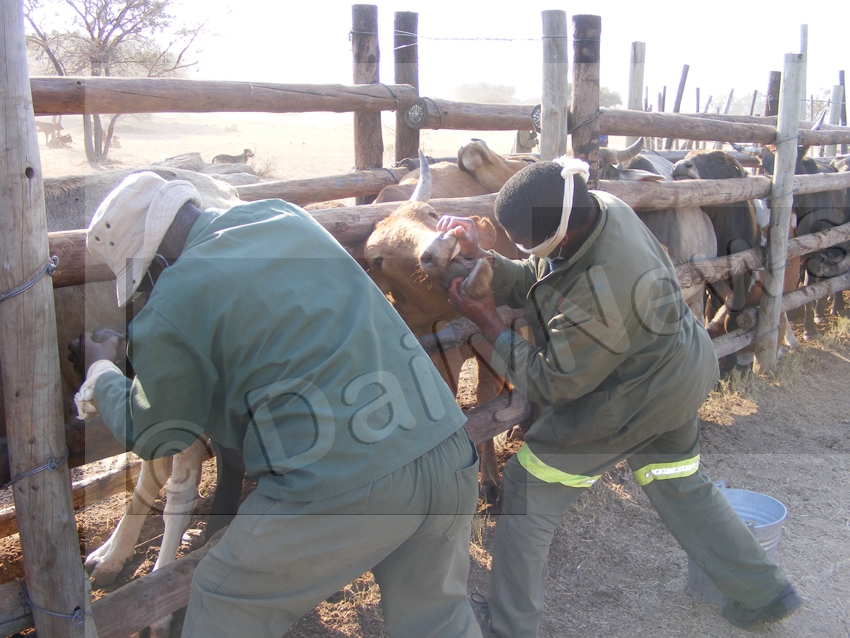
    Due to their commitment and dedication, he said nearly 7 000 cattle were vaccinated in Zone 6B following an outbreak of FMD in Jackalas No.1 on February 2.
    This feat, he said was commendable as it was achieved during a two-day vaccination exercise, which started on February 3.
    Even though government has allocated P97 million for its FMD national response plan, he stressed the need for community involvement in controlling the FMD spread.
    He said the funds were not enough and urged community participation in managing the disease, maintaining fences and patrolling border areas
    For his part, Minister of Lands and Agriculture, Dr Edwin Dikokoti stressed the importance of working together and adhering to veterinary protocols, saying they were key to combating the disease.
    “Only working together and adhering to the advice by the veterinary department can stop this disease,” he said

  • Amendment makes provision for deputy Chief Justice’

    Amendment makes provision for deputy Chief Justice’

    The Constitutional Amendment Bill of 2025 makes provision for the position of deputy Chief Justice, which is currently not available in the Botswana justice system.

    The Minister of Justice and Correctional Services, Mr Nelson Ramaotwana revealed during a consultation meeting with Good Hope District councillors recently on the establishment of Constitutional Court.

    He noted that the Bill sought to create an independent apex judicial body, to strengthen democratic ethos, protect human rights and expedite the backlog on constitutional matters.

    He said under the Bill, some clauses in the constitution would be amended to include the position of deputy chief Justice as currently there is no deputy.

    This, he said, was the norm in the judiciaries across all Southern African Development Community member states as well as Commonwealth countries.

    He underscored that when Parliament passes the Constitutional Amendment Bill of 2025, all judicial authority shall be vested in the courts.

    In addition, Minister Ramaotwana informed councillors that the Chief Justice shall be the head of the judiciary and shall sit at the Constitutional Court, and that the new amendment would stipulate clearly, the Chief Justice as the head of the judiciary.

    Currently, the constituti on does not explicitly indicate that.

    He emphasised that the Constitutional Court shall be a supreme court and its decision shall bind all other courts, as it would secure enforcement of rights as an oversight body for human rights. Also, he said, the Constitutional Court was designed to interpret and decide on constitutional matters and would uphold Batswana traditional norms and values, contrary to the notion that it would introduce some foreign cultural elements.

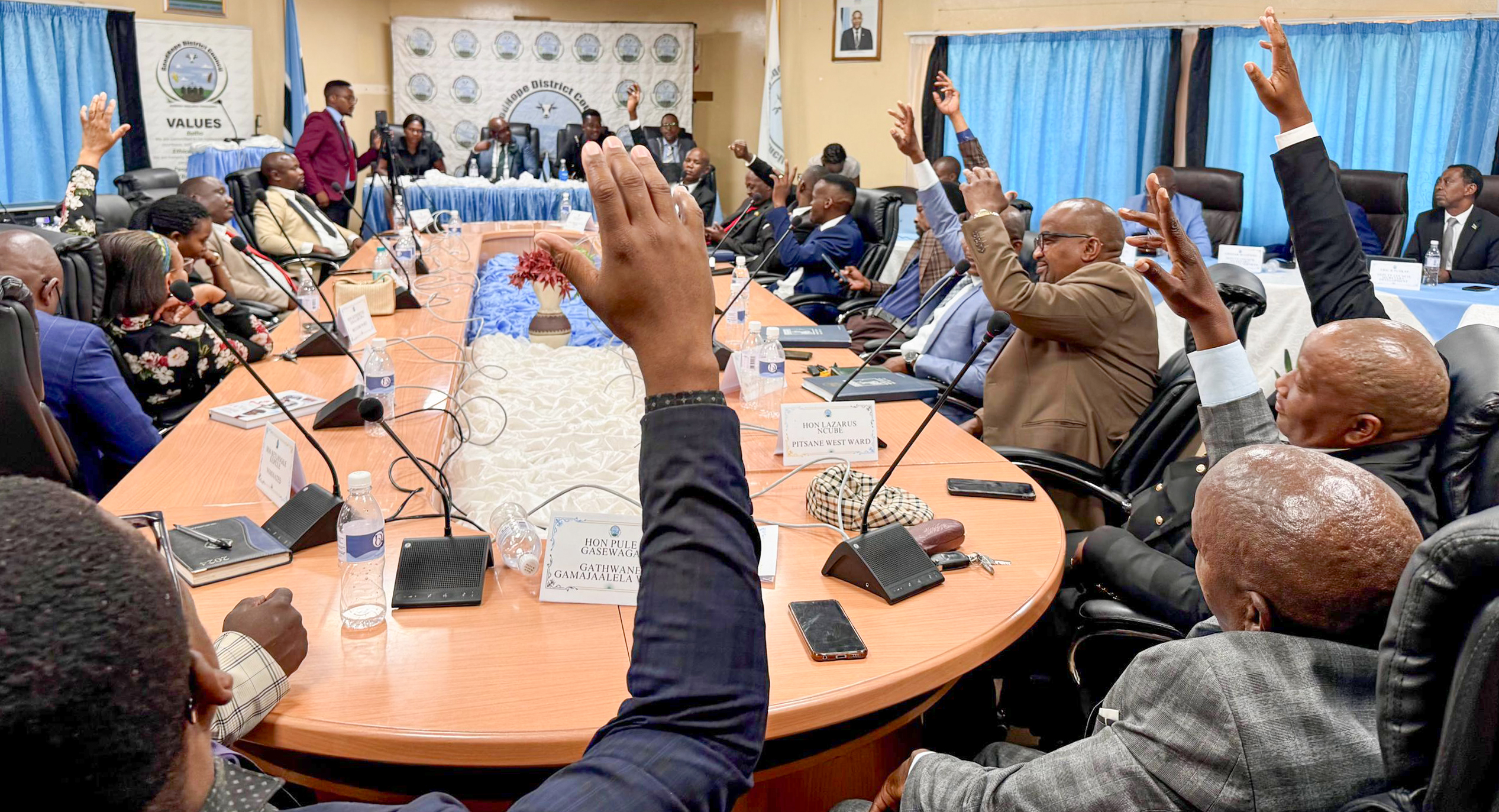
    Meanwhile, the majority of Good Hope councillors, 14 out of 21 voted in support of the establishment of the Constitutional Court.

    However, they wanted its establishment to be slightly delayed with shift toward boosting economic growth and infrastructure development as well as employment creation. They also called for more public education as well as stakeholder engagement to enlighten the people.

    Meanwhile, Mabule/Sekhutlane councillor,  Mr Orebotse Ramokgajane said ConCourt was long overdue as there had been cases in the past in which the High Court and the Court of Appeal were limited to pass a judgement on.

    Furthermore, he called for the public to approach the matter with levelheadedness and away from politics.

    He thus called for further public education and more stakeholder engagement to enlighten people.

    Mokgomane/ Magoriapitse councillor, Mr Israel Mosala buttressed the need for the court to be established, citing previous human rights violation cases lodged by Roy Sesana and others as well as the late Pitseng Gaoberekwe whose human rights were violated.

    For his part, Tshidilamolomo/ Dikhukhung councillor, Mr Aaron Mahophe acknowledged the development as an advancement of the judiciary system, adding that neighbouring SADC member states had constitutional courts.

    Meanwhile, Good Hope North East councillor, Mr Kelebogile Mangole said while the establishment of Consti tutional Court was important, it should not be prioritised now as there were other pressing matters that needed to be prioritised.

    Pitsane East councillor, Mr Collen Kamodi expressed fear that the establishment of the Constitutional Court could abolish capital punishment enshrined in the constitution, as it has previously happened in South Africa.

    “This is not the right time to establish Constitutional Court, we have a serious economic situation which we must deal with now. Let us amend the constitution first before interpretation of the constituti on is done,” said Metlojane councillor, Mr Lucky Kgengwenyane.

    “The Constitutional Court is important. It must be established but not now, we need employment creation, lets deal with challenges that we are currently faced with such as solving the health situati on,” added Rakhuna/Tlhareseleele councillor, Mr Kgotlaetsile Makgetha