Author: Daily News

  • Road Projects Priority – Salakae

    Road Projects Priority – Salakae

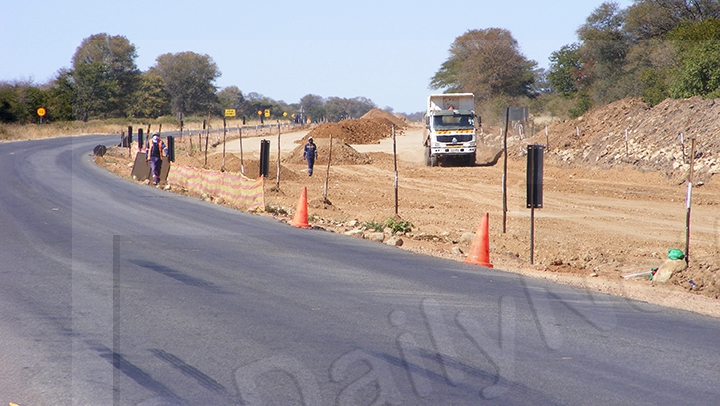
    Government has priotitised the construction of roads connecting villages with production units.

    According to Minister of Transport and Infrastructure Mr Noah Salake, some of the roads incorporated in the National Development Plan (NDP) 12 was the tarring of the Rasesa-Lentsweletau-Diphuduhudu road and the Lentsweletau-Medie road. 

    Addressing Lentsweletau residents recently, Mr Salakae also confirmed that one of the roads in need of attention included the 47km Metsimotlhabe-Kopong-Lentsweletau tarred road, which was considered for resealing. 

    Earlier on, Lentsweletau/Lephepe Member of Parliament, Mr Tshenolo Bogatsu had raised a concern on the status of roads in his area of jurisdiction. He said the road network in the constituency was dominated by gravel roads, which affected economic prospects, among other things.

    Mr Bogatsu cited the Kopong-Gaborone North road and Kopong-Bokaa road as some of the projects, which could have been incorporated in NDP 12, as they served as linkages between production areas 

    He said the Kopong-Bokaa road had the potential to spur economic growth by linking villages in production areas with other economic drivers and enabled residents to create employment or establishing businesses along the route. 

    However, he said he was hopeful that with the potential to reopen the Medie Coal Mine in the near future, the area’s economic activities would get desired injection for growth and improve livelihoods.

    As such, he called on government to consider expanding the railway line infrastructure by constructing a railway line connecting Medie mine with the main line in Artesia. He said the railway line could be an alternative route for transporting coal to reduce damages on the road by trucks on the Letsweletau-Medie road.

    For his part, Medie/Kweneng Ward councillor, Mr Letsholathebe Legodi shared the same sentiments with the area MP on the state of Lentsweletau-Medie road. 

    He said trucks, which used to ferry coal from Medie mine, impacted the road surface, adding that dust from the road was equally a health hazard to the community, a challenge to crop production as well as general being of the environment.

    Mr Legodi said motorists and public transporters were also affected by the status of the road, adding that the Medie-Kweneng gravel road was in need for regular grading to improve its current condition.

    Lentsweletau Village Development Committee chairperson, Mr Charles Mathupi appealed to Minister Salakae for provision of funding to patch potholes, instal streetlights and remarking of the Lentsweletau-Kgope and Lentsweletau-Dikgatlhong roads.

    Mr Mathupi also said there was need for the construction of a bus rank in Lentsweletau.

    He further said while there was shortage of public transport along the Lentsweletau-Gaborone route, the Department of Road Transport Services had indicated that it was not possible to issue new permits for the route as all time slots were taken. 
  • Poor Contract Management Delays Projects

    Poor Contract Management Delays Projects

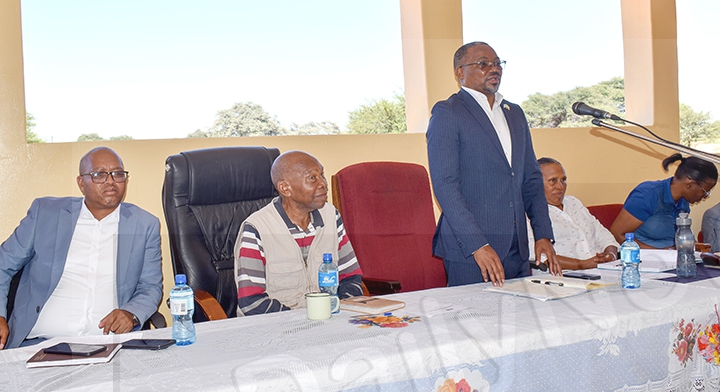
    Failure to enforce contractual guidelines by relevant officials has contributed to the slow pace of developments in Kgalagadi North, says the area MP.

    Mr Reason Lekutlane said delayed projects under local and central governments continued to hinder socio-economic development in the district.

    He made the remarks during a consultative constituency kgotla meeting in Maake recently, where he cited poor contract management by engineers and technicians responsible for overseeing projects, as being among reasons for inefficiency.

    Excessive leniency toward non-performing contractors, he said, had resulted in stalled projects and increased costs for government.

    “There are clear guidelines outlined in contracts, but our own personnel often become too lenient even when contractors are not complying. This ends up costing government and setting the district back,” he said.

    Mr Lekutlane expressed concern that prolonged project delays had negatively affected the livelihoods of residents while placing a heavy financial burden on government.

    To address the situation, the MPs constituency office is developing a programme aimed at strengthening project oversight, accountability and compliance.

    Beyond that, the MP said he had established a District Development Database that captured all ongoing and outstanding projects in Kgalagadi North. The database, will assist to track progress, identify challenges and in making informed recommendations to accelerate project completion.

    Mr Lekutlane underscored that projects that had stalled for more than six years should not exist because there were set procedures to be followed in dealing with contractors who failed to meet their contractual obligations.

    Responding to residents’ requests for two additional council seats for Maake wards, Mr Lekhutlane explained that the matter fell under the mandate of the Delimitation Commission and advised residents to present their case when the commission visited the village.

    Although the village’s population currently stands at about 500, a figure below the required 1,200 for a council seat, he noted that proximity to other villages could be considered.

    Turning to road infrastructure, the MP described the condition of the Lehututu–Maake road ought to be graded while awaiting tarring. It is such poor conditions that he said demotivated public officers to work in the area and contributed to service delivery challenges, including water, electricity and staffing shortages.

    Mr Lekutlane said more than 870 kilometres of roads in Kgalagadi North required upgrading, because improved road infrastructure was critical to uplifting communities and accelerating developments in the district.

    Village Development Committee chairperson, Mr Samuel Motlhaope, raised a concern that there was no dedicated ambulance that served the village, but currently relied on a double-cab van that was not suitable to transport patients.

    Mr Motlhaope said the vehicle serviced Maake and Hunhukwe, a situation that often left the former without transport during emergencies.

    He however commended the Hukuntsi District Council and Diamond Botswana for drilling a community borehole to provide water for livestock, a project that proved beneficial to the village.

  • Youth Central to Economic Reform

    Youth Central to Economic Reform

    Botswana stands at a defining economic crossroads, with leadership warning that the growth model which sustained the country for decades can no longer guarantee jobs, prosperity or stability.

    As global conditions tighten and the diamond industry undergoes structural change, the country is being urged to rethink its future, with young people cast as the central drivers of a new economic era.

    This was the message delivered by the Vice President and Minister of Finance, Mr Ndaba Gaolathe, when he addressed the Budget Pitso for Youth in Gaborone on Tuesday. He cautioned that both the global and domestic economies had entered what he described as a “new normal.”

    The Youth Budget Pitso was convened to ensure continued engagement and meaningful participation of young people in the national budgeting process. Mr Gaolathe said global economic growth was expected to slow, particularly in advanced economies that absorb a significant share of Botswana’s exports. At the same time, he noted that long-standing pillars of the domestic economy were weakening.

    Falling diamond prices, reduced production and the rapid expansion of lab-grown diamonds are steadily eroding the country’s traditional economic base.

    “In previous crises, Botswana experienced strong V-shaped recoveries. That pattern is no longer holding. We cannot continue to do the same things and expect different results,” he said.

    Although diamonds still contribute about 30 per cent of government revenue, the Vice President expressed concern that declining sales were weighing heavily on exports, foreign reserves and fiscal buffers. He said lab-grown diamonds now command approximately 20 per cent of the global market, intensifying competition and underscoring the urgency of economic diversification.

    Against this challenging backdrop, Mr Gaolathe pointed to Sub-Saharan Africa as a rare bright spot, projected to record positive growth over the next two years. He identified the African Continental Free Trade Area (AfCFTA) as a critical opportunity for Botswana to expand domestic production, reduce import dependence and access regional markets through a more competitive export base.

    However, he warned that economic transformation would ring hollow if it failed to confront unemployment, particularly among young people. With youth unemployment estimated to be approaching 40 per cent, he described the situation as “unacceptable” and incompatible with Botswana’s development aspirations.

    “This cannot be the new normal. If our policies and budgets do not reduce unemployment, then we are failing,” he said.

    Mr Gaolathe added that the forthcoming 2026/2027 National Budget, anchored in the Botswana Economic Transformation Programme, would prioritise a private-sector-led, export-driven economy. This will be supported by targeted skills development, innovation and modern infrastructure aimed at creating sustainable jobs.

    “We have transformed before. This generation must now do it again,” he said.

    The message to the nation’s youth was both a warning and a call to action that Botswana’s future prosperity will depend not on past successes, but on the willingness to adapt, innovate and place young people at the centre of economic renewal.

    As the country confronts an uncertain global environment and the limits of its traditional growth engines, the choices made now in policy, investment and human capital will determine whether Botswana’s “new normal” becomes a story of resilience and reinvention, or one of missed opportunity.

  • Farmers unity panacea for FMD fight

    Farmers unity panacea for FMD fight

    Farmers unity panacea for FMD fight
    Robust government interventions, coupled with a united and proactive farming community through cohesive farmers’ associations, remain central to the fight against the spread and containment of Foot and Mouth Disease (FMD). Representatives of three farmers’ associations said in interviews on Saturday that recent FMD outbreaks in South Africa and Zimbabwe had caused considerable anxiety among farmers in Botswana.
    The disease was first reported in south Africa’s Waterberg District in Limpopo Province in December, prompting Botswana to heighten surveillance, particularly in border areas such as Tsabong, Good Hope, Ramotswa, Tlokweng, Kgatleng and Mahalapye.
    To date, there has not been a single reported incident of the disease spillage into the Botswana, due to the various interventions that include movement restrictions, high alert and vigilance due to the proximity of the Waterberg district to border villages, biosecurity advice, as well as deployment of vaccines.
    The FMD outbreak that has hit neighbouring Zimbabwe has compounded the matter and sent shockwaves and left farmers frightened across the breadth and length of Botswana.
    As of January, latest outbreaks were reported in the Mangwe district of Matabeleland South, near Botswana border. Fifty-four active cases have been reported thus far in the area, with infections linked to a stray buffalo.
    The twin outbreaks have sent shockwaves through Botswana’s cattle industry, a key contributor to national revenue through long-standing access to the lucrative European Union market.
    Farmers fear that failure to contain the disease using both traditional control measures and innovative approaches could cripple the industry, especially at a time when the country is grappling with resource constraints brought about by prolonged economic challenges.
    Southern District Beef Farmers Association vice chairperson, Mr Tiroyaone Mmereki, said existing farmers’ association structures should be fully utilised if the country was to prevail in the fight against FMD.
    He said the Ministry of Lands and Agriculture should routinely engage the Botswana National Beef Producers Union whenever disease outbreaks occur, as this would enable effective mobilisation of farmers through its affiliate structures.
    “The Botswana National Beef Producers Union would then be able to mobilise us as its bona fide affiliates to chart the way forward,” he said.
    Mr Mmereki called on farmers to take the lead in combating animal diseases by working closely with fellow farmers and relevant authorities, including the Ministry of Lands and Agriculture and the police.
    He also raised concern over the poor maintenance of cordon fences across the country, which he said posed a serious threat to disease control efforts.
    He noted that many fences had not been properly maintained for over a decade, allowing wild animals such as elephants to stray beyond their natural habitats and increasing the risk of disease transmission.
    He urged members of his association from Pitshane Molopo, Manyana and Lobatse through to Mabutsane, to work together and act as vigilant custodians of the cattle industry.
    Echoing his sentiments, C8 Beef Farmers Society chairperson, Mr Phokompe Pifelo warned that the deteriorating state of cordon fences could allow diseases to spread easily across zones.
    “This is also exacerbated by unavailability of patrols,” said Mr Pifelo, whose society covers farming communities from Makoro to Makoba.
    Last year, he said as a precautionary measure, the society partnered with the Ministry of Lands and Agriculture to repair a cordon fence in the Sese area, with the ministry providing resources while farmers contributed labour.
    Mr Pifelo emphasised that individual farmers must rise to the occasion and demonstrate commitment to safeguarding the industry, especially in light of limited government resources.

    He stated that acute shortage of resources from government called on the farming community to join efforts to curb threats poised by FMD and other enemies of a full-throttle beef industry.
    The views of the two associations were aligned with those of the TOTUMA Commercial Farmers Association.
    Its chairperson, Mr Stephen Pillar, said effective communication was equally critical in mitigating the FMD threat.
    “We stay informed and closely monitor developments so that we can share information with our affiliates,” he said, adding that the association, which represented farmers from Tonota, Tutume and Masunga, had established mechanisms to rapidly disseminate information on the disease.
    Mr Pillar said the association would urgently engage the Ministry of Lands and Agriculture to consider deploying patrols along the Botswana-Zimbabwe border, similar to operations in the Bobirwa District.
    “This would help curb disease spillover, especially given the prevalence of illegal border crossings in areas such as Maitengwe and other border villages in the North East,” he said.
    FMD outbreaks in Botswana date back to the 1930s, a history that prompted the country to establish local vaccine production through the Botswana Vaccine Institute.
    The use of effective vaccines, alongside other control measures, remains a cornerstone of Botswana’s FMD management strategy.
    FMD is a highly contagious viral disease affecting cloven-hoofed domestic and wild animals, including cattle, pigs, sheep, goats and deer. It is regarded as an economic disease due to its devastating impact on livestock production and trade.
    Over the years, Botswana has developed a comprehensive national FMD strategy based on passive and active surveillance, movement control, zoning, strategic vaccination, biosecurity, public education, awareness campaigns and robust legal frameworks.
    In Botswana, FMD is primarily transmitted to cattle from wild animals, particularly buffalo, in endemic areas, with outbreaks historically concentrated in the North West District due to livestock-wildlife interaction.

  • Budget 2026/27 pivots from diamonds to enterprise

    Budget 2026/27 pivots from diamonds to enterprise

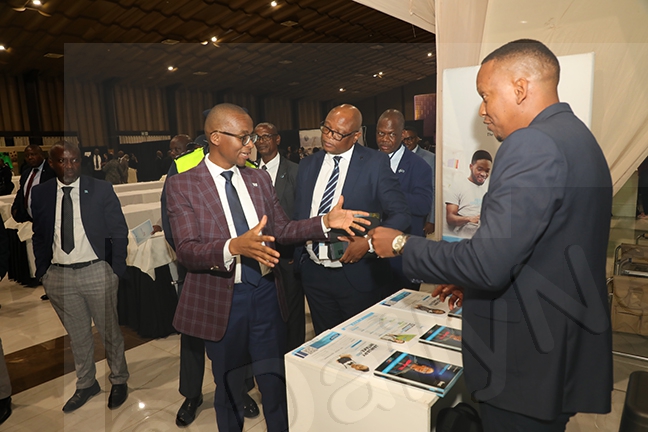
    The 2026/2027 national budget, set to be presented before Parliament on February 9, will kickstart the process of transforming the country’s economy, guided by the Botswana Economic Transformation Programme (BETP) and the National Development Plan (NDP 12).


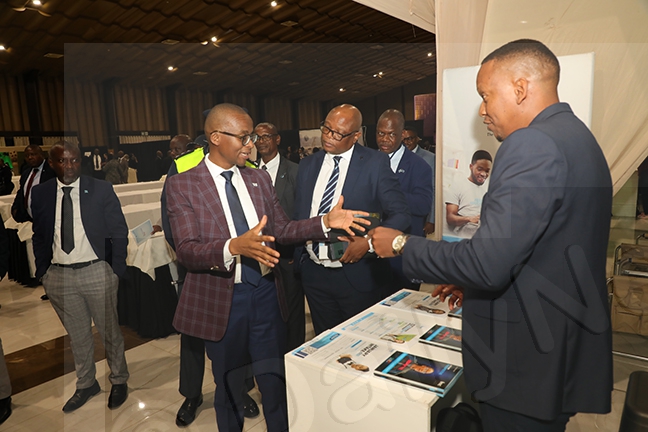
    This was revealed by Vice President and Minister of Finance, Mr Ndaba Gaolathe in his address during the Budget Pitso for general stakeholders’ consultation in Gaborone on Monday.
    Mr Gaolathe emphasised that the BETP was vital for restructuring the country’s economy into a more resilient system, where practical delivery and priorities translated into investment and employment.
    “BETP recognises that Botswana’s constraint is not the absence of ideas. It is execution, productivity and a growth structure that must now broaden beyond what the public purse and diamonds can sustainably support. BETP exists to ensure economic diversification is implemented in practice, sector by sector, project by project,” he added.
    He revealed that the economic model, which had sustained the country since independence, anchored on diamond revenue and government spending, had become unsuitable and made transformation imperative.
    “In plain terms, we are operating in a new reality. We must stabilise the economy and protect the vulnerable, while simultaneously repositioning the economy for diversification and jobs without assuming that public spending alone can carry that transition,” he said.
    The Vice President called on the private sector to reduce its reliance on government procurement and instead become enterprising and innovative in developing sustainable business solutions.
    “If we are serious about diversification, then we must be serious about a culture shift. Botswana cannot build a resilient high-income economy if too much private initiative is based around government contracts. No nation has diversified by treating public procurement as the main investment model,” he said.
    He added that Botswana needed to build an economy where entrepreneurs established factories that served households, firms competed effectively, value chains deepened and imports were substituted by domestic production and exports that generated foreign exchange.
    The Vice President also called on private financial institutions to join the state in the cultural shift through “financing that rewards productivity and funding models that back real value creation rather than short-term cycles.”
    He pledged that government would remain transparent about the current state of the economy while working toward long-term solutions.
    That, he said, included fostering a new culture where projects were completed on time and within budget and where opportunity was created through production and enterprise.
    For his part, secretary of Macroeconomic and Financial Policy at the Ministry of Finance, Dr Sayed Timuno, reiterated that the 2026/2027 budget served as a launchpad for NDP 12.
    Dr Timuno noted that according to World Bank and International Monetary Fund (IMF) projections, global growth would remain subdued through 2026, which continued to adversely affect the domestic economy.
    He added that while the mining sector remained the main driver of growth, diamond prospects for 2026 remained abstract as lab-grown diamonds continued to pressure the natural diamond market.
    Senior policy advisor in the finance ministry, Ms Naledi Madala stated that the BETP would focus on bringing to life projects that had undergone rigorous labs in sectors such as agriculture, manufacturing, energy and tourism.

  • System overhaul critical to address health sector challenges

    System overhaul critical to address health sector challenges

    With the citizenry growing increasingly frustrated over the apparent lapses within
    the public health sector, marked largely by widespread drug shortages, President
    Advocate Duma Boko has affi rmed government’s resolve to turn the sector.


    The unfolding crisis in Botswana’s health system, a problem that has, according to
    President Advocate Duma Boko,been simmering over decades ought to be halted and stopped from shaking the very soul of the people of Botswana and throwing
    them into a state of despondency.


    “Th e health questi on is a test for the country, if we cannot solve it, we cannot solve anything else,” he said during his tour of Nyangabgwe Referral Hospital (NRH) last Friday, underlining how unraveling this maze would bear testament to
    government’s tenacity to dislodge any challenge that the nation could
    find itself faced with at any point in the future.
    And making the system whole again will require more than just boldness.
    It will take a spirited fight, a fight that government is determined to not back down from.
    “That is why we need to take drastic and unorthodox measures to solve it. We need a complete devolution,” President Boko said.
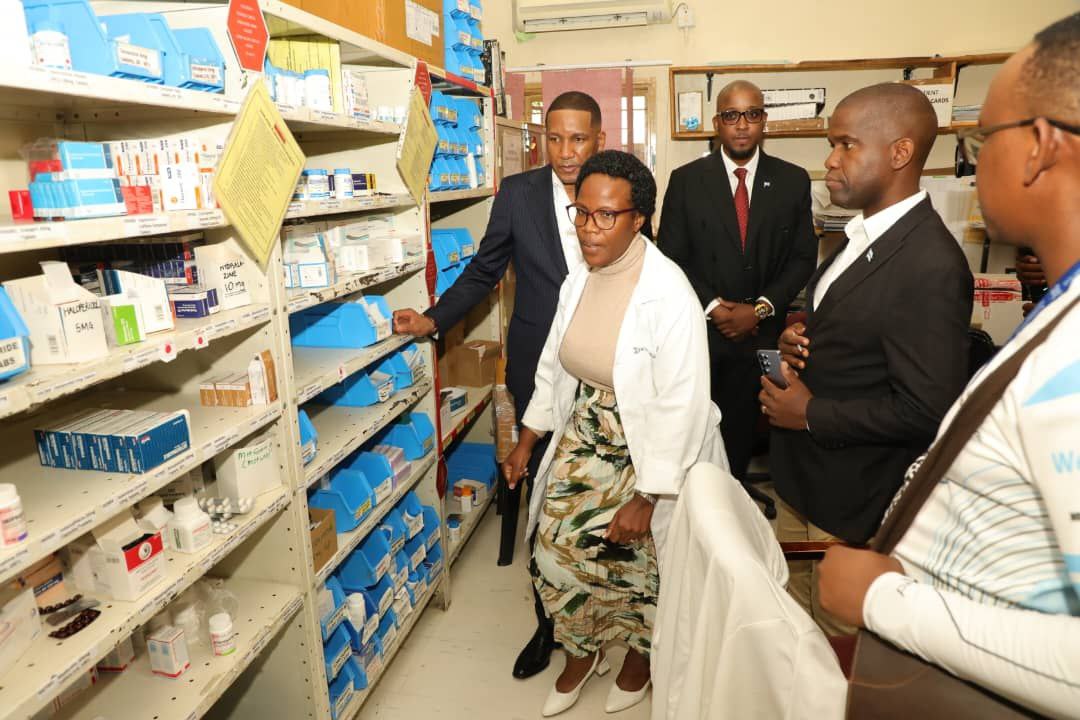
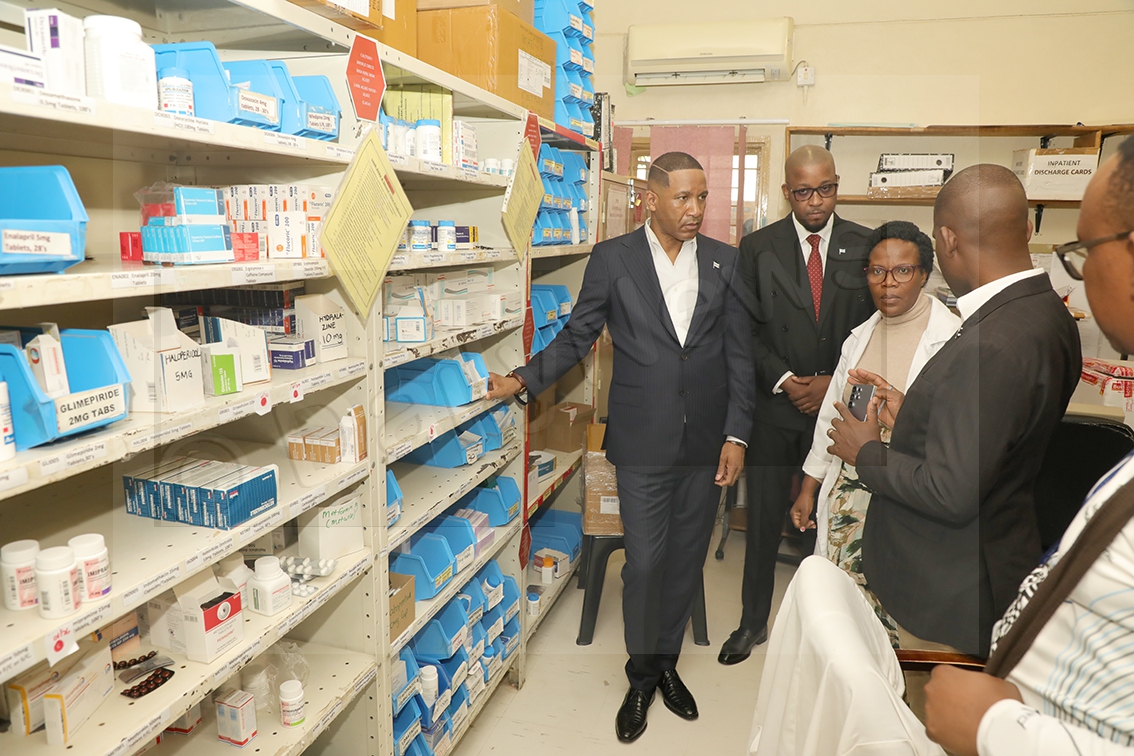
    NRH superintendent Dr Ivan Kgetse, who led President Bokothrough various sections and wards of the hospital including the Intensive Care Unit (ICU),
    the renal unit, the Accident and Emergency Department, the Radiology Unit and the Antenatal Ward said while the facility wasfaced with a plethora of challenges,
    management and staff continue to do their absolute best to serve the
    public.
    Shortage of drugs, ageing equipment, some of which is already obsolete, as well as
    shortage of specialist doctors such as vascular surgeons, radiologists and neurosurgeons daily present themselves as major stumbling blocks to effective service delivery.
    According to Dr Kgetse, the lack of critical equipment such as an MRI machine and dialysis machines have compelled NRH to outsource the associated services,
    and with the cost of a single MRI scan standing at around P3 000 per scan or test, government forks out untold amounts annually to pay private service providers.
    Nyangabgwe hospital also grapples with congesti on, which in some instances is not due to high volumes of patients but is rather because certain spaces are
    simply small.
    The Neonatal ICU for instance has room for just eight beds, while the main ICU has space sufficient for only six.
    “The unit is small as it has only eight beds. As a result, we refer a lot, and the costs are prohibitive,” Dr Kgetse said, in reference to the Neonatal ICU.
    As for the main ICU, the doctor would love for the ward to have adequate equipment.
    “There is inadequate equipment.For instance, we have got no backup
    ventilators, so if one fails, we would not be able to manage the risk,” he explained.
    As Nyangabgwe is the only tertiary hospital in the north and so unlike Princess Marina Hospital, which shares its patient load with the couple of private hospitals strewn across Gaborone, its location and the lack of enough private facilities to help ease its load, government should strive to strengthen the hospital so that
    it is able to deliver according to
    expectation.
    Queuing with a loved one at the Accident and Emergency Department, Ms Elizabeth Morebodi of Block 5 in Francistown pleaded with President Boko for
    government to avail medicines in health facilities.
    “There are no medicines. We are being told to buy for ourselves yet many of us are grappling with unemployment,” she said, echoing the plea of many, who constantly
    have to move from one private pharmacy to the next in search of drugs and at times hospitals supplies necessary for surgical procedures to be carried out.

  • How iShowSpeed and Masego rewrote Old Naledi narrative

    How iShowSpeed and Masego rewrote Old Naledi narrative

    In his influential book Shadow Cities: A Billion Squatters, a New Urban World, journalist Robert Neuwirth, who spent two years living in squatter communities in Brazil, Kenya, India and Turkey, argues that shanty towns are not merely slums, but vibrant neighbourhoods worthy of exploration and often innovative.
    With the recent visit of American YouTuber, Darren Jason Watkins Jr., popularly known as iShowSpeed to Old Naledi some weeks ago during his 28-day, multi-country livestream
    tour across Africa, Neuwirth’s argument may well have been proven correct.
    Footage captured during Speed’s Old Naledi livestream was arguably t h e m o s t
    vibrant of all his stops in Botswana.
    On that day, the streets of Old Naledi transformed into stages as the world witnessed the raw
    talent and infectious energy from its community members.
    One gentleman, using only his t-shirt as a prop, turned an everyday item into part of his choreography, pulling it over his head, dancing with it half on and half off, before
    smoothly shrugging it back into place.
    The Mafitlhakgosi Dance Group also stole the spotlight, with dancers performing Speed’s
    trademark backflips alongside breakdance-inspired moves.
    The colourful, high-energy livestream shattered the longheld perception of shanty towns
    as spaces defined solely by deprivation and disorder, often viewed as illegal encroachments
    waiting to be erased rather than communities worthy
    of understanding.
    From that same livestream emerged seven-year-old Masego Masepe, the youngest member of
    Mafitlhakgosi Dance Group, who also captivated viewers with her remarkable confidence,
    something Batswana have increasingly come to admire.
    From her viral dance with President Advocate Duma Boko, to her performance alongside
    Speed and several other influential figures, Masego’s confidence has consistently shone through.
    She effortlessly leads her partners into gentle sways, spins them around, holds their hands and
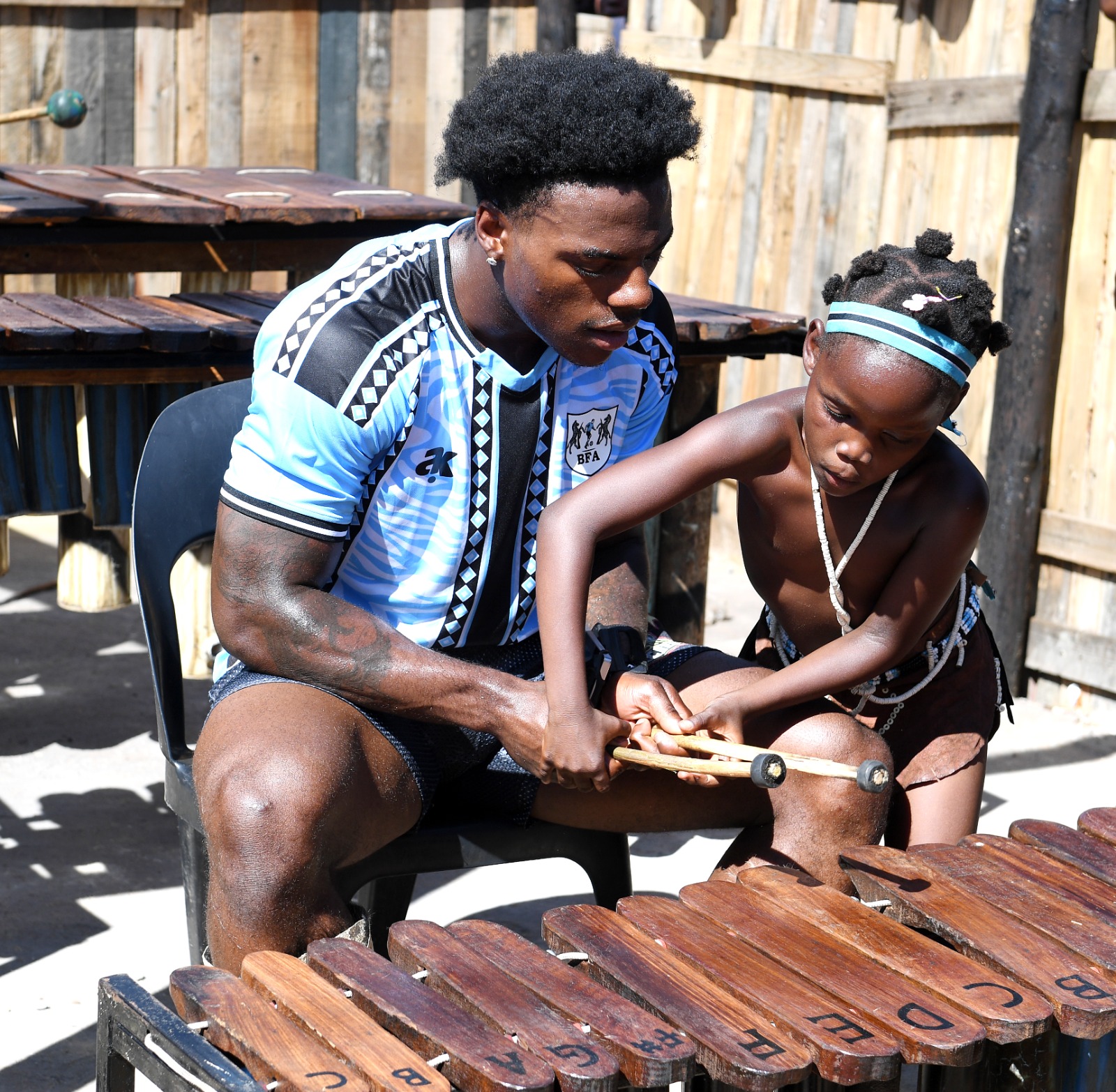
    twirls herself like a ballerina. That same confidence was evident as she patiently taught Speed the marimba, guiding him through the melodies until he got them
    right.
    In an interview, it became clear that Masego’s confidence is deeply rooted in her environment.
    She has been dancing for as long as she can remember.
    Born into a family of dancers and creatives from Molepolole, Masego is surrounded by art and
    movement.
    All four of her siblings dance for Mafitlhakgosi, alongside both parents, Joseph and Kgomotso Masepe.
    Masego says she already knows seven dance styles, including Tsutsube, Setapa, Phathisi, Khoba, Hosanna, Morabaraba and Marimba.
    “My favourites are Morabaraba, Khoba and Tsutsube,” she said, adding that one of her most
    memorable experiences was dancing with President Boko.
    She also shared that her favourite subject in Standard 2 is English.
    Another contributor to her confidence, she revealed, is her close bond with fellow dancers.
    Much of her friendship circle exists within the dance group rather than at school and she prefers spending time with her 11-year-old brother, Otsile Masepe.
    Otsile added that their parents are their biggest supporters.
    “They encourage us every day, that is why we always step out with confidence,” he said, noting that while practi ces and performances
    sometimes fall during the school week, the siblings take turns helping one another with
    schoolwork to ensure nothing is
    neglected.
    Otsile hopes to become an artist in the future, while Masego says dancing is not in the cards for her.
    “I want to become a nurse,” she said.
    Perhaps she will be both, one or the other, however, young stars like Masego keep helping to rewrite the Old Naledi narrative

  • System overhaul critical to address health sector challenges

    System overhaul critical to address health sector challenges

    The unfolding crisis in Botswana’s health system, a problem that has, according to President Advocate Duma Boko, been simmering over decades ought to be halted and stopped from shaking the very soul of the people of Botswana and throwing them into a state of despondency. 

    “The health question is a test for the country, if we cannot solve it, we cannot solve anything else,” he said during his tour of Nyangabwe Referral Hospital (NRH) last Friday, underlining how unraveling this maze would bear testament to government’s tenacity to dislodge any challenge that the nation could find itself faced with at any point in the future. 

    And making the system whole again will require more than just boldness. It will take a spirited fight, a fight that government is determined to not back down from. 

    “That is why we need to take drastic and unorthodox measures to solve it. We need a complete devolution,” President Boko said. 

    NRH superintendent Dr Ivan Kgetse, who led President Boko through various sections and wards of the hospital including the Intensive Care Unit (ICU), the renal unit, the Accident and Emergency Department, the

    Radiology Unit and the Antenatal Ward said while the facility was faced with a plethora of challenges, management and staff continue to do their absolute best to serve the public. 

    Shortage of drugs, ageing equipment – some of which is already obsolete, as well as shortage of specialist doctors such as vascular surgeons, radiologists and neurosurgeons daily present themselves as major stumbling blocks to effective service delivery. 

    According to Dr Kgetse, the lack of critical equipment such as an MRI machine and dialysis machines have compelled NRH to outsource the associated services, and with the cost of a single MRI scan standing at around P3 000 per scan or test, government forks out untold amounts annually to pay private service providers. 

    Nyangabwe hospital also grapples with congestion which in some instances is not due to high volumes of patients but is rather because certain spaces are simply small. 

    The Neonatal ICU for instance has room for just eight beds, while the main ICU has space sufficient for only six. 

    “The unit is small as it has only eight beds. As a result, we refer a lot, and the costs are prohibitive,” Dr Kgetse said, in reference to the Neonatal ICU. As for the main ICU, the doctor would love for the ward to have adequate equipment. 

    “There is inadequate equipment. For instance, we have got no back-up ventilators, so if one fails, we would not be able to manage the risk,” he explained. 

    As Nyangabwe is the only tertiary hospital in the north and so unlike Princess Marina Hospital which shares its patient load with the couple of private hospitals strewn across Gaborone, its location and the lack of enough private facilities to help ease its load, government should strive to strengthen the hospital so that it is able to deliver according to expectation. 

    Queuing with a loved one at the Accident and Emergency Department, Ms Elizabeth Morebodi of Block 5 in Francistown pleaded with President Boko for government to avail medicines in health facilities. 

    “There are no medicines. We are being told to buy for ourselves yet many of us are grappling with unemployment,” she said, echoing the plea of many, who constantly have to move from one private pharmacy to the next in search of drugs and at times hospitals supplies necessary for surgical procedures to be carried out

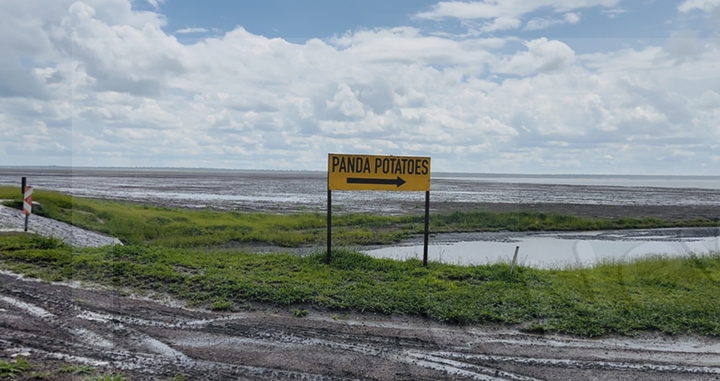
  • Pandamatenga farmers count losses following heavy rains

    Pandamatenga farmers count losses following heavy rains

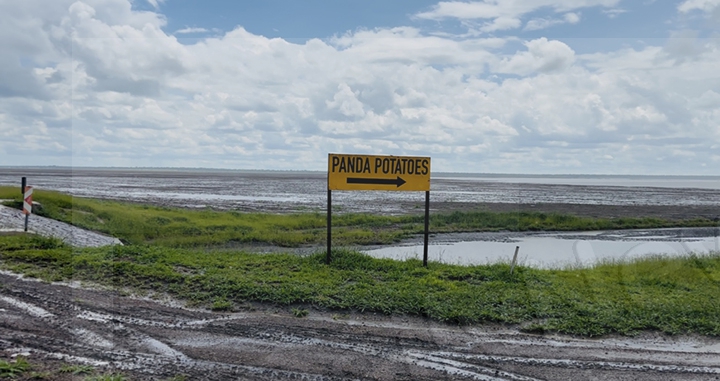
    Farmers in the Pandamatenga region are reeling from a catastrophic ‘one-in-200-years’ storm that occurred on January 21, leaving over 8,000 hectares of diverse crops submerged.

    The floods caused by rainfall exceeding 200mm have devastated fields of sorghum, sunflower, onions, tomatoes, butternuts and maize. 

    Last Friday, the acting Minister of Lands and Agriculture Dr Edwin Dikoloti engaged with both commercial and subsistence farmers to assess the destruction. Accompanied by agricultural insurance specialists, Dr Dikoloti assured farmers that assistance would be provided once formal assessments were complete. 

    He acknowledged that the floods had halted operations for weeks, risking further losses due to pest damage and soil moisture depletion as the season transitions. He noted that such extreme weather was the ‘new reality’ of climate change and thus called for stronger advocacy for climate financing.

     “The Pandamatenga drainage system remains a significant challenge,” Dr Dikoloti stated, suggesting that future research must focus on how to harvest such floodwaters for irrigation.

    Adding to the climate-induced disaster is a lingering financial crisis. Pandamatenga Commercial Farmers have appealed to the Botswana Agricultural Marketing Board (BAMB) to settle an outstanding balance of P65 million owed since the 2025 season. 

    Last year, farmers delivered over 55,000 tonnes of grain valued at P271 million. While P206 million was paid in December 2025, the remaining 26 per cent balance has left many without the liquidity needed to recover from the current floods. 

    Mr Ryan Neal, an executive member of the Pandamatenga Commercial Farmers, emphasised that farming was a high-risk and time-sensitive business that required consistent credit for fuel, machinery and loan servicing. He urged government to expedite payments so that funds could be channelled toward replanting and flood recovery.

    The struggle is equally felt by small-scale farmers. Pandamatenga Subsistence Farmers chairperson, Mr Seinyatseng Lekoko, briefed the minister on the acute shortage of farm implements and tractors, which he said delayed their planting schedules. Furthermore, he highlighted the ongoing human-wildlife conflict exacerbated by non-electrified fencing, which continued to threaten their remaining produce. 

    In response to the outcry, BAMB chief executive officer, Ms Lilian Costa Scheepers confirmed that the board was working tirelessly to overcome internal challenges and settle the debt. On the other hand, Dr Dikoloti added that government had already approved the funds, saying “the approval is there, what remains is for the BAMB CEO to finalise the administrative processes so you can receive your money.” 

    Looking toward long-term solutions, Dr Dikoloti suggested that Botswana must revise its agri-financing strategy, potentially introducing a specialised Agri-Bank that understood the unique risks and timelines of the agricultural sector. 

    Despite the submerged fields and financial hurdles, the farming community remains resilient, with farmers like Mr Neal expressing commitment to rebuilding and securing the nation’s food supply

  • Tourism key to shared prosperity

    Tourism key to shared prosperity

    The Vice President Ndaba Gaolathe has emphasised the crucial role of tourism in driving socio-economic transformation and shared prosperity across Botswana. 

    Delivering the keynote address at the launch of the 2026 Tourism Pitso in Francistown on Thursday, Mr Gaolathe, also Minister of Finance, highlighted the sector’s potential to contribute to economic diversification and job creation. 

    He explained that the Botswana Economic Transformation Programme (BETP) and National Development Plan 12 (NDP 12) were designed to deepen citizen participation in the economy, strengthen collaborations and foster inclusive growth. 

    He added that the tourism sector remained top priority, with strategic focus on reducing economic leakages, regaining value and enhancing global competitiveness.

    He stressed that tourism must serve as a sustainable driver for wealth and welfare, creating opportunities for all citizens to ensure that Botswana ranked among the world’s leading sustainable destinations. 

    For his part, Minister of Environment and Tourism, Mr Wynter Mmolotsi, outlined several ambitious projects intended to boost the sector, including addressing local per diem concerns and diversifying tourism offerings. 

    “The ministry is finalising a tender to engage a consultant to study the impacts of local per diem on tourism, aiming to provide evidence-based recommendations for policy adjustments,” Minister Mmolotsi stated.

    The minister also highlighted significant legislative milestones which included the Community-Based Natural Resource Management Bill, which he said had been passed by Parliament to strengthen community involvement and ownership. 

    He said recently approved by Cabinet, the review aimed to streamline licensing and foster a more investor-friendly environment. Despite global challenges, the minister reported that the sector had shown remarkable resilience. 

    “The sector has shown resilience, with 1 183,432 international arrivals in 2023 and a strong recovery trajectory, contributing 5.1 per cent to GDP and supporting over 58,000 jobs,” he added.

    Meanwhile, the 2026 Tourism Pitso was held under the theme, Tourism as a catalyst for economic transformation and sustainable growth through partnerships.