Author: Daily News

  • MPs Demand Results from Transport Ministry

    MPs Demand Results from Transport Ministry

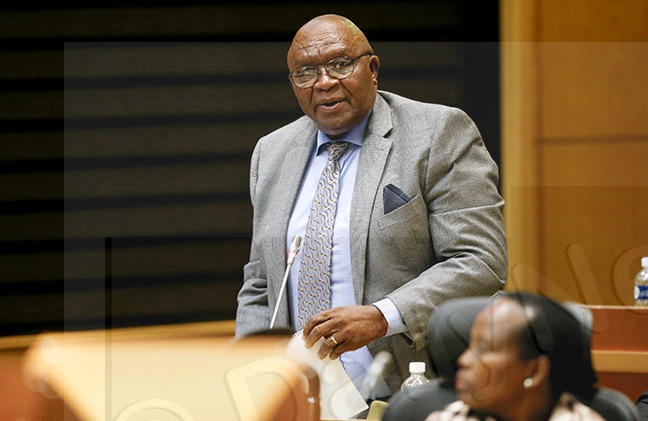
    Legislators across the political divide have demanded that the approved P5.8 billion budget for the Ministry of Transport and Infrastructure prioritises long-neglected internal roads as well as immediate implementation of toll-gates to sustain the nation’s infrastructure. 

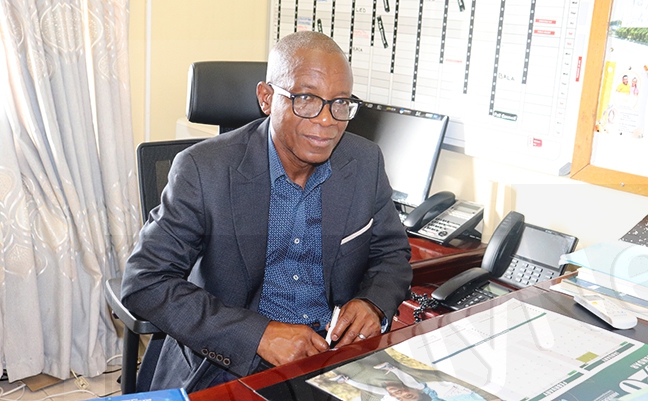
    Debating the ministry’s budget proposal for the next financial year on Wednesday, Member of Parliament for Selebi Phikwe East, Mr Kgoberego Nkawana, opined that public transport operators were calling for a fare increase as high operating costs continued to erode their profits.

    The legislator also proposed that taxis be legally required to install GPS systems in their vehicles. Regarding the national airline, he said time was nigh Air Botswana spread its wings by launching long-haul routes outside the SADC region. He also called for lower airfares to encourage Batswana to fly with the national carrier. 

    MP for Good Hope/Mmathethe, Dr Edwin Dikoloti, spoke on the status of the Mmathethe-Metlobo-Bray-Werda Road, noting it had been funded long ago yet was missing from the minister’s speech. 

    Dr Dikoloti highlighted the importance of the Digawana-Molapowabojang-Kgomokasitwa Road and thanked the minister for the construction of the Kgoro Road. He also stressed that public transport permits should be issued with greater transparency. 

    Francistown South MP, Mr Wynter Mmolotsi welcomed the planned repairs for the A1 Road, adding that the country already had the basic infrastructure to set up tollgates in Sese, Dibete and Dukwi. However, he expressed concern that the Francistown airport remained underutilised, closing at 5pm, an unusual practice for a city airport. 

    MP Galenawabo Lekau of Mogoditshane West said given its large population, Mogoditshane needed a bus rank to cater to travellers from the western side of the country. He further noted that while Mogoditshane was a hub for second-hand vehicle trading, the area lacked a Department of Transport office. 

    Boteti West MP, Mr Sam Digwa reminded the minister not to forget Xhere in the quest to develop the Kuke-Tsienyane Road. He decried the poor state of affairs in Boteti, stating that the area lacked an internal road network. Gabane/Mmankgodi MP, Mr Kagiso Mmusi welcomed the access road to Mmokolodi but called for a similar connection to Tloaneng. 

    He described the expansion of the Gabane-Mmankgodi Road into a dual carriageway as crucial, noting that five to six constituencies would benefit. 

    Mr Karabo Gare, MP for Moshupa-Manyana, highlighted that infrastructure was vital for economic development and service delivery. MP Gare also expressed concern regarding the Digawana-Kgomokasitwa-Ntlhantlhe project despite funding being allocated two years ago. Francistown West MP, Mr Ignatius Moswaane called for speedy introduction of tollgates, asserting that current infrastructure was sufficient to support them. MP Helen Manyeneng of Mmopane/Metsimotlhabe called for the regulation of e-hailing services like Yango and inDrive, stating that local taxis were losing customers to the platforms. She also urged government to regulate driving schools. Mmadinare MP, Mr Ketlhalefile Motshegwa said his constituency had been neglected for years, leaving the area underdeveloped without proper roads. 

    He called for the termination of the Robelela contract, arguing that the contractor was moving at a snail’s pace. Following the debate, Parliament approved the P5.8 billion budget request for the 2026/27 financial year presented by Minister of Transport and Infrastructure, Mr Noah Salakae.
  • BVI Deploys Experts to Lesotho to Tackle FMD Outbreak

    BVI Deploys Experts to Lesotho to Tackle FMD Outbreak

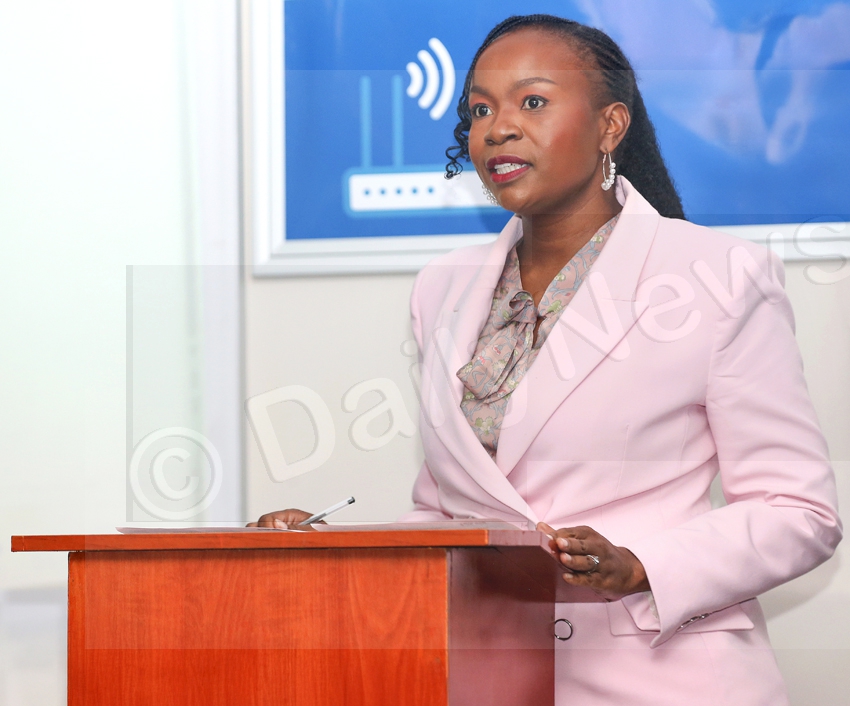
    The Botswana Vaccine Institute (BVI) has dispatched a team of technical experts to Lesotho to help combat the country’s first-ever outbreak of Foot and Mouth Disease (FMD).

    BVI acting Chief Commercial Officer, Ms Keenese Katisenge-Tizhani, revealed in an interview on Tuesday that the mission involves collecting samples from affected areas for lab analysis to develop a fit-for-purpose vaccine  to curb spread of the disease

    The mission also include a two-day training programme for Lesotho veterinary teams, equipping them with the latest knowledge and tools to tackle the outbreak, Ms Katisenge-Tizhani said.

    “Ensuring that local veterinary teams are equipped with up-to-date knowledge and tools is essential for a sustained response,” she said.

    Ms Katisenge-Tizhani noted that during the engagement, BVI experts would not only share new insights but also learn from how local teams were managing specific outbreaks, thereby strengthening regional animal health security.

    Addressing long-term solutions, she said investing in local capacity building and technical support would help ensure sustainable control of Foot and Mouth Disease.

    “Investing in local capacity building is key to sustainable FMD control,” she added.

    Katisenge-Tizhani expressed confidence in the collaborative approach, saying it will yield positive results and contribute to successful mission execution. 

  • Over P2 Million Donation to Boost FMD Fight

    Over P2 Million Donation to Boost FMD Fight

    As the fight against Foot and Mouth Disease (FMD) intensifies, several organisations demonstrated solidarity with the National Emergency Operation Centre (NEOC) for FMD, donating resources worth over P2 million. 

    Speaking at the handover ceremony, acting Minister of Lands and Agriculture, Dr Edwin Dikoloti assured the nation that his Ministry was taking every measure possible to fight against FMD. 

    He expressed gratitude for the donations, noting that they have eased efforts in the battle against FMD. Dr Dikoloti noted that he was scheduled to meet with former soldiers and police officers at Good Hope Kgotla, who have expressed interest in contributing their skills to efforts aimed at combating FMD. 

    He also highlighted that the European Union (EU) has not completely banned the export of beef from Botswana to EU markets, except for beef from particular zones such as Zone 3, Zone C and Zone 6B.  Dr Dikoloti shared that the Botswana Meat Commission (BMC) has in the past two days, slaughtered 665 cattle with another 550 EU eligible cattle envisaged for slaughter in the coming days. 

    Deputy Permanent Secretary to the President (DPSP), Ms Matshediso Bokole said despite rising incidents of FMD in the North East region, efforts were underway to contain the disease from spreading further as agriculture remain one of the priority sectors and significant contributor to the GDP of Botswana. 

    Ms Bokole said efforts to contain FMD were not confined to government alone as she extended gratitude for donations from the private sector, including a donation of 30,000 litres of diesel from Botswana Oil worth P488,400. 

    Pinnacle Geomatics donated drone surveillance service worth P2 million, equipped with advanced thermal imaging capable of detecting movement in darkness or dull weather conditions. The drone is also fitted with speakers and a high-powered lens that can zoom across distances of 30km or more. 

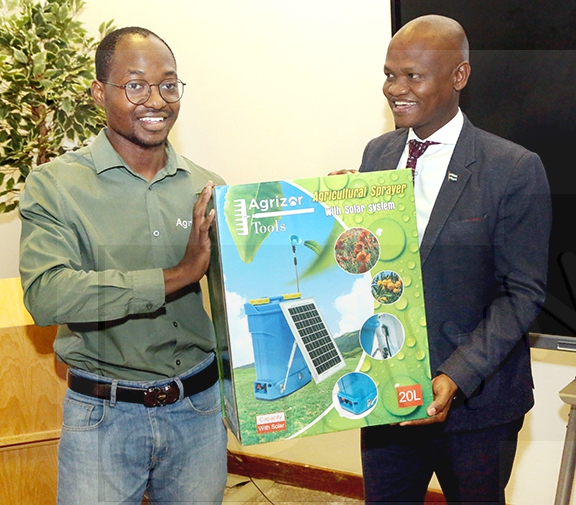
    Tswana Fuel donated 10,000 litres of diesel worth P162,800 while Agrizor donated 10 advanced solar powered agricultural sprayers with improved pump pressure and a durable battery with power to last up to eight hours, as well as an additional P5,000.

  • Orange Botswana Donates Equipment to Selebi Phikwe Schools

    Orange Botswana Donates Equipment to Selebi Phikwe Schools

    Government has commended Orange Botswana for its efforts to improve digital literacy in the country’s educational sector. 

    Assistant Minister of Child Welfare and Basic Education, Mr Justin Hunyepa officiated the handover ceremony of essential technology equipment to Selebi Phikwe Primary School and Selebi Phikwe Senior Secondary School on Tuesday.

    The donation included a digital kit comprising tablets, headsets and laptops to the primary school and a printer to the senior secondary school. Mr Hunyepa praised Orange Botswana for its commitment to enhancing education, saying it was a collective responsibility. 

    He said Orange Botswana’s efforts indicated that enhancing education was a collective responsibility, saying the approach will facilitate the achievement of the desired goals for strong academic performance by learners, and will also motivate teachers to continue striving for excellence.

    “The support from Orange Botswana is a vital step toward bridging the digital divide in the region and empowering the youth with skills essential for their academic and future professional pursuits,” Mr Hunyepa said.”

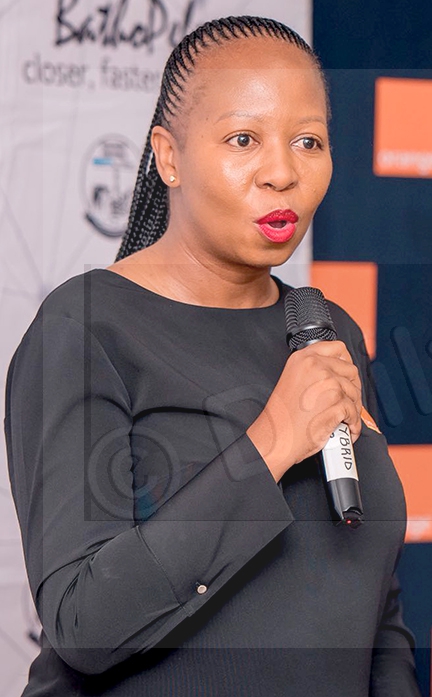
    Orange Botswana’s Public Relations and Communication Manager, Ms Tebogo Nadisah, said the partnership with Selebi Phikwe Town Council demonstrated the power of collaboration in creating opportunities for the community.

    Selebi Phikwe Mayor, Mr Oageng Makgosa, welcomed the donation, saying it would strengthen the efforts of learners and teachers and further enhance the town’s academic performance. 

  • Women Empowerment Key to National Development

    Women Empowerment Key to National Development

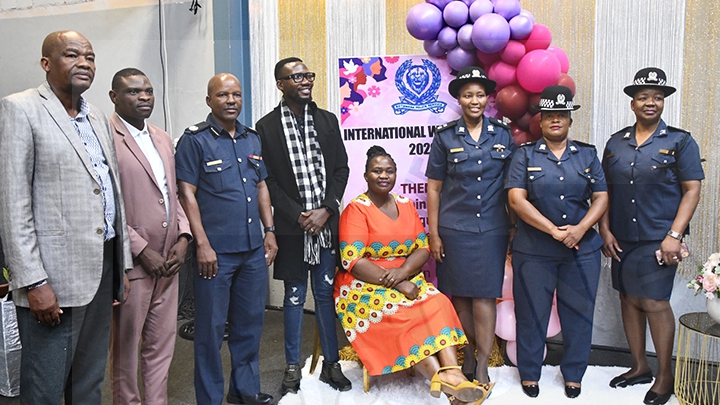
    Empowering women is crucial for national development, says acting Department of Gender Affairs officer, Mr Nelson Molapi during the commemoration of International Women’s Day for Women Police Officers in Francistown on Wednesday. 

    Mr Molapi, said empowering women was about equal opportunities, not competition with men. He highlighted the importance of equal promotion and leadership opportunities, professional development and safe work environments for women police officers.

    “For women police officers, empowerment includes equal opportunities for promotion and leadership and continuous professional development as well as safe and supportive workplace environments,” he said

    Women in policing play a vital role in society, serving with courage and professionalism, and contributing to justice and public safety. Mr Molapi mentioned that the commemoration of International Women’s Day does not only remind the world of the great strides made in advancing the rights of women and girls but also reflects on work that still lies ahead.

    He therefore encouraged women to support each other, mentor young girls, and promote respect and dignity in workplaces and homes.

    Assistant Commissioner of Police, Mr Bonosi Molapisi, praised women police officers, citing their leadership, resilience, and networking abilities.  It is to this end, Assistant Commissioner Molapisi said women as agents of change, should believe in themselves so that they could continue to positively influence a larger spectrum of the society.

    Pastor Melody Banda urged women to be bold, firm, and assertive, depending on God’s word to advance their cause. The International Women’s Day commemoration highlighted the progress made and work remaining in advancing women’s rights. The  event was celebrated under the theme: Give to Gain: Advancing Justice, Equality and Empowerment of Women and Girls.

  • North West District Records 448 Diarrhoea Cases

    North West District Records 448 Diarrhoea Cases

    Due to continuous heavy downpours across the country, the North West district is experiencing a spike in waterborne diseases such as diarrhoea and malaria.

    The district has recorded 448 cases of  diarrhoea and one death during the third quarter, of which 80 were with dehydration and 36 with blood in stools. This surge in diarrhoea cases is threatening the lives of children as some areas across the district are now hit by flooding.

    The situation is reported to be worsened by poor hygiene, consuming inappropriate foods and failure to properly managed dehydration. The district also registered 56 cases of malaria and one death of a 76-year old man. Out of the cases three are children aged under five.

    This transpired during a presentation of nutrition surveillance report to the District Disaster Management Committee. Apprising the committee, North West District Council community health nurse, Ms Cindrella Gaebowe revealed that the district experienced diarrhea cases every year especially when the Thamalakane River was flowing.

    Shortage of clean drinking water from homes, she said was also a challenge as water was rationed, noting that lack of parental care especially by youth and teenage mothers exacerbated the situation.

    “They often leave their children’s welfare under the guidance of their grannies due to overwhelming demands while some go to urban areas or entertainment areas,” she added.

    Ms Gaebowe said efforts were made by health educators on prevention measures as well as encouraging mothers to boil water for drinking and to always wash hands before infant feeding. She also highlighted that there was possibility of increased severe underweight and wasting due to food insecurity issues by some families since they could not afford the three meals per day, and that there was no ration in health facilities.

    The report indicated that the annual severe underweight stood at 0.4 per cent in 2023 due to inadequate dietary intake as some families were unable to secure enough food and lack of parental care. Cases of severe underweight were recorded at Thito Clinic with eight cases followed by Kubung with seven, and five in Kareng while Chanoga and Matlapana registered three cases each.

    In 2024 and 2025, the district recorded 0.3 per cent and according to Ms Gaebowe, the annual total underweight prevalence rate remained at 1.7 per cent for those years attributing outbreak of diseases like diarrhea to the high underweight prevalence.

    On other issues, it was reported that 57 suspected cases of rabies had been recorded and one case that resulted in death at Matlapana. There has been an outcry that unvaccinated stray or free-roaming dogs are the main source of rabies in humans.

    In response, officials from the department of Veterinary Services announced that from next week, they would embark on a massive campaign to vaccinate dogs and cats in an effort to reduce the risk of rabies. The department has also taken a decision to kill all unvaccinated dogs roaming the streets as they pose danger to members of the community especially children.

    “Cases of rabies are on the rise because every test we conduct in dogs, the results become positive and one person lost life because of rabies hence we want to intensify vaccination to reduce casualties.Increased wildlife exposure is also causing concern due to some areas proximity to protected areas as some animals fight for leftovers with dogs,” revealed Mr Marang Motlapele from the department of Veterinary Services. 

  • Child Grant Programme Registration Ongoing

    Child Grant Programme Registration Ongoing

    Registration for the Child Grant Programme has commenced in the North East district with more than 186 children already recorded in two weeks. 

    North East District Council (NEDC)’s deputy Council Secretary – Operations, Mr Uyapo Mafunye said in an interview that the plan was to speed up the registration process and ensure that registration was completed by end of March in order to allow the programme to commence in April as intended. 

    Prior to the take-off of registration, Mr Mafunye said the district council had undertaken consultations with the leadership of villages across the district with the view to help raise understanding and appreciation of the programme. 

    Information about roll-out of the programme was disseminated through online platforms, announced during kgotla meetings and at clinics during morning health talks, he explained. 

    Mr Mafunye said the Social and Community Development (S&CD) offices in villages in the district were serving as registration points and added that so far registration was progressing well. 

    Regarding requirements that needed to be met for registering a child, he said the child must be under 12 months of age at the time of registration and be a Motswana. 

    Further, he said a child’s primary caregiver should have stayed in the district for more than six months, a requirement that he explained was intended to avert people registering in more than one district. 

    He said the other requirements included availing a child’s birth certificate as well as the caregiver providing proof that the child was legally under their care. 

    Mr Mafunye said in cases where one of the parents was a foreigner, the child would still be eligible to benefit from the programme. 

    On the possibility of the child grant being used for unintended purposes, he noted that it would be necessary to conduct periodic checks to certify that money was being used for the benefit of the children. 

    “Social workers and other leaders will monitor the condition of children both at home and during monthly clinic visits,” he said, adding that anyone not using the money properly would be liable to legal action under the Children’s Act. 

    On the other hand, he said the district would intensify public education and empower especially the girl child empowerment on the dangers of engaging in sexual activities at a tender age, particularly because of the possibility of teenage pregnancies rising due to young girls wanting to benefit from the programme.

  • Intersex Persons Bank on Constitutional Court for Recognition

    Intersex Persons Bank on Constitutional Court for Recognition

    For people born with variations in sex characteristics, commonly referred to as intersex, life in Botswana is often marked by an everyday fight for recognition, dignity and equality.

    As the nation debates the establishment of a Constitutional Court, the stakes for intersex persons are especially high. For them, this is not just a legal reform discussion, but a matter of validation, protection and the fundamental right to exist without fear of discrimination.

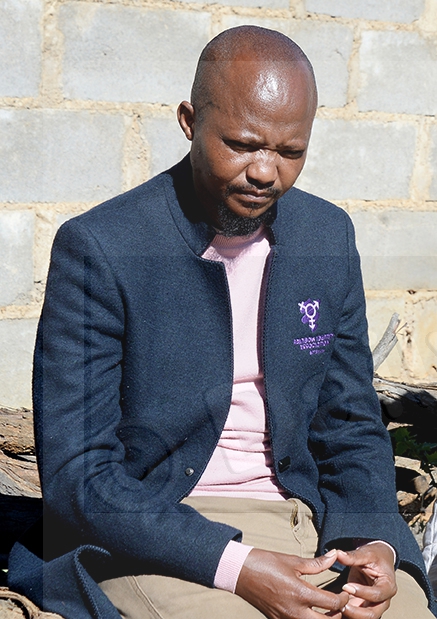
    Meet Kagiso Bannye, 42, whose life reflects the challenges faced by those living between rigid gender classifications. Born with ambiguous sex characteristics, Bannye’s journey has been shaped by early medical interventions, including genital surgery, bureaucratic barriers and persistent social exclusion.

    The genesis of Bannye’s troubles traces back to birth, where he could not ordinarily be identified as a boy or a girl. Bannye is among members of the Rainbow Identity Association, an organisation advocating for the rights and recognition of intersex persons. Their experiences point to a broader systemic problem, one that demands urgent attention.

    “The challenge in Botswana is that when a child is born, they are assigned either male or female. We are saying that we are intersex individuals belonging to neither category; we should be assigned zero or three,” Bannye said.

    This lack of legal recognition often results in confusion and humiliation when accessing basic services at hospitals, police stations and immigration offices. Growing up, Bannye’s birth certificate identified him as female, despite his masculine appearance.

    “Sometimes you are forced to undress to prove who you are,” he said. “In some offices, they even call others to come and look at your nakedness.”

    Bannye believes constitutional reform could offer protection by formally recognising intersex persons and allowing appropriate gender markers. When the then Minister for State President, Mr Kabo Morwaeng, tabled the Constitutional (Amendment) Bill No. 4 of 2024, which sought to prohibit discrimination against intersex persons and people with disabilities, Bannye and others felt hopeful. That hope was short-lived.

    The Bill was rejected after strong opposition, particularly from a coalition of churches. Some Members of Parliament even called for the word ‘intersex’ to be removed from the proposed amendments. Bannye said much of the resistance stems from confusion.

    “People think intersex means same-sex,” he said.

    Thus, Bannye believed clearing the confusion and misunderstanding could somehow tip the scale in their favour hence acceptance. The misunderstanding and confusion are captured by the Centre For Human Rights study on the human rights situation of intersex persons in Africa, which notes that people confuse intersex persons with lesbians, gays, bisexuals, and transgender persons.

    The centre said intersex related to biological sex characteristics, while lesbian, gay, bisexual and transgender identities concern sexual orientation and gender identity.

    Although the initial constitutional amendment bill’s rejection left Bannye and the intersex community feeling disenfranchised and vulnerable to discrimination, the currently debated Constitutional Amendment Bill of 2025, tabled last year by Minister for State President, Defence and Security Mr Moeti Mohwasa aimed at establishing a Constitutional Court, could be their hope for inclusivity and asserting their rights.

    He believed the court could become a critical platform for intersex persons to assert their rights.

    “The starting point is legal gender recognition. That would allow intersex people to change their gender marker and live with dignity.”

    Weighing into the debate, an attorney, Mr Mboki Chilisa, Managing Partner at Collins Chilisa Consultants, noted that a Constitutional Court dealt with human rights and constitutional issues, thus promoting constitutionalism, strengthening institutions and democracy, and helping realise aspirations as set up by the Constitution.

    Mr Chilisa further noted that specialised jurists would be better equipped to address complex human-rights cases involving marginalised groups. As consultations on the Constitutional (Amendment) Bill of 2025 continue across the country, intersex persons like Bannye are watching closely, hopeful that this time, the law will finally see them.

    A paediatric surgeon based at Life Gaborone Private Hospital, Dr Kutlo Motlhobogwa, said the condition commonly referred to as intersex was medically known as Disorders of Sexual Differentiation (DSD). He explained that children born with DSD had chromosomes, gonads or genitals that did not fit the typical binary definition of male or female.

    Dr Motlhobogwa noted that DSD was a complex medical condition that required careful attention and affected many children and families across the country.

    “It is important to understand that it is sexual differentiation,” he said, explaining that all humans initially developed similarly in the womb, but biological processes later differentiate them into male or female. 

    However, disruptions in this process can result in intersex conditions. Dr Motlhobogwa, who runs Bana Kerona Pediatric Surgeon, further said many children experienced this condition, adding that it was often easier to manage in girls than in boys.

    He said surgical interventions could help achieve normal appearance and function, while stressing the importance of a multidisciplinary approach involving medical professionals, psychologists, families and society in supporting affected children.

  • Letsatsi le Tlhabetse Bomme ba Sepako

    Letsatsi le Tlhabetse Bomme ba Sepako

    Mokgatlho wa Dingaka tsa Malapa (Botswana Association of Family Physicians) o tlaa etela bomme ba kwa Sepako kgwedi eno e le 20, go ba tlhatlhobela le go tsibosa ka kankere ya molomo wa popelo, gammogo le go thusa ka tsa botsogo ntle le tuelo epe.

    Dr Keneilwe Motlhatlhedi go tswa kwa mokgatlhong oo, o tlhaloseditse BOPA fa kankere ya molomo wa popelo e le nngwe ya dikankere tse di bakang dintsho mo Botswana, selo se a reng se utlusa botlhoko ka gore e ka thibelwa le go alafiwa fa e lemogwa ka nako.

    A re bontsi jwa bomme kwa magaeng ba bona thuso morago ga nako ka ntata ya go tlhaela kitso ka bolwetsi jo, le go tlhoka go etela bongaka go itekodisa le fa motho a sa lwale. O tlhalositse fa bomme ba ba dirang mo lekaleng la booki ba ithophetse go dirisa nako le bokgoni jwa bone go thusa bomme ba Sepako, kwa kgaolong ya Nata, mo kgweding eno ya bomme.

    Dr Motlhatlhedi o supile fa setlhopha sa baithaopi mo thulaganyong e se tlaa goroga kwa Sepako Mopitlo a le lesome le boferabobedi, go rulaganyetsa tiro e. A re bomme ba tlaa tlhatlhobelwa kankere ya molomo wa popelo mahala, go akarediwa le Pap smear. Go tsweng foo, a re ba tlaa romelwa kwa mafelong a mangwe a kalafi go ya ka maduo a bone.

    “Re tlaa ba fa thuto ya tsa boitekanelo, e e tlaa akaretsang tlhathobo ya madi a matona le sukiri mo mading,” Dr Motlhatlhedi a tlhalosa a bo a tlatsa ka gore, bomme ba tlaa fiwa kitso ka go tlhokomela boitekanelo jwa bone.

    Lenaneo la tiro e, le tlaa akaretsa thuto ka phetogo ya loapi le kafa e amang botsogo ka teng. Go ya ka Dr Motlhatlhedi, go gotela ga loapi go baka mathata a mantsi a botsogo mme gape go ama temo-thuo le matshelo a batho ka go farologana. O supile fa lefatshe leno le itemogela mogote o o feteletseng le dipula tse dintsi, diphetogo tse di tsalang malwetsi. A re pula e baka monang, o o anamisang bolwetsi jwa Malaria.

    “Ka jalo go botlhokwa go ruta batho ka ditlamorago tsa go fetoga ya loapi,” Dr Motlhatlhedi a supa.

    O supile fa bomme ba tlaa abelwa dipeo tsa ditlhare gore ba di leme kwa malwapeng a bone, mme gape ba tlaa lema ditlhare kwa sekoleng sa motse, kgotla le kwa kokelwaneng, go thusa go fokotsa ditlamorago tsa phetogo ya loapi. Dr Motlhatlhedi o kopile badiri ba tsa botsogo ba bangwe go dirisana le bone go ruta bomme ka malwetsi a a ba amang le go atolosa ditirelo tsa tlhatlhobo ya molomo wa popelo.

    Go ya ka pego ya bosheng, modulasetilo wa Mokgatlho wa Dingaka tsa Malapa, Dr Claire Brockbank, o kaile fa mokgatlho o itumelela go tshegetsa lenaneo le, le setlhogo sa letsatsi la mafatshefatshe le reng: Give to Gain, se se rotloetsa go abelana le tirisanommogo.

    Dr Brockbank o akgotse Dr Kesegofetse Chabaesele, go simolola lenaneo la go isa ditlamelo tsa booki kwa setshabeng, le go tsamaya le setlhopha sa dingaka le baoki ba ba nang le maikaelelo a a tshwanang go ya go abelana nako le kitso ya bone le kwa magaeng.

    Dr Brockbank a re o lemogile gore fa e sa le ka 2015, lefatshe leno le simolodisitse go neela basetsana ba dikole mokento wa Human Papillomavirus (HPV), a re kgato e, e dirwa go fokotsa kankere ya molomo wa popelo mo dikokomaneng tse di tlang.

    O kgothaditse bomme ba dingwaga tse di masome mabedi le botlhano le go feta, go nna ba itlhatlhobela kankere ya molomo wa popelo, ka e le tsela e e ka thusang go lemoga diphetogo tsa ntlha tsa kankere le go thibela dintsho tse di bakwang ke bolwetsi.

    A re lenaneo la go lema ditlhare ke go tokafatsa matshelo a bone mo tikologong e ba tshelelang mo go yone pele ga bokopano jwa World Organisation of Family Doctors (WONCA) Africa 2026, jo bo tlaa tshwarelwang mono Gaborone ka Lwetse. O laleditse mekgatlho ka go farologana go thusa go tokafatsa botsogo jwa bomme le go boloka matshelo a batho. 

  • Mapodisi a Boloditse Letsholo la Ipabalelo Tseleng

    Mapodisi a Boloditse Letsholo la Ipabalelo Tseleng

    Lekalana la pharakano la sepodise sa Tsabong le simolodisitse letsholo la ipabalelo tseleng ka go tsamaya le dikereke le gasa molaetsa wa go re dikereke di ipaakanye go sale nako, pele di tsaya mesepele e metelele.

    Mo potsolosong, mookamela mapodisi a pharakano mo kgaolong ya Kgalagadi, Superintendent Ruben Ramoleele a re ba simolotse letsholo la go gakolola diphuthego tsa dikereke ka go farologana ka bomosola jwa go ipabalela mo tseleng le go tlhomamisa gore malwapa le dithoto tsa bone di sala di sireletsegile.

    Supt Ramoleele a re ba itemogetse botlhokwa jwa go buisana le baeteledipele ba dikereke go baakanyetsa mesepele ka nako le go tlhomamisa gore ba tsamaya ka dikoloi tse di itekanetseng e bile di kgweetswa ke bakgweetsi ba ba nang le diteseletso tsa go kgweetsa setshaba go fokotsa dikotsi tsa tsela.

    A re go botlhokwa go obamela matshwao le melawana ya tsela, go tlotla badirisi ba bangwe ba tsela le go pega merwalo e lekanetseng. Moruti Alice Masanako wa kereke ya Eloyi a re boeteledipele jwa dikereke bo lebogela dikgakololo tsa sepodisi.

    Moruti Masanako a re mapodisi ba itlamile go tshwaragana le setshaba go fokotsa dikotsi tse di gapang matshelo a batho ka malatsi a Paseka.