Author: Daily News

  • Govt Transforms Energy Sector

    Govt Transforms Energy Sector

    The implementation of the 500 MW solar photovoltaic plant and a 500 MWh Battery Energy Storage System in Maun positions Botswana as a net exporter and a leader in the regional energy transition.

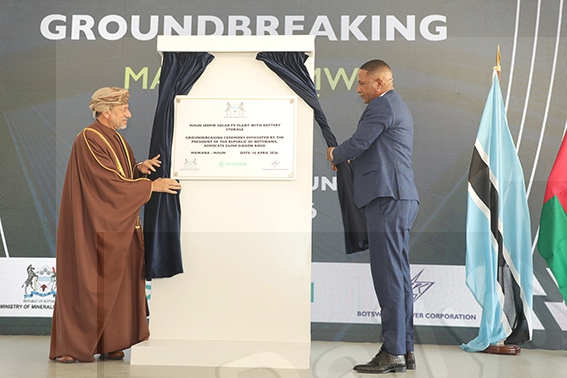
    Implemented through government-to-government partnerships with the Sultanate of Oman, the solar plant will be the largest grid-scale solar project in Botswana, and the second-largest energy storage project in Africa to date. Once operational, it will inject 500MW of clean and reliable power into the national grid. The mega project is expected to be commissioned in 2029.

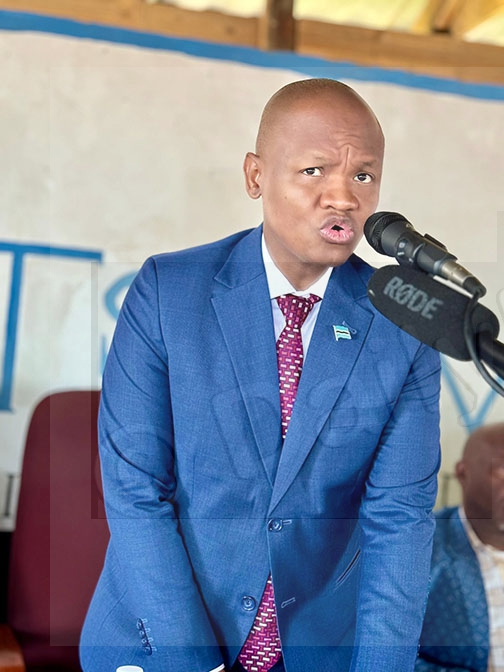
    Officiating at the ground-breaking of the project, President Advocate Duma Boko said  government was doing everything to elevate Botswana’s stature on the global energy landscape, acknowledging that the project placed Botswana firmly among the leading nations in energy storage development on the African continent.

    Government, he said was decisive in transforming the energy sector from fossil-based to a diversified energy mix, comprising both renewable and non-renewable sources. Vision 2036 targets to increase the share of power generation from solar and other renewable sources to 50 per cent by 2030, from a current baseline of approximately eight per cent and to achieve that President Boko stated that government had adopted a revised and accelerated Integrated Resource Plan, aimed at fast-tracking renewable energy deployment and positioning Botswana as a net exporter of electricity by 2030.

    “This is not just a project. It is a clear statement that Botswana is poised to be a regional energy hub. We are advancing steadily to provide affordable and clean energy across all economic sectors, in full alignment with Sustainable Development Goal 7, which aims to ensure access to affordable, reliable, sustainable, and modern energy for all by 2030, focusing on increasing renewable energy and improving energy efficiency”.

    President Boko further extended sincere gratitude to the Sultanate of Oman and their partners from Oman, saying government valued their collaboration and looked forward to its continued growth as the country moved towards building an economy that was powered by clean energy; an economy that was competitive and one that created opportunities for Batswana.

    Furthermore, he noted that government was focusing on accelerating the implementation of an Integrated Resource Plan in order to deliver 1.5 gigawatts of renewable energy by 2030, saying that would indeed bring to light the broader ambition of being a regional hub for solar energy generation.

    The gathering learnt that Botswana was uniquely positioned to lead in the energy space with over 3 200 hours of sunshine annually and some of the highest solar irradiation levels in the world, which positioned the country as a natural hub for solar energy development. While government was vigorously and expeditiously integrating renewables to enhance the energy mix through projects such as the one in Maun, President Boko reiterated that Botswana remained committed to fighting climate change and global warming.

    “As a party to the United Nations Framework Convention on Climate Change and a signatory to the Paris Agreement which seeks to limit global warming to well below 2 degrees, ideally by 1.5 degrees by 2030, we have pledged and resolved to reduce greenhouse gas emissions by 15 per cent by 2030 relative to 2010 levels”.

    The reality of climate change, he said was no longer abstract but was rather immediate, visible and at times disruptive. While Botswana contributed a small fraction, approximately 0.02 per cent to global carbon emissions, he appreciated that the country was among the most vulnerable to its consequences.

    Persistent droughts, extreme temperatures, and environmental stress, he cited, were no longer distant threats but present realities affecting livelihoods and economic stability.

    Kgosi Tawana Moremi hailed government for advancing efforts to plug into solar energy, which he said was extensively adopted globally. He said solar energy was a renewable and abundant resource that once harnessed could provide significant benefits to daily life.

    “This project is a welcome development in Ngamiland, the sunlight itself is free and once harvested, the project will provide benefits to our community and the nation at large. The project also has the potential to stimulate the local economy,” he added.
  • Ministry Receives Books Worth P6M

    Ministry Receives Books Worth P6M

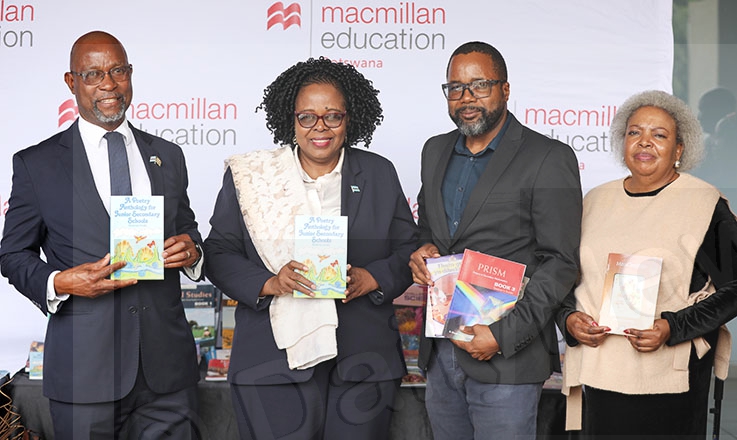
    The Ministry of Child Welfare and Basic Education has received a donation of prescription and supplementary books valued at P6m from Macmillan Education Botswana, in a move expected to enhance access to learning materials across the country.

    The books were officially handed over during a ceremony held at the ministry’s headquarters on April 15. 

     Minister of Child Welfare and Basic Education, Ms Nono Kgafela-Mokoka, described the donation as a demonstration of shared commitment to education, literacy, and national development. 

    She emphasised that education remained the foundation upon which futures were built.

    “Books are gateways to knowledge, imagination and opportunity. For many of our learners, access to reading materials can be the difference between limitation and possibility,” she said.

    She further noted that private sector involvement reinforced the principle that education was a shared responsibility extending beyond government.

    Ms Kgafela-Mokoka assured that the ministry would ensure equitable distribution of the books to reach learners most in need. 

    She added that the materials would be distributed nationwide to schools, libraries, community learning centres, and literacy initiatives such as Project Bula Buka.

    The minister said the donation aligned with the objectives of the Education and Training Sector Strategic Plan (ETSSP), as well as the aspirations of Vision 2036 and the Botswana Economic Transformation Programme, all aimed at building a knowledgeable, productive, and innovative nation.

    Meanwhile, Macmillan Botswana Managing Director, Kenneth Kopano, said the initiative was inspired by last year’s floods, during which many learners lost their books.

    “It is imperative that when there is any form of disruption in the country, we ensure that our children’s dreams do not end because of it,” he said.

    He added that the donated books cater for learners from primary through to senior secondary level, and were available in both English and Setswana.

    Macmillan also reaffirmed its commitment to advancing education and expressed hope that the materials would reach and benefit affected learners across the country.

  • Go Latlha Ngwao ga se Tlhabologo

    Go Latlha Ngwao ga se Tlhabologo

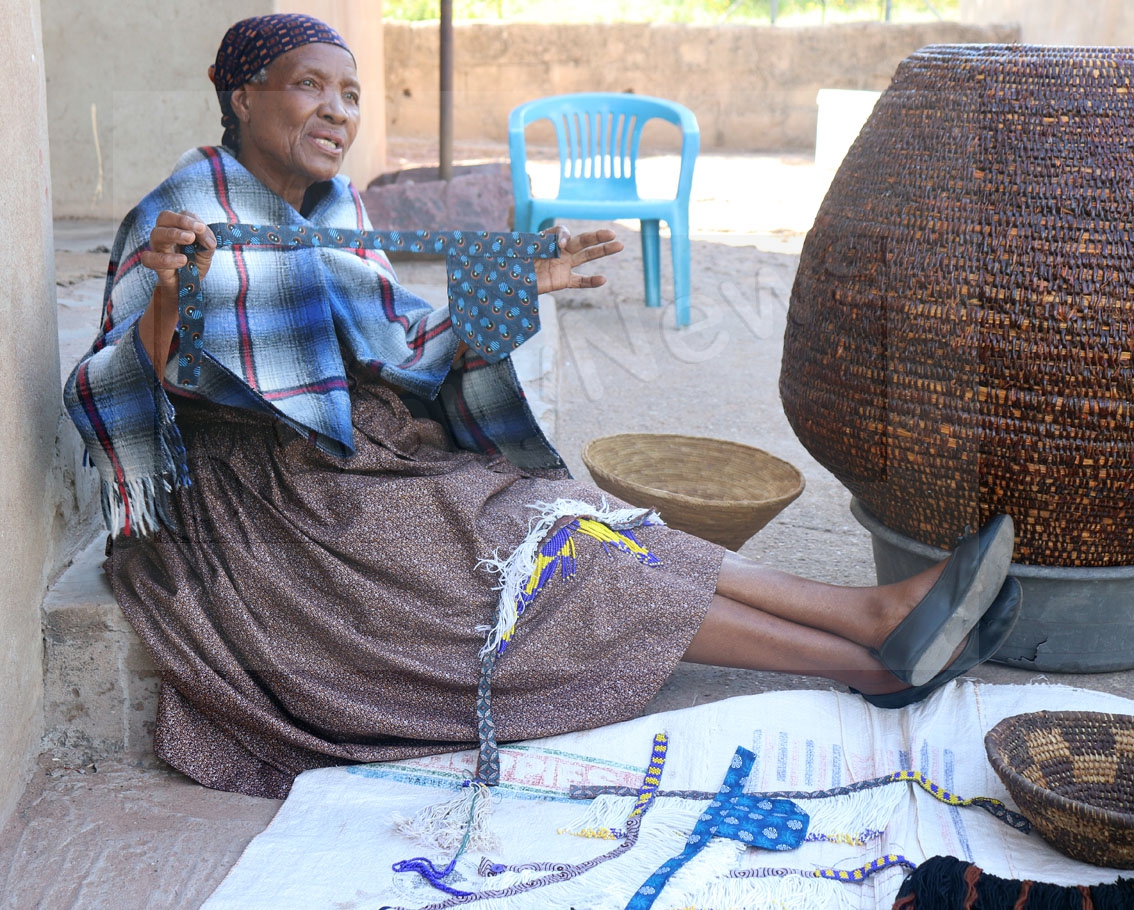
    Le mororo Batswana bangwe ba ikamantse thata le sesha le tlhabologo, bangwe jaaka Mme Opelang Nnanaakoko wa Molepolole ba santse ba ikaegile ka segagabo, se ba leng motlotlo thata ka sone.

    Mme Nnanaakoko a re go tshegetsa ngwao go mo dira pelotshweu ka e le selo se se sa mo tlhabiseng ditlhong.

    O dumela gore tlhabologo ga se go phuaganya ngwao mme ke motshelakgabo wa go ananya dingwao tsa ma-Aforika le tsa batho basweu.

    Mme Nnanaakoko, yo o dingwaga tse di masome a supa le bosupa a re fa a gola kwa masimong a Sehatlhane, o tlhalefile a fitlhela ntatemogoloagwe e le moroki yo mogolo wa disigo, fa nkukuagwe le batsalwa-le-mmaagwe e ne e ne e le baroki ba diaparo tsa setso le didirisiwa tsa mo ntlong.

    “Rremogolo e ne e le moroki wa disigo tse di kgolo, tse di agelwang mapakwana kgotsa serala gore di tlhongwe mo godimo ga sone. Serala se se ne se tshegetsa sesigo fa thobo e boloketswe mo go sone,” ga tlhalosa Mme Nnanaakoko..

    A re bonkukuagwe bone e ne e le ditswerere tsa go loga ditlatlana mme e bile gape ba rokela basetsanyana makgabe fa basimanyana bone ba ne ba ba direla ditshega.

    “E ne e re fa o ile kwa ga mmangwaneago o ile go mmelegela ngwana, o tlaabo a go otlhela makgabe o bo o itumela ka gore ka nako ya rona go ne go sena mokgabo,” ga bua jalo Mme Nnanaakoko.

    A re makgabe fa a sena go logwa, a ne a tshasiwa mafura a kgomo a bo a anegiwa mme e re maitseboa, mafura a sena go tsenelela mo go one go tlaa bo go ribegwa pitsa makgabe a bo a gotlhwa mo go yone gore a nne mantsho.

    Mme Nnanaakoko a re gompieno fa a dira makgabe o tshasa setlolo sa baselini ka gore mo metlheng eno mafura a kgomo a thata go bonwa. A re o dira gape diphaeyana, mateitshe, ditshega le makgabe a borankana

    “Ke roka mateitshi ka seatla fela mme a nna mantle go gaisa le baroki bangwe ba ba dirisang motshini o o rokang,” a bua a supa jeremane e e neng o kare e segetswe mo ngwana wa ngwaneng wa gagwe.

    A re ke mme wa dikitsokitso ka ebile gape o kgona go dira lebati la setso le le bidiwang setlatla mme gape a loga le ditlatlana. O ile a tlhalosa ka gore fa ba loga sika loo-tlatlana ba dirisa letlhokwa la motshikiri le moretlwa.

    “Moretlwa o, o kgetla matswele o bo o a baakanya ka thipana,” a bua jalo. A re sebe sa phiri ke gore majang a a maleba a nyeletse kgotsa a le teng mme a bonwa kgakala, ka jalo go se bonolo go ka a bona.

    Le fa ntswa a loga dilo tse dintlenyane jaana, mme e bile a ikokeditse kitso ka go loga disigonyana tse gongwe motho a ka di dirisang jaaka mmanki wa diaparo, a re kgatlhego ya gagwe ga se go oba letsogo fela, maikaelelo a mangwe ke go tsweledisa segagabo ka a se rata bobe.

    O ikgantsha ka gore o na le baja-boswa jwa kitso e, ka jalo e tlaare le motlhang a hularang ditlhokwa di tla mo robalela ka a tla itsamaela a setse a segile tema.

    A re morwadie e leng Mme Phatsimo Nnanaakoko ga mmogo le ngwana wa ga Phatsimo wa mosetsana e bong Katlego Moseki ba amule dikitso tsa gagwe e bile ba dira bontle fela thata.

    Mosadimogolo a re gone le fa go le boutsana mo thekong, wa mariga o a o ora ka bangwe ba a tle ba reke dithoto tse.

    O boletse fa dilwana tsa gagwe di lopa madi go tloga ka P250 go ya kwa godimo. 

    Katlego yo dingwaga tse di masome a mabedi le motso a re o ikaelela go e godisa ka go e bapatsa mo maranyaneng gore e bonwe kwa dikhutlong tse nne tsa lebopo e seng kwa Molepolole fela.

    “Ke batla go bula lebentlele la maranyane gore ke bapatse dinepe le ditshwantsho tsa motshikhinyego tsa dilo tse re di rokang le go supa gore re di thaya jang re bo re wetsa go ntse jang,” ga bua Katlego. 

  • Dikgomo Dingwe di Fitlhetswe ka Dikai tse Dikgologolo tsa Tlhako le Molomo

    Dikgomo Dingwe di Fitlhetswe ka Dikai tse Dikgologolo tsa Tlhako le Molomo

    Dikgomo dingwe di supile dikai tse dikgologolo tsa bolwetse jwa Tlhako le Molomo mo kgaolong ya Good Hope.

    Se, se builwe ke Motshwarelela Tona wa Lephata la Lefatshe le Temo Thuo Dr Edwin Dikoloti fa a ne a buisa phuthego ya kgotla kwa Digawana ka Laboraro.

    A re seemo, se ngomola pelo ka gore se supa fa barui bangwe ba ntse ba beile dikgomo ba sa di tsise fa pele ga bakenti go di tlhatlhobela bolwetse jwa Tlhako le Molomo, ntswa di ne di supa dikai.

    Ka jalo, o rotloeditse barui gore ba seka ba dira masaka a bone phitlhela-kgomo-ya-serotswana mme ba gollesega go bitsa bakenti ka seo, se ka thusa fela thata go laola kanamo ya bolwetse jwa Tlhako le Molomo. 

  • Death Row Cell Where Dawn is Memory and Grave is Roommate

    Death Row Cell Where Dawn is Memory and Grave is Roommate

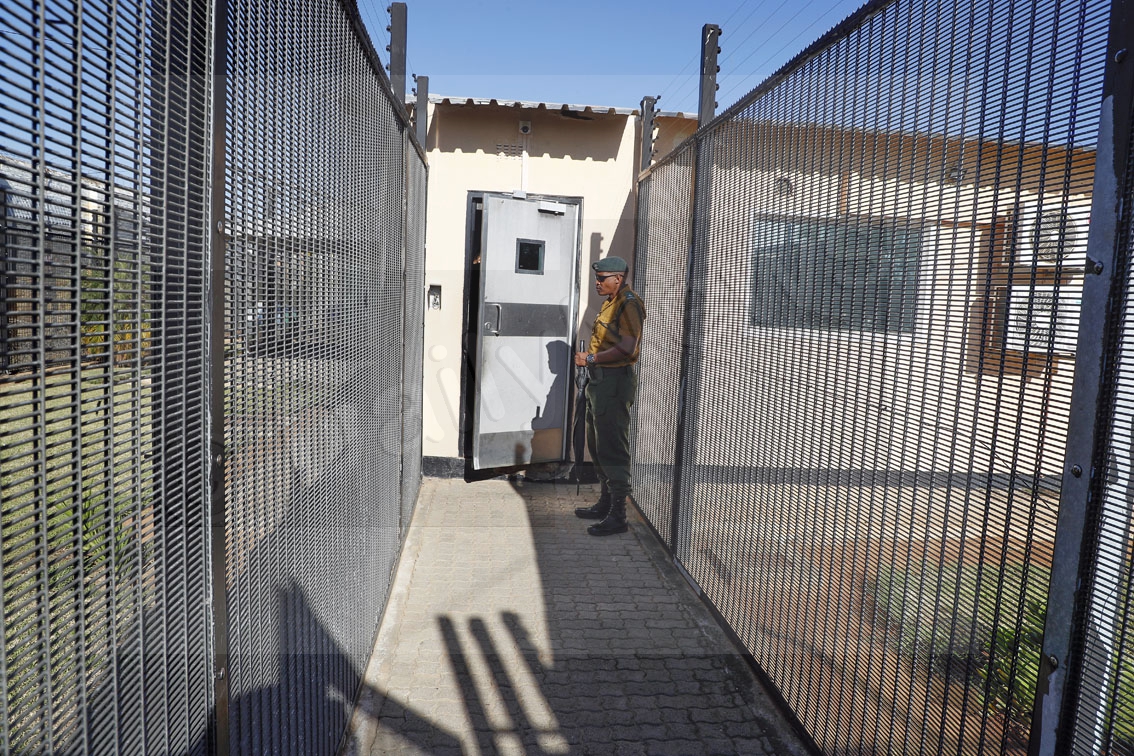
    A heavily guarded metal door swings open. Entrance is restricted and monitored by guards.

    As it shuts, the bang alone tells the story of confinement inside a maximum prison.

    Inside, there are no chairs, no beds. Men in maroon uniforms sit on the cold concrete with their backs to the wall. All is utter silence.

    The television set is switched off, and the cards they use to beat the wait for eternity or life have been surrendered.

    This is Gaborone Central Prison’s death row inmate Cell 10. Its neighbour is Cell 11, which houses the overflow of death row inmates.

    Above the cells’ dayroom, underwear dries on the rebar, layered with razor wire, like wilted flags of surrender.

    The inmates, eight in Cell 11 and twelve in Cell 10, sit here, as it is the only place they get a touch of sunlight in a place starved of it.

    Here, they see the sun for a moment and feel it from far enough to know it exists, but never enough to bask.

    Some have been here for years, others for months. On all of them, remorse is written across their faces, but remorse changes nothing.

    For some, appeals have failed, for others, pardon lingers, and hangman keeps a calendar known only to him.

    “We know we have committed offences and we have accepted that. This is a punishment like any other. It is what the law says,” said Gobuamang Ntsuape, a man who has been on death row since 2022.

    At some point, fear engulfed him, but he was comforted by the realisation that the law has to take its course, adding that the death penalty should be deemed like any other punishment, with no heavy escorts and sirens.

    As for Thomas Moeng, convicted of murder in 2021, the waiting is not without questions and hopelessness over a judicial system that failed him, even on the verge of death.

    “I did not file for an appeal,” he said, and his reason was that the period set for appeal had lapsed owing to a delay by the court in furnishing him with papers for his appeal, thus shutting the door on his appeal intention.

    He believes that were it not for the delay in his case law, his sentence could have been overturned, adding that for his August 2021 conviction for a 2006 murder, the court relied on witness statements of deceased persons.

    With the window of appeal shut, Moeng stands among the longest-serving inmates awaiting capital punishment, and knows his fate lies in the hands of the President, having been left by the previous President languishing in the dreadful Cell 10.

    “Buisanyang le ba molao lo baakanye late filing,” he said, explaining that for capital punishment, accused persons should fall by their case merits, not legal technicalities.

    Another challenge facing inmates is that some pro deo lawyers desert them after conviction, pointing out that their services covered only up to the trial.

    This leaves inmates on their own, despite lacking the expertise to manoeuvre legal requirements to file an appeal case before court, at times, even if they try, they can still have their appeals not heard because they skipped some processes.

    Among all the 20 inmates, not all have managed to have their appeals heard, but they are well aware that if fate had allowed, the Court of Appeal could have overturned their verdicts or even set them free. But that is water under the bridge. While other inmates have given up, Mooketsi Simba Mampori has opted not to give up. 

    He is appealing to the African Court on Human and Peoples’ Rights (AfCHPR), whose jurisdiction extends to countries that have ratified the Protocol to the African Charter on Human and Peoples’ Rights on the establishment of the court.

    “I am done with the Court of Appeal, and only waiting for what could happen,” said the former Botswana Defence Force commando, further accusing prison officials of stalling the filing of his papers to the AfCHPR.

    Another convict, Motlatsi Kgotho, has given up the fight and only waits for his day.

    “We stay for a very long time here,” said the man convicted in 2023, adding he has shifted focus to fighting sugar diabetes amid medication supply challenges.

     As for Atlholang Mujangi, the cells can be dreadful until one accepts their fate, noting that those outside should think deeply on the issue of capital punishment.

    “When you look at suicide cases, one wonders if the death sentence does not set our people’s minds to think that some problems can only be resolved by death,” he said.

    A former police officer also known as Two Meter, Mujangi was convicted for the murder of a Nyangabgwe Referral Hospital nurse in 2014. While his life and those of fellow death row inmates lie in the hands of fate, he believes there is need to offer counselling for the immediate family members of the convicts after a sentence is passed.

    The death sentence, he said, weighs heavily on immediate family members, noting his child could not afford to write Form Five examinations due to depression.

    Casting light on why loved ones should be helped, through counselling, to come to terms with the fate of convicts, he reckons that since in most cases the offences in question are the convict’s only brush with the law, and that they usually lead lives free of offending while their trial unfolds, their sentencing brings about a lot of emotional trauma for their families.

    In his case, during the period between the commission of the offence and his sentencing, Mujangi operated a public transport taxi for over seven years, a period during which he did not commit any crime, painting him to his loved ones as a family member in good standing, who only erred at some point.

    The death row inmate partially blamed the training that recruits in the defence force and police service as contributing to cases of murder, alleging that they were trained to use force and violence, which can then introduce officers to such behaviour.

    Although constrained within the prison walls, Mujangi believes those awaiting a date with the hangman can be of use to the fight against gender-based violence before their ultimate fate, as they would be talking from experience and having lived life as a perpetrator of the ill.

    Currently, the country has about 20 death row inmates, most of whom are not repeat offenders, waiting for clemency or execution.

  • New Life For Chobe as Rising River Levels Flood Enclave

    New Life For Chobe as Rising River Levels Flood Enclave

    The inflows are a result of the Zambezi River overflow pushing water downstream to Chobe River, through Chobe National Park, and down Ngoma, Muchenje, Mabele, Kavimba, Kachikau channel to Satau floodplains.

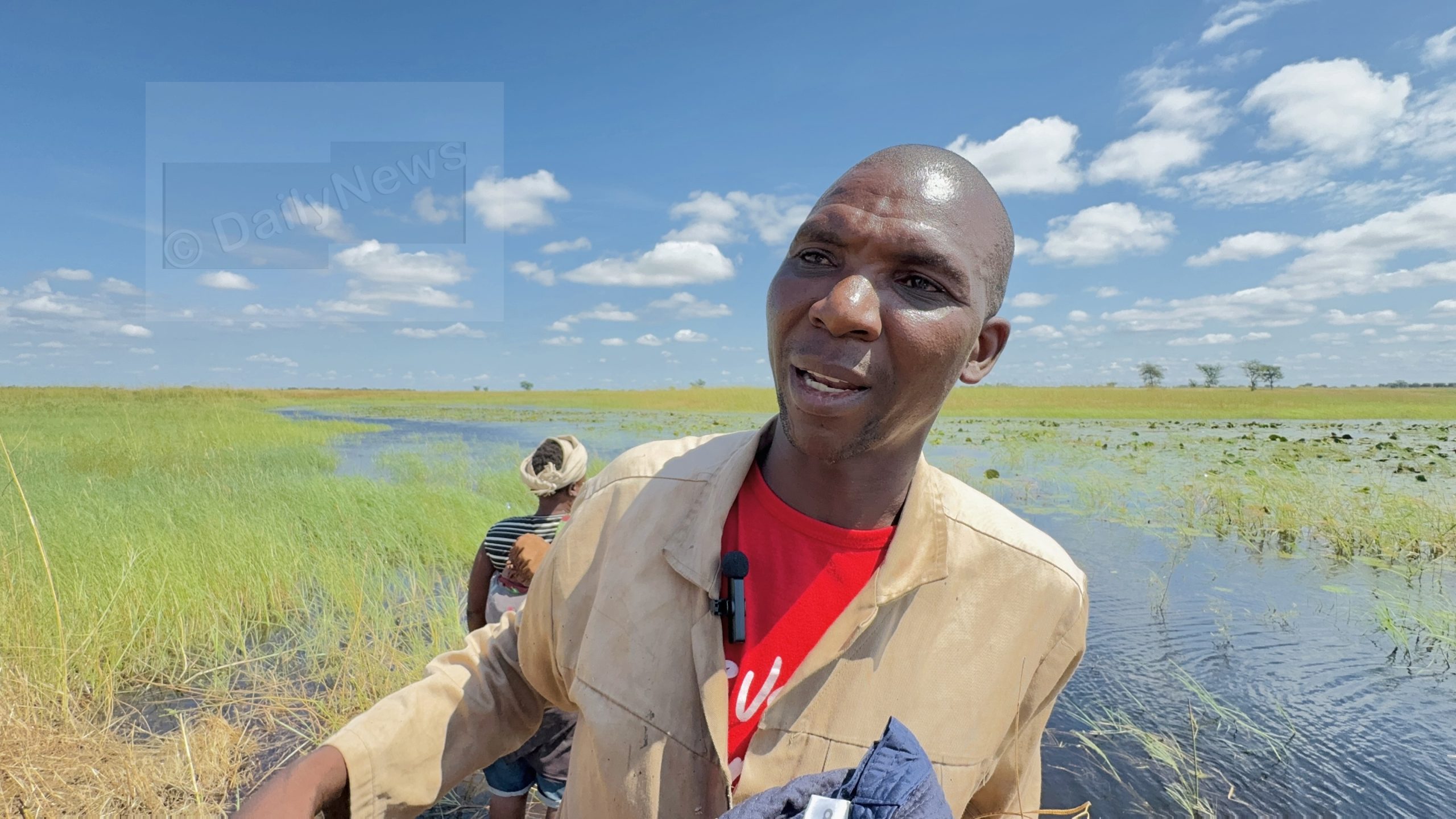
    Muchenje fisherman, Mr Chandapiwa Mokozi, said the rising inflows had renewed local optimism as the water now covered extensive floodplains in Muchenje. This year’s water quickly inundated the vast floodplains, a contrast to the previous year when the water moved slowly due to the parched ground caused by lack of inflow in 2024, Mr Mokozi said.He explained that the early arrival of the inflows, accelerated the fishing calendar prompting fishermen to relocate to the river and start their business.

    Mr Mokozi who fishes for household consumption while there are those who do it for commercial purposes indicated that they were always mindful to preserve biodiversity hence opted to use fishing hooks and not nets that could kill birds and other species drinking from water sources.

    The rising water levels signal new life in the Chobe region, sustaining people, livestock and wildlife who depend on the river as their primary water source. 

    Kachikau fisherman, Mr Gaseitsewe Kgothatso, stated that Chobe River had served as a vital economic engine for the people of Chobe for many years hence rising water levels brought so much joy to them.

    He said the river was a driver of the local economy enabling fishing, farming, excursions like boat cruises and picnics.

    Mr Kgothatso shared that fishing was his passion which he developed during his youthful days as a tour guide and he maintained it as a means to fulfill his passion and catch fish for his household.

    However, he said the river also posed a hazard on people because the river harboured dangerous animals like crocodiles, hippos and snakes.Mr Kgothatso shared that it was imperative that people maintained vigilance at the river when they go fishing adding that safety should be instilled in children at a young age so that they don’t go swimming at the river.Moreover he warned that people should never go to the river alone but with company to ensure help was available against potential river accidents.

  • Mogobye Rising Hip-Hop Voice

    Mogobye Rising Hip-Hop Voice

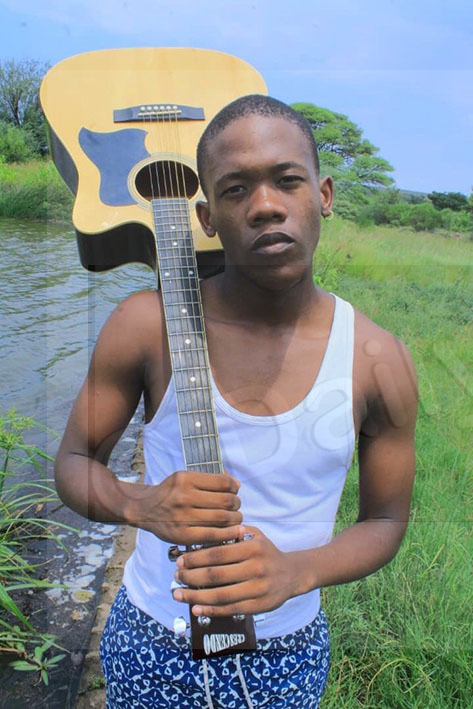
    From Boswelakoko Ward in Molepolole, Joel Mogobye, popularly known in the music circle as Trust Found, is carving his path in Botswana’s hip-hop scene.

    His journey began at 14 years-old, performing at local events such as the England Brothers’ Music Celebration and the Mokwena Show, among others.

    “My journey in the arts has been a wild ride,” he reflected. 

    Music to him is more than entertainment, but a way of expressing himself and connecting with others.

    Yet, like many local artistes, he has faced challenges, particularly financial constraints; Transport, recording costs, clothing for stage presence, and bouts of self-doubt have tested his resolve.

    His vision is clear: to inspire people, recognise talent from a young age and tell stories that bring communities together.

    “My music is about telling stories, sharing experiences, and encouraging Batswana to support child talent from an early age,” he explained.

    Trust’s role model was the late Dramaboi, whose songs he once performed for friends before writing his own.

    Today, he is not only a rapper but also a songwriter. “I do not just wake up and write a song. I observe, reflect on my experiences, and share them with my fans,” he said.

    Growing up surrounded by hip-hop enthusiasts, he was naturally drawn into the genre’s rhythm and energy.

    Among his singles, his favourite track is Bokamoso, which urges young people to make careful decisions and avoid the destructive path of drugs.

    “It is about ensuring the future is not lost to regret,” he advised and appealed to the Ministry of Sports and Arts to support local artistes. 

  • Govt Incurs P19.5m in Salary Overpayment

    Govt Incurs P19.5m in Salary Overpayment

    Government has incurred P19.5 million in public officers’ salary overpayment leakages by the end of March in the 2021/2022 financial year.
    Presenting the Public Accounts Committee (PAC) Report for the 61st Meeting (2021-2022 accounts) to Parliament on Wednesday, PAC chairperson, Mr Taolo Lucas said salary overpayments within the public service remained a major issue, which prompted audits and urgent calls for improved payroll controls.
    Mr Lucas noted that among all Ministries, Departments and Agencies (MDAs), the payroll lapses were particularly prevalent in the Ministry of Education with P10 million and the Ministry of Health with P6 million in overpayments.
    He also indicated that persistent delays in imprest retirement by public servants often resulted in employees retiring from the service without ever repaying the outstanding funds.
    The PAC also identified recurring glitches within the Government Accounting and Budgeting System (GABS).
    Mr Lucas regretted that the system’s poor performance had impeded productivity and economic growth for years.
    The malfunction of GABS was cited as a major contributor to low productivity regarding government’s execution of financial transactions, especially payments to suppliers.
    “From the many PAC sittings, it surfaced that GABS had overtime experienced many challenges of sub-optimal performance and has, during the period under review, failed to even process payment vouchers of government suppliers, something which could have hindered the growth of the economy,” he said.
    Mr Lucas expressed concern over lack of compliance by some accounting officers regarding PAC recommendations, stating that such defiance rendered the committee inefficient.
    He pleaded for the committee to be empowered with legislative frameworks to fully execute its oversight mandate.
    He highlighted that the committee had been regarded as ‘toothless’ for years due to its inability to take legal action based on its findings.
    As such, Mr Lucas urged Members of Parliament to provide statutory instruments that empowered the committee to scrutinise government spending and highlight waste to ensure sound and transparent public financial management.
    He emphasised that accountability in the public sector was about answering for how public money was spent.
    “One of the key roles of legislators should be to improve the economy, efficiency and effectiveness of government expenditure and enforce public accountability through effective probing and seeking for accountability from accounting officers,” Mr Lucas said.
    Commenting on the PAC report, Francistown South Member of Parliament, Mr Wynter Mmolotsi noted that payroll lapses were often administrative failures. “
    These failures lead to payments for non-existent employees when records are not updated promptly after a staff member leaves the service,” he said.
    Mr Mmolotsi, a former PAC chairperson, pointed out that delays in processing terminations resulted in payments for days not worked, particularly among temporary teachers.
    He urged ministries to rectify such issues by strengthening operational standards and ensure that contract renewals were processed well before current contracts expired.
    He highlighted the need to strengthen the PAC to ensure that authorities entrusted with public resources remained accountable.

  • Botswana Strives to Retain EU Market

    Botswana Strives to Retain EU Market

    Government will continue to strengthen prevention and control measures in the fight against Foot and Mouth Disease (FMD) in an effort to retain the premium European Union market, says Acting Minister of Lands an Agriculture Dr Edwin Dikoloti.Addressing kgotla meeting in Digawana on April 15, Dr Dikototi said following the outbreak of FMD in a traditionally green Zone 11 for over 50 years, Botswana would continue to put control measures in place to contain the disease in an effort to retain the lucrative beef EU market.To achieve that, he said farmers and members of the public must ensure strict adherence to FMD protocols in place and employ biosecurity measures in their farms.He thus implored farmers to bring forth their cattle and cloven-hooved animals for the ongoing surveillance where teams of veterinary doctors were on the ground carrying out the FMD surveillance in the Good Hope district.He underscored that if farmers strictly complied with the set protocols, Zone 11 would be back to its green status between 3-6 months.He said Botswana complied to international World Organisation for Animal Health Standards with regards to FMD, adding that the regulations reflected that if the country took two years without winning the battle against FMD, the zone would be listed as red.To be relisted as a Green Zone, he said was not easy. Thus he said it was critical for all to fight to retain the green zone status in order to retain the EU market.He said it was better to strive to maintain a green zone, which was a primary requisite to supply the EU beef market.

  • Team Botswana Intensifies Training

    Team Botswana Intensifies Training

    As preparations intensify for the upcoming Debswana World Athletics Relays Gaborone 26, Team Botswana has commenced a two-week training camp in Letlhakane, fully sponsored by Lucara Botswana to the tune of P1 million. The sponsorship package comprises P700,000 in direct financial support, with the remaining funds allocated to accommodation, catering, transportation, and other logistical requirements. During a courtesy engagement with Boteti District leadership, Lucara Botswana General Manager, Johane Mchive, confirmed that the team would have access to the Lucara stadium facilities at no cost.He further encouraged the athletes to serve as positive role models within the community. Team Captain Boitumelo Masilo expressed appreciation for Lucara’s investment, emphasising that structured preparation was critical to performance outcomes.Kgosi Dira Galeragwe of Letlhakane similarly commended the collaboration.