Author: Daily News

  • FMD Outbreak Prompts Abattoir Temporary Closure

    FMD Outbreak Prompts Abattoir Temporary Closure

    The Botswana Meat Commission abattoir in Lobatse has temporarily shut down, a decision that was informed by the outbreak of Foot and Mouth Disease (FMD) in Zone 11, Southern part of Botswana.

    This was done to allow for control interventions that will help restore the overall health integrity and compliance of the operation to control the disease.

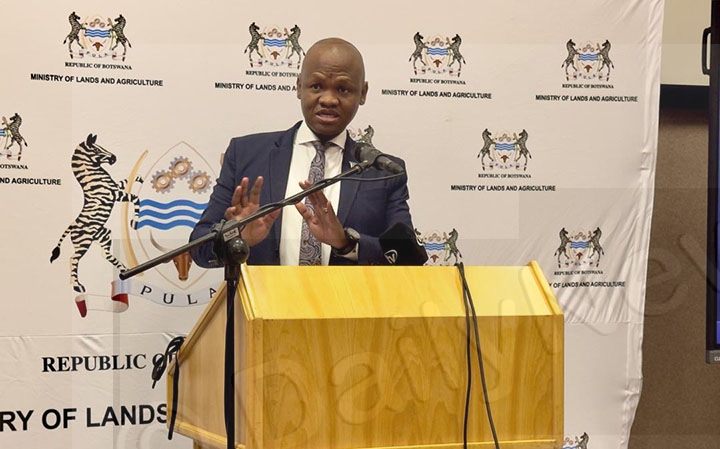
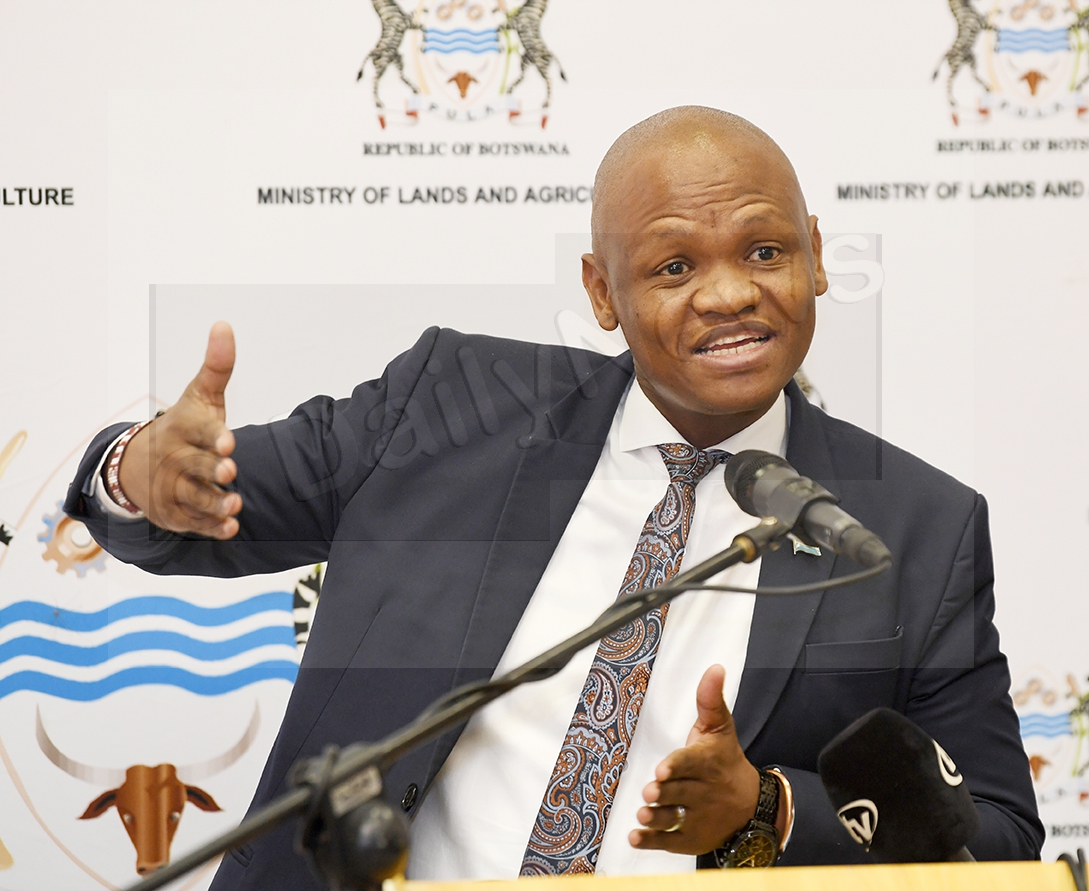
    Maun abattoir however, remains operational and efforts are underway to resuscitate the Francistown abattoir, Acting Minister of Lands and Agriculture, Dr Edwin Dikoloti said during a press brief yesterday in Gaborone.

    “There was already noticeable improvement that the BMC had registered but the closure of the abattoir has negatively impacted the gains.”

    Dr Dikoloti explained that as a result of the outbreak, slaughter operations had been suspended at key facilities which included Lobatse plant and other affected abattoirs, one of which had only recently secured licensing for domestic slaughter.

    He further said the government would donate around 50 000 FMD vaccines to Zimbabwe, to tighten its management and control efforts.

    Dr Dikoloti said the move, was a strategic alliance to ensure overall effective bilateral management of the disease across the two borders and the vaccines would supplement efforts evoked earlier this year, to continue containing the disease in the North-East Zones where the initial outbreak of the disease was reported.

    Under the control plan, the government has seamlessly restricted the movement of cloven-hoofed animals and their by-products beyond veterinary zones.

    In spite of the existing interventions by the government to contain the disease, a recent outbreak has been confirmed in the Goodhope region, particularly in the Ramatlabama Artificial Insemination Centre.

    Dr Dikoloti stated that the emergence of the disease in the Goodhope region, particularly Ramatlabama Artificial Insemination Centre suggested that there was need for more intentional approaches to manage the spread of the disease.

    “Despite that there was zero movement of animals in or out of the Ramatlabama Centre, we still reported an outbreak, implying that it could have diffused through other means,” said Dr Dikoloti, adding that government’s approach would be more stringent and strategic, to the control of movement of animals within the veterinary zones.

    Department of Veterinary Service acting director, Dr Kobedi Segale assured the nation that the government had heavily invested necessary resources including highly qualified health professionals with the competencies required to help Botswana manage the scourge and restore its international reputation.

    “Our aim is to recapture the markets we have already lost since the disease broke out,” said Dr Segale and pleaded with farmers to tighten their oversight responsibilities regarding movement of animals across gazetted zones.

    “Let’s exercise patriotism and nationhood in our individual approaches to manage this scourge. We can only manage if farmers are selflessly invested in the control plan. This is a controllable disease, if we remain united and selfless, there would be no need for the government to spend more in fighting it,” he said.

    So far, from the P97 million fund reserved for controlling the FMD scourge, P37 million has been utilised.

  • FNBB Bankrolls Grand Prix with P6m

    FNBB Bankrolls Grand Prix with P6m

    First National Bank Botswana (FNBB) has been announced as the Botswana Golden Grand Prix title sponsor after injecting P6 million sponsorship.The event, which has been relegated to silver status, will be held at the National Stadium on April 26.Speaking at the sponsorship launch on April13, Minister of Sport and Arts, Jacob Kelebeng said FNBB’s investment was not only financial, but an expression of confidence in the talent, ambition and potential of Batswana.Kelebeng said partnerships of such nature did a lot to anchor sport, strengthened its credibility and gave it room to grow.“For us as government, this partnership reinforces our mission to develop sport as a pathway for opportunity, pride and national progress. For the organisers, it provides the foundation required to deliver an event that meets global standards. For the nation, it is a moment to rally behind a project that unites us and showcases our capabilities to the world,” he said.He further said the FNB Botswana Golden Grand Prix would serve as a test event for the World Athletics Relays, which Botswana would host on May 2-3.Kelebeng said the event provided an opportunity to demonstrate Botswana’s readiness to deliver world class events with excellence and professionalism.Beyond the track, he said the effects of the Grand Prix extended into the broader economy, because hosting an event of this magnitude stimulated economic activity, created opportunities for local businesses and boosted sectors such as tourism, hospitality, creative industries, transport and services.He added that ordinary Batswana would benefit, directly and indirectly, from the success of the event, which affirmed that sport was not only about medals but also served as a driver of development.FNBB chief executive officer, Steven Bogatsu said Botswana was living through a defining sporting era as athletes had changed how the world viewed the country.He said they had shown that excellence could rise from schools, communities and national discipline, and athletes had also given young people something of priceless proof that global greatness could wear Botswana’s colours.In that regard, Bogatsu said the FNB Botswana Golden Grand Prix was one of the clearest expressions of the new era.“Under the leadership of Glody Dube and with the commitment of partners across the sporting ecosystem, this event has grown into far more than a competition,” he said.Bogatsu said the event was now a platform of national significance, as it told the world that Botswana could convene elite sport, inspire local talent and convert athletic excellence into broader economic and social value.Furthermore, he said it demonstrated that the nation could host with confidence, organise with professionalism and compete with credibility.

  • Prison XI Clinch Automatic Promotion

    Prison XI Clinch Automatic Promotion

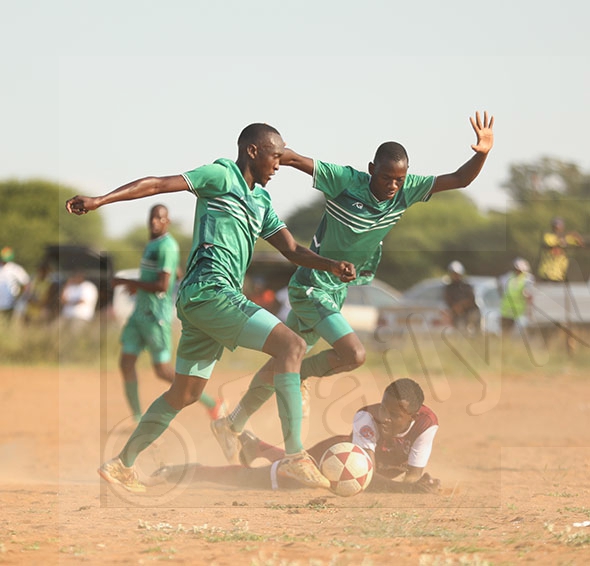
    First Division South league log pacesetters Prisons XI have automatically gained promotion to the elite Botswana Premier league.The Warders, as Prisons XI are fondly called in football circles confirmed their top flight spot by a narrow one-nil victory over Holy Ghost Sporting Club, at Holy Ghost Park in Mmopane on Saturday.Prisons XI promotion to top fight league campaign was further cemented by a shocking result in Lobatse where second placed Dinare FC who were heavily breathing on their necks succumbed to a similar score line against less fancied Union Flamingo Santos.With stakes high for the visitors at the start of match, the home side were no pushovers as they are also eyeing to finish inside the top four bracket and qualify for the FA cup berth.Prisons XI had to wait until the 50th minute when Kebatshabile Monthe struck from a goalmouth melee after home team goal keeper, Lefika Ngwako failed to collect an easy shot inside the box.The home team buoyed by a sizeable number of supporters on the western side had numerous chances in front of goal in the first half while Prisons XI sat back and absorbed pressure forcing the two sides to go to the break goalless.Tatenda Mbikiwa’s charges undoubtedly the hungrier of the two sides upped their tempo after the break and struck five minutes into the second stanza through a well-placed Monthe tap in.The home team had several chances to level matters but were indecisive on all occasions.The Holy Boys could not stage a comeback against a water tight defensive line of the Warders who held firmly onto their advantage to clinch victory and outright promotion to the elite league.Dinare FC secured a spot in the promotional playoffs despite losing on home soil.In other First Division South league games played on Saturday afternoon, Thamaga Shooting Stars compounded Majweng FC woes by beating them 3-1.Majweng has been relegated to the Kweneng region division one league.Taung Young Strikers shared the spoils with Jwaneng Young Stars while Security Systems and Notwane FC also played to a goalless draw.

  • Human Activity Suspected In FMD Outbreak

    Human Activity Suspected In FMD Outbreak

    Acting Minister of Lands and Agriculture Dr Edwin Dikoloti has revealed that the recent Foot and Mouth Disease (FMD) outbreak at the Ramatlabama Artificial Insemination (AI) Training Centre is suspected to have been spread through human activity.

    Addressing the media during a briefing in Gaborone on April 13, Dr Dikoloti indicated that preliminary investigations pointed toward lapses in biosecurity protocols, with the disease likely introduced through contaminated clothing, equipment, or other materials handled by people.

    “Preliminary investigations revealed that no cattle had recently been introduced to or moved out of the farm, ruling out direct animal transmission,” he said.

    He said the FMD outbreak recorded on March 31 was initially detected at Ramatawama Artificial Insemination (AI) facility.

    “This development comes despite a significant investment of approximately US$ 9.4 million (over P100 million) in the biosecurity fence surrounding the facility,” he said. The affected farm currently houses 258 animals.

    He said initial cases were identified within a group of 64 cattle, where two bulls showed clinical signs consistent with FMD.

    The Acting Minister also revealed that the FMD outbreak in Zone 11 had triggered strict movement restrictions on livestock, including the closure of the Botswana Meat Commission (BMC).

    “The closure has negatively impacted the gains that the Botswana Meat Commission had recently begun to realise,” the Minister said.

    He explained that as a result of the outbreak, slaughter operations had been suspended at key facilities, including the Lobatse plant and other affected abattoirs, one of which had only recently secured licensing for domestic slaughter.

    “Despite these setbacks, BMC had managed to slaughter 12 291 cattle, with over 95 per cent originally earmarked for the European Union market, and payments to farmers reached approximately P156.6 million,” he said.

  • Lobatse Launches Heritage Hiking Trail

    Lobatse Launches Heritage Hiking Trail

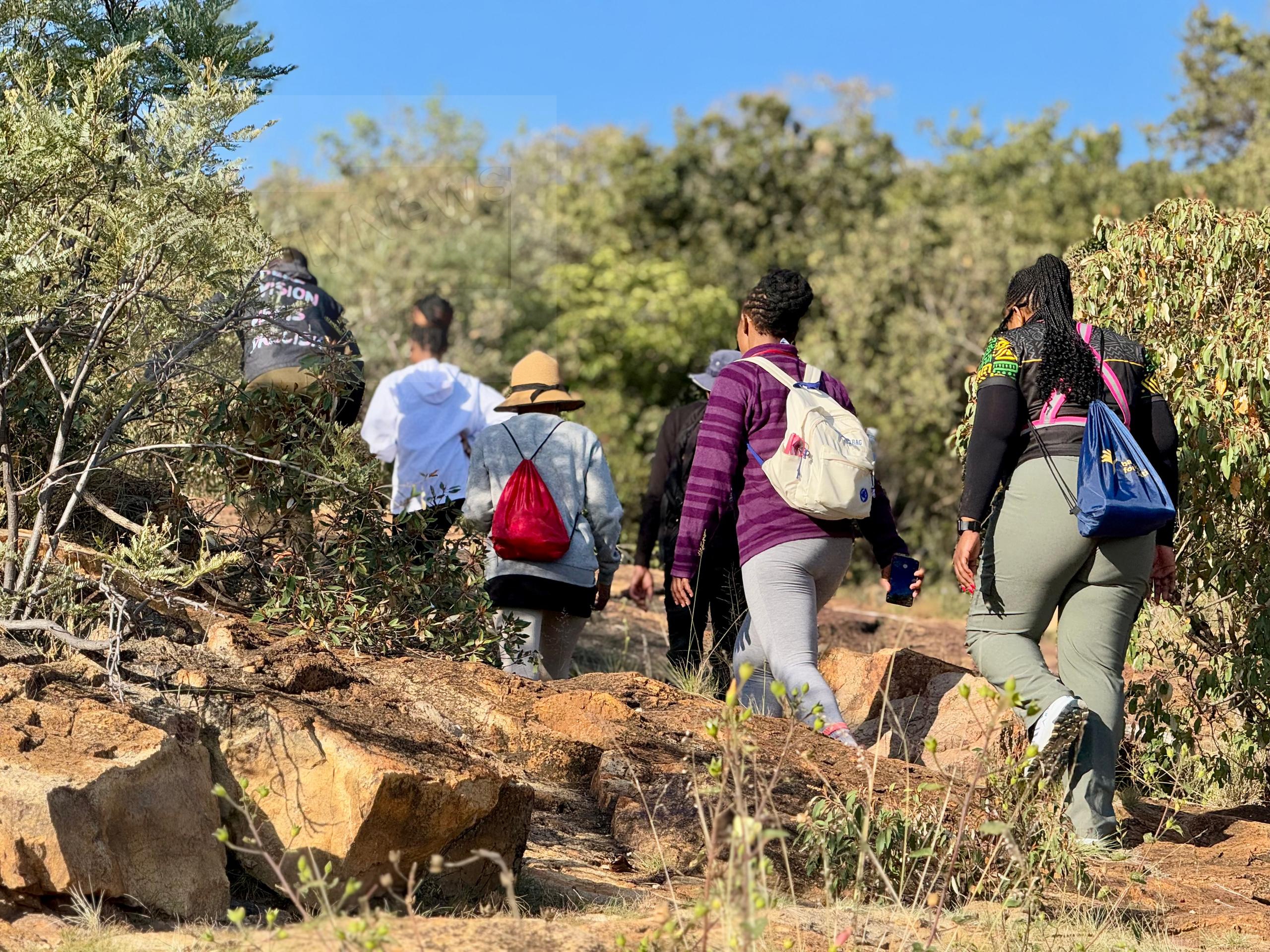
    The historic Lobatse Heritage Hiking Trail which highlights the historic sites at Lobatse and the town’s contribution towards the liberation struggle in the Southern African Development community region, was officially launched today. 

    ‎It showcases historic sites such as the Fish Keitseng monument, Samora Machel monument, The Old Legislative Council and Mandela’s hideout spot at Peleng, amongst others. 

    ‎It was officially launched at Peleng Kgotla by the Ministry of Local Government and Traditional Affairs, deputy permanent secretary for Social Development, Mr Kabo Moseki. 

    ‎He emphasised that Lobatse played a critical role in shaping the political landscape in the SADC region, including South Africa and Mozambique, where several liberation struggle legends such as the late South African former President Nelson Mandela, Mozambique first President Samora Machel, sought refuge in Lobatse. 

    ‎He noted that the first African National Congress took place at Lobatse, shaping the polity of neighboring South Africa. 

    ‎He underscored that preservation of such heritage was critical to economic diversification, adding that cultural heritage had great potential to add high value to Botswana’s tourism portfolio. 

    ‎In addition, he noted that such heritage development would create employment opportunities for locals, as well as boost both international and domestic tourism.

    ‎For his part, Lobatse Mayor Mr Aron Ganakgomo said the launch of the trail was an important development milestone that was long overdue. He said Botswana’s first hiking trail would also showcase the beautiful and mountainous Lobatse landscape.

  • Owa Shares Indigenous Healing Practice

    Owa Shares Indigenous Healing Practice

    As the world commemorated the International women’s Day in March, to celebrate the strength, resilience and brilliance of women around the world, one Metsiamanong native, Morwalo Owa (63) has proven the strength and brilliance of an Indigenous woman as a household traditional health caregiver while residing in the wilderness Central Kalahari Game Reserve (CKGR) with no modern health facilities or establishments within her vicinity.

    “For us locals to reach out for healthcare services, we have to travel over 300km to New Xade settlement or Ghanzi” she said.

    Owa, who was born and raised in Metsiamanong in the CKGR, narrated that, life in the game reserve was tough, as there were no economic activities that could accelerate local empowerment of the residents.

    She said survival was solely based on the provisions of social/humanitarian services from government and also ploughing rainfed crops in their backyard and domestication of goats, donkeys and horses.

    Owa said since it was a norm that mothers took centre stage when it cames to management of household health care, she went an extra mile with traditional health care especially for the children.

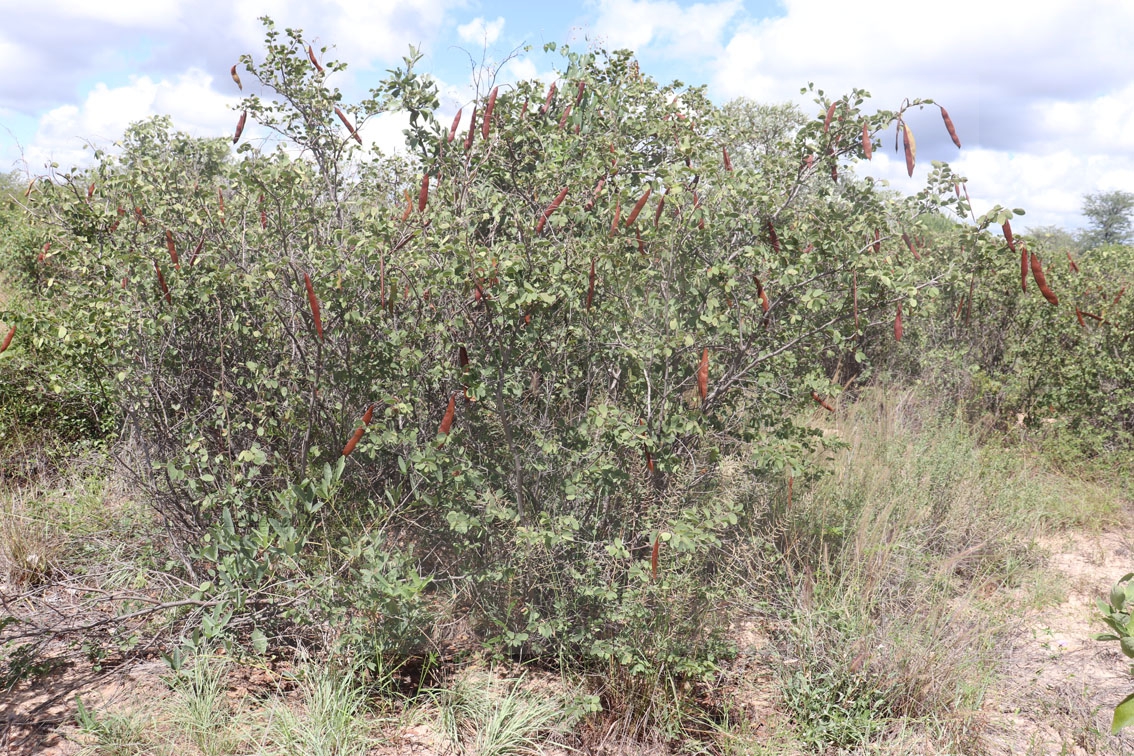
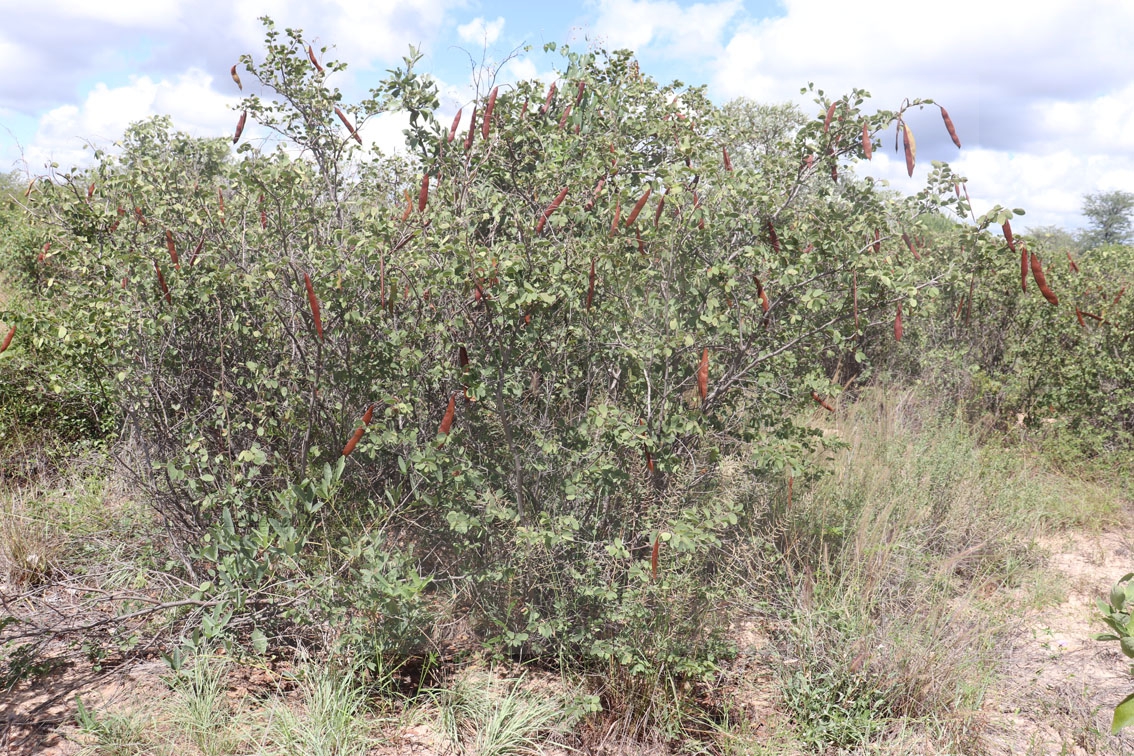
    She indicated that she used ‘mogotswe seeds’ scientifically known as Bahunia macrantha and commonly known as Kalahari camels’ foot, which they gathered from the bushes to make a nutritious powder for malnourished children and other related traditional ailments.

    She said she mostly gathered the seeds after rains and its processing was more of labour intensive.

     She explained that, after gathering the seeds, she broke open the seed pods with a traditional knobkerrie, thereafter, the seeds would be roasted in the pot. 

    After a cooling off period, they would be pounded into a powder.

    She emphasised that the powder would be the final output product and no other ingredients were added, making it an organic product, which would be later stored in containers for later use whenever a need arises.

    She attested that there were no cases of malnutrition in CKGR due to the fact that most women in their communities within the game reserve were knowledgeable with the production of this nutritious medicine and therefore relied on it for the upbringing of healthy children.

    She said the indigenous knowledge on the medicinal purpose was imparted to them by their elders, saying they were keen to nurture it too and preserve it for their young generations in order to preserve their culture from extinction.

    However, Owa decried that, since they lacked local empowerment projects in their communities within the CKGR, she proposed that government could consider to facilitate them to set up joint small industries that would enable them to produce the medicine in bulk upon meeting all the required health standards.

    Moreover, she proposed that, they could be empowered with financial and entrepreneurial skills and be linked with relevant authorities that would test the standard of their medicinal content. 

    She said their wish was to expand their produce to include indigenous fruits to produce various medications and penetrate different markets.

    She said the move would economically uplift indigenous women, help protect traditional health system as well as empowering them to contribute to more inclusive and culturally grounded health approaches within their communities.

  • End of an Era

    End of an Era

    Born and raised in the dusty, quiet village of Digawana over four decades ago, Tshepo “Talk Talk” Motlhabankwe rose to become a household name in Botswana football.

    Like many boys of his generation, in the absence of structured academies, Motlhabankwe honed his skills on makeshift grounds, kicking a plastic ball with friends. Few could have predicted that the shy youngster would mature into one of the country’s most respected footballers.

    According to his former teacher and coach at Lobatse Secondary School, Boniface Lekaba, Motlhabankwe’s talent became evident as early as 1998 when boarding students were just passing time over the weekend soccer game. 

    “He was reluctant to play for the school team at first,” Lekaba recalled. “I think he was intimidated by older, more established players, some of whom were already registered with clubs like Lobatse Stars and Extension Gunners.”

    With encouragement, Motlhabankwe eventually joined the school team, playing primarily at right back, though he occasionally featured in midfield.

    Lekaba revealed that he had earmarked him for Botswana Meat Commission (BMC), where he was coaching at the time, but the problem was from Motlhabankwe’s father, a staunch Extension Gunners supporter.

    After leaving school, Motlhabankwe briefly joined Kanye-based Southern Pirates before making a pivotal move to Extension Gunners.

    Patrick Phale, a close family friend and mentor, shared how they facilitated the move.

    “We took him for trials at Gunners without management knowing,” he said. “When coach Daniel ‘Chico Dance’ Nare accepted him, we then negotiated his release. Back then, transfers were not as complicated as they are today.”

    It was at Extension Gunners, around the year 2000, that Motlhabankwe’s raw talent was refined under Nare’s guidance. He went on to establish himself as a key figure for the Peleng side, even captaining established players such as Itumeleng “Tumi” Duicker and Nephtally “Scara” Kebalepile.

    His performances eventually earned him a move to Mochudi Centre Chiefs, much to the disappointment of Gunners supporters.

    At Chiefs, Motlhabankwe enjoyed tremendous success, winning three league titles in the 2007–08, 2011–12 and 2012–13 seasons. He was part of a formidable squad that included Pontsho Moloi, Oteng “OT” Moalosi, Jerome Ramatlhakwana, Mpho “Jomo” Mabogo and Noah Maposa.

    He later returned to Lobatse for a brief stint with BMC before joining Township Rollers in 2015. Despite being in his 30s, Motlhabankwe enjoyed a remarkable late-career resurgence, winning four consecutive league titles from 2015-16, 2016-17, 2017-18 and 2018-19..

    During his time with Rollers, he was part of the historic squad that won the 2018 Mascom Top 8 and reached the group stages of the CAF Champions League, competing against continental heavyweights such as Al Ahly (Egypt), Espérance (Tunisia) and KCCA (Uganda).

    Motlhabankwe concluded his playing career at Gilport Lions before transitioning into coaching.

    Widely regarded as one of the finest right backs of his generation, he was also a key member of the Botswana national team, the Zebras. He played a pivotal role in the team that qualified for the 2012 Africa Cup of Nations (AFCON), a historic achievement for the country.

    Having been introduced to the national team setup by coach Veselin Jelusic in the early 2000s, Motlhabankwe remained a dependable figure for over a decade.

    Following news of his passing this past Sunday, tributes have poured in from across the football fraternity, honouring a man who left an indelible mark on the domestic game.

    He will be laid to rest tomorrow in his home village of Digawana.

  • Stable Owner Shares Highs and Lows of Investing in Racehorses

    Stable Owner Shares Highs and Lows of Investing in Racehorses

    Owning a successful race horse can yield financial returns, particularly when the horse triumphs in prestigious competitions.

    Beyond the monetary rewards, the thrill of watching a horse one has trained and nurtured,  compete and win before an enthusiastic crowd brings an unmatched surge of adrenaline for owners and trainers alike.

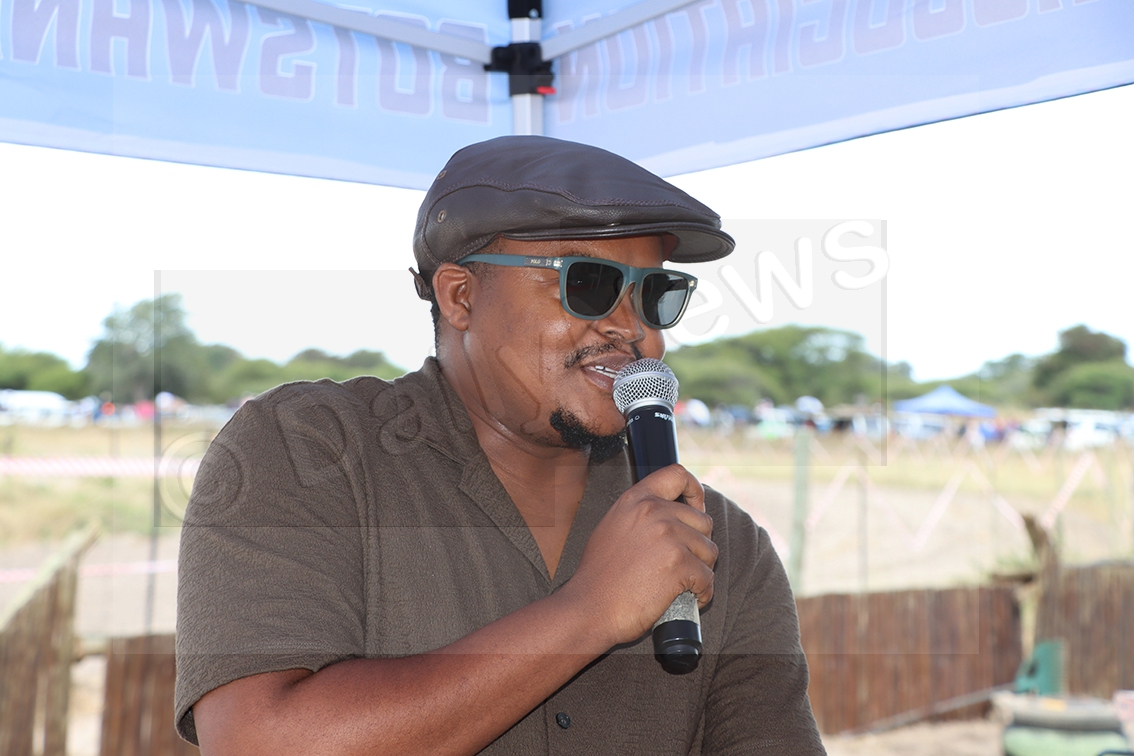
    For Timon Kelebeng of TT Stable in Motokwe, victory is about more than excitement. His prominent horse, Western Bypass, recently clinched the 2400-meter grand race at the Masa Easter Cup held in Samedupi, walking away with P20,000 in prize money.

    Despite the win, Kelebeng views the earnings as merely a validation of the dedication and passion invested in raising the horse.

    Western Bypass, a thoroughbred, has consistently dominated local races. Last year, it won the same Masa Easter Cup, earning P30,000, and successfully defended the title this year.

    Kelebeng, who owns six racehorses, expressed confidence in Western Bypass, attributing its consistent performance to quality care and training.

    “The prize for horse racing events in Botswana remains very low due to lack of sponsorship, yet the cost of maintaining a race horse is extremely high. Winning P20 000 is just a drop in the bucket,” Kelebeng said in an interview.

    He called on potential sponsors to support the sport in order to grow the industry.

    Kelebeng who is also president of the Botswana Horse Racing Association noted that in other countries, horse racing was a thriving multi-billion-Pula industry that extended beyond the racetrack. 

    Top-tier horses can command millions even after their racing careers, providing long-term returns for their owners, he said.

  • No Law on Dog Breed Ban – Minister

    No Law on Dog Breed Ban – Minister

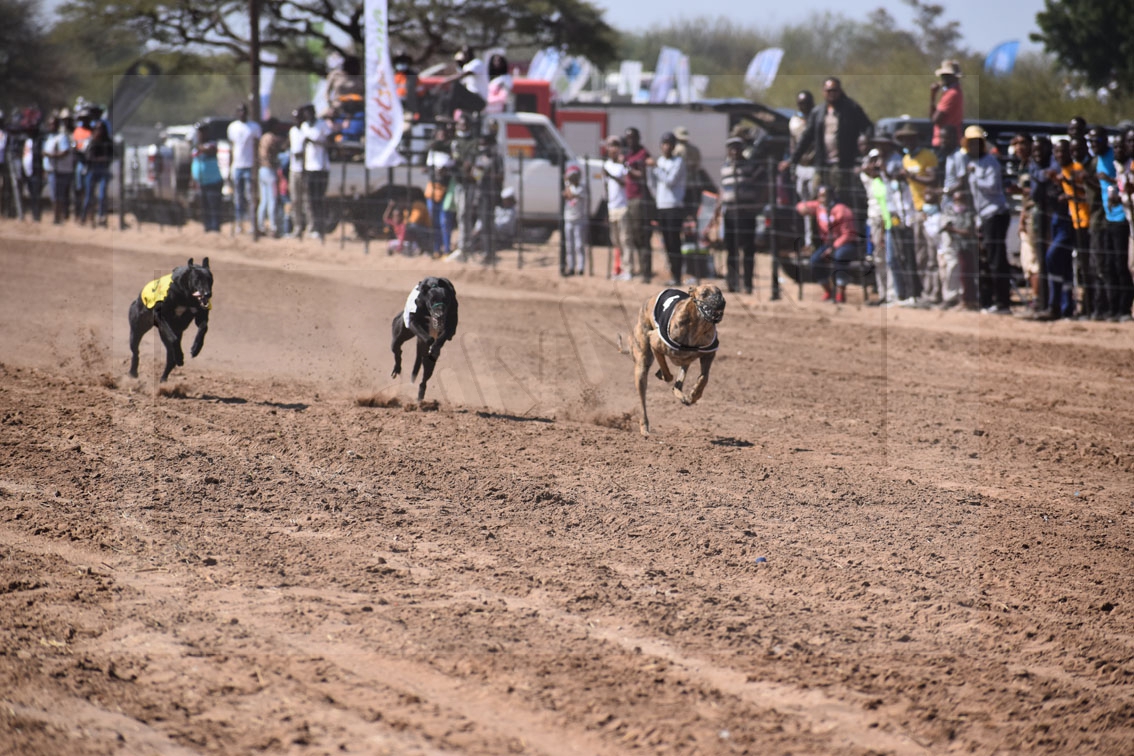
    Parliament has been informed that the current laws relating to animal health and production do not provide banning of any specific dog breeds in the country. 

    The laws include the Diseases of Animals Act (CAP 37:01), Cruelty to Animals Act (CAP 37:2) and its subsidiary regulations and the Livestock Improvement Act (CAP 36:04). 

    Answering a parliamentary question, on behalf of Minister of Lands and Agriculture on Wednesday, Minister of Water and Human Settlement, Mr Onneetse Ramogapi said the Cruelty to Animals Act protected animal welfare while on the other hand, the Livestock Improvement Act promoted and developed the livestock industry by improving the genetic potential and productivity as well as health of animals. 

    “I am however aware that in some jurisdiction, there are laws which specifically ban certain dangerous dog breeds,” he added citing that in the United Kingdom, the Dangerous Dog Act of 1991 prohibited dangerous dogs but that was not limited to pit bulls only, as it applied to other dangerous breeds. He added that considering the banning of domestic rearing of pit bull dogs on account of safety concerns should be preceded by public discourse which should balance public safety concerns with ethical, welfare and legal considerations. 

    Parliament was told that the ministry was available to advise councils on dog behaviour, traits and characteristics as they formulated by-laws regulating their keeping, maintenance and licensing within their jurisdictions. 

    Earlier, Member of Parliament for Kgatleng Central, Mr Mpho Morolong asked the minister if he did not consider banning the domestic rearing of pit bull dogs due to safety concerns. 

  • Mmolotsi Explains Tourism Sector User Fees

    Mmolotsi Explains Tourism Sector User Fees

    The Ministry of Tourism and Environment has not increased any user fees for the tourism sector. This was revealed by Minister of Tourism and Environment, Mr Wynter Mmolotsi when responding to a question in Parliament on Wednesday. 

    Minister Mmolotsi said consultations with the sector had been done to ensure that their views were incorporated into the final product.  “As stated earlier, there has not been any abrupt increase in fees. The process of reviewing the user fees is ongoing through a consultative process. As stated above all these were considered during the consultations and the final proposed fees will incorporate the concerns and guidance of the stakeholders,” the minister said. 

    He also said the country’s governance was premised on the principle of morero as a cornerstone for development. To that end, Mr Mmolotsi emphasised that the ministry recognised the importance of stakeholders in driving policy and would continue to engage them frequently in a transparent manner on any proposed changes in policy direction. 

    Minister Mmolotsi was responding to a question from Member of Parliament for Okavango East, Mr Gabatsholwe Disho, who wanted to know factors that informed the sudden and significant increase in prices and rates across the tourism sector, and why such changes were implemented without adequate notice or stakeholder consultation. 

    Mr Disho also wanted to know whether the minister had assessed the potential impact of such abrupt price hikes on the sustainability and competitiveness of the tourism industry, particularly for operators, employees and communities that depended on it. 

    He further asked whether the ministry appreciated that the abrupt policy and pricing changes created uncertainty for tourism operators and clients, disrupted forward bookings and investment planning. Additionally, the legislator wanted to know what measures were being taken to mitigate the negative consequences and restore confidence in the sector.