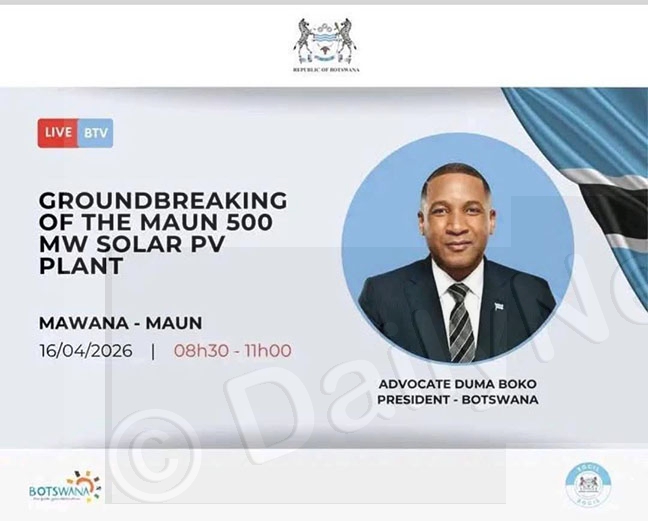
President Advocate Duma Boko will on April 16 officiate the implementation of the Maun 500MW solar photovoltaic power plant.The project is a government-to-government initiative undertaken by Botswana and the Sultanate of Oman and forms part of the infrastructure the government is setting up to achieve self-sufficiency in electricity, providing clean, affordable, reliable and adequate energy for sustainable development.It is expected to augment the government’s efforts of accelerating renewable energy development to secure electricity supply, expand electrification and lower its carbon footprint.It is hoped that the project will create job opportunities for locals, promote inclusive growth and support the development of local skills in the renewable energy sector.As Maun is in the process of transitioning into a green city, the North West district leadership has welcomed the project saying it came at the right time to bridge the national energy gap.“This is a large-scale initiative aimed to shift from coal to renewable energy and we appreciate that the project will significantly lower the need for our country to import electricity, improving national energy security and independence,” said North West District commissioner, Mr Thabang Waloka.He appreciated that solar energy was emerging as a promising renewable energy source, offering a clean and sustainable solution to meet the growing energy needs of all, especially for the rural community.He also stated that as Maun turned green, the expectation was that there would be a transition to a total reliance on solar energy.Mr Waloka also acknowledged that the project would not break dependence on imported electricity but would also create job opportunities for the locals and boost the local economy.
Author: Daily News
-

Botswana to Host Billie Jean King Cup
Different sporting codes in the country continue to grow and win the confidence of the world sport governing bodies by getting rights to host high-profile world-class tournaments.
The latest recipient of such an honour is the Botswana Tennis Association (BTA), who has been granted rights to host the Billie Jean King Cup Group III Africa for the first time.
As such 11 countries, including the host nation are expected to descend on Botswana for the July 13-17 showpiece to be held in Gaborone at the National Tennis Centre.
Botswana will host Algeria, Burundi, Cameroon, Ghana, Kenya, Madagascar, Namibia, Nigeria, Tunisia and Zimbabwe.
BTA president, Oaitse Thipe said the Billie Jean King Cup, which is also known as the World Cup of Tennis, was the largest annual international team competition in women’s sport.
Therefore, he said he was excited for the country to host a tournament of such magnitude adding that such an honour would mean a lot to the local tennis players.
He expressed confidence in the team that the association would assemble to compete against Africa’s best.
Thipe said the team was made of Ekua Youri, who is based in University of Santa Barbara California.
The team also has Chelsea Chakanyuka, who is at Hampton University in Virginia, Leungo Monnayo, Naledi Raguin who is based in France and Tshegofatso Tsiang, who is in the US.
“We also have young players like Malak Macheng and Angela Chakanyuka who are also looking forward to playing in this tournament,” he said.
Thipe said it was a tough competition, but looking at the girls’ performance at their respective colleges, he was confident that they would bring positive results.
Before hosting the Billie Jean King Cup Africa Group III, he said they would host Professional Women and Men’s tennis.
Thipe said the professional tournament would be used by some of the players to gauge their readiness for the World Cup of Tennis.
-
Nightlife Industry Halts Petition over Liquor Hours
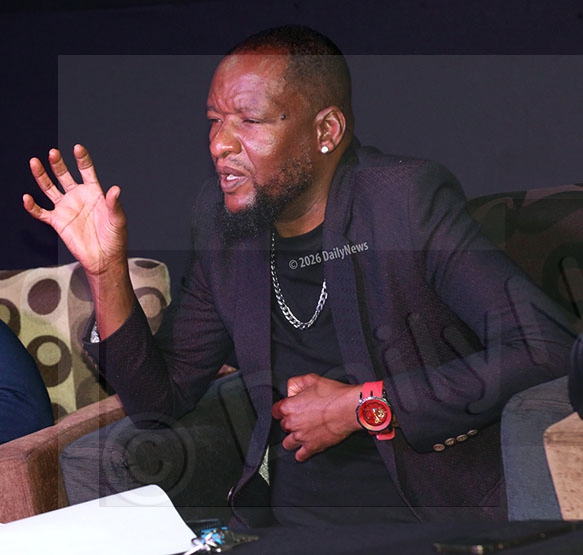
Nightclub and bar owners, led by Gilbert Seagile, have put on hold their petition against government’s proposed 24-hour liquor trading hours.He said government had indicated that their concerns would be addressed.Speaking during a press conference at Molapo Crossing in Gaborone, Seagile said the proposed 24-hour liquor trading hours could harm the nightlife industry.He argued that extended hours were shifting customers from nightclubs and lounges to smaller neighbourhood bars, reducing revenue and threatening sustainability.He therefore called for a more structured approach, including different trading hours for different businesses and stronger public safety measures and urged authorities to involve them.
-
Few Meet Parole Conditions
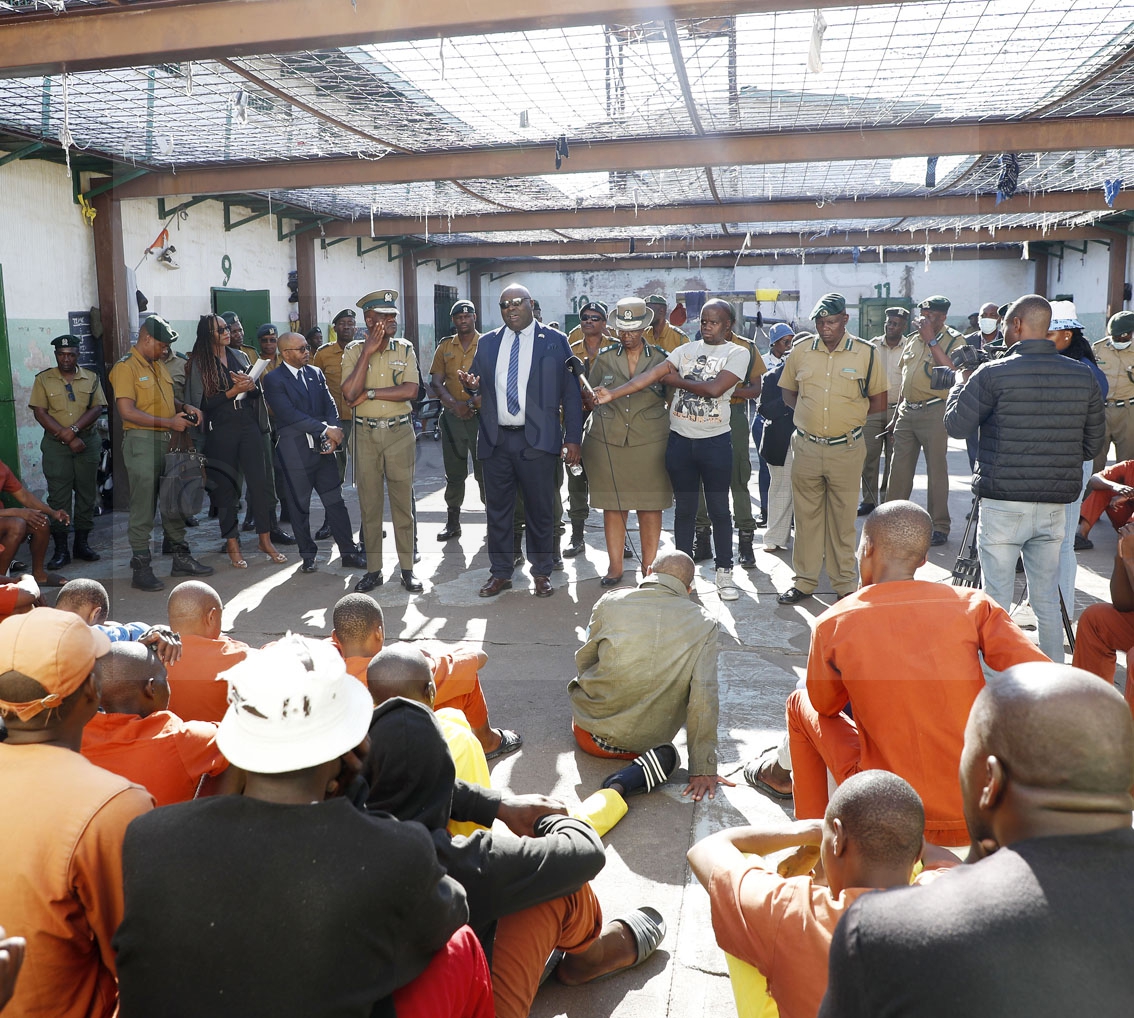
Only a small number of prisoners have been released on parole, despite swelling inmate numbers in local prisons.Recent statistics reveal a nationwide prison population of 4 468 inmates, signalling appalling overcrowding. The courts continue to send more people to prison.The situation is also compounded by the new Bail Act, which introduced stringent conditions for being admitted to bail.Assistant Minister of Justice and Correctional Services, Mr Augustine Nyatanga, said during a visit to Gaborone Central Prison on Friday that while parole could help reduce numbers, that had not been the case due to stringent requirements that left many inmates ineligible.Among the requirements was an assessment report, he said, which must include the offender’s rehabilitation progress.The report should show the offender’s progress from the time of admission until the time the report was authored.He said it should show a detailed account of the inmate’s performance, thus encouraging inmates to take advantage of programmes such as character moulding, anger management, and substance abuse treatment.The assistant minister said that for inmates to qualify for parole, there should be evidence that they had reformed, adding that parole could help reduce overcrowding in prisons.Mr Nyatanga also said he was aware that the new Bail Act had made bail requirements difficult, thus contributing to overcrowding.He further acknowledged the problem of smuggling drugs and phones into prisons, and cautioned inmates against such behaviour.He said to curb the problem, collaboration between prison staff and inmates was necessary, noting that engaging in such acts could prolong prisoners’ stay in prison as those involved could lose sentence remission and parole eligibility.Nonetheless, Mr Nyatanga commended Central Prison inmates for their good conduct and behaviour, saying it showed emotional maturity.He said that in the past six years, no escapes had been reported from the facility.During comments, inmate Oteng Tshegofatso said most of the inmates had served more than half of their sentences, thus qualifying for parole.He also decried congestion and advised that some crimes did not warrant custodial sentences.He further implored the government to extend amnesty to prisoners, noting that they had learned their lessons.Another inmate, Agisanyang Motukwa, commended the Commissioner of Prisons, Mr Anthony Mokento, for the change in the conduct of prison officials, saying assaults on inmates had stopped since his elevation to the top position.He said Mr Mokento had been advocating for their welfare, including the enjoyment of conjugal rights.Motukwa also said foreigners took longer awaiting trial, noting that one inmate had been incarcerated for over 14 years over a murder case, and that another, a Motswana, has been awaiting trial for seven years.He said that should those prisoners not be convicted, government stood to lose millions if sued.Further, he said government, which defines itself as human rights-centred, should ensure the enjoyment of rights by all citizens, including prison inmates.He added that some inmates only came to prison to become hardened criminals, arguing there was no need to send those with short sentences to prison as it only hardened some.He also complained that some magistrates remanded suspects for more than the 14 days prescribed by law and called for the introduction of a regulated public phone for inmates to communicate with their families.Goitsekgosi Mojadigo said there was a need for assessment of judgments from magistrates before convicts were incarcerated, saying some were imprisoned on faulty judgments while the appeal process was long.
-
System Hiccups Stall 24-hour Operation at Kazungula Border
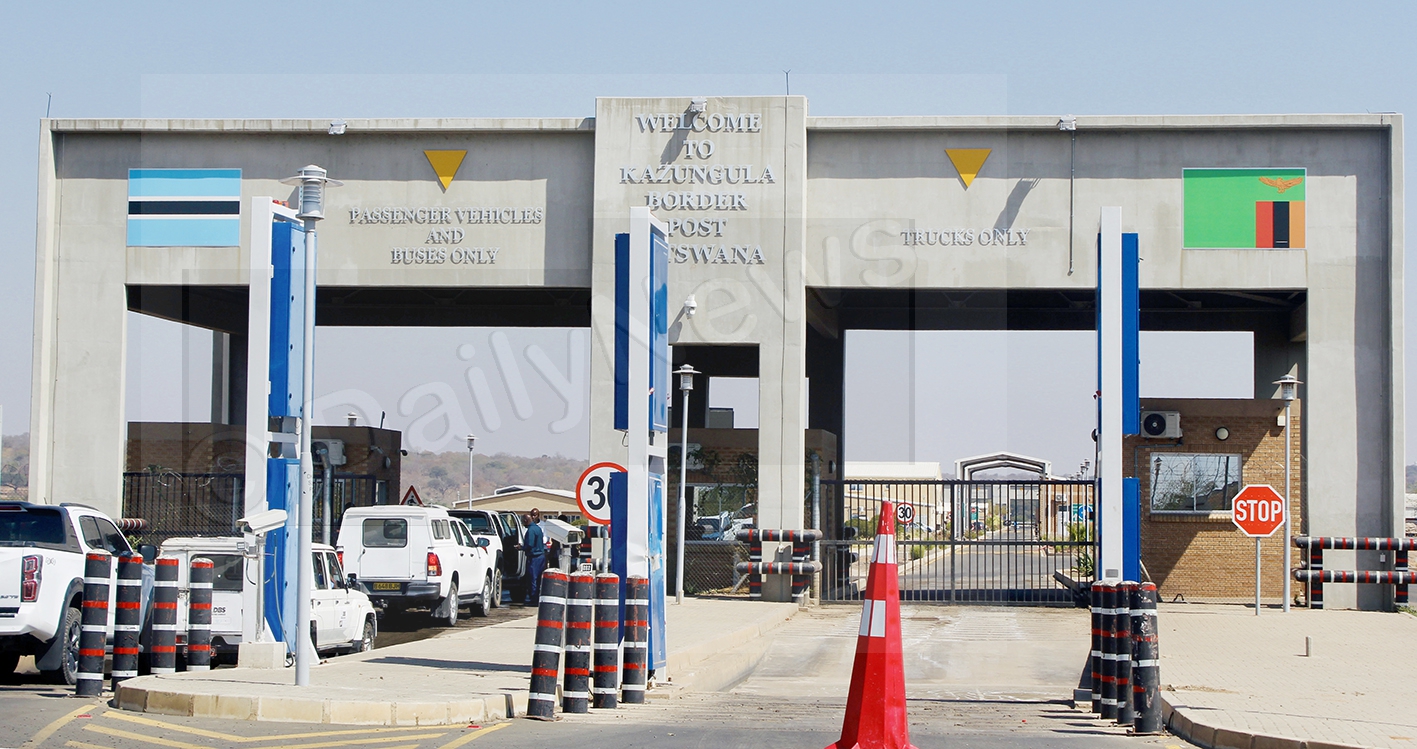
Delays of implementation systems that enable seamless transition have stalled 24-hour operation at the Kazungula One Stop Border Post (OSBP). The newly launched Kazungula Bridge Authority had earlier announced that the 24-hour operation would begin April 1, following a directive from Presidents Advocate Duma Boko andHakainde Hichilema of Zambia. The Authority’s executive director, Mr Mukela Muyonda, said the transition to 24-hour operation was halted due to delays in the harmonisation of border management systems in both countries.The 24-hour operation hinged on border management systems and coordination from border agencies in both countries which at the moment was a work in progress.At the moment, there is no definite timeline as to when the facility would commence the 24-hour operation, Mr Mayonda said and implored all border agencies to expedite processes to ensure that presidential directives were implemented promptly to support economic growth in Botswana and Zambia.“It is only through growing our economies that jobs will be created, livelihoods of our citizens will be made better and this is why the two heads of state made such a pronouncement,” said Mr Mayonda.He explained that the idea of a 24-hour facility, a move from 6am to 10pm, was strategic and sought to grow the economy because round the clock operations meant that activities would not halt at anypoint, travelers and goods would be processed efficiently.Mr Muyonda stressed that Kazungula Bridge Authority remained committed to launch the change as soon as possible, even with existing manpower.However, he said that staffing shortages might pose a challenge and that was to be expected but at the end of it all, implementation must take place. MrMuyonda stated that the Kazungula Bridge Authority had engaged key stakeholders: Botswana Unified Revenue Service, Zambia Revenue Authority, immigration authorities and security agencies,in order for them to appreciate the urgency to implement the Presidential directive.
-
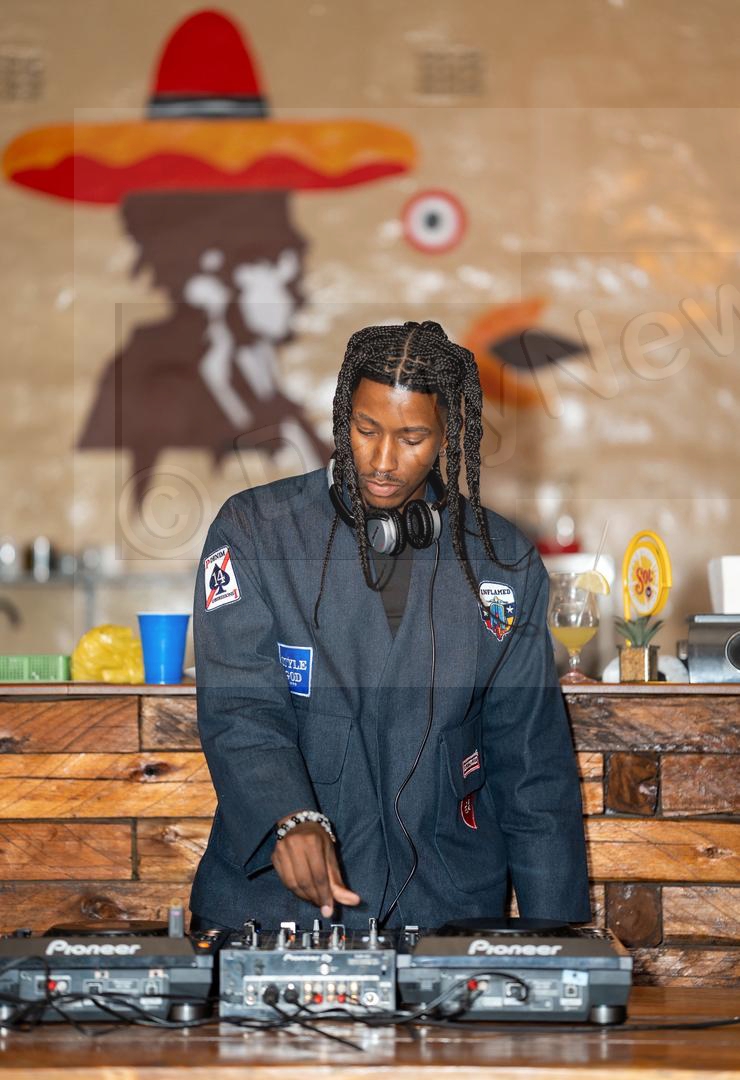
DJ LATTY Leap Of Faith Yields Rewards
Moving to a new country in pursuit of better opportunities is a bold and often daunting step, but for Leatile ‘LATTY’ Motlhalamme, it has proven to be a transformative journey marked by growth and resilience.
“Brave is moving to another country with a suitcase and a plan, visas, contracts, a new landlord, a new bank, figuring out a city where nobody knows your name, learning new systems, carrying a bed up a staircase, and still waking up hungry for more. Anyone who does that is unshakeable,” said Motlhalamme, reflecting on his relocation to South Africa in search of greener pastures in the entertainment industry.
Hailing from Gabane, Motlhalamme is steadily cementing his place in South Africa’s competitive music scene. His passion for showbiz began in childhood, when he dreamt of performing on children’s programmes such as Mantlwaneng and competing in talent shows. However, like many Batswana households, his ambitions were initially discouraged by his family, particularly his grandmother who raised him.
Despite this, his love for music endured.
“Music makes me happy, and as an emotional child, it helped me through difficult times. I cannot doubt my love for the art,” he said.
A graduate of YDJ Academy, Motlhalamme has always been drawn to emotional and spiritual sounds, naturally gravitating towards afro house and afrotech. His dedication paid off in 2025 when he won a YAMA Best Amapiano Song award for a collaboration with Thato Tladi and Dalom Kids. He encouraged the entertainment sector in Botswana to embrace alliances and partnerships as a way to strengthen, grow and sustain the industry. He urged stakeholders to move away from the perception that collaboration diminishes individual success, emphasising instead that joint efforts often produce greater and more impactful outcomes.
Amapiano is often associated with spirituality, he describes himself as a believer whose spiritual journey is still evolving.
A believer in God word, Motlhalamme still upholds principles and foundations of christianity.
‘I have always had an inquisitive mind and I am still trying to understand a lot of things which would otherwise not make sense, but I believe in God and strongly believe that things do not just come by chance.’
Relocating to South Africa came with its own challenges, forcing him to confront his fears and grow both personally and spiritually.
“I was alone in a foreign country. It pushed me closer to God. I went through a period of sobriety, letting go of anything that could slow me down. It was just me and God, facing my emotions head-on,” he shared.
Although the move had long been part of his vision, he admitted to previously postponing it. In January 2025, he finally took the leap, boarding a bus to Johannesburg to chase his dreams.
Before relocating, Motlhalamme strategically built networks by reaching out to industry players via social media and during visits to South Africa. He also connected with Botswana creative export Jack Botlhoko for guidance.
Upon arrival, he performed at several unpaid gigs to build his portfolio and gain exposure.
“It’s part of paying your dues. You need something solid to show potential clients. But choose free gigs wisely ensure there’s value, like exposure, footage or access to key industry players,” he explained.
His encounter with the duo got him a gig in their lifestyle event which is one of the most celebrated in South Africa, the Friends of Black Motion (FOBM). He later featured in a Black Motion single video Monateng, which later won an award. “ “I am always ready with my USB. Opportunities come when you least expect them,” he said.
Beyond music, Motlhalamme has secured a partnership with Soweto-based fashion brand Project Inflamed, where he features in campaigns and events. Project Inflamed is a fashion house born in Soweto, Made in Maboneng, with a line defined by fearless creativity and crafted for those with a discerning eye for style.
He has also aligned himself with KUNYE, an afro house platform curated by DJ Shimza, where he has performed and now works as an artist liaison for both KUNYE and Best of Both Worlds events.
The role has allowed him to network with top artists such as Kabza De Small, DJ Maphorisa and Sun-El Musician, while gaining insight into large-scale event production.
This has been a lesson for him because he is able to appreciate and understand how successful events are curated in South Africa.
Within a year of relocating, Motlhalamme released his hit single Aftermath, featuring Motswana vocalist Kali Mija. The track has performed well on local charts and received strong airplay.
The single was released under Dance Africa Records, though LATTY has since launched his own label, PULA Recording.
Although he would have loved to release his new single under his own record, Motlhalamme said he needed to learn the systems, work with experienced people and experts before he does it on his own.
“Even great artists started somewhere; learning systems from those who were already in the game, the likes of Jay Zee and PDiddy for example,” he said.
He plans to release more music this year as he continues to build his international profile.
Despite his success, Motlhalamme revealed he is currently not accepting bookings in Botswana, citing concerns over fair compensation. -
FMD Cases Recorded In Five Villages
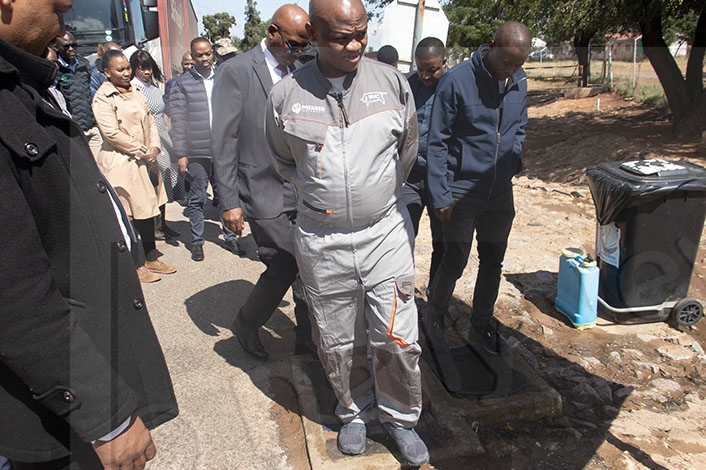
Foot and Mouth Disease (FMD) outbreak have been recorded in at least five villages in the Southern part of the country so far. The FMD outbreak was recorded at the Ramatlabama Artificial Insemination Centre on March end and later at Matasalalo and Papatlo, followed by Bethel, Phihetswane and Bruwer’s feedlot in Hildavale.Addressing a kgotla meeting in Good Hope on Tuesday, Acting Minister of Lands and Agriculture, Dr Edwin Dikoloti said it was disheartening that despite all biodiversity measures in place, the disease was spreading at an alarming rate. He therefore challenged all to rally behind the government in the fight against the spread of FMD, saying all had a role to play.He said the FMD outbreak was a national crisis that needed concerted efforts as government alone could not win the battle against FMD. He also pleaded with the community to police one another if they wanted to eradicate the disease in Zone 11. Failure to police one another, he said had led to security breach of a P65 million double cordon fence stretching 182km and a P9.4 million barbered and razor wire at the Ramatlabama ranch where the disease was first detected.Even though some community members in Good Hope called for vaccination of the animals, the acting minister opined that vaccination was normally the last resort.Firstly, he pointed out that vaccination would adversely affect the monetary value of the cattle.Further, he said their supply at the European Union market would take a knock as they needed meat free from FMD vaccination.Dr Dikoloti further said the Botswana Meat Commission (BMC), which had been doing well lately, had since stopped operating.“BMC has at least P2 million worth of meat on its storage, some of which was already paid for by international customers and we will not be able to deliver due to FMD outbreak,” he said.As a result, he said BMC would make huge losses. One of the farmers, Mr Patrick Ralotsia concurred with Dr Dikoloti that the disease could only be won through cooperation and guarding against elements that may want to sabotage the efforts of keeping the district a green zone. Mr Ralotsia further warned the community that if they did not work well with officials, the district would be declared a red zone in 24 months and it would be hard to reclaim the green zone status and may take years.
-
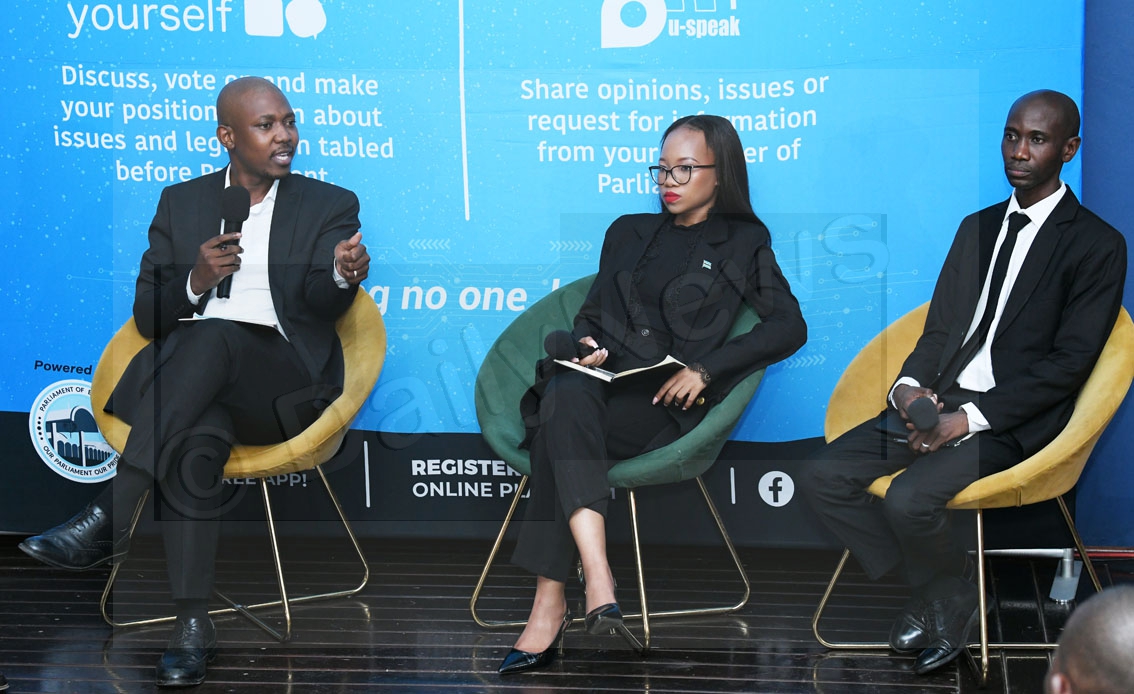
Batlokwa Kgosi Encourages Open Dialogue
A consultative meeting on the proposed establishment of a Constitutional Court (ConCourt) held in Tlokweng on April 9, has sparked robust and largely constructive dialogue, with many participants acknowledging its potential to strengthen Botswana’s democracy, transparency and protection of human rights.
The panel discussion, which forms part of a nationwide consultation process, brought together legal experts, traditional leadership, political representatives and members of the public to exchange views on the proposed court.Delivering opening remarks, Kgosi Puso of Batlokwa emphasised the importance of public participation in shaping national institutions, noting that such platforms empowered citizens to contribute meaningfully to decisions that affected governance and justice. He encouraged open dialogue, stressing that the consultative process reflected Botswana’s commitment to inclusive democracy.
Echoing similar sentiments, Member of Parliament for Tlokweng Mr Phenyo Segokgo welcomed the engagement, describing it as a progressive step toward strengthening the country’s legal framework. He said the establishment of a Constitutional Court had the potential to enhance accountability and deepen constitutionalism, provided that public concerns were carefully considered.
Among the issues raised, Mr Israel Seitshiro, a resident of Tlokweng sought clarity on the cost implications of accessing the Constitutional Court compared to lower courts, highlighting concerns that legal costs often hindered access to justice.
Responding, attorney Kago Mokotedi explained that while litigation in the High Court generally required legal representation, the Constitutional Court allowed for direct access, which could significantly reduce costs. He noted that although legal assistance may still be necessary in some instances, the structure of the ConCourt was intended to make justice more accessible and relatively affordable.
Contributing to the discussion, Tlokweng resident Mr Elijah Katse expressed support for the initiative, stating that the court could play a vital role in safeguarding human rights and promoting transparency. However, he raised concerns about the timing of its establishment, pointing to competing national priorities.
Mr Katse also questioned the process of appointing judges, seeking clarity on public involvement and transparency in such decisions.
Other participants shared similar concerns, with some questioning the pace of the process and calling for alignment with a comprehensive constitutional review. Comparisons were drawn with South Africa’s constitutional development, prompting further clarification from the panel.
Mr Mokotedi explained that South Africa’s Constitutional Court preceded the finalisation of its Constitution, noting that the court played a crucial role in shaping the country’s supreme law. He said the court initially rejected aspects of the draft Constitution, particularly the Bill of Rights, insisting on stronger protections before approval.
He further highlighted that Botswana’s Constitution was developed under limited participation, largely involving male political and traditional elites, with no representation of women. He noted that discussions were held in Lobatse and later finalised at Marlborough House in London.
Against this backdrop, Mr Mokotedi argued that the establishment of a Constitutional Court was a necessary step that could help align existing laws with modern democratic principles, describing the court as a potential “guardian” of the Constitution.
Attorney, Mr Tshepiso Katse also reassured participants that the Constitutional Court was not intended for a select few, but rather as an inclusive institution designed to serve all citizens equally.
On judicial appointments, Mr Mokotedi acknowledged concerns and agreed that there was room for improvement in the current system. He clarified that while the President formally appointed judges, the Judicial Service Commission played a key role in the selection process.
Addressing fears around capital punishment, Mr Mokotedi emphasised that courts were guided by the law and constitutional principles, not public opinion. He noted that the right to life would remain protected and that constitutional supremacy and the rule of law would continue to guide judicial decisions.
Overall, the Tlokweng engagement reflected growing public interest in the proposed Constitutional Court, with many participants viewing it as an important step toward strengthening Botswana’s democratic institutions, while also calling for careful consideration of timing, inclusivity and implementation.
-
Banni Ba Tobera Ba Ikuela
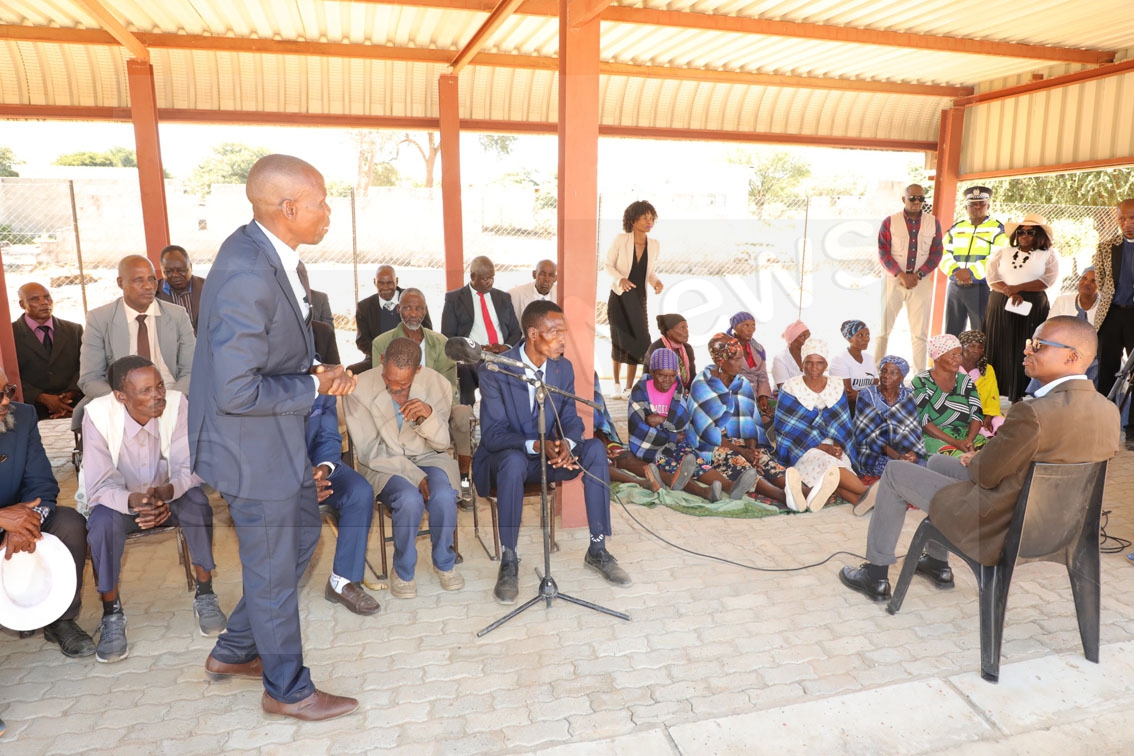
Banni ba Tobera ba ikuetse mo go Mothusa Tautona Rre Ndaba Gaolathe ka dilelo tsa bone tse di akaretsang go utswiwa ga dikgomo tsa bone tse ba reng di utswiwa ke batho go tswa mafatsheng a a mabapi, seemo se se sa itumediseng sa tsela ya Mohembo-Gudigwa le tse dingwe.
Banni ba ne ba lekodisa Mothusa Tautona matshwenyego a bone ka Matlhatso pele ga go ribololwa ga Baebele ya teme ya Khwedam ya morafe wa Bakhwe o o fitlhelwang mo motseng oo.
Tobera ke motse o o kwa moseja ga Noka ya Okavango o go fitlhelwang morafe o tshwana wa Bakhwe le wa Bambukushu, mme e bile o sena ditlhabololo tse di kalo ntleng le diofisi tsa kgotla le sekolo sa motshameko sa bana ba bannye.
Mongwe wa banni ba Tobera Rre Jesi Segole a re bogodu jwa dikgomo jo ba tlhalosang fa bo dirwa ke batho ba ba tswang lefatsheng la Zambia, bo ile magoletsa mo motseng wa bone, a re seemo seo se ba baya ka fa mosing ka leruo e le lone le ba itshetsang ka lone e bile a re bogodu joo bo baka poifo mo morafeng.
Rre Segole o buile gape gore e le Bakhwe ba kopa gore ba busetswe dithata tsa go tsamaisa tiriso ya lefatshe la bone, a re seo se ka thusa gore ba babalele di-tsa-tlholego ka e le ntlha ya ngwao ya bone.
Fa a ba kgwa kgaba, Mothusa Tautona o ba boleletse fa a utlwile dilelo tsa bone jaaka bogodu jwa leruo, letlhoko la diofisi dingwe mo motseng jaaka kokelo, le letlhoko la didirisiwa tsa ba sepodisi mo motseng wa bone.
Le fa go ntse jalo Rre Gaolathe o ne a ba netefaletsa gore le bone e le ba letso la Bakhwe ba se inyatse ba re gongwe ba lebalesegile le ntswa ba na le matshwenyego ao. A re bone e le baeteledipele ba lefatshe ke barongwa fela, mme setshaba ke sone se nang le thata ya go tlhopha le go ntsha baeteledipele.
Ka jalo Rre Gaolathe o ne a re baeteledipele ba ka kgona fela ka tshwaragano le setshaba go lwantsha diemo tsotlhe tse di apereng lefatshe go sa supanwe ka monwana.
-
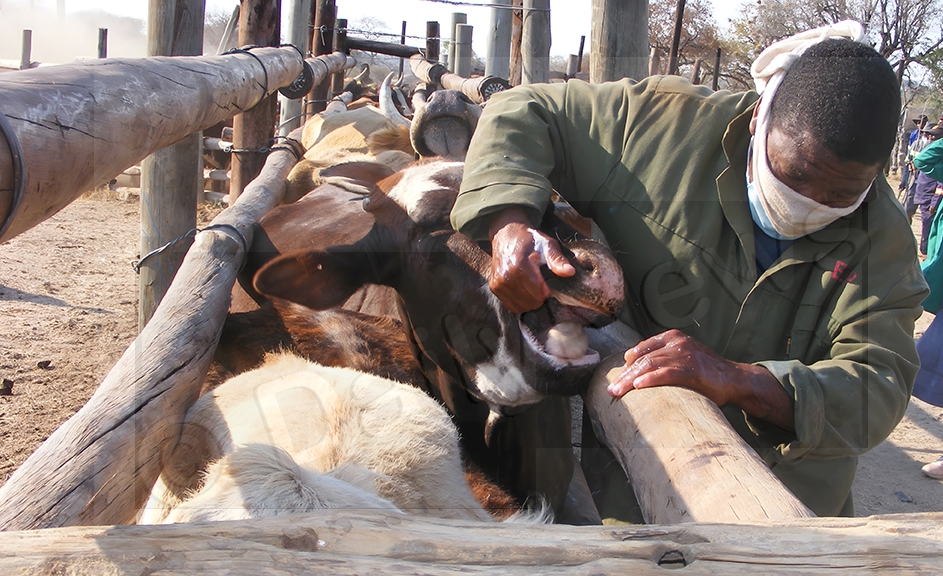
Authorities Probe FMD Threats On BMC
Acting Minister of Lands and Agriculture, Dr Edwin Dikoloti has revealed that investigations are underway into threatening emails sent to Botswana Meat Commission (BMC), raising concern over a possible link to the ongoing Foot and Mouth Disease (FMD) outbreak.
Addressing the media during a briefing in Gaborone April 13, he said two separate threats were received; the first sent in February, demanding a payment of US$500,000 in Bitcoin, with the sender threatening to deliberately spread FMD if the demand was not met.
The second email, sent around March, reportedly, questioned why the initial threat had been ignored.
“Relevant authorities are investigating the matter intensively to determine whether the emails are linked to the FMD outbreak,” Dr Dikoloti said.
However, Dr Dikoloti said the recent FMD outbreak at the Ramatlabama Artificial Insemination (AI) Training Centre was suspected to have been spread through human activity.
He indicated that preliminary investigations pointed toward lapses in biosecurity protocols, with the disease likely introduced through contaminated clothing, equipment, or other materials handled by people.
“Preliminary investigations revealed that no cattle had recently been introduced to or moved out of the farm, ruling out direct animal transmission,” he said.
He said the FMD outbreak recorded on March 31 was initially detected at Ramatlabama AI facility.
“This development comes despite a significant investment of approximately US$ 9.4 million (over P100 million) in the biosecurity fence surrounding the facility,” said Dr Dikoloti. The affected farm currently houses 258 animals.
He said initial cases were identified within a group of 64 cattle, where two bulls showed clinical signs consistent with FMD.
The Acting Minister also revealed that the FMD outbreak in Zone 11 had triggered strict movement restrictions on livestock, including the closure of the Botswana Meat Commission (BMC) abattoir.
“The closure has negatively impacted the gains that the Botswana Meat Commission had recently begun to realise,” the acting minister said.
He explained that as a result of the outbreak, slaughter operations had been suspended at key facilities, including the Lobatse plant and other affected abattoirs, one of which had only recently secured licensing for domestic slaughter.
“Despite these setbacks, BMC had managed to slaughter 12 291 cattle, with over 95 per cent originally earmarked for the European Union market, and payments to farmers reached approximately P156.6 million,” he said.