Author: Daily News

  • Two Appear in Court for P50 Counterfeit Possession

    Two Appear in Court for P50 Counterfeit Possession

    Two men accused of making forged new limited edition commemorative P50 currency note bearing serial number: AR 0656562 appeared before Lobatse Magistrates court on Monday.
    The accused, a Zimbabwean national Wilson Juma aged 33 and a Motswana man More Bojong aged 40, who both reside in Lobatse, faced two counts of offences which included making of counterfeit currency contrary to section 362 of the Penal Code, and being found in possession of forged currency notes contrary to section 354 of the Penal Code.


    According to the charge sheet, both the accused in February in or near Lobatse, without lawful authority made 18 papers, words and figures, letters, marks and lines resembling the P50 currency note.
    Juma, on one hand, is also charged with an offence of possession of forged 18 fake P50 currency notes without lawful authority after he was caught on February 26 at Peleng in Lobatse during a police stop, question and search exercise. The accused will appear again on March 16.

  • Madisakwana advices caution as conflict escalates

    Madisakwana advices caution as conflict escalates


    As conflict continues to grip parts of the Middle East, the Acting Ambassador of Botswana to the State of Kuwait, with accreditations to Qatar, the United Arab Emirates, Bahrain and Saudi Arabia, Mr Amangwe Madisakwana has urged Batswana nationals living in the region to exercise extreme caution.
    His caution comes amid ongoing attacks involving the United States of America (USA), Israel and Iran.
    Speaking in an interview with BOPA on March 2, Mr Madisakwana said there were approximately 300 Batswana nationals residing in the Middle East, with about 200 based in the United Arab Emirates and 50 in Qatar.
    Therefore, he advised citizens to limit unnecessary movement, warning that ordinary routines now carried heightened risk.
    “Simple things like going to the shop or travelling to work now require careful consideration. For now, I am working from home. They should avoid frequenting shopping malls and crowded places, as one may never know where the next strike may occur,” he said.


    Mr Madisakwana shared a firsthand account of fear, resilience and hope in the midst of growing uncertainty, noting that the situation appeared to be escalating as hostilities intensified.
    “Air raid sirens, security alerts and restricted movement have quickly become part of everyday life,” he said, adding that the atmosphere changed rapidly as developments unfold.
    He encouraged Batswana in affected areas to strictly adhere to safety precautions, including seeking refuge in designated bomb shelters during alerts.


    He noted that evacuation remained a challenge due to ongoing airspace closures.
    “Getting out of the Middle East is still difficult, as airspace to and from some areas has been halted. We are exploring several options, but currently flights remain the primary mode of travel and these have been severely disrupted,” he explained.
    While authorities in affected countries have implemented safety measures such as public alerts, emergency response systems, and access to bomb shelters, Mr Madisakwana said the emotional toll of the conflict was significant.
    “Even when it is quiet, you are never fully at ease,” he stated.
    He described the situation as ‘unpredictable and emotionally exhausting’ with windows and houses rattling from explosions as tensions continued to escalate while daily routines get repeatedly disrupted.
    He pointed out that although food, electricity and water remained available in many areas, uncertainty over supply chains had triggered panic buying in some communities.
    Despite the challenges, Mr Madisakwana said strong community networks had provided some comfort.
    He noted that they had been engaging with counterparts from South Africa and eSwatini to explore ways of sharing resources where possible.
    “As SADC member states, we regularly check in on one another and share safety updates and information,” he said.
    Mr Madisakwana confirmed that communication channels with Botswana authorities remained active.
    He said the Embassy was constantly in touch with all nationals in the region through various active media platforms to ensure consistent messaging and render advice
    Mr Madisakwana therefore urged Batswana in the Middle East to remain vigilant, resilient and hopeful for calm and navigate each day with caution.
    “We must continue to take care of ourselves and follow the guidance provided by local authorities,” he said.
    Meanwhile, the Ministry of Foreign Affairs and International Relations has in a press release advised Batswana to avoid travelling to the affected countries and to re-route their travel away from the Middle East airspace until the situation has calmed.
    Batswana living in the Middle East have been requested to contact the Botswana Embassy in the State of Kuwait and the Botswana High Commission in London or any nearby for assistance.

    For any inquiries, kindly contact the Kuwait Embassy at +965 25396153 or Charge’ d’ Affaires a.i Mr Amanagwe Madisakwana at +956 6968 8801, or email botkuw@gov.bw or Botswana High Commission in London at +447704665413, or ttshekiso@govbw.com

  • Botswana scales up school feeding budget to P1.6 billion in 2026

    Botswana scales up school feeding budget to P1.6 billion in 2026

    Minister of Child Welfare and Basic Education, Ms Nono Kgafela-Mokoka, has announced a significant expansion of Botswana’s home-grown school feeding programme, with total allocations for 2026 reaching approximately P1.6 billion.
    Presenting Botswana’s national position during the 11th African Day of School Feeding in Gaborone, Ms Kgafela-Mokoka said P630 million had been earmarked specifically for primary schools.
    The allocation forms part of a broader investment aimed at strengthening food safety systems, infrastructure upgrades, Water, Sanitation and Hygiene (WASH) integration, and digital monitoring mechanisms.
    She said the increased funding aligned directly with this year’s continental theme of ensuring access to nutritious meals, clean water and hygiene in schools.
    “Our investment reflects a deliberate shift towards safety, resilience and sustainability,” she said. “Every meal must be safe, nutritionally balanced and supported by strong systems.”
    For 2026, she stated that Botswana would prioritise the introduction of food safety and traceability systems, scale up climate-smart and locally controlled procurement, strengthen WASH and kitchen standards, and improve digital monitoring and reporting.
    Logistics coordination will also be enhanced in fragile and climate-affected districts to minimise disruptions.
    Ms Kgafela-Mokoka said the programme would intensify support for smallholder farmers through aggregation models and predictable procurement frameworks to stimulate rural economies and reduce vulnerability.
    Under the second phase of implementation, the Home-Grown Feeding (HGF) model will operate as a coordinated national platform linking the education, agriculture and health sectors. Agricultural production will be aligned with school demand, while the health sector will enforce nutritional standards and hygiene compliance.
    “This integrated model strengthens governance, improves value for money and enhances sustainability,” she said.
    The minister described Botswana’s programme as universally inclusive, institutionally governed and firmly anchored on safety and climate resilience.
    “Every child will be fed. Every meal shall be safe. Every investment will count,” she said, adding that Botswana stood ready to collaborate with other African Union member states to advance sustainable school feeding systems.
    Her remarks were reinforced by Vice President Ndaba Gaolatlhe, who earlier described school feeding as a strategic human capital investment and urged African governments to protect it through predictable financing and strong accountability systems.
    Other ministers attending the summit echoed similar sentiments, highlighting the need to strengthen cross-sector coordination between education, agriculture, health and water ministries.
    They emphasised increasing domestic financing, expanding local procurement from farmers, and integrating water and sanitation infrastructure into school feeding investments to improve safety and learning outcomes.
    World Food Programme Executive Director Ms Cindy McCain, in remarks delivered virtually, commended African governments for growing domestic contributions to school meals but warned that millions of vulnerable children still lacked access. She called for deeper partnerships, including private sector engagement, to close remaining gaps.
    Child representatives also urged leaders to include children’s voices in decision-making and to ensure meals are nutritious, served on time and supported by adequate hygiene facilities.
    The summit concluded with ministerial commitments to translate policy discussions into measurable action, as Botswana positioned its scaled-up investment as both a national priority and a continental model for resilient, home-grown school feeding

  • Over 60 Submissions for Women Sports Awards Received

    Over 60 Submissions for Women Sports Awards Received

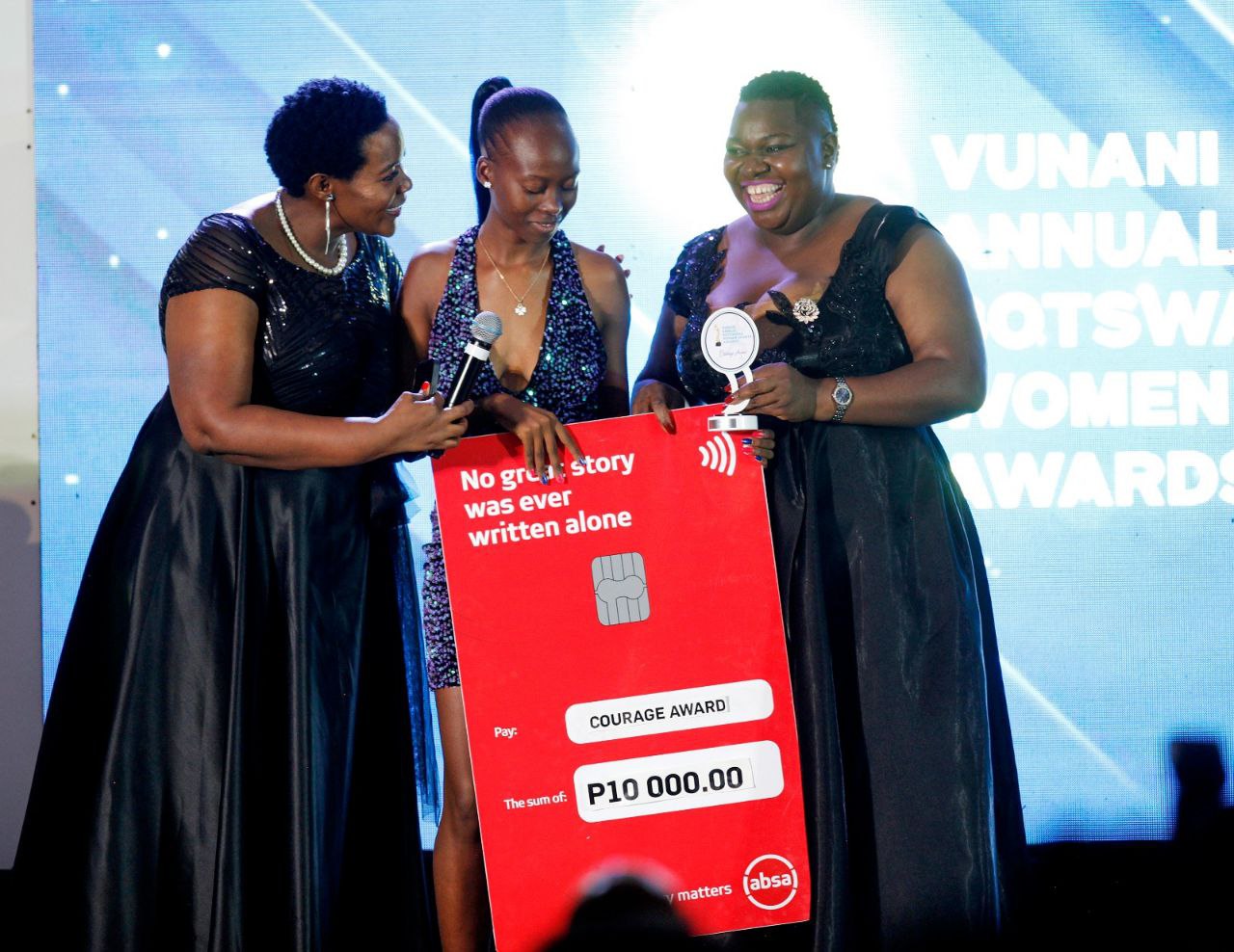
    The 4th Vunani Annual Botswana Women Sports Awards adjudication team has received over 60 submissions.
    According to BW Women Sports director, Kesego Kebelaele-Okie, out of the 17 categories they had, four fell within CEO’s awards.
    “This means therefore that 13 categories received more than 60 submissions. This is the largest entries we have received as compared to other years.
    Kebelaele-Okie said the adjudication committee was now in the process of finalising the nominees.
    Credit, she said should go to the stakeholders such as the National Sport Associations, athletes and administrators who ensured that quality submissions were delivered.
    According to Kebelaele-Okie, this year’s event would be unique as Botswana celebrates its 60th Independence.
    She said their theme: Honouring Women, Shaping Botswana’s Sporting Legacy was coined so that it goes with the country’s Independence anniversary.
    She said the awards would be held on March 27

  • President Boko pays Tribute to Fallen heroes

    President Boko pays Tribute to Fallen heroes

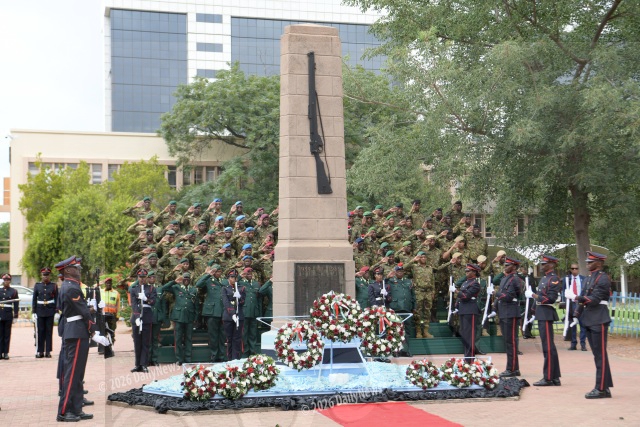
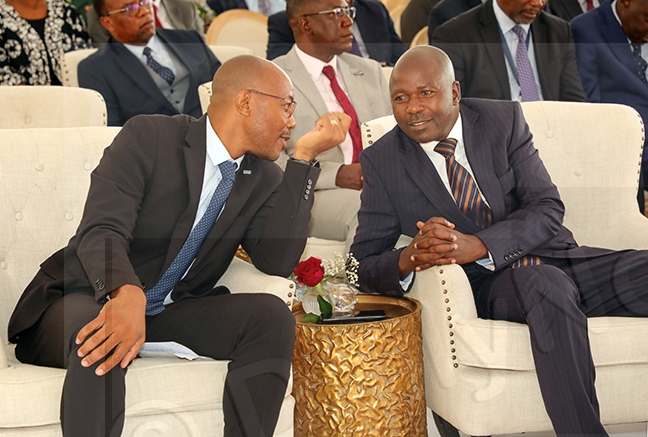
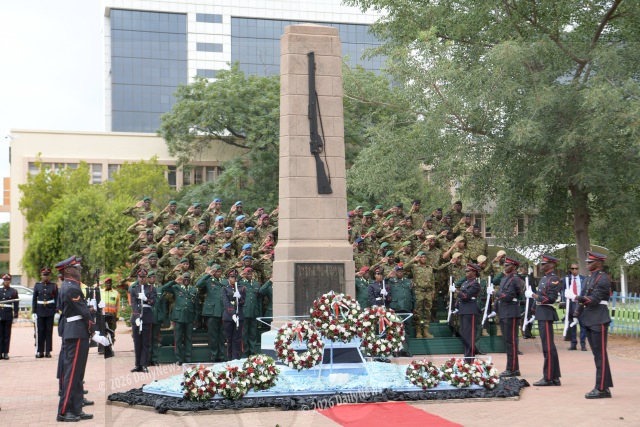
    President Advocate Duma Boko joined by the Vice President Ndaba Gaolathe and former president Dr Seretse Khama Ian Khama yesterday paid tribute to service members who died in the line of duty.

    Initially the day was dedicated to remember the 15 Botswana Defence Force (BDF) members who were killed during Lesoma ambush on February 27 1978 by the then Rhodesian regime.

    The first commemoration was held at the Extension 14 Cemetery in Gaborone, where the 15 Lesoma Ambush victims were laid to rest. At the time, the event was known as the Lesoma Commemoration.

  • Donated cheetahs off to India

    Donated cheetahs off to India

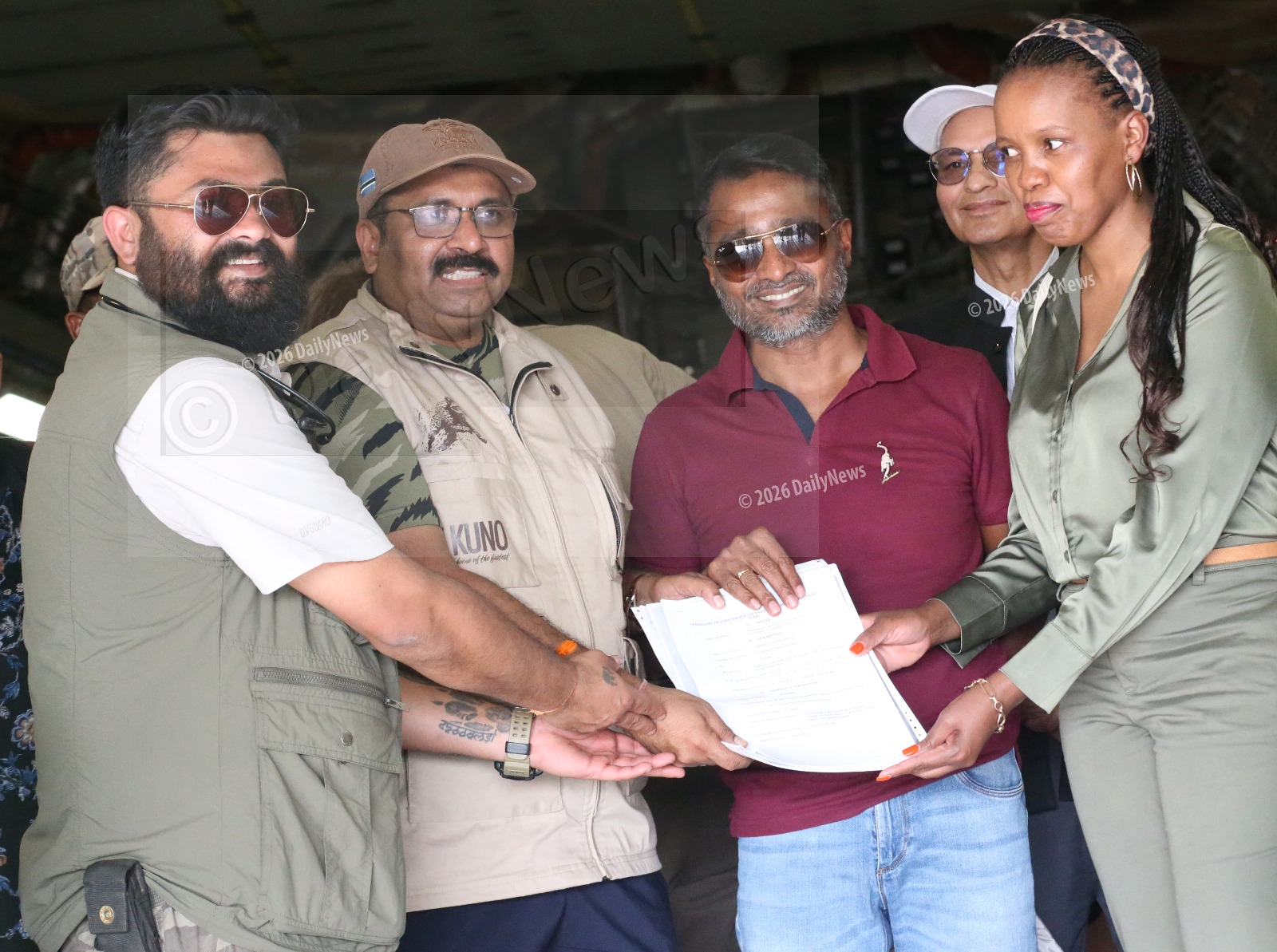
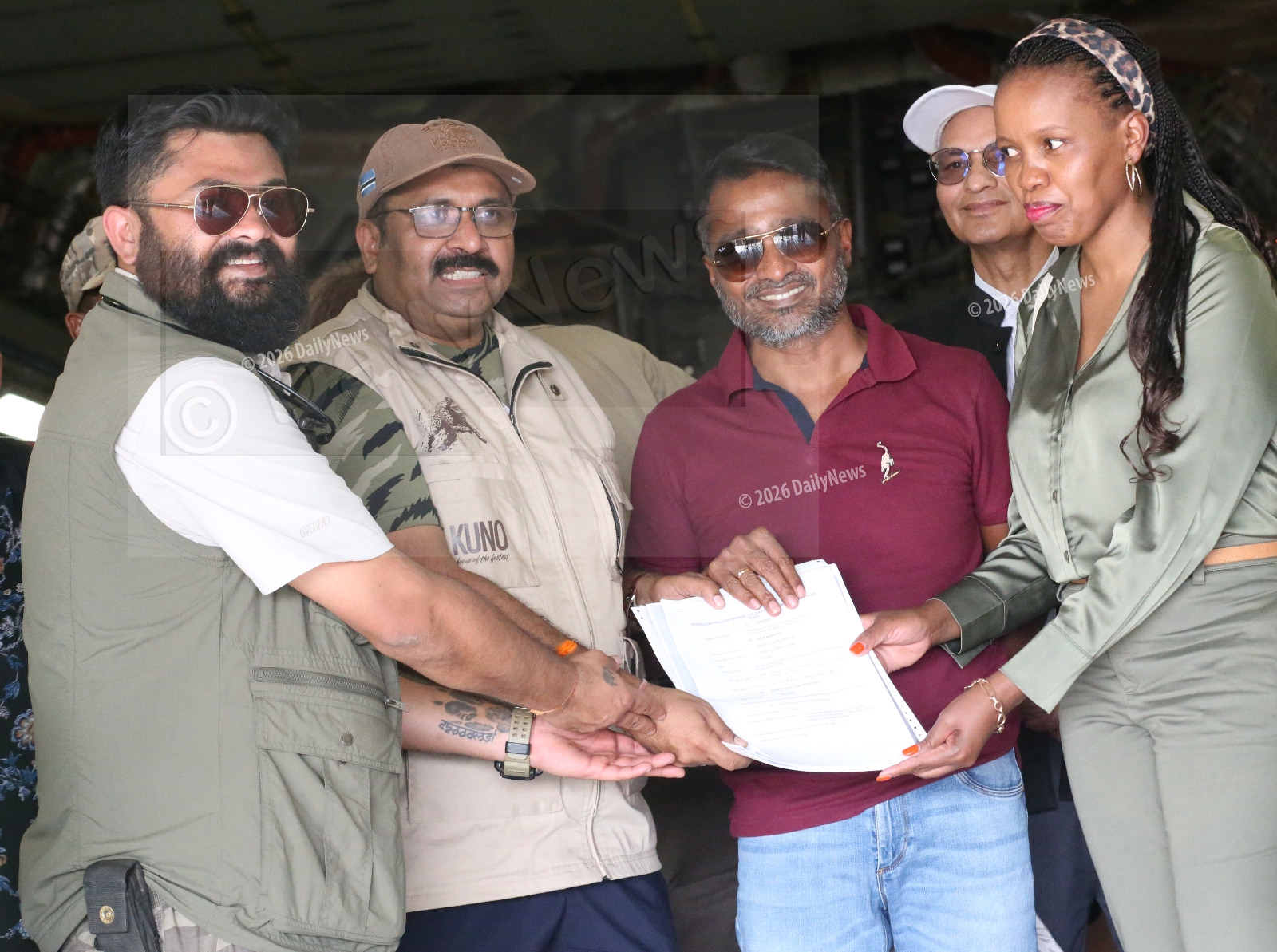
    he eight cheetahs donated by the government, were yesterday transported to India.

    ‎The cheetahs, comprising six males and two females were donated by President Advocate Duma Boko during India President Droupadi Murmu’s visit to Botswana in November 2025.

    ‎The donation forms part of Project cheetah, a conservation initiative aimed at reintroducing the species which went extinct in India in 1952.

    ‎India High commissioner to Botswana, Mr Bharath Kumar Kuthati said the exchange would boost wildlife conservation and strengthen relations between the two countries.

    ‎Mr Kuthati explained that the cheetah related mission in India started in 2023, bringing the total number of cheetahs donated to 49.

    ‎India, he said had successfully integrated cheetahs into its conservation programme adding that the country was open to mutual species exchange with Botswana.

  • Free Movement Ideal For Trade Facilitation – Simasiku

    Free Movement Ideal For Trade Facilitation – Simasiku

    Botswana and Zambia Presidents have been urged to consider implementing the Southern Africa Development Community (SADC) Protocol on the Facilitation of Movement of Persons.

    The protocol encourages free movement in the SADC region where citizens of member states would use national identity cards for cross border travel.

    Botswana and Namibia implemented the protocol in 2023, resulting in easier, faster and more effective travel for citizens of the two countries.

    Chobe Member of Parliament, Mr Simasiku Mapulanga made the call when giving a vote of thanks at the launch of the Kazungula Bridge Authority, citing that the move would help relax cross border restrictions.

    Presidents Advocate Duma Boko and Mr Hakainde Hichilema of Zambia were among the multitudes who graced the event to witness the historic commissioning of the Authority, and Mr Mapulanga pleaded with them to engage on the said protocol and explore the possibility of having their citizens cross using identity cards.

    The move, he said, would not only reduce barriers but would also increase trade and offer greater access to job opportunities and provide greater economic benefits.

    He said the success of the implementation of the protocol by Botswana and Namibia should serve as inspiration for the same gesture to be adopted between Botswana and Zambia particularly since the people of the two countries shared cultural ties and also cooperated on different fronts including economically.

    While he appreciated the launch of the Authority and the iconic bridge, Mr Mapulanga said the infrastructure should not export jobs but rather bring industrialisation to benefit the Chobe region community.

    “We expect this bridge to enhance trade, create employment opportunities and eventually grow the local economies for both communities in Botswana and Zambia,” he added.

    He said historically, the bridge was a meeting place for people who practised barter trading and that it was inspiring to note its evolution from the use of canoes to a pontoon and to the majestic piece of infrastructure that it was today.

    Mr Mapulanga noted that the people of the region wanted to utilise the bridge to promote sport tourism and development.

    Furthermore, he urged government to also consider constructing a bridge at which people would cross into Impalila Island in Namibia, thus further easing travel by the people of the two countries.

    For his part, Minister of Infrastructure, Housing and Urban Development in Zambia, Mr Charles Milupi concurred that the people of Botswana and Zambia were one and vowed to work together with the government of Botswana to build a shared common destiny.

    Mr Milupi appreciated that the increased truck traffic at the Kazungula Bridge demonstrated that efforts toward regional economic integration through infrastructure development were yielding positive results.

    With the Kazungula Bridge Authority in place, he believed that the investment would further enhance, sustain and improve the efficiency of the operations of the border and would result in increased trade and traffic volumes.

    “The operational efficiency at the border will be further enhanced by the Authority in that we intend to quickly move from a one-stop border post to a non-stop border post by leveraging technology,” he said.

    “This bridge is a masterpiece of infrastructure that stands out to be Africa’s newest super bridge. It is not just a marvel but a benchmark for the region and the continent as a whole,” Mr Milupi added.

    He stated that the governments of Botswana and Zambia had directed that in addition to facilitating trade and enhancing regional integration, the area around the bridge and border must be transformed into a world class tourism destination. 

  • FNB Kazungula Bridge Marathon Tomorrow

    FNB Kazungula Bridge Marathon Tomorrow

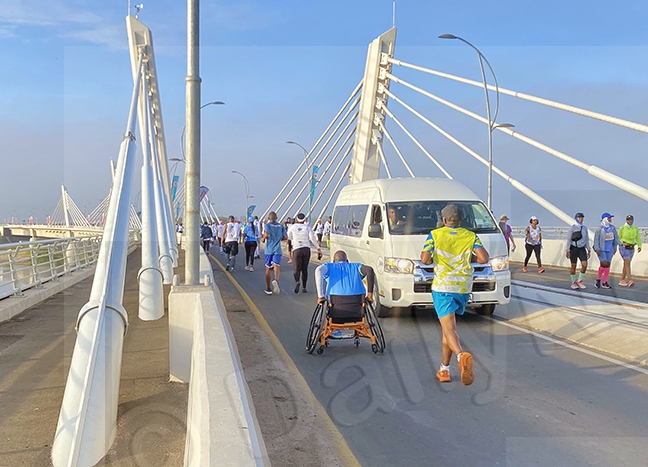
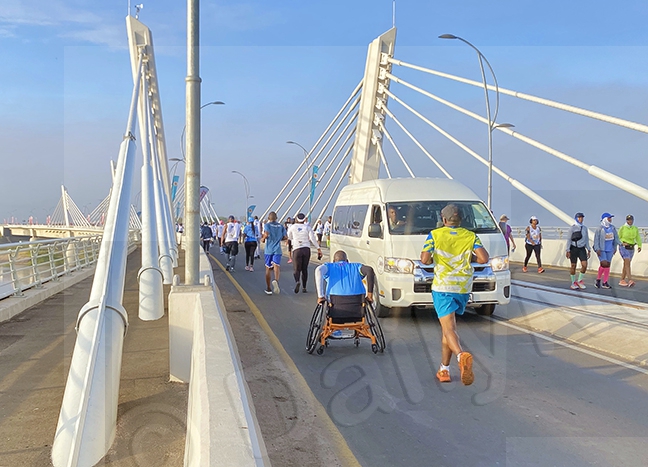
    The fifth edition of the FNB Kazungula Bridge Marathon (KBM) that is scheduled to take place tomorrow will see runners traversing Kasane and ascending the majestic Kazungula Bridge.

    In an interview, marathon’s founder and CEO, Obert Morgan stated that preparations were at their tail end and that athletes had also started arriving. Morgan said race packs had been delivered to participants unlike in the past where collection was done at the last minute.

    He said a total of 3,500 runners had registered to compete in the marathon, a slight decline from the past races. This, he attributed to the financial constraints across government departments and parastatals, which had rendered ministries unable to field their employees for participation and exhibitions.

    Morgan said SADC countries including Zimbabwe, Namibia and South Africa as well as Kenya had fielded athletes while other participants would be from the US, Asia and Europe. He underscored that the marathon was a money spinner for the Chobe region, explaining that hotels and lodges were usually fully booked during the marathon weekend.

    “The marathon gets businesses in Chobe excited as they get to make optimum profits and stimulate economic growth.”

    Morgan said the 5km race had been by an 8km one, which would have athletes traverse over the Kazungula Bridge, giving them the feel of the bridge, something that was not part of the 5km race. Moreover, he said a 15km had been introduced in replacement of the 10km race in order to cut logistical arrangements brought about by numerous race distances.

    He explained also that there would be a gala dinner on Saturday night to celebrate the five-year milestone. Morgan said the Local Organising Committee comprising government agencies and the private sector of the Chobe region was well prepared for the marathon.

    He said the Department of Wildlife and National Parks would be conducting patrols, with its officers deployed at certain spots during the race to ensure that runners were protected from wildlife.

    The founder said the weather forecast as provided by BITRI indicated that the weather would be pleasant with scattered thundershowers and clear skies expected on Saturday. He revealed that prize money for the race had been reduced this year due to economic constraints.

    Morgan highlighted that Botswana Athletics Association as technical partners of the marathon, had marked and documented the route to ensure runners were directed accordingly. This, he said was to avoid a repeat of 2024 incidents where some athletes veered off the route and got lost.

  • Golden Grand Prix Launch Pad For Relays Preparations

    Golden Grand Prix Launch Pad For Relays Preparations

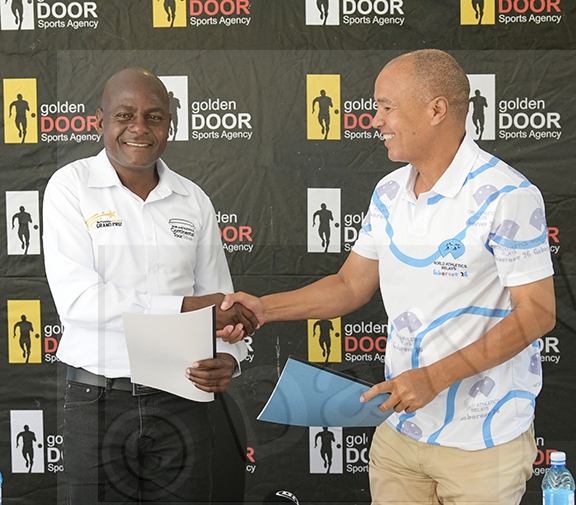
    This year’s edition of Botswana Golden Grand Prix (BGGP) will be used as a preparatory platform for the upcoming World Athletics Relays.

    Speaking at a press briefing in Gaborone on Wednesday, BGGP acting chairperson, Harold Mosomane said the Grand Prix would be held on April 26, while the World Relays were scheduled for May 2-3. He explained that the World Relays would use the Grand Prix to prepare technical officials, volunteers and other personnel ahead of the global event.

    Furthermore, Mosomane said the two events would collaborate in several areas, including sharing expertise, managing logistics and jointly publicising their competitions both nationally and internationally.

    He added that the Botswana Golden Grand Prix title sponsor negotiations were at an advanced stage and an official announcement would be made in due course. However, he noted that confirmation of international athletes was still pending, as their international athlete liaison was awaiting the green light to conclude negotiations.

    “As soon as we conclude negotiations with the title sponsor, it will be all systems go,” he said.

    Ahead of the Grand Prix, organisers will host the inaugural Ghetto Classic, a World Athletics Bronze-level track and field event at the Obed Itani Chilume Stadium in Francistown on March 14. 

    Mosomane said preparations for the Ghetto Classic were progressing well, noting that recently, a Golden Door Sports Agency delegation led by director Glody Dube, visited Francistown for stakeholder engagement.

    He revealed that since the event was first listed on the World Athletics calendar last year, organisers had received a high number of inquiries from quality athletes worldwide interested in participating.

    “Although our discussions with them are at an advanced stage, we have not been able to confirm most of them as we have not yet secured high-value sponsors,” he said.

    Tickets for the Ghetto Classic will be sold at P50 for adults and P20 for children aged 17 and below as a way of making the event accessible to all.

    As for the Grand Prix, tickets prices will range from P2,500 for VVIP access, available until March 31, to P500 for VIP tickets. Grand Stand A and Grand Stand C tickets are priced at P250, while General Stand early bird tickets cost P50, increasing to P100 thereafter. Two private executive lounges will also be available.

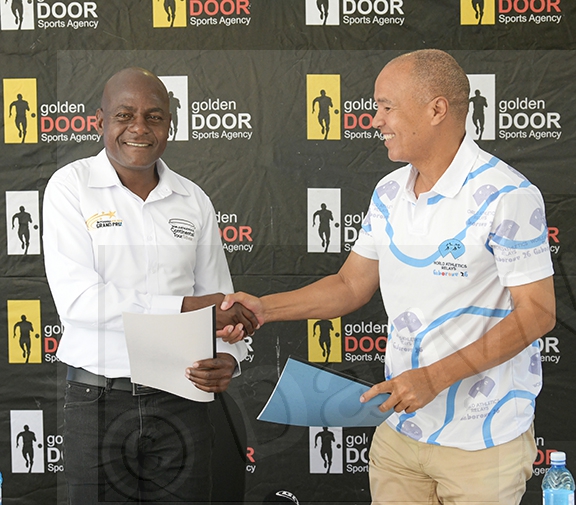
    Meanwhile, the Botswana Golden Grand Prix and the World Athletics Relays signed a Memorandum of Understanding, cementing their commitment to work together to successfully deliver both events.

  • Thirty-Seven Top Achievers Receive Accolades

    Thirty-Seven Top Achievers Receive Accolades

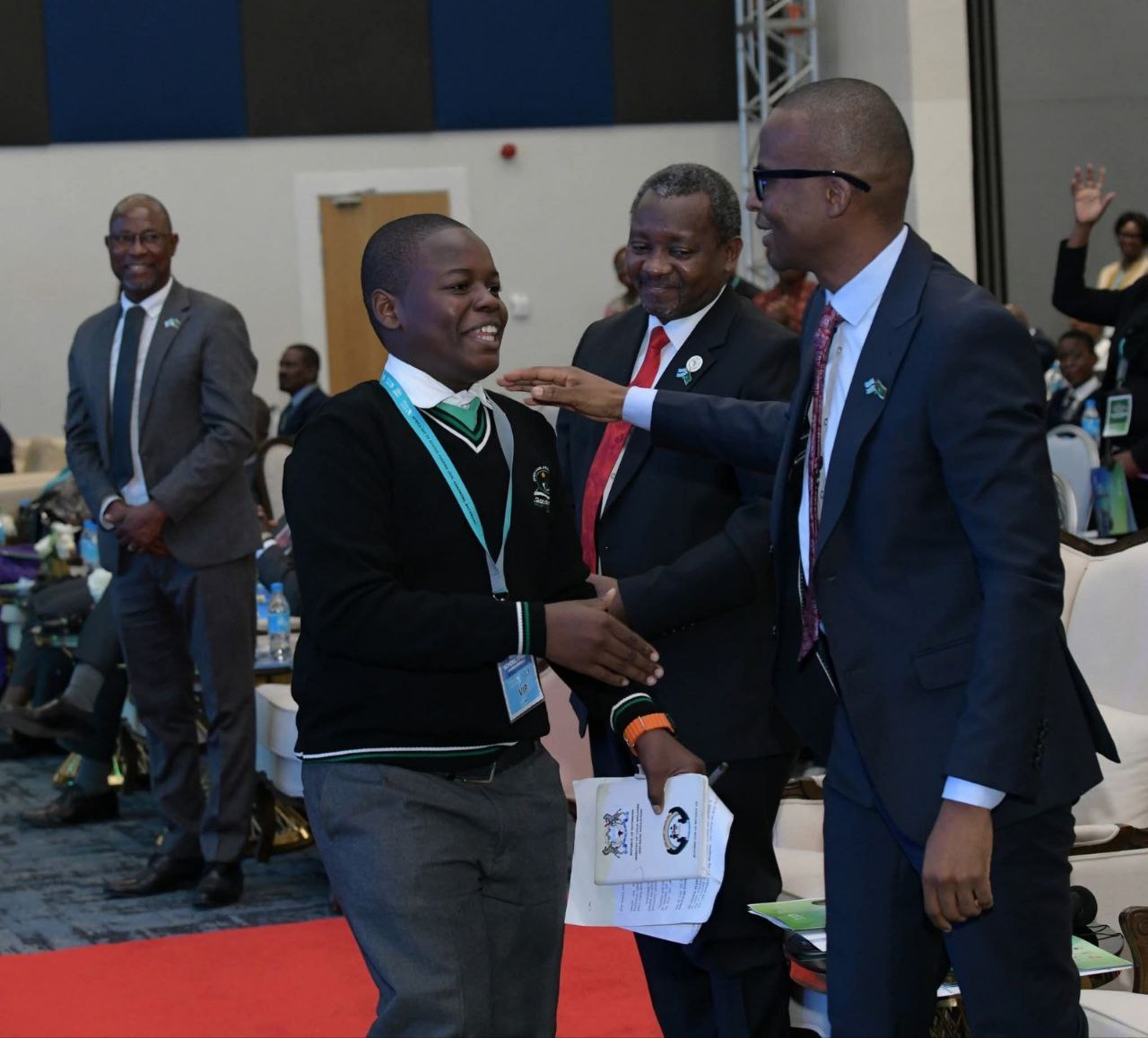
    Emotions and celebrations filled the Grand Aria Hotel and Conference Centre Hall yesterday as Botswana honoured its brightest learners at the 16th Annual Top Achievers Excellence Awards ceremony.

    Hosted by the Botswana Examinations Council (BEC) and the Ministry of Child Welfare and Basic Education, the awards recognise academic excellence across all levels, including special recognition for learners with special education needs.

    Thirty-seven awardees were selected from thousands, who sat for the 2024 Primary School Leaving Examination (PSLE), Junior Certificate of Education (JC) and Botswana General Certificate of Secondary Education (BGCSE) examinations.

    Eleven awardees were from the PSLE, 10 from JC, 10 from BGCSE and six for special education needs category.

    Primary School Leaving Examination and JC awards recipients were all awarded laptops and trophies each, while BGCSE awardees received iPads and trophies each.

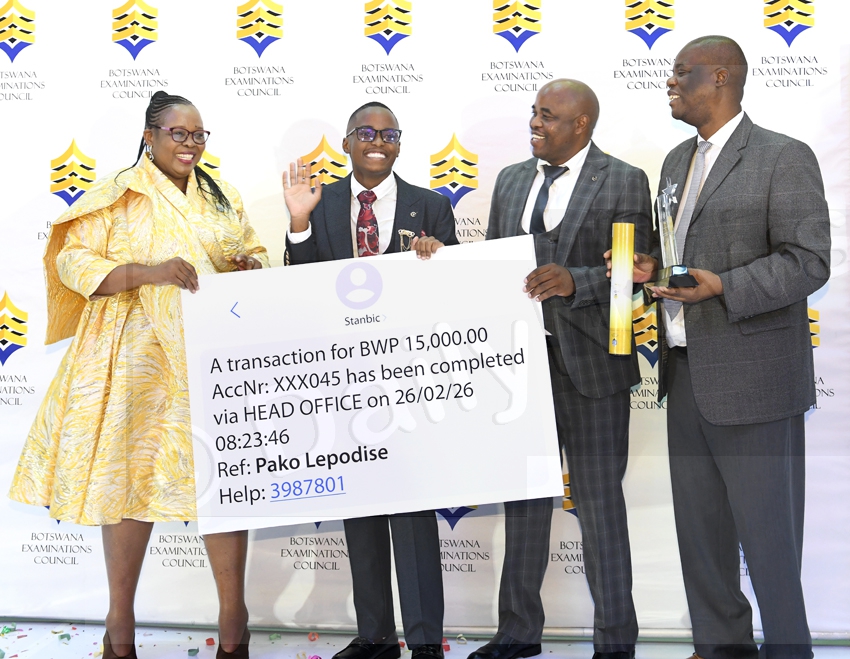
    Additionally, former Mater Spei College learner, Lapologang Motiki received the Chairperson’s award walking away with P5,000, whilst former Francistown Senior Secondary School learner, Phenyo Khuruta received the Ministerial award walking away with P7,500.

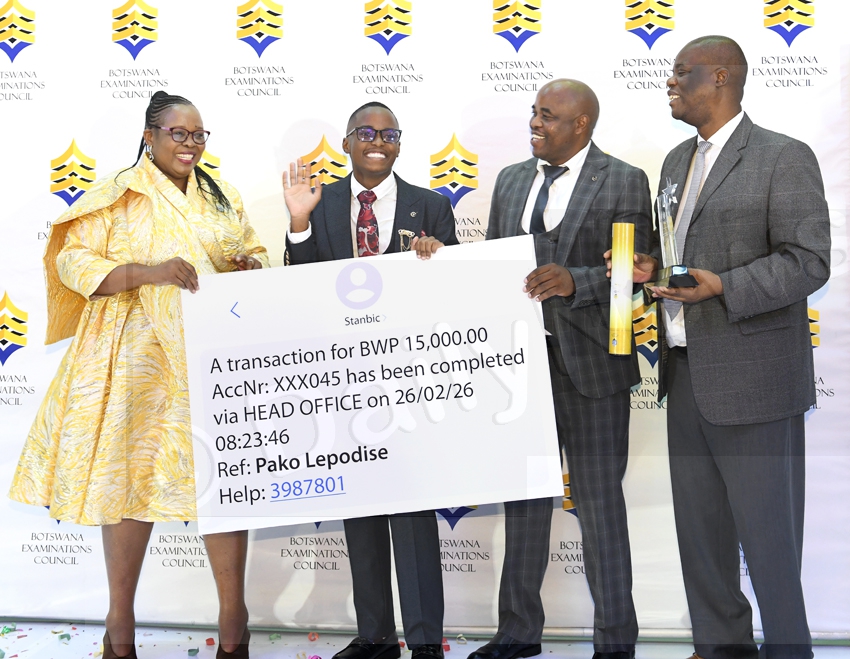
    The star of the day was Pako Lepodise who received the Presidential Award and walked away with P15,000 and a Macbook.

    Pako achieved an outstanding 48 points, that is 8 A*s and 2 Bs.

    In his remarks, Pako, a former Naledi Secondary School Learner, reflected on his journey of perseverance, faith and self-discovery.

     “Success is not about being perfect. It is about putting in the work, even when no one is watching,” he said.

    He admitted that he had not initially set out to pursue the top honour, but gradually realised his potential through consistent effort. He further thanked his family, teachers, classmates and his peers for support and encouraged young people to measure their growth against their own progress rather than comparing themselves to others.

    Delivering the keynote address, Minister of Child Welfare and Basic Education, Ms Nono Kgafela-Mokoka urged the top performing learners to see their success as a stepping stone to national transformation.

    “Excellence is never accidental. Even in the face of adversity, imagine a better world and work toward building it. We count on you to uphold the future of this nation,” the minister said.

    The minister further reminded awards recipients that success was a collective achievement, shaped by parents, teachers and supportive communities, while also acknowledging those who attained personal bests outside the spotlight. In addition, she paid tribute to the parents, guardians, teachers and peers whose support made such achievements possible and challenged learners to embrace creativity and innovation as tools for solving the 21st century challenges.

    In his welcome remarks, BEC chief executive officer, Dr Moreetsi Thobega outlined the rigorous selection process, noting that BGCSE candidates must achieve at least six A grades to qualify for top honours, while merit and straight-A achievers were recognised at JCE and PSLE levels respectively.

    Special awards, he said were also given to learners with special education needs such as hearing or visual impairments.

    He further described the awards as more than a ranking of learners, but a platform to cultivate aspiration, discipline and a culture of excellence.

    He also expressed gratitude that it was through hardwork, discipline and commitment to excellence that they performed excellently in their previous examinations, making their parents, teacher and the nation proud.

    For his part, Ministry of Child Welfare and Basic Education assistant minister, Mr Justin Hunyepa acknowledged all corporate partners, including Debswana Mining Company, Stanbic Bank Botswana, and Orange Botswana, for sustaining the awards and investing in youth development.