Author: Daily News

  • The Residency Expands Home Ownership

    The Residency Expands Home Ownership

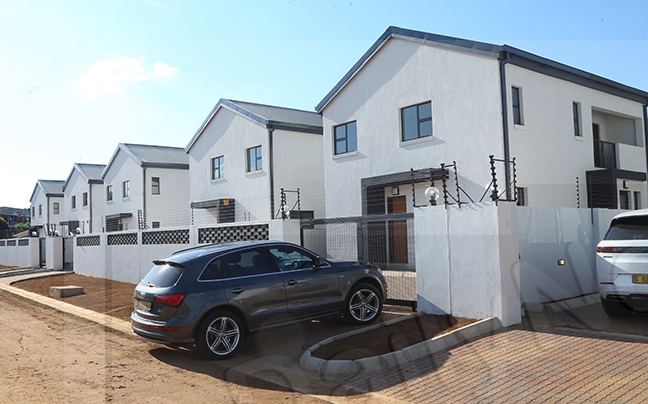
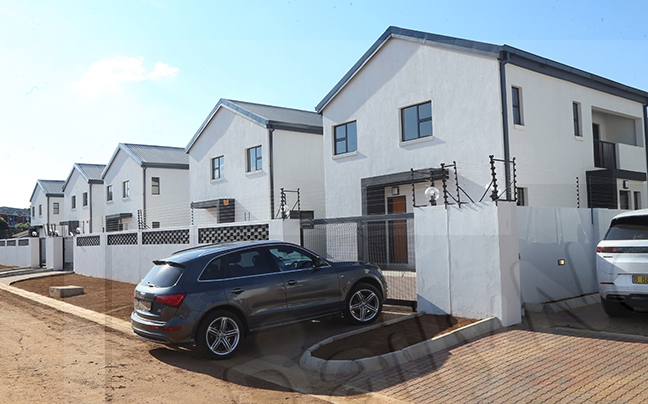
    A new chapter in Botswana’s urban housing story has unfolded with the launch of The Residency, a 135-unit residential development in Block 8, Gaborone, that blends modern design, infrastructure integration and a rent-to-own pathway aimed at expanding homeownership among young working Batswana.

    More than a property unveiling, the launch signalled what stakeholders described as a replicable model of how disciplined institutional capital, strategic land use and coordinated infrastructure can translate national development ambitions into tangible community outcomes.

    Developed by Letsema Property Fund in partnership with Messidor Investments, and working alongside Botswana Railways and the Botswana Public Officers Pension Fund (BPOPF), The Residency offers a mix of modern studio pads, one-bedroom apartments, standard two-bedroom units and spacious two-bedroom deluxe apartments.

    Entry-level monthly payments start from P3,500 under a rent-to-own model designed to ease the transition from tenancy to ownership.

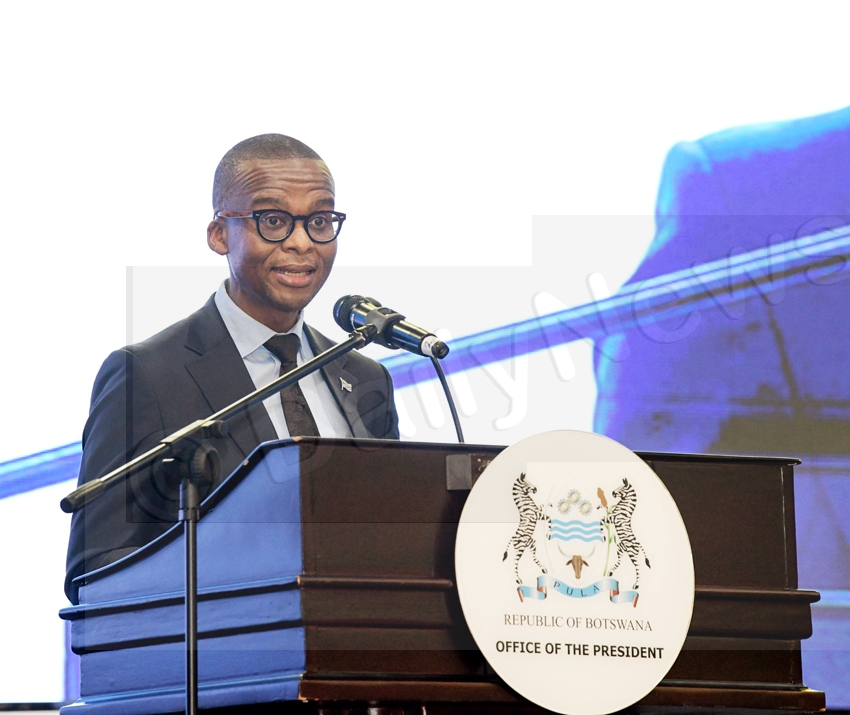
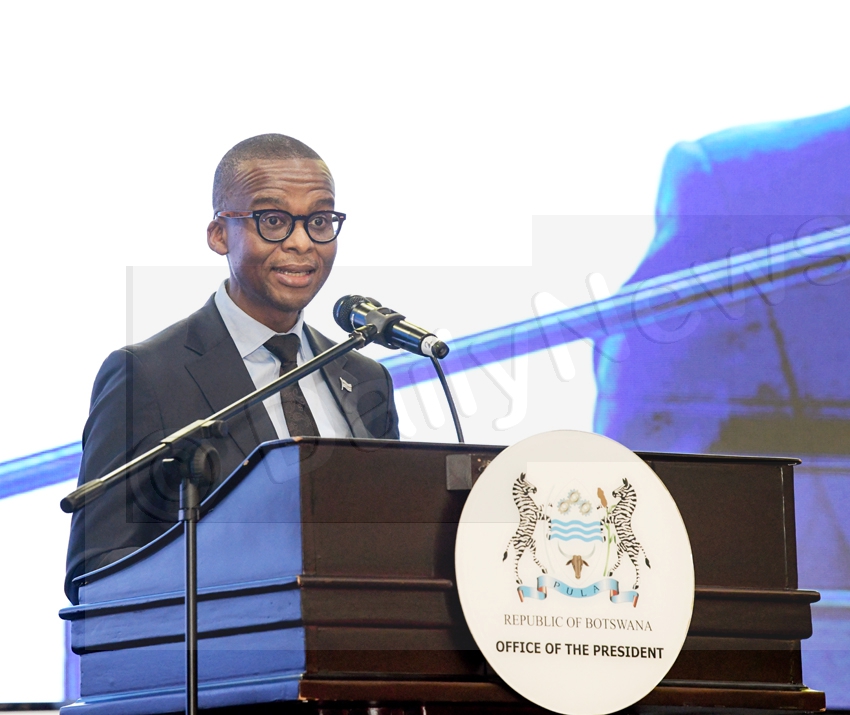
    Officiating at the launch in Gaborone, Minister of Water and Human Settlement, Mr Onneetse Ramogapi said the project reflects Botswana’s commitment to dignified housing, resilient infrastructure and water-smart urban planning.

    “We gather not simply to unveil buildings, but to affirm Botswana’s commitment to building resilient communities anchored in policy, responsible investment, and secure water resources,” he said, linking the development to Vision 2036 and National Development Plan 12.

    Assistant Minister of Transport and Infrastructure, Mr Keoagile Atamelang underscored that housing delivery must go hand in hand with serviced land and connectivity. Roads, transport linkages and utility corridors, he said were what transform structures into functioning communities by reducing commuting costs and supporting local economic activity.

    “Land without servicing is not development, and buildings without connectivity are not communities. The Residency’s design therefore, integrates accessibility, safety, and practical connectivity,” he said.

    From the private sector, Messidor Investments Committee chairperson, Ms Charlotte Mathula described the project as evidence of what can be achieved when institutional capital aligned with national priorities. She said collaboration between the investment partners enabled a diversified unit mix and a structured rent-to-own pathway without compromising governance standards or financial discipline.

    Messidor Investments executive director for portfolio management, Ms Una Munamati added that the development balanced commercial sustainability with measurable social impact. Beyond providing homes, she said the project had generated employment, transferred skills and stimulated local supply chains.

    “We build developments that are commercially sound, well-governed, and responsive to real household needs,” she said.

    Speaking on behalf of the BPOPF Board of Trustees’ chairperson, Directorate of Public Service Management director, Ms Gaone Macholo said pension capital could play a transformative role in national development when deployed responsibly.

    “Investment changes lives at scale only when land is activated and infrastructure connects people to opportunity,” she said, noting that the rent-to-own model supported wealth creation at household level while maintaining financial prudence.

    Strategically located on land unlocked through institutional collaboration, The Residency illustrates how planning, policy and capital can converge to deliver liveable, connected neighbourhoods. Stakeholders expressed hope that similar projects could be replicated across the country, positioning housing not merely as a sectoral issue, but as a cornerstone of inclusive growth and long-term nation-building.

    As the first residents prepare to move in, The Residency stands as a visible testament to a broader ambition: that when government, private investors and professional managers align their efforts, communities flourish, pension savings are productively invested, and Botswana’s vision for high-quality, inclusive urban living draws closer to reality. 
  • Botswana Meat Commission Records P54m Profit

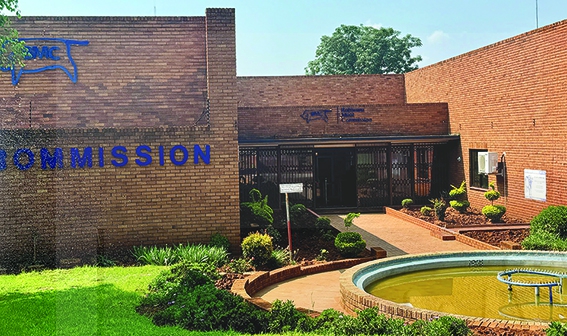
    Botswana Meat Commission Records P54m Profit

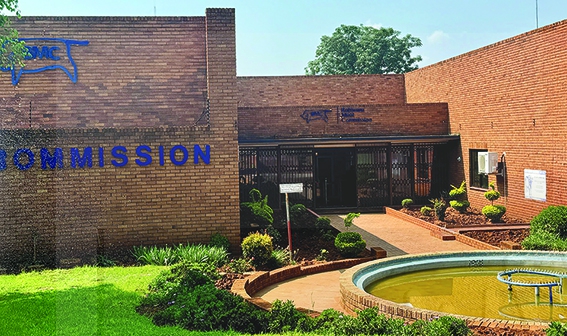
    The state-owned enterprise, the Botswana Meat Commission (BMC), has recorded a P54 million profit for the 2025 financial year, marking what management describes as a transition from recovery to stabilisation.

    Addressing Lobatse Town Council on Wednesday, BMC Chief Technical Advisor, Mr Oabona Ramotshwara said the Commission achieved an unaudited profit of P54.3 million for the year ended 31 December 2025, reversing a P132 million loss recorded in 2024.

    He said the performance was underpinned by improved throughput at the Lobatse Plant, which slaughtered 62 204 cattle in 2025, compared to 51 070 cattle in 2024, representing a 22 per cent increase. Plant utilisation improved from 49 per cent to 60 per cent.

    Mr Ramotshwara attributed the improved performance to stronger margins, tighter cost control, faster cash conversion, and enhanced farmer incentives.

    However, he noted that the recent outbreak of Foot and Mouth Disease (FMD) had slowed operations in 2026. Although the Lobatse abattoir has a capacity to slaughter 600 cattle per day, it is currently underutilised due to FMD protocols.

    He explained that while the Department of Veterinary Services had granted permission for local slaughter, BMC was primarily an export facility and could not be sustained by local slaughter alone.

    He said the Commission was awaiting completion of vaccination and surveillance processes by Veterinary Services before resuming export operations.

    “We are currently undertaking maintenance shutdown works so that when we resume export production, we are fully prepared and not hindered by pending maintenance,” he said.

    Mr Ramotshwara further identified ageing infrastructure as a key operational risk.

    “The structure was constructed many years ago and we continue to repair it. Some parts are no longer fixable, and some manufacturers of spare parts no longer exist. We are making strategic upgrades to ensure continuity of operations,” he said.

    He revealed that BMC generated P1.04 billion in revenue in 2025, of which nearly P700 million, approximately 70 per cent, was spent on cattle procurement. He described the business as high-cost and said management continued to explore innovative ways to manage operating expenses.

    On global market volatility, Mr Ramotshwara said logistics disruptions and international conflicts had affected operations.

    “Wars and conflicts around the Horn of Africa and parts of the European Union have disrupted shipping routes.

    From Cape Town, vessels can be delayed for one to two weeks due to ocean instability, which increases our costs,” he said.

    He emphasised Botswana’s small footprint in the global meat supply chain, noting that while BMC slaughters around 60 000 cattle annually, countries such as Brazil and Argentina can slaughter that volume within hours.

    “Brazil slaughters approximately 300 000 cattle per month. We operate in a niche market, and that is why we focused on improving selling prices in 2025,” he said.

    He added that BMC improved its cash conversion cycle by shifting from requiring a 50 per cent deposit on orders to demanding 100 percent upfront payment from customers.

    “Traditionally, logistics delays affected our ability to pay farmers on time.

    By requesting full upfront payment, we reduced the farmer payment waiting period from three months to seven days,” he said.

    Councillors welcomed the positive results but raised several concerns.

    Thema/Motswedi councillor Mr Velem Heii described BMC as the bedrock of Botswana’s economy and encouraged the commission to consider increasing buying prices for farmers as profits improve.

    Nominated councillor, Mr Kago Malele sought updates on the proposed Democratic Republic of Congo market for canned stew, estimated to generate US$ 4 million (more than P52 million), and suggested that BMC explore acquiring cargo aircraft in future to reduce shipping delays.

    Tsopeng North councillor, Mr Gobuamang Motlogelwa raised concerns about persistent odours emanating from holding pens and rendering processes, calling for stronger mitigation measures to protect nearby residents.

    Peleng East councillor Mr Bafo Monakwe urged the Commission to develop its unused properties to improve the town’s aesthetic appeal.

    Maokaneng councillor, Mr Oaitse Kedise echoed concerns over odour management and called for utilisation of five drilled boreholes to assist in addressing water shortages in Lobatse.

    He also commended BMC for relocating its cattle receiving bay away from the A1 road to reduce traffic congestion and suggested that rejected cattle be returned directly to owners rather than remain within BMC premises.

    Tsopeng South councillor, Mr Moalosi Rasesia applauded the commission for rehabilitating boreholes to improve water supply and recommended that BMC explore generating its own eco-friendly electricity to ease pressure on the town’s power supply.

    He described the P54 million profit as an important milestone and urged management to implement measures to sustain the gains.

  • Agric Investment -Ready Sector

    Agric Investment -Ready Sector

    Through the Botswana Economic Transformation Programme (BETP), agriculture stands not only as a subsistence activity, but a productive, competitive and investment ready sector of the future.

    This was revealed by Vice President Ndaba Gaolathe, when officially opening the inaugural Botswana Agriculture Business and Investment Forum in Tlokweng yesterday.

    Mr Gaolathe said under BETP, it was recognised that sustainable growth would not be driven by government alone but that the latter’s role was to create an enabling environment, policy certainty, infrastructure, regulatory reform and strategic coordination so that enterprise, innovation and capital could flourish.

    “We seek partnerships wherever excellence resides. Because prosperity today is built through collaboration, not isolation. This platform must become an annual marketplace of ideas, capital and enduring friendships,” said Mr Gaolathe.

    He said the forum arrived at a time when Botswana must decisively broaden its economic base beyond diamonds as the soil beneath was as strategic as minerals beneath it.

    Mr Gaolathe highlighted that agriculture was not merely about food production but about agro-processing, export competitiveness, climate resilience, rural industrialisation and jobs especially for youth and women.

    “We believe in a new Botswana confident, fair, inclusive. We believe in a new Africa high-income, diversified, digitally enabled and empowered. We believe Africa is the world’s emerging breadbasket. But this future will not arrive by optimism alone. It will require discipline, technical education, strong institutions and coordinated effort across institutions,” he added.

    Held under the theme: Catalysing Investment in Agri-Food Systems for Inclusive Growth and Food Sovereignty, Mr Gaolathe said the theme spoke directly to government’s ambition.

    He said agriculture had been identified under BETP as one of six economic engines to revitalise the economy and government was intentional about it.

    “Through agriculture, we are determined to lay a firm foundation for industrialisation and job creation especially for the youth, women and persons living with disabilities. They have far more to offer than we can imagine. Our responsibility is to unlock that potential,” he said.

    He said to ensure food security, rural development and agro-industrial opportunities there was need to raise agriculture’s contribution to GDP from two percent to at least six per cent in the immediate term.

    Mr Gaolathe said this was only possible by repositioning agriculture from subsistence to a resilient, export oriented agro-industrial sector built on value chains, agro-processing and market access.

    “Growth in agriculture will reduce our import bill and increase exports. But more than that, it will restore dignity to production and pride to enterprise. This entails investment in agro-processing and value addition of livestock and crop commodities. Botswana aims to convert its land, water and farmer base into competitive exports in meat, high-value crops and nutraceuticals,” he said.

    Mr Gaolathe said through BETP government was adopting a holistic approach to pricing and seasonality challenges by investing in cold chain solutions and logistics such as strengthening electricity provision, ICT infrastructure and supply routes to production zones.

    For her part, Food and Agriculture Organisation (FAO) of the United Nations Botswana representative, Ms Carla Mucavi, said the forum was a landmark platform that under-scored Botswana’s unwavering commitment to transforming its agrifood systems and achieving food sovereignty.

    She commended government for prioritising agriculture as a driver of economic diversification and noted that guided by the UN’s Cooperations Framework and FAO Country Programming Framework, they continued to support national efforts to strengthen value chains, enhance productivity, improve nutrition and build resilience to climate change.

    “Through some FAO transformative global initiatives such as the One Country One Priority Product (OCOP), we aim to help Botswana develop a competitive and sustainable value chains that can access regional and international markets while creating jobs and increasing incomes locally,” she said.

    She said under the OCOP, which Botswana joined last year, FAO was supporting the development of potato national strategy, which would seek to explore the entire potato value chain from research and development, seed production, farm production and through to establishment of processed products and establishment of relevant industries.

    Ms Mucavi said FAO was jointly working with government in developing the agriculture Financing Strategy, aimed at de-risking agriculture and promoting investments to the sector to unlock its immense potential.

    The two-day event brought together key stakeholders in the sector including farmers, investors, innovators among others to explore new investment opportunities and promote sustainable food production.

  • BERA Quarantines Over 3 million litres Of Fuel

    BERA Quarantines Over 3 million litres Of Fuel

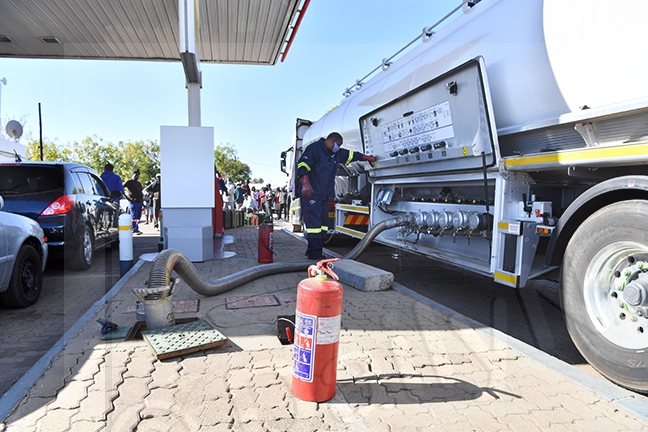
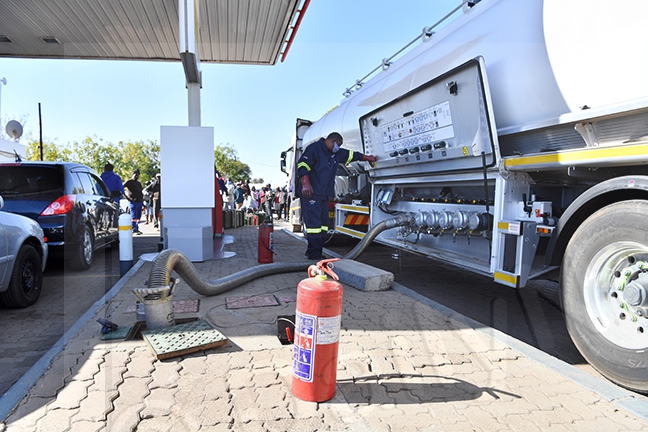
    Botswana Energy Regulatory Authority (BERA) has isolated and quarantined about 3.3 million litres of Unleaded Petrol 95 (ULP95) following allegations of suspected contamination.

    In a statement, BERA says the decision followed reports that the state-owned Botswana Oil has received substandard contaminated fuel suspected to contain lead metals from the National Petroleum Corporation of Namibia (Namcor).

    BERA Chief Executive Officer, Dr Never Tshabang, confirmed in an interview that the fuel was suspected to contain lead and manganese, metallic additives explicitly prohibited under Botswana’s fuel standards, specifically the Botswana Standard on Unleaded Petrol (BOS 577), which excludes any metallic additives.

    “The Botswana Standard on unleaded petrol (BOS 577) clearly excludes metals. The authority has since conducted its own tests on the fuel quality from Namcor, hence the decision to isolate, quarantine and halt distribution of the suspected quantity,” he said.

    Dr Tshabang cautioned that additives containing metals were banned in the early 2000s due to environmental and health concerns. He explained that the presence of lead and manganese in fuel could have toxic effects and may lead to respiratory complications if inhaled in large quantities.

    He said both BERA and Botswana Oil were committed to ensuring that fuel supplied and used in Botswana meets accepted standards at all times. Dr Tshabang therefore urged motorists to remain observant of their vehicles’ fuel consumption and engine performance, and to report any abnormal signals or engine performance problems linked to fuel consumption.

    Meanwhile, Botswana Oil refuted the allegations in a media release, stating that the company has a comprehensive internal quality assurance process applied across the entire fuel supply chain from sourcing through storage to delivery to customers.

    “Upon arrival of fuel at Botswana Oil depots, routine quality assurance screening is conducted as part of standard operating procedures. In the event the screening indicates that the sample independent accredited laboratory for validation testing. Only once the validation results confirm compliance with required specifications is the product accepted into storage,” reads the release.

    Botswana Oil added that quality checks are also conducted prior to loading products for customers to ensure continued compliance.

    The company further stated that during January 2026 it imported ULP95 from Namibia and, in line with its quality assurance procedures, all product was screened to ensure compliance with required specifications. According to the release, Botswana Oil has not received any complaints or reports of engine damage or performance issues linked to the supplied fuel.

    Botswana Oil, which was established to help achieve government objectives of ensuring national fuel security, said the isolation of the 3.3 million litres could in the short term have ripple effects on fuel availability in the country, potentially pushing prices up if supply falls short of demand.

  • A.T.I Legacy Lives On

    A.T.I Legacy Lives On

    The late Atlasaone Molemogi, popularly known as A.T.I , may be gone but his music lives.

    Following his passing in August last year his management team has been working tirelessly to carry on his legacy, efforts that recently saw the release of a single, Nole Kae, featuring Dintleonthetrack.

    In an interview A.T.I’s digital manager, Thato Mamalelala, said that the song was the first to be released since his passing.

     It is a song he had been working on and planned to release so, it was only right to finally share it, Mamalelala said.

    She went on to state, ‘it is very emotional releasing a song after his passing, especially knowing he won’t be here to perform it on stage. That is a hard pill to swallow. But seeing how people embraced the song and showed love means everything to us.” 

    Mamalelala promised that there would be more singles before the release of a full album just before the year ends.

    She stated that the song was to remind fans of A.T.I’s talent and ability, adding that one of his older songs, Ancient of Days, really gave a transparent idea of who he was and the struggles he faced.  

    Ancient of Days  touches on A.T.I’s struggles after rehab and suicidal thoughts which he asked God to silence.

    It also shares how he still felt empty despite the money and fame he enjoyed.

    “But through it all, you hear that he never stopped trying.” said Mamalelala.

    She said fans could expect features, mostly with young and emerging talents that A.T.I believed in.

    Though she would not give out the names for now, she insisted that upcoming projects were mind blowing because A.T.I gave his all every time he was in the studio.

    She thanked all for supporting A.T.I’s music and keeping his legacy alive by streaming and sharing his songs. 

    “We appreciate it more than words can say,” said Mamalelala.

  • Kazungula Bridge Valuable Asset For Africa

    Kazungula Bridge Valuable Asset For Africa

    The Kazungula Bridge masterpiece towers majestically over the waters at a point where the Chobe and Zambezi Rivers meet. Strategically located, the bridge sits at a quadripoint where Botswana, Zambia, Namibia and Zimbabwe converge on the Zambezi River.

    The bridge is a product of the solid bilateral relations between Botswana and Zambia and was constructed to boost economic growth, reduce transit time as well as promote regional trade relations and sustainable development in the Southern African Development Community (SADC) region.

    Since its opening in May 2021, it has been reported that the number of trucks crossing through the bridge had increased from an average of 214 to 491 per day.

    At the launch of the Kazungula Bridge Authority (KBA) on Tuesday, Minister of Transport and Infrastructure, Mr Noah Salakae described the bridge as a valuable asset, not only to our Botswana and Zambia, but to Africa as a whole.

    Mr Salakae said after nearly five years waiting for the commissioning and operationalisation of the KBA, ultimately launching it, marked an enduring inclination that would see the Authority transform into a globally-renowned institution and become the groundwork for the long-term prosperity of the economies of the two nations.

    Its impact, he said, would see the economies of the two countries grow and thrive at home and also expand beyond the borders to promote the African Continental Free Trade Area Agreement.

    He said the uniquely designed 923-metre-long road and rail bridge replaced the ferry pontoon system, which had proven not only inefficient but very slow and highly unreliable. Minister Salakae appreciated that the bridge stood not only as a physical link between the two countries, but also as a key component of the North-South Corridor (NSC), a vital trade route within the SADC region and an important conduit for regional integration and economic development, benefiting countries such as Democratic Republic of Congo, Malawi, Mozambique, Namibia, South Africa, Tanzania as well as Zimbabwe.

    The NSC accounts for approximately 84 per cent of regional freight traffic, primarily driven by trade activities in Zambia, the Democratic Republic of Congo and South Africa.

    Mr Salakae highlighted that a significant portion of the traffic originated from the Port of Durban, which handled nearly 64 per cent of all container movements within the region, and from the Gauteng Province of South Africa, encompassing Johannesburg and Pretoria, which served as the region’s principal centre for manufacturing, warehousing and distribution.

    “The NSC therefore remains the corridor of choice for the mining, agriculture and manufacturing sectors in the region owing to its balanced import-export flow, competitive costs, and overall efficiency,” he said.

    In addition, he pointed out that bridge served as a catalyst for economic transformation, unlocking new investment opportunities and reinforcing the Kazungula One Stop Border’s position as a key gateway for regional trade and connectivity.

    The latter, Mr Salakae said had helped streamline cross-border procedures, resulting in reduced clearance times and lower trade costs and enhanced competitiveness of Botswana’s exports and imports.

    He also announced that the KBA Board of Directors was inaugurated during the last session of the Joint Ministerial Committee meeting held in Kasane on September 18 last year as a key milestone towards the operationalisation of the KBA.

    He said the KBA Board of Directors held its first extraordinary meeting last year on October 8 during which the appointment of the executive director was approved and subsequently endorsed by the Council of Ministers.

    The minister said on Monday they witnessed the signing of the hosting agreement between the host country, Botswana and the KBA, and said the move was a great milestone that signalled the beginning of the six months’ transition period from the Kazungula Bridge project office to the Kazungula Bridge Authority.

    During this period, the project office staff and the executing ministries will work in collaboration with the executive director in order for the KBA to take over the management and maintenance of the Kazungula Bridge infrastructure.

  • Compliance To Digital Services Act Critical

    Compliance To Digital Services Act Critical

    The country’s private and public sectors have less than 24 months to digitise their services under the Digital Services Act.

    This is part of the government’s drive to push for digital transformation to modernise operations, boost efficiency, and enhance user experience.

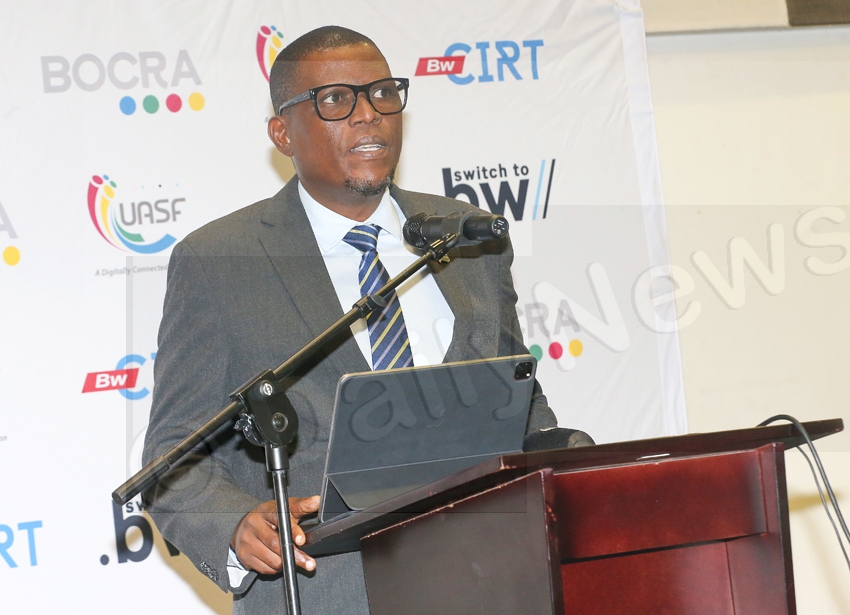
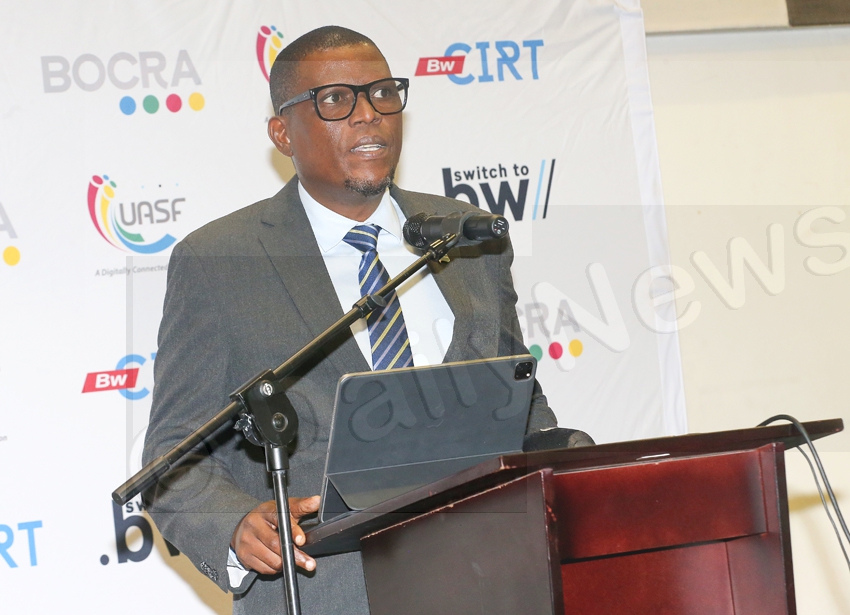
    The Minister of Communications and Innovation, Mr David Tshere, said this at the beginning of the Botswana Cyber Drill, organised by the Botswana Communications Regulatory Authority (BOCRA), that the 24-month grace period, which started in November last year, gave the private and public sectors an opportunity to prepare for the transition.

    “The Digital Services Act gives us a 24-month grace period to prepare and put together all necessary enabling infrastructure and to roll out digitalisation,” Minister Tshere said on Tuesday.

    “The private and the public sectors will be required to offer their services digitally; that is what the law says,” he added.

    He said the government had moved from a reactive posture to a proactive structure and a unified national framework, adding that a digital nation could not be built on a weak foundation, as it required trust, security, and the rule of law.

    The government last year passed the Cyber Security Act, which was subsequently signed into law and is waiting to commence by April.

    The key output of the law is the establishment of the National Cybersecurity Authority, which will provide strategic oversight, coordination, and policy direction for cybersecurity across all sectors of the country’s economy.

    The Act also formally strengthened the mandate of the National Computer Security Incident Response, he added.

    Minister Tshere further told stakeholders that cybersecurity threats were no longer abstract and distant technical concepts.

    “They are here, prevalent, and increasingly sophisticated,” the minister warned, stressing that cyber threats distracted essential services, compromised sensitive information, and caused tangible economic and operational harm, resulting in loss of business and customer confidence.

    He said some businesses had been attacked locally, adding that the cybersecurity drill provided a safe and structured environment to learn from global experts, shared experiences, and developed critical skills to handle real-world cybersecurity crises.

    He pointed out that while the government could pass laws and Botswana Communications Regulatory Authority (BOCRA) could provide technical leadership, but security was a shared responsibility.

    BOCRA chief executive officer, Mr Martin Mokgware, said the stability of the nation rested on the resilience of digital foundations, noting that the cyber drill was a powerful demonstration of safeguarding the economy.

    “Therefore, a cyber incident is not just an IT problem; it is a national problem that affects citizens, businesses, and how our country functions,” he said.
    Abaricom managing director, Mr Neo Ngwako, said from a local industry perspective, there was a need to safeguard the economy from criminal activities, adding that threats were coming at a time when the economy was ailing and faced with a foot-and-mouth disease threat.

    The first Botswana Cyber Drill was held under the theme: Cyber Resilience in Action.

  • Council Introduces App For Rates Collection

    Council Introduces App For Rates Collection

    Lobatse Town Council has introduced an FNB App to maximise on digital technologies and  tackle low rates collection.

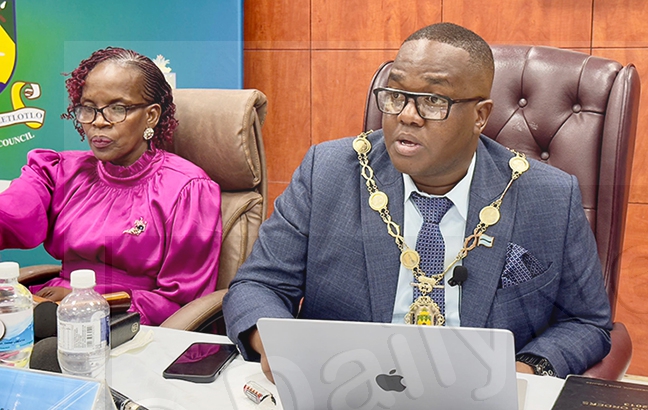
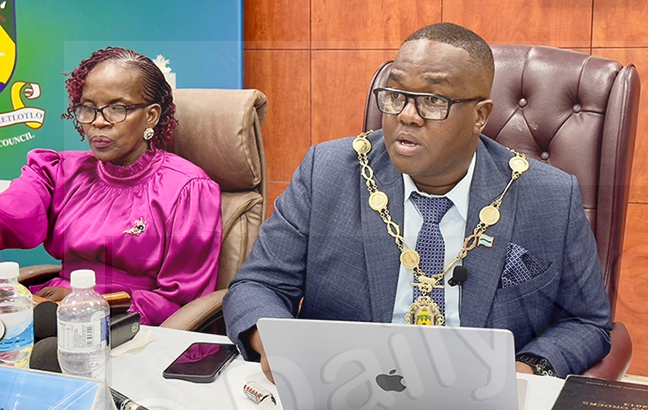
    Speaking during a Full Council meeting on Monday, Lobatse mayor, Mr Aron Ganakgomo said the council continued to deploy efficient solutions for revenue maximisation to enhance efficiencies as Lobatse Town Council had been uploaded as a Public Recipient with First National Bank (FNB).

    Property owners would have to log into the App, pay rates to council through cell phone banking or online transaction.

    He said the move was opportune given that FNB held about 60 to 65 per cent of property market share adding that the development would enable most of rates debtors and the community at large to pay the Council conveniently at the comfort of their homes.

    Additionally, Mayor Ganakgomo said the council was in the process of increasing remote payment access through the Payment Gateway to further widen the revenue pool to allow both FNB and non FNB customers to pay at their convenience.

    He thus implored customers to use the payment platforms to pay debts.

    He said that council in collaboration with FNB shall embark on public education and rates collection campaign through various social media platforms to raise awareness and motivate property owners to make enquiries and remit rates.

    The move, Mr Ganakgomo said, was devised against the backdrop that as at the beginning of the 2024/2025 financial year, Lobatse Town Council was owed rates amounting to over P23 million but collection stood at slightly above P3 million on outstanding arrears.

    This he noted, was a serious concern adding that collection for this financial year stood at slightly above P1 million which was 20 per cent against the targeted P5 million.

    He therefore anticipated that the FNB App would enable real-time payment, yield higher collection rate and improve customer compliance.

    Furthermore, mayor Ganakgomo highlighted that the tight fiscal environment at national and local level demanded more proficiency and prudence in managing the limited resources as underscored during 2026 Budget Speech.

    Nonetheless, he said even though the council was faced with financial challenges in the previous quarters, they had been able to execute their core mandate, owing to austerity measures they undertook in managing cash flow and strengthening revenue base.

    He announced that this year, Lobatse Town Council performed well in revenue collection as of January 2026 to date as collection stood at P151 million against the targeted income of P165 million; a 92 per cent collection rate.

    The excellent performance, he said reflected confidence in the council’s ability to continue delivering essential services effectively.

    With regards to the introduction of an FNB App for revenue collection, Peleng Central Councillor Mr Stephen Mpofu welcomed the development.

    In an interview on the side-lines of the full council meeting, he said the App would make payment easier for customers and reduce long queues which wasted valuable time and travel costs.

    He noted that the digitisation of the payment would also reduce too much paperwork and save government some costs.

    In addition, Councillor Mpofu buttressed that customers had the option of selecting fixed online deposits which would enable them to better budget.

    Nominated councillor Mr Gofaone Kedise, said Lobatse Town Council was owed over P35 million in property rates.

    “We are talking digitisation of government services and therefore, anything credible that can help us to collect rates is a welcome initiative. The people must not fail to pay rates because we have not availed payment platforms,” he said.

    He highlighted that councils which were funded by government through the revenue support grant and were required to sustain itself through generating Own Revenue Source must deliver quality services to the people.

    He said such finances covered statutory services which the council must offer which include infrastructure development, waste management, and social services, highlighting that if property rates were not paid it could affect service delivery.

    Thus, he emphasised that it was important for customers to pay property rates and service levies through available online platforms to enable the council to effectively deliver services

  • Keitemoge Strives To Share African Culture

    Keitemoge Strives To Share African Culture

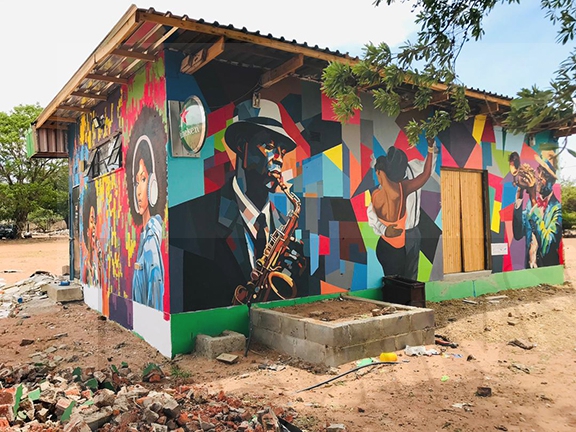
    Obakeng Keitemoge, born and raised in Gaborone, is a visual and fine artist whose work is deeply rooted in Botswana and African traditions.

    His art celebrates the continent’s rich heritage, often portraying tribal life, fashion, cuisine, architecture and pottery.

    “Mostly, I like to draw cultural artwork depicting African tribes, their way of life, fashion, culinary traditions, and architecture. Our culture is so rich, and I want to capture it,” Keitemoge explains.

    His passion for art began in Standard 5 during a CAPA lesson and never faded. He carried it through junior and senior secondary school days, eventually earning an A* in Botswana General Certificate of Secondary Education.

    In 2016, he turned his passion into a full-time career, working across drawing, painting, and fabric design.

    Beyond his own practice, Keitemoge is committed to teaching, he mentors young artists, unemployed individuals, and vulnerable communities, equipping them with painting and drawing skills to help them create opportunities for self-employment.

    “I share my skills because I know art can change lives, it worked for me, and I want others to benefit too,” he says.

    Keitemoge envisions art becoming a valuable investment in Botswana, comparable to real estate. He believes art not only appreciates in value but also has the potential to contribute to the nation’s GDP and diversify the economy.

    His dream is for Batswana to invest in art as a way of telling their own stories and showcasing their identity to the world. With the internet connecting global markets, Keitemoge aims to reach audiences far beyond Botswana.

    “The whole world is connected; we can sell to people in Finland, Germany, the United States. I want to use the internet to reach everywhere,” he notes.

    Despite challenges such as limited understanding of art’s economic potential, he remains committed to educating others.

    In 2025, he marked a milestone year, participating in a programme sponsored by the National Art Council of Botswana, where he and fellow artists taught art skills to school dropouts and vulnerable groups, empowering them to earn through creativity.

    His advice to fellow artists is to remain original, patient, and persistent;

    “Never tire of telling and sharing stories in the global village,” he says, encouraging artists to attract international enthusiasts.

    He also wishes for the Ministry of Sports and Arts to invest in artists by recognising art’s role in storytelling, economic diversification, and national development.

    At 32, Keitemoge continues to build momentum, driven by a vision of art as both cultural heritage and economic opportunity. His journey, a reflection of personal achievement and a mission to elevate Botswana’s art onto the global stage.

  • Ramoreboli Optimistic

    Ramoreboli Optimistic

    The senior national football team coach, Morena Ramoreboli, has expressed confidence that the Zebras have what it takes to qualify for the next edition of the Africa Cup of Nations (AFCON). 

    Speaking at the team’s appreciation event in Gaborone Monday, he said Botswana has an abundance of talent, emphasising that players developed best when their mistakes were corrected rather than overlooked with praise as constructive criticism was key to their growth. 

    “To all technicians, remember that your contribution is to grow football in this country. We have been given that responsibility,” he said. 

    Ramoreboli stressed that in nurturing talent, coaches must focus on helping players improve and grow into stronger footballers. 

    The coach admitted that the team was not proud of their AFCON performance in Morocco, where they were eliminated in the group stages. 

    However, he said their participation in the finals provided valuable lessons that would help them reach the same level as stronger teams. He said as a coach, he learnt a lot in Morocco. 

    “For the first time in my football career I had to stand for 90 minutes, and it was difficult to send messages because of the crowd and stadium noise. Those are things our players are not used to,” he said. 

    He said they also gained insight into the lifestyle and level of commitment demonstrated by other players at AFCON. 

    “We saw Sadio Mané play 90 minutes in all games and still give the same attitude,” he said. 

    Ramoreboli noted that during the 2012 AFCON tournament, the same Senegal side that recently won the championship had once gone home without a single win. 

    “Sometimes we take many lessons before getting what we want, but because of noise and negativity we end up thinking we are not good enough,” he said. 

    He further said national team coaches and players carried huge responsibility in representing their countries with pride. 

    “Before pointing fingers, players, coaches, legends and stakeholders should ask themselves how best they can help the national team,” he said. 

    Ramoreboli observed that people were often quick to judge and forgot their critical role in supporting the national team so that it could achieve good results. 

    “This is a national team where everybody is responsible. Your little contribution, whether at the stadium or through positive messages on social media, always pushes our boys,” he said.

    He added that if the nation could unite, there was no doubt Botswana could achieve great things. Ramoreboli also thanked the Botswana Football Association for its relentless support during AFCON preparations and throughout the tournament.