Author: Daily News

  • Hospital Project Takes Shape

    Hospital Project Takes Shape

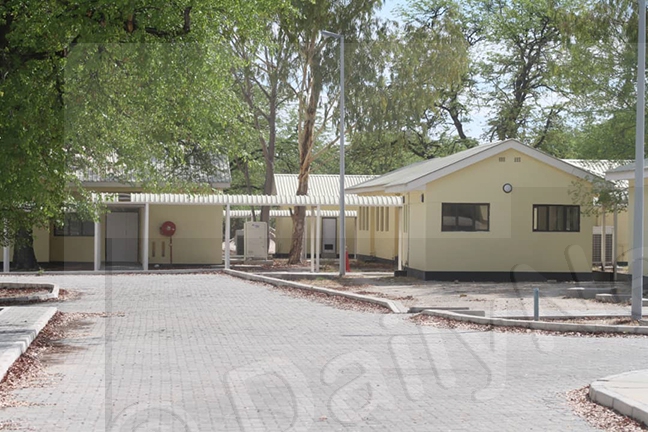
    After dragging on for years, the refurbishment of the old Maun General Hospital is expected to be concluded soon.

    This derives from a recent visit by a team from the Ministry of Health that conducted an assessment to determine what could be done to push the project to completion, thus ensuring that the facility begins to serve its intended purpose.

    The refurbishment of the facility, which is expected to serve as a referral hospital, stalled since 2017 due to various factors including the contractor abandoning site, vandalism of completed works and break-ins.

    The project was anticipated to take approximately one year but it was reported to be stuck at 90 per cent completion and the delays caused frustration among North West District leadership, some of whom called for the termination of the contract since the company engaged had failed to meet the July 2018 deadline.

    In an interview, Letsholathebe Memorial Hospital superintendent, Dr Lebogang Mokotedi confirmed that a team from the ministry visited the facility to conduct an assessment to determine what was required to complete the project.

    She said the visit was a positive move as, once in use, the facility would decongest the 270-bed Letsholathebe Hospital which was currently facing high demand as it served the North West, Okavango, Ghanzi and Boteti districts.

    “With plans of transforming Maun into a green city and the discussions on the construction of a new airport, we need another health facility with more beds to alleviate pressure on the existing one,” she added.

    Once completed, the facility will also help reduce the distance travelled by residents to access specialised services. Services to be offered will include general out-patient, maternity, dental services, sexual reproductive health, minor theatre services, radiology and isolation facilities.

    Meanwhile, some residents of Maun have complained that the old Maun General Hospital had been neglected since the commissioning of the Letsholathebe Hospital in 2008. They complained about the poor state of the facility saying it was posing a danger to the lives of patients and workers.

    When government took a decision to renovate the facility, residents were hopeful that the project would be completed on time, a dream that did not materialise. One of the residents, Mr John Benn attested that the facility had been neglected for long, exposing it to vandalism.

    “When government took a decision to renovate the facility, we had high hopes that it would reduce congestion at Letsholathebe Hospital which is currently overwhelmed, but the lack of progress with the project is disappointing,” he added.

  • Kgomokasitwa Welcomes Road Infrastructure Development

    Kgomokasitwa Welcomes Road Infrastructure Development

    Kgomokasitwa residents and other villages in the Moshupa District can look forward to improved connectivity and economic opportunities, as the government has awarded a contract for the construction of the 60-kilometre Digawana-Molapowabojang-Kgomokasitwa-Magotlhwane-Ntlhantlhe road at a cost of P558.2 million.

    The announcement was made by Assistant Minister of Transport and Infrastructure, Mr Keoagile Atamelang during a kgotla meeting in Kgomokasitwa on Thursday, who confirmed that the project has been awarded to SteelBase Construction (Pty) Ltd.

    Mr Atamelang noted that the new paved road would bring substantial benefits, including better service delivery to communities along the route and the creation of employment opportunities for local residents during construction and beyond.

    However, he said his ministry continues to grapple with persistent challenges in road development, such as delays caused by some land owners refusing to grant right-of-way for projects, as well as slow relocation of utility services by relevant departments from proposed routes.

    Residents, for their part, welcomed the announcement, expressing appreciation for the long-awaited upgrade. They urged authorities to grade the existing road in the interim to ease current mobility difficulties while construction preparations were underway.

    Following the address, Mr Atamelang conducted a site inspection, touring the section of the road from Kgomokasitwa to Tshweneyagae to assess its present condition and better understand community needs.

    This project underscores the government’s commitment to addressing infrastructure gaps in rural areas, with the new road expected to improve access, boost trade, and support overall development in the Moshupa District and surrounding regions.

  • Understanding Bacterial Vaginosis

    Understanding Bacterial Vaginosis

    Seating in a bubble bathtub for a woman may seem romantic and relaxing, a moment of calm after a long day, surrounded by warm water and fragrant foam.

    But that soothing foam bath can sometimes disrupt the vagina’s natural balance, creating conditions that may lead to bacterial vaginosis. Bacterial Vaginosis (BV) is one of the most common vaginal conditions affecting women, yet it remains widely misunderstood. 

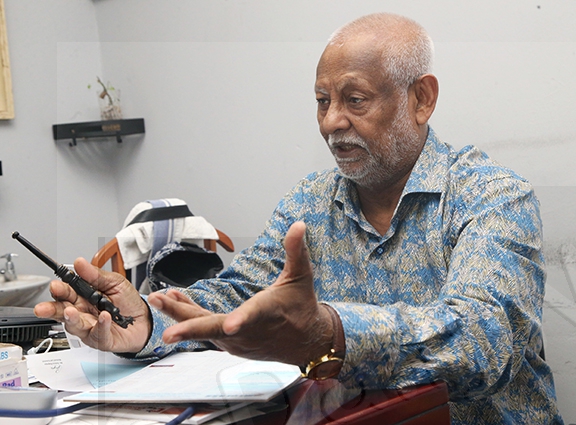
    Dr Muzaffar Hossain, a general medical practitioner in Gaborone, warns that everyday habits, hygiene practices and underlying health conditions could quietly disrupt the natural balance of vaginal bacteria, opening the door to infection. In a recent interview, Dr Hussain explained that BV was not caused by a single germ, but rather by an imbalance involving multiple organisms. 

    “Most of the time it is never enough to say it is just bacteria. It is usually a combination of different bacteria, sometimes candida yeast and occasionally other organisms. That is why we call it a syndromic condition,” Dr Hussain said.  

    He said products such as scented soaps, bubble baths and vaginal douches could upset the delicate environment, allowing harmful bacteria to multiply while protective bacteria decline.  For many women, BV develops quietly, he said, adding that some experienced no symptoms at all, while others noticed a thin grey or white discharge, a strong fish-like odour, often more noticeable after sex, and itching or a burning sensation during urination. 

    He was quick to say because the signs may be mild and could be confused with other conditions, hence many women delay seeking medical care, and BV frequently went undiagnosed. 

    “People tend to associate vaginal infections with pain or intense discomfort but BV does not always present that way, so women may ignore it or self-treat without realising what is going on,” said Dr Husssain.

    He clarified that BV was not classified as a sexually transmitted disease, but sexual activity could influence its occurrence and recurrence. 

    “BV is acquired, not sexually transmitted in the strict sense. However, intimate contact can facilitate transfer, especially when one partner has recurrent infections.” 

    Still, BV can affect women who are not sexually active, reinforcing that hygiene habits and product use also play a significant role. He said that explained why some women experienced repeated episodes even after treatment. 

    According to Dr Hussain, BV symptoms could range from mild to disruptive. Some women report itching, abnormal discharge, burning during urination, lower abdominal pain, or reduced libido, while others experience no discomfort at all.

    “In many cases, the only complaint is a strong, unpleasant odour. There may be no itching, no pain, just the smell. The discharge may appear thin and watery or thick and milky, often accompanied by a foul or fishy odour.”

    Dr Hussain warned that certain lifestyle and hygiene practices could increase the risk of BV. Frequent bubble baths, inadequate genital drying, and tight or minimal underwear, particularly G-strings, can promote bacterial movement from the anal area to the front. 

    “The distance is very short in women,” he explained, adding “G-strings allow bacteria to travel from back to front, increasing the risk of infection.” 

    He advised washing the genital area with warm water, drying thoroughly, and avoiding underwear styles that encouraged bacterial transfer. Women with poorly controlled diabetes, weakened immunity, advanced age, or chronic illnesses are especially vulnerable. Because BV rarely involves a single organism, treatment often includes a combination of antibiotics, antifungal medication, and anti-inflammatory drugs. 

    “You cannot always identify just one cause. That is why treatment is usually combined, to address all possibilities and relieve symptoms.” 

    Dr Hussain emphasised the need for accurate public education and urged women to seek medical advice early rather than self-treat or ignore symptoms. 

    “This is not about blame or shame. It is about understanding the body, maintaining hygiene, and getting proper treatment before the condition becomes recurrent or chronic.” 

    Bacterial Vaginosis may not always announce itself loudly, but its impact can be profound. He said by understanding how everyday habits, from bubble baths to sexual practices, affected vaginal health, women could make informed choices and protect their well-being. 

    “Open conversations and accurate information remain essential in bringing this common condition out of the shadows,’ Dr Husain said. 

    Ms Semang Mang, (not real names) said she suffered from bacterial vaginosis (BV) without knowing what it was. 

    “I initially felt that something was off, subtle discomfort that gradually turned into persistent symptoms I could no longer ignore. eventually, it began to affect my confidence, my workdays and even my sleep,” Ms Mang. 

    “I felt embarrassed. It was taking over my daily life,” Ms Mang admitted. 

    She explained that she felt ashamed to seek medical care, worried that the foul smell would imply promiscuity or some serious illness. Because of this fear, she first turned to traditional herbs for help. “I had never encountered anyone with such an awful smell, so I did not want to talk about it,” she said. 

    “I carried a water bottle to wash my private parts whenever I used the bathroom, but after some time, the smell would return.” 

    She admitted that she later resorted to using perfume on her body to mask the odour. However, the relief was only temporary.

    “After some time, I could smell myself again and I knew it had come back,” she said. Eventually, I gathered the courage to visit a private gynaecologist. Within a week, I was clear, no smell and my confidence was back,” she recalled. 

    Ms Mang called on both men and women to learn more about vaginal health, as understanding that vaginal health was about balance, not sterility, could help women make informed choices.  She also reiterated the importance of avoiding unnecessary douching, practicing safer sex and seeking medical advice as soon as symptoms appear. 

    “In the end, bacterial vaginosis is not just a medical condition. It is a reminder that everyday health issues can carry significant consequences when ignored. Bringing BV into the spotlight may be one of the simplest ways to improve women’s health outcomes, one conversation at a time.” 
  • Embracing Digitalisation Turning Point

    Embracing Digitalisation Turning Point

    Public servants in Tsabong have been called upon to be torchbearers of the new government’s vision by embracing digitalisation and demonstrating financial intelligence.

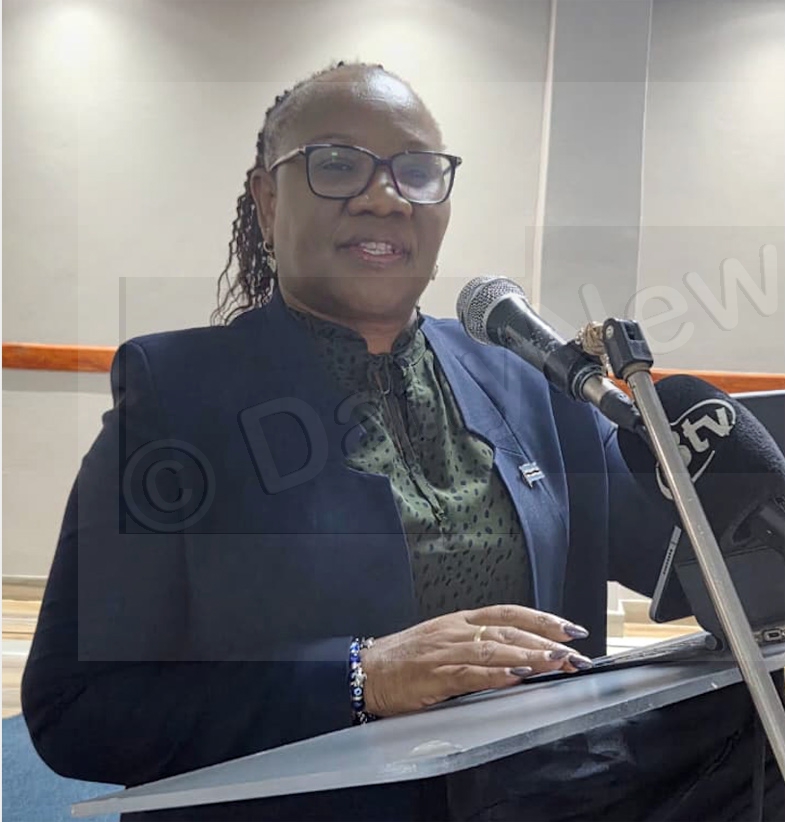
    Permanent Secretary to the President (PSP), Ms Emma Peloetletse, said this during a high-level engagement with the public servants in Tsabong on Monday.

    The meeting aimed to brief employees on national policies and gather crucial feedback from the frontline public services.

    Under the inspiring theme: The District of Unique Opportunities, Ms Peloetletse urged the public servants to embrace digitalisation of the workforce.

    “Let us embrace digitalisation. It should be utilised,” she declared, emphasising the critical shift away from outdated practices.

    She further highlighted manual processes as inefficient, lacking an audit trail, and consuming valuable time and underscored the government’s commitment to modernising service delivery.

    She also encouraged employees to find a unique ‘niche’ within their district and become ambassadors for Tsabong by promoting its potential and showcasing regional success stories.

    The Permanent Secretary to the President also touched on issues around national economic policies and updated public servants about the National Development Plan 12 and the Botswana Economic

    Transformation Programme, along with the status of the national economy.

    The dire economic situation, she relayed, demanded that individual workers reinforce individual responsibility in fiscal management.

    However, the session was not without candid feedback from the public servants themselves. Several pressing issues, such as staff shortages and overstaying, formed part of the impending issues the workforce was grappling with.

     Public servants also pleaded with the government to address the dilapidated accommodation as well as the acute shortage of staff housing to ensure their well-being was taken care of.

  • GCC Okays Concourt Establishment

    GCC Okays Concourt Establishment

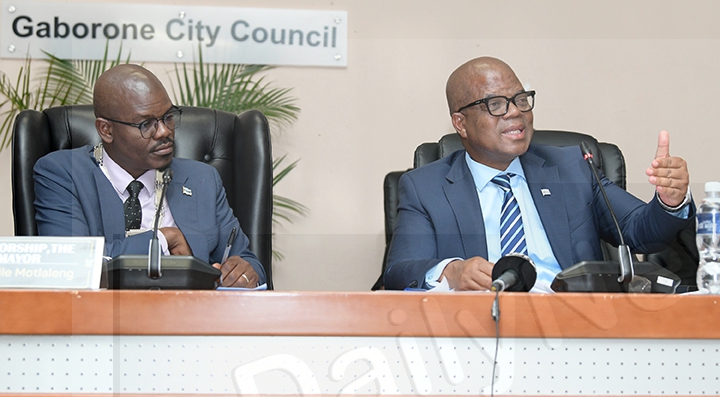
    Gaborone City councillors have welcomed government plans to establish a Constitutional Court, saying the move will strengthen protection of human rights and improve access to justice in Botswana.

    Speaking during a council meeting addressed by Minister for State President, Defence and Security, Mr Moeti Mohwasa on Monday, councillors said the proposed court would help safeguard the rights of vulnerable and marginalised groups.

    Nominated Councillor, Ms Katlego Morolong said the proposed court would provide protection of rights and strengthen checks and balances within the governance system.

    She noted that about 85 countries across five continents, including Zambia, had Constitutional Courts.

    “That shows that we are treading the right path and are a progressive nation. We should not depart from this path,” she said.

    Councillor for Marulamantsi Ward in Bonnington South Constituency, Mr Sergeant Kgosietsile, welcomed ConCourt establishment, saying the move would help safeguard second and third generation human rights and contributed to a progressive constitutional order.

    He therefore urged citizens to support its establishment in the interest of justice and national development.

    Kgosi Arnold Somolekae of Gaborone West Customary Court and an ex-officio member of the council also endorsed the establishment of the Constitutional Court, saying it would handle specialised constitutional matters, including cases that might not be heard by the Court of Appeal.

    He said the court would help ensure access to human rights protection, especially for vulnerable citizens, adding that specialised courts were necessary because the High Court of Botswana already handled both civil and criminal matters, often resulting in backlogs.

    Kgosi Somolekae cited the landmark housing rights case in South Africa, Government of the Republic of South Africa vs Grootboom (2000), which compelled the state to provide housing for vulnerable communities.

    He also reassured residents that the Constitutional Court would not automatically abolish the death penalty, explaining that the court would instead assess cases based on constitutional principles and individual circumstances.

    “Justice delayed is justice denied. Constitutional matters that are delayed amount to justice denied,” he said, adding that the court would be established through an Act of Parliament specifying how judges would be appointed.

    However, Phakalane Ward councillor, Mr Kaisara Sejoe, opposed the proposal, arguing that the minister had not clearly identified gaps within the judiciary that justified the creation of a new court

    He also questioned whether proper constitutional amendment procedures had been followed, saying broader grassroots consultation through the kgotla system was necessary.

    Mr Sejoe further raised concerns about the appointment of judges, arguing that vesting such powers in the sitting President could undermine judicial independence.

    Addressing councillors, Minister Mohwasa said government intended to protect every citizen’s right to life and dignity through the proposed court.

    He revealed that following the All-Party Conference of July 4, 2025, government published a notice in the Botswana Gazette regarding the Constitutional Court proposal.

    The minister said the Ntlo ya Dikgosi had not rejected the proposal but recommended amendments to some clauses, prompting further consultations, which could take time to conclude.

    He noted that constitutional amendments were not new in Botswana and said the proposed court would help restore dignity, improve livelihoods, provide refuge for individuals who lost cases on technicalities, and guide future law reforms.

    He added that specialised judicial bodies already existed, such as the Land Tribunal and Industrial Court, and emphasised that the Constitutional Court would similarly focus on constitutional matters while expanding access to justice for ordinary citizens.

  • Residents Raise Mixed Views on Constitutional Court

    Residents Raise Mixed Views on Constitutional Court

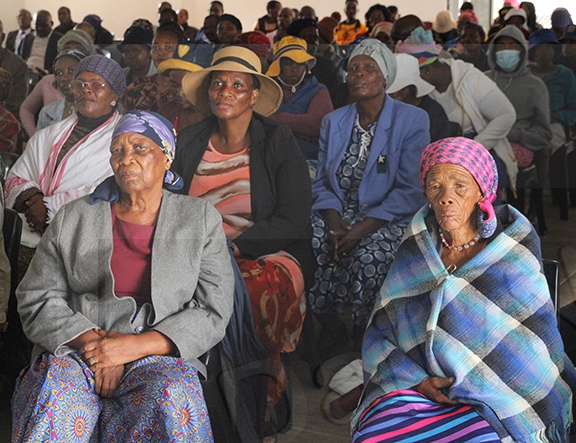
    Kang residents have expressed mixed reactions to government’s proposal to establish a Constitutional Court, with some welcoming the move as a long-overdue step toward equality and access to justice, and others urging authorities to prioritise constitutional reforms and economic recovery.

    Residents expressed these sentiments at a Constitutional Court consultative kgotla meeting which was addressed by the Minister of Water and Human Settlement, Mr Onneetse Ramogapi in Kang on Monday.

    Those in support said the court could help address long-standing concerns of marginalisation in the Kgalagadi region, where ethnic groups had historically been regarded and treated as minority communities.

    They argued that locating the court in Kang would promote equitable distribution of national resources and decentralisation of key institutions, which were largely concentrated in the southern part of the country.

    One resident, who supported the establishment of ConCourt was Mr Kemmone Makatane, who said such a move would strengthen citizens’ rights and enable communities to benefit more directly from natural resources in their areas.

    “In countries where there is a Constitutional Court, citizens are able to benefit from their natural resources. This could create opportunities for tribes in mining areas to benefit from the mines in their districts, unlike the current situation where government benefits while local communities receive no royalties,” he said.

    Mr Makatane added that such a court would provide recourse for citizens to hold government accountable for service delivery in sectors such as health, education and development.

    Meanwhile, other residents called on government to halt the process and instead focus on amending the Constitution or strengthening the Court of Appeal pending a comprehensive constitutional review.

    Mr Mautswe Mabe questioned how the proposed court would deal with sensitive issues such as intermarriages and capital punishment, while Mr Abel Phori challenged the urgency of the proposal in light of the country’s economic challenges.

    He said the establishment of the court would be costly and could create further financial obligations through judges’ remuneration and administrative expenses.

    Some residents also called for assurances that the ConCourt’s decisions would not conflict with Christian principles, particularly on issues such as same-sex marriage.

    Responding to the concerns, Minister Ramogapi, said the proposal was not being rushed and had been the subject of consultations under previous administrations.

    He noted that during the presidency of Dr Festus Mogae consultations were conducted to assess the need for a Constitutional Court, while the Dibotelo Commission established under former president Dr Mokgweetsi Masisi also found that there was a need for such a court, although it was not implemented.

    Mr Ramogapi said the ConCourt would be particularly beneficial to communities in Kgalagadi, which he said had experienced marginalisation and discrimination.

    He explained that a Constitutional Court would be the highest authority on constitutional matters, with its rulings being final, and its primary role would be to protect human rights and shield citizens from abuse of power.

    Mr Ramogapi also mentioned that Botswana currently had no dedicated forum to address disputes such as alleged irregularities in general elections, a gap the proposed court would fill.

    On suggestions to empower the Court of Appeal instead, he said many countries were moving toward establishing Constitutional Courts as specialised institutions for constitutional interpretation.

    He dismissed allegations that government had already planned for this proposal, adding that, so far, no land had yet been identified and no funds secured for the project.

    Mr Ramogapi noted that its establishment was not currently provided for under the National Development Plan and would only proceed if citizens supported the proposal.

    On that note, he implored the residents to vote for the establishment of the ConCourt when the referendum process was undertaken.

    For her part, Kgosi Basadi Seipone II expressed optimism that the proposed Constitutional Court would promote peace, unity and equal protection of the law across the country.

    She said the timing of the initiative was appropriate, noting that the court would help emancipate many people by strengthening the protection of their constitutional rights.

    Kgosi Seipone II emphasised that the Constitution required a specialised body to interpret and safeguard it, adding that the establishment of a Constitutional Court would ensure that dedicated experts were entrusted with handling constitutional matters.

    She commended the government for taking the initiative, saying the court would be particularly beneficial to communities that had experienced marginalisation.

  • Serule Farmers Unite to Maintain Fence

    Serule Farmers Unite to Maintain Fence

    Community engagement has become a vital strategy in addressing the recent Foot and Mouth Disease (FMD) outbreak. 

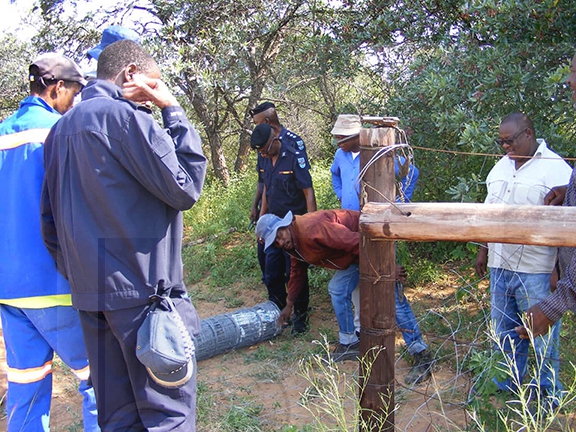
    The Serule West Farmers Association has taken the lead in rallying local farmers to protect their livestock by undertaking maintenance of the disease control fence along the Sese and Thalamabele veterinary gates. 

    At a time when disease outbreaks threaten both rural incomes and the national economy, the association’s coordinated response demonstrates how collective action can help prevent the spread of animal diseases, particularly in resource-constrained environments.

    Farmers have volunteered labour, tools and transport to repair and maintain the disease-control fence stretching from the Sese veterinary gate to the Thalamabele gate near Masenyane cattle post.

    The maintenance work, divided among four teams, covers about 160 kilometres and is expected to significantly strengthen disease containment.

    Speaking during the maintenance exercise, the association’s Public Relations Officer, Mr Thapelo Olopeng stressed that community participation was essential during national crises.

    “Community engagement in serious challenges like the FMD outbreak in a country such as Botswana, facing financial constraints and limited overtime resources, is very crucial,” he said.

    He noted that members also contributed P50 each to provide meals during the two-day operation, illustrating the revival of self-reliance within the farming community.

    Mr Olopeng said the association also intended  to approach donors to assist in purchasing a patrol vehicle that would help monitor the fence daily and address challenges posed by wildlife, particularly elephants, which often damage the barrier.

    He explained that uncontrolled livestock movement between zones around Tonota and Serowe threatens cattle supplies destined for the Botswana Meat Commission, making fence integrity a national economic priority.

    Meanwhile, Acting District Agricultural Coordinator, Mr Kenneth Mabote warned that vandalising the disease-control fence was a serious offence punishable by law, adding that offenders may be required to repair damaged sections at their own cost.

    Despite the warning, he commended the community for taking responsibility for maintaining the fence using their own resources.

    The maintenance follows the outbreak whose epicentre was identified near Jackalas No.1. Local authorities, Tonota and Serowe District Council chairpersons, Messrs Neo Sefhume and Atamelang Thaga said additional measures were underway, with district leadership planning to engage Ipelegeng workers for bush clearing along the fence line.

    Government has also committed P97 million towards vaccination and logistics to contain the outbreak in Zone 6b.

    The initiative stands as a reminder that when communities unite around a common threat, their shared knowledge, labour and commitment can play a decisive role in protecting both livelihoods and the national cattle industry.

  • Tourism Fees Review Afoot

    Tourism Fees Review Afoot

    Botswana’s tourism fees, some unchanged for 30 years, are set to rise in a bid to strengthen revenue mobilisation and sustainability.

    Currently ranked among the lowest in the region, the fees are expected to be increased starting beginning of April. Minister of Environment and Tourism, Mr Wynter Mmolotsi, said on Thursday during a consultative meeting on the proposed revision of tourism user fees, which is part of the government’s broader strategy to strengthen revenue mobilisation while ensuring affordability and sustainability.

    The new fee proposals, he said, were guided by inflation adjustment, affordability considerations, revenue mobilisation, user feedback and comparative analysis.

    “Comparative analysis shows Botswana’s fees remain among the lowest in the region, and benchmarking against Namibia, Zambia, Zimbabwe, and South Africa confirms the need for alignment,” he said.

    Among the key adjustments are increases in tourism enterprises’ licencing fees, with citizen operators protected through differentiated charges. Wildlife and National Parks fees have been revised to reflect inflation and conservation financing needs.

    For example, Minister Mmolotsi said citizen park entry fees had been proposed to increase from P30 to P50, while non-resident fees would increase from P380 to P500. While research and filming permits have been proposed to be adjusted to reflect operational costs, with commercial filming permits ranging from P20,000 to P50,000.

    “As an outcome of the consultation process, some of the proposed fees that this meeting agrees on will take effect from 1st April 2026,” he said, adding that some would require amendment of applicable regulations and later gazetting for public consumption.

    Minister Mmolotsi told stakeholders that the adjustments were not simply about raising fees, but about strengthening tourism and environmental management systems, ensuring sustainability, and aligning with international best practices.

    He assured stakeholders that the ministry recognised the concerns raised and was willing to listen, clarify, and work with them to ensure that the revised fees were fair, transparent, and effective, while securing the financial sustainability of the sector.

    The Department of Tourism director, Mr Lopang Pule, noted that the prices were not set in stone and stressed the need to periodically review costs in the sector.

    “We are getting feedback from our institutions and stakeholders, some are saying your costs are too low,” he said, adding that the review was part of the government’s cost recovery.

    However, participants opined that some of the proposed fees were too steep, which could lead to some agents cancelling their bookings, thus reasoning that there was a need for more time before they could be implemented.

    The Hospitality and Tourism Association of Botswana (HATAB) chief executive officer, Ms Lily Rakorong, noted that the increase in fees should also be matched with quality service from the ministry.

    Mr Kenson Kgaga of the Botswana Guides Association (BOGA) pointed out that some fee increments could make it difficult for them to operate, adding that tour operators, other than paying for their industry fees, had to pay for salaries and other taxes.

  • Kazungula Border Post To Operate Round The Clock

    Kazungula Border Post To Operate Round The Clock

    As part of the process to ultimately evolve into a non-stop border post, the Kazungula One Stop Border Post (OSBP) will start to operate on a 24-hour basis.

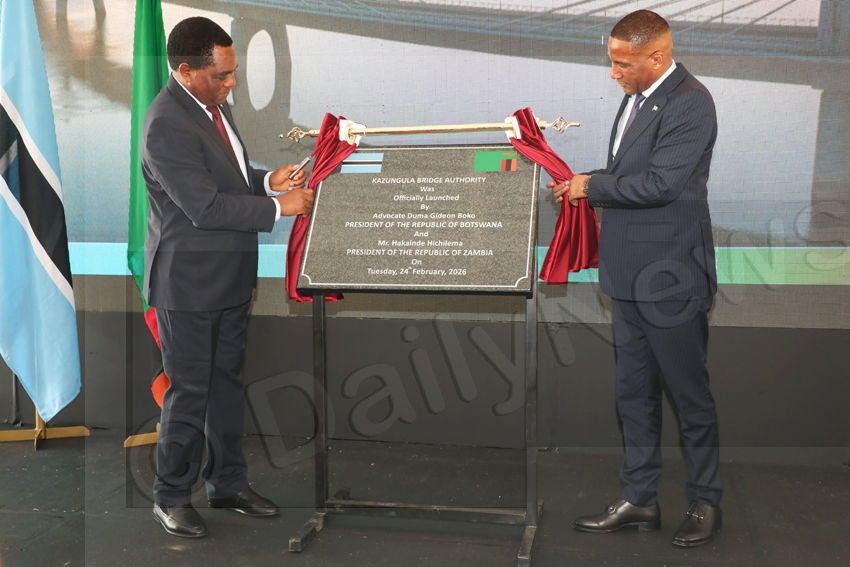
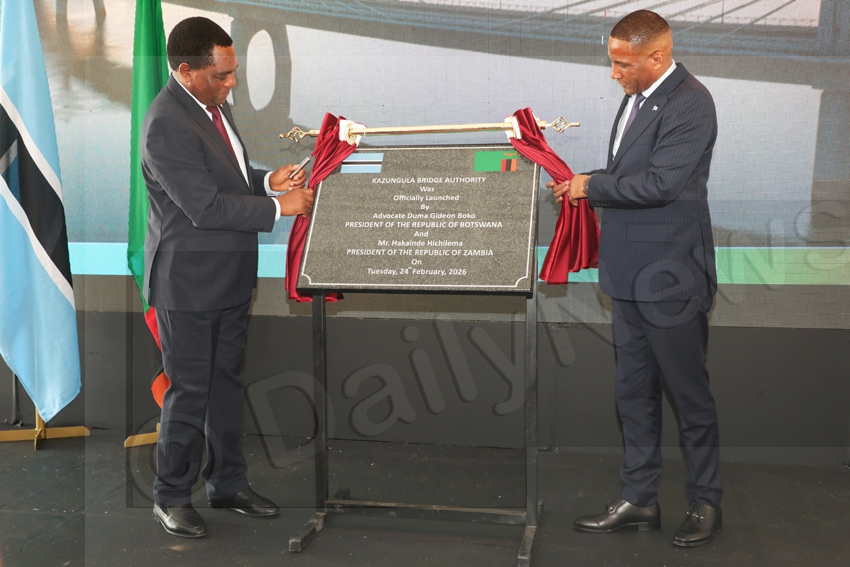
    President Advocate Duma Boko said at the Botswana and Zambia’s joint launch of the Kazungula Bridge Authority (KBA) on February 24 that the decision to have the border post operate on a round-the-clock basis followed his engagements with his Zambian counterpart, Mr Hakainde Hichilema on the sidelines of the recent 39th Ordinary Session of the Assembly of Heads of State and Government of the African Union held in Addis Ababa, Ethiopia.

    President Boko said the Botswana Stock Exchange (BSE) would champion the process of enabling the OSBP transformation into a non-stop border post, an assignment that would require the BSE to engage with its technical partners to conceptualise the technologies that would enable the evolution.

    Regarding the Kazungula Bridge Authority, he said its launch cemented the longstanding bilateral relations between Botswana and Zambia, describing the bridge as a template worthy of emulation by others in Africa.

    He said other African nations should draw inspiration from the collaboration between Botswana and Zambia and open similar corridors so that the continent would advance as a unit that spoke to the African heritage.

    “The Kazungula Bridge is an iconic connection between two countries poised as an exemplifier of what collaboration can achieve and standing as a benchmark for the rest of Africa,” he said, noting how the establishment of the Kazungula Bridge Authority highlighted the extent to which resilient and dynamic partnerships could be of impact to the people.

    President Boko said the Authority would create better regional connections, open more corridors of trade and eliminate queueing of goods and travellers.

    Zambia President Mr Hichilema reiterated the value of technology advancement, saying it presented many opportunities that would make a non-stop border post a success.

    Mr Hichilema stated that there was need to remove bottlenecks created by the processes that travellers had to follow at the border post, observing that doing away with such would lower costs of doing business and stimulate efficiency.

    He said the bridge was a significant infrastructure piece not just for Botswana and Zambia but for Namibia and Zimbabwe who also formed part of the unique quad point.

    “The value of this unique asset goes beyond the four countries because there is Democratic Republic Congo, Angola and the rest of Africa who are also players in this bridge while we are just custodians,” President Hichilema said.

    He indicated that the bridge was an anchor to deepening African trade, saying the potential increase in the number of trucks utilising the border from 400 to 1 000 in a day spoke to how impactful it would be to trade in the region and beyond.

    He said the Kazungula Bridge OSBP was a preferred route and a key component of the North-South Corridor, hence it was essential to invest into it so that its premium status could be maintained.

    Mr Hichilema stated that the iconic bridge called for innovation to establish floating restaurants on the Chobe-Zambezi confluence in order to broaden the affected countries’ tourism product offering.

    Kgosi Morgan Makhanga of Kazungula said the bridge connected Botswana and Zambia and stood as a powerful symbol of unity and shared cultural heritage.

    Kgosi Makhanga said further to it enhancing trade, the bridge had created employment opportunities, thereby improving the lives of citizens.

    He however asked the two Heads of States to review customs charges, road levies and insurance fees charged at the border, alleging that they were higher than those levied on travellers at other border posts.

  • BOMU Introduces Most Viral Song Category

    BOMU Introduces Most Viral Song Category

    After a year-long strategic hiatus in 2025, the Botswana Musicians Union (BOMU) Awards return for their 14th edition, scheduled for May on a date yet to be announced.

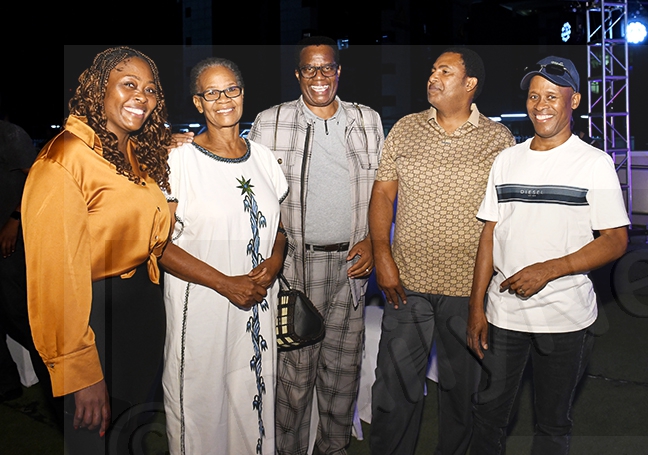
    Speaking at the official launch recently, BOMU president Papie Rakhudu said the awards had been restructured and reimagined to reflect current trends in an evolving music landscape.

    He highlighted the introduction of the Most Viral Song category, saying it reflected the growing influence of digital platforms and online music consumption.

    He said digital transformation had changed the rules of the game in the creative sector, and noted that music now generated revenue through streaming, publishing, live performances, brand partnerships, licensing and digital content creation. 

    He added that social media platforms, content monetisation and digital distribution had removed traditional barriers.

    “Today, a young artist in Gaborone can release a song and reach the world instantly,” he said, stressing that artists must be equipped with digital skills, business knowledge, data literacy and ownership structures that protect their intellectual property.

    Rakhudu also emphasised the music industry’s multifaceted nature and its ability to create employment for producers, sound engineers, graphic designers, marketers and event managers, among others, helping to curb unemployment.

    He called for the creative sector to be recognised as a serious contributor to GDP as Botswana pursues economic diversification.

    Events Lab representative Seabelo Modibe said over the years the awards had developed into an economic hub benefiting creatives and industry enablers ranging from administrators to fashion designers.

    He added that each nominated artist received a nomination fee, representing a financial injection into the industry through prizes alone.

    Modibe further advocated for amendments to copyright laws governing the creative sector, the development of proper cultural exchange programmes beyond grants, and the full-scale operation of the night-time economy, which he said would greatly benefit the industry.

    He noted that out of  35 categories, six would be decided by public vote: Best Female, Best Male, Best Duo/Group, Album of the Year, Song of the Year and Best Producer.