Author: Daily News

  • Zebras Face Senegal in David and Goliath battle

    Zebras Face Senegal in David and Goliath battle

    A battle of David and Golliath is expected at the Tangier Grand Stadium in Morocco when the senior national football team, Zebras lock horns with Les Lions de la Teranga of Senegal in their TotalEnergies Africa Cup of Nations (AFCON) opening game tomorrow.

    The Zebras, lowest ranked team in the tournament and the number two in Africa, Senegal, are in Group D, together with Democratic Republic of Congo and Benin. Going into the game as underdogs can work for the Zebras as they will be playing against a team made up of players who ply their trade in professional league as at some point, they have watched them play.

    While some football pundits are warning against Sadio Mane, one lethal player to watch for is left back, Lliman Ndiaye. On the Zebras’ side, Mosha Gaolaloolwe, Thatayaone Ditlhokwe and company are expected to keep the enemy at bay.

    Asked about the pressure of playing against number two in Africa, head coach, Morena Ramoreboli said in an interview that they were ready to fight for the country, adding that players’ spirit was high.

    In his entire football career as a coach, he said he had been an underdog opponent.

    “I think I have learnt to survive that space. I always tell players to embrace the opportunity of being regarded as underdogs, because that is the only time they can make a name, leave a mark and be taken seriously,” he said.

    “The boys are ready and we will do our best to make sure that we reach the level of football and coemption where everybody will be very proud of us,” he added.

    He further said the team was injury free, though some players had minor knocks when preparing for the tournament.

    “From training, and friendly games, players would have minor knocks, but we have everybody ready,” he said.

    In their preparations against Tunisia, he said they managed to achieve their mandate given that they managed to score, defended well and played as a unit. Also, he said they managed to withstand and resisted the pressure. Overall, he said it was a good preparation. 

  • Festive Scams Target Customers in Holiday Shopping Rush

    Festive Scams Target Customers in Holiday Shopping Rush

    The air in Gaborone is thick with festive anticipation. Across the city, shopping malls such as Game City, Airport Junction and Molapo Crossing thrum with life, their corridors alive with a high-volume ballet of shoppers moving in bursts of laughter and urgency.

    Trolleys rattle, tills beep and Christmas playlists loop endlessly as families hunt for the perfect gift, drawn into the seasonal rush that turns ordinary errands into a shared December ritual.Yet beneath the sparkle lies a darker reality. The very rush that gives December its energy also makes the season prime hunting ground for seasoned scammers, who prey on people momentarily disarmed by crowds, noise and holiday urgency.

    While the once-common “double your money” schemes inside malls have waned, the danger has merely changed shape. Parking lots, ATM queues and traffic-choked access roads have become high-risk zones where a split second of inattention can prove costly.

    During a visit to Airport Junction Mall, casual conversations with shoppers revealed that festive fraud is not an abstract warning but a lived reality. Their stories differ in detail but share a common thread: the scam unfolds in moments, exploiting the chaos of the season.

    For Thato Mookamedi (45), a government employee and mother of three, last December’s trip to a mall near her home was meant to be routine — a quick cash withdrawal to buy groceries. She approached a standalone ATM outside Molapo Crossing, keenly aware of the festive rush around her.

    “I was in a hurry,” she recalls. “It was a Tuesday afternoon and the queue was long. When it was finally my turn, my card kept refusing to go in properly. That’s when a well-dressed, polite young man stepped forward and offered to help.”

    The stranger explained that the ATM was “sensitive” and suggested he guide the card while she entered her PIN. A flicker of unease crossed her mind, but the pressure of the line and his professional manner overrode her instinct.

    “He suddenly said the machine ‘o jele karata ya gago, rakgadi’ and pointed at the receipt slot, saying something was coming out,” she explains.

    In a split second, as he created a small commotion, he swapped her card for a dummy.

    “He said, ‘Ah, it says transaction cancelled. Try a different machine or bank,’ and handed me back the card. I slipped it into my wallet and walked away, irritated more by the faulty ATM than anything else. It wasn’t until I tried to pay at a supermarket that I realised the card wasn’t mine. Over P6 000 had been withdrawn in moments,” she says, her festive plans derailed in an instant.

    Another victim, Pako Keodibele (32), a self-employed businessman, recounts a different trap in the dim, crowded underground parking of Game City.

    “A woman suddenly appeared and pointed frantically at my front tyre, shouting in Setswana that it was completely flat — ga o kake wa kgweetsa koloi ka leotwana le le flat,” he says. Instinctively, leaving a trolley full of electronics, he bent down to check the supposedly flat tyre. Moments later, his wallet — which he had left atop the trolley — was gone.

    “One person created the drama while an accomplice lifted my wallet. The crowd, darkness and chaos made it easy for them to disappear. It took less than 30 seconds,” he says.

    Inside were his ID, bank cards and a large amount of cash he had set aside for the holidays. Neo Lesole (28), a university student, also fell prey to a festive distraction. Walking towards the taxi rank at Airport Junction, a man bumped into her, spilling a sticky substance on her clothes and bags.

    “He apologised profusely, saying he’d tripped. ‘Oh, I’m so sorry, my coffee must have spilled! Let me clean it for you, please!’” she explains.

    As he flustered her with apologies and fussed over the mess, her handbag — momentarily set down — was emptied of cash and her phone. Money for her bus fare and a P200 note from her grandmother were all gone.

    “It was over in seconds,” she says. “He kept me facing away from my things, cleaning the small smudge. Then he looked up, said, ‘I’m so sorry, have a nice day,’ and just walked off.”

    The commotion had been a deliberate distraction, designed to force her to drop her guard. Neo’s story, like Thato’s and Pako’s, shows that these crimes rely less on sophistication than on timing, pressure and predictable seasonal distractions. None of the victims were threatened with force. The scammers simply nudged, hurried or unsettled them just enough to act.

    Physical scams, however, are only one part of the picture. The festive season increasingly brings digital fraud, particularly through mobile money platforms such as Orange Money and e-Wallet. Scammers operate invisibly, exploiting trust and urgency through spoofed messages, fake promotions and fraudulent calls, draining accounts in seconds. December amplifies this risk as people rush, spend more and respond quickly to urgent-sounding messages.

    What makes these scams particularly effective is the emotional climate of the season. People are sending money to relatives, paying for transport and groceries, and juggling multiple expenses, often without their usual caution. Scammers mimic official language, create artificial urgency and rely on the assumption that no one wants their Christmas plans disrupted.

    In an interview, Superintendent Zibani Seretse of the Botswana Police Service’s Serious Crime Squad confirmed that several cases of obtaining money by false pretence have been recorded, with many Batswana losing significant amounts.

    “The most common are competition scams where criminals call pretending to be banks, claiming you’ve won vouchers and requesting banking details,” she explains. “During the 2024 festive season, losses reached P7.6 million, and between January and October this year, P6.6 million.”

    Supt. Seretse urges the public to remain vigilant. “Beware of imposters, never share PINs or OTPs, and report suspicious activity immediately.”

    As the holiday season unfolds in Gaborone and beyond, the message is clear: to enjoy a safe and joyous Christmas, vigilance is essential. Protect your belongings, safeguard your banking information and remain alert to opportunistic tactics. In a season defined by giving and celebration, awareness is the gift that preserves both your joy and your hard-earned money. 

  • Gaolathe Commends Parliament Ntlo Ya Dikgosi Staff

    Gaolathe Commends Parliament Ntlo Ya Dikgosi Staff

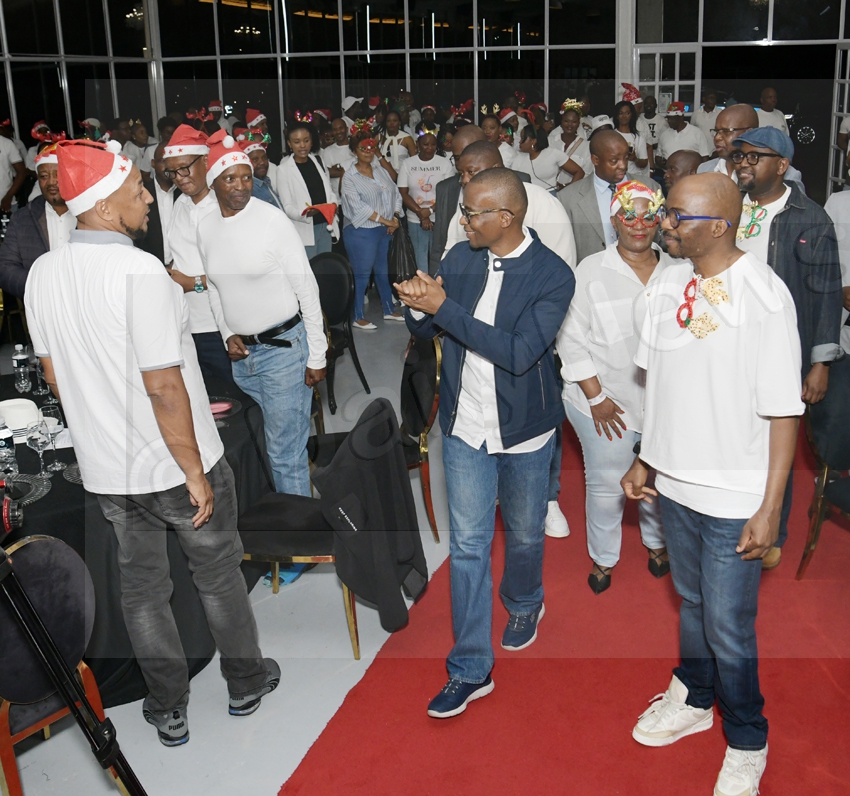
    Vice President Ndaba Gaolathe has commended staff of Parliament of Botswana and Ntlo Ya Dikgosi for their selflessness and unwavering commitment to serving the nation.

    Mr Gaolathe made the remarks during a Christmas party hosted by the staff in Tlokweng on December 17.

    He thanked Parliament staff for their dedication to strengthening Botswana’s democracy and for fostering unity as the year drew to a close. “Thank you for making yourselves available for us to lead. True leadership is a thankless job. You made sacrifices, including precious family time. The world may not always say thank you, but God sees you,” said the Vice President.

    Several Members of Parliament, dikgosi and other notable public figures attended the event, underscoring the spirit of unity and national pride.

    Mr Gaolathe also acknowledged the contributions made in Parliament by a number of MPs, including Leader of the Opposition, Mr Dumelang Saleshando, whom he praised for offering alternative views and opinions in the House.

    “I want to thank him for his vision and the way he does things. He stands tall and has the courage to express his beliefs. This is a country that embraces differences of opinion,” Mr Gaolathe said.

    For his part, Speaker of the National Assembly, Mr Dithapelo Keorapetse applauded staff for navigating significant changes and thriving throughout the year.

    “Our commitment to excellence and our capacity to work together has been the cornerstone of our success. Our focus on high performance has yielded impressive results despite limited resources, outdated systems and structural challenges,” he said.

    Mr Keorapetse noted that through collective effort, staff had achieved several milestones demonstrating a strong commitment to reform.

    “The primary aim has been to strengthen parliamentary governance and oversight, ultimately improving independence, democracy and development. These achievements were made possible through strategic partnerships, for which we remain humble and grateful,” he added.

    He further observed that 2024 marked 60 years of parliamentary democracy in Botswana, describing Parliament as the bedrock of the country’s democratic system over the past six decades.

    He emphasised the importance of acknowledging the enduring contributions of MPs and Dikgosi, past and present, who have worked tirelessly in service of the nation. 

  • Ikageng Programme Rolls Out in April

    Ikageng Programme Rolls Out in April

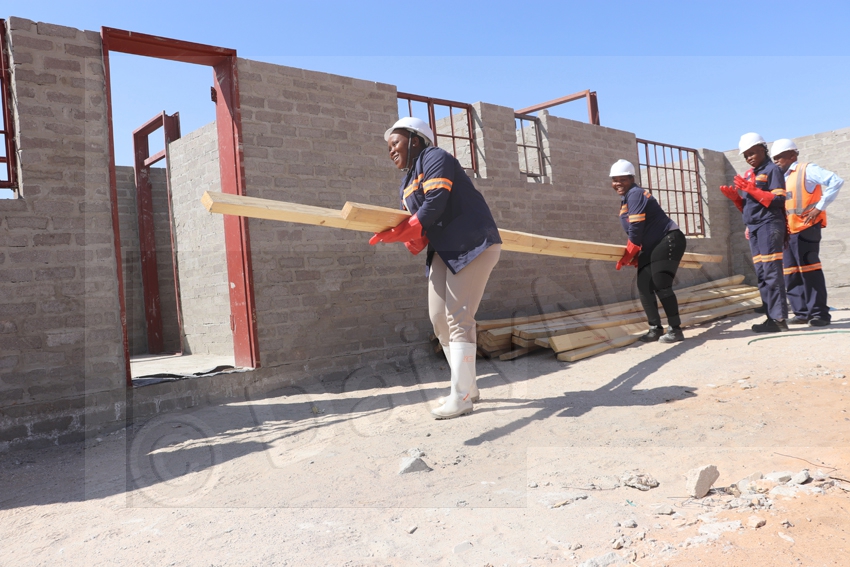
    Government has approved the transformation of the Ipelegeng Programme into Ikageng Public Works Programme (IPWP).

    Under the newly structured programme, there will be a transition from a welfare-based relief initiative to a modern, structured, skills-driven and productivity-focused national public works programme, with wages revised to P2 500, to be paid under a sustainable performance-based remuneration system.

    According to a press release from Ministry of Local Government and Traditional Affairs, the redesigned programme marks a shift in the country’s approach to community development, social protection and inclusive economic development.

    “The transformation introduces key reforms outlined in the Cabinet-approved Transformation Strategy Document. Central among these is the adoption of a performance-based model, replacing the traditional time-based system with a results-oriented framework,” the release says. The release states that the programme aims to enable beneficiaries to graduate into sustainable livelihoods by reducing long-term dependency on government relief through skills development, enterprise support and practical on-site training.

    In the new programme, beneficiaries will operate under performance contracts that link remuneration to measurable outputs, productivity and quality standards, thereby supporting government’s objective of improving wages sustainably while enhancing value for public expenditure.

    Beneficiaries will access technical and vocational education and training aligned with labour market needs and the national TVET policy.

    “The skills component, piloted in 2022, will be expanded through partnerships with vocational institutions, brigades, the private sector and other stakeholders to support employment, self-employment and enterprise development,” the release says.

    The programme, the release says, will also prioritise community-led project identification to ensure alignment with local development needs as beneficiaries will participate in productive sectors such as agriculture (crop and animal production, aquaculture and apiculture), tourism through cultural and heritage development, manufacturing, environmental conservation and other community-based economic activities that stimulate local economies.

    Additionally, government has approved a strengthened institutional and governance framework to improve oversight, supervision and delivery efficiency.

    According to the release, implementation will be coordinated by local authorities, supported by enhanced monitoring tools, clear performance targets, digital platforms and strategic partnerships with the private sector and civil society.

    Programme implementation will commence with virtual engagement of district structures, dissemination of the approved programme document, and presentation of draft implementation guidelines to stakeholders and beneficiaries, scheduled for January 26-27.

  • Highs and Lows in Botswana Politics

    Highs and Lows in Botswana Politics

    Like any other year, 2025 unfolded as a tapestry of highs and lows, a period marked by both celebration and solemnity. Among the events that captured national attention were Parliament’s adoption of National Development Plan 12 (NDP12), the launch of the Botswana Economic Transformation Programme (BTEP), the untimely passing of Kgalagadi South MP and Minister of Lands and Agriculture, Dr Micus Chimbombi, as well as the elective congresses of political parties and the by-elections. Each of these moments, whether joyous or tragic, added a distinct thread to the country’s evolving political landscape.
    As 2025 draws to a close, the year leaves behind a record of both challenge and promises. The nation has witnessed the birth of new policies and the shaping of institutions all contributing to a collective journey toward a Botswana where fairness, human rights and accountability are not merely ideals, but practices embedded at the heart of governance.
     
    TRANSITIONAL NATIONAL DEVELOPMENT PLAN AND NATIONAL DEVELOPMENT PLAN 12

    Following the change of baton to the Umbrella for Democratic Change-led government came the extension of the implementation of the Transitional National Development Plan (TNDP) until October 2025, a move intended to pave the way for NDP12 and ensure alignment with the parliamentary cycle.
    This marked a significant departure from previous planning approaches, as NDP12 was deliberately aligned not only with the cycle of Parliament but also with the manifesto commitments and electoral promises of the ruling party. According to UDC strategist Dr Patrick Molutsi, the realignment was designed to enhance accountability and ensure that development planning is closely tied to democratic mandates.
    Presented in October, NDP12 stands as a central pillar of government’s agenda. The plan proposes total development expenditure of P388 billion over a five-year period (2025/26 to 2029/30), with more than 90 per cent of the funding expected to come from government coffers.

    Botswana Economic Transformation Programme (BTEP)

     This year also marked the introduction of a bold and ambitious government initiative, the Botswana Economic Transformation Programme (BTEP), aimed at diversifying the economy beyond its long-standing reliance on diamonds and unlocking sustainable job creation.
    To date, 200 projects have been selected from an impressive pool of 6 925 proposals submitted by a diverse range of contributors, including citizens, innovators, entrepreneurs, and international partners eager to participate in Botswana’s economic transformation.
    Central to BTEP’s design is the use of specialised problem-solving laboratories, which apply targeted methodologies to fast-track high-impact projects and translate ideas into tangible economic outcomes.
     
    CONSTITUTIONAL COURT

    Another defining moment of the year was the tabling in Parliament of the Bill to establish a Constitutional Court, a development that sparked widespread public interest and debate among Batswana from all walks of life. Political parties across the aisle expressed mixed reactions, with some opposition figures arguing that the ruling party sought to unilaterally determine the process of establishing the Constitutional Court, sidelining other stakeholders, particularly the opposition.
    Opposition Members of Parliament contended that consultations on the Bill were inadequate. However, during the parliamentary debate, President Duma Boko underscored that the establishment of such a court would strengthen democracy by ensuring that all institutions operate within the confines of the Constitution. Despite these objections, Parliament voted in favour of passing the Bill through the third reading, which will now require a two thirds majority vote within three months’ time to become law.
     
    PRESIDENT ON GLOBAL STAGES

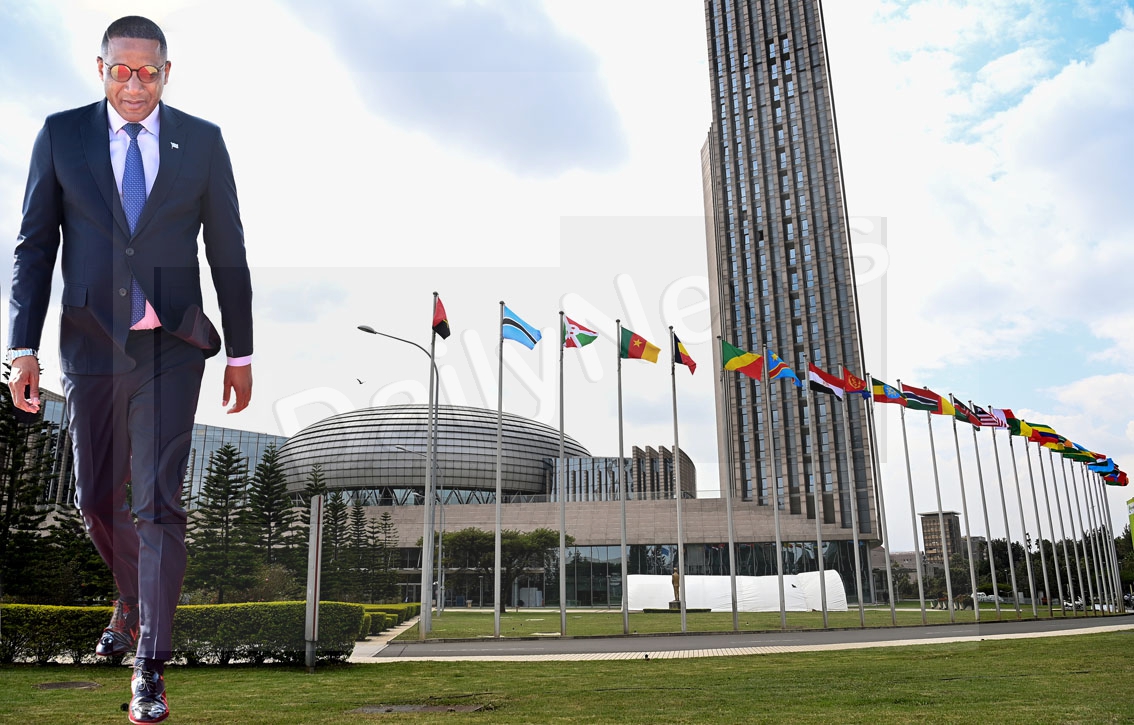
    In his debut appearance and maiden address at the African Union (AU) in February, President Boko shared the story of Botswana’s peaceful democratic transition of power after nearly six decades of rule by the Botswana Democratic Party. He articulated Botswana’s vision and its role in Africa’s industrial and trade expansion, aligning the country’s aspirations with the AU’s Agenda 2063 for sustainable development.
    At the United Nations General Assembly in September, during his inaugural address, President Boko was forthright in criticising what he described as the United Nations’ indifferent treatment of Africa and its failure to adequately heed the continent’s voice. He argued that it was time for the five permanent members of the United Nations Security Council, China, France, Russia, Britain and the United States of America, to honour their commitment to agree on a permanent seat for Africa, the only continent not represented in the Council’s 80-year history.
     
    Political Parties’ elective congresses

    It was a political roller-coaster year for party politics in Botswana, marked by intense jockeying for senior positions and the ushering in of new leaders and office bearers. For some, the moment offered an opportunity to recalibrate policy direction or depart from long-standing alliances. For others, it became a chance to consolidate influence and reward factional loyalists. Against the backdrop of the historic 2024 General Elections, major political parties convened elective congresses and conferences in 2025 to reconstitute their leadership structures.
    Following its electoral defeat, BDP held an elective congress that ushered in a new central committee tasked with rebuilding the party. The leadership race attracted a competitive field, including former vice president Slumber Tsogwane, former minister Nonofo Molefhi, former ambassador Dorcas Makgatho, and former minister Mpho Balopi, all vying for various positions on the central committee. The contest culminated in Mr Balopi’s election as the new party president, signalling a generational and strategic shift within the BDP.
    The Botswana National Front (BNF) also held its elective congress, coinciding with the party’s 60th anniversary celebrations. While members retained President Boko as party president, Moeti Mohwasa emerged as the new vice president, reinforcing continuity at the top while introducing fresh leadership dynamics.
    In contrast, the Botswana Patriotic Front was thrust into the spotlight as one of the most disarrayed political parties of 2025. For the first time, its elective congress was marred by internal contentions and overt jostling for power. Among the year’s more momentous political developments were the party’s deepening internal challenges, which culminated with some members getting expelled.
    On a sombre note, the country mourned the passing of Chimbombi, whose death touched the hearts of Batswana across the social and political spectrum, given his long and distinguished record as a public servant.
    Following his death, the UDC retained its grip on the Kgalagadi South constituency through a by-election that ushered in a new representative, Tokyo Modise, who had previously served as an administration officer to the late MP. The UDC further surprised political observers by clinching a council by-election victory in Moreomaoto, a ward previously held under the BDP ticket. 

  • Botswana Conservation Efforts Unmatched

    Botswana Conservation Efforts Unmatched

    Botswana is committed to adopt a sustainable pathway in managing its natural resources and contribute to economic growth, shared prosperity and the well-being of the people.

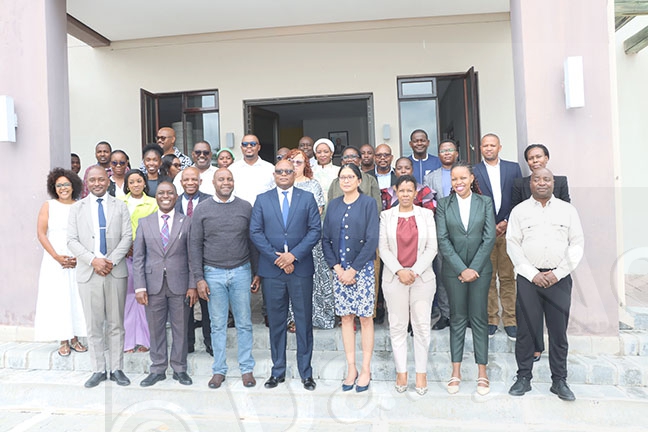
    Officiating at the African Union Commission (AUC) regional workshop in Maun recently, Minister of Environment and Tourism, Mr Wynter Mmolotsi said Botswana continued to ensure effective governance and legislative instruments and maintained high standards in the sustainable management of biodiversity rich ecosystems such as the Okavango Delta, the Makgadikgadi Wetlands system and in the Chobe area.

    He pointed out that Botswana also invested in protecting and rehabilitating the range lands, as a cornerstone of the agricultural sector, an important ecosystem in its own right, a habitat for biodiversity, but also as a carbon sink.

    “I am particularly proud to state that about 40 per cent of Botswana’s land is under protected area status. Furthermore, we recently enacted the Community-Based Natural Resource Management (CBNRM) legislation to strengthen the CBNRM Policy of 2007.

    “We are also advancing integrated implementation of our wildlife, forestry, climate change, and agriculture policies, recognising their interdependence and the need for effective coordination, cooperation, and strong institutional frameworks, he said.

    Mr Mmolotsi also stated that the country had been recognised for its conservation leadership, yet they continued to learn and evolve, drawing lessons from their own experiences and those of others.

    In addition, Mr Mmolotsi said Botswana was party to three Trans-boundary Conservation Areas, through which notable achievements were made such as habitat regeneration, wildlife recovery, improved community livelihoods, enhanced law enforcement and strengthened policy harmonisation, among others.

    Mr Mmolotsi further said adopting a Transfrontier Conservation Area model was not an end as its success requires continuous investment in policy support, financial resources, capacity building, stakeholder engagement and holistic management.

    The minister thanked partners for convening the African Union Commission (AUC) regional workshop in Botswana as a follow-up to the First Africa Biodiversity Summit, which he said culminated in the African Leaders’ Gaborone Declaration on Biodiversity.

    He described the declaration as a call to action for all Africans citing that it offered a clear articulation of the continent’s priorities on biodiversity.

    He urged all to promote cross-sectoral partnerships and cultivate innovative approaches and nature-positive investments among governments, civil society organisations and the private sector.

    He said such efforts were essential for accelerating the transition toward sustainable, inclusive economies while conserving biodiversity and enhancing ecosystem resilience in alignment with the Gaborone Declaration for Sustainability in Africa.

    He said the envisaged regional project proposal would deliver tangible results as it has already done in the Southern African.

    He was also hopeful that the outcomes of the workshop would lay the foundation for a strong regional framework, one that translated shared ambition into coordinated action across borders and charted a path toward a resilient, bio-diverse and prosperous Africa where communities and ecosystems thrived together. 

  • Drugs Availability Remains Challenge in Francistown

    Drugs Availability Remains Challenge in Francistown

    Drugs availability in the district remains a challenge in Francistown.
    Addressing the session of Francistown City Council this week, Mayor Mr Gaone Majere said the average availability of vital drugs for October 2025 were recorded at 73 per cent, with essential drugs at 69 per cent while necessary drugs stood at eight per cent.
    As for non-drugs, he said stood at 86 per cent adding that overall, the district’s average drug availability stood at 77 per cent, falling short of the 97 per cent target.
    Furthermore, Mr Majere shared that as of December 1, 2025, the availability of Antiretrovirals (ARVs) was at 73 per cent adding that Anti-Retroviral Therapy services were provided at 15 out of the 17 facilities.
    He explained that the Primary Health Care (PHC) continues to adopt micro-procurement methods for acquiring drugs and non-drugs while awaiting supplies from Central Medical Stores.
    He therefore informed councilors that Francistown City Council assumed responsibility for Primary Health Care in April 2025, a process that was generally seamless.
    He said that currently, the Primary Health Care Department was operating with 16 doctors covering 17 clinics within the city, of which four clinics were providing 24 hour service;  Area W Clinic covered by five doctors on shifts, Donga Clinic covered by three doctors on-call.
    However, he said Jubilee and Gerald Clinics were without a resident doctor, but covered on a rotational basis.
    In addition, Mr Majere said due to shortage of personnel, some clinics were not covered by doctors adding that some clinics were in bad state.
    Such clinics, he said included Gerald Clinic which its maternity wing has structural defects posing a danger to both staff and clients, resulting in management taking the decision to relocate  maternity services to Donga clinic to give way for maintenance.
    Furthermore, the mayor explained that a number of tuberculosis patients were facing Multi Drug resistance.
    To this end, he said there were nine such patients who received support in the form of food rations and were monitored through smear microscopy procedures.
    He also said the hospital recently marked the inauguration of newly updated paediatric theatre, courtesy of Kids Operating Room (KidsOR) from Britain.
    He said the theatre was the first space in the hospital dedicated solely to surgical procedures for paediatric patients.
    “We express our heartfelt gratitude to Kids OR for their outstanding initiative. This facility is not just a room with equipment, it is a critical infrastructure for a healthier, more inclusive future for our children,” said Mr Majere.
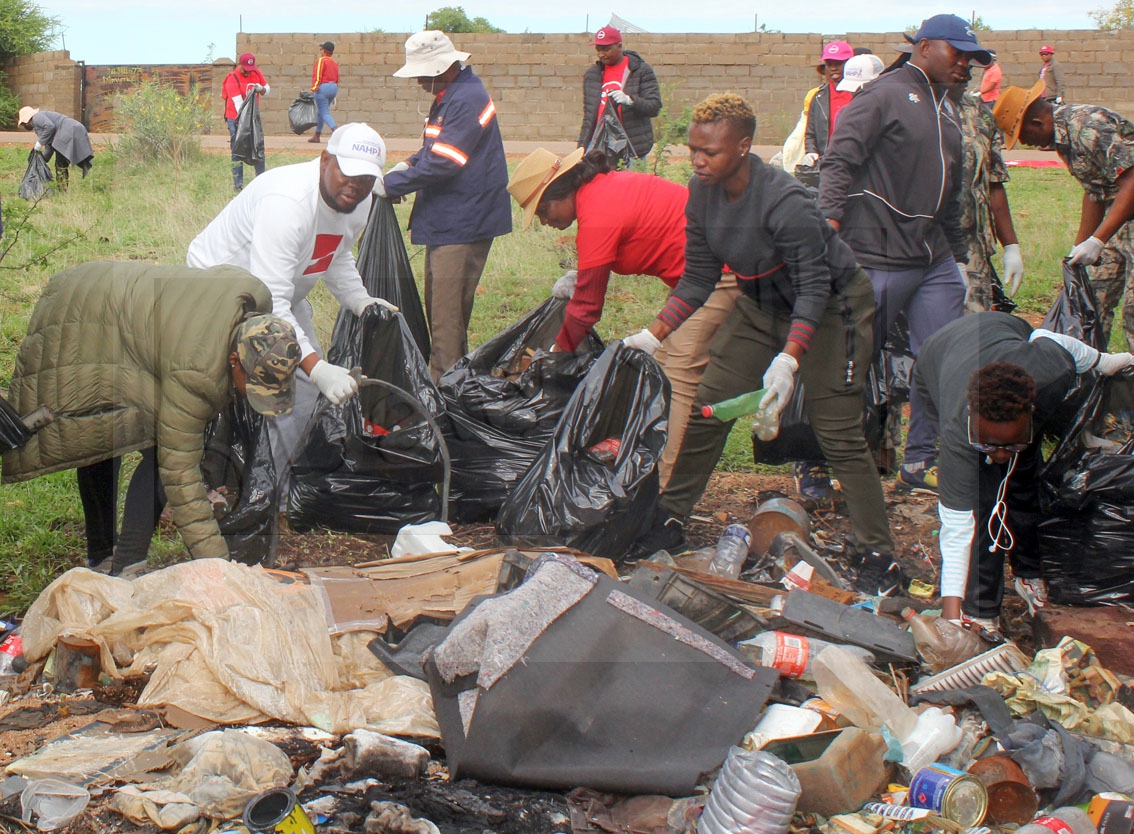
    The mayor also informed Councilors about the President’s National Clean-Up Campaign dedicated for every second Saturday of each month.
    He said the community and leadership-led initiative emphasised the responsibility of every community member, including businesses and institutions, to maintain cleanliness in their surroundings.
    “In response to this national call, the district leadership, along with all stakeholders, launched the initiative on December 12, 2025 to fully mobilise the communities of Francistown,” he said. 

  • Ministry Unveils Vision for Indigenous Knowledge

    Ministry Unveils Vision for Indigenous Knowledge

    Government has introduced a draft Indigenous Knowledge Systems (IKS) policy for public consideration and endorsement signaling, commitment to safeguarding a vital aspect of national heritage.
    The draft policy aims to embed IKS fully into sustainable development planning and key features include integrating IKS into the national education system, preserving cultural diversity, and creating an enabling environment for its development and transformation.
    Speaking at a consultative meeting in Gaborone on Tuesday, deputy permanent secretary for Communications and Innovation, Ms Lesego Thamae called on stakeholders to provide comprehensive input to help shape the direction of IKS development.
    She stressed that collaborative effort was essential to ensure the policy remained inclusive, relevant and responsive to the needs of the people noting that the current momentum for economic transformation presented a strategic opportunity to integrate indigenous knowledge into broader national development frameworks.
    She also pointed out that the recent approval of two key blueprints, the National Development Plan and the Botswana Economic Transformation Plan, aimed to diversify the economy, foster social development, and enhance safety and security.
    Within this context, Ms Thamae explained that the IKS was recognised as a vital resource capable of supporting industry growth, social cohesion, and good governance, particularly in rural communities.
    She further elaborated that the ministry viewed IKS as a crucial asset for realising both social and economic aspirations.
    Government’s commitment to fostering a supportive environment through responsive policies and legal frameworks was reiterated, with focus on empowering communities to acquire relevant skills and knowledge.
    “This approach aims to enable communities to achieve sustainable livelihoods, preserve their cultures, and develop innovative solutions that support inclusive, resilient, and culturally sensitive economies.”
    Ms Thamae stressed the importance of equipping communities with IKS-related skills to build human capital and foster equitable collaboration among IKS holders, scientists, and development practitioners.
    These strategies are intended to serve as platforms to promote cultural diversity and social justice as fundamental elements of sustainable development.
    She acknowledged that the efforts were pertinent in the context of the digital revolution which presented both opportunities and challenges for IKS transformation.
    Highlighting the role of digital technologies, she noted that they could significantly aid in documenting, preserving, and archiving IKS.
    However, Ms Thamae warned that software development and digital platforms must be rooted in IKS principles to prevent misuse, biopiracy, and exploitation.
    Ms Thamae underscored that safeguarding IKS resources was a collective responsibility indicating such resources were not only vital for social cohesion but also served as strategic assets that gave Botswana a competitive edge in an increasingly connected world.
    She explained how IKS supported sustainable development through ecological stewardship, resource management, and community resilience especially in addressing challenges such as food security, climate change, and biodiversity loss.
    Establishing the value chains, she said, could generate new industries, business models, and sources of raw materials, ultimately reducing rural-urban migration and creating employment opportunities in rural areas.
    Addressing the intergenerational transfer of IKS, she called for sustainable approaches to documenting and transmitting traditional knowledge, languages, and practices.
    She pointed out that globalisation and technological advances posed risks of cultural erosion, but deliberate efforts to preserve authenticity and cultural context could mitigate the threats.
    In his welcome remarks, acting director of the Department of Research and Knowledge Business, Mr Abraham Mathodi highlighted the importance of indigenous knowledge to Botswana’s national identity.
    He described it as the bedrock of the country’s culture, values, and traditional practices, playing a vital role in shaping how communities interacted with the environment, managed natural resources, and address health and well-being.
    Mr Mathodi stressed that passing wisdom from one generation to the next was central to maintaining Botswana’s cultural heritage.
    As the country continued its journey of modernisation, he warned against losing this invaluable asset. Indigenous knowledge, he explained, was not only a cultural treasure but a key resource for sustainable development, ecological stewardship, and social cohesion. 

  • Unforgettable Triumphs in Sport

    Unforgettable Triumphs in Sport

    Against the backdrop of a small population, the country did not just compete on the global stage, but conquered.

    From the thunderous roar of the World Athletics Championships, where a quartet of sprinters stunned the world to claim a historic gold medal, to the steady rise of junior tennis aces and the continental breakthrough of women’s football, this was a year of profound achievement.

    The country reaffirmed its status as an emerging sporting powerhouse, demonstrating that talent, sheer grit and strategic hosting can transform a small nation into a giant of African sport.

    ATHLETICS

    Although the code faced challenges like doping cases, the athletes delivered the most spectacular and historic results, placing Botswana firmly on the world map.

    Botswana won its first-ever 4x400m men’s relay gold medal, dethroning long-time track nemesis the USA at the World Athletics Championships held in Tokyo, Japan. The victorious team comprised Lee Eppie, Letsile Tebogo, Bayapo Ndori and Collen Kebinatshipi. The President of Botswana, Advocate Gideon Boko, even declared a public holiday to celebrate the historic victory.

    In the men’s 400m individual medals, Botswana made history by fielding three athletes in a major competition final. Kebinatshipi won the first-ever 400m men’s gold medal, setting a new National Record and World Lead of 43.53 seconds, while Ndori secured a bronze medal with a time of 44.20 seconds.

    Still in athletics, Botswana was awarded the right to host the 2026 World Athletics Relays to be held in Gaborone next year from May 2-3, marking the first time in history the event will be hosted in Africa.
    In the Paralympics, Botswana won a bronze medal at the 2025 World Para Athletics Championships held in New Delhi, India, courtesy of Bose Mokgwathi in the Men’s T13 400m, while Gloria Majaga and Edwin Masuge made it to the finals.

    FOOTBALL

    Gaborone United achieved unprecedented success, marking a historic breakthrough into Africa’s elite club competition.
    The club’s men’s team was crowned Premier League champions while the women’s team won both the Women’s League and the DTCB Championship.
    By virtue of winning the DTCB, GU women qualified for and won the COSAFA Women’s Champions League Cup Qualifiers, making history for Botswana.
    They subsequently qualified for the CAF Women’s Champions League where they were eliminated in the group stages.
    On one hand, the senior women’s national team, The Mares, competed at the WAFCON finals in Morocco.
    Although eliminated in the group stages, they showed competitive fire, holding Africapowerhouse Nigeria until the 90th minute for a solitary goal loss, winning 1-0 against Algeria and losing 2-0 against Tunisia.

    TENNIS

    Botswana continued to leverage hosting international events to afford local players critical exposure, yielding remarkable success from its junior circuit players.
    Botswana successfully hosted the Davis Cup Africa Group V event for the second consecutive year and won the event, gaining promotion to Africa Group IV.

    Fresh from winning the J100 Nairobi held in Kenya, Ntungamili Raguin became the first Motswana player to win titles back-to-back at the locally hosted International Tennis Federation (ITF) World Tennis Tour Juniors tournaments.
    He won a total of five ITF World Tennis Tour Juniors singles titles in 2025, including the J100 and J60 Gaborone, J100 Nairobi, J100 Algiers, and J60 Nairobi and reached a career-high junior world ranking of 167.
    Hosting Confederation of African Tennis (CAT) Under 14 Circuit tournaments contributed to eight Botswana players qualifying for the African Junior Championships.

    Malak Macheng qualified for the Under 14 African Masters, which had attracted only eight top players in the continent in both the boys’ and girls’ sections. Three top players, Raguin, Malak and Denzel Seetso, were awarded the Zebra athletes fund sponsorships.

    At the AUSC Region 5 Youth Games, Botswana won a silver for the team event, one gold for boys’ singles and two silver medals for boys’ and girls’ doubles.
    Mark Nawa and Chelsea Chakanyuka received the Elite Scholarship funding to attend Universities in the US. Malak also received the CAT scholarship to attend the African Regional Training Centre based in Sousse, Tunisia, for the 2026 season.
    Gaone Poane became the first Motswana Bronze Badge chair umpire, officiating at the French Open and Wimbledon. Two wheelchair tennis players, Omphile Bothasitse and Mosa Mogaladi, achieved world rankings, ranked 16th and 65th under girls’ and boys’ categories respectively. Keseketswe ‘Kessie’ Ketletseng attained a white badge level chair umpire recognition under ITF officiating.

    SWIMMING

    The country’s aquatic athletes delivered a strong showing at the regional level, highlighted by multiple individual records. Swimmers brought home six gold medals from the Africa Aquatics Zone IV Championships held in eSwatini, Swaziland, in September.
    Debutante Jade Chilisa won three gold medals and broke two Championship Records (CRs): 50m backstroke (28.62 CR) and 100m breaststroke (1:10.05 CR). She also won gold with a time of 32.34 in the 50 metres fly. Yun-Suh Chang won two gold medals, including a gold in the 50 metres backstroke with a time of 33.90 and a Championship Record in the 100m breaststroke (1:14.33 CR).

    KARATE

    The Botswana Karate Association (BOKA) successfully hosted the Gabs Open Karate Tournament, attracting hundreds of entries from across Southern Africa, reinforcing the country as a regional hub for the sport.

    BOXING

    Three elite male boxers, Kobamelo Molatlhegi, Ribbin Modise and Katlego Keorapetse, were selected to compete at the lucrative 2025 IBA Men’s Elite World Championships in Dubai. Katlego Keorapetse was crowned the Best Male Boxer at the 2025 BoBA Best of Best Tournament in March, securing the Bantamweight Gold Medal.

    CRICKET

    The Botswana National Cricket Team was actively engaged in the 2025 ICC Men’s T20 World Cup Africa Regional Final Qualifier in Zimbabwe, gaining valuable experience against strong regional sides.

    NETBALL

    The Botswana Netball Association (BONA) elected a new leadership, which appointed a highly experienced South African coach, Martha Mosoahle-Samm, signalling a strong intent to return the code to competitive prominence.
    The triumphs of 2025, the Athletics gold rush, the Davis Cup promotion, the historic CAF Women’s Champions League qualification, as well as the emergence of youth stars across multiple codes, have created an irreversible momentum. As Botswana prepares to host the 2026 World Athletics Relays, the country is ready to leverage its recent success, build on this national pride and continue its inspiring journey from a rising star to a true global sporting force.

  • Parliament Approves Citizenship Amendment Bill

    Parliament Approves Citizenship Amendment Bill

    Parliament on December 17 voted in favour of the Citizenship Amendment Bill of 2025, tabled by the Minister of Labour and Home Affairs, Major General Pius Mokgware.

    The amendments to the current Citizenship Act brought about by the bill would permit multiple citizenship, where a person is legally permitted to be a citizen of Botswana and other countries simultaneously, in particular targeting high end investors.

    Maj. Gen. Mokgware said Botswana was part of a globally competitive economic environment and thus sought to lure investors to be domiciled in the country, in order to create jobs, increase the country’s revenue streams and help finance its economic transformation efforts.

    The minister said there were many considerations that investors made before choosing where to locate their business, and the citizenship programme would make Botswana a more conducive climate for luring capital into the country.

    He allayed MPs’ concerns that the new piece of legislation could engender economic crime, stating that Botswana had the capacity to vet out any criminal elements, and only target genuine investors, and there would be requisite checks and balances.

    The Minister of Child Welfare and Basic Education, Ms Nono Kgafela-Mokoka said her experience of visiting the Emirate of Dubai in the United Arab Emirates (UAE) was that their city developed rapidly, turning a desert to world class status, owing to the UAE freely permitting high value individuals to gain citizenship while holding their original nationality.

    She said the bill clearly stipulated in section 4 that it specifically targeted people who would be involved in manufacturing, mining and energy, agriculture, infrastructure, financial services, tourism, technology and digitalisation, sport and creatives, health, green energy and renewable energy, as well as other sectors as prescribed.

    Francistown South MP and Minister of Environment and Tourism, Mr Wynter Mmolotsi said permitting multiple citizenship would help Botswana to curb the brain drain of citizen doctors and other professionals trained at a great cost to the country renouncing Botswana citizenship upon getting job offers elsewhere.

    He said the country needed to be industrialised and through the bill, Botswana was seeking to lure investors to create jobs and generate wealth in areas such as the manufacturing sector.

    Mr Mmolotsi said those who gained citizenship under the system would be denied full rights such as the right to vote, in recognition of the fact that they would also have allegiance to their other countries of citizenship, but in this country, their citizenship would principally facilitate their investment.

    To the contrary, Selebi Phikwe East MP, Mr Kgoberego Nkawana said the new bill would pose challenges, particularly since there was no cap on the number of citizenships of other states the Botswana passport holder could have.
    Mr Nkawana said the new legislation could open a route for Botswana to be utilised by unscrupulous businessmen engaged in such corrupt practices.

    Maun East MP, Mr Goretetse Kekgonegile said he had publicly supported the notion of the introduction of dual citizenship, particularly to cater for children who were born to a Motswana parent married to a non-citizen, in order that they would not have to renounce their Botswana citizenship as had been the case before.

    But he said he was against multiple citizenship offered for economic purposes as it could make Botswana susceptible to corruption and economic crime. Mr Kekgonegile said this could lead to the Botswana passport losing its value, whereas it had hitherto been globally recognised as one of the most respected in the African continent with visa free entry to many jurisdictions.

    Kgatleng East MP, Mr Mabuse Pule said a piece of legislation was not necessary, stating that targeted investors could be offered permanent residence instead of citizenship.

    Mr Pule said those offered multiple citizenship might in future legally seek the full rights of citizenship. The majority of MPs voted in favour of the bill, which now passes the second reading and heads to the committee stage for detailed clause by clause scrutiny before it could pass and await to be signed into law.