Author: Daily News

  • Silver Sky Wins Premier Cup Race

    Silver Sky Wins Premier Cup Race

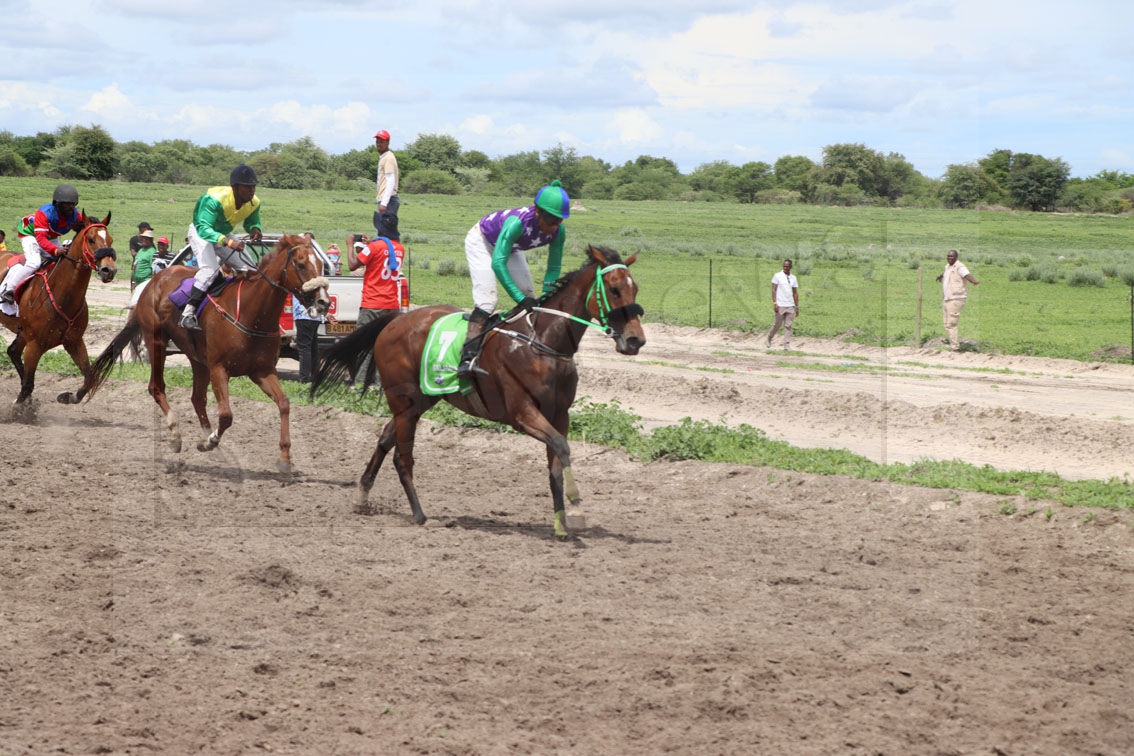
    TT Horse Racing Event staged a thrilling and exciting eighth edition of the Premiere Champion Cup horse racing at Masa Racing park in Samedupi, a few kilometres from Maun.

    The event marked the first time the race was held in the North West district since its inception in 2018. The activity attracted quality top horses from Botswana, Namibia and South Africa to battle it out for the prize money.
    The spectacular event also brought together thousands of spectators from all walks of life to experience and witness the excitement that comes with the competition, as well as the beauty of the fast-paced and majestic animals. Some fans took part in betting on the races, which added another layer of excitement and anticipation.
    All eyes were on the famous thoroughbred horse, ‘Western Bypass’, which had achieved multiple victories in high-profile races this year, but it did not compete due to an injury.
    Owned by Tymon Kelebeng from Motokwe, Western Bypass had consistently performed well in several races, including winning the grand race of 2 400 metres. It was crowned the champion of the second edition of the Masa Horse race as well as the Makgadikgadi Salt Pan Challenge this year, pocketing P30 000 in each race. The absence of the horse from the race left its fans disappointed.
    However, Silver Sky, owned by Gotlhophemang Alone from Takatokwane, became the champion of the Premier Champion Cup grand race and walked away P32 000 richer. Super Jet and Aftershock horses, owned by Kelebeng and Piet Bruwer respectively, both from Motokwe, settled for position two and three and pocketed P20 000 and P10 000 respectively.
    The speedy Silver Sky, also stole the show in a competitive opening race of the 1 600-metre category, claiming first position and a reward of P10 000, followed by Aftershock and Forever Young in second and third place, whose owners walked away with P7 000 and P5 000 respectively. Namibian horses also took turns dominating some of the races.
    The event featured two categories: Tswana and Thoroughbreds, with races ranging from 1 000 to 2 400 metres.
    In an interview, the joyful Alone thanked his fans, saying their support always motivated him, the horse trainer and the jockey to do their best in preparing the horse, hence its continued excellence in several races. Silver Sky also outclassed other horses in the just-ended Charles Hill Racing Cup.
    “I deserved to win because I prepared my horses very well for the race with the aim of becoming champs in all races,” he added.
    He encouraged fellow horse owners to exercise patience and take care of their horses despite the high maintenance, citing that if horses were in good condition, they could bring good results.
    The event organiser, also the Botswana Horse Racing Association president, Kelebeng, commended horse owners for their commitment in taking care of the horses and ensuring that they participated in the race.
    He said horse racing was a big industry that could diversify the economy, creating employment opportunities for young people, as most jockeys were youth from rural areas. He urged government and potential sponsors to continue supporting the sector to ensure development and growth.
    “The majority of our jockeys are from disadvantaged families and through horse racing, we are trying to uplift their living conditions through the monies they win from various races. Horse racing is part of the local culture and also an economic opportunity,” he added.
    To see the sector growing, Kelebeng said, was a strong indication that the sport was loved by many people and was here to stay, noting that the sport could also be seen as a way to bring people together from different backgrounds and cultures who shared a common interest in the sport.
    While he appreciated that horse racing had become an important source of income for many people involved in the industry, from jockeys to trainers to owners, Kelebeng revealed that it also stimulated the local economy as small businesses bought stalls to earn better profits.
  • Gaborone Station Upgrade

    Gaborone Station Upgrade

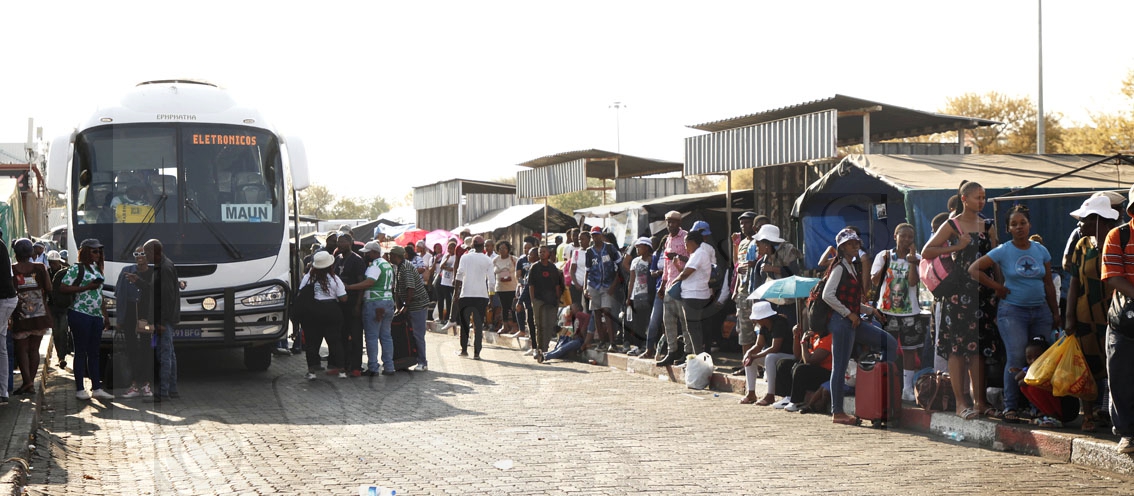
    The upgrade of Gaborone Bus and Taxi terminal is  essential for urban renewal and efficiency to improve safety and security, streamline transport operational efficiency, and contribute to the broader Greater Gaborone development as a modern, vibrant economic hub Motshegwa.

    The development works being undertaken at the Gaborone Bus and Taxi terminal is vital for greater public transport efficiency beneficial to the capital, and the temporary displacement of traders who operate at the station is a short term necessity.
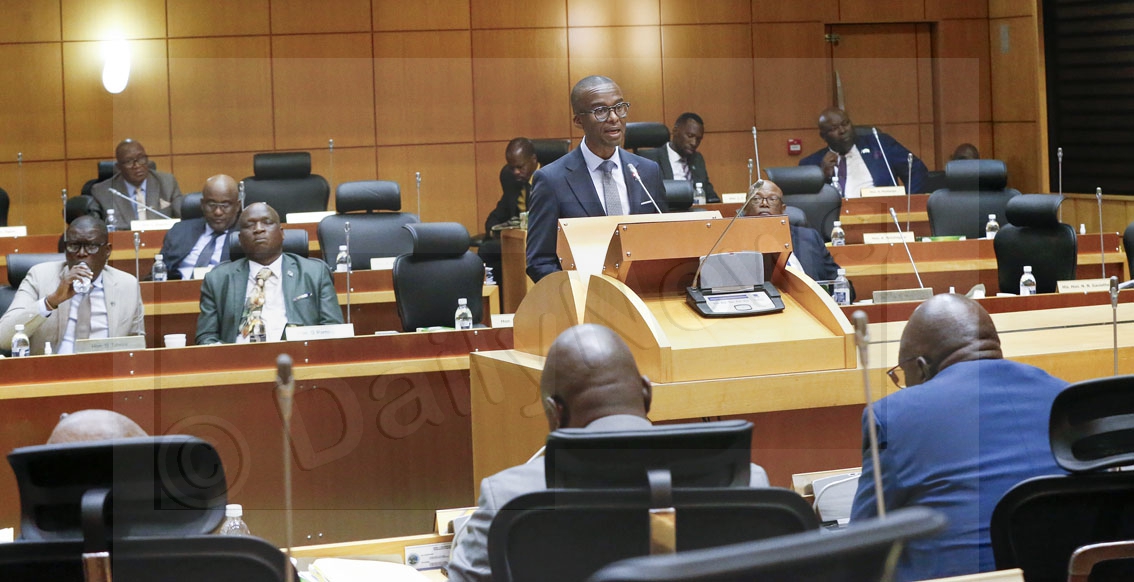
    This was said by the Minister of Local Government and Traditional Affairs, Mr Ketlhalefile Motshegwa, on Friday at the National Assembly in response to a question without notice from Mogoditshane East, Member of Parliament, Mr Letlhogonolo Barongwang.
    Mr Motshegwa said the ongoing development works were necessary to modernise the public transport infrastructure in Gaborone, enhancing safety, efficiency and urban vibrancy saying temporary displacement of informal traders was unavoidable to construct the new, multi-level, and safer terminal.
    He added that the displacement had been necessitated by the need to clear the site for the construction of a new and larger modern facility, which would include new underground services and structured commercial spaces, with a long-term goal of formalising the informal sector into better facilities.
    “Consultation is ongoing and structured through dedicated communication channels to ensure continuous stakeholder engagement. This includes the formation of dedicated committees comprising representatives from traders, the Gaborone City Council (GCC), and the project team to facilitate consistent feedback,” said Mr Motshegwa.
    He added that regular meetings were being held to provide timely updates, address any concerns, and to explain the temporary relocation process and the future stall allocation procedures.
    “A mandatory verification process is also in place to accurately identify and register all legitimate traders, ensuring they receive critical communications and are prioritized for re-allocation within the new terminal,” said Mr Motshegwa.
    He further revealed that as a means of minimising disruption, there were designated areas adjacent to the operational hub prepared with basic amenities, in particular shelter, sanitation and lighting, maintaining proximity to commuters.
    “In addition, there is provision for waiving market or vending fees for the temporary sites to reduce operating costs. Furthermore, collaboration with agencies like Citizen Entrepreneural Development Agency (CEDA) to explore offering temporary, low-interest micro-loans to help traders meet financial obligations during the transition period,” said Mr Motshegwa.
    Also, the upgrade offers substantial long-term benefits across key stakeholder groups, Mr Motshegwa said.
    These would include traders receiving an allocation of formal, modern stalls featuring better security, reliable electricity, and improved sanitation, which is expected to cultivate a more professional business image and significantly increase customer volume, the minister stated.
    Commuters would also enjoy an improved user experience within a safer, cleaner, and covered terminal, benefiting from efficient transport services and clear organisation.
    He further revealed that tender awards were made to two companies, Silverpark and MADCO in September 2024 and July 2025 respectively and that the first phase was expected to be complete by end of 2026.
    Mr Barongwang had asked the minister to clarify to Parliament the rationale behind the ongoing development works at the Gaborone Bus and Taxi Terminal, particularly in relation to the temporary displacement of informal traders, and further outline. 

  • Legislators Approve Health Loan Bill

    Legislators Approve Health Loan Bill

    Parliament has voted in favour of the approximately P584 million loan for the Health Emergency Response and Resilience Project.
    The loan facility, comprising US$40 million from the International Bank for Reconstruction and Development (IBRD) and a grant of US$3 million from the Liveable Planet Fund, was passed by Parliament on Thursday with only one out of 29 present members voting against the bill.
    The Emergency Preparedness Response and Resilience Project, International Bank for Reconstruction and Development (IBRD) Loan Authorisation Bill, 2025 (Bill No. 34 of 2025), authorises the government to raise a loan from IBRD for the Health Emergency Preparedness Response and Resilience (HEPRR) project.
    Before its passing, Vice President and Minister of Finance, Mr Ndaba Gaolathe, thanked Members of Parliament for the overwhelming support of the bill during their deliberations.
    He explained that the loan would aid in laying a solid foundation in closing gaps in the health sector, which had contributed to the current challenges.
    Thus, he said the loan would ensure that future generations enjoyed better healthcare.
    The money would, among other things, help to address supply chain digitalisation, and the impact of the facility would be felt throughout the country, Mr Gaolathe said, further explaining that the grant would go towards establishing the project office, to ensure that expenditure was on the intended purpose.
    Mr Gaolathe said the loan would be used for addressing health emergencies in the health sector, noting that the country was unprepared for emergencies, just as it was during the outbreak of the COVID-19 pandemic.
    As a result, the country cannot afford to traverse the same route of unpreparedness, and fail to protect its people, Mr Gaolathe said, further stating that the loan facility came with better terms of payment, a lower interest rate, and payment terms.
    When Parliament passed the country’s budget earlier this year, Mr Gaolathe said, it did so with a deficit, which the government had to address, and it could only raise the money through its own sources or through borrowing, which he assured that was within set borrowing limit range of less than 40 per cent of its Gross Domestic Products (GDP).
    Maun North MP and Leader of Opposition, Mr Dumelang Saleshando, supported the bill but warned that the country should be cautious as its credit rating had been downgraded, and that affected its creditworthiness.
    He said such came at a time when it was approaching its set legal borrowing limits of 40 per cent of GDP, explaining that such could signal tough times.
    Through the loan, Mr Saleshando said the country could be setting a debt trap for future generations, thus calling for fiscal discipline from the government and pleading that the money be used for the betterment of the health sector.
    Kanye West MP, Mr Victor Phologolo, said the loan should be for shaping the country’s health sector which currently was broken down, by building a resilient health system.
    Human capital is the most valuable resource to build the economy of any country, and therefore, a healthy workforce is important to grow the economy, Mr Phologolo said.
    Mr Phologolo said it was the responsibility of the government to provide healthcare to its citizens, and that such could be done through borrowing since it was one of the modalities used for funding in the world.
    Thamaga-Kumakwane MP, Mr Palelo Motaosane, also supported the bill but said his only worry was bringing it on a certificate of emergency, something that was a trend with the previous administration.
    That he said he did not support.
    However, his reason for supporting the bill he said was because the budget was passed with a deficit, and so, borrowing was a method used for financing the budget.
    He said his constituency’s health facilities improvements were not included in the National Development Plan 12, yet Thamaga Primary Hospital needed attention.
    Also, he said the country should learn from previous misfortune and prepare, giving an example with COVID-19 and how it exposed the health sector’s weaknesses.
    Preparedness should include issues of staffing, he said.
    Mr Motaosane observed that the Ministry of Health had many doctors doing administrative duties, instead of what they were trained for.
    That should be revised and doctors be deployed to their professional duties, Mr Motaosane advised.
    The legislator cautioned the government against direct appointment, saying it bred corruption. 

  • Research and Innovation to Steer Botswana Forward

    Research and Innovation to Steer Botswana Forward

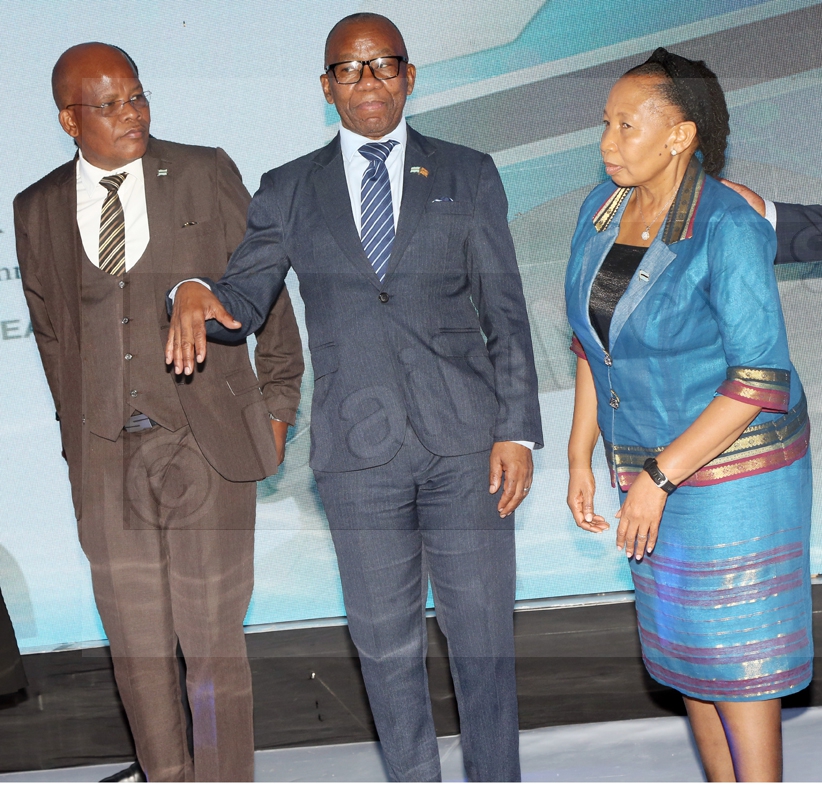
    The launch of National Research Agenda (NRA), marks a significant step toward building a dynamic research and innovation ecosystem in Botswana. Speaking at the launch, Minister of Communications and Innovation, Mr David Tshere, said the NRA signified the beginning of a strengthened national commitment to a knowledge-driven future anchored on science, technology, research, innovation and evidence-based decision-making, key pillars of national development.

    Envisioning a transformed Botswana under NRA, Mr Tshere highlighted improved access to services such as remote learning and healthcare through universal connectivity.
    He noted that the digital divide would be narrowed, enabling the development of smart communities while addressing unemployment and rural-urban migration.

    “The Science, Technology and Innovation (STI) system is widely recognised as the backbone of modern economies around the world, and nations that invested early in research and innovation are now reaping the rewards of inclusive growth, higher productivity and resilience in the face of global shocks,” he said.

    While Botswana has strong training and research institutions, supported by sound policies, the minister said the national STI system remained fragmented.

    He cited low private-sector participation, inadequate research financing and limited coordination as challenges that had constrained the measurement of progress and socio-economic impact.

    He explained that the NRA provided strategic direction by aligning national research efforts across eight priority areas: agriculture, digital economy, energy, environmental sustainability, health, manufacturing, social development and mineral beneficiation.

    The agenda, he said, ensured that research responds to national priorities, global trends and community needs, while continuing to support curiosity-driven inquiry.

    Mr Tshere further emphasised that the NRA identified critical capability gaps requiring urgent strengthening.

    These include postgraduate training and talent retention, world-class research infrastructure and digital systems, cross-sector collaboration, sustainable and diversified research funding, as well as strong research standards, ethics and data protection frameworks.

    “For Botswana to thrive in the next decade, we must ensure that our policies, strategies, programmes and actions are built on evidence rather than assumption,” he said, adding that the country aims to significantly increase investment in research and development (R&D).

    He noted that while Africa targeted R&D spending of one per cent of GDP, and Botswana’s 2012 policy set a target of two pe rcent, the current government had committed to an ambitious three per cent of GDP.

    As a first step toward this goal, he revealed that the National Research Fund, established in November 2024, was now operational, with a Research Fund Management Committee in place to steer solution-oriented research over the next three to four years.

    “The ultimate goal is to transform Botswana from a consumer of knowledge into a producer of innovation,” Mr Tshere said. 

  • High-Tech Traffic Control Centre to Tackle Road Safety

    High-Tech Traffic Control Centre to Tackle Road Safety

    Evidence shows that red-light violations remain a major cause of accidents in Botswana, often resulting in long-term health challenges and high medical costs, President Advocate Duma Boko has revealed.

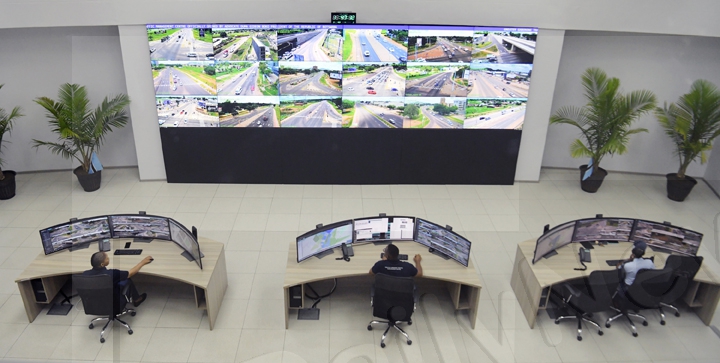
    Speaking at the official launch of the Traffic Signal Modernisation and Centralised Traffic Control Centre (CTCC) for Gaborone and surrounding areas, President Boko hailed the facility as an intelligence platform that would shape transport policy and urban planning for decades to come.

    President Boko stated that the launch demonstrated government’s commitment to improving public safety, transport efficiency and emergency preparedness.

    “We have installed a unified command centre. It is the most significant investment in integrated traffic management and crisis response infrastructure in the history of our nation,” said President Boko.

    He noted that the centre would provide critical information to support effective decision-making by law enforcement and the courts.

    “This will ensure the quicker disposal of cases and offer invaluable data for experts involved in accident management,” he added.

    He added that the CTCC was a cornerstone of future crisis management and highlighted its role as a central coordination hub for key stakeholders during emergencies.

    “It will be the brain and heartbeat of our emergency response. It will assist in coordinating police, fire services, emergency medical services, public health authorities, and transport departments under one roof,” he said.

    He emphasised that a well-coordinated response was vital during disasters to avoid the confusion, miscommunication and duplication of efforts that often put citizens at risk.

    Minister of Transport and Infrastructure, Mr Noah Salakae, said the ministry and the Botswana Police Service were currently finalising regulations that would govern the use of red-light and speed violation cameras for traffic enforcement.

    Mr Salakae said the regulations were expected to take effect before end of the current financial year.

    Through the project, government reaffirmed that land transport development remained a strategic priority, as outlined in the Botswana Economic Transformation Programme and National Development Plan 12.

    The project is being executed under a Design, Build, Maintain, Operate and Transfer (DBMOT) contract at a total cost of P534,164,575.00.

    Having commenced in November 2017 with a contract duration of 123 months, the project is scheduled for completion in February 2028.

  • Botswana on High Alert as SA Reports FMD Ooutbreak

    Botswana on High Alert as SA Reports FMD Ooutbreak

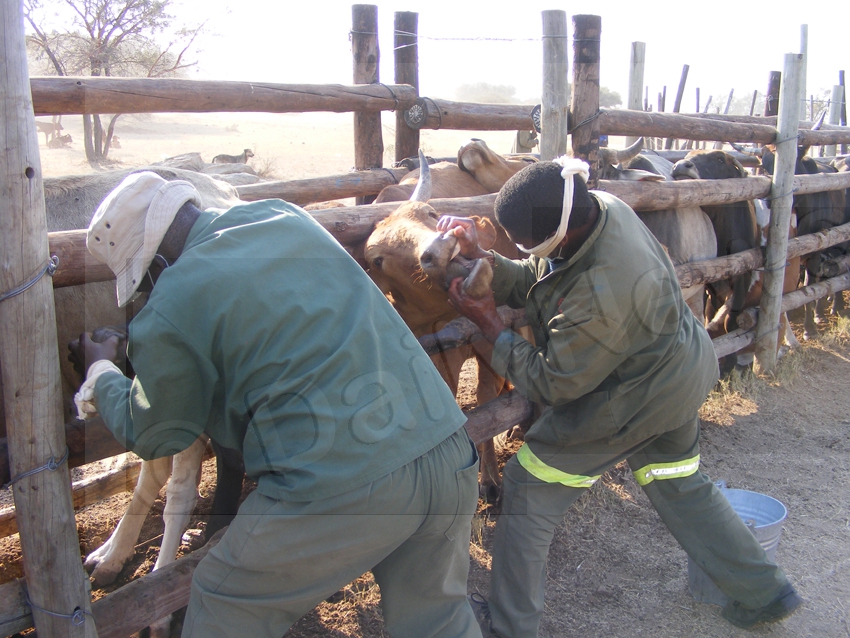
    Botswana is on high alert following the outbreak of Foot and Mouth Disease (FMD) in the Waterberg District in the Limpopo Province in South Africa.

    According to a press release from Ministry of Lands and Agriculture, farmers and stakeholders particularly in districts bordering South Africa; Tsabong, Good Hope, Ramotswa, Tlokweng, Kgatleng and Mahalapye have been urged to be vigilant.

    As a precautionary measure, the ministry has further called for observance of FMD preventative measures.

    The measures, the release states are control movement of livestock by herding and kraaling especially at night and identifying all cattle by branding and BAITS ear tags.

    The release further calls for any suspected signs of FMD in animals such as lameness, drooling (excessive salivation), ulcers in the mouth, muzzle and hooves be reported to the veterinary office or the Botswana Police Service.

    In addition, the press release states that South African cattle livestock that have crossed into the country, Botswana livestock that have crossed into or livestock suspected to have returned from South Africa, vandalism of the disease control fence or illegal crossing at undesignated points, suspected illegal use of, or smuggling of FMD vaccine into Botswana be reported. 

  • Nation Unites in Thanksgiving and Prayer

    Nation Unites in Thanksgiving and Prayer

    Thanksgiving should be practiced even in times of economic hardship as gratitude is not dependent on favourable circumstances.
    According to First Lady Kaone Boko remaining steadfast in faith during crisis was itself reason enough for thanksgiving and praises God.
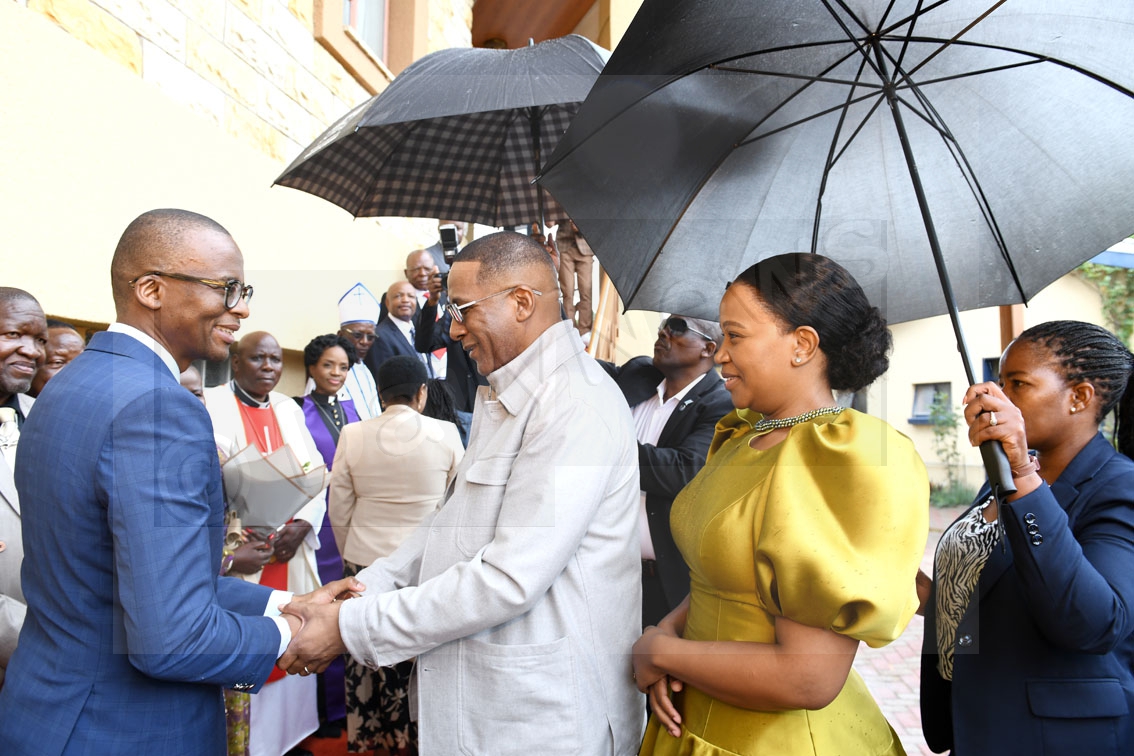
    She said this in Gaborone on Sunday at the National Prayer and Thanksgiving ceremony, which drew many worshippers from different denominations.
    Ms Boko further said people united in prayer were multiplied, blessed and sustained with peace during challenging times.
    “Lord, we will lift your name up high. We are saying to God, we love you and nothing will stop us from thanking our God. I pray that the Lord blesses you, keeps you, shines His face upon you and is gracious to you. I pray the Lord gives you peace,” she said.
    For his part, President Advocate Duma Boko said gratitude was a function of faith, noting that one could not be grateful without faith.
    He said the secret to prayer was not merely asking, but believing that what was asked for had already been received.
    The President added that when he spoke, he ignored surrounding limitations and focused on visioning for the country.
    “Visioning for the country is spiritual. I am never despondent,” he said.
    President Boko expressed gratitude to the Church, saying its prayers sustained him, his family, the Cabinet and the nation of Botswana
    Delivering a sermon, Calvary Apostolic Church of Botswana, Reverend Dr Lebo Rathedi acknowledged that thanksgiving was not meant for entertainment or mere spiritual upliftment, but for alignment, empowerment and spiritual positioning.
    She further said the ceremony held under the theme: A Nation United in Prayer and Purpose, was a moment of repositioning, noting that unity was not optional but foundational, while purpose was divine.
    Dr Rathedi said unity without purpose became directionless, while purpose without unity struggled to gain traction.
    She further noted that national unity refreshed leadership, fostered respect for authority and benefited the country as a whole, adding that where unity dwelt, multiplication and consistent restoration followed.
    According to Dr Rathedi, the coming together of different church denominations was a sign of alignment that would ultimately contribute to the restoration of the economy.
    The ceremony was the second one following the launch of the National Prayer and Thanksgiving ceremony last year. 

  • Music Festivals Clash Test Fans Loyalty

    Music Festivals Clash Test Fans Loyalty

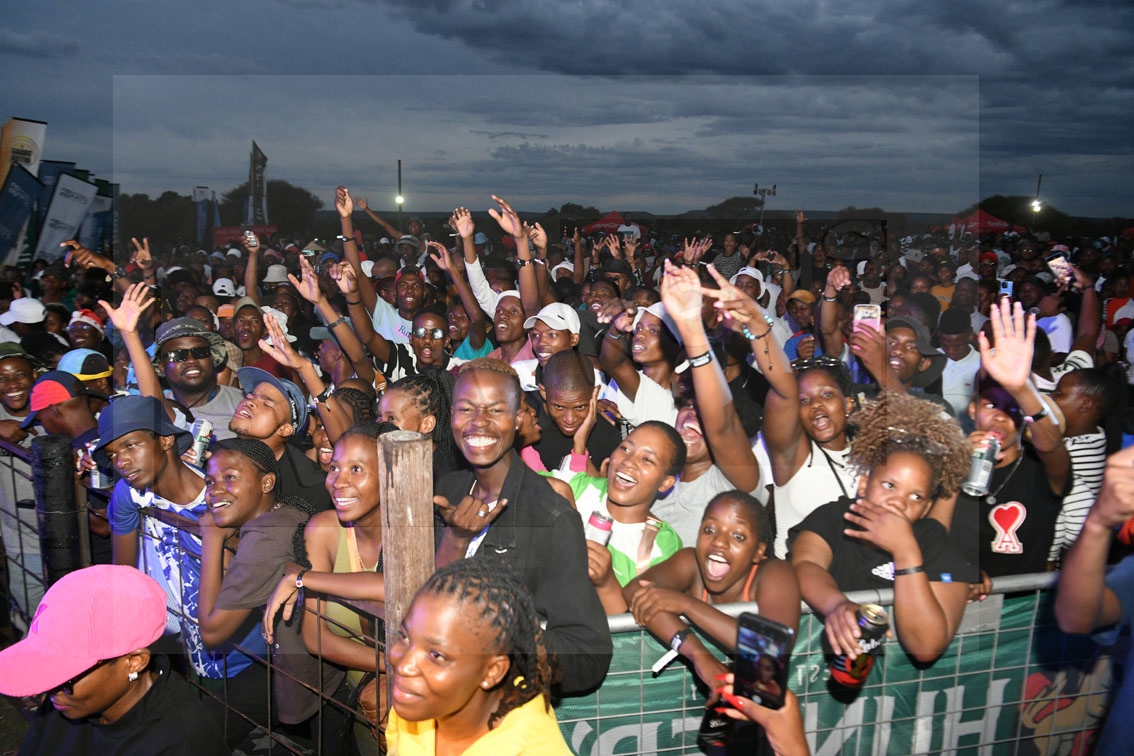
    The Christmas and New Year’s Day festivities have kicked in and across the country, a familiar sound is dominating the airwaves, the booming bass of South African and local hits played on repeat. This year, however, the festive cheer comes with a twist of high-stakes competition. Forget the usual holiday rush, the real battleground is the music scene.
    With three massive international festivals, Born and Raised in Serowe, Kanye Festive Xplosion (K.F.X) in Kanye and the newcomer Pacers Live in Thamaga, all scheduled for the same night on December 20, music lovers must now make a difficult choice. Will they follow the headlining acts or stick with brands they have been loyal to?
    One Berthold Auerbach says, “Music washes away from the soul the dust of everyday life,” and its universal, emotional depth is often emphasised during this season of festivities.
    Some say without music, life would be lifeless, for life comes and goes, but music comes and stays. It is the sound of the heart that stirs when the beat of music is played.
    While music is enjoyed all year round, with new songs now blasting the airwaves, it somehow feels different during the Christmas holiday: as if hit songs are only produced in December, or that songs resonate in a particular way this time of year.
    This season is synonymous with loud music, with what are perceived as hit songs on repeat. One can hear them playing from loud car radios, shopping malls, and households.
    Now, although three shows are held on the same date in different places, which would under normal circumstances mean a good thing for revellers, perhaps reducing travel congestion and crowding at the mentioned events, the question remains – How will the turnout at these events be? Will it be determined by loyalty or by headline acts?
    One thing about Batswana is their loyalty to a brand, especially one that has been consistent. Born and Raised has its prints on Batswana’s hearts, and its patrons, especially those from the Central District, have not been shaken; they even buy the merchandise year in, year out. It is the same with K.F.X, it is the patrons from the Southern part of Botswana who flock to Kanye for this event. The event has proved to be a great experience for its patrons over the years, slowly building a brand that is now on everyone’s lips come this season.
    However, because of the magnitude of these events, loyal revellers from both sides of the country have always attended both events, especially since they have not always had the same date for their events.
    On one hand, Pacers Live comes in as a new baby, bringing luxury and a whole A-List lineup of favourite trending acts from South Africa with hit songs ‘perfect for the festive season.’ But luxury does not come cheap and while patrons welcomed the refreshing aspect of entertainment that Pacers Live is bringing, others have qualms about the ticket price, as well as the risk that almost all of the trending acts from South Africa may not honour the show and perform.
    After all, Batswana have experienced on many occasions a no-show from their favourite artistes at music festivals, with reasons ranging from missing flights, double bookings in Botswana and sometimes both in Botswana and elsewhere.
    Now, loyalty will be tested this year, especially for K.F.X and Pacers Live, as they are both in the Southern part of Botswana with a proximity of approximately 40km. Herein comes the issue of safety on the roads, as speed, substance use and careless driving come into play, as revellers tend to be over-excited during the festive season.
    As much as the two are not so distant apart from each other, perhaps patrons should in this instance make a definite decision on which event they are supporting. After all, some of the artistes are double-booked at both shows and even at Born and Raised. Scott Maphuma and Culture Spears are both booked at Born and Raised and Pacers Live, while Young Stunna has a double booking for Pacers Live and K.F.X and Charma Gal is booked at both K.F.X and Born and Raised.
    K.F.X ticketing is simple and affordable for the average patron, to spoil themselves with a VIP ticket. A general ticket is P200 and P250 at the gate, with P600 as VIP, which includes secured parking, private restrooms, security, a cash bar and a food stall.
    While the general ticket for Born and Raised is the same as K.F.X at P200, they went a little pricey in their VIP themed packages. 

  • Resilient Systems Crucial for National Health Insurance

    Resilient Systems Crucial for National Health Insurance

    Serowe residents have proposed  enactment of National Health Insurance only after the public health sector has been revitalised.
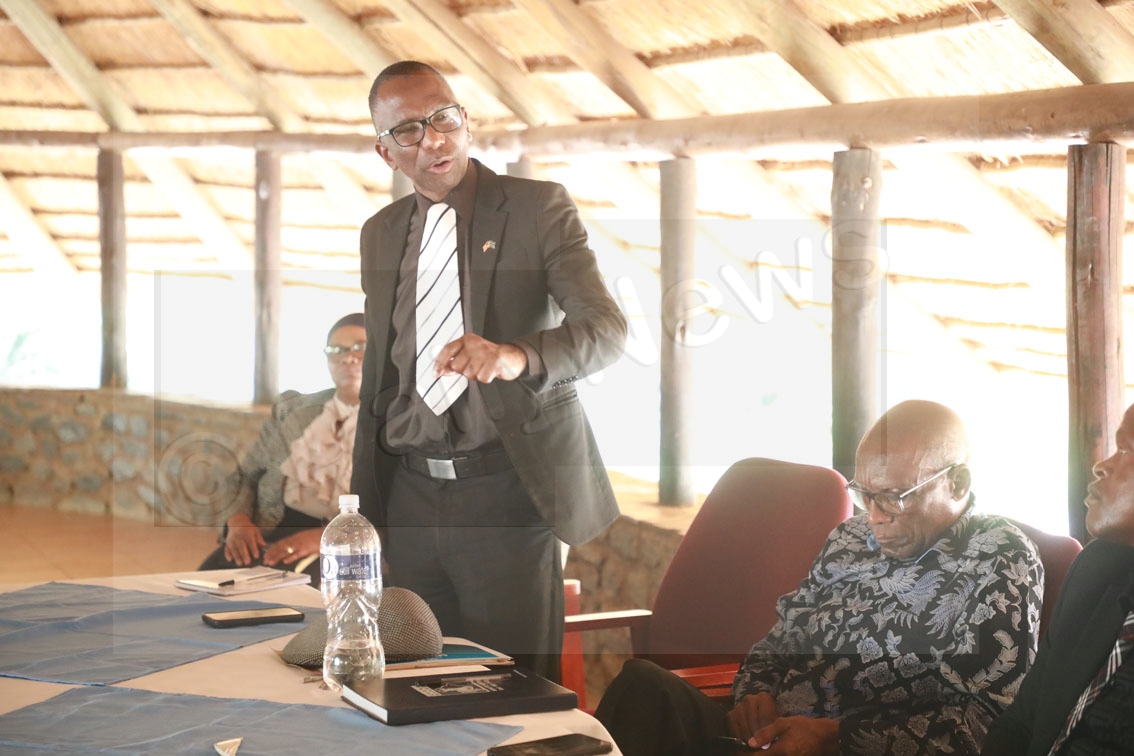
    This was brought to the fore during a consultative kgotla meeting on National Health Insurance in Serowe on Tuesday.
    A resident, Mr Moses Monthe said public health was at its lowest, plagued by medicine shortages for both prevention and treatment, long delays in booking specialists, and lack of manpower, along with increasing incidents of cancer diagnosis.
    Furthermore, Mr Monthe proposed that the health insurance policy should encompass all citizens and not separate individuals by class.
    He was worried that classification would lead to the elites gaining more advantages while the disadvantaged received little support.
    Mr Monthe suggested that funds from the plastic levy be directed to the National Health Insurance, as it produced significant revenue that could help in supporting citizens.
    For his part, Serowe District Council chairperson,  Mr Atamelang Thaga recommended that the health insurance policy should allocate specific funds for cancer therapies.
    He suggested that to meet the required number of doctors and specialists, government ought to evaluate the return on investment for students they had funded to undertake medical degrees.
    Moreover, he proposed that the government should create a watertight formal agreement with those receiving sponsorships to enhance the return on investment.
    A resident who preferred anonymity emphasised the importance of resolving all issues bedeviling the ministry prior to starting the implementation of the National Health Insurance policy.
    Furthermore, suggestions were made that efforts should focus on research and partnerships related to indigenous knowledge and medicine, potentially resulting in the development of treatments for different ailments.
    Earlier on,  Dr Keatlaretse Siamisang from the Ministry of Health  had challenged residents to express their views on potential improvements in the ministry, their preferences for health insurance development, anticipated benefits, and implementation strategies.

  • Public Participation Central to Constitution Review-Dingake

    Public Participation Central to Constitution Review-Dingake

    Citizens are entitled to participate in the public affairs, including the process of designing the country’s constitution, says Professor of Constitutional Theory, Justice Key Dingake.
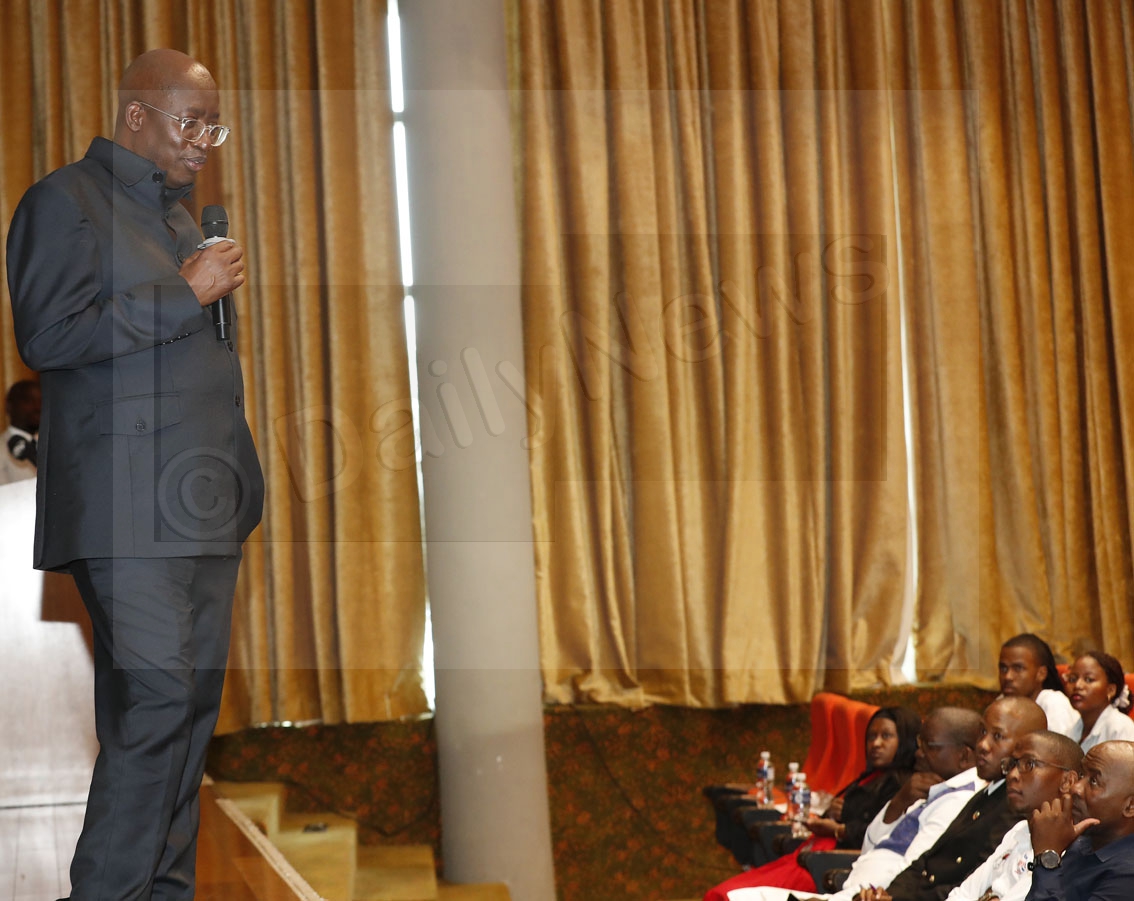
    Speaking at a public lecture hosted by the Botswana Council of Non-Governmental Organisations (BOCONGO) in Gaborone on Thursday, Prof Dingake said there was a need to strengthen the country’s democratic culture, embolden rights, evolve power relations, and reform public administration.
    He emphasised the importance of dialogue among key stakeholders and citizens, describing what he termed ‘conversational constitutionalism’.
    “The process must be inclusive, transparent, participatory and people-driven. In modern constitution-making, the process is as important as the content,” he said.
    Prof Dingake added that the design of the constitution must engender national ownership by being participatory, inclusive, transparent and accountable. Such an approach, he said, enhanced legitimacy, educated the public on democratic governance, and built a shared political identity.
    He noted that in the past, constitutions were often imposed by departing colonial authorities or political elites, a practice no longer considered appropriate. He pointed to international legal instruments such as the International Covenant on Civil and Political Rights, which affirm citizens’ right to participate in public affairs, including constitution-making.
    “Public engagement can take many forms and may occur at different stages of the constitutional process,” he said.
    Prof Dingake said Botswana could draw lessons from South Africa’s CODESA process, noting that Botswana’s review would take place many years later and should reflect its own history, values and circumstances.
    In his remarks, BOCONGO board member, Mr Fredrick Kololo said the constitutional review process could not be left to any single institution. He said it required the participation, vigilance and wisdom of the nation, adding that BOCONGO and its partners had played a central role throughout the process.
    “During the previous review attempt, we consistently advocated for a process grounded in transparency, participation and genuine public consultation,” he said.
    Although that process did not yield the desired outcome, Mr Kololo said it strengthened their resolve and highlighted critical gaps that must be addressed. He added that an informed nation was an empowered nation, noting that civil education demystified the process and enabled Batswana to contribute from a place of knowledge.
    He also said that a truly people-centred constitutional review must place citizens at the heart of the process, adding that democracy was strongest when citizens were active participants rather than passive observers.