Author: Daily News

  • Botswana Confronts Diamonds Slump and Eyes Bigger Growth

    Botswana Confronts Diamonds Slump and Eyes Bigger Growth

    The year 2025 was marked by continued economic challenges, primarily driven by a prolonged downturn in the global diamond market.

    Under President Advocate Duma Boko’s administration, which assumed power following the Umbrella for Democratic Change (UDC)’s landslide victory in the 2024 elections, government has intensified efforts to diversify the economy away from its heavy reliance on diamonds.

    President Boko has repeatedly emphasised the need to break the ‘resource curse,’ stating in various addresses that Botswana must foster private sector-led growth and attract sustainable investment. Government’s strategy has focused on structural reforms, infrastructure development and new initiatives to build resilience.

    A key milestone was the launch of the Botswana Economic Transformation Program (BETP) in mid-2025, aimed at promoting growth in services, regional finance, manufacturing, tourism, renewable energy and agriculture. The programme received thousands of project submissions from citizens and businesses, with hundreds selected for implementation to drive job creation and innovation.

    This was complemented by the tabling of the 12th National Development Plan (NDP 12), a P388 billion framework spanning 2025-2030. NDP 12 prioritises investments in transport, housing, water infrastructure and non-mining sectors, with the goal of fostering inclusive growth and reducing vulnerability to commodity shocks.

    In September 2025, government established a new sovereign wealth fund to manage state assets and invest diamond-related revenuesin high-growth areas such as agro-processing, renewables and tourism. Additionally, a new agreement with De Beers extended Debswana mining licenses to 2054 and gradually increased the state’s share of rough diamond sales to 50 per cent.

    Despite these initiatives, Botswana’s economy faced headwinds in 2025. Real GDP is estimated to have contracted by around one per cent, according to the International Monetary Fund (IMF), following a slowdown in 2024. This reflects weaker diamond production and trading amid subdued global demand.

    Diamonds remain Botswana’s economic cornerstone, contributing significantly to exports (over 70 per cent), government revenue (around a third) and foreign exchange earnings.

    Debswana, the joint venture with De Beers, reduced production to approximately 15 million carats in 2025, a sharp cut from previous years due to inventory build-up, economic uncertainty and competition from lab-grown diamonds, which now hold about 20 per cent of the market and are priced 30-40 per cent lower.

    The mining sector’s weakness contributed to a sharp quarterly GDP contraction earlier in the year, prompting downward revisions in growth forecasts. Finance Minister Ndaba Gaolathe highlighted the budget deficit for the 2025/26 fiscal year at an estimated 7.56 per cent of GDP, necessitating careful fiscal management amid reduced mineral royalties.

    To support competitiveness and preserve foreign exchange reserves (which dipped to around five months of import cover), government approved an accelerated annual depreciation rate for the Pula of 2.76 per cent in July 2025.

    The Bank of Botswana (BoB) maintained an accommodative stance for much of the year, holding the Monetary Policy Rate (MoPR) at 1.9 per cent until October, when it was raised by 160 basis points to 3.5 per cent. This ‘recalibration’ aimed to strengthen policy signalling without immediately increasing commercial lending rates, as banks were directed not to pass on higher costs fully.

    Inflation remained subdued for most of 2025, often below the 3-6 per cent target range, before rising toward the end of the year due to Pula depreciation and imported price pressures.

    Credit rating agencies reflected the strains: S&P downgraded Botswana’s rating with a negative outlook, followed by Moody’s lowering it to Baa1, citing fiscal pressures and slow diversification progress. Unemployment, particularly in mining regions, remained elevated around 25 per cent, with ripple effects on local communities.

    The private sector has shown resilience, with organisations like Business Botswana advancing strategies for competitiveness, skills development and regulatory reforms. Eased permitting processes and public-private partnership initiatives have aimed to attract investment in logistics, digital infrastructure and SMEs.

    Agricultural programmes have undergone reviews, with shifts toward precision farming and tech-driven initiatives to boost yields and support export-led growth.

    As 2025 ends, Botswana’s economy shows signs of strain but also determination for change. While a diamond market recovery could support modest growth in 2026, sustained diversification through BETP, NDP 12 and regional integration via AfCFTA, will be crucial. President Boko’s efforts, including citizenship-by-investment schemes to draw diaspora funds, underscore a vision for sustainable prosperity beyond diamonds.

    Botswana’s journey forward requires continued reforms, investment in human capital and green innovation to transform its economic lustre into long-term resilience. 

  • Retrospective on Creative Industry

    Retrospective on Creative Industry

    As the sun sets on 2025, the dust is far from settling on Botswana’s cultural landscape.

    This year, the Blue, Black and White did not just participate in the global creative economy, but demanded its seat at the table.

    From the high-fashion runways of Paris, France to the digital corridors of Silicon Valley, Batswana creatives transformed 2025 into a year of unprecedented visibility and structural revolution.

    However, amidst the glitz of international awards and the rhythm of chart-topping hits, a multi-million Pula question lingers: Can this momentum be converted into a sustainable future?

    The defining moment for the industry came from the highest office in the land. During the 2025 State-of-the-Nation Address (SONA), President Advocate Duma Boko announced a staggering P200 million allocation for the creative sector.

    This historic injection of capital, coupled with the introduction of the Creative Industry Bill, signals a shift from treating the arts as a hobby to recognising it as a professional economic pillar.

    Furthermore, the Ministry of Sport and Arts struck landmark deals with Google, Meta and TikTok to ensure that local content creators can finally monetise their craft effectively.

    “The question remains,” industry observers note, ‘will creatives use this funding to build sustainable businesses, or will the opportunity slip through our fingers?’

    In the music scene, 2025 was the year of the power play and strategic move. We witnessed high-profile cross-border collaborations, most notably Han C teaming up with Lesotho’s Wave Ryder for the Pepetletsa remix.

    Some local legends also expanded their brands south. DJ LebGee and Charma Gal headlined South Africa’s Shandesh show, while DJ Latty’s relocation to South Africa paid dividends with a feature in Black Motion’s Monateng music video.

    Meanwhile, Oliver Gaolaolwe proved Botswana’s vocal prowess by winning Season 1 of the Africa Music Challenge, a Pan-African victory that resonated across the continent.

    The visual and sartorial arts reached heights previously unimagined. Under the Creation Botswana initiative, supported by Absa Bank and Lucara Botswana, eight local designers showcased their collections at Paris Fashion Week in France. Brands like Botocy, Glotto and Dihdah represented the pinnacle of Motswana craftsmanship on the world’s most prestigious runway.

    In the world of fine art, Naledi Maifala clinched the prestigious ANNA Award for women artists, while Pako Lesejane and Totang Motoloki showcased their work at the G20 Art Exhibition, to ensure that Botswana’s perspective was represented in global diplomatic circles.

    In the Film, Animation and the Digital Frontier, the ‘orange light’ of DStv’s Mzansi Magic (Channel 161) glowed brightly for local filmmakers. Three films, Route 2, Moporofeta and Abashwe, made their regional debut this November, following the success of the film Morwaake, which won Best African Film at the Ekurhuleni International Film Festival. Perhaps the most futuristic win came from Theo Silitshena, who secured deals with Disney and Titmouse. His work as a co-writer on the US film To the Moon marks a giant leap for Botswana’s budding animation industry.

    The literary and media world also saw its stars rise. Bakang Wren, of BOPA, ended the year on a high note by winning the Best Media Writer award at the annual Botswana Literature Awards. Wren noted that the award is “recognition for creative writers that fuels our energy as we work to make our creatives shine.”

    On the global stage of movement, Lebogang Mabifhi flew the flag high at the L.A. Redbull Dance Your Style world competition. Although she did not bring the top prize home, she left indelible footprints on the global dance stage.

    Regrettably, the year’s achievements were shadowed by profound loss. The industry stood still in August to mourn the passing of A.T.I (Lekhete). An icon whose influence transcended music to become a cultural phenomenon, his demise left a void in the heart of the nation. Earlier in the year, the industry also bid a painful farewell to former My Star winner Sharon Sibonge. These losses serve as a sombre reminder of the vibrant spirit and resilience the industry must maintain to honor those who paved the way.

    As 2025 draws to a close, the foundation has been laid. With new legislation, global digital partnerships and a P200m financial boost, the ‘starving artist’ trope is finally being challenged. The creative industry in Botswana is no longer just about entertainment, but about enterprise. 

  • Zebras Training Camp a Success

    Zebras Training Camp a Success

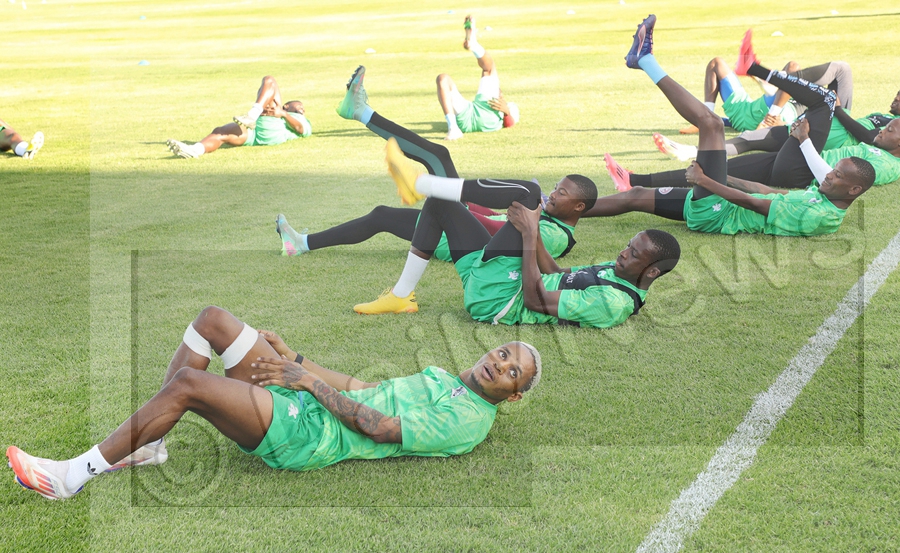
    As the senior national team, the Zebras, depart their training camp on Friday en route to Morocco for the AFCON finals, confidence is high following a productive camp in the coastal town of Tabarka, north-western Tunisia.

    The players underwent high-intensity sessions, timely preparations given the demands of Group D, which features Senegal, DR Congo and Benin. Head coach Morena Ramoreboli left nothing to chance in selecting his final squad, with the South African tactician applying a meticulous approach to assemble a balanced and competitive unit.

    Ramoreboli has stressed the importance of total commitment, reminding players that they will be fighting for the badge. In football, the opening match often sets the tone, and the Zebras’ first Group D fixture against Senegal on December 23 at Tangier Grand Stadium will be crucial.

    While Senegal may be favourites on paper, football is unpredictable. The Zebras have gone there to compete, not merely to participate and opponents should not underestimate them on the basis of FIFA rankings. Ramoreboli described the Tabarka camp as a success, citing the intensity and quality of the sessions.

    “I also want to give credit to the players, particularly the senior ones, for ensuring that the physical and physiological aspects were addressed so that everyone is ready,” he said.

    He added that the team benefited greatly from the structure of the camp, which concludes with a preparatory match against Tunisia on Thursday (December 18). The fixture, he explained, was aimed at sharpening performance ahead of the Senegal clash.

    “For the first time since I’ve been with the team, this is the longest period we’ve spent together. It has already helped to bring everyone together,” Ramoreboli noted.

    He said the camp also improved players’ understanding of his tactical demands.

    “It was a blessing in disguise that we managed to have this camp. The understanding and team spirit are high, and we have been pushing one another to achieve our goal,” he said.

    After facing Senegal, the Zebras will meet Benin on December 27 at the Stade Olympique Annexe Complexe Sportif Prince Abdellah. Their final Group D match will be against DR Congo national football team on December 30 at Al Medina Stadium. 

  • Boko Political Journey Through the Lens

    Boko Political Journey Through the Lens

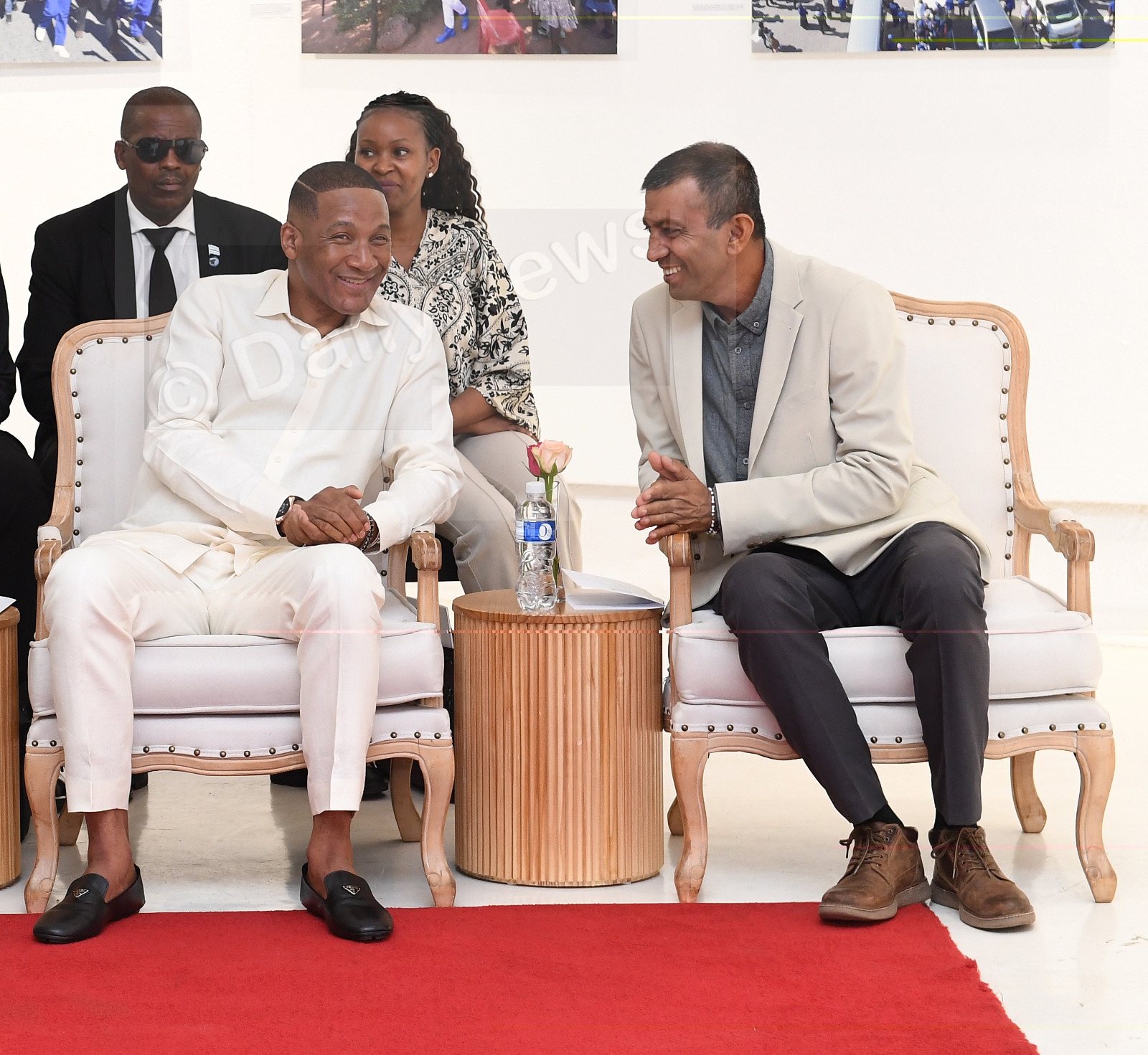
    The adage that a picture is worth a thousand words aptly describes the newly launched photo-book on President Duma Boko, titled That’s My Boy.
    Compiled by renowned photographer, Monirul Bhuiyan, the book captures defining moments of President Boko’s political journey from his election as leader of the Botswana National Front (BNF) in 2010 to his assumption of the country’s highest office.
    Through a compelling visual narrative, Bhuiyan traces Boko’s path from early political aspirations to the historic night of November 1, 2024, when he was elected Botswana’s sixth president.
    The images highlight the power of grassroots activism and the perseverance that underpinned the journey.
    Structured chronologically, the book moves from the trenches of political struggle to the Office of the President.
    Beyond recording milestones, it offers insight into the President’s thinking, his policy perspectives, political life and vision for a renewed Botswana.
    Themes of hope and unity are woven throughout, particularly in photographs from the formative days of the Umbrella for Democratic Change (UDC), where Boko is seen alongside the late Gomolemo Motswaledi, founder of the Botswana Movement for Democracy.
    The collection also reflects on the presidency itself, capturing campaign trails and rallies that culminated in the UDC’s 2024 victory, as well as intimate moments from the transfer of power and inauguration. Other images show the President during UDC parliamentary caucus meetings, State-of-the-Nation Addresses and debates, offering the public a window into his reflections as he confronts economic challenges.
    Overall, the book underscores President Boko’s conviction that democracy is not bestowed from above but built collectively, day by day.
    It presents a portrait of how an ordinary citizen can rise to the nation’s highest elected office.
    Speaking at the launch, President Boko said he was deeply moved by the book produced under his name.
    “This photo-book takes me back to a time many remember, the days when I stood in opposition, when the road was uncertain and the weight of resistance was heavy,” he said.
    The images, he added, captured moments of struggle, sacrifice, doubt and unwavering hope, and honour those who believed even when belief was costly.
    Referring to photographs from a court case questioning his BNF membership, he said the book was an emotional roller coaster.
    “Those were gloomy days in my political career,” he said, explaining that his membership should never have been in doubt, having been raised in the party tradition by his father and mentored by Kenneth Koma.
    He recalled contesting for a BNF central committee position in Kanye, where he lost the international affairs portfolio to Calmon Mogalakwe, further affirming his longstanding party involvement.
    President Boko said the book also reflected moments of betrayal and hardship, experiences that shaped his resilience.
    He emphasised that his story was not one of inherited privilege but of hope, tenacity and a desire to serve the nation.
    “For many, I am evidence that one can reach the stars without being born with a silver spoon,” he said, adding that childhood hardships should never be seen as barriers.
    While he values a life away from the limelight, President Boko acknowledged that public scrutiny had followed him from an early age.
    He commended Bhuiyan for documenting the journey ‘not for glory, but for truth’.
    For his part, Bhuiyan said the project was undertaken for posterity.
    “For a newspaper, you are taking pictures to go along with a story or the news of the day, but the mission of this project was to document the presidency for history.” he said.
    He noted that the images captured a range of emotions from triumphant political moments to sombre and deeply human experiences. 

  • Mogoditshane Trust Boosts Matlolapata Tournament

    Mogoditshane Trust Boosts Matlolapata Tournament

    The sponsorship, from Mogoditshane Community Trust Fund, will cover 100 football kits for two female teams set to participate in the annual tournament, scheduled for January 2 next year, at Solomon Dihutso Grounds in Mogoditshane.
    Speaking during the sponsorship unveiling, Mogoditshane Community Trust Fund representative, Alfred Setlhake said the initiative was part of the trust’s charitable mandate to address the needs of the Mogoditshane community, particularly women.
    “This sponsorship is our way of ensuring that women are not left behind in our community,” said Setlhake.
    The kits feature an embroidered message that condemns gender-based violence (GBV), which Setlhake described as one of the most pressing social challenges the trust was committed to fight.
    Meanwhile, Matlolapata tournament representative, Kehumile Kgoroba, expressed gratitude to the trust Fund, describing the tournament as one of Mogoditshane’s most enduring sporting events, which had consistently attracted large crowds since its inception in 1993.
    He said the sponsorship not only enhanced the event’s profile, but also increased the commercial appeal of the local game and thereby reflecting its steady growth over the years.
    Kgoroba shared his vision of transforming the Matlolapata tournament into a platform that gave back to the community, by supporting the needy and elderly as it continued to expand.
     The tournament will feature seven teams competing from morning until evening, comprising Under-15, Under-17 and Under-20 players, followed by junior masters and veteran players, said Kgoroba. 

  • Maun Upgrading Gains Momentum

    Maun Upgrading Gains Momentum

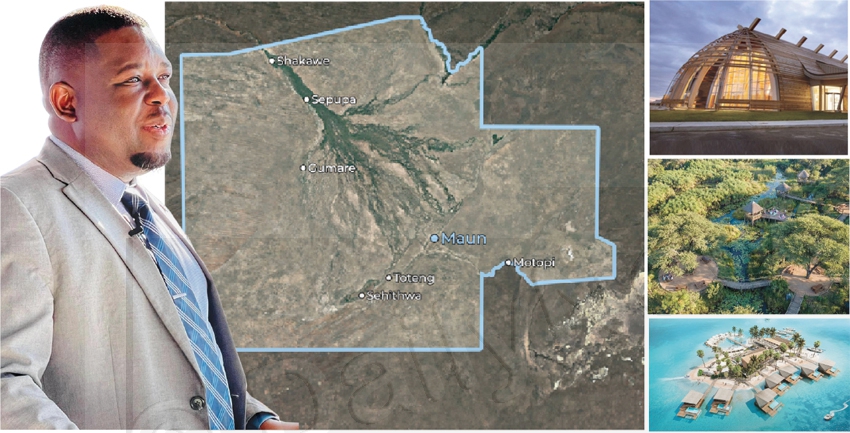
    North West district leadership and stakeholders have welcomed the Maun East Smart City concept, which aims to position the tourism town as the country’s premier eco-urban hub.

    The initiative will require 139 hectares of land for smart, green mixed-use development.

    The project, undertaken by Managed Portfolio Botswana, seeks to establish a resilient, green and smart city anchored on sustainability, digital innovation, nature-based tourism and inclusive economic growth.

    Launching the concept in Maun on Tuesday, North West district commissioner, Mr Thabang Waloka said the Maun East Smart City concept reflected the collective commitment to sustainable development, inclusive growth and the intelligent use of technology to improve the quality of life for the people.

    “Maun has long been recognised as the tourism gateway to the Okavango Delta and a centre of economic opportunity and with growth comes responsibility. Rapid urbanisation demands that we plan smarter, build resilient infrastructure, and ensure that development is orderly, efficient, and environmentally responsible. The Initiative responds directly to these needs,” Mr Waloka said.

    Mr Waloka said the envisioned project would create a city environment that was safe, connected, environmentally conscious and economically vibrant, one that served not only present generations but also those yet to come.

    Appreciating the landmark concept, he said it represented progress, innovation and a shared vision for the future of the district and nation at large.

    The district commissioner further noted that the initiative would benefit the people of Maun through housing opportunities across all income levels, commercial activity, institutional services, jobs for youth and local contractors, investment stimulus pointing that when communities thrive, the district thrives and the nation prospers.

    Mr Waloka pledged that the district administration would facilitate engagement, support regulatory compliance, ensure community interests were protected.

    He further encouraged Managed Portfolio Botswana to maintain openness, transparency and stakeholder participation.

    North West District Council chairperson, Mr Itumeleng Kelebetseng said the launch marked the beginning of a new chapter, one defined by innovation, sustainability and inclusive growth.

    Maun, he said was a tourism destination, a gateway to natural heritage, to opportunity and to progress and with the smart city initiative.

    As such, he reaffirmed their support to the project aimed at improving the quality of life for the people, creating jobs, empowering businesses and ensuring that development remains environmentally responsible.

    The initiative, he said called for collaboration between the community, government, private sector and development partners and encouraged all to move forward with a shared sense of purpose, ensuring that no one was left behind as they build the city that was smart, resilient and people centred.

    Batawana deputy chief, Kgosi Kealetile Moremi also hailed the initiative saying it came at an opportune time when the nation was guided by Vision 2036.

    In addition, she said the project responded meaningfully to the vision, which promoted urban development infrastructure, economic opportunities and environmental responsibility.

    As community traditional leaders, she said they recognised developments in the area which were well planned and sensitive to both communities and the environment.

    For their part, some leaders also welcomed the project, saying it would elevate Maun’s status as it aimed to stimulate economic growth, expanded affordable housing, accelerated youth employment, strengthen small-medium enterprises capacity and positioned it as Botswana’s investment hub.

  • Health Ministry Makes Strides Despite Challenges

    Health Ministry Makes Strides Despite Challenges

    RELOCATION OF PRIMARY HEALTHCARE SERVICES
    In April 2025, primary healthcare services, including clinics and health posts, were relocated from the Ministry of Health to the Ministry of Local Government and Traditional Affairs.

    Dr Nyanga described the move as a critical step toward bringing health services closer to communities and advancing Universal Health Coverage. ­­­

    The relocation of Primary Health Care functions marks a significant milestone in Botswana’s health sector reform and decentralisation agenda.

    NATIONAL HEALTH INSURANCE

    The ministry also initiated stakeholder consultations, through kgotla meetings, council sessions and direct engagements with various stakeholders, on the introduction of a National Health Insurance (NHI) scheme, which aims to achieve Universal Health Coverage.

    Dr Nyanga said the NHI would represent a­­­­ major transformation of Botswana’s health system, aiming to ensure equitable access to quality health care for all citizens, regardless of location or socio-economic status.

    He said the ministry planned to table the NHI Bill before Parliament during the February 2026 sitting.

    ESTABLISHMENT OF PEDIATRIC SURGICAL CENTRES OF EXCELLENCE

    Dr Nyanga said the ministry, with support from Kids Operating Room (KidsOR) and funding from philanthropists Mr Steve Lansdown and Ms Margaret Lansdown, made significant strides in strengthening pediatric surgical care over the past 12 months. Two such centres were successfully completed at Princess Marina Hospital and Nyangabgwe Referral Hospital, marking a first for the country.

    Both facilities are equipped with state-of-the-art, child-specific surgical infrastructure. At Princess Marina Hospital alone, more than 150 children have already received life-changing surgical procedures since the centre became operational in June 2025. As a result, waiting times for pediatric surgery have been drastically reduced.

    Dr Nyanga noted, however, that shortages of specialised personnel such as pediatric anaesthetists and nurses remained a key challenge.

    In partnership with KidsOR, the ministry is working to build a skilled workforce capable of delivering safe and continuous paediatric surgical care nationwide.

    The initiative aims to improve access to safe, timely, and high-quality surgical services for children by establishing pediatric surgical centres of excellence in Botswana.

    EXPANSION OF SAFE SURGICAL CAPACITY

    To strengthen surgical resilience, Dr Nyanga said a Solar Surgery System is being implemented in 12 hospitals across the country. The initiative is designed to ensure that surgical services can continue uninterrupted during power outages.
    He said the KidsOR project, supported by the Lansdowns, had delivered transformative change by reducing waiting times, improving theatre infrastructure, and introducing sustainable energy solutions. With Nyangabgwe Referral Hospital preparing for its official opening and training programmes progressing, Botswana is positioning itself as a regional leader in paediatric surgery in Southern Africa.

    EYE CATARACT SURGERY CAMPAIGNS

    Two cataract surgery campaigns conducted in 2025 at Selebi Phikwe Government Hospital and Scottish Livingstone Hospital restored sight to a total of 694 Batswana.

    Dr N­­­yanga said many beneficiaries had been on waiting lists for a long time, making 2025 a life-changing year for them. He described the campaigns as a significant milestone in improving eye health and quality of life for hundreds of citizens.


    MEDICAL DELIVERY DRONES

    Government launched Botswana’s medical delivery drones, an innovative breakthrough that will transform the way is has been delivering healthcare across the nation. The initiative is designed to ensure that life-saving and essential medicines reach even the most remote and hard-to-access communities with speed, reliability, and precision.

    The innovation, which was launched by President Advocate Duma Boko, aligns with government’s commitment to equitable healthcare, as no citizen should be denied timely access to critical treatment. 

  • Majere Applauds Special Education Learners

    Majere Applauds Special Education Learners

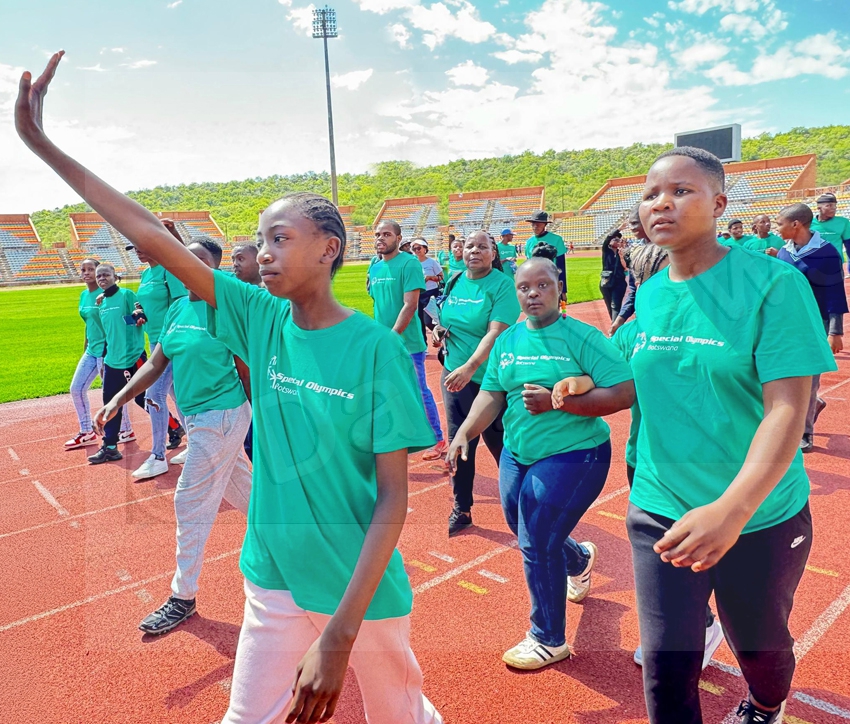
    Special education learners, who participated at the just ended National Special Olympics, deserves special recognition and appreciation for displaying a sterling performance.

    The mayor of Francistown, Mr Gaone Majere said during the city’s full council meeting citing that the team returned home with an impressive total of 77 medals, a remarkable achievement that he added, spoke to their dedication, resilience and talent.

    The team secured 34 gold medals, 29 silver medals, and 14 bronze medals, earning not only accolades but also the admiration of the nation of Botswana and ‘their performance is a testament to what can be accomplished when determination meets support and opportunity’, Mr Majere said.

    While he acknowledged youth unemployment as one of the challenges in the city, he said the council had however committed itself to creating meaningful opportunities for the youth through the Tender Preference Scheme, under which a portion of procurement was reserved specifically for youth-owned enterprises.

    Through the scheme, the council has awarded over P1 million to youth-owned companies out of P7,161,161.15 worth of tenders, representing 14.41 per cent of the total.

    “We should, however, acknowledge that the pace of procurement has been slower than anticipated due to the current economic conditions we are experiencing,” added Mr Majere.

    The house was also briefed that the council was more committed to harnessing solar energy across its institutions citing that the solar systems had now been installed and commissioned at Tagala and Lekgaba primary schools while installation works at Mahudiri and Phatsimo primary schools had also been completed and currently awaiting commissioning by the Botswana Power Corporation.

    The next school scheduled in the programme of works, he said was Pelotshwana Primary School as all required materials had already been procured noting that the commencement of works at the school has been delayed due to the breakdown of the cherrypicker, a critical piece of equipment necessary for the successful execution of the project.

    “This initiative is fully aligned with the government’s commitment to sustainable energy as articulated in the National Energy Policy, which promotes a transition from coal dependency to renewable energy sources. It is also well in alignment with the Sustainable Development Goal number 7, which is Affordable and Clean Energy,” he said.

    He said the council would generate income from International Renewable Energy Credits and Carbon Credits as the government advances efforts for Botswana to participate meaningfully in the global carbon economy.

    Furthermore, he said the city council had identified and prioritised different sectors, including tourism, manufacturing and the informal sector, among others, as engines for economic growth and development.

    “Under the tourism sector, we have identified 17 heritage sites, which are currently being documented to create an informative heritage platter,” said Mr Majere.
    In addition, he said the council would resuscitate the Francistown Educational Park to promote urban tourism, generate income and create employment opportunities in ancillary sectors such as hospitality, retail and transport.

    The fencing of the park is almost complete and will be followed by restocking of the park.

    The move is expected to position the city as a premier Meetings, Incentives, Conferences, and Exhibitions destination as it has hosted several high-profile events, including the BTC Marathon, Batanani Walk, Miss Universe Botswana and Land Pitso, among others.

    The city is also billed to host Tourism Pitso from January 29 to 30, while the City Tourism will be launched in Francistown on Saturday.

    “These activities not only showcase our capacity and readiness to host major events but also contribute significantly to the local economy and the livelihoods of our residents.” 

  • China Economic Roundtable Island-Wide Special Customs Operations of Hainan FTP Represents China’s Stance Against Protectionism Expert

    China Economic Roundtable Island-Wide Special Customs Operations of Hainan FTP Represents China’s Stance Against Protectionism Expert

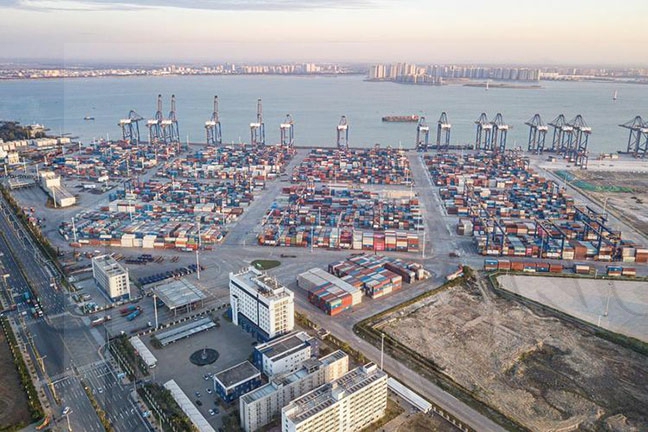
    The launch of island-wide special customs operations of Hainan Free Trade Port (FTP) represents China’s clear-cut stance against protectionism and a major step toward promoting economic globalization, said Huang Hanquan, a Chinese economist.

    Huang, head of the Chinese Academy of Macroeconomic Research, made the remarks during the latest episode of China Economic Roundtable, an all-media talk show hosted by Xinhua News Agency.

    The Thursday launch marks a major milestone in the opening-up drive of the world’s second-largest economy. This move sends a tangible message to the world: China has made a significant decision to open up further, Huang said.

    It also aims to set a benchmark for higher-level opening-up, inject new momentum into upholding multilateralism and free trade, and foster inclusive and universally beneficial economic globalization, according to Huang.

    “It is a strategic move to align with high-standard international economic and trade rules and steadily expand institutional opening-up,” Huang noted. “This provides an important platform for China to better adapt to and utilize international economic and trade rules while actively participating in their formulation.”

    Huang believes that China’s economy has transitioned from rapid growth to high-quality development and is now at a critical stage of transforming growth model, optimizing economic structure, and shifting growth drivers.

    As a key testing ground for reform in China, Hainan shoulders the important mission of paving new paths and accumulating fresh experience for building a high-standard socialist market economy, particularly in key areas such as trade and investment, fiscal and financial systems, and government regulation, Huang added. 

  • PALEKA Trust Unveils New Offices

    PALEKA Trust Unveils New Offices

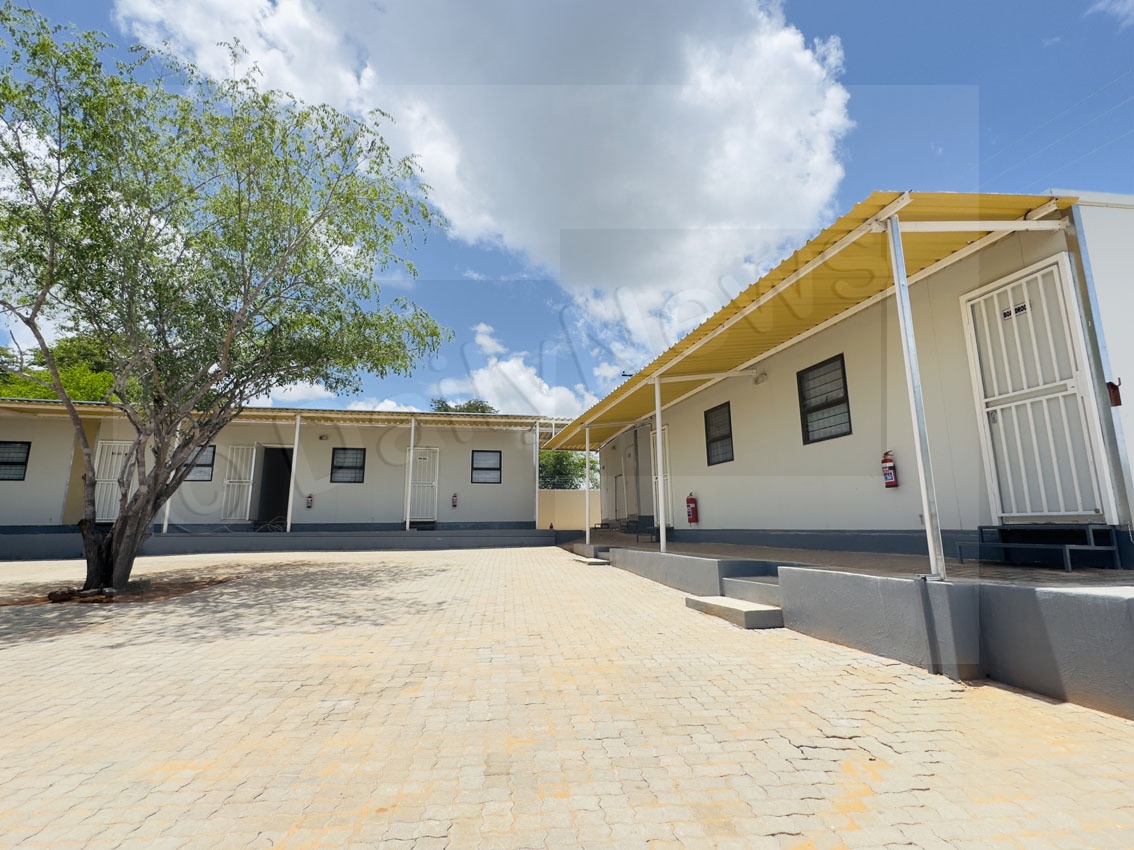
    Newly opened Pandamatenga-Lesoma- Kazungula (PALEKA) community offices are crucial to improved qulity service to members.
    Officially opening the offices on Monday, Member of Parliament for Chobe, Mr Simasiku Mapulanga appreciated the trust efforts saying the new establishment would serve as an information centre where all services would be centered for the people of the three villages to access.
    He said the new administrative centre championed an eco-friendly environment as it was fully powered by solar which resonated well with PALEKA as a custodian of sustainable environment and biodiversity.
    Mr Mapulanga further said that the development would promote efficiency by serving a broader community under one roof. Moreover, he stated that the trust would serve funds that were in the past injected into office rentals hence channel them to other projects.
    “This office development is aligned to the community Based Natural Resources Management policy which underpins the importance of conservation by communities existing within these resources and in turn generate income through the resources for improvement of livelihoods,” he added.
     PALEKA Board chairperson, Mr Kabozu Kabozu said that construction of the offices was a priority, adding that the offices would ensure people were assisted on time on a bigger facility in comparison to the office they rented.
    He also stated that they created employment and hired more than 20 personnel in PALEKA villages noting that they were planning to increase the numbers through building of a campsite.
    Grand Georick Energy founder, Mr Matengu Matengu stated that Chobe was endowed with ample solar energy which they tapped into and fully powered the new offices.
    He said the offices were powered with 24 kilowatt hybrid system which was dependent on the sun adding that the trust could also connect to Botswana Power Corporation (BPC) grid as backup in future.
    Mr Matengu remarked that solar energy was the future as espoused in the Vision 2036 that Botswana intended to embrace an eco-friendly practice.