Category: Business

  • New Life For Chobe as Rising River Levels Flood Enclave

    New Life For Chobe as Rising River Levels Flood Enclave

    The inflows are a result of the Zambezi River overflow pushing water downstream to Chobe River, through Chobe National Park, and down Ngoma, Muchenje, Mabele, Kavimba, Kachikau channel to Satau floodplains.

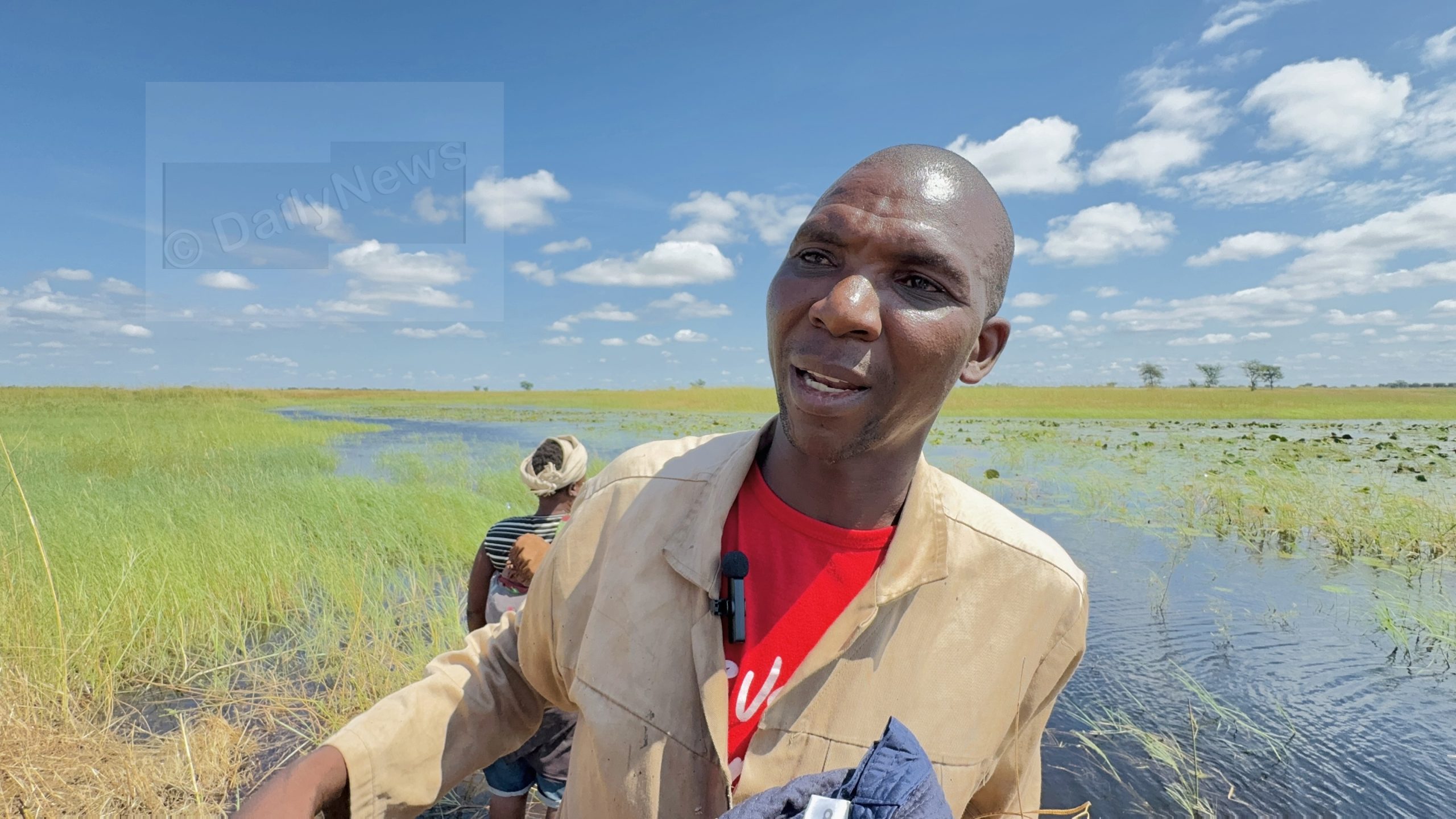
    Muchenje fisherman, Mr Chandapiwa Mokozi, said the rising inflows had renewed local optimism as the water now covered extensive floodplains in Muchenje. This year’s water quickly inundated the vast floodplains, a contrast to the previous year when the water moved slowly due to the parched ground caused by lack of inflow in 2024, Mr Mokozi said.He explained that the early arrival of the inflows, accelerated the fishing calendar prompting fishermen to relocate to the river and start their business.

    Mr Mokozi who fishes for household consumption while there are those who do it for commercial purposes indicated that they were always mindful to preserve biodiversity hence opted to use fishing hooks and not nets that could kill birds and other species drinking from water sources.

    The rising water levels signal new life in the Chobe region, sustaining people, livestock and wildlife who depend on the river as their primary water source. 

    Kachikau fisherman, Mr Gaseitsewe Kgothatso, stated that Chobe River had served as a vital economic engine for the people of Chobe for many years hence rising water levels brought so much joy to them.

    He said the river was a driver of the local economy enabling fishing, farming, excursions like boat cruises and picnics.

    Mr Kgothatso shared that fishing was his passion which he developed during his youthful days as a tour guide and he maintained it as a means to fulfill his passion and catch fish for his household.

    However, he said the river also posed a hazard on people because the river harboured dangerous animals like crocodiles, hippos and snakes.Mr Kgothatso shared that it was imperative that people maintained vigilance at the river when they go fishing adding that safety should be instilled in children at a young age so that they don’t go swimming at the river.Moreover he warned that people should never go to the river alone but with company to ensure help was available against potential river accidents.

  • ABSA Bank Releases 2025 Financial Results

    ABSA Bank Releases 2025 Financial Results

    Absa Bank Botswana has delivered overall strong financial results for the year 2025.

    This was despite the year marked by fiscal pressure, persistent geopolitical tensions, tightened liquidity conditions, rising credit stress across not only the banking industry but various sectors of the economy.

    Revenue increased by five per cent by December 31st 2025 to P2.39 billion, while profit before tax dipped by 10 per cent to P951.6 million compared to the previous year.

    Non-Interest Income remained a key driver of the business, rising 10 per cent to P589.5 million compared to the previous year.

    This strong revenue line was mainly driven by net fee and commission income as well as trading income.

    Absa Bank Botswana Managing Director, Ms Keabetswe Pheko-Moshagane said the performance reflected resilience and discipline in the midst of a dipped and challenged domestic economy.

    Globally, the economic growth remained resilient at around 3.3 per cent, while in sub-Saharan Africa growth remained stable at around 4.1 per cent supported by easing inflation across key sectors.

    However, the environment still remained constrained characterised by high debt levels, fiscal pressures and climate related risks.

    For 2025, the economy contracted by 0.4 per cent caused by weak diamond demand, their lower prices as well competition from lab-grown diamonds.

    The domestic economy remained under-sustained with consecutive contraction across the quarters, however showing a modest recovery in quarter three of 2025.

    This recovery was supported by improved diamond production and early gains in the value addition industries across other sectors.

    In 2025, inflation rose averaging 2.7 per cent, which is slightly below the Bank of Botswana lower end range target of 3-6 percent.

    This was primarily caused by reduced domestic demand by government, lower fuel prices, reduced water and electricity tariffs for the lower income households.

    The contained inflation provided some cushion for households in terms of enabling disposable income for households.

    Despite a challenging environment, the bank has remained profitable, resilient and strategically focused while continuing to invest in technology that will sustain long-term growth.

    On a heavier note, the cost to income ratio of the bank significantly increased to 55.6 percent compared to the previous year.

    This was attributed to the bank’s strategic alignment to notable industry shifts, specifically the heightened forex compliance framework, constrained deposits, investment in cybersecurity as well as cash flow challenges in the commercial and corporate investment segments.

    According to Ms Pheko-Moshagane, the weaker microeconomic environment impacted their business banking and corporate banking segments as customers adopted a more vigilant approach resulting in lower credit demand and lower transaction fees. Business exposed to government experienced delays in payments causing significant cash flow challenges.

    This vulnerability caused the bank to prudently increase impairments in response to a more uncertain credit environment.

    Collectively, all these factors caused a 22 per cent impairment spike compared to the previous year. Furthermore,she said liquidity conditions remained tough, consequently causing prolonged, constrained competition for deposits across the industry resulting in increased pricing and margin compressions.

    This caused a 41 percent increase in their interest expense as a response to the cost of funding.

    The adjustment of the Pula led to currency weaknesses, resulting in an increase to their cost of foreign denominated expenses, which largely are related to technology services. Costs were increased by their priority towards strengthening cyber security and fraud prevention as digital adoption increased across the industry.

    The bank spent on scaling secure digital capabilities to ensure that while they continue to offer banking services, controls are in place to ensure that customers transactions are protected at all times.

  • Govt Seeks to Unlock Private Sector-led Growth

    Govt Seeks to Unlock Private Sector-led Growth

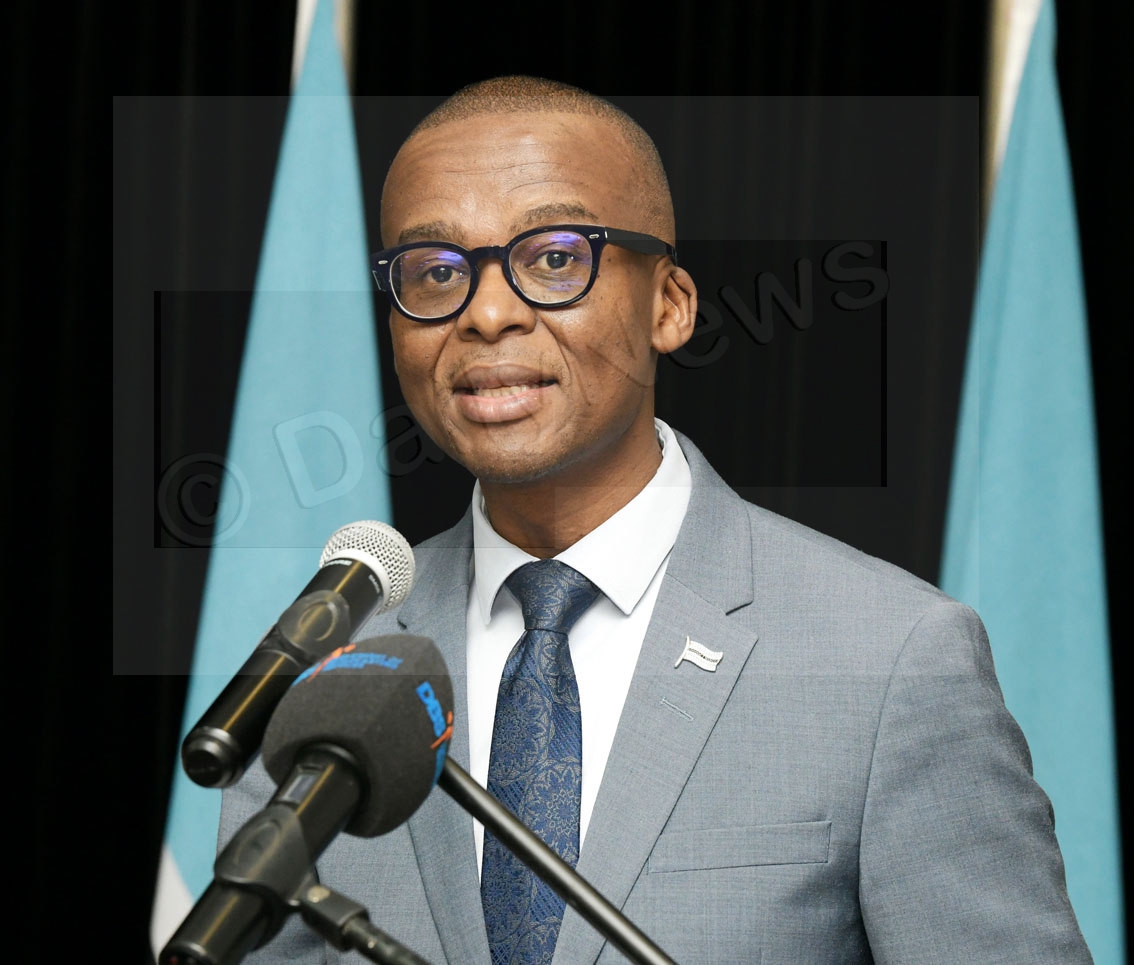
    Government is shifting to a new approach to business engagement, prioritising targeted and results-driven dialogue to unlock private sector-led growth and drive economic transformation, Vice President Ndaba Gaolathe has said.

    “The intention is to shift from broad, unfocused engagements to targeted, evidence-driven interactions that confront constraints to growth and competitiveness,” he said at the inaugural Presidential Business Roundtable on Friday.

    The new approach will ensure each engagement has a clear purpose, measurable outcomes, and a structured mechanism for follow-up, and the National Development Plan (NDP) 12 and the Botswana Economic Transformation Plan (BETP) would serve as the basis for reporting, ensuring every dialogue is anchored on data, measurable progress, and practical constraints requiring attention, Mr Gaolathe said.  He said bi-annual meetings would be convened, with the President providing high-level strategic oversight and ensuring reforms remained on course, while quarterly HLCC meetings would be sector-focused, allowing deeper, solution-oriented discussions within each industry.

    He said each sector would continue meeting between the bi-annual gatherings, maintaining momentum, monitoring progress, and ensuring issues were resolved in real-time and were not deferred.

    “This proposed and strengthened model of engagement represents our commitment to a more agile, responsive, and accountable relationship with the private sector, one that accelerates economic transformation and delivers meaningful results for Batswana,” he said.

    The current economic model, in which government identified and drove economic activity, has reached its limits, Mr Gaolathe said, adding that the country must reconfigure its economy to be decisively private sector-led.

    He said NDP 12 and BETP assumed their full significance in this context, with the latter serving as a delivery mechanism designed to move from discussion to execution, from ambition to investment, and from intention to results. For a long time, the country has been recognised as strong in policy, planning, and disciplined thinking, but this strength had become a limitation, Mr Gaolathe said. 

    “We have analysed, refined, and consulted sometimes to the point of delay.”

    Through NDP 12 and BETP, the country was forcing reform through execution by identifying and resolving constraints, adding that the shift was economic and structural, with educational reform strengthening TVET to prepare a workforce that can power industries, build enterprises, and compete globally.

    He said a private sector-led economy must be supported by a skills-led society.

    World Bank country representative, Mr Liang Wang, said generating economic growth and restructuring the economy required productivity and job creation, with the private sector as the main driver.

    Mr Wang noted that improving the business environment required sustained engagement between government and the private sector.

    The inaugural presidential business roundtable was themed: Towards Economic Transformation: A Private Sector-led Growth Agenda for Botswana. 

  • Trust Generates over P20 Million in 2025

    Trust Generates over P20 Million in 2025

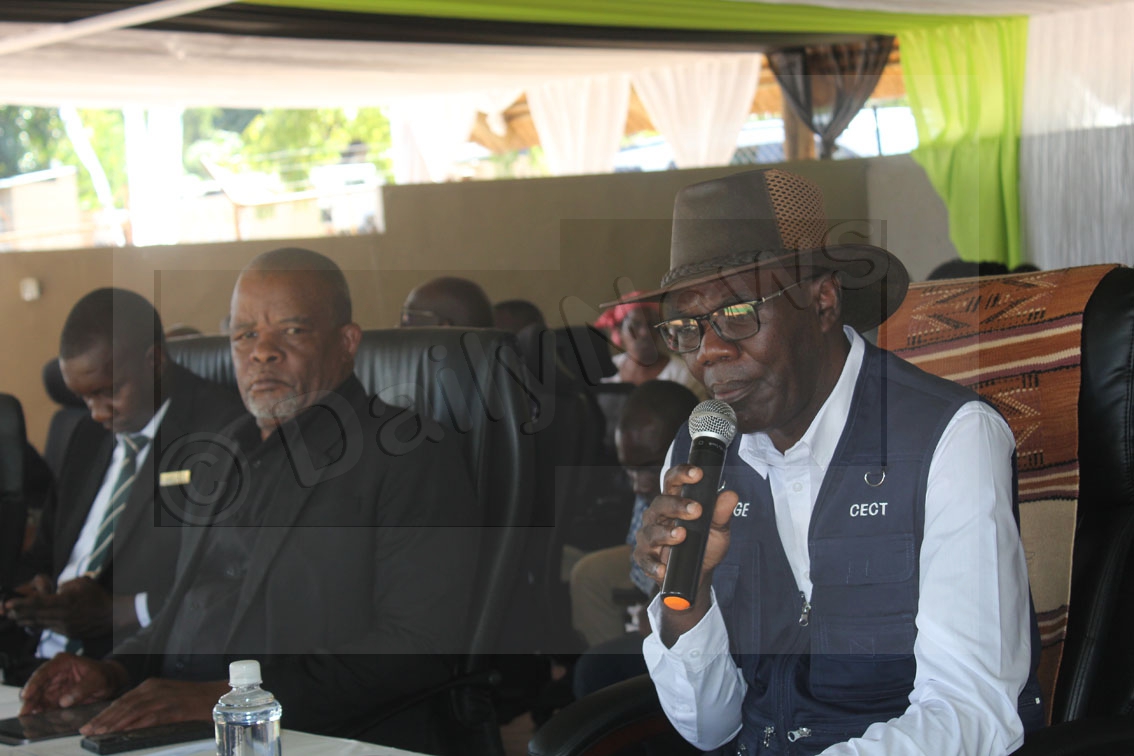
    Chobe Enclave Conservation Trust (CECT) has generated a total income of P20. 3 million in 2025 accrued from several key investments and operational avenues.Presenting the manager’s report at the CECT 2025 Annual General Meeting in Kavimba on Saturday, the general manager, Mr Moses Sinchembe said P7.4 million was raised from CH2 hunting quota, P5.1 from CH1 hunting quota, P4.1 from Linyanti Bush camps, P2.4 million from Ngoma Lodge and the rest from tractors, general dealer and brick moulding businesses.Mr Sinchembe said of the total income generated, P10.5 million would be allocated to the community of which each village being Mabele, Kavimba, Kachikau, Satau and Parakarungu would each get P2.1 million.He stated that each village contributed P300 000 to make a total of P1.5 million toward Liswaani Junior Secondary School for maintenance of 12 hostel blocks.Mr Sinchembe said every village undertook projects financed through the CECT income as per their respective needs and priorities.Giving a keynote address, Chobe District Commissioner, Mr Tshepo Mophuting said CECT amassed over three decades of history as a model of natural resources conservation. This antecedent, he said had positioned CECT into a globally recognised standard for natural resource conservation becoming a benchmark admired by conservationists worldwide.Mr Mophuting noted that the Botswana Economic Transformation Programme (BETP) had fuelled growth and expanded opportunities for citizens, hence encouraged organisations like CECT to take the lead in exploring new investment ventures.He thanked the forefathers for championing community-led conservation through Community Based Natural Resources Management (CBNRNM) initiative. He noted that local communities understood their resources best hence they were uniquely positioned to manage and benefit from their own natural resources.Kgosi Lawrence Liswaani Sinvula III said CECT’s success was a testament that unity could achieve greatness. He said the trust was a gift from their forefathers who had championed CBNRM together with government with dikgosi at the centre of the initiative, advocating for resources to be conserved by communities so that the same communities would benefit from the resources.“It is imperative that we carry, nurture this legacy and build as beneficiaries of CECT so that we optimally gain from the strong economic avenues in our enclave,” he said.

  • Mpatlise App to Revitalise Agriculture

    Mpatlise App to Revitalise Agriculture

    The launch of the revamped Mpatlise Application signals a step in advancing Botswana’s digital transformation and revitalising the agricultural sector.It also reflects Botswana’s commitment to use technology, to modernise agriculture. Launched in Gaborone on March 24 under the theme: Shaping the Future of Botswana’s Agriculture through Digital Innovation, Assistant Minister of Trade and Entrepreneurship, Mr Baratiwa Mathoothe, said the theme represented an urgent call to action.He said agriculture had long supported livelihoods and food security in Botswana, though the sector had not reached its full potential and had declined in its contribution to GDP. Mr Mathoothe highlighted ongoing challenges including fragmented markets, limited access to reliable information, inefficiencies across the value chain and barriers facing smallholder farmers.“These are national challenges that require urgent solutions,” he said, adding that the future of agriculture was in technology, entrepreneurship, market access and supportive policies.He noted that government was driving a digital transformation agenda to boost productivity, create jobs and position Botswana as an innovation-driven economy. Mpatlise Application plays a central role in this effort, as it offers a digital marketplace connecting farmers to buyers, and provides access to services such as agro-processing, veterinary care and transport as well supports coordination of agricultural activities.“The platform also delivers data and analytics to improve decision-making and efficiency in agricultural trade,” he said.Developed by Gradeware Solutions, the app was praised for connecting stakeholders across the agricultural value chain. Mr Mathoothe said such homegrown innovations were essential for building a strong digital economy and empowering local entrepreneurs.He reaffirmed government’s commitment to supporting startups, strengthening digital skills, and improving access to markets and finance. He also called on private sector partners to invest in digital agriculture and help scale solutions like Mpatlise.The platform is expected to formalise informal markets, improve price transparency, and expand opportunities for women and youth. Mr Mathoothe therefore urged farmers and young entrepreneurs to adopt the technology to grow their businesses and improve efficiency.“Technology alone is not enough, its success depends on adoption,” he said.He added that the relaunch marked the beginning of a broader push toward a digitally enabled agricultural sector, with future integration of technologies such as drones and smart systems. The unveiling of the app, signals a new chapter for Botswana’s agriculture driven by innovation, inclusion and sustainability.

  • Prisons Anticipate Bumper Harvest

    Prisons Anticipate Bumper Harvest

    Botswana Prisons Service (BPS) anticipates a bumper harvest of over 20 tonnes of maize in 2026, Prisons Commissioner Anthony Mokento has said.

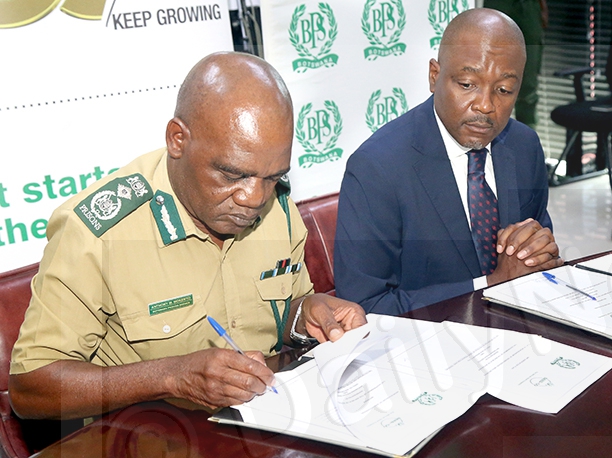
    Speaking during the signing ceremony of a Memorandum of Understanding with Seed Co Botswana in Gaborone on Wednesday, Mr Mokento said they planted Seed Co Botswana seeds on 106 hectares of land, of which 97 hectares were under maize production, two hectares of sorghum was planted in Lethakane, while cowpeas were cultivated on seven hectares.

    “From this total area planted, we hope to harvest handsomely. We may not produce enough, but it will be sufficient to make a significant reduction in government expenditure on the maintenance of inmates,” he said.

    Last year, he said prisons service harvested 20 tonnes of maize in 2025, equivalent to about 400 bags.

    For his part, Seed Co Botswana managing director, Samson Ruwisi said agriculture was a powerful tool for transformation and an effective way of empowering inmates through modern farming techniques and productive agricultural practices.

    “Inmates will gain skills that can help them reintegrate into society and contribute positively to their communities,” he said.

    He said one of the most meaningful ways to contribute to communities was by transferring knowledge and practical skills that empower people.

    “Through this partnership, we are proud to support the correctional services mission by equipping inmates with valuable life skills, including agriculture,” he said.

    He said Seed Co. believed its role went beyond providing quality seeds in the 22 African countries where it operated. Mr Ruwisi said their mandate also extended to corporate social responsibility and rehabilitation efforts aligned with the objectives of the prisons service.

    He further noted that the Seed Co Seed App, launched in Botswana in 2025, used technology to enhance best farming practices and assisted in imparting agricultural knowledge to farmers across the country. 

  • Tourism Fees Review Afoot

    Tourism Fees Review Afoot

    Botswana’s tourism fees, some unchanged for 30 years, are set to rise in a bid to strengthen revenue mobilisation and sustainability.

    Currently ranked among the lowest in the region, the fees are expected to be increased starting beginning of April. Minister of Environment and Tourism, Mr Wynter Mmolotsi, said on Thursday during a consultative meeting on the proposed revision of tourism user fees, which is part of the government’s broader strategy to strengthen revenue mobilisation while ensuring affordability and sustainability.

    The new fee proposals, he said, were guided by inflation adjustment, affordability considerations, revenue mobilisation, user feedback and comparative analysis.

    “Comparative analysis shows Botswana’s fees remain among the lowest in the region, and benchmarking against Namibia, Zambia, Zimbabwe, and South Africa confirms the need for alignment,” he said.

    Among the key adjustments are increases in tourism enterprises’ licencing fees, with citizen operators protected through differentiated charges. Wildlife and National Parks fees have been revised to reflect inflation and conservation financing needs.

    For example, Minister Mmolotsi said citizen park entry fees had been proposed to increase from P30 to P50, while non-resident fees would increase from P380 to P500. While research and filming permits have been proposed to be adjusted to reflect operational costs, with commercial filming permits ranging from P20,000 to P50,000.

    “As an outcome of the consultation process, some of the proposed fees that this meeting agrees on will take effect from 1st April 2026,” he said, adding that some would require amendment of applicable regulations and later gazetting for public consumption.

    Minister Mmolotsi told stakeholders that the adjustments were not simply about raising fees, but about strengthening tourism and environmental management systems, ensuring sustainability, and aligning with international best practices.

    He assured stakeholders that the ministry recognised the concerns raised and was willing to listen, clarify, and work with them to ensure that the revised fees were fair, transparent, and effective, while securing the financial sustainability of the sector.

    The Department of Tourism director, Mr Lopang Pule, noted that the prices were not set in stone and stressed the need to periodically review costs in the sector.

    “We are getting feedback from our institutions and stakeholders, some are saying your costs are too low,” he said, adding that the review was part of the government’s cost recovery.

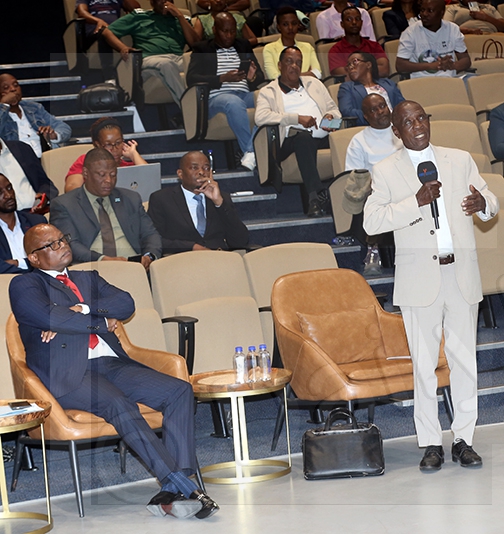
    However, participants opined that some of the proposed fees were too steep, which could lead to some agents cancelling their bookings, thus reasoning that there was a need for more time before they could be implemented.

    The Hospitality and Tourism Association of Botswana (HATAB) chief executive officer, Ms Lily Rakorong, noted that the increase in fees should also be matched with quality service from the ministry.

    Mr Kenson Kgaga of the Botswana Guides Association (BOGA) pointed out that some fee increments could make it difficult for them to operate, adding that tour operators, other than paying for their industry fees, had to pay for salaries and other taxes.

  • Moruakgomo Promotes Mushroom Farming

    Moruakgomo Promotes Mushroom Farming

    A quiet revolution is taking root at Seroto Ward in Tonota. 

    Ms Lady Moruakgomo, a 35-year-old horticulturalist, is cultivating a brighter future for herself and her community through mushroom production.

    As the second person in her village to venture into mushroom production, she is proving that with the right skills and passion, even the most unlikely crops can yield a bountiful harvest.

    “I am sharing my skills and expertise with fellow women, proving that even the most unlikely crops can yield a bountiful harvest,” she said.

    Ms Moruakgomo’s journey began with a training programme sponsored by NARDI, where she mastered the art of mushroom cultivation. Her dedication has earned her reputation as a skilled trainer, and she is now passing on her knowledge to other women in the community.

    “I want to empower other women in the society. We women have to support each other, and that is the only way to get out of poverty,” she added.

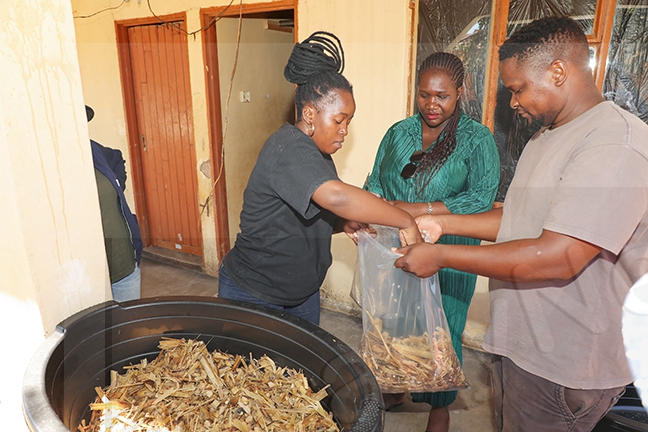
    The process of growing mushrooms is labour intensive, but Ms Moruakgomo is undeterred. She uses cleaned maize straws, soaking them overnight, boiling them to disinfect and then filling them into plastic bags for germination in a dark room.

    The mushrooms are grown in a dark house, where they are kept for three weeks before being exposed to sunlight by opening windows.

    “I have never felt so empowered,” she said, carefully placing oyster mushrooms in a plastic bag. 

    Her dark room is a demonstration to the power of entrepreneurship, providing for her family and inspiring other women. Ms Moruakgomo’s venture is more than just a business, it is a beacon of hope. She is creating jobs, promoting sustainable farming and putting nutritious food on tables.

    “Mushrooms are a superfood. They are packed with protein and goodness,” said Ms Moruakgomo.

    “It is a labourious business, but the returns are worth it. Mushrooms are fragile and very sensitive to anything surrounding them. It is a high value crop, but it requires patience and care.”

    With a huge market demand, particularly in Francistown, Ms Moruakgomo, whose mushrooms are the first batch she has ever grown, is confident that her produce will find eager buyers.

    With the market research that she conducted pointing to a sprawling market, her target is chain stores and food outlets like restaurants.

    “This is just the beginning,” she said, envisioning a future where mushroom farming transforms lives.

    Tonota-based Agricultural Scientific Officer, Ms Amanda Molantwa is all praises for Ms Moruakgomo’s initiative; and sees it as a timely answer to the huge demand for mushrooms locally.

    Ms Molantwa said with dedication and expertise, Ms Moruakgomo could prove that even the smallest initiatives could have a profound impact.

    “Women need to support each other to get out of poverty and I am grateful that with the mushroom production, she is certainly doing just that,” she added.

    Ms Molantwa is also urging women to consider mushroom production to improve their livelihoods.

    “It is a high value crop with huge market and demand. With the right skills and support, women can graduate from poverty and achieve financial independence,” she said.

    Ms Molantwa explained that with determination and passion, Ms Moruakgomo was cultivating a brighter tomorrow, one mushroom at a time.

    When asked about common diseases affecting mushrooms, Ms Molantwa explained that their fragile nature and ability to ‘code’ surrounding smells made them susceptible to even minor threats.

    “They can absorb smells from nearby substances, including harmful chemicals,” she noted.

    Despite the challenges, Ms Molantwa highlighted the benefits of mushroom production.

    “Mushrooms are not only delicious, but they are also packed with nutrients and numerous health benefits,” she said.

    She said they were rich in protein, fibre, and antioxidants, and that mushrooms could help boost immunity, reduce inflammation, and even support cancer prevention.

    Ms Molantwa’ s appeal is clear, “Join the mushroom revolution and take control of your financial future.” 

  • Budget Promises Hope Amid Financial Challenges

    Budget Promises Hope Amid Financial Challenges

    The emptiness of the public gallery tent pitched along Parliamentary Grounds at Annex II during the presentation of the National Budget Speech on Monday may have prompted legendary American musician Bob Dylan to belt out his famous tune, “the times, they are ‘a changing.”

    Or fellow Grammy award winner Prince, to similarly sing, “Sing o’ the Times.”

    Filled to the brim just a year earlier with an excited citizenry when Vice President and Minister of Finance Mr Ndaba Gaolathe delivered his maiden budget address, and over the past two State-of-the-Nation Addresses (SONA), the public gallery that in the recent past captured a highly expectant public mood was now empty.

    Perhaps the sheer weight of sustained economic recession characterised by high unemployment, rising costs of living, plus a foot and mouth disease outbreak and a national healthcare crisis conspired to shift the national mood.

    As the public listened in on national radio, television and online platforms to hear if the despair could turn to hope, Mr Gaolathe, the man tasked with performing the national Houdini Act, spoke.

    “We are fully aware of the realities facing our people,” Mr Gaolathe forthrightly acknowledged.

    “Chief among them is the health crisis that has tested our nation’s resilience. At a time when our nation is already navigating economic and social pressures, the outbreak of the Foot and Mouth Disease (FMD) in Zone 6B has emerged as a dark cloud over our agricultural sector.”

    Having candidly appreciated the deep seated, structural challenges Botswana faces, Mr Gaolathe pronounced the short term solutions- advanced talks with the United Arab Emirates (UAE) to provide extensive health affordable supplies to normalise operations in the health system; and a National Emergency Operations Centre to coordinate the national response to FMD, among other interventions.

    He then pronouced a new path towards the long terms solutions, in a budget titled: A New Era of Economic Transformation and Fiscal Prudence.

    “The 2026-27 National Budget is anchored in and launches the Twelfth National Development Plan (NDP 12) and the Botswana Economic Transformation Programme (BETP),” Mr Gaolathe said.

    Key to this, is building “an inclusive and deep economy” through a reform process of halting wastage and taking tangible steps towards the upper income prosperous Botswana envisioned by the National Vision 2036.

    He said the 2026/2027 Budget built directly on his maiden 2025-26 budget framework, with four key steps of halting financial wastage, stabilising the economy and preparing it for takeoff, initiating tangible steps of change and building a New Botswana.

    Already the process had commenced to manage public spending more prudently, strengthening oversight institutions to safeguard public resources; and mobilising the private sector and society as active partners in restoring efficiency, discipline, and accountability, Mr Gaolathe revealed.

    Now the BETP and NDP 12 would guide the nation towards the True North- “A high income Botswana that is digitally enabled, export driven, and economically diversified where every citizen is employed, empowered and fulfilled.”

    The BETP was developed with the technical assistance of PEMANDU Associates, a Malaysian transformation and performance management consultancy firm that has been endorsed by American Ivy League universities Harvard and Princeton.

    They have a record of assisting Malaysia transform into high income status, the UAE and its Emirate of Dubai establish a world class economy and also guided Rwanda and Tanzania develop policy reform, and Botswana hopes for such transformation.

    Over the second half of 2025, the BETP identified 186 projects and initiatives across six economic priorities- agriculture, manufacturing, financial services and digitalisation, infrastructure, tourism as well as energy and mining. There are also three social sectors to be prioritised- healthcare, education and social protection.

    “Government has developed a more structured, evidence based approach to project execution. Through the BETP, a set of strategically significant and transformative projects underwent rigorous analysis,” Mr Gaolathe said.

    The Vice President added that transformational initiatives such as the Chobe-Zambezi Water Transfer Scheme, development of rail infrastructure and the upgrade of the A1 road will be delivered under NDP12 as part of state investment in economic enablers based on fiscal discipline and accountability, “deliberately building a new culture of project delivery anchored on value for money, integrity and results.”

    He said government would lay a firm foundation for long term agriculture industrialisation driven through the National Agricultural Research and Development Institute (NARDI), which was already developing national seed production self sufficiency.

    Complementing this would be high impact technology driven initiatives including organic fertiliser, drone assisted crop nutrition, as well as the expansion of water melon value chains into juices, jams and other processed products, the Vice President revealed.

    Also, the government had negotiated market access for fresh citrus exports to the European Union, Canada, the UAE, South Africa, Russia and Hong Kong, translating to strong performance of citrus exports from 2,790 tonnes in the 2024 season to 13,711 tonnes in 2025, a 390 per cent growth.

    This typifies the future of a diversified export led economy that is envisioned to generate over 500,000 jobs over the next decade in fields such as manufacturing, agriculture, energy and mining, and increasing the country’s revenue base from heavy reliance on a diamond sector that is susceptible to external shocks.

    As Vice President Gaolathe disembarked the Parliamentary Chamber podium, he had pronounced hope amid a climate of national despair. Now the nation awaits delivery. In the words of Karl Marx, “Philosophers have interpreted the world in various ways. The point, however, is to change it.”
  • Khoemacau Expansion to Drive Jobs

    Khoemacau Expansion to Drive Jobs

    The expansion of the Khoemacau Copper Mine is set to transform Botswana into a key global copper exporter and inject substantial employment and training opportunities into the local economy. 

    The project, which officially broke ground last Friday, centres on the development of three new mines. The next phase of growth directly fulfils the promise made by MMG Limited during its 2023 acquisition to create a long-life operation with a lifespan exceeding 20 years. 

    Speaking at the ground-breaking ceremony, MMG CEO, Mr Zhao Ivo, said the expansion was designed to align with Botswana’s national development agenda through several high-impact initiatives, including long-term employment. 

    Mr Zhao assured that the next two years would see a significant increase in local hiring, with impacts extending far beyond direct mine labour.  Additionally,  MMG was launching a new programme alongside government, international universities and technical partners. 

    The initiative, Mr Zhao said aimed to address labour shortages by creating talent pipeline of job-ready Batswana graduates through accelerated certification and practical experience. 

    He added that it also aimed to support a low-carbon future given that the company was progressing with pre-feasibility work for a future 200 000+ tonne per annum expansion. 

    “This includes studies into electric surface haulage trucks and bulk solar power initiatives,” Mr Zhao said. 

    Again, he said by strengthening the base-metals sector, the project bolstered Botswana’s reputation as a premier mining investment destination. 

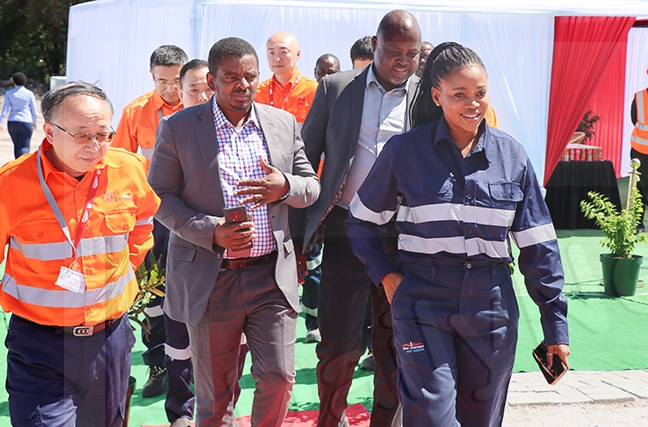
    The ground-breaking ceremony at the Zone 5 site was attended by the Minister of Minerals and Energy, Ms Bogolo Kenewendo, Chinese Ambassador to Botswana, Mr Fan Yong and North West district leadership. 

    Furthermore, Mr Zhao described the milestone as a long-term commitment to building a modern and high-performing copper operation that would create enduring value. 

    He emphasised that the mine’s vision was built on the pillars of safety, operational excellence and environmental stewardship. While the economic outlook was positive, the event also highlighted the importance of worker welfare. 

    Maun East MP, Mr Goretetse Kekgonegile, welcomed the expansion’s timing during a difficult economic period but urged management to prioritise employee working conditions. 

    “The Ministry of Labour is overwhelmed by complaints from employees and Botswana Mines Workers Union against unfair working conditions,” Mr Kekgonegile said. 

    In response, MMG CEO reaffirmed its commitment to ensure that every person returned home safe every day as well as working closely with the Ministry of Labour and the Botswana Mine Workers Union to address concerns regarding fair conditions. 

    Mr Zhao further indicated that the company would maintain strict adherence to international safety and footprint management expectations. 

    Meanwhile, the expansion represented the realisation of the ambitious outlook MMG presented in 2023.  Supported by its major shareholder, China Minmetals Corporation, MMG aims to leverage world-class Chinese and international expertise to turn the Kalahari Copper Belt into a sustainable powerhouse for the essential minerals the world increasingly depends on.