Category: Business

  • Botswana Economic Slowdown Demands Structural Reforms

    Botswana Economic Slowdown Demands Structural Reforms

    Botswana’s economic slowdown is no longer just about diamonds. It is now a story of weak productivity, fragile private-sector growth and an urgent race to diversify before structural cracks widen further.

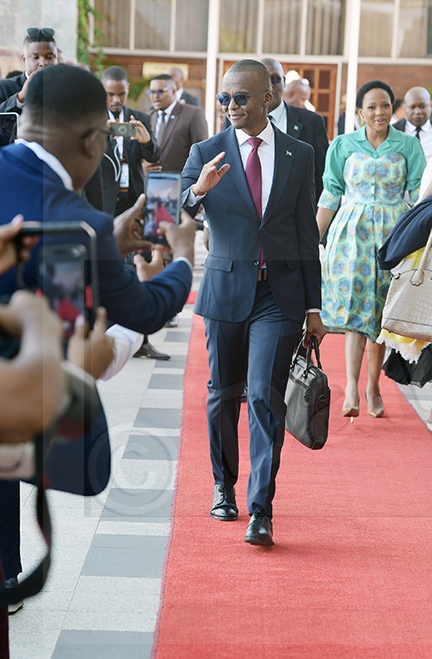
    Presenting the 2026 Budget Speech on Monday, Finance Minister, Mr Ndaba Gaolathe painted a sobering picture of an economy that shrank by 2.8 per cent in 2024 and was expected to remain in negative territory in 2025 and the better part of 2026, with growth projected at minus 0.4 per cent.

    While the downturn was triggered by a slump in diamond activity, the minister made it clear that the country’s deeper problem lied in the limited strength of its non-mining sectors.

    Manufacturing, construction, transport and storage industries that should be absorbing shocks from mining volatility, he said, had instead slowed, weighed down by the country’s dependence on government spending financed by diamond revenues.

    “Growth is rebounding to 3.1 per cent in 2026, but without structural reforms, the economy will continue operating below potential,” he said.

    A major red flag, he said was the continued decline in Total Factor Productivity (TFP), a key measure of how efficiently labour and capital were used.

    Minister Gaolathe stated that Botswana’s TFP fell to minus 1.0 per cent in 2024, reversing earlier modest gains. He said the decline signaled that businesses were producing less value from the same inputs, a trend linked to aging infrastructure, regulatory bottlenecks, weak skills alignment and slow private-sector expansion.

    Also, he said poor infrastructure maintenance, in particular, was quietly eroding returns on investment, making it harder for firms to expand competitively.

    However, he mentioned that government now would now scale back its direct footprint in the economy and push harder for private-sector-led growth under the Botswana Economic Transformation Programme (BETP).

    He said planned interventions included regulatory streamlining, targeted skills development and improved value-chain productivity.

    After a period of low inflation, he said price pressures were now resurfacing. He said inflation stood at 3.9 per cent in December 2025, up from 1.7 per cent a year earlier, driven by higher utility tariffs, fuel price adjustments and exchange rate changes that raised the cost of imports. 

    Nonetheless, he said inflation was expected to temporarily breach the upper limit of the Bank of Botswana’s three to six per cent target range in 2026 before easing later in the year.

    Minister Gaolathe further stated that the central bank had already raised the Monetary Policy Rate to 3.5 per cent, signalling a cautious stance as it balanced price stability with weak economic growth.

    While the financial sector remained stable, the minister said government was increasingly concerned about rising household indebtedness.

    Therefore, he said government planned to promote a stronger savings culture and expand financial literacy programmes to reduce long-term vulnerability among citizens.

    He added that the Financial Stability Council also flagged climate risks and uneven liquidity distribution in the financial system as emerging pressure points.

     “Without faster diversification, improved productivity and a stronger private sector, future downturns in diamonds could have even sharper consequences,” he said.

    The next phase of reform, the minister suggested, would determine whether Botswana’s economy regains momentum or remains stuck in a low-growth cycle.
  • Private Sector to be at the Centre of Economic Transformation

    Private Sector to be at the Centre of Economic Transformation

    Government has placed the private sector at the centre of Botswana’s economic transformation.

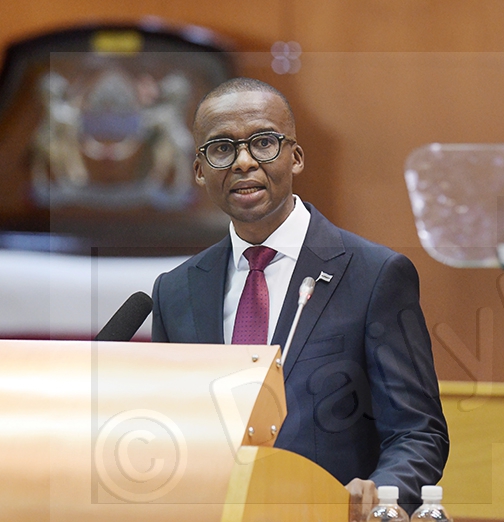
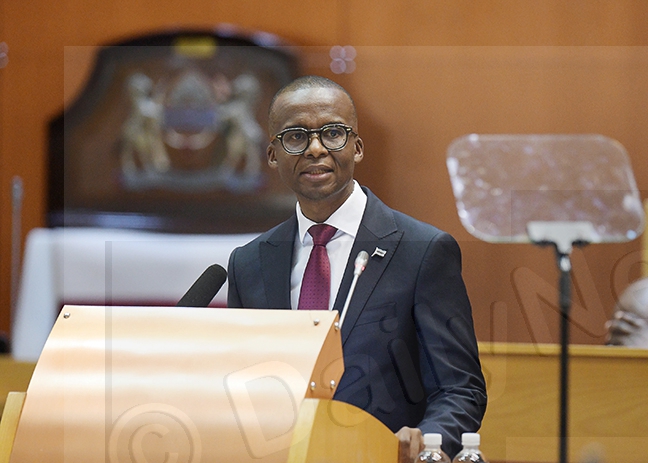
    This was said by Vice President and Minister of Finance, Mr Ndaba Gaolathe, delivering the 2026 Budget Speech before Parliament yesterday.

    Outlining a reform and investment programme aimed at diversification, export growth and long-term economic resilience, he said government remained steadfast in its resolve to deepen private sector participation as the primary driver of a diversified and export-oriented economy.

    He said the strategy focused on improving enterprise competitiveness, accelerating the growth of scalable firms and expanding Botswana’s footprint in regional and global markets.

    Also, he said a key pillar of the budget was repositioning of agriculture from subsistence production and import dependence to a modern, agro-industrial and export-focused sector.

    He said under the Botswana Economic Transformation Programme (BETP), government was implementing 26 transformative agriculture projects spanning crop and livestock production, agro-processing, cold-chain logistics and market access.

    Mr Gaolather also indicated that through clustering models, processing hubs and integrated logistics systems, Botswana aimed to convert its land, water resources and farmer base into competitive exports in meat, horticulture, nutraceuticals and other high-value crops.

    He cited a BETP agriculture-based cluster project set to make its first confirmed export of Moringa to Germany in February 2026, describing it as a tangible validation of the cluster-based approach and Botswana’s ability to meet stringent international standards.

    Manufacturing, he said was also being strengthened as the bridge between primary production and exports. He further said under BETP, government prioritised 22 manufacturing projects focused on assembly-based manufacturing, resource-based heavy industry, clean technologies and precision manufacturing.

    “These projects are designed to link agriculture, mining and energy into higher-value goods, retain value domestically, deepen supply chains and create skilled employment. This shift moves our economy decisively up the value chain and reduces vulnerability to external shocks,” he said.

    He said significant progress had also been recorded in Special Economic Zones (SEZs ) and that government had invested P714 million in land servicing and the construction of four advanced factory units at the Sir Seretse Khama International Airport SEZ.

    Additionally, he said a P63 million grain dryer and related facilities were under development at the Pandamatenga SEZ to support agro-industrial value chains.

    To support geographically balanced growth, he said the Revised National Investment Strategy (2025-2030) was expected to be completed by March 2026.

    He indicated that it would decentralise investment by embedding local economic development approaches, developing district-specific investment profiles and strengthening competitive value chains, with implementation led by the Botswana Investment and Trade Centre (BITC) in partnership with local authorities.

    “Investor facilitation reforms will continue through BITC and the Botswana One Stop Service Centre, with measures to simplify permits, licenses, and approvals, and introduce direct issuance of investor visas,” he added.

    On regional trade, he announced that Botswana completed its National AfCFTA Implementation Strategy in July 2025.

    “The strategy positions Botswana to tap into the African market of 1.3 billion people, expanding export opportunities and value-chain integration,” he said.

    On human capital development, he said Botswana currently spent an average of 7.1 per cent of Gross Domestic Product on education, among the highest levels for upper-middle-income countries in the region.

    However, he acknowledged that outcomes had lagged behind spending, creating an efficiency gap that constrained growth.

    “To address this, government has introduced a new Tertiary Education Financing Policy, a Higher Education Act and a dedicated TVET Act. These reforms aim to align skills development with labour-market demand, embed digital and green skills and reposition technical and vocational education as a first-choice pathway into employment,” he said.

    Under healthcare, he said government was shifting toward a stronger primary healthcare model, adding that a major reform program would transform the Central Medical Stores (CMS), with expected savings of 30 to 40 per cent in medical supply expenditure within five years.

    Furthermore, he said work was underway on National Health Insurance, with the enabling Bill scheduled to be tabled during the current parliamentary sitting.

    Meanwhile, Mr Gaolathe highlighted that infrastructure remained a central enabler. Under BETP, he said government had prioritised 26 projects across energy, water and transport.

    “Currently, domestic electricity generation meets only 63 to 70 per cent of demand, with imports costing approximately P3.4 billion annually. This has prompted the accelerated implementation of the revised Integrated Resource Plan and increased private sector participation in power generation,” he said.

    Such reforms, he said, represented a decisive shift toward a more productive, inclusive and resilient economy anchored by private investment and modern infrastructure.

  • Fiscal Outlook Downward as Government Tightens Consolidation Measures

    Fiscal Outlook Downward as Government Tightens Consolidation Measures

    Vice President and Minister of Finance, Mr Ndaba Gaolathe has announced a downward revision of Botswana’s medium-term fiscal outlook, citing persistent global and domestic economic headwinds that continue to strain the country’s public finances.

    Delivering the 2026 Budget Speech in Gaborone yesterday, Mr Gaolathe said the revision reflected the urgency of strengthening fiscal and external buffers while maintaining policy credibility in an increasingly challenging macro-fiscal environment.

    “The macro-fiscal environment remains difficult, characterised by declining mineral revenues, rising expenditure pressures and growing demands for social and economic support,” he said, adding that those factors continued to place strain on the fiscal position.

    Despite the pressures, Mr Gaolathe reaffirmed government’s commitment to a coordinated fiscal consolidation strategy aimed at restoring fiscal sustainability, rebuilding buffers and safeguarding macroeconomic stability.

    He said key measures included tighter expenditure prioritisation, improved efficiency in public spending, strengthened domestic revenue mobilisation and accelerated reforms of state-owned enterprises (SOEs).

    Mr Gaolathe further emphasised that consolidation efforts would be implemented in a balanced and growth-supportive manner, with essential social spending protected and critical investments preserved to support long-term economic transformation.

    The minister warned that Botswana’s medium-term outlook was subject to significant macro-fiscal risks, both external and domestic.

    Externally, he said, slower global growth, continued weakness in the diamond market, volatile commodity prices, heightened geopolitical tensions and climate-related shocks could prolong economic recovery.

    “Such developments could widen fiscal and current account deficits and undermine efforts to rebuild buffers.”

    Domestically, he said growth risks remain skewed to the downside, particularly if the diamond market fails to recover. While the non-diamond sector is expected to cushion the economy, Mr Gaolathe cautioned that its stabilising effect was limited.

    He also highlighted the potential economic fallout from delays in containing the Foot and Mouth Disease (FMD) outbreak, which could lead to production losses, higher livestock mortality, reduced beef export receipts and threats to national food security.

    In addition, he said the slower-than-anticipated implementation of the Botswana Economic Transformation Programme (BETP) could impede progress on diversification and the broader transformation agenda.

    On the fiscal front, Mr Gaolathe said revenue risks were mounting as mineral earnings were projected to remain well below long-term averages, offering only modest upside.

    “The persistent shortfall is widening fiscal gaps and intensifying financing pressures,” he said.

    At the same time, Mr Gaolathe said expenditure risks remained elevated, with both recurrent and capital spending continuing to outpace revenue growth.

    “Without credible consolidation, structural deficits are likely to persist, increasing reliance on borrowing,” he said, adding that as a result, debt vulnerabilities were becoming more pronounced.

    While public debt remains within statutory limits, Mr Gaolathe warned that sustained fiscal slippage could place debt on a steeper trajectory, undermining sustainability and increasing exposure to future shocks.

    He said additional risks identified included rising inflation pressures, climate-related disruptions, SOE fiscal risks, weak implementation of public-private partnership projects, supply-chain disruptions, cyber-security threats and volatility in food and energy prices.

    To mitigate the risks, he said government planned to strengthen fiscal risk management, enhance policy coordination and accelerate economic diversification anchored on private-sector-led growth.

    He said that advancing diversification, deepening private-sector participation and boosting productivity were central to building a more resilient, diversified and sustainable economy.

    Mr Gaolathe said sustained medium-term growth would require faster implementation of economy-wide reforms across key sectors, given their potential to lift productivity and competitiveness.

    He added that further expenditure measures, including containing the public wage bill, simplifying and better targeting social benefits and improving the governance and operational efficiency of SOEs, were necessary to deepen fiscal discipline.

    “To secure long-term fiscal and economic sustainability for Botswana, the path ahead demands discipline, coordination and reform,” Mr Gaolathe said.

  • Youth Central to Economic Reform

    Youth Central to Economic Reform

    Botswana stands at a defining economic crossroads, with leadership warning that the growth model which sustained the country for decades can no longer guarantee jobs, prosperity or stability.

    As global conditions tighten and the diamond industry undergoes structural change, the country is being urged to rethink its future, with young people cast as the central drivers of a new economic era.

    This was the message delivered by the Vice President and Minister of Finance, Mr Ndaba Gaolathe, when he addressed the Budget Pitso for Youth in Gaborone on Tuesday. He cautioned that both the global and domestic economies had entered what he described as a “new normal.”

    The Youth Budget Pitso was convened to ensure continued engagement and meaningful participation of young people in the national budgeting process. Mr Gaolathe said global economic growth was expected to slow, particularly in advanced economies that absorb a significant share of Botswana’s exports. At the same time, he noted that long-standing pillars of the domestic economy were weakening.

    Falling diamond prices, reduced production and the rapid expansion of lab-grown diamonds are steadily eroding the country’s traditional economic base.

    “In previous crises, Botswana experienced strong V-shaped recoveries. That pattern is no longer holding. We cannot continue to do the same things and expect different results,” he said.

    Although diamonds still contribute about 30 per cent of government revenue, the Vice President expressed concern that declining sales were weighing heavily on exports, foreign reserves and fiscal buffers. He said lab-grown diamonds now command approximately 20 per cent of the global market, intensifying competition and underscoring the urgency of economic diversification.

    Against this challenging backdrop, Mr Gaolathe pointed to Sub-Saharan Africa as a rare bright spot, projected to record positive growth over the next two years. He identified the African Continental Free Trade Area (AfCFTA) as a critical opportunity for Botswana to expand domestic production, reduce import dependence and access regional markets through a more competitive export base.

    However, he warned that economic transformation would ring hollow if it failed to confront unemployment, particularly among young people. With youth unemployment estimated to be approaching 40 per cent, he described the situation as “unacceptable” and incompatible with Botswana’s development aspirations.

    “This cannot be the new normal. If our policies and budgets do not reduce unemployment, then we are failing,” he said.

    Mr Gaolathe added that the forthcoming 2026/2027 National Budget, anchored in the Botswana Economic Transformation Programme, would prioritise a private-sector-led, export-driven economy. This will be supported by targeted skills development, innovation and modern infrastructure aimed at creating sustainable jobs.

    “We have transformed before. This generation must now do it again,” he said.

    The message to the nation’s youth was both a warning and a call to action that Botswana’s future prosperity will depend not on past successes, but on the willingness to adapt, innovate and place young people at the centre of economic renewal.

    As the country confronts an uncertain global environment and the limits of its traditional growth engines, the choices made now in policy, investment and human capital will determine whether Botswana’s “new normal” becomes a story of resilience and reinvention, or one of missed opportunity.

  • Tourism key to shared prosperity

    Tourism key to shared prosperity

    The Vice President Ndaba Gaolathe has emphasised the crucial role of tourism in driving socio-economic transformation and shared prosperity across Botswana. 

    Delivering the keynote address at the launch of the 2026 Tourism Pitso in Francistown on Thursday, Mr Gaolathe, also Minister of Finance, highlighted the sector’s potential to contribute to economic diversification and job creation. 

    He explained that the Botswana Economic Transformation Programme (BETP) and National Development Plan 12 (NDP 12) were designed to deepen citizen participation in the economy, strengthen collaborations and foster inclusive growth. 

    He added that the tourism sector remained top priority, with strategic focus on reducing economic leakages, regaining value and enhancing global competitiveness.

    He stressed that tourism must serve as a sustainable driver for wealth and welfare, creating opportunities for all citizens to ensure that Botswana ranked among the world’s leading sustainable destinations. 

    For his part, Minister of Environment and Tourism, Mr Wynter Mmolotsi, outlined several ambitious projects intended to boost the sector, including addressing local per diem concerns and diversifying tourism offerings. 

    “The ministry is finalising a tender to engage a consultant to study the impacts of local per diem on tourism, aiming to provide evidence-based recommendations for policy adjustments,” Minister Mmolotsi stated.

    The minister also highlighted significant legislative milestones which included the Community-Based Natural Resource Management Bill, which he said had been passed by Parliament to strengthen community involvement and ownership. 

    He said recently approved by Cabinet, the review aimed to streamline licensing and foster a more investor-friendly environment. Despite global challenges, the minister reported that the sector had shown remarkable resilience. 

    “The sector has shown resilience, with 1 183,432 international arrivals in 2023 and a strong recovery trajectory, contributing 5.1 per cent to GDP and supporting over 58,000 jobs,” he added.

    Meanwhile, the 2026 Tourism Pitso was held under the theme, Tourism as a catalyst for economic transformation and sustainable growth through partnerships.

  • Vendors to Form Bus Rank Association

    Vendors to Form Bus Rank Association

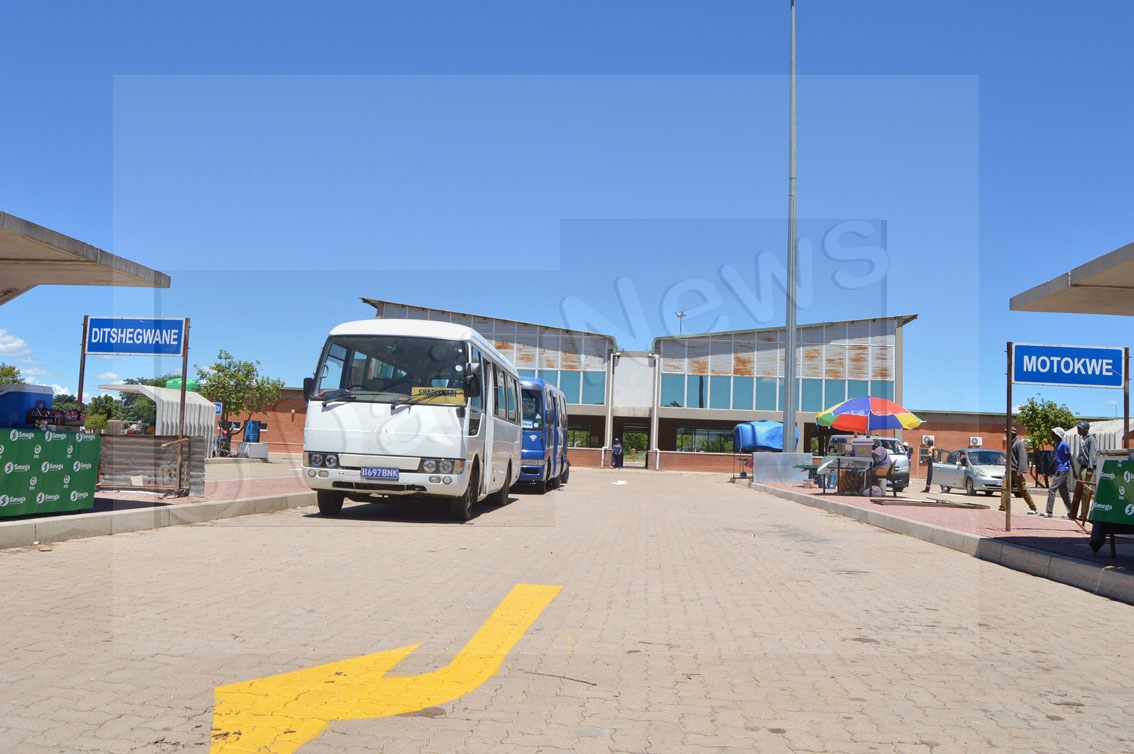
    Small businesses have joined efforts to turn Molepolole Bus Rank into a business and service hub. After lying ideal for almost a decade, the Molepolole Bus Rank was reopened for use in December 2025.
    However, small businesses and the local transport operators are still in doubt that the infrastructure will boost their businesses due to a number of shortcomings, primarily shortage of customers.
    Their fear is that the bus rank was located in isolation, far from the village centre where people flock to source household amenities and other services from government departments.
    In an effort to push for government to establish offices at the bus rank offering daily services, some hawkers are on the verge of registering an association; the Molepolole Bus Rank Association, primarily to advocate for the bus rank to be turned into a business and essential services hub.
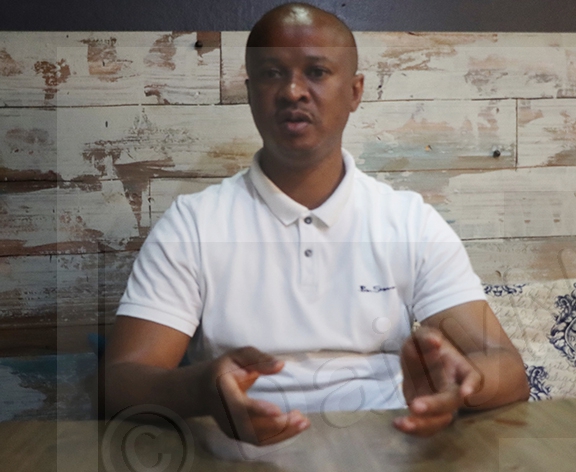
    The chairperson of the proposed association, Mr Godfrey Ramokhaneng, a cobbler operating from one of the stalls, is among the few small business owner who, despite challenges, have remained at the bus rank since its establishment.
    “Eight days after the bus rank was reopened we met as bus rank vendors to form an association that will serve as a mouthpiece for all vendors around the bus rank,” said Mr Ramokhaneng.
    He said the association would serve as a mouth piece for the small businesses, public transport operators and all others including government offices doing business at the bus rank.
    Mr Ramokhaneng said the aim of forming an association was to revive commercial activity at the bus rank, which had previously been forced to shut down after businesses and public transport operators abandoned it due to low patronage linked to its isolation location.
     He said apart from a small number of commuters to nearby areas, there were no businesses or services  in its surrounding  to attract movement of people that could ultimately turn into customers for their  businesses.
    Mr Ramokhaneng said the only way to inject life at the bus rank was to associate, join hands as businesses, collaborate with all other private, government and council stakeholders.
    He said businesses that were currently operational at the bus rank, included street vendors and public transport operators.
    He said the association would also be a burden reliever to the council in terms of cost sharing especially on matters that included the maintenance of the premises and other billings.
    Mr Ramokhaneng said the association would encourage businesses at the bus rank to play a part in its maintenance adding that the Public Private Partnership model must be engaged to establish businesses such as a shopping mall to boost life at the bus rank.
    He said through an association it would be easy to convince and lure service providers to establish offices or hold public activities at the bus rank.
    He added that working together would also assist businesses in sharing ideas and business experiences that would help them sustain and grow. One of the vendors at the bus rank, Ms Tinge Kgosiesele was equally convinced that the bus rank in its current status was not conducive to sustain small businesses.
    “For a small business to thrive it must be strategically located along side major businesses such as a shopping complex, where it would  easily be located by customers.”
     Kgosiesele said her stall had been operating at the bus rank since 2018, but at one point was forced to relocate to where the makeshift bus rank was located in pursuit of customers.
    However, she was hopeful that the association would bring life to the bus rank. Ms Agnes Seroojane said the initial opening of the bus rank had brought hope to their businesses as some government department such as bye-law and transport had relocated some of the their services to the bus rank.
    However, Ms Seroojane said their stay was short lived as they abandoned the bus rank, derailing efforts of turning the bus rank into a business and service hub. Mr Eric Sefanyetso, one of the long distance public transporters in the Takatokwane-Molepolole road said the Molepolole bus rank was in isolate location and mostly used by long distances buses.
    “We cannot refuse to utilise the facility. We are appealing  to government to provide services and other social amenities that will attract the local people to take public transport to the rank. The only transport currently utilising bus rank are long distance transporters,” he said.
    Mr Sefanyetso said local taxis were limited at the bus rank as they only target the few passengers who were arriving at the bus rank.
    He said the movement at the bus rank was only of the few that were travelling to various destinations, while the locals had no business of going to the bus rank as all the services and other businesses of their daily interest were located far from the bus rank.
    Meanwhile, Kweneng District Council Chairman, Mr Ontefetse Rankhibidu said efforts were ongoing to resuscitate life a the bus rank. Mr Rankhibidu said negotiations with some council and government departments and other service providers were ongoing and  they promised that they would provide service points at the bus rank.
    He added that the idea was for other offices to permanently establish at the bus rank, a move that would sustain small businesses and other activities.

  • Gaolathe engages AfDB on BETP assistance

    Gaolathe engages AfDB on BETP assistance

    Vice President Ndaba Gaolathe bilateral engagements with African Development Bank (AfDB) president, Dr Sidi Ould Tah will focus on extending the bank’s technical support and capacity building assistance to accelerate the Botswana Economic Transformation Programme.

    Mr Ndaba, who is also Minister of Finance is in Abidjan, Côte d’Ivoire where he is attending the inaugural Strategic Dialogues of the African Development Bank Group and later undertake a working visit to Georgia.

    According to a press release from Ministry of Finance, the duo’s engagements will also explore innovative financing solutions that can be deployed at scale to support Botswana’s development priorities

    Further the release states that the meeting will consider collaboration with the AfDB on the possible establishment of a Southern African Customs Union (SACU) Industrialisation Fund.

    The ministers of finance for both Botswana and South Africa have been tasked to engage the bank of the initiative.

    Meanwhile, the release states that following his engagements in Abidjan, Vice President Gaolathe will undertake a working visit to Georgia from January 12 to 15.

    He is expected to engage with ministers and senior government officials on the design and implementation of Georgia’s funding systems, with a view to informing Botswana’s ongoing efforts to restructure and strengthen its financing architecture in support of private sector growth and job creation

    Georgia has been identified as a country with an effective funding architecture, particularly in supporting small and medium-sized enterprises, innovation and productive sectors.

    Vice President Gaolathe is expected back home on January 16

  • New Insurance Company Set to Empower Citizens

    New Insurance Company Set to Empower Citizens

    The launch of Babereki Life Insurance Company (BLIC) next year is expected to assist ordinary Batswana build generational wealth.

    To demonstrate its objective, BLIC founding chief executive officer, Mr Tshepo Jim said the company was incorporated by Batswana, with ordinary members, through the Maloko Trust, holding the majority stake at 45 per cent.

    Another 40 per cent is owned by BLIC, while the remaining 15 per cent is allotted to Botswana Public Employees Union, Babereki Insurance Brokers and Babereki Investments each owning 5 per cent stake.  This arrangement, Mr Jim said exemplified a citizen-led business in Botswana.

    He said the company’s core philosophy was to safeguard Botswana’s economy by keeping wealth within the country rather than allowing it to flow offshore. Mr Jim therefore invited citizens to form strategic partnerships and join the journey toward a prosperous Botswana.

    What sets BLIC apart from other insurance underwriters in the country, according to Mr Jim, was its mass ownership model, with ordinary citizens as major shareholders. He claimed this makes it the first such structure in Africa, drawing historical parallels to similar entities established in London in the early 1800s and in Latin America in the early 1900s.

    “The concept stems from like-minded individuals who sought additional income streams beyond salaries. They envisioned a company that will honour workers with dignity during their careers and upon retirement,” he said.

    “As we move forward, BLIC will continue to champion inclusive growth, professional integrity, and strategic innovation. We invite like-minded investors to join us not to control, but to grow together. In doing so, we will shape a life insurer that reflects the best of Botswana: people-centric, united, empowered, and future-ready.”

  • Botswana Confronts Diamonds Slump and Eyes Bigger Growth

    Botswana Confronts Diamonds Slump and Eyes Bigger Growth

    The year 2025 was marked by continued economic challenges, primarily driven by a prolonged downturn in the global diamond market.

    Under President Advocate Duma Boko’s administration, which assumed power following the Umbrella for Democratic Change (UDC)’s landslide victory in the 2024 elections, government has intensified efforts to diversify the economy away from its heavy reliance on diamonds.

    President Boko has repeatedly emphasised the need to break the ‘resource curse,’ stating in various addresses that Botswana must foster private sector-led growth and attract sustainable investment. Government’s strategy has focused on structural reforms, infrastructure development and new initiatives to build resilience.

    A key milestone was the launch of the Botswana Economic Transformation Program (BETP) in mid-2025, aimed at promoting growth in services, regional finance, manufacturing, tourism, renewable energy and agriculture. The programme received thousands of project submissions from citizens and businesses, with hundreds selected for implementation to drive job creation and innovation.

    This was complemented by the tabling of the 12th National Development Plan (NDP 12), a P388 billion framework spanning 2025-2030. NDP 12 prioritises investments in transport, housing, water infrastructure and non-mining sectors, with the goal of fostering inclusive growth and reducing vulnerability to commodity shocks.

    In September 2025, government established a new sovereign wealth fund to manage state assets and invest diamond-related revenuesin high-growth areas such as agro-processing, renewables and tourism. Additionally, a new agreement with De Beers extended Debswana mining licenses to 2054 and gradually increased the state’s share of rough diamond sales to 50 per cent.

    Despite these initiatives, Botswana’s economy faced headwinds in 2025. Real GDP is estimated to have contracted by around one per cent, according to the International Monetary Fund (IMF), following a slowdown in 2024. This reflects weaker diamond production and trading amid subdued global demand.

    Diamonds remain Botswana’s economic cornerstone, contributing significantly to exports (over 70 per cent), government revenue (around a third) and foreign exchange earnings.

    Debswana, the joint venture with De Beers, reduced production to approximately 15 million carats in 2025, a sharp cut from previous years due to inventory build-up, economic uncertainty and competition from lab-grown diamonds, which now hold about 20 per cent of the market and are priced 30-40 per cent lower.

    The mining sector’s weakness contributed to a sharp quarterly GDP contraction earlier in the year, prompting downward revisions in growth forecasts. Finance Minister Ndaba Gaolathe highlighted the budget deficit for the 2025/26 fiscal year at an estimated 7.56 per cent of GDP, necessitating careful fiscal management amid reduced mineral royalties.

    To support competitiveness and preserve foreign exchange reserves (which dipped to around five months of import cover), government approved an accelerated annual depreciation rate for the Pula of 2.76 per cent in July 2025.

    The Bank of Botswana (BoB) maintained an accommodative stance for much of the year, holding the Monetary Policy Rate (MoPR) at 1.9 per cent until October, when it was raised by 160 basis points to 3.5 per cent. This ‘recalibration’ aimed to strengthen policy signalling without immediately increasing commercial lending rates, as banks were directed not to pass on higher costs fully.

    Inflation remained subdued for most of 2025, often below the 3-6 per cent target range, before rising toward the end of the year due to Pula depreciation and imported price pressures.

    Credit rating agencies reflected the strains: S&P downgraded Botswana’s rating with a negative outlook, followed by Moody’s lowering it to Baa1, citing fiscal pressures and slow diversification progress. Unemployment, particularly in mining regions, remained elevated around 25 per cent, with ripple effects on local communities.

    The private sector has shown resilience, with organisations like Business Botswana advancing strategies for competitiveness, skills development and regulatory reforms. Eased permitting processes and public-private partnership initiatives have aimed to attract investment in logistics, digital infrastructure and SMEs.

    Agricultural programmes have undergone reviews, with shifts toward precision farming and tech-driven initiatives to boost yields and support export-led growth.

    As 2025 ends, Botswana’s economy shows signs of strain but also determination for change. While a diamond market recovery could support modest growth in 2026, sustained diversification through BETP, NDP 12 and regional integration via AfCFTA, will be crucial. President Boko’s efforts, including citizenship-by-investment schemes to draw diaspora funds, underscore a vision for sustainable prosperity beyond diamonds.

    Botswana’s journey forward requires continued reforms, investment in human capital and green innovation to transform its economic lustre into long-term resilience. 

  • PALEKA Trust Unveils New Offices

    PALEKA Trust Unveils New Offices

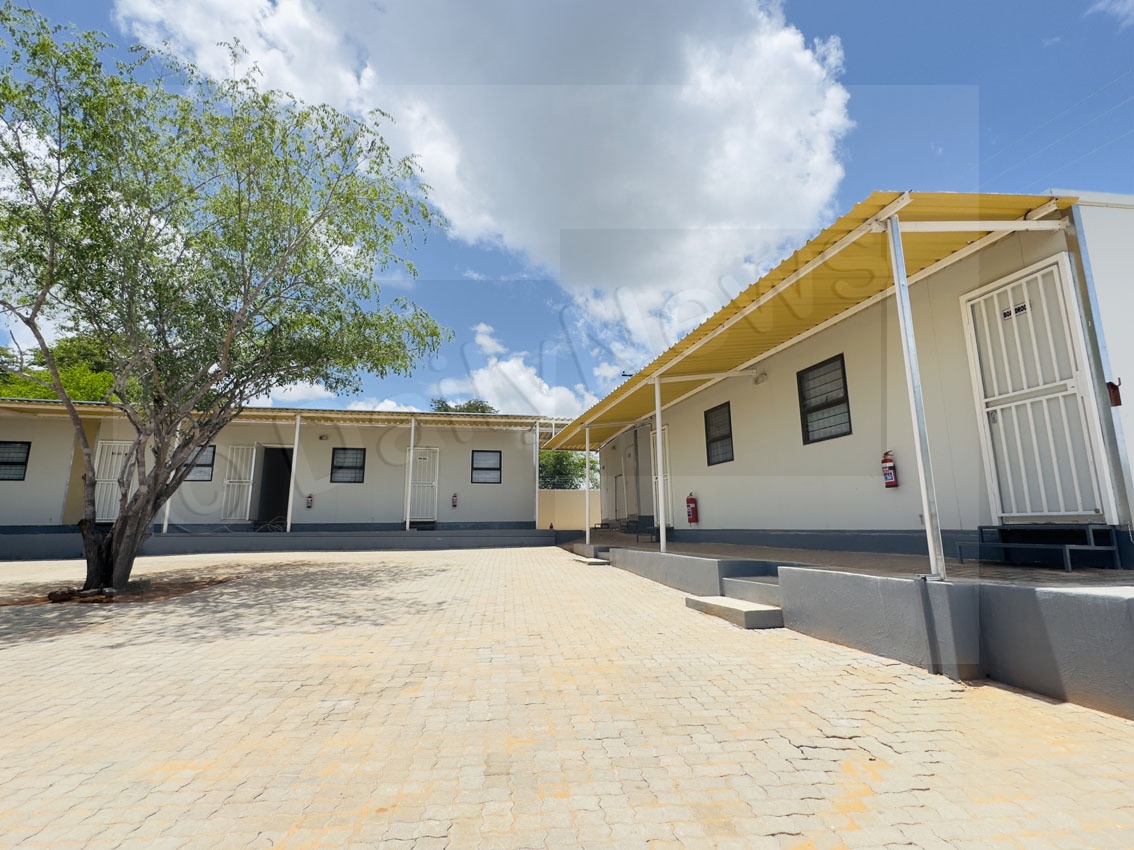
    Newly opened Pandamatenga-Lesoma- Kazungula (PALEKA) community offices are crucial to improved qulity service to members.
    Officially opening the offices on Monday, Member of Parliament for Chobe, Mr Simasiku Mapulanga appreciated the trust efforts saying the new establishment would serve as an information centre where all services would be centered for the people of the three villages to access.
    He said the new administrative centre championed an eco-friendly environment as it was fully powered by solar which resonated well with PALEKA as a custodian of sustainable environment and biodiversity.
    Mr Mapulanga further said that the development would promote efficiency by serving a broader community under one roof. Moreover, he stated that the trust would serve funds that were in the past injected into office rentals hence channel them to other projects.
    “This office development is aligned to the community Based Natural Resources Management policy which underpins the importance of conservation by communities existing within these resources and in turn generate income through the resources for improvement of livelihoods,” he added.
     PALEKA Board chairperson, Mr Kabozu Kabozu said that construction of the offices was a priority, adding that the offices would ensure people were assisted on time on a bigger facility in comparison to the office they rented.
    He also stated that they created employment and hired more than 20 personnel in PALEKA villages noting that they were planning to increase the numbers through building of a campsite.
    Grand Georick Energy founder, Mr Matengu Matengu stated that Chobe was endowed with ample solar energy which they tapped into and fully powered the new offices.
    He said the offices were powered with 24 kilowatt hybrid system which was dependent on the sun adding that the trust could also connect to Botswana Power Corporation (BPC) grid as backup in future.
    Mr Matengu remarked that solar energy was the future as espoused in the Vision 2036 that Botswana intended to embrace an eco-friendly practice.