Government has introduced a draft Indigenous Knowledge Systems (IKS) policy for public consideration and endorsement signaling, commitment to safeguarding a vital aspect of national heritage.
The draft policy aims to embed IKS fully into sustainable development planning and key features include integrating IKS into the national education system, preserving cultural diversity, and creating an enabling environment for its development and transformation.
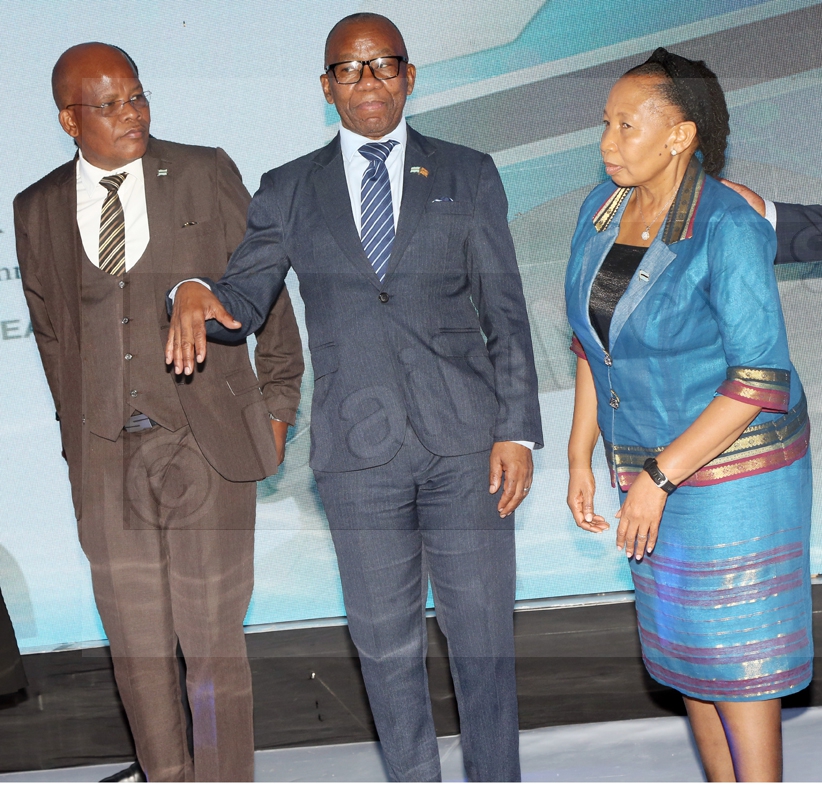
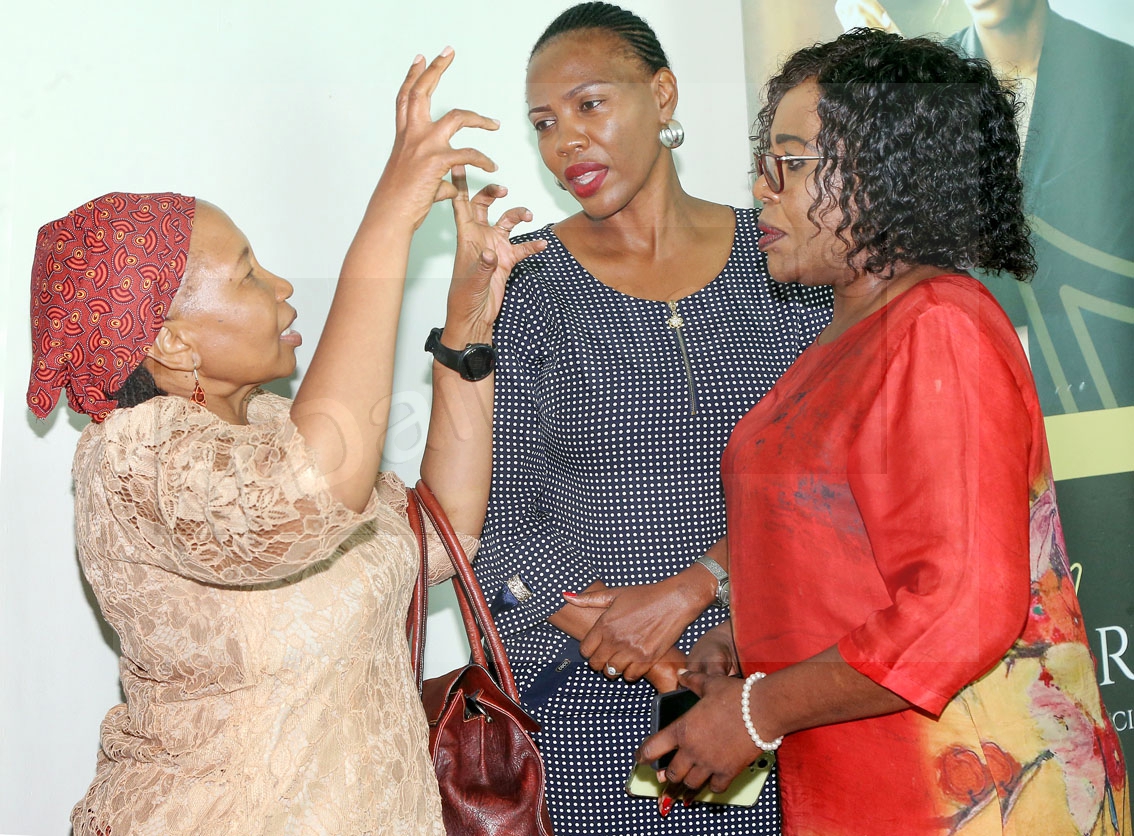
Speaking at a consultative meeting in Gaborone on Tuesday, deputy permanent secretary for Communications and Innovation, Ms Lesego Thamae called on stakeholders to provide comprehensive input to help shape the direction of IKS development.
She stressed that collaborative effort was essential to ensure the policy remained inclusive, relevant and responsive to the needs of the people noting that the current momentum for economic transformation presented a strategic opportunity to integrate indigenous knowledge into broader national development frameworks.
She also pointed out that the recent approval of two key blueprints, the National Development Plan and the Botswana Economic Transformation Plan, aimed to diversify the economy, foster social development, and enhance safety and security.
Within this context, Ms Thamae explained that the IKS was recognised as a vital resource capable of supporting industry growth, social cohesion, and good governance, particularly in rural communities.
She further elaborated that the ministry viewed IKS as a crucial asset for realising both social and economic aspirations.
Government’s commitment to fostering a supportive environment through responsive policies and legal frameworks was reiterated, with focus on empowering communities to acquire relevant skills and knowledge.
“This approach aims to enable communities to achieve sustainable livelihoods, preserve their cultures, and develop innovative solutions that support inclusive, resilient, and culturally sensitive economies.”
Ms Thamae stressed the importance of equipping communities with IKS-related skills to build human capital and foster equitable collaboration among IKS holders, scientists, and development practitioners.
These strategies are intended to serve as platforms to promote cultural diversity and social justice as fundamental elements of sustainable development.
She acknowledged that the efforts were pertinent in the context of the digital revolution which presented both opportunities and challenges for IKS transformation.
Highlighting the role of digital technologies, she noted that they could significantly aid in documenting, preserving, and archiving IKS.
However, Ms Thamae warned that software development and digital platforms must be rooted in IKS principles to prevent misuse, biopiracy, and exploitation.
Ms Thamae underscored that safeguarding IKS resources was a collective responsibility indicating such resources were not only vital for social cohesion but also served as strategic assets that gave Botswana a competitive edge in an increasingly connected world.
She explained how IKS supported sustainable development through ecological stewardship, resource management, and community resilience especially in addressing challenges such as food security, climate change, and biodiversity loss.
Establishing the value chains, she said, could generate new industries, business models, and sources of raw materials, ultimately reducing rural-urban migration and creating employment opportunities in rural areas.
Addressing the intergenerational transfer of IKS, she called for sustainable approaches to documenting and transmitting traditional knowledge, languages, and practices.
She pointed out that globalisation and technological advances posed risks of cultural erosion, but deliberate efforts to preserve authenticity and cultural context could mitigate the threats.
In his welcome remarks, acting director of the Department of Research and Knowledge Business, Mr Abraham Mathodi highlighted the importance of indigenous knowledge to Botswana’s national identity.
He described it as the bedrock of the country’s culture, values, and traditional practices, playing a vital role in shaping how communities interacted with the environment, managed natural resources, and address health and well-being.
Mr Mathodi stressed that passing wisdom from one generation to the next was central to maintaining Botswana’s cultural heritage.
As the country continued its journey of modernisation, he warned against losing this invaluable asset. Indigenous knowledge, he explained, was not only a cultural treasure but a key resource for sustainable development, ecological stewardship, and social cohesion.
Category: Daily News
-
Ministry Unveils Vision for Indigenous Knowledge
-
Boko Political Journey Through the Lens
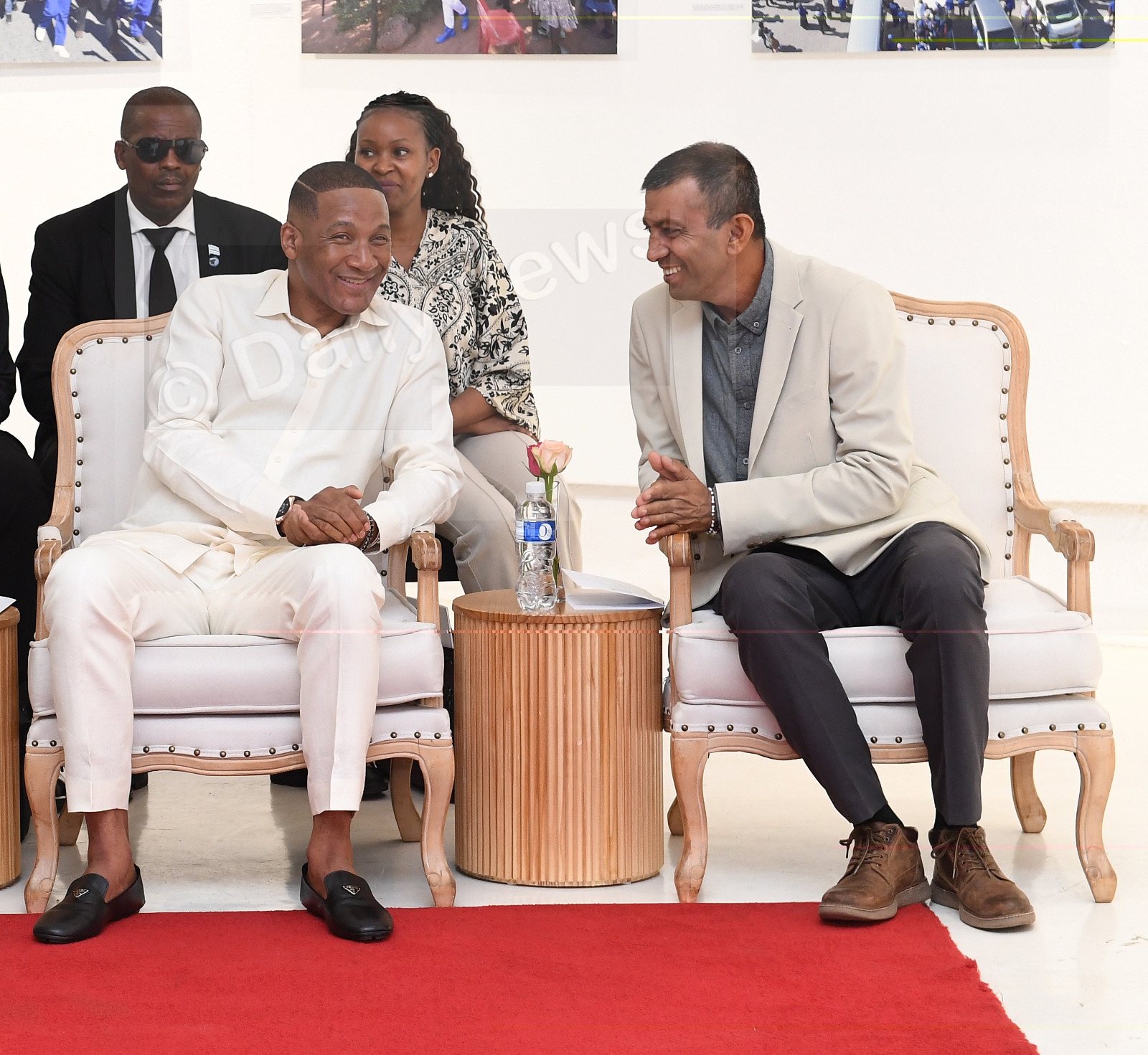
The adage that a picture is worth a thousand words aptly describes the newly launched photo-book on President Duma Boko, titled That’s My Boy.
Compiled by renowned photographer, Monirul Bhuiyan, the book captures defining moments of President Boko’s political journey from his election as leader of the Botswana National Front (BNF) in 2010 to his assumption of the country’s highest office.
Through a compelling visual narrative, Bhuiyan traces Boko’s path from early political aspirations to the historic night of November 1, 2024, when he was elected Botswana’s sixth president.
The images highlight the power of grassroots activism and the perseverance that underpinned the journey.
Structured chronologically, the book moves from the trenches of political struggle to the Office of the President.
Beyond recording milestones, it offers insight into the President’s thinking, his policy perspectives, political life and vision for a renewed Botswana.
Themes of hope and unity are woven throughout, particularly in photographs from the formative days of the Umbrella for Democratic Change (UDC), where Boko is seen alongside the late Gomolemo Motswaledi, founder of the Botswana Movement for Democracy.
The collection also reflects on the presidency itself, capturing campaign trails and rallies that culminated in the UDC’s 2024 victory, as well as intimate moments from the transfer of power and inauguration. Other images show the President during UDC parliamentary caucus meetings, State-of-the-Nation Addresses and debates, offering the public a window into his reflections as he confronts economic challenges.
Overall, the book underscores President Boko’s conviction that democracy is not bestowed from above but built collectively, day by day.
It presents a portrait of how an ordinary citizen can rise to the nation’s highest elected office.
Speaking at the launch, President Boko said he was deeply moved by the book produced under his name.
“This photo-book takes me back to a time many remember, the days when I stood in opposition, when the road was uncertain and the weight of resistance was heavy,” he said.
The images, he added, captured moments of struggle, sacrifice, doubt and unwavering hope, and honour those who believed even when belief was costly.
Referring to photographs from a court case questioning his BNF membership, he said the book was an emotional roller coaster.
“Those were gloomy days in my political career,” he said, explaining that his membership should never have been in doubt, having been raised in the party tradition by his father and mentored by Kenneth Koma.
He recalled contesting for a BNF central committee position in Kanye, where he lost the international affairs portfolio to Calmon Mogalakwe, further affirming his longstanding party involvement.
President Boko said the book also reflected moments of betrayal and hardship, experiences that shaped his resilience.
He emphasised that his story was not one of inherited privilege but of hope, tenacity and a desire to serve the nation.
“For many, I am evidence that one can reach the stars without being born with a silver spoon,” he said, adding that childhood hardships should never be seen as barriers.
While he values a life away from the limelight, President Boko acknowledged that public scrutiny had followed him from an early age.
He commended Bhuiyan for documenting the journey ‘not for glory, but for truth’.
For his part, Bhuiyan said the project was undertaken for posterity.
“For a newspaper, you are taking pictures to go along with a story or the news of the day, but the mission of this project was to document the presidency for history.” he said.
He noted that the images captured a range of emotions from triumphant political moments to sombre and deeply human experiences. -
Maun Upgrading Gains Momentum
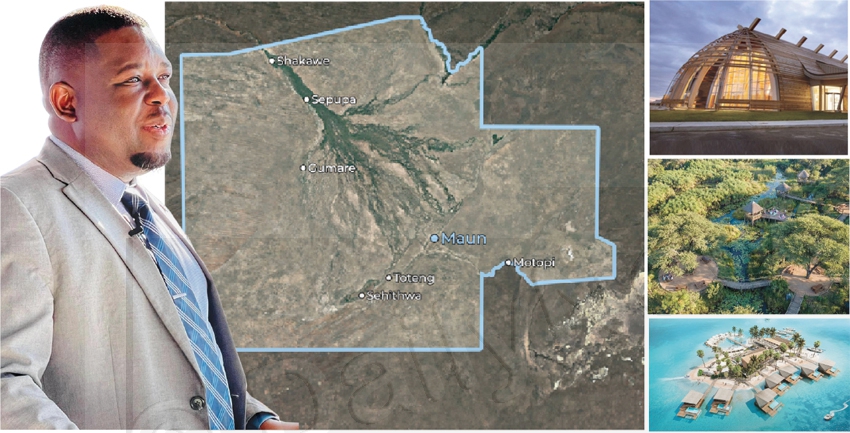
North West district leadership and stakeholders have welcomed the Maun East Smart City concept, which aims to position the tourism town as the country’s premier eco-urban hub.
The initiative will require 139 hectares of land for smart, green mixed-use development.
The project, undertaken by Managed Portfolio Botswana, seeks to establish a resilient, green and smart city anchored on sustainability, digital innovation, nature-based tourism and inclusive economic growth.
Launching the concept in Maun on Tuesday, North West district commissioner, Mr Thabang Waloka said the Maun East Smart City concept reflected the collective commitment to sustainable development, inclusive growth and the intelligent use of technology to improve the quality of life for the people.
“Maun has long been recognised as the tourism gateway to the Okavango Delta and a centre of economic opportunity and with growth comes responsibility. Rapid urbanisation demands that we plan smarter, build resilient infrastructure, and ensure that development is orderly, efficient, and environmentally responsible. The Initiative responds directly to these needs,” Mr Waloka said.
Mr Waloka said the envisioned project would create a city environment that was safe, connected, environmentally conscious and economically vibrant, one that served not only present generations but also those yet to come.Appreciating the landmark concept, he said it represented progress, innovation and a shared vision for the future of the district and nation at large.
The district commissioner further noted that the initiative would benefit the people of Maun through housing opportunities across all income levels, commercial activity, institutional services, jobs for youth and local contractors, investment stimulus pointing that when communities thrive, the district thrives and the nation prospers.
Mr Waloka pledged that the district administration would facilitate engagement, support regulatory compliance, ensure community interests were protected.
He further encouraged Managed Portfolio Botswana to maintain openness, transparency and stakeholder participation.
North West District Council chairperson, Mr Itumeleng Kelebetseng said the launch marked the beginning of a new chapter, one defined by innovation, sustainability and inclusive growth.
Maun, he said was a tourism destination, a gateway to natural heritage, to opportunity and to progress and with the smart city initiative.
As such, he reaffirmed their support to the project aimed at improving the quality of life for the people, creating jobs, empowering businesses and ensuring that development remains environmentally responsible.
The initiative, he said called for collaboration between the community, government, private sector and development partners and encouraged all to move forward with a shared sense of purpose, ensuring that no one was left behind as they build the city that was smart, resilient and people centred.
Batawana deputy chief, Kgosi Kealetile Moremi also hailed the initiative saying it came at an opportune time when the nation was guided by Vision 2036.
In addition, she said the project responded meaningfully to the vision, which promoted urban development infrastructure, economic opportunities and environmental responsibility.
As community traditional leaders, she said they recognised developments in the area which were well planned and sensitive to both communities and the environment.
For their part, some leaders also welcomed the project, saying it would elevate Maun’s status as it aimed to stimulate economic growth, expanded affordable housing, accelerated youth employment, strengthen small-medium enterprises capacity and positioned it as Botswana’s investment hub.
-
Health Ministry Makes Strides Despite Challenges
RELOCATION OF PRIMARY HEALTHCARE SERVICES
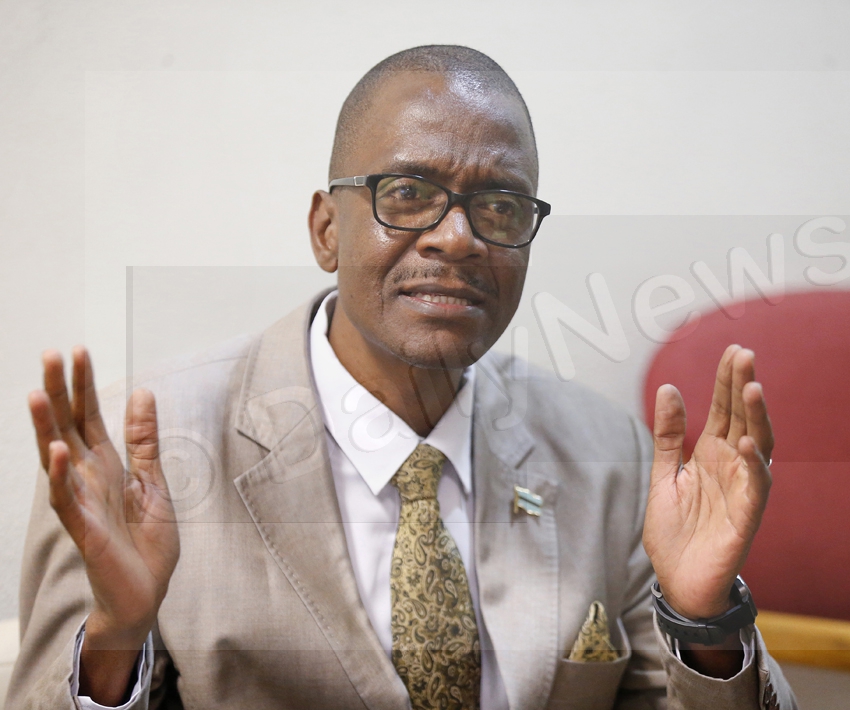
In April 2025, primary healthcare services, including clinics and health posts, were relocated from the Ministry of Health to the Ministry of Local Government and Traditional Affairs.Dr Nyanga described the move as a critical step toward bringing health services closer to communities and advancing Universal Health Coverage.
The relocation of Primary Health Care functions marks a significant milestone in Botswana’s health sector reform and decentralisation agenda.
NATIONAL HEALTH INSURANCE
The ministry also initiated stakeholder consultations, through kgotla meetings, council sessions and direct engagements with various stakeholders, on the introduction of a National Health Insurance (NHI) scheme, which aims to achieve Universal Health Coverage.Dr Nyanga said the NHI would represent a major transformation of Botswana’s health system, aiming to ensure equitable access to quality health care for all citizens, regardless of location or socio-economic status.
He said the ministry planned to table the NHI Bill before Parliament during the February 2026 sitting.
ESTABLISHMENT OF PEDIATRIC SURGICAL CENTRES OF EXCELLENCE
Dr Nyanga said the ministry, with support from Kids Operating Room (KidsOR) and funding from philanthropists Mr Steve Lansdown and Ms Margaret Lansdown, made significant strides in strengthening pediatric surgical care over the past 12 months. Two such centres were successfully completed at Princess Marina Hospital and Nyangabgwe Referral Hospital, marking a first for the country.Both facilities are equipped with state-of-the-art, child-specific surgical infrastructure. At Princess Marina Hospital alone, more than 150 children have already received life-changing surgical procedures since the centre became operational in June 2025. As a result, waiting times for pediatric surgery have been drastically reduced.
Dr Nyanga noted, however, that shortages of specialised personnel such as pediatric anaesthetists and nurses remained a key challenge.
In partnership with KidsOR, the ministry is working to build a skilled workforce capable of delivering safe and continuous paediatric surgical care nationwide.
The initiative aims to improve access to safe, timely, and high-quality surgical services for children by establishing pediatric surgical centres of excellence in Botswana.
EXPANSION OF SAFE SURGICAL CAPACITY
To strengthen surgical resilience, Dr Nyanga said a Solar Surgery System is being implemented in 12 hospitals across the country. The initiative is designed to ensure that surgical services can continue uninterrupted during power outages.
He said the KidsOR project, supported by the Lansdowns, had delivered transformative change by reducing waiting times, improving theatre infrastructure, and introducing sustainable energy solutions. With Nyangabgwe Referral Hospital preparing for its official opening and training programmes progressing, Botswana is positioning itself as a regional leader in paediatric surgery in Southern Africa.
EYE CATARACT SURGERY CAMPAIGNS
Two cataract surgery campaigns conducted in 2025 at Selebi Phikwe Government Hospital and Scottish Livingstone Hospital restored sight to a total of 694 Batswana.Dr Nyanga said many beneficiaries had been on waiting lists for a long time, making 2025 a life-changing year for them. He described the campaigns as a significant milestone in improving eye health and quality of life for hundreds of citizens.
MEDICAL DELIVERY DRONES
Government launched Botswana’s medical delivery drones, an innovative breakthrough that will transform the way is has been delivering healthcare across the nation. The initiative is designed to ensure that life-saving and essential medicines reach even the most remote and hard-to-access communities with speed, reliability, and precision.The innovation, which was launched by President Advocate Duma Boko, aligns with government’s commitment to equitable healthcare, as no citizen should be denied timely access to critical treatment.
-
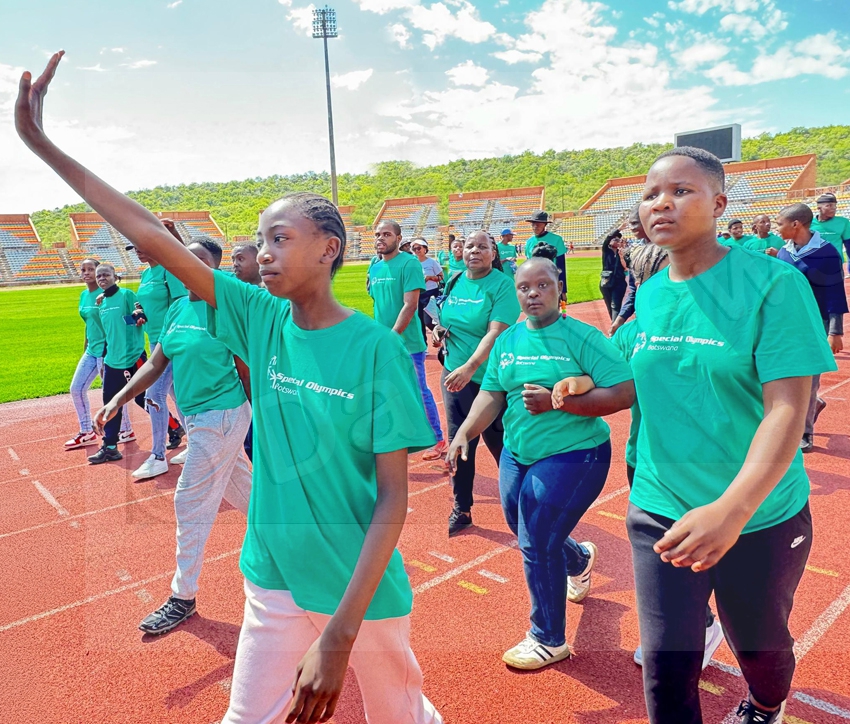
Majere Applauds Special Education Learners
Special education learners, who participated at the just ended National Special Olympics, deserves special recognition and appreciation for displaying a sterling performance.
The mayor of Francistown, Mr Gaone Majere said during the city’s full council meeting citing that the team returned home with an impressive total of 77 medals, a remarkable achievement that he added, spoke to their dedication, resilience and talent.
The team secured 34 gold medals, 29 silver medals, and 14 bronze medals, earning not only accolades but also the admiration of the nation of Botswana and ‘their performance is a testament to what can be accomplished when determination meets support and opportunity’, Mr Majere said.
While he acknowledged youth unemployment as one of the challenges in the city, he said the council had however committed itself to creating meaningful opportunities for the youth through the Tender Preference Scheme, under which a portion of procurement was reserved specifically for youth-owned enterprises.
Through the scheme, the council has awarded over P1 million to youth-owned companies out of P7,161,161.15 worth of tenders, representing 14.41 per cent of the total.
“We should, however, acknowledge that the pace of procurement has been slower than anticipated due to the current economic conditions we are experiencing,” added Mr Majere.
The house was also briefed that the council was more committed to harnessing solar energy across its institutions citing that the solar systems had now been installed and commissioned at Tagala and Lekgaba primary schools while installation works at Mahudiri and Phatsimo primary schools had also been completed and currently awaiting commissioning by the Botswana Power Corporation.
The next school scheduled in the programme of works, he said was Pelotshwana Primary School as all required materials had already been procured noting that the commencement of works at the school has been delayed due to the breakdown of the cherrypicker, a critical piece of equipment necessary for the successful execution of the project.
“This initiative is fully aligned with the government’s commitment to sustainable energy as articulated in the National Energy Policy, which promotes a transition from coal dependency to renewable energy sources. It is also well in alignment with the Sustainable Development Goal number 7, which is Affordable and Clean Energy,” he said.
He said the council would generate income from International Renewable Energy Credits and Carbon Credits as the government advances efforts for Botswana to participate meaningfully in the global carbon economy.
Furthermore, he said the city council had identified and prioritised different sectors, including tourism, manufacturing and the informal sector, among others, as engines for economic growth and development.
“Under the tourism sector, we have identified 17 heritage sites, which are currently being documented to create an informative heritage platter,” said Mr Majere.
In addition, he said the council would resuscitate the Francistown Educational Park to promote urban tourism, generate income and create employment opportunities in ancillary sectors such as hospitality, retail and transport.The fencing of the park is almost complete and will be followed by restocking of the park.
The move is expected to position the city as a premier Meetings, Incentives, Conferences, and Exhibitions destination as it has hosted several high-profile events, including the BTC Marathon, Batanani Walk, Miss Universe Botswana and Land Pitso, among others.
The city is also billed to host Tourism Pitso from January 29 to 30, while the City Tourism will be launched in Francistown on Saturday.
“These activities not only showcase our capacity and readiness to host major events but also contribute significantly to the local economy and the livelihoods of our residents.”
-
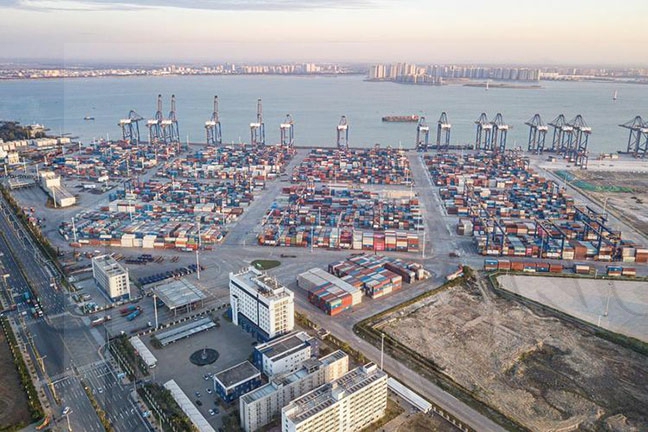
China Economic Roundtable Island-Wide Special Customs Operations of Hainan FTP Represents China’s Stance Against Protectionism Expert
The launch of island-wide special customs operations of Hainan Free Trade Port (FTP) represents China’s clear-cut stance against protectionism and a major step toward promoting economic globalization, said Huang Hanquan, a Chinese economist.
Huang, head of the Chinese Academy of Macroeconomic Research, made the remarks during the latest episode of China Economic Roundtable, an all-media talk show hosted by Xinhua News Agency.
The Thursday launch marks a major milestone in the opening-up drive of the world’s second-largest economy. This move sends a tangible message to the world: China has made a significant decision to open up further, Huang said.
It also aims to set a benchmark for higher-level opening-up, inject new momentum into upholding multilateralism and free trade, and foster inclusive and universally beneficial economic globalization, according to Huang.
“It is a strategic move to align with high-standard international economic and trade rules and steadily expand institutional opening-up,” Huang noted. “This provides an important platform for China to better adapt to and utilize international economic and trade rules while actively participating in their formulation.”
Huang believes that China’s economy has transitioned from rapid growth to high-quality development and is now at a critical stage of transforming growth model, optimizing economic structure, and shifting growth drivers.
As a key testing ground for reform in China, Hainan shoulders the important mission of paving new paths and accumulating fresh experience for building a high-standard socialist market economy, particularly in key areas such as trade and investment, fiscal and financial systems, and government regulation, Huang added.
-
Research and Innovation to Steer Botswana Forward
The launch of National Research Agenda (NRA), marks a significant step toward building a dynamic research and innovation ecosystem in Botswana. Speaking at the launch, Minister of Communications and Innovation, Mr David Tshere, said the NRA signified the beginning of a strengthened national commitment to a knowledge-driven future anchored on science, technology, research, innovation and evidence-based decision-making, key pillars of national development.
Envisioning a transformed Botswana under NRA, Mr Tshere highlighted improved access to services such as remote learning and healthcare through universal connectivity.
He noted that the digital divide would be narrowed, enabling the development of smart communities while addressing unemployment and rural-urban migration.“The Science, Technology and Innovation (STI) system is widely recognised as the backbone of modern economies around the world, and nations that invested early in research and innovation are now reaping the rewards of inclusive growth, higher productivity and resilience in the face of global shocks,” he said.
While Botswana has strong training and research institutions, supported by sound policies, the minister said the national STI system remained fragmented.
He cited low private-sector participation, inadequate research financing and limited coordination as challenges that had constrained the measurement of progress and socio-economic impact.
He explained that the NRA provided strategic direction by aligning national research efforts across eight priority areas: agriculture, digital economy, energy, environmental sustainability, health, manufacturing, social development and mineral beneficiation.
The agenda, he said, ensured that research responds to national priorities, global trends and community needs, while continuing to support curiosity-driven inquiry.
Mr Tshere further emphasised that the NRA identified critical capability gaps requiring urgent strengthening.
These include postgraduate training and talent retention, world-class research infrastructure and digital systems, cross-sector collaboration, sustainable and diversified research funding, as well as strong research standards, ethics and data protection frameworks.
“For Botswana to thrive in the next decade, we must ensure that our policies, strategies, programmes and actions are built on evidence rather than assumption,” he said, adding that the country aims to significantly increase investment in research and development (R&D).
He noted that while Africa targeted R&D spending of one per cent of GDP, and Botswana’s 2012 policy set a target of two pe rcent, the current government had committed to an ambitious three per cent of GDP.
As a first step toward this goal, he revealed that the National Research Fund, established in November 2024, was now operational, with a Research Fund Management Committee in place to steer solution-oriented research over the next three to four years.
“The ultimate goal is to transform Botswana from a consumer of knowledge into a producer of innovation,” Mr Tshere said.
-
High-Tech Traffic Control Centre to Tackle Road Safety
Evidence shows that red-light violations remain a major cause of accidents in Botswana, often resulting in long-term health challenges and high medical costs, President Advocate Duma Boko has revealed.
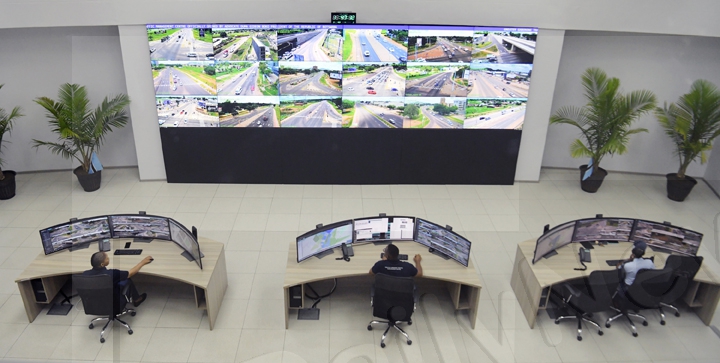
Speaking at the official launch of the Traffic Signal Modernisation and Centralised Traffic Control Centre (CTCC) for Gaborone and surrounding areas, President Boko hailed the facility as an intelligence platform that would shape transport policy and urban planning for decades to come.
President Boko stated that the launch demonstrated government’s commitment to improving public safety, transport efficiency and emergency preparedness.
“We have installed a unified command centre. It is the most significant investment in integrated traffic management and crisis response infrastructure in the history of our nation,” said President Boko.
He noted that the centre would provide critical information to support effective decision-making by law enforcement and the courts.
“This will ensure the quicker disposal of cases and offer invaluable data for experts involved in accident management,” he added.
He added that the CTCC was a cornerstone of future crisis management and highlighted its role as a central coordination hub for key stakeholders during emergencies.
“It will be the brain and heartbeat of our emergency response. It will assist in coordinating police, fire services, emergency medical services, public health authorities, and transport departments under one roof,” he said.
He emphasised that a well-coordinated response was vital during disasters to avoid the confusion, miscommunication and duplication of efforts that often put citizens at risk.
Minister of Transport and Infrastructure, Mr Noah Salakae, said the ministry and the Botswana Police Service were currently finalising regulations that would govern the use of red-light and speed violation cameras for traffic enforcement.
Mr Salakae said the regulations were expected to take effect before end of the current financial year.
Through the project, government reaffirmed that land transport development remained a strategic priority, as outlined in the Botswana Economic Transformation Programme and National Development Plan 12.
The project is being executed under a Design, Build, Maintain, Operate and Transfer (DBMOT) contract at a total cost of P534,164,575.00.
Having commenced in November 2017 with a contract duration of 123 months, the project is scheduled for completion in February 2028.
-
Botswana on High Alert as SA Reports FMD Ooutbreak
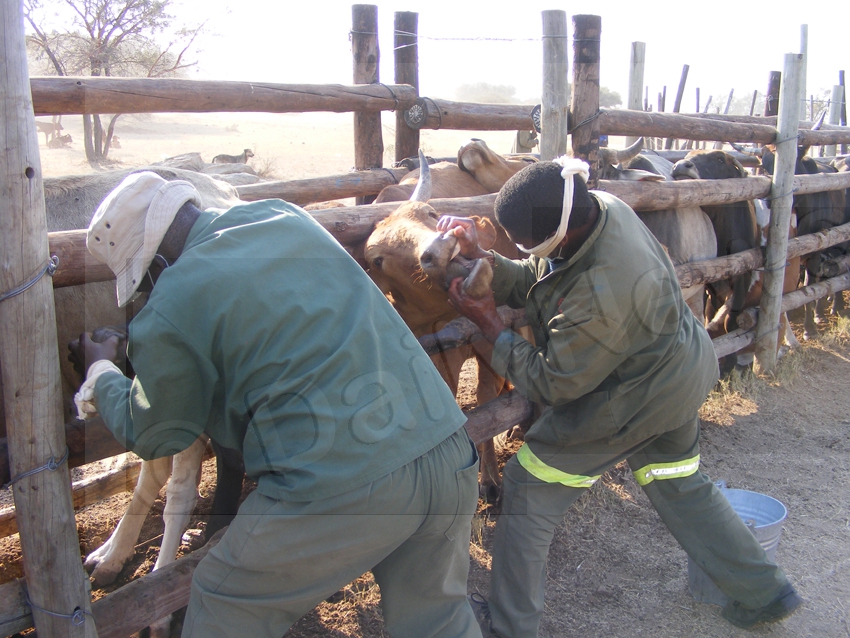
Botswana is on high alert following the outbreak of Foot and Mouth Disease (FMD) in the Waterberg District in the Limpopo Province in South Africa.
According to a press release from Ministry of Lands and Agriculture, farmers and stakeholders particularly in districts bordering South Africa; Tsabong, Good Hope, Ramotswa, Tlokweng, Kgatleng and Mahalapye have been urged to be vigilant.
As a precautionary measure, the ministry has further called for observance of FMD preventative measures.
The measures, the release states are control movement of livestock by herding and kraaling especially at night and identifying all cattle by branding and BAITS ear tags.
The release further calls for any suspected signs of FMD in animals such as lameness, drooling (excessive salivation), ulcers in the mouth, muzzle and hooves be reported to the veterinary office or the Botswana Police Service.
In addition, the press release states that South African cattle livestock that have crossed into the country, Botswana livestock that have crossed into or livestock suspected to have returned from South Africa, vandalism of the disease control fence or illegal crossing at undesignated points, suspected illegal use of, or smuggling of FMD vaccine into Botswana be reported.
-
Nation Unites in Thanksgiving and Prayer
Thanksgiving should be practiced even in times of economic hardship as gratitude is not dependent on favourable circumstances.
According to First Lady Kaone Boko remaining steadfast in faith during crisis was itself reason enough for thanksgiving and praises God.
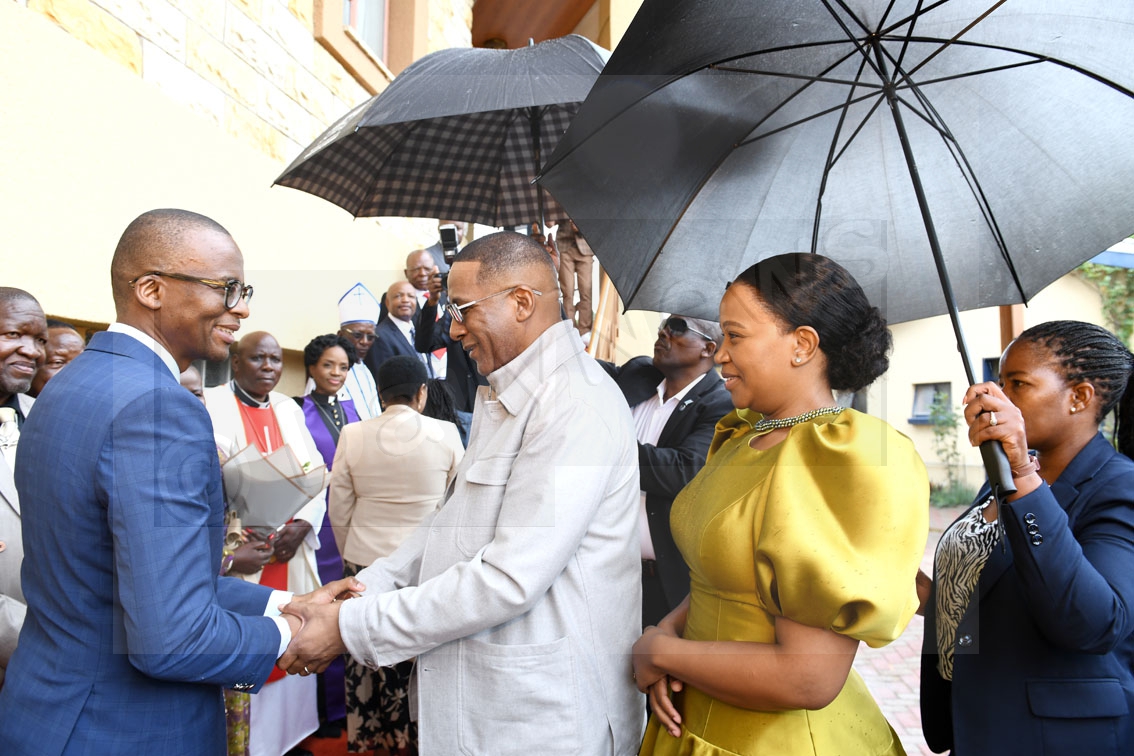
She said this in Gaborone on Sunday at the National Prayer and Thanksgiving ceremony, which drew many worshippers from different denominations.
Ms Boko further said people united in prayer were multiplied, blessed and sustained with peace during challenging times.
“Lord, we will lift your name up high. We are saying to God, we love you and nothing will stop us from thanking our God. I pray that the Lord blesses you, keeps you, shines His face upon you and is gracious to you. I pray the Lord gives you peace,” she said.
For his part, President Advocate Duma Boko said gratitude was a function of faith, noting that one could not be grateful without faith.
He said the secret to prayer was not merely asking, but believing that what was asked for had already been received.
The President added that when he spoke, he ignored surrounding limitations and focused on visioning for the country.
“Visioning for the country is spiritual. I am never despondent,” he said.
President Boko expressed gratitude to the Church, saying its prayers sustained him, his family, the Cabinet and the nation of Botswana
Delivering a sermon, Calvary Apostolic Church of Botswana, Reverend Dr Lebo Rathedi acknowledged that thanksgiving was not meant for entertainment or mere spiritual upliftment, but for alignment, empowerment and spiritual positioning.
She further said the ceremony held under the theme: A Nation United in Prayer and Purpose, was a moment of repositioning, noting that unity was not optional but foundational, while purpose was divine.
Dr Rathedi said unity without purpose became directionless, while purpose without unity struggled to gain traction.
She further noted that national unity refreshed leadership, fostered respect for authority and benefited the country as a whole, adding that where unity dwelt, multiplication and consistent restoration followed.
According to Dr Rathedi, the coming together of different church denominations was a sign of alignment that would ultimately contribute to the restoration of the economy.
The ceremony was the second one following the launch of the National Prayer and Thanksgiving ceremony last year.