Category: Daily News

  • North West District Records 448 Diarrhoea Cases

    North West District Records 448 Diarrhoea Cases

    Due to continuous heavy downpours across the country, the North West district is experiencing a spike in waterborne diseases such as diarrhoea and malaria.

    The district has recorded 448 cases of  diarrhoea and one death during the third quarter, of which 80 were with dehydration and 36 with blood in stools. This surge in diarrhoea cases is threatening the lives of children as some areas across the district are now hit by flooding.

    The situation is reported to be worsened by poor hygiene, consuming inappropriate foods and failure to properly managed dehydration. The district also registered 56 cases of malaria and one death of a 76-year old man. Out of the cases three are children aged under five.

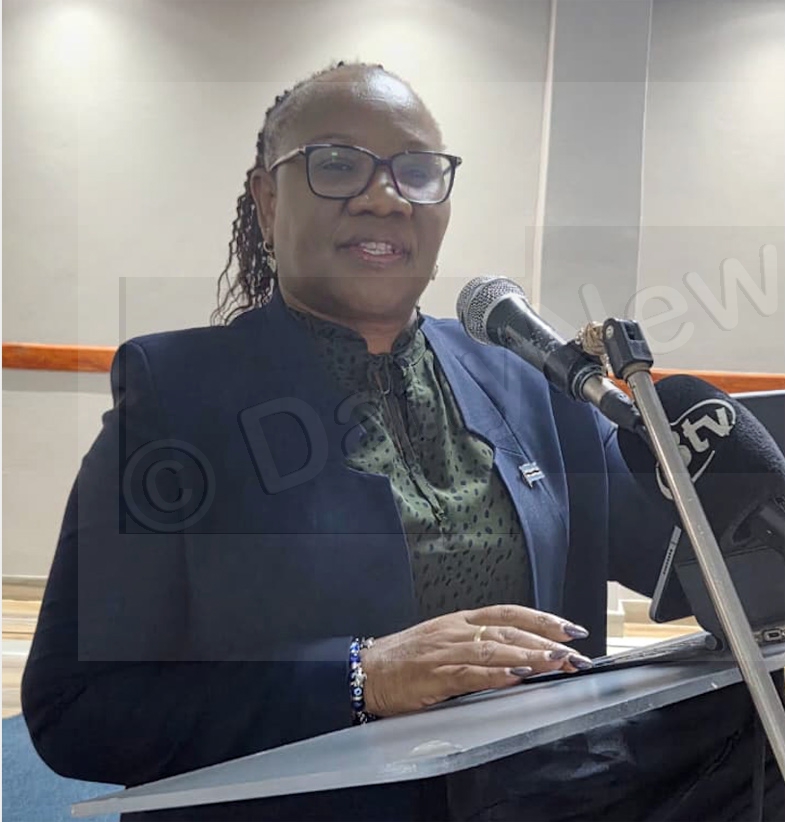
    This transpired during a presentation of nutrition surveillance report to the District Disaster Management Committee. Apprising the committee, North West District Council community health nurse, Ms Cindrella Gaebowe revealed that the district experienced diarrhea cases every year especially when the Thamalakane River was flowing.

    Shortage of clean drinking water from homes, she said was also a challenge as water was rationed, noting that lack of parental care especially by youth and teenage mothers exacerbated the situation.

    “They often leave their children’s welfare under the guidance of their grannies due to overwhelming demands while some go to urban areas or entertainment areas,” she added.

    Ms Gaebowe said efforts were made by health educators on prevention measures as well as encouraging mothers to boil water for drinking and to always wash hands before infant feeding. She also highlighted that there was possibility of increased severe underweight and wasting due to food insecurity issues by some families since they could not afford the three meals per day, and that there was no ration in health facilities.

    The report indicated that the annual severe underweight stood at 0.4 per cent in 2023 due to inadequate dietary intake as some families were unable to secure enough food and lack of parental care. Cases of severe underweight were recorded at Thito Clinic with eight cases followed by Kubung with seven, and five in Kareng while Chanoga and Matlapana registered three cases each.

    In 2024 and 2025, the district recorded 0.3 per cent and according to Ms Gaebowe, the annual total underweight prevalence rate remained at 1.7 per cent for those years attributing outbreak of diseases like diarrhea to the high underweight prevalence.

    On other issues, it was reported that 57 suspected cases of rabies had been recorded and one case that resulted in death at Matlapana. There has been an outcry that unvaccinated stray or free-roaming dogs are the main source of rabies in humans.

    In response, officials from the department of Veterinary Services announced that from next week, they would embark on a massive campaign to vaccinate dogs and cats in an effort to reduce the risk of rabies. The department has also taken a decision to kill all unvaccinated dogs roaming the streets as they pose danger to members of the community especially children.

    “Cases of rabies are on the rise because every test we conduct in dogs, the results become positive and one person lost life because of rabies hence we want to intensify vaccination to reduce casualties.Increased wildlife exposure is also causing concern due to some areas proximity to protected areas as some animals fight for leftovers with dogs,” revealed Mr Marang Motlapele from the department of Veterinary Services. 
  • Child Grant Programme Registration Ongoing

    Child Grant Programme Registration Ongoing

    Registration for the Child Grant Programme has commenced in the North East district with more than 186 children already recorded in two weeks. 

    North East District Council (NEDC)’s deputy Council Secretary – Operations, Mr Uyapo Mafunye said in an interview that the plan was to speed up the registration process and ensure that registration was completed by end of March in order to allow the programme to commence in April as intended. 

    Prior to the take-off of registration, Mr Mafunye said the district council had undertaken consultations with the leadership of villages across the district with the view to help raise understanding and appreciation of the programme. 

    Information about roll-out of the programme was disseminated through online platforms, announced during kgotla meetings and at clinics during morning health talks, he explained. 

    Mr Mafunye said the Social and Community Development (S&CD) offices in villages in the district were serving as registration points and added that so far registration was progressing well. 

    Regarding requirements that needed to be met for registering a child, he said the child must be under 12 months of age at the time of registration and be a Motswana. 

    Further, he said a child’s primary caregiver should have stayed in the district for more than six months, a requirement that he explained was intended to avert people registering in more than one district. 

    He said the other requirements included availing a child’s birth certificate as well as the caregiver providing proof that the child was legally under their care. 

    Mr Mafunye said in cases where one of the parents was a foreigner, the child would still be eligible to benefit from the programme. 

    On the possibility of the child grant being used for unintended purposes, he noted that it would be necessary to conduct periodic checks to certify that money was being used for the benefit of the children. 

    “Social workers and other leaders will monitor the condition of children both at home and during monthly clinic visits,” he said, adding that anyone not using the money properly would be liable to legal action under the Children’s Act. 

    On the other hand, he said the district would intensify public education and empower especially the girl child empowerment on the dangers of engaging in sexual activities at a tender age, particularly because of the possibility of teenage pregnancies rising due to young girls wanting to benefit from the programme.

  • Embracing Digitalisation Turning Point

    Embracing Digitalisation Turning Point

    Public servants in Tsabong have been called upon to be torchbearers of the new government’s vision by embracing digitalisation and demonstrating financial intelligence.

    Permanent Secretary to the President (PSP), Ms Emma Peloetletse, said this during a high-level engagement with the public servants in Tsabong on Monday.

    The meeting aimed to brief employees on national policies and gather crucial feedback from the frontline public services.

    Under the inspiring theme: The District of Unique Opportunities, Ms Peloetletse urged the public servants to embrace digitalisation of the workforce.

    “Let us embrace digitalisation. It should be utilised,” she declared, emphasising the critical shift away from outdated practices.

    She further highlighted manual processes as inefficient, lacking an audit trail, and consuming valuable time and underscored the government’s commitment to modernising service delivery.

    She also encouraged employees to find a unique ‘niche’ within their district and become ambassadors for Tsabong by promoting its potential and showcasing regional success stories.

    The Permanent Secretary to the President also touched on issues around national economic policies and updated public servants about the National Development Plan 12 and the Botswana Economic

    Transformation Programme, along with the status of the national economy.

    The dire economic situation, she relayed, demanded that individual workers reinforce individual responsibility in fiscal management.

    However, the session was not without candid feedback from the public servants themselves. Several pressing issues, such as staff shortages and overstaying, formed part of the impending issues the workforce was grappling with.

     Public servants also pleaded with the government to address the dilapidated accommodation as well as the acute shortage of staff housing to ensure their well-being was taken care of.

  • GCC Okays Concourt Establishment

    GCC Okays Concourt Establishment

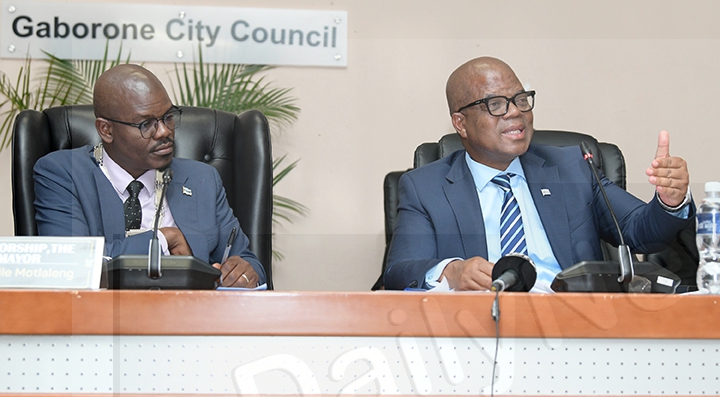
    Gaborone City councillors have welcomed government plans to establish a Constitutional Court, saying the move will strengthen protection of human rights and improve access to justice in Botswana.

    Speaking during a council meeting addressed by Minister for State President, Defence and Security, Mr Moeti Mohwasa on Monday, councillors said the proposed court would help safeguard the rights of vulnerable and marginalised groups.

    Nominated Councillor, Ms Katlego Morolong said the proposed court would provide protection of rights and strengthen checks and balances within the governance system.

    She noted that about 85 countries across five continents, including Zambia, had Constitutional Courts.

    “That shows that we are treading the right path and are a progressive nation. We should not depart from this path,” she said.

    Councillor for Marulamantsi Ward in Bonnington South Constituency, Mr Sergeant Kgosietsile, welcomed ConCourt establishment, saying the move would help safeguard second and third generation human rights and contributed to a progressive constitutional order.

    He therefore urged citizens to support its establishment in the interest of justice and national development.

    Kgosi Arnold Somolekae of Gaborone West Customary Court and an ex-officio member of the council also endorsed the establishment of the Constitutional Court, saying it would handle specialised constitutional matters, including cases that might not be heard by the Court of Appeal.

    He said the court would help ensure access to human rights protection, especially for vulnerable citizens, adding that specialised courts were necessary because the High Court of Botswana already handled both civil and criminal matters, often resulting in backlogs.

    Kgosi Somolekae cited the landmark housing rights case in South Africa, Government of the Republic of South Africa vs Grootboom (2000), which compelled the state to provide housing for vulnerable communities.

    He also reassured residents that the Constitutional Court would not automatically abolish the death penalty, explaining that the court would instead assess cases based on constitutional principles and individual circumstances.

    “Justice delayed is justice denied. Constitutional matters that are delayed amount to justice denied,” he said, adding that the court would be established through an Act of Parliament specifying how judges would be appointed.

    However, Phakalane Ward councillor, Mr Kaisara Sejoe, opposed the proposal, arguing that the minister had not clearly identified gaps within the judiciary that justified the creation of a new court

    He also questioned whether proper constitutional amendment procedures had been followed, saying broader grassroots consultation through the kgotla system was necessary.

    Mr Sejoe further raised concerns about the appointment of judges, arguing that vesting such powers in the sitting President could undermine judicial independence.

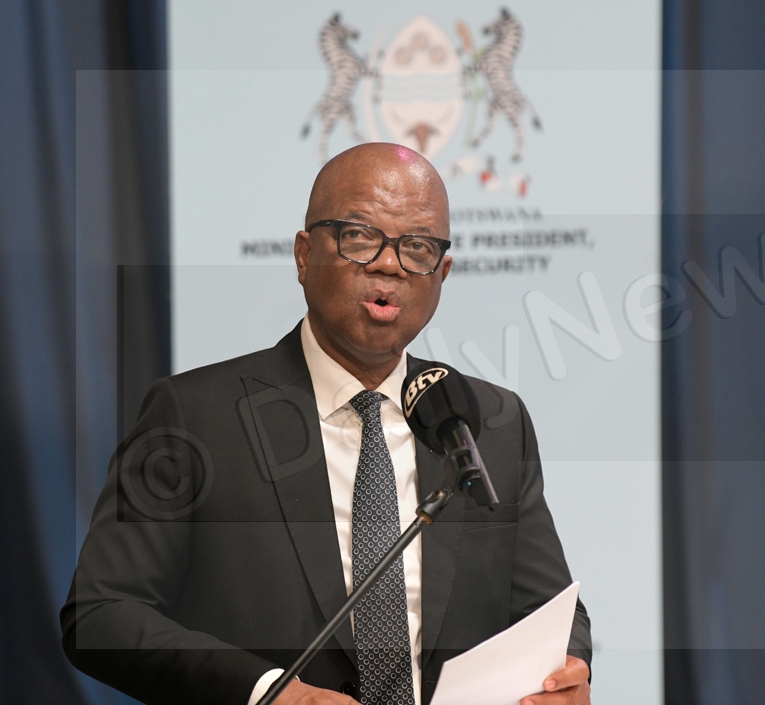
    Addressing councillors, Minister Mohwasa said government intended to protect every citizen’s right to life and dignity through the proposed court.

    He revealed that following the All-Party Conference of July 4, 2025, government published a notice in the Botswana Gazette regarding the Constitutional Court proposal.

    The minister said the Ntlo ya Dikgosi had not rejected the proposal but recommended amendments to some clauses, prompting further consultations, which could take time to conclude.

    He noted that constitutional amendments were not new in Botswana and said the proposed court would help restore dignity, improve livelihoods, provide refuge for individuals who lost cases on technicalities, and guide future law reforms.

    He added that specialised judicial bodies already existed, such as the Land Tribunal and Industrial Court, and emphasised that the Constitutional Court would similarly focus on constitutional matters while expanding access to justice for ordinary citizens.

  • Residents Raise Mixed Views on Constitutional Court

    Residents Raise Mixed Views on Constitutional Court

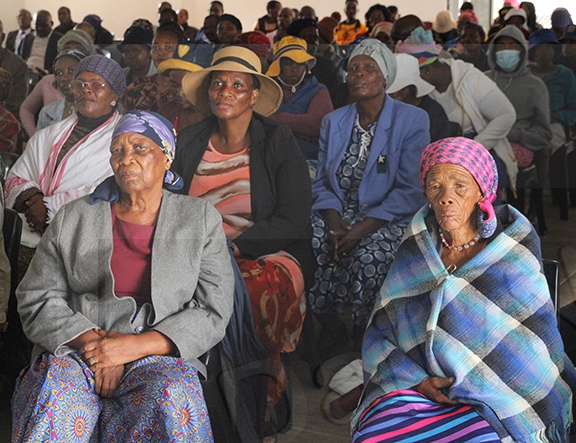
    Kang residents have expressed mixed reactions to government’s proposal to establish a Constitutional Court, with some welcoming the move as a long-overdue step toward equality and access to justice, and others urging authorities to prioritise constitutional reforms and economic recovery.

    Residents expressed these sentiments at a Constitutional Court consultative kgotla meeting which was addressed by the Minister of Water and Human Settlement, Mr Onneetse Ramogapi in Kang on Monday.

    Those in support said the court could help address long-standing concerns of marginalisation in the Kgalagadi region, where ethnic groups had historically been regarded and treated as minority communities.

    They argued that locating the court in Kang would promote equitable distribution of national resources and decentralisation of key institutions, which were largely concentrated in the southern part of the country.

    One resident, who supported the establishment of ConCourt was Mr Kemmone Makatane, who said such a move would strengthen citizens’ rights and enable communities to benefit more directly from natural resources in their areas.

    “In countries where there is a Constitutional Court, citizens are able to benefit from their natural resources. This could create opportunities for tribes in mining areas to benefit from the mines in their districts, unlike the current situation where government benefits while local communities receive no royalties,” he said.

    Mr Makatane added that such a court would provide recourse for citizens to hold government accountable for service delivery in sectors such as health, education and development.

    Meanwhile, other residents called on government to halt the process and instead focus on amending the Constitution or strengthening the Court of Appeal pending a comprehensive constitutional review.

    Mr Mautswe Mabe questioned how the proposed court would deal with sensitive issues such as intermarriages and capital punishment, while Mr Abel Phori challenged the urgency of the proposal in light of the country’s economic challenges.

    He said the establishment of the court would be costly and could create further financial obligations through judges’ remuneration and administrative expenses.

    Some residents also called for assurances that the ConCourt’s decisions would not conflict with Christian principles, particularly on issues such as same-sex marriage.

    Responding to the concerns, Minister Ramogapi, said the proposal was not being rushed and had been the subject of consultations under previous administrations.

    He noted that during the presidency of Dr Festus Mogae consultations were conducted to assess the need for a Constitutional Court, while the Dibotelo Commission established under former president Dr Mokgweetsi Masisi also found that there was a need for such a court, although it was not implemented.

    Mr Ramogapi said the ConCourt would be particularly beneficial to communities in Kgalagadi, which he said had experienced marginalisation and discrimination.

    He explained that a Constitutional Court would be the highest authority on constitutional matters, with its rulings being final, and its primary role would be to protect human rights and shield citizens from abuse of power.

    Mr Ramogapi also mentioned that Botswana currently had no dedicated forum to address disputes such as alleged irregularities in general elections, a gap the proposed court would fill.

    On suggestions to empower the Court of Appeal instead, he said many countries were moving toward establishing Constitutional Courts as specialised institutions for constitutional interpretation.

    He dismissed allegations that government had already planned for this proposal, adding that, so far, no land had yet been identified and no funds secured for the project.

    Mr Ramogapi noted that its establishment was not currently provided for under the National Development Plan and would only proceed if citizens supported the proposal.

    On that note, he implored the residents to vote for the establishment of the ConCourt when the referendum process was undertaken.

    For her part, Kgosi Basadi Seipone II expressed optimism that the proposed Constitutional Court would promote peace, unity and equal protection of the law across the country.

    She said the timing of the initiative was appropriate, noting that the court would help emancipate many people by strengthening the protection of their constitutional rights.

    Kgosi Seipone II emphasised that the Constitution required a specialised body to interpret and safeguard it, adding that the establishment of a Constitutional Court would ensure that dedicated experts were entrusted with handling constitutional matters.

    She commended the government for taking the initiative, saying the court would be particularly beneficial to communities that had experienced marginalisation.

  • Serule Farmers Unite to Maintain Fence

    Serule Farmers Unite to Maintain Fence

    Community engagement has become a vital strategy in addressing the recent Foot and Mouth Disease (FMD) outbreak. 

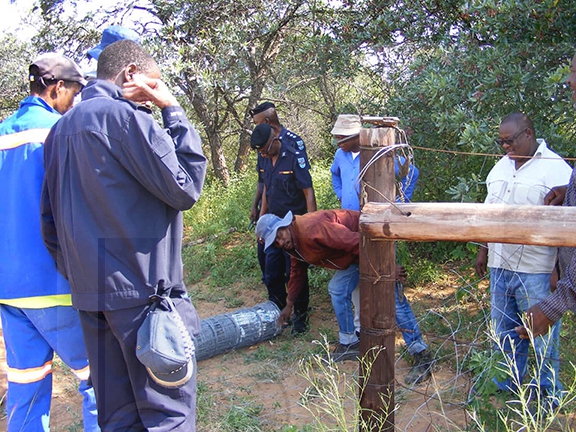
    The Serule West Farmers Association has taken the lead in rallying local farmers to protect their livestock by undertaking maintenance of the disease control fence along the Sese and Thalamabele veterinary gates. 

    At a time when disease outbreaks threaten both rural incomes and the national economy, the association’s coordinated response demonstrates how collective action can help prevent the spread of animal diseases, particularly in resource-constrained environments.

    Farmers have volunteered labour, tools and transport to repair and maintain the disease-control fence stretching from the Sese veterinary gate to the Thalamabele gate near Masenyane cattle post.

    The maintenance work, divided among four teams, covers about 160 kilometres and is expected to significantly strengthen disease containment.

    Speaking during the maintenance exercise, the association’s Public Relations Officer, Mr Thapelo Olopeng stressed that community participation was essential during national crises.

    “Community engagement in serious challenges like the FMD outbreak in a country such as Botswana, facing financial constraints and limited overtime resources, is very crucial,” he said.

    He noted that members also contributed P50 each to provide meals during the two-day operation, illustrating the revival of self-reliance within the farming community.

    Mr Olopeng said the association also intended  to approach donors to assist in purchasing a patrol vehicle that would help monitor the fence daily and address challenges posed by wildlife, particularly elephants, which often damage the barrier.

    He explained that uncontrolled livestock movement between zones around Tonota and Serowe threatens cattle supplies destined for the Botswana Meat Commission, making fence integrity a national economic priority.

    Meanwhile, Acting District Agricultural Coordinator, Mr Kenneth Mabote warned that vandalising the disease-control fence was a serious offence punishable by law, adding that offenders may be required to repair damaged sections at their own cost.

    Despite the warning, he commended the community for taking responsibility for maintaining the fence using their own resources.

    The maintenance follows the outbreak whose epicentre was identified near Jackalas No.1. Local authorities, Tonota and Serowe District Council chairpersons, Messrs Neo Sefhume and Atamelang Thaga said additional measures were underway, with district leadership planning to engage Ipelegeng workers for bush clearing along the fence line.

    Government has also committed P97 million towards vaccination and logistics to contain the outbreak in Zone 6b.

    The initiative stands as a reminder that when communities unite around a common threat, their shared knowledge, labour and commitment can play a decisive role in protecting both livelihoods and the national cattle industry.

  • Government Deploys Drones for FMD Surveillance

    Government Deploys Drones for FMD Surveillance

    Government has deployed drones to carryout Foot and Mouth Disease (FMD) surveillance along the 182 kilometre FMD double cordon fence in Good Hope District. The system, which started operations at Phihetshwane in Good Hope on Tuesday, is automated to collect real time data used by veterinary services to monitor the situation.

    Speaking during a kgotla meeting in Phitshane Molopo addressed by the Vice President Ndaba Gaolathe, the acting Minister of Lands and Agriculture, Dr Edwin Dikoloti said government would also continue to strengthen prevention and control measures in the fight against FMD outbreak through construction and maintenance of cordon fences. He encouraged residents to refrain from vandalising the fences adding that biosecurity measures which included kraaling were essential for controlling the spreading of FMD and protecting livestock.

    For his part, Mr Gaolathe said it was critical for everyone to unite in the fight against Foot and Mouth Disease, particularly during this period of strict budgetary limitations.

    He said Botswana’s import cover which used to comfortably address emergency situations including FMD crisis in the past had seen a decline over the years.

     In the past, the country’s foreign reserves were sufficient to cushion it against external shocks for up to one and half years, but they have since declined, largely due to trade deficit driven by the underperformance of the diamond sector, he explained.

     Mr Gaolathe who is also Minister of Finance said Botswana was endowed with the necessary human resource capital, and mineral resources to be able to resuscitate the economy and bring it back to its hay days.

    He said government was working under tight fiscal constraints as such it was critical for the people to stand and be self-reliant, be resilient in the phase of adversity. Mr Gaolathe said Government could not do it alone highlighting that it was the responsibility of every citizen, civil society, local communities, business community, farmers, youth, and experts to join in.

    It is against this backdrop that the vice president said collaborative efforts was essential for addressing the current economic challenges, as well as preventing the outbreak of FMD in green zones.

    Adopting this approach, he noted would reshape governance structures to be more networked and adaptive, allowing for more community participation in shaping outcomes.

    He emphasised that to achieve high impact results, the spirit of volunteerism was critical and thus appreciated members of the community who had volunteered to fight FMD outbreak. Additionally, he said it was critical for the community to unite with government in the fight against outbreak of FMD to protect the beef industry, cautioning that FMD outbreak risked Botswana’s reputation as a reliable beef exporter, especially to premium international markets.

    He said should there be any FMD outbreak in green zones Botswana stood to lose grip of the lucrative market share, adding that the beef sector contributed significantly to Botswana’s Gross Domestic Product.

    Mr Gaolathe emphasised that it was therefore pertinent for Botswana to protect its reputation by ensuring transparency in the fight against FMD to protect its market .He encouraged the Phitshane Molopo community and the periphery to do the same.

    The vice president said government was committed to the fight against FMD and had budgeted P97 million for the course.

    Kgosi Odirile Sekwenyane of Phitshane Molopo appreciated extensive consultations by government with members of the community and farmers regarding the outbreak of FMD in neighbouring South Africa. He said farmers had generally heeded the call to look after their cattle and employed biosecurity measures by kraaling their cattle at night as well as driving their livestock to designated livestock watering points.

    Additionally, Kgosi Sekwenyane said livestock farmers had concerted their efforts and were working with other stakeholders including the veterinary officers and law enforcement to patrol the fence to fight FMD. Currently, he said the youth have volunteered to maintain the FMD double cordon fence, adding that they were looking forward to the establishment of eco rangers programme.

  • About 6 965 Farmers Register for Lemang Dijo Scheme in Kanye District

    About 6 965 Farmers Register for Lemang Dijo Scheme in Kanye District

    A total of 6 965 farmers in the Kanye district have registered for assistance through the Lemang Dijo programme for the 2025/26 ploughing season, according to Kanye District Agronomist Ms Kealeboga Tonoko.

    The Lemang Dijo initiative, a government-backed input subsidy programme aimed at boosting household food security and supporting micro-scale farmers, provides eligible participants with fully subsidised inputs such as tillage services (ploughing), seeds, and other essentials for up to one hectare of land.

    Speaking in an interview with BOPA recently, Ms Tonoko said of the registered farmers, 3 632 were men and 3,333 were women, reflecting a near-balanced gender participation.

    Ms Tonoko reported that the programme successfully supported 3 596 farmers with grants, benefiting 1 685 men and 1 911 women. These grants primarily covered ploughing services, seeds and fertilizer’ provisions.

    While fertilisers were not distributed directly through the Crop Management System (CMS)- the digital platform used for programme registration and administration, she said the district requested 5 810 units but received only 3 707. All received fertilisers were fully allocated to farmers, reaching 925 beneficiaries: 429 men and 490 women.

    The district’s cropping season faced significant weather challenges. Rains began in November 2025 but were unevenly distributed, with heavier precipitation on the eastern side in areas such as Lotlhakane, Molapowabojang, Moshana, Tswidi, and Diabo. The western side, including Segwagwa, Mogapinyana, Gasita, Lerolwane, and Masoke, regions that enjoyed bumper harvests in the previous season, experienced low to no significant rainfall initially, she added.

    By December 2025, Ms Tonoko said rains improved and covered most settlements. However, she reiterated that January 2026 brought a complete dry spell. 

    “Many farmers who ploughed in December saw their germinating crops suffer from high temperatures, resulting in scorching and reduced viability.”

    Overall, ploughing activity in the Kanye district was notably lower than in previous seasons. Only 260 hectares were ploughed by 174 farmers; 81 men and 93 women, she said.

    Ms Tonoko expressed optimism that February 2026 could bring more favourable rains, allowing farmers with means to expand their cultivated areas. 

    In the meantime, agricultural extension officers have advised farmers to opt for quick-germinating crops such as beans to better cope with the unpredictable weather patterns. According to Ms Tonoko, the ploughing season for the Southern part ended on January 31.

    The Lemang Dijo programme continues to play a vital role in supporting smallholder farmers across Botswana amid efforts to enhance agricultural productivity and food security. 

  • Gasita Voices Support for Constitutional Court

    Gasita Voices Support for Constitutional Court

    Residents of Gasita have expressed support for the establishment of a dedicated Constitutional Court in Botswana, viewing it as a vital step towards protecting citizens’ rights and addressing long-standing grievances.

    This emerged during a consultative meeting held recently, where the Minister of Labour and Home Affairs, Major General Pius Mokgware engaged the community on the proposed constitutional court’s creation.

    The discussions formed part of ongoing nationwide consultations aimed at gathering public input on introducing the court to strengthen constitutional interpretation and rights enforcement.

    One resident, Mr Kelebileone Puoeng emphasised the need for the court to fulfill its intended mandate. He shared personal experiences of rights violations and expressed confidence that such a specialised court would provide timely and effective resolutions in the future.

    Mr Ntshekisang Tekanyo echoed this view, stressing that the court must serve the interests of all Batswana without deviation from its proposed purpose.

    Participants highlighted the constitutional court’s potential to make justice more accessible, particularly for those marginalised by high legal fees. They noted that land disputes, a common issue in rural areas, could be resolved more fairly and affordably through the new judicial body.

    Minister Mokgware reinforced these points with real-world examples. He referenced the case of Mr Pitseng Gaoberekwe, whose body remained in a mortuary for three years amid a dispute over burial rights on ancestral land, a matter he described as a clear human rights violation that a constitutional court could have addressed swiftly.

    The minister also pointed to the liquidation of the BCL mining group, suggesting that former employees might have used the court to contest their rights and entitlements more effectively. Additionally, he highlighted inheritance disputes as another area where the court would provide much-needed intervention.

    Maj. Gen Mokgware further noted that restoring powers to traditional leaders through the court’s framework would aid in resolving inheritance matters and uphold customary governance.

    Meanwhile residents raised concerns about local infrastructure. They urged the government to prioritise tarring the Selokolela-Gasita-Lorolwane Road, which is currently in poor condition and hinders movement between villages.

    The consultative meeting reflects broader national dialogue on constitutional reforms, with communities across Botswana weighing the benefits of a specialised court against other priorities. Residents in Gasita appeared optimistic about its potential to enhance justice and rights protection for ordinary citizens.

  • Mohwasa Sets the Record Straight on Concourt

    Mohwasa Sets the Record Straight on Concourt

    Establishing the constitutional court is not about addressing same-sex marriages or abolishing the death penalty as some allege.

    The court would instead be all-encompassing in addressing constitutional and human rights violations, Minister for State President, Defence and Security, Mr Moeti Mohwasa, explained on Monday when addressing Civil Society and Non-Governmental Organisations.

    He cautioned against public misinformation by those with agendas, adding that there were civil society members who were meeting with politicians to solidify positions against the constitutional court. The court would serve to protect the rights of all people, as the government is a human rights-based government, it would be a body to oversee the review of the constitution, Mr Mohwasa said.

    The minister clarified that the creation of the constitutional court was not anyhow kick-starting the processes of the envisaged constitutional review.

    Minister Mohwasa said after passing a two-thirds majority vote by Members of Parliament, there would be a referendum for Batswana to have an input on the creation of the constitutional court.
    Civil society and non-governmental organisations’ members varied on the establishment of thec court.

    Mr Keabetse Sesenao opined that the country desperately needed the court to safeguard the rights and wellbeing of its people, while Ms Tumisang Seabo called for people-driven and transparent consultations, since Batswana were never consulted on whether they wanted a constitutional court to oversee the constitutional review.

    Although Batswana in the Dibotelo Commission indicated they wanted a constitutional court, the reasons they advanced differed from those advanced by the government, she said.
    In the Dibotelo Commission, Batswana wanted a concourt to help in the speedy delivery of justice and to relieve the High Court.

    She further noted that under the current laws, the ConCourt would operate under the same laws which limit the High Court and the Court of Appeal, thus not having any significant impact.

    Another contributor, Ms Lorato Mphusu, said the country faced significant morality and lifestyle detention issues, and wondered how the ConCourt would help to uphold or erode those.

    Thus, she called for the protection of the moral fabric of society.

    Mr Mohwasa noted that the problem of morality was not a legal issue but a societal problem.

    Generally, the minister said Batswana were an angry society, which bred intolerance leading to violence.

    “The anger also manifests in falsehood and, at times, vulgarity, which borders on criminality directed at the leadership.”

    Minister Mohwasa promised further consultations with civil and non-governmental organisations, adding that the government remained open to dialogue and consultations.

    BOCONGO board chairperson, Ms Cindy Kememi, stated that the civil society appreciated the opportunity to engage on the constitutional reform, noting that the process must be founded on meaningful, structured, and inclusive public participation.

    She said the dialogue reaffirmed the importance of engagement between civil society and government in strengthening constitutionalism and democratic governance.

    Ms Kememi noted that the concerns of civil society reflected the expectations and aspirations of society, adding that consultations must go beyond mere formality.

    She called for the publication of clear and accessible information on the constitutional court, including its mandate, jurisdiction, composition, and implications for existing judicial structures.

    She also urged for broader public consultations and sufficient time to be allowed for consultations and engagement, among other things.