Category: Daily News

  • Kedikilwe Highlights Necessity to Prioritise Needs

    Kedikilwe Highlights Necessity to Prioritise Needs

    Member of Parliament for Serowe West, Mr Onalepelo Kedikilwe has implored constituents to assess the country’s competing needs in order to make informed decision during a looming Constitutional Court referendum.

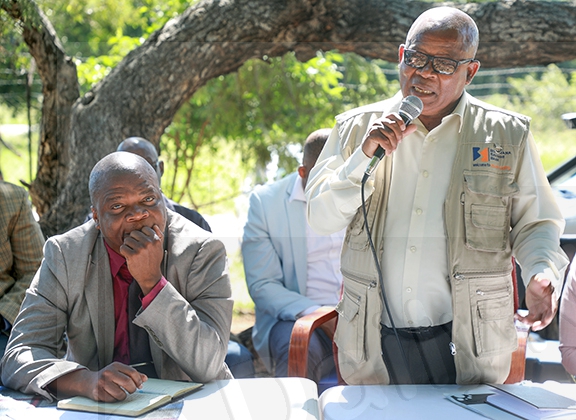
    Speaking during a kgotla meeting in Marulamantsi ward in Serowe on Tuesday, Mr Kedikilwe said it would be amiss for him to influence constituents to vote against or in favour of the establishment of the ConCourt.

    Therefore, he said assessment of the country’s competing needs would inform constituents to make an appropriate decision. when casting a ballot during a referendum, pointing that it was every individual’s right to universal suffrage.

    Furthermore, he said universal suffrage guarantees voting rights to all adult citizens, regardless of gender, race or socio-economic status, thus he noted influencing them would be an infringement of the said rights.

    He said their ‘yes or no’ for the establishment of ConCourt was dependent on assessment of competing needs, hence the need to prioritise pressing issues. Mr Kedikilwe said it was paramount to consider prioritising pressing issues such as health and education sectors were bedevilled with challenges and needed urgent attention.

    For his part, Headman of arbitration Kgosi Onkemetse Magola of Marulamantsi concurred that there was a lot of competing needs in the area that needed urgent attention.

    He said Marulamantsi ward that fell under the catchment area of Mannathoko Primary School in Serowe was too far from the school for pupils more especially beginners and therefore expressed the wish to have standard one to three classes established in the area.

    Also, Kgosi Magola decried that over 50 children in Marulamantsi were not schooling and have become street children. He underscored that his area of jurisdiction was facing economic challenges and should be given similar treatment as other abodes of Basarwa people descent such as Malatswae, Mmashoro and Dimajwe.

    To this end, he said such categorisation would accord Marualamantsi residents an opportunity to substantially benefit from special dispensation programmes.  

    However, constituents were of the view that pressing issues needed urgent attention and therefore should precede ConCourt. They emphasised that they were not against the idea to establish the ConCourt but hinted its timing was off.

    Residents requested for a clinic in the area, arguing that there was too much congestion in other health facilities where they accessed services. Constructing a clinic in Marulamantsi would also spare residents time and distance they to endured in search of medical services, they said adding that a plot for the facility was readily available at Sebabi ward.

    On other issues, a resident Ms Barulaganyi Kgaogano decried some irregularities in awarding tenders for bread supply in schools. She also complained about delay in payments after supplying bread, which she noted, did not argur well with business.

    Ms Kgaogano is of the view that renumerations for people engaged either on attachment or internship basis at various government ministries should be commensurate with their qualifications because ‘they performed similar tasks as their permanent and pensionable counterparts’.

  • School Feeding More Than a Meal

    School Feeding More Than a Meal

    School feeding is a powerful, multi-sector investment that strengthens education systems, improves child wellbeing and support local economies.

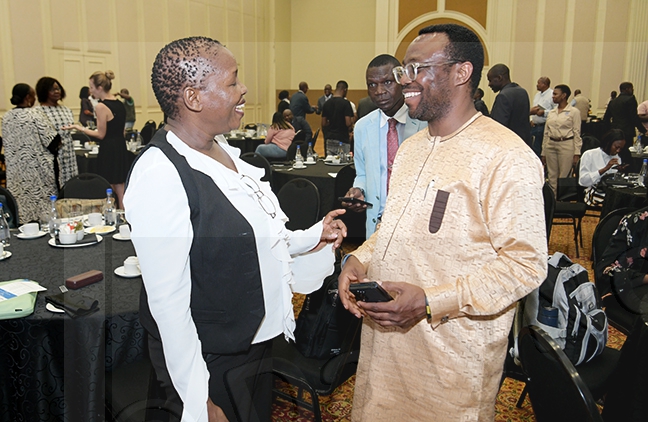
    This was said by African Union Senior Education Policy Officer, Dr Caseley Stephens, during the 11th African Diaspora Scientific Federation breakfast meeting in Gaborone recently.

    He explained that well-designed school feeding programmes improved health and welfare outcomes, reinforced social protection systems and built community resilience, while increased school attendance and retention.

    “It connects nutrition, health and education in one powerful strategy. It contributes directly to human capital formation and long-term economic productivity,” Dr Stephens added.

    He further highlighted that school feeding aligned with the African Union Agenda 2063, particularly Aspiration One, which envisioned a prosperous, inclusive and sustainable Africa driven by its people.

    He further said the holistic impact of school feeding was precisely why its relevance continued to grow across AU member states.

    Deputy Permanent Secretary in the Ministry of Child Welfare and Basic Education, Mr Steve Botlhasitse said school feeding programmes were central to Africa’s development agenda.

    Mr Bothasitse stressed that access to meals was a key retention tool, warning that learners were more likely to miss school when food was unavailable.

    “If learners are not given meals in our schools, they will somehow miss school,” he said.

    As such, he urged stakeholders, including the Ministry of Local Government and Traditional Affairs and the tourism sector to adopt a proactive approach to sustaining school feeding programmes.

    “We must plan ahead and find solutions to ensure that meals are nutritious, safe and accompanied by clean water and good hygiene practices is essential,” he said.

    Extending an invitation to the business community, Mr Bothasitse said partnerships could help strengthen systems, scale effective practices and build resilience so that every school, in every community, could reliably provide safe and nutritious meals.

    “Your backing in school feeding programmes is an investment in Africa’s future workforce and communities,” he said.

    Also addressing the meeting was Acting Deputy Permanent Secretary, Ms Veronica Mochotlhi, who traced the evolution of Africa’s school feeding agenda, noting that it gained momentum following a 2016 study visit to Brazil focused on home-grown school feeding models.

    She said the initiative linked local farmers to school feeding programmes, boosting nutrition, education and local economies. Ms Mochotlhi said following that engagement, African heads of state resolved to establish the Africa Day of School Feeding, which debuted in Niger as an annual event.

    She noted that the 2025 Africa Day of School Feeding was commemorated in the Central African Republic under the theme: A Decade of Nourishment: Celebrating the Past, Securing a Just Future. 

    Looking ahead to 2026, she said the focus would be on inspiring action, sharing knowledge, identifying barriers and co-creating solutions to strengthen school meal policies, governance and financing.

    She added that each year should highlight progress, discuss challenges and mobilise support to scale up these programmes so that they reached every child in Africa.

    Meanwhile, Botswana is set to host the 11th African Diaspora Scientific Federation commemoration on February 28. 

  • Heavy Rains Destroy Crops in Pandamatenga

    Heavy Rains Destroy Crops in Pandamatenga

    The ongoing heavy downpours in Pandamatenga have submerged farms destroying a total of 8 082 hectares of crops from sorghum sunflower maize, onion, tomatoes.

    In an interview, Pandamatenga Commercial Farmers Association executive member, Mr Ryan Neal said on Wednesday, their area received 200mm of rain coupled with storms, an occurrence he labelled one in a hundred years.

    He said most farms were affected due to inadequate drainage, which left crops submerged in water.

    He said the state of the farms was dire, rendering access to assess the damages difficult.

    “The next few days are quite crucial if the rain continues, then many crops will be completely written off.”

  • Bogosi Pillar of National Unity and Governance

    Bogosi Pillar of National Unity and Governance

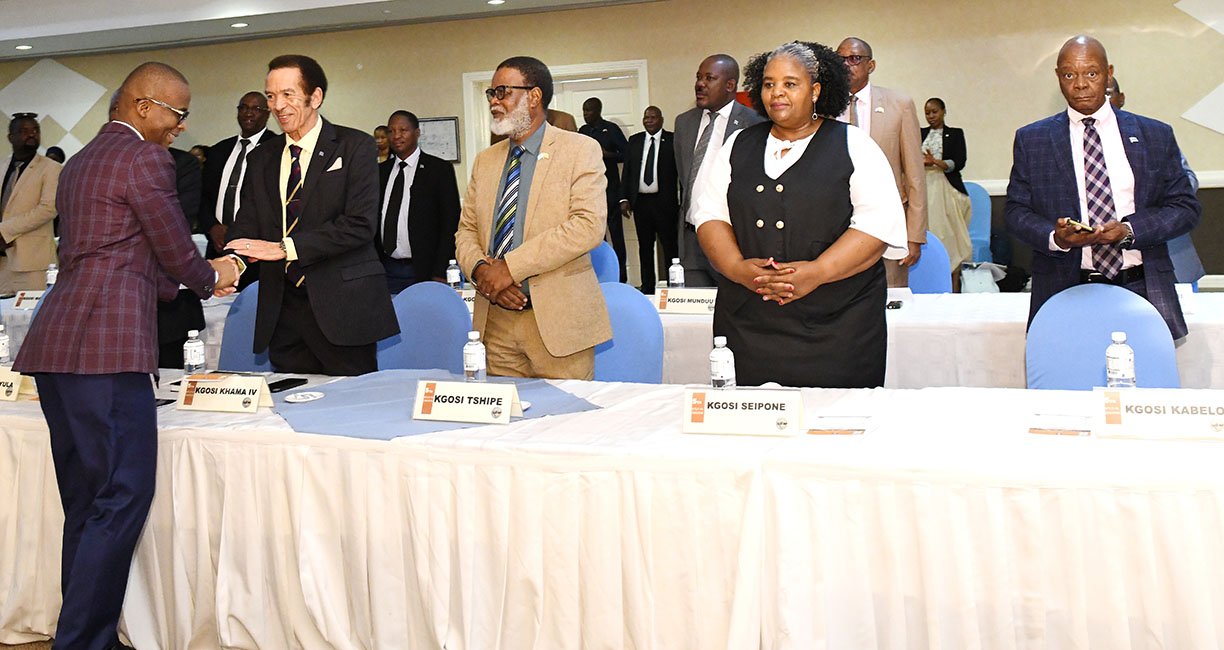
    Vice president and minister of finance, mr ndaba gaolathe, has reaffirmed government’s respect for the country’s traditional leadership, describing ntlo ya dikgosi as a vital pillar of national unity, cultural preservation and democratic stability.

    Addressing dikgosi during a sitting in gaborone on january 22, mr gaolathe emphasised that the counsel of traditional leaders, grounded in lived experience and custom, remained essential in shaping principled leadership and sound governance.

    He praised dikgosi for serving as the custodians of the nation’s moral compass, bridging the gap between botswana’s rich heritage and modern democratic systems.

    “progress without heritage is fragile and leadership without wisdom is hollow,” mr gaolathe said, adding that the nation’s enduring stability was anchored in the noble traditions upheld by bogosi.

    The engagement marked a significant milestone in the working relationship between the finance ministry and ntlo ya dikgosi, building on their inaugural meeting in palapye in january last year.

    Mr gaolathe commended the members for their focus on key national briefings, including the national development plan 12, bonno national housing programme, updates on national health insurance and foot and mouth disease as well as the forensic audits and industrial court matters.

    “these engagements will deepen the understanding of government programmes and strengthen the quality of your advisory role to parliament,” he said.

    On institutional matters, mr gaolathe acknowledged submissions regarding the conditions of service for dikgosi. He said he was confident that ongoing dialogue would yield practical solutions to improve service delivery and member well-being.

    He also highlighted the recent consultation between ntlo ya dikgosi and president advocate duma boko regarding the proposed constitutional court.

    He said such interaction was a landmark moment in reinforcing the relationship between traditional and elected leadership.

    In his closing remarks, mr gaolathe urged dikgosi to remain steadfast in their roles as a unifying force, promoting social cohesion and justice through the customary courts to ensure continued nation-building.

  • Turkiye–Botswana Exhibition Marks 45 Years of Diplomatic Ties

    Turkiye–Botswana Exhibition Marks 45 Years of Diplomatic Ties

    Forty-five years ago, Botswana and Türkiye established diplomatic relations., which among other things focused on trade, investment, education and technical assistance, among other things.

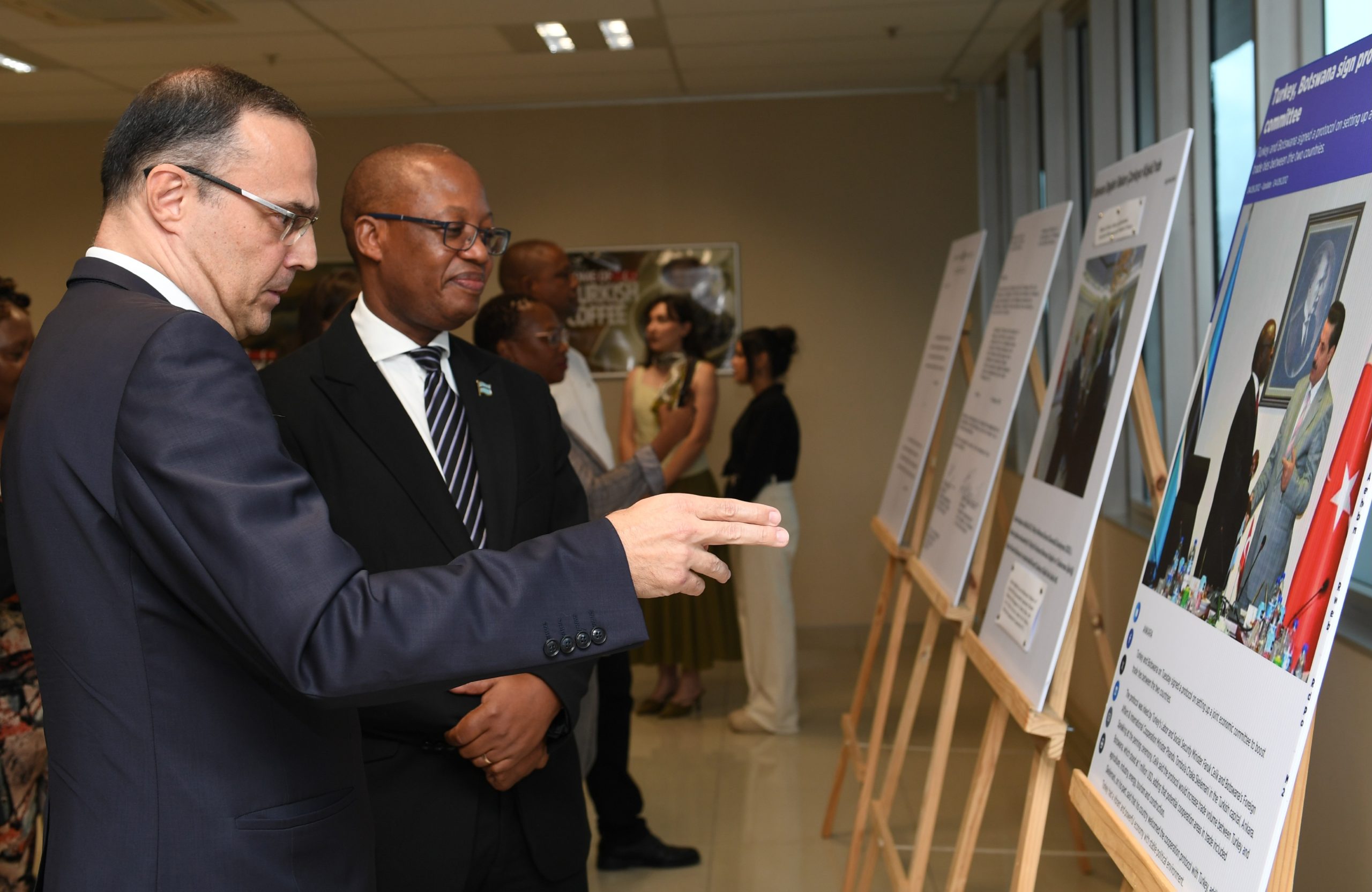
    To commemorate the 45th anniversary, on Tuesday, Türkiye held a photo exhibition, which summarised key bilateral developments since 1981.

    The exhibition showcased historic documents and photographs highlighting key milestones in the bilateral relationship.

    Among the exhibits were a document signed by Botswana’s former Permanent Representative to the United Nations, the late Joseph Legwaila, concerning the establishment of diplomatic relations between the two countries.

    Also on display was a congratulatory message to Botswana’s third president, Dr Festus Mogae on his re-election; a message commemorating Botswana’s 30th independence anniversary as well as a letter of compliments to the late former minister of foreign affairs, Mompati Merafhe, on his assumption of office.

    The exhibition also featured historic photographs of former minister of foreign affairs, Phandu Skelemani, images of the current Minister of International Relations, Phenyo Butale, during his visit to Türkiye.

    Türkiye Ambassador to Botswana, Ahmet Akay said relations between the two countries had developed significantly since 1981, particularly following the opening of the Turkish Embassy in Gaborone in 2014.

    Prior to that, the Turkish Embassy in Pretoria was accredited to Botswana.

    Ambassador Akay said Botswana would soon open an embassy in Ankara, Turkiye, a move he said would further strengthen relations between the two nations.

    He expressed confidence that by the time the two countries celebrate 50 years of diplomatic relations, cooperation would have reached even higher levels.

    “Potential areas for bilateral cooperation include mining and energy, construction, infrastructure development, education, health, agriculture and tourism,” he said.

    Permanent Secretary in the Ministry of International Relations, Thuso Ramodimoosi said the two nations had achieved much over the years and that continued dedication and commitment would further promote sustainable development and improve the living standards of their people.

    He said Türkiye had played a notable role in advancing Botswana’s development through human resource development and cultural exchanges.

    “This partnership is continually broadening and strengthening Botswana-Turkiye relations, ensuring that the exchanges we build today will grow more robust and benefit future generations,” Ramodimoosi said.

    He further reaffirmed government’s commitment to fostering a strategic and comprehensive partnership founded on mutual respect and cooperation.

    “We reaffirm our long-standing partnership and dedication to fostering a democratic and prosperous world where everyone can freely pursue their goals and dreams,” he said.

  • Farmers Call for Government Assistance

    Farmers Call for Government Assistance

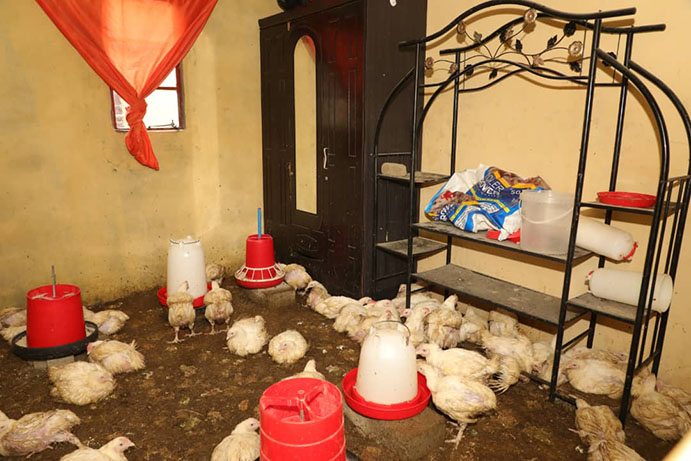
    Farmers call for government assistanceTwo farmers in Monarch area, Francistown have called for government assistance following the loss of their broiler chickens and feeds during heavy downpours.The farmers said they had not received any help for restocking despite undergoing assessments every time disaster hits.Last year in February, Ms Masego Pule said she lost 2 500 broilers and 40 bags of feeds while she lost 170 broilers and seven bags of feeds in December, while her co-farmer, Ms Nthabiseng Motswetla lost 198 broilers and eight bags of due to downpours.Ms Pule however, attributed the recurrence of flooding in the area to how the internal roads were constructed, which blocked the flow of water.Ms Pule suggested relocation saying most of them had to seek shelter from relatives during heavy rains. For his part, Francistown Deputy District Commissioner, Mr Patrick Tlotleng said whenever disaster hits, priority of the district response team was to ensure that lives were spared.He also said they had to ensure that some were relocated and provided with shelter and necessities such as food and clothes.Thereafter, he said a comprehensive assessment ensued, which covered destroyed goods and properties.Mr Tlotleng appreciated the support from Business Botswana through the Private Sector Disaster Response Fund (PSDRF), an initiative which supported businesses affected by the flood.He said the Fund supported continuity of business operations and recovery from the crisis. Last year after the February heavy downpours, he said PSDRF assisted victims in North East, Tonota and Francistown districts with food hampers and household items.

  • Constitutional Court Establishment Elicits Mixed Reactions 

    Constitutional Court Establishment Elicits Mixed Reactions 

    The existence of a Constitutional Court will not only help develop Botswana’s constitutional democratic system but will also strengthen or enhance the judicial process.
    Presenting a strong case for the establishment of a Constitutional Court before a full council session in Serowe on Monday, Assistant Minister of Justice and Correctional Services Mr Augustine Nyatanga described the court as a specialised institution that interpret the nation’s constitution, ensuring laws and government actions align with fundamental principles, protecting human rights and upholding the rule of law.
    Furthermore, he said the ongoing nationwide consultations spoke volumes on government’s commitment to embrace the ‘voice of the people’ and that the collective opinion of the majority held authority for issues pertaining to national interests.
    To this end, Minister Nyatanga said there would be a referendum in the near future for the public to vote for or against the establishment of the Constitutional Court – an exercise that would determine whether Batswana want it or not.
    He reiterated that government wanted the establishment of the Constitutional Court to deal with human rights issues, pointing everybody within the territory of Botswana should be free.
    In addition, he said everybody in the country should be entitled to the fundamental rights and freedoms of the individual, including life, liberty, security, protection of the law and freedom of conscience, expression and assembly, regardless of race, place of origin, political opinions, colour, creed, or sex, hence the need to establish such a court.
    “If we are not cognisant of people’s rights as the leadership, that might incite violence thus disturbing peace and threatening national security.”
    He said the hierarchy of courts in Botswana was structured from the highest appellate authority, the Court of Appeal down to customary courts, adding the Court of Appeal was currently the highest in the country and is the final arbiter of all legal matters.
    Therefore, he said there was a huge backlog of cases at the High Court, exceeding a thousand cases, thus necessitating the move to establish a Constitutional Court that would expedite the disposal of cases revolving around human rights.
    He said the High Court had unlimited jurisdiction and therefore establishing a Constitutional Court would accord the country the opportunity to adequately deal with burning issues within a short space of time.
    However, commenting on the Constitutional Court establishment, some councillors expressed divergent views, with most councillors giving its proposed introduction a thumbs up.
    Councillor Kebakgale Kutuso of Kgosing ward wondered where government would get the money to fund the establishment of the court in an ailing economy.
    Mr Kutuso said challenges in the health and education sectors were more pressing hence government should instead be channelling money towards the procurement of medicines and the renovation of dilapidated school infrastructure.
    He was of the view that paying judges was expensive and thus implored government to prioritise needs, arguing there were more pressing issues than the Constitutional Court.
    Councillor Nametso Senku of Mabeleapodi said the Constitutional Court was a good initiative but that its timing was off as there were more pressing issues at the moment that required attention.
    He said considering the budgetary constraints, this was not the appropriate time to establish the Constitutional Court.

  • Govt Reaffirms Compensation for BCL Former Employees

    Govt Reaffirms Compensation for BCL Former Employees

    Government has resolved to compensate former BCL employees in accordance with the 18-month soft landing payment and other benefits that were promised when the mine closed in 2016 due to liquidation.

    This was stated by the Minister for State President, Defence and Security, Mr Moeti Mohwasa, during a consultation meeting with former BCL employees and other relevant stakeholders on January 12.

    Mr Mohwasa said government was aware that some promises made to employees when the mine closed had not been fulfilled.

    He said the situation had negatively impacted the wellbeing and social status of some of the former employees, hence it was necessary to take decisive acti on to address the issue.

    Mr Mohwasa said the primary compensation issue was that of the promised 18-month soft landing measure, an initiative that was designed specifically to provide critical support to employees affected by the mine’s closure, ensuring they have a financial cushion while navigating the challenges.

    “The 18-month soft landing measure will only apply to those who lost their jobs when the mine closed in 2016 under liquidation. The task force team and relevant stakeholders will be assigned to work collectively and round the clock on modalities of compensation and other related matters,” he said.

    He said while the assigned task team devised policies to roll out the compensation process, it was imperative to take collaborative measures for the success of the process.

    Mr Mohwasa also highlighted government’s commitment to establishing a Liquidation Protection Fund to safeguard stakeholders and mitigate the effects of potential liquidations within the sector in future.

    He said this would provide crucial support to affected parties, ensuring that they had access to necessary resources and assistance during challenging times.

    Minister of Labour and Home Affairs, Major General Pius Mokgware, stated that the 18-month soft landing compensation would not interfere with any other payments , especially for those whose health had been adversely affected by working at the mine.

    He emphasised that proper procedures for compensating individuals with health issues would be followed carefully.

    Currently, 107 former employees have received compensation for various health challenges related to their ti me at the mine.

    The president of the Botswana Mine Workers Union, M r Joseph Tsimako acknowledged the 18-month soft landing compensation.

    However, he stated that while modalities were still being finalised, there should be clear and constant feedback, saying this would give the much-needed clarity to the former employees.

    Meanwhile, a former BCL mine employee, Mr Dipogiso Ookeditse appreciated the efforts, while on the one hand he observed that government should have also taken a resolution on how the concerned individuals would be compensated.

    He expressed concern that assigning the issue to the taskforce team for the formulation of comprehensive policies and guidelines regarding the rollout of the compensation could potentially lead to further delays in the process.

    Another ex-employee, Mr Rex Tambula, underscored the need to distinguish between the Insolvency Act and the Liquidation Act.

    He said the practice of merging the two pieces of legislation led to significant overlap, which in turn created confusion.  He said conflation of the Acts resulted in ambiguities that could hinder effective decision-making and disrupt orderly resolution of matters.

    “Separation of these two Acts would facilitate a more coherent legal framework thereby enhancing clarity and efficiency in managing insolvency and liquidation matters,” he said.

  • New Primary School Opens in Letlhakane

    New Primary School Opens in Letlhakane

    Zantete primary school, a new facility in Letlhakane, located in Phase II Extension received its first batch of over 700 pupils today.

    The school offers pre-primary school classes up to standard six, while there is also a special education department.

    School head, Ms Oakantse Kenyaditswe said beginners were from the location, while standard two and upwards were transfers from already existing schools.

    Boteti District Council chairperson, Mr Onkhuparetse Monnaatsie encouraged teachers and management to take good care of the new facility by instilling discipline in children so that they desist from vandalism.

    Since classes at Zantete are of double story plans, Mr Monnaatsie appealed to teachers to always preach safety precautions to avoid incidents of children pushing and injuring each other on staircases.

  • Koma Burial Tomorrow

    Koma Burial Tomorrow

    When the opposition forces that coalesced into the Umbrella for Democratic Change (UDC) eventually transformed the Botswana political landscape with a historic electoral victory over the Botswana Democratic Party (BDP) in the October 2024 elections, it was after nigh on six decades of work.

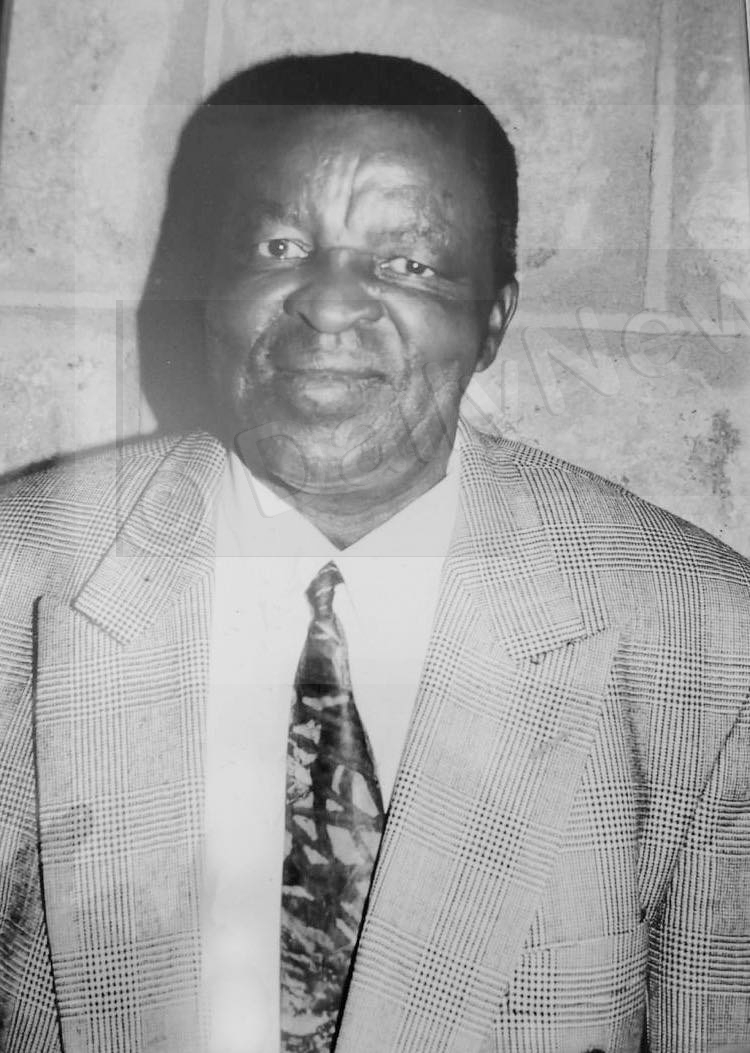
    That foundational work the proverbial ‘mofufutso wa phatlha’ (the brow of the sweat) of opposition politics, was done by veterans, among them Lenyeletse Koma who passed away on New Year’s Eve.

    The 86 year-old political stalwart dedicated his earlier adult years to developing the politics of one of the components of the UDC, the Botswana National Front (BNF) and thus helped shape an alternative to the Botswana Democratic Party (BDP) during the country’s nascent years of party politics.

    His younger brother, Mr Olekotse Koma, said in an interview that his elder brother, a nephew of BNF party founder and chief ideologue, the late Dr Kenneth Koma, was the first of the eight children of Mr Ramherong Koma, whose family originated at Ditlharapa Ward, Serowe, but settled in Mahalapye.

    “Lenyeletse studied at Moeng College alongside the likes of former president Dr Festus Mogae and former cabinet minister and real estate businessman, Mr David Magang. My brother later proceeded to study at university level, up to post graduate masters studies in Soviet Russia, earning qualifications in economics and accounts,” Mr Koma details.

    The 1960s saw the centre-right BDP, a moderate political organisation built on conservatism, the principles of democracy and development, and the consultation (therisanyo) of the kgotla system, national cohesion (kagisano) defeating the more radical, Pan-Africanist and African socialist based Botswana People’s Party (BPP).

    Dr Koma, who returned from studies in Moscow to witness the BDP victory in the March 1965 general elections, founded the BNF, as a mass democratic united front of different class interest groups, with their minimum programme, seeking to unseat the BDP in pursuit of a “national democratic revolution,” social justice and labour rights.

    “Lenyeletse was one of the early BNF stalwarts, alongside the likes of his uncle Dr Koma, Mareledi Giddie, Klaas Motshidisi, Obonetse Menyatso and others. He worked with them to teach the BNF doctrine in party study groups, and went around campaigning to build the movement,” said Mr Koma.

    Lenyeletse Koma further became one of the founders of Mahalapye Secondary School, which gave an opportunity to pupils from different backgrounds, including those who could not be absorbed into government schools.

    “Lenyeletse taught at Mahalapye secondary, which drew learners from as far afield as Maun, some of whom were not placed into secondary schools after their primary school leaving examinations. But Mahalapye secondary worked on building the academic potential of these students as well as their vocational training,” Mr Koma added.

    He later founded a construction company, which among its project got involved in the building of a primary school in Marapong.

    Former Lobatse mayor, Mr David Maswabi added that Lenyeletse was one of the activists who inspired them and guided his generation’s activism within the BNF.

    “We were coming from Kanye and Lobatse, and we had some of these party elders from Mahalapye and Palapye and we often engaged, as they guided us steadily into party policy,” Mr Maswabi revealed.

    After disagreements within the BNF, Lenyeletse founded the Botswana Labour Party, which struggled to gain political traction in the 1990s.

    In recent years, he focused on Christian evangelism, as a bishop of a church in Lobatse.

    In particular, he preached against the perils of alcohol abuse and how it derails the future of young people.

    He will be laid to rest Saturday in Lobatse, where he had settled over the years.