Category: Local

  • A.T.I Legacy Lives On

    A.T.I Legacy Lives On

    The late Atlasaone Molemogi, popularly known as A.T.I , may be gone but his music lives.

    Following his passing in August last year his management team has been working tirelessly to carry on his legacy, efforts that recently saw the release of a single, Nole Kae, featuring Dintleonthetrack.

    In an interview A.T.I’s digital manager, Thato Mamalelala, said that the song was the first to be released since his passing.

     It is a song he had been working on and planned to release so, it was only right to finally share it, Mamalelala said.

    She went on to state, ‘it is very emotional releasing a song after his passing, especially knowing he won’t be here to perform it on stage. That is a hard pill to swallow. But seeing how people embraced the song and showed love means everything to us.” 

    Mamalelala promised that there would be more singles before the release of a full album just before the year ends.

    She stated that the song was to remind fans of A.T.I’s talent and ability, adding that one of his older songs, Ancient of Days, really gave a transparent idea of who he was and the struggles he faced.  

    Ancient of Days  touches on A.T.I’s struggles after rehab and suicidal thoughts which he asked God to silence.

    It also shares how he still felt empty despite the money and fame he enjoyed.

    “But through it all, you hear that he never stopped trying.” said Mamalelala.

    She said fans could expect features, mostly with young and emerging talents that A.T.I believed in.

    Though she would not give out the names for now, she insisted that upcoming projects were mind blowing because A.T.I gave his all every time he was in the studio.

    She thanked all for supporting A.T.I’s music and keeping his legacy alive by streaming and sharing his songs. 

    “We appreciate it more than words can say,” said Mamalelala.

  • Kazungula Bridge Valuable Asset For Africa

    Kazungula Bridge Valuable Asset For Africa

    The Kazungula Bridge masterpiece towers majestically over the waters at a point where the Chobe and Zambezi Rivers meet. Strategically located, the bridge sits at a quadripoint where Botswana, Zambia, Namibia and Zimbabwe converge on the Zambezi River.

    The bridge is a product of the solid bilateral relations between Botswana and Zambia and was constructed to boost economic growth, reduce transit time as well as promote regional trade relations and sustainable development in the Southern African Development Community (SADC) region.

    Since its opening in May 2021, it has been reported that the number of trucks crossing through the bridge had increased from an average of 214 to 491 per day.

    At the launch of the Kazungula Bridge Authority (KBA) on Tuesday, Minister of Transport and Infrastructure, Mr Noah Salakae described the bridge as a valuable asset, not only to our Botswana and Zambia, but to Africa as a whole.

    Mr Salakae said after nearly five years waiting for the commissioning and operationalisation of the KBA, ultimately launching it, marked an enduring inclination that would see the Authority transform into a globally-renowned institution and become the groundwork for the long-term prosperity of the economies of the two nations.

    Its impact, he said, would see the economies of the two countries grow and thrive at home and also expand beyond the borders to promote the African Continental Free Trade Area Agreement.

    He said the uniquely designed 923-metre-long road and rail bridge replaced the ferry pontoon system, which had proven not only inefficient but very slow and highly unreliable. Minister Salakae appreciated that the bridge stood not only as a physical link between the two countries, but also as a key component of the North-South Corridor (NSC), a vital trade route within the SADC region and an important conduit for regional integration and economic development, benefiting countries such as Democratic Republic of Congo, Malawi, Mozambique, Namibia, South Africa, Tanzania as well as Zimbabwe.

    The NSC accounts for approximately 84 per cent of regional freight traffic, primarily driven by trade activities in Zambia, the Democratic Republic of Congo and South Africa.

    Mr Salakae highlighted that a significant portion of the traffic originated from the Port of Durban, which handled nearly 64 per cent of all container movements within the region, and from the Gauteng Province of South Africa, encompassing Johannesburg and Pretoria, which served as the region’s principal centre for manufacturing, warehousing and distribution.

    “The NSC therefore remains the corridor of choice for the mining, agriculture and manufacturing sectors in the region owing to its balanced import-export flow, competitive costs, and overall efficiency,” he said.

    In addition, he pointed out that bridge served as a catalyst for economic transformation, unlocking new investment opportunities and reinforcing the Kazungula One Stop Border’s position as a key gateway for regional trade and connectivity.

    The latter, Mr Salakae said had helped streamline cross-border procedures, resulting in reduced clearance times and lower trade costs and enhanced competitiveness of Botswana’s exports and imports.

    He also announced that the KBA Board of Directors was inaugurated during the last session of the Joint Ministerial Committee meeting held in Kasane on September 18 last year as a key milestone towards the operationalisation of the KBA.

    He said the KBA Board of Directors held its first extraordinary meeting last year on October 8 during which the appointment of the executive director was approved and subsequently endorsed by the Council of Ministers.

    The minister said on Monday they witnessed the signing of the hosting agreement between the host country, Botswana and the KBA, and said the move was a great milestone that signalled the beginning of the six months’ transition period from the Kazungula Bridge project office to the Kazungula Bridge Authority.

    During this period, the project office staff and the executing ministries will work in collaboration with the executive director in order for the KBA to take over the management and maintenance of the Kazungula Bridge infrastructure.

  • Compliance To Digital Services Act Critical

    Compliance To Digital Services Act Critical

    The country’s private and public sectors have less than 24 months to digitise their services under the Digital Services Act.

    This is part of the government’s drive to push for digital transformation to modernise operations, boost efficiency, and enhance user experience.

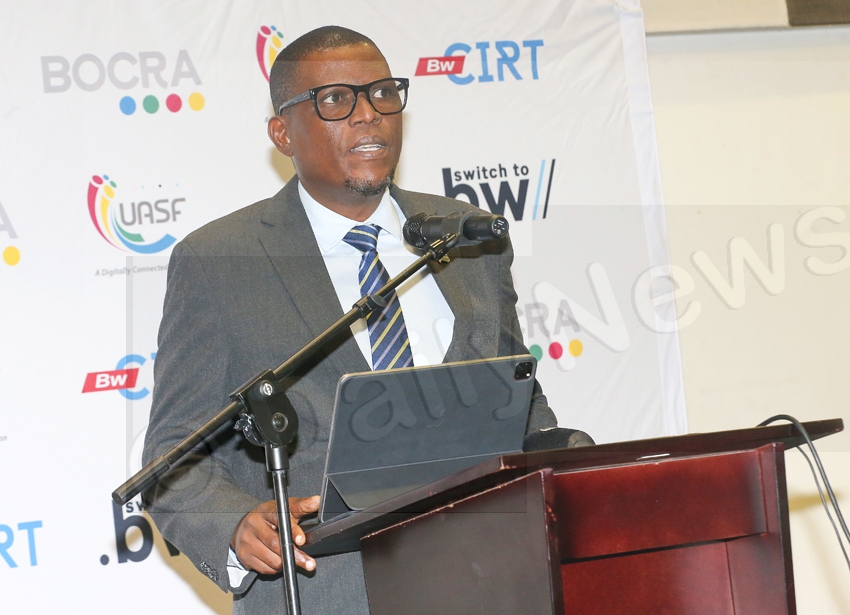
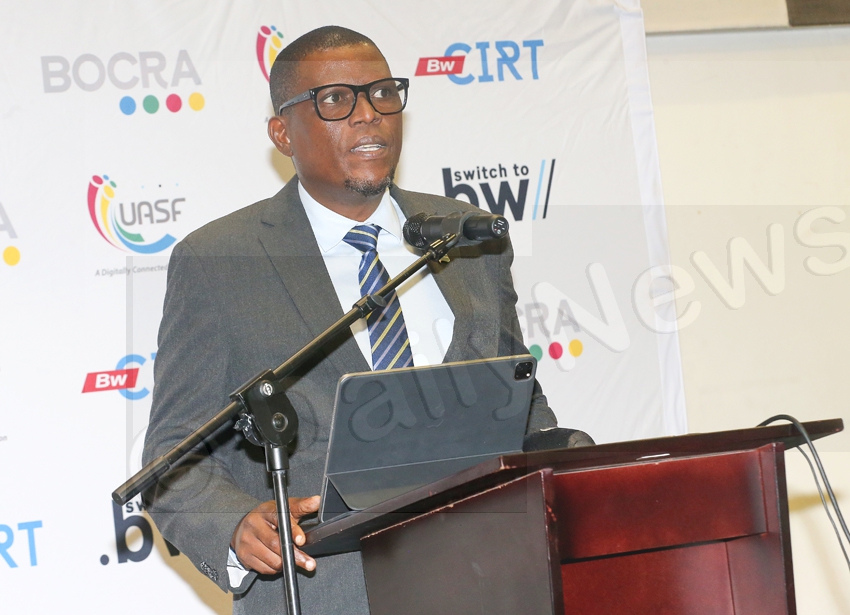
    The Minister of Communications and Innovation, Mr David Tshere, said this at the beginning of the Botswana Cyber Drill, organised by the Botswana Communications Regulatory Authority (BOCRA), that the 24-month grace period, which started in November last year, gave the private and public sectors an opportunity to prepare for the transition.

    “The Digital Services Act gives us a 24-month grace period to prepare and put together all necessary enabling infrastructure and to roll out digitalisation,” Minister Tshere said on Tuesday.

    “The private and the public sectors will be required to offer their services digitally; that is what the law says,” he added.

    He said the government had moved from a reactive posture to a proactive structure and a unified national framework, adding that a digital nation could not be built on a weak foundation, as it required trust, security, and the rule of law.

    The government last year passed the Cyber Security Act, which was subsequently signed into law and is waiting to commence by April.

    The key output of the law is the establishment of the National Cybersecurity Authority, which will provide strategic oversight, coordination, and policy direction for cybersecurity across all sectors of the country’s economy.

    The Act also formally strengthened the mandate of the National Computer Security Incident Response, he added.

    Minister Tshere further told stakeholders that cybersecurity threats were no longer abstract and distant technical concepts.

    “They are here, prevalent, and increasingly sophisticated,” the minister warned, stressing that cyber threats distracted essential services, compromised sensitive information, and caused tangible economic and operational harm, resulting in loss of business and customer confidence.

    He said some businesses had been attacked locally, adding that the cybersecurity drill provided a safe and structured environment to learn from global experts, shared experiences, and developed critical skills to handle real-world cybersecurity crises.

    He pointed out that while the government could pass laws and Botswana Communications Regulatory Authority (BOCRA) could provide technical leadership, but security was a shared responsibility.

    BOCRA chief executive officer, Mr Martin Mokgware, said the stability of the nation rested on the resilience of digital foundations, noting that the cyber drill was a powerful demonstration of safeguarding the economy.

    “Therefore, a cyber incident is not just an IT problem; it is a national problem that affects citizens, businesses, and how our country functions,” he said.
    Abaricom managing director, Mr Neo Ngwako, said from a local industry perspective, there was a need to safeguard the economy from criminal activities, adding that threats were coming at a time when the economy was ailing and faced with a foot-and-mouth disease threat.

    The first Botswana Cyber Drill was held under the theme: Cyber Resilience in Action.

  • Council Introduces App For Rates Collection

    Council Introduces App For Rates Collection

    Lobatse Town Council has introduced an FNB App to maximise on digital technologies and  tackle low rates collection.

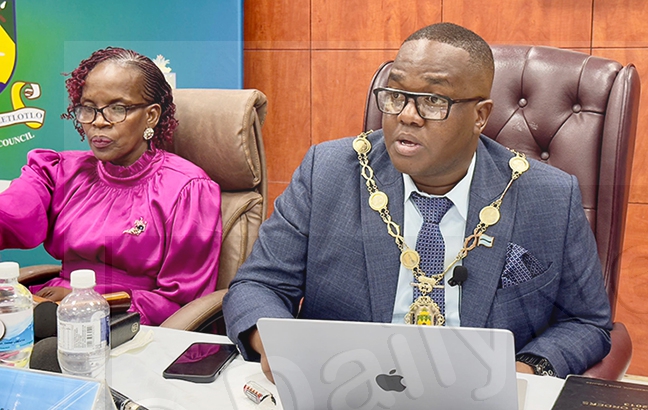
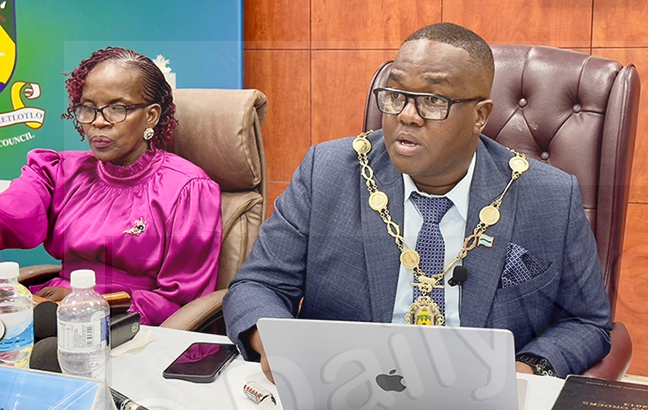
    Speaking during a Full Council meeting on Monday, Lobatse mayor, Mr Aron Ganakgomo said the council continued to deploy efficient solutions for revenue maximisation to enhance efficiencies as Lobatse Town Council had been uploaded as a Public Recipient with First National Bank (FNB).

    Property owners would have to log into the App, pay rates to council through cell phone banking or online transaction.

    He said the move was opportune given that FNB held about 60 to 65 per cent of property market share adding that the development would enable most of rates debtors and the community at large to pay the Council conveniently at the comfort of their homes.

    Additionally, Mayor Ganakgomo said the council was in the process of increasing remote payment access through the Payment Gateway to further widen the revenue pool to allow both FNB and non FNB customers to pay at their convenience.

    He thus implored customers to use the payment platforms to pay debts.

    He said that council in collaboration with FNB shall embark on public education and rates collection campaign through various social media platforms to raise awareness and motivate property owners to make enquiries and remit rates.

    The move, Mr Ganakgomo said, was devised against the backdrop that as at the beginning of the 2024/2025 financial year, Lobatse Town Council was owed rates amounting to over P23 million but collection stood at slightly above P3 million on outstanding arrears.

    This he noted, was a serious concern adding that collection for this financial year stood at slightly above P1 million which was 20 per cent against the targeted P5 million.

    He therefore anticipated that the FNB App would enable real-time payment, yield higher collection rate and improve customer compliance.

    Furthermore, mayor Ganakgomo highlighted that the tight fiscal environment at national and local level demanded more proficiency and prudence in managing the limited resources as underscored during 2026 Budget Speech.

    Nonetheless, he said even though the council was faced with financial challenges in the previous quarters, they had been able to execute their core mandate, owing to austerity measures they undertook in managing cash flow and strengthening revenue base.

    He announced that this year, Lobatse Town Council performed well in revenue collection as of January 2026 to date as collection stood at P151 million against the targeted income of P165 million; a 92 per cent collection rate.

    The excellent performance, he said reflected confidence in the council’s ability to continue delivering essential services effectively.

    With regards to the introduction of an FNB App for revenue collection, Peleng Central Councillor Mr Stephen Mpofu welcomed the development.

    In an interview on the side-lines of the full council meeting, he said the App would make payment easier for customers and reduce long queues which wasted valuable time and travel costs.

    He noted that the digitisation of the payment would also reduce too much paperwork and save government some costs.

    In addition, Councillor Mpofu buttressed that customers had the option of selecting fixed online deposits which would enable them to better budget.

    Nominated councillor Mr Gofaone Kedise, said Lobatse Town Council was owed over P35 million in property rates.

    “We are talking digitisation of government services and therefore, anything credible that can help us to collect rates is a welcome initiative. The people must not fail to pay rates because we have not availed payment platforms,” he said.

    He highlighted that councils which were funded by government through the revenue support grant and were required to sustain itself through generating Own Revenue Source must deliver quality services to the people.

    He said such finances covered statutory services which the council must offer which include infrastructure development, waste management, and social services, highlighting that if property rates were not paid it could affect service delivery.

    Thus, he emphasised that it was important for customers to pay property rates and service levies through available online platforms to enable the council to effectively deliver services

  • Kazungula Border Post To Operate Round The Clock

    Kazungula Border Post To Operate Round The Clock

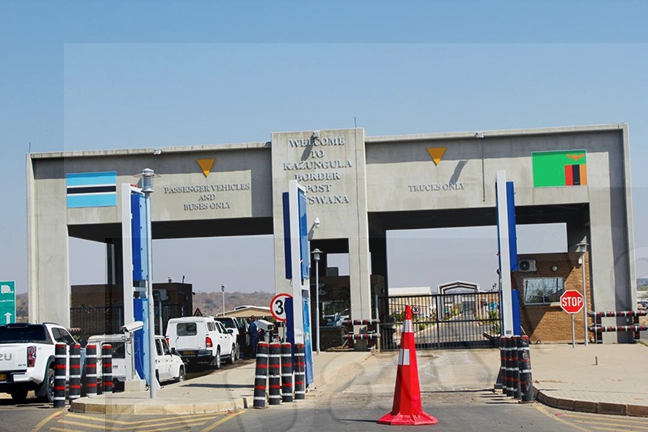
    As part of the process to ultimately evolve into a non-stop border post, the Kazungula One Stop Border Post (OSBP) will start to operate on a 24-hour basis.

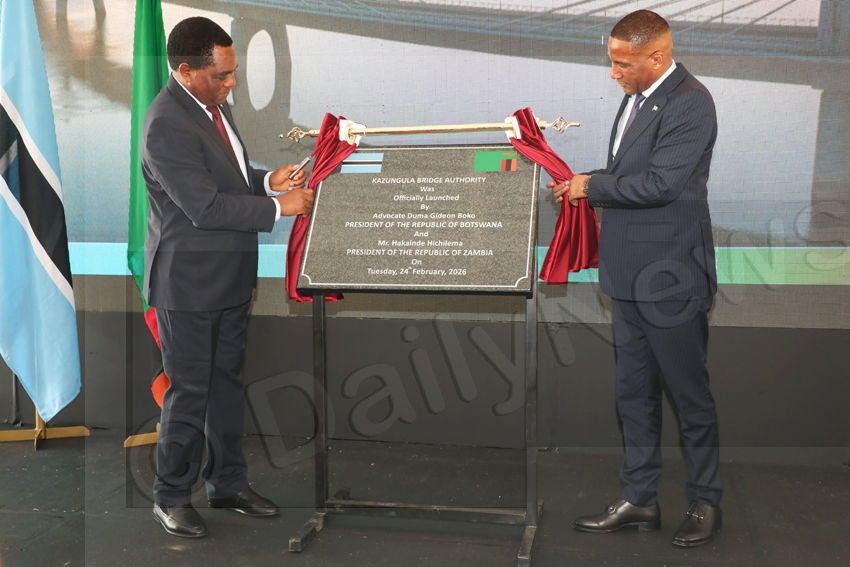
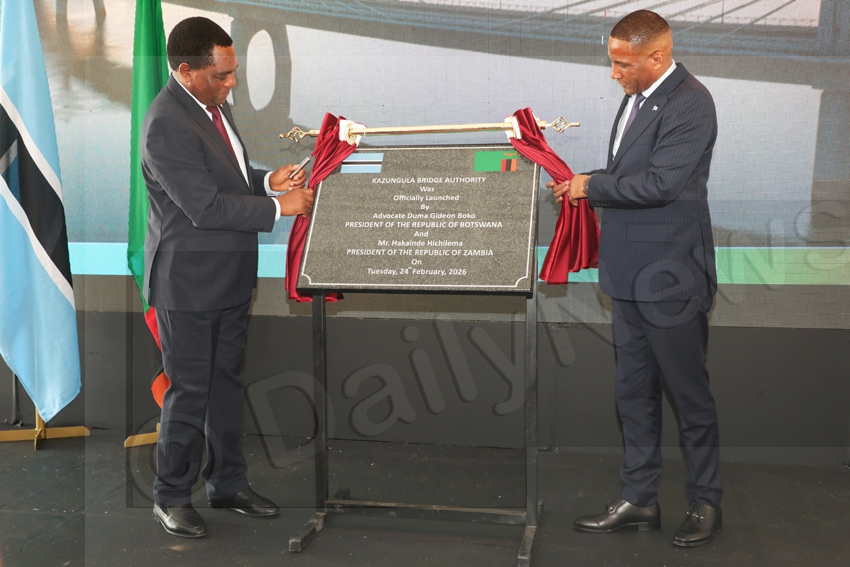
    President Advocate Duma Boko said at the Botswana and Zambia’s joint launch of the Kazungula Bridge Authority (KBA) on February 24 that the decision to have the border post operate on a round-the-clock basis followed his engagements with his Zambian counterpart, Mr Hakainde Hichilema on the sidelines of the recent 39th Ordinary Session of the Assembly of Heads of State and Government of the African Union held in Addis Ababa, Ethiopia.

    President Boko said the Botswana Stock Exchange (BSE) would champion the process of enabling the OSBP transformation into a non-stop border post, an assignment that would require the BSE to engage with its technical partners to conceptualise the technologies that would enable the evolution.

    Regarding the Kazungula Bridge Authority, he said its launch cemented the longstanding bilateral relations between Botswana and Zambia, describing the bridge as a template worthy of emulation by others in Africa.

    He said other African nations should draw inspiration from the collaboration between Botswana and Zambia and open similar corridors so that the continent would advance as a unit that spoke to the African heritage.

    “The Kazungula Bridge is an iconic connection between two countries poised as an exemplifier of what collaboration can achieve and standing as a benchmark for the rest of Africa,” he said, noting how the establishment of the Kazungula Bridge Authority highlighted the extent to which resilient and dynamic partnerships could be of impact to the people.

    President Boko said the Authority would create better regional connections, open more corridors of trade and eliminate queueing of goods and travellers.

    Zambia President Mr Hichilema reiterated the value of technology advancement, saying it presented many opportunities that would make a non-stop border post a success.

    Mr Hichilema stated that there was need to remove bottlenecks created by the processes that travellers had to follow at the border post, observing that doing away with such would lower costs of doing business and stimulate efficiency.

    He said the bridge was a significant infrastructure piece not just for Botswana and Zambia but for Namibia and Zimbabwe who also formed part of the unique quad point.

    “The value of this unique asset goes beyond the four countries because there is Democratic Republic Congo, Angola and the rest of Africa who are also players in this bridge while we are just custodians,” President Hichilema said.

    He indicated that the bridge was an anchor to deepening African trade, saying the potential increase in the number of trucks utilising the border from 400 to 1 000 in a day spoke to how impactful it would be to trade in the region and beyond.

    He said the Kazungula Bridge OSBP was a preferred route and a key component of the North-South Corridor, hence it was essential to invest into it so that its premium status could be maintained.

    Mr Hichilema stated that the iconic bridge called for innovation to establish floating restaurants on the Chobe-Zambezi confluence in order to broaden the affected countries’ tourism product offering.

    Kgosi Morgan Makhanga of Kazungula said the bridge connected Botswana and Zambia and stood as a powerful symbol of unity and shared cultural heritage.

    Kgosi Makhanga said further to it enhancing trade, the bridge had created employment opportunities, thereby improving the lives of citizens.

    He however asked the two Heads of States to review customs charges, road levies and insurance fees charged at the border, alleging that they were higher than those levied on travellers at other border posts.

  • BOMU Introduces Most Viral Song Category

    BOMU Introduces Most Viral Song Category

    After a year-long strategic hiatus in 2025, the Botswana Musicians Union (BOMU) Awards return for their 14th edition, scheduled for May on a date yet to be announced.

    Speaking at the official launch recently, BOMU president Papie Rakhudu said the awards had been restructured and reimagined to reflect current trends in an evolving music landscape.

    He highlighted the introduction of the Most Viral Song category, saying it reflected the growing influence of digital platforms and online music consumption.

    He said digital transformation had changed the rules of the game in the creative sector, and noted that music now generated revenue through streaming, publishing, live performances, brand partnerships, licensing and digital content creation. 

    He added that social media platforms, content monetisation and digital distribution had removed traditional barriers.

    “Today, a young artist in Gaborone can release a song and reach the world instantly,” he said, stressing that artists must be equipped with digital skills, business knowledge, data literacy and ownership structures that protect their intellectual property.

    Rakhudu also emphasised the music industry’s multifaceted nature and its ability to create employment for producers, sound engineers, graphic designers, marketers and event managers, among others, helping to curb unemployment.

    He called for the creative sector to be recognised as a serious contributor to GDP as Botswana pursues economic diversification.

    Events Lab representative Seabelo Modibe said over the years the awards had developed into an economic hub benefiting creatives and industry enablers ranging from administrators to fashion designers.

    He added that each nominated artist received a nomination fee, representing a financial injection into the industry through prizes alone.

    Modibe further advocated for amendments to copyright laws governing the creative sector, the development of proper cultural exchange programmes beyond grants, and the full-scale operation of the night-time economy, which he said would greatly benefit the industry.

    He noted that out of  35 categories, six would be decided by public vote: Best Female, Best Male, Best Duo/Group, Album of the Year, Song of the Year and Best Producer.

  • The Mares COSAFA Journey Ends

    The Mares COSAFA Journey Ends

    The senior women’s national football team, The Mares have bowed out of the Hollywoodbets COSAFA Women’s Championship following a 1-0 defeat to Zimbabwe women’s national football team, The Mighty Warriors.

    The Mares were drawn in Group B alongside defending champions Zambia, Zimbabwe and eSwatini in a tournament held in South Africa.

    In their group matches, Botswana lost 3-0 to Zambia, drew 1-1 with eSwatini and suffered a narrow 1-0 defeat to Zimbabwe in their final group clash yesterday.

    The decisive goal came in the 69th minute through Rutendo Makore.

    Despite the loss, The Mares showed notable improvement compared to their earlier matches, displaying maturity, teamwork and a more solid midfield performance. They created several scoring opportunities but failed to convert them.

    The team travelled to the tournament with a squad assembled at the eleventh hour following the withdrawal of some senior players from the squad.

    Nevertheless, the youthful squad demonstrated promise and showed they could form the foundation of the team’s future.

    The Mares have always struggled in the COSAFA Women’s Championship. Their best performance was in 2020, when they finished as runners-up after losing by a solitary goal to South Africa’s Banyana Banyana in the final.

    During the 2020 campaign, the Mares made history by defeating Zambia 2-1 in a thrilling semi-final before falling to South Africa in the final, narrowly missing the chance to lift the regional title for the first time.

    From 2021 to 2025, however, they were eliminated in the group stages, a trend some football analysts attributed to the country’s limited structural development of women’s football.

  • Waloka urges districts to align plans with NDP 12

    Waloka urges districts to align plans with NDP 12

    Districts have been advised to align their draft development plans with the National Development Plan 12 (NDP 12) to ensure timely completion and effective implementation of national priorities.

    North West District Commissioner, Mr Thabang Waloka made the remarks during the District Development Committee (DDC) meeting aimed at engaging members on the alignment of the District Development Plan (DDP 9) with the recently approved National Development Plan (NDP 12). 

    He emphasised the importance of coherence and consistency in planning, saying public servants were agents of change and must adopt a results-oriented approach.

    “The government has entrusted us with the responsibility to make a difference when challenges arise instead of merely reporting challenges,” he said.

    DDC members were urged to contribute to the planning process and make sound inputs to ensure the success of the exercise.

    Further, he said the draft plans should include new ministries’ names, key performance indicators and project proposals with the core priorities of NDP 12, with particular emphasis placed on integrating the True North Pillars, the Botswana Economic Transformation Plan, and the strategic outcomes and key performance indicators as outlined in the NDP 12.

    While the NDP 12, guided by Vision 2036, aims to transform from mere planning to measurable progress with emphasis on evidence-based, result-oriented implementation, Mr Waloka said public servants were seen as agents of change for government priorities, hence they must adopt a culture of planning and result-oriented action.

    For instance, he said North-West district, with its unique challenges and opportunities, was singled out for special attention, with plans to upgrade Maun into a ‘green city’.

    The model, he said, sought to position Maun as a sustainable urban-area that utilised natural processes and vegetation to provide diverse ecosystem services, contributing to the overall sustainability and resilience of communities.

    “In an area that houses the Okavango Delta World Heritage Site, buzzing with tourism, mining and farming activities, we will have to identify what is necessary to improve the quality of life for our people and how best we can improve sectors such as mining, agriculture, and tourism to thrive and benefit communities,” Mr Waloka said.

  • Palapye Glass Project – The Art of Impunity

    Palapye Glass Project – The Art of Impunity

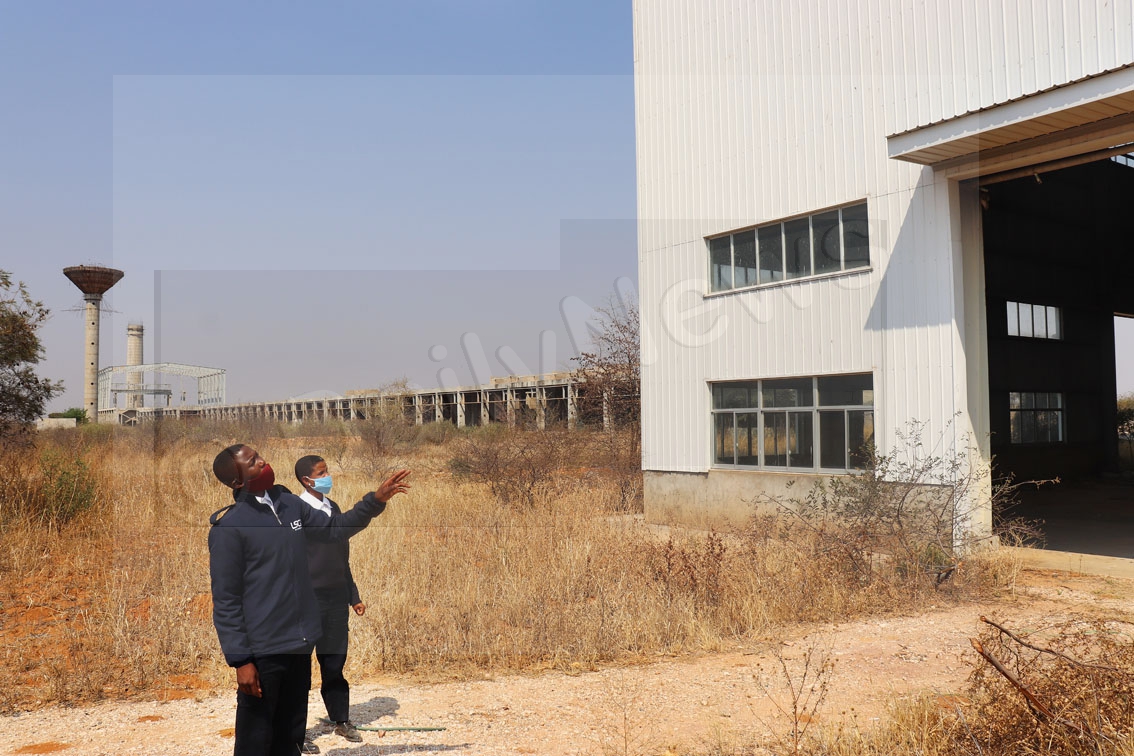
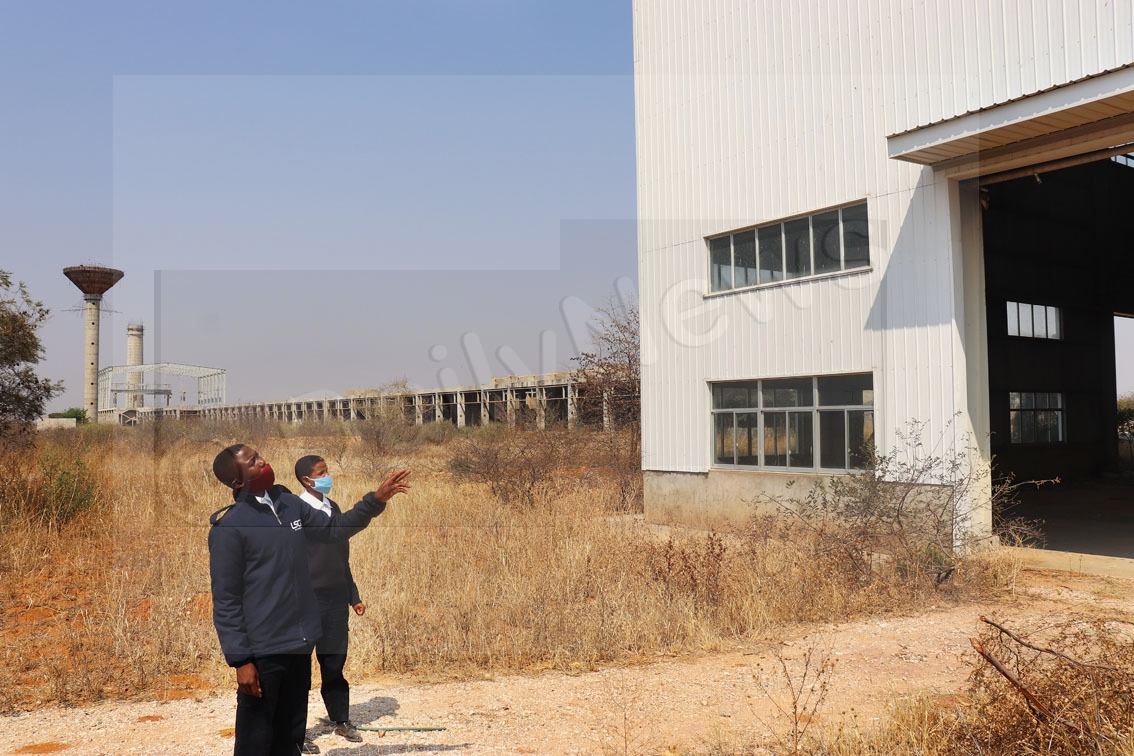
    The final accounting arrived in Parliament on 10 February 2026, though the project itself had ceased to exist over a decade earlier. Responding to Serowe South MP L. Lesedi, the Minister confirmed the arithmetic that had long circulated in audit reports and court papers: P601.2 million expended on the Palapye float-glass project, P67.8 million recovered, P380 million realised as loss . The venture-conceived in 2007 as a joint enterprise between the Botswana Development Corporation and Shanghai Fengyue, stalled by 2011, liquidated in 2013—was now reduced to a line in the Hansard. The furnaces never fired. The glass was never produced. What remains unresolved is the question of consequence for those culpable, whether by omission or commission, directly or indirectly.

    The Documented Warnings

    The Auditor General’s report for the year ended 30 June 2012 recorded the investment in Fengyue Glass at P422 million, noting that “the Board approved additional funding amounting to P332 million to cover additional project costs” . The report carried this finding:

    “The auditors were unable to obtain sufficient appropriate audit evidence… because the financial information of the joint venture company was not available.”

    The same report observed that “payments were not made directly to the EPC contractor but into the bank account of Fengyue Glass Manufacturing Botswana (Pty) Ltd,” and that auditors were denied access to those records .

    These were findings of the constitutional officer charged with safeguarding public funds. They did not result in publicly recorded disciplinary action against board members, executives, or ministerial overseers at the time.

    The Parliamentary Special Select Committee of Inquiry, appointed in December 2011 and chaired by Abram Kesupile, submitted its report in 2012. The committee found the project was “premised on poor due diligence, doubtful technical project partner selection, a litany of project implementation violations, and doubtful and reckless project fund disbursement” . A forensic audit referenced in committee proceedings revealed “hundreds of thousands of pula in the bank accounts of key BDC executives and employees that could not be accounted for” .

    The Prosecutorial Gap

    In July 2013, then Minister of Trade and Industry Dorcas Makgato-Malesu assured Parliament that “Government is not sitting idle… DCEC is investigating this matter” . She confirmed that “some of the files have been passed on to the DPP” .

    The investigation produced no prosecutions. In September 2020, Director of Public Prosecutions Stephen Tiroyakgosi informed the Public Accounts Committee that his office was “still awaiting evidence from Beijing” regarding a mutual assistance request sent in February 2012-eight years prior . No charges were laid against BDC executives, board members, or ministerial overseers. The DPP is not compelled by law to provide reasons for declining prosecution .

    The DCEC itself has acknowledged this pattern. According to Commonwealth Africa anti-corruption research citing DCEC annual reports, the agency referred multiple dockets to the DPP concerning the BDC allegations, yet “there were no cases sent for prosecution” .

    Liquidation and Recovery

    The High Court in Lobatse granted a provisional liquidation order on 13 November 2013, with BDC lawyers stating that “the company has no sources of income. It is hopelessly insolvent and its liabilities far exceed its assets” . Court papers noted that Fengyue Glass had “failed to submit PAYE, WHT and Income Tax returns and has many VAT returns outstanding,” and that “the full extent of its liabilities are unknown, because the company has no reliable financial records and has never been subjected to an annual financial audit” .

    Assets were eventually sold for P54.3 million in 2017, with Assistant Minister Biggie Butale informing Parliament that “the valuation report showed that the technical equipment to be sold was either used, incomplete, considerably deteriorated or out of any possible warranty” . The land was separately sold for P50 million .

    The Fiscal Context

    The loss crystallises during a period of acute fiscal pressure. The International Monetary Fund’s 2025 Article IV consultation noted that Botswana’s “fiscal deficit increased further in fiscal year 2024/25, to 7.1 percent of GDP,” with public debt rising “to more than 30 percent of GDP” . The IMF projected that “unless additional fiscal consolidation measures are adopted, public debt could rise sharply” .

    This represents a marked shift from earlier decades. The 2024/2025 budget acknowledged “constrained fiscal space” and “rising debt servicing costs.” When large capital outlays fail to generate returns, the strain compounds. Palapye’s P380 million realised loss is not the primary driver of the current tightening—but it is emblematic of a period in which significant public resources were deployed without commensurate productive output.

    The Continuum of Office

    The project spanned multiple administrations. Conceived during Festus Mogae’s presidency, it escalated during Ian Khama’s. Trade portfolios during its active period included Neo Moroka, Dorcas Makgato, and Thapelo Olopeng. Finance oversight during key phases was provided by Kenneth Matambo, who subsequently attempted to sue Parliament over the select committee report—a litigation dismissed by the Attorney General on grounds of parliamentary privilege .

    No parliamentary finding has established that any of these individuals engaged in criminal wrongdoing in relation to Palapye. The public record does, however, document a consistent pattern: forensic findings of unaccounted funds, parliamentary findings of “reckless” disbursement, and no prosecutorial outcome.

    Systemic Patterns

    Reports from the Accountant General and Public Accounts Committee over the last decade have recurrently cited: “Delays in submission of financial statements,” “Weak commitment controls,” “Inadequate asset management,” “Unreconciled balances” . PAC Chair Taolo Lucas noted in 2025 that some cases “from as far as 2014 were still pending in 2025, with little progress to put issues to finality” .

    The Ombudsman’s recent reports, while focused on service delivery, echo a broader institutional diagnosis: “systemic challenges,” “failures in implementation.” Palapye followed a comparable trajectory—findings issued, frameworks adjusted, enforcement uneven.

    The Verdict of 2024

    The Minister’s February 2026 statement closes the legal dimension of Palapye. The arithmetic is settled: P380 million lost. What remains unsettled is the governance question. The Parliamentary Select Committee found “reckless” disbursement. The forensic audit found unexplained funds in executive accounts. The DCEC referred files to the DPP. The DPP awaited evidence for eight years, then silence.

    Yet the final footnote to this saga may have already been written. In October 2024, the Botswana Democratic Party was removed from office after 58 years of uninterrupted rule. The electorate’s verdict was delivered not in audit language but in ballots—an assertion, rendered at the polling station, that the architecture of inconsequence had exhausted public patience. Palapye was not the sole cause of that electoral outcome. But it stands as the definitive case study of a system in which P380 million could vanish and no one would pay—a system that Batswana, by their vote, declared they would no longer tolerate. 

  • Moshupa Drug availability at 51 percent

    Moshupa Drug availability at 51 percent

    As the 2025/26 financial year nears its end, Moshupa District Council’s Vital, Essential, and Necessary (VEN) drug stocks is at  51 per cent  a 13 per cent drop from last quarter’s 64 per cent. 

    Council chairperson Mr Peter Sethibe gave and update during Tuesday’s full council session, saying that shortages threatened patient care across clinics and health posts. 

    He said the council had an emergency meeting with Primary Health Care Services and had  formally escalated the matter  to the Ministry of Health. 

    Mr Sethibe said called for the restoration of micro-procurement powers or rock-solid guarantees of uninterrupted supplies from Central Medical Stores. 

    To bridge the gap, he said officials had launched a rapid redistribution drive, shifting surplus stock from better-supplied facilities to those with shortages.

     “This is not a solution, it is a palliative measure. While we fight for the cure, we must manage the pain,” Mr Sethibe said. “

    He said new measures included weekly drug availability monitoring at every site, citing that the local authority would no longer wait for quarterly reports to uncover disasters. The council has also approached local pharmacy on contract to explore short-term credit for essentials. 

    “I cannot promise success, but I can promise that no stone will be left unturned,” he said. 

    Furthermore, Mr Sethibe said  Assistant Minister of Local Government and Traditional Affairs, Mr Ignatious Moswaane, paid an unannounced visit to local clinics and the medical store warehouse on  January 27  to assess drug stocks and to show support to  frontline staff. 

    On other issues, Councillor Kabo Ramatsipele of Magotlhwane/Kgomokasitwa hailed the impending opening of Moshupa Primary Hospital in April as a game-changer for district health services. 

    Councillor Omphile Motlhajoe of Ralekgetho Ward voiced frustration over neglected roads, blaming delayed and inadequate Rural Support Grants (RSG) from the Ministry of Local Government and Traditional Affairs for stalling service delivery.