Author: Daily News

  • Mopalamente o Abela Sekole sa Kathiana Mahunga

    Mopalamente o Abela Sekole sa Kathiana Mahunga

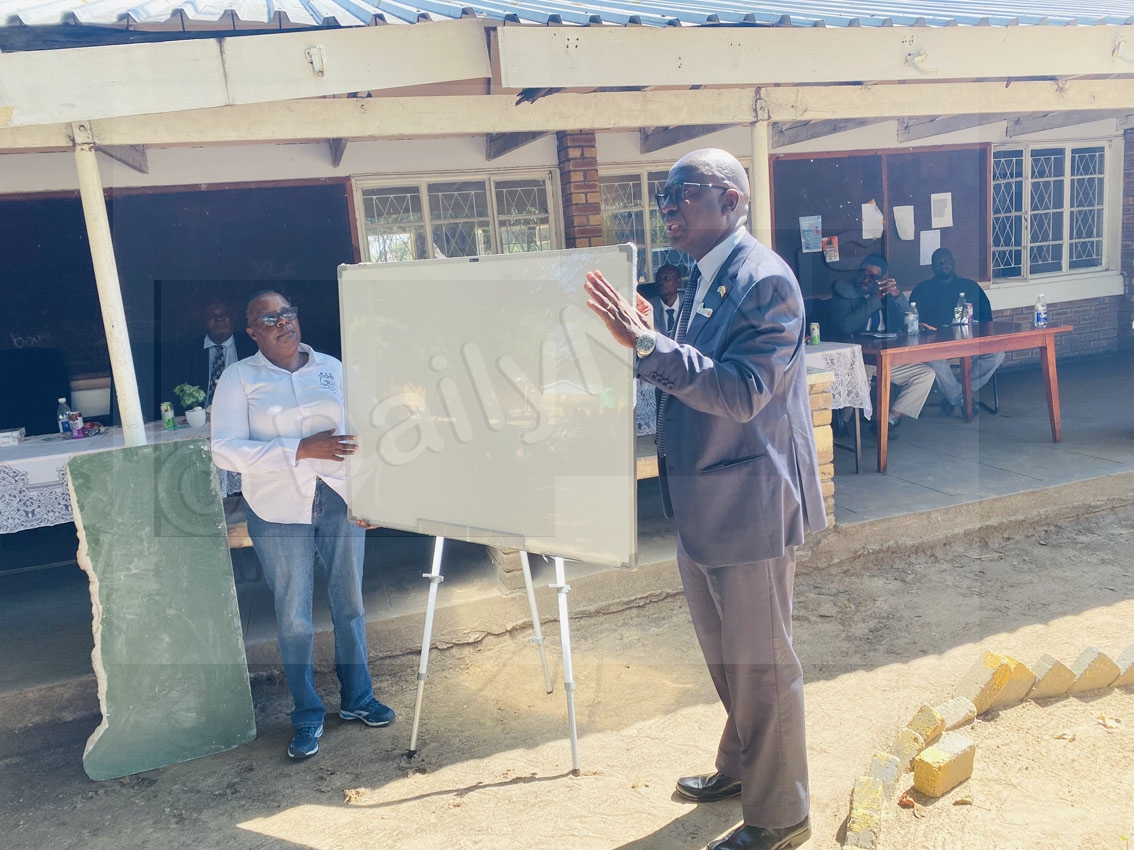
    Mopalamente wa kgaolo ya Okavango bophirima Rre Kenny Kapinga o abetse sekole se se botlana sa Kathiana Mahunga sa motse wa Shakawe diboto (white boards) tse di lesome e le tsela ya go thusa mo matlhokong a sekolo seo. Fa a amogela dimpho kwa sekolong seo ka Laboraro, mogokgo wa sekolo Mme Oweditse Rammokolodi o lebogetse thuso ya diboto tseo a re di arabile dingwe tsa dilelo tsa bone.

    O tlhalositse fa sekolo seo se dira bontle fela thata mo dithutong ka se fentse ka matshwao a 85.4% mo maduong a lekwalo la bosupa mo ngwageng o o fetileng, a re seo se dirwa ke go bo barutabana ba ititaya ka thupana go ntsha maduo le fa ba nale dikgwetlho tse di farologaneng.

    A re sekole seo se nale tlhaelo ya matlo a borutelo mo baithuti bangwe ba rutelwang ka fa tlase ga ditlhare. 

    A re letlhoko le lengwe ke la didirisiwa jaaka diboto, ditilo le dibuka ga mmogo le tlhaelo ya matlo a barutabana, se se pateletsang gore bangwe ba nne mmogo mo matlong.

    Mme Rammokolodi o supile fa mo nakong eno sekolo seo se na le baithuti ba le 1 065, palo e e akaretsang setlhopha sa bana ba thuto e e kwa tlase ga lekwalo la ntlha ya pre-school education. Mopalamente Rre Kapinga o ne a tlhalosa fa a ne a gwetlhega go batlela sekole seo dithuso ka se dira bontle thata mo maduong.

    A re o ne a kopa dithuso tsa diboto mo mookameding mogolo wa kompone ya lebenkele la Choppies mme a atlega. 

    O tsweletse a re thuto e botlhokwa ka e le yone boswa jwa bana jwa sennelaruri, ka jalo a gwetlha batsadi gore ba se gane fa ba kopiwa dithuso dipe fela ke baeteledipele ba sekolo, a a fa sekai ka dithuso tse di tshwanang tsa madi go tokafatsa thuto.

    Mopalamente Kapinga o ne a re seemo sa mathata a tsa madi a lefatshe le letlhoko la ditiro ke dilo tsa nakwana tse di sa tshwanelang go ka kgoba marapo, a re thuto e bulela bana dikgoro tsa ditiro tse di farologanyeng mo isagong.

    Fa a leboga, modulasetilo wa khansele ya Okavango Rre Gaopalelwe Ronald o ne a re ba-tsaya-karolo ba botlhokwa mo mererong ya tsa thuto ka puso e ka se kgone e le esi. 

    O ne a leboga Rre Kapinga go bo a tsentse letsogo go thusa sekolo seo.

    Rre Ronald o ne a re batsadi, baeteledipele le ba makalana a a ikemetseng ba tshwanetse go tshwaraganela thuto.

  • ABSA Bank Releases 2025 Financial Results

    ABSA Bank Releases 2025 Financial Results

    Absa Bank Botswana has delivered overall strong financial results for the year 2025.

    This was despite the year marked by fiscal pressure, persistent geopolitical tensions, tightened liquidity conditions, rising credit stress across not only the banking industry but various sectors of the economy.

    Revenue increased by five per cent by December 31st 2025 to P2.39 billion, while profit before tax dipped by 10 per cent to P951.6 million compared to the previous year.

    Non-Interest Income remained a key driver of the business, rising 10 per cent to P589.5 million compared to the previous year.

    This strong revenue line was mainly driven by net fee and commission income as well as trading income.

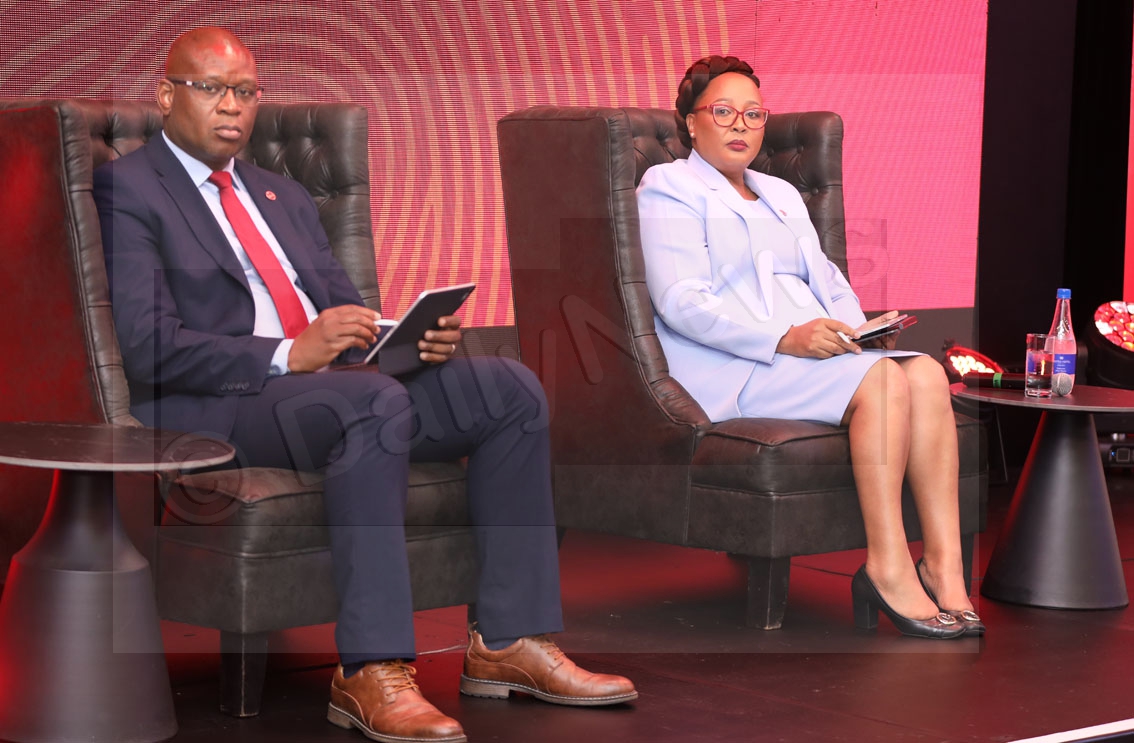
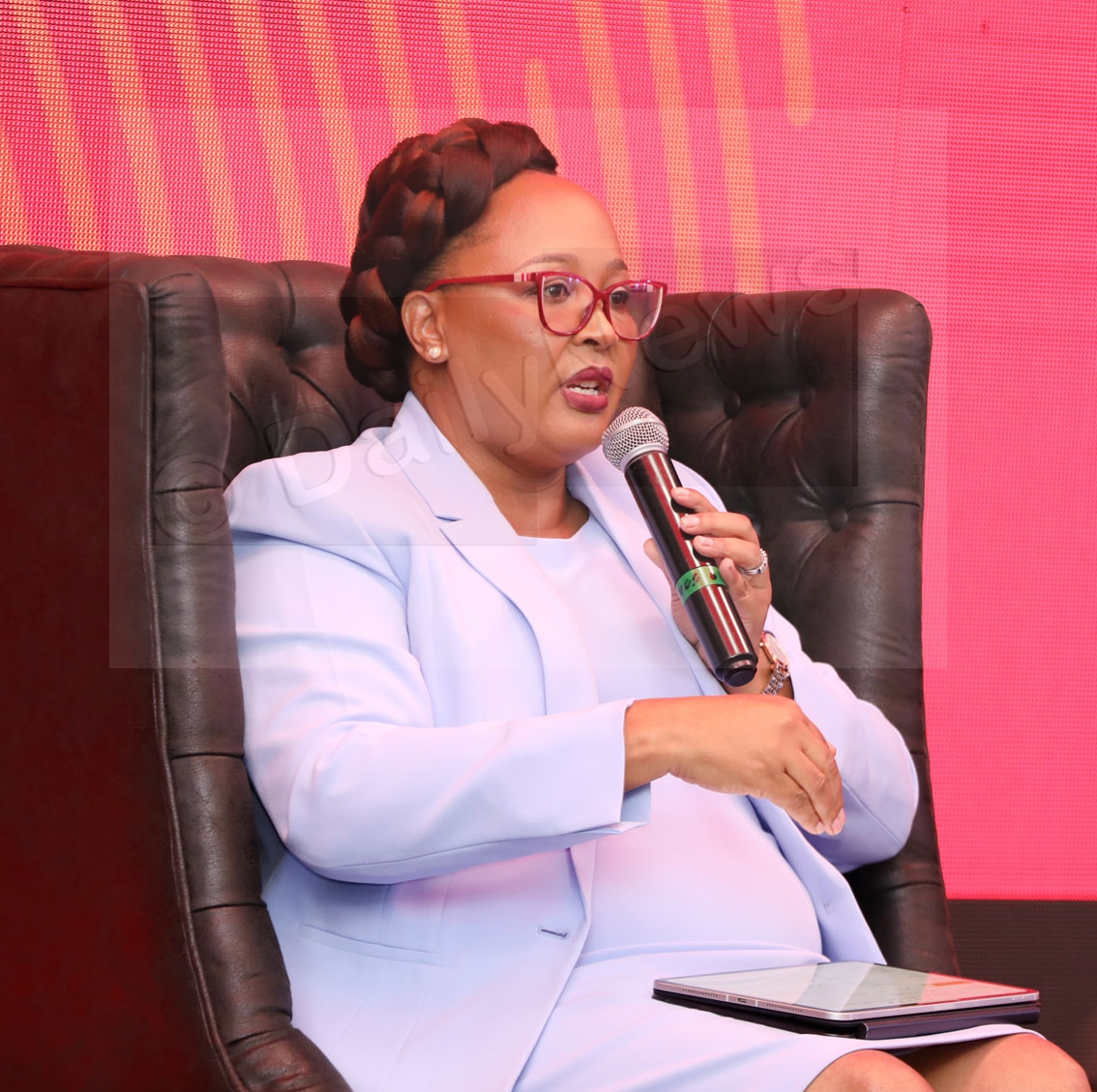
    Absa Bank Botswana Managing Director, Ms Keabetswe Pheko-Moshagane said the performance reflected resilience and discipline in the midst of a dipped and challenged domestic economy.

    Globally, the economic growth remained resilient at around 3.3 per cent, while in sub-Saharan Africa growth remained stable at around 4.1 per cent supported by easing inflation across key sectors.

    However, the environment still remained constrained characterised by high debt levels, fiscal pressures and climate related risks.

    For 2025, the economy contracted by 0.4 per cent caused by weak diamond demand, their lower prices as well competition from lab-grown diamonds.

    The domestic economy remained under-sustained with consecutive contraction across the quarters, however showing a modest recovery in quarter three of 2025.

    This recovery was supported by improved diamond production and early gains in the value addition industries across other sectors.

    In 2025, inflation rose averaging 2.7 per cent, which is slightly below the Bank of Botswana lower end range target of 3-6 percent.

    This was primarily caused by reduced domestic demand by government, lower fuel prices, reduced water and electricity tariffs for the lower income households.

    The contained inflation provided some cushion for households in terms of enabling disposable income for households.

    Despite a challenging environment, the bank has remained profitable, resilient and strategically focused while continuing to invest in technology that will sustain long-term growth.

    On a heavier note, the cost to income ratio of the bank significantly increased to 55.6 percent compared to the previous year.

    This was attributed to the bank’s strategic alignment to notable industry shifts, specifically the heightened forex compliance framework, constrained deposits, investment in cybersecurity as well as cash flow challenges in the commercial and corporate investment segments.

    According to Ms Pheko-Moshagane, the weaker microeconomic environment impacted their business banking and corporate banking segments as customers adopted a more vigilant approach resulting in lower credit demand and lower transaction fees. Business exposed to government experienced delays in payments causing significant cash flow challenges.

    This vulnerability caused the bank to prudently increase impairments in response to a more uncertain credit environment.

    Collectively, all these factors caused a 22 per cent impairment spike compared to the previous year. Furthermore,she said liquidity conditions remained tough, consequently causing prolonged, constrained competition for deposits across the industry resulting in increased pricing and margin compressions.

    This caused a 41 percent increase in their interest expense as a response to the cost of funding.

    The adjustment of the Pula led to currency weaknesses, resulting in an increase to their cost of foreign denominated expenses, which largely are related to technology services. Costs were increased by their priority towards strengthening cyber security and fraud prevention as digital adoption increased across the industry.

    The bank spent on scaling secure digital capabilities to ensure that while they continue to offer banking services, controls are in place to ensure that customers transactions are protected at all times.

  • Christian Community Prepare for Easter

    Christian Community Prepare for Easter

    With Easter weekend fast approaching, churches will gather at designated locations to celebrate the resurrection of Jesus Christ, marking the most significant, highly attended hopeful event of the Christian calendar.

    As it is norm, different church denominations will be engaged in pilgrimages, travelling to various destinations to celebrating the life of Jesus Christ, symbolising victory over sin and death and offering hope for eternal life.

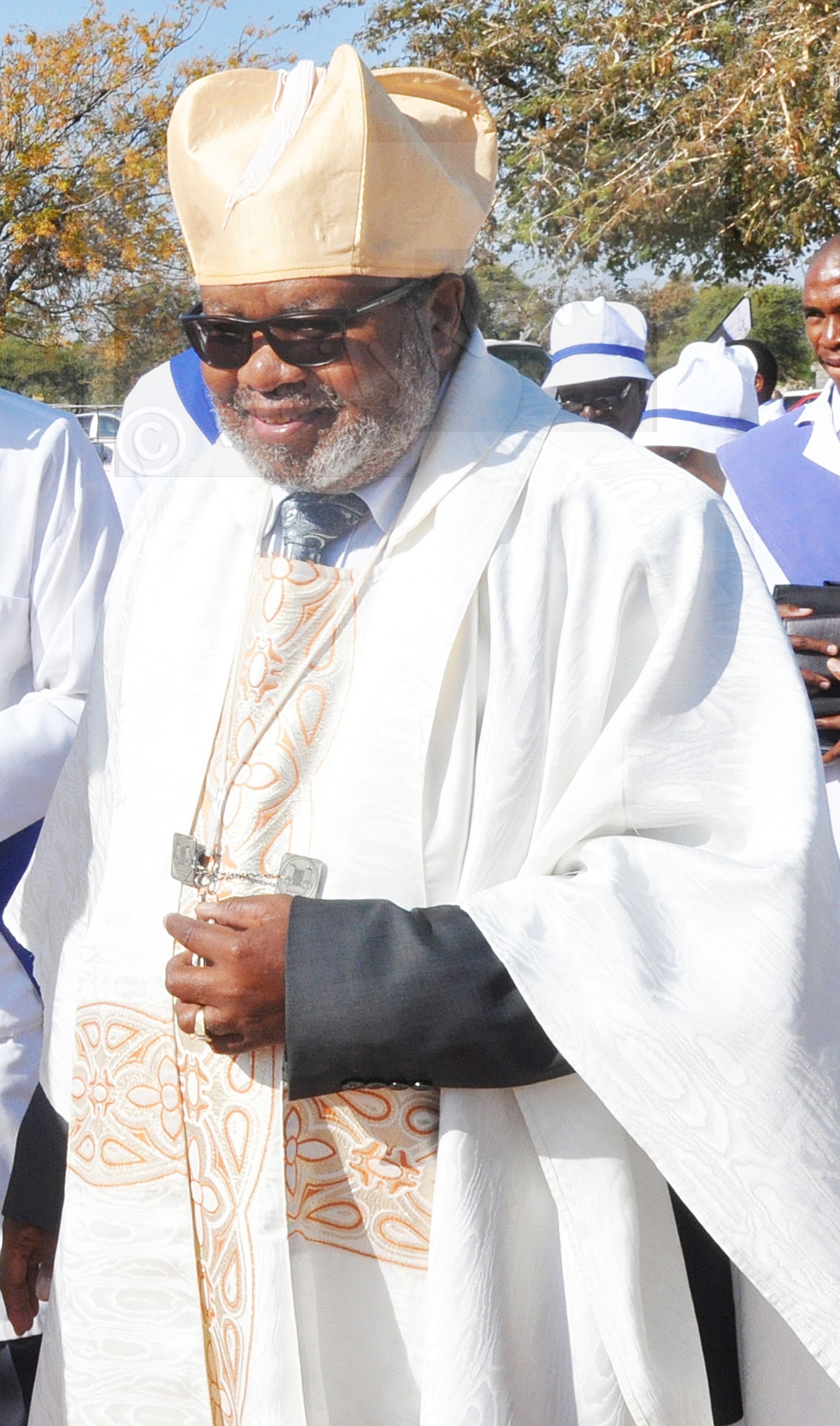
    Hoping to reflect on Jesus’ sacrifice, offer forgiveness and continue with the rest of the year on a clean slate with a renewed relationship with God and hope, Spiritual Healing Church worshipers, led by Bishop Joseph Motswasele will gather at Matsiloje for the profound religious commemoration of devotion in Christ.

    The church’s Secretary General, Reverend Baamogeleng Moteti has indicated that between 3000 and 4000 congregants were expected gather in Matsiloje for the religious holiday.

    Rev. Moteti said as it was always the case, the church was working closely with other concerned stakeholders in preparing for a memorable, safe, healthy and fulfilling Easter holiday.

    Even though the primary focus was on the resurrection of Jesus Christ and following the Christian principles to the core, Rev Moteti said the church was equally concerned by the welfare, safety and health of the congregation, therefore the gathering was equally used as a platform to share impactful messages on among others livelihoods, social ills and health.

    He said the church had been working closely with the Department of Roads and Transport Services (DRTS), preaching safe travel and Arrive Alive message.

    Rev. Moteti appealed to the members of the congregation to remain calm, accordingly plan their travel, exercise care and caution while driving, more so that the road between Francistown and Matsiloje and other roads were not in a good state as they were covered with potholes while others were under construction.

    Despite challenges of among others, shortage of water at Matsiloje, Mr Moteti was without doubt that the congregation would come prepared and the Easter gathering would be successful and memorable.

    “As we gather at Matsiloje we are aware of other societal challenges such as crime and health issues as they always strike unannounced. We have a team of volunteers from the church who will be offering health services to the congregation, while other volunteers will be offering security services. We are well prepared for any eventuality and we are working closely with the village leadership and the police,” he said.

    Rev. Moteti said each year, Bishop Motswasele prepares a special message to share with the congregation. 

    He said in the past, the church had been spreading messages on fighting gender based violence, health for all and other societal challenges.

    Meanwhile, Bishop Keitumetse Moilwa of Evangelical Religious Protestant (ERP) Unity Church said they would gather at Seherelela to celebrate Easter. Bishop Moilwa said the venue for Easter was rotational as the essence was to take the gospel to all corners of the country.

    Bishop Moilwa said it was important to equally use such momentous gatherings to support and revive all branches of the church, and in the same way lure new members into Christianity.

    She said the church was expecting branches from other countries such as Namibia and South Africa to gather at Seherelela.

    “We expect a gathering of not less than 800 Unity Church members,” she said.

    Bishop Moilwa indicated that a few days prior to Easter, the church leader, Archbishop Tshenolo Mautle and some church elders would take an advance trip to the designated location of gathering to engage in prayer that would ensure safety and safe travel for the pilgrimage.

    The Ambassadors Glorious Gospel Church, commonly known as Hand of God will gather at Mocha Lodge in Tshabong.

    Senior Apostle Gideon Mose said it was the promise of Lord that he would bring salvation to the people, therefore the church would gather for Easter holidays as promise that the congregation members would continue serving him and doing as he had instructed.

    Mr Mose said the church activities would start today after the arrival of their leader, Bishop Mbiganyi Philime and members from other branches of the church, followed by choir competitions tomorrow.

    He said the first two days would be spent at the church following which the members would dismiss to continue Easter celebrations with friends and families.

  • Modipane Stages Impressive Comeback

    Modipane Stages Impressive Comeback

    This year’s Miss Botswana 2026 competition had, as all others years before, combined glamour with stiff competition.

    What transpired next as the event reached its climax, was a remarkable comeback story for newly crowned Miss Botswana 2026, Magdeline Modipane.

    The 25 year-old triumphed over 12 other contestants on a competitive night held at Molapo Creative Hub this past week. Her win signifies a classic comeback story defined by perseverance, growth and determination, after falling short of advancing beyond the Top five last year.

    Despite dominating the Majestic Vogue fast-track event, claiming top honours in the Top Model category and placing among the Top five in the Miss People’s Choice fast-track in 2025, her journey fell short at a critical moment in the Q&A segment.

    “I genuinely feel I wasn’t really ready last year,” Modipane explained, “I did not have much experience with other aspects of modeling in general and I did not have a clear direction of what I wanted to do to be honest.” 

    But this time, the queen returned with clear intent, ultimately claiming the crown she had set her sights on.

    “When I heard my name getting called out, I was hit with a lot of emotions. I was overwhelmed. Happy. Nervous. And excited at the same time,” she said.

    For Modipane, family was the first thing that came to mind as she was crowned.

    Born into a close-knit family from Tonota, she is the second of three children. She affirmed that her parents’ strong values of discipline, resilience and compassion helped shape her into the empathetic, nurturing and driven leader she is today.

    “It has not really sunk in for some of them that I am Miss Botswana. At times they call me just to ask if I really am Miss Botswana. So yeah! It’s still surreal,” she said.

    The evening activities had included displays of swimwear followed by an evening gown segment, which Modipane had effortlessly shone through in a sparkly baby blue floor length evening gown.

    Her dress featured a daring thigh-high slit, and a one-shoulder design, accented with intricate lace hugging her single shoulder.

    For most of the contestants, these segments were critical and determined their entry into the Top five.

    However, not so much for Modipane! Having already secured the Miss People’s Choice win and making history as the first contestant to win the award with a staggering one million-plus voting points, Modipane’s remarkable feat guaranteed her an automatic spot in the Top five.

    She would once again face the high-pressure Q&A segment, the very stage that had sealed her fate in a disappointing Top five finish the previous year.

    Reflecting on that moment, Modipane said, focusing less on the outcome and digging her heels in becoming the woman ready for the crown made all the difference in her delivery.

    Dr Brian Monaisa, one of the Miss Botswana 2026 judges, took note of this too. He observed that, Modipane exuded poise while remaining articulate and elegant.

    In his view, if Botswana is seeking the best chance to win Miss World, he believes Modipane is the strongest contender.

    Compared to last year when she had only one fast track win, Modipane had this time around secured two, another being a Best Impression win to add to her list of achievements this year.

    The winning streak stands as testament of Modipane’s overall performance improvement.

    “I was very intentional this year,” Modipane said, “I really worked hard, did a lot of self-introspection. I also took in all the constructive criticism that I got from the previous year and deepened my advocacy work aligned with my Beauty With A Purpose (BWAP) project, Tlhokomelo. I believe that’s what worked for me.”

    She highlighted that she is ready to serve and make a meaningful impact, through her BWAP project, Tlhokomelo.

    The project, she said, addresses issues of child neglect in Botswana using three holistic approaches: awareness and knowledge, the guardianship programme as well as the life skills program.

    “The first approach focuses on educating children about their rights, the second on community and stakeholder engagement in children’s welfare, whereas the last one is centred on equipping special needs children with life skills that ensure independence and self-reliance.” 

    Whether this project will stand out at the 74th Miss World stage next year, or endure beyond the competition, it all remains to be seen. Only time will tell.

    In the mean time, for the new queen, “this all feels surreal and represents years of hard work, resilience and consistency. 

    I am your newly crowned Miss Botswana and I am ready to serve.” 
  • Ntungamili Rises to The Occasion

    Ntungamili Rises to The Occasion

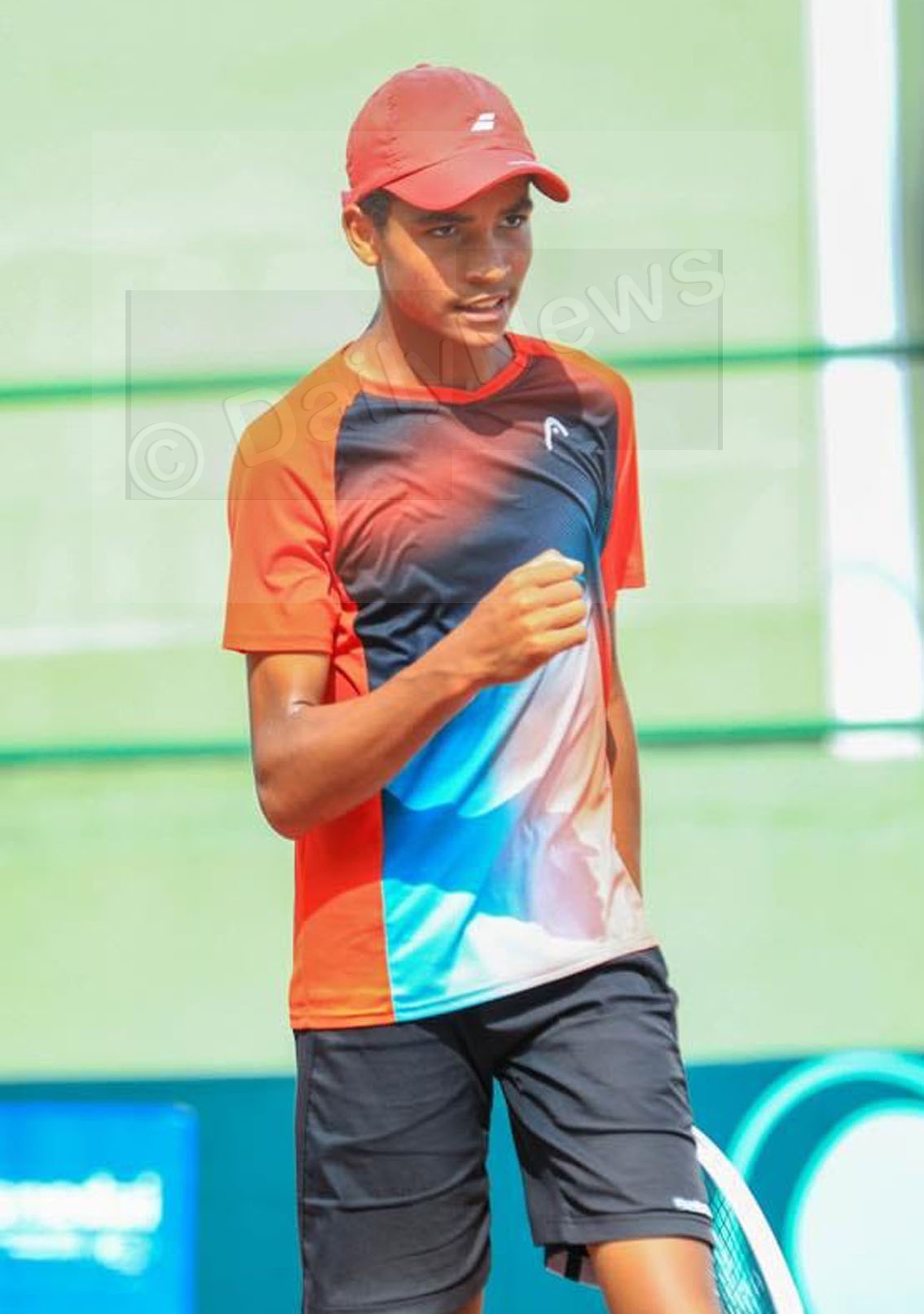
    Refusing to be swallowed up by those of other countries represented at the Africa Junior Championships (U18) in Cairo, Egypt, the Botswana flag swung with grace as Ntungamili Raguin once again engraved his name in Africa Junior Championships in the history books of tennis, stamping his authority by winning silver.Ntungamili, the only Motswana competing, won a silver medal in the boys’ singles after fighting bitterly for 3 and a half hours before narrowly falling to Peter Ogunsakin of Nigeria by 6–1, 6–7 (5), 3–6. In the boys’ doubles, Ntungamili and his partner, Ali Missoum of Tunisia were crowned African Junior Champions after defeating Egypt’s Mohamed Sherif and Mostafa Samih 6–3, 6–3 in the final.Botswana Tennis Association vice president, Nonofo Othusitse said they were happy with the player’s performance.“It is no small feat to reach both finals at a continental Championships as one comes head-to-head with some of the finest players who are also highly ranked,” he said.Othusitse said the two medals represent Ntungamili’s continued growth at international events and also demonstrated the talent that he was.“Not only did he secure the silverware but importantly, he secured critical points needed for his journey as he prepares for the junior Grand Slams.,” he said.He said for the association, Ntungamili’s success was a clear indication that it had a great deal of talent within its ranks.It that regard, he said it was important for them to continue investing in grassroots development and also providing opportunities for players so that they could reach their full potentialOthusitse said Ntungamili would remain in Egypt for three weeks, where he would also take part in the World Tennis Tour Juniors events.He will compete in the ITF J300 from March 30 to April to 3, as well as at the ITF J500 from April 6 to 11“We are obviously having high expectations in terms of him achieving podium finishes at these events. We are also excited for him as he has now advanced to playing these top-tier events in the junior circuit.,” he said.Othusitse said the ITF J200, J300 and J500 tournaments were critical, high-level events for juniors as they transition from junior tennis to elite professional tennis.This, he said was because the events gave players the opportunity to compete against the best international competition.Through such events, players also raise ITF World Tennis ranking points which are key to them ultimately improving their world rankings in order to earn direct qualifications for the main draws of Junior Grand Slams such as the US Open and Wimbledon.“This is indeed an exciting year for Ntungamili, and of course Botswana tennis. We are expecting these performances to drive tennis participation and development. We are expecting more resources toward tennis from all stakeholders so that we do not only sustain Ntungamili’s performances but build a sustainable tennis ecosystem that will produce more Ntungamilis,” he said.

  • Bothasitse and Nowe Steal Show at Sport Awards

    Bothasitse and Nowe Steal Show at Sport Awards

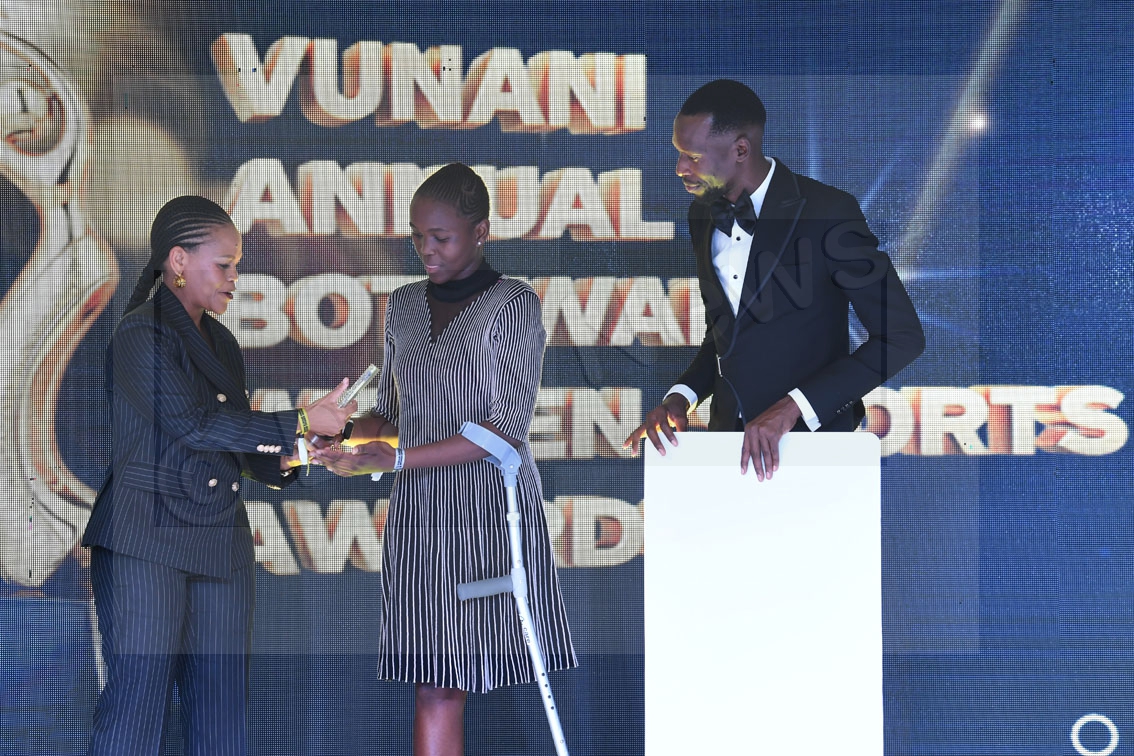
    Tennis star Omphile Bothasitse and Oratile Nowe of athletics were standout winners at the 4th Annual Vunani Botswana Women Sports Awards after being crowned Sportswoman of the Year with Disability and Sports Woman of the Year award respectively.They both walked away with P20,000 each on Friday night.The ceremony, held to celebrate excellence in women’s sport, also honoured athletes, administrators, officials and media professionals across multiple categories.In other awards, Same Mohutsiwa received the Young Promising Athlete award. Grace Mmolai was named Coach of the Year, earning P10,000 for her outstanding work in developing athletes.The Female Team Kata in karate was named Team of the Year, taking home P25,000 for their performance and consistency.In administrative and special recognition categories, Game Mompe was named Administrator of the Year for contributions to cycling, earning P10,000.Molefhi Obenne received the HeForShe Award alongside P5,000 for promoting gender equality in sport.Volunteer of the Year went to Gorata Kokole, who also received P5,000, while Gaone Poane was crowned Umpire of the Year, earning P10,000.The media fraternity was also well represented with Kabelo Dipholo of The Voice Newspaper named Sports Journalist of the Year, while Tiroyaone Keboi of Radio Botswana was recognised in radio and Tshegofatso Malepa of Botswana Television took the television award.Kennedy Ramokone of Mmegi Newspaper was named Photographer of the Year. All media winners received P5,000 each.Speaking at the event, Assistant Minister of Health, Lawrence Ookeditse said women’s sport in Botswana continued to grow, with female athletes increasingly proving their ability to compete and excel on global platforms.He cited international figures such as veteran athlete Amantle Montsho as examples of women who had helped place Botswana firmly on the world-sporting map.Ookeditse however raised concern over the persistent pay gap between male and female athletes, questioning the fairness of unequal pay despite equal effort and performance.He called for urgent reflection and action to close the disparity. He commended sports administrators, parents, athletes, and sponsors such as Vunani for their continued support in developing women’s sport, noting that stronger partnerships were key to increasing investment and rewards for athletes.The assistant minister added that the awards went beyond recognition, serving as a platform for economic empowerment and contributing to the wider creative and service industries involved in sport. The chief executive officer of Inside BW Women Sports, Kesego Kebelaele-Okie, also praised stakeholders for their support, noting that the awards, now in their fourth year, continued to elevate the voices and achievements of women in sport.She said gender inequality remained a challenge and urged corporates to invest more in grassroots programmes for young girls to strengthen future national teams and improve international competitiveness. “The stories of women in sport must continue to be told and celebrated, as they reflect resilience, excellence and determination in the face of challenges,” she said.The event concluded with a strong call for continued investment, collaboration and inclusivity in sport, as stakeholders reaffirmed their commitment to growing women’s sport in Botswana and ensuring greater equality across all levels.

  • NDB Launches StarConnect Loan

    NDB Launches StarConnect Loan

    The National Development Bank (NDB) has announced the launch of the StarConnect Loan, an innovative financing solution designed to make connectivity more accessible and affordable for Batswana.A press release from NDB says the initiative follows a strategic partnership between NDB and Thor International, an authorised reseller of Starlink satellite technology.The collaboration, as per the release, is aimed at narrowing the digital divide by improving access to connectivity and digital opportunities for urban and rural communities across Botswana.Through the StarConnect Loan, the release says the bank will provide tailored financing solutions primarily targeted at individuals within the low-to-middle income bracket, enabling them to acquire Starlink equipment and its connectivity ecosystem at affordable rates.“Equitable access to digital connectivity remains a key driver of economic growth, education, entrepreneurship and social inclusion. By helping bridge the digital divide, the StarConnect Loan is positioned to empower individuals, support small businesses, and unlock opportunities in underserved communities,” states the release.The StarConnect solution, as per the release, also caters to customers who might additionally require complementary solutions such as power solutions, upgrades or professional installation, further enhancing accessibility and usability.Thor International, as the technology partner and solutions provider, the release says, will ensure availability, deployment and ongoing support to StarConnect customers across the country. “Together, NDB and Thor International aim to position themselves as key contributors to Botswana’s digital transformation agenda, supporting government efforts to enhance connectivity, particularly in remote and undeserved areas,” adds the release.The StarConnect Loan, the release says is now available at all NDB branches nationwide.Speaking on the launch, Product Manager at NDB, Ms Katso Keitumetse, highlighted the transformative impact of the initiative.“As a development finance institution, we are always looking at where there is a structural barrier holding people and businesses back. In this case, the barrier is not only affordability, but also accessibility. So what StarConnect does is bring together a full connectivity ecosystem and then NDB comes in with the financing piece to make that ecosystem attainable for clients who may otherwise not have the liquidity to access it upfront. The StarConnect Loan is more than just a financing solution, it is a gateway to opportunities,” she explains.Thor International general manager, Mr Goboletswe Sepapane also emphasised the importance of the collaboration. “Our partnership with NDB represents a shared vision of bridging the digital divide in Botswana. StarConnect is not just about access to the internet, it is about delivering a complete, reliable connectivity experience. By combining financing with technology, power solutions, we are removing complexity and making connectivity accessible to more households and businesses,” he says.

  • Minister Promises Transparency in BCL Inquiry

    Minister Promises Transparency in BCL Inquiry

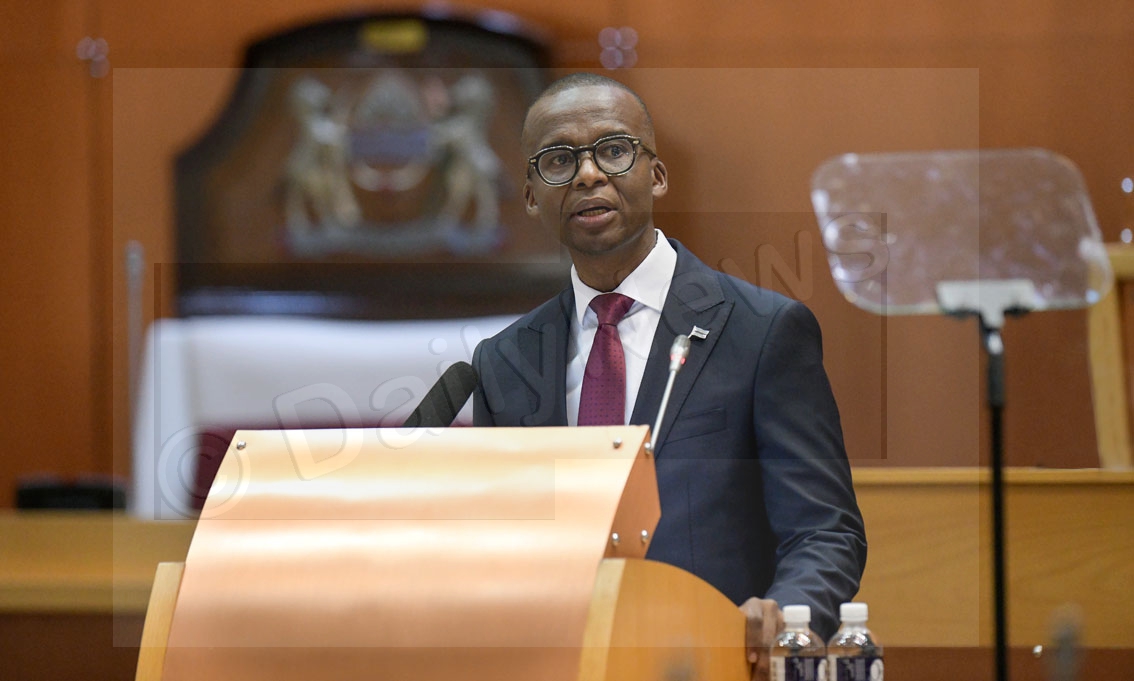
    Minister for State President, Defence and Security, Mr Moeti Mohwasa, says the Presidential Commission of Inquiry into the closure of BCL Limited will operate with full independence, transparency and accountability. Answering a parliamentary question recently, Minister Mohwasa said the commission was established to investigate the circumstances surrounding the liquidation of the copper-nickel mining giant, whose collapse devastated the economy of Selebi-Phikwe and affected thousands of Batswana. He explained that the commissioners were appointed in strict accordance with the provisions of the Commissions of Inquiry Act. He emphasised that great care was taken to select individuals of unassailable integrity with relevant expertise in judicial, administrative, legal, financial and environmental matters and who had no direct or indirect interest in the BCL liquidation. “Appointments were thoroughly vetted for conflicts of interest. The Commission also reflects regional and professional diversity to reinforce public confidence,” the minister said. Mr Mohwasa stated that public sittings would be the default, with proceedings publicly noticed to allow Batswana to follow the process and a complete public record of evidence, submissions and exhibits would be maintained, subject only to lawful redactions for witness protection or national security reasons. He added that witnesses and affected parties would have the right to legal representation and the Commission would operate free from any executive direction or control in its investigations, witness selection or final findings. Mr Mohwasa revealed that the Terms of Reference (ToR) were drafted following rigorous consultations with legal, financial and environmental experts and were reviewed by senior counsel specialising in liquidation law and public inquiries. The expansive ToR, which were published in the Government Gazette for public and parliamentary scrutiny, he said covered the lawfulness of all liquidation actions, conduct of directors and Cabinet members, allegations of corruption, fronting and tender irregularities, environmental disaster risks, as well as asset accounting and possible pilfering. The minister confirmed that the ToR underwent expert legal review to ensure that they were comprehensive and capable of producing actionable recommendations. Mr Mohwasa emphasised that the Commission enjoyed statutory independence under the Commissions of Inquiry Act, granting it the powers of a court of record, including the authority to summon witnesses, compel the production of documents and punish contempt. “The chairperson, retired judge Mr Wallis, brings unquestioned judicial independence to the role. All government departments and public officers have been formally directed to cooperate fully without seeking political guidance. The Terms of Reference explicitly authorise investigation into the actions of former Presidents, Cabinet members and senior officials,” he added. Again, Mr Mohwasa said funding for the Commission would be administered independently by its secretariat, while the total budget was still being finalised due to detailed planning for an inquiry of such scale and complexity and would be made public once completed. “Strong safeguards have also been put in place to protect witnesses from intimidation. The Commission may hold closed sessions, grant anonymity where a reasonable fear of reprisal is demonstrated and refer any interference to law enforcement for prosecution. Witnesses may also receive legal support at the Commission’s discretion,” the minister said. Mr Mohwasa described the Commission as a watershed moment in the nation’s commitment to accountability, transparency and justice. “The people of Selebi-Phikwe and all Batswana deserve answers about what happened to this strategic national asset, who was responsible and what lessons must be learned,” he said. He called on all stakeholders to cooperate fully and set aside partisanship in the national interest. He said the Commission was expected to begin public hearings in the coming weeks. MP for Selebi Phikwe West, Mr Reuben Kaizer, had raised concerns regarding the commission’s composition, operations and protections.

  • Fuel Supply Remains Stable

    Fuel Supply Remains Stable

    Botswana’s petroleum supply and national energy security are currently stable despite sharp increases in global crude oil prices triggered by escalating conflicts in the Middle East. In a recent statement delivered in Parliament, Minister of Minerals and Energy, Ms Bogolo Kenewendo, detailed the impact of geopolitical developments on international fuel markets and outlined the measures that government had taken to safeguard local supplies. 

    Minister Kenewendo said Brent crude oil prices had risen dramatically in recent weeks with average prices having surged 38.1 per cent from US$69.37 per barrel in February 2026 to US$97.23 per barrel by 26 March, 2026. She said daily prices climbed from US$77.74 at the start of March to US$107.81 on March 26, with peaks reaching US$119.50 per barrel on March 9, levels not seen in four years. 

    The minister attributed the spike to attacks on shipping and energy facilities, threats to tanker traffic through the Strait of Hormuz, higher war risk insurance premiums, disrupted maritime routes, elevated freight costs and speculative trading. 

    While some international interventions, such as strategic reserve releases, provided limited relief, she said the overall market remained volatile. She indicated that following the latest update, Botswana’s fuel reserves provided a reasonable buffer.

     She said strategic stocks stood at 10.56 days of consumption, up slightly from 10 days the previous week, while commercial stocks increased to 24.1 days from 20.8 days previously. The total volume of fuel stocks held by importers and wholesalers, she said was 43.5 million litres, comprising 31.5 million litres of diesel and 12 million litres of petrol, a modest decrease from 46.8 million litres. An additional 32.2 million litres, including 12.8 million litres of diesel and 19.4 million litres of petrol, she said were in transit to Botswana. 

    However, she said the figures excluded product held at retail sites. Parliament heard that Botswana Oil Limited alone held 33.1 million litres, consisting of 8.9 million litres of ULP 95 and 24.2 million litres of diesel while government strategic storage capacity currently stood at 62.5 million litres, equivalent to approximately 18.9 days of prevailing national consumption. 

    Ms Kenewendo highlighted ongoing projects to bolster strategic reserves, including the Francistown depot which was being expanded by 60 million litres, while a new strategic storage depot was under construction at Ghanzi with 30 million litres capacity. Upon completion of the two projects, she said national strategic storage would increase to 152.5 million litres, equivalent to 46.2 days of cover. She added that plans were also underway for the Tshele Hills facility with a capacity of 187 million litres, which would ultimately bring the total strategic stock cover to 102 days. 

    To counter potential disruptions, she said government had implemented several proactive steps, including engagement with suppliers and strengthened supply planning, expedited leasing of coastal storage facilities in Mozambique and Namibia to diversify import routes, increasing monthly procurement volumes to build buffer stocks and continuous monitoring of global supply dynamics for early intervention. 

    “These actions aim to enhance resilience against logistical and geopolitical shocks,” she said. 

    The minister noted that the drop in commercial stock volumes partly stemmed from higher international prices, as traders had shifted from contract arrangements to more expensive spot selling, which included additional premiums, which had created financial pressure on local importers.

     She further told Parliament that Botswana imports refined petroleum products and their prices had risen sharply, with Unleaded Petrol 95 (ULP 95) increased by nearly 60 per cent from US$79.70 to US$127.29 per barrel and diesel rose by 91 per cent from US$91.18 to US$173.93 per barrel, while illuminating Paraffin surged by 111 per cent from US$90.97 to US$191.87 per barrel. To protect consumers, she said pump prices had not been increased since the escalations began, adding the National Petroleum Fund (NPF) had been used to cushion the impact.

     However, Ms Kenewendo warned that the fund was no longer in a position to continue absorbing such under-recoveries, meaning that future price adjustments may become necessary. She cautioned that the cost of importing fuel itself could evolve into a security of supply concern if the situation persisted.

     The minister emphasised that government, through the Botswana Energy Regulatory Authority (BERA), continued to monitor international price movements daily. 

    She said while the global outlook remained challenging, current stocks and planned deliveries provided short- to medium-term stability.

     Nonetheless, she said government was committed to safeguarding national energy security. Commenting on the statement, Leader of the Opposition, Mr Dumelang Saleshando, asked the minister to provide Parliament with expected dates for the completion of the Francistown depot expansion. 

    He recalled that the country faced fuel shortages in 2021 due to a regional crisis and noted that Botswana had yet to fully establish adequate strategic reserve depots. 

    Mr Saleshando further inquired whether government would develop an inter-ministerial response to protect citizens from fuel price hikes, warning that increases would affect food prices and taxi fares. 

    He asked if it would not be ideal for government to come up with a coordinated strategy to shield vulnerable sections of the economy and those at the margins from the impact of rising fuel prices.

  • Loan to Secure Delivery of Essential Public Services

    Loan to Secure Delivery of Essential Public Services

    Vice President and Minister of Finance, Mr Ndaba Gaolathe, has tabled the Standard Chartered Bank Botswana Limited Loan Authorisation Bill No. 7 of 2026) in Parliament, seeking a P750 million facility to secure the continued delivery of essential public services. Presenting the Bill recently, Minister Gaolathe emphasised that the loan was a temporary bridge designed to address immediate liquidity challenges and ensure that government obligations, including civil servant salaries and critical infrastructure projects, remained uninterrupted amid a constrained fiscal environment. He said the P750 million facility had been contracted to finance critical budget and related expenditure, including eligible infrastructure projects, as well as to support the financing of fiscal deficits arising from approved budgetary allocations. “In my previous addresses to Parliament, I have indicated that the Ministry of Finance undertakes cash management on a daily basis. This involves closely monitoring the balances in the Government Investment Account (GIA) and making difficult decisions on which obligations can be met at any given time,” he said. He explained that the resources would go directly towards sustaining the functioning of government and honouring existing commitments made to the nation. “This is about ensuring that the essential services upon which citizens rely are not disrupted,” he said. He described the process as more than a routine administrative exercise, but rather a constant balancing act where priorities must be set under constrained conditions. Mr Gaolathe noted that SACU revenues, now the country’s largest source of income, were received only on a quarterly basis. “This means that in between these inflows, government obligations continue to accumulate. Suppliers must be paid, services must be delivered and commitments must be honoured,” he explained. However, he said when SACU revenues were eventually received, they often fell short of the total accumulated obligations. “This recurring cycle places strain not only on government operations but also on businesses and citizens who depend on timely payments. It is precisely this reality that necessitates interventions such as the loan facility being sought,” he said. He added that the facility provided the breathing space the country urgently needed to keep government functioning while continuing to work towards restoring fiscal stability and economic recovery. The minister said the financing arrangement, also from Standard Chartered Bank Botswana Limited, amounts to P750 million, with key terms including a fixed interest rate of 10.7 per cent, a tenure of five years with a 2.5-year grace period, an upfront fee of 1.5 per cent and an interest rate ratchet of 0.5 per cent. He further said the ministry found the terms reasonable and aligned with current market conditions. He highlighted the ratchet provision, which linked the cost of the loan to the country’s credit ratings. “Should the country experience a downgrade, the interest rate would increase by 0.5 percentage points. Conversely, if the country’s credit rating improves, the interest rate would decrease by 0.5 percentage points,” he explained. He said such a feature created direct incentive for maintaining sound economic management, as improvements in the country’s fiscal position and credit rating will translate into lower borrowing costs for government. Mr Gaolathe emphasised that it had never been government’s intention to continuously rely on borrowing. He said the clear and deliberate strategy was to pursue fiscal consolidation with the objective of reducing the structural budget deficit over time. “Borrowing is not our destination, but a temporary bridge,” he stated, adding that the focus remained on restoring balance to the fiscus, strengthening revenue performance and ensuring that future financing was directed primarily toward productive investment and critical infrastructure projects that drove growth and supported economic diversification. “This is about moving the country from survival to sustainability and ultimately prosperity,”he said. Debating the Bill, Nkange MP, Mr Motlhaleemang Moalosi said he was not opposed to it, but was worried that government was not doing enough to collect revenue. Mr Moalosi pointed out gaps in revenue collection efforts, noting that many retail giants still did not provide swiping machines, raising questions about whether they were paying the required taxes. He urged the minister to hold the Botswana Unified Revenue Service (BURS) accountable and ensure that it fully executed its mandate. He cited Ghana, where every business, from micro enterprises to large corporations, paid taxes, with officials conducting regular compliance checks from shop to shop. Mr Moalosi further argued that the leakage in tax collection needed to be tightened to ensure that more money circulated within the country’s economy. He also expressed concern over government’s proposal for additional programmes such as the revised Ipelegeng, which he argued would require more funding at a time when the country faced serious financial challenges. He warned that such programmes could be stalled if the economy did not recover as expected.