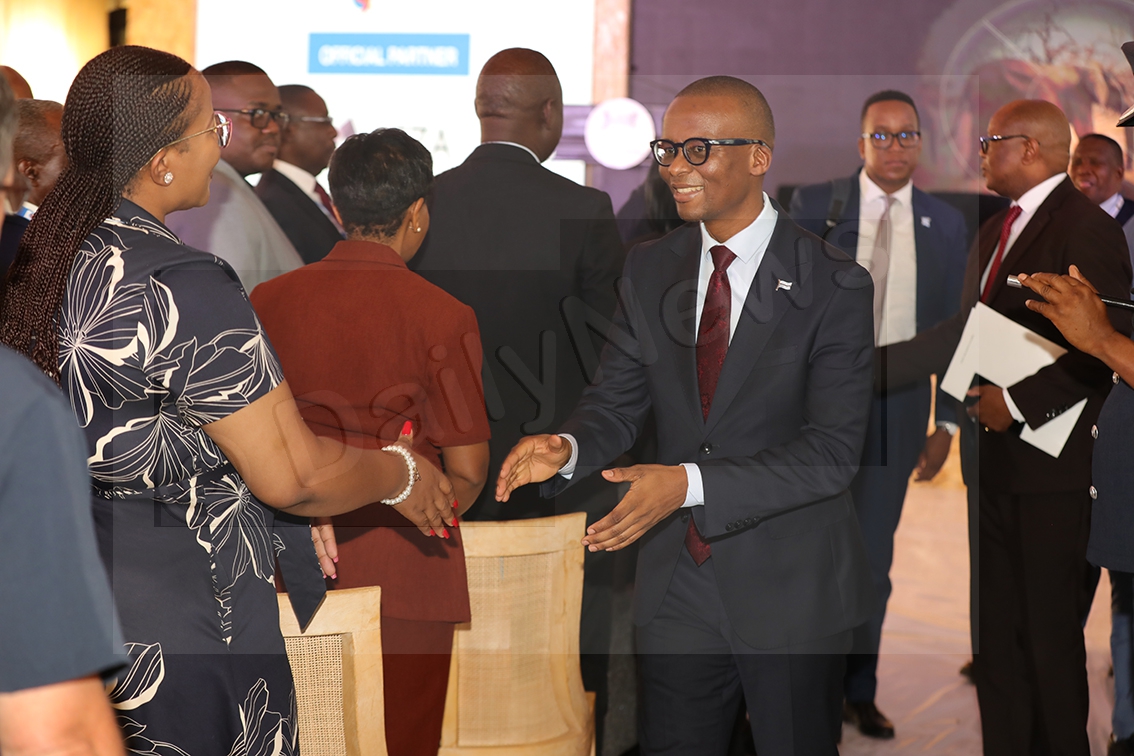
With its unmatched geographical location and seamless cross-border connectivity, Chobe District stands as Southern Africa’s premier tourism and agronomy hub, creating a powerful platform for regional trade and world-class travel.Delivering a keynote address at the Chobe Connect investor conference in Kasane on Monday, Vice President Mr Ndaba Gaolathe stated that Chobe was positioned to house a multi-country tourism and logistics hub due to its seamless connection with Namibia, Zambia and Zimbabwe at a unique quadripoint. He said the theme:Driving Botswana’s Economic Transformation Through Agribusiness, Tourism, Energy and Infrastructure Development,” was fitting for Chobe as a premier destination for sustainable agro- industrial and tourism investment in Southern Africa.He remarked that the Kazungula-Kasane corridor was hailed as the preferred high efficiency trade route for the SADC region, driving economic growth.He underscored that the region was poised for significant economic transformation driven by infrastructure, agri-business and tourism.Mr Gaolathe described Special Economic Zones as a cornerstone of the Botswana Economic Transformation Programme (BETP) to unlock optimum economic growth through targeted industrialisation.Mr Gaolathe said government, through BETP, focused on transitioning Pandamatenga from being a primary grain production hub into becoming a high-value agro-industrial and agro processing and packaging centre.This overarching initiative, he said is aimed to drive economic growth and sustain livelihoods beyond Chobe localities by stimulating value chains.He said Chobe’s endowment with natural resources had sparked discussions amongst investors, industry leaders and financiers at the Chobe Connect 2026 to unlock the district’s potential and align its development vision with potential execution.“We must transition from policy frameworks to productive outcomes in transforming the Chobe region and we remain committed to actively shaping the economy through multi industrial approaches.”Mr Gaolathe indicated that Pandamatenga as an arable agriculture hub was characterised by a blend of commercial and subsistence farming with a total of 96 000 hectares, of which 40 000 hectares was currently under production.The VP said the Chobe-Zambezi Water Transfer Scheme was earmarked to transform Pandamatenga into a regional agricultural powerhouse by providing consistent water supply for irrigation to ensure year-round production.Chobe constituency MP Mr Simasiku Mapulanga advocated for several key development initiatives aimed at diversifying the regional economy.These initiatives, he said, included the need to transition to solar energy to leverage the Chobe’s abundant sunlight and reduce pressure and dependence on BPC grid.Mr Mapulanga supported the cable car initiative within the BETP as a futuristic masterpiece poised to modernise Chobe.Moreover, he emphasised the importance of establishing truck ports in Kazungula to streamline transport logistics and capitalise on the corridor’s strategic traffic.Kasane court president Kgosi Patrick Morwaga abuse highlighted Chobe’s immense potential as a premier tourist destination, noting the diverse array of excursions available to captivate visitors.Kgosi Morwagaabuse invited Chobe Connect 2026 delegates to explore Chobe region and visit all villages from Parakarungu to Pandamatenga to explore investment opportunities.
Author: Daily News
-
A Moment with Seeletso
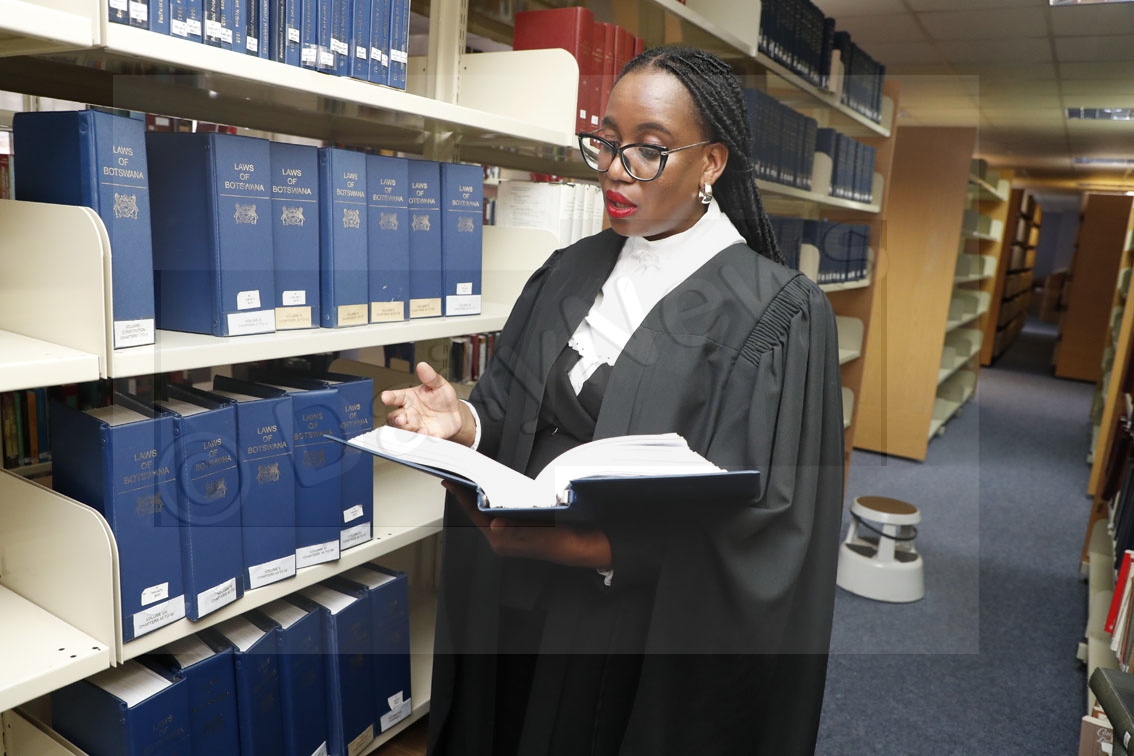
In the heat of the courtroom, where egos clash and justice hangs in the balance, a rising female lawyer is on a mission to fight for the voiceless and seek justice, especially for women and children. Relentless in pursuit, oozing confidence and determined to unravel the darkest of crimes, Ms Seeletso Ookeditse (40) is rising to be a force to be reckoned with in the male-dominated criminal legal landscape.It is her fondness for homicide cases and a heart that beats for the girl child and women’s rights that makes those standing against the poised demeanour taste of her tenacity.Among those is the current Director of Public Prosecutions and her superior, Mr Kgosietsile Ngakayagae, whom they have stood in opposing axis in the courtroom, and her passion and poise were palpable.“She is not an officer of the court, she is a human rights activist,” one senior attorney remarked as she vehemently opposed bail in the State vs Selolwane case, where the accused allegedly assaulted a 13-year-old girl and paid a cover-up to the girl’s mother.Born in Tonota on the outskirts of Francistown in the Senwamadi family, the young Ms Ookeditse grew up thinking of being a teacher, a police officer, or a nurse.But all changed when the Botswana General Certificate of Secondary Education results were released, and something within counselled her to apply for a Bachelor of Laws at the University of Botswana.As she navigated lecture rooms between 2003 and 2009, Ms Ookeditse fell in love with justice and equity, thus perfecting her newfound craft.It was, however, not without challenge as she had to watch her colleagues graduate in 2008, while she had to go back to school for a retake module, and graduate a year later.Two months after completing her studies, she was called by the Directorate of Public Service Management, offering her a position as a State Counsel within the Attorney General’s Chambers, thus being deployed at the Directorate of Public Prosecution was not her initial destiny.“We were told that there was no space in Attorney General Chambers and were to wait at the DPP,” and that wait had been for 17 years now, and she had moved up the ladder to be a Principal Prosecution Counsel and crisscrossing across courtrooms in search of justice.Among those she found at DPP and provided mentorship was the DPP director, Mr Ngakayagae, and deputy director of the Directorate on Corruption and Economic Crime, Mr Thabo Malambane, among others.She dealt mostly in cases against a person, which involved defilement, rape, robbery, and murder.When her unit was disbanded, she found herself under the Sexual Offence Unit and later homicides, which include murder, manslaughter, robbery, and assaults.“I still do rape cases because I was with the Sexual Offence Unit,” she explained.Of all the cases, Ms Ookeditse believes rape victims were misunderstood and were often subjected to social stereotypes and victimised for what had befallen them. “In most cases, people do not believe them, they are doubted, and their credibility is always questioned,” she said.Thus, when faced with such a victim, her tactic is simple. To sit down with the victim to try to understand them, assess the evidence, before presenting it before the court. “As people, there are standards we have set for rape victims. People believe that for you to be raped, you must behave in a certain way. They will ask, why did you not scream? Why do you report late?” Adding that such shows that society lacks understanding of rape. Over the years, she has matured to understand that rape is a demeaning, dehumanising, and traumatic encounter that shatters the victim, sometimes even making it difficult for them to report. The society’s lack of understanding of rape is evidenced by the State versus Goitsekgosi Mojadigo case, in which consent was obtained by deception, and the culprit was sentenced to 20 years’ imprisonment.She has handled cases involving serial rapist Tshepiso Letsididi, who was convicted in Mochudi and Mogoditshane Magistrate’s Court for raping minor children.Ms Ookeditse’s desk is also seized with murder cases, and what motivates her in such cases is that she has to represent the deceased.“When I get a murder case, I know I am the only voice of the victim. It is an opportunity for the victim to tell their story through me,” she said, adding that the more graphic description of the scene, the more aggravating it is to get the accused not to escape punishment.In all her cases, she has devised a strategy to have victims present in court whenever possible and such is to afford them an opportunity to see how she fights on their corners, and the more they come, the more it inspires her to put up a fierce fight.“Some of the victims will even feel sorry for me when the case does not go our way,” she said, which showed how they appreciate the efforts.As for the victims and accused persons, her tactic is to afford them respect but not to fear them, and she will not budge under intimidation.In fact, there is a case in which an accused person wrote to the Director of Public Prosecutions that Ms Ookeditse should not handle her cases, and upon assessment of the request with her superior, it was resolved that the accused had not made any case and does not even have the right to cherry-pick prosecutors.Although there had not been many cases of prosecutors being attacked, she believes more efforts should be made to protect prosecutors.More often, she said she has met with people she prosecuted after having served their sentences, and they would often just greet each other and pass.“The other job of a prosecutor is that you are an officer of the court; it is your duty to ensure that justice is done, to ensure that even accused persons receive a fair trial. We are not persecutors; we are prosecutors,” she said.Noting that their role is also to assist the court to balance the right of the victim and of the accused person, adding that in a poorly adjudicated case, the accused could be freed on appeal, thus the need to strike a balance. In her legal journey, Ms Ookeditse believes cases involving children should be sped up, adding that withdrawal of cases of abuse by women was a grievous concern, as compelling them to give evidence would not yield much.In her opinion, the government should consider having a fund to assist women and children who are victims of crime, so that even if they lose a provider, there would be a fund to assist them.As a mother, wife, daughter, and prosecutor, Ms Ookeditse finds striking a work-life balance key, noting that her family has been supportive. “The rewarding part of my career is seeing justice done, and when it is done for a child and woman, it is the sweetest thing,” she said, cautioning that sometimes the court, the media and judicial officers re-victimise victims.
-
Ramogapi o Itumelela Tswelelopele
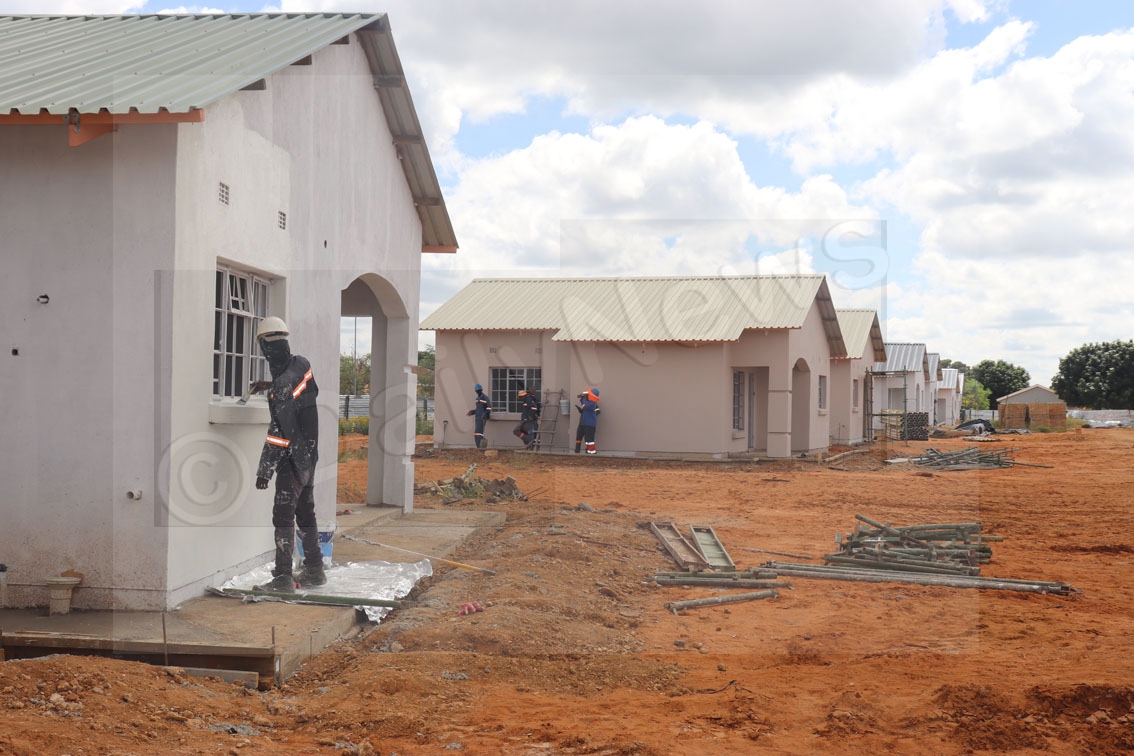
Tona wa metsi le bonno Rre Onneetse Ramogapi a re o itumeletse ka fa tiro ya Bonno National Housing Programme e tsweletseng ka teng mo Palapye. O buile se ka Labotlhano jaaka fa a ne a etetse mafelo a go agiwang matlo a lenaneo le kwa Extension 7 le Extension 11 a go neng ga supega fa mangwe a one a setse a fedile fa a mangwe a le mo dikgatong tse di farologaneng tsa kago.Rre Ramogapi a re ntswa go na le dikgwetlho tse di farologaneng, go na le tema e e bonalang mo lenaneong le. O ne a supa fa puso e ipeetse seelo sa go aga matlo a le 100 000 mo dingwageng tse tlhano, mme maikaelelo a lenaneo le e le go hema letlhoko la boroko jwa bodiredi le bonno jwa Batswana.Ka jalo a re fa go senang dikgwetlho tse di amanang le tsa lefatshe, lenaneo le tsweletse. O ne a supa fa go le botlhokwa gore Batswana ba utlwe dikgang tsa lenaneo le e le tsa boammaruri jaaka fa a tsweletse a lekola a bo a ba neela boammaruri jo bo leng teng.Mo bokopanong jwa gagwe le ba-na-le seabe, Rre Ramogapi o ne a ba kopa gore ba tsholetse dinao gore puso e fitlhelele maikaelelo a yone. O ne a ba kopa gore ba nne le bokopano kgapetsa kgapetsa go lekodisanya dikgang tsa lenaneo gore di tsamaya fa kae.Gape o ne a ba kopa go kopanela dikgang di tshwana le tsa Secure Land Title tse go lebegang e le tsone di dirang gore lenaneo le tsamae ka bonya. A re mo motseng wa Palapye go na le bangwe ba bagwebi ba ba emetseng go simolola dikago tsa lenaneo le mme go na le tiego ntateng ya Secure Land Title, a supa fa ba na le seabe ba tshwanetse ba e tsibogele gore bagwebi ba simolole tiro.Mogolwane kwa Botswana Housing Corporation (BHC) Professor Selina Busang o ne a tlhalosa fa matlo a a tsweletseng kwa mafelong a Extension 7 le 11 a le masome a matlhano le bongwe 51 mme a le mo go 58.7 per cent go fela.O supile fa matlo a a ne a ka bo a setse a le mo karolong e nngwe e e kwa pele ya kago mme a ne a kgorelediwa ke dipula tse di neng tsa na ka bontsi mo Palapye bosheng. A re ka tshwanelo, dikago tse di tshwanetse di bo di weditswe mafelo a kgwedi ya Phukwi e fela. Kgosi Martha Lebang wa Palapye o ne a supa fa a itumeletse matlo a mme se e le nngwe ya ditlhabololo tse di tla a tsosang motse wa Palapye. A re Palapye ke motse o o golang ka lebelo le le kwa godimo ka jalo ga go a tshwanela gore go nne le letlhoko le le tshwanang le la boroko.Kgosi Lebang a re ntswa bangwe ba ne ba na le dipelaelo ka matlo a, o rurifatsa fa a le teng a tsweletse e bile mangwe a one a fedile fa a mangwe a tloga a fela.
-
Govt Seeks to Unlock Private Sector-led Growth
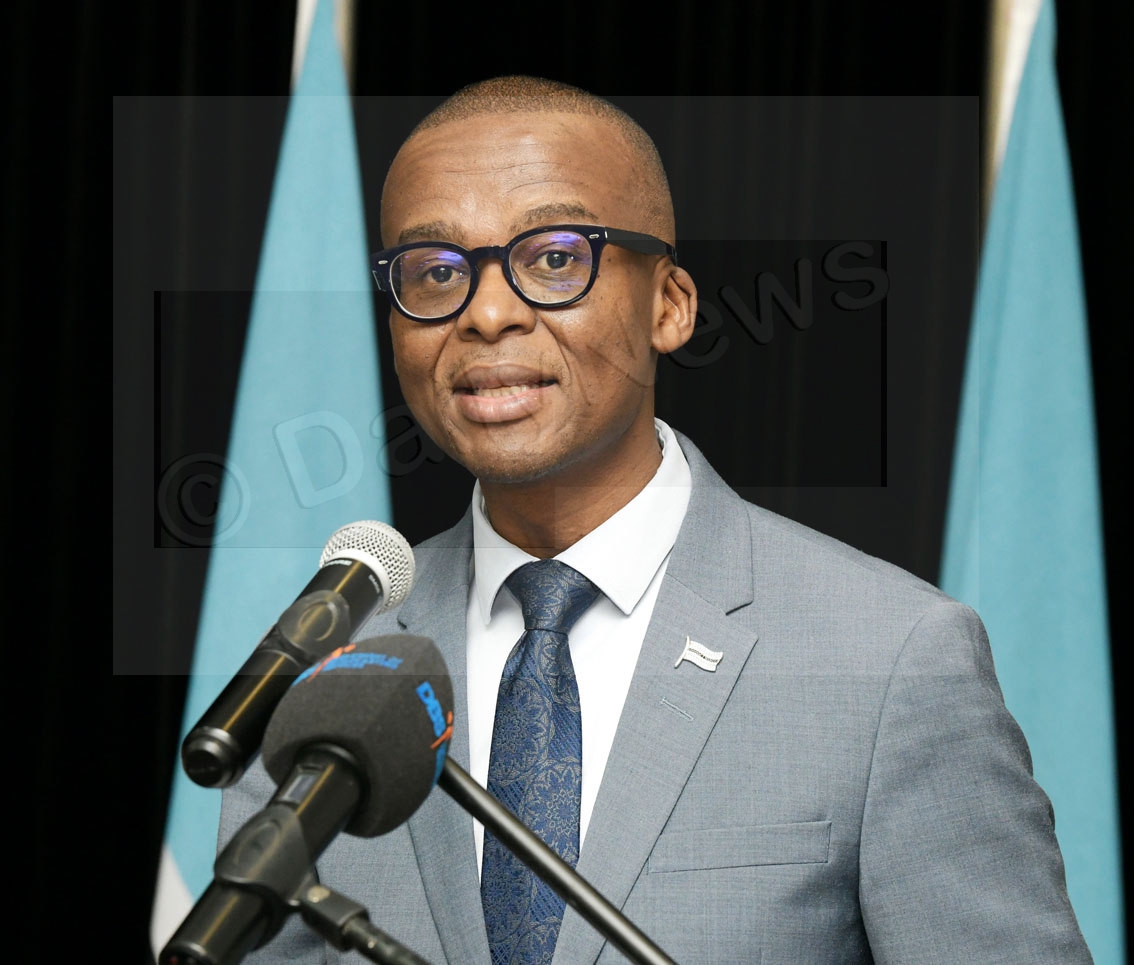
Government is shifting to a new approach to business engagement, prioritising targeted and results-driven dialogue to unlock private sector-led growth and drive economic transformation, Vice President Ndaba Gaolathe has said.
“The intention is to shift from broad, unfocused engagements to targeted, evidence-driven interactions that confront constraints to growth and competitiveness,” he said at the inaugural Presidential Business Roundtable on Friday.
The new approach will ensure each engagement has a clear purpose, measurable outcomes, and a structured mechanism for follow-up, and the National Development Plan (NDP) 12 and the Botswana Economic Transformation Plan (BETP) would serve as the basis for reporting, ensuring every dialogue is anchored on data, measurable progress, and practical constraints requiring attention, Mr Gaolathe said. He said bi-annual meetings would be convened, with the President providing high-level strategic oversight and ensuring reforms remained on course, while quarterly HLCC meetings would be sector-focused, allowing deeper, solution-oriented discussions within each industry.
He said each sector would continue meeting between the bi-annual gatherings, maintaining momentum, monitoring progress, and ensuring issues were resolved in real-time and were not deferred.
“This proposed and strengthened model of engagement represents our commitment to a more agile, responsive, and accountable relationship with the private sector, one that accelerates economic transformation and delivers meaningful results for Batswana,” he said.
The current economic model, in which government identified and drove economic activity, has reached its limits, Mr Gaolathe said, adding that the country must reconfigure its economy to be decisively private sector-led.
He said NDP 12 and BETP assumed their full significance in this context, with the latter serving as a delivery mechanism designed to move from discussion to execution, from ambition to investment, and from intention to results. For a long time, the country has been recognised as strong in policy, planning, and disciplined thinking, but this strength had become a limitation, Mr Gaolathe said.
“We have analysed, refined, and consulted sometimes to the point of delay.”
Through NDP 12 and BETP, the country was forcing reform through execution by identifying and resolving constraints, adding that the shift was economic and structural, with educational reform strengthening TVET to prepare a workforce that can power industries, build enterprises, and compete globally.
He said a private sector-led economy must be supported by a skills-led society.
World Bank country representative, Mr Liang Wang, said generating economic growth and restructuring the economy required productivity and job creation, with the private sector as the main driver.
Mr Wang noted that improving the business environment required sustained engagement between government and the private sector.
The inaugural presidential business roundtable was themed: Towards Economic Transformation: A Private Sector-led Growth Agenda for Botswana.
-
Trust Generates over P20 Million in 2025
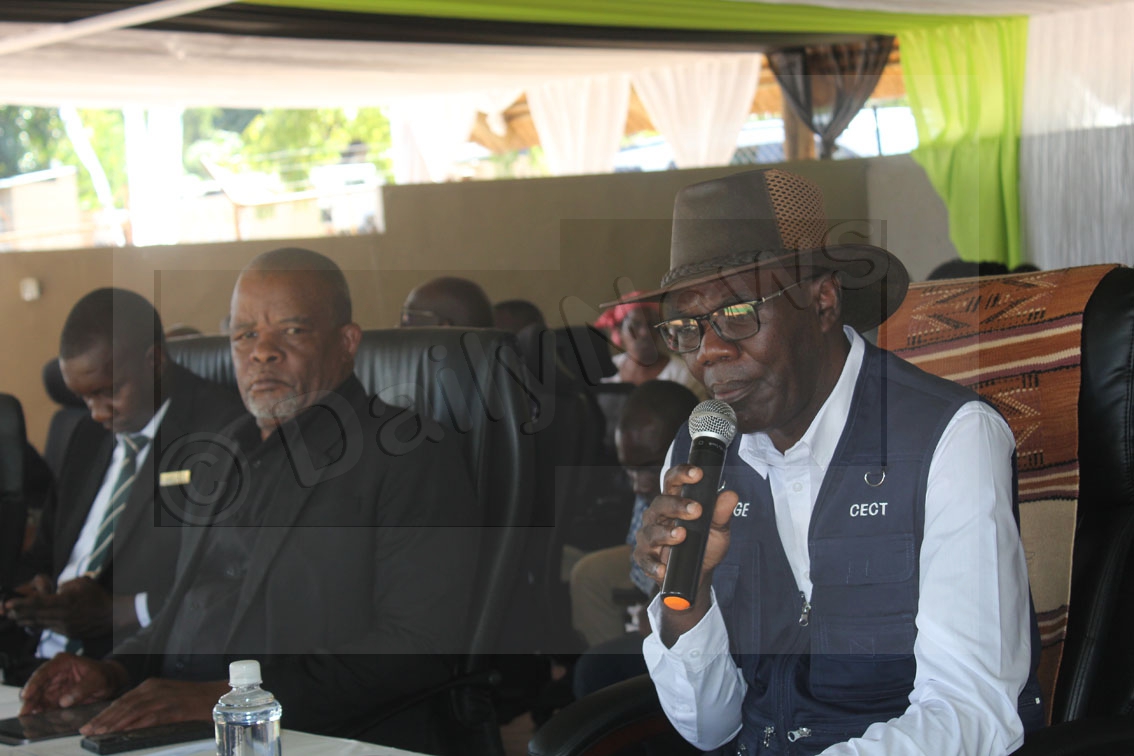
Chobe Enclave Conservation Trust (CECT) has generated a total income of P20. 3 million in 2025 accrued from several key investments and operational avenues.Presenting the manager’s report at the CECT 2025 Annual General Meeting in Kavimba on Saturday, the general manager, Mr Moses Sinchembe said P7.4 million was raised from CH2 hunting quota, P5.1 from CH1 hunting quota, P4.1 from Linyanti Bush camps, P2.4 million from Ngoma Lodge and the rest from tractors, general dealer and brick moulding businesses.Mr Sinchembe said of the total income generated, P10.5 million would be allocated to the community of which each village being Mabele, Kavimba, Kachikau, Satau and Parakarungu would each get P2.1 million.He stated that each village contributed P300 000 to make a total of P1.5 million toward Liswaani Junior Secondary School for maintenance of 12 hostel blocks.Mr Sinchembe said every village undertook projects financed through the CECT income as per their respective needs and priorities.Giving a keynote address, Chobe District Commissioner, Mr Tshepo Mophuting said CECT amassed over three decades of history as a model of natural resources conservation. This antecedent, he said had positioned CECT into a globally recognised standard for natural resource conservation becoming a benchmark admired by conservationists worldwide.Mr Mophuting noted that the Botswana Economic Transformation Programme (BETP) had fuelled growth and expanded opportunities for citizens, hence encouraged organisations like CECT to take the lead in exploring new investment ventures.He thanked the forefathers for championing community-led conservation through Community Based Natural Resources Management (CBNRNM) initiative. He noted that local communities understood their resources best hence they were uniquely positioned to manage and benefit from their own natural resources.Kgosi Lawrence Liswaani Sinvula III said CECT’s success was a testament that unity could achieve greatness. He said the trust was a gift from their forefathers who had championed CBNRM together with government with dikgosi at the centre of the initiative, advocating for resources to be conserved by communities so that the same communities would benefit from the resources.“It is imperative that we carry, nurture this legacy and build as beneficiaries of CECT so that we optimally gain from the strong economic avenues in our enclave,” he said.
-

Venting sessions Gain Popularity
Venting sessions are slowly gaining popularity in Botswana. The sessions usually give individuals a platform to express their bottled-up emotions, be it stress or frustrations, aiming for relief.In Botswana, 30-year-old Thompho Gadimang is championing the idea through her organisation, Majestic Honor Foundation that deals with mental health in general.Registered in August 2025, the foundation provides venting sessions, counseling and psychotherapy.Majestic Honor Foundation has so far carried out venting sessions in Maun, Kasane, Francistown and Gaborone.These sessions are an entirely a new initiative in Botswana and Africa as a whole. As such, many people are not yet aware of them,” she said in an interview.However, she said those who had the opportunity to attend had given a positive feedback, pressing the need for more sessions.Her handle/username known as Majestic Honor on Facebook also has an engagement of one thousand to two thousand reactions and more than five hundred comments on each post shared on a daily basis which convey the need for these sessions.Gadimang had been strategic on how to go about her sessions, noting that that many people shied away from being labeled according to their experiences and what they were going through.She has therefore, opted to use masks for participants to hide their face for anonymity.“I want everyone to feel safe to express themselves without criticism, being ridiculed or judged to what society may consider as misfortunes. I came up with this concept of them being under the masks,” she said.Even though she is currently facing financial constraints, Gadimang continues to inspire and uplift lives, turning challenges into opportunities for positive impact.“There were moments I wanted to give up. But even in those moments, I knew if I survive this, I will make sure no other person has to suffer in silence again. Majestic Honor Foundation was born from that promise, she said.Gadimang is an experienced moral education, guidance & counselling teacher with Diploma in Secondary Education from Molepolole College of Education. She is currently pursuing her degree in Psychology.Drawing from her personal journey, she said Majestic Honor Foundation served as a place of refuge, healing, and transformation for many others.
-

Mophato Dance Theatre Raises Awareness on GBV
Mophato Dance Theatre women bared it all on Friday night in a performance that aimed to raise awareness on gender-based violence (GBV) through theatre.THARI, a theatre production that seeks to raise awareness about violence against women, opened on Thursday at UB Old Student Centre; returning after six years, with fresh creations and new faces. Conceptualised and directed by the revered Andrew Kola, THARI gives the audience a powerful storytelling with suggestive yet haunting choreography by Kalima ‘Lima’ Mipata. The poetic multi-award-winning author Lame Pusetso perfected the production with her rhythmical creative poet expertise.Introducing a multi-talented creative, Lentle Baitshoki who portrays a brutally raped woman and the perpetrator played by Dampi Mothupi, all of them crafted a contemporary dance theatre production that represented the fear that women face and strength that is a woman.Using monologues and live dance performances, the 90-minute production highlighted the resilience of women and promoted solidarity and healing. THARI went beyond and encompassed mental fortitude, nurturing qualities and the courage to bounce back after setbacks.In an interview with Kola, he said they refreshed the production to commemorate International Women’s Day. “We had to revive it, and give our audience a fresh production after six years. The music is also different, we only have two songs from the previous production, the rest is new material,” said Kola.On the multi-talented creative Baitshoki, Kola said he discovered her from TikTok and introduced her to theatre. “I did not anticipate that she will love it, but she does and is a very powerful performer who is going far with her craft,” said Kola who also hinted the return of PULA: The Musical.
-

Curtain Falls on Botswana Theatre Genius
A funeral date for Gabriel ‘Phunya’ Modise, who passed on at the age of 44 is yet to be determined.This is according to family spokesperson, Oduetse Mphahudi, who also stated that Modise would be buried in Gaborone.His memorial service is scheduled for the Amphitheatre, Mass Media Complex at 2pm, with a themed dress code of white sneakers and headgear.A Matsiloje native, Modise was celebrated in the theatre space, a theatre director who served as an artistic director at Tsoga Africa Theatre Works.He was known for his passion and determination in shaping stories that would live on for generations.His contribution to the arts was remarkable and impactful, earning him a reputation as a true icon in Botswana’s creative community. Modise was dedicated to creating a theatre industry in Botswana that promoted employment and addressed national concerns.He directed notable productions among them, The Briefcase, which aimed to break down the complexities of the national budget speech and focused on social welfare issues affecting Batswana. Besides The Briefcase, he is also credited for The Rising Son, a play depicting the struggles of growing up in Botswana since 1966 and the challenges faced by African men. His other play, Border Lines, showcases the life of tribes along the Botswana-South Africa border, focusing on two brothers separated by the border.The multi-talented Modise was a poetic storyteller whom some would remember in the award-winning Broadway production PULA: The Musical, where his narration of the play captivated audiences across the globe.He was also a television presenter, renowned traditional song and dance artist and a soloist. Modise died March 28 after a short illness.
-
Mabutswapele a Tlhalosa Thotse
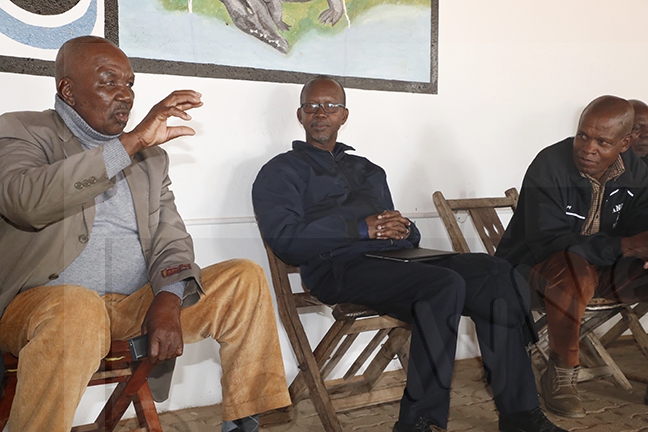
Thulaganyo ya go ja thotse e ne e rotloetsa boikgapho le maitsholo a mantle mo lenyalong, mme malwapa a ne a aparetswe ke ledula ka ntlha ya yone.Ene yare ka Mosupologo, babega dikgang ba BOPA ba tsaya loeto go ya kwa Molapowabojang kwa ba fitlhetseng matlhogotshweu a ba emetse go arogana le bone dikitso dingwe tsa setso. Ya re go goroga, Kgosi Kedirile Letshabo a bo a phuthile mabutswapele aa amuleng kitso ka molemo wa setso o o bidiwang thotse.Thotse ke pinagare ya tsamaiso e e botlhokwa ya ngwao, e maikaelelo a yone e leng go dibela lenyalo ka go tswalela ntle metsenelela epe e e ka eletsang go tlhagela ka fa teng ga lelwapa. Rre Rex Masegwana o ne a tlhalosa fa bogologolo e ne e re fa moeka a le kwa a leng teng, a batle molemo wa thotse, e re fela fa a lebile lelwapa a o goge mme a simologelwe ke go ethimola.E re ntswa ba ba kwa lwapeng, e bong mosadi le bana ba sa goga molemo oo, ba tlaa bo le bone ba simologelwa ke go ethimola. Se, se ne se lemogwa e le sesupo sa fa tsotlhe di apere tshiamo mo lwapeng.Go ya ka Rre Masegwana, go fapoga ga mongwe wa banyalani ba ba tshwaragantsweng ka thotse go ne go nale ditlamorago tse di maswe, di akaretsa go baka bolwetse le lone leso tota fa yo o amegileng a ka seke a bone thuso e e maleba. A re ditlamorago tse di ne di ka ama botlhe mo lwapeng go akarediwa le bana.Go re thotse e anamela jang kwa baneng ke masaitsiweng, mme Rre Masegwana a re fela fa mongwe wa banyalani a ka iphitlha, e nna gone jaaka bolwetse bo tsene ka lelwapa, mme a bolela fa bo ne bo itshupa ka dikai tse di tshwanang le tsa mhikela.Go ya ka Mme Boitumelo Ntoko, go loma kana go ja thotse, mo e leng ngwao ya merafe e akaretsa Bakwena le Bangwaketse, e ne e le thulaganyo e e faphegileng ya go tsenya banyalani mo lwapeng la bone le lesha morago ga go nyalana.A re ka thulaganyo e, ngwetsi e ne e gorosediwa kwa ga matsale, kwa e tlaa reng morago ga wa rre a sena go agela mosadi wa gagwe, bobedi jo, bo ye go tsenngwa kwa lwapeng la bone ke ngaka a dirisa thotse. Mme Ntoko o tlhalosa gore fa go dirilwe jaana, mosadi o ne a sa tshwanela gore e re le fa e le ka tsatsi lepe, a tsenye monna ope mo lwapeng ka go dira jalo, go ne go ka baka ditlamorago tse di botlhoko.A re go ja thotse e ne le sekai sa tebelopele e bagolo ba maloba ba neng ba nale yone tebang le gore go ka dirwa jang gore manyalo a itshetlele. A re thulaganyo e, e ne e rotloetsa boikgapho le maitsholo a mantle mo lenyalong, mme malwapa a ne a aparetswe ke ledula ka ntlha ya yone.Kgosana, Rre Odirile Pema ene a re ka ngwao ya Sengwaketse, thotse e ne e dirisiwa go thaya lelwapa le lesha la banyalani, a tlhalosa fa wa rre a ne a sa tshwanela go aga pele a gorosa, ka jaana bobedi jo bo ne bo tshwanela go tsena mo lwapeng le lesha mmogo ka thulaganyo ya tiriso ya thotse.“E a bolaya, ga e ome,” go tlhagisa Rre Pema, a gatelela kgang ya borai jwa go sa obamela melawana ya thotse.A re ditlamorago tsa go tlola molawana wa go ikgapha di ila rre, mme le ngwana. A re fa rre kana mme yo o fetileng ka thulaganyo e a ka tsietsa, o kgona go kubugelwa ke tlhogo e e ka kgaupetsang botshelo jwa gagweRre Masegwana o ne a koma ka tlhogo, a dumalana le ka fa borai jwa thotse bo kaiwang ka teng jaaka Rre Pema a ne a supa fa e kgona go tlhasela bana lwapa a bo le tswalwe ka letlhaku. Go ethimola mo go bolelwang go tlhasela ba ba amegang go kailwe e a bo e le jaaka molemo wa thotse o phatlalatsa loso le le neng le ka diragala fa ope wa banyalani a ne a ka bo a fapogile tsela.Thotse ke eng ebile e jewa ke bomang?Lebutswapele Mme Gaahele Dikoloti ene o ne a simolola fela ka go gatelela fa thotse e ka baka bolwetse jo bo ka bakelang motho loso. Ka boripana, Mme Dikoloti o tlhalositse fa go ja thotse e le thulaganyo a banyalani ba basha ba tlhakanelang dikobo go dirisiwa ditlhare tsa setso, go dira jalo e le jaaka ba tshwaraganngwa mo nyalong ya bone.A re morago ga tshwaragano eno ya ntlha, thotse e ya go tswelela e jewa ke banyalani ka tsatsi la ntlha la ngwaga mongwe le mongwe, thulaganyo e a supileng fa e dirwa fela ke bao ba manyalo a bone e thaetsweng mo tsamaisong eo. E re ntswa ngwaga di ile, le puo e setse e nna bonya, Mme Dikoloti ga a gakwe ke sepe fa a tlhalosa ka borai jwa go tlhoka go ilela thotse.A re mo lwapeng la gagwe o setse a kile a bona ditlamorago tsa thotse ka matlho fa e ne e beile mongwe fa fatshe e mo khinne maoto morago ga go tlhoka go ikilela. A re le fa kwa tshimologong a ne a nna kgatlhanong le gore botlhe ba ba mo lwapeng ba gogisiwe molemo go thusa yo o mo pitlaganong, o ne a busa pelo morago ga go lemotshiwa fa go sa direng se se tshwanetseng go ka bakela yo o kubugetsweng ke bolwetse loso.“Go tloga ka tsatsi leo ka bona gore thotse e bosula e bile e a bolaya,” ga bua Mme Dikoloti.Monana, Rre Tuelo Kgomoyarona a re ka motho a sa itsiwe e se naga, thulaganyo go ya ka batlapele e ne e le gore fa wa rre a goroga a tswa makgoeng, a gorogele kwa ga mmaagwe, pele mme e re a le koo, go batliwe ngaka go ya go mo gorosa kwa lwapeng la gagwe.A re go bolelwa fa se, se ne se direlwa gore ngaka e kgone go tima epe melelo e e ka nnang teng pele ga ditlamorago tsa thotse di ka runya. Baitse ba dilo tsa pele ba, ba supile fa bagolo ba ne ba kgona go lemoga fa mpuru a faretswe, mme go batliwe ngaka ya setso go tla go thusa. Ba re fa thotse e ka se lemogiwe di tloga, e kgona go iphetola thibamo.Kgosi Letshabo a re go ya ka tumelo ya gagwe, thotse e ne e direlwa gore go seka ga nna le go tsietsana. E re ntswa thulaganyo ya thotse e sa tlhole e le teng, ba dumalane ka bongwe jwa pelo matlhogopuswa gore fa ngwao e e ka boelwa, tsotlhe di ka apara tshiamo.Ba dumela gore le dintsho tse di bakwang ke go tsietsana tse mo nakong eno di kekelang jaaka molelo wa mariga di ka ema.
-
Mpatlise App to Revitalise Agriculture
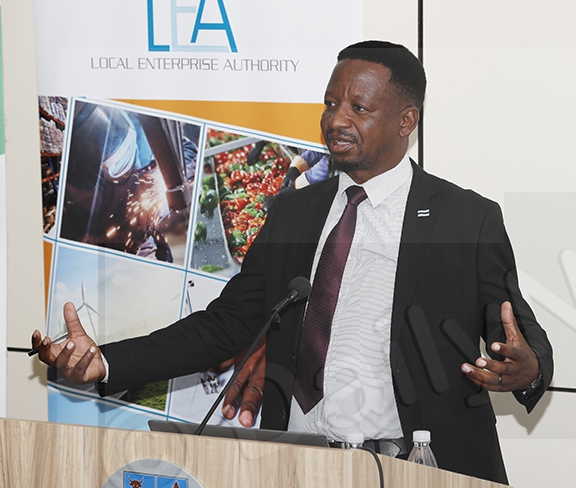
The launch of the revamped Mpatlise Application signals a step in advancing Botswana’s digital transformation and revitalising the agricultural sector.It also reflects Botswana’s commitment to use technology, to modernise agriculture. Launched in Gaborone on March 24 under the theme: Shaping the Future of Botswana’s Agriculture through Digital Innovation, Assistant Minister of Trade and Entrepreneurship, Mr Baratiwa Mathoothe, said the theme represented an urgent call to action.He said agriculture had long supported livelihoods and food security in Botswana, though the sector had not reached its full potential and had declined in its contribution to GDP. Mr Mathoothe highlighted ongoing challenges including fragmented markets, limited access to reliable information, inefficiencies across the value chain and barriers facing smallholder farmers.“These are national challenges that require urgent solutions,” he said, adding that the future of agriculture was in technology, entrepreneurship, market access and supportive policies.He noted that government was driving a digital transformation agenda to boost productivity, create jobs and position Botswana as an innovation-driven economy. Mpatlise Application plays a central role in this effort, as it offers a digital marketplace connecting farmers to buyers, and provides access to services such as agro-processing, veterinary care and transport as well supports coordination of agricultural activities.“The platform also delivers data and analytics to improve decision-making and efficiency in agricultural trade,” he said.Developed by Gradeware Solutions, the app was praised for connecting stakeholders across the agricultural value chain. Mr Mathoothe said such homegrown innovations were essential for building a strong digital economy and empowering local entrepreneurs.He reaffirmed government’s commitment to supporting startups, strengthening digital skills, and improving access to markets and finance. He also called on private sector partners to invest in digital agriculture and help scale solutions like Mpatlise.The platform is expected to formalise informal markets, improve price transparency, and expand opportunities for women and youth. Mr Mathoothe therefore urged farmers and young entrepreneurs to adopt the technology to grow their businesses and improve efficiency.“Technology alone is not enough, its success depends on adoption,” he said.He added that the relaunch marked the beginning of a broader push toward a digitally enabled agricultural sector, with future integration of technologies such as drones and smart systems. The unveiling of the app, signals a new chapter for Botswana’s agriculture driven by innovation, inclusion and sustainability.