Author: Daily News

  • Women Find Strength in Fashion

    Women Find Strength in Fashion

    Women have long been known for their love of dressing up, a trait often dismissed as vanity but increasingly recognised as a quiet expression of strength.

    Through colour, fabric and style, women communicate who they are before they even speak and what may seem like a simple daily routine for many, women take it as a deliberate act of self-definition.

    Getting dressed becomes a way of preparing not just for the day, but for the many roles women are expected to fulfil.

    It is within this context that the recent dress-up campaign by the Department of Gender Affairs finds meaning beyond its two-day run.

    While positioned as a celebration of confidence, the campaign also highlighted how personal style can shape how women see themselves and how they are seen by others.

    Gender Affairs Officer at the Department of Gender Affairs in Maun, Abaleng Khombani, said the initiative was aimed at recognising an important aspect of women’s lives.

    “The idea of a dress-up campaign was brought up as a way of highlighting the one aspect in women’s lives that sets them apart,” she said. 

    She added that fashion should not be reduced to appearance alone, but understood as part of how women expressed confidence and individuality.

    Khombani said dressing was increasingly becoming less about meeting expectations and more about taking control of one’s image.

    For Ditiro Mathula, dressing up has become a personal source of confidence rather than pressure.

    “I used to worry about being overdressed or underdressed, but now I dress for myself, and it gives me confidence to face the day,” she said.

    She said balancing work and family responsibilities required mental preparation, and dressing well had become part of that process. Beyond style, however, women’s strength continues to be measured in the roles they carry each day.Kgosi Catherine Matlhare of Old Disana said women must rise above societal expectations and embrace their role as pillars of their families and communities.

    “Women must walk with their heads held high, not just in how they look, but in how they stand up for their children,” she said.

    She called on women to remain vigilant and protect the next generation, particularly in the face of increasing cases of substance abuse among young people.

    Kgosi Matlhare said the responsibility to guide and protect children rests strongly within families and communities.

    Across society, women continue to carry multiple roles as mothers, sisters, wives and providers and in these roles, fashion becomes more than style, it becomes part of how women prepare themselves to meet the demands of daily life.

    Director at Women Against Rape (WAR), Peggy Ramaphane said women played a central role in shaping communities and guiding future generations.

    She said although women faced different challenges, they continued to lead with resilience and influence the direction of society.

    Ramaphane emphasised the importance of recognising women as equal contributors and key drivers of development.

    In a world that often focuses on how women look, their true strength lies in what they carry and how they show up each day.

    In that balance between style and substance, many women are proving that dressing up is not just about looking good, but about standing strong.
  • Phane Harvesters Flock Mmatshumu Outskirts

    Phane Harvesters Flock Mmatshumu Outskirts

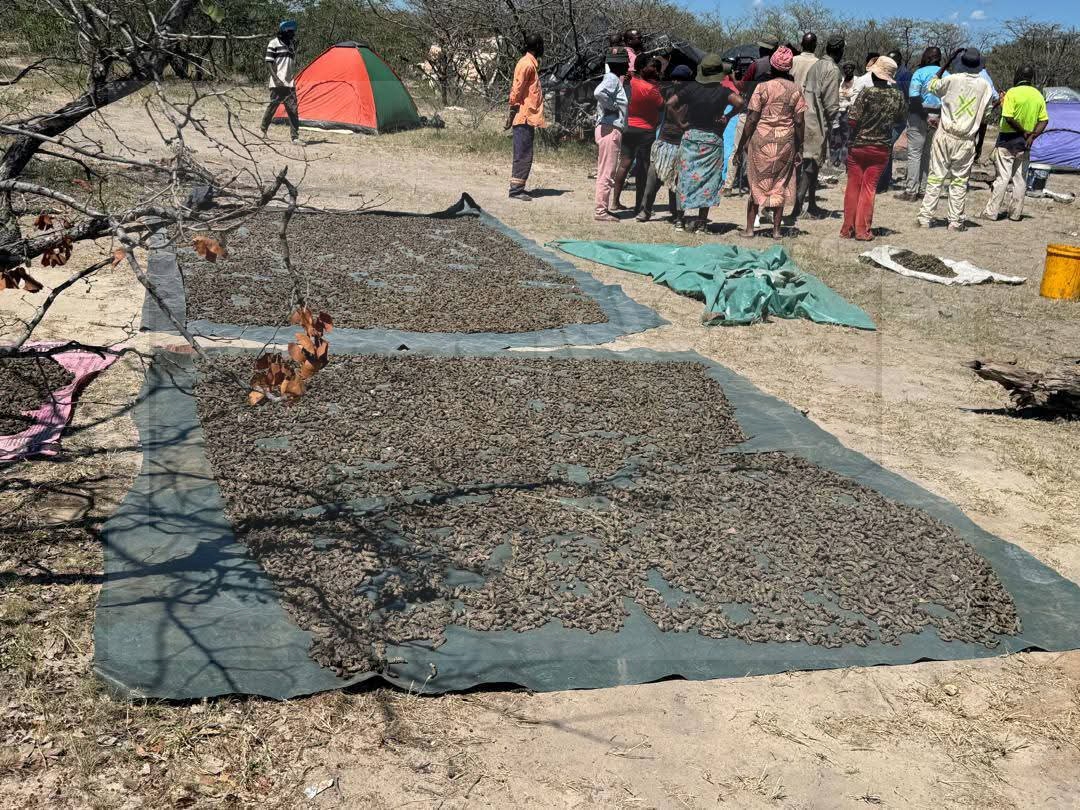
    Mmatshumo area is experiencing an influx of phane worm harvesters, prompting authorities to visit the area to appreciate the situation and ensure compliance as per the requirements of the Department of Forestry and range Resources. Boteti District Commissioner, Mr Ewetse Selelo urged the harvesters to maintain hygiene and avoiding over-harvesting to preserve the worms for future seasons. He also encouraged them to acquire permits with the permits ranging from P5 for harvesters and P115 for dealers whilst exports permit costs P2200. Senior forest and range resources officer, Mr Onalenna Manene encouraged all the harvesters to acquire permits, adding that the permit was not only meant for harvesting, but also for record keeping as it entailed contact numbers, names and place of residence, the information he said could help in instances of emergency. 

  • High Public Transport Fees Not Sanctioned by Govt.

    High Public Transport Fees Not Sanctioned by Govt.

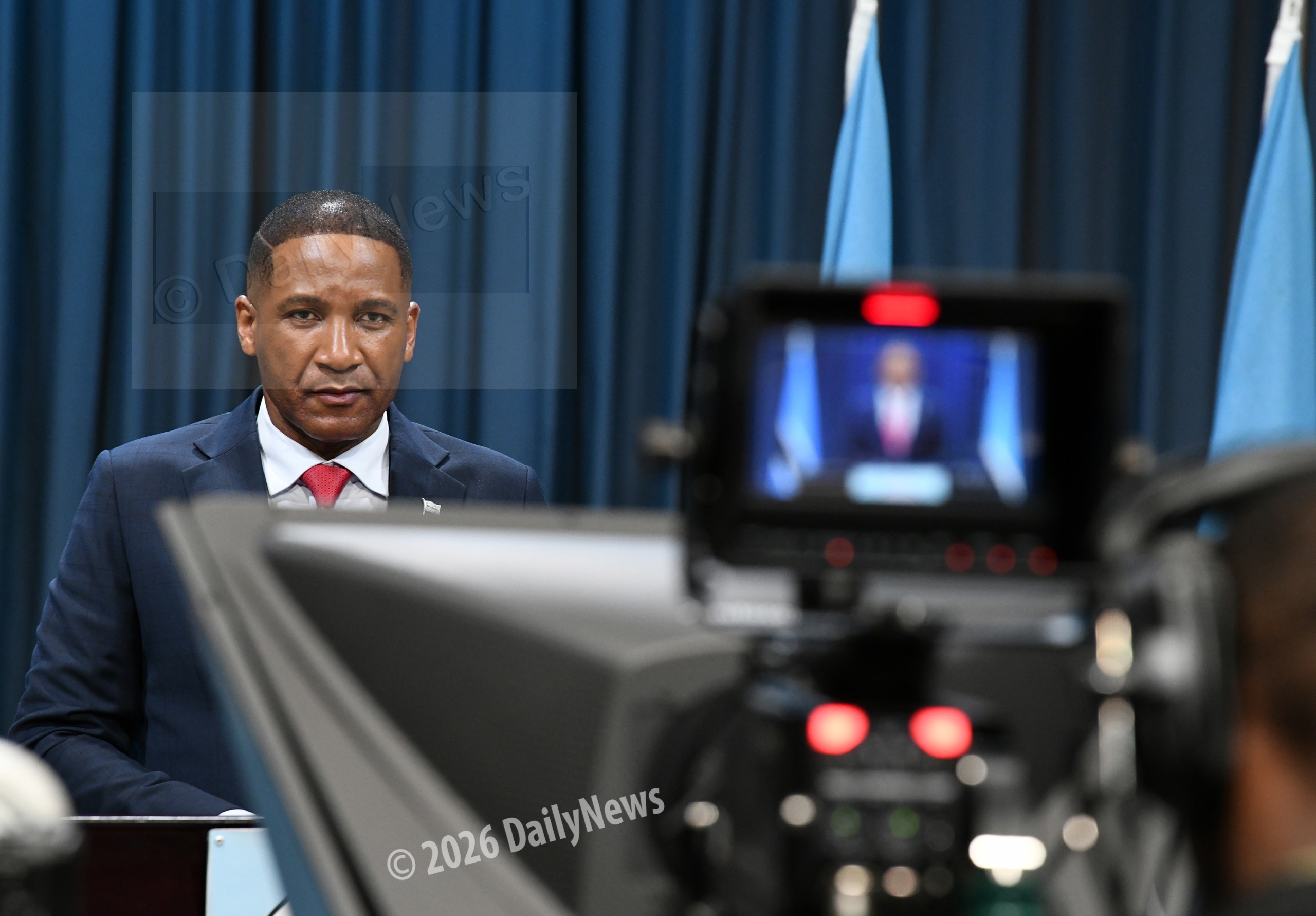
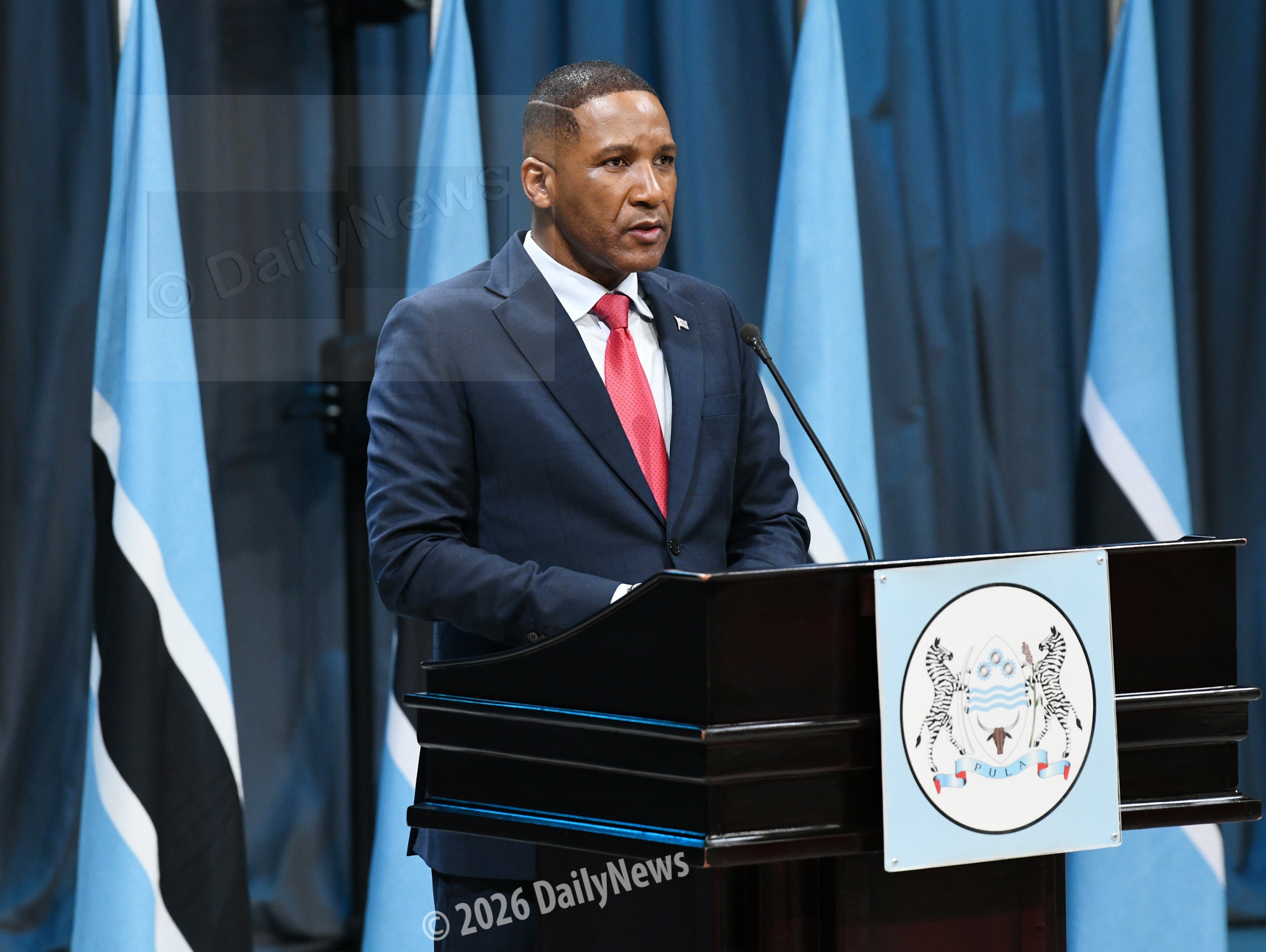
    The recent high increase in public transportation fees announced on Wednesday in the Government Gazette Notice number 307 of 2026 was not sanctioned by government, the nation has been told.

    In an official address to the nation on Thursday, President Advocate Duma Boko said the heavy increase in public transport fees was gazetted without the blessing of cabinet, and was thus rescinded a day later.

    As a consequence, the director of Department of Road Transport Services (DRTS), Mr Bokhutlo Modukanele was suspended from duty pending an investigation into how public transport fare increases announced on March 31 differed with the rates approved by cabinet, the President revealed.

    Explaining the background, President Boko said cabinet had met last December 10 and among other things considered a report from DRTS on proposed public transport fee increases.

    That report had been developed after consultation with public transport operators and stakeholders, and modifications amounting to varying percentage increases for bus, taxi and minibus public transport fares were proposed  for cabinet to consider at the time.

    But the government then decided not to immediately effect public transport price increament at a period of extensive Christmas holiday travel, the President said.

    With the recent fuel price increase announced as a consequence of the global fuel shortage caused by the Middle East conflict, another round of talks were held with public transport operators’ organisations, the President revealed.

    He said the price increases that appeared on the March 31 government gazette had not been approved by cabinet.

    Instead, the statement presented to Parliament by the Minister of Transport and Infrastructure, Mr Noah Salakae on Thursday, and the subsequent notification of the Government Gazette, reflected the last public transport price increases sanctioned by cabinet that factored in commuters as well as operators’ interests, the President said.

    President Boko said government should function professionally with the political leadership and technocrats in the civil service, making collective decisions and official announcements that had a collective buy in. The government would investigate what transpired and take remedial steps, the President said.

  • Government Grants Seven-Day Grace Period for Expired Licenses and Permits

    Government Grants Seven-Day Grace Period for Expired Licenses and Permits

    Owing to challenges with the Department of Road Transport and Safety (DRTS) online system, the government has declared a seven-day grace period to use vehicles with expired licences and permits.

    This was revealed by the President, Advocate Duma Boko during his Easter address to the nation from the Mass Media Complex on Thursday evening.

    The President revealed that the one week moritorium on charging motorists with expired  vehicle licenses and permits was informed by the DRTS system being currently slow and overburdened, which had caused long queues and delays in the payment of fines and renewing documentation.

    Given that Batswana are entering a period where some normally travel for holidays, family visits and religious pilgrimage, the President said government would permit a one week grace period where flagged vehicles or have expired permits could temporarily be on the road.

    The President encouraged motorists to ensure that upon their return they cleared their fines, renew permits and licences.

    Furthermore, the President encouraged motorists to drive safely over the Easter holidays, and advised that the police, DRTS transport inspectorate officers and other government stakeholders would be on hand to ensure orderly travel, urging the public to offer these officials their cooperation on the road. 

  • Government Provides Relief on Fuel Costs

    Government Provides Relief on Fuel Costs

     The government has taken a decision to introduce measures to cushion citizens from the rise in the cost of fuel induced by external factors, primarily the Middle East conflict.

    Addressing the nation on Thursday evening, President Advcate Duma Boko said the government understood that Batswana were concerned about the recent fuel and transportation price increase and the likelihood of food costs also rising as a consequence.

    President Boko announced that fuel as well as security of supply levies were suspemded for six months. These three levies, charged at 245.5 thebe per litre for petrol and 239.5 thebe per litre for diesel are suspended to cushion motorists and consumers from the rising fuel costs.

    The government has also decided to drastically reduce work trips undertaken in the civil service for a duration of three months, apart from essential services.

    “Furthermore, the government will observe if traders such as retailers do not increase the price of essential goods in a severe manner that is not consumate with the increase in fuel costs.”

    The President urged the nation to be united in this period where the country faced the challenge of an economic downturn induced by reduced diamond sales in the global market as well as rising fuel costs caused by the Middle East crisis.

  • Emerging Frontier Technologies Drive Future Industries Power Economic Growth

    Emerging Frontier Technologies Drive Future Industries Power Economic Growth

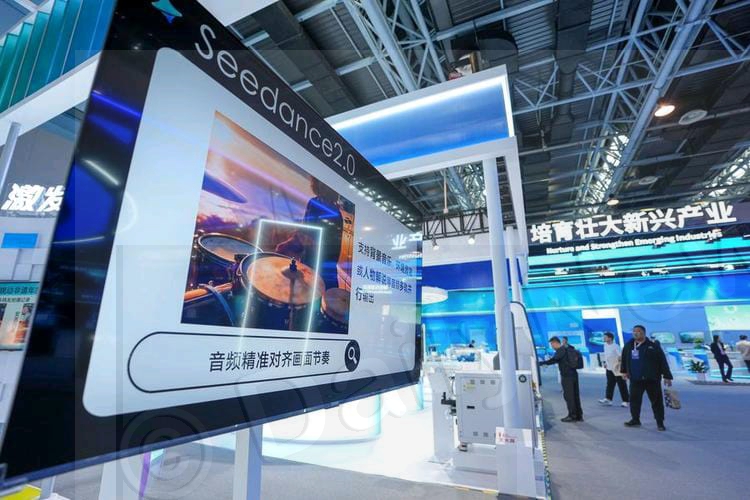
    Emerging frontier technologies are accelerating industrial applications, with the development of future industries becoming a powerful engine for new quality productive forces in the new era, according to officials and experts.

    Officials and experts from various sectors shared their views on this topic during the latest episode of China Economic Roundtable, an all-media talk show hosted by Xinhua News Agency.

    Liu Dongmei, Party secretary of the Chinese Academy of Science and Technology for Development, said that in recent years, various frontier technologies have experienced rapid development.

    In fields such as artificial intelligence (AI), quantum information and biomanufacturing, China has entered a new phase characterized by a mix of leading in some areas and keeping pace with global counterparts, she added.

    Liu noted that China has formed a relatively mature development pattern featuring breakthroughs in basic research, accumulated core technologies, large-scale industrial applications, and a growing voice in international competition.

    China’s AI sector ranks among the global top tier, said Liu, noting that the number of downloads for open-source large models provided by Chinese enterprises in 2025 ranked first globally according to data from the Ministry of Industry and Information Technology.

    Liu Hui, head of a research institute with JD.com, said that as a technology and service company built on supply chain capabilities, new technologies serve as the fundamental driving force for the company’s growth. He noted that the company has deployed 50,000 internal agents, or “digital colleagues,” to help improve efficiency.

    Zhai Tianrui, a deputy director of Beijing Municipal Science and Technology Commission and Zhongguancun Science Park Administrative Committee, said that in 2025, the number of unicorn enterprises in Beijing reached 116, ranking first among Chinese cities and third globally in both number and valuation.

    Beijing’s unicorn enterprises span 11 industries, with the largest number in the AI sector, he added.

  • Draft Policy Charts Agric. Future

    Draft Policy Charts Agric. Future

    The National Agriculture Draft Policy 2025 is set to charter a new era for Botswana’s agriculture, one defined by innovation, resilience and value creation.

     The policy positions the sector as a primary driver of economic diversification, food security and export growth. 

    Presenting the draft policy in Parliament on Monday, acting Minister of Lands and Agriculture, Dr Edwin Dikoloti, highlighted that the new framework aimed to transform the country’s agricultural industry into a diversified, resilient and export-oriented sector that drove national economic growth. 

    Dr Dikoloti stated that the policy affirmed a paradigm shift from food security to food sovereignty and further reinforced Botswana’s commitment to a market-oriented and export-led agricultural sector by aligning with national priorities as well as regional and international standards. 

    “Rooted in the principles of environmental stewardship, the right to food and nutrition, stakeholder engagement, social inclusivity and evidence-based decision-making, the policy embraces innovation, promotes agri-entrepreneurship and reinforces the central role of farmers and agribusinesses in the economic transformation,” Dr. Dikoloti said. 

    The minister indicated that the policy provided a clear roadmap for transformation through coordinated efforts between government, private sector, farmers, communities and development partners. 

    Furthermore, he noted that the policy placed strong emphasis on technology adoption, research and development and capacity building, particularly targeting youth, women and marginalised groups.  He added that the policy also aimed to promote commercialisation and diversification of agriculture, anchored on the development of key agricultural value chains. “The sector is prioritising dairy, livestock and crop production, as well as horticulture, apiculture, aquaculture and fodder production,” he said.

     Dr Dikoloti further said the sector would also promote high-value niche commodities such as cannabis, cotton, safflower and moringa, alongside other products with high export potential.

     Such initiatives, he said, were designed to position agriculture as a competitive and sustainable contributor to Botswana’s GDP and a catalyst for employment creation.

     Again, he said in line with government’s commitment to industrialisation, the sector would continue to promote value addition and agro-processing through private-sector-led investments. “This approach seeks to transform agricultural outputs into high-value products, thereby creating employment, supporting rural industries and increasing export competitiveness,” he said. Regarding agricultural digitisation, Dr Dikoloti stated that the sector was advancing digital transformation through investment in enabling technologies, automation of land delivery and agricultural processes, ICT infrastructure upgrades and capacity-building in digital literacy. 

    “This shift is expected to enhance service delivery and digitise data, improving transparency, traceability and efficiency across the sector.

     To boost productivity, strategic investments are also being made in infrastructure, including access routes to production areas, storage facilities, laboratories, testing centers and transport networks,” he said. 

    In response to climate change, Dr Dikoloti stated that the strategy promoted sustainable, climate-smart practices such as conservation agriculture, agro-ecological production, integrated crop-livestock systems and agroforestry.

     “The sector supports the use of drought-tolerant crops, resilient livestock breeds, organic fertilisers, rangeland management and modern technologies like precision farming, soil moisture sensors and drone monitoring,” he said. 

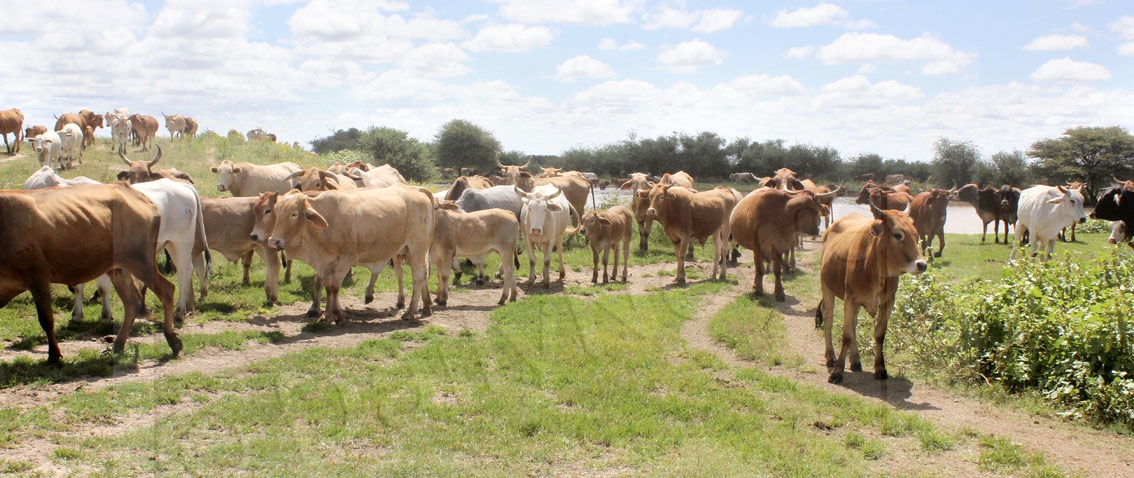
    Conversely, he said the agricultural transformation agenda focused on significantly increasing the national cattle population. Dr Dikoloti cited that the baseline herd in 2024 stood at 1.6 million cattle, with a target to grow it to 4.6 million by 2029/2030 to mark substantial recovery and expansion of the national herd. 

  • Serowe Rehabilitation Centre to Open July

    Serowe Rehabilitation Centre to Open July

    Serowe Rehabilitation Centre at the repurposed Old Sekgoma Memorial Hospital is now 94 per cent complete and is expected to be fully operational by July 2026. 

    Answering a question in Parliament on Tuesday, Minister of Health, Dr Stephen Modise said the centre would provide both outpatient and inpatient rehabilitation services, significantly strengthening access to treatment. 

    The minister added that while the facility would play a critical role in treatment and rehabilitation, the ministry continued to work closely with stakeholders on prevention and recovery, including creating supportive environments and strengthening community structures to sustain long-term prevention, treatment and recovery efforts.

     However, Dr Modise, acknowledged the delays experienced in the completion of the project, adding that the site’s rugged topography necessitated longer time for ground preparation and excavation.

     Additionally, he said the project encountered delayed claim payments, particularly in the third and fourth quarters of 2024-2025 and the first quarter of 2025-2026.

     That, he said had an impact on the contractor’s cash flow, which resulted in fewer resources and slower site progress. 

    “I would like to assure this House that the project remains a priority and every effort is being made to bring it to completion as efficiently as possible while maintaining the required standard and within the amended timelines,” he said. 

    Member of Parliament for Serowe West, Mr Onalepelo Kedikilwe, had asked the minister when the Serowe Rehabilitation Centre would be opened to the public and the forecasted project handover date and the reasons for the delay in the project delivery.

  • Tertiary Education Student Allowance Rises to P2 200

    Tertiary Education Student Allowance Rises to P2 200

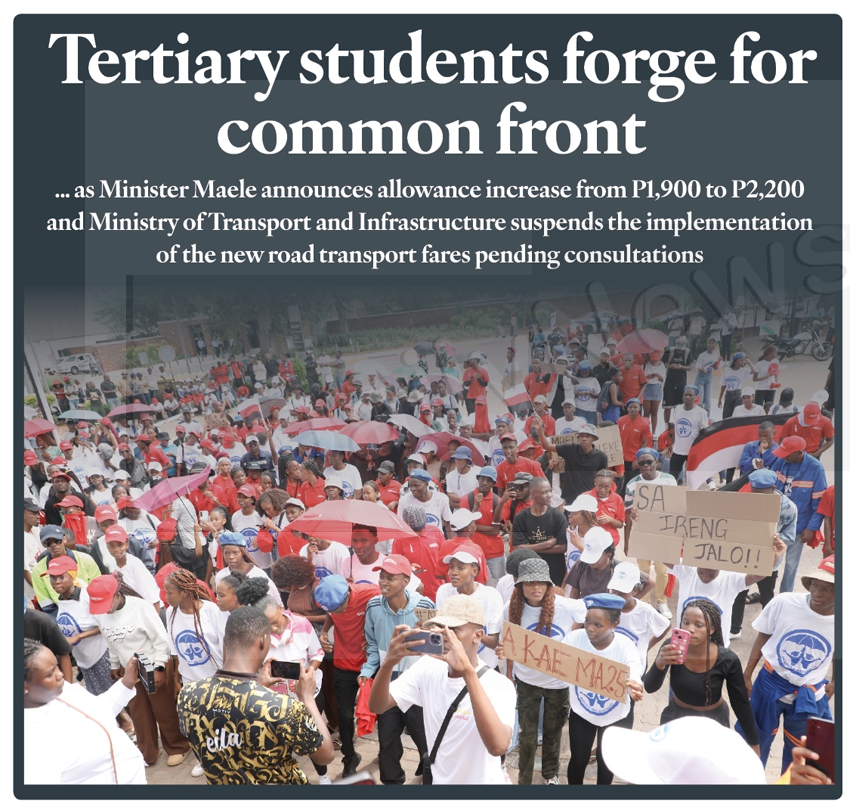
    Government has taken a decision to increase tertiary education students’ allowance to P2 200, set to take effect at the end of April, Minister of Higher Education, Mr Prince Maele has revealed.
    Addressing tertiary education students who had marched to the Office of the President yesterday, Mr Maele said government had made the determination having assessed the country’s economic situation.

    While the Umbrella for Democratic Change (UDC) leadership was keen to make good on its electoral pledge of P2 500 tertiary students’ allowance, Mr Maele said government could only offer the students what was feasible within the current financial year.

    He said the decision had already been made by cabinet but the delay in making the public announcement was owing to government assessing if funds could be sourced to increase the P2 200 sum.

    Mr Maele reiterated government’s compassion towards students’ economic challenges and their commitment towards addressing the needs of tertiary education students.

    Before being addressed by Mr Maele, student leaders, Messrs Terrance Sonny of the UDC Moono wa Baithuti, Neville Sechele of the Botswana Democratic Party (BDP) GS26 and Asalepele Kalodi of the

    Botswana Congress Party (BCP) Student Congress presented student concerns to the minister, after leading a march across Gaborone Central to the Government Enclave.

    Mr Sonny said they had been engaging the minister regularly through written communication and were now seeking a solution to their economic challenges, insisting that they now wanted an increment.

    Mr Sechele added that they were faced with monthly costs, including purchasing food, transportation, mobile telephony data costs, which the current P1 900 off-campus and P1 500 on-campus allowances were inadequate to address.

    He said they had taken a corporate decision to gather across party political lines and focus collectively on the challenges facing the student body.

    They said having previously communicated with the minister their wish for the P2 500 student allowance UDC electoral promise to be implemented, they were now requesting an answer to their plea.

    Mr Kalodi said rental costs were high and the overall cost of living was leading to social ills such as prostitution and depression among students.

    Mr Maele said government cared about the welfare of students but was currently constrained by the country’s economic circumstances from reaching the P2 500 ideal.

    Nonetheless, he said the UDC government was fully committed to fulfilling its electoral promise and would effect it when state revenue permitted in future.

  • Blue Diamond Sign of Botswana Uniqueness

    Blue Diamond Sign of Botswana Uniqueness

    The discovery of the second largest blue diamond to ever be recovered in Botswana is a sign that the country continues to offer quality natural diamonds which synthetic diamonds cannot compete with.

    Ms Naseem Lahri, the managing director of Lucara Botswana Proprietary Limited echoed those sentiments while speaking to the media after presenting the blue diamond to President Advocate Duma Boko at the Office of the President on Wednesday.

    The rare 36.92 carat blue Type IIB diamond was extracted from the Karowe Mine in Letlhakane, a premier open pit operation that has become well renowned for producing large, high quality Type IIA diamonds.

    While acknowledging that certain diamond markets, particularly the United States of America (USA), had gradually shifted towards synthetic diamonds, Ms Lahri said Botswana should focus on a niche market of selling quality natural gemstones to consumers who prefer natural products.

    “We are known for the large diamonds, and large recoveries in the world. At 36.92 carats, this is the largest blue diamond recovered by Lucara Botswana and the second largest blue diamond ever mined in the country. This could be valued at between 10 to 30 million US dollars, (approximately P136 million to P407 million),” Ms Lahri said.

    She said the synthetic diamond industry was incapable of creating the type of large diamonds that have frequently been extracted in Botswana.

    “They cannot compete with us on the large diamond market because they are incapable of creating them. These are rare finds and are very valuable. We (Lucara) are unique in that we do not participate in the American market, we focus on a market that is willing to buy natural diamonds and is willing to pay the price for them,” she said.

    “For us it is about legacy, about heritage, experience and uniqueness, and a having a high network that is willing to invest in the natural gems,” Ms Lahri added.

    The discovery of the country’s second biggest blue diamond after the Okavango Blue, the 20.46-carat, oval-shaped diamond discovered by Debswana at the Orapa Mine in 2018 further strengthens

    Botswana’s global standing as a leading source of some of the world’s most remarkable natural gemstones.

    The engagement with the President provided an opportunity for Lucara to highlight the significance of the discovery and the diamond sector’s continuing contribution to national economic growth and international prestige.