Author: Daily News

  • Tsabong-Khawa Rally roars back

    Tsabong-Khawa Rally roars back

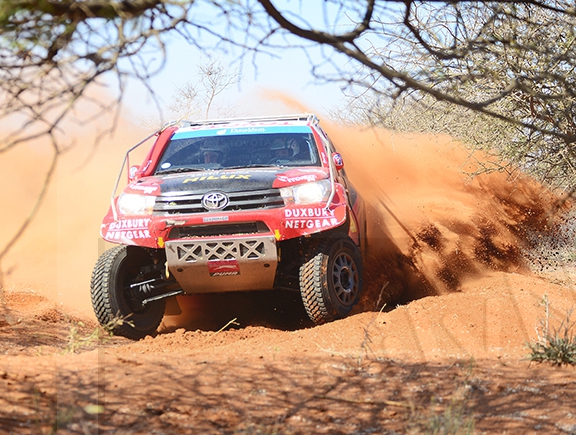
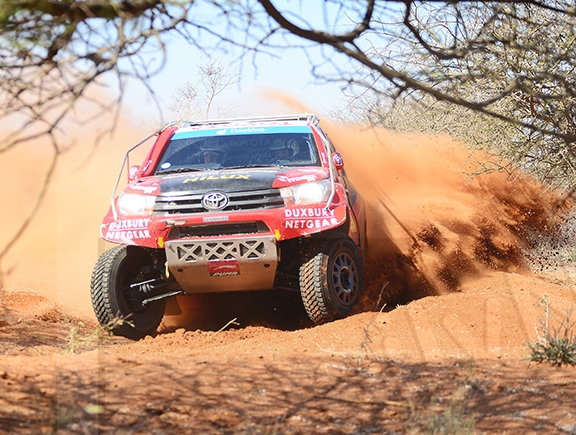
    The silence of the Kgalagadi Desert is set to give way to the thunder of high-performance engines as the Botswana Off-Road Racing Championship (BORRC) launches its 2026 season with the highly anticipated Tsabong-Khawa Rally this coming weekend. 

    The event marks a dramatic return to the dunes and promises a thrilling showcase of speed, endurance, and technical mastery.

    Affectionately dubbed the ‘Mantshwabisi’ of the south by locals, the rally will traverse the demanding corridor between Tsabong and Khawa; a route renowned for its deep, shifting sands and unpredictable terrain, which presents a true test of both machine reliability and driver skill.

    Race Director for the Botswana Racing Championship, Moin Ahmad, confirmed in an interview that the opening round would take place from March 27 to 28.

     Ahmad noted that this year’s entry list was already generating excitement, with expectations of renewed rivalry between dominant off-road marques, particularly the Toyota Hilux and Ford Ranger contenders. 

    Beyond the powerful T1 class trucks, spectators can also look forward to a fleet of agile buggies and side-by-side vehicles. Often referred to as ‘sand flies’, these lighter machines are crowd favourites, celebrated for their ability to glide over terrain that typically bogs down heavier vehicles.

    While the rally promises adrenaline-fueled action, Ahmad emphasised that precision and strategy would be crucial, as performance in this opening round, was likely to influence the overall championship standings.

    For the communities of Tsabong and Khawa, the rally represents more than just motorsport. It is a major cultural and economic event, expected to draw spectators from across the country and stimulate business activity.

    With teams finalising preparations for this Botswana Motorsport sanctioned event, anticipation is building nationwide, all eyes are now on the Kgalagadi as engines rev and the dust prepares to rise on another defining chapter in Botswana’s off-road racing legacy.

  • Ntema redefines Botswana tourism experience

    Ntema redefines Botswana tourism experience

    Onalethuso ‘Mambo’ Ntema, a musician, traditional percussionist and cultural heritage management practitioner, is redefining Botswana’s tourism experience through innovative cultural ways.

    Through his enterprise, Africanites, Ntema has pioneered a creative cultural tourism model that offers alternative safari activities, aimed at extending visitor stays and diversifying the Kasane tourism experience. 

    “I blend arts, culture, tourism and massage therapy to enrich the visitor’s journey in Kasane,” he said.

    At 41, the Matsaudi-born entrepreneur has carved out a niche market that fuses artistic, cultural and wellness experiences tailored for tourists, corporates, families and events.

     Working in collaboration with partners such as Big Tim Arts and Kitto’s Beauty Spa, and hosted at  Rustiek Hotel along the Chobe River in Kasane, his offerings have expanded to include camping equipment hire, cultural tours, drum circles, live Afro-jazz performances and unique packages such as Drums, Paints and Massage.

    Currently, visitors to Kasane spend an average of two nights. His target market includes tourists, students, corporates and families, with tour operators and hospitality establishments serving as key partners in delivering these experiences.

    A University of Botswana alumnus with a Bachelor of Arts in Sociology, Ntema has dedicated much of his life to advancing cultural tourism. His travels across Africa and beyond have inspired him to integrate community lifestyles into the tourism value chain.

    Since establishing Africanites in 2012, he has published poetry, including Soul Seeds (2014, UK), performed internationally at Germany’s Markt der Voelker, and earned several accolades. 

    These include being a Top 3 finalist at the Botswana Youth Awards in 2017, winner at the Botswana Travel and Tourism Awards in 2020, and a Top 5 finalist at the Africa Tourism Leadership Forum in 2023.

    Known in artistic circles as Mambo Ntema, he describes himself as an advocate for self-reliance and sustainability. His mission is to build a cultural enterprise that drives local economic development while preserving authenticity.

    He emphasised that although cultural tourism remains a niche market, it holds significant potential if packaged strategically around unique selling points. “The cultural sector is a green diamond that must be mined carefully, avoiding over-commercialisation,” he said.

    Ntema further called on government to establish clear policies on arts, culture and sustainability, and to harmonise efforts across ministries and tourism stakeholders.

    He said stronger collaboration among institutions such as the National Arts Council of Botswana, Botswana Tourism, and relevant ministries could elevate culture into a key socio-economic asset. 

    Ntema believes integrating participatory cultural activities into travel itineraries could encourage longer stays and deeper visitor engagement. 

  • Botswana Open University strives for inclusive education

    Botswana Open University strives for inclusive education

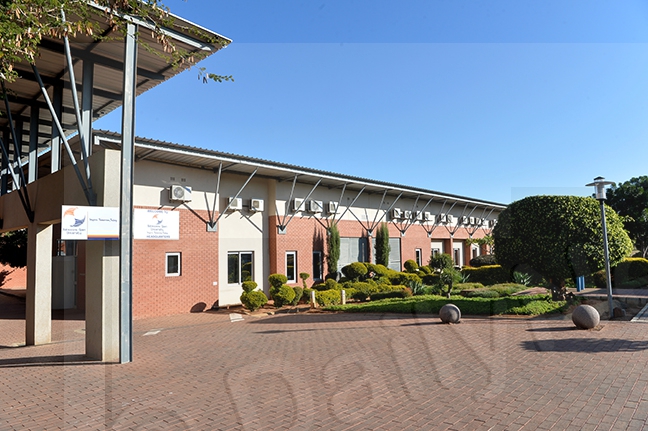
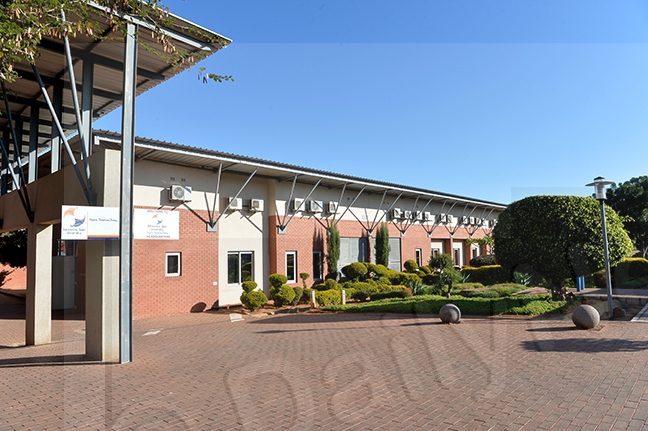
    Botswana Open University (BOU) provides accessible and inclusive education that accommodates all potential learners without any limitations to their personal status such as locations and previous academic performance or employment. 

    Answering a question in Parliament from Member of Parliament for Maun West, Mr Caterpillar Hikuama, Minister of Higher Education, Mr Prince Maele said BOU currently operated 26 learning centres and 19 examination centres across five regional campuses. 

    He added that all the five BOU regional campuses; Gaborone, Maun, Kang, Palapye and Francistown were fully connected to the internet where students were encouraged to physically visit the campuses and had free access to internet. Moreover, he said some BOU students leveraged SmartBots connectivity at various government hotspots to access their learning materials. 

    “Furthermore, to enable interactivity, other means of communication are utilised to reach students, for example, bulky SMS where messages are sent to students to draw their attention to certain discussions in the instructional materials,” Mr Maele explained. 

    He said WhatsApp capabilities were also used for engaging students and Google Meet to deliver tutorials and run synchronised group discussions. Minister Maele further explained that BOU provided education at junior certificate (JC), Botswana General Certificate of Secondary Education (BGCSE) and pre-vocational levels using open distance learning methodologies. He also indicated that BOU employed decentralised learner support model to reach even the most marginalised learners. 

    “The principle of shared use of resources in public schools facilitates the teaching and learning process through contact tutorial session in collaboration with local communities,” the minister said.

    However, he noted that students experienced connectivity challenges from time to time due to both inadequacies of national connectivity grid and individual affordability.  

    “It must be noted that prior to COVID-19, whilst course content was availed through the moodle for download, tutorials were offered face to face at the regional campuses and students were expected to attend,” Minister Maele said. 

    He further noted that most of BOU tertiary students (60 per cent) were adult individuals who were employed, some of whom had access to internet at their workplaces. The minister added that BOU also fostered inclusivity by profiling its students to identify those with special needs and served them through assistive technologies and other means. 

    Parliament also heard that from 2018 to 2025, BOU enrolled 13,139 students for JC and 47,912 for BGCSE, and the minister attributed the decrease in enrolment from 2022 to limited resources for open schooling since the introduction of the Back to School during the BOCODOL era, when funding for it came from composite Ministry of Education, covering both basic and higher education. 

    “It is hoped that participation of BOU as a partner in the Bula Buka project will help to inject the required resources and give boost to the enrolment,” the minister said. 

  • BORAVAST farmers warn about structural malfunction

    BORAVAST farmers warn about structural malfunction

    The battle against Foot and Mouth Disease (FMD) in the Kgalagadi South region is reaching a breaking point, driven not only by the virus itself but by a systemic disconnection that has left the  Bokspits, Rappelspan, Vaalhoek and Struizendam (BORAVAST) community feeling like outsiders in their own country.

    Local farmers within the cluster are warning that a structural malfunction within the Department of Veterinary Services is turning one of Botswana’s most productive green zones into a landscape of desperation.

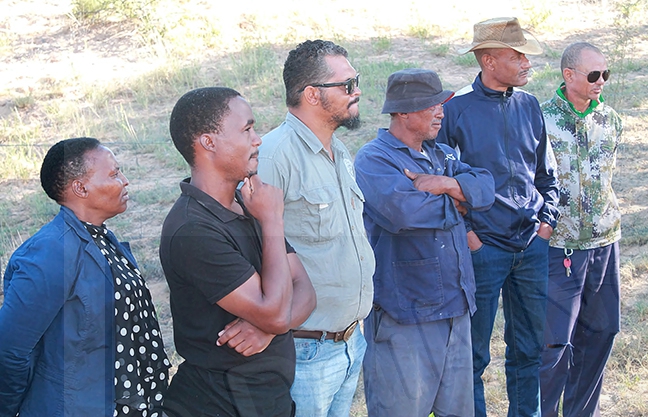
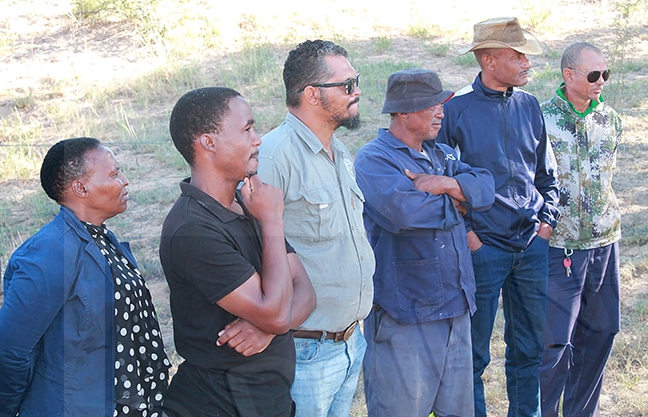
    Speaking during a meet-and-greet session held by the Tsabong District Emergency Operation Team, Mr Darryl Van Der Westhuizen, a prominent voice among the Kgalagadi farming community, called for immediate overhaul of the agricultural ecosystem.

    He warned that current administrative barriers were effectively shutting down the local economy and creating a climate of exclusion. Despite the Boravast community’s proactive efforts to mend boundary fences and secure their stock without government assistance, Mr Van Der Westhuizen said the emotional and financial weight had become unbearable.

    He described a grim reality where the state’s primary contribution to the FMD fight has been the culling of livestock rather than the support of livelihoods. A chilling lack of psychological support for farmers forced to watch their entire livelihoods destroyed by mandatory culling was also highlighted.

    According to Mr Van Der Westhuizen, government has failed to account for the trauma of such losses, which he warned could lead to a mental health crisis, including the risk of suicide among those left with nothing. The geographical isolation of the BORAVAST area had further turned routine veterinary services into a financial nightmare, he noted. 

    Mr Van Der Westhuizen pointed out the absurdity of the current centralised system, where a farmer requiring a P13 Keeper ID card or P20 worth of small stock ear tags was forced to travel to Tsabong, a trek of over 260km one way that often involved costly overnight stays.

    The logistical hurdles did not end with the journey, he said once an animal was finally tagged, a farmer must wait an additional three weeks for the system to update before a sale can be legalised.

    “These impossible hurdles are creating desperate farmers who may eventually turn to livestock smuggling into South Africa just to survive, ironically creating the very FMD risk the government is trying to prevent,” Mr Van Der Westhuizen warned.

    He further cautioned that desperate situations created desperate people, noting that the sentiment in BORAVAST was that the area had been neglected for far too long. If government truly intended to eradicate FMD, locals said they must first address the infrastructure that kept the BORAVAST economy in a state of permanent lockdown. Furthermore, he said the green zone status of the region appeared to be a title held only on paper. 

    While the Botswana Meat Commission (BMC) quoted premium prices of P53/kg for such zones, Mr Van Der Westhuizen revealed that Boravast farmers were being exploited by market sharks, feedlots and butcheries from the north who capitalised on the area’s isolation.

    He noted that while farmers read about premium prices on social media, they were reportedly receiving as little as P20/kg, a rate significantly lower than even the red zone prices in Ngami. The community is now calling for an urgent summit with national leadership to move away from a strategy of fear and toward a partnership of prosperity.

    Mr Van Der Westhuizen believed that if government invested in proper market access and treated farmers as allies, the BORAVAST region could become a cornerstone of the national Gross Domestic Product through smallstock production.

    Responding to the concerns, principal veterinary officer, Dr Tshephang Moeng informed farmers that government has recognised the emotional toll of the crisis. Dr Moeng announced that psychological counselling has been arranged and those who have been affected by the mandatory culling would be assisted in due course. 

  • Air Botswana deploys plan to stabilise performance

    Air Botswana deploys plan to stabilise performance

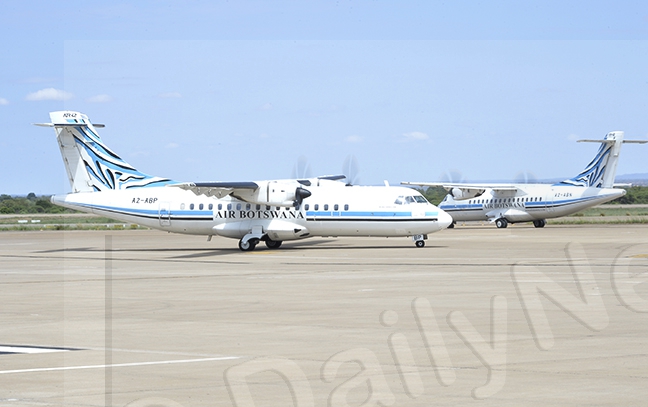
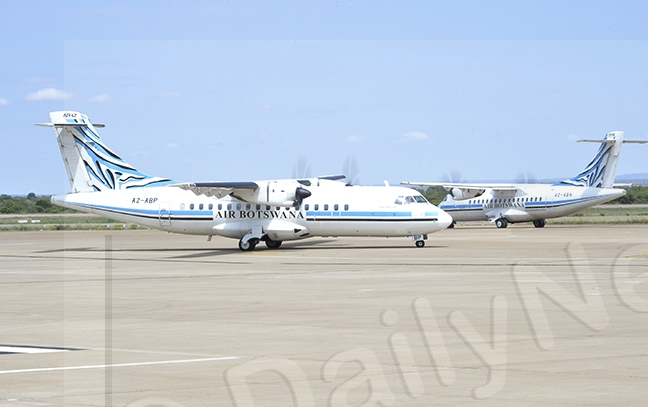
    Air Botswana has implemented a short-term strategic plan to stabilise its performance, starting with the completion of a mandatory C-check maintenance on its ATR72-600 on March 6, increasing the airline’s operational fleet to three aircraft, though it currently maintains a two-aircraft schedule. 

    Answering a question in Parliament, Assistant Minister of Transport and Infrastructure, Mr Keoagile Atamelang said the process of operationalising two grounded ERJ145 aircraft had begun. That, he said, included a five-phase certification process and repatriation of the planes from Namibia, with the first aircraft expected to arrive in Botswana in April. 

    Mr Atamelang apprised Parliament that a crew re-qualification programme was underway to create a standby pool for all aircraft types by the end of April. Simultaneously, he said the airline was optimising its current crew assignments to better match flight operations. 

    To bolster revenue, he said Air Botswana was implementing a tactical sales strategy, which included incentive programmes for travel agents, tour management companies and private firms. 

    “Interline and codeshare partnerships are being rationalised to offer a seamless travel experience and eliminate the need to collect baggage and re-check at connecting airports, including Johannesburg,” the assistant minister said. 

    However, he indicated that external factors posed a significant threat owing to the conflict in the Middle East which had disrupted crew training slots in the UAE, while rising fuel prices in South Africa were also affecting ticket affordability. 

    He further told Parliament that the airline did not achieve profitability by the end of December last year. To manage costs, he said Air Botswana trimmed its network last August, suspending routes that failed to cover direct operating costs which included Gaborone to Durban, Gaborone to Windhoek and Maun to Windhoek. 

    “These suspensions saved the airline approximately P44 million between August and December last year,” he said.

    The assistant minister attributed the weak performance to low revenue generation and poor load factors or seat occupancy.  He cited loss of market share, intensifying competition and decline in public confidence due to unreliable operations as primary drivers. 

    “This unreliability was caused by aircraft constraints and crew shortages,” he added. 

    Maun North legislator, Mr Dumelang Saleshando, had asked the minister for an update on the airline’s profitability following previous presidential declarations and inquired whether a formal strategic plan was in place to ensure future financial viability. 

  • Domestic revenue below potential

    Domestic revenue below potential

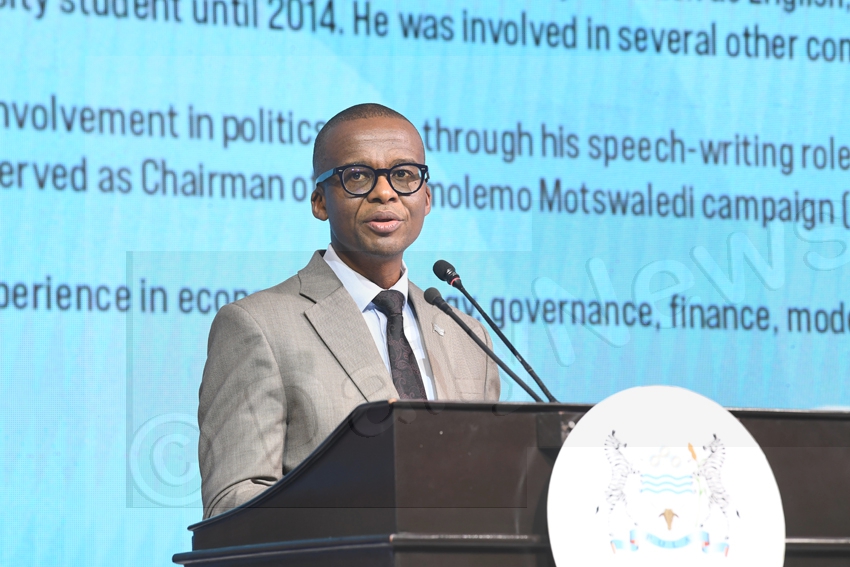
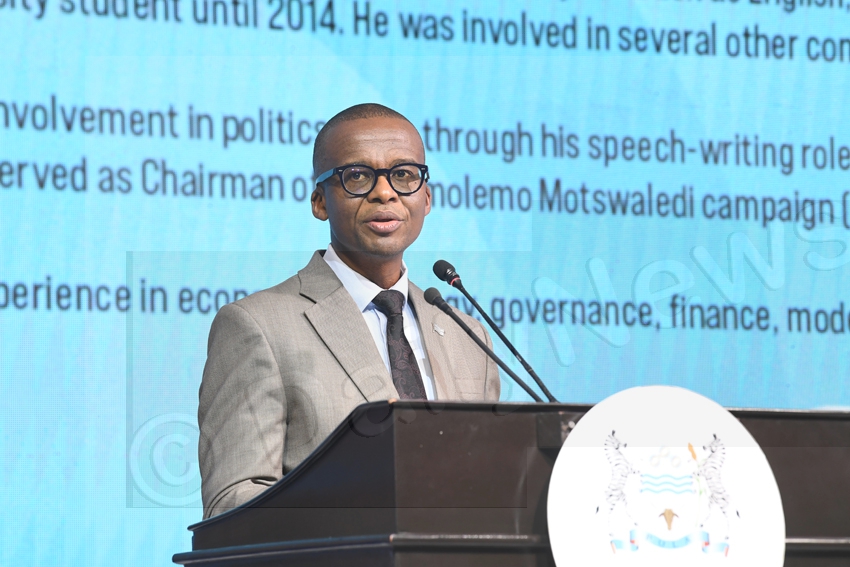
    Vice President and Minister of Finance, Mr Ndaba Gaolathe has called for bold tax reforms, warning that Botswana stands at a pivotal moment in securing a sustainable economic future.

    Speaking at the inaugural two-day Tax Pitso in Gaborone on Thursday, held under the theme: Shaping Botswana’s Future Tax System: Dialogue for Fair and Sustainable Tax Reform, he said the forum was more than a procedural gathering, describing it as a critical platform for meaningful dialogue and collective action to transform the country’s fiscal landscape.

    Mr Gaolathe said the Pitso had been convened at a time when Botswana’s economic outlook required urgent and well-considered intervention.

    He noted that while the country’s long-standing reliance on mineral revenues, particularly diamonds, had served as a pillar of growth and development, enabling the nation to build institutions, expand infrastructure and uplift lives, the model was now under strain due to declining revenues, global economic uncertainties, and rising social demands.

    Botswana’s domestic revenue mobilisation, he said, remained below potential, with the tax-to-GDP ratio estimated at about 13.4 per cent lower than the African average and comparable economies in the region.

    He also said unless  Botswana  mobilise more of its own resources, the ambition of becoming a high-income nation would remain beyond reach, stressing the urgency of building a modern, fair, and efficient tax system.

    Mr Gaolathe warned that delaying reforms would deepen fiscal pressures, weaken public services, and shift the burden to future generations, while proactive measures would strengthen resilience and sustainability.

    Among ongoing reforms, he highlighted plans to consolidate the Value Added Tax Act and the Income Tax Act into a comprehensive Tax Administration Act to streamline procedures, reduce duplication, and improve compliance.

    He noted that the current Income Tax Act, last reviewed in 1995, had become outdated and complex, increasing the risk of inefficiencies and misinterpretation.

    Additionally, a forthcoming VAT Bill is expected to expand coverage to digital services and products, ensuring the tax system keeps pace with economic changes. The harmonisation of administrative provisions under the new Tax Administration Act will facilitate ease of compliance and improve the overall experience of doing business in Botswana.

    The proposed reforms also include modest tax adjustments for higher-income earners and corporations, guided by fairness and ability to pay. Government further plans to support small businesses through simplified tax regimes, broaden the tax base to include emerging sectors such as digital and remote services, and strengthen compliance through real-time transaction monitoring.

    Mr Gaolathe acknowledged concerns about the impact of reforms on households and businesses, emphasising that the Pitso was intended to gather public input to shape the final outcome.

    In his welcome remarks, acting Commissioner General of the Botswana Unified Revenue Service, Mr Phodiso Valashia said the 2026/27 Budget marked a shift from reliance on mineral exports toward productivity, private sector growth, and domestic revenue mobilisation.

    He cited urgent challenges, including the need to build fiscal buffers and enhance economic resilience, noting that Botswana was currently facing a revenue shortfall of over P1.5 billion affecting key projects such as water infrastructure, energy expansion, and small business support.

    Mr Valashia called for a stronger culture of tax compliance, urging citizens and businesses to contribute fully.

    Government aims to increase the tax-to-GDP ratio to at least 18 per cent by 2026/27, up from the current 13 per cent. 

  • Kazungula OSBP begins 24-hour operations April 1

    Kazungula OSBP begins 24-hour operations April 1

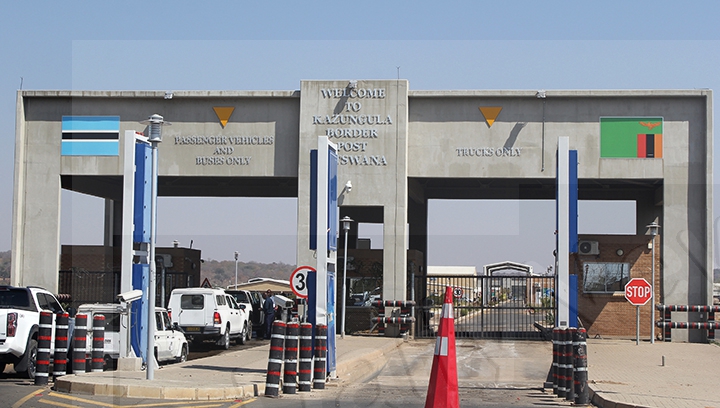
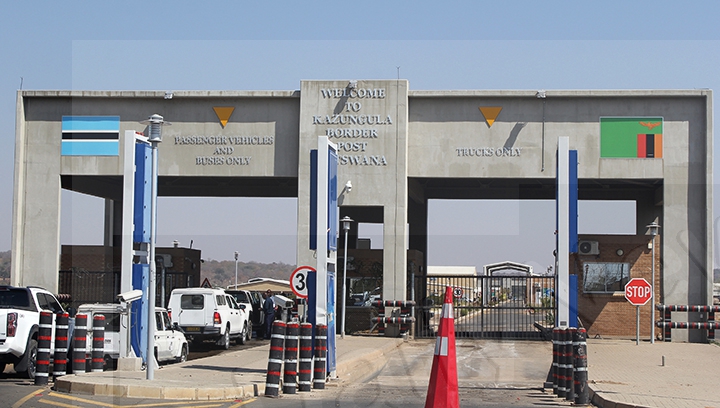
    Preparations to transition the Kazungula One-Stop Border Post (OSBP) to 24-hour operations are underway, with full implementation scheduled for April 1.

    Addressing the Chobe District Development Committee recently, Kazungula Bridge Authority (KBA) executive director, Mr Mukela Muyonda confirmed that the authority had fast-tracked the rollout, following a directive from Presidents Duma Boko and Hakainde Hichilema to transition to a 24-hour and ultimately non-stop border post.

    Mr Muyonda revealed that the Zambia Revenue Authority (ZRA) recently piloted 24-hour operations following a strategic meeting with the KBA. He added that other border agencies were continuing to build momentum leading up to April 1.

    Furthermore, he noted that the KBA was set to meet with the Botswana Unified Revenue Service (BURS) to strategise the transition and implement systems that ensured seamless shift for travellers and logistics companies.

    Again, he emphasised that robust IT systems were the backbone of such a transition and modernised systems would allow cargo transporters to capitalise on pre-clearance efficiency and minimise physical inspections for low-risk goods.

    He also informed the committee that the KBA’s mandate had been broadened by the two member states with a goal to transform the authority from a single-asset operator into a regional investment platform that catalysed development in logistics, tourism, agriculture and related supply chains.

    “The effectiveness of the Kazungula OSBP hinges on efficient border management and strong coordination between agencies in Botswana and Zambia,” he said. 

    He added that such a mandate was driven by rising traffic along major routes like the North-South Corridor, surging exports in mining, agriculture and manufacturing from Zambia and neighbouring countries as well as increased passenger movement within the Kazungula-Victoria Falls-Chobe region.

    Mr Muyonda further stated that the authority would continue engaging with governments, border agencies and all stakeholders to realise the full potential of the 24-hour OSBP.

  • Mbizi initiative brings schools back to life

    Mbizi initiative brings schools back to life

    In the early 1980s, Botswana introduced community junior secondary schools to address the shortage of secondary schools.

    Initially, the schools were established to address the shortage of senior secondary schools, with community involvement in construction and operations through a Board of Governors.

    Over time, government, however, took full control, and community involvement seemingly dwindled. Recently, there is a renewed interest in revitalising community participation and in the North East region, an initiative called Mbizi was introduced.

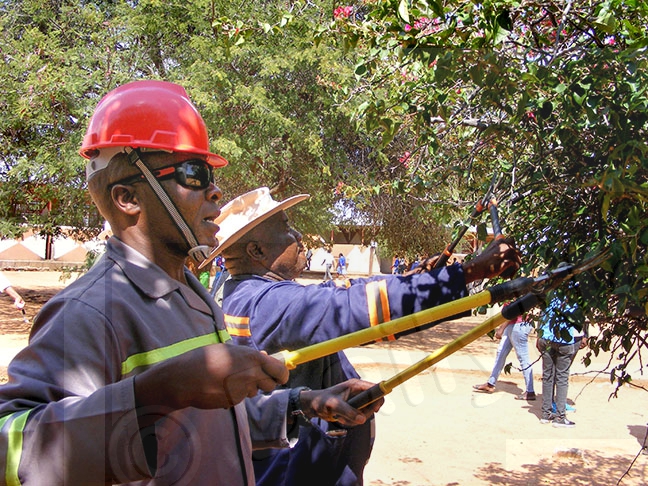
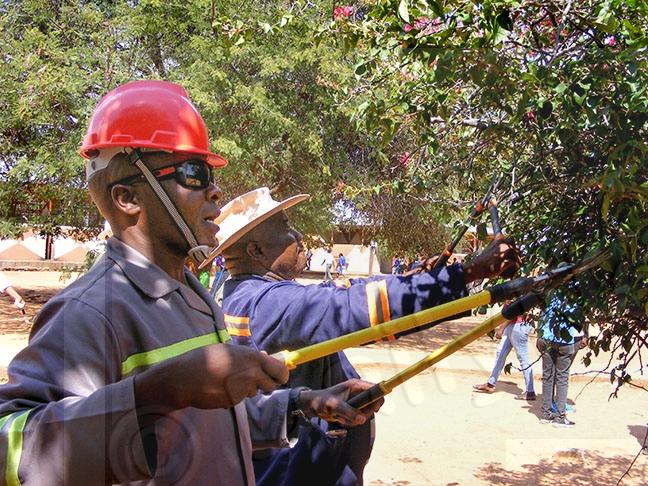
    Mbizi, a Kalanga word for ‘Molaletsa’, brings community members together to maintain schools. Using their own tools and skills, they cut trees, and undertake a variety of maintenance works including carpentry, bricklaying, plumbing and painting; saving schools huge sums of money.

    In 2023, at Batanani Junior Secondary School in Mapoka, the initiative saved P512 million, reducing the tendering price to P80,000.

    According to Dr Moses Mpuchane, regional Parents Teachers Association chairperson for the Ministry of Child Welfare and Basic Education’s North East region, Mbizi was the answer to the often exorbitant maintenance bills.

    “Compared to tendering, Mbizi is much cheaper. Various companies donate free materials and we used free skills from brigade students,” he said, making reference to the work that had been undertaken at Batanani JSS through the initiative.

    He noted that the initiative reduced costs by over 80 per cent, which was commendable.

    “The Mbizi initiative is as good as it is effective,” Dr Mpuchane said. “It brings back community members’ sense of ownership in respect to schools in their localities.”

    He explained that though government has taken full control of junior secondary schools, Mbizi aims to re-establish community involvement.

    Dr Mpuchane emphasised that the initiative was borne out of the urgent need to address the glaring dilapidation of schools, particularly those with boarding facilities.

    The state of such schools required much more than simple maintenance as it bordered on rendering facilities completely inhabitable. This called for urgent attention, and Mbizi became the much-needed solution.

    “Mbizi is good because it reduces the costs of maintenance. When tendering is used, bidders often hike prices, making the cost of maintenance unbearable for government,” he said.

    Dr Mpuchane is heartened by the support of parents of learners of the four junior secondary schools in the North East Region, and had indicated that support for the initiative had shown how much communities could achieve when they worked in unison. He believed that such initiatives were a legacy and must be continued for the good of communities.

    “Just imagine parents, teachers, brigade students, and learners themselves coming together for one common goal,” he said, summing up the power of Mbizi.

    Mr Leaname Tebele, chief public relations officer for the northern region, said the Mbizi initiative remained a vital part of the community in Botswana’s North East region, with Phase II set to focus on priority needs.

    According to Mr Tebele, community involvement had always been integral to schools’ operations. He clarified that community involvement was never removed, but rather, the board of directors, was dissolved.

    He said Phase 11 of the initiative would focus on priority needs, building on the success of Phase 1, whose focus was boarding schools.

    He explained that five schools in the North East region benefited from the initiative, demonstrating the potential for community-driven development. These, he said, were Shanganani JSS in Tsamaya, Thamani JSS in Tshesebe, Batanani JSS in Mapoka, Matsiloje JSS in Matsiloje, and notably, Tashatha JSS in Tati Siding did not benefit at the time because it was not a boarding school.

  • Horses ready to trot at Ma-Sa Easter Cup race

    Horses ready to trot at Ma-Sa Easter Cup race

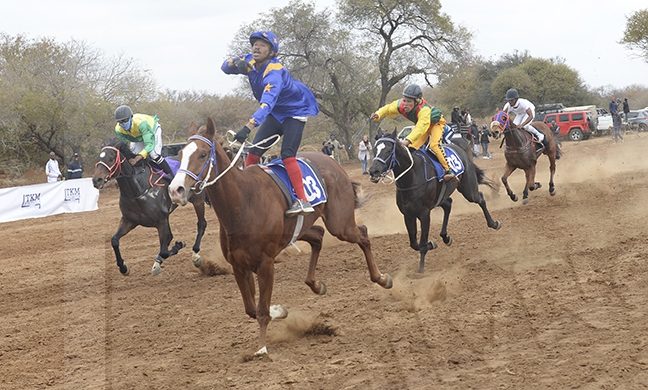
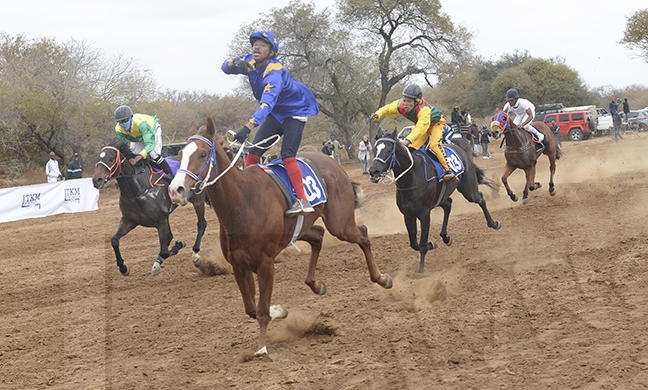
    Preparations for the third edition of Ma-Sa Easter Cup are in the final lap and horses have started to arrive at the race venue to familiarise themselves with the surroundings.

    Organised by Ma-Sa Racing Park owner in support of Botswana Horse Racing Association, the event is billed for April 4 at Ma-Sa Racing Park just 15km outside Maun.

    This year’s theme is: Footprints Never Fade–Honouring the Brave Horses Which Ran Before Us. Horses from Botswana, South Africa and Namibia will compete in the race.

    Already Namibia has brought more than 30 horses while locally, participating horses are from Maun, Kareng, Motokwe, Tsabong, Takatokwane, Goodhope, Charles Hill and Kokotsha among others.

    Currently, trainers are busy focusing on ensuring that horses are calm and acclimatise to the race day environment while some are to ensuring availability of all the gear and equipment. The horses’ welfare supersedes everything else.

    Ma-Sa annual race usually attracts competitors and supporters from across the country and even beyond the border, so this year’s edition would incorporate starting gates.

    The event spokesperson, Tico Otukile, said they have introduced some changes to make the race more vibrant and competitive.

    He said they have introduced new races of  1100m, 1300m and 2000m under Thorough breed and short distance race of 800m and  1000m dedicated for Tswana breed category.

    “We have also resolved that this time, no Tswana horses from outside North West District will participate in the event because we have enough horses within the district from Makalamabedi all the way to Kuke gate,” he added.

    Furthermore, Otukile revealed that horses racing in 800, 1000, 1100, 1200 and 1400 metres would be using professional racing starting gates, which accommodates only 10 horses at a time.

    Spectators and competitors, he said, would be treated to a highly classic and competitive race, ensuring safety, fairness and greater professional integrity from the start.

    Otukile also stated that dignitaries from Namibia in the likes of chairperson of the Omaheke Regional Council, Rocco Nguvauva and the chief regional officer of the Council, Pecka Semba together with North West District leadership including the council chairman, Itumeleng Kelebetseng and his counterparts from Charles Hill and Ghanzi would grace the occasion. 

  • Nxai Pan Iconic destination to explore

    Nxai Pan Iconic destination to explore

    For travellers seeking tranquillity, abundant wildlife sightings and an authentic experience away from crowded tourist hotspots, Nxai Pan National Park stands out as an iconic destination worth exploring.

    Situated along the Nata-Maun road in northern Botswana, the park features vast open landscapes of fossilised salt pans, grassy plains and acacia woodlands. This unique environment makes it an exceptional safari destination, particularly during the rainy season when wildlife congregates around water sources.

    Visitors to the park can expect sightings of a wide range of species, including zebras, springbok, gemsbok, giraffes, lions, wildebeest, elephants and wild dogs. The area is also renowned for its striking scenery, highlighted by the famous Baines Baobabs, which provide some of the most picturesque landscapes in the country.

    Despite its beauty, Nxai Pan remains one of Botswana’s lesser-visited parks, making it a true hidden gem for travellers seeking off-the-beaten-track experiences. Its relative quietness enhances the sense of exclusivity and immersion in nature.

    The park’s wildlife is particularly impressive, with large populations of animals gathering during the wet season. The zebra migration, accompanied by herds of wildebeest and springbok, creates dramatic scenes, often alongside heightened predator activity. Waterholes frequently attract multiple species at once, offering excellent game viewing opportunities that leave lasting impressions on visitors.

    Accessible yet unspoiled, the park is best explored through 4×4 game drives across its expansive terrain. For those seeking a deeper connection with nature, camping under the stars provides an unforgettable experience in the African wilderness.

    While many first-time visitors to Botswana often prioritise destinations such as the Okavango Delta and Moremi Game Reserve, Nxai Pan offers equally rewarding wildlife encounters, along with a quieter and more intimate setting. 

    With recent flooding affecting parts of these more popular areas, Nxai Pan has become an attractive alternative for accessible game viewing during the wet season. Nxai Pan Park manager, Mr Modiri Mogopa, said in an interview that the park receives an average of over 20,000 visitors annually, significantly fewer than Moremi Game Reserve.

    “This park is also well known as one of the routes for the zebra migration from the Okavango and Chobe areas into the Boteti and Makgadikgadi Pans in search of fresh grazing,” he said.

    At the heart of the park lie seven large Baines Baobabs, located about 30 kilometres from the main entrance. Estimated to be around 1,000 years old and reaching up to 20 metres in height, the trees were named after explorer and artist Thomas Baines, who painted them in 1862. They stand on the edge of Kudiakam Pan, a salt pan that fills with water during the rainy season and becomes a prime spot for birdwatching.

    The park also offers a range of facilities, including a campground operated by Xomae Group, a lodge run by Kwando Safaris, and campsites managed by the Hospitality and Tourism Association of Botswana (HATAB) and the Botswana Guides Association.

    Providing historical context, Mr Mogopa explained that the park formed part of the prehistoric Makgadikgadi Lake system, which once covered much of the region. Originally declared a game reserve in 1970, the area was expanded in 1992 with the inclusion of Kudiakam Pan and subsequently designated a national park.