Author: Daily News

  • Surge in non-bank financial sector prompts tighter oversight

    Surge in non-bank financial sector prompts tighter oversight

    The rapid expansion of non-bank financial institutions (NBFIs), now representing a substantial share of financial assets worldwide, is reshaping global and domestic financial systems, prompting regulators to strengthen oversight and adapt to a range of emerging risks.

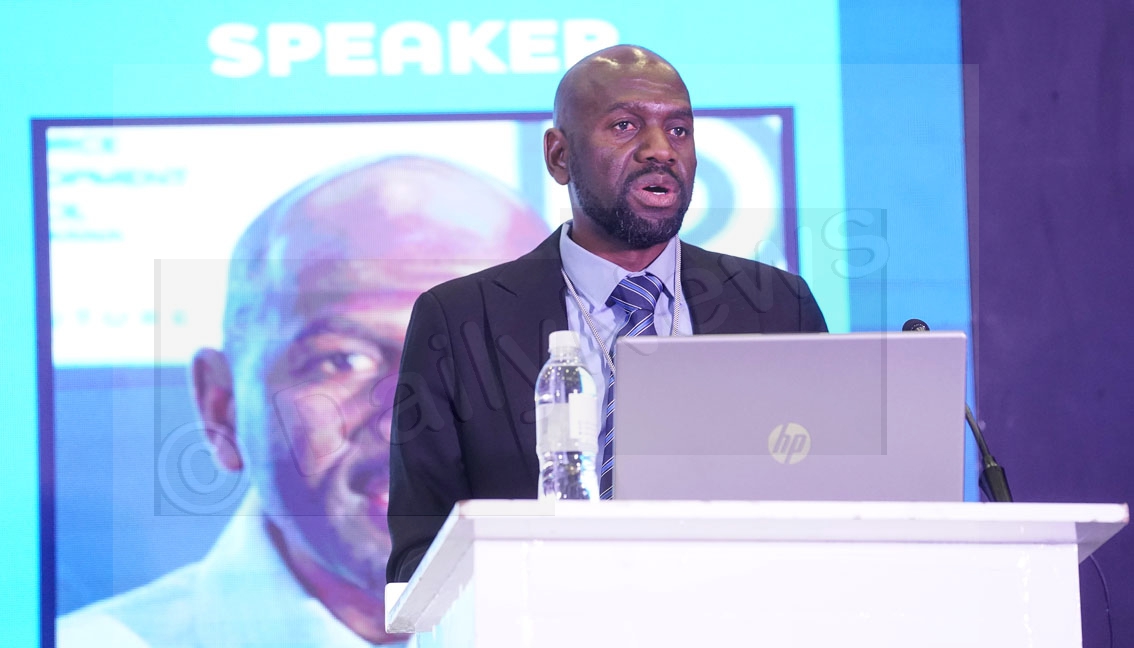
    According to the Financial Stability Board, the sector grew by 9.4 per cent in 2024, almost twice the pace of traditional banking institutions, and accounts for nearly 51 per cent of global financial assets, Non-Bank Financial Institutions Regulatory Authority (NBFIRA) senior risk coordinator, Ms Tumisang Ramotlopi, said Wednesday during the Exclusive Human Capital Consultancy (EHCC) summit that was held in Gaborone.

    Domestically, she said NBFIs constituted more than half of the financial system’s assets, with retirement funds, insurance companies and capital markets contributing significantly to the sector’s growth.

    Ms Ramotlopi explained that the regulatory landscape was shared among several key institutions, adding that the central bank oversaw banking stability, while the Financial Intelligence Agency focused on combating money laundering and terrorism financing.

    NBFIRA is tasked with supervising the non-bank sector, including insurance, retirement funds, capital markets and virtual assets, ensuring those institutions operate safely and in line with regulatory expectations.

    A central concern Ms Ramotlopi raised was the increasing interconnectedness between banks and NBFIs, explaining that previously distinct sectors were now deeply linked, creating structural vulnerabilities that could amplify the transmission of financial shocks.

    She mentioned that geopolitical tensions, cross-border financial flows and technological disruptions, including advances in artificial intelligence and digital assets were further complicating the risk landscape.

    Cybersecurity threats were also highlighted as a critical concern, with global assessments showing that such threats continued to rise in frequency and severity, and had the potential to disrupt essential services, undermine public trust and cause economic damage, particularly if large institutions are targeted.

    To address these challenges, Ms Ramotlopi stated that regulators were enhancing risk-based supervision, improving stress testing and operational resilience as well as strengthening financial crime detection systems.

    She further added that there was also a growing focus on environmental, social, and governance (ESG) compliance, data protection, and the adoption of regulatory technology (RegTech) to monitor compliance in real time.

    Ms Ramotlopi emphasised that the future of compliance was in balancing innovation with robust governance, noting that technology offered significant opportunities for efficiency and risk management, but must be implemented responsibly with proper oversight, ethical safeguards and risk frameworks.

    “Effective collaboration between regulators, financial institutions, and stakeholders is essential,” she said, further adding that “ensuring resilience in the non-bank financial sector is crucial for economic stability and sustainable growth.”

    Ms Ramotlopi said that as NBFIs continued to expand, the sector’s resilience and compliance capabilities would be key to maintaining confidence in the financial system while supporting innovation and long-term growth.

    EHCC chairperson, Mr Joe Ndadi, highlighted the organisation’s mission to deliver tailored digital solutions focused on customer needs, security and ethical practices.

    With the theme: The Future of Compliance, Innovation, and Artificial Intelligence, Mr Ndadi said the summit would address growing regulatory demands and the impact of emerging technologies.

    The two-day summit, featuring discussions on risk management, corporate governance, ESG principles and global compliance trends, brought together government officials, business leaders and key stakeholders, to equip them with practical tools to strengthen compliance and manage risk in an evolving business environment.
  • Butale Warns Against Foreign Military Work

    Butale Warns Against Foreign Military Work

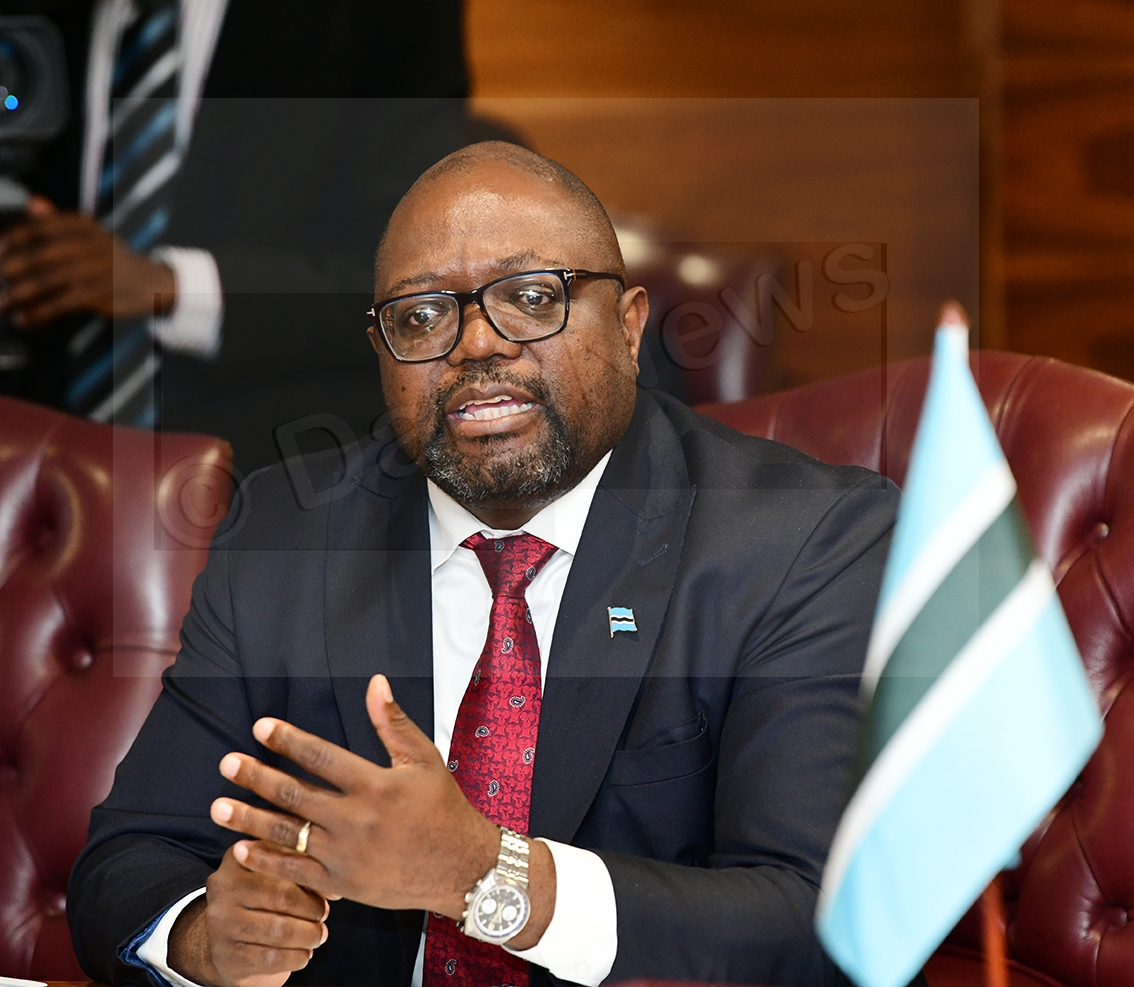
    The Minister of International Relations has issued a strong warning to Batswana against accepting foreign military or security-related opportunities, as the government intensifies investigations into two citizens believed to have been recruited into the Russia-Ukraine conflict under unclear circumstances.

    The caution reinforces a February advisory issued by the government, which warned of emerging recruitment schemes targeting young Africans with promises of employment and training abroad, particularly in regions affected by conflict.

    The government confirmed that it first became aware of the matter on 17 November 2025, following reports that the two nationals may have been enlisted under contract and placed under the control of the Russian military.

    To date, authorities say they have not received credible information confirming the status of the two men, with their exact whereabouts still unknown.

    “Do not be misled.”

    In a firm advisory, the Minister warned that offers of overseas training or employment, particularly those linked to security or military work, can conceal dangerous recruitment schemes.

    “The information we have received suggests that the individuals were persuaded to travel under the pretext of training opportunities. We urge Batswana, especially young people, to exercise extreme caution and to verify any such offers through official channels,” the government stated.

    The February statement had similarly cautioned citizens against engaging with unverified foreign recruiters, noting that such schemes often operate through informal networks, social media platforms, and intermediaries posing as legitimate agents.

    Authorities emphasised that Botswana law strictly prohibits citizens from enlisting in foreign armies or participating in foreign wars, warning that such actions carry both legal and life-threatening consequences.

    Potential trafficking case

    The government is treating the matter as a potential case of human trafficking or unlawful recruitment, consistent with concerns raised earlier this year about the growing international trend of covert recruitment into conflict zones.

    Records show that the two men travelled from Botswana to South Africa on 30 June 2025, before eventually making their way to Russia.

    Diplomatic missions have since been placed on heightened alert, with specific instructions, first outlined in the February advisory, to prioritise cases involving possible trafficking or recruitment of Batswana into foreign conflicts.

    Diplomatic pressure mounts

    Botswana has engaged both Russia and South Africa at multiple levels in an effort to trace the missing nationals.

    The Ministry confirmed that continuous diplomatic engagement with the Russian Government is underway, with the Russian Ministry of Foreign Affairs acknowledging Botswana’s communication and indicating that it is still investigating the allegations.

    At the same time, Botswana’s High Commission in Pretoria is working closely with South African authorities, including the Department of International Relations and Cooperation (DIRCO), to track the movements of the individuals and any networks involved.

    Ministerial-level engagements between Botswana and South Africa are ongoing, with the government expressing appreciation for South Africa’s cooperation.

    Presidency involved, families supported

    The Presidency has been fully briefed and continues to receive regular updates from relevant agencies, with the Government confirming that high-level diplomatic engagements are ongoing.

    Meanwhile, the families of the missing men are receiving psycho-social support, with the Government maintaining regular contact to provide updates as investigations progress.

    Previous repatriation offers hope

    In a related development, the Government confirmed that one Motswana citizen was successfully repatriated in December 2025, following coordinated efforts by the Botswana Embassy in Stockholm, which is accredited to Russia.

    Authorities say this demonstrates that diplomatic channels remain critical in resolving such cases.

    Strengthening prevention measures

    Building on measures announced earlier this year, the Government has intensified efforts to prevent similar incidents.

    Officials have urged the public to report any suspicious offers, particularly those targeting unemployed youth with promises of training or employment abroad.

    Repatriation contingent on findings

    The government reiterated that repatriation efforts will proceed once the whereabouts of the two men are established, adding that all diplomatic and legal channels are being pursued to secure their return.

    As investigations continue, authorities say the case highlights a broader national concern that Batswana are increasingly being targeted by transnational recruitment networks linked to foreign conflicts, requiring heightened vigilance from both citizens and the state.

  • Ramaotwana promises projects fulfilment

    Ramaotwana promises projects fulfilment

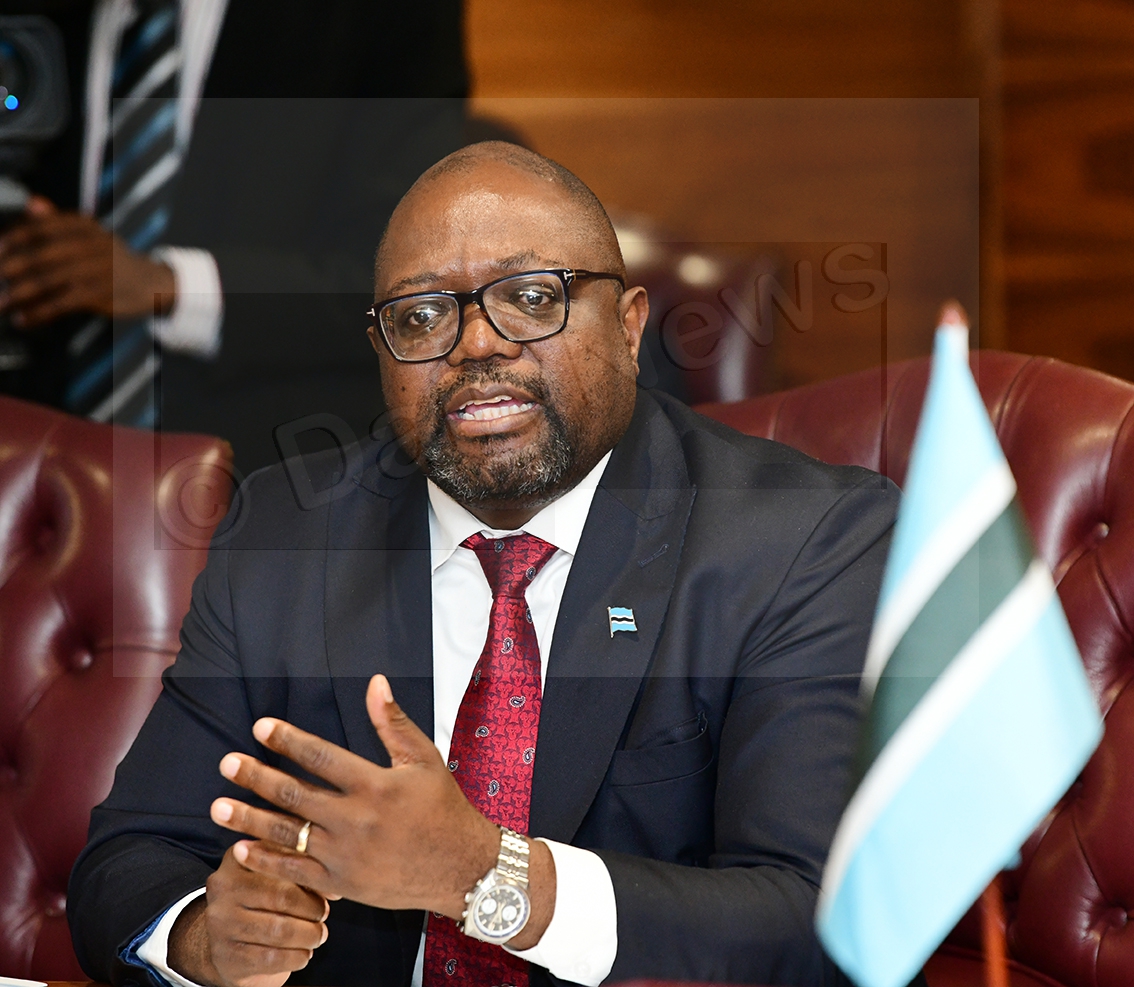
    Minister of Justice and Correctional Services has assured Tobane residents that the proposed establishment of the Constitutional Court will not interfere with development plans.

     In fact, Mr Nelson Ramaotwana said planned and routine projects such as maintenance and refurbishment of facilities in the health and education sectors, would go as planned. 

    Consulting with the residents on the proposed establishment of a ConCourt on Wednesday, Mr Ramaotwana said over P800 million was allocated for maintenance and refurbishment of various education facilities across the country, as well as for purchasing necessary educational resources.

    He also stated that the health sector had been prioritised too, with arrangements being made to acquire new ambulances, medication, and other essentials.

    Mr Ramaotwana said the aforesaid planned projects were an indication that government acknowledged challenges in the sectors.

    He highlighted that the purpose of the court was to uphold the rule of law and ensure justice for all citizens, emphasising that it would coexist with, rather than hinder, necessary developments throughout the country.

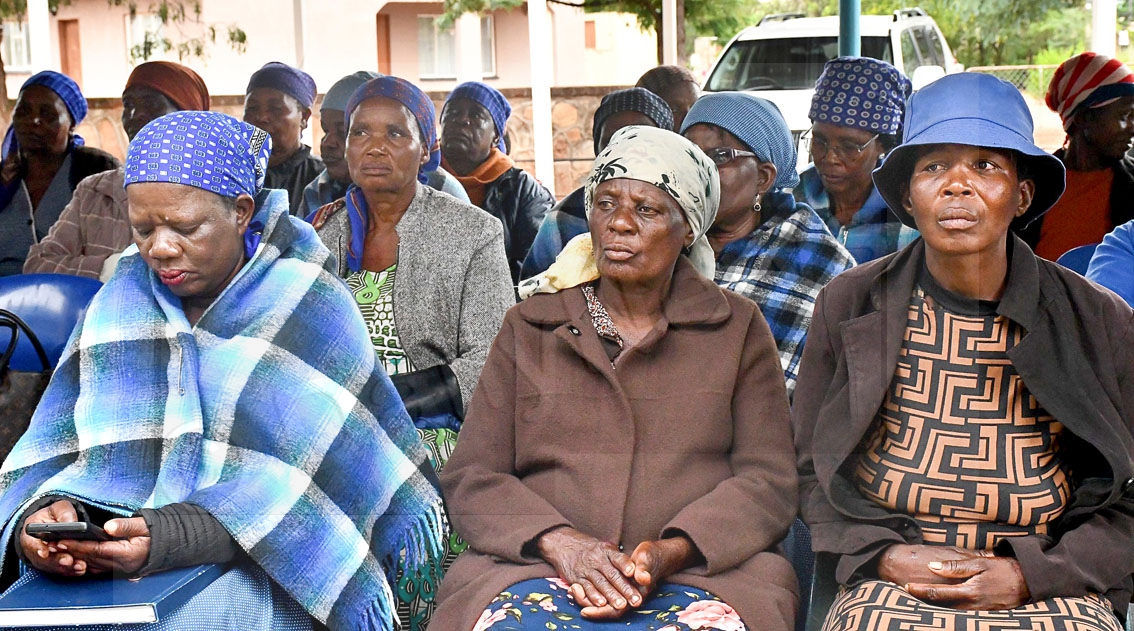
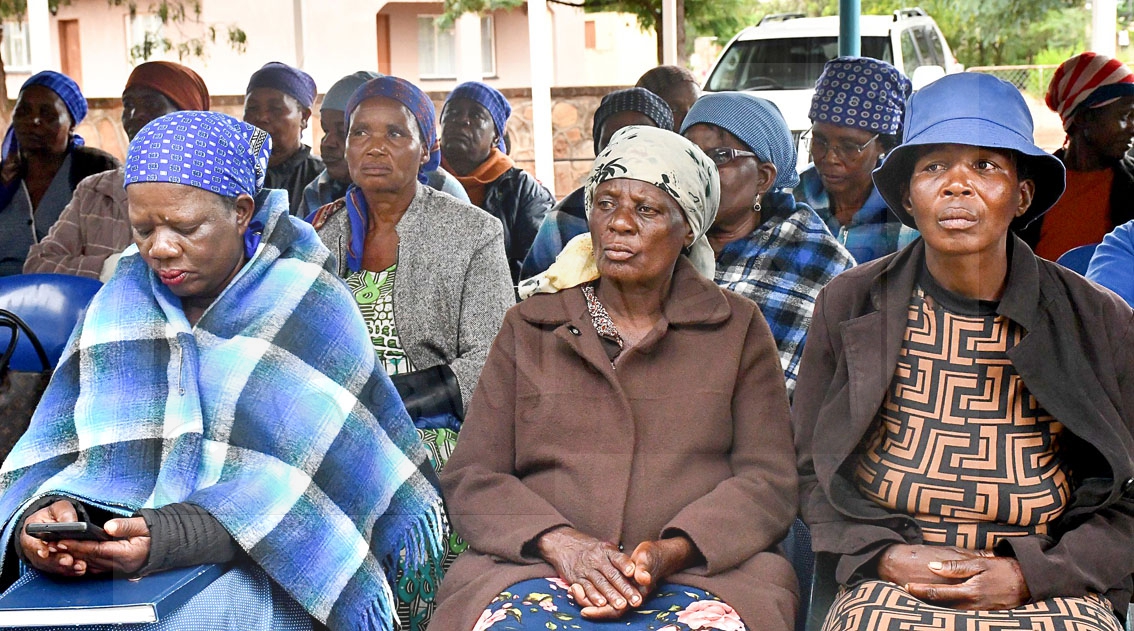
    While residents said the initiative was rushed, Mr Ramaotwana assured them that government would follow all democratic measures regarding the court’s establishment, including consultation and transparent feedback.

    One of the residents, Mr Leonard Mosweu supported the establishment of ConCourt, saying it was vital in upholding fair and impartial justice within the legal system.

    He acknowledged that such an institution could contribute to the safeguarding of citizens’ rights and the promotion of the rule of law.

    However, Mr Mosweu highlighted that issues in the health and education sectors, should take precedence. 

    He said some schools were in a bad state and needed significant maintenance so as to provide a conducive learning environment for the learners.

    Ms Olorato Boifang and Mr Mogomotsi Rasentho also supported the establishment of a ConCourt arguing that it would serve as a vital institution within the legal framework, ensuring that the Constitution was upheld and interpreted appropriately.

    They said it would play a role in safeguarding the rights and freedoms of citizens while also providing a platform for resolving legal disputes that involved constitutional matters.

  • Tsodilo Hills Flm Returns Home After New York Premiere

    Tsodilo Hills Flm Returns Home After New York Premiere

    A documentary celebrating Botswana’s iconic Tsodilo Hills has returned home following a successful international debut in New York City.

    Tsodilo: The Jewel of the Desert premiered locally on Tuesday at the Botswana National Museum and Monuments, marking 25 years since the site was inscribed as a UNESCO World Heritage Site.

    Produced by Metropolitan Museum of Art (The Met) and directed by Sosena Solomon, the documentary was first screened at The Met on May 31 last year, where it has since attracted an audience of over two million viewers.

    Often referred to as the “Louvre of the Desert,” Tsodilo Hills is renowned for its profound spiritual and cultural importance to the San and Hambukushu communities. 

    The film captures this significance while showcasing more than 4 500 rock paintings created over tens of thousands of years across the site’s towering quartzite formations.The artworks, many of them finger-painted, depict animals such as giraffes, cattle and rhinos, as well as rare therianthropic (human-animal hybrid) figures that reflect a deep spiritual relationship between people and their environment.

    Through interviews with anthropologists, archaeologists and local experts, the documentary also highlights the urgent need for preservation. The paintings are increasingly threatened by natural elements such as sun, wind and rain, as well as human interference. In some cases, attempts by locals to “revive” the artworks for spiritual purposes have unintentionally accelerated their deterioration.

    Speaking at the premiere, Solomon said filmmaking was a powerful tool for cultural preservation.

    “When this project was introduced to me, it was incredible to use my skills to tell these stories and explore heritage that many people are not aware of,” she said.

    Meanwhile, Alisa LaGamma, curator in charge of the Michael C. Rockefeller Wing at The Met, emphasised the global importance of Tsodilo Hills.

    “It is the place where the visual arts begin. Tsodilo is a treasure that preserves evidence of early attempts to capture something magical,” she said.

    LaGamma added that the film is accessible to visitors at The Met and on digital platforms such as YouTube. She also confirmed that Botswana’s Department of National Museum and Monuments has been granted full rights to distribute and use the film.

    The documentary is scheduled to tour Shakawe and Tsodilo Hills starting Friday, bringing the story closer to the communities at the heart of its heritage. 

  • Botswana Leads in World Relays Tickets Sales

    Botswana Leads in World Relays Tickets Sales

    World Athletics Relays Gaborone 2026 organisers are impressed with ticket sales for the world showpiece planned for May 2-3.

    Currently, statistics show that Batswana account for 70 per cent sales, followed by South Africa. 

    Other countries such as Canada, the United States, Switzerland and Kenya have also recorded significant sales.

    Tickets were made available to the general public from February 23. 

    World Relays Gaborone 2026 ticketing committee chairperson, Naledi Lemogang said in an interview that they received more bulks sales from companies than individual buyers.

    She also said organisers were expecting purchases from international athletics associations as well as individual foreign spectators.

    “This will not be an ordinary track event; it will be more of a festival, with entertainment before the main competitions. We therefore encourage people to come and experience Botswana as the first African country to host the World Relays. We are also appealing to stakeholders and companies to purchase tickets in bulk and also groups of people, they can simply go to World relays Facebook page for all the information or visit the National Stadium where the world relays offices are for more information,” she added. 

    She confirmed that tickets were still available and urged the public to purchase them through the official World Athletics Relays Gaborone 2026 website.

    To boost sales, she said ticketing agents would soon be deployed in various shopping malls, where they would assist customers with online purchases.

    “We have also introduced cash payment options at our activation points and through ticketing agents. Additionally, discounted student tickets are available at P250 for day one and P250 for day two.”

    Despite concerns that ticket prices may seem steep, she said it was crucial for local supporters to fill the stadium, especially as countries such as Jamaica, Kenya and the United States were expected to bring their fans.

  • Lefika Relays ready to go

    Lefika Relays ready to go

    Both the National Stadium and the University of Botswana stadium will be ready for the Lefika International Relays on March 28.

    The stadia will be also used for the upcoming World Athletics Relays and were expected to be certified by the world athletics body before the May 2-3 event.

    This was said by World Athletics Relays Gaborone26 chief executive officer, Moses Bantsi during a press conference hosted by Lefika Athletics Club, ahead of the Lefika International Relays.

    Also, at the event, a Memorandum of Understanding was signed between the two organisers, and Bantsi said they found it fitting to sign a MoU since the Lefika Relays would be used as a dry run for the World Relays.

    Already, the World Athletics Relays Gaborone 26 have signed an MoU with the 2026 Botswana Golden Grand Prix planned for April 26.

    He said they would use the two events to gauge their readiness for the World Relays.

    While eight countries had confirmed their participation in next week’s event, Lefika Athletics Club chairperson, Thari Mooketsi, said they were still faced with financial challenges as they only managed to attract a few sponsors.

    The eight countries which had confirmed participation, he said, were Botswana, Lesotho, South Africa, Kenya, Nigeria, Zambia, Zimbabwe and Poland.

    He said their intention was to host a memorable event. Therefore, he has called on the nation to support them by buying tickets on time and attend the event in large numbers.

    He said the objective of hosting the Lefika International Relays was to bring Southern Africa and Africa together as well as to show the world that Botswana was an athletics hub.

    Botswana Athletics Association acting vice president Oabona Theetso said, as a federation, they were happy that one of their clubs was hosting a high-profile meet, which was also used as a qualifier.

    He said the qualifying period for the World Athletics Relays would close at the end of this month, saying while some nations would be using the Lefika Relays to prepare for the May 2-3 spectacle, others will be vying for qualification.

    “This is also an opportunity for teams and athletes to showcase their talent on March 28,” he said. BOPA

  • e-procurement system game changer

    e-procurement system game changer

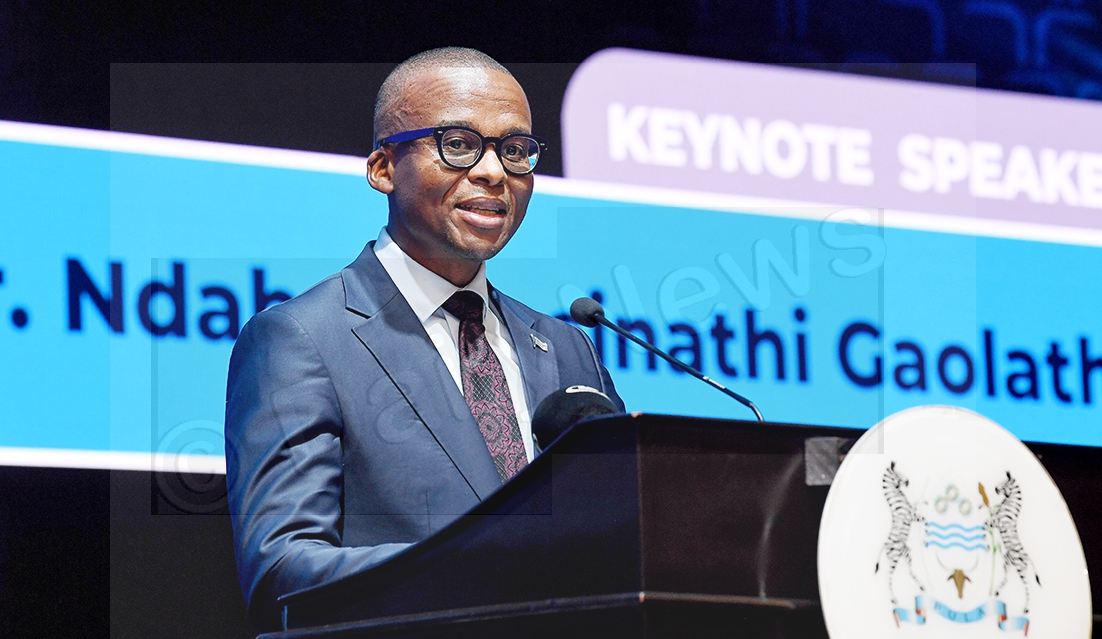
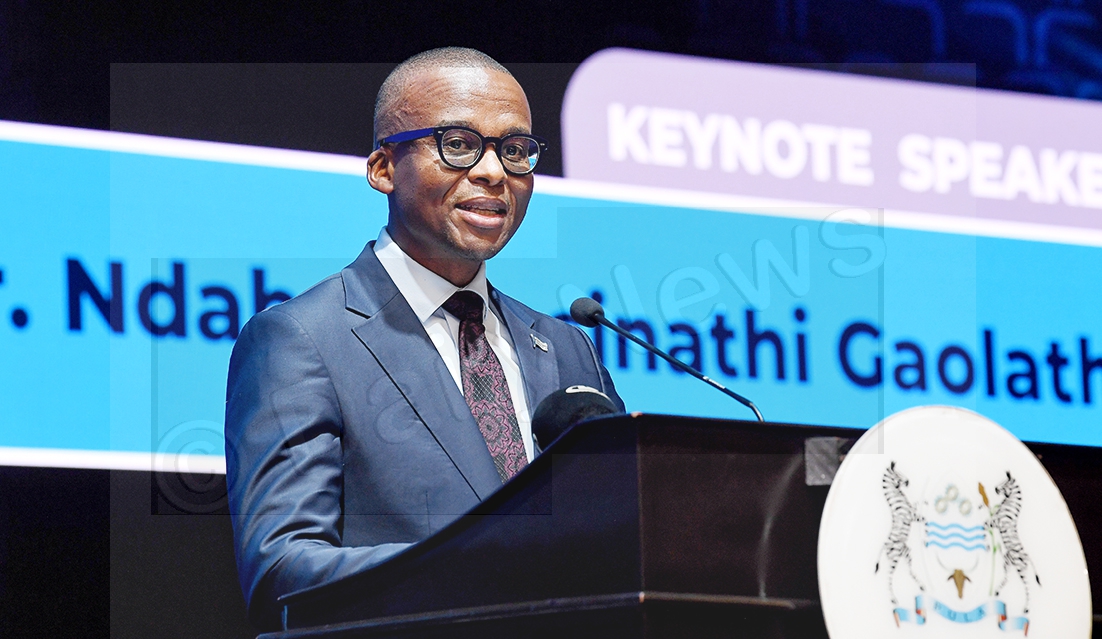
    The national e-procurement system will serve as a safeguard against waste, a generator of real-time intelligence and a strong defence against corruption, says Vice President Ndaba Gaolathe.

    Addressing the inaugural two-day National Procurement Pitso in Gaborone on Tuesday, Mr Gaolathe, who is also, Minister of Finance therefore reiterated government’s commitment to the development of the national e-procurement system by 2027.

    He said centralising procurement information would strengthen oversight, improve decision-making and build a system that was efficient, transparent and sustainable.

    “We must be honest about the hurdles. We know that our legacy systems and capacity constraints exist, but we are committed to overcoming them,” he said.

    He added that the world’s most transparent procurement systems ran all tender stages on a single digital platform where bids, evaluations and contract awards were publicly visible in real time.

    Citing international best practice, he said Georgia had implemented a fully electronic system administered by its State Procurement Agency, integrating digital bidding, open access to tender information and market analysis to promote transparency, competition and public confidence.

    The Vice President further said linking procurement data to anti-money laundering frameworks would protect public funds and reinforce Botswana’s commitment to international financial integrity standards.

    He emphasised that the success of an e-procurement system depended not only on technology, but also on a clear and robust governance framework.

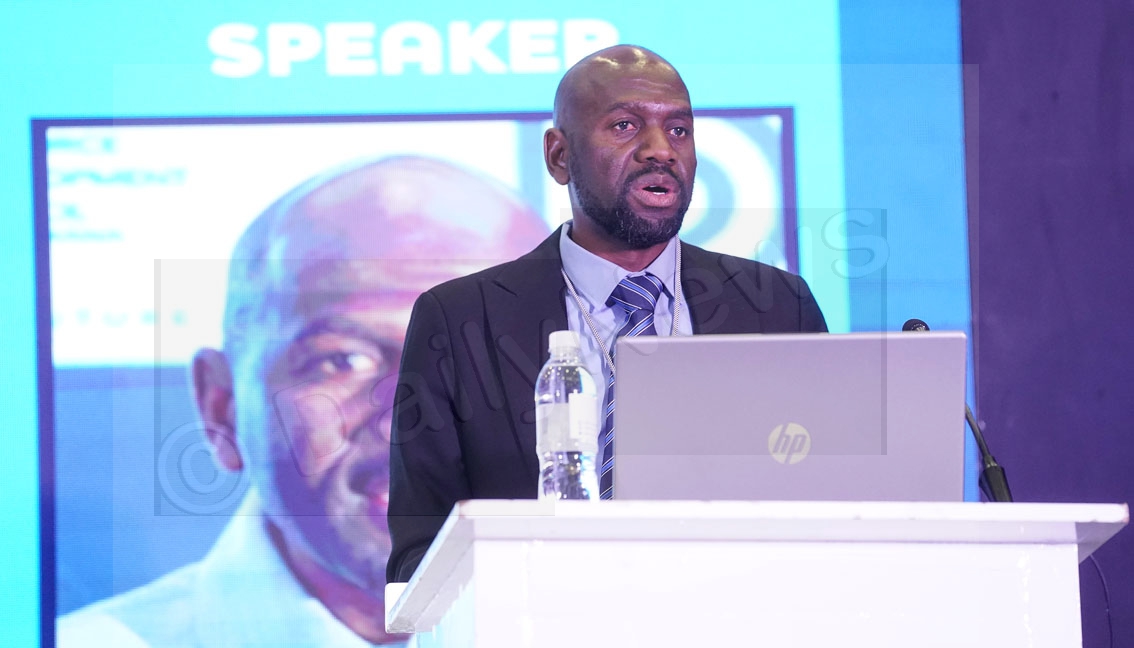
    Meanwhile, Chief Executive Officer of the Public Procurement Regulatory Authority, Ms Tumelo Motsumi, said procuring entities awarded 78,800 tenders valued at P33.5 billion during the 2024/2025 financial year, reflected the dynamism of the procurement ecosystem and its significant share of the national budget.

    “It vividly underscores procurement’s vital role in driving infrastructure, services and ultimately economic growth,” she said.

    Ms Motsumi noted that the expenditure aligned with global trends, where public procurement accounted for an average of 12.7 per cent of Gross Domestic Product across Organisation for Economic Co-operation and Development (OECD) countries.

    She said Botswana’s procurement stood at 12.4 per cent of GDP, equivalent to P33.5 billion, adding that it remained a key tool for inclusive growth and citizen empowerment.

    She highlighted that citizen-owned companies, including those ran by youth, women and persons with disabilities, were awarded contracts worth P8.7 billion, 36 per cent of the total surpassing the 20 per cent target set under the local procurement scheme.

    The CEO said the achievement aligned with the goals of National Development Plan 10 and the African Union’s Agenda 2063, both of which emphasised inclusive growth, gender equality and youth empowerment.

    However, she acknowledged ongoing challenges, including the lack of professionalisation within the procurement cadre and system.

    Ms Motsumi said these gaps contributed to weak compliance monitoring, as the authority lacked real-time data on procurement transactions.

    “Monitoring the progression of procurement from one stage to another is also a great challenge, as a transaction can remain at one stage without the authority noticing and intervening. Hence, we have delays in project execution,” she said.

  • Lucara boosts Miss Botswana Pageant

    Lucara boosts Miss Botswana Pageant

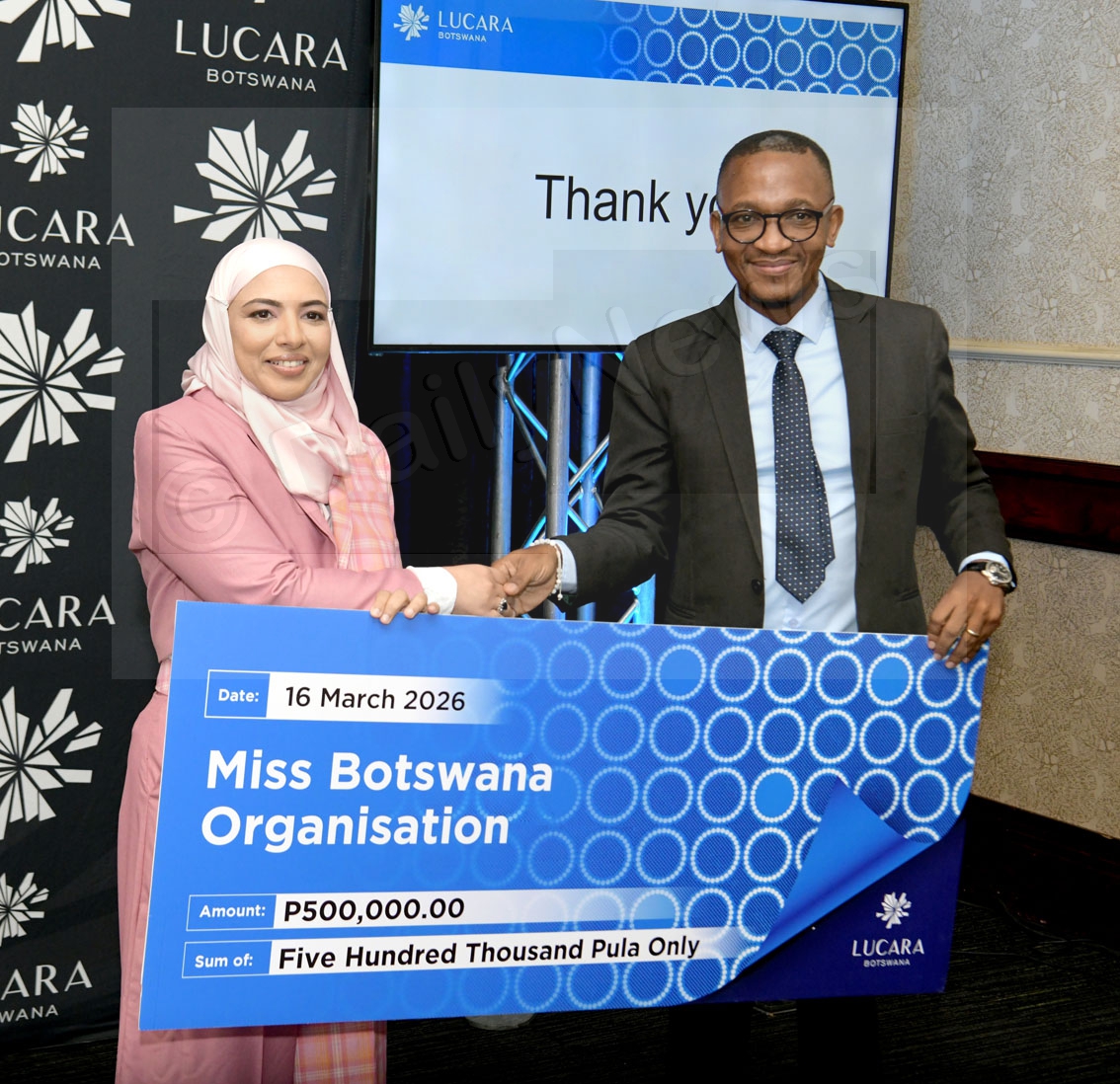
    With only 12 contestants remaining in the Miss Botswana 2026 competition, the road to the coveted crown has entered its final stretch, buoyed by corporate support after Lucara Botswana pledged P500 000 to the pageant and an additional P600 000 to Change Africa to support initiatives aimed at empowering women ahead of the grand finale on Saturday.

    Speaking at the handover ceremony in Gaborone Monday, Lucara Botswana managing director, Naseem Lahri said the sponsorships marked the continuation of their strategic partnership with the Miss Botswana organisation as well as continued commitment to supporting initiatives that promoted women’s empowerment, leadership development and social impact.

    She highlighted that the renewal of their partnership with Miss World Botswana aimed to empower and uplift young Batswana women who were poised as the best exporters of Botswana’s beauty and culture on the international platform while the funding allocated to Change Africa, a social enterprise that supported innovative entrepreneurship and thought leadership development, would help advance a pilot programme in Maun aimed at uplifting and teaching women how to grow crops, rear animals, and to sustain themselves and the community, while building entrepreneurial skills.

    The programme titled, Tshwaragano Young Mothers Development Centre, is a women led 10-hectare agricultural and enterprise hub of which Lahri noted complimented her organisation’s commitment of empowering women.

    In addition, Change Africa Founder, Kaene Disepo, said that the centre was also a childcare facility, a wellness space, and a GBV awareness hub.

    “We understand that a young mother cannot build an enterprise if she has nowhere safe to leave her child,” said Disepe adding that the centre would train and empower fifty young mothers as well as create five permanent jobs and approximately 20 seasonal roles, all prioritising women and youth in Maun.

    Meanwhile, Miss World Botswana Organisation director, Benjamin Raletsatsi, expressed gratitude to Lucara Botswana’ commitment to supporting initiatives that promoted women’s empowerment. 

    He stated that the growth of the organisation was owed to Lucara’s continued support.

    The prestigious Miss Botswana Grand Finale is scheduled to take place at Molapo Creative Hub under the theme: Diamond Jubilee, as part of the 60th Botswana Independence national celebrations. 

    Top 12 finalists set to strut it out for the crown are: Casey Esmeraldo, Abale Matsoma, Miss Mochudi BW District Winner Thando Makhoba, Talent Competition Winner Mosa Gontshwanetse, Kgalalelo Lentebanye, Sports Challenge Winner Michelle Bagoleng, Gaselesire Phalanyane, Head-to-Head Challenge Winner Angelah Phuthego, Magdeline Modipane, Ogaufi Seakgo, Top Model Winner Thabiso Segokgo as well as Kimberly Kotewa.

  • Rare Minerals To Lead Mining Diversification

    Rare Minerals To Lead Mining Diversification

    Amid challenges in the natural diamond sector, significant opportunities remain within Botswana’s mining industry, particularly in rare earth minerals, which are key to repositioning the country in line with the global shift toward alternative resources.

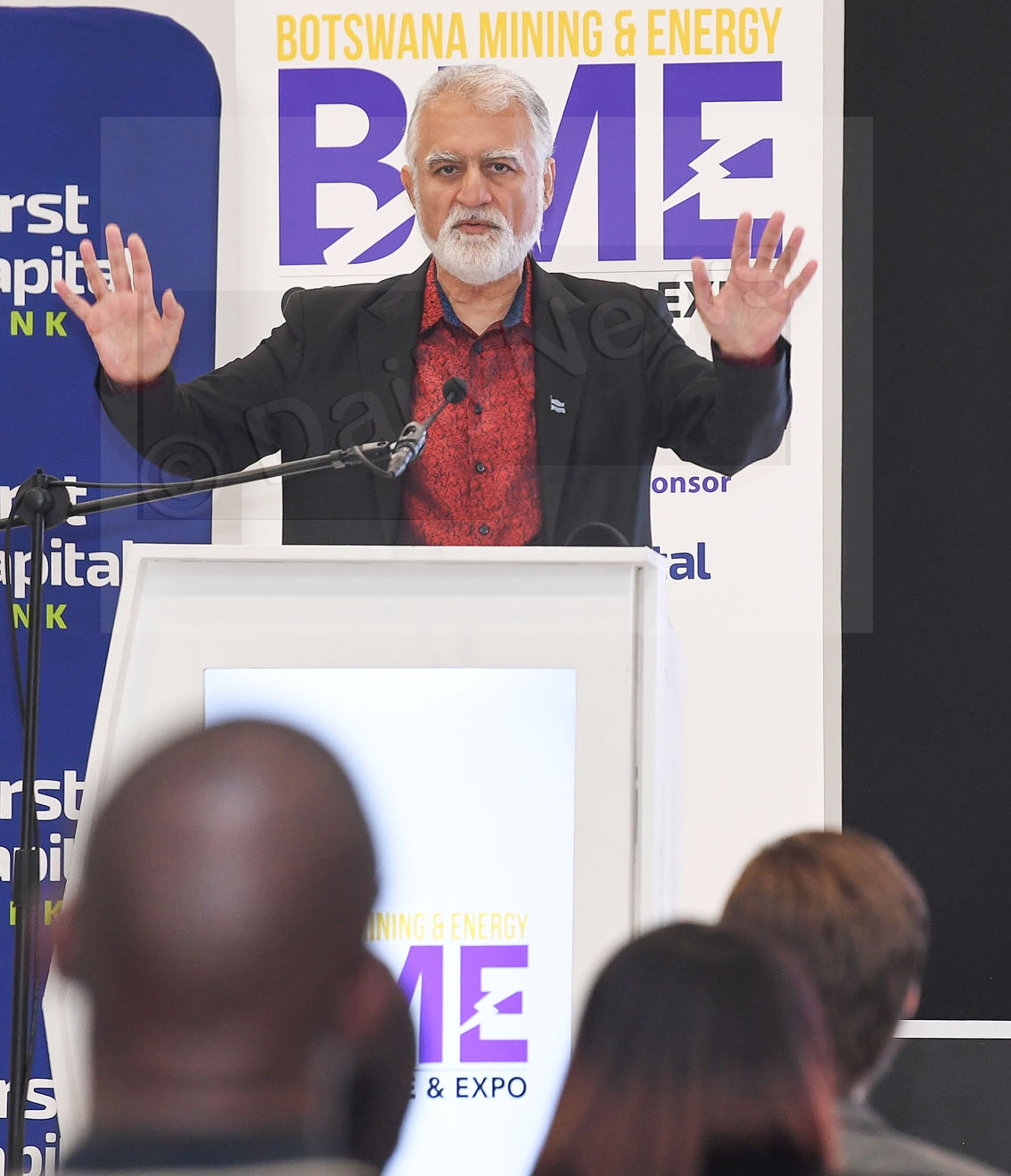
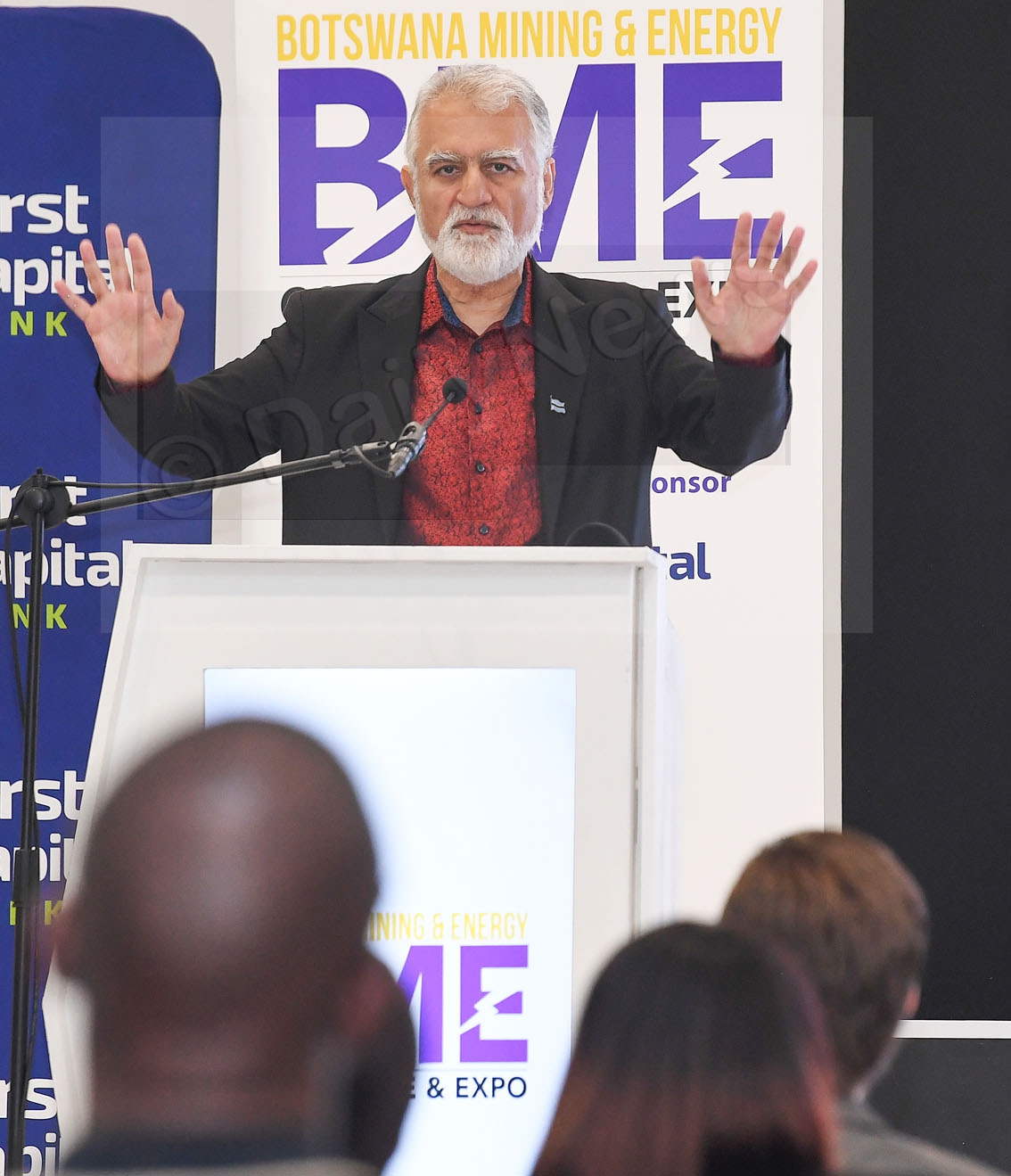
    Speaking at the Botswana Mining and Energy Conference on Monday, Presidential Envoy on International Relations and Economic Development, Dr Farzam Kamalabadi, said the recent discovery of substantial rare earth mineral deposits in north west part of Botswana could play a pivotal role in diversifying the country’s mineral base away from diamonds.

    Rare earth elements are critical in the production of electric vehicles, wind turbines, battery storage systems, defence electronics and advanced telecommunications infrastructure. 

    Demand for these resources continues to surge alongside the global transition to renewable energy.

    “As much as the diamond sector is facing global challenges, the mining industry still provides a lot of opportunities not only in diamonds, but also in base metals and rare earth minerals,” he said.

    Dr Kamalabadi noted that the downturn in the diamond market had created the impression that the entire mining sector was in decline.

     However, he emphasised that there were emerging growth areas beyond diamonds.

    He said government was prioritising copper and rare earth minerals as key drivers of economic transformation, supported by increased exploration in the Kalahari Copper Belt and improved digital access to geological data.

    To maximise national returns from its mineral endowment, Botswana is advancing a new strategy focused on value chain development in non-diamond minerals.

    According to Dr Kamalabadi, the country’s mineral policy will promote copper- and rare earth-led diversification, aimed at enhancing local empowerment, increasing citizen participation, and attracting sustainable investment.

     “Buy all accounts Botswana is a mining economy and the mining sector remains the backbone of the country’s economic structure and even in the face of adversity there are abandoned opportunities in other mineral mining that waits to be unlocked,” he said.

    He added that plans were underway to implement a mineral resource development, exploitation and value chain beneficiation strategy.

     The initiative aims to accelerate development of diversified mineral value chains, drive investment into sustainable projects, and ensure meaningful citizen participation.

    “We need to promote exploration in the Kalahari Copper Belt to discover new deposits. This should be achievable, as the necessary geological information is already available,” he said.

    While acknowledging that diamonds have long been Botswana’s economic mainstay, Dr Kamalabadi stressed the importance of leveraging this legacy to position the country as a leader in the next phase of global mining.

    He said this transformation would require collaboration between government, the private sector, business associations and other stakeholders.

    Dr Kamalabadi also called for the reduction of bureaucratic barriers in governance and urged the private sector to play a stronger stewardship role in accelerating implementation of mining initiatives.

  • Botswana Ash Mine Donates To Schools

    Botswana Ash Mine Donates To Schools

    Botswana Ash (BotAsh) Mine has donated two heavy duty photocopying machines to Nxakatoe and Madau Junior Secondary Schools as well as notebooks to Dukwi Junior Secondary School worth P760 000.

    Officiating at the donation handing over in Sowa Town on Tuesday Assistant Minister of Child Welfare and Basic Education, Mr Justin Hunyepa said government resources were under increasing strain, therefore not enough to address the challenging environment in schools.

    Mr Hunyepa said the schools were the most affected by shortage of resources coupled with dilapidated infrastructure, therefore impacting negatively on teaching and learning.

    He said the situation would be managed through the support partners, hence commending companies such BotAsh for coming forward through their Community Social Initiatives and contributing in resuscitation of education in schools.

    Mr Hunyepa noted that teaching and learning were enhanced by availability of equipment such as photocopying machines.

    He said the contribution was an investment to the future of the children and development of the nation. 

    “This demonstrates sustainable partnership with the education sector,” he said.

    Acting Managing Director of BotAsh, Mr Othusitse Seokamo said the company was dedicated to fostering self-sustainable community initiatives and engaging in collaborative efforts with the local communities to enhance sustainable and long term impact projects.

    Mr Seokamo said in 2025 alone, BotAsh dedicated P14 million to community programmes focusing on sports, education, industry and environment. 

    He said the photocopying machine would bring positive change to Nxakatoe JSS in Sowa Town.

    As for Madau JSS in Nswazwi village, Mr Seokamo said the school had over the past years exhibited academic excellence maintaining its position among the top 10 best performing junior secondary schools nationally and being exemplary that geographical location did not matter in education as long as teaching and learning took place.