Author: Daily News

  • Govt Commits to Pay P43M Owed to Veterinary Employees

    Govt Commits to Pay P43M Owed to Veterinary Employees

    Government is committed to settling at least P43 million owed to low-ranking employees in the Department of Veterinary Services, despite ongoing liquidity constraints affecting payment timelines. 

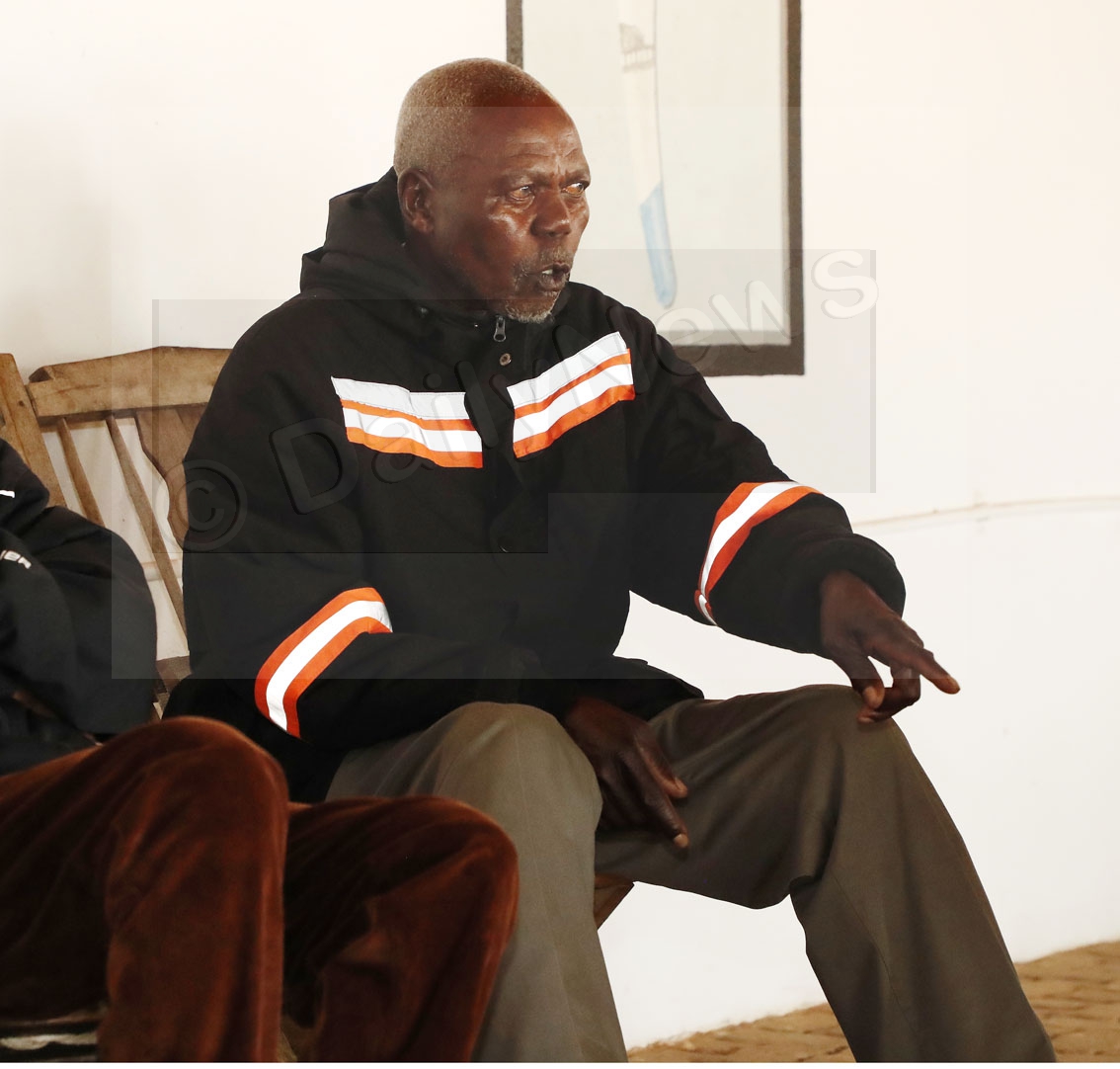
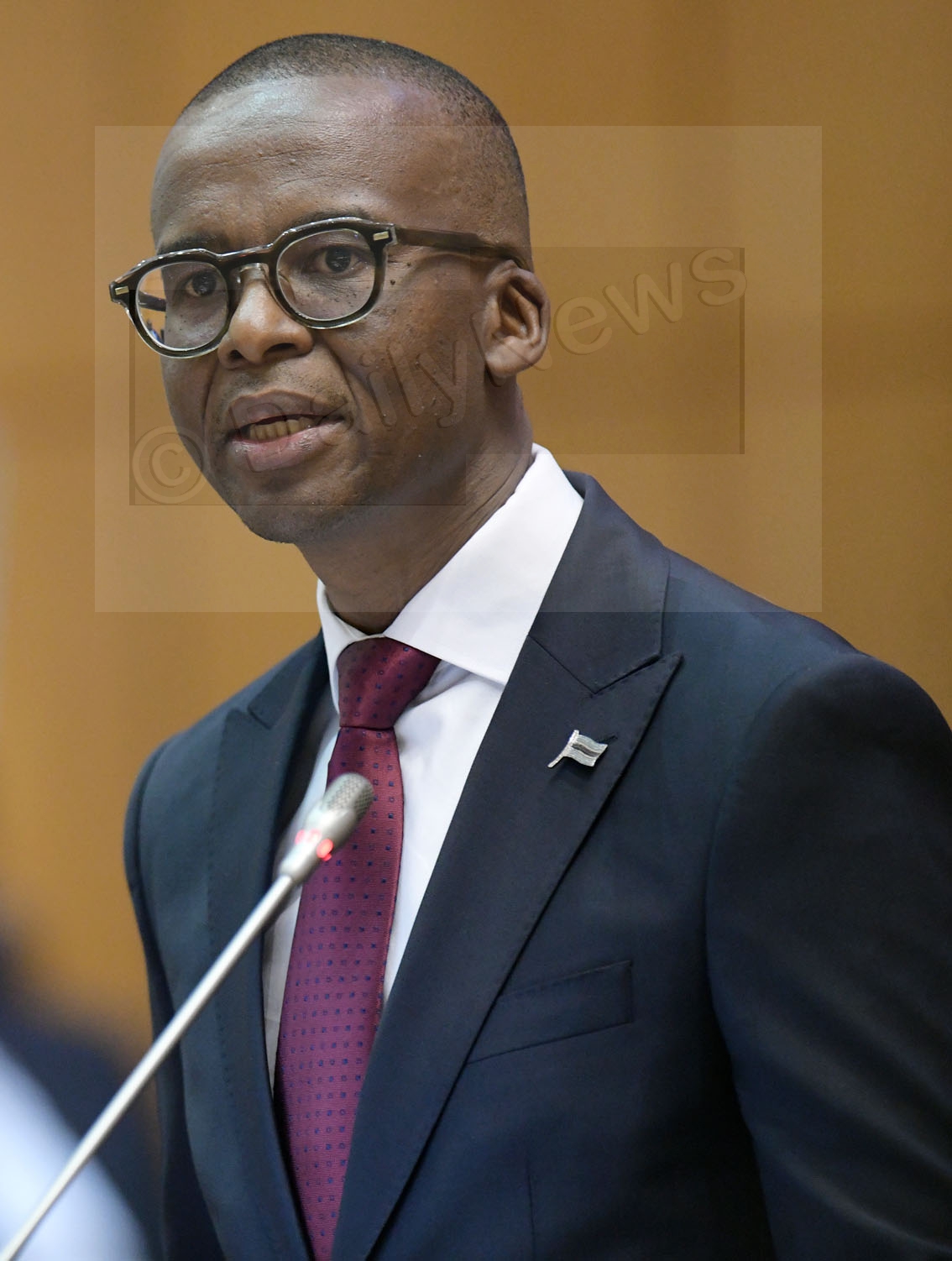
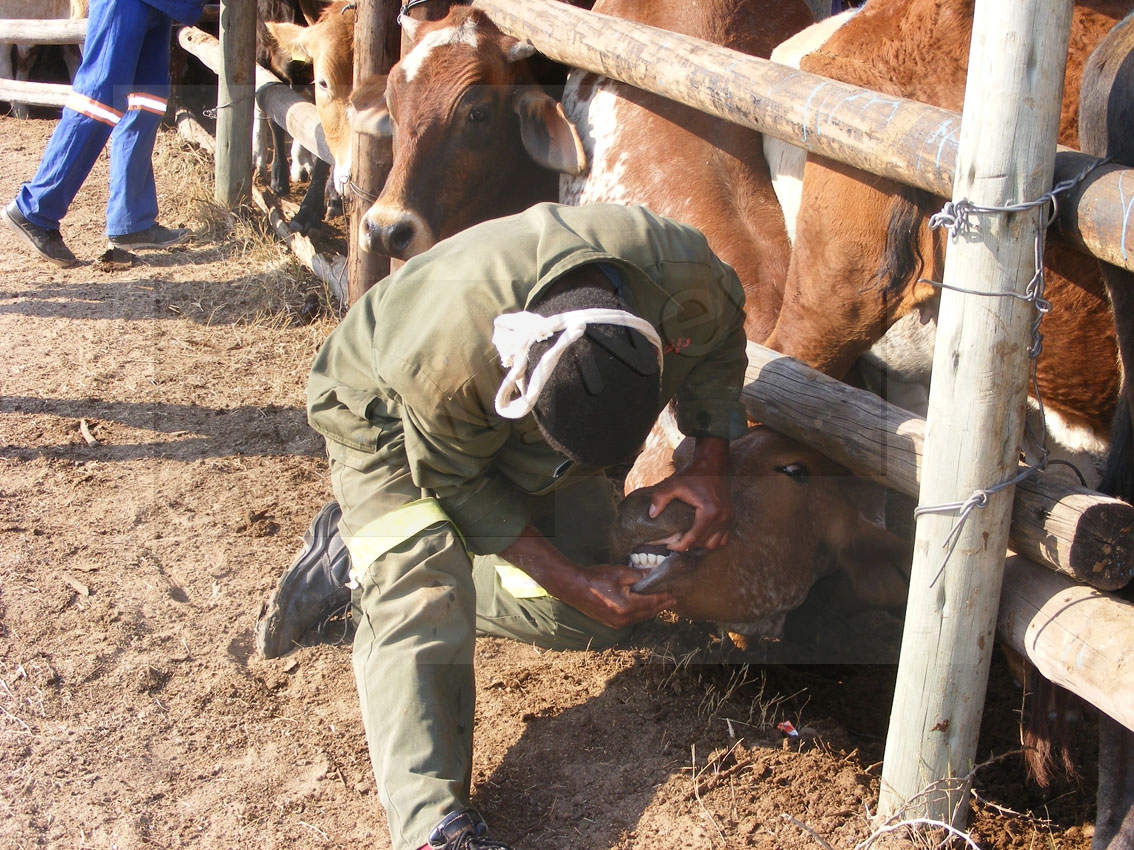
    Responding to a question in Parliament on Wednesday, Minister of Water and Human Settlements, Mr Onneetse Ramogapi, on behalf of Minister of Lands and Agriculture, confirmed that the debt, which affected staff stationed at disease control camps across the country, related to unpaid allowances accumulated over time. 

    Mr Ramogapi said the arrears included subsistence, overtime, housing and temporary assistance allowances.  

    The minister emphasised that honouring the obligations remained a priority for government, although current cash flow challenges made it difficult to commit to a specific payment schedule. 

    “The debt will be settled, however, liquidity constraints arising from uncertain cash flows preclude setting a specific timeline,” he said.  He noted that payments were already being made in phases as funds became available, adding that to date, government had paid P635 000 towards subsistence allowances and P15 million in overtime claims. 

    Member of Parliament for Okavango West, Mr Kenny Kapinga, had sought clarity on whether government was aware of the huge debt owed to low-ranking public servants left over from the previous administration, especially for employees in the Department of Veterinary Services based at disease control camps across the country. 

    Mr Kapinga also asked the minister to ease the feelings of such public servants and state how government planned to discharge its debt obligations to its employees.

  • Ceasefire Brings Renewed Hope

    Ceasefire Brings Renewed Hope

    A fragile sense of calm has begun to return to parts of the Gulf region following weeks of heightened conflict involving Iran, Israel and the United States.

    In an interview, Botswana’s Acting Ambassador to Kuwait, accredited to Qatar, the United Arab Emirates, Bahrain and Saudi Arabia, Mr Amangwe Madisakwana said the April 7 ceasefire announcement has brought renewed hope for diplomacy, though conditions remain tense and unpredictable.

    Mr Madisakwana said the region had experienced intensified attacks over the past week, targeting energy infrastructure, military installations and key transport hubs, including airports in Kuwait.

    While these developments raised alarm, he noted that the ceasefire has resulted in a noticeable, though cautious, de-escalation.

    He said the situation has been unsettling but manageable for Batswana living and working across the Gulf.

    “Only a small number, approximately 30 people, have returned home to Botswana since the conflict began.

    Many have opted to remain in their host countries, monitoring developments while continuing with their professional and academic commitments,” he said.

    More than 200 Batswana are estimated to be spread across Qatar, the United Arab Emirates, Kuwait and Bahrain, working in sectors such as education, hospitality and corporate industries.

    Mr Madisakwana said restraint by Gulf states has been key in maintaining relative stability.

    “Despite sustaining significant economic losses, particularly to infrastructure and aviation, countries such as Saudi Arabia, Kuwait, the UAE, Bahrain and Qatar have avoided retaliatory strikes.

    This measured response has helped prevent broader regional escalation,” he said.

    However, daily life remains disrupted. Residents, particularly in Bahrain and Kuwait, continue to report nights punctuated by explosions, interspersed with periods of calm.

    Governments have urged people to stay indoors unless necessary, limiting movement and altering social routines.

    Economic pressures are also mounting.

    Disruptions to maritime trade have increased the cost of goods, while sectors such as hospitality and aviation have recorded reduced revenues.

    Some workers have experienced salary cuts or reduced working hours.

    In Kuwait, schools have shifted to online learning, while workplaces have adopted hybrid systems, operating at about 30 per cent physical capacity with rotating staff.

    Travel remains a major challenge. Since late February, flights in and out of Kuwait and Bahrain have largely been suspended.

    Travellers are often forced to use road transport to Saudi Arabia to access international flights, an option described as costly and inconvenient. Limited flight operations continue in Qatar, Saudi Arabia and the UAE.

    Mr Madisakwana said Gulf governments have prioritised security, investing heavily in air defence systems and maintaining high alert levels, with emergency protocols such as public sirens in place.

    Despite the uncertainty, he expressed cautious optimism, noting that Iran’s call for a permanent end to hostilities could mark a turning point if supported by sustained diplomatic efforts.

    He encouraged Batswana in the region to remain calm and focused.

    “This is a passing phase,” he said, expressing confidence that normalcy will eventually return.

    He also reassured families in Botswana that Gulf states continue to prioritise safety, adding that their restraint has been critical in preventing further escalation.

    As the region navigates a delicate path forward, much will depend on continued diplomacy and the willingness of all parties to pursue lasting peace.

  • Malaria Cases on The Rise in The North West District

    Malaria Cases on The Rise in The North West District

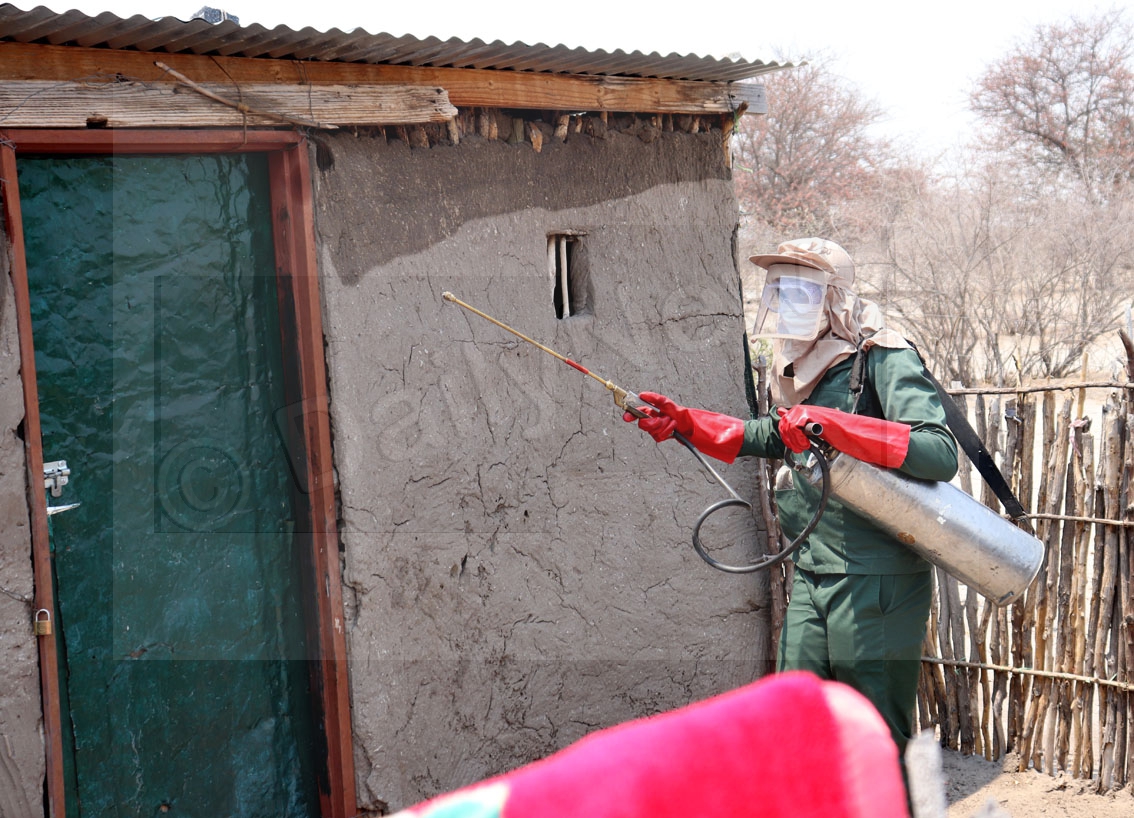
    Community rejection of Indoor Residual Spraying (IRS) for malaria control is a significant challenge in the North West district, often resulting in low coverage rates.

    To effectively mitigate malaria transmission, each year around October to December, IRS campaigns against malaria are conducted with a coverage target of 80 to 85 per cent.

    However, efforts of the health spraying teams often get frustrated by members of the community who refuse to cooperate and decline to have their houses sprayed.

    While studies have shown that when IRS is properly implemented, it can contribute to a significant decline in mosquito population and reduce malaria morbidity and mortality, Deputy Council Secretary – Primary Health, Dr Sandra Maripe-Ebutswe expressed displeasure that community refusal undermined efforts to tackle the malaria epidemic in the district especially during peak season.

    This season, she said they failed to attain the set target as coverage stood at 47 per cent despite heavy rainfalls that fuelled mosquito breeding grounds, raising cases of malaria infection and fatalities.

    She highlighted that IRS was considered the most effective intervention in malaria elimination citing that in other countries, the method was working wonders with malaria cases falling dramatically as members of the community had fully embraced it due to its effectiveness against mosquitoes.

    “Rejection of IRS by the community is a serious concern and yet people are dying of malaria. On daily basis, we record cases of malaria in various areas within our district,” Dr Maripe-Ebutswe emphasised.

    She called on the public to change their mindset and accept IRS by allowing health workers into their homes during campaign, especially since the North West and Okavango districts were classified as malaria-prone areas because of the high number of cases registered annually.

    Reports have indicated that increased cases of malaria were expected in North West district due to water pools across the district. Currently, one death and 115 clinically confirmed cases, of which 11 were children aged under five, have been recorded.

    Community health nurse, Ms Cindrella Gaebowe confirmed the number, explaining that 100 cases originated from the district, 13 were imported from other districts while the rest were imported beyond the border from countries such as Ghana, Zambia and Namibia.

    To control the disease, Ms Gaebowe said IRS campaign was conducted in Nhabe, and in areas within the Okavango Delta and that distribution of treated mosquito nets was also done.

    Meanwhile, some officials had indicated that early floods were anticipated to hit Maun, with water levels continuing to rise in the Okavango River at Mohembo due to persistent heavy rainfall experienced within the Okavango and North West districts.

    They indicated that rivers, lagoons and floodplains in the delta which had been dry for years had recharged and some were already overflowing, resulting in some areas becoming inaccessible due to flooding.

    North West deputy district commissioner, Mr Ramogaupi Gaborekwe stated that a team had been tasked to conduct a surveillance in hotspot areas and see how best they could mitigate the situation before it got out of hand.

    “Recently, we had to rescue one family by boat as their homestead was engulfed by water, making accessibility difficult. We anticipate more inflows as the water levels continue to rise and efforts are ongoing to strengthen early warning and community awareness systems,” he added.

    A hydrologist from department of Water and Sanitation, Ms Gofaone Maradu stated that based on the observed trends, hydrological flood disaster was anticipated as the inflows from Mohembo were increasing significantly.

    She said the 2025/2026 hydrological season was characterised by significantly improved flow conditions across the Okavango Delta system compared to the 2024/2025 season, noting that sustained upstream inflows, coupled with localised rainfall contributions had resulted in rising water levels and increased system response.

    “We have observed increased inflow volumes from the upper Okavango Basin, recharging of previously dry rivers, lagoons, and floodplains, the rising water levels along the Boro, Gomoti, Thamalakane, and Boteti river systems and that the flood head along the Nhabe River from Thamalakane River is advancing and has now passed Komana Primary School,” she added.

    Ms Maradu also noted that the Thamalakane River back flow along the Boronyane river had crossed the bridge and was about 20 metres upstream the bridge while the Okavango River peak water level recorded during the 2025/2026 hydrological year was still rising but had already approached approximately 3 metres at an earlier stage in the season, indicating a potentially higher or earlier peak.

    However, she explained that the main flood wave from Mohembo had not yet fully propagated to the Thamalakane River but that based on observed trends, downstream areas, including Maun, were expected to experience rising water levels once upstream floodwaters arrived.

    Despite the favourable hydrological conditions, Ms Maradu said monitoring operations were currently constrained by challenges such as continuous rainfall, which had rendered many access roads muddy and impassable, and limited resources including shortage of transport to perform routine monitoring.

    Therefore, she stressed the need for rehabilitation of access roads to key hydrometric sites, re-installation and upgrading of gauges and benchmarks as well as consideration of automated or telemetry-based monitoring systems to improve data continuity during extreme conditions. 

  • Mixed Model of Appointing Judges Suitable For ConCourt

    Mixed Model of Appointing Judges Suitable For ConCourt

    As the debate for and against the establishment of a Constitutional Court continues, Batswana from different quarters are desirous to know the form that it will take and how its judges will be appointed.

    Just as is the case with judicial officers of different lower-level courts, the appointment of judges of Constitutional Courts is a matter that countries handle with great circumspection.

    Often the highest courts marking the pinnacle of the court systems, Constitutional or Supreme Courts, are where they exist, the final stage of legal recourse.

    Their position in the legal structure of any country lends reason to why countries endeavour to do their absolute best in handling the appointment of judges who will sit in their hallowed chambers.

    According to private attorney, Mr Nchunga Nchunga of Chuchuchu Nchunga Attorneys, at the heart of each model of appointing judges of a Constitutional Court is the desire to promote and protect judicial independence, as well as to ensure that the court comes across as legitimate.

    While a couple of models of appointing ConCourt judges existed, Mr Nchunga admitted that none was perfect.

    Nonetheless, he believed the mixed appointment model stood shoulders above the other models as it balanced competing interests, promoted checks and balances and was not prone to political bias.

    For the above reason, the model, in which the Executive, the Legislature and the Judiciary all play a role in appointing judges, would be best suited to Botswana’s legal landscape.

    “The mixed model, where there is a combination of executive, legislative, and/or judicial input as in the case of Germany and Canada would work for Botswana,” he said.

    He explained that for Botswana situation, the Judicial Service Commission (JSC) forming part of the appointing authorities would help ensure and protect the court’s judicial independence.

    Mr Nchunga, a former deputy government attorney at the Attorney General’s Chambers, reckoned however that the mixed appointment model was not without fault and among its weaknesses was that it could be complex, slow and contentious.

    The attorney revealed that other jurisdictions appointed ConCourt judges using the Executive appointment model where the head of state or government appointed judges, often with legislative approval such as in the case of the United States of America and South Africa.

    He noted that the Executive model of appointment had its own pros and cons; its advantages’ being that it was quick and efficient.

    His view was that if appointments were merit-based and appointees had security of tenure, the model could, to a great extent, protect judicial independence.

    “But there is a risk of political interference if appointments are based on friendship, party loyalty or cronyism,” he said.

    Mr Nchunga said their disadvantages were that it was risky with a high possibility of political bias and a potential lack of transparency.

    He added that other countries went the legislative way when appointing judges to their Constitutional or Supreme Courts, with the legislature selecting judges to sit in the apex courts.

    This was a practice that Mr Nchunga noted was followed by some states in the United States of America.

    “The advantage of the legislative election is that it is more democratic as representatives are chosen by elected officials. Its weaknesses include the fact that it can be politicised, with the potential for populism,” he stated.

    Although the model may introduce political pressure from legislators, where judges find themselves having to bend to accommodate politicians’ special interests, it can, on the one hand, insulate judges from executive influence.

    Another model, currently being practiced in India and Australia provided for judicial bodies, often comprising judges, lawyers, and/or academics to recommend candidates for the appointment to the judgeship of the Constitutional Courts.

    To Mr Nchunga, having a judicial body such as the JSC- an expertise-driven entity, shoulder the responsibility of championing the appointment of ConCourt judges usually resulted in merit-based and less-politicised appointments.

    Even so, he felt it had some inherent weaknesses, among which, he cited a lack of democratic accountability and that it carried the potential for elitism and detachment from political reality on the ground as well as a lack of cultural relevance.

    While it promotes judicial independence by involving judicial peers in selection, the JSC model is imbued with the potential for self-perpetuating elite if not transparent and if left without checks and balances mechanisms.

    Underlining why no model of appointing judges was perfect, Attorney Nchunga observed that it was worth noting that not all judges were weak that they would abandon their judicial oath in favour of the Executive’s desires.

    “Judges are human, they are fallible and they are not perfect. Also, not all presidents are corrupt, some maintain integrity,” he further observed, adding that political influence was also possible whatever the methodology employed in appointing the judges.

    That aside, some pitfalls exist that Mr Nchunga believed Botswana should avoid should the country establish a ConCourt.

    Among those, he cited Executive appointments, saying in the event that the country decided to go that route, the Executive should avoid ‘choosing judges friends and acquaintances who are loyal to them or are within their club of elites’. =

    Another mistake worth avoiding was having judges who were detached from cultural reality, the ones who end up with well-researched judgments, which are academic but insensitive to the cultural reality on the ground, Mr Nchunga noted.

    Regarding tenure of office for ConCourt judges, he suggested that it would serve the country well to have either age-limit based tenures or contractual limits with predictable tenures, thereby guaranteeing those in the court’s bench security of tenure.

    Mr Nchunga cautioned against using the ConCourt as a terror machine, which he alleged was the case in some SADC countries.

    “Their Constitutional Courts are oppressive tools of the Executive – oppressing the ordinary citizens, especially political opponents,” he concluded.

    Former court president of Tatitown Customary Court in Francistown, Ms Margaret Mosojane said a ConCourt judge should be someone with a deep understanding of what human rights were; an understanding that goes beyond being merely academic.

    As such, she opined that the judges should be people with a record of having previously dealt with issues of human rights.

    “Much as we emphasise the knowledge-based approach of doing things, experience is also crucial. You might have the knowledge, but do you have the experience?” She asked.

    Should the court be established, Ms Mosojane is all for the appointment of judges who are also alive to the cultures of Botswana’s different tribes.

    “For instance, the judge should be able to understand that to a Zezuru parent, having a minor out in the streets selling vegetables is economic empowerment and not child abuse. This is where cultural sensitivity comes in,” she said. 
  • Shamukuni Burial Saturday

    Shamukuni Burial Saturday

    Former Minister of Justice, Machana Ronald Shamukuni, who passed on April 3, will be buried in Kasane on April 11. 

    Shamukuni was former Member for Chobe from 2014 until 2024 and also served as Minister of Justice.

    A family representative and the deceased’s nephew, Mr Daniel Mwezi also said a memorial service would be held in Kasane on Friday.

    Paying tribute to Shamukuni, Mr Mwezi described his uncle as a kind, humble and family-oriented man who always went the extra mile for his loved ones.

    “He had a way of making people feel loved and treasured because he carried humility in his heart everywhere he went,” he said.

    A close friend, Mr Johane Chenjekwa, said Shamukuni’s passing had left them heartbroken, noting that many had high expectations for his future.

    The Chobe District Council chairperson said their relationship, which spanned many years, grew stronger during his tenure as Chobe Land Board chairperson while Shamukuni served as Member of Parliament for Chobe before being appointed the minister.

    He added that Shamukuni played a pivotal role in shaping his political career by encouraging him to pursue politics.

    “He was a man of remarkable intelligence and profound humility. I truly wish we could find another leader like him because there is so much to be learned from the legacy he leaves behind in politics,” he said.

    In his tribute, former Minister of Basic Education and Member of Parliament for Okavango, Mr Bagalatia Arone, said Shamukuni was more than a friend.

    “We were incredibly close and shared a deep level of trust. We spoke almost every day, confiding our deepest thoughts with one another,” he said.

    Mr Arone recalled that Shamukuni had visited him in his home village of Shakawe in January, where they shared a meal and meaningful conversation.

    He said the news of his passing was devastating and unexpected. 

  • Shamkukuni Burial Saturday

    Shamkukuni Burial Saturday

    Former Minister of Justice, Machana  Shamukuni, who passed on April 3, will be buried in Kasane on Saturday.

    Shamukuni was a former Member of Parliament for Chobe from 2014 until 2024 and also served as Minister of Justice.

    A family representative and the deceased’s nephew, Mr Daniel Mwezi also said a memorial service would be held in Kasane on Friday.

    Paying tribute to Shamukuni, Mr Mwezi described his uncle as a kind, humble and family-oriented man who always went the extra mile for his loved ones.

    “He had a way of making people feel loved and treasured because he carried humility in his heart everywhere he went,” he said.

    A close friend, Mr Johane Chenjekwa, said Shamukuni’s passing had left them heartbroken, noting that many had high expectations for his future.

    The Chobe District Council chairperson said their relationship, which spanned many years, grew stronger during his tenure as Chobe Land Board chairperson while Shamukuni served as Member of Parliament for Chobe before being appointed the minister.

    He added that Shamukuni played a pivotal role in shaping his political career by encouraging him to pursue politics.

    “He was a man of remarkable intelligence and profound humility. I truly wish we could find another leader like him because there is so much to be learned from the legacy he leaves behind in politics,” he said.

    In his tribute, former Minister of Basic Education and Member of Parliament for Okavango, Mr Bagalatia Arone, said Shamukuni was more than a friend.

    “We were incredibly close and shared a deep level of trust. We spoke almost every day, confiding our deepest thoughts with one another,” he said.

    Mr Arone recalled that Shamukuni had visited him in his home village of Shakawe in January, where they shared a meal and meaningful conversation.

    He said the news of his passing was devastating and unexpected.

  • Go Tshegetsa Ngwao Go Ne Go Thusa

    Go Tshegetsa Ngwao Go Ne Go Thusa

    Go tswa goo lowe, Motswana e ne e le motho le temo thuo. E re ntswa karolo e ya temo e ne e le sone seikokotlelo segolo sa motswedi wa dijo, go ne go na le meila.

    Bagologolo ba ne ba dumela gore ngwana fa a sa loma thotse ya molomo, o felela a sa tsoge ,  matsapa di a tsete kae. Ka jalo, setlhopha sa BOPA sene sa buisana le Rre Rex Masegwana wa kwa Molapowabojang go tlhalosa ka thotse ya molomo, e bangwe ba dumelang e le yone molemo wa go tila kgang e.

    A re maloba jale, e ne e re fa go lemilwe, ka Firikgong motsadi a kgaole lekatanyane la ntlha kwa tshimong, a le thube a bo a tshase bana mo mehubung ka go tlhatlologana ka dingwaga  mme e re morago a ba ngathise.

    Se, a re se ne se direlwa go hema gore ngwana yo monnye a seka a tseela yo motona tlhaloganyo. Rre Masegwana yo a fetileng ka thulaganyo e, a re mo nakong ya gompieno e nyeletse ka tsa kwa masimo di setse di ijelwa nako nngwe le nngwe eseng ka legwetla fela.

    Mme fa go ka dirala phoso, lebutswapele le la re mefuta ya kalafi e, e ne e le mebedi, bangwe ba ne ba ka bitsa ngaka ya setso go tla go baakanya seemo kana motsadi a tseye lekatanyane a le thube ka bogare a bo a le phatlakanya mo tlhogong ya ngwana gore go apoge go nne lesedi.

    Ka tumelo di farologana go ya ka merafe, Mme Mitumbaa Ngatangue wa  Maun a re mo ngwaong ya Seherero ga ba na moila wa go loma ka tota bone e le batho le thuo mme go lema ba go tseneletse fa gare. A re bone fela fa tsa kwa tshimong di budule ba letsa leino .

    Fa kwa Dagwi, Mme Baby Chipani yo o ngwaga di masome a robabobedi le bone, a re mo ngwaong ya Sekalakala, molomo o gabedi. A re ene, e ntse e le mogolo o loma kwa ga Ntogwa kwa go a bong go kopane mawosana (batho ba ba kopang pula kwa ga Nwali).

    Mme Chipani, a re ngwaga o, ga a a loma, mme go tlhoka go dira jalo go mo tsentse bokoa. O tlhalosa gore bokopano jo bo direlwa kwa Ramokgwebana kwa mawosana le bao ba ba tlaa bong ba ba boledisetse ba kopanelang teng mme mongwe le mongwe o tla ka se a se lemileng. A re fa o sa lema o ka reka go le gobedi, goraro mme fa ba tsena kwa lefelong leo, tsotlhe tse ba tsileng ka tsone di a kgobokanngwa di neelwe baapei ba tswakanye le melemo ya Setswana.

    A re jaaka a ne a seka a tsenelela moletlo o wa go loma  go setse go mmaketse bokoan, kalafi ke gore a ye kwa go mongwe wa baeteledipele ba a kaileng fa ba le kwa mafelong a a farologaneng a ye go mo alafa.

    E re le fa go ntse jalo, morafe o wa Bakalaka o na le ngwao ya molomo wa bana, o Mme Chipani a kaileng o direlwa gore bana ba tie. Thulaganyo ya Sekalaka e farologana le ya Sengwaketse ka a tlhalosa gore ba kgetla matlhare a lerotse, a silwe bana ba tshasiwe mo ditokolong. A re fa gongwe, pele go ka jewa, fa go nna le sengwe se se jelweng ke mothwa mo tshimong, e ka tswa e le mmidi kana sepe hela se a tseewa se lomisiwe bana go ba hemela gore ba seka ba lwala le gone go gata mowa. 

  • Batswana In Gulf Region Cautious

    Batswana In Gulf Region Cautious

    A fragile sense of calm has begun to return to parts of the Gulf region following weeks of heightened conflict involving Iran, Israel and the United States.
    In an interview, Botswana’s Acting Ambassador to Kuwait, accredited to Qatar, the United Arab Emirates, Bahrain and Saudi Arabia, Mr Amangwe Madisakwana said the April 7 ceasefire announcement has brought renewed hope for diplomacy, though conditions remain tense and unpredictable.
    Mr Madisakwana said the region had experienced intensified attacks over the past week, targeting energy infrastructure, military installations and key transport hubs, including airports in Kuwait.
    While these developments raised alarm, he noted that the ceasefire has resulted in a noticeable, though cautious, de-escalation.
    He said the situation has been unsettling but manageable for Batswana living and working across the Gulf.
    “Only a small number, approximately 30 people, have returned home to Botswana since the conflict began.
    Many have opted to remain in their host countries, monitoring developments while continuing with their professional and academic commitments,” he said.
    More than 200 Batswana are estimated to be spread across Qatar, the United Arab Emirates, Kuwait and Bahrain, working in sectors such as education, hospitality and corporate industries.
    Mr Madisakwana said restraint by Gulf states has been key in maintaining relative stability.
    “Despite sustaining significant economic losses, particularly to infrastructure and aviation, countries such as Saudi Arabia, Kuwait, the UAE, Bahrain and Qatar have avoided retaliatory strikes.
    This measured response has helped prevent broader regional escalation,” he said.
    However, daily life remains disrupted. Residents, particularly in Bahrain and Kuwait, continue to report nights punctuated by explosions, interspersed with periods of calm.
    Governments have urged people to stay indoors unless necessary, limiting movement and altering social routines.
    Economic pressures are also mounting.
    Disruptions to maritime trade have increased the cost of goods, while sectors such as hospitality and aviation have recorded reduced revenues.
    Some workers have experienced salary cuts or reduced working hours.
    In Kuwait, schools have shifted to online learning, while workplaces have adopted hybrid systems, operating at about 30 per cent physical capacity with rotating staff.
    Travel remains a major challenge. Since late February, flights in and out of Kuwait and Bahrain have largely been suspended.
    Travellers are often forced to use road transport to Saudi Arabia to access international flights, an option described as costly and inconvenient. Limited flight operations continue in Qatar, Saudi Arabia and the UAE.
    Mr Madisakwana said Gulf governments have prioritised security, investing heavily in air defence systems and maintaining high alert levels, with emergency protocols such as public sirens in place.
    Despite the uncertainty, he expressed cautious optimism, noting that Iran’s call for a permanent end to hostilities could mark a turning point if supported by sustained diplomatic efforts.
    He encouraged Batswana in the region to remain calm and focused.
    “This is a passing phase,” he said, expressing confidence that normalcy will eventually return.
    He also reassured families in Botswana that Gulf states continue to prioritise safety, adding that their restraint has been critical in preventing further escalation.
    As the region navigates a delicate path forward, much will depend on continued diplomacy and the willingness of all parties to pursue lasting peace.

  • Macmillan Boosts Education

    Macmillan Boosts Education

    In a quest to transform learning, Gaborone Bonnington South Tutorial Services has received a donation of books worth a million from Macmillan Education Botswana.
    During the handover ceremony in Gaborone yesterday, Acting President Ndaba Gaolathe underscored the vital role of education as a great equaliser, inspiring hope and opportunity across communities.
    Beyond education, he said there was little that could unite and elevate society.
    Therefore, he commended Macmillan for the unwavering support in empowering pupils to chase their dreams.
    He added that the books would be instrumental in fostering critical thinking, broadening perspectives, and encouraging learning from different angles.
    Mr Gaolathe, who was appointed in March as the Global Champion for Education by the Global Partnership for Education, further lauded teachers who, beyond their daily duties, dedicated their time voluntarily to support the centre’s mission.
    Macmillan Botswana general manager Mr Kopano Sechele, traced the company’s history back to 1843 in London, noting that it had operated locally for 45 years.
    He expressed the company’s mission to extend education nationwide, asserting that education was the ultimate tool for bridging societal gaps.
    “When one is educated, they can go far in life,” he said, “as learning knows no boundaries or background.”
    The donated collection includes works on poetry, mental health issues, and literature, catering from grassroots learners to secondary school pupils. He proposed involvement in celebratory events to motivate excellence through awards.
    Macmillan has also partnered with Mosha Wellness Spa on a library project in Khwai, and has so far contributed books valued at P350,000 and the company has allocated books worth P3.6m to Botswana Prison Service, with the aim to provide inmates with educational opportunities, rekindling their humanity and offering a fresh start.In his welcoming remarks, Kgosi Arnold Somolekae Phase IV Customary Court expressed gratitude for the donation, noting its significant impact on the centre’s growth, with increasing enrolment prompting him to appeal for additional support in furniture and infrastructure.
    He also hinted on the need for a larger facility to accommodate the expanding number of learners.

  • VAT Tax Bill to Modernize Digital Economy and Shield Households From Inflation

    VAT Tax Bill to Modernize Digital Economy and Shield Households From Inflation

    Government is set to modernise the 24-year-old tax framework with the introduction of the Value Added Tax Bill 2025 in efforts to shield low-income households from inflation while digitising the national economy. 

    By moving essential goods, including cooking gas, infant formula and farm implements, to a zero-rated status, the Bill seeks to lower the cost of living and boost food security, even as it introduce mandatory electronic invoicing and new taxes on remote digital services. Presenting the Value Added Tax Bill of 2025 on Tuesday, Vice President and Minister of Finance, Mr Ndaba Gaolathe told Parliament that the current VAT Act, enacted in 2001 and implemented in 2002, no longer reflected the modern world.

     Minister Gaolathe said the tax landscape had evolved significantly over the last two decades, necessitating a holistic review to ensure that the system remained sustainable.

    He said the objective of the new Bill was to repeal and re-enact the Act with amendments that broadened its scope and aligned it with a technology-driven global economy.  He added that a key feature of the Bill was to formalise reforms regarding taxation of remote services and the introduction of mandatory electronic invoicing. 

    Minister Gaolathe stated that the Bill retained and built on such reforms, further expanding the VAT framework to ensure that it remained responsive to the realities of an increasing digital and technology-driven economy. 

    “The Bill maintains the standard VAT rate of 14 per cent on taxable supplies, imports and reverse-charged supplies, it introduces stricter compliance measures, including making it compulsory for any person making taxable supplies above the VAT threshold to apply for registration,” he said. 

    Importantly, he said the legislation refocused the list of zero-rated goods to protect essential items consumed by lower-income households. Also, he said the zero-rated list had been carefully revised to include staple foods such as maize meal, sorghum, bread, fresh vegetables, cooking oil and sugar and the list further covered household needs like cooking gas and basic water supply, as well as critical products like infant formula, sanitary products and prescription medicines which have been moved from exempt to zero-rated status. 

    He also informed Parliament that, beyond households, the Bill further provided meaningful support to the agricultural sector by zero-rating key inputs and implements such as ploughs and tractors to lower production costs and strengthen food security. 

    Minister Gaolathe noted that the shift toward zero-rating certain supplies used in production allowed manufacturers to claim input tax, which enhanced the competitiveness of local industry while supporting low-income households through more affordable local goods. 

    “This strategy is expected to strengthen local manufacturing and contribute to a more inclusive and resilient economy,” he said. 

    The  minister acknowledged that despite such updates, several gaps and inconsistencies had persisted and prompted the need for a comprehensive and holistic act review. 

    “As part of government’s broader tax reforms programme, a comprehensive review of the value added tax was undertaken along with the development of the new Tax Administration Act. This process has now been completed and was informed by extensive engagement with relevant government departments and private sector which culminated in the National Tax Pitso,” he said. 

    He added that the new Bill, informed by extensive engagement during the National Tax Pitso and consultations with the private sector, established clearer rules for pricing, advertising and determination of when a supply occurred. Furthermore, he said, the Bill empowered government to recover VAT from recipients who misrepresented the nature of a supply and allowed the minister to enter into agreements with foreign governments on VAT-related matters.