Author: Daily News

  • President Boko pays Tribute to Fallen heroes

    President Boko pays Tribute to Fallen heroes

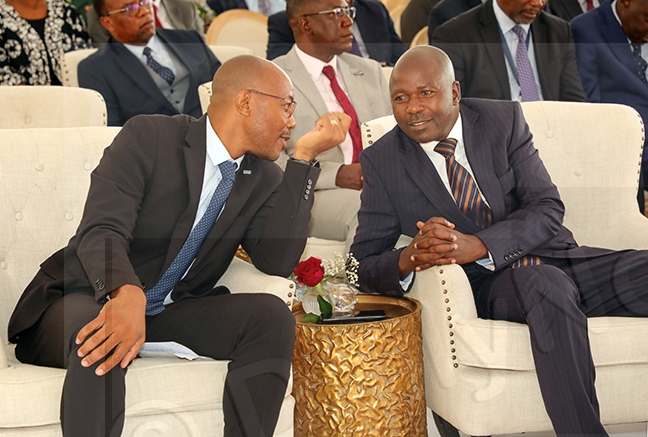
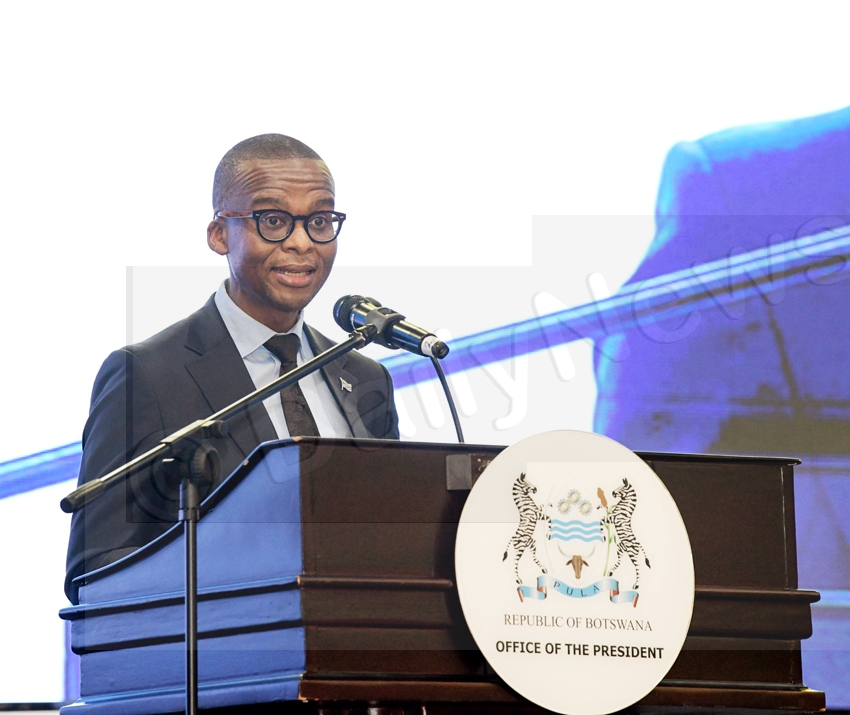
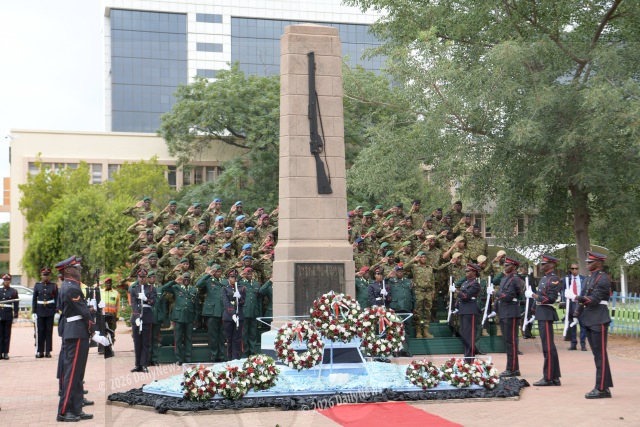
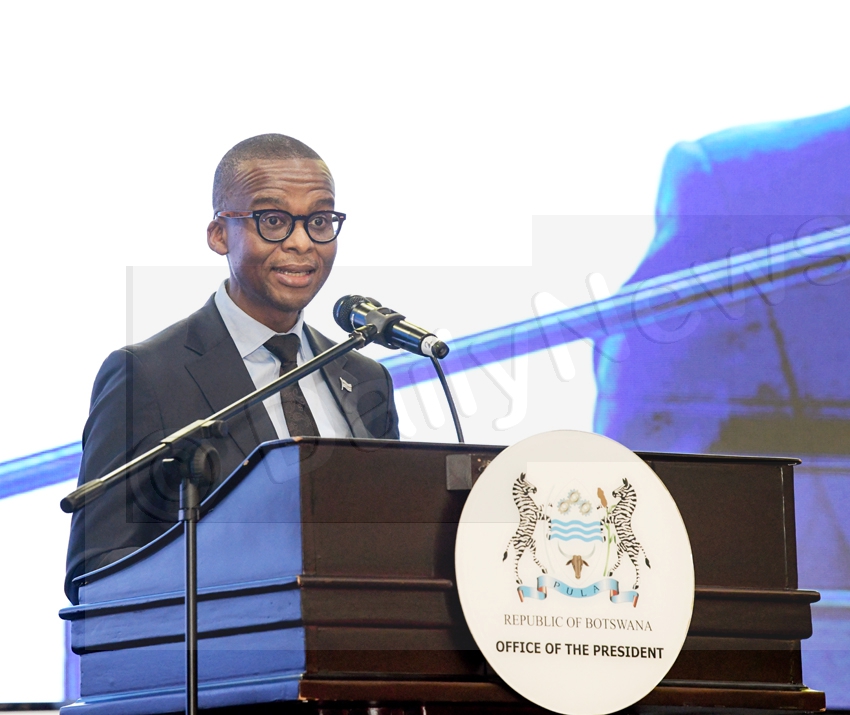
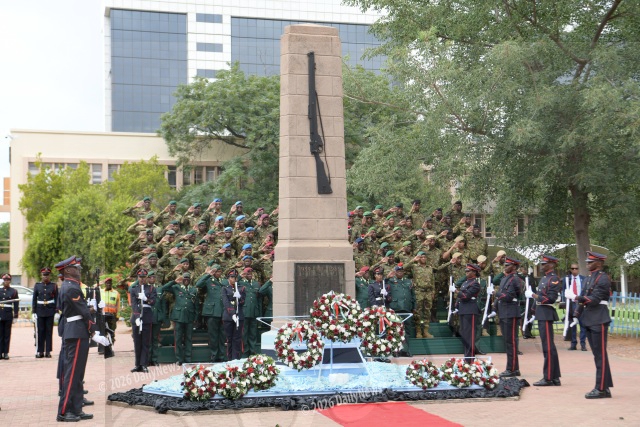
    President Advocate Duma Boko joined by the Vice President Ndaba Gaolathe and former president Dr Seretse Khama Ian Khama yesterday paid tribute to service members who died in the line of duty.

    Initially the day was dedicated to remember the 15 Botswana Defence Force (BDF) members who were killed during Lesoma ambush on February 27 1978 by the then Rhodesian regime.

    The first commemoration was held at the Extension 14 Cemetery in Gaborone, where the 15 Lesoma Ambush victims were laid to rest. At the time, the event was known as the Lesoma Commemoration.

  • Donated cheetahs off to India

    Donated cheetahs off to India

    he eight cheetahs donated by the government, were yesterday transported to India.

    ‎The cheetahs, comprising six males and two females were donated by President Advocate Duma Boko during India President Droupadi Murmu’s visit to Botswana in November 2025.

    ‎The donation forms part of Project cheetah, a conservation initiative aimed at reintroducing the species which went extinct in India in 1952.

    ‎India High commissioner to Botswana, Mr Bharath Kumar Kuthati said the exchange would boost wildlife conservation and strengthen relations between the two countries.

    ‎Mr Kuthati explained that the cheetah related mission in India started in 2023, bringing the total number of cheetahs donated to 49.

    ‎India, he said had successfully integrated cheetahs into its conservation programme adding that the country was open to mutual species exchange with Botswana.

  • Free Movement Ideal For Trade Facilitation – Simasiku

    Free Movement Ideal For Trade Facilitation – Simasiku

    Botswana and Zambia Presidents have been urged to consider implementing the Southern Africa Development Community (SADC) Protocol on the Facilitation of Movement of Persons.

    The protocol encourages free movement in the SADC region where citizens of member states would use national identity cards for cross border travel.

    Botswana and Namibia implemented the protocol in 2023, resulting in easier, faster and more effective travel for citizens of the two countries.

    Chobe Member of Parliament, Mr Simasiku Mapulanga made the call when giving a vote of thanks at the launch of the Kazungula Bridge Authority, citing that the move would help relax cross border restrictions.

    Presidents Advocate Duma Boko and Mr Hakainde Hichilema of Zambia were among the multitudes who graced the event to witness the historic commissioning of the Authority, and Mr Mapulanga pleaded with them to engage on the said protocol and explore the possibility of having their citizens cross using identity cards.

    The move, he said, would not only reduce barriers but would also increase trade and offer greater access to job opportunities and provide greater economic benefits.

    He said the success of the implementation of the protocol by Botswana and Namibia should serve as inspiration for the same gesture to be adopted between Botswana and Zambia particularly since the people of the two countries shared cultural ties and also cooperated on different fronts including economically.

    While he appreciated the launch of the Authority and the iconic bridge, Mr Mapulanga said the infrastructure should not export jobs but rather bring industrialisation to benefit the Chobe region community.

    “We expect this bridge to enhance trade, create employment opportunities and eventually grow the local economies for both communities in Botswana and Zambia,” he added.

    He said historically, the bridge was a meeting place for people who practised barter trading and that it was inspiring to note its evolution from the use of canoes to a pontoon and to the majestic piece of infrastructure that it was today.

    Mr Mapulanga noted that the people of the region wanted to utilise the bridge to promote sport tourism and development.

    Furthermore, he urged government to also consider constructing a bridge at which people would cross into Impalila Island in Namibia, thus further easing travel by the people of the two countries.

    For his part, Minister of Infrastructure, Housing and Urban Development in Zambia, Mr Charles Milupi concurred that the people of Botswana and Zambia were one and vowed to work together with the government of Botswana to build a shared common destiny.

    Mr Milupi appreciated that the increased truck traffic at the Kazungula Bridge demonstrated that efforts toward regional economic integration through infrastructure development were yielding positive results.

    With the Kazungula Bridge Authority in place, he believed that the investment would further enhance, sustain and improve the efficiency of the operations of the border and would result in increased trade and traffic volumes.

    “The operational efficiency at the border will be further enhanced by the Authority in that we intend to quickly move from a one-stop border post to a non-stop border post by leveraging technology,” he said.

    “This bridge is a masterpiece of infrastructure that stands out to be Africa’s newest super bridge. It is not just a marvel but a benchmark for the region and the continent as a whole,” Mr Milupi added.

    He stated that the governments of Botswana and Zambia had directed that in addition to facilitating trade and enhancing regional integration, the area around the bridge and border must be transformed into a world class tourism destination. 

  • FNB Kazungula Bridge Marathon Tomorrow

    FNB Kazungula Bridge Marathon Tomorrow

    The fifth edition of the FNB Kazungula Bridge Marathon (KBM) that is scheduled to take place tomorrow will see runners traversing Kasane and ascending the majestic Kazungula Bridge.

    In an interview, marathon’s founder and CEO, Obert Morgan stated that preparations were at their tail end and that athletes had also started arriving. Morgan said race packs had been delivered to participants unlike in the past where collection was done at the last minute.

    He said a total of 3,500 runners had registered to compete in the marathon, a slight decline from the past races. This, he attributed to the financial constraints across government departments and parastatals, which had rendered ministries unable to field their employees for participation and exhibitions.

    Morgan said SADC countries including Zimbabwe, Namibia and South Africa as well as Kenya had fielded athletes while other participants would be from the US, Asia and Europe. He underscored that the marathon was a money spinner for the Chobe region, explaining that hotels and lodges were usually fully booked during the marathon weekend.

    “The marathon gets businesses in Chobe excited as they get to make optimum profits and stimulate economic growth.”

    Morgan said the 5km race had been by an 8km one, which would have athletes traverse over the Kazungula Bridge, giving them the feel of the bridge, something that was not part of the 5km race. Moreover, he said a 15km had been introduced in replacement of the 10km race in order to cut logistical arrangements brought about by numerous race distances.

    He explained also that there would be a gala dinner on Saturday night to celebrate the five-year milestone. Morgan said the Local Organising Committee comprising government agencies and the private sector of the Chobe region was well prepared for the marathon.

    He said the Department of Wildlife and National Parks would be conducting patrols, with its officers deployed at certain spots during the race to ensure that runners were protected from wildlife.

    The founder said the weather forecast as provided by BITRI indicated that the weather would be pleasant with scattered thundershowers and clear skies expected on Saturday. He revealed that prize money for the race had been reduced this year due to economic constraints.

    Morgan highlighted that Botswana Athletics Association as technical partners of the marathon, had marked and documented the route to ensure runners were directed accordingly. This, he said was to avoid a repeat of 2024 incidents where some athletes veered off the route and got lost.

  • Golden Grand Prix Launch Pad For Relays Preparations

    Golden Grand Prix Launch Pad For Relays Preparations

    This year’s edition of Botswana Golden Grand Prix (BGGP) will be used as a preparatory platform for the upcoming World Athletics Relays.

    Speaking at a press briefing in Gaborone on Wednesday, BGGP acting chairperson, Harold Mosomane said the Grand Prix would be held on April 26, while the World Relays were scheduled for May 2-3. He explained that the World Relays would use the Grand Prix to prepare technical officials, volunteers and other personnel ahead of the global event.

    Furthermore, Mosomane said the two events would collaborate in several areas, including sharing expertise, managing logistics and jointly publicising their competitions both nationally and internationally.

    He added that the Botswana Golden Grand Prix title sponsor negotiations were at an advanced stage and an official announcement would be made in due course. However, he noted that confirmation of international athletes was still pending, as their international athlete liaison was awaiting the green light to conclude negotiations.

    “As soon as we conclude negotiations with the title sponsor, it will be all systems go,” he said.

    Ahead of the Grand Prix, organisers will host the inaugural Ghetto Classic, a World Athletics Bronze-level track and field event at the Obed Itani Chilume Stadium in Francistown on March 14. 

    Mosomane said preparations for the Ghetto Classic were progressing well, noting that recently, a Golden Door Sports Agency delegation led by director Glody Dube, visited Francistown for stakeholder engagement.

    He revealed that since the event was first listed on the World Athletics calendar last year, organisers had received a high number of inquiries from quality athletes worldwide interested in participating.

    “Although our discussions with them are at an advanced stage, we have not been able to confirm most of them as we have not yet secured high-value sponsors,” he said.

    Tickets for the Ghetto Classic will be sold at P50 for adults and P20 for children aged 17 and below as a way of making the event accessible to all.

    As for the Grand Prix, tickets prices will range from P2,500 for VVIP access, available until March 31, to P500 for VIP tickets. Grand Stand A and Grand Stand C tickets are priced at P250, while General Stand early bird tickets cost P50, increasing to P100 thereafter. Two private executive lounges will also be available.

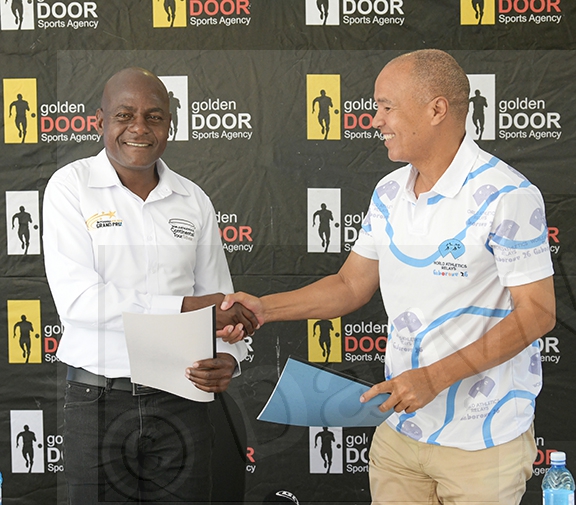
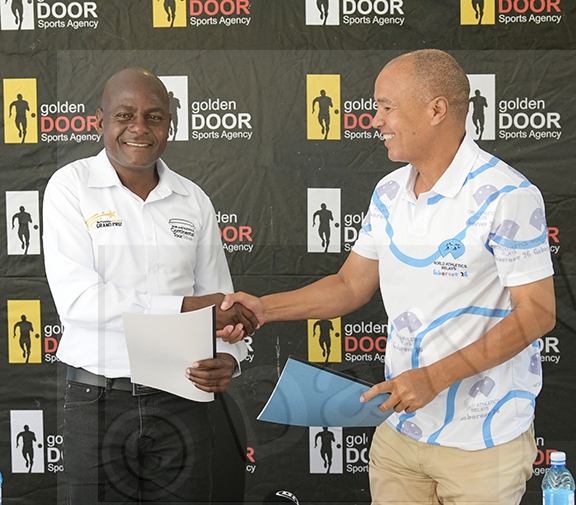
    Meanwhile, the Botswana Golden Grand Prix and the World Athletics Relays signed a Memorandum of Understanding, cementing their commitment to work together to successfully deliver both events.

  • Thirty-Seven Top Achievers Receive Accolades

    Thirty-Seven Top Achievers Receive Accolades

    Emotions and celebrations filled the Grand Aria Hotel and Conference Centre Hall yesterday as Botswana honoured its brightest learners at the 16th Annual Top Achievers Excellence Awards ceremony.

    Hosted by the Botswana Examinations Council (BEC) and the Ministry of Child Welfare and Basic Education, the awards recognise academic excellence across all levels, including special recognition for learners with special education needs.

    Thirty-seven awardees were selected from thousands, who sat for the 2024 Primary School Leaving Examination (PSLE), Junior Certificate of Education (JC) and Botswana General Certificate of Secondary Education (BGCSE) examinations.

    Eleven awardees were from the PSLE, 10 from JC, 10 from BGCSE and six for special education needs category.

    Primary School Leaving Examination and JC awards recipients were all awarded laptops and trophies each, while BGCSE awardees received iPads and trophies each.

    Additionally, former Mater Spei College learner, Lapologang Motiki received the Chairperson’s award walking away with P5,000, whilst former Francistown Senior Secondary School learner, Phenyo Khuruta received the Ministerial award walking away with P7,500.

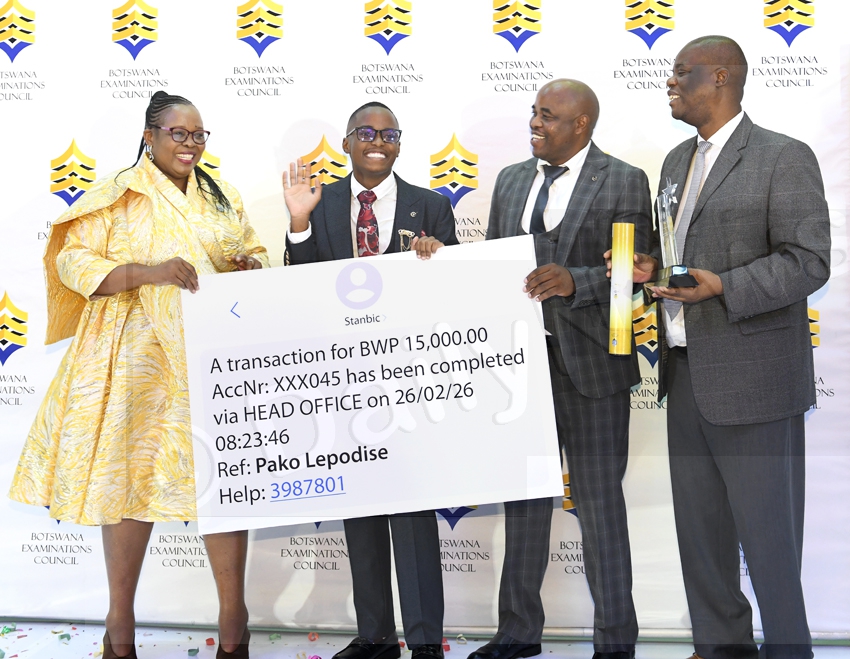
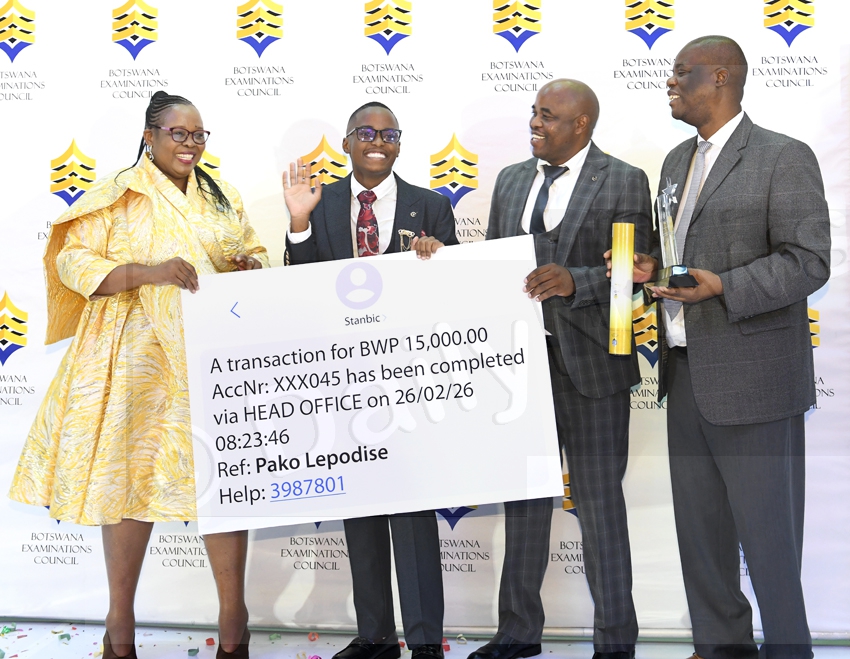
    The star of the day was Pako Lepodise who received the Presidential Award and walked away with P15,000 and a Macbook.

    Pako achieved an outstanding 48 points, that is 8 A*s and 2 Bs.

    In his remarks, Pako, a former Naledi Secondary School Learner, reflected on his journey of perseverance, faith and self-discovery.

     “Success is not about being perfect. It is about putting in the work, even when no one is watching,” he said.

    He admitted that he had not initially set out to pursue the top honour, but gradually realised his potential through consistent effort. He further thanked his family, teachers, classmates and his peers for support and encouraged young people to measure their growth against their own progress rather than comparing themselves to others.

    Delivering the keynote address, Minister of Child Welfare and Basic Education, Ms Nono Kgafela-Mokoka urged the top performing learners to see their success as a stepping stone to national transformation.

    “Excellence is never accidental. Even in the face of adversity, imagine a better world and work toward building it. We count on you to uphold the future of this nation,” the minister said.

    The minister further reminded awards recipients that success was a collective achievement, shaped by parents, teachers and supportive communities, while also acknowledging those who attained personal bests outside the spotlight. In addition, she paid tribute to the parents, guardians, teachers and peers whose support made such achievements possible and challenged learners to embrace creativity and innovation as tools for solving the 21st century challenges.

    In his welcome remarks, BEC chief executive officer, Dr Moreetsi Thobega outlined the rigorous selection process, noting that BGCSE candidates must achieve at least six A grades to qualify for top honours, while merit and straight-A achievers were recognised at JCE and PSLE levels respectively.

    Special awards, he said were also given to learners with special education needs such as hearing or visual impairments.

    He further described the awards as more than a ranking of learners, but a platform to cultivate aspiration, discipline and a culture of excellence.

    He also expressed gratitude that it was through hardwork, discipline and commitment to excellence that they performed excellently in their previous examinations, making their parents, teacher and the nation proud.

    For his part, Ministry of Child Welfare and Basic Education assistant minister, Mr Justin Hunyepa acknowledged all corporate partners, including Debswana Mining Company, Stanbic Bank Botswana, and Orange Botswana, for sustaining the awards and investing in youth development. 

  • The Residency Expands Home Ownership

    The Residency Expands Home Ownership

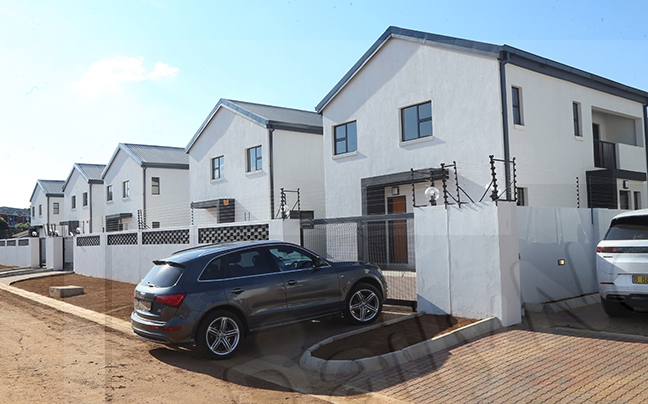
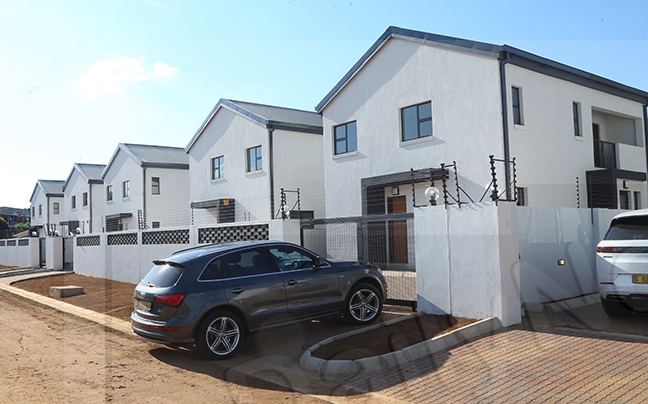
    A new chapter in Botswana’s urban housing story has unfolded with the launch of The Residency, a 135-unit residential development in Block 8, Gaborone, that blends modern design, infrastructure integration and a rent-to-own pathway aimed at expanding homeownership among young working Batswana.

    More than a property unveiling, the launch signalled what stakeholders described as a replicable model of how disciplined institutional capital, strategic land use and coordinated infrastructure can translate national development ambitions into tangible community outcomes.

    Developed by Letsema Property Fund in partnership with Messidor Investments, and working alongside Botswana Railways and the Botswana Public Officers Pension Fund (BPOPF), The Residency offers a mix of modern studio pads, one-bedroom apartments, standard two-bedroom units and spacious two-bedroom deluxe apartments.

    Entry-level monthly payments start from P3,500 under a rent-to-own model designed to ease the transition from tenancy to ownership.

    Officiating at the launch in Gaborone, Minister of Water and Human Settlement, Mr Onneetse Ramogapi said the project reflects Botswana’s commitment to dignified housing, resilient infrastructure and water-smart urban planning.

    “We gather not simply to unveil buildings, but to affirm Botswana’s commitment to building resilient communities anchored in policy, responsible investment, and secure water resources,” he said, linking the development to Vision 2036 and National Development Plan 12.

    Assistant Minister of Transport and Infrastructure, Mr Keoagile Atamelang underscored that housing delivery must go hand in hand with serviced land and connectivity. Roads, transport linkages and utility corridors, he said were what transform structures into functioning communities by reducing commuting costs and supporting local economic activity.

    “Land without servicing is not development, and buildings without connectivity are not communities. The Residency’s design therefore, integrates accessibility, safety, and practical connectivity,” he said.

    From the private sector, Messidor Investments Committee chairperson, Ms Charlotte Mathula described the project as evidence of what can be achieved when institutional capital aligned with national priorities. She said collaboration between the investment partners enabled a diversified unit mix and a structured rent-to-own pathway without compromising governance standards or financial discipline.

    Messidor Investments executive director for portfolio management, Ms Una Munamati added that the development balanced commercial sustainability with measurable social impact. Beyond providing homes, she said the project had generated employment, transferred skills and stimulated local supply chains.

    “We build developments that are commercially sound, well-governed, and responsive to real household needs,” she said.

    Speaking on behalf of the BPOPF Board of Trustees’ chairperson, Directorate of Public Service Management director, Ms Gaone Macholo said pension capital could play a transformative role in national development when deployed responsibly.

    “Investment changes lives at scale only when land is activated and infrastructure connects people to opportunity,” she said, noting that the rent-to-own model supported wealth creation at household level while maintaining financial prudence.

    Strategically located on land unlocked through institutional collaboration, The Residency illustrates how planning, policy and capital can converge to deliver liveable, connected neighbourhoods. Stakeholders expressed hope that similar projects could be replicated across the country, positioning housing not merely as a sectoral issue, but as a cornerstone of inclusive growth and long-term nation-building.

    As the first residents prepare to move in, The Residency stands as a visible testament to a broader ambition: that when government, private investors and professional managers align their efforts, communities flourish, pension savings are productively invested, and Botswana’s vision for high-quality, inclusive urban living draws closer to reality. 

  • Botswana Meat Commission Records P54m Profit

    Botswana Meat Commission Records P54m Profit

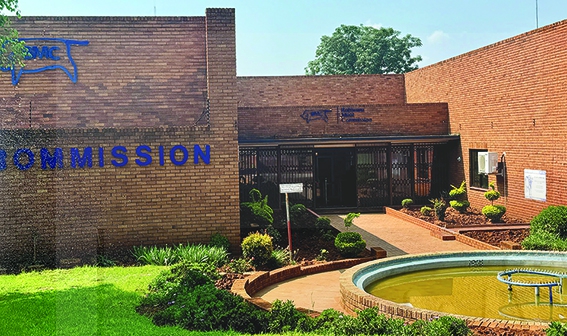
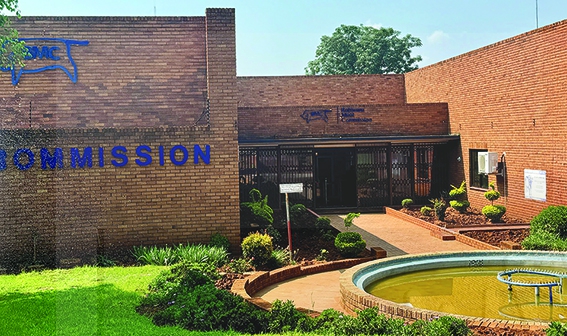
    The state-owned enterprise, the Botswana Meat Commission (BMC), has recorded a P54 million profit for the 2025 financial year, marking what management describes as a transition from recovery to stabilisation.

    Addressing Lobatse Town Council on Wednesday, BMC Chief Technical Advisor, Mr Oabona Ramotshwara said the Commission achieved an unaudited profit of P54.3 million for the year ended 31 December 2025, reversing a P132 million loss recorded in 2024.

    He said the performance was underpinned by improved throughput at the Lobatse Plant, which slaughtered 62 204 cattle in 2025, compared to 51 070 cattle in 2024, representing a 22 per cent increase. Plant utilisation improved from 49 per cent to 60 per cent.

    Mr Ramotshwara attributed the improved performance to stronger margins, tighter cost control, faster cash conversion, and enhanced farmer incentives.

    However, he noted that the recent outbreak of Foot and Mouth Disease (FMD) had slowed operations in 2026. Although the Lobatse abattoir has a capacity to slaughter 600 cattle per day, it is currently underutilised due to FMD protocols.

    He explained that while the Department of Veterinary Services had granted permission for local slaughter, BMC was primarily an export facility and could not be sustained by local slaughter alone.

    He said the Commission was awaiting completion of vaccination and surveillance processes by Veterinary Services before resuming export operations.

    “We are currently undertaking maintenance shutdown works so that when we resume export production, we are fully prepared and not hindered by pending maintenance,” he said.

    Mr Ramotshwara further identified ageing infrastructure as a key operational risk.

    “The structure was constructed many years ago and we continue to repair it. Some parts are no longer fixable, and some manufacturers of spare parts no longer exist. We are making strategic upgrades to ensure continuity of operations,” he said.

    He revealed that BMC generated P1.04 billion in revenue in 2025, of which nearly P700 million, approximately 70 per cent, was spent on cattle procurement. He described the business as high-cost and said management continued to explore innovative ways to manage operating expenses.

    On global market volatility, Mr Ramotshwara said logistics disruptions and international conflicts had affected operations.

    “Wars and conflicts around the Horn of Africa and parts of the European Union have disrupted shipping routes.

    From Cape Town, vessels can be delayed for one to two weeks due to ocean instability, which increases our costs,” he said.

    He emphasised Botswana’s small footprint in the global meat supply chain, noting that while BMC slaughters around 60 000 cattle annually, countries such as Brazil and Argentina can slaughter that volume within hours.

    “Brazil slaughters approximately 300 000 cattle per month. We operate in a niche market, and that is why we focused on improving selling prices in 2025,” he said.

    He added that BMC improved its cash conversion cycle by shifting from requiring a 50 per cent deposit on orders to demanding 100 percent upfront payment from customers.

    “Traditionally, logistics delays affected our ability to pay farmers on time.

    By requesting full upfront payment, we reduced the farmer payment waiting period from three months to seven days,” he said.

    Councillors welcomed the positive results but raised several concerns.

    Thema/Motswedi councillor Mr Velem Heii described BMC as the bedrock of Botswana’s economy and encouraged the commission to consider increasing buying prices for farmers as profits improve.

    Nominated councillor, Mr Kago Malele sought updates on the proposed Democratic Republic of Congo market for canned stew, estimated to generate US$ 4 million (more than P52 million), and suggested that BMC explore acquiring cargo aircraft in future to reduce shipping delays.

    Tsopeng North councillor, Mr Gobuamang Motlogelwa raised concerns about persistent odours emanating from holding pens and rendering processes, calling for stronger mitigation measures to protect nearby residents.

    Peleng East councillor Mr Bafo Monakwe urged the Commission to develop its unused properties to improve the town’s aesthetic appeal.

    Maokaneng councillor, Mr Oaitse Kedise echoed concerns over odour management and called for utilisation of five drilled boreholes to assist in addressing water shortages in Lobatse.

    He also commended BMC for relocating its cattle receiving bay away from the A1 road to reduce traffic congestion and suggested that rejected cattle be returned directly to owners rather than remain within BMC premises.

    Tsopeng South councillor, Mr Moalosi Rasesia applauded the commission for rehabilitating boreholes to improve water supply and recommended that BMC explore generating its own eco-friendly electricity to ease pressure on the town’s power supply.

    He described the P54 million profit as an important milestone and urged management to implement measures to sustain the gains.

  • Agric Investment -Ready Sector

    Agric Investment -Ready Sector

    Through the Botswana Economic Transformation Programme (BETP), agriculture stands not only as a subsistence activity, but a productive, competitive and investment ready sector of the future.

    This was revealed by Vice President Ndaba Gaolathe, when officially opening the inaugural Botswana Agriculture Business and Investment Forum in Tlokweng yesterday.

    Mr Gaolathe said under BETP, it was recognised that sustainable growth would not be driven by government alone but that the latter’s role was to create an enabling environment, policy certainty, infrastructure, regulatory reform and strategic coordination so that enterprise, innovation and capital could flourish.

    “We seek partnerships wherever excellence resides. Because prosperity today is built through collaboration, not isolation. This platform must become an annual marketplace of ideas, capital and enduring friendships,” said Mr Gaolathe.

    He said the forum arrived at a time when Botswana must decisively broaden its economic base beyond diamonds as the soil beneath was as strategic as minerals beneath it.

    Mr Gaolathe highlighted that agriculture was not merely about food production but about agro-processing, export competitiveness, climate resilience, rural industrialisation and jobs especially for youth and women.

    “We believe in a new Botswana confident, fair, inclusive. We believe in a new Africa high-income, diversified, digitally enabled and empowered. We believe Africa is the world’s emerging breadbasket. But this future will not arrive by optimism alone. It will require discipline, technical education, strong institutions and coordinated effort across institutions,” he added.

    Held under the theme: Catalysing Investment in Agri-Food Systems for Inclusive Growth and Food Sovereignty, Mr Gaolathe said the theme spoke directly to government’s ambition.

    He said agriculture had been identified under BETP as one of six economic engines to revitalise the economy and government was intentional about it.

    “Through agriculture, we are determined to lay a firm foundation for industrialisation and job creation especially for the youth, women and persons living with disabilities. They have far more to offer than we can imagine. Our responsibility is to unlock that potential,” he said.

    He said to ensure food security, rural development and agro-industrial opportunities there was need to raise agriculture’s contribution to GDP from two percent to at least six per cent in the immediate term.

    Mr Gaolathe said this was only possible by repositioning agriculture from subsistence to a resilient, export oriented agro-industrial sector built on value chains, agro-processing and market access.

    “Growth in agriculture will reduce our import bill and increase exports. But more than that, it will restore dignity to production and pride to enterprise. This entails investment in agro-processing and value addition of livestock and crop commodities. Botswana aims to convert its land, water and farmer base into competitive exports in meat, high-value crops and nutraceuticals,” he said.

    Mr Gaolathe said through BETP government was adopting a holistic approach to pricing and seasonality challenges by investing in cold chain solutions and logistics such as strengthening electricity provision, ICT infrastructure and supply routes to production zones.

    For her part, Food and Agriculture Organisation (FAO) of the United Nations Botswana representative, Ms Carla Mucavi, said the forum was a landmark platform that under-scored Botswana’s unwavering commitment to transforming its agrifood systems and achieving food sovereignty.

    She commended government for prioritising agriculture as a driver of economic diversification and noted that guided by the UN’s Cooperations Framework and FAO Country Programming Framework, they continued to support national efforts to strengthen value chains, enhance productivity, improve nutrition and build resilience to climate change.

    “Through some FAO transformative global initiatives such as the One Country One Priority Product (OCOP), we aim to help Botswana develop a competitive and sustainable value chains that can access regional and international markets while creating jobs and increasing incomes locally,” she said.

    She said under the OCOP, which Botswana joined last year, FAO was supporting the development of potato national strategy, which would seek to explore the entire potato value chain from research and development, seed production, farm production and through to establishment of processed products and establishment of relevant industries.

    Ms Mucavi said FAO was jointly working with government in developing the agriculture Financing Strategy, aimed at de-risking agriculture and promoting investments to the sector to unlock its immense potential.

    The two-day event brought together key stakeholders in the sector including farmers, investors, innovators among others to explore new investment opportunities and promote sustainable food production.

  • BERA Quarantines Over 3 million litres Of Fuel

    BERA Quarantines Over 3 million litres Of Fuel

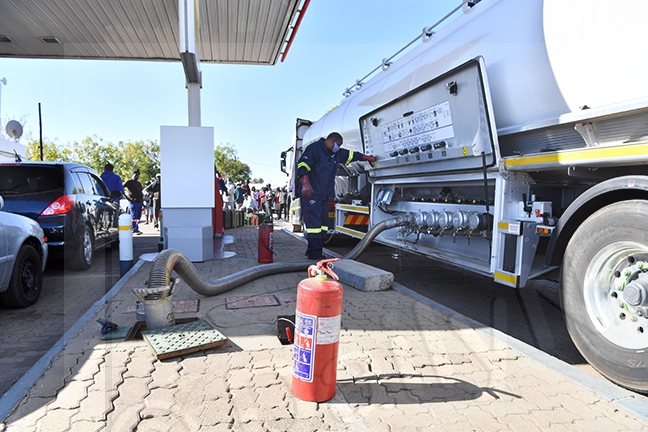
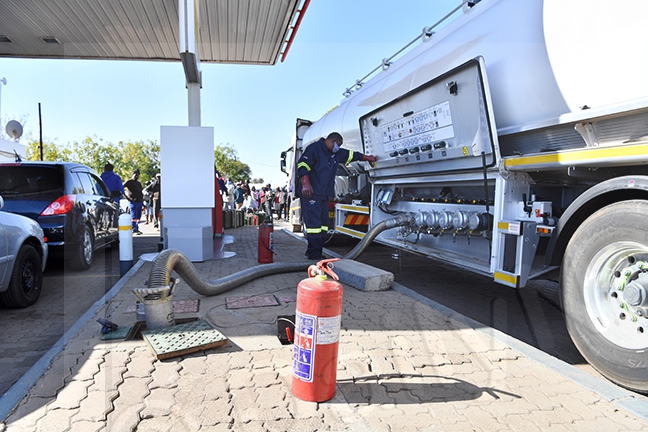
    Botswana Energy Regulatory Authority (BERA) has isolated and quarantined about 3.3 million litres of Unleaded Petrol 95 (ULP95) following allegations of suspected contamination.

    In a statement, BERA says the decision followed reports that the state-owned Botswana Oil has received substandard contaminated fuel suspected to contain lead metals from the National Petroleum Corporation of Namibia (Namcor).

    BERA Chief Executive Officer, Dr Never Tshabang, confirmed in an interview that the fuel was suspected to contain lead and manganese, metallic additives explicitly prohibited under Botswana’s fuel standards, specifically the Botswana Standard on Unleaded Petrol (BOS 577), which excludes any metallic additives.

    “The Botswana Standard on unleaded petrol (BOS 577) clearly excludes metals. The authority has since conducted its own tests on the fuel quality from Namcor, hence the decision to isolate, quarantine and halt distribution of the suspected quantity,” he said.

    Dr Tshabang cautioned that additives containing metals were banned in the early 2000s due to environmental and health concerns. He explained that the presence of lead and manganese in fuel could have toxic effects and may lead to respiratory complications if inhaled in large quantities.

    He said both BERA and Botswana Oil were committed to ensuring that fuel supplied and used in Botswana meets accepted standards at all times. Dr Tshabang therefore urged motorists to remain observant of their vehicles’ fuel consumption and engine performance, and to report any abnormal signals or engine performance problems linked to fuel consumption.

    Meanwhile, Botswana Oil refuted the allegations in a media release, stating that the company has a comprehensive internal quality assurance process applied across the entire fuel supply chain from sourcing through storage to delivery to customers.

    “Upon arrival of fuel at Botswana Oil depots, routine quality assurance screening is conducted as part of standard operating procedures. In the event the screening indicates that the sample independent accredited laboratory for validation testing. Only once the validation results confirm compliance with required specifications is the product accepted into storage,” reads the release.

    Botswana Oil added that quality checks are also conducted prior to loading products for customers to ensure continued compliance.

    The company further stated that during January 2026 it imported ULP95 from Namibia and, in line with its quality assurance procedures, all product was screened to ensure compliance with required specifications. According to the release, Botswana Oil has not received any complaints or reports of engine damage or performance issues linked to the supplied fuel.

    Botswana Oil, which was established to help achieve government objectives of ensuring national fuel security, said the isolation of the 3.3 million litres could in the short term have ripple effects on fuel availability in the country, potentially pushing prices up if supply falls short of demand.