Author: Daily News

  • A.T.I Legacy Lives On

    A.T.I Legacy Lives On

    The late Atlasaone Molemogi, popularly known as A.T.I , may be gone but his music lives.

    Following his passing in August last year his management team has been working tirelessly to carry on his legacy, efforts that recently saw the release of a single, Nole Kae, featuring Dintleonthetrack.

    In an interview A.T.I’s digital manager, Thato Mamalelala, said that the song was the first to be released since his passing.

     It is a song he had been working on and planned to release so, it was only right to finally share it, Mamalelala said.

    She went on to state, ‘it is very emotional releasing a song after his passing, especially knowing he won’t be here to perform it on stage. That is a hard pill to swallow. But seeing how people embraced the song and showed love means everything to us.” 

    Mamalelala promised that there would be more singles before the release of a full album just before the year ends.

    She stated that the song was to remind fans of A.T.I’s talent and ability, adding that one of his older songs, Ancient of Days, really gave a transparent idea of who he was and the struggles he faced.  

    Ancient of Days  touches on A.T.I’s struggles after rehab and suicidal thoughts which he asked God to silence.

    It also shares how he still felt empty despite the money and fame he enjoyed.

    “But through it all, you hear that he never stopped trying.” said Mamalelala.

    She said fans could expect features, mostly with young and emerging talents that A.T.I believed in.

    Though she would not give out the names for now, she insisted that upcoming projects were mind blowing because A.T.I gave his all every time he was in the studio.

    She thanked all for supporting A.T.I’s music and keeping his legacy alive by streaming and sharing his songs. 

    “We appreciate it more than words can say,” said Mamalelala.

  • Kazungula Bridge Valuable Asset For Africa

    Kazungula Bridge Valuable Asset For Africa

    The Kazungula Bridge masterpiece towers majestically over the waters at a point where the Chobe and Zambezi Rivers meet. Strategically located, the bridge sits at a quadripoint where Botswana, Zambia, Namibia and Zimbabwe converge on the Zambezi River.

    The bridge is a product of the solid bilateral relations between Botswana and Zambia and was constructed to boost economic growth, reduce transit time as well as promote regional trade relations and sustainable development in the Southern African Development Community (SADC) region.

    Since its opening in May 2021, it has been reported that the number of trucks crossing through the bridge had increased from an average of 214 to 491 per day.

    At the launch of the Kazungula Bridge Authority (KBA) on Tuesday, Minister of Transport and Infrastructure, Mr Noah Salakae described the bridge as a valuable asset, not only to our Botswana and Zambia, but to Africa as a whole.

    Mr Salakae said after nearly five years waiting for the commissioning and operationalisation of the KBA, ultimately launching it, marked an enduring inclination that would see the Authority transform into a globally-renowned institution and become the groundwork for the long-term prosperity of the economies of the two nations.

    Its impact, he said, would see the economies of the two countries grow and thrive at home and also expand beyond the borders to promote the African Continental Free Trade Area Agreement.

    He said the uniquely designed 923-metre-long road and rail bridge replaced the ferry pontoon system, which had proven not only inefficient but very slow and highly unreliable. Minister Salakae appreciated that the bridge stood not only as a physical link between the two countries, but also as a key component of the North-South Corridor (NSC), a vital trade route within the SADC region and an important conduit for regional integration and economic development, benefiting countries such as Democratic Republic of Congo, Malawi, Mozambique, Namibia, South Africa, Tanzania as well as Zimbabwe.

    The NSC accounts for approximately 84 per cent of regional freight traffic, primarily driven by trade activities in Zambia, the Democratic Republic of Congo and South Africa.

    Mr Salakae highlighted that a significant portion of the traffic originated from the Port of Durban, which handled nearly 64 per cent of all container movements within the region, and from the Gauteng Province of South Africa, encompassing Johannesburg and Pretoria, which served as the region’s principal centre for manufacturing, warehousing and distribution.

    “The NSC therefore remains the corridor of choice for the mining, agriculture and manufacturing sectors in the region owing to its balanced import-export flow, competitive costs, and overall efficiency,” he said.

    In addition, he pointed out that bridge served as a catalyst for economic transformation, unlocking new investment opportunities and reinforcing the Kazungula One Stop Border’s position as a key gateway for regional trade and connectivity.

    The latter, Mr Salakae said had helped streamline cross-border procedures, resulting in reduced clearance times and lower trade costs and enhanced competitiveness of Botswana’s exports and imports.

    He also announced that the KBA Board of Directors was inaugurated during the last session of the Joint Ministerial Committee meeting held in Kasane on September 18 last year as a key milestone towards the operationalisation of the KBA.

    He said the KBA Board of Directors held its first extraordinary meeting last year on October 8 during which the appointment of the executive director was approved and subsequently endorsed by the Council of Ministers.

    The minister said on Monday they witnessed the signing of the hosting agreement between the host country, Botswana and the KBA, and said the move was a great milestone that signalled the beginning of the six months’ transition period from the Kazungula Bridge project office to the Kazungula Bridge Authority.

    During this period, the project office staff and the executing ministries will work in collaboration with the executive director in order for the KBA to take over the management and maintenance of the Kazungula Bridge infrastructure.

  • Compliance To Digital Services Act Critical

    Compliance To Digital Services Act Critical

    The country’s private and public sectors have less than 24 months to digitise their services under the Digital Services Act.

    This is part of the government’s drive to push for digital transformation to modernise operations, boost efficiency, and enhance user experience.

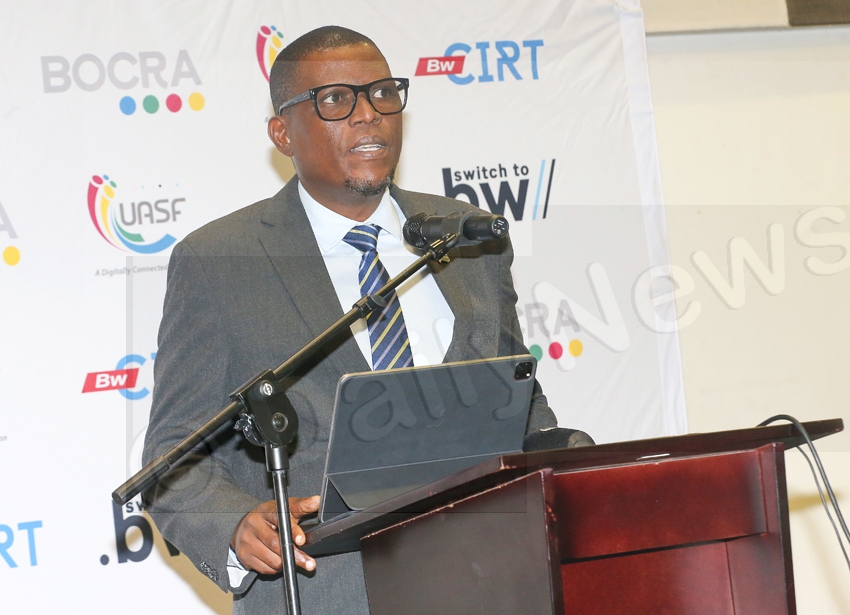
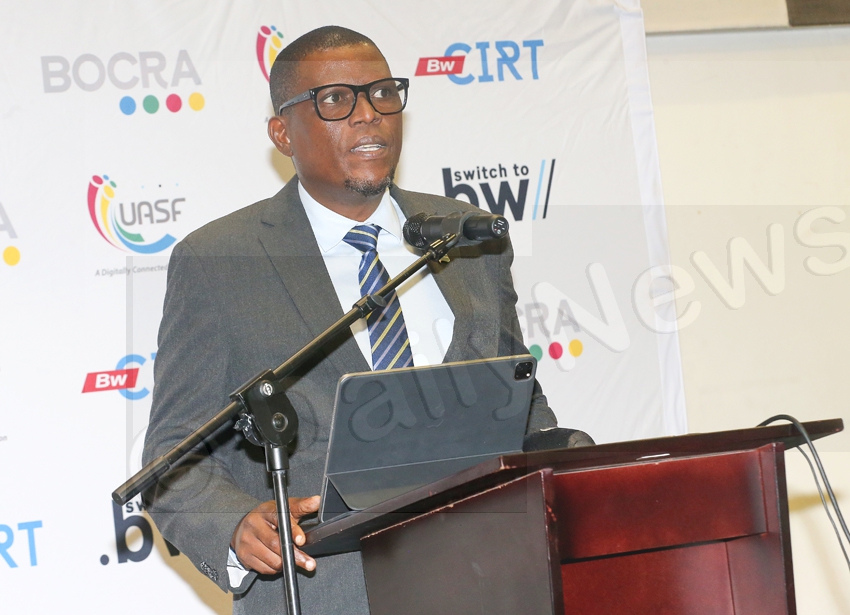
    The Minister of Communications and Innovation, Mr David Tshere, said this at the beginning of the Botswana Cyber Drill, organised by the Botswana Communications Regulatory Authority (BOCRA), that the 24-month grace period, which started in November last year, gave the private and public sectors an opportunity to prepare for the transition.

    “The Digital Services Act gives us a 24-month grace period to prepare and put together all necessary enabling infrastructure and to roll out digitalisation,” Minister Tshere said on Tuesday.

    “The private and the public sectors will be required to offer their services digitally; that is what the law says,” he added.

    He said the government had moved from a reactive posture to a proactive structure and a unified national framework, adding that a digital nation could not be built on a weak foundation, as it required trust, security, and the rule of law.

    The government last year passed the Cyber Security Act, which was subsequently signed into law and is waiting to commence by April.

    The key output of the law is the establishment of the National Cybersecurity Authority, which will provide strategic oversight, coordination, and policy direction for cybersecurity across all sectors of the country’s economy.

    The Act also formally strengthened the mandate of the National Computer Security Incident Response, he added.

    Minister Tshere further told stakeholders that cybersecurity threats were no longer abstract and distant technical concepts.

    “They are here, prevalent, and increasingly sophisticated,” the minister warned, stressing that cyber threats distracted essential services, compromised sensitive information, and caused tangible economic and operational harm, resulting in loss of business and customer confidence.

    He said some businesses had been attacked locally, adding that the cybersecurity drill provided a safe and structured environment to learn from global experts, shared experiences, and developed critical skills to handle real-world cybersecurity crises.

    He pointed out that while the government could pass laws and Botswana Communications Regulatory Authority (BOCRA) could provide technical leadership, but security was a shared responsibility.

    BOCRA chief executive officer, Mr Martin Mokgware, said the stability of the nation rested on the resilience of digital foundations, noting that the cyber drill was a powerful demonstration of safeguarding the economy.

    “Therefore, a cyber incident is not just an IT problem; it is a national problem that affects citizens, businesses, and how our country functions,” he said.
    Abaricom managing director, Mr Neo Ngwako, said from a local industry perspective, there was a need to safeguard the economy from criminal activities, adding that threats were coming at a time when the economy was ailing and faced with a foot-and-mouth disease threat.

    The first Botswana Cyber Drill was held under the theme: Cyber Resilience in Action.

  • Council Introduces App For Rates Collection

    Council Introduces App For Rates Collection

    Lobatse Town Council has introduced an FNB App to maximise on digital technologies and  tackle low rates collection.

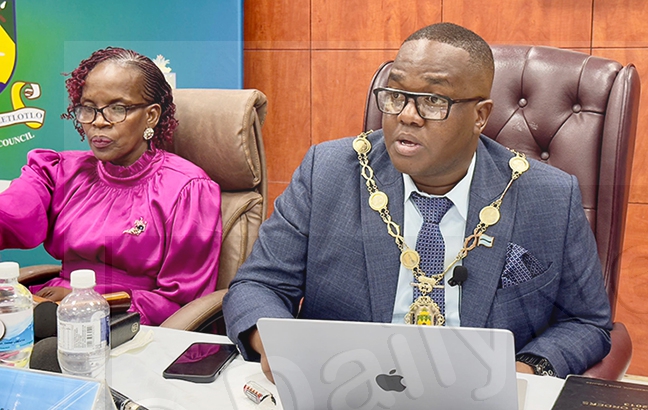
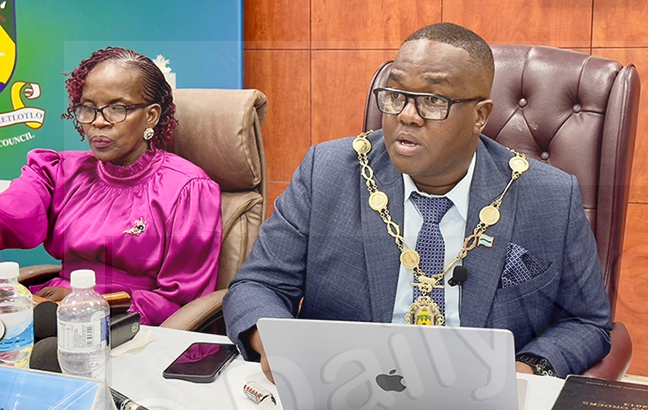
    Speaking during a Full Council meeting on Monday, Lobatse mayor, Mr Aron Ganakgomo said the council continued to deploy efficient solutions for revenue maximisation to enhance efficiencies as Lobatse Town Council had been uploaded as a Public Recipient with First National Bank (FNB).

    Property owners would have to log into the App, pay rates to council through cell phone banking or online transaction.

    He said the move was opportune given that FNB held about 60 to 65 per cent of property market share adding that the development would enable most of rates debtors and the community at large to pay the Council conveniently at the comfort of their homes.

    Additionally, Mayor Ganakgomo said the council was in the process of increasing remote payment access through the Payment Gateway to further widen the revenue pool to allow both FNB and non FNB customers to pay at their convenience.

    He thus implored customers to use the payment platforms to pay debts.

    He said that council in collaboration with FNB shall embark on public education and rates collection campaign through various social media platforms to raise awareness and motivate property owners to make enquiries and remit rates.

    The move, Mr Ganakgomo said, was devised against the backdrop that as at the beginning of the 2024/2025 financial year, Lobatse Town Council was owed rates amounting to over P23 million but collection stood at slightly above P3 million on outstanding arrears.

    This he noted, was a serious concern adding that collection for this financial year stood at slightly above P1 million which was 20 per cent against the targeted P5 million.

    He therefore anticipated that the FNB App would enable real-time payment, yield higher collection rate and improve customer compliance.

    Furthermore, mayor Ganakgomo highlighted that the tight fiscal environment at national and local level demanded more proficiency and prudence in managing the limited resources as underscored during 2026 Budget Speech.

    Nonetheless, he said even though the council was faced with financial challenges in the previous quarters, they had been able to execute their core mandate, owing to austerity measures they undertook in managing cash flow and strengthening revenue base.

    He announced that this year, Lobatse Town Council performed well in revenue collection as of January 2026 to date as collection stood at P151 million against the targeted income of P165 million; a 92 per cent collection rate.

    The excellent performance, he said reflected confidence in the council’s ability to continue delivering essential services effectively.

    With regards to the introduction of an FNB App for revenue collection, Peleng Central Councillor Mr Stephen Mpofu welcomed the development.

    In an interview on the side-lines of the full council meeting, he said the App would make payment easier for customers and reduce long queues which wasted valuable time and travel costs.

    He noted that the digitisation of the payment would also reduce too much paperwork and save government some costs.

    In addition, Councillor Mpofu buttressed that customers had the option of selecting fixed online deposits which would enable them to better budget.

    Nominated councillor Mr Gofaone Kedise, said Lobatse Town Council was owed over P35 million in property rates.

    “We are talking digitisation of government services and therefore, anything credible that can help us to collect rates is a welcome initiative. The people must not fail to pay rates because we have not availed payment platforms,” he said.

    He highlighted that councils which were funded by government through the revenue support grant and were required to sustain itself through generating Own Revenue Source must deliver quality services to the people.

    He said such finances covered statutory services which the council must offer which include infrastructure development, waste management, and social services, highlighting that if property rates were not paid it could affect service delivery.

    Thus, he emphasised that it was important for customers to pay property rates and service levies through available online platforms to enable the council to effectively deliver services

  • Keitemoge Strives To Share African Culture

    Keitemoge Strives To Share African Culture

    Obakeng Keitemoge, born and raised in Gaborone, is a visual and fine artist whose work is deeply rooted in Botswana and African traditions.

    His art celebrates the continent’s rich heritage, often portraying tribal life, fashion, cuisine, architecture and pottery.

    “Mostly, I like to draw cultural artwork depicting African tribes, their way of life, fashion, culinary traditions, and architecture. Our culture is so rich, and I want to capture it,” Keitemoge explains.

    His passion for art began in Standard 5 during a CAPA lesson and never faded. He carried it through junior and senior secondary school days, eventually earning an A* in Botswana General Certificate of Secondary Education.

    In 2016, he turned his passion into a full-time career, working across drawing, painting, and fabric design.

    Beyond his own practice, Keitemoge is committed to teaching, he mentors young artists, unemployed individuals, and vulnerable communities, equipping them with painting and drawing skills to help them create opportunities for self-employment.

    “I share my skills because I know art can change lives, it worked for me, and I want others to benefit too,” he says.

    Keitemoge envisions art becoming a valuable investment in Botswana, comparable to real estate. He believes art not only appreciates in value but also has the potential to contribute to the nation’s GDP and diversify the economy.

    His dream is for Batswana to invest in art as a way of telling their own stories and showcasing their identity to the world. With the internet connecting global markets, Keitemoge aims to reach audiences far beyond Botswana.

    “The whole world is connected; we can sell to people in Finland, Germany, the United States. I want to use the internet to reach everywhere,” he notes.

    Despite challenges such as limited understanding of art’s economic potential, he remains committed to educating others.

    In 2025, he marked a milestone year, participating in a programme sponsored by the National Art Council of Botswana, where he and fellow artists taught art skills to school dropouts and vulnerable groups, empowering them to earn through creativity.

    His advice to fellow artists is to remain original, patient, and persistent;

    “Never tire of telling and sharing stories in the global village,” he says, encouraging artists to attract international enthusiasts.

    He also wishes for the Ministry of Sports and Arts to invest in artists by recognising art’s role in storytelling, economic diversification, and national development.

    At 32, Keitemoge continues to build momentum, driven by a vision of art as both cultural heritage and economic opportunity. His journey, a reflection of personal achievement and a mission to elevate Botswana’s art onto the global stage.

  • Ramoreboli Optimistic

    Ramoreboli Optimistic

    The senior national football team coach, Morena Ramoreboli, has expressed confidence that the Zebras have what it takes to qualify for the next edition of the Africa Cup of Nations (AFCON). 

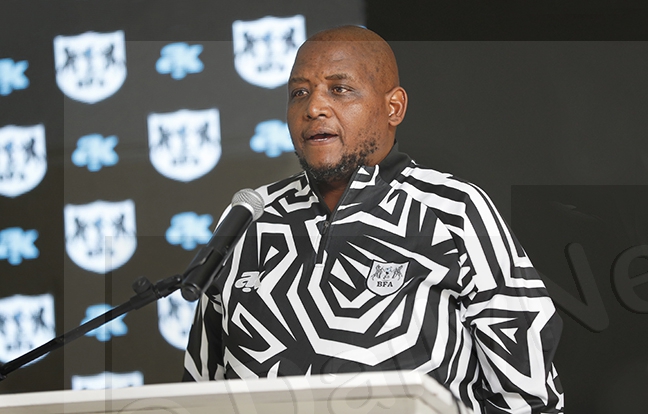
    Speaking at the team’s appreciation event in Gaborone Monday, he said Botswana has an abundance of talent, emphasising that players developed best when their mistakes were corrected rather than overlooked with praise as constructive criticism was key to their growth. 

    “To all technicians, remember that your contribution is to grow football in this country. We have been given that responsibility,” he said. 

    Ramoreboli stressed that in nurturing talent, coaches must focus on helping players improve and grow into stronger footballers. 

    The coach admitted that the team was not proud of their AFCON performance in Morocco, where they were eliminated in the group stages. 

    However, he said their participation in the finals provided valuable lessons that would help them reach the same level as stronger teams. He said as a coach, he learnt a lot in Morocco. 

    “For the first time in my football career I had to stand for 90 minutes, and it was difficult to send messages because of the crowd and stadium noise. Those are things our players are not used to,” he said. 

    He said they also gained insight into the lifestyle and level of commitment demonstrated by other players at AFCON. 

    “We saw Sadio Mané play 90 minutes in all games and still give the same attitude,” he said. 

    Ramoreboli noted that during the 2012 AFCON tournament, the same Senegal side that recently won the championship had once gone home without a single win. 

    “Sometimes we take many lessons before getting what we want, but because of noise and negativity we end up thinking we are not good enough,” he said. 

    He further said national team coaches and players carried huge responsibility in representing their countries with pride. 

    “Before pointing fingers, players, coaches, legends and stakeholders should ask themselves how best they can help the national team,” he said. 

    Ramoreboli observed that people were often quick to judge and forgot their critical role in supporting the national team so that it could achieve good results. 

    “This is a national team where everybody is responsible. Your little contribution, whether at the stadium or through positive messages on social media, always pushes our boys,” he said.

    He added that if the nation could unite, there was no doubt Botswana could achieve great things. Ramoreboli also thanked the Botswana Football Association for its relentless support during AFCON preparations and throughout the tournament.

  • Hospital Project Takes Shape

    Hospital Project Takes Shape

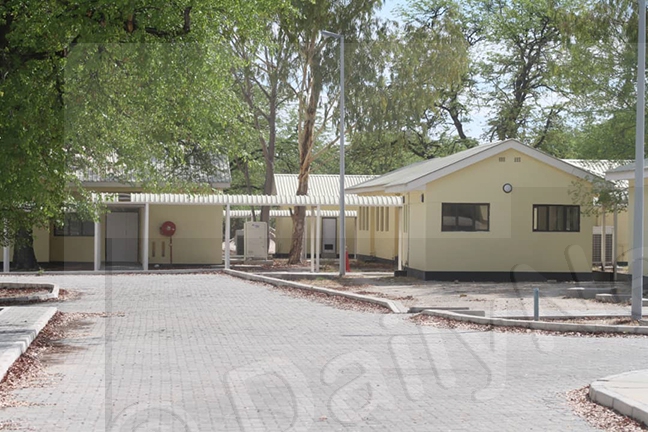
    After dragging on for years, the refurbishment of the old Maun General Hospital is expected to be concluded soon.

    This derives from a recent visit by a team from the Ministry of Health that conducted an assessment to determine what could be done to push the project to completion, thus ensuring that the facility begins to serve its intended purpose.

    The refurbishment of the facility, which is expected to serve as a referral hospital, stalled since 2017 due to various factors including the contractor abandoning site, vandalism of completed works and break-ins.

    The project was anticipated to take approximately one year but it was reported to be stuck at 90 per cent completion and the delays caused frustration among North West District leadership, some of whom called for the termination of the contract since the company engaged had failed to meet the July 2018 deadline.

    In an interview, Letsholathebe Memorial Hospital superintendent, Dr Lebogang Mokotedi confirmed that a team from the ministry visited the facility to conduct an assessment to determine what was required to complete the project.

    She said the visit was a positive move as, once in use, the facility would decongest the 270-bed Letsholathebe Hospital which was currently facing high demand as it served the North West, Okavango, Ghanzi and Boteti districts.

    “With plans of transforming Maun into a green city and the discussions on the construction of a new airport, we need another health facility with more beds to alleviate pressure on the existing one,” she added.

    Once completed, the facility will also help reduce the distance travelled by residents to access specialised services. Services to be offered will include general out-patient, maternity, dental services, sexual reproductive health, minor theatre services, radiology and isolation facilities.

    Meanwhile, some residents of Maun have complained that the old Maun General Hospital had been neglected since the commissioning of the Letsholathebe Hospital in 2008. They complained about the poor state of the facility saying it was posing a danger to the lives of patients and workers.

    When government took a decision to renovate the facility, residents were hopeful that the project would be completed on time, a dream that did not materialise. One of the residents, Mr John Benn attested that the facility had been neglected for long, exposing it to vandalism.

    “When government took a decision to renovate the facility, we had high hopes that it would reduce congestion at Letsholathebe Hospital which is currently overwhelmed, but the lack of progress with the project is disappointing,” he added.

  • Kgomokasitwa Welcomes Road Infrastructure Development

    Kgomokasitwa Welcomes Road Infrastructure Development

    Kgomokasitwa residents and other villages in the Moshupa District can look forward to improved connectivity and economic opportunities, as the government has awarded a contract for the construction of the 60-kilometre Digawana-Molapowabojang-Kgomokasitwa-Magotlhwane-Ntlhantlhe road at a cost of P558.2 million.

    The announcement was made by Assistant Minister of Transport and Infrastructure, Mr Keoagile Atamelang during a kgotla meeting in Kgomokasitwa on Thursday, who confirmed that the project has been awarded to SteelBase Construction (Pty) Ltd.

    Mr Atamelang noted that the new paved road would bring substantial benefits, including better service delivery to communities along the route and the creation of employment opportunities for local residents during construction and beyond.

    However, he said his ministry continues to grapple with persistent challenges in road development, such as delays caused by some land owners refusing to grant right-of-way for projects, as well as slow relocation of utility services by relevant departments from proposed routes.

    Residents, for their part, welcomed the announcement, expressing appreciation for the long-awaited upgrade. They urged authorities to grade the existing road in the interim to ease current mobility difficulties while construction preparations were underway.

    Following the address, Mr Atamelang conducted a site inspection, touring the section of the road from Kgomokasitwa to Tshweneyagae to assess its present condition and better understand community needs.

    This project underscores the government’s commitment to addressing infrastructure gaps in rural areas, with the new road expected to improve access, boost trade, and support overall development in the Moshupa District and surrounding regions.

  • Understanding Bacterial Vaginosis

    Understanding Bacterial Vaginosis

    Seating in a bubble bathtub for a woman may seem romantic and relaxing, a moment of calm after a long day, surrounded by warm water and fragrant foam.

    But that soothing foam bath can sometimes disrupt the vagina’s natural balance, creating conditions that may lead to bacterial vaginosis. Bacterial Vaginosis (BV) is one of the most common vaginal conditions affecting women, yet it remains widely misunderstood. 

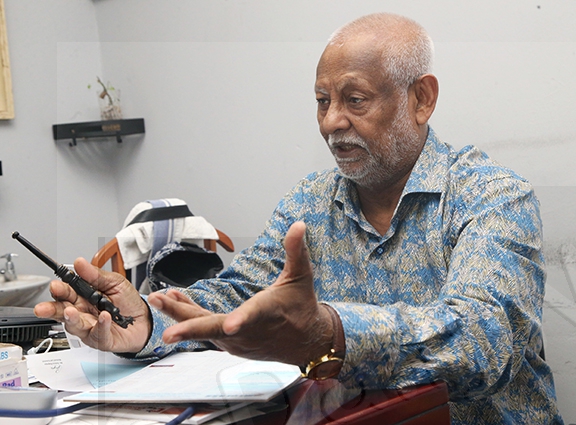
    Dr Muzaffar Hossain, a general medical practitioner in Gaborone, warns that everyday habits, hygiene practices and underlying health conditions could quietly disrupt the natural balance of vaginal bacteria, opening the door to infection. In a recent interview, Dr Hussain explained that BV was not caused by a single germ, but rather by an imbalance involving multiple organisms. 

    “Most of the time it is never enough to say it is just bacteria. It is usually a combination of different bacteria, sometimes candida yeast and occasionally other organisms. That is why we call it a syndromic condition,” Dr Hussain said.  

    He said products such as scented soaps, bubble baths and vaginal douches could upset the delicate environment, allowing harmful bacteria to multiply while protective bacteria decline.  For many women, BV develops quietly, he said, adding that some experienced no symptoms at all, while others noticed a thin grey or white discharge, a strong fish-like odour, often more noticeable after sex, and itching or a burning sensation during urination. 

    He was quick to say because the signs may be mild and could be confused with other conditions, hence many women delay seeking medical care, and BV frequently went undiagnosed. 

    “People tend to associate vaginal infections with pain or intense discomfort but BV does not always present that way, so women may ignore it or self-treat without realising what is going on,” said Dr Husssain.

    He clarified that BV was not classified as a sexually transmitted disease, but sexual activity could influence its occurrence and recurrence. 

    “BV is acquired, not sexually transmitted in the strict sense. However, intimate contact can facilitate transfer, especially when one partner has recurrent infections.” 

    Still, BV can affect women who are not sexually active, reinforcing that hygiene habits and product use also play a significant role. He said that explained why some women experienced repeated episodes even after treatment. 

    According to Dr Hussain, BV symptoms could range from mild to disruptive. Some women report itching, abnormal discharge, burning during urination, lower abdominal pain, or reduced libido, while others experience no discomfort at all.

    “In many cases, the only complaint is a strong, unpleasant odour. There may be no itching, no pain, just the smell. The discharge may appear thin and watery or thick and milky, often accompanied by a foul or fishy odour.”

    Dr Hussain warned that certain lifestyle and hygiene practices could increase the risk of BV. Frequent bubble baths, inadequate genital drying, and tight or minimal underwear, particularly G-strings, can promote bacterial movement from the anal area to the front. 

    “The distance is very short in women,” he explained, adding “G-strings allow bacteria to travel from back to front, increasing the risk of infection.” 

    He advised washing the genital area with warm water, drying thoroughly, and avoiding underwear styles that encouraged bacterial transfer. Women with poorly controlled diabetes, weakened immunity, advanced age, or chronic illnesses are especially vulnerable. Because BV rarely involves a single organism, treatment often includes a combination of antibiotics, antifungal medication, and anti-inflammatory drugs. 

    “You cannot always identify just one cause. That is why treatment is usually combined, to address all possibilities and relieve symptoms.” 

    Dr Hussain emphasised the need for accurate public education and urged women to seek medical advice early rather than self-treat or ignore symptoms. 

    “This is not about blame or shame. It is about understanding the body, maintaining hygiene, and getting proper treatment before the condition becomes recurrent or chronic.” 

    Bacterial Vaginosis may not always announce itself loudly, but its impact can be profound. He said by understanding how everyday habits, from bubble baths to sexual practices, affected vaginal health, women could make informed choices and protect their well-being. 

    “Open conversations and accurate information remain essential in bringing this common condition out of the shadows,’ Dr Husain said. 

    Ms Semang Mang, (not real names) said she suffered from bacterial vaginosis (BV) without knowing what it was. 

    “I initially felt that something was off, subtle discomfort that gradually turned into persistent symptoms I could no longer ignore. eventually, it began to affect my confidence, my workdays and even my sleep,” Ms Mang. 

    “I felt embarrassed. It was taking over my daily life,” Ms Mang admitted. 

    She explained that she felt ashamed to seek medical care, worried that the foul smell would imply promiscuity or some serious illness. Because of this fear, she first turned to traditional herbs for help. “I had never encountered anyone with such an awful smell, so I did not want to talk about it,” she said. 

    “I carried a water bottle to wash my private parts whenever I used the bathroom, but after some time, the smell would return.” 

    She admitted that she later resorted to using perfume on her body to mask the odour. However, the relief was only temporary.

    “After some time, I could smell myself again and I knew it had come back,” she said. Eventually, I gathered the courage to visit a private gynaecologist. Within a week, I was clear, no smell and my confidence was back,” she recalled. 

    Ms Mang called on both men and women to learn more about vaginal health, as understanding that vaginal health was about balance, not sterility, could help women make informed choices.  She also reiterated the importance of avoiding unnecessary douching, practicing safer sex and seeking medical advice as soon as symptoms appear. 

    “In the end, bacterial vaginosis is not just a medical condition. It is a reminder that everyday health issues can carry significant consequences when ignored. Bringing BV into the spotlight may be one of the simplest ways to improve women’s health outcomes, one conversation at a time.” 

  • Embracing Digitalisation Turning Point

    Embracing Digitalisation Turning Point

    Public servants in Tsabong have been called upon to be torchbearers of the new government’s vision by embracing digitalisation and demonstrating financial intelligence.

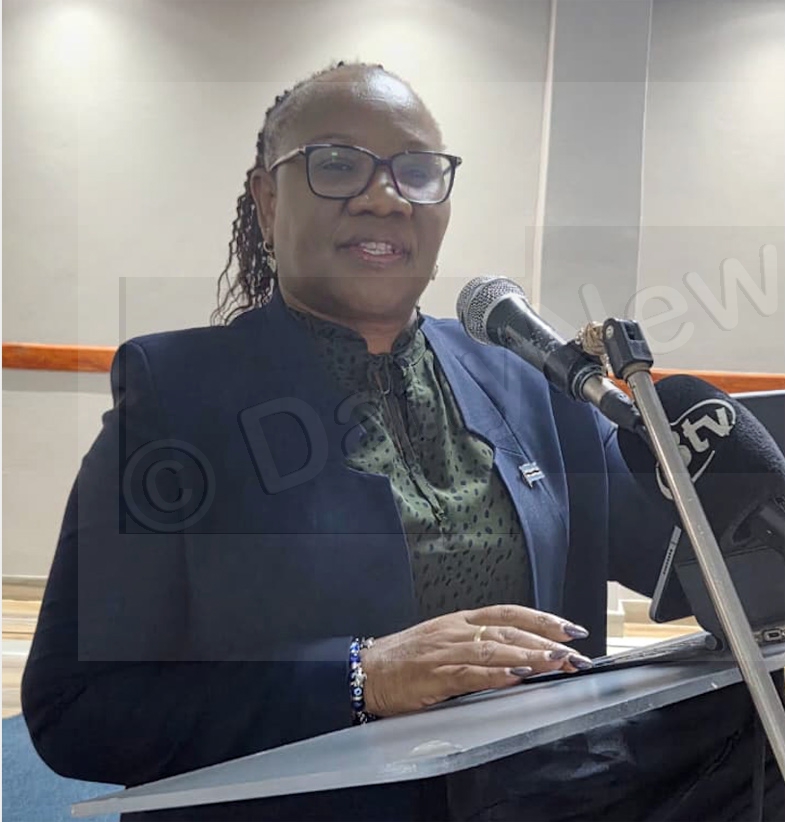
    Permanent Secretary to the President (PSP), Ms Emma Peloetletse, said this during a high-level engagement with the public servants in Tsabong on Monday.

    The meeting aimed to brief employees on national policies and gather crucial feedback from the frontline public services.

    Under the inspiring theme: The District of Unique Opportunities, Ms Peloetletse urged the public servants to embrace digitalisation of the workforce.

    “Let us embrace digitalisation. It should be utilised,” she declared, emphasising the critical shift away from outdated practices.

    She further highlighted manual processes as inefficient, lacking an audit trail, and consuming valuable time and underscored the government’s commitment to modernising service delivery.

    She also encouraged employees to find a unique ‘niche’ within their district and become ambassadors for Tsabong by promoting its potential and showcasing regional success stories.

    The Permanent Secretary to the President also touched on issues around national economic policies and updated public servants about the National Development Plan 12 and the Botswana Economic

    Transformation Programme, along with the status of the national economy.

    The dire economic situation, she relayed, demanded that individual workers reinforce individual responsibility in fiscal management.

    However, the session was not without candid feedback from the public servants themselves. Several pressing issues, such as staff shortages and overstaying, formed part of the impending issues the workforce was grappling with.

     Public servants also pleaded with the government to address the dilapidated accommodation as well as the acute shortage of staff housing to ensure their well-being was taken care of.